

#learnwithguro
learnwithguro
818 views
6 Discussing
Hot
Latest


·
--
Article
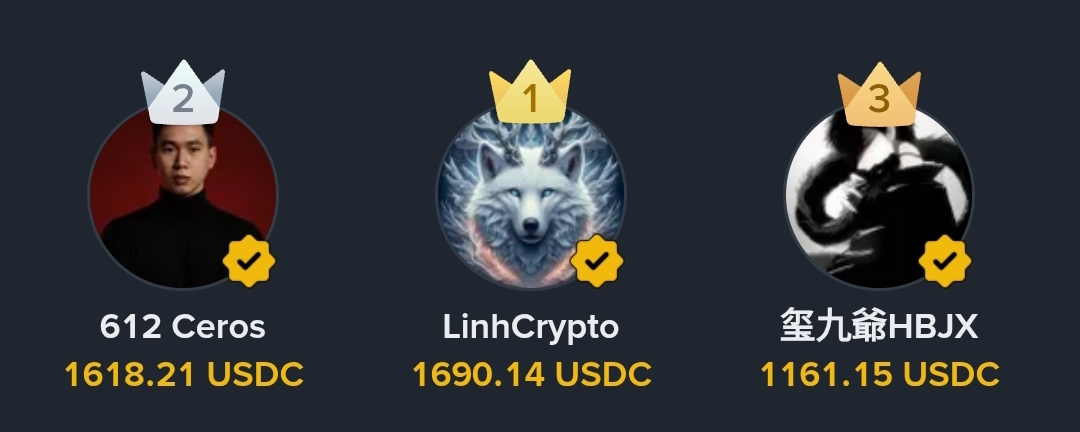
How to Maximize Your Weekly Earnings on Binance Write to Earn: From $10 to $1,600+Binance Write to Earn has become one of the most exciting opportunities for crypto enthusiasts who enjoy writing and sharing their knowledge. Instead of relying only on trading profits, you can earn rewards by creating helpful and engaging content for the Binance community. Many participants start with small rewards, while experienced writers have earned over $1,600 in a single week by consistently producing valuable articles.
The best part is that you do not need to be a professional journalist. If you understand cryptocurrency and can explain ideas in a simple way, you already have the skills needed to get started.
What Is Binance Write to Earn?
Binance Write to Earn is a content reward program where users publish original articles related to cryptocurrency, blockchain technology, trading strategies, Web3, DeFi, NFTs, market updates, and other educational topics. Binance reviews the quality and performance of the articles and rewards the best contributors with USDC and other prizes.
The more useful and engaging your content is, the higher your chances of receiving larger rewards.
Why Do Some Writers Earn More Than Others?
Successful writers focus on helping readers instead of simply writing for rewards. Their articles provide clear explanations, practical tips, accurate information, and attractive formatting. They also publish consistently and stay updated with the latest market trends.
Quality always matters more than quantity.
How to Increase Your Weekly Earnings
Choose topics that people are currently searching for. Articles about Bitcoin, Ethereum, Binance features, trading psychology, AI in crypto, and market trends usually attract more attention.
Write original content in your own words. Never copy articles from websites or use duplicate content because originality is one of the most important factors.
Use a simple writing style that anyone can understand. Avoid complicated technical language unless it is necessary.
Create an interesting title that encourages readers to click on your article.
Include practical examples, helpful tips, and real-life use cases to make your content more valuable.
Check your grammar and spelling before publishing. A professional article builds trust with readers.
Publish articles regularly. Writers who stay active usually have a better chance of appearing on the leaderboard.
Best Topics to Write About
Educational guides for beginners are always popular because new users are constantly joining the crypto industry.
Market analysis articles explaining current trends can attract experienced traders.
Step-by-step tutorials about Binance products help users solve real problems.
Security guides teaching readers how to protect their crypto assets are highly appreciated.
Articles about blockchain technology, AI, Web3, and decentralized finance continue to gain attention as these industries grow.
Common Mistakes to Avoid
Many beginners copy content from other websites, write articles with very little information, or publish without checking grammar and facts. Others focus only on promotional content instead of providing real value to readers.
These mistakes reduce the chances of receiving rewards.
How Long Does It Take to Reach High Earnings?
There is no guaranteed timeline because rewards depend on article quality, competition, and campaign performance. Some writers earn only a few dollars in their first week, while others gradually improve their skills and eventually earn hundreds or even more than $1,600 in weekly rewards.
Consistency is the biggest factor behind long-term success.
Final Thoughts
Binance Write to Earn is an excellent opportunity for anyone who enjoys writing about cryptocurrency. Whether you start with $10 or dream of reaching $1,600 or more, success comes from creating original, helpful, and easy-to-understand content that benefits the community.
Keep learning, stay consistent, follow market trends, and focus on delivering value in every article. Over time, your writing skills, audience, and earning potential can grow together.
#Write2Earn #learnwithguro #tradewithguro
How to Maximize Your Weekly Earnings on Binance Write to Earn: From $10 to $1,600+
Binance Write to Earn has become one of the most exciting opportunities for crypto enthusiasts who enjoy writing and sharing their knowledge. Instead of relying only on trading profits, you can earn rewards by creating helpful and engaging content for the Binance community. Many participants start with small rewards, while experienced writers have earned over $1,600 in a single week by consistently producing valuable articles.
The best part is that you do not need to be a professional journalist. If you understand cryptocurrency and can explain ideas in a simple way, you already have the skills needed to get started.
What Is Binance Write to Earn?
Binance Write to Earn is a content reward program where users publish original articles related to cryptocurrency, blockchain technology, trading strategies, Web3, DeFi, NFTs, market updates, and other educational topics. Binance reviews the quality and performance of the articles and rewards the best contributors with USDC and other prizes.
The more useful and engaging your content is, the higher your chances of receiving larger rewards.
Why Do Some Writers Earn More Than Others?
Successful writers focus on helping readers instead of simply writing for rewards. Their articles provide clear explanations, practical tips, accurate information, and attractive formatting. They also publish consistently and stay updated with the latest market trends.
Quality always matters more than quantity.
How to Increase Your Weekly Earnings
Choose topics that people are currently searching for. Articles about Bitcoin, Ethereum, Binance features, trading psychology, AI in crypto, and market trends usually attract more attention.
Write original content in your own words. Never copy articles from websites or use duplicate content because originality is one of the most important factors.
Use a simple writing style that anyone can understand. Avoid complicated technical language unless it is necessary.
Create an interesting title that encourages readers to click on your article.
Include practical examples, helpful tips, and real-life use cases to make your content more valuable.
Check your grammar and spelling before publishing. A professional article builds trust with readers.
Publish articles regularly. Writers who stay active usually have a better chance of appearing on the leaderboard.
Best Topics to Write About
Educational guides for beginners are always popular because new users are constantly joining the crypto industry.
Market analysis articles explaining current trends can attract experienced traders.
Step-by-step tutorials about Binance products help users solve real problems.
Security guides teaching readers how to protect their crypto assets are highly appreciated.
Articles about blockchain technology, AI, Web3, and decentralized finance continue to gain attention as these industries grow.
Common Mistakes to Avoid
Many beginners copy content from other websites, write articles with very little information, or publish without checking grammar and facts. Others focus only on promotional content instead of providing real value to readers.
These mistakes reduce the chances of receiving rewards.
How Long Does It Take to Reach High Earnings?
There is no guaranteed timeline because rewards depend on article quality, competition, and campaign performance. Some writers earn only a few dollars in their first week, while others gradually improve their skills and eventually earn hundreds or even more than $1,600 in weekly rewards.
Consistency is the biggest factor behind long-term success.
Final Thoughts
Binance Write to Earn is an excellent opportunity for anyone who enjoys writing about cryptocurrency. Whether you start with $10 or dream of reaching $1,600 or more, success comes from creating original, helpful, and easy-to-understand content that benefits the community.
Keep learning, stay consistent, follow market trends, and focus on delivering value in every article. Over time, your writing skills, audience, and earning potential can grow together.
#Write2Earn #learnwithguro #tradewithguro
The best part is that you do not need to be a professional journalist. If you understand cryptocurrency and can explain ideas in a simple way, you already have the skills needed to get started.
What Is Binance Write to Earn?
Binance Write to Earn is a content reward program where users publish original articles related to cryptocurrency, blockchain technology, trading strategies, Web3, DeFi, NFTs, market updates, and other educational topics. Binance reviews the quality and performance of the articles and rewards the best contributors with USDC and other prizes.
The more useful and engaging your content is, the higher your chances of receiving larger rewards.
Why Do Some Writers Earn More Than Others?
Successful writers focus on helping readers instead of simply writing for rewards. Their articles provide clear explanations, practical tips, accurate information, and attractive formatting. They also publish consistently and stay updated with the latest market trends.
Quality always matters more than quantity.
How to Increase Your Weekly Earnings
Choose topics that people are currently searching for. Articles about Bitcoin, Ethereum, Binance features, trading psychology, AI in crypto, and market trends usually attract more attention.
Write original content in your own words. Never copy articles from websites or use duplicate content because originality is one of the most important factors.
Use a simple writing style that anyone can understand. Avoid complicated technical language unless it is necessary.
Create an interesting title that encourages readers to click on your article.
Include practical examples, helpful tips, and real-life use cases to make your content more valuable.
Check your grammar and spelling before publishing. A professional article builds trust with readers.
Publish articles regularly. Writers who stay active usually have a better chance of appearing on the leaderboard.
Best Topics to Write About
Educational guides for beginners are always popular because new users are constantly joining the crypto industry.
Market analysis articles explaining current trends can attract experienced traders.
Step-by-step tutorials about Binance products help users solve real problems.
Security guides teaching readers how to protect their crypto assets are highly appreciated.
Articles about blockchain technology, AI, Web3, and decentralized finance continue to gain attention as these industries grow.
Common Mistakes to Avoid
Many beginners copy content from other websites, write articles with very little information, or publish without checking grammar and facts. Others focus only on promotional content instead of providing real value to readers.
These mistakes reduce the chances of receiving rewards.
How Long Does It Take to Reach High Earnings?
There is no guaranteed timeline because rewards depend on article quality, competition, and campaign performance. Some writers earn only a few dollars in their first week, while others gradually improve their skills and eventually earn hundreds or even more than $1,600 in weekly rewards.
Consistency is the biggest factor behind long-term success.
Final Thoughts
Binance Write to Earn is an excellent opportunity for anyone who enjoys writing about cryptocurrency. Whether you start with $10 or dream of reaching $1,600 or more, success comes from creating original, helpful, and easy-to-understand content that benefits the community.
Keep learning, stay consistent, follow market trends, and focus on delivering value in every article. Over time, your writing skills, audience, and earning potential can grow together.
#Write2Earn #learnwithguro #tradewithguro
1
180
·
--
Article
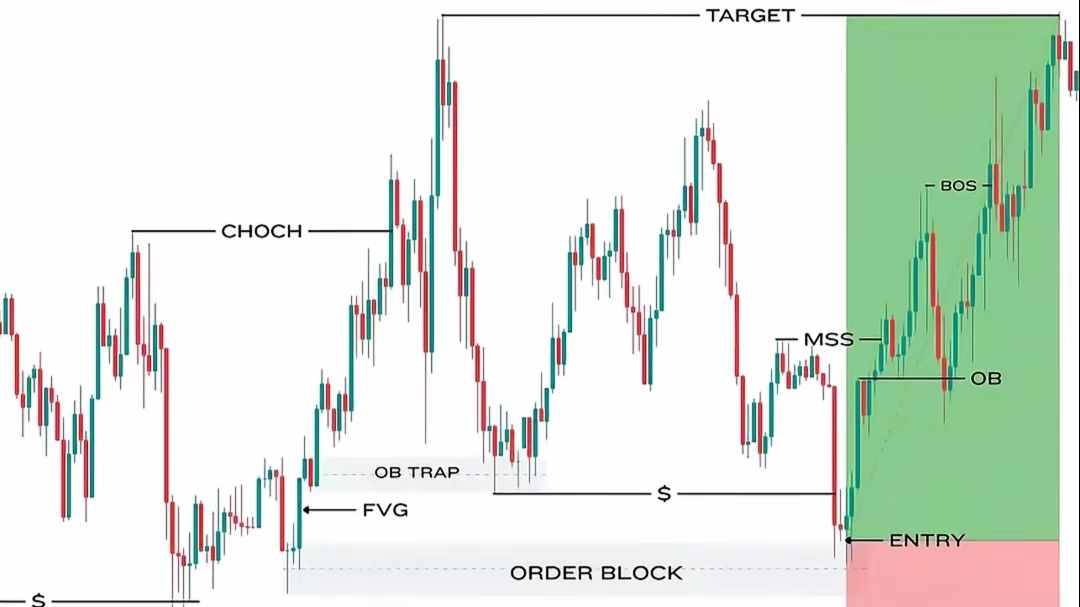
Smart Money Structure Trading: Understanding BOS, CHOCH, MSS, FVG and Order BlocksThe charts you shared represent what is commonly known as Smart Money Concepts (SMC) or Institutional Order Flow trading. This approach focuses on understanding how large institutions move the market instead of reacting emotionally like retail traders. These structures are not random drawings; they reflect liquidity hunts, structural shifts, and institutional positioning. When you understand these concepts technically, psychologically, and practically, your trading becomes structured and disciplined.
Understanding Market Structure
Before focusing on entries, the most important foundation is Market Structure. Market structure simply means identifying whether the market is making higher highs and higher lows (bullish) or lower highs and lower lows (bearish). Institutions respect structure because structure reveals control. When structure shifts, control shifts.
In the images, you see multiple structural shifts labeled as BOS, MSS, and CHOCH. These are not random signals. They represent changes in control between buyers and sellers.
BOS – Break of Structure
BOS stands for Break of Structure. It happens when price breaks a previous swing high in a bullish trend or breaks a previous swing low in a bearish trend. A bullish BOS confirms continuation of an uptrend. A bearish BOS confirms continuation of a downtrend.
Technically, BOS shows that momentum remains in the direction of the trend. Psychologically, it shows that dominant traders are still in control. When price makes a strong impulse candle breaking a previous high or low, it signals strength. In your charts, multiple BOS confirmations show continuation before the main move to the target.
CHOCH – Change of Character
CHOCH stands for Change of Character. It signals the first structural shift against the previous trend. For example, if the market was bearish and suddenly breaks a lower high to the upside, that is a CHOCH.
Technically, CHOCH indicates potential reversal. Psychologically, it shows that the previous dominant side is losing control. It does not confirm a full trend change alone, but it warns traders that momentum is shifting.
In the first image, CHOCH appears before a major bullish move toward the target, indicating early reversal signal.
MSS – Market Structure Shift
MSS means Market Structure Shift. It is stronger than CHOCH because it confirms that the previous structure has been broken with strong displacement. Displacement refers to a strong impulsive candle that moves aggressively in one direction.
Technically, MSS confirms that institutions have entered the market with strength. Psychologically, it represents a transition from fear to aggression or vice versa.
In the second and third charts, MSS appears before price returns to an Order Block for entry, confirming institutional intention.
Order Block (OB)
An Order Block is the last opposing candle before a strong impulsive move. It represents the area where institutions placed large buy or sell orders.
Bullish Order Block forms before a strong upward displacement. Bearish Order Block forms before a strong downward displacement.
Technically, Order Blocks act as institutional support or resistance. Psychologically, they represent unfinished orders. Price often returns to these zones because institutions add to positions or fill remaining orders.
In the charts, price returns to the Order Block before creating the entry opportunity.
Breaker Block
A Breaker Block is a failed Order Block that later acts as support or resistance in the opposite direction. When a bearish Order Block fails and price breaks above it, it becomes bullish support.
Technically, Breaker Blocks are powerful retest zones. Psychologically, they trap traders who entered in the wrong direction and force them to exit, fueling the new move.
In the third image, price retests the Breaker Block before moving aggressively toward the target.
FVG – Fair Value Gap
FVG stands for Fair Value Gap. It forms when there is a strong displacement candle that leaves an imbalance between buyers and sellers. It appears as a gap between wicks of three candles.
Technically, FVG represents inefficiency in price delivery. Markets tend to return to fill these imbalances. Psychologically, it shows aggressive institutional participation.
In the charts, price revisits the FVG before continuing in the intended direction.
Liquidity and Dollar Signs ($)
The dollar symbol marks liquidity zones. Liquidity refers to areas where stop losses of retail traders are placed, such as equal highs or equal lows.
Technically, institutions target liquidity before making real moves. Psychologically, retail traders provide liquidity through their stop losses. Smart money hunts these stops to fuel large moves.
Before the entry in your images, liquidity is taken first. After liquidity sweep, price reverses strongly.
Entry Zone
The Entry is placed after confirmation of structure shift, liquidity sweep, and retest of Order Block or Breaker Block. This is not random entry. It follows sequence:
Liquidity grab
Structure shift (MSS or CHOCH)
Displacement
Retest of institutional zone
Continuation
Technically, this gives high probability trade with defined stop loss. Psychologically, it requires patience because traders must wait for confirmation.
Target Projection
The Target in your images is placed at previous highs or major liquidity pools. Institutions move price toward liquidity. That is why targets are placed at swing highs.
Technically, target equals previous structure high. Psychologically, traders take profits at liquidity zones because price often reacts there.
Risk Management (Green and Red Zone)
The green area shows potential profit. The red area shows stop loss. Risk management is the backbone of this model. Even perfect structure fails sometimes. Stop loss protects capital.
Technically, stop loss is placed below Order Block in bullish trade or above Order Block in bearish trade. Psychologically, accepting controlled loss prevents emotional damage.
Technical Flow of the Setup
The full technical sequence seen in the images is:
Market trends downward
Liquidity is swept
CHOCH or MSS forms
Strong displacement candle appears
Order Block identified
Price retraces to Order Block
Entry placed
BOS confirms continuation
Target reached
This is structured trading, not guessing.
Psychological Perspective
Retail traders chase breakouts emotionally. Institutions create false moves to trap emotional traders. Liquidity sweeps are designed to trigger stop losses and breakout traders.
Patience is the psychological edge in this model. Waiting for structure shift and retest prevents impulsive trading. Discipline allows traders to align with institutional flow instead of fighting it.
Fear causes early exit. Greed causes late entry. Structure removes both emotions.
Motivational Perspective
Most traders lose not because the strategy is wrong, but because discipline is weak. This model teaches patience. It forces traders to wait for confirmation.
When you follow structure: You stop guessing.
You stop chasing candles.
You stop entering randomly.
Instead, you trade with logic.
Professional trading is not about being right every time. It is about following structure every time.
Final Understanding
These charts demonstrate institutional logic. BOS confirms continuation. CHOCH warns of change. MSS confirms shift. Order Blocks show institutional zones. FVG reveals imbalance. Liquidity shows targets. Entry comes after confirmation. Target lies at liquidity.
When you combine technical structure with psychological patience and strict risk management, trading becomes systematic instead of emotional.
Master this structure, practice identifying it daily, and your market understanding will improve significantly.
If any questions about this drop in comment.
#learnwithguro #tradingwithguro #TradingTales #TradingCommunity #TradingSignals
Smart Money Structure Trading: Understanding BOS, CHOCH, MSS, FVG and Order Blocks
The charts you shared represent what is commonly known as Smart Money Concepts (SMC) or Institutional Order Flow trading. This approach focuses on understanding how large institutions move the market instead of reacting emotionally like retail traders. These structures are not random drawings; they reflect liquidity hunts, structural shifts, and institutional positioning. When you understand these concepts technically, psychologically, and practically, your trading becomes structured and disciplined.
Understanding Market Structure
Before focusing on entries, the most important foundation is Market Structure. Market structure simply means identifying whether the market is making higher highs and higher lows (bullish) or lower highs and lower lows (bearish). Institutions respect structure because structure reveals control. When structure shifts, control shifts.
In the images, you see multiple structural shifts labeled as BOS, MSS, and CHOCH. These are not random signals. They represent changes in control between buyers and sellers.
BOS – Break of Structure
BOS stands for Break of Structure. It happens when price breaks a previous swing high in a bullish trend or breaks a previous swing low in a bearish trend. A bullish BOS confirms continuation of an uptrend. A bearish BOS confirms continuation of a downtrend.
Technically, BOS shows that momentum remains in the direction of the trend. Psychologically, it shows that dominant traders are still in control. When price makes a strong impulse candle breaking a previous high or low, it signals strength. In your charts, multiple BOS confirmations show continuation before the main move to the target.
CHOCH – Change of Character
CHOCH stands for Change of Character. It signals the first structural shift against the previous trend. For example, if the market was bearish and suddenly breaks a lower high to the upside, that is a CHOCH.
Technically, CHOCH indicates potential reversal. Psychologically, it shows that the previous dominant side is losing control. It does not confirm a full trend change alone, but it warns traders that momentum is shifting.
In the first image, CHOCH appears before a major bullish move toward the target, indicating early reversal signal.
MSS – Market Structure Shift
MSS means Market Structure Shift. It is stronger than CHOCH because it confirms that the previous structure has been broken with strong displacement. Displacement refers to a strong impulsive candle that moves aggressively in one direction.
Technically, MSS confirms that institutions have entered the market with strength. Psychologically, it represents a transition from fear to aggression or vice versa.
In the second and third charts, MSS appears before price returns to an Order Block for entry, confirming institutional intention.
Order Block (OB)
An Order Block is the last opposing candle before a strong impulsive move. It represents the area where institutions placed large buy or sell orders.
Bullish Order Block forms before a strong upward displacement. Bearish Order Block forms before a strong downward displacement.
Technically, Order Blocks act as institutional support or resistance. Psychologically, they represent unfinished orders. Price often returns to these zones because institutions add to positions or fill remaining orders.
In the charts, price returns to the Order Block before creating the entry opportunity.
Breaker Block
A Breaker Block is a failed Order Block that later acts as support or resistance in the opposite direction. When a bearish Order Block fails and price breaks above it, it becomes bullish support.
Technically, Breaker Blocks are powerful retest zones. Psychologically, they trap traders who entered in the wrong direction and force them to exit, fueling the new move.
In the third image, price retests the Breaker Block before moving aggressively toward the target.
FVG – Fair Value Gap
FVG stands for Fair Value Gap. It forms when there is a strong displacement candle that leaves an imbalance between buyers and sellers. It appears as a gap between wicks of three candles.
Technically, FVG represents inefficiency in price delivery. Markets tend to return to fill these imbalances. Psychologically, it shows aggressive institutional participation.
In the charts, price revisits the FVG before continuing in the intended direction.
Liquidity and Dollar Signs ($)
The dollar symbol marks liquidity zones. Liquidity refers to areas where stop losses of retail traders are placed, such as equal highs or equal lows.
Technically, institutions target liquidity before making real moves. Psychologically, retail traders provide liquidity through their stop losses. Smart money hunts these stops to fuel large moves.
Before the entry in your images, liquidity is taken first. After liquidity sweep, price reverses strongly.
Entry Zone
The Entry is placed after confirmation of structure shift, liquidity sweep, and retest of Order Block or Breaker Block. This is not random entry. It follows sequence:
Liquidity grab
Structure shift (MSS or CHOCH)
Displacement
Retest of institutional zone
Continuation
Technically, this gives high probability trade with defined stop loss. Psychologically, it requires patience because traders must wait for confirmation.
Target Projection
The Target in your images is placed at previous highs or major liquidity pools. Institutions move price toward liquidity. That is why targets are placed at swing highs.
Technically, target equals previous structure high. Psychologically, traders take profits at liquidity zones because price often reacts there.
Risk Management (Green and Red Zone)
The green area shows potential profit. The red area shows stop loss. Risk management is the backbone of this model. Even perfect structure fails sometimes. Stop loss protects capital.
Technically, stop loss is placed below Order Block in bullish trade or above Order Block in bearish trade. Psychologically, accepting controlled loss prevents emotional damage.
Technical Flow of the Setup
The full technical sequence seen in the images is:
Market trends downward
Liquidity is swept
CHOCH or MSS forms
Strong displacement candle appears
Order Block identified
Price retraces to Order Block
Entry placed
BOS confirms continuation
Target reached
This is structured trading, not guessing.
Psychological Perspective
Retail traders chase breakouts emotionally. Institutions create false moves to trap emotional traders. Liquidity sweeps are designed to trigger stop losses and breakout traders.
Patience is the psychological edge in this model. Waiting for structure shift and retest prevents impulsive trading. Discipline allows traders to align with institutional flow instead of fighting it.
Fear causes early exit. Greed causes late entry. Structure removes both emotions.
Motivational Perspective
Most traders lose not because the strategy is wrong, but because discipline is weak. This model teaches patience. It forces traders to wait for confirmation.
When you follow structure: You stop guessing.
You stop chasing candles.
You stop entering randomly.
Instead, you trade with logic.
Professional trading is not about being right every time. It is about following structure every time.
Final Understanding
These charts demonstrate institutional logic. BOS confirms continuation. CHOCH warns of change. MSS confirms shift. Order Blocks show institutional zones. FVG reveals imbalance. Liquidity shows targets. Entry comes after confirmation. Target lies at liquidity.
When you combine technical structure with psychological patience and strict risk management, trading becomes systematic instead of emotional.
Master this structure, practice identifying it daily, and your market understanding will improve significantly.
If any questions about this drop in comment.
#learnwithguro #tradingwithguro #TradingTales #TradingCommunity #TradingSignals
Understanding Market Structure
Before focusing on entries, the most important foundation is Market Structure. Market structure simply means identifying whether the market is making higher highs and higher lows (bullish) or lower highs and lower lows (bearish). Institutions respect structure because structure reveals control. When structure shifts, control shifts.
In the images, you see multiple structural shifts labeled as BOS, MSS, and CHOCH. These are not random signals. They represent changes in control between buyers and sellers.
BOS – Break of Structure
BOS stands for Break of Structure. It happens when price breaks a previous swing high in a bullish trend or breaks a previous swing low in a bearish trend. A bullish BOS confirms continuation of an uptrend. A bearish BOS confirms continuation of a downtrend.
Technically, BOS shows that momentum remains in the direction of the trend. Psychologically, it shows that dominant traders are still in control. When price makes a strong impulse candle breaking a previous high or low, it signals strength. In your charts, multiple BOS confirmations show continuation before the main move to the target.
CHOCH – Change of Character
CHOCH stands for Change of Character. It signals the first structural shift against the previous trend. For example, if the market was bearish and suddenly breaks a lower high to the upside, that is a CHOCH.
Technically, CHOCH indicates potential reversal. Psychologically, it shows that the previous dominant side is losing control. It does not confirm a full trend change alone, but it warns traders that momentum is shifting.
In the first image, CHOCH appears before a major bullish move toward the target, indicating early reversal signal.
MSS – Market Structure Shift
MSS means Market Structure Shift. It is stronger than CHOCH because it confirms that the previous structure has been broken with strong displacement. Displacement refers to a strong impulsive candle that moves aggressively in one direction.
Technically, MSS confirms that institutions have entered the market with strength. Psychologically, it represents a transition from fear to aggression or vice versa.
In the second and third charts, MSS appears before price returns to an Order Block for entry, confirming institutional intention.
Order Block (OB)
An Order Block is the last opposing candle before a strong impulsive move. It represents the area where institutions placed large buy or sell orders.
Bullish Order Block forms before a strong upward displacement. Bearish Order Block forms before a strong downward displacement.
Technically, Order Blocks act as institutional support or resistance. Psychologically, they represent unfinished orders. Price often returns to these zones because institutions add to positions or fill remaining orders.
In the charts, price returns to the Order Block before creating the entry opportunity.
Breaker Block
A Breaker Block is a failed Order Block that later acts as support or resistance in the opposite direction. When a bearish Order Block fails and price breaks above it, it becomes bullish support.
Technically, Breaker Blocks are powerful retest zones. Psychologically, they trap traders who entered in the wrong direction and force them to exit, fueling the new move.
In the third image, price retests the Breaker Block before moving aggressively toward the target.
FVG – Fair Value Gap
FVG stands for Fair Value Gap. It forms when there is a strong displacement candle that leaves an imbalance between buyers and sellers. It appears as a gap between wicks of three candles.
Technically, FVG represents inefficiency in price delivery. Markets tend to return to fill these imbalances. Psychologically, it shows aggressive institutional participation.
In the charts, price revisits the FVG before continuing in the intended direction.
Liquidity and Dollar Signs ($)
The dollar symbol marks liquidity zones. Liquidity refers to areas where stop losses of retail traders are placed, such as equal highs or equal lows.
Technically, institutions target liquidity before making real moves. Psychologically, retail traders provide liquidity through their stop losses. Smart money hunts these stops to fuel large moves.
Before the entry in your images, liquidity is taken first. After liquidity sweep, price reverses strongly.
Entry Zone
The Entry is placed after confirmation of structure shift, liquidity sweep, and retest of Order Block or Breaker Block. This is not random entry. It follows sequence:
Liquidity grab
Structure shift (MSS or CHOCH)
Displacement
Retest of institutional zone
Continuation
Technically, this gives high probability trade with defined stop loss. Psychologically, it requires patience because traders must wait for confirmation.
Target Projection
The Target in your images is placed at previous highs or major liquidity pools. Institutions move price toward liquidity. That is why targets are placed at swing highs.
Technically, target equals previous structure high. Psychologically, traders take profits at liquidity zones because price often reacts there.
Risk Management (Green and Red Zone)
The green area shows potential profit. The red area shows stop loss. Risk management is the backbone of this model. Even perfect structure fails sometimes. Stop loss protects capital.
Technically, stop loss is placed below Order Block in bullish trade or above Order Block in bearish trade. Psychologically, accepting controlled loss prevents emotional damage.
Technical Flow of the Setup
The full technical sequence seen in the images is:
Market trends downward
Liquidity is swept
CHOCH or MSS forms
Strong displacement candle appears
Order Block identified
Price retraces to Order Block
Entry placed
BOS confirms continuation
Target reached
This is structured trading, not guessing.
Psychological Perspective
Retail traders chase breakouts emotionally. Institutions create false moves to trap emotional traders. Liquidity sweeps are designed to trigger stop losses and breakout traders.
Patience is the psychological edge in this model. Waiting for structure shift and retest prevents impulsive trading. Discipline allows traders to align with institutional flow instead of fighting it.
Fear causes early exit. Greed causes late entry. Structure removes both emotions.
Motivational Perspective
Most traders lose not because the strategy is wrong, but because discipline is weak. This model teaches patience. It forces traders to wait for confirmation.
When you follow structure: You stop guessing.
You stop chasing candles.
You stop entering randomly.
Instead, you trade with logic.
Professional trading is not about being right every time. It is about following structure every time.
Final Understanding
These charts demonstrate institutional logic. BOS confirms continuation. CHOCH warns of change. MSS confirms shift. Order Blocks show institutional zones. FVG reveals imbalance. Liquidity shows targets. Entry comes after confirmation. Target lies at liquidity.
When you combine technical structure with psychological patience and strict risk management, trading becomes systematic instead of emotional.
Master this structure, practice identifying it daily, and your market understanding will improve significantly.
If any questions about this drop in comment.
#learnwithguro #tradingwithguro #TradingTales #TradingCommunity #TradingSignals
5
1.3k
Log in to explore more content
Join global crypto users on Binance Square
⚡️ Get latest and useful information about crypto.
💬 Trusted by the world’s largest crypto exchange.
👍 Discover real insights from verified creators.
Email / Phone number
Trending Topics
1
#ZcashETFPostsFirstWeeklyOutflow$93.6M
23,039 views
63 Discussing
2
#GreekPoliceBustCryptoScamRingArrest17
34,222 views
365 Discussing
3
#BitcoinRejectedAt$87K
101,170 views
127 Discussing
4
#FedOctoberRateHikeOddsFallTo17%
66,154 views
718 Discussing
5
#NvidiaHitsRecordHighUp2.4%
40,190 views
510 Discussing
6
#CanaryFilesAmendedS1ForPEPEETF
12,977 views
340 Discussing
7
#USRussiaUkraineTalksReportedlyIncludeLukoilOilDeal
21,915 views
377 Discussing
8
#BitcoinParesGainsAfterRallyTo$86.5K
44,036 views
157 Discussing
9
#CerebrasSinksNearly20%OnReportNvidiaToPowerOpenAI
102,346 views
997 Discussing
10
#SECProposesCryptoCustodyRules
135,618 views
1,241 Discussing