
#brics
brics
1.1M views
1,240 Discussing
Hot
Latest
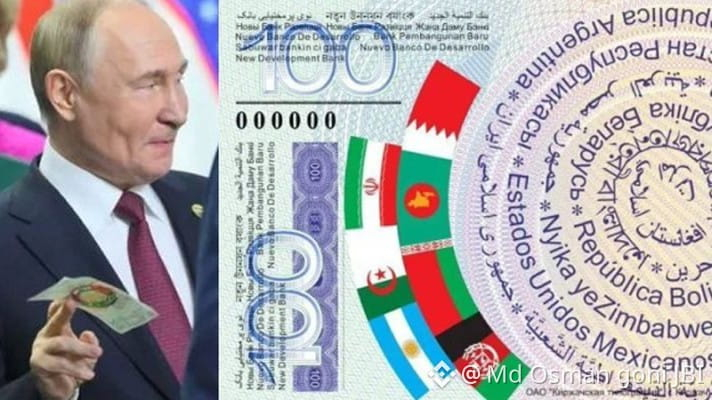
A sample banknote representing the #BRICS alliance of emerging economies has been unveiled. One thousand commemorative notes with a face value of '100' were printed. This symbolic BRICS banknote was presented to Russian President Vladimir Putin during the summit in Kazan. Images and videos circulating on social media platform X (formerly Twitter) show the note being handed over to Putin following the conclusion of the summit. The design features a map and the flags of the major nations involved.
A report by the Russian news agency Sputnik states that the sample note was originally produced for the 2023 BRICS summit held in Johannesburg, South Africa. The notes were printed by Russia's Kirzhach Group.
The front of the new note displays the national flags and symbols of the original #BRICS members: Brazil, Russia, India, China, and South Africa. The central section features the flags and names of partner nations and new members, including Egypt, Ethiopia, and the United Arab Emirates. The artwork on the note is hand-drawn.
#foryoupage
A sample banknote representing the #BRICS alliance of emerging economies has been unveiled. One thousand commemorative notes with a face value of '100' were printed. This symbolic BRICS banknote was presented to Russian President Vladimir Putin during the summit in Kazan. Images and videos circulating on social media platform X (formerly Twitter) show the note being handed over to Putin following the conclusion of the summit. The design features a map and the flags of the major nations involved.
A report by the Russian news agency Sputnik states that the sample note was originally produced for the 2023 BRICS summit held in Johannesburg, South Africa. The notes were printed by Russia's Kirzhach Group.
The front of the new note displays the national flags and symbols of the original #BRICS members: Brazil, Russia, India, China, and South Africa. The central section features the flags and names of partner nations and new members, including Egypt, Ethiopia, and the United Arab Emirates. The artwork on the note is hand-drawn.
#foryoupage
A report by the Russian news agency Sputnik states that the sample note was originally produced for the 2023 BRICS summit held in Johannesburg, South Africa. The notes were printed by Russia's Kirzhach Group.
The front of the new note displays the national flags and symbols of the original #BRICS members: Brazil, Russia, India, China, and South Africa. The central section features the flags and names of partner nations and new members, including Egypt, Ethiopia, and the United Arab Emirates. The artwork on the note is hand-drawn.
#foryoupage
AngelOfCrypto_-:
nice
4
2
1.5k

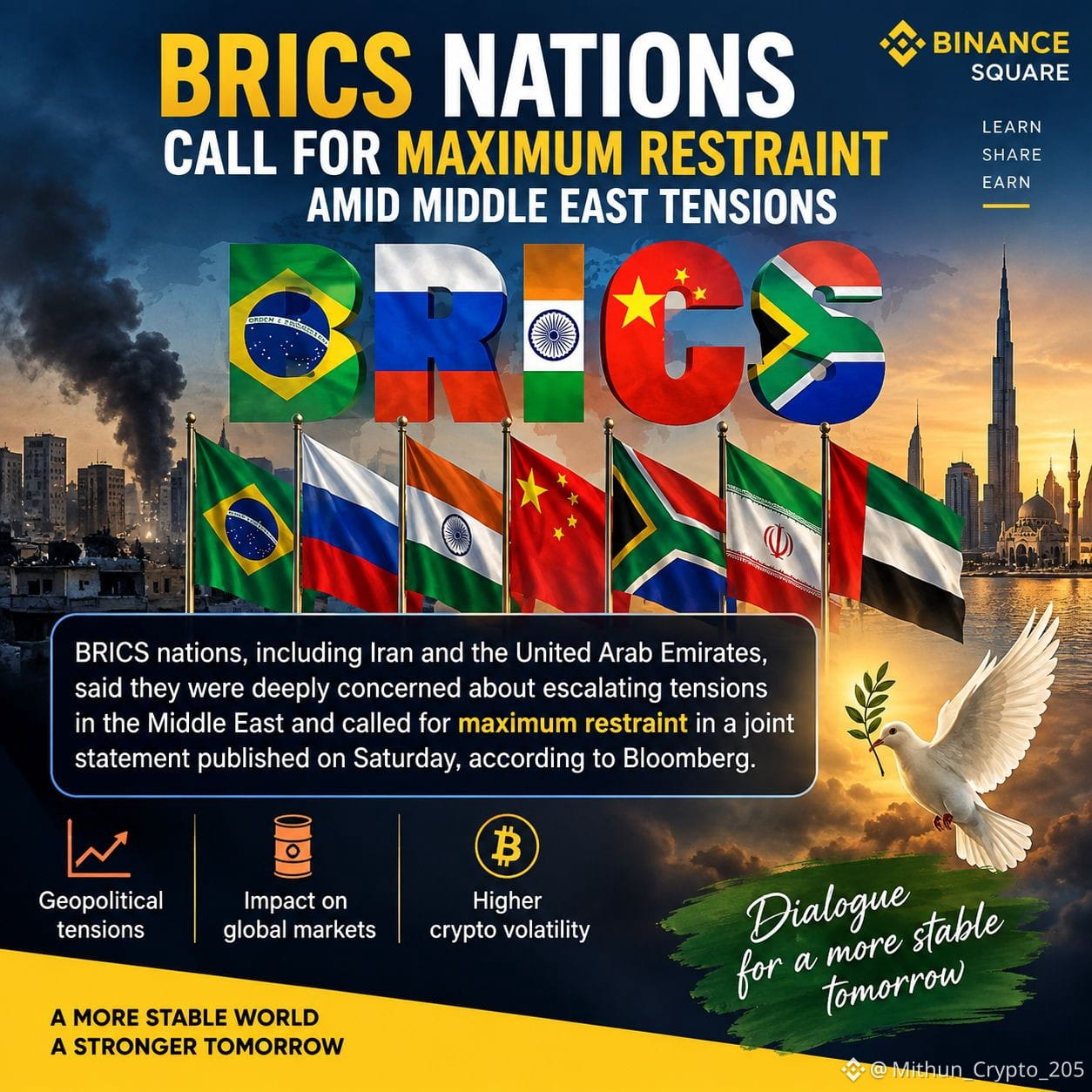
BRICS countries, including Iran and the UAE, have called for maximum restraint as tensions in the Middle East continue to rise.
In a joint statement issued on tody 13th September 2026, BRICS leaders said they were deeply concerned about the escalating situation and urged all sides to avoid actions that could make things worse.
This is an important development because Iran and the UAE have been on different sides of the regional tensions, making the joint statement a notable diplomatic step.
For the crypto market, continued geopolitical uncertainty could also mean higher volatility.
What do you think — can BRICS help reduce tensions in the region?
#BRICS #india #russia #MiddleEast #Crypto
BRICS countries, including Iran and the UAE, have called for maximum restraint as tensions in the Middle East continue to rise.
In a joint statement issued on tody 13th September 2026, BRICS leaders said they were deeply concerned about the escalating situation and urged all sides to avoid actions that could make things worse.
This is an important development because Iran and the UAE have been on different sides of the regional tensions, making the joint statement a notable diplomatic step.
For the crypto market, continued geopolitical uncertainty could also mean higher volatility.
What do you think — can BRICS help reduce tensions in the region?
#BRICS #india #russia #MiddleEast #Crypto
In a joint statement issued on tody 13th September 2026, BRICS leaders said they were deeply concerned about the escalating situation and urged all sides to avoid actions that could make things worse.
This is an important development because Iran and the UAE have been on different sides of the regional tensions, making the joint statement a notable diplomatic step.
For the crypto market, continued geopolitical uncertainty could also mean higher volatility.
What do you think — can BRICS help reduce tensions in the region?
#BRICS #india #russia #MiddleEast #Crypto
121

·
--
Verified
Article
The UPI part of the BRICS story looks smaller than the “de-dollarisation” headline.I think it may actually be more important.
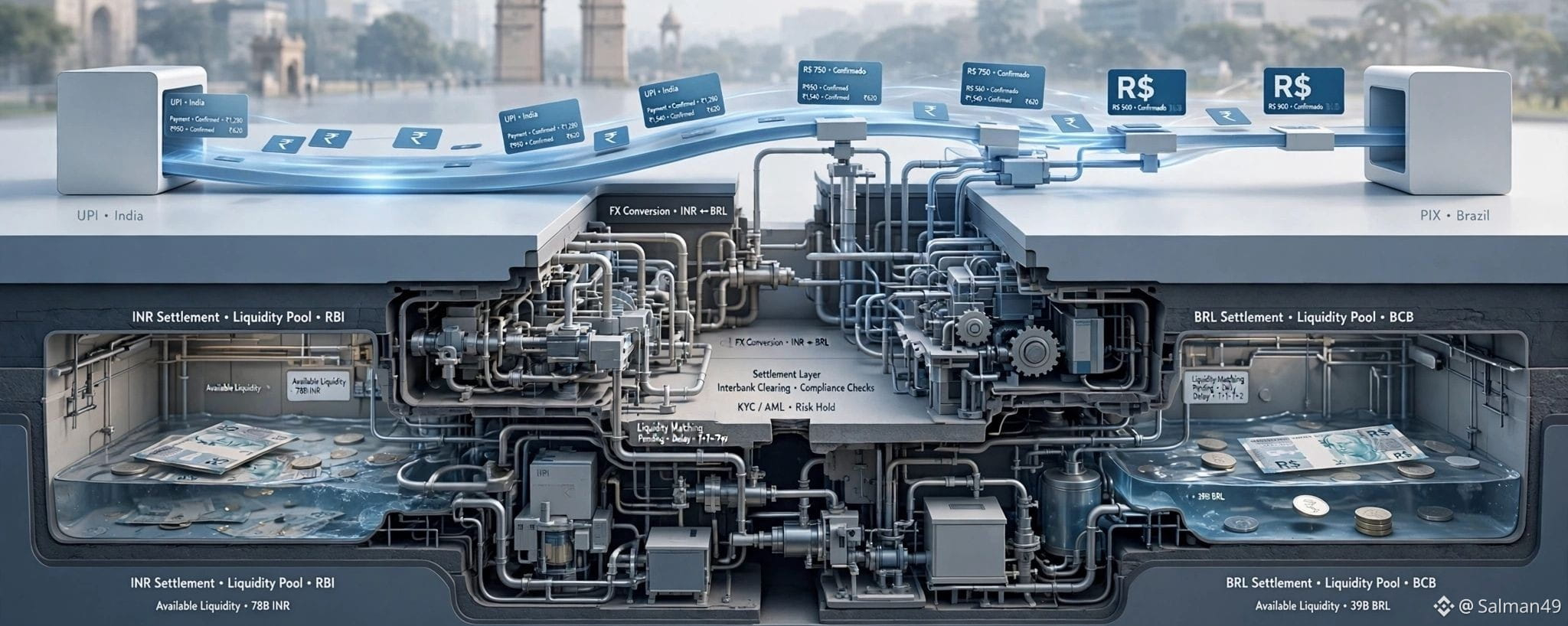
India is pushing BRICS members to connect their payment systems, while finance officials are also backing more trade in local currencies. At the same time, UPI and Brazil’s Pix have already processed more than $10 trillion in the last 18 months.
Put those things together and the interesting change isn’t really another currency appearing.
It’s the distance between two currencies getting smaller.
Right now, cross-border trade can involve correspondent banks, currency conversion, messaging networks and settlement delays before money reaches the other side. A connected instant-payment layer can remove some of that friction.
And India already has a real test running. Rupee-settled imports reached ₹1.58 lakh crore in April to June 2026, more than six times the ₹25,402 crore recorded a year earlier.
But here’s the part I keep thinking about.
Making payment cheaper can encourage more trade. More local-currency trade then creates more demand for FX markets, swaps and ways to recycle currencies between countries.
So the payment layer could end up changing the financial layer underneath it.
That’s why I’m less interested in whether BRICS creates a “BRICS currency”.
I’m more interested in what happens if billions of transactions simply stop needing the same old route through the global financial system.
#BRICS #UPI #GlobalTrade #DeDollarization #CBDC
The UPI part of the BRICS story looks smaller than the “de-dollarisation” headline.
I think it may actually be more important.
India is pushing BRICS members to connect their payment systems, while finance officials are also backing more trade in local currencies. At the same time, UPI and Brazil’s Pix have already processed more than $10 trillion in the last 18 months.
Put those things together and the interesting change isn’t really another currency appearing.
It’s the distance between two currencies getting smaller.
Right now, cross-border trade can involve correspondent banks, currency conversion, messaging networks and settlement delays before money reaches the other side. A connected instant-payment layer can remove some of that friction.
And India already has a real test running. Rupee-settled imports reached ₹1.58 lakh crore in April to June 2026, more than six times the ₹25,402 crore recorded a year earlier.
But here’s the part I keep thinking about.
Making payment cheaper can encourage more trade. More local-currency trade then creates more demand for FX markets, swaps and ways to recycle currencies between countries.
So the payment layer could end up changing the financial layer underneath it.
That’s why I’m less interested in whether BRICS creates a “BRICS currency”.
I’m more interested in what happens if billions of transactions simply stop needing the same old route through the global financial system.
#BRICS #UPI #GlobalTrade #DeDollarization #CBDC
India is pushing BRICS members to connect their payment systems, while finance officials are also backing more trade in local currencies. At the same time, UPI and Brazil’s Pix have already processed more than $10 trillion in the last 18 months.
Put those things together and the interesting change isn’t really another currency appearing.
It’s the distance between two currencies getting smaller.
Right now, cross-border trade can involve correspondent banks, currency conversion, messaging networks and settlement delays before money reaches the other side. A connected instant-payment layer can remove some of that friction.
And India already has a real test running. Rupee-settled imports reached ₹1.58 lakh crore in April to June 2026, more than six times the ₹25,402 crore recorded a year earlier.
But here’s the part I keep thinking about.
Making payment cheaper can encourage more trade. More local-currency trade then creates more demand for FX markets, swaps and ways to recycle currencies between countries.
So the payment layer could end up changing the financial layer underneath it.
That’s why I’m less interested in whether BRICS creates a “BRICS currency”.
I’m more interested in what happens if billions of transactions simply stop needing the same old route through the global financial system.
#BRICS #UPI #GlobalTrade #DeDollarization #CBDC
Tin Soe Hlaing:
gala
2.4k
4
127
2.4k
·
--
Verified
BRICS keeps talking about local currency trade.
Fair enough. But I think there’s a much less obvious problem hiding underneath it.
India ran a $226.1 billion trade deficit with BRICS partners in FY2026. Imports were around $321.8 billion, while exports were only $95.7 billion.
That number made me stop for a second.
Because if more of that trade moves into local currencies, removing the dollar from the invoice doesn’t remove the imbalance. Indian buyers still need the other side’s currency. And the exporter receiving rupees has to find something useful to do with them.
That’s where the boring part suddenly becomes important.
Banks need to intermediate the currencies. FX markets need enough liquidity. Swap lines can help when one side needs the other currency. And if the imbalance keeps growing, those currencies have to be recycled somewhere instead of just piling up.
India is already pushing this in the real world. Imports settled in rupees reached ₹1.58 lakh crore between April and June 2026, compared with ₹25,402 crore a year earlier.
So this isn’t just a BRICS headline anymore.
The payment rail can change. The currency on the invoice can change.
But someone still has to take the other side of the trade.
And honestly, I think that is the much harder part of de-dollarisation.
#BRICS #DeDollarization #GlobalTrade #FX #GlobalMarkets
BRICS keeps talking about local currency trade.
Fair enough. But I think there’s a much less obvious problem hiding underneath it.
India ran a $226.1 billion trade deficit with BRICS partners in FY2026. Imports were around $321.8 billion, while exports were only $95.7 billion.
That number made me stop for a second.
Because if more of that trade moves into local currencies, removing the dollar from the invoice doesn’t remove the imbalance. Indian buyers still need the other side’s currency. And the exporter receiving rupees has to find something useful to do with them.
That’s where the boring part suddenly becomes important.
Banks need to intermediate the currencies. FX markets need enough liquidity. Swap lines can help when one side needs the other currency. And if the imbalance keeps growing, those currencies have to be recycled somewhere instead of just piling up.
India is already pushing this in the real world. Imports settled in rupees reached ₹1.58 lakh crore between April and June 2026, compared with ₹25,402 crore a year earlier.
So this isn’t just a BRICS headline anymore.
The payment rail can change. The currency on the invoice can change.
But someone still has to take the other side of the trade.
And honestly, I think that is the much harder part of de-dollarisation.
#BRICS #DeDollarization #GlobalTrade #FX #GlobalMarkets
Fair enough. But I think there’s a much less obvious problem hiding underneath it.
India ran a $226.1 billion trade deficit with BRICS partners in FY2026. Imports were around $321.8 billion, while exports were only $95.7 billion.
That number made me stop for a second.
Because if more of that trade moves into local currencies, removing the dollar from the invoice doesn’t remove the imbalance. Indian buyers still need the other side’s currency. And the exporter receiving rupees has to find something useful to do with them.
That’s where the boring part suddenly becomes important.
Banks need to intermediate the currencies. FX markets need enough liquidity. Swap lines can help when one side needs the other currency. And if the imbalance keeps growing, those currencies have to be recycled somewhere instead of just piling up.
India is already pushing this in the real world. Imports settled in rupees reached ₹1.58 lakh crore between April and June 2026, compared with ₹25,402 crore a year earlier.
So this isn’t just a BRICS headline anymore.
The payment rail can change. The currency on the invoice can change.
But someone still has to take the other side of the trade.
And honestly, I think that is the much harder part of de-dollarisation.
#BRICS #DeDollarization #GlobalTrade #FX #GlobalMarkets
Feed-Creator-ba1b542bc:
BRICS
693
7
45
693

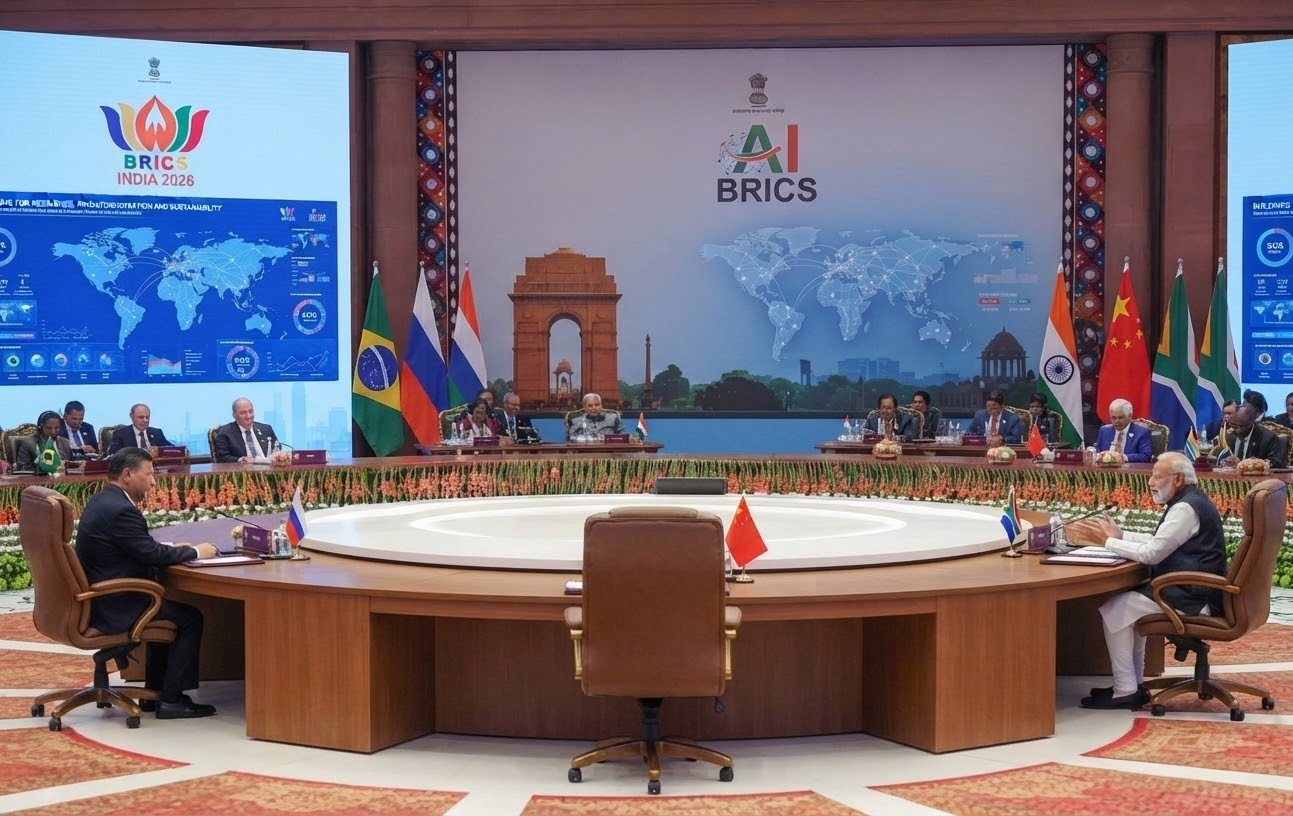
🇨🇳China offers to lead the technological takeoff and AI development in BRICS countries
This has been the first trip by China’s president, X1 Jnp1ng, to India in seven years, a visit that included a meeting with Modi and marks a new step in normalizing bilateral relations that began in 2024.
China’s president, X1 Jnp1ng, offered this Sunday China’s backing to accelerate the technological and industrial development of the countries that make up the BRICS, with special emphasis on Artificial Intelligence (AI), an area in which Beijing keeps a close contest with the United States.
🔗#BRICS #china #AI #India #EEUU $ANTHROPIC
🇨🇳China offers to lead the technological takeoff and AI development in BRICS countries
This has been the first trip by China’s president, X1 Jnp1ng, to India in seven years, a visit that included a meeting with Modi and marks a new step in normalizing bilateral relations that began in 2024.
China’s president, X1 Jnp1ng, offered this Sunday China’s backing to accelerate the technological and industrial development of the countries that make up the BRICS, with special emphasis on Artificial Intelligence (AI), an area in which Beijing keeps a close contest with the United States.
🔗#BRICS #china #AI #India #EEUU $ANTHROPIC
This has been the first trip by China’s president, X1 Jnp1ng, to India in seven years, a visit that included a meeting with Modi and marks a new step in normalizing bilateral relations that began in 2024.
China’s president, X1 Jnp1ng, offered this Sunday China’s backing to accelerate the technological and industrial development of the countries that make up the BRICS, with special emphasis on Artificial Intelligence (AI), an area in which Beijing keeps a close contest with the United States.
🔗#BRICS #china #AI #India #EEUU $ANTHROPIC
171

·
--
The Delhi summit is injecting event-driven momentum into <b>BRICS</b>. Unlike a mere concept of “meetings,” this round of catalysis is more about a macro narrative: the situation in Iran is giving BRICS members extra motivation to push for local-currency settlement, CBDC interoperability, and BRICS Pay. Expectations of de-dollarization and financial autonomy have therefore been repriced.
Looking at market data, the BRICS Chain price is around $7, with about $339,000 in 24-hour trading volume and a market cap of roughly $7 billion. Rising sentiment can help in the short term, but before the on-chain actual settlement volume, the delivery of cooperation, and the inflow of subsequent capital happen, any meeting-related positives are prone to “sell-the-news” style volatility.
Next, focus on three things: whether local-currency settlement pilot programs are expanding, whether the BRICS payment system has published technical integration details, and whether the members’ central bank digital currency bridge has made tangible progress. The narrative can lift valuations, but sustainability still depends on adoption rates.
#BRICS #去美元化 #BRICS countries
The Delhi summit is injecting event-driven momentum into <b>BRICS</b>. Unlike a mere concept of “meetings,” this round of catalysis is more about a macro narrative: the situation in Iran is giving BRICS members extra motivation to push for local-currency settlement, CBDC interoperability, and BRICS Pay. Expectations of de-dollarization and financial autonomy have therefore been repriced.
Looking at market data, the BRICS Chain price is around $7, with about $339,000 in 24-hour trading volume and a market cap of roughly $7 billion. Rising sentiment can help in the short term, but before the on-chain actual settlement volume, the delivery of cooperation, and the inflow of subsequent capital happen, any meeting-related positives are prone to “sell-the-news” style volatility.
Next, focus on three things: whether local-currency settlement pilot programs are expanding, whether the BRICS payment system has published technical integration details, and whether the members’ central bank digital currency bridge has made tangible progress. The narrative can lift valuations, but sustainability still depends on adoption rates.
#BRICS #去美元化 #BRICS countries
Looking at market data, the BRICS Chain price is around $7, with about $339,000 in 24-hour trading volume and a market cap of roughly $7 billion. Rising sentiment can help in the short term, but before the on-chain actual settlement volume, the delivery of cooperation, and the inflow of subsequent capital happen, any meeting-related positives are prone to “sell-the-news” style volatility.
Next, focus on three things: whether local-currency settlement pilot programs are expanding, whether the BRICS payment system has published technical integration details, and whether the members’ central bank digital currency bridge has made tangible progress. The narrative can lift valuations, but sustainability still depends on adoption rates.
#BRICS #去美元化 #BRICS countries
7

·
--
The buzz the New Delhi summit brings to $BRICS is more like an event-driven short-term catalyst rather than simple sentiment trading. Developments in Iran’s situation have prompted member states to accelerate local-currency settlement, CBDC interoperability, and the rollout of BRICS Pay—so the de-dollarization narrative has been repriced.
I’m watching three things: first, whether the payment system can move from statements to real trading volumes; second, progress on central bank digital currency bridges; and third, whether after geopolitical tensions ease, funds will stay in this narrative.
If later updates only provide summit keywords without concrete cooperation details, any rise is likely to fade; only if the clearing network and application data continue to deliver might the market assign a higher premium to the financial autonomy narrative. In the short run, watch sentiment; in the medium term, watch implementation—don’t treat theme expectations as certain outcomes.
#BRICS #去美元化 #CBDC
The buzz the New Delhi summit brings to $BRICS is more like an event-driven short-term catalyst rather than simple sentiment trading. Developments in Iran’s situation have prompted member states to accelerate local-currency settlement, CBDC interoperability, and the rollout of BRICS Pay—so the de-dollarization narrative has been repriced.
I’m watching three things: first, whether the payment system can move from statements to real trading volumes; second, progress on central bank digital currency bridges; and third, whether after geopolitical tensions ease, funds will stay in this narrative.
If later updates only provide summit keywords without concrete cooperation details, any rise is likely to fade; only if the clearing network and application data continue to deliver might the market assign a higher premium to the financial autonomy narrative. In the short run, watch sentiment; in the medium term, watch implementation—don’t treat theme expectations as certain outcomes.
#BRICS #去美元化 #CBDC
I’m watching three things: first, whether the payment system can move from statements to real trading volumes; second, progress on central bank digital currency bridges; and third, whether after geopolitical tensions ease, funds will stay in this narrative.
If later updates only provide summit keywords without concrete cooperation details, any rise is likely to fade; only if the clearing network and application data continue to deliver might the market assign a higher premium to the financial autonomy narrative. In the short run, watch sentiment; in the medium term, watch implementation—don’t treat theme expectations as certain outcomes.
#BRICS #去美元化 #CBDC
6

The New Delhi summit is strengthening the narrative of “financial autonomy” within BRICS, and short-term activity in $BRICS has clearly picked up.
The key catalyst for this round is not just the meeting itself, but also the Iran crisis, which has made member countries feel more urgency: advancing local-currency settlement, CBDC interoperability, and the implementation of payment mechanisms such as BRICS Pay. As a result, the market is once again trading in expectations of de-dollarization and alternative settlement systems.
That said, this kind of market move usually first reflects sentiment and then tests actual implementation. Going forward, three points need to be watched: whether real cross-border payment pilots are being expanded, whether member central banks’ digital currency interfaces have made progress, and whether BRICS Pay can move from concept to high-frequency usage. If there are only summit statements but no subsequent agreements, the surge in funds could quickly fade.
In the short term, follow the narrative; in the medium term, watch the execution—don’t directly equate geopolitical events with a project’s fundamentals.
#金砖国家 #去美元化 #BRICS
The New Delhi summit is strengthening the narrative of “financial autonomy” within BRICS, and short-term activity in $BRICS has clearly picked up.
The key catalyst for this round is not just the meeting itself, but also the Iran crisis, which has made member countries feel more urgency: advancing local-currency settlement, CBDC interoperability, and the implementation of payment mechanisms such as BRICS Pay. As a result, the market is once again trading in expectations of de-dollarization and alternative settlement systems.
That said, this kind of market move usually first reflects sentiment and then tests actual implementation. Going forward, three points need to be watched: whether real cross-border payment pilots are being expanded, whether member central banks’ digital currency interfaces have made progress, and whether BRICS Pay can move from concept to high-frequency usage. If there are only summit statements but no subsequent agreements, the surge in funds could quickly fade.
In the short term, follow the narrative; in the medium term, watch the execution—don’t directly equate geopolitical events with a project’s fundamentals.
#金砖国家 #去美元化 #BRICS
The key catalyst for this round is not just the meeting itself, but also the Iran crisis, which has made member countries feel more urgency: advancing local-currency settlement, CBDC interoperability, and the implementation of payment mechanisms such as BRICS Pay. As a result, the market is once again trading in expectations of de-dollarization and alternative settlement systems.
That said, this kind of market move usually first reflects sentiment and then tests actual implementation. Going forward, three points need to be watched: whether real cross-border payment pilots are being expanded, whether member central banks’ digital currency interfaces have made progress, and whether BRICS Pay can move from concept to high-frequency usage. If there are only summit statements but no subsequent agreements, the surge in funds could quickly fade.
In the short term, follow the narrative; in the medium term, watch the execution—don’t directly equate geopolitical events with a project’s fundamentals.
#金砖国家 #去美元化 #BRICS
5

The New Delhi summit is putting “de-dollarization” back in the spotlight again. This latest stir within the $BRICS cycle looks more like event-driven momentum rather than a sudden reassessment of fundamentals. The situation in Iran is giving member countries additional motivation to push forward with local-currency settlement, CBDC interoperability, and BRICS Pay. The narrative really does fit together smoothly: bypass the U.S. dollar, reduce sanctions risk, and secure greater financial autonomy.
But keep three things in mind:
1. At today’s price of roughly $7 and a market cap of about $7 billion, a lot of the summit expectations are already priced into the token;
2. A joint statement doesn’t equal full system implementation—payment networks still need clearing, compliance, and multilateral trust;
3. After sentiment cools off, if trading volumes can’t be sustained, the token price is prone to give back the gains.
My take: in the short term, watch the news flow and the summit’s wording. In the medium term, only real integration and settlement data count. You can play along with the narrative, but your position size must match the risk.
#BRICS #去美元化 #CBDC
The New Delhi summit is putting “de-dollarization” back in the spotlight again. This latest stir within the $BRICS cycle looks more like event-driven momentum rather than a sudden reassessment of fundamentals. The situation in Iran is giving member countries additional motivation to push forward with local-currency settlement, CBDC interoperability, and BRICS Pay. The narrative really does fit together smoothly: bypass the U.S. dollar, reduce sanctions risk, and secure greater financial autonomy.
But keep three things in mind:
1. At today’s price of roughly $7 and a market cap of about $7 billion, a lot of the summit expectations are already priced into the token;
2. A joint statement doesn’t equal full system implementation—payment networks still need clearing, compliance, and multilateral trust;
3. After sentiment cools off, if trading volumes can’t be sustained, the token price is prone to give back the gains.
My take: in the short term, watch the news flow and the summit’s wording. In the medium term, only real integration and settlement data count. You can play along with the narrative, but your position size must match the risk.
#BRICS #去美元化 #CBDC
But keep three things in mind:
1. At today’s price of roughly $7 and a market cap of about $7 billion, a lot of the summit expectations are already priced into the token;
2. A joint statement doesn’t equal full system implementation—payment networks still need clearing, compliance, and multilateral trust;
3. After sentiment cools off, if trading volumes can’t be sustained, the token price is prone to give back the gains.
My take: in the short term, watch the news flow and the summit’s wording. In the medium term, only real integration and settlement data count. You can play along with the narrative, but your position size must match the risk.
#BRICS #去美元化 #CBDC
4
·
--
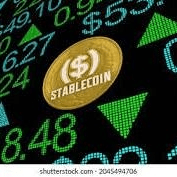
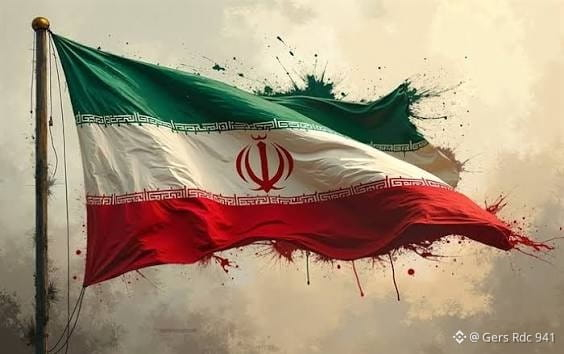
🕙 #VersetsCrypto Édition 346 🇮🇷 Can the BRICS weigh in?
“Blessed are the peacemakers.” Matthew 5:9
The BRICS call for restraint and de-escalation in the Middle East. Their influence is growing, but the real question remains: can they turn statements into lasting solutions? Reuters asks. 📊
{spot}(BTCUSDT)
{spot}(XRPUSDT)
{spot}(BNBUSDT)
#BRICS #Iran #Paix #BinanceSquare
🕙 #VersetsCrypto Édition 346 🇮🇷 Can the BRICS weigh in?
“Blessed are the peacemakers.” Matthew 5:9
The BRICS call for restraint and de-escalation in the Middle East. Their influence is growing, but the real question remains: can they turn statements into lasting solutions? Reuters asks. 📊
#BRICS #Iran #Paix #BinanceSquare
“Blessed are the peacemakers.” Matthew 5:9
The BRICS call for restraint and de-escalation in the Middle East. Their influence is growing, but the real question remains: can they turn statements into lasting solutions? Reuters asks. 📊
#BRICS #Iran #Paix #BinanceSquare
1
152
·
--
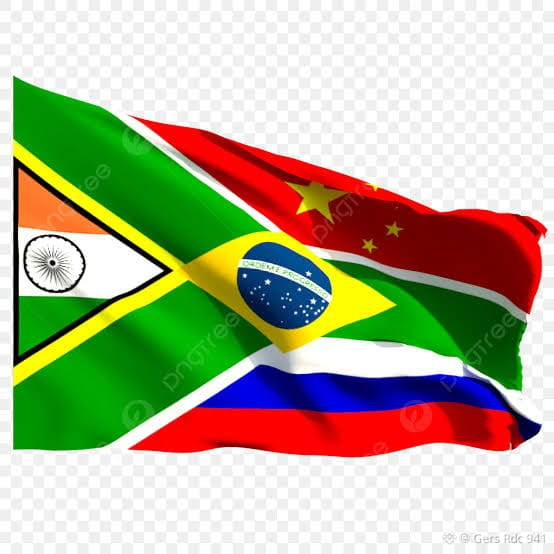
$BRICS Bomb vs BRICS: The Secret Plan to Overthrow the Dollar with Crypto #BRICSTORMToTheMoon #BRICSSummit2025 #BRICS #BRICSCryptoRevolution #BinanceSquareTalks
$BRICS Bomb vs BRICS: The Secret Plan to Overthrow the Dollar with Crypto #BRICSTORMToTheMoon #BRICSSummit2025 #BRICS #BRICSCryptoRevolution #BinanceSquareTalks

1
2
105
·
--
After the New Delhi summit, short-term fluctuations in <t-2/> BRICS have noticeably amplified, but I am more inclined to interpret this upswing as event-driven rather than fundamentals having already played out. The promotion of BRICS Pay, rising expectations of interoperability among members’ CBDCs, and the strengthening of de-dollarization narratives are indeed likely to lure capital to chase. However, what truly determines how long it can last is whether the clearing system can be integrated into real trade scenarios, and whether countries’ regulatory frameworks and technical standards can be coordinated. We are still in the phase where expectations are being fulfilled; differences in member countries’ priorities are significant, and the implementation timeline may be slower than the market imagines. In the short term, watch the summit-driven sentiment and the increase in trading volume; over the long term, focus on the scope of pilot programs, payment adoption/usage rates, and official cooperation details. The hotter the narrative, the more you need to distinguish between a narrative-driven move and application-level implementation—before chasing prices higher, think clearly about whether you are trading sentiment or fundamentals. #BRICS #去美元化 #CBDC
After the New Delhi summit, short-term fluctuations in <t-2/> BRICS have noticeably amplified, but I am more inclined to interpret this upswing as event-driven rather than fundamentals having already played out. The promotion of BRICS Pay, rising expectations of interoperability among members’ CBDCs, and the strengthening of de-dollarization narratives are indeed likely to lure capital to chase. However, what truly determines how long it can last is whether the clearing system can be integrated into real trade scenarios, and whether countries’ regulatory frameworks and technical standards can be coordinated. We are still in the phase where expectations are being fulfilled; differences in member countries’ priorities are significant, and the implementation timeline may be slower than the market imagines. In the short term, watch the summit-driven sentiment and the increase in trading volume; over the long term, focus on the scope of pilot programs, payment adoption/usage rates, and official cooperation details. The hotter the narrative, the more you need to distinguish between a narrative-driven move and application-level implementation—before chasing prices higher, think clearly about whether you are trading sentiment or fundamentals. #BRICS #去美元化 #CBDC
8
The buzz the New Delhi summit brings to the $BRICS is more like an event-driven short pulse than a trend reversal.
Three catalysts are clear: BRICS Pay advances provide a tangible handle for the payments narrative; expectations for member-state CBDC interoperability are heating up; and discussions on dedollarization were amplified again during the summit. When sentiment improves, capital is willing to price in the room for imagination.
But taking a cooler view, rolling out the payments system involves clearing and settlement, regulation, FX, and technical standards; member countries’ demands are not aligned, and CBDC interoperability is also difficult to achieve through a single summit. The narrative’s delivery will be slow—after the hotspot fades, prices will still have to return to adoption rates, transaction volumes, and real application data.
Chasing gains requires caution about good news being realized; what’s worth tracking more are the scope of the pilots, the settlement scale, and official cooperation details. In the short term, track sentiment; in the long run, track implementation.
#BRICS #去美元化 #CBDC
The buzz the New Delhi summit brings to the $BRICS is more like an event-driven short pulse than a trend reversal.
Three catalysts are clear: BRICS Pay advances provide a tangible handle for the payments narrative; expectations for member-state CBDC interoperability are heating up; and discussions on dedollarization were amplified again during the summit. When sentiment improves, capital is willing to price in the room for imagination.
But taking a cooler view, rolling out the payments system involves clearing and settlement, regulation, FX, and technical standards; member countries’ demands are not aligned, and CBDC interoperability is also difficult to achieve through a single summit. The narrative’s delivery will be slow—after the hotspot fades, prices will still have to return to adoption rates, transaction volumes, and real application data.
Chasing gains requires caution about good news being realized; what’s worth tracking more are the scope of the pilots, the settlement scale, and official cooperation details. In the short term, track sentiment; in the long run, track implementation.
#BRICS #去美元化 #CBDC
Three catalysts are clear: BRICS Pay advances provide a tangible handle for the payments narrative; expectations for member-state CBDC interoperability are heating up; and discussions on dedollarization were amplified again during the summit. When sentiment improves, capital is willing to price in the room for imagination.
But taking a cooler view, rolling out the payments system involves clearing and settlement, regulation, FX, and technical standards; member countries’ demands are not aligned, and CBDC interoperability is also difficult to achieve through a single summit. The narrative’s delivery will be slow—after the hotspot fades, prices will still have to return to adoption rates, transaction volumes, and real application data.
Chasing gains requires caution about good news being realized; what’s worth tracking more are the scope of the pilots, the settlement scale, and official cooperation details. In the short term, track sentiment; in the long run, track implementation.
#BRICS #去美元化 #CBDC
4

·
--
The Delhi summit is strengthening the market’s imagination of a payment system for BRICS. This round of BRICS strength is more of a short pulse driven by sentiment and narrative: momentum around BRICS Pay, rising expectations for CBDC interoperability, and the intensifying de-dollarization narrative—all of which makes short-term capital willing to front-run the trade.
But turning summit heat into long-term support is not easy. Implementing a payment system involves clearing and settlement, exchange rates, compliance, and the financial infrastructure of each country. Member states also differ significantly in technical standards, capital controls, and geopolitical demands. If, going forward, there are no verifiable cooperation agreements or real usage scenarios, buy expectations can easily turn into selling facts.
Currently, the quoted price is about $6.79, with a market capitalization of roughly $6.79 billion. The sentiment premium is already not low. If you chase the price, be cautious about peak-into-reality risk—that is, the benefits from the summit being realized. It’s more suitable to observe whether there is any mechanistic progress after the meeting, rather than adding positions based on slogans alone.
#BRICS #金砖国家 #de-dollarization
The Delhi summit is strengthening the market’s imagination of a payment system for BRICS. This round of BRICS strength is more of a short pulse driven by sentiment and narrative: momentum around BRICS Pay, rising expectations for CBDC interoperability, and the intensifying de-dollarization narrative—all of which makes short-term capital willing to front-run the trade.
But turning summit heat into long-term support is not easy. Implementing a payment system involves clearing and settlement, exchange rates, compliance, and the financial infrastructure of each country. Member states also differ significantly in technical standards, capital controls, and geopolitical demands. If, going forward, there are no verifiable cooperation agreements or real usage scenarios, buy expectations can easily turn into selling facts.
Currently, the quoted price is about $6.79, with a market capitalization of roughly $6.79 billion. The sentiment premium is already not low. If you chase the price, be cautious about peak-into-reality risk—that is, the benefits from the summit being realized. It’s more suitable to observe whether there is any mechanistic progress after the meeting, rather than adding positions based on slogans alone.
#BRICS #金砖国家 #de-dollarization
But turning summit heat into long-term support is not easy. Implementing a payment system involves clearing and settlement, exchange rates, compliance, and the financial infrastructure of each country. Member states also differ significantly in technical standards, capital controls, and geopolitical demands. If, going forward, there are no verifiable cooperation agreements or real usage scenarios, buy expectations can easily turn into selling facts.
Currently, the quoted price is about $6.79, with a market capitalization of roughly $6.79 billion. The sentiment premium is already not low. If you chase the price, be cautious about peak-into-reality risk—that is, the benefits from the summit being realized. It’s more suitable to observe whether there is any mechanistic progress after the meeting, rather than adding positions based on slogans alone.
#BRICS #金砖国家 #de-dollarization
4
The buzz the New Delhi summit brings to $BRICS feels more like a short-term, narrative-driven pulse: progress on BRICS Pay, rising expectations of interoperability among members’ central bank digital currencies, and the further intensification of de-dollarization sentiment—all of which makes the market quickly amplify the space for imagination.
But to judge sustainability, the key is not the wording at the press conference; it’s whether there are real settlement use cases afterward, cross-border payment pilots, and rule coordination among member countries. The economic structures, exchange-rate regimes, and regulatory demands across the BRICS countries differ considerably. Interoperability among payment systems is often harder than technical integration. If the rollout pace falls short of expectations, funds may rapidly swing back from theme-driven hype to basic fundamentals for validation.
In the short run, it’s about sentiment and summit catalysts; in the medium term, it’s about users, trading volume, and actual cross-border scenarios. Without landing support, any rise may come with even more volatility. Control position sizing, and don’t treat a long-term narrative as short-term certainty.
#BRICS #金砖国家 #de-dollarization
The buzz the New Delhi summit brings to $BRICS feels more like a short-term, narrative-driven pulse: progress on BRICS Pay, rising expectations of interoperability among members’ central bank digital currencies, and the further intensification of de-dollarization sentiment—all of which makes the market quickly amplify the space for imagination.
But to judge sustainability, the key is not the wording at the press conference; it’s whether there are real settlement use cases afterward, cross-border payment pilots, and rule coordination among member countries. The economic structures, exchange-rate regimes, and regulatory demands across the BRICS countries differ considerably. Interoperability among payment systems is often harder than technical integration. If the rollout pace falls short of expectations, funds may rapidly swing back from theme-driven hype to basic fundamentals for validation.
In the short run, it’s about sentiment and summit catalysts; in the medium term, it’s about users, trading volume, and actual cross-border scenarios. Without landing support, any rise may come with even more volatility. Control position sizing, and don’t treat a long-term narrative as short-term certainty.
#BRICS #金砖国家 #de-dollarization
But to judge sustainability, the key is not the wording at the press conference; it’s whether there are real settlement use cases afterward, cross-border payment pilots, and rule coordination among member countries. The economic structures, exchange-rate regimes, and regulatory demands across the BRICS countries differ considerably. Interoperability among payment systems is often harder than technical integration. If the rollout pace falls short of expectations, funds may rapidly swing back from theme-driven hype to basic fundamentals for validation.
In the short run, it’s about sentiment and summit catalysts; in the medium term, it’s about users, trading volume, and actual cross-border scenarios. Without landing support, any rise may come with even more volatility. Control position sizing, and don’t treat a long-term narrative as short-term certainty.
#BRICS #金砖国家 #de-dollarization
3

·
--
Members of the BRICS countries have recently, in a joint statement lasting up to 45 pages, formally expressed deep concern about the situation in the Middle East and called on all parties to maintain “maximum restraint.” The statement covers a range of issues—from institutional reforms to cross-border payment systems—while emphasizing the avoidance of further escalation of conflicts through dialogue and diplomatic means. It also calls for the maintenance of global energy flows and the uninterrupted functioning of supply chains.
The backdrop to this stance is that the conflict in the Middle East, now ongoing for more than half a year, has caused tangible disruptions to the global trading system. A recent attack on a Saudi oil pipeline forced it to shut down. The United States has also taken retaliatory action against Iranian oil tankers, significantly raising the risk of passage through the Strait of Hormuz. As a cooperation mechanism that includes major oil producers such as Iran and the UAE, the BRICS call reflects the high priority that all parties place on the security of energy transportation chokepoints and the stability of supply chains.
In traditional financial markets, fluctuations in crude oil, natural gas, and fuel prices directly affect the direction of global inflation and the timing of major central banks’ rate cuts. A persistent geopolitical risk premium may continue to push up energy costs, which in turn will influence the U.S. dollar index and the trajectory of U.S. Treasury yields. If key shipping routes are disrupted, competition between safe-haven sentiment and inflation expectations will intensify, likely driving volatility across commodity and foreign exchange markets.
For the cryptocurrency market, the evolution of the Middle East situation mainly affects capital preferences through macro liquidity expectations. If elevated energy prices delay the rate-cut cycle, risk assets such as $BTC may face short-term liquidity constraints. However, if geopolitical confrontation generates demand for safe havens and decentralized assets, crypto assets may also see a new allocation logic. Overall market conditions will still depend on subsequent developments in the situation and the broader global macro environment.
#BRICS #Geopolitics #OilMarket
Members of the BRICS countries have recently, in a joint statement lasting up to 45 pages, formally expressed deep concern about the situation in the Middle East and called on all parties to maintain “maximum restraint.” The statement covers a range of issues—from institutional reforms to cross-border payment systems—while emphasizing the avoidance of further escalation of conflicts through dialogue and diplomatic means. It also calls for the maintenance of global energy flows and the uninterrupted functioning of supply chains.
The backdrop to this stance is that the conflict in the Middle East, now ongoing for more than half a year, has caused tangible disruptions to the global trading system. A recent attack on a Saudi oil pipeline forced it to shut down. The United States has also taken retaliatory action against Iranian oil tankers, significantly raising the risk of passage through the Strait of Hormuz. As a cooperation mechanism that includes major oil producers such as Iran and the UAE, the BRICS call reflects the high priority that all parties place on the security of energy transportation chokepoints and the stability of supply chains.
In traditional financial markets, fluctuations in crude oil, natural gas, and fuel prices directly affect the direction of global inflation and the timing of major central banks’ rate cuts. A persistent geopolitical risk premium may continue to push up energy costs, which in turn will influence the U.S. dollar index and the trajectory of U.S. Treasury yields. If key shipping routes are disrupted, competition between safe-haven sentiment and inflation expectations will intensify, likely driving volatility across commodity and foreign exchange markets.
For the cryptocurrency market, the evolution of the Middle East situation mainly affects capital preferences through macro liquidity expectations. If elevated energy prices delay the rate-cut cycle, risk assets such as $BTC may face short-term liquidity constraints. However, if geopolitical confrontation generates demand for safe havens and decentralized assets, crypto assets may also see a new allocation logic. Overall market conditions will still depend on subsequent developments in the situation and the broader global macro environment.
#BRICS #Geopolitics #OilMarket
The backdrop to this stance is that the conflict in the Middle East, now ongoing for more than half a year, has caused tangible disruptions to the global trading system. A recent attack on a Saudi oil pipeline forced it to shut down. The United States has also taken retaliatory action against Iranian oil tankers, significantly raising the risk of passage through the Strait of Hormuz. As a cooperation mechanism that includes major oil producers such as Iran and the UAE, the BRICS call reflects the high priority that all parties place on the security of energy transportation chokepoints and the stability of supply chains.
In traditional financial markets, fluctuations in crude oil, natural gas, and fuel prices directly affect the direction of global inflation and the timing of major central banks’ rate cuts. A persistent geopolitical risk premium may continue to push up energy costs, which in turn will influence the U.S. dollar index and the trajectory of U.S. Treasury yields. If key shipping routes are disrupted, competition between safe-haven sentiment and inflation expectations will intensify, likely driving volatility across commodity and foreign exchange markets.
For the cryptocurrency market, the evolution of the Middle East situation mainly affects capital preferences through macro liquidity expectations. If elevated energy prices delay the rate-cut cycle, risk assets such as $BTC may face short-term liquidity constraints. However, if geopolitical confrontation generates demand for safe havens and decentralized assets, crypto assets may also see a new allocation logic. Overall market conditions will still depend on subsequent developments in the situation and the broader global macro environment.
#BRICS #Geopolitics #OilMarket
192

In the latest joint BRICS statement, members—including Iran and the UAE—formally issued a 45-page declaration on the situation in the Middle East, expressing “deep concern” over the escalation of the current conflict and calling on all parties to maintain “maximum restraint.” Despite recent attacks on a Saudi oil pipeline that led to its shutdown on Friday, and despite U.S. actions against Iranian oil tankers that have heightened the risks for the Strait of Hormuz and global energy supply chains, BRICS members nonetheless emphasized resolving differences through diplomatic dialogue and safeguarding the free flow of global energy and trade.
From a macro and technical perspective, the statement clearly signals that regional powers are seeking to cool tensions. Geopolitical risk premia often show marginally diminishing returns when diplomatic engagement increases; panic selling or short-squeeze conditions in the crude oil market are gradually seeking resistance zones at higher levels. As long as the Strait of Hormuz does not experience a substantive, comprehensive blockade, secondary inflation expectations triggered by the energy supply side can be effectively suppressed—providing important support for a rebound in liquidity for global risk assets.
If commodity prices build a short-term peak at this level, the surge momentum of safe-haven bids in U.S. Treasury yields and the U.S. dollar index will likely face technical suppression. Current volatility in commodity markets is narrowing; safe-haven capital has not shown signs of extreme one-way crowding out. Cross-market capital flows are gradually returning to a risk-on pattern, which constitutes a structural medium-to-long-term positive for equities and other risk assets.
For the crypto market, $BTC demonstrates exceptionally strong bottom-absorbing capacity during the geopolitical situation digestion phase. As the inflation suppression effect triggered by crude oil weakens, the risk-resilience logic of decentralized assets and the momentum for liquidity rebounds are resonating. If the bulls hold key technical support levels, the market may be poised to enter a new round of valuation-repair rallies driven by a renewed upswing in risk appetite.📈
#BRICS #Geopolitics #OilMarket
In the latest joint BRICS statement, members—including Iran and the UAE—formally issued a 45-page declaration on the situation in the Middle East, expressing “deep concern” over the escalation of the current conflict and calling on all parties to maintain “maximum restraint.” Despite recent attacks on a Saudi oil pipeline that led to its shutdown on Friday, and despite U.S. actions against Iranian oil tankers that have heightened the risks for the Strait of Hormuz and global energy supply chains, BRICS members nonetheless emphasized resolving differences through diplomatic dialogue and safeguarding the free flow of global energy and trade.
From a macro and technical perspective, the statement clearly signals that regional powers are seeking to cool tensions. Geopolitical risk premia often show marginally diminishing returns when diplomatic engagement increases; panic selling or short-squeeze conditions in the crude oil market are gradually seeking resistance zones at higher levels. As long as the Strait of Hormuz does not experience a substantive, comprehensive blockade, secondary inflation expectations triggered by the energy supply side can be effectively suppressed—providing important support for a rebound in liquidity for global risk assets.
If commodity prices build a short-term peak at this level, the surge momentum of safe-haven bids in U.S. Treasury yields and the U.S. dollar index will likely face technical suppression. Current volatility in commodity markets is narrowing; safe-haven capital has not shown signs of extreme one-way crowding out. Cross-market capital flows are gradually returning to a risk-on pattern, which constitutes a structural medium-to-long-term positive for equities and other risk assets.
For the crypto market, $BTC demonstrates exceptionally strong bottom-absorbing capacity during the geopolitical situation digestion phase. As the inflation suppression effect triggered by crude oil weakens, the risk-resilience logic of decentralized assets and the momentum for liquidity rebounds are resonating. If the bulls hold key technical support levels, the market may be poised to enter a new round of valuation-repair rallies driven by a renewed upswing in risk appetite.📈
#BRICS #Geopolitics #OilMarket
From a macro and technical perspective, the statement clearly signals that regional powers are seeking to cool tensions. Geopolitical risk premia often show marginally diminishing returns when diplomatic engagement increases; panic selling or short-squeeze conditions in the crude oil market are gradually seeking resistance zones at higher levels. As long as the Strait of Hormuz does not experience a substantive, comprehensive blockade, secondary inflation expectations triggered by the energy supply side can be effectively suppressed—providing important support for a rebound in liquidity for global risk assets.
If commodity prices build a short-term peak at this level, the surge momentum of safe-haven bids in U.S. Treasury yields and the U.S. dollar index will likely face technical suppression. Current volatility in commodity markets is narrowing; safe-haven capital has not shown signs of extreme one-way crowding out. Cross-market capital flows are gradually returning to a risk-on pattern, which constitutes a structural medium-to-long-term positive for equities and other risk assets.
For the crypto market, $BTC demonstrates exceptionally strong bottom-absorbing capacity during the geopolitical situation digestion phase. As the inflation suppression effect triggered by crude oil weakens, the risk-resilience logic of decentralized assets and the momentum for liquidity rebounds are resonating. If the bulls hold key technical support levels, the market may be poised to enter a new round of valuation-repair rallies driven by a renewed upswing in risk appetite.📈
#BRICS #Geopolitics #OilMarket
41

·
--
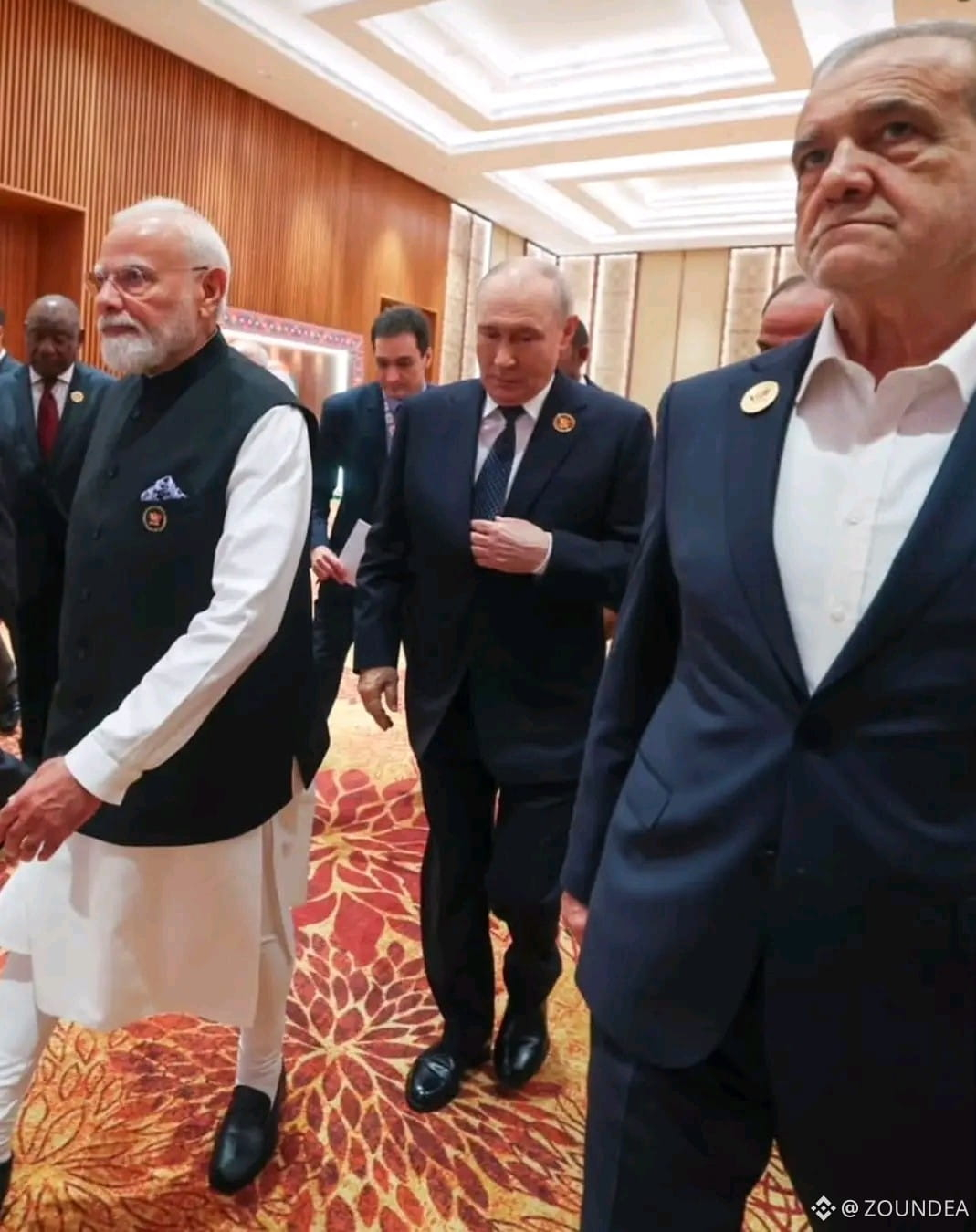
🔴🇮🇳FLASH: BRICS leaders unanimously adopt a joint statement calling for resolving international conflicts through “dialogue, consultation and diplomacy”. They oppose unilateral coercive measures, denounce trade restrictions that violate the rules of the World Trade Organization, and warn of the growing risk of a nuclear conflict. A common position announced after the failure of a BRICS foreign ministers’ statement in May, due to tensions between Iran and the United Arab Emirates.
#BRICS
🔴🇮🇳FLASH: BRICS leaders unanimously adopt a joint statement calling for resolving international conflicts through “dialogue, consultation and diplomacy”. They oppose unilateral coercive measures, denounce trade restrictions that violate the rules of the World Trade Organization, and warn of the growing risk of a nuclear conflict. A common position announced after the failure of a BRICS foreign ministers’ statement in May, due to tensions between Iran and the United Arab Emirates.
#BRICS
#BRICS
1
31

·
--
Digital Currencies in BRICS: Technical Bridge or Geopolitical Utopia?India’s proposal to connect the BRICS central bank digital currencies (CBDCs) reflects the global search for faster, cheaper international payments. Instead of insisting on the unrealistic idea of creating a single currency for the bloc—an idea discarded due to economic divergences and external pressures—the Indian strategy focuses on interoperability. Each nation maintains its monetary sovereignty with e-Rupee, e-CNY, or DREX, linking the technological bridges.
The diagnosis, however, runs into political and structural reality. Connecting financial ecosystems requires a deep level of mutual trust. How can we build integrated infrastructure between countries with historical disputes, such as India and China, or under severe economic sanctions, like Russia? In addition, trade imbalances among member states require permanent liquidity arrangements and currency swaps, and public adoption of CBDCs is still limited worldwide.
Digital Currencies in BRICS: Technical Bridge or Geopolitical Utopia?
India’s proposal to connect the BRICS central bank digital currencies (CBDCs) reflects the global search for faster, cheaper international payments. Instead of insisting on the unrealistic idea of creating a single currency for the bloc—an idea discarded due to economic divergences and external pressures—the Indian strategy focuses on interoperability. Each nation maintains its monetary sovereignty with e-Rupee, e-CNY, or DREX, linking the technological bridges.
The diagnosis, however, runs into political and structural reality. Connecting financial ecosystems requires a deep level of mutual trust. How can we build integrated infrastructure between countries with historical disputes, such as India and China, or under severe economic sanctions, like Russia? In addition, trade imbalances among member states require permanent liquidity arrangements and currency swaps, and public adoption of CBDCs is still limited worldwide.
The diagnosis, however, runs into political and structural reality. Connecting financial ecosystems requires a deep level of mutual trust. How can we build integrated infrastructure between countries with historical disputes, such as India and China, or under severe economic sanctions, like Russia? In addition, trade imbalances among member states require permanent liquidity arrangements and currency swaps, and public adoption of CBDCs is still limited worldwide.
2
518
·
--
$BRICS bid farewell to the Dollar: How the BRICS are accelerating the adoption of Crypto #BRICS #BRICSTORMToTheMoon #crypto
$BRICS bid farewell to the Dollar: How the BRICS are accelerating the adoption of Crypto #BRICS #BRICSTORMToTheMoon #crypto

1
2
210
Log in to explore more content
Join global crypto users on Binance Square
⚡️ Get latest and useful information about crypto.
💬 Trusted by the world’s largest crypto exchange.
👍 Discover real insights from verified creators.
Email / Phone number
Trending Topics
1
#FedRateWatch
294,660 views
1,841 Discussing
2
#BitcoinSlidesTo$76000
4,884 views
64 Discussing
3
#BitcoinReboundsTo$79K
51,928 views
366 Discussing
4
#StrategyMarketCapPassesFord
12,051 views
366 Discussing
5
#ClarityActOddsHalveOnPolymarket
9,233 views
284 Discussing
6
#US30YTreasuryYieldTops5.40%
11,418 views
240 Discussing
7
#BessentEndorsesFinalClarityActDraft
30,231 views
558 Discussing
8
#ZamaOpens16ConfidentialMorphoVaults
11,200 views
268 Discussing
9
#USDCOnChainVolumeTops$100Trillion
1,664 views
40 Discussing
10
#BitcoinSpotETFsNetInflow$160M
2,505 views
92 Discussing