
#us10yeartreasuryyieldfallsto4
us10yeartreasuryyieldfallsto4
676 views
29 Discussing
Hot
Latest

·
--
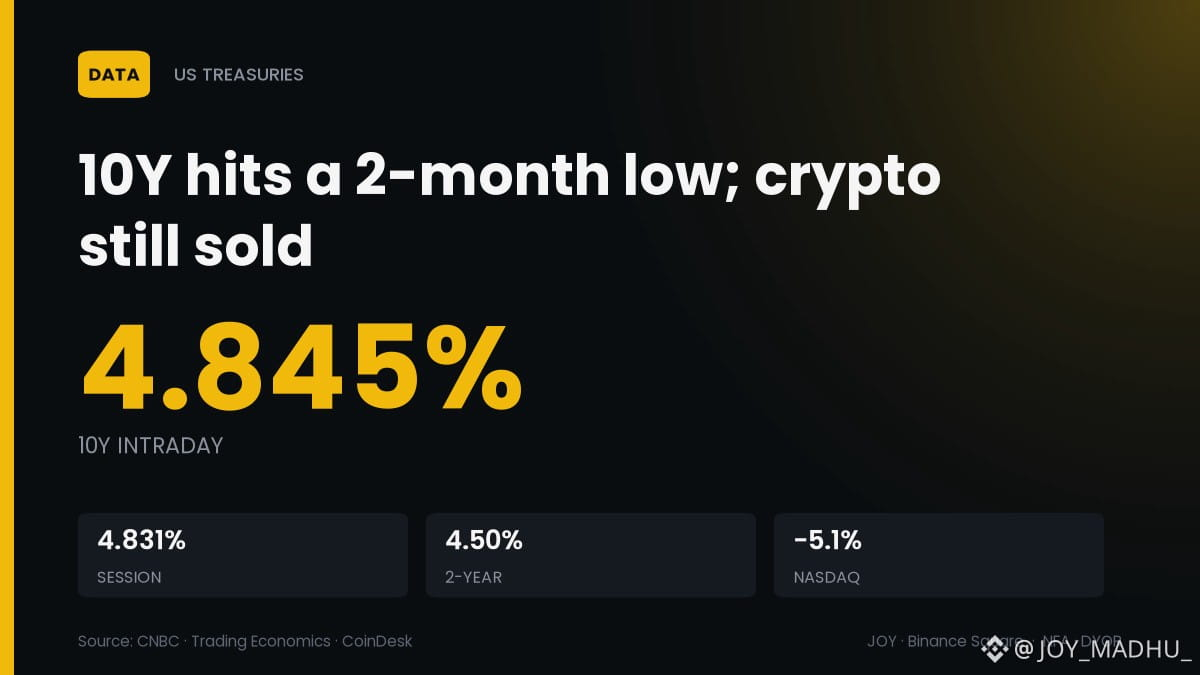
#US10YearTreasuryYieldFallsTo4.845%
🧩 Bonds Bid Safety. Crypto Still Tracked the Nasdaq Dump
The US 10-year sank to a two-month low on Thursday's tech panic, but Bitcoin fell with equities instead of catching a rate-relief bid.
📉 10Y printed 4.845% intraday, lowest since early September
📊 Later near 4.831% (−6 bps); 2-year fell to 4.50% (−8 bps)
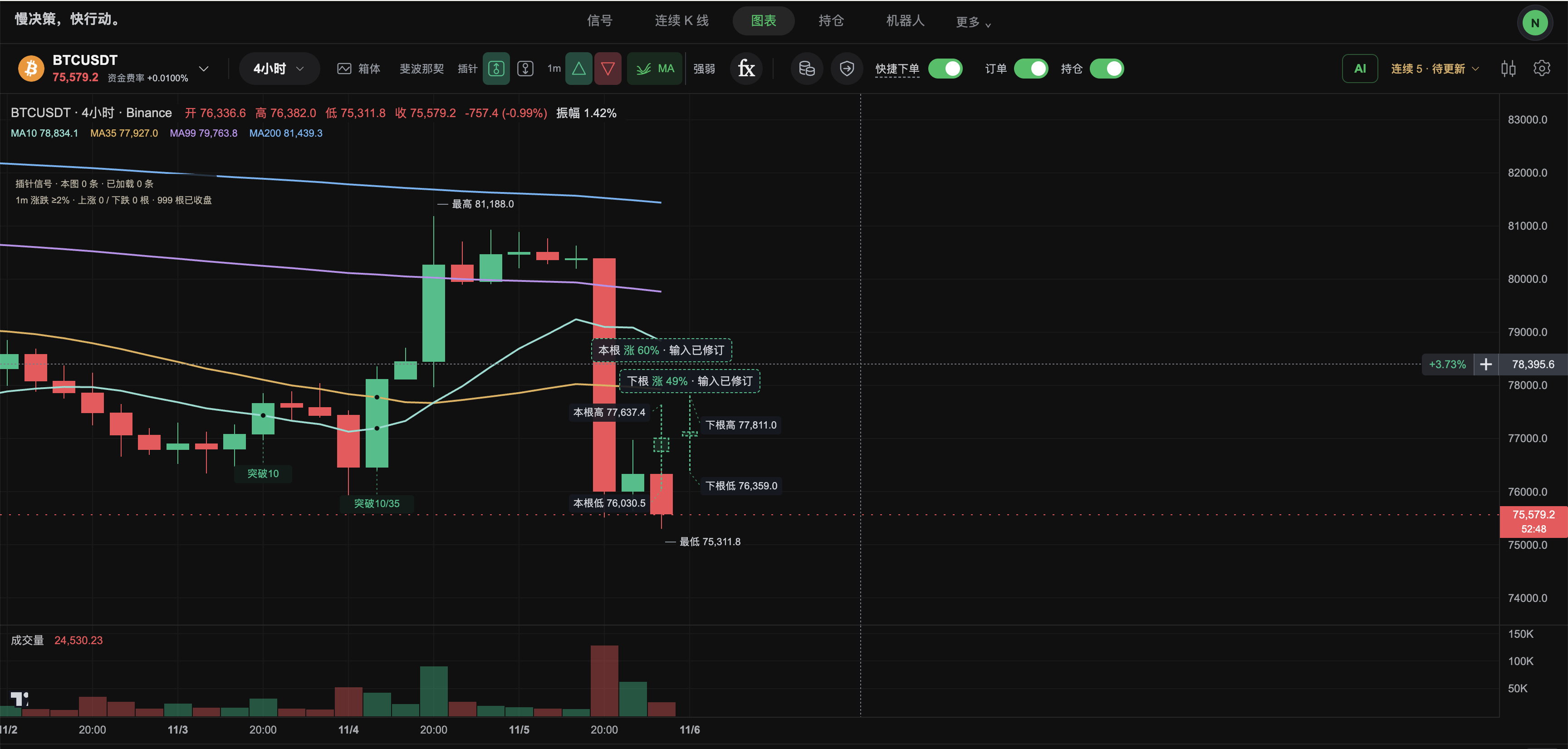
⚠️ Nasdaq −5.1% and BTC under $76K; liquidations topped $1B
📅 Friday NFP 8:30 AM ET; consensus ~+59K after Sept +29K
The catch: lower yields usually cushion risk assets—today they didn't.
Above or below 4.80% on the 10Y after NFP? 👇
$BTC $ETH
#US10YearTreasuryYieldFallsTo4.845% #Bitcoin #Macro

📰 Why Is the U.S. Infrastructure Plan Suddenly Being “Held Back”?
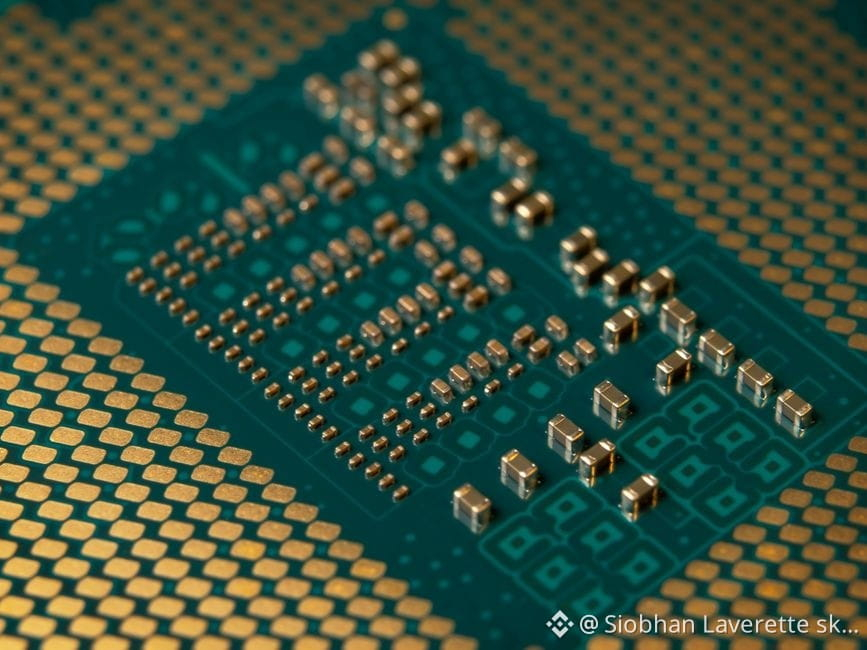
New governors in several key U.S. states may halt around 40% of data center projects, affecting the nation’s infrastructure plans and creating uncertainty around the regulatory environment. Data centers are essential infrastructure for cloud computing, AI, and cryptocurrency trading, but their expansion plans may now be put on hold.
Why does this news matter?
Infrastructure investment is one of the pillars of the U.S. economy, and data centers are its rising star. These projects require large amounts of land, electricity, and financing. Now, a sudden shift in the political climate is directly undermining investor confidence. Behind this are state governments reversing course over environmental concerns, energy costs, or local interests. For example, Ohio recently banned prediction markets like LunarCrush, reflecting local governments’ fear of the “bad neighbor” effect—crypto projects may bring prosperity, but problems come with them. With these changes in governors, more states may follow suit.
Market impact
Halting data center construction will directly affect demand for computing power. Computing power is the foundation of cryptocurrency mining and trading, and lower demand means:
- Miners may cut production or shut down, potentially putting downward pressure on crypto prices in the short term;
- Major cryptocurrency exchanges may also adjust their strategies as computing costs rise;
- The entire industry may adopt a wait-and-see approach, with capital potentially shifting to regions with clearer regulations.
A historical precedent is the wave of computing power migration triggered by Texas’s power outages in 2021. This construction halt, driven by political factors, is another way pressure can ripple through the system.
Strategy
A slowdown in data center construction means demand for computing power may have peaked and could decline. For BTC and ETH, this is not good news. If we see a large number of projects canceled over the next few months, capital may flow out of the crypto market. However, this impact is temporary, since the U.S. will remain a global hub for digital infrastructure in the long run.
This outlook is invalidated if governors reverse course and projects resume.
💡 This means bearish pressure is increasing in the short term, but the U.S. will remain the main battleground for digital infrastructure.
This article is not sponsored by any project. The author does not hold any of the assets mentioned.
⚠️ This is not investment advice. Predictions are for reference only.
#US10YearTreasuryYieldFallsTo4.845%
$BTC $ETH



85

·
--
📰 Why Would an AI Server Ban from Texas to Ohio Hit Bitcoin Miners?
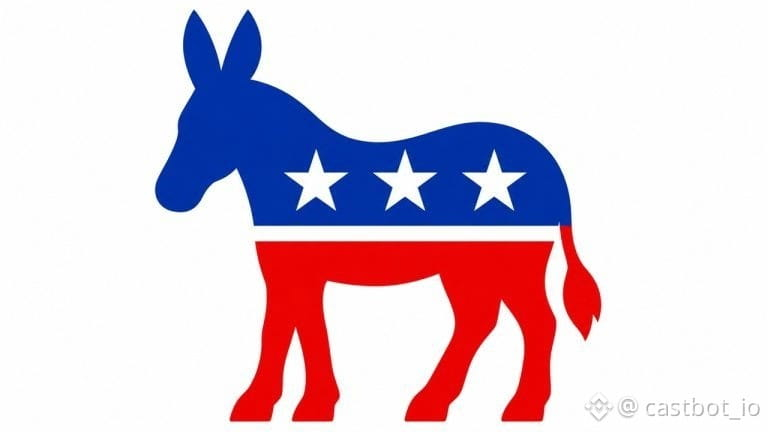
With Democrats gaining power, new data center construction from Texas to Ohio faces shutdowns or restrictions. These areas are key locations for Bitcoin miners because electricity is cheap and reliable. Miners rely on large data centers to operate, so if new data center construction is blocked, existing miners’ expansion plans will be affected, and they may even be forced to relocate to areas with higher costs.
Why does this news matter?
The shift in local governments’ attitudes toward data center construction is fundamentally driven by environmental concerns and opposition from residents. Data centers consume enormous amounts of energy, and Bitcoin mining is also energy-intensive. Together, they have raised local concerns about energy consumption and grid stability. This is not an isolated case; similar disputes have already emerged in many parts of the world. This means the Bitcoin mining industry will face more complex geopolitical and regulatory challenges when choosing locations.
Market impact
In the short term, the news will intensify risk aversion in the Bitcoin market. BTC and ETH prices are currently down 6.12% and 8.10%, respectively, showing how sensitive the market is to regulatory uncertainty. If data center restrictions continue to expand, the valuation rationale for Bitcoin as an energy-intensive asset will face further challenges. In the long term, this could lead to a more geographically dispersed distribution of mining hashrate and drive up mining costs in some regions.
Trading outlook
This news provides fresh fundamental support for a bearish outlook on Bitcoin. If major global mining hubs are restricted for similar reasons, it could trigger a much sharper price correction. Current BTC and ETH prices of $75,660.52 and $2,228.82 have already reflected some concerns. If the cost of relocating hashrate exceeds expectations, this bearish thesis could prove wrong.
This article is not sponsored by any project, and the author does not hold any of the assets mentioned.
$BTC $ETH #BTC #ETH
⚠️ This is not investment advice. Forecasts are for reference only.
#US10YearTreasuryYieldFallsTo4.845%


218

·
--
Article
AI chip stocks face a reassessment: BTC’s outlook first depends on risk appetite, so don’t rush to blame the decline on a single eventAI chip stocks face a reassessment: BTC’s outlook first depends on risk appetite, so don’t rush to blame the decline on a single event
In the early hours of November 6, Beijing time, two topics worth considering together appeared on Binance Square’s trending page: `#US10YearTreasuryYieldFallsTo4.845%`, with about 94 people discussing it, and `#AsianChipStocksRetreat`, with about 57. What they have in common is not that “a drop in chip stocks will directly weigh on Bitcoin,” but that the market is repricing high-valuation, long-duration, and high-volatility assets.
Pressure on U.S. tech stocks and Asian chip stocks has a real-world backdrop. The Associated Press reported that a sell-off in AI chip stocks weighed on U.S. equities, with the S&P 500 posting a notable decline, while tech stocks in Japan and South Korea were also affected. Axios linked the volatility to shifting expectations around AI spending, regulation, and data centers following the U.S. midterm elections. It is important to distinguish fact from inference: reports confirm that stock markets are reassessing risk, but whether BTC will remain under pressure depends on whether investors are also pulling out of high-beta assets.
AI chip stocks face a reassessment: BTC’s outlook first depends on risk appetite, so don’t rush to blame the decline on a single event
AI chip stocks face a reassessment: BTC’s outlook first depends on risk appetite, so don’t rush to blame the decline on a single event
In the early hours of November 6, Beijing time, two topics worth considering together appeared on Binance Square’s trending page: `#US10YearTreasuryYieldFallsTo4.845%`, with about 94 people discussing it, and `#AsianChipStocksRetreat`, with about 57. What they have in common is not that “a drop in chip stocks will directly weigh on Bitcoin,” but that the market is repricing high-valuation, long-duration, and high-volatility assets.
Pressure on U.S. tech stocks and Asian chip stocks has a real-world backdrop. The Associated Press reported that a sell-off in AI chip stocks weighed on U.S. equities, with the S&P 500 posting a notable decline, while tech stocks in Japan and South Korea were also affected. Axios linked the volatility to shifting expectations around AI spending, regulation, and data centers following the U.S. midterm elections. It is important to distinguish fact from inference: reports confirm that stock markets are reassessing risk, but whether BTC will remain under pressure depends on whether investors are also pulling out of high-beta assets.
943
Log in to explore more content
Join global crypto users on Binance Square
⚡️ Get latest and useful information about crypto.
💬 Trusted by the world’s largest crypto exchange.
👍 Discover real insights from verified creators.
Email / Phone number
Trending Topics
1
#BinanceReopensWithdrawalsForHYPE&APT
30,130 views
552 Discussing
2
#SouthKoreaDraftLawTargets15To20%ShareholderCap
34,290 views
384 Discussing
3
#TradFiForBeginners
141,689 views
1,511 Discussing
4
#KeplrAdvisesSocialLoginUsersToTransferAssets
22,612 views
373 Discussing
5
#TetherPlans€28.8MForJuventusCapitalIncrease
13,339 views
285 Discussing
6
#JobsReportRaisesHikeOdds
764,840 views
4,267 Discussing
7
#CPITestsDecemberRateOutlook
292,455 views
1,769 Discussing
8
#US Data Center Rules May Constrain AI Expansion
113,101 views
255 Discussing
9
#ARKPlans14ThematicETFsCoveringAIAndTokenizedMarkets
7,759 views
86 Discussing
10
#WillAnthropicListOnTime
246,415 views
1,821 Discussing