

#snake
snake
33,715 views
46 Discussing
Hot
Latest


·
--
$SNDKB
Under surveillance 👀
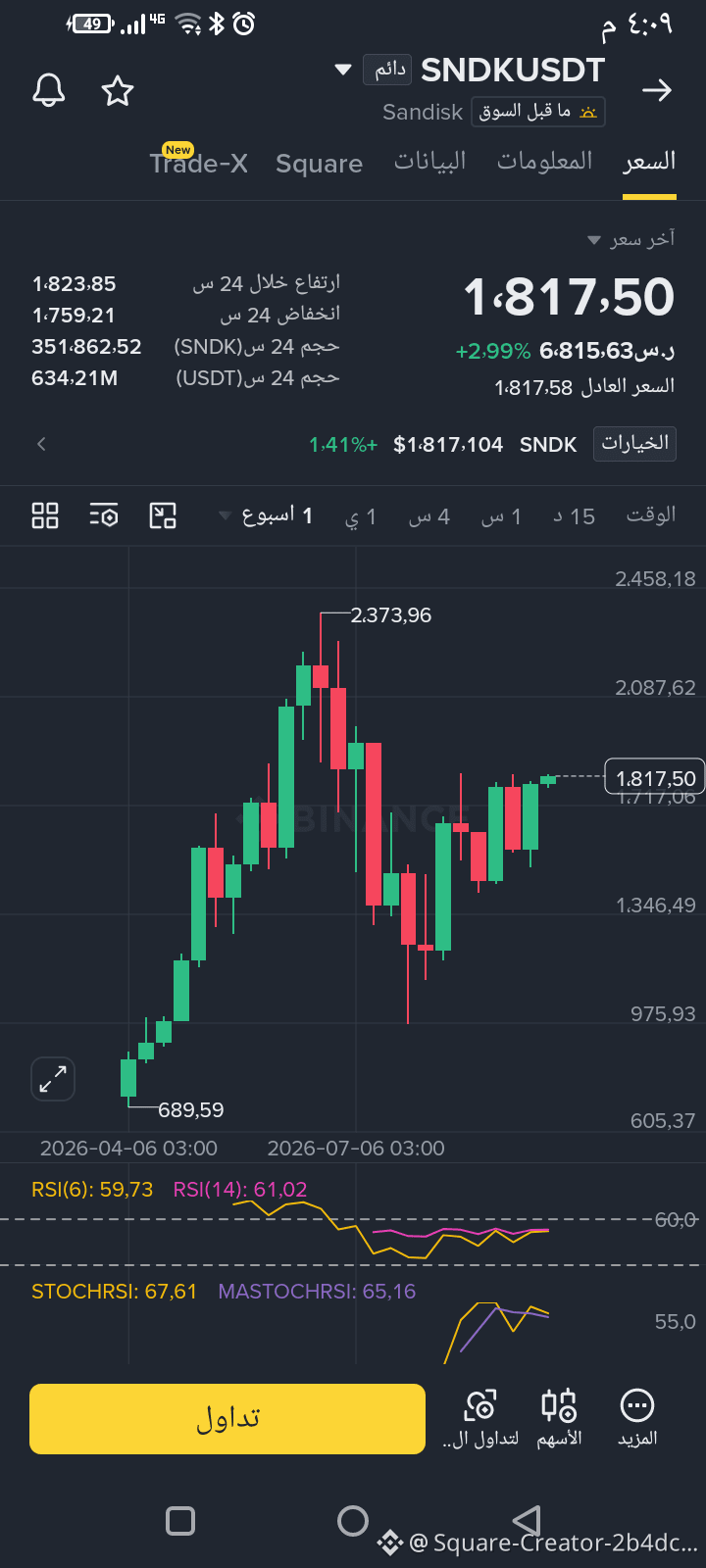
The price is currently moving near the 1,817 USDT level after rising by around 3% within 24 hours.
📊 Technically on the weekly chart:
The price is attempting to stabilize above the 1,770–1,820 area.
The RSI indicator is at 59–61, indicating positive momentum without a clear entry into overbought territory.
The next important resistance is around 2,087, then the previous peak near 2,374.
On the other hand, the 1,700–1,770 zone could be an important support area to watch.
📈 A breakout above 2,087 and holding above it could open the door to testing the previous peak, while losing support zones may bring back selling pressure.
⚠️ This is technical analysis, not a buy or sell recommendation. Capital management and stop-loss are more important than chasing the move.
Do you expect SNDK to reach 2,000 and then 2,374? 🚀📊
#SNAKE #BTC #tradenell #CanaryFilesSecondAmendmentForStakedSEIETF #تحليل_فني
$SNDKB
Under surveillance 👀
The price is currently moving near the 1,817 USDT level after rising by around 3% within 24 hours.
📊 Technically on the weekly chart:
The price is attempting to stabilize above the 1,770–1,820 area.
The RSI indicator is at 59–61, indicating positive momentum without a clear entry into overbought territory.
The next important resistance is around 2,087, then the previous peak near 2,374.
On the other hand, the 1,700–1,770 zone could be an important support area to watch.
📈 A breakout above 2,087 and holding above it could open the door to testing the previous peak, while losing support zones may bring back selling pressure.
⚠️ This is technical analysis, not a buy or sell recommendation. Capital management and stop-loss are more important than chasing the move.
Do you expect SNDK to reach 2,000 and then 2,374? 🚀📊
#SNAKE #BTC #tradenell #CanaryFilesSecondAmendmentForStakedSEIETF #تحليل_فني
Under surveillance 👀
The price is currently moving near the 1,817 USDT level after rising by around 3% within 24 hours.
📊 Technically on the weekly chart:
The price is attempting to stabilize above the 1,770–1,820 area.
The RSI indicator is at 59–61, indicating positive momentum without a clear entry into overbought territory.
The next important resistance is around 2,087, then the previous peak near 2,374.
On the other hand, the 1,700–1,770 zone could be an important support area to watch.
📈 A breakout above 2,087 and holding above it could open the door to testing the previous peak, while losing support zones may bring back selling pressure.
⚠️ This is technical analysis, not a buy or sell recommendation. Capital management and stop-loss are more important than chasing the move.
Do you expect SNDK to reach 2,000 and then 2,374? 🚀📊
#SNAKE #BTC #tradenell #CanaryFilesSecondAmendmentForStakedSEIETF #تحليل_فني
113

·
--
#SNAKE Fake isn’t allowed? Then keep pushing the goal!
#SNAKE Fake isn’t allowed? Then keep pushing the goal!
1
154
·
--
#SNAKE - Can it be pulled up? I’ve already got nothing left.
#SNAKE - Can it be pulled up? I’ve already got nothing left.

1
218

·
--
Don't be fooled by the leverage multiple. The real question is how much you’ll lose in this trade.
Most people, the moment they open a contract, start shouting, “I opened 20x, 50x.” As if the higher the multiple, the tougher they are.
Let me tell you: leverage is just a number. What ultimately determines whether you live or die is how much you will lose in this trade.
Here’s an example to make it clear:
Account has 10,000 U. You open 100x leverage, using only 100 U as margin. If the market moves against you by 10%, how much do you lose?
Loss = 100 U × 100 × 10% = 1,000 U. Does it hurt? A bit, but it’s not going to destroy you.
Now the same 10,000 U account. You open 10x leverage, but you put in 5,000 U as margin. If the market moves against you by 5%, how much do you lose?
Loss = 5,000 U × 10 × 5% = 2,500 U. This time, you probably won’t sleep well.
Got it?
It’s not leverage killing you—it's the size of your position that you’ve placed that’s killing you.
So how do you calculate each trade’s risk properly? Three steps:
First: set the maximum loss limit.
Before placing the trade, ask yourself: if this trade goes wrong, what’s the most I’m willing to lose? For example, at most 200 U. This number is the floor you can live with and still sleep at night.
Second: work backward to determine the position size.
Use that maximum loss limit to work backward—200 U ÷ stop-loss distance (e.g., 5%) ÷ leverage multiple = the margin you can use.
No matter whether leverage is 10x or 100x, if your loss hits 200 U, you exit. The result is the same.
Third: once the stop-loss is hit, exit immediately.
When you lose 200 U, don’t hesitate—close the position right away.
Don’t think, “Hold on a bit more; maybe it will come back.” The number you set is already the “price you’re willing to admit defeat at.”
I used to chase high leverage too. I thought it was exciting.
I blew up twice before I understood this: how many multiples you open doesn’t matter. What matters is how much you plan to lose when you exit.
The people who last aren’t the ones who open the smallest multiples—they’re the ones who calculate, for every trade, what they can afford to lose.
Before opening a trade, ask yourself three questions:
How much am I willing to lose on this trade?
Where is my stop-loss level?
When price reaches my stop-loss, can I leave decisively?
Figure it out before you act.
Don’t open the trade first and then start thinking about where to place the stop-loss—that’s already too late.
This is worth saving. Review it before every trade. It can help you avoid losing a lot of unnecessary money.
$SNDK #SNAKE
Don't be fooled by the leverage multiple. The real question is how much you’ll lose in this trade.
Most people, the moment they open a contract, start shouting, “I opened 20x, 50x.” As if the higher the multiple, the tougher they are.
Let me tell you: leverage is just a number. What ultimately determines whether you live or die is how much you will lose in this trade.
Here’s an example to make it clear:
Account has 10,000 U. You open 100x leverage, using only 100 U as margin. If the market moves against you by 10%, how much do you lose?
Loss = 100 U × 100 × 10% = 1,000 U. Does it hurt? A bit, but it’s not going to destroy you.
Now the same 10,000 U account. You open 10x leverage, but you put in 5,000 U as margin. If the market moves against you by 5%, how much do you lose?
Loss = 5,000 U × 10 × 5% = 2,500 U. This time, you probably won’t sleep well.
Got it?
It’s not leverage killing you—it's the size of your position that you’ve placed that’s killing you.
So how do you calculate each trade’s risk properly? Three steps:
First: set the maximum loss limit.
Before placing the trade, ask yourself: if this trade goes wrong, what’s the most I’m willing to lose? For example, at most 200 U. This number is the floor you can live with and still sleep at night.
Second: work backward to determine the position size.
Use that maximum loss limit to work backward—200 U ÷ stop-loss distance (e.g., 5%) ÷ leverage multiple = the margin you can use.
No matter whether leverage is 10x or 100x, if your loss hits 200 U, you exit. The result is the same.
Third: once the stop-loss is hit, exit immediately.
When you lose 200 U, don’t hesitate—close the position right away.
Don’t think, “Hold on a bit more; maybe it will come back.” The number you set is already the “price you’re willing to admit defeat at.”
I used to chase high leverage too. I thought it was exciting.
I blew up twice before I understood this: how many multiples you open doesn’t matter. What matters is how much you plan to lose when you exit.
The people who last aren’t the ones who open the smallest multiples—they’re the ones who calculate, for every trade, what they can afford to lose.
Before opening a trade, ask yourself three questions:
How much am I willing to lose on this trade?
Where is my stop-loss level?
When price reaches my stop-loss, can I leave decisively?
Figure it out before you act.
Don’t open the trade first and then start thinking about where to place the stop-loss—that’s already too late.
This is worth saving. Review it before every trade. It can help you avoid losing a lot of unnecessary money.
$SNDK #SNAKE
Most people, the moment they open a contract, start shouting, “I opened 20x, 50x.” As if the higher the multiple, the tougher they are.
Let me tell you: leverage is just a number. What ultimately determines whether you live or die is how much you will lose in this trade.
Here’s an example to make it clear:
Account has 10,000 U. You open 100x leverage, using only 100 U as margin. If the market moves against you by 10%, how much do you lose?
Loss = 100 U × 100 × 10% = 1,000 U. Does it hurt? A bit, but it’s not going to destroy you.
Now the same 10,000 U account. You open 10x leverage, but you put in 5,000 U as margin. If the market moves against you by 5%, how much do you lose?
Loss = 5,000 U × 10 × 5% = 2,500 U. This time, you probably won’t sleep well.
Got it?
It’s not leverage killing you—it's the size of your position that you’ve placed that’s killing you.
So how do you calculate each trade’s risk properly? Three steps:
First: set the maximum loss limit.
Before placing the trade, ask yourself: if this trade goes wrong, what’s the most I’m willing to lose? For example, at most 200 U. This number is the floor you can live with and still sleep at night.
Second: work backward to determine the position size.
Use that maximum loss limit to work backward—200 U ÷ stop-loss distance (e.g., 5%) ÷ leverage multiple = the margin you can use.
No matter whether leverage is 10x or 100x, if your loss hits 200 U, you exit. The result is the same.
Third: once the stop-loss is hit, exit immediately.
When you lose 200 U, don’t hesitate—close the position right away.
Don’t think, “Hold on a bit more; maybe it will come back.” The number you set is already the “price you’re willing to admit defeat at.”
I used to chase high leverage too. I thought it was exciting.
I blew up twice before I understood this: how many multiples you open doesn’t matter. What matters is how much you plan to lose when you exit.
The people who last aren’t the ones who open the smallest multiples—they’re the ones who calculate, for every trade, what they can afford to lose.
Before opening a trade, ask yourself three questions:
How much am I willing to lose on this trade?
Where is my stop-loss level?
When price reaches my stop-loss, can I leave decisively?
Figure it out before you act.
Don’t open the trade first and then start thinking about where to place the stop-loss—that’s already too late.
This is worth saving. Review it before every trade. It can help you avoid losing a lot of unnecessary money.
$SNDK #SNAKE

1
449

·
--
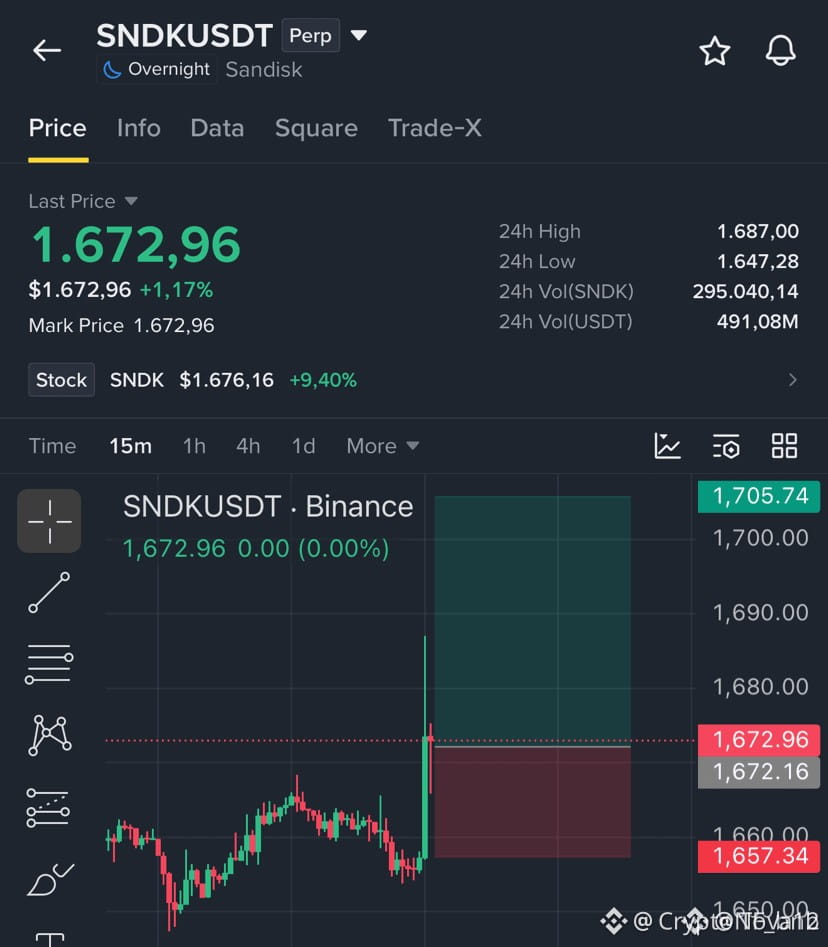
🚨 $SNDK FAST TRADE SETUP 🚨
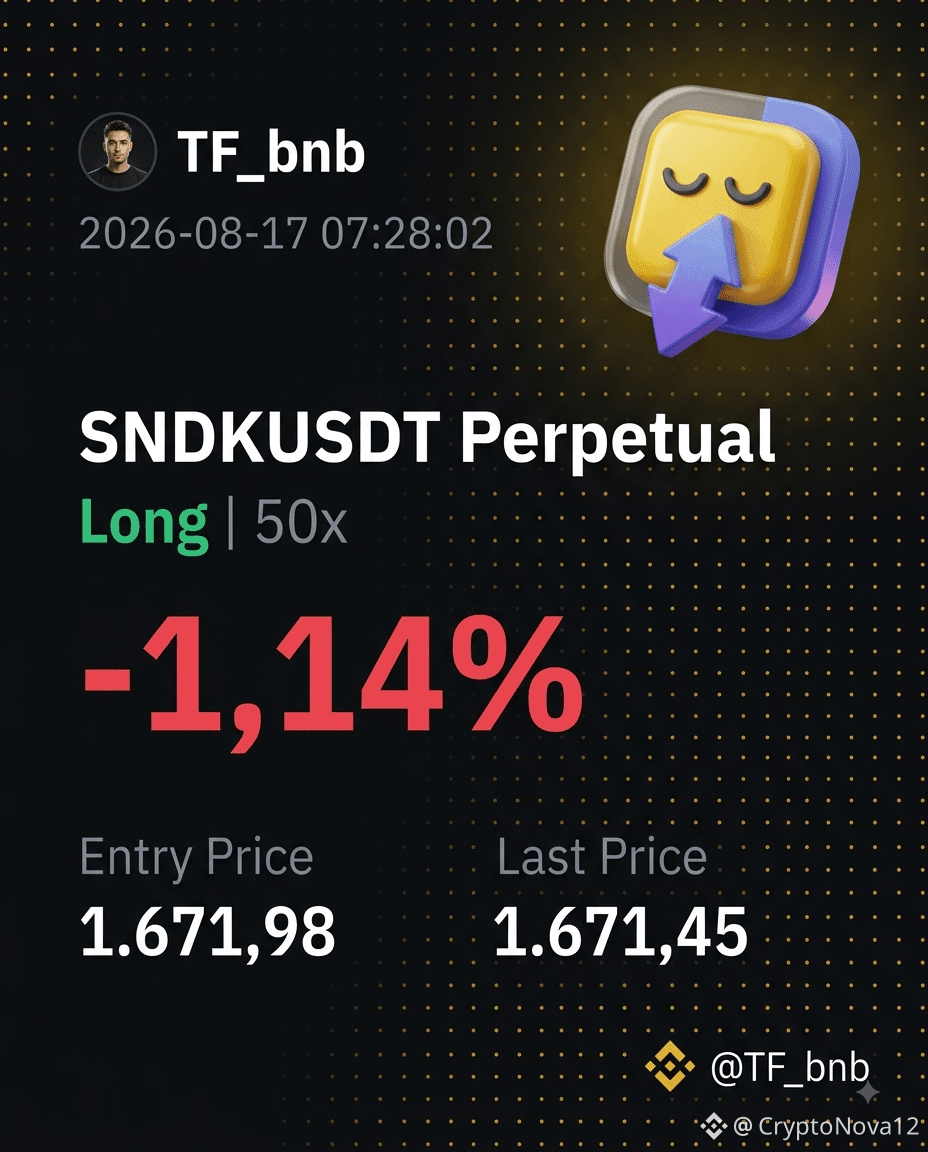
📈 BIG LONG OPPORTUNITY — OPEN NOW
🎯 Take Profit: 1705
🛑 Stop Loss: 1657
⚡ Momentum is heating up. Manage your risk and don’t overleverage.
#SNAKE DK #Crypto #TradingCommunity g #Long
{future}(SNDKUSDT)
$SNDKB $BTC #Trade Setup #Binance #CryptoTrading
🚨 $SNDK FAST TRADE SETUP 🚨
📈 BIG LONG OPPORTUNITY — OPEN NOW
🎯 Take Profit: 1705
🛑 Stop Loss: 1657
⚡ Momentum is heating up. Manage your risk and don’t overleverage.
#SNAKE DK #Crypto #TradingCommunity g #Long
$SNDKB $BTC #Trade Setup #Binance #CryptoTrading
📈 BIG LONG OPPORTUNITY — OPEN NOW
🎯 Take Profit: 1705
🛑 Stop Loss: 1657
⚡ Momentum is heating up. Manage your risk and don’t overleverage.
#SNAKE DK #Crypto #TradingCommunity g #Long
$SNDKB $BTC #Trade Setup #Binance #CryptoTrading
122
·
--
#SNAKE Lao Da! Can the guy we’re stuck with really pull it up? ??
#SNAKE Lao Da! Can the guy we’re stuck with really pull it up? ??

418

·
--
Let you go all-in on emptiness
And profit with limitless shorting
Actively get trapped by others!
#SNAKE
Let you go all-in on emptiness
And profit with limitless shorting
Actively get trapped by others!
#SNAKE
And profit with limitless shorting
Actively get trapped by others!
#SNAKE
54
·
--
#SNAKE Don't add too much; once you add more, it doesn't go up.
#SNAKE Don't add too much; once you add more, it doesn't go up.
247


·
--
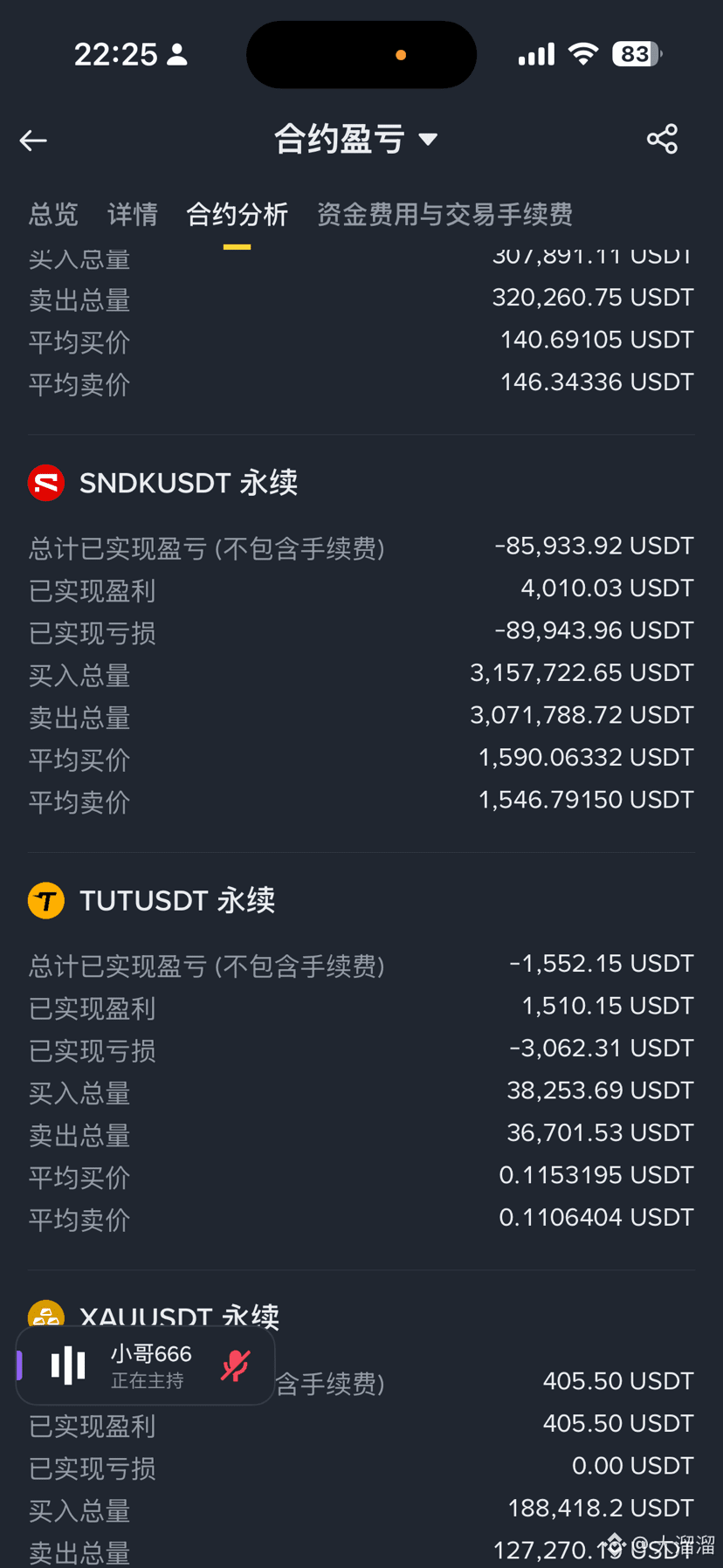
Bearish
#SNAKE fuck your mother, hurry up and kill me already
#SNAKE fuck your mother, hurry up and kill me already
1
2
406
Log in to explore more content
Join global crypto users on Binance Square
⚡️ Get latest and useful information about crypto.
💬 Trusted by the world’s largest crypto exchange.
👍 Discover real insights from verified creators.
Email / Phone number
Trending Topics
1
#BTCFallsBelow$83000
1,029 views
45 Discussing
2
#FedProposesPaymentStablecoinRules
9,329 views
231 Discussing
3
#ChinaMayLetAlibabaByteDanceBuyNvidiaChips
11,993 views
299 Discussing
4
#USChinaRelease$30BTariffCutProductLists
2,072 views
37 Discussing
5
#SKoreaFSCConsidersVirtualAssetMarketMaker
9,676 views
250 Discussing
6
#ChinaIndustrialProfitGrowthSlowsFourthMonth
10,394 views
254 Discussing
7
#BitwiseFilesFinalNEARSpotETFProspectus
125,376 views
1,812 Discussing
8
#BitgetHackerMoves$83MStolenXRP
41,067 views
178 Discussing
9
#SOLSpotETFWeeklyInflow$188M
25,723 views
141 Discussing
10
#DogecoinETFsPostBiggestWeekSinceLaunch
71,093 views
1,146 Discussing