
#psicotrading
psicotrading
19,681 views
83 Discussing
Hot
Latest

🚨 The 3 mistakes almost everyone makes in trading (and how I avoided them to save my account) 🛑
Let’s be honest: when we’re just starting out, we think the market owes us money and that every losing trade is a personal tragedy. 📉
If you’re building your path in this, save yourself some headaches and take note of these three fatal mistakes that destroy accounts in a matter of days:
1️⃣ Getting attached to a position: Ignoring the market and keeping a trade open just hoping that “at some point it will turn around.” Ego is very expensive in trading. ❌
2️⃣ Uncontrolled leverage: Thinking that more x means more money faster, when in reality it’s a straight highway to liquidation. ⚡
3️⃣ Revenge trading: Trying to recover your losses immediately on the next candle. The market doesn’t remember your losses and won’t give you anything back just because you want it to! 😤
True success isn’t about never making mistakes; it’s about having the discipline to stop and protect your capital.
👇 I’d love to hear from you in the comments: Which of these three mistakes has been your biggest headache or your “most expensive lesson” so far? I’m listening! 💬
#TradingCommunity #psicotrading #BinanceSquareBTC #EducaciónCripto #ComunidadCrypto
1
2
349

·
--
🔴 Had a bad day in the market? Read this before closing your app 🧠
The cryptocurrency market, especially with volatile assets like memecoins or futures trading, can be incredibly tough. If you closed trades at a loss today, your stop loss was triggered, or you experienced a liquidation, the first thing you should do is take a deep breath. You’re not alone.
What every successful trader should remember today: 💡
• Losses are the cost of education: In trading, there are no losses—only profits and lessons. Every failed trade teaches you an invaluable lesson about risk management, patience, or discipline that no theoretical course can teach you.
• Your emotional capital matters more: Money can be earned back, but mental clarity can’t. If you’re feeling frustrated, angry, or tempted to revenge trade (trading to quickly recover what you lost), turn off your screen for today. The market will still be here tomorrow.
• A mistake doesn’t define your ability: Losing a battle doesn’t mean losing the war. The best traders in the world lose between 40% and 50% of their trades; the difference is that they know how to cut their losses in time and keep a cool head.
🌱 Steps to get back on track today:
1. Analyze the mistake: Did you enter because of FOMO? Use excessive leverage? Forget to use a Stop Loss? Write down the mistake in a notebook so you don’t repeat it.
2. Reduce your position sizes: Tomorrow, return to the market with much smaller trades until you regain your confidence.
3. Focus on the long term: One bad day or a red week is just a tiny point on a chart spanning years. Your Web3 journey is just getting started.
Sending a big hug to everyone who took a loss today. The market gives second chances to those who persevere and learn from their mistakes. 👊
What’s the biggest lesson the market has taught you this week? Share it in the comments—we’re here to support each other. 👇
$BTC
{spot}(BTCUSDT)
#psicotrading
#GestiónDeRiesgo
#BinanceSquare
🔴 Had a bad day in the market? Read this before closing your app 🧠
The cryptocurrency market, especially with volatile assets like memecoins or futures trading, can be incredibly tough. If you closed trades at a loss today, your stop loss was triggered, or you experienced a liquidation, the first thing you should do is take a deep breath. You’re not alone.
What every successful trader should remember today: 💡
• Losses are the cost of education: In trading, there are no losses—only profits and lessons. Every failed trade teaches you an invaluable lesson about risk management, patience, or discipline that no theoretical course can teach you.
• Your emotional capital matters more: Money can be earned back, but mental clarity can’t. If you’re feeling frustrated, angry, or tempted to revenge trade (trading to quickly recover what you lost), turn off your screen for today. The market will still be here tomorrow.
• A mistake doesn’t define your ability: Losing a battle doesn’t mean losing the war. The best traders in the world lose between 40% and 50% of their trades; the difference is that they know how to cut their losses in time and keep a cool head.
🌱 Steps to get back on track today:
1. Analyze the mistake: Did you enter because of FOMO? Use excessive leverage? Forget to use a Stop Loss? Write down the mistake in a notebook so you don’t repeat it.
2. Reduce your position sizes: Tomorrow, return to the market with much smaller trades until you regain your confidence.
3. Focus on the long term: One bad day or a red week is just a tiny point on a chart spanning years. Your Web3 journey is just getting started.
Sending a big hug to everyone who took a loss today. The market gives second chances to those who persevere and learn from their mistakes. 👊
What’s the biggest lesson the market has taught you this week? Share it in the comments—we’re here to support each other. 👇
$BTC
#psicotrading
#GestiónDeRiesgo
#BinanceSquare
29

"To accept that the chart took a completely opposite direction from your analysis is one of the hardest tests of maturity in Render ($RENDER ).
The novice operator argues with the price on social media, looking for someone to blame or waiting for a miracle to prove that their theory was correct.
{future}(RENDERUSDT)
Real growth comes when you understand that being right doesn’t pay the bills; what really matters is cutting losses quickly and keeping a cool head for the next opportunity.
#render #psicotrading #BinanceSquare
"To accept that the chart took a completely opposite direction from your analysis is one of the hardest tests of maturity in Render ($RENDER ).
The novice operator argues with the price on social media, looking for someone to blame or waiting for a miracle to prove that their theory was correct.
Real growth comes when you understand that being right doesn’t pay the bills; what really matters is cutting losses quickly and keeping a cool head for the next opportunity.
#render #psicotrading #BinanceSquare
1
140
You open a transaction on Near Protocol ($NEAR ), it goes wrong, and the immediate impulse is to open another one twice as large to recover what you lost in five minutes.
{future}(NEARUSDT)
Trading with rage is the fastest way to destroy a trading account. The market doesn’t know who you are and doesn’t care about your day’s history; reacting emotionally to an ordinary loss is giving your capital to the traders who do have the patience to wait for their moment. #NEAR #Psicotrading #ControlEmocional
You open a transaction on Near Protocol ($NEAR ), it goes wrong, and the immediate impulse is to open another one twice as large to recover what you lost in five minutes.
Trading with rage is the fastest way to destroy a trading account. The market doesn’t know who you are and doesn’t care about your day’s history; reacting emotionally to an ordinary loss is giving your capital to the traders who do have the patience to wait for their moment. #NEAR #Psicotrading #ControlEmocional
Trading with rage is the fastest way to destroy a trading account. The market doesn’t know who you are and doesn’t care about your day’s history; reacting emotionally to an ordinary loss is giving your capital to the traders who do have the patience to wait for their moment. #NEAR #Psicotrading #ControlEmocional
1
202
The exaggerated PRESS HEADLINES seek to create panic so that small investors sell at a loss.
Whoever understands market cycles isn’t alarmed by a healthy ten percent correction.
$BTC
{future}(BTCUSDT)
#psicotrading #MentalidadGanadora
The exaggerated PRESS HEADLINES seek to create panic so that small investors sell at a loss.
Whoever understands market cycles isn’t alarmed by a healthy ten percent correction.
$BTC
#psicotrading #MentalidadGanadora
Whoever understands market cycles isn’t alarmed by a healthy ten percent correction.
$BTC
#psicotrading #MentalidadGanadora
1
43
Article
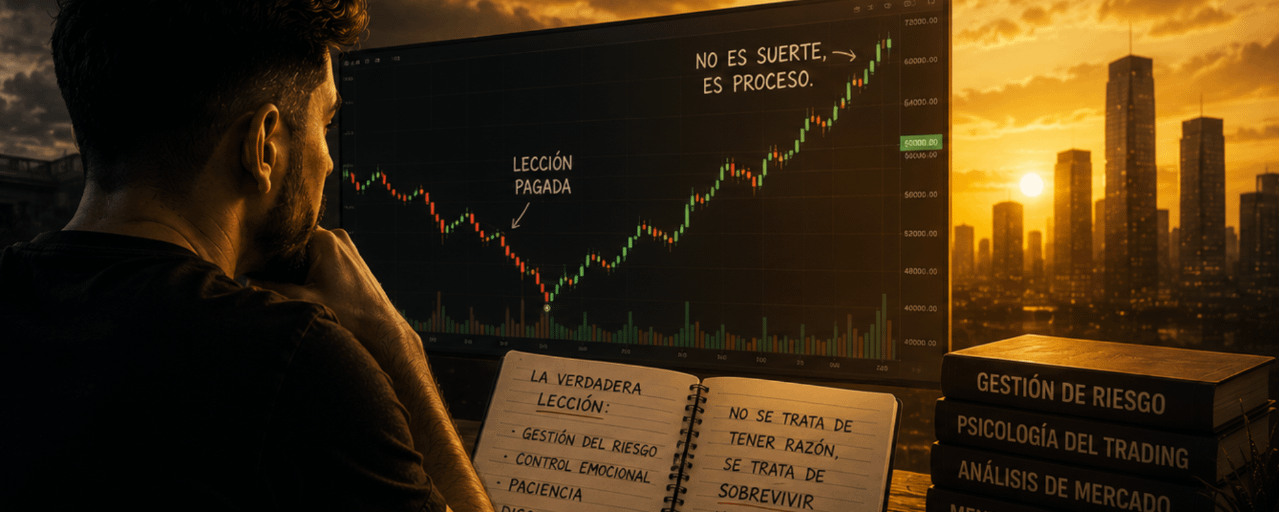
The toughest lesson from the markets that no university teaches youIn the traditional system, we were taught to believe that failure is a definitive error $BTC . In school or at work, making a mistake gets you a bad grade or a pink slip. That's why, when we hit the financial markets, the first big blow isn't technical; it's mental.
Today I want to talk about something that most creators hide out of ego: the losses.
It doesn't matter how many degrees you've got, how many books you've read, or how many hours you spend analyzing candlesticks; in trading and the crypto space, losing is an inevitable part of the game. The financial market isn't an exact science, and no one has a 100% success rate.
The toughest lesson from the markets that no university teaches you
In the traditional system, we were taught to believe that failure is a definitive error $BTC . In school or at work, making a mistake gets you a bad grade or a pink slip. That's why, when we hit the financial markets, the first big blow isn't technical; it's mental.
Today I want to talk about something that most creators hide out of ego: the losses.
It doesn't matter how many degrees you've got, how many books you've read, or how many hours you spend analyzing candlesticks; in trading and the crypto space, losing is an inevitable part of the game. The financial market isn't an exact science, and no one has a 100% success rate.
1
113
Watching a frozen portfolio for weeks is more exhausting than a 20% drop. It's that tense calm where you check your Binance app every ten minutes hoping for a move in Solana ($SOL ) that never comes, while you watch others flex their gains on social media.
{future}(SOLUSDT)
In the end, you realize that consistency isn't measured by how many trades you open today, but by your ability to keep a cool head when the market decides to do absolutely nothing. The real trade of the week is protecting your mental peace. #SO #Psicotrading #BİNANCESQUARE
Watching a frozen portfolio for weeks is more exhausting than a 20% drop. It's that tense calm where you check your Binance app every ten minutes hoping for a move in Solana ($SOL ) that never comes, while you watch others flex their gains on social media.
In the end, you realize that consistency isn't measured by how many trades you open today, but by your ability to keep a cool head when the market decides to do absolutely nothing. The real trade of the week is protecting your mental peace. #SO #Psicotrading #BİNANCESQUARE
In the end, you realize that consistency isn't measured by how many trades you open today, but by your ability to keep a cool head when the market decides to do absolutely nothing. The real trade of the week is protecting your mental peace. #SO #Psicotrading #BİNANCESQUARE
1
86
Article
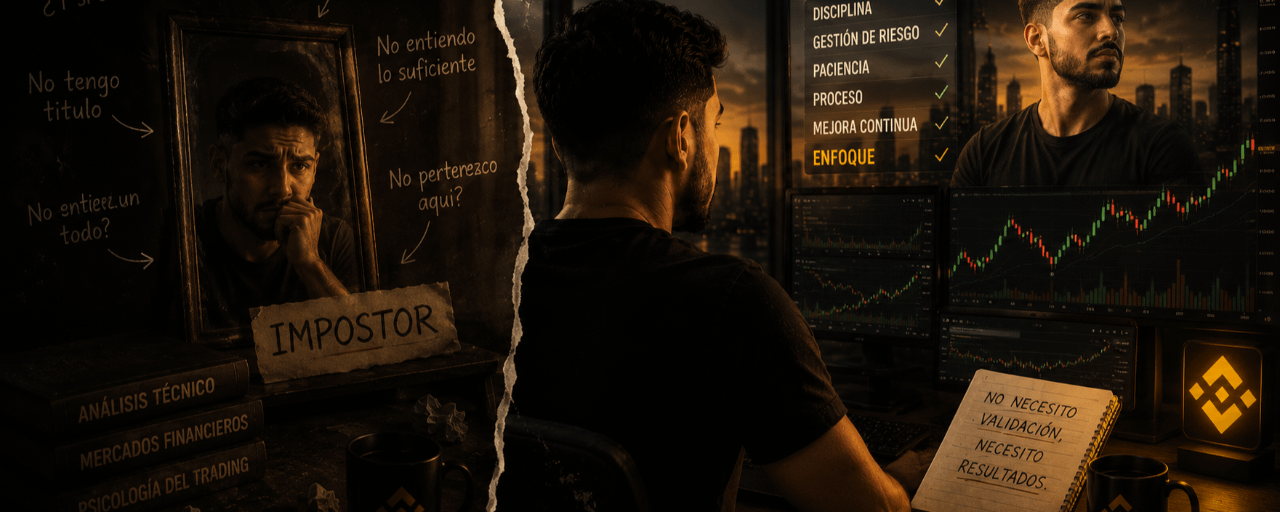
Imposter Syndrome in the MarketsIt doesn't matter how many tokens you hold, how many hours you spend analyzing the candlesticks on TradingView, or how hard you hustle day in and day out as an entrepreneur. There are days when the financial market hits you hard, and suddenly, that voice in your head chimes in: "Maybe this isn't for you and you're just wasting your time."
Today I want to talk to you about imposter syndrome in trading.
It's super common that after chaining a couple of losing trades, you forget everything you've studied. You start doubting your support zones, your risk management, and your own abilities. You feel like a fraud staring at the screen, believing that all the other traders online are always winning and that you're the only one stumbling.
Imposter Syndrome in the Markets
It doesn't matter how many tokens you hold, how many hours you spend analyzing the candlesticks on TradingView, or how hard you hustle day in and day out as an entrepreneur. There are days when the financial market hits you hard, and suddenly, that voice in your head chimes in: "Maybe this isn't for you and you're just wasting your time."
Today I want to talk to you about imposter syndrome in trading.
It's super common that after chaining a couple of losing trades, you forget everything you've studied. You start doubting your support zones, your risk management, and your own abilities. You feel like a fraud staring at the screen, believing that all the other traders online are always winning and that you're the only one stumbling.
1
64

·
--
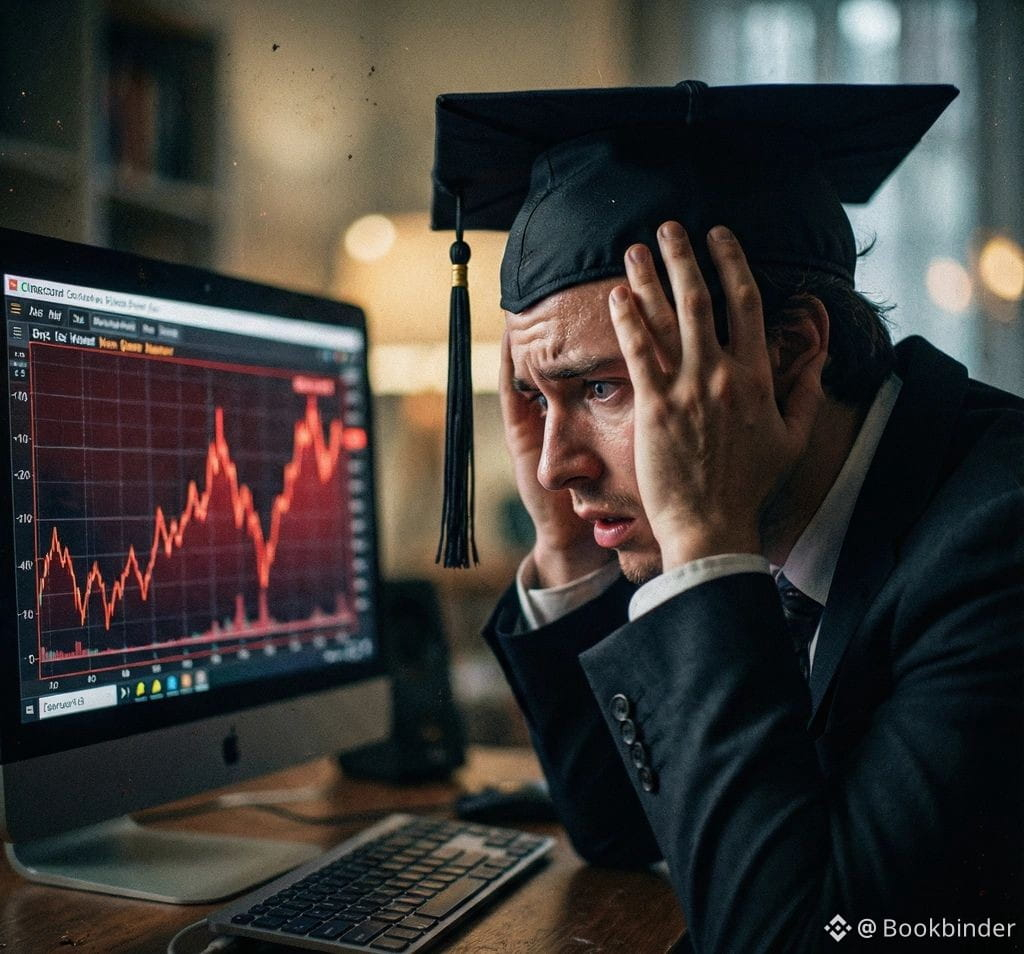
The market doesn’t care about your college degree ❌🎓
I got into trading late, after a career in law and several extra diplomas. I thought my degrees would give me an edge. And that was my big mistake.
When you log into the screen, the market doesn’t care about your IQ, your academic titles, or your number-crunching skills. The market only cares about one thing: YOUR MONEY.
Most people jump in paying a sky-high price because they trade on emotion and unintentionally fund the dreams of those who are actually profitable. I’ve been there. But one day I stopped gambling and started creating systems.
If you want to learn how to do real trading (no magic, no false overnight illusions), stick around on this blog.
In the next post, I’ll explain the first step to unlearn what doesn’t work from my experience, with examples of what has worked for me, in simple terms, and help you become a trader who does more than just gamble on emotion.
What’s been your worst mistake from trading on emotion? I’m listening below👇
It’s reading time.
#TradingSistem #psicotrading #crypt #BTC #bnb
2
5
1.6k
Entering the market with the idea of doubling your account by trading on Render ($RENDER ) in just a few days is the perfect formula to sabotage your own psychology.
Overblown expectations cloud technical judgment, forcing you to take absurd risks and ignore the logical support and resistance levels.
True consistency is built by understanding that the market runs on its own timeline, and that it’s better to grow slowly but sustainably than to rely on a lucky break that destroys your capital the very next day.
#render #psicotrading #ConsistenciaTrader
1
163

Article
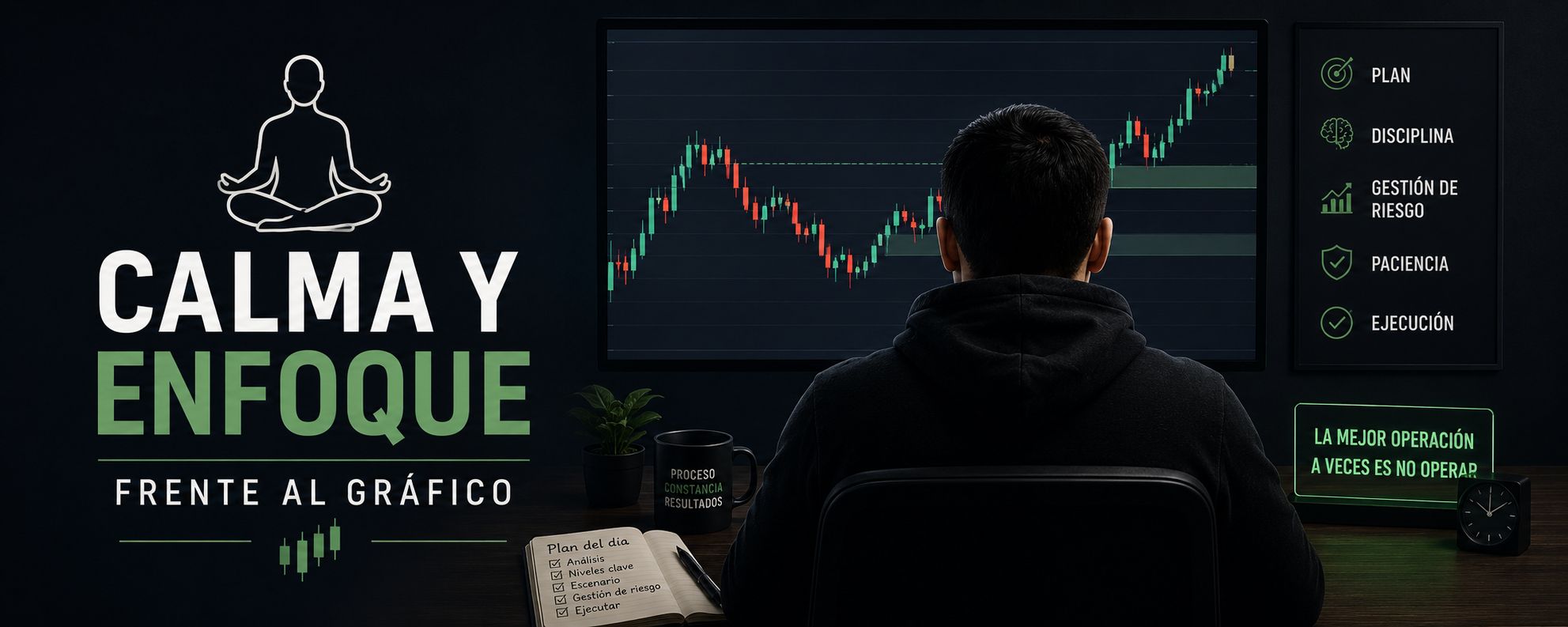
🧘📈 Calm and Focus in Front of the ChartMost trading mistakes aren’t caused by a lack of knowledge, but by a lack of calm.
We know where to enter, where to exit, and how much to risk. The problem arises when the price starts moving and emotions take control. In those moments, fear, anxiety, and urgency can disconnect us from our own plan.
This guide brings together simple habits to maintain mental clarity before, during, and after a trade. Because discipline isn’t built in the middle of an impulsive candle; it’s built through processes repeated every day.
🧘📈 Calm and Focus in Front of the Chart
Most trading mistakes aren’t caused by a lack of knowledge, but by a lack of calm.
We know where to enter, where to exit, and how much to risk. The problem arises when the price starts moving and emotions take control. In those moments, fear, anxiety, and urgency can disconnect us from our own plan.
This guide brings together simple habits to maintain mental clarity before, during, and after a trade. Because discipline isn’t built in the middle of an impulsive candle; it’s built through processes repeated every day.
1
274

·
--
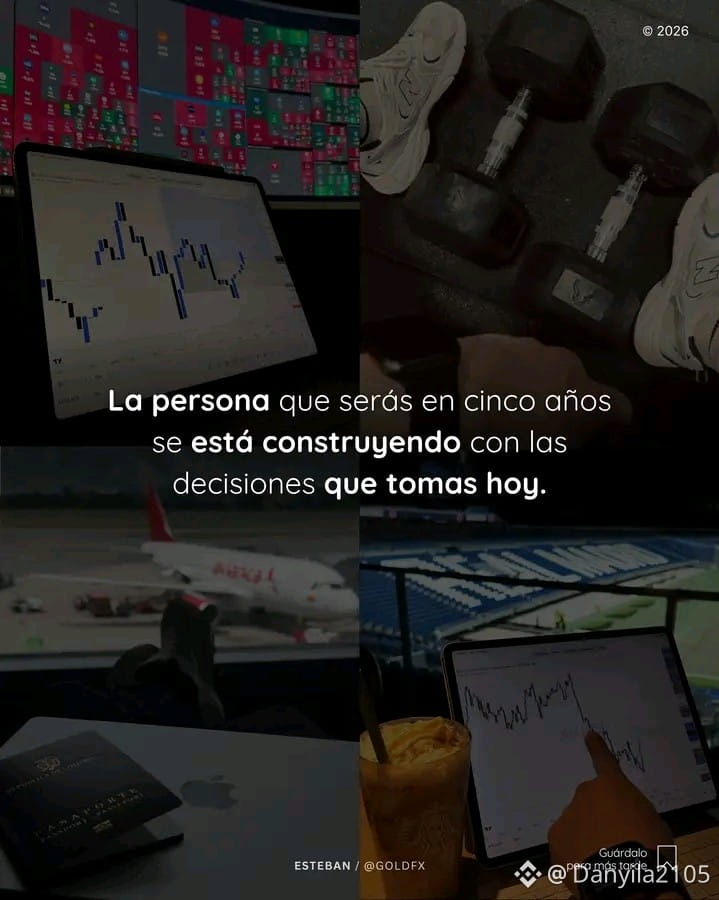
The life you dream of isn’t built with big decisions. It’s built with the small choices you repeat every day.
Studying when you don’t feel like it.
Training.
Respecting your plan.
Continuing when no one believes in you.
Your future isn’t improvised; it’s built.
#trader #trading #forex #psicotrading
The life you dream of isn’t built with big decisions. It’s built with the small choices you repeat every day.
Studying when you don’t feel like it.
Training.
Respecting your plan.
Continuing when no one believes in you.
Your future isn’t improvised; it’s built.
#trader #trading #forex #psicotrading
Studying when you don’t feel like it.
Training.
Respecting your plan.
Continuing when no one believes in you.
Your future isn’t improvised; it’s built.
#trader #trading #forex #psicotrading
224

MYTH VS. FACT (PART 3) | TRADING THE NEWS 📰When you see breaking news on social media, you’re almost always late to the move.
❌ MYTH:
“If there’s very positive news about a cryptocurrency, I should buy immediately because its price is going to rise.”
✅ FACT:
In financial markets, the rule is: “Buy the rumor, sell the news.” When the headline reaches the general public, the whales who bought weeks earlier take advantage of that wave of emotional buying to sell their positions at a profit.
Charts and on-chain data always price in information before it makes the news.
MYTH VS. FACT (PART 3) | TRADING THE NEWS 📰
When you see breaking news on social media, you’re almost always late to the move.
❌ MYTH:
“If there’s very positive news about a cryptocurrency, I should buy immediately because its price is going to rise.”
✅ FACT:
In financial markets, the rule is: “Buy the rumor, sell the news.” When the headline reaches the general public, the whales who bought weeks earlier take advantage of that wave of emotional buying to sell their positions at a profit.
Charts and on-chain data always price in information before it makes the news.
133

·
--
ANXIETY ABOUT TRADING
It is important that we talk about one of the bad behaviors generated by anxiety, which can be very useful in your life as a trader. Anxiety is defined as a state of constant worry and restlessness that drives you to do something.
In this case, we will see how negative it is for the results of a trader to have that restlessness and eagerness to trade.
The internal cause that makes us feel anxiety in trading can be motivated by different sources, such as needing to make money that month to make certain payments, having a negative streak of trades and being completely trapped by the charts, having lost and feeling the urge to take revenge and recover money... Those and a long list of personal scenarios that are different for each person, although common among many of us, are just excuses that our emotional brain puts forward to take control and take action.
The issue is that this state of anxiety about trading is very damaging, both for our trading and for our mental peace. It is obvious that no one likes to be restless and eager to do something.
Trading should not be a hard activity for our brain that leads us to states of constant restlessness and nervousness. It should be a calm activity where we feel relaxed and comfortable. When you detect this anxiety about trading that makes you take any opportunity that arises in the market, it is important to stop it, as otherwise, once again, it will not be your reasoning that is trading but your emotion.
It will not be a clear and precise analysis of the market that trades, it will be your desire to enter the market that trades. You will want to alleviate that eagerness to trade, and that will be what is trading, your impulse to soothe the anxiety and not your intellect; of course, if we trade based on that, the results will not be fruitful. [Extracted from the web]
#psicotrading #Discipline $BTR
3
2
9
196



·
--
90% of traders don’t lose money because of a bad strategy—they lose money by repeating the same mistake twice. 📉🤯
In the crypto world, the difference between a gambler and a professional isn’t luck; it’s the ability to measure and adjust. What’s your best secret weapon for doing that? A trading journal or logbook. 📔✨
Keeping a record of your trades helps you escape emotional chaos and see the data objectively. Here’s how to set yours up simply so you can start learning from your own mistakes today:
🎯 Basic Info: Write down the date, the cryptocurrency (e.g., BTC/USDT), and the trade type (Long/Short).
🧠 Entry Reason: Why did you enter the market? Define whether it was a resistance breakout, a technical pattern, or... if you let yourself get caught by FOMO (be honest—this journal is just for you).
📊 Key Levels: Record your entry price, Stop Loss, and Take Profit. This will help you see if you’re following your own risk management.
🎭 Emotional State: Were you stressed, euphoric, or calm when opening and closing the trade? Psychotrading is vital.
💡 The Lesson (the gold of the journal): When you close the trade—whether it was a win or a loss—write down what you did right and what mistake you must not repeat.
Reviewing your journal every weekend will give you accurate “X-ray” views of your strengths and weaknesses. You’ll stop trading blindly and start building long-term profitability. 🚀
And you—do you already keep a trading journal, or have you been trading everything based on memory? Leave your answer in the comments. 👇
🔔 Follow me for more high-value trading tips, market analysis, and crypto education!
#TradingTips
#Psicotrading
#DiarioDeTrading
#EducacionCripto
#Bitcoin
264

·
--
Article
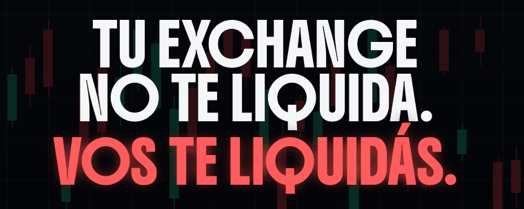
Your exchange doesn’t liquidate you. You liquidate yourselfNo one wants to hear this, but it has to be said: the account you blew up wasn’t killed by the market. You killed it—seconds before that operation—when you decided this time the rule didn’t apply.
## The perfect signal doesn’t exist. Perfect discipline, almost
They spend months looking for the magical indicator, the strategy with a 90% win rate, the candle that "never fails." Meanwhile, the only variable that truly separates the trader who survives 5 years from the one who lasts 5 months is ignored: **what their mind does after three straight losses**.
Your exchange doesn’t liquidate you. You liquidate yourself
No one wants to hear this, but it has to be said: the account you blew up wasn’t killed by the market. You killed it—seconds before that operation—when you decided this time the rule didn’t apply.
## The perfect signal doesn’t exist. Perfect discipline, almost
They spend months looking for the magical indicator, the strategy with a 90% win rate, the candle that "never fails." Meanwhile, the only variable that truly separates the trader who survives 5 years from the one who lasts 5 months is ignored: **what their mind does after three straight losses**.
1
247

·
--
tell me how they thought BTC would go down and sold as soon as they saw the opportunity #psicotrading
tell me how they thought BTC would go down and sold as soon as they saw the opportunity #psicotrading
61

·
--
🛑 STOP RIGHT THERE! Don’t open a trade without reading this first 📊👇
The crypto market does not forgive improvisation. Before risking your first dollar on a position, make sure you have these 5 fundamental rules under control:
1️⃣ Education before capital 🧠
Don’t enter the market based on rumors or gut feelings. Spend time learning how to read charts, recognize market structures (support and resistance), and understand which indicators truly matter to you.
2️⃣ Define your trading style ⏱️
Are you a Scalper, a Day Trader, or are you looking for Swing trades over several days? Knowing your timeframe and style helps you avoid trading with anxiety or outside your available time.
3️⃣ Risk management (Your indispensable shield) 🛡️
Set your Stop Loss before clicking buy or sell. A golden rule for long-term survival is never risking more than 1% to 2% of your total capital per trade.
4️⃣ Emotional control (Psychotrading) 🧘♂️
The market will test your patience. Say no to FOMO (buying out of fear of missing out) and never do Revenge Trading (trying to recover a loss by entering the market in anger).
5️⃣ Keep a trading journal 📓
Write down every entry: why you used the strategy, the result, and the emotion you felt. What isn’t measured can’t be corrected or improved.
💡 Extra tip: Consistency is worth more than a lucky hit. Protect your capital so you can keep playing tomorrow.
💬 Which of these 5 rules do you feel is the hardest to follow at the beginning? I’m reading your comments! 👇
#TradingTips2026 #CryptoLatam #GestionDeRiesgos #psicotrading #EducacionFinanciera
$BANK $NVDAB
6
20
12.4k

·
--
📈 From improvisation to consistency: 4 pillars for a strong trading strategyMost traders lose money not because of a lack of technical analysis, but because of the absence of a solid structure. Having an effective strategy isn’t about finding a magical indicator that predicts the future; it’s about building a repeatable system, statistically supported, and executed with monk-like discipline.
If you want to move from improvisation to consistent results, your system must be built on these four fundamental pillars:
1. Define your Statistical Advantage (Edge)
📈 From improvisation to consistency: 4 pillars for a strong trading strategy
Most traders lose money not because of a lack of technical analysis, but because of the absence of a solid structure. Having an effective strategy isn’t about finding a magical indicator that predicts the future; it’s about building a repeatable system, statistically supported, and executed with monk-like discipline.
If you want to move from improvisation to consistent results, your system must be built on these four fundamental pillars:
1. Define your Statistical Advantage (Edge)
If you want to move from improvisation to consistent results, your system must be built on these four fundamental pillars:
1. Define your Statistical Advantage (Edge)
3
131
Log in to explore more content
Join global crypto users on Binance Square
⚡️ Get latest and useful information about crypto.
💬 Trusted by the world’s largest crypto exchange.
👍 Discover real insights from verified creators.
Email / Phone number
Trending Topics
1
#USPPIMissMayEaseBTCPressure
97,176 views
1,226 Discussing
2
#MANTRAPausesUnstakingFor7DaysAfterKeplrSecurityIncident
832 views
17 Discussing
3
#BitcoinCoreDisclosesTorTrafficVulnerability
45,645 views
711 Discussing
4
#WhatWillDriveCryptoandStocks’NextRebound?
235,878 views
1,918 Discussing
5
#BitcoinBreaksBelow200WeekMovingAverage
95,535 views
745 Discussing
6
#SpaceXTeslaMergerTalksWouldCombine30220BTC
29,294 views
433 Discussing
7
#Anthropic’s6xIPODemandSignalsPotentialRecordRaise
88,883 views
870 Discussing
8
#USCryptoETFsLose$1.48BInFiveDays
3,895 views
60 Discussing
9
#KoreaDigitalAssetBasicActFinalDraftExpectedEarlyJanuary
4,888 views
33 Discussing
10
#RippleRLUSDMarketCapSurpassesPayPalPYUSD
18,481 views
219 Discussing