
#opensourcefinance
opensourcefinance
1,722 views
12 Discussing
Hot
Latest
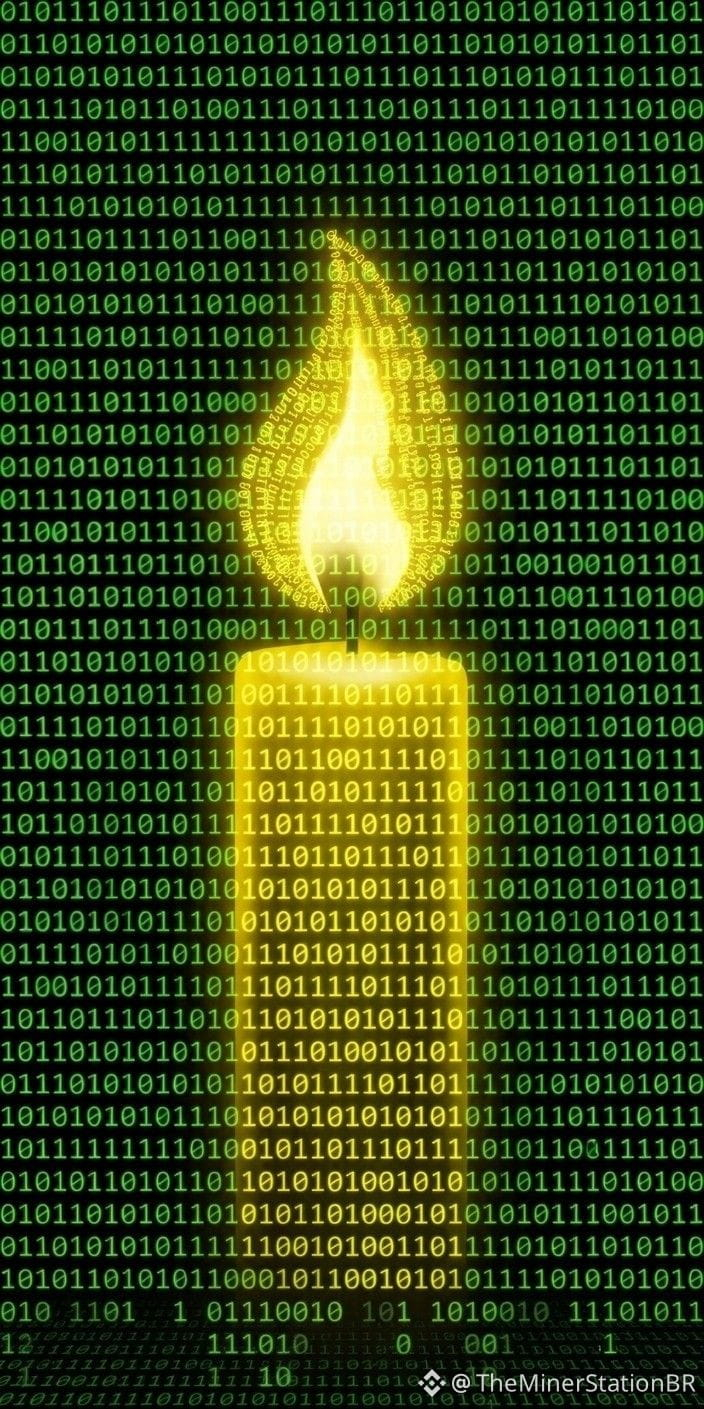
Knowledge is like the light of a candle 🕯️
"No matter how many people share it, the idea is not reduced. When I listen to your idea, I gain knowledge without diminishing yours. In the same way, if I use your candle to light mine, I enlighten myself without darkening you." – Thomas Jefferson
In the world of technology and cryptocurrency, this quote has never been more relevant. As an Open Source enthusiast and Ubuntu user, I believe that professional evolution comes from sharing experiences.
Recently, I decided to shift the focus of my mining setups. I have moved on from old software to explore new horizons that bring more efficiency to my hardware (from my i7 processor to my mobile devices). Mining is not just about the "hash rate"; it is about the constant learning of configurations, terminal command adjustments, and the optimization of every process.
I am here to learn and to light the way for those who, like me, seek to evolve a little more every day.
Disclaimer: This content is strictly informative and reflects my personal experience. It does not constitute financial advice. Always do your own research (DYOR).
⚠️ DYOR: Digital assets carry high risk. You are responsible for your losses. This is not financial advice. Read Binance terms and risk warning. ⚠️
#Linux #CPUMining #OpenSourceFinance #ContinuousLearning
"No matter how many people share it, the idea is not reduced. When I listen to your idea, I gain knowledge without diminishing yours. In the same way, if I use your candle to light mine, I enlighten myself without darkening you." – Thomas Jefferson
In the world of technology and cryptocurrency, this quote has never been more relevant. As an Open Source enthusiast and Ubuntu user, I believe that professional evolution comes from sharing experiences.
Recently, I decided to shift the focus of my mining setups. I have moved on from old software to explore new horizons that bring more efficiency to my hardware (from my i7 processor to my mobile devices). Mining is not just about the "hash rate"; it is about the constant learning of configurations, terminal command adjustments, and the optimization of every process.
I am here to learn and to light the way for those who, like me, seek to evolve a little more every day.
Disclaimer: This content is strictly informative and reflects my personal experience. It does not constitute financial advice. Always do your own research (DYOR).
⚠️ DYOR: Digital assets carry high risk. You are responsible for your losses. This is not financial advice. Read Binance terms and risk warning. ⚠️
#Linux #CPUMining #OpenSourceFinance #ContinuousLearning

Verified
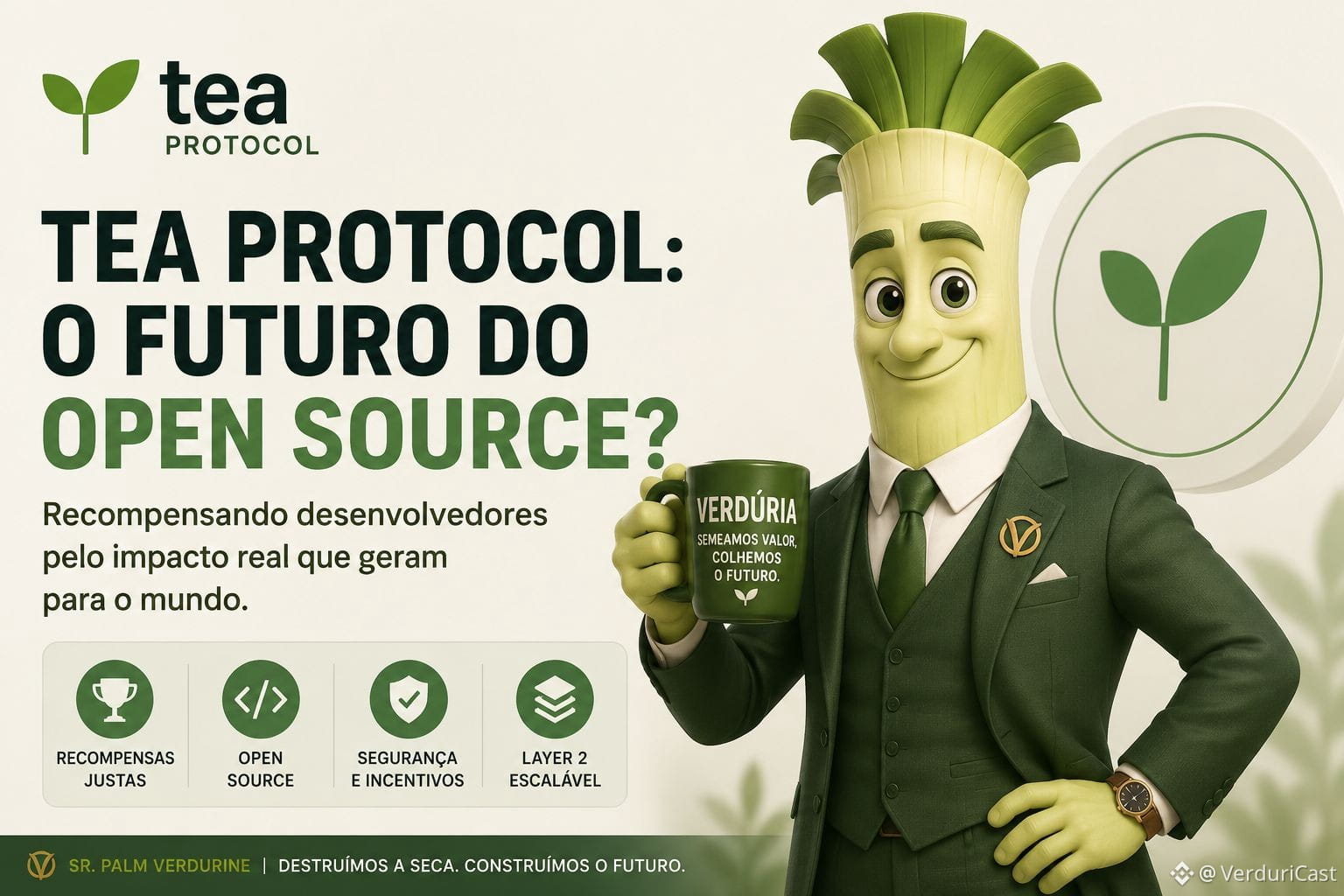
🌱 Is the Tea Protocol the Next Big Revolution in Open Source?
When we think about the internet's infrastructure, we usually recall tech giants. But the reality is that much of the digital world runs thanks to open source projects maintained by developers who often receive little to no financial return for the value they create.
This is exactly the issue that the Tea Protocol aims to tackle.
The project introduces a model called Proof of Contribution (PoC), which seeks to reward developers based on the real impact of their contributions to the ecosystem. Instead of relying solely on donations or sponsorships, the protocol uses metrics to identify which projects generate the most value for the community.
One of the most interesting elements is the teaRank, a system inspired by Google’s PageRank. The more a piece of software is used by other relevant projects, the higher its score tends to be within the network.
In addition, Tea is building its own blockchain infrastructure based on the OP Stack, aiming for scalability, security, and lower fees. The TEA token plays a central role in the ecosystem, being used for incentives, staking, governance, and rewards.
The artificial intelligence sector, cloud computing, and Web3 applications are increasingly dependent on open source libraries and tools. This makes the sustainability of these developers a strategic issue for the entire industry.
The big question is: are we witnessing the birth of an economy that can fairly reward the builders of the internet?
If Tea can execute its vision, it could transform how open source software is funded in the coming decades.
What do you think: are models like the Tea Protocol the future of the open source economy?
$ETH
#teaprotocol #Crypto #Web3 #BinanceSquare #blockchains #OpenSourceFinance #Ethereum! #Layer2 #DeFi #INNOVATION
When we think about the internet's infrastructure, we usually recall tech giants. But the reality is that much of the digital world runs thanks to open source projects maintained by developers who often receive little to no financial return for the value they create.
This is exactly the issue that the Tea Protocol aims to tackle.
The project introduces a model called Proof of Contribution (PoC), which seeks to reward developers based on the real impact of their contributions to the ecosystem. Instead of relying solely on donations or sponsorships, the protocol uses metrics to identify which projects generate the most value for the community.
One of the most interesting elements is the teaRank, a system inspired by Google’s PageRank. The more a piece of software is used by other relevant projects, the higher its score tends to be within the network.
In addition, Tea is building its own blockchain infrastructure based on the OP Stack, aiming for scalability, security, and lower fees. The TEA token plays a central role in the ecosystem, being used for incentives, staking, governance, and rewards.
The artificial intelligence sector, cloud computing, and Web3 applications are increasingly dependent on open source libraries and tools. This makes the sustainability of these developers a strategic issue for the entire industry.
The big question is: are we witnessing the birth of an economy that can fairly reward the builders of the internet?
If Tea can execute its vision, it could transform how open source software is funded in the coming decades.
What do you think: are models like the Tea Protocol the future of the open source economy?
$ETH
#teaprotocol #Crypto #Web3 #BinanceSquare #blockchains #OpenSourceFinance #Ethereum! #Layer2 #DeFi #INNOVATION
Log in to explore more content