
#gemston
gemston
12,046 views
182 Discussing
Hot
Latest

·
--
STON.fi Protocol Fee Conversion Process Now Open to Public Verification
The STON.fi DAO community has approved a proposal to convert protocol fees into STON and GEMSTON for the treasury. To ensure full transparency, every conversion can now be tracked in real time.
The Ston Foundation has introduced a public transparency dashboard that provides a live on chain record of all protocol fee conversions into STON and GEMSTON, exactly as approved by the DAO. The dashboard allows anyone to independently verify every transaction, wallet address, and key treasury metric directly on chain.
This initiative demonstrates decentralized governance in action: community approved decisions are executed transparently on chain and remain publicly auditable at all times.
Explore the transparency dashboard.
The Ston Foundation's involvement is limited to supporting transparency around the DAO approved implementation. It does not participate in market making, price support activities, or discretionary token management. Any future use of the acquired tokens will be determined through additional DAO community governance decisions.
More updates will follow.
#web3 #Stonfi #Gemston
STON.fi Protocol Fee Conversion Process Now Open to Public Verification
The STON.fi DAO community has approved a proposal to convert protocol fees into STON and GEMSTON for the treasury. To ensure full transparency, every conversion can now be tracked in real time.
The Ston Foundation has introduced a public transparency dashboard that provides a live on chain record of all protocol fee conversions into STON and GEMSTON, exactly as approved by the DAO. The dashboard allows anyone to independently verify every transaction, wallet address, and key treasury metric directly on chain.
This initiative demonstrates decentralized governance in action: community approved decisions are executed transparently on chain and remain publicly auditable at all times.
Explore the transparency dashboard.
The Ston Foundation's involvement is limited to supporting transparency around the DAO approved implementation. It does not participate in market making, price support activities, or discretionary token management. Any future use of the acquired tokens will be determined through additional DAO community governance decisions.
More updates will follow.
#web3 #Stonfi #Gemston
The STON.fi DAO community has approved a proposal to convert protocol fees into STON and GEMSTON for the treasury. To ensure full transparency, every conversion can now be tracked in real time.
The Ston Foundation has introduced a public transparency dashboard that provides a live on chain record of all protocol fee conversions into STON and GEMSTON, exactly as approved by the DAO. The dashboard allows anyone to independently verify every transaction, wallet address, and key treasury metric directly on chain.
This initiative demonstrates decentralized governance in action: community approved decisions are executed transparently on chain and remain publicly auditable at all times.
Explore the transparency dashboard.
The Ston Foundation's involvement is limited to supporting transparency around the DAO approved implementation. It does not participate in market making, price support activities, or discretionary token management. Any future use of the acquired tokens will be determined through additional DAO community governance decisions.
More updates will follow.
#web3 #Stonfi #Gemston
1
68

·
--
DAO governance means more when you can actually see the results.!!!
With Ston Foundation's new public transparency page, the community can now monitor protocol fee conversions into STON and GEMSTON in real time.
It's a simple update, but an important one.
Every conversion follows the DAO-approved framework, giving the community a clear view of how protocol revenue is being handled.
Transparency builds trust, and trust is what keeps decentralized ecosystems growing.
Well done to the team and community for making governance visible, not just theoretical. 🚀
#STON #DAO #Web3 #DeFi #Blockchain #GEMSTON
DAO governance means more when you can actually see the results.!!!
With Ston Foundation's new public transparency page, the community can now monitor protocol fee conversions into STON and GEMSTON in real time.
It's a simple update, but an important one.
Every conversion follows the DAO-approved framework, giving the community a clear view of how protocol revenue is being handled.
Transparency builds trust, and trust is what keeps decentralized ecosystems growing.
Well done to the team and community for making governance visible, not just theoretical. 🚀
#STON #DAO #Web3 #DeFi #Blockchain #GEMSTON
With Ston Foundation's new public transparency page, the community can now monitor protocol fee conversions into STON and GEMSTON in real time.
It's a simple update, but an important one.
Every conversion follows the DAO-approved framework, giving the community a clear view of how protocol revenue is being handled.
Transparency builds trust, and trust is what keeps decentralized ecosystems growing.
Well done to the team and community for making governance visible, not just theoretical. 🚀
#STON #DAO #Web3 #DeFi #Blockchain #GEMSTON

71

·
--
Article
The Future of User-Friendly DeFiDecentralized finance has enormous technological potential, but complicated interfaces can discourage newcomers. For DeFi to reach a wider audience, platforms need to make blockchain interactions easier to understand. STON.fi is an example of a project working within the TON ecosystem to provide decentralized trading functionality.
User-friendly design matters because blockchain applications often introduce concepts that are unfamiliar to traditional internet users. Wallet connections, transaction confirmations, network fees, token addresses, and smart contracts can all seem complicated at first.
A well-designed decentralized application can reduce unnecessary confusion while still giving users control over their transactions. Education remains equally important because a simple interface cannot eliminate the need for responsible decision-making.
The future of DeFi may involve applications that combine decentralized infrastructure with familiar user experiences. If blockchain technology becomes easier to use, more people may feel comfortable exploring decentralized services.
STON.fi contributes to this broader development by offering decentralized trading within the TON ecosystem. As blockchain technology evolves, platforms will likely continue experimenting with new features, improved interfaces, and greater interoperability.
Ultimately, successful DeFi adoption will require more than technical innovation. It will require trust, education, security, accessibility, and useful products.
The next generation of decentralized finance could become significantly more approachable if developers continue focusing on the real needs of everyday users.
#STONfi
#GEMSTON
#ston
The Future of User-Friendly DeFi
Decentralized finance has enormous technological potential, but complicated interfaces can discourage newcomers. For DeFi to reach a wider audience, platforms need to make blockchain interactions easier to understand. STON.fi is an example of a project working within the TON ecosystem to provide decentralized trading functionality.
User-friendly design matters because blockchain applications often introduce concepts that are unfamiliar to traditional internet users. Wallet connections, transaction confirmations, network fees, token addresses, and smart contracts can all seem complicated at first.
A well-designed decentralized application can reduce unnecessary confusion while still giving users control over their transactions. Education remains equally important because a simple interface cannot eliminate the need for responsible decision-making.
The future of DeFi may involve applications that combine decentralized infrastructure with familiar user experiences. If blockchain technology becomes easier to use, more people may feel comfortable exploring decentralized services.
STON.fi contributes to this broader development by offering decentralized trading within the TON ecosystem. As blockchain technology evolves, platforms will likely continue experimenting with new features, improved interfaces, and greater interoperability.
Ultimately, successful DeFi adoption will require more than technical innovation. It will require trust, education, security, accessibility, and useful products.
The next generation of decentralized finance could become significantly more approachable if developers continue focusing on the real needs of everyday users.
#STONfi
#GEMSTON
#ston
User-friendly design matters because blockchain applications often introduce concepts that are unfamiliar to traditional internet users. Wallet connections, transaction confirmations, network fees, token addresses, and smart contracts can all seem complicated at first.
A well-designed decentralized application can reduce unnecessary confusion while still giving users control over their transactions. Education remains equally important because a simple interface cannot eliminate the need for responsible decision-making.
The future of DeFi may involve applications that combine decentralized infrastructure with familiar user experiences. If blockchain technology becomes easier to use, more people may feel comfortable exploring decentralized services.
STON.fi contributes to this broader development by offering decentralized trading within the TON ecosystem. As blockchain technology evolves, platforms will likely continue experimenting with new features, improved interfaces, and greater interoperability.
Ultimately, successful DeFi adoption will require more than technical innovation. It will require trust, education, security, accessibility, and useful products.
The next generation of decentralized finance could become significantly more approachable if developers continue focusing on the real needs of everyday users.
#STONfi
#GEMSTON
#ston
5
96
·
--
Article
Exploring the Potential of Cross-Chain DeFiBlockchain ecosystems are often developed separately, with different networks supporting different assets and applications. Cross-chain technology aims to improve interaction between these ecosystems. For decentralized finance, this could create new opportunities for users and applications.
STON.fi has highlighted cross-chain development as part of its broader vision. The idea is significant because blockchain users may hold assets across multiple networks. Greater interoperability could make it easier to move value and interact with decentralized applications across different ecosystems.
Cross-chain systems also introduce technical challenges. Security, transaction verification, liquidity, and compatibility must all be considered carefully. A cross-chain solution needs strong infrastructure because weaknesses can create significant risks.
The development of interoperability reflects a broader trend in blockchain technology. Instead of treating individual networks as completely isolated environments, developers are increasingly exploring ways for ecosystems to communicate.
For users, successful interoperability could mean greater flexibility. Instead of choosing a single blockchain ecosystem, users may eventually interact with multiple networks through simpler interfaces.
STON.fi's focus on decentralized trading and its broader cross-chain ambitions illustrate how DeFi platforms are exploring the next stage of blockchain development.
The future of decentralized finance may therefore depend not only on individual blockchains but also on how effectively different networks can work together.
#STONfi
#GEMSTON
#ston
Exploring the Potential of Cross-Chain DeFi
Blockchain ecosystems are often developed separately, with different networks supporting different assets and applications. Cross-chain technology aims to improve interaction between these ecosystems. For decentralized finance, this could create new opportunities for users and applications.
STON.fi has highlighted cross-chain development as part of its broader vision. The idea is significant because blockchain users may hold assets across multiple networks. Greater interoperability could make it easier to move value and interact with decentralized applications across different ecosystems.
Cross-chain systems also introduce technical challenges. Security, transaction verification, liquidity, and compatibility must all be considered carefully. A cross-chain solution needs strong infrastructure because weaknesses can create significant risks.
The development of interoperability reflects a broader trend in blockchain technology. Instead of treating individual networks as completely isolated environments, developers are increasingly exploring ways for ecosystems to communicate.
For users, successful interoperability could mean greater flexibility. Instead of choosing a single blockchain ecosystem, users may eventually interact with multiple networks through simpler interfaces.
STON.fi's focus on decentralized trading and its broader cross-chain ambitions illustrate how DeFi platforms are exploring the next stage of blockchain development.
The future of decentralized finance may therefore depend not only on individual blockchains but also on how effectively different networks can work together.
#STONfi
#GEMSTON
#ston
STON.fi has highlighted cross-chain development as part of its broader vision. The idea is significant because blockchain users may hold assets across multiple networks. Greater interoperability could make it easier to move value and interact with decentralized applications across different ecosystems.
Cross-chain systems also introduce technical challenges. Security, transaction verification, liquidity, and compatibility must all be considered carefully. A cross-chain solution needs strong infrastructure because weaknesses can create significant risks.
The development of interoperability reflects a broader trend in blockchain technology. Instead of treating individual networks as completely isolated environments, developers are increasingly exploring ways for ecosystems to communicate.
For users, successful interoperability could mean greater flexibility. Instead of choosing a single blockchain ecosystem, users may eventually interact with multiple networks through simpler interfaces.
STON.fi's focus on decentralized trading and its broader cross-chain ambitions illustrate how DeFi platforms are exploring the next stage of blockchain development.
The future of decentralized finance may therefore depend not only on individual blockchains but also on how effectively different networks can work together.
#STONfi
#GEMSTON
#ston
3
21
·
--
Article
The Growing Role of DeFi CommunitiesTechnology may provide the foundation for decentralized finance, but communities help ecosystems grow. Developers build applications, traders use them, liquidity providers support markets, and educators help newcomers understand the technology. STON.fi operates within this broader community-driven environment.
Open blockchain ecosystems can encourage people from different backgrounds to contribute ideas, content, feedback, and technical development. This creates opportunities for users to become more than passive participants.
Educational content is especially valuable. Articles, guides, videos, discussions, and tutorials can help people understand decentralized exchanges and blockchain concepts. Clear information can reduce confusion and encourage responsible participation.
Community members can also contribute by sharing their experiences and discussing developments within the ecosystem. However, responsible communication is important. People should distinguish between personal opinions and verified information, especially when discussing financial assets.
STON.fi's ecosystem demonstrates how a decentralized application can become part of a larger blockchain community. As TON develops, community participation can help introduce more people to decentralized applications.
The strongest communities are not built only around promotion. They are built around education, useful contributions, constructive discussions, and shared interest in technological development.
For DeFi to grow sustainably, communities and developers must work together to make blockchain technology more understandable, accessible, and useful.
#STONfi
#GEMSTON
#ston
The Growing Role of DeFi Communities
Technology may provide the foundation for decentralized finance, but communities help ecosystems grow. Developers build applications, traders use them, liquidity providers support markets, and educators help newcomers understand the technology. STON.fi operates within this broader community-driven environment.
Open blockchain ecosystems can encourage people from different backgrounds to contribute ideas, content, feedback, and technical development. This creates opportunities for users to become more than passive participants.
Educational content is especially valuable. Articles, guides, videos, discussions, and tutorials can help people understand decentralized exchanges and blockchain concepts. Clear information can reduce confusion and encourage responsible participation.
Community members can also contribute by sharing their experiences and discussing developments within the ecosystem. However, responsible communication is important. People should distinguish between personal opinions and verified information, especially when discussing financial assets.
STON.fi's ecosystem demonstrates how a decentralized application can become part of a larger blockchain community. As TON develops, community participation can help introduce more people to decentralized applications.
The strongest communities are not built only around promotion. They are built around education, useful contributions, constructive discussions, and shared interest in technological development.
For DeFi to grow sustainably, communities and developers must work together to make blockchain technology more understandable, accessible, and useful.
#STONfi
#GEMSTON
#ston
Open blockchain ecosystems can encourage people from different backgrounds to contribute ideas, content, feedback, and technical development. This creates opportunities for users to become more than passive participants.
Educational content is especially valuable. Articles, guides, videos, discussions, and tutorials can help people understand decentralized exchanges and blockchain concepts. Clear information can reduce confusion and encourage responsible participation.
Community members can also contribute by sharing their experiences and discussing developments within the ecosystem. However, responsible communication is important. People should distinguish between personal opinions and verified information, especially when discussing financial assets.
STON.fi's ecosystem demonstrates how a decentralized application can become part of a larger blockchain community. As TON develops, community participation can help introduce more people to decentralized applications.
The strongest communities are not built only around promotion. They are built around education, useful contributions, constructive discussions, and shared interest in technological development.
For DeFi to grow sustainably, communities and developers must work together to make blockchain technology more understandable, accessible, and useful.
#STONfi
#GEMSTON
#ston
2
100
·
--
Article
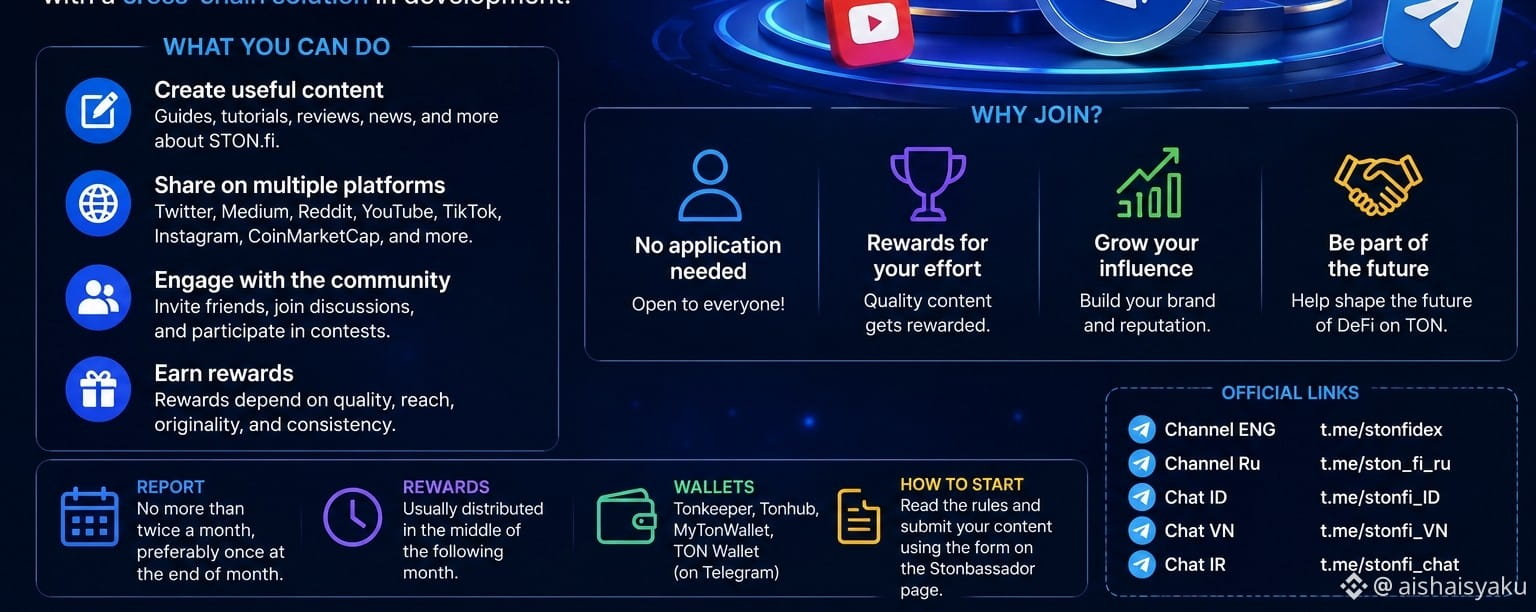
Why Decentralized Exchanges MatterThe cryptocurrency industry has introduced a new approach to financial services through decentralized exchanges. Unlike traditional exchanges that operate through centralized companies, decentralized exchanges allow users to trade assets using blockchain-based protocols. STON.fi is one example operating within the TON ecosystem.
Decentralized exchanges can provide users with direct access to token swaps without requiring the same type of centralized account structure found on traditional platforms. This can make blockchain-based trading more flexible for people who prefer interacting directly with decentralized applications.
Another important advantage is transparency. Blockchain transactions can generally be verified through the network, allowing users to examine transaction activity and understand how assets move. Smart contracts can also automate parts of the trading process according to programmed rules.
STON.fi focuses on creating a decentralized trading experience within TON. The platform contributes to the development of an ecosystem where users can explore different digital assets and blockchain applications.
As decentralized finance develops, education will remain essential. New users need to understand wallets, transaction fees, liquidity, smart contracts, and security before participating.
The future of decentralized trading will depend not only on technology but also on usability. Platforms that make blockchain interactions easier to understand can help bring decentralized finance to a wider audience.
#STONfi
#GEMSTON
#ston
Why Decentralized Exchanges Matter
The cryptocurrency industry has introduced a new approach to financial services through decentralized exchanges. Unlike traditional exchanges that operate through centralized companies, decentralized exchanges allow users to trade assets using blockchain-based protocols. STON.fi is one example operating within the TON ecosystem.
Decentralized exchanges can provide users with direct access to token swaps without requiring the same type of centralized account structure found on traditional platforms. This can make blockchain-based trading more flexible for people who prefer interacting directly with decentralized applications.
Another important advantage is transparency. Blockchain transactions can generally be verified through the network, allowing users to examine transaction activity and understand how assets move. Smart contracts can also automate parts of the trading process according to programmed rules.
STON.fi focuses on creating a decentralized trading experience within TON. The platform contributes to the development of an ecosystem where users can explore different digital assets and blockchain applications.
As decentralized finance develops, education will remain essential. New users need to understand wallets, transaction fees, liquidity, smart contracts, and security before participating.
The future of decentralized trading will depend not only on technology but also on usability. Platforms that make blockchain interactions easier to understand can help bring decentralized finance to a wider audience.
#STONfi
#GEMSTON
#ston
Decentralized exchanges can provide users with direct access to token swaps without requiring the same type of centralized account structure found on traditional platforms. This can make blockchain-based trading more flexible for people who prefer interacting directly with decentralized applications.
Another important advantage is transparency. Blockchain transactions can generally be verified through the network, allowing users to examine transaction activity and understand how assets move. Smart contracts can also automate parts of the trading process according to programmed rules.
STON.fi focuses on creating a decentralized trading experience within TON. The platform contributes to the development of an ecosystem where users can explore different digital assets and blockchain applications.
As decentralized finance develops, education will remain essential. New users need to understand wallets, transaction fees, liquidity, smart contracts, and security before participating.
The future of decentralized trading will depend not only on technology but also on usability. Platforms that make blockchain interactions easier to understand can help bring decentralized finance to a wider audience.
#STONfi
#GEMSTON
#ston
1
96
·
--
Article
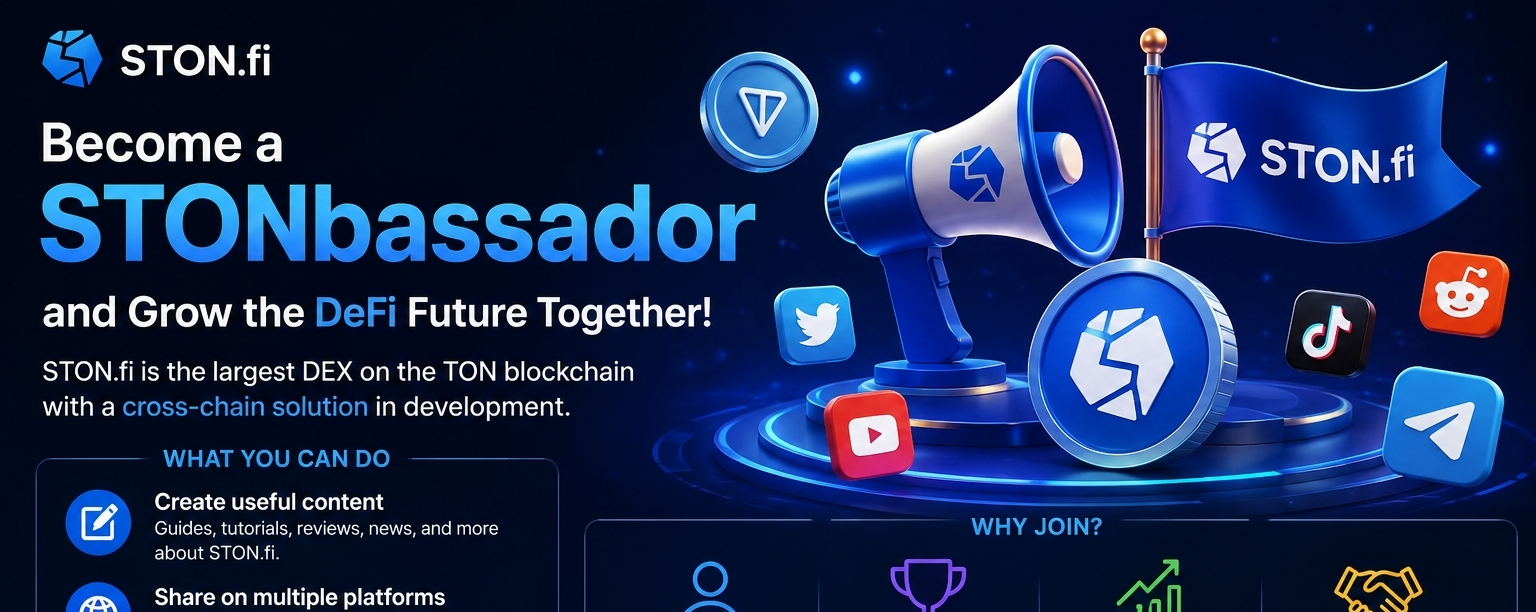
Understanding Token Swaps with STON.fiToken swapping is one of the most common activities in decentralized finance. A swap allows a user to exchange one digital asset for another through a blockchain-based protocol. STON.fi provides decentralized swapping functionality within the TON ecosystem.
For someone new to decentralized finance, the process can initially seem complicated. Users generally need a compatible wallet, sufficient network fees, and an understanding of the assets they want to exchange. Before confirming a transaction, it is important to review the token, amount, expected outcome, and applicable transaction costs.
One useful concept to understand is liquidity. Decentralized exchanges rely on liquidity to facilitate trading. Liquidity can influence how efficiently a swap is executed and how much price impact may occur for larger transactions.
Another important concept is slippage. Market conditions and available liquidity can affect the final amount received from a swap. Users should understand these factors rather than assuming every transaction will execute at exactly the displayed price.
STON.fi makes decentralized trading part of the TON experience. Its existence demonstrates how blockchain applications can provide practical financial tools without depending entirely on centralized intermediaries.
Learning how swaps work before trading is essential. Knowledge, careful transaction review, and responsible wallet security can help users navigate decentralized finance more confidently.
#stonfi
#GEMSTON
#ston
Understanding Token Swaps with STON.fi
Token swapping is one of the most common activities in decentralized finance. A swap allows a user to exchange one digital asset for another through a blockchain-based protocol. STON.fi provides decentralized swapping functionality within the TON ecosystem.
For someone new to decentralized finance, the process can initially seem complicated. Users generally need a compatible wallet, sufficient network fees, and an understanding of the assets they want to exchange. Before confirming a transaction, it is important to review the token, amount, expected outcome, and applicable transaction costs.
One useful concept to understand is liquidity. Decentralized exchanges rely on liquidity to facilitate trading. Liquidity can influence how efficiently a swap is executed and how much price impact may occur for larger transactions.
Another important concept is slippage. Market conditions and available liquidity can affect the final amount received from a swap. Users should understand these factors rather than assuming every transaction will execute at exactly the displayed price.
STON.fi makes decentralized trading part of the TON experience. Its existence demonstrates how blockchain applications can provide practical financial tools without depending entirely on centralized intermediaries.
Learning how swaps work before trading is essential. Knowledge, careful transaction review, and responsible wallet security can help users navigate decentralized finance more confidently.
#stonfi
#GEMSTON
#ston
For someone new to decentralized finance, the process can initially seem complicated. Users generally need a compatible wallet, sufficient network fees, and an understanding of the assets they want to exchange. Before confirming a transaction, it is important to review the token, amount, expected outcome, and applicable transaction costs.
One useful concept to understand is liquidity. Decentralized exchanges rely on liquidity to facilitate trading. Liquidity can influence how efficiently a swap is executed and how much price impact may occur for larger transactions.
Another important concept is slippage. Market conditions and available liquidity can affect the final amount received from a swap. Users should understand these factors rather than assuming every transaction will execute at exactly the displayed price.
STON.fi makes decentralized trading part of the TON experience. Its existence demonstrates how blockchain applications can provide practical financial tools without depending entirely on centralized intermediaries.
Learning how swaps work before trading is essential. Knowledge, careful transaction review, and responsible wallet security can help users navigate decentralized finance more confidently.
#stonfi
#GEMSTON
#ston
1
109
·
--
Article
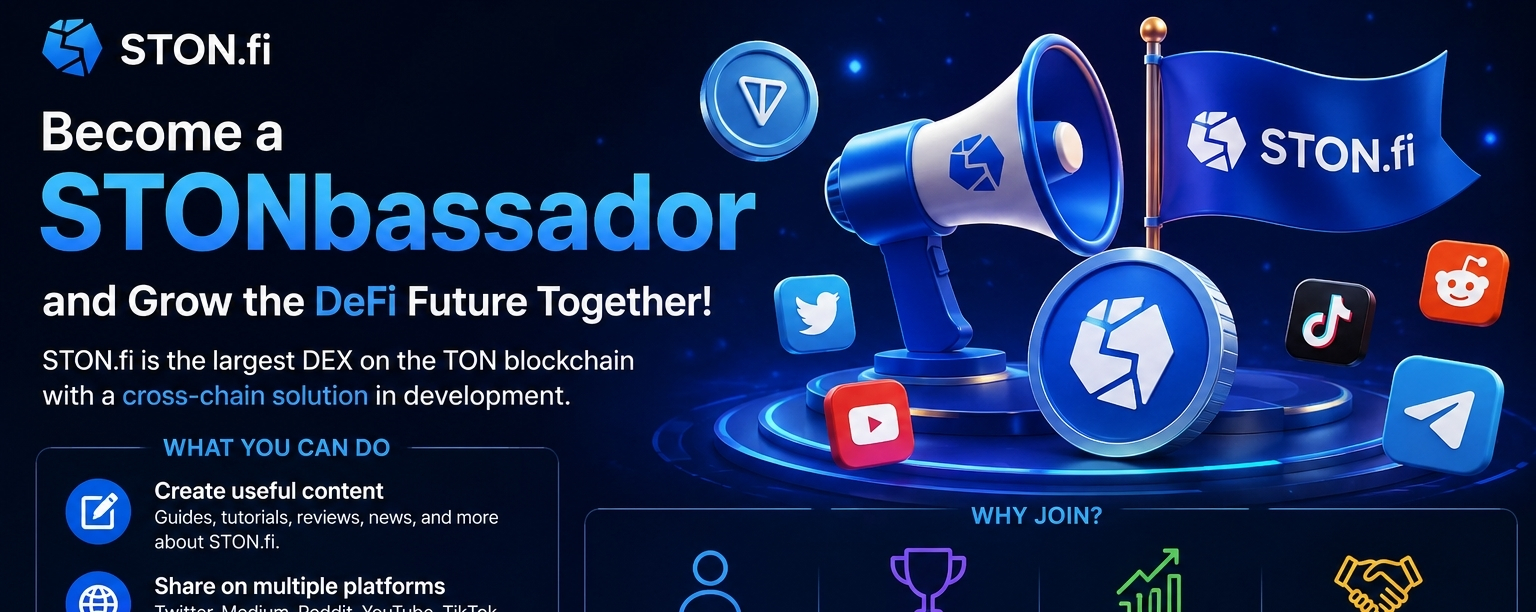
Blockchain Innovation and Everyday FinanceBlockchain technology is moving beyond the idea of digital currencies. Developers are creating applications that attempt to improve different aspects of financial services. Decentralized exchanges are one example of this innovation, and STON.fi is part of the decentralized finance ecosystem on TON.
Traditional financial systems often depend on institutions that manage transactions and accounts. Blockchain networks introduce another model where software and decentralized networks can facilitate interactions between users.
This does not mean decentralized finance is perfect. Users still face challenges involving security, market volatility, technical complexity, and regulatory uncertainty. Understanding these challenges is essential before participating.
The potential benefit of blockchain-based financial applications comes from their accessibility and programmability. Users with compatible wallets and network access can interact with decentralized applications without necessarily going through the same traditional processes.
STON.fi contributes to this developing environment by providing decentralized trading functionality. Its role highlights how blockchain applications can transform technical infrastructure into practical services.
As the industry matures, successful projects will need to balance innovation with usability and security. Technology alone is not enough. Users need interfaces they can understand, educational resources they can trust, and tools that encourage responsible participation.
Blockchain's long-term impact may ultimately depend on how effectively these technologies solve real problems.
#STONfi
#GEMSTON
#ston
Blockchain Innovation and Everyday Finance
Blockchain technology is moving beyond the idea of digital currencies. Developers are creating applications that attempt to improve different aspects of financial services. Decentralized exchanges are one example of this innovation, and STON.fi is part of the decentralized finance ecosystem on TON.
Traditional financial systems often depend on institutions that manage transactions and accounts. Blockchain networks introduce another model where software and decentralized networks can facilitate interactions between users.
This does not mean decentralized finance is perfect. Users still face challenges involving security, market volatility, technical complexity, and regulatory uncertainty. Understanding these challenges is essential before participating.
The potential benefit of blockchain-based financial applications comes from their accessibility and programmability. Users with compatible wallets and network access can interact with decentralized applications without necessarily going through the same traditional processes.
STON.fi contributes to this developing environment by providing decentralized trading functionality. Its role highlights how blockchain applications can transform technical infrastructure into practical services.
As the industry matures, successful projects will need to balance innovation with usability and security. Technology alone is not enough. Users need interfaces they can understand, educational resources they can trust, and tools that encourage responsible participation.
Blockchain's long-term impact may ultimately depend on how effectively these technologies solve real problems.
#STONfi
#GEMSTON
#ston
Traditional financial systems often depend on institutions that manage transactions and accounts. Blockchain networks introduce another model where software and decentralized networks can facilitate interactions between users.
This does not mean decentralized finance is perfect. Users still face challenges involving security, market volatility, technical complexity, and regulatory uncertainty. Understanding these challenges is essential before participating.
The potential benefit of blockchain-based financial applications comes from their accessibility and programmability. Users with compatible wallets and network access can interact with decentralized applications without necessarily going through the same traditional processes.
STON.fi contributes to this developing environment by providing decentralized trading functionality. Its role highlights how blockchain applications can transform technical infrastructure into practical services.
As the industry matures, successful projects will need to balance innovation with usability and security. Technology alone is not enough. Users need interfaces they can understand, educational resources they can trust, and tools that encourage responsible participation.
Blockchain's long-term impact may ultimately depend on how effectively these technologies solve real problems.
#STONfi
#GEMSTON
#ston
1
89
·
--
Article
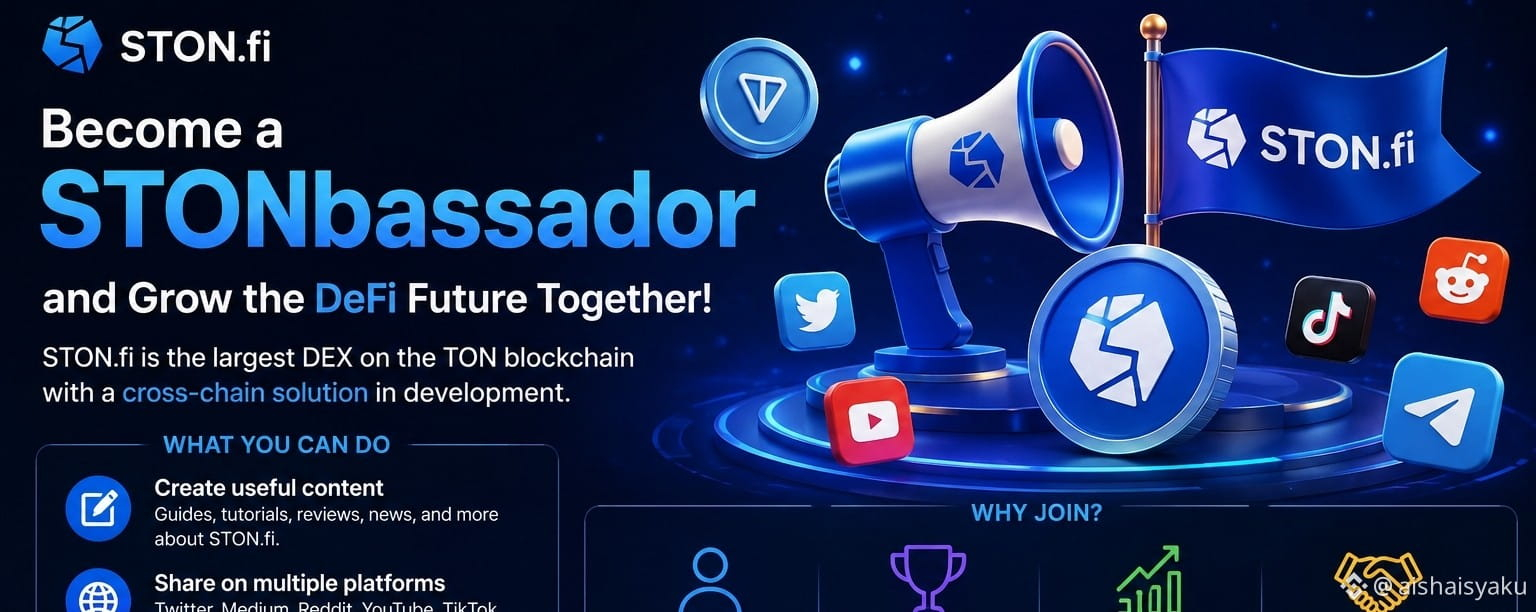
The Importance of Liquidity in DeFiLiquidity is one of the foundations of decentralized finance. Without sufficient liquidity, users may experience difficulty exchanging assets efficiently. Decentralized exchanges such as STON.fi depend on liquidity pools to support trading activity across supported tokens.
Liquidity pools generally contain assets that can be used by traders when making swaps. People who provide liquidity may contribute assets to these pools according to the protocol's rules. In return, liquidity providers may receive rewards or fees, depending on the specific pool and conditions.
For traders, deeper liquidity can help reduce the impact that individual transactions have on market prices. This is particularly important when users are exchanging larger amounts.
However, providing liquidity also involves risks. Digital asset prices can change significantly, and liquidity providers should understand concepts such as impermanent loss before participating. It is important to research each pool and understand its terms rather than focusing only on potential returns.
STON.fi illustrates how liquidity can support decentralized trading within the TON ecosystem. As more users participate in DeFi, liquidity mechanisms may become increasingly important for maintaining efficient markets.
The broader lesson is simple: decentralized trading requires an ecosystem of participants. Traders, liquidity providers, developers, and users all contribute to the activity that makes decentralized finance possible.
#stonfi
#GEMSTON
#ston
The Importance of Liquidity in DeFi
Liquidity is one of the foundations of decentralized finance. Without sufficient liquidity, users may experience difficulty exchanging assets efficiently. Decentralized exchanges such as STON.fi depend on liquidity pools to support trading activity across supported tokens.
Liquidity pools generally contain assets that can be used by traders when making swaps. People who provide liquidity may contribute assets to these pools according to the protocol's rules. In return, liquidity providers may receive rewards or fees, depending on the specific pool and conditions.
For traders, deeper liquidity can help reduce the impact that individual transactions have on market prices. This is particularly important when users are exchanging larger amounts.
However, providing liquidity also involves risks. Digital asset prices can change significantly, and liquidity providers should understand concepts such as impermanent loss before participating. It is important to research each pool and understand its terms rather than focusing only on potential returns.
STON.fi illustrates how liquidity can support decentralized trading within the TON ecosystem. As more users participate in DeFi, liquidity mechanisms may become increasingly important for maintaining efficient markets.
The broader lesson is simple: decentralized trading requires an ecosystem of participants. Traders, liquidity providers, developers, and users all contribute to the activity that makes decentralized finance possible.
#stonfi
#GEMSTON
#ston
Liquidity pools generally contain assets that can be used by traders when making swaps. People who provide liquidity may contribute assets to these pools according to the protocol's rules. In return, liquidity providers may receive rewards or fees, depending on the specific pool and conditions.
For traders, deeper liquidity can help reduce the impact that individual transactions have on market prices. This is particularly important when users are exchanging larger amounts.
However, providing liquidity also involves risks. Digital asset prices can change significantly, and liquidity providers should understand concepts such as impermanent loss before participating. It is important to research each pool and understand its terms rather than focusing only on potential returns.
STON.fi illustrates how liquidity can support decentralized trading within the TON ecosystem. As more users participate in DeFi, liquidity mechanisms may become increasingly important for maintaining efficient markets.
The broader lesson is simple: decentralized trading requires an ecosystem of participants. Traders, liquidity providers, developers, and users all contribute to the activity that makes decentralized finance possible.
#stonfi
#GEMSTON
#ston
80
·
--
Article
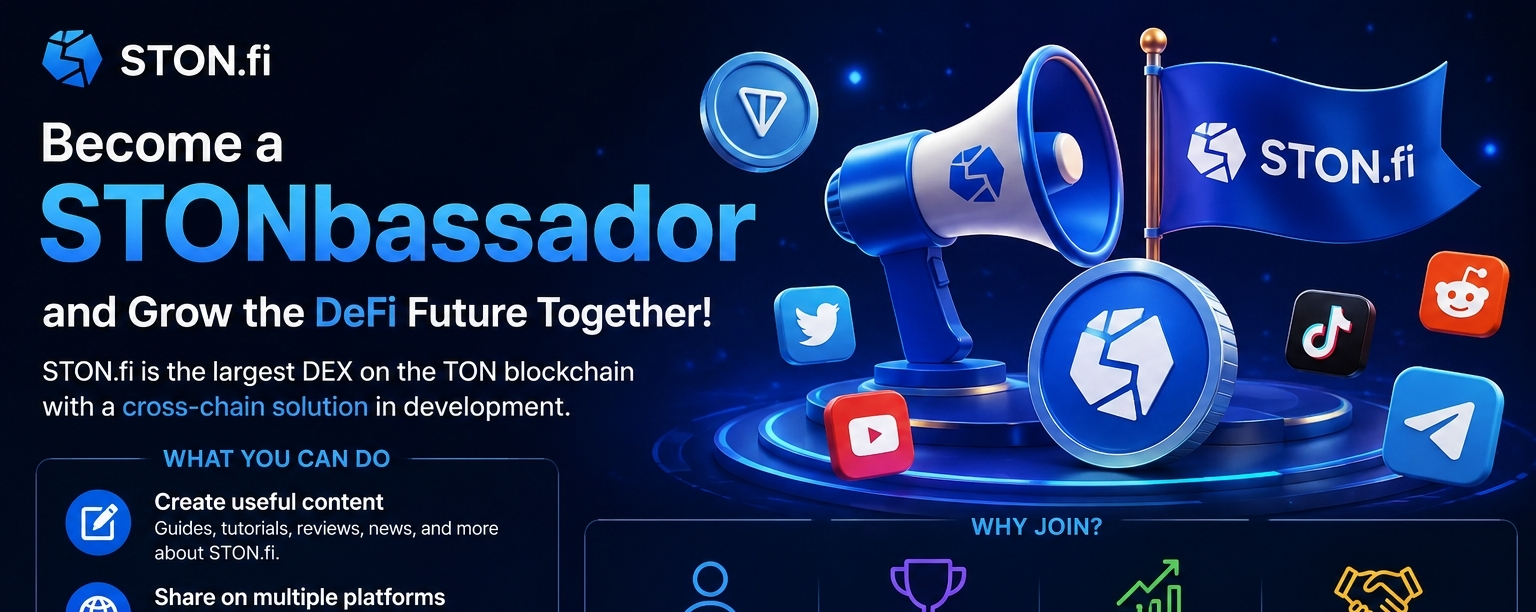
STON.fi and the Future of Decentralized TradingDecentralized finance is changing the way people think about trading and financial ownership. Instead of depending entirely on centralized platforms, users can interact with blockchain-based applications and maintain greater control over their assets. One project contributing to this movement is STON.fi, a decentralized exchange built on the TON blockchain.
STON.fi provides an environment where users can swap digital assets directly through decentralized infrastructure. Its design focuses on making blockchain trading accessible while taking advantage of the speed and efficiency associated with the TON ecosystem.
One important feature of decentralized exchanges is that users can interact with smart contracts rather than relying on a traditional centralized intermediary. This approach can provide greater transparency and allow users to manage their assets through compatible wallets.
The growth of the TON ecosystem also creates opportunities for decentralized applications to reach a broader audience. As more people explore blockchain technology, simple and practical trading platforms can play an important role in encouraging adoption.
STON.fi represents part of a wider movement toward open financial infrastructure. As decentralized finance continues developing, platforms that prioritize usability, accessibility, and innovation may become increasingly important in the digital economy.
#STONfi
#GEMSTON
#ston
STON.fi and the Future of Decentralized Trading
Decentralized finance is changing the way people think about trading and financial ownership. Instead of depending entirely on centralized platforms, users can interact with blockchain-based applications and maintain greater control over their assets. One project contributing to this movement is STON.fi, a decentralized exchange built on the TON blockchain.
STON.fi provides an environment where users can swap digital assets directly through decentralized infrastructure. Its design focuses on making blockchain trading accessible while taking advantage of the speed and efficiency associated with the TON ecosystem.
One important feature of decentralized exchanges is that users can interact with smart contracts rather than relying on a traditional centralized intermediary. This approach can provide greater transparency and allow users to manage their assets through compatible wallets.
The growth of the TON ecosystem also creates opportunities for decentralized applications to reach a broader audience. As more people explore blockchain technology, simple and practical trading platforms can play an important role in encouraging adoption.
STON.fi represents part of a wider movement toward open financial infrastructure. As decentralized finance continues developing, platforms that prioritize usability, accessibility, and innovation may become increasingly important in the digital economy.
#STONfi
#GEMSTON
#ston
STON.fi provides an environment where users can swap digital assets directly through decentralized infrastructure. Its design focuses on making blockchain trading accessible while taking advantage of the speed and efficiency associated with the TON ecosystem.
One important feature of decentralized exchanges is that users can interact with smart contracts rather than relying on a traditional centralized intermediary. This approach can provide greater transparency and allow users to manage their assets through compatible wallets.
The growth of the TON ecosystem also creates opportunities for decentralized applications to reach a broader audience. As more people explore blockchain technology, simple and practical trading platforms can play an important role in encouraging adoption.
STON.fi represents part of a wider movement toward open financial infrastructure. As decentralized finance continues developing, platforms that prioritize usability, accessibility, and innovation may become increasingly important in the digital economy.
#STONfi
#GEMSTON
#ston
1
105
·
--
Article
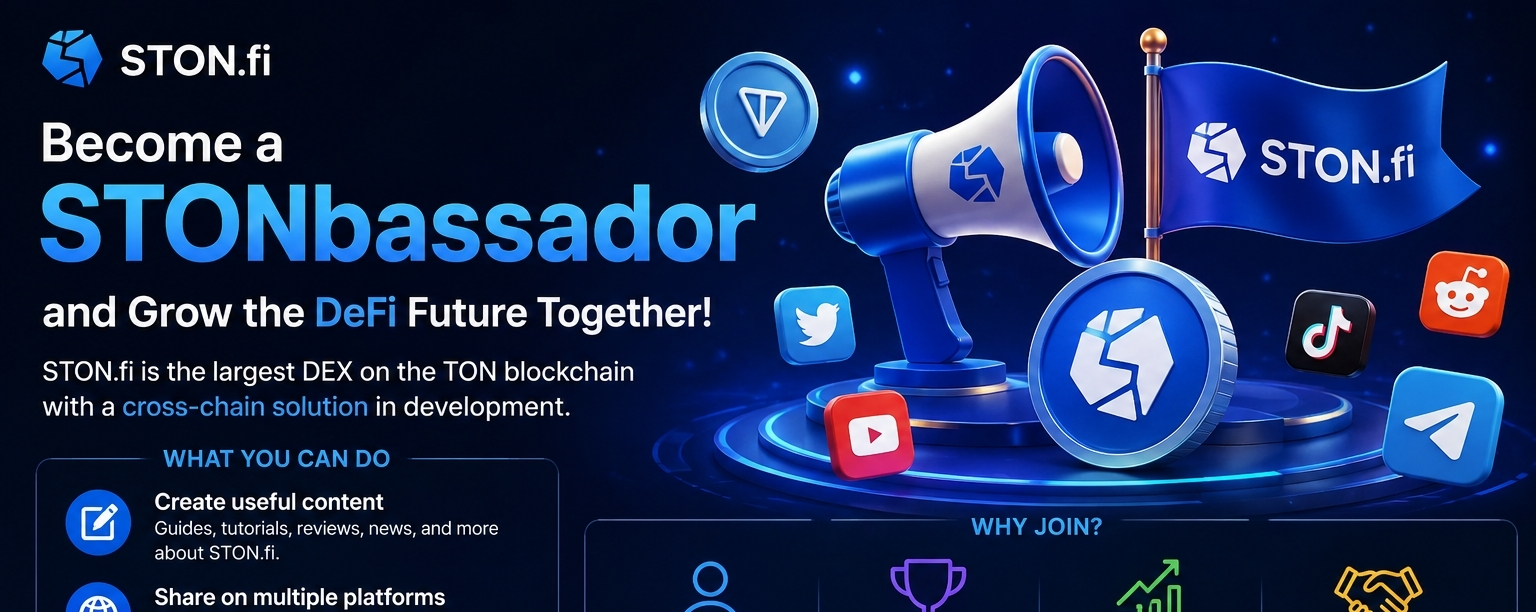
STON.fi and the Evolution of Decentralized TradingDecentralized finance has become one of the most interesting developments in blockchain technology. It introduces financial applications that can operate through smart contracts and decentralized networks rather than depending entirely on traditional intermediaries. Within the TON ecosystem, STON.fi is an example of a decentralized exchange designed to support token trading and broader DeFi activity.
One of the main ideas behind decentralized exchanges is user control. With compatible wallets, users can interact with blockchain applications directly. This model can provide greater transparency because transactions are recorded on the blockchain. At the same time, users have greater responsibility for protecting their wallets, checking transaction information, and understanding the risks involved.
STON.fi contributes to the TON ecosystem by providing infrastructure for decentralized token swaps. The platform demonstrates how blockchain networks can support financial applications that are accessible through digital wallets. As the ecosystem develops, decentralized exchanges can become important gateways for users exploring different tokens and applications.
Education remains an essential part of responsible DeFi participation. New users should understand concepts such as liquidity, slippage, transaction fees, smart contracts, and wallet security before making transactions. No platform can remove all market or technical risks.
The future of decentralized trading may depend on combining strong technology with simple user experiences. If blockchain applications become easier to understand and use, more people may explore decentralized finance.
STON.fi represents part of this continuing transformation. Its role within TON highlights how decentralized exchanges can contribute to a broader digital economy where blockchain technology provides new ways to exchange value, interact with applications, and participate in financial innovation.
#STONfi
#GEMSTON
#ston
STON.fi and the Evolution of Decentralized Trading
Decentralized finance has become one of the most interesting developments in blockchain technology. It introduces financial applications that can operate through smart contracts and decentralized networks rather than depending entirely on traditional intermediaries. Within the TON ecosystem, STON.fi is an example of a decentralized exchange designed to support token trading and broader DeFi activity.
One of the main ideas behind decentralized exchanges is user control. With compatible wallets, users can interact with blockchain applications directly. This model can provide greater transparency because transactions are recorded on the blockchain. At the same time, users have greater responsibility for protecting their wallets, checking transaction information, and understanding the risks involved.
STON.fi contributes to the TON ecosystem by providing infrastructure for decentralized token swaps. The platform demonstrates how blockchain networks can support financial applications that are accessible through digital wallets. As the ecosystem develops, decentralized exchanges can become important gateways for users exploring different tokens and applications.
Education remains an essential part of responsible DeFi participation. New users should understand concepts such as liquidity, slippage, transaction fees, smart contracts, and wallet security before making transactions. No platform can remove all market or technical risks.
The future of decentralized trading may depend on combining strong technology with simple user experiences. If blockchain applications become easier to understand and use, more people may explore decentralized finance.
STON.fi represents part of this continuing transformation. Its role within TON highlights how decentralized exchanges can contribute to a broader digital economy where blockchain technology provides new ways to exchange value, interact with applications, and participate in financial innovation.
#STONfi
#GEMSTON
#ston
One of the main ideas behind decentralized exchanges is user control. With compatible wallets, users can interact with blockchain applications directly. This model can provide greater transparency because transactions are recorded on the blockchain. At the same time, users have greater responsibility for protecting their wallets, checking transaction information, and understanding the risks involved.
STON.fi contributes to the TON ecosystem by providing infrastructure for decentralized token swaps. The platform demonstrates how blockchain networks can support financial applications that are accessible through digital wallets. As the ecosystem develops, decentralized exchanges can become important gateways for users exploring different tokens and applications.
Education remains an essential part of responsible DeFi participation. New users should understand concepts such as liquidity, slippage, transaction fees, smart contracts, and wallet security before making transactions. No platform can remove all market or technical risks.
The future of decentralized trading may depend on combining strong technology with simple user experiences. If blockchain applications become easier to understand and use, more people may explore decentralized finance.
STON.fi represents part of this continuing transformation. Its role within TON highlights how decentralized exchanges can contribute to a broader digital economy where blockchain technology provides new ways to exchange value, interact with applications, and participate in financial innovation.
#STONfi
#GEMSTON
#ston
4
44
·
--
Article
Article 3: The Benefits of Cloud ComputingCloud computing has transformed the way businesses and individuals store, manage, and access data. Instead of relying on physical servers or personal computers, users can access information through internet-based services from almost anywhere.
One of the greatest advantages of cloud computing is flexibility. Businesses can easily increase or decrease computing resources depending on their needs without investing heavily in expensive hardware. This reduces operational costs and improves efficiency.
Cloud services also encourage collaboration. Employees working from different locations can access shared documents, communicate in real time, and contribute to projects simultaneously. This has become especially valuable as remote work continues to grow.
Security remains a key consideration for cloud providers. Many companies invest heavily in encryption, backup systems, and cybersecurity measures to protect customer data. Nevertheless, organizations should also implement strong passwords and access controls to reduce risks.
Cloud computing supports innovation by allowing developers to build applications more quickly using scalable infrastructure. Startups benefit from lower initial costs while gaining access to advanced computing capabilities previously available only to large enterprises.
As artificial intelligence, big data, and the Internet of Things continue to evolve, cloud computing will remain a critical foundation for technological progress. Its ability to provide reliable, scalable, and cost-effective digital services makes it an essential component of modern business operations.
#STONfi
#GEMSTON
#ston
Article 3: The Benefits of Cloud Computing
Cloud computing has transformed the way businesses and individuals store, manage, and access data. Instead of relying on physical servers or personal computers, users can access information through internet-based services from almost anywhere.
One of the greatest advantages of cloud computing is flexibility. Businesses can easily increase or decrease computing resources depending on their needs without investing heavily in expensive hardware. This reduces operational costs and improves efficiency.
Cloud services also encourage collaboration. Employees working from different locations can access shared documents, communicate in real time, and contribute to projects simultaneously. This has become especially valuable as remote work continues to grow.
Security remains a key consideration for cloud providers. Many companies invest heavily in encryption, backup systems, and cybersecurity measures to protect customer data. Nevertheless, organizations should also implement strong passwords and access controls to reduce risks.
Cloud computing supports innovation by allowing developers to build applications more quickly using scalable infrastructure. Startups benefit from lower initial costs while gaining access to advanced computing capabilities previously available only to large enterprises.
As artificial intelligence, big data, and the Internet of Things continue to evolve, cloud computing will remain a critical foundation for technological progress. Its ability to provide reliable, scalable, and cost-effective digital services makes it an essential component of modern business operations.
#STONfi
#GEMSTON
#ston
One of the greatest advantages of cloud computing is flexibility. Businesses can easily increase or decrease computing resources depending on their needs without investing heavily in expensive hardware. This reduces operational costs and improves efficiency.
Cloud services also encourage collaboration. Employees working from different locations can access shared documents, communicate in real time, and contribute to projects simultaneously. This has become especially valuable as remote work continues to grow.
Security remains a key consideration for cloud providers. Many companies invest heavily in encryption, backup systems, and cybersecurity measures to protect customer data. Nevertheless, organizations should also implement strong passwords and access controls to reduce risks.
Cloud computing supports innovation by allowing developers to build applications more quickly using scalable infrastructure. Startups benefit from lower initial costs while gaining access to advanced computing capabilities previously available only to large enterprises.
As artificial intelligence, big data, and the Internet of Things continue to evolve, cloud computing will remain a critical foundation for technological progress. Its ability to provide reliable, scalable, and cost-effective digital services makes it an essential component of modern business operations.
#STONfi
#GEMSTON
#ston
95
·
--
Article
Article 6: Cross-Chain Technology Is Expanding the Blockchain EcosystemAs the blockchain industry continues to grow, many networks operate independently with their own strengths and limitations. Cross-chain technology is emerging as a solution that enables different blockchains to communicate and exchange assets seamlessly. By improving interoperability, cross-chain systems are helping create a more connected and efficient digital economy.
One of the primary benefits of cross-chain technology is flexibility. Users no longer have to remain within a single blockchain ecosystem to access decentralized applications or financial services. Instead, they can move assets between supported networks, allowing them to benefit from lower transaction fees, faster processing speeds, or specialized features offered by different blockchains.
Developers also gain significant advantages. Rather than building applications for only one network, they can create solutions that interact with multiple blockchains. This expands the reach of decentralized applications and encourages greater collaboration across the industry. As a result, users enjoy a wider selection of services without being restricted by network boundaries.
Cross-chain technology is especially valuable in decentralized finance. Investors can transfer digital assets between ecosystems, access broader liquidity pools, and participate in various lending, staking, and trading opportunities. This improved connectivity helps strengthen the overall blockchain market while encouraging innovation among developers.
However, cross-chain solutions also face challenges. Security remains a top priority, as bridges connecting different blockchains have occasionally been targeted by cyberattacks. Developers are investing in stronger verification methods, improved smart contracts, and decentralized security mechanisms to reduce these risks.
The future of cross-chain technology looks promising. As blockchain adoption increases, interoperability is expected to become a standard feature rather than an exception. By connecting previously isolated networks, cross-chain solutions are laying the foundation for a more unified blockchain ecosystem where users, developers, and businesses can interact more efficiently. This growing connectivity will play a major role in the continued evolution of decentralized technology and digital finance.
#STONfi
#GEMSTON
#ston
Article 6: Cross-Chain Technology Is Expanding the Blockchain Ecosystem
As the blockchain industry continues to grow, many networks operate independently with their own strengths and limitations. Cross-chain technology is emerging as a solution that enables different blockchains to communicate and exchange assets seamlessly. By improving interoperability, cross-chain systems are helping create a more connected and efficient digital economy.
One of the primary benefits of cross-chain technology is flexibility. Users no longer have to remain within a single blockchain ecosystem to access decentralized applications or financial services. Instead, they can move assets between supported networks, allowing them to benefit from lower transaction fees, faster processing speeds, or specialized features offered by different blockchains.
Developers also gain significant advantages. Rather than building applications for only one network, they can create solutions that interact with multiple blockchains. This expands the reach of decentralized applications and encourages greater collaboration across the industry. As a result, users enjoy a wider selection of services without being restricted by network boundaries.
Cross-chain technology is especially valuable in decentralized finance. Investors can transfer digital assets between ecosystems, access broader liquidity pools, and participate in various lending, staking, and trading opportunities. This improved connectivity helps strengthen the overall blockchain market while encouraging innovation among developers.
However, cross-chain solutions also face challenges. Security remains a top priority, as bridges connecting different blockchains have occasionally been targeted by cyberattacks. Developers are investing in stronger verification methods, improved smart contracts, and decentralized security mechanisms to reduce these risks.
The future of cross-chain technology looks promising. As blockchain adoption increases, interoperability is expected to become a standard feature rather than an exception. By connecting previously isolated networks, cross-chain solutions are laying the foundation for a more unified blockchain ecosystem where users, developers, and businesses can interact more efficiently. This growing connectivity will play a major role in the continued evolution of decentralized technology and digital finance.
#STONfi
#GEMSTON
#ston
One of the primary benefits of cross-chain technology is flexibility. Users no longer have to remain within a single blockchain ecosystem to access decentralized applications or financial services. Instead, they can move assets between supported networks, allowing them to benefit from lower transaction fees, faster processing speeds, or specialized features offered by different blockchains.
Developers also gain significant advantages. Rather than building applications for only one network, they can create solutions that interact with multiple blockchains. This expands the reach of decentralized applications and encourages greater collaboration across the industry. As a result, users enjoy a wider selection of services without being restricted by network boundaries.
Cross-chain technology is especially valuable in decentralized finance. Investors can transfer digital assets between ecosystems, access broader liquidity pools, and participate in various lending, staking, and trading opportunities. This improved connectivity helps strengthen the overall blockchain market while encouraging innovation among developers.
However, cross-chain solutions also face challenges. Security remains a top priority, as bridges connecting different blockchains have occasionally been targeted by cyberattacks. Developers are investing in stronger verification methods, improved smart contracts, and decentralized security mechanisms to reduce these risks.
The future of cross-chain technology looks promising. As blockchain adoption increases, interoperability is expected to become a standard feature rather than an exception. By connecting previously isolated networks, cross-chain solutions are laying the foundation for a more unified blockchain ecosystem where users, developers, and businesses can interact more efficiently. This growing connectivity will play a major role in the continued evolution of decentralized technology and digital finance.
#STONfi
#GEMSTON
#ston
52
·
--
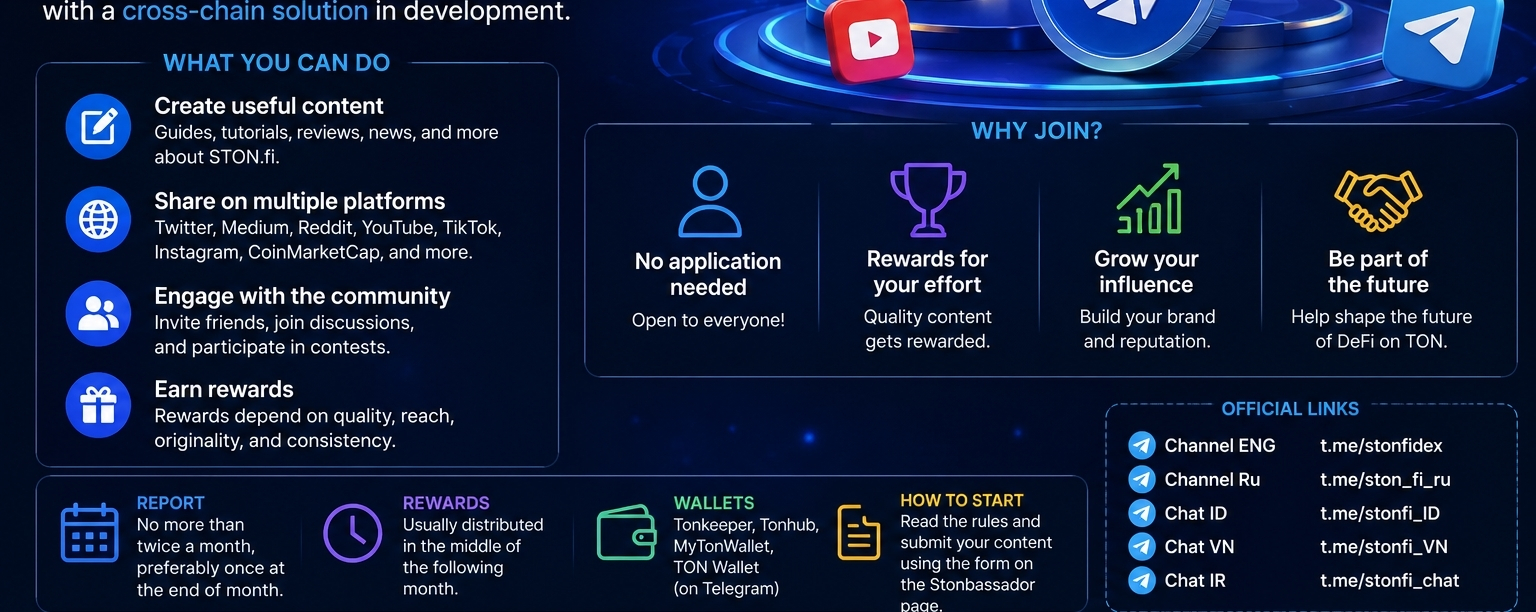
Article
2. Why Blockchain Matters Beyond CryptocurrencyBlockchain technology is widely known for supporting cryptocurrencies, but its potential extends far beyond digital assets. At its core, blockchain is a secure and transparent digital ledger that records information in a way that is difficult to alter. This makes it valuable for industries such as healthcare, logistics, education, and supply chain management. Companies can use blockchain to track products, verify identities, and reduce fraud. Smart contracts also automate agreements, saving time and minimizing human error. Governments are exploring blockchain for secure voting systems and public record management. As adoption increases, businesses that embrace blockchain innovation may gain greater efficiency and customer trust. Although challenges such as scalability and regulation still exist, ongoing development is improving the technology. Blockchain has the potential to transform how organizations share information, manage assets, and build transparent digital ecosystems.
#stonfi
#GEMSTON
#ston
2. Why Blockchain Matters Beyond Cryptocurrency
Blockchain technology is widely known for supporting cryptocurrencies, but its potential extends far beyond digital assets. At its core, blockchain is a secure and transparent digital ledger that records information in a way that is difficult to alter. This makes it valuable for industries such as healthcare, logistics, education, and supply chain management. Companies can use blockchain to track products, verify identities, and reduce fraud. Smart contracts also automate agreements, saving time and minimizing human error. Governments are exploring blockchain for secure voting systems and public record management. As adoption increases, businesses that embrace blockchain innovation may gain greater efficiency and customer trust. Although challenges such as scalability and regulation still exist, ongoing development is improving the technology. Blockchain has the potential to transform how organizations share information, manage assets, and build transparent digital ecosystems.
#stonfi
#GEMSTON
#ston
#stonfi
#GEMSTON
#ston
104
·
--
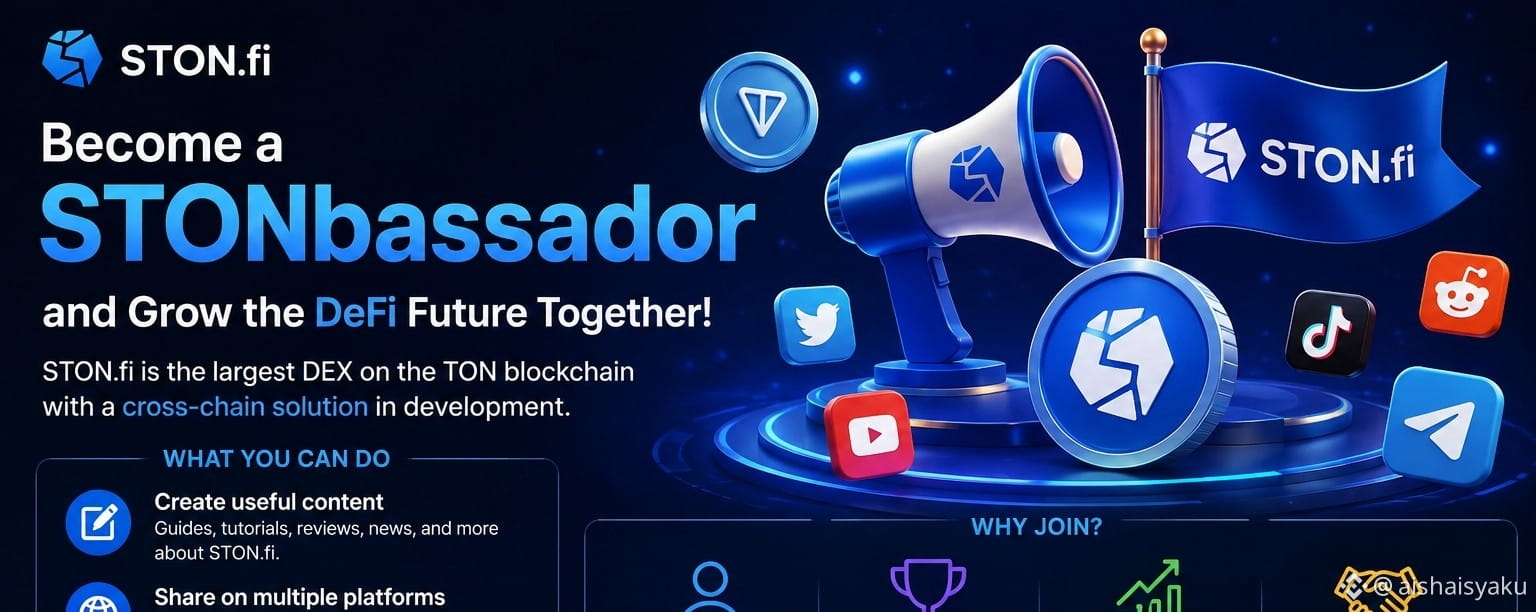
Article
Article 5: The Role of Technology in Modern SocietyTechnology has transformed nearly every aspect of modern life. From communication and education to healthcare and business, technological innovations continue to improve efficiency and create new opportunities. As digital tools become more advanced, they shape the way people work, learn, and interact.
One of the greatest advantages of technology is instant communication. Smartphones, email, and video conferencing allow people to stay connected regardless of distance. Families, friends, and business partners can share information quickly, strengthening relationships and improving collaboration.
Technology has also revolutionized education. Online learning platforms provide access to courses, educational videos, and digital libraries from anywhere in the world. Students can develop new skills at their own pace, while teachers use digital tools to create engaging learning experiences.
In healthcare, technology has improved diagnosis, treatment, and patient care. Medical equipment helps doctors detect diseases earlier, while telemedicine allows patients to consult healthcare professionals without traveling long distances. These advancements have made healthcare more accessible for many communities.
Businesses benefit from technology through automation, data analysis, and online marketing. Companies can reach customers worldwide, improve productivity, and make informed decisions using digital tools. Entrepreneurs also have more opportunities to launch businesses with lower startup costs.
Despite its many benefits, technology should be used responsibly. Excessive screen time, online misinformation, and cybersecurity risks remind users to practice digital safety and maintain a healthy balance between online and offline activities.
The future promises even greater technological advancements, including artificial intelligence, renewable energy solutions, and smarter transportation systems. These innovations have the potential to improve lives while addressing global challenges.
In conclusion, technology plays a vital role in modern society by connecting people, expanding knowledge, improving healthcare, and supporting economic growth. When used wisely and ethically, it becomes a powerful tool for creating a more productive, informed, and connected world.
#STONfi
#GEMSTON
#ston
Article 5: The Role of Technology in Modern Society
Technology has transformed nearly every aspect of modern life. From communication and education to healthcare and business, technological innovations continue to improve efficiency and create new opportunities. As digital tools become more advanced, they shape the way people work, learn, and interact.
One of the greatest advantages of technology is instant communication. Smartphones, email, and video conferencing allow people to stay connected regardless of distance. Families, friends, and business partners can share information quickly, strengthening relationships and improving collaboration.
Technology has also revolutionized education. Online learning platforms provide access to courses, educational videos, and digital libraries from anywhere in the world. Students can develop new skills at their own pace, while teachers use digital tools to create engaging learning experiences.
In healthcare, technology has improved diagnosis, treatment, and patient care. Medical equipment helps doctors detect diseases earlier, while telemedicine allows patients to consult healthcare professionals without traveling long distances. These advancements have made healthcare more accessible for many communities.
Businesses benefit from technology through automation, data analysis, and online marketing. Companies can reach customers worldwide, improve productivity, and make informed decisions using digital tools. Entrepreneurs also have more opportunities to launch businesses with lower startup costs.
Despite its many benefits, technology should be used responsibly. Excessive screen time, online misinformation, and cybersecurity risks remind users to practice digital safety and maintain a healthy balance between online and offline activities.
The future promises even greater technological advancements, including artificial intelligence, renewable energy solutions, and smarter transportation systems. These innovations have the potential to improve lives while addressing global challenges.
In conclusion, technology plays a vital role in modern society by connecting people, expanding knowledge, improving healthcare, and supporting economic growth. When used wisely and ethically, it becomes a powerful tool for creating a more productive, informed, and connected world.
#STONfi
#GEMSTON
#ston
One of the greatest advantages of technology is instant communication. Smartphones, email, and video conferencing allow people to stay connected regardless of distance. Families, friends, and business partners can share information quickly, strengthening relationships and improving collaboration.
Technology has also revolutionized education. Online learning platforms provide access to courses, educational videos, and digital libraries from anywhere in the world. Students can develop new skills at their own pace, while teachers use digital tools to create engaging learning experiences.
In healthcare, technology has improved diagnosis, treatment, and patient care. Medical equipment helps doctors detect diseases earlier, while telemedicine allows patients to consult healthcare professionals without traveling long distances. These advancements have made healthcare more accessible for many communities.
Businesses benefit from technology through automation, data analysis, and online marketing. Companies can reach customers worldwide, improve productivity, and make informed decisions using digital tools. Entrepreneurs also have more opportunities to launch businesses with lower startup costs.
Despite its many benefits, technology should be used responsibly. Excessive screen time, online misinformation, and cybersecurity risks remind users to practice digital safety and maintain a healthy balance between online and offline activities.
The future promises even greater technological advancements, including artificial intelligence, renewable energy solutions, and smarter transportation systems. These innovations have the potential to improve lives while addressing global challenges.
In conclusion, technology plays a vital role in modern society by connecting people, expanding knowledge, improving healthcare, and supporting economic growth. When used wisely and ethically, it becomes a powerful tool for creating a more productive, informed, and connected world.
#STONfi
#GEMSTON
#ston
100
·
--
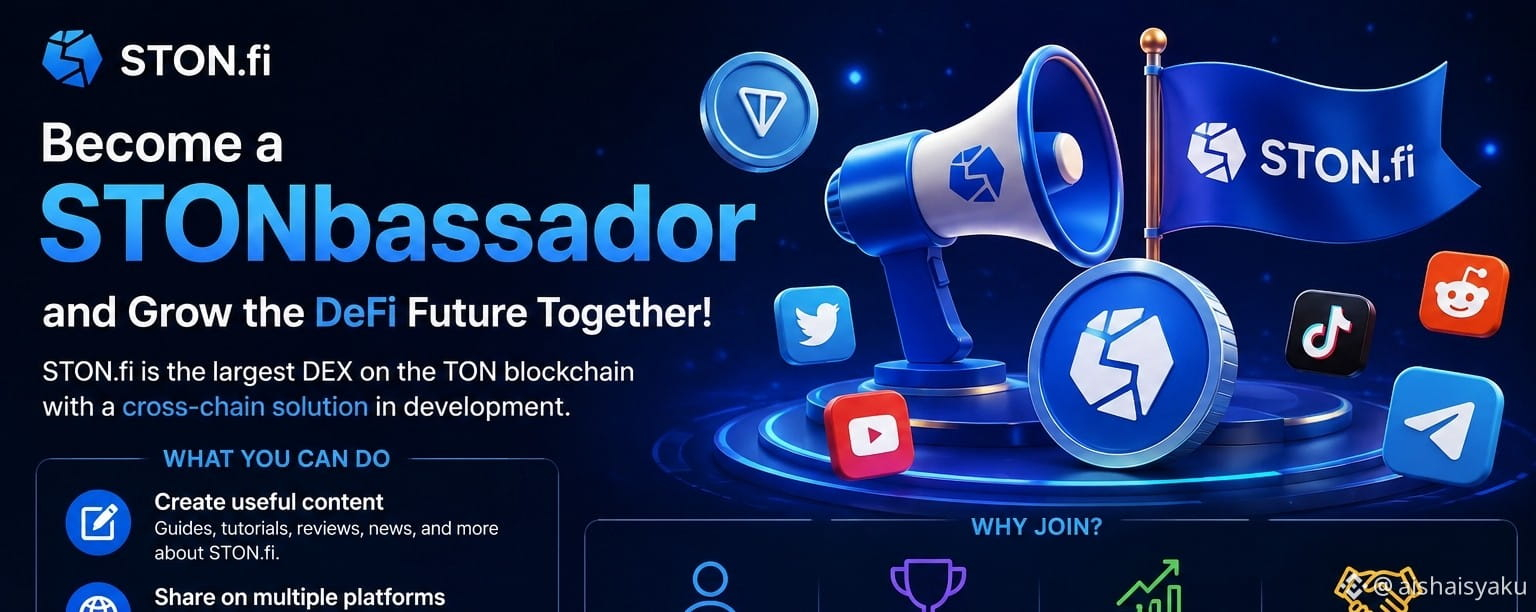
Article
1. The Rise of Smart CitiesCities around the world are becoming smarter through the use of modern technology. Smart cities rely on digital tools, sensors, and data to improve transportation, energy use, public safety, and other essential services. These innovations help local governments respond quickly to challenges while making daily life more convenient for residents.
One important feature of a smart city is intelligent traffic management. Traffic lights connected to real-time data can reduce congestion and shorten travel times. Public transportation systems also benefit from technology by providing accurate arrival information and better route planning.
Smart cities also promote environmental sustainability. Energy-efficient streetlights, smart waste collection systems, and water monitoring technologies help reduce pollution and conserve natural resources. Many cities are also investing in renewable energy sources to lower carbon emissions.
Public safety is another area where smart technology makes a difference. Surveillance systems, emergency response tools, and digital communication networks allow authorities to react more effectively during emergencies. Citizens can also report issues through mobile applications, creating stronger cooperation between communities and local governments.
Despite these benefits, smart cities face challenges such as cybersecurity risks, data privacy concerns, and the cost of implementing advanced infrastructure. Governments must create policies that protect personal information while ensuring equal access to digital services.
The future of smart cities depends on innovation, collaboration, and responsible planning. As technology continues to evolve, cities that embrace digital transformation can become cleaner, safer, and more efficient places to live. By balancing innovation with privacy and sustainability, smart cities have the potential to improve the quality of life for millions of people across the globe.
#STONfi
#GEMSTON
#ston
1. The Rise of Smart Cities
Cities around the world are becoming smarter through the use of modern technology. Smart cities rely on digital tools, sensors, and data to improve transportation, energy use, public safety, and other essential services. These innovations help local governments respond quickly to challenges while making daily life more convenient for residents.
One important feature of a smart city is intelligent traffic management. Traffic lights connected to real-time data can reduce congestion and shorten travel times. Public transportation systems also benefit from technology by providing accurate arrival information and better route planning.
Smart cities also promote environmental sustainability. Energy-efficient streetlights, smart waste collection systems, and water monitoring technologies help reduce pollution and conserve natural resources. Many cities are also investing in renewable energy sources to lower carbon emissions.
Public safety is another area where smart technology makes a difference. Surveillance systems, emergency response tools, and digital communication networks allow authorities to react more effectively during emergencies. Citizens can also report issues through mobile applications, creating stronger cooperation between communities and local governments.
Despite these benefits, smart cities face challenges such as cybersecurity risks, data privacy concerns, and the cost of implementing advanced infrastructure. Governments must create policies that protect personal information while ensuring equal access to digital services.
The future of smart cities depends on innovation, collaboration, and responsible planning. As technology continues to evolve, cities that embrace digital transformation can become cleaner, safer, and more efficient places to live. By balancing innovation with privacy and sustainability, smart cities have the potential to improve the quality of life for millions of people across the globe.
#STONfi
#GEMSTON
#ston
One important feature of a smart city is intelligent traffic management. Traffic lights connected to real-time data can reduce congestion and shorten travel times. Public transportation systems also benefit from technology by providing accurate arrival information and better route planning.
Smart cities also promote environmental sustainability. Energy-efficient streetlights, smart waste collection systems, and water monitoring technologies help reduce pollution and conserve natural resources. Many cities are also investing in renewable energy sources to lower carbon emissions.
Public safety is another area where smart technology makes a difference. Surveillance systems, emergency response tools, and digital communication networks allow authorities to react more effectively during emergencies. Citizens can also report issues through mobile applications, creating stronger cooperation between communities and local governments.
Despite these benefits, smart cities face challenges such as cybersecurity risks, data privacy concerns, and the cost of implementing advanced infrastructure. Governments must create policies that protect personal information while ensuring equal access to digital services.
The future of smart cities depends on innovation, collaboration, and responsible planning. As technology continues to evolve, cities that embrace digital transformation can become cleaner, safer, and more efficient places to live. By balancing innovation with privacy and sustainability, smart cities have the potential to improve the quality of life for millions of people across the globe.
#STONfi
#GEMSTON
#ston
61
·
--
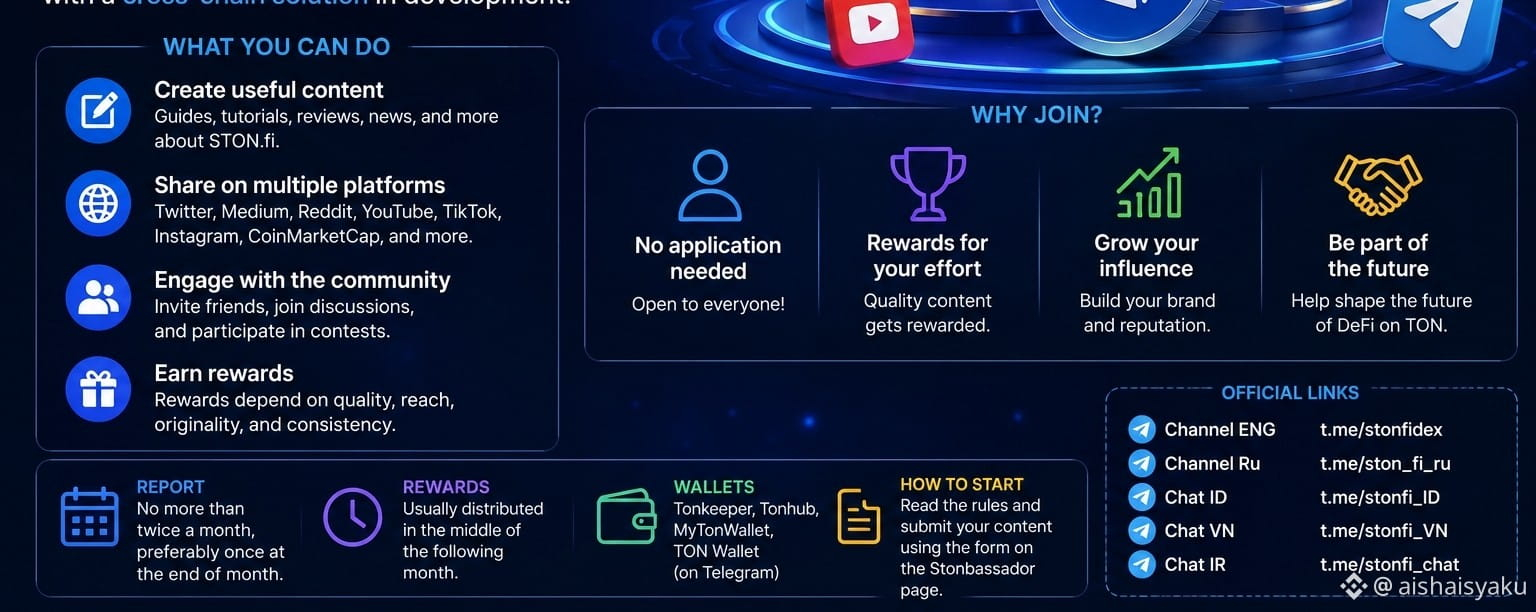
Article
Article 2: Why Blockchain Technology MattersBlockchain technology is changing the way digital information is stored, shared, and verified. Instead of relying on a central authority, blockchain uses a distributed network where every transaction is recorded across multiple computers. This approach enhances security, transparency, and trust.
Businesses across industries are exploring blockchain for supply chain management, healthcare, digital identity, gaming, and finance. The technology helps reduce fraud by creating records that are difficult to alter once confirmed. This makes blockchain valuable for organizations that require secure and transparent data management.
Another important benefit is efficiency. Blockchain can automate processes using smart contracts, eliminating unnecessary paperwork and reducing delays. This saves both time and operational costs while improving accuracy.
Although challenges such as scalability and regulatory uncertainty remain, developers continue to create solutions that improve performance and usability. As adoption increases, blockchain is expected to support new digital services and innovative business models. Its growing influence demonstrates that decentralized technology has the potential to reshape many aspects of the global economy in the years ahead.
#STONfi
#GEMSTON
#ston
Article 2: Why Blockchain Technology Matters
Blockchain technology is changing the way digital information is stored, shared, and verified. Instead of relying on a central authority, blockchain uses a distributed network where every transaction is recorded across multiple computers. This approach enhances security, transparency, and trust.
Businesses across industries are exploring blockchain for supply chain management, healthcare, digital identity, gaming, and finance. The technology helps reduce fraud by creating records that are difficult to alter once confirmed. This makes blockchain valuable for organizations that require secure and transparent data management.
Another important benefit is efficiency. Blockchain can automate processes using smart contracts, eliminating unnecessary paperwork and reducing delays. This saves both time and operational costs while improving accuracy.
Although challenges such as scalability and regulatory uncertainty remain, developers continue to create solutions that improve performance and usability. As adoption increases, blockchain is expected to support new digital services and innovative business models. Its growing influence demonstrates that decentralized technology has the potential to reshape many aspects of the global economy in the years ahead.
#STONfi
#GEMSTON
#ston
Businesses across industries are exploring blockchain for supply chain management, healthcare, digital identity, gaming, and finance. The technology helps reduce fraud by creating records that are difficult to alter once confirmed. This makes blockchain valuable for organizations that require secure and transparent data management.
Another important benefit is efficiency. Blockchain can automate processes using smart contracts, eliminating unnecessary paperwork and reducing delays. This saves both time and operational costs while improving accuracy.
Although challenges such as scalability and regulatory uncertainty remain, developers continue to create solutions that improve performance and usability. As adoption increases, blockchain is expected to support new digital services and innovative business models. Its growing influence demonstrates that decentralized technology has the potential to reshape many aspects of the global economy in the years ahead.
#STONfi
#GEMSTON
#ston
79
·
--
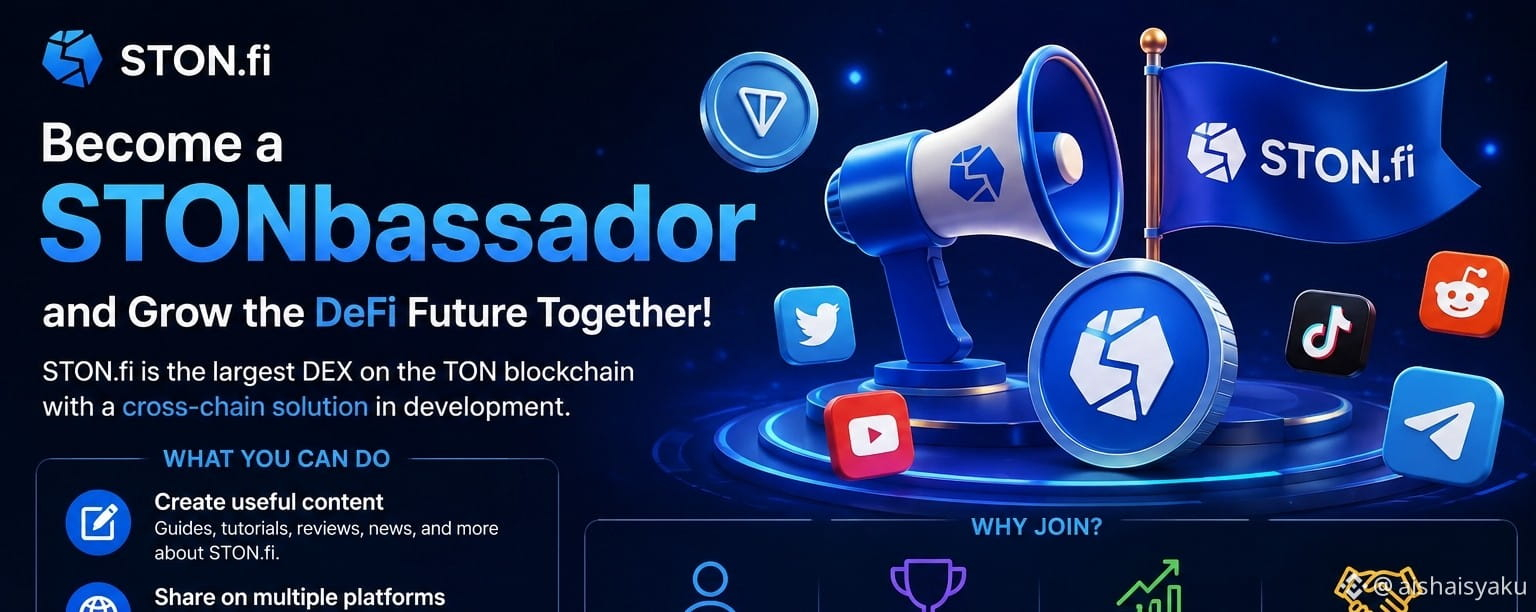
Article
. The Importance of Financial PlanningFinancial planning helps individuals and families achieve stability while preparing for future opportunities and challenges. It involves setting financial goals, creating a budget, saving consistently, and making informed decisions about spending and investing.
A realistic budget forms the foundation of good financial management. Tracking income and expenses allows people to understand where their money goes and identify areas where unnecessary spending can be reduced. Small savings accumulated over time can make a significant difference.
Building an emergency fund is another essential step. Unexpected expenses such as medical bills, vehicle repairs, or temporary job loss can create financial stress. Having savings set aside provides security and reduces the need for expensive borrowing.
Long-term financial planning also includes investing wisely. Diversified investments can help grow wealth over time while balancing potential risks. Learning about financial products and seeking professional advice when necessary improves decision-making.
Debt management plays an equally important role. Paying bills on time and avoiding unnecessary loans helps maintain a healthy financial record. Responsible borrowing can support important life goals without creating overwhelming financial pressure.
Financial education should begin early and continue throughout life. Understanding concepts such as interest, inflation, and retirement planning enables people to make better choices and avoid common financial mistakes.
Ultimately, financial planning is about creating freedom and confidence. Rather than worrying about money, individuals can focus on achieving personal and professional goals. Through discipline, patience, and consistent habits, anyone can build a stronger financial future. Good financial planning is not limited to high-income earners; it is a valuable practice that benefits people at every stage of life.
#STONfi
#GEMSTON
#ston
. The Importance of Financial Planning
Financial planning helps individuals and families achieve stability while preparing for future opportunities and challenges. It involves setting financial goals, creating a budget, saving consistently, and making informed decisions about spending and investing.
A realistic budget forms the foundation of good financial management. Tracking income and expenses allows people to understand where their money goes and identify areas where unnecessary spending can be reduced. Small savings accumulated over time can make a significant difference.
Building an emergency fund is another essential step. Unexpected expenses such as medical bills, vehicle repairs, or temporary job loss can create financial stress. Having savings set aside provides security and reduces the need for expensive borrowing.
Long-term financial planning also includes investing wisely. Diversified investments can help grow wealth over time while balancing potential risks. Learning about financial products and seeking professional advice when necessary improves decision-making.
Debt management plays an equally important role. Paying bills on time and avoiding unnecessary loans helps maintain a healthy financial record. Responsible borrowing can support important life goals without creating overwhelming financial pressure.
Financial education should begin early and continue throughout life. Understanding concepts such as interest, inflation, and retirement planning enables people to make better choices and avoid common financial mistakes.
Ultimately, financial planning is about creating freedom and confidence. Rather than worrying about money, individuals can focus on achieving personal and professional goals. Through discipline, patience, and consistent habits, anyone can build a stronger financial future. Good financial planning is not limited to high-income earners; it is a valuable practice that benefits people at every stage of life.
#STONfi
#GEMSTON
#ston
A realistic budget forms the foundation of good financial management. Tracking income and expenses allows people to understand where their money goes and identify areas where unnecessary spending can be reduced. Small savings accumulated over time can make a significant difference.
Building an emergency fund is another essential step. Unexpected expenses such as medical bills, vehicle repairs, or temporary job loss can create financial stress. Having savings set aside provides security and reduces the need for expensive borrowing.
Long-term financial planning also includes investing wisely. Diversified investments can help grow wealth over time while balancing potential risks. Learning about financial products and seeking professional advice when necessary improves decision-making.
Debt management plays an equally important role. Paying bills on time and avoiding unnecessary loans helps maintain a healthy financial record. Responsible borrowing can support important life goals without creating overwhelming financial pressure.
Financial education should begin early and continue throughout life. Understanding concepts such as interest, inflation, and retirement planning enables people to make better choices and avoid common financial mistakes.
Ultimately, financial planning is about creating freedom and confidence. Rather than worrying about money, individuals can focus on achieving personal and professional goals. Through discipline, patience, and consistent habits, anyone can build a stronger financial future. Good financial planning is not limited to high-income earners; it is a valuable practice that benefits people at every stage of life.
#STONfi
#GEMSTON
#ston
65
·
--
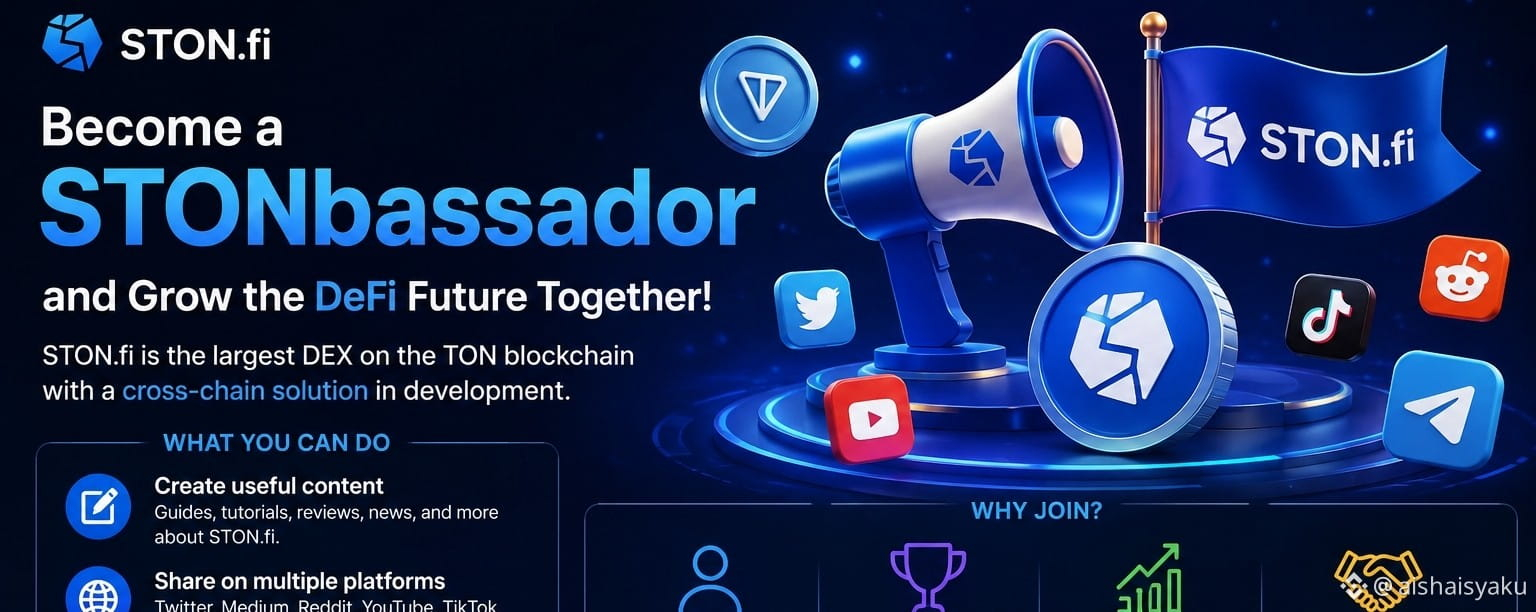
Article
Article 4: The Growing Role of CybersecurityCybersecurity has become a fundamental part of modern life as individuals, businesses, and governments rely more heavily on digital technologies. Protecting computers, networks, and personal information from cyber threats is essential in today's interconnected world.
Cybercriminals use phishing emails, malware, ransomware, and identity theft to exploit vulnerabilities. These attacks can result in financial losses, disrupted operations, and damaged reputations. Strong cybersecurity practices help reduce these risks.
Organizations invest in firewalls, antivirus software, intrusion detection systems, and employee training to strengthen their defenses. Human error remains one of the leading causes of security breaches, making awareness programs an essential component of cybersecurity strategies.
Individuals also have responsibilities. Using unique passwords, enabling multi-factor authentication, updating software regularly, and avoiding suspicious links can significantly improve personal security. Backing up important files ensures valuable information can be recovered after unexpected incidents.
Governments continue to develop cybersecurity regulations and encourage cooperation between public and private sectors. Sharing information about emerging threats helps organizations respond more quickly and strengthen collective defenses.
Artificial intelligence is increasingly being used in cybersecurity to detect unusual network activity and identify threats before they cause significant harm. At the same time, cybercriminals are also adopting advanced technologies, creating an ongoing race between attackers and defenders.
Education plays an important role in preparing future cybersecurity professionals. Schools and universities are expanding programs that teach ethical hacking, network security, digital forensics, and risk management to meet growing workforce demands.
Cybersecurity is no longer limited to technology experts. Every internet user contributes to a safer digital environment by practicing responsible online behavior. As digital transformation continues across industries, strong cybersecurity will remain essential for protecting innovation, privacy, and economic stability in the years ahead.
#STONfi
#GEMSTON
#ston
Article 4: The Growing Role of Cybersecurity
Cybersecurity has become a fundamental part of modern life as individuals, businesses, and governments rely more heavily on digital technologies. Protecting computers, networks, and personal information from cyber threats is essential in today's interconnected world.
Cybercriminals use phishing emails, malware, ransomware, and identity theft to exploit vulnerabilities. These attacks can result in financial losses, disrupted operations, and damaged reputations. Strong cybersecurity practices help reduce these risks.
Organizations invest in firewalls, antivirus software, intrusion detection systems, and employee training to strengthen their defenses. Human error remains one of the leading causes of security breaches, making awareness programs an essential component of cybersecurity strategies.
Individuals also have responsibilities. Using unique passwords, enabling multi-factor authentication, updating software regularly, and avoiding suspicious links can significantly improve personal security. Backing up important files ensures valuable information can be recovered after unexpected incidents.
Governments continue to develop cybersecurity regulations and encourage cooperation between public and private sectors. Sharing information about emerging threats helps organizations respond more quickly and strengthen collective defenses.
Artificial intelligence is increasingly being used in cybersecurity to detect unusual network activity and identify threats before they cause significant harm. At the same time, cybercriminals are also adopting advanced technologies, creating an ongoing race between attackers and defenders.
Education plays an important role in preparing future cybersecurity professionals. Schools and universities are expanding programs that teach ethical hacking, network security, digital forensics, and risk management to meet growing workforce demands.
Cybersecurity is no longer limited to technology experts. Every internet user contributes to a safer digital environment by practicing responsible online behavior. As digital transformation continues across industries, strong cybersecurity will remain essential for protecting innovation, privacy, and economic stability in the years ahead.
#STONfi
#GEMSTON
#ston
Cybercriminals use phishing emails, malware, ransomware, and identity theft to exploit vulnerabilities. These attacks can result in financial losses, disrupted operations, and damaged reputations. Strong cybersecurity practices help reduce these risks.
Organizations invest in firewalls, antivirus software, intrusion detection systems, and employee training to strengthen their defenses. Human error remains one of the leading causes of security breaches, making awareness programs an essential component of cybersecurity strategies.
Individuals also have responsibilities. Using unique passwords, enabling multi-factor authentication, updating software regularly, and avoiding suspicious links can significantly improve personal security. Backing up important files ensures valuable information can be recovered after unexpected incidents.
Governments continue to develop cybersecurity regulations and encourage cooperation between public and private sectors. Sharing information about emerging threats helps organizations respond more quickly and strengthen collective defenses.
Artificial intelligence is increasingly being used in cybersecurity to detect unusual network activity and identify threats before they cause significant harm. At the same time, cybercriminals are also adopting advanced technologies, creating an ongoing race between attackers and defenders.
Education plays an important role in preparing future cybersecurity professionals. Schools and universities are expanding programs that teach ethical hacking, network security, digital forensics, and risk management to meet growing workforce demands.
Cybersecurity is no longer limited to technology experts. Every internet user contributes to a safer digital environment by practicing responsible online behavior. As digital transformation continues across industries, strong cybersecurity will remain essential for protecting innovation, privacy, and economic stability in the years ahead.
#STONfi
#GEMSTON
#ston
2
341
·
--
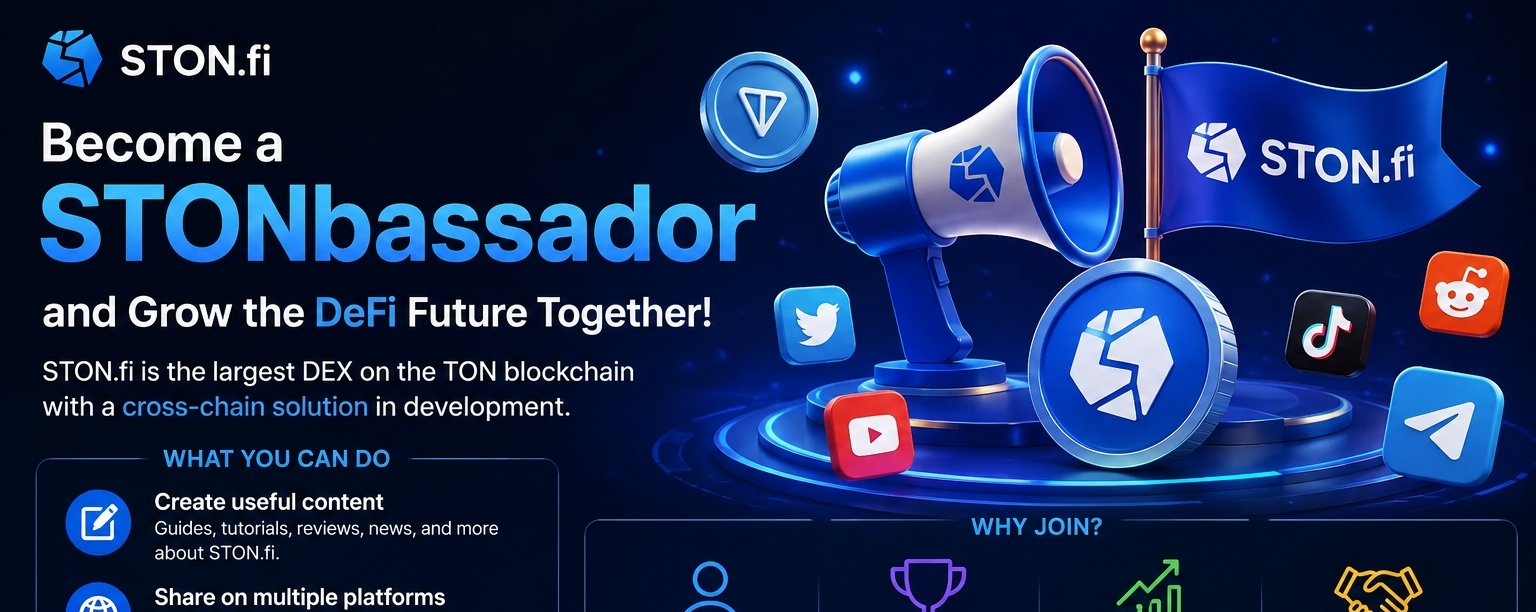
Article
The Value of Lifelong LearningLearning should never stop after graduation. Lifelong learning is the habit of continuously developing new skills and expanding knowledge throughout life. In today's rapidly changing world, this mindset helps people remain adaptable and prepared for new opportunities.
Technology has transformed how people learn. Online courses, educational videos, digital libraries, and virtual classrooms make knowledge available to anyone with internet access. Whether someone wants to improve their career, start a business, or explore a hobby, learning resources are more accessible than ever.
Lifelong learning also improves critical thinking and creativity. By exploring different subjects, people gain fresh perspectives and become better at solving problems. Employers value workers who are eager to learn because they can quickly adapt to changing industries and workplace demands.
Beyond professional success, continuous learning supports personal growth. It builds confidence, strengthens communication skills, and encourages curiosity about the world. Reading books, attending workshops, or practicing new skills can all contribute to a more fulfilling life.
Making learning a daily habit does not require large commitments. Even spending a few minutes each day reading, listening to educational podcasts, or practicing a new skill can produce meaningful progress over time. Lifelong learning is an investment that benefits individuals, communities, and society for years to come.
#STONfi
#GEMSTON
#ston
The Value of Lifelong Learning
Learning should never stop after graduation. Lifelong learning is the habit of continuously developing new skills and expanding knowledge throughout life. In today's rapidly changing world, this mindset helps people remain adaptable and prepared for new opportunities.
Technology has transformed how people learn. Online courses, educational videos, digital libraries, and virtual classrooms make knowledge available to anyone with internet access. Whether someone wants to improve their career, start a business, or explore a hobby, learning resources are more accessible than ever.
Lifelong learning also improves critical thinking and creativity. By exploring different subjects, people gain fresh perspectives and become better at solving problems. Employers value workers who are eager to learn because they can quickly adapt to changing industries and workplace demands.
Beyond professional success, continuous learning supports personal growth. It builds confidence, strengthens communication skills, and encourages curiosity about the world. Reading books, attending workshops, or practicing new skills can all contribute to a more fulfilling life.
Making learning a daily habit does not require large commitments. Even spending a few minutes each day reading, listening to educational podcasts, or practicing a new skill can produce meaningful progress over time. Lifelong learning is an investment that benefits individuals, communities, and society for years to come.
#STONfi
#GEMSTON
#ston
Technology has transformed how people learn. Online courses, educational videos, digital libraries, and virtual classrooms make knowledge available to anyone with internet access. Whether someone wants to improve their career, start a business, or explore a hobby, learning resources are more accessible than ever.
Lifelong learning also improves critical thinking and creativity. By exploring different subjects, people gain fresh perspectives and become better at solving problems. Employers value workers who are eager to learn because they can quickly adapt to changing industries and workplace demands.
Beyond professional success, continuous learning supports personal growth. It builds confidence, strengthens communication skills, and encourages curiosity about the world. Reading books, attending workshops, or practicing new skills can all contribute to a more fulfilling life.
Making learning a daily habit does not require large commitments. Even spending a few minutes each day reading, listening to educational podcasts, or practicing a new skill can produce meaningful progress over time. Lifelong learning is an investment that benefits individuals, communities, and society for years to come.
#STONfi
#GEMSTON
#ston
27
Log in to explore more content
Join global crypto users on Binance Square
⚡️ Get latest and useful information about crypto.
💬 Trusted by the world’s largest crypto exchange.
👍 Discover real insights from verified creators.
Email / Phone number
Trending Topics
1
#StellarActivatesProtocol28At211TPS
0 views
0 Discussing
2
#SECGrantsInnovationExemptionForTokenizedStocks
369 views
43 Discussing
3
#XRPGains3%AsRippleAddsMPPSupport
235 views
32 Discussing
4
#SPGlobalToAcquireOpenZeppelin
169 views
24 Discussing
5
#BitcoinSurpasses$77000
18,633 views
230 Discussing
6
#ParadigmDisclosesZECHolding
74,460 views
1,104 Discussing
7
#BitcoinETFsShed$450M
27,120 views
219 Discussing
8
#USWeeklyJoblessClaimsFallTo196K
41,236 views
642 Discussing
9
#ArkhamSaysBlackRockBuys$1.5BInETH
7,197 views
72 Discussing
10
#FCARaidsThreeLondonIllegalCryptoSites
3,007 views
77 Discussing