

#disciplinafinanciera
disciplinafinanciera
12,575 views
30 Discussing
Hot
Latest

·
--
🧠 Psychology & Risk Management | Saturday: Bias Control and Operational Discipline
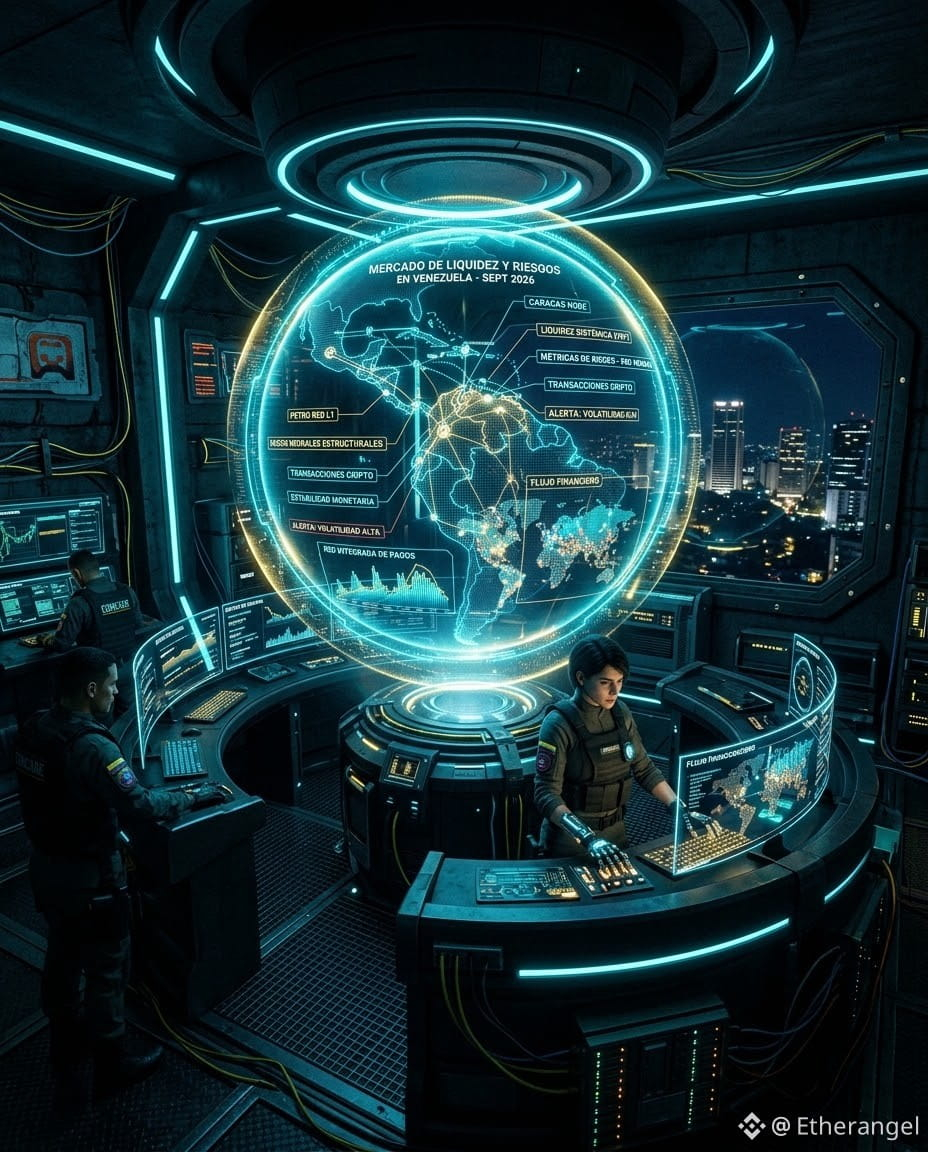
After a week of liquidity sweeps and volatility swings in the derivatives markets, the biggest risk for a trader is not the price structure, but the emotional reaction to short-term noise.
Institutional capital operates through rigid risk-management algorithms; the retail participant, more often than not, falls prey to cognitive biases that erode their mathematical expectancy.
📌 3 Critical Biases to Neutralize:
1️⃣ Recency Bias: Assuming that the direction of the last candles determines the structural trend. Intraday volatility does not change liquidity levels over the broader time frame.
2️⃣ Disposition Effect & Overtrading (Overtrading): Seeking immediate revenge against the market after a tactical invalidation. Trading on impulse destroys account balance through commissions and poor execution.
3️⃣ Aversion to Invalidation: Modifying or removing stop-loss orders in the hope of a bounce. Accepting planned invalidation is an integral part of any sustainable quantitative model.
💡 Weekly Close Rule:
If your operating plan did not account for the volatility that occurred, the most disciplined action is to reduce exposure, audit the execution log, and wait until the network and liquidity metrics show clear confirmation.
The market does not reward hyperactivity; it rewards strategic patience.
#Etherangel_Web3 #RiskManagement #TradingPsychology #MarketMetrics #Web3Strategy #DisciplinaFinanciera
{spot}(ETHUSDT)
🧠 Psychology & Risk Management | Saturday: Bias Control and Operational Discipline
After a week of liquidity sweeps and volatility swings in the derivatives markets, the biggest risk for a trader is not the price structure, but the emotional reaction to short-term noise.
Institutional capital operates through rigid risk-management algorithms; the retail participant, more often than not, falls prey to cognitive biases that erode their mathematical expectancy.
📌 3 Critical Biases to Neutralize:
1️⃣ Recency Bias: Assuming that the direction of the last candles determines the structural trend. Intraday volatility does not change liquidity levels over the broader time frame.
2️⃣ Disposition Effect & Overtrading (Overtrading): Seeking immediate revenge against the market after a tactical invalidation. Trading on impulse destroys account balance through commissions and poor execution.
3️⃣ Aversion to Invalidation: Modifying or removing stop-loss orders in the hope of a bounce. Accepting planned invalidation is an integral part of any sustainable quantitative model.
💡 Weekly Close Rule:
If your operating plan did not account for the volatility that occurred, the most disciplined action is to reduce exposure, audit the execution log, and wait until the network and liquidity metrics show clear confirmation.
The market does not reward hyperactivity; it rewards strategic patience.
#Etherangel_Web3 #RiskManagement #TradingPsychology #MarketMetrics #Web3Strategy #DisciplinaFinanciera
After a week of liquidity sweeps and volatility swings in the derivatives markets, the biggest risk for a trader is not the price structure, but the emotional reaction to short-term noise.
Institutional capital operates through rigid risk-management algorithms; the retail participant, more often than not, falls prey to cognitive biases that erode their mathematical expectancy.
📌 3 Critical Biases to Neutralize:
1️⃣ Recency Bias: Assuming that the direction of the last candles determines the structural trend. Intraday volatility does not change liquidity levels over the broader time frame.
2️⃣ Disposition Effect & Overtrading (Overtrading): Seeking immediate revenge against the market after a tactical invalidation. Trading on impulse destroys account balance through commissions and poor execution.
3️⃣ Aversion to Invalidation: Modifying or removing stop-loss orders in the hope of a bounce. Accepting planned invalidation is an integral part of any sustainable quantitative model.
💡 Weekly Close Rule:
If your operating plan did not account for the volatility that occurred, the most disciplined action is to reduce exposure, audit the execution log, and wait until the network and liquidity metrics show clear confirmation.
The market does not reward hyperactivity; it rewards strategic patience.
#Etherangel_Web3 #RiskManagement #TradingPsychology #MarketMetrics #Web3Strategy #DisciplinaFinanciera
2
706

Discipline is the most profitable asset 📈
Message body:
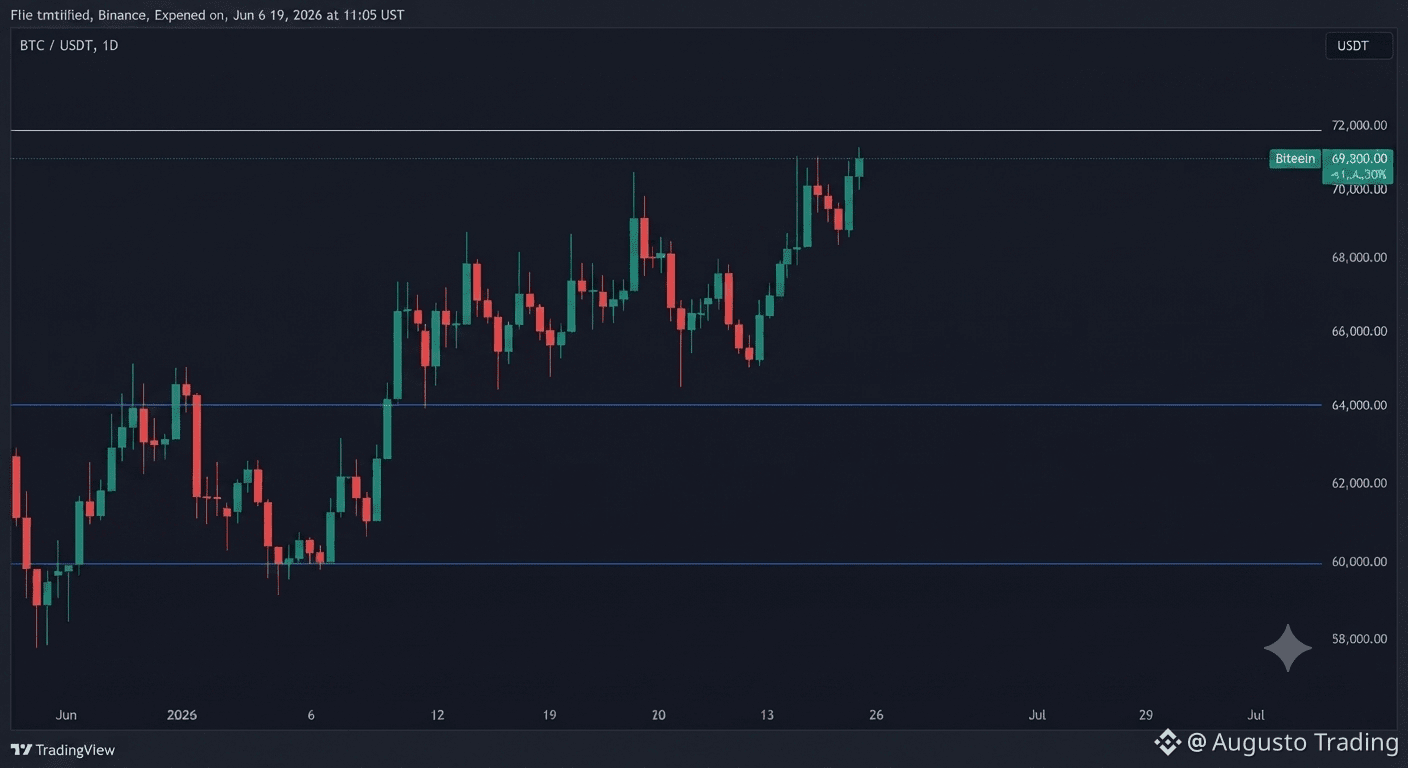
"Many look for the magic indicator, but the reality is different: the real competitive advantage lies in risk management and discipline.
In a market that never sleeps, your biggest enemy is not the chart—it’s the lack of a plan.
💡 My key for this weekend:
Protect your capital before trying to make it grow.
If you don’t have a clear entry, the best trade is not to trade.
Automate your savings and let compound interest work for you.
Discipline, patience, and focus! Stay firm with your key levels. 🚀
How do you manage your risk today? I’d love to hear from you in the comments! 👇
#Binance #Trading #GestiónDeRiesgo #DisciplinaFinanciera #crypto
Discipline is the most profitable asset 📈
Message body:
"Many look for the magic indicator, but the reality is different: the real competitive advantage lies in risk management and discipline.
In a market that never sleeps, your biggest enemy is not the chart—it’s the lack of a plan.
💡 My key for this weekend:
Protect your capital before trying to make it grow.
If you don’t have a clear entry, the best trade is not to trade.
Automate your savings and let compound interest work for you.
Discipline, patience, and focus! Stay firm with your key levels. 🚀
How do you manage your risk today? I’d love to hear from you in the comments! 👇
#Binance #Trading #GestiónDeRiesgo #DisciplinaFinanciera #crypto
Message body:
"Many look for the magic indicator, but the reality is different: the real competitive advantage lies in risk management and discipline.
In a market that never sleeps, your biggest enemy is not the chart—it’s the lack of a plan.
💡 My key for this weekend:
Protect your capital before trying to make it grow.
If you don’t have a clear entry, the best trade is not to trade.
Automate your savings and let compound interest work for you.
Discipline, patience, and focus! Stay firm with your key levels. 🚀
How do you manage your risk today? I’d love to hear from you in the comments! 👇
#Binance #Trading #GestiónDeRiesgo #DisciplinaFinanciera #crypto
1
2
88

·
--
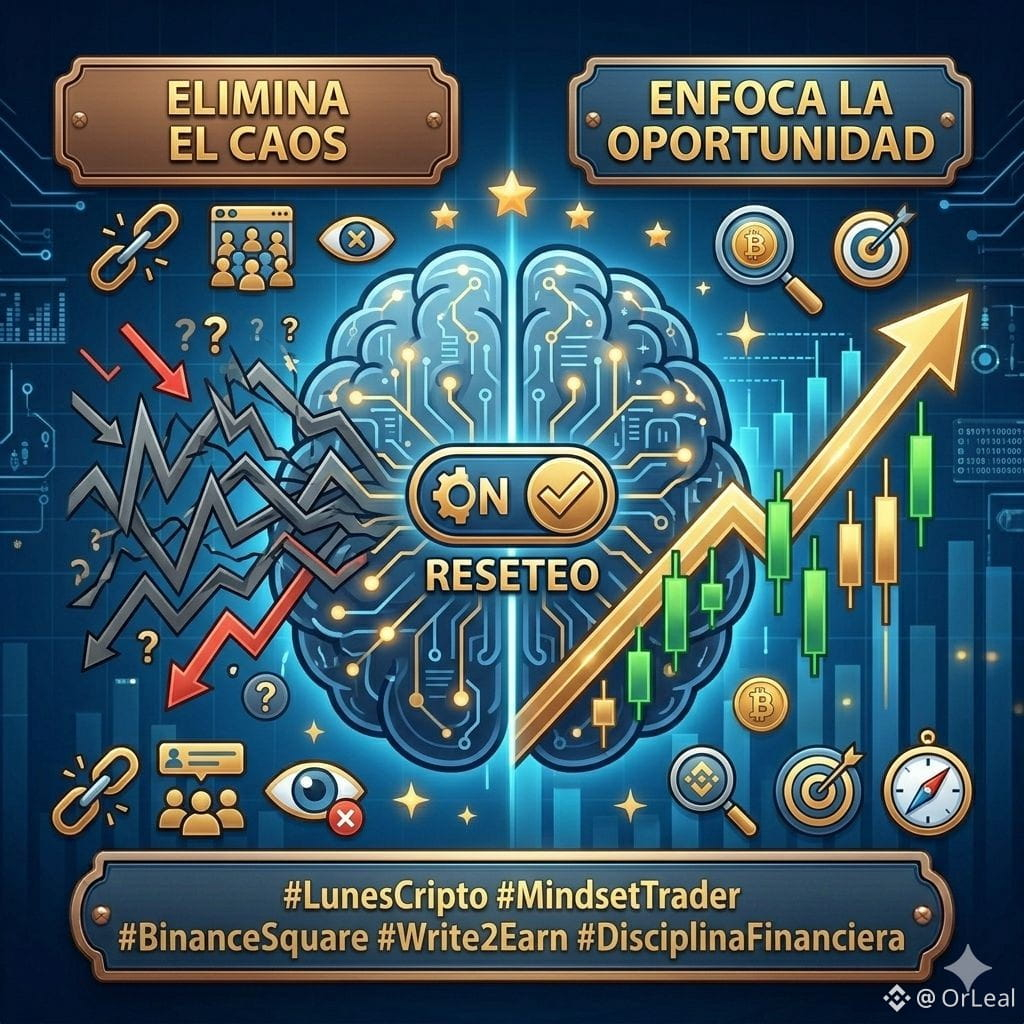
Reset Monday: How to Train Your Mind to See Opportunities Where Others See Chaos.
Kick off the week, community! Mondays often come with a sense of laziness or anxiety as we watch how global markets open. But in the crypto world, Monday is your blank canvas to execute your strategy with a cool and rested mindset.
The biggest asset of a trader isn't their capital; it's their focus. If you start the week glued to the candlesticks without a plan, Monday's volatility will sweep you away.
Apply this mental chip today to start on the right foot:
1️⃣ Clear the Noise: Don't overload yourself with 50 different opinions on social media. Trust your own analysis and the zones you’ve marked.
2️⃣ Discipline Beats Emotion: If the market moves strongly early, don’t chase the price out of fear of missing out (FOMO). Wait patiently for a pullback to your safe zone.
3️⃣ Set Your Weekly Goal: Don’t aim to win it all in a single day. Define a realistic daily or weekly target, and once you hit it, protect your gains and shut down the screen.
Consistency isn’t about trading a lot; it’s about trading smart and keeping your cool when the market gets erratic. Let’s own this week with discipline! 🛡️🚀
What’s your main target or the cryptocurrency you have your eye on to kick off this Monday? 👇 Drop it in the comments, and let’s start analyzing together!
#LunesCripto #MindsetTrader #BinanceSquare #Write2Earn #DisciplinaFinanciera
Reset Monday: How to Train Your Mind to See Opportunities Where Others See Chaos.
Kick off the week, community! Mondays often come with a sense of laziness or anxiety as we watch how global markets open. But in the crypto world, Monday is your blank canvas to execute your strategy with a cool and rested mindset.
The biggest asset of a trader isn't their capital; it's their focus. If you start the week glued to the candlesticks without a plan, Monday's volatility will sweep you away.
Apply this mental chip today to start on the right foot:
1️⃣ Clear the Noise: Don't overload yourself with 50 different opinions on social media. Trust your own analysis and the zones you’ve marked.
2️⃣ Discipline Beats Emotion: If the market moves strongly early, don’t chase the price out of fear of missing out (FOMO). Wait patiently for a pullback to your safe zone.
3️⃣ Set Your Weekly Goal: Don’t aim to win it all in a single day. Define a realistic daily or weekly target, and once you hit it, protect your gains and shut down the screen.
Consistency isn’t about trading a lot; it’s about trading smart and keeping your cool when the market gets erratic. Let’s own this week with discipline! 🛡️🚀
What’s your main target or the cryptocurrency you have your eye on to kick off this Monday? 👇 Drop it in the comments, and let’s start analyzing together!
#LunesCripto #MindsetTrader #BinanceSquare #Write2Earn #DisciplinaFinanciera
Kick off the week, community! Mondays often come with a sense of laziness or anxiety as we watch how global markets open. But in the crypto world, Monday is your blank canvas to execute your strategy with a cool and rested mindset.
The biggest asset of a trader isn't their capital; it's their focus. If you start the week glued to the candlesticks without a plan, Monday's volatility will sweep you away.
Apply this mental chip today to start on the right foot:
1️⃣ Clear the Noise: Don't overload yourself with 50 different opinions on social media. Trust your own analysis and the zones you’ve marked.
2️⃣ Discipline Beats Emotion: If the market moves strongly early, don’t chase the price out of fear of missing out (FOMO). Wait patiently for a pullback to your safe zone.
3️⃣ Set Your Weekly Goal: Don’t aim to win it all in a single day. Define a realistic daily or weekly target, and once you hit it, protect your gains and shut down the screen.
Consistency isn’t about trading a lot; it’s about trading smart and keeping your cool when the market gets erratic. Let’s own this week with discipline! 🛡️🚀
What’s your main target or the cryptocurrency you have your eye on to kick off this Monday? 👇 Drop it in the comments, and let’s start analyzing together!
#LunesCripto #MindsetTrader #BinanceSquare #Write2Earn #DisciplinaFinanciera
107

·
--
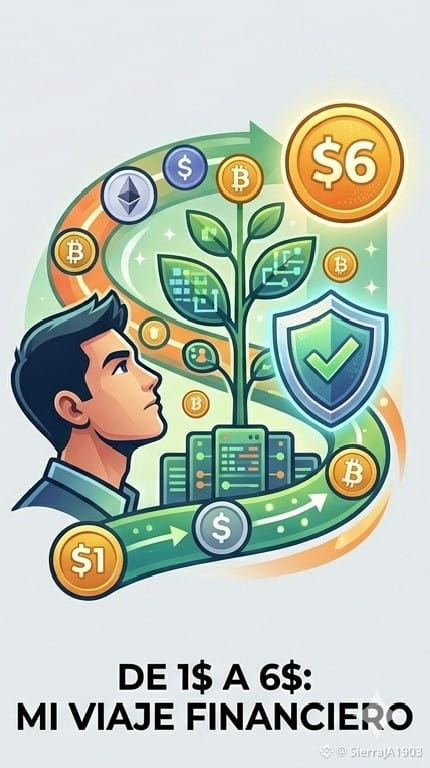
I multiplied my capital by 6! My journey from $1 to $6 on Binance
Many say that to win in crypto, you need thousands. I'm here to prove that with strategy and patience, even a dollar can grow. I've gone from $1 to $6, and here's how I did it!
Taking advantage of "Learn & Earn": Don't underestimate Binance's quizzes. Learning about new projects got me my first fractions of free tokens.
Micro-Staking: Every penny earned was put to work in Binance Earn. The compound interest is small at first, but it's the engine that accelerates growth.
Scalping Discipline: I took advantage of the small fluctuations in low-value tokens (like BTTC or PEPE) to rake in cents on every move.
🚀 What's important isn't the amount but the habit. Going from $1 to $6 is a 500% growth. If I can do it with one, I can do it with a thousand! Who else is starting from the bottom with me? 👇
#MyCryptoProgress #FromZeroToHero #BinanceJourney #HODL #DisciplinaFinanciera
I multiplied my capital by 6! My journey from $1 to $6 on Binance
Many say that to win in crypto, you need thousands. I'm here to prove that with strategy and patience, even a dollar can grow. I've gone from $1 to $6, and here's how I did it!
Taking advantage of "Learn & Earn": Don't underestimate Binance's quizzes. Learning about new projects got me my first fractions of free tokens.
Micro-Staking: Every penny earned was put to work in Binance Earn. The compound interest is small at first, but it's the engine that accelerates growth.
Scalping Discipline: I took advantage of the small fluctuations in low-value tokens (like BTTC or PEPE) to rake in cents on every move.
🚀 What's important isn't the amount but the habit. Going from $1 to $6 is a 500% growth. If I can do it with one, I can do it with a thousand! Who else is starting from the bottom with me? 👇
#MyCryptoProgress #FromZeroToHero #BinanceJourney #HODL #DisciplinaFinanciera
Many say that to win in crypto, you need thousands. I'm here to prove that with strategy and patience, even a dollar can grow. I've gone from $1 to $6, and here's how I did it!
Taking advantage of "Learn & Earn": Don't underestimate Binance's quizzes. Learning about new projects got me my first fractions of free tokens.
Micro-Staking: Every penny earned was put to work in Binance Earn. The compound interest is small at first, but it's the engine that accelerates growth.
Scalping Discipline: I took advantage of the small fluctuations in low-value tokens (like BTTC or PEPE) to rake in cents on every move.
🚀 What's important isn't the amount but the habit. Going from $1 to $6 is a 500% growth. If I can do it with one, I can do it with a thousand! Who else is starting from the bottom with me? 👇
#MyCryptoProgress #FromZeroToHero #BinanceJourney #HODL #DisciplinaFinanciera
16
5
2.2k

·
--
Bullish
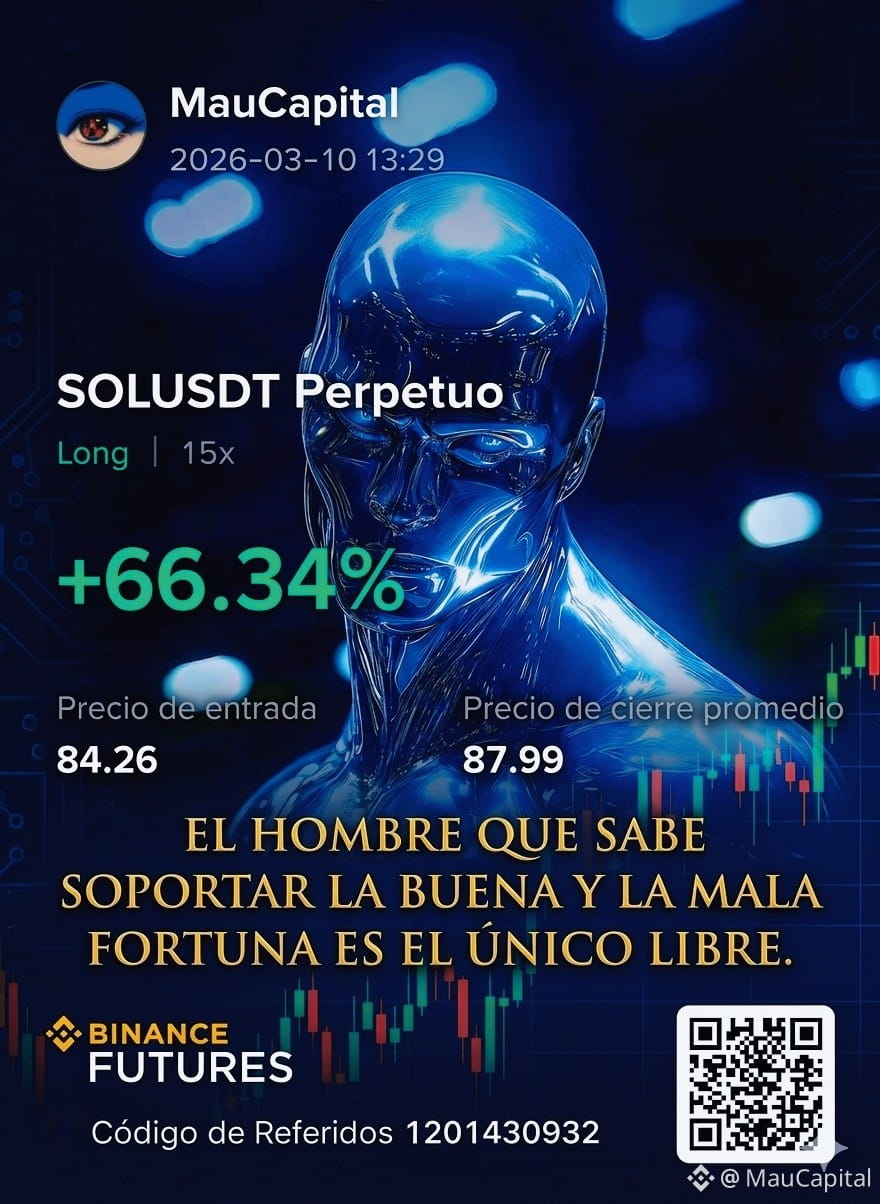
🏛️ THE ANATOMY OF SUCCESS: DISCIPLINE OVER FORTUNE
"The man who knows how to endure good and bad fortune is the only free one."
In the arena of financial markets, freedom is not a gift, it is a conquest achieved through emotional mastery and technical rigor. While most get lost in the noise of volatility, at MauCapital we operate under a precision architecture where patience is our greatest ally.
📉 OPERATION REPORT: SOLUSDT PERPETUAL
Strategy: High Conviction Long.
Leverage: 15x (Institutional Management).
Entry Price: 84.26
Closing Price: 87.99
Final Yield: +66.34% ROI
Operational Reflection:
True mastery does not lie in predicting the future, but in identifying liquidity zones where risk is minimal and reward is maximum. This victory in Solana is the testimony of a surgical entry and a steel temperament. We capture value, protect capital, and dominate the trend.
Excellence is our only habit. We continue to set the standard.
#MauCapital #solana #TradingSignals #BinanceFutures #DisciplinaFinanciera
🏛️ THE ANATOMY OF SUCCESS: DISCIPLINE OVER FORTUNE
"The man who knows how to endure good and bad fortune is the only free one."
In the arena of financial markets, freedom is not a gift, it is a conquest achieved through emotional mastery and technical rigor. While most get lost in the noise of volatility, at MauCapital we operate under a precision architecture where patience is our greatest ally.
📉 OPERATION REPORT: SOLUSDT PERPETUAL
Strategy: High Conviction Long.
Leverage: 15x (Institutional Management).
Entry Price: 84.26
Closing Price: 87.99
Final Yield: +66.34% ROI
Operational Reflection:
True mastery does not lie in predicting the future, but in identifying liquidity zones where risk is minimal and reward is maximum. This victory in Solana is the testimony of a surgical entry and a steel temperament. We capture value, protect capital, and dominate the trend.
Excellence is our only habit. We continue to set the standard.
#MauCapital #solana #TradingSignals #BinanceFutures #DisciplinaFinanciera
"The man who knows how to endure good and bad fortune is the only free one."
In the arena of financial markets, freedom is not a gift, it is a conquest achieved through emotional mastery and technical rigor. While most get lost in the noise of volatility, at MauCapital we operate under a precision architecture where patience is our greatest ally.
📉 OPERATION REPORT: SOLUSDT PERPETUAL
Strategy: High Conviction Long.
Leverage: 15x (Institutional Management).
Entry Price: 84.26
Closing Price: 87.99
Final Yield: +66.34% ROI
Operational Reflection:
True mastery does not lie in predicting the future, but in identifying liquidity zones where risk is minimal and reward is maximum. This victory in Solana is the testimony of a surgical entry and a steel temperament. We capture value, protect capital, and dominate the trend.
Excellence is our only habit. We continue to set the standard.
#MauCapital #solana #TradingSignals #BinanceFutures #DisciplinaFinanciera
109
Log in to explore more content
Join global crypto users on Binance Square
⚡️ Get latest and useful information about crypto.
💬 Trusted by the world’s largest crypto exchange.
👍 Discover real insights from verified creators.
Email / Phone number
Trending Topics
1
#UKFCAWinsCourtOrderToRecover851400Pounds
398 views
96 Discussing
2
#ChainlinkLaunchesCCIP2WithEnterpriseVerification
7,895 views
408 Discussing
3
#GoldFallsTo$4144
4,169 views
101 Discussing
4
#QNTFallsOver40%FromMorningHigh
33,989 views
814 Discussing
5
#USDTAdds845900HoldersInPast7Days
1,112 views
100 Discussing
6
#KospiFalls2.7%SamsungSKHynixDropOver5%
7,000 views
370 Discussing
7
#BitgetCEOConfirms$388MStolenInHack
2,827 views
37 Discussing
8
#BTCFallsBelow$83000
16,965 views
139 Discussing
9
#BitgetDetailsSecurityIncidentTimeline
19,352 views
530 Discussing
10
#BitcoinSpotETFs$2.39BWeeklyNetInflow
7,205 views
34 Discussing