

#bitgethackermoves
bitgethackermoves
3,442 views
111 Discussing
Hot
Latest

·
--
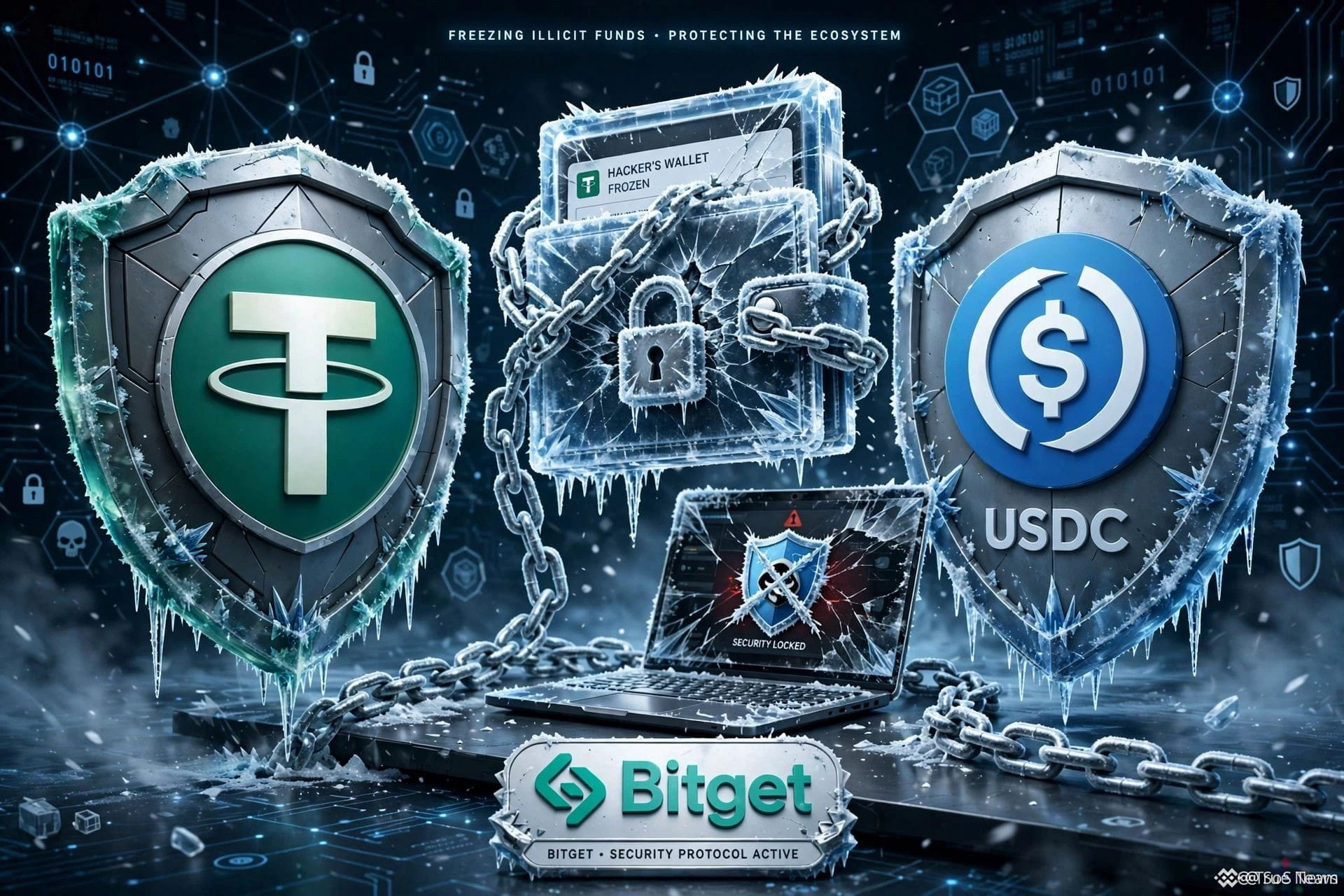
Picture this: an exploiter drains millions from an exchange and attempts to wash the funds across DeFi protocols, only to find their wallets frozen mid-transit.
Most traders treat stablecoins as safe cash equivalents, forgetting that centralized asset issuers hold unilateral control over blacklist functions. When an exploit hits and emergency freezes ripple through liquidity pools, ordinary users frequently get caught in collateral freezes or sudden depeg panic.
The recent freeze of the Bitget hacker wallet by Circle and Tether demonstrates how swiftly centralized issuers can coordinate with law enforcement and exchanges. While this intervention protects stolen assets and prevents the attacker from dumping tokens into liquidity pools, it serves as a stark reminder of underlying counterparty risk.
On-chain transparency cuts both ways, and holding assets like $USDT means you are always operating within permissioned rails, regardless of overall market sentiment. Even as capital rotates across major networks like $NEAR, blacklisting capabilities remain the ultimate circuit breaker in centralized DeFi infrastructure.
How are you balancing asset safety and centralization risk in your portfolio management?
#CircleTetherFreezeBitgetHackerWallet #BitgetHackerMoves
Picture this: an exploiter drains millions from an exchange and attempts to wash the funds across DeFi protocols, only to find their wallets frozen mid-transit.
Most traders treat stablecoins as safe cash equivalents, forgetting that centralized asset issuers hold unilateral control over blacklist functions. When an exploit hits and emergency freezes ripple through liquidity pools, ordinary users frequently get caught in collateral freezes or sudden depeg panic.
The recent freeze of the Bitget hacker wallet by Circle and Tether demonstrates how swiftly centralized issuers can coordinate with law enforcement and exchanges. While this intervention protects stolen assets and prevents the attacker from dumping tokens into liquidity pools, it serves as a stark reminder of underlying counterparty risk.
On-chain transparency cuts both ways, and holding assets like $USDT means you are always operating within permissioned rails, regardless of overall market sentiment. Even as capital rotates across major networks like $NEAR , blacklisting capabilities remain the ultimate circuit breaker in centralized DeFi infrastructure.
How are you balancing asset safety and centralization risk in your portfolio management?
#CircleTetherFreezeBitgetHackerWallet #BitgetHackerMoves
Most traders treat stablecoins as safe cash equivalents, forgetting that centralized asset issuers hold unilateral control over blacklist functions. When an exploit hits and emergency freezes ripple through liquidity pools, ordinary users frequently get caught in collateral freezes or sudden depeg panic.
The recent freeze of the Bitget hacker wallet by Circle and Tether demonstrates how swiftly centralized issuers can coordinate with law enforcement and exchanges. While this intervention protects stolen assets and prevents the attacker from dumping tokens into liquidity pools, it serves as a stark reminder of underlying counterparty risk.
On-chain transparency cuts both ways, and holding assets like $USDT means you are always operating within permissioned rails, regardless of overall market sentiment. Even as capital rotates across major networks like $NEAR , blacklisting capabilities remain the ultimate circuit breaker in centralized DeFi infrastructure.
How are you balancing asset safety and centralization risk in your portfolio management?
#CircleTetherFreezeBitgetHackerWallet #BitgetHackerMoves
161
·
--
Here is what happened when an on-chain sleuth noticed millions in stolen assets suddenly waking up from a dormant wallet.
Most traders get caught up chasing green candles during peak greed cycles, completely ignoring the massive counterparty and security risks that still plague centralized ecosystems. When illicit funds move, the resulting panic selling and sudden liquidity drains can wreck your portfolio before you even realize what hit the order book.
Looking at the latest movements from the Bitget exploiter, we are seeing a familiar playbook unfold. Instead of a messy cash-out, the hacker is systematically splitting funds and washing them across decentralized protocols, trying to evade blacklists before stablecoin issuers step in. We saw the exact same pattern during past exchange breaches, where the race between wallet blacklists and mixers dictated market contagion. While major issuers have frozen portions in $USDT, sophisticated actors always find routing paths through privacy layers and alternative networks.
Even ecosystems seeing institutional interest like $NEAR or older legacy chains like $ETC feel the ripple effects when market makers pull liquidity to protect themselves from tainted funds. The key takeaway from this case study is that on-chain transparency cuts both ways: law enforcement tracks every hop, but the entire market trades on that anxiety in real time.
How do you usually manage your risk exposure when major exploit wallets start moving funds on-chain?
#BitgetHackerMoves #CircleTetherFreezeBitgetHackerWallet
Here is what happened when an on-chain sleuth noticed millions in stolen assets suddenly waking up from a dormant wallet.
Most traders get caught up chasing green candles during peak greed cycles, completely ignoring the massive counterparty and security risks that still plague centralized ecosystems. When illicit funds move, the resulting panic selling and sudden liquidity drains can wreck your portfolio before you even realize what hit the order book.
Looking at the latest movements from the Bitget exploiter, we are seeing a familiar playbook unfold. Instead of a messy cash-out, the hacker is systematically splitting funds and washing them across decentralized protocols, trying to evade blacklists before stablecoin issuers step in. We saw the exact same pattern during past exchange breaches, where the race between wallet blacklists and mixers dictated market contagion. While major issuers have frozen portions in $USDT, sophisticated actors always find routing paths through privacy layers and alternative networks.
Even ecosystems seeing institutional interest like $NEAR or older legacy chains like $ETC feel the ripple effects when market makers pull liquidity to protect themselves from tainted funds. The key takeaway from this case study is that on-chain transparency cuts both ways: law enforcement tracks every hop, but the entire market trades on that anxiety in real time.
How do you usually manage your risk exposure when major exploit wallets start moving funds on-chain?
#BitgetHackerMoves #CircleTetherFreezeBitgetHackerWallet
Most traders get caught up chasing green candles during peak greed cycles, completely ignoring the massive counterparty and security risks that still plague centralized ecosystems. When illicit funds move, the resulting panic selling and sudden liquidity drains can wreck your portfolio before you even realize what hit the order book.
Looking at the latest movements from the Bitget exploiter, we are seeing a familiar playbook unfold. Instead of a messy cash-out, the hacker is systematically splitting funds and washing them across decentralized protocols, trying to evade blacklists before stablecoin issuers step in. We saw the exact same pattern during past exchange breaches, where the race between wallet blacklists and mixers dictated market contagion. While major issuers have frozen portions in $USDT, sophisticated actors always find routing paths through privacy layers and alternative networks.
Even ecosystems seeing institutional interest like $NEAR or older legacy chains like $ETC feel the ripple effects when market makers pull liquidity to protect themselves from tainted funds. The key takeaway from this case study is that on-chain transparency cuts both ways: law enforcement tracks every hop, but the entire market trades on that anxiety in real time.
How do you usually manage your risk exposure when major exploit wallets start moving funds on-chain?
#BitgetHackerMoves #CircleTetherFreezeBitgetHackerWallet
43

everyone thinks once a hacker drains a cex the coins are gone for good but actually this bitget situation is showing how fast the net is closing.
leaving size on an exchange while greed sits at 70 is how people keep getting wrecked. you dont even get a chance to hit withdraw when the drain happens overnight.
look at the bitget hacker moves as a live case study. they started shuffling funds and circle and tether froze the wallet almost immediately. any $USDT that touched those addresses is basically radioactive now.
ngl i keep seeing people still bridging and swapping without checking if theyre interacting with tainted liquidity. thats how you lose access to your own money ser. the freeze is a warning not a victory lap.
meanwhile the timeline is busy chasing $NEAR etf headlines and $POL rotations like none of this is happening. the risk is not the hack itself anymore. its complacency.
anyone else watching these wallets or are we just gonna pretend cexs are still the easy button?
#BitgetHackerMoves #CircleTetherFreezeBitgetHackerWallet #BitwiseFilesFinalNEARSpotETFProspectus
everyone thinks once a hacker drains a cex the coins are gone for good but actually this bitget situation is showing how fast the net is closing.
leaving size on an exchange while greed sits at 70 is how people keep getting wrecked. you dont even get a chance to hit withdraw when the drain happens overnight.
look at the bitget hacker moves as a live case study. they started shuffling funds and circle and tether froze the wallet almost immediately. any $USDT that touched those addresses is basically radioactive now.
ngl i keep seeing people still bridging and swapping without checking if theyre interacting with tainted liquidity. thats how you lose access to your own money ser. the freeze is a warning not a victory lap.
meanwhile the timeline is busy chasing $NEAR etf headlines and $POL rotations like none of this is happening. the risk is not the hack itself anymore. its complacency.
anyone else watching these wallets or are we just gonna pretend cexs are still the easy button?
#BitgetHackerMoves #CircleTetherFreezeBitgetHackerWallet #BitwiseFilesFinalNEARSpotETFProspectus
leaving size on an exchange while greed sits at 70 is how people keep getting wrecked. you dont even get a chance to hit withdraw when the drain happens overnight.
look at the bitget hacker moves as a live case study. they started shuffling funds and circle and tether froze the wallet almost immediately. any $USDT that touched those addresses is basically radioactive now.
ngl i keep seeing people still bridging and swapping without checking if theyre interacting with tainted liquidity. thats how you lose access to your own money ser. the freeze is a warning not a victory lap.
meanwhile the timeline is busy chasing $NEAR etf headlines and $POL rotations like none of this is happening. the risk is not the hack itself anymore. its complacency.
anyone else watching these wallets or are we just gonna pretend cexs are still the easy button?
#BitgetHackerMoves #CircleTetherFreezeBitgetHackerWallet #BitwiseFilesFinalNEARSpotETFProspectus
141


BITGET HACK · WHAT COULD BE FROZEN
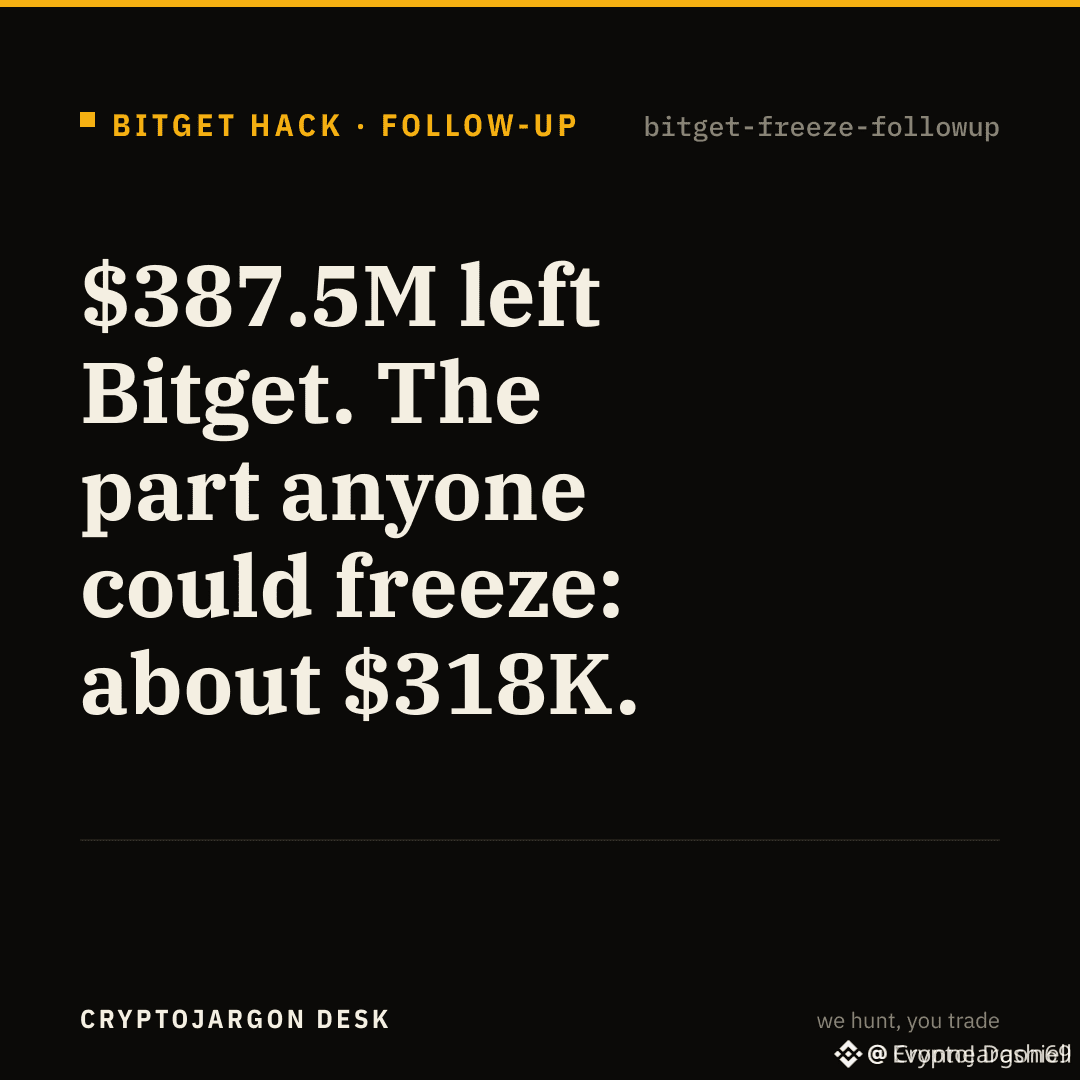
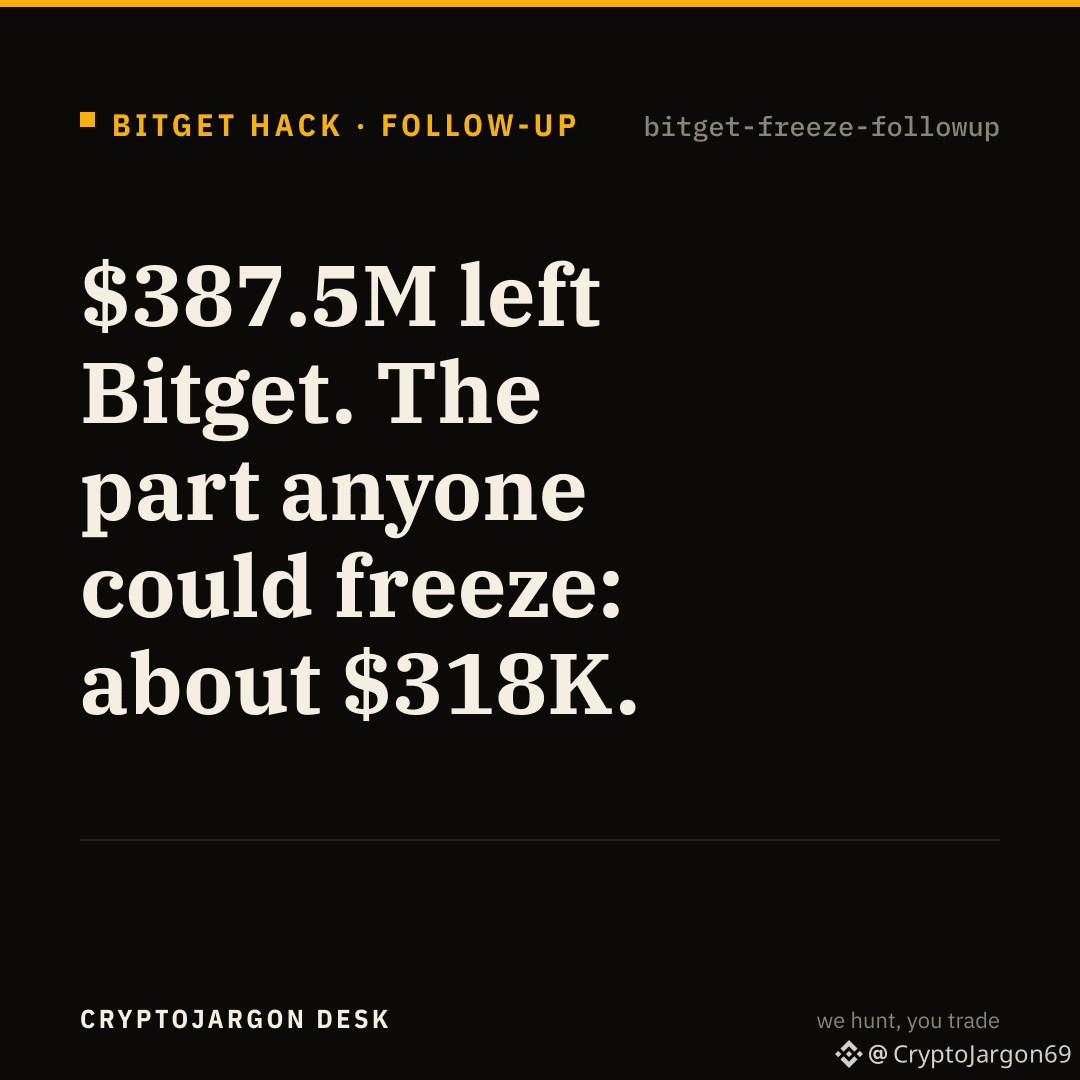
$387.5M left Bitget's hot wallets on 24 Sep. The part anyone could freeze: about $318K.
Circle and Tether blacklisted one exploiter wallet holding 218K USDT and 100K USDC. That is roughly 0.08% of the haul.
The rest sits where no issuer reaches: 63,000+ $ETH across other exploiter addresses, and 103M $XRP, of which 54M (about $83M) has already moved to fresh wallets. Native coins cannot be frozen at the protocol level. The one choke point left is an exchange deposit.
Bitget says cold wallets were untouched and its $464M protection fund covers the loss.
A freeze button on stablecoins: safety net, or a flaw in the model?
#CircleTetherFreezeBitgetHackerWallet #BitgetHackerMoves$83MStolenXRP $ETH $XRP
BITGET HACK · WHAT COULD BE FROZEN
$387.5M left Bitget's hot wallets on 24 Sep. The part anyone could freeze: about $318K.
Circle and Tether blacklisted one exploiter wallet holding 218K USDT and 100K USDC. That is roughly 0.08% of the haul.
The rest sits where no issuer reaches: 63,000+ $ETH across other exploiter addresses, and 103M $XRP , of which 54M (about $83M) has already moved to fresh wallets. Native coins cannot be frozen at the protocol level. The one choke point left is an exchange deposit.
Bitget says cold wallets were untouched and its $464M protection fund covers the loss.
A freeze button on stablecoins: safety net, or a flaw in the model?
#CircleTetherFreezeBitgetHackerWallet #BitgetHackerMoves$83MStolenXRP $ETH $XRP
$387.5M left Bitget's hot wallets on 24 Sep. The part anyone could freeze: about $318K.
Circle and Tether blacklisted one exploiter wallet holding 218K USDT and 100K USDC. That is roughly 0.08% of the haul.
The rest sits where no issuer reaches: 63,000+ $ETH across other exploiter addresses, and 103M $XRP , of which 54M (about $83M) has already moved to fresh wallets. Native coins cannot be frozen at the protocol level. The one choke point left is an exchange deposit.
Bitget says cold wallets were untouched and its $464M protection fund covers the loss.
A freeze button on stablecoins: safety net, or a flaw in the model?
#CircleTetherFreezeBitgetHackerWallet #BitgetHackerMoves$83MStolenXRP $ETH $XRP
1
192

Bitget has reportedly experienced a significant security incident resulting in the theft of approximately $83 million worth of XRP. This event highlights the persistent risks associated with centralized exchanges and the need for robust security measures. Such breaches can significantly impact user confidence and market sentiment, potentially leading to increased selling pressure on affected assets and a broader flight to safety. The incident underscores the importance of users diversifying their holdings and considering self-custody solutions for enhanced security. The crypto community will be watching closely to see how Bitget responds and mitigates the damage.
Disclaimer: This content is for informational purposes only and does not constitute investment advice.
#BitgetHackerMoves$83MStolenXRP $XRP
Bitget has reportedly experienced a significant security incident resulting in the theft of approximately $83 million worth of XRP. This event highlights the persistent risks associated with centralized exchanges and the need for robust security measures. Such breaches can significantly impact user confidence and market sentiment, potentially leading to increased selling pressure on affected assets and a broader flight to safety. The incident underscores the importance of users diversifying their holdings and considering self-custody solutions for enhanced security. The crypto community will be watching closely to see how Bitget responds and mitigates the damage.
Disclaimer: This content is for informational purposes only and does not constitute investment advice.
#BitgetHackerMoves$83MStolenXRP $XRP
Disclaimer: This content is for informational purposes only and does not constitute investment advice.
#BitgetHackerMoves$83MStolenXRP $XRP
3
523

·
--
Bullish
#BitgetHackerMoves $83MStolenXRP
$XRP
{future}(XRPUSDT)
The Bitget breach has taken another turn: blockchain records reviewed by CoinDesk show that roughly 54 million stolen XRP, worth about $83 million, moved out of the original attacker-controlled wallets. Around $75 million reportedly remained in those original wallets at the time of the report.
A key issue is that XRP is the native asset of the XRP Ledger, so Ripple cannot directly freeze XRP held in an attacker’s wallet. However, centralized exchanges can restrict accounts if stolen XRP reaches their platforms.
Bitget says the overall affected amount was approximately $387.5 million and that its recovery efforts are ongoing with industry partners.
Discussion:
“The movement of $83M in stolen XRP highlights how quickly hacked funds can be redistributed across wallets. The key question now is whether the transferred XRP reaches exchanges or other identifiable services where it can potentially be blocked. The incident also shows why rapid on-chain monitoring and cooperation between exchanges and blockchain security teams are important after a major breach.”
#BitgetHackerMoves $83MStolenXRP
$XRP
The Bitget breach has taken another turn: blockchain records reviewed by CoinDesk show that roughly 54 million stolen XRP, worth about $83 million, moved out of the original attacker-controlled wallets. Around $75 million reportedly remained in those original wallets at the time of the report.
A key issue is that XRP is the native asset of the XRP Ledger, so Ripple cannot directly freeze XRP held in an attacker’s wallet. However, centralized exchanges can restrict accounts if stolen XRP reaches their platforms.
Bitget says the overall affected amount was approximately $387.5 million and that its recovery efforts are ongoing with industry partners.
Discussion:
“The movement of $83M in stolen XRP highlights how quickly hacked funds can be redistributed across wallets. The key question now is whether the transferred XRP reaches exchanges or other identifiable services where it can potentially be blocked. The incident also shows why rapid on-chain monitoring and cooperation between exchanges and blockchain security teams are important after a major breach.”
$XRP
The Bitget breach has taken another turn: blockchain records reviewed by CoinDesk show that roughly 54 million stolen XRP, worth about $83 million, moved out of the original attacker-controlled wallets. Around $75 million reportedly remained in those original wallets at the time of the report.
A key issue is that XRP is the native asset of the XRP Ledger, so Ripple cannot directly freeze XRP held in an attacker’s wallet. However, centralized exchanges can restrict accounts if stolen XRP reaches their platforms.
Bitget says the overall affected amount was approximately $387.5 million and that its recovery efforts are ongoing with industry partners.
Discussion:
“The movement of $83M in stolen XRP highlights how quickly hacked funds can be redistributed across wallets. The key question now is whether the transferred XRP reaches exchanges or other identifiable services where it can potentially be blocked. The incident also shows why rapid on-chain monitoring and cooperation between exchanges and blockchain security teams are important after a major breach.”
393
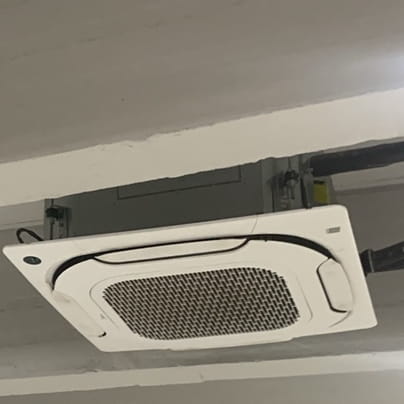
Recently Bitget got hot hard their 400$M got phished by some hackers;this is extremely unfortunate as we are progressing into a crypto steered world order #BitgetHackerMoves #BanHack
Recently Bitget got hot hard their 400$M got phished by some hackers;this is extremely unfortunate as we are progressing into a crypto steered world order #BitgetHackerMoves #BanHack
1
104

·
--
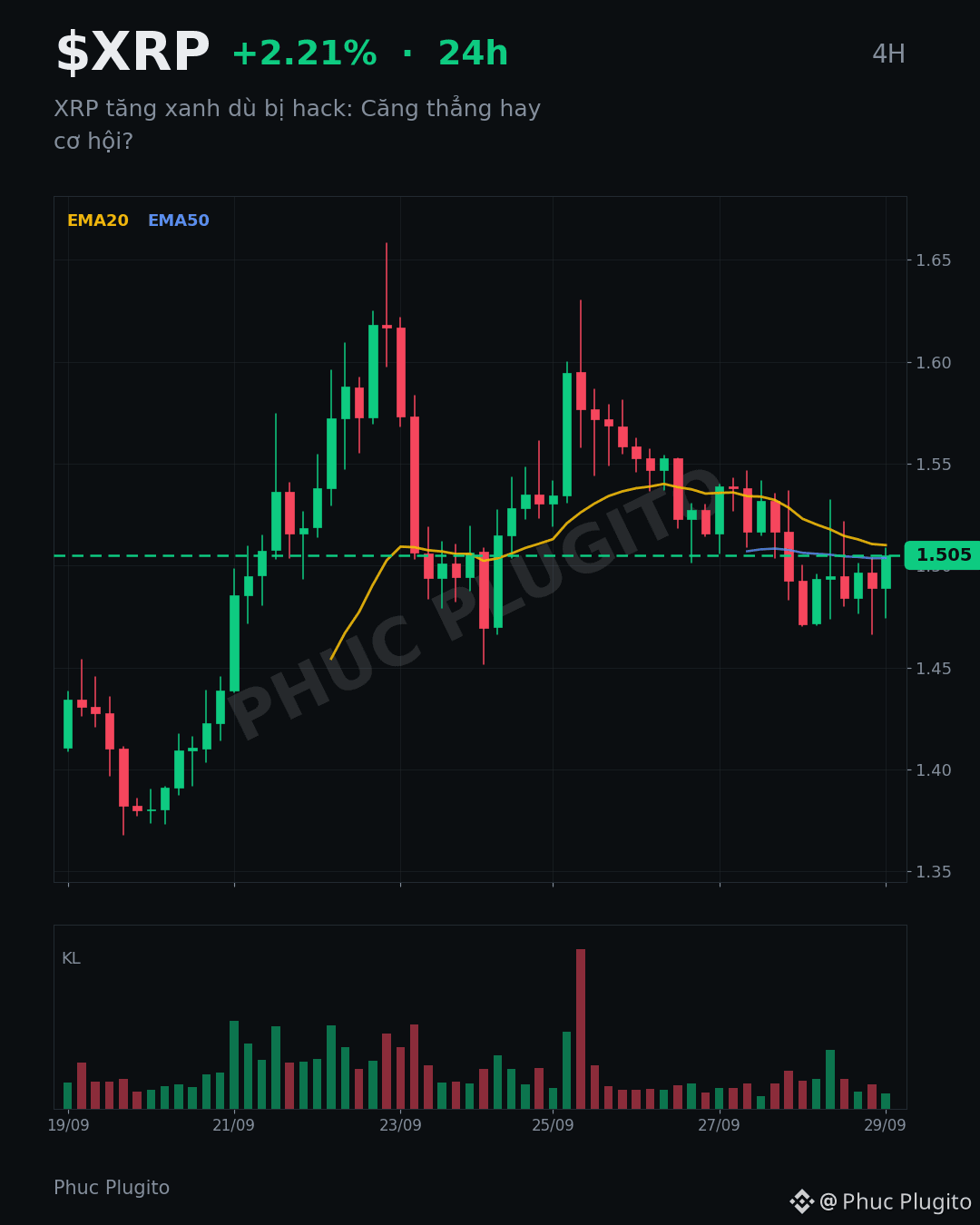
XRP rises despite being hacked: Tension or an opportunity?
This morning I picked up my phone and saw news that Bitget had been hacked and $83 million $XRP was stolen, and I was shocked. I thought it would trigger a strongly negative reaction, but it actually ticked up green by 2.21%. Honestly, it’s hard to understand.
It feels like the market is disregarding all bad news, or is it because XRP’s liquidity is large enough to absorb shocks like this? I’m wondering whether this is a sign of an unstable sentiment or an unexpected opportunity for those who believe in XRP for the long term. I don’t know what everyone thinks.
Reference information only, not investment advice. DYOR.
#XRP #BitgetHackerMoves$83MStolenXRP
XRP rises despite being hacked: Tension or an opportunity?
This morning I picked up my phone and saw news that Bitget had been hacked and $83 million $XRP was stolen, and I was shocked. I thought it would trigger a strongly negative reaction, but it actually ticked up green by 2.21%. Honestly, it’s hard to understand.
It feels like the market is disregarding all bad news, or is it because XRP’s liquidity is large enough to absorb shocks like this? I’m wondering whether this is a sign of an unstable sentiment or an unexpected opportunity for those who believe in XRP for the long term. I don’t know what everyone thinks.
Reference information only, not investment advice. DYOR.
#XRP #BitgetHackerMoves$83MStolenXRP
This morning I picked up my phone and saw news that Bitget had been hacked and $83 million $XRP was stolen, and I was shocked. I thought it would trigger a strongly negative reaction, but it actually ticked up green by 2.21%. Honestly, it’s hard to understand.
It feels like the market is disregarding all bad news, or is it because XRP’s liquidity is large enough to absorb shocks like this? I’m wondering whether this is a sign of an unstable sentiment or an unexpected opportunity for those who believe in XRP for the long term. I don’t know what everyone thinks.
Reference information only, not investment advice. DYOR.
#XRP #BitgetHackerMoves$83MStolenXRP
1
409

·
--
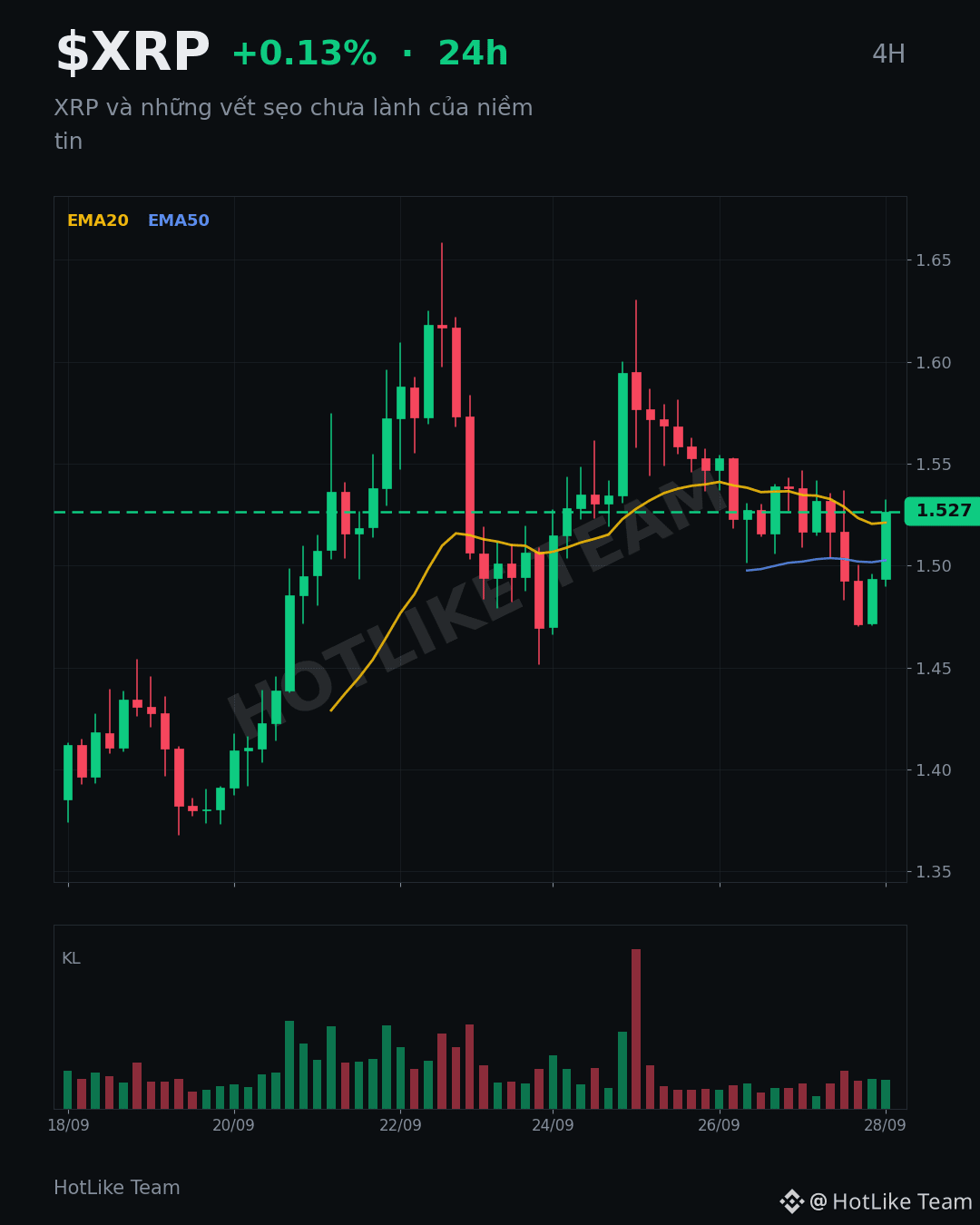
💥 XRP and the still-unhealed scars of trust
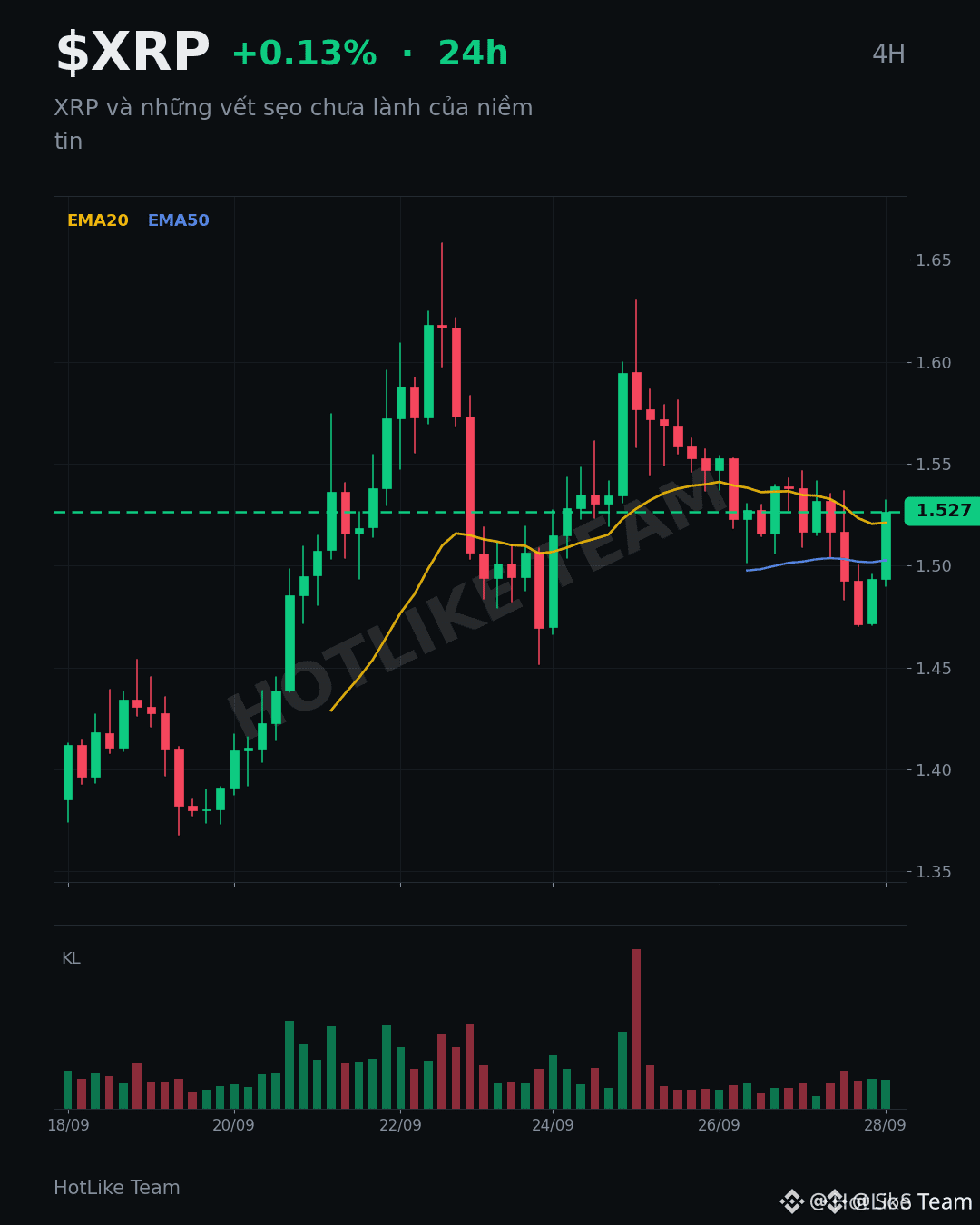
Mention $XRP and I’m reminded of the time it was once the “king” for a while. This morning, I read the news that Bitget was hacked—83 million XRP was transferred away, and suddenly my heart feels heavy. Even though XRP’s price today is only up slightly by 0.13%, this incident digs deeper into market psychology, especially investors’ trust. The road back to safety for XRP seems still very far, right, guys? 🤔
Reference information only, not investment advice. DYOR.
#XRP #BitgetHackerMoves$83MStolenXRP
💥 XRP and the still-unhealed scars of trust
Mention $XRP and I’m reminded of the time it was once the “king” for a while. This morning, I read the news that Bitget was hacked—83 million XRP was transferred away, and suddenly my heart feels heavy. Even though XRP’s price today is only up slightly by 0.13%, this incident digs deeper into market psychology, especially investors’ trust. The road back to safety for XRP seems still very far, right, guys? 🤔
Reference information only, not investment advice. DYOR.
#XRP #BitgetHackerMoves$83MStolenXRP
Mention $XRP and I’m reminded of the time it was once the “king” for a while. This morning, I read the news that Bitget was hacked—83 million XRP was transferred away, and suddenly my heart feels heavy. Even though XRP’s price today is only up slightly by 0.13%, this incident digs deeper into market psychology, especially investors’ trust. The road back to safety for XRP seems still very far, right, guys? 🤔
Reference information only, not investment advice. DYOR.
#XRP #BitgetHackerMoves$83MStolenXRP
296

·
--
Article
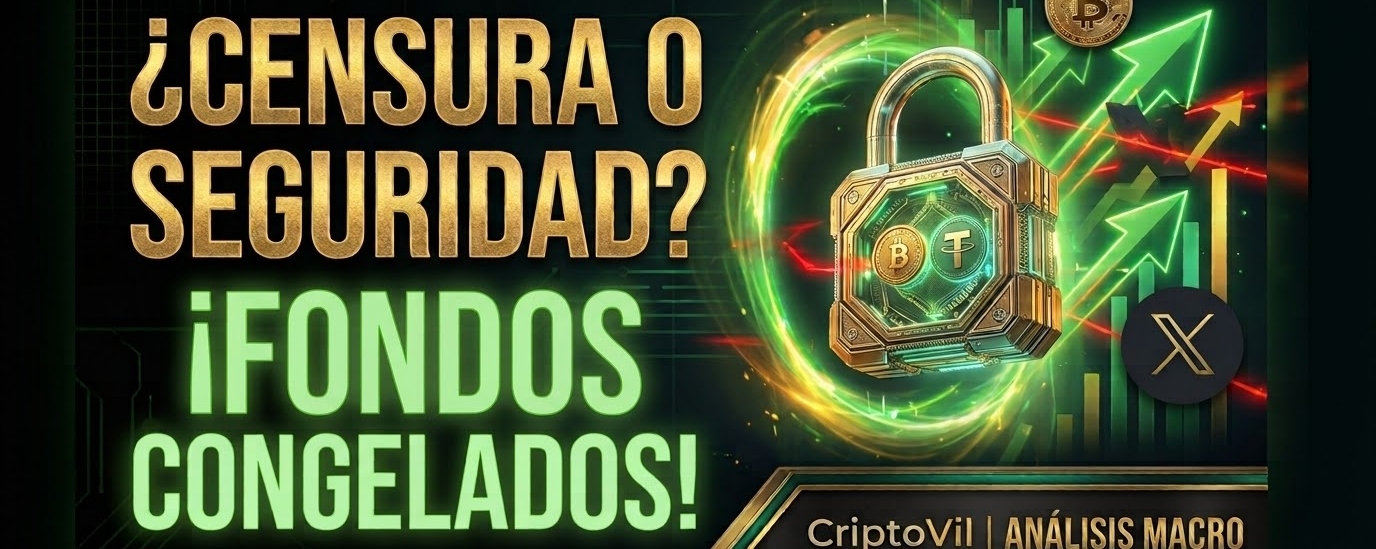
IS DECENTRALIZATION AN ILLUSION? THE BITGET HACKER AND THE POWER TO FREEZE YOUR FUNDS 🚨⚛️The crypto market is back on high alert following the latest moves by the hacker involved in the Bitget incident. While millions of dollars in assets are moving across the chain, Circle and Tether have taken direct action by freezing addresses with $USDT and $USDC .
In CryptoVil, we analyze this debate that divides the community:
1. The Security vs. Decentralization Dilemma 🛑
On the one hand, the ability of centralized issuers to freeze funds helps curb malicious actors and protect the financial ecosystem.
IS DECENTRALIZATION AN ILLUSION? THE BITGET HACKER AND THE POWER TO FREEZE YOUR FUNDS 🚨⚛️
The crypto market is back on high alert following the latest moves by the hacker involved in the Bitget incident. While millions of dollars in assets are moving across the chain, Circle and Tether have taken direct action by freezing addresses with $USDT and $USDC .
In CryptoVil, we analyze this debate that divides the community:
1. The Security vs. Decentralization Dilemma 🛑
On the one hand, the ability of centralized issuers to freeze funds helps curb malicious actors and protect the financial ecosystem.
In CryptoVil, we analyze this debate that divides the community:
1. The Security vs. Decentralization Dilemma 🛑
On the one hand, the ability of centralized issuers to freeze funds helps curb malicious actors and protect the financial ecosystem.
1
1
297

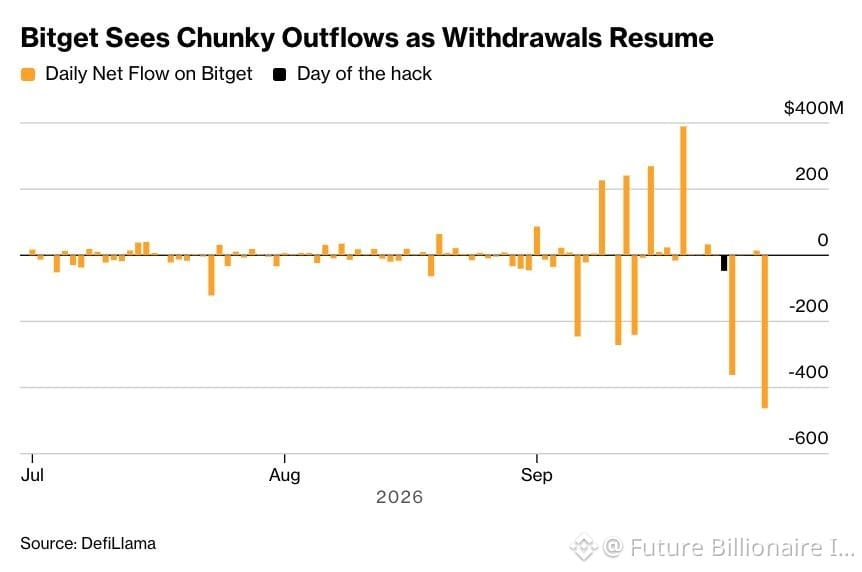
🚨 **BITGET SEES $463M NET OUTFLOWS**
Roughly $463M left Bitget over 24 hours as withdrawals resumed following last week’s hack, per Bloomberg.
#BitgetHack387MBreachProtectionFund
#BitgetHackerFailsToMoveStolenFunds
#BitgetExchange
#BitgetHackerMoves
🚨 **BITGET SEES $463M NET OUTFLOWS**
Roughly $463M left Bitget over 24 hours as withdrawals resumed following last week’s hack, per Bloomberg.
#BitgetHack387MBreachProtectionFund
#BitgetHackerFailsToMoveStolenFunds
#BitgetExchange
#BitgetHackerMoves
Roughly $463M left Bitget over 24 hours as withdrawals resumed following last week’s hack, per Bloomberg.
#BitgetHack387MBreachProtectionFund
#BitgetHackerFailsToMoveStolenFunds
#BitgetExchange
#BitgetHackerMoves

8

·
--
Loot-recovery bounty enters a safe topic|Freezing and recovering cannot be counted together|XMR at $533—I'll wait
My stance is clear: first, verify whether the funds can safely exit; I won’t chase purchases of privacy coins just because exchange “safety” talk is getting louder. The hot list on the forum shows a Bitget-related XRP transfer case, but the amount mentioned in the discussion is not the amount already sold, nor is it the funds that flowed into XMR. The addresses attributed and transfer amounts relayed by the news have not been independently verified on-chain for this round, so I don’t treat them as trade evidence.
The first-hand facts that can be checked are: on September 25, Bitget announced the launch of a loot-recovery bounty program. For users who meet the criteria and voluntarily assist with freezing and assisting with recovery, it separately lists a 5% reward rate for each category. Eligibility and amounts are still subject to platform review, and participation does not guarantee receiving the bounty. On September 26, another official announcement arranged for phased resumption of withdrawals: BTC withdrawals are scheduled to start on September 28 at 4:00 PM Beijing time. We are not at that time point yet, so the plan hasn’t been fully resumed, and you also can’t infer the status of XMR withdrawals from this. Both announcements state that the incident is under control—this is the platform’s statement, not that I completed a security audit.
Why does this affect the crypto market? The first thing an exchange’s risk changes is capital routing and counterparty trust. Tracking addresses, freezing assets, truly recovering assets, and users receiving withdrawal confirmations are four different stages. Frozen balances cannot be directly counted as payout cash that’s actually available to move, and the bounty percentage is also not an investor’s return rate. Even if the trading interface looks normal, if funds can’t be transferred out in time, the ability to arbitrage and top up margin may still be constrained. What I care about more is whether, after resumption, it stays stable and whether funds have actually arrived on-chain—rather than treating an announcement headline as proof that risk has disappeared.
This is also the boundary to watch for regarding XMR: privacy features are not an exchange custody insurance. If holders keep their coins in a third-party account, they still face platform operational risks; self-custody, meanwhile, requires handling backups, devices, and operational security—you can’t wrap it up as a zero-risk solution. At present, there is no verified evidence proving that this XRP transfer drove XMR buy demand, and Monero’s official blog has not provided any new mainnet-launch catalyst for this round.
How the market has reacted should be answered with visible quotes. In this round, Kraken’s XMR/USD snapshot is about $532.92. Over the past 24 hours, the range was $531.51 to $560.61—still near the lower end of the range. This only suggests the price position was relatively weak at that time; it cannot prove the drop was caused by security news, and it certainly can’t use a single market’s quote to impersonate a full-market execution conclusion. My observation levels are: confirm at $540; invalidate at $530. If quotes are inaccurate or withdrawals/deposits are abnormal, even a breakout cannot be treated as a signal to open a position.
If I were trading myself, I wouldn’t participate, my position would be zero. I wouldn’t short, and I wouldn’t use leverage. Only if hourly closes stay above $540, then retest and hold $538 to $540 afterward, and the trading channel quotes and withdrawals/deposits are normal, would I consider trying to go long with up to 0.3% of total capital. Then: cut half at $546, close the rest at $552. Hard stop-loss at $535, or if two consecutive hourly closes fall back below $538, exit everything. If it breaks below $530 before entry, cancel the plan. If actual withdrawal verification doesn’t go smoothly or the breakout doesn’t have follow-through, I would withdraw the mildly bullish view. All trigger conditions are only for the plan—I don’t write them as trades that have already executed or already turned profitable.
Source: Bitget official announcements on the loot-recovery bounty and phased withdrawals; Kraken live market data. #BitgetHackerMoves$83MStolenXRP #XMR
The above is for my personal market observations only and does not constitute investment advice.
Loot-recovery bounty enters a safe topic|Freezing and recovering cannot be counted together|XMR at $533—I'll wait
My stance is clear: first, verify whether the funds can safely exit; I won’t chase purchases of privacy coins just because exchange “safety” talk is getting louder. The hot list on the forum shows a Bitget-related XRP transfer case, but the amount mentioned in the discussion is not the amount already sold, nor is it the funds that flowed into XMR. The addresses attributed and transfer amounts relayed by the news have not been independently verified on-chain for this round, so I don’t treat them as trade evidence.
The first-hand facts that can be checked are: on September 25, Bitget announced the launch of a loot-recovery bounty program. For users who meet the criteria and voluntarily assist with freezing and assisting with recovery, it separately lists a 5% reward rate for each category. Eligibility and amounts are still subject to platform review, and participation does not guarantee receiving the bounty. On September 26, another official announcement arranged for phased resumption of withdrawals: BTC withdrawals are scheduled to start on September 28 at 4:00 PM Beijing time. We are not at that time point yet, so the plan hasn’t been fully resumed, and you also can’t infer the status of XMR withdrawals from this. Both announcements state that the incident is under control—this is the platform’s statement, not that I completed a security audit.
Why does this affect the crypto market? The first thing an exchange’s risk changes is capital routing and counterparty trust. Tracking addresses, freezing assets, truly recovering assets, and users receiving withdrawal confirmations are four different stages. Frozen balances cannot be directly counted as payout cash that’s actually available to move, and the bounty percentage is also not an investor’s return rate. Even if the trading interface looks normal, if funds can’t be transferred out in time, the ability to arbitrage and top up margin may still be constrained. What I care about more is whether, after resumption, it stays stable and whether funds have actually arrived on-chain—rather than treating an announcement headline as proof that risk has disappeared.
This is also the boundary to watch for regarding XMR: privacy features are not an exchange custody insurance. If holders keep their coins in a third-party account, they still face platform operational risks; self-custody, meanwhile, requires handling backups, devices, and operational security—you can’t wrap it up as a zero-risk solution. At present, there is no verified evidence proving that this XRP transfer drove XMR buy demand, and Monero’s official blog has not provided any new mainnet-launch catalyst for this round.
How the market has reacted should be answered with visible quotes. In this round, Kraken’s XMR/USD snapshot is about $532.92. Over the past 24 hours, the range was $531.51 to $560.61—still near the lower end of the range. This only suggests the price position was relatively weak at that time; it cannot prove the drop was caused by security news, and it certainly can’t use a single market’s quote to impersonate a full-market execution conclusion. My observation levels are: confirm at $540; invalidate at $530. If quotes are inaccurate or withdrawals/deposits are abnormal, even a breakout cannot be treated as a signal to open a position.
If I were trading myself, I wouldn’t participate, my position would be zero. I wouldn’t short, and I wouldn’t use leverage. Only if hourly closes stay above $540, then retest and hold $538 to $540 afterward, and the trading channel quotes and withdrawals/deposits are normal, would I consider trying to go long with up to 0.3% of total capital. Then: cut half at $546, close the rest at $552. Hard stop-loss at $535, or if two consecutive hourly closes fall back below $538, exit everything. If it breaks below $530 before entry, cancel the plan. If actual withdrawal verification doesn’t go smoothly or the breakout doesn’t have follow-through, I would withdraw the mildly bullish view. All trigger conditions are only for the plan—I don’t write them as trades that have already executed or already turned profitable.
Source: Bitget official announcements on the loot-recovery bounty and phased withdrawals; Kraken live market data. #BitgetHackerMoves$83MStolenXRP #XMR
The above is for my personal market observations only and does not constitute investment advice.
My stance is clear: first, verify whether the funds can safely exit; I won’t chase purchases of privacy coins just because exchange “safety” talk is getting louder. The hot list on the forum shows a Bitget-related XRP transfer case, but the amount mentioned in the discussion is not the amount already sold, nor is it the funds that flowed into XMR. The addresses attributed and transfer amounts relayed by the news have not been independently verified on-chain for this round, so I don’t treat them as trade evidence.
The first-hand facts that can be checked are: on September 25, Bitget announced the launch of a loot-recovery bounty program. For users who meet the criteria and voluntarily assist with freezing and assisting with recovery, it separately lists a 5% reward rate for each category. Eligibility and amounts are still subject to platform review, and participation does not guarantee receiving the bounty. On September 26, another official announcement arranged for phased resumption of withdrawals: BTC withdrawals are scheduled to start on September 28 at 4:00 PM Beijing time. We are not at that time point yet, so the plan hasn’t been fully resumed, and you also can’t infer the status of XMR withdrawals from this. Both announcements state that the incident is under control—this is the platform’s statement, not that I completed a security audit.
Why does this affect the crypto market? The first thing an exchange’s risk changes is capital routing and counterparty trust. Tracking addresses, freezing assets, truly recovering assets, and users receiving withdrawal confirmations are four different stages. Frozen balances cannot be directly counted as payout cash that’s actually available to move, and the bounty percentage is also not an investor’s return rate. Even if the trading interface looks normal, if funds can’t be transferred out in time, the ability to arbitrage and top up margin may still be constrained. What I care about more is whether, after resumption, it stays stable and whether funds have actually arrived on-chain—rather than treating an announcement headline as proof that risk has disappeared.
This is also the boundary to watch for regarding XMR: privacy features are not an exchange custody insurance. If holders keep their coins in a third-party account, they still face platform operational risks; self-custody, meanwhile, requires handling backups, devices, and operational security—you can’t wrap it up as a zero-risk solution. At present, there is no verified evidence proving that this XRP transfer drove XMR buy demand, and Monero’s official blog has not provided any new mainnet-launch catalyst for this round.
How the market has reacted should be answered with visible quotes. In this round, Kraken’s XMR/USD snapshot is about $532.92. Over the past 24 hours, the range was $531.51 to $560.61—still near the lower end of the range. This only suggests the price position was relatively weak at that time; it cannot prove the drop was caused by security news, and it certainly can’t use a single market’s quote to impersonate a full-market execution conclusion. My observation levels are: confirm at $540; invalidate at $530. If quotes are inaccurate or withdrawals/deposits are abnormal, even a breakout cannot be treated as a signal to open a position.
If I were trading myself, I wouldn’t participate, my position would be zero. I wouldn’t short, and I wouldn’t use leverage. Only if hourly closes stay above $540, then retest and hold $538 to $540 afterward, and the trading channel quotes and withdrawals/deposits are normal, would I consider trying to go long with up to 0.3% of total capital. Then: cut half at $546, close the rest at $552. Hard stop-loss at $535, or if two consecutive hourly closes fall back below $538, exit everything. If it breaks below $530 before entry, cancel the plan. If actual withdrawal verification doesn’t go smoothly or the breakout doesn’t have follow-through, I would withdraw the mildly bullish view. All trigger conditions are only for the plan—I don’t write them as trades that have already executed or already turned profitable.
Source: Bitget official announcements on the loot-recovery bounty and phased withdrawals; Kraken live market data. #BitgetHackerMoves$83MStolenXRP #XMR
The above is for my personal market observations only and does not constitute investment advice.

39
Tokenization of U.S. stocks accelerates into traditional finance, as the crypto market seeks breakthroughs amid macro headwinds
1. Ethena Pioneers a First: Using Tokenized U.S. Stocks to Support Synthetic Dollars
This week’s DeFi space has seen a major innovation. Stablecoin protocol Ethena announced that it has begun using tokenized U.S. stocks on the Binance platform as collateral for its synthetic dollar USDe. This is the protocol’s first time expanding the collateral scope of its delta-neutral strategy beyond cryptocurrencies. According to the announcement, the initial allocation of collateral was completed on September 25, marking a deep integration between DeFi and traditional U.S. equity markets.
This move directly propelled a strong performance for the ENA token. Over the past seven days, the ENA price surged by about 54%, with new collateral deposits totaling $90 million. Meanwhile, Ethena’s governance community is discussing a new proposal to reallocate up to 95% of the protocol’s fees, further incentivizing continued growth in the ecosystem. Tokenized U.S. stocks are moving from proof of concept to real-world application. Ethena’s case demonstrates that on-chain U.S. stock assets are capable of supporting large-scale DeFi strategies.
2. QNT Rockets by More Than 85%, as Institutional-Grade Partnerships Ignite the Rally
Against the backdrop of tokenized U.S. stocks merging with traditional finance, Quant Network’s native token QNT emerged as the biggest winner this week. In just a few days, QNT’s price surged by more than 85%, breaking through the $285 mark. Trading volume jumped from $9.9 million to more than $77 million, and net inflows reached $38 million.
The key catalysts behind this rally came from three major institutional collaborations. First, The Clearing House selected QNT’s Overledger platform for distributed ledger technology (DLT) integration. Second, global financial software giant Murex announced it would integrate QNT into its MX.3 platform. Third, the European Central Bank adopted Overledger technology in its digital euro testing. These three partnerships signal that QNT is moving from the concept stage into real deployment within global financial infrastructure. However, it’s worth noting that the RSI indicator is approaching an extreme overbought zone, and the price is far above the upper Bollinger Band—short-term pullback risk cannot be ignored.
3. Rate-Hike Expectations Heat Up, with Macro Headwinds Weighing on Risk Assets
Although the crypto market has been delivering good news on institutional collaborations and product innovation, macro conditions are brewing under the surface. CME FedWatch shows that the probability of the Federal Reserve raising rates by 25 basis points at its October 28 meeting has risen to 64.8%. U.S. 10-year Treasury yields climbed to 5.17%, nearing two-decade highs, placing significant pressure on risk assets, including cryptocurrencies.
Rising rate-hike expectations have created an interesting hedge effect alongside strong inflows into Bitcoin ETFs. Last week, spot Bitcoin ETFs recorded a net inflow of $2.39 billion. That brought the seven-day cumulative inflow to about $3.0 billion, and year-to-date flows have returned to positive territory. BlackRock and Fidelity continue to lead the buying wave, with Bitcoin holding above $84,000. However, Bitcoin has not yet effectively broken through the key resistance level at $87,000, leaving the market tug-of-war between institutional demand and macro tightening.
4. Regulatory Deadlock and Industry Security Incidents Occur in Parallel
This week, U.S. crypto regulatory legislation suffered a major setback. The CLARITY Act—designed to clarify SEC versus CFTC jurisdiction over digital assets—failed to pass in a key procedural vote in the Senate. Months of negotiation efforts have come to nothing. Disagreements in Congress over ethical provisions and stablecoin regulations have kept legislation stalled, and DeFi projects and token issuers continue to face regulatory uncertainty. Former CFTC Chair Giancarlo said that regardless of legislative progress, the crypto industry will continue to develop.
At the same time, California Governor Newsom signed a new law prohibiting state and local government officials from issuing Meme coins, effective January 1, 2027. Newsom specifically called out and criticized Trump’s TRUMP token, noting that roughly one million buyers suffered nearly $3 billion in losses. This legislation could set a precedent for other states.
On the security front, Bitget reportedly suffered a hacker attack involving about $387.5 million, allegedly linked to North Korean hackers. The stolen funds were converted to Bitcoin via THORChain. THORChain refused to freeze the hacker addresses, citing its decentralized design. This has sparked a heated industry debate over whether decentralized protocols should bear responsibility for known theft events.
5. Outlook: Integration Is Accelerating, but Risks Remain
This week’s market landscape shows a clear two-sided picture. On one hand, tokenized U.S. stocks are accelerating penetration into the traditional financial system. Innovations in Ethena’s collateral, institutional-grade partnerships for QNT, and continued inflows into Bitcoin ETFs all indicate that traditional capital is embracing the crypto ecosystem more deeply. On the other hand, rate-hike expectations from the Federal Reserve, the regulatory legislative deadlock, and security incidents remind us that the market still faces multiple uncertainties.
For investors, the key in the current environment is to seize structural opportunities while maintaining risk awareness. The long-term value of the tokenized U.S. stocks track is being repriced by the market, but in the short term, overbought technical conditions and macro tightening pressures require more cautious position management.
#BitwiseFilesFinalNEARSpotETFProspectus #BitgetHackerMoves$83MStolenXRP #Ethena
Tokenization of U.S. stocks accelerates into traditional finance, as the crypto market seeks breakthroughs amid macro headwinds
1. Ethena Pioneers a First: Using Tokenized U.S. Stocks to Support Synthetic Dollars
This week’s DeFi space has seen a major innovation. Stablecoin protocol Ethena announced that it has begun using tokenized U.S. stocks on the Binance platform as collateral for its synthetic dollar USDe. This is the protocol’s first time expanding the collateral scope of its delta-neutral strategy beyond cryptocurrencies. According to the announcement, the initial allocation of collateral was completed on September 25, marking a deep integration between DeFi and traditional U.S. equity markets.
This move directly propelled a strong performance for the ENA token. Over the past seven days, the ENA price surged by about 54%, with new collateral deposits totaling $90 million. Meanwhile, Ethena’s governance community is discussing a new proposal to reallocate up to 95% of the protocol’s fees, further incentivizing continued growth in the ecosystem. Tokenized U.S. stocks are moving from proof of concept to real-world application. Ethena’s case demonstrates that on-chain U.S. stock assets are capable of supporting large-scale DeFi strategies.
2. QNT Rockets by More Than 85%, as Institutional-Grade Partnerships Ignite the Rally
Against the backdrop of tokenized U.S. stocks merging with traditional finance, Quant Network’s native token QNT emerged as the biggest winner this week. In just a few days, QNT’s price surged by more than 85%, breaking through the $285 mark. Trading volume jumped from $9.9 million to more than $77 million, and net inflows reached $38 million.
The key catalysts behind this rally came from three major institutional collaborations. First, The Clearing House selected QNT’s Overledger platform for distributed ledger technology (DLT) integration. Second, global financial software giant Murex announced it would integrate QNT into its MX.3 platform. Third, the European Central Bank adopted Overledger technology in its digital euro testing. These three partnerships signal that QNT is moving from the concept stage into real deployment within global financial infrastructure. However, it’s worth noting that the RSI indicator is approaching an extreme overbought zone, and the price is far above the upper Bollinger Band—short-term pullback risk cannot be ignored.
3. Rate-Hike Expectations Heat Up, with Macro Headwinds Weighing on Risk Assets
Although the crypto market has been delivering good news on institutional collaborations and product innovation, macro conditions are brewing under the surface. CME FedWatch shows that the probability of the Federal Reserve raising rates by 25 basis points at its October 28 meeting has risen to 64.8%. U.S. 10-year Treasury yields climbed to 5.17%, nearing two-decade highs, placing significant pressure on risk assets, including cryptocurrencies.
Rising rate-hike expectations have created an interesting hedge effect alongside strong inflows into Bitcoin ETFs. Last week, spot Bitcoin ETFs recorded a net inflow of $2.39 billion. That brought the seven-day cumulative inflow to about $3.0 billion, and year-to-date flows have returned to positive territory. BlackRock and Fidelity continue to lead the buying wave, with Bitcoin holding above $84,000. However, Bitcoin has not yet effectively broken through the key resistance level at $87,000, leaving the market tug-of-war between institutional demand and macro tightening.
4. Regulatory Deadlock and Industry Security Incidents Occur in Parallel
This week, U.S. crypto regulatory legislation suffered a major setback. The CLARITY Act—designed to clarify SEC versus CFTC jurisdiction over digital assets—failed to pass in a key procedural vote in the Senate. Months of negotiation efforts have come to nothing. Disagreements in Congress over ethical provisions and stablecoin regulations have kept legislation stalled, and DeFi projects and token issuers continue to face regulatory uncertainty. Former CFTC Chair Giancarlo said that regardless of legislative progress, the crypto industry will continue to develop.
At the same time, California Governor Newsom signed a new law prohibiting state and local government officials from issuing Meme coins, effective January 1, 2027. Newsom specifically called out and criticized Trump’s TRUMP token, noting that roughly one million buyers suffered nearly $3 billion in losses. This legislation could set a precedent for other states.
On the security front, Bitget reportedly suffered a hacker attack involving about $387.5 million, allegedly linked to North Korean hackers. The stolen funds were converted to Bitcoin via THORChain. THORChain refused to freeze the hacker addresses, citing its decentralized design. This has sparked a heated industry debate over whether decentralized protocols should bear responsibility for known theft events.
5. Outlook: Integration Is Accelerating, but Risks Remain
This week’s market landscape shows a clear two-sided picture. On one hand, tokenized U.S. stocks are accelerating penetration into the traditional financial system. Innovations in Ethena’s collateral, institutional-grade partnerships for QNT, and continued inflows into Bitcoin ETFs all indicate that traditional capital is embracing the crypto ecosystem more deeply. On the other hand, rate-hike expectations from the Federal Reserve, the regulatory legislative deadlock, and security incidents remind us that the market still faces multiple uncertainties.
For investors, the key in the current environment is to seize structural opportunities while maintaining risk awareness. The long-term value of the tokenized U.S. stocks track is being repriced by the market, but in the short term, overbought technical conditions and macro tightening pressures require more cautious position management.
#BitwiseFilesFinalNEARSpotETFProspectus #BitgetHackerMoves$83MStolenXRP #Ethena
1. Ethena Pioneers a First: Using Tokenized U.S. Stocks to Support Synthetic Dollars
This week’s DeFi space has seen a major innovation. Stablecoin protocol Ethena announced that it has begun using tokenized U.S. stocks on the Binance platform as collateral for its synthetic dollar USDe. This is the protocol’s first time expanding the collateral scope of its delta-neutral strategy beyond cryptocurrencies. According to the announcement, the initial allocation of collateral was completed on September 25, marking a deep integration between DeFi and traditional U.S. equity markets.
This move directly propelled a strong performance for the ENA token. Over the past seven days, the ENA price surged by about 54%, with new collateral deposits totaling $90 million. Meanwhile, Ethena’s governance community is discussing a new proposal to reallocate up to 95% of the protocol’s fees, further incentivizing continued growth in the ecosystem. Tokenized U.S. stocks are moving from proof of concept to real-world application. Ethena’s case demonstrates that on-chain U.S. stock assets are capable of supporting large-scale DeFi strategies.
2. QNT Rockets by More Than 85%, as Institutional-Grade Partnerships Ignite the Rally
Against the backdrop of tokenized U.S. stocks merging with traditional finance, Quant Network’s native token QNT emerged as the biggest winner this week. In just a few days, QNT’s price surged by more than 85%, breaking through the $285 mark. Trading volume jumped from $9.9 million to more than $77 million, and net inflows reached $38 million.
The key catalysts behind this rally came from three major institutional collaborations. First, The Clearing House selected QNT’s Overledger platform for distributed ledger technology (DLT) integration. Second, global financial software giant Murex announced it would integrate QNT into its MX.3 platform. Third, the European Central Bank adopted Overledger technology in its digital euro testing. These three partnerships signal that QNT is moving from the concept stage into real deployment within global financial infrastructure. However, it’s worth noting that the RSI indicator is approaching an extreme overbought zone, and the price is far above the upper Bollinger Band—short-term pullback risk cannot be ignored.
3. Rate-Hike Expectations Heat Up, with Macro Headwinds Weighing on Risk Assets
Although the crypto market has been delivering good news on institutional collaborations and product innovation, macro conditions are brewing under the surface. CME FedWatch shows that the probability of the Federal Reserve raising rates by 25 basis points at its October 28 meeting has risen to 64.8%. U.S. 10-year Treasury yields climbed to 5.17%, nearing two-decade highs, placing significant pressure on risk assets, including cryptocurrencies.
Rising rate-hike expectations have created an interesting hedge effect alongside strong inflows into Bitcoin ETFs. Last week, spot Bitcoin ETFs recorded a net inflow of $2.39 billion. That brought the seven-day cumulative inflow to about $3.0 billion, and year-to-date flows have returned to positive territory. BlackRock and Fidelity continue to lead the buying wave, with Bitcoin holding above $84,000. However, Bitcoin has not yet effectively broken through the key resistance level at $87,000, leaving the market tug-of-war between institutional demand and macro tightening.
4. Regulatory Deadlock and Industry Security Incidents Occur in Parallel
This week, U.S. crypto regulatory legislation suffered a major setback. The CLARITY Act—designed to clarify SEC versus CFTC jurisdiction over digital assets—failed to pass in a key procedural vote in the Senate. Months of negotiation efforts have come to nothing. Disagreements in Congress over ethical provisions and stablecoin regulations have kept legislation stalled, and DeFi projects and token issuers continue to face regulatory uncertainty. Former CFTC Chair Giancarlo said that regardless of legislative progress, the crypto industry will continue to develop.
At the same time, California Governor Newsom signed a new law prohibiting state and local government officials from issuing Meme coins, effective January 1, 2027. Newsom specifically called out and criticized Trump’s TRUMP token, noting that roughly one million buyers suffered nearly $3 billion in losses. This legislation could set a precedent for other states.
On the security front, Bitget reportedly suffered a hacker attack involving about $387.5 million, allegedly linked to North Korean hackers. The stolen funds were converted to Bitcoin via THORChain. THORChain refused to freeze the hacker addresses, citing its decentralized design. This has sparked a heated industry debate over whether decentralized protocols should bear responsibility for known theft events.
5. Outlook: Integration Is Accelerating, but Risks Remain
This week’s market landscape shows a clear two-sided picture. On one hand, tokenized U.S. stocks are accelerating penetration into the traditional financial system. Innovations in Ethena’s collateral, institutional-grade partnerships for QNT, and continued inflows into Bitcoin ETFs all indicate that traditional capital is embracing the crypto ecosystem more deeply. On the other hand, rate-hike expectations from the Federal Reserve, the regulatory legislative deadlock, and security incidents remind us that the market still faces multiple uncertainties.
For investors, the key in the current environment is to seize structural opportunities while maintaining risk awareness. The long-term value of the tokenized U.S. stocks track is being repriced by the market, but in the short term, overbought technical conditions and macro tightening pressures require more cautious position management.
#BitwiseFilesFinalNEARSpotETFProspectus #BitgetHackerMoves$83MStolenXRP #Ethena
1
937

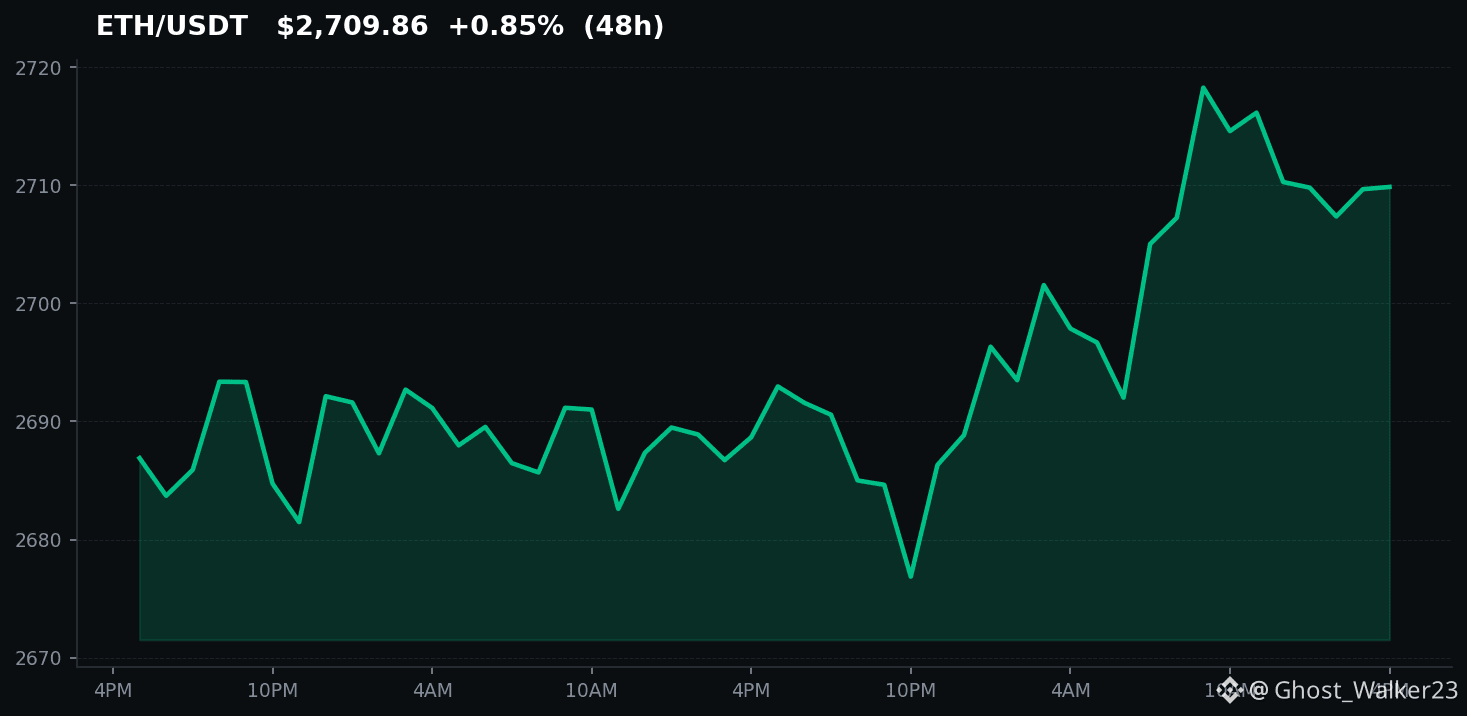
🚨 The $83M XRP robbery by the Bitget hacker is shaking up the market. As we see in the 48h chart, $QNT has gained an impressive 53% while investors look for safer havens in altcoins. Are you considering diversifying your portfolio? #BitgetHackerMoves$83MStolenXRP #CryptoEducation
❤️ If you liked it, give it a like and follow us for the next analysis!
🚨 The $83M XRP robbery by the Bitget hacker is shaking up the market. As we see in the 48h chart, $QNT has gained an impressive 53% while investors look for safer havens in altcoins. Are you considering diversifying your portfolio? #BitgetHackerMoves$83MStolenXRP #CryptoEducation
❤️ If you liked it, give it a like and follow us for the next analysis!
❤️ If you liked it, give it a like and follow us for the next analysis!
46
Everyone thinks keeping funds in stablecoins makes them untouchable, but actually, on-chain assets carry centralized kill-switches most people overlook.
When exploiters move stolen capital, innocent market participants often get caught holding tainted funds or interacting with flagged pools during the chaos.
Think of holding $USDT or USDC like keeping cash in a bank account where the issuer still holds a master key to the vault. When major security incidents occur, issuers can blacklist addresses within minutes to isolate attacker routes. If you provide liquidity or swap tokens that touched flagged funds across ecosystems like $NEAR or Ethereum, you risk having transactions delayed or accounts temporarily restricted.
Tracking asset provenance is becoming just as critical as checking smart contract audits before deploying capital. While networks like $POL process high-volume transactions seamlessly, centralized issuers retain the ultimate say over token balance mobility whenever blacklists get triggered.
Where do you think the line between security intervention and true decentralization should be drawn?
#CircleTetherFreezeBitgetHackerWallet #BitgetHackerMoves
Everyone thinks keeping funds in stablecoins makes them untouchable, but actually, on-chain assets carry centralized kill-switches most people overlook.
When exploiters move stolen capital, innocent market participants often get caught holding tainted funds or interacting with flagged pools during the chaos.
Think of holding $USDT or USDC like keeping cash in a bank account where the issuer still holds a master key to the vault. When major security incidents occur, issuers can blacklist addresses within minutes to isolate attacker routes. If you provide liquidity or swap tokens that touched flagged funds across ecosystems like $NEAR or Ethereum, you risk having transactions delayed or accounts temporarily restricted.
Tracking asset provenance is becoming just as critical as checking smart contract audits before deploying capital. While networks like $POL process high-volume transactions seamlessly, centralized issuers retain the ultimate say over token balance mobility whenever blacklists get triggered.
Where do you think the line between security intervention and true decentralization should be drawn?
#CircleTetherFreezeBitgetHackerWallet #BitgetHackerMoves
When exploiters move stolen capital, innocent market participants often get caught holding tainted funds or interacting with flagged pools during the chaos.
Think of holding $USDT or USDC like keeping cash in a bank account where the issuer still holds a master key to the vault. When major security incidents occur, issuers can blacklist addresses within minutes to isolate attacker routes. If you provide liquidity or swap tokens that touched flagged funds across ecosystems like $NEAR or Ethereum, you risk having transactions delayed or accounts temporarily restricted.
Tracking asset provenance is becoming just as critical as checking smart contract audits before deploying capital. While networks like $POL process high-volume transactions seamlessly, centralized issuers retain the ultimate say over token balance mobility whenever blacklists get triggered.
Where do you think the line between security intervention and true decentralization should be drawn?
#CircleTetherFreezeBitgetHackerWallet #BitgetHackerMoves

205
·
--
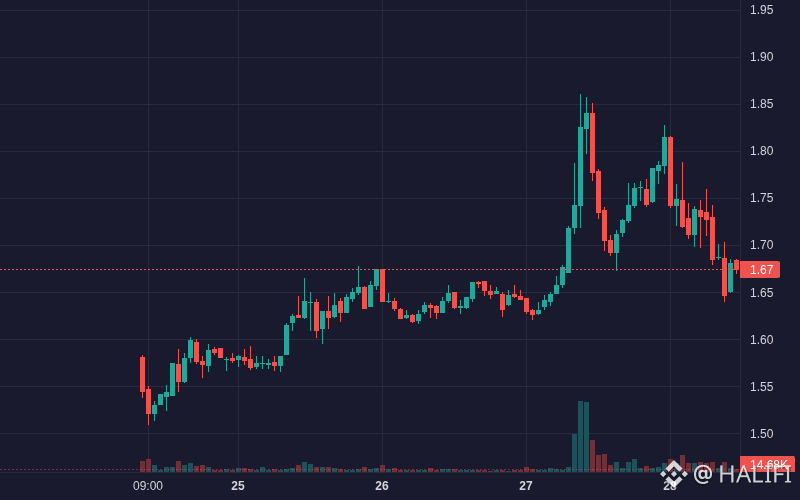
$ORCA ORCA is showing bearish movement: -7.16% (Crypto).
Volume: 2.74M | Last: $1.67
Key signals: strong momentum, high volatility.
Bias Daily: BULLISH 🟢 | Weekly: BULLISH 🟢
ORCA corrected 5.4% over 24 hours as initial surges from protocol upgrades were offset by heavy technical profit-taking.
**Protocol Upgrades (High)**: Launch of the V2 liquidity aggregator and new REST API for Whirlpools → drove a significant weekly volume spike and enhanced developer integration.
- **Ecosystem Tailwinds (Medium)**: Strong bullish sentiment across the broader Solana DeFi sector → catalyzed ORCA's initial breakout from its multi-month consolidation range.
#ORCA #NEAR #NFP #BitgetHackerMoves$83MStolenXRP #Crypto
$ORCA ORCA is showing bearish movement: -7.16% (Crypto).
Volume: 2.74M | Last: $1.67
Key signals: strong momentum, high volatility.
Bias Daily: BULLISH 🟢 | Weekly: BULLISH 🟢
ORCA corrected 5.4% over 24 hours as initial surges from protocol upgrades were offset by heavy technical profit-taking.
**Protocol Upgrades (High)**: Launch of the V2 liquidity aggregator and new REST API for Whirlpools → drove a significant weekly volume spike and enhanced developer integration.
- **Ecosystem Tailwinds (Medium)**: Strong bullish sentiment across the broader Solana DeFi sector → catalyzed ORCA's initial breakout from its multi-month consolidation range.
#ORCA #NEAR #NFP #BitgetHackerMoves$83MStolenXRP #Crypto
Volume: 2.74M | Last: $1.67
Key signals: strong momentum, high volatility.
Bias Daily: BULLISH 🟢 | Weekly: BULLISH 🟢
ORCA corrected 5.4% over 24 hours as initial surges from protocol upgrades were offset by heavy technical profit-taking.
**Protocol Upgrades (High)**: Launch of the V2 liquidity aggregator and new REST API for Whirlpools → drove a significant weekly volume spike and enhanced developer integration.
- **Ecosystem Tailwinds (Medium)**: Strong bullish sentiment across the broader Solana DeFi sector → catalyzed ORCA's initial breakout from its multi-month consolidation range.
#ORCA #NEAR #NFP #BitgetHackerMoves$83MStolenXRP #Crypto
43
·
--
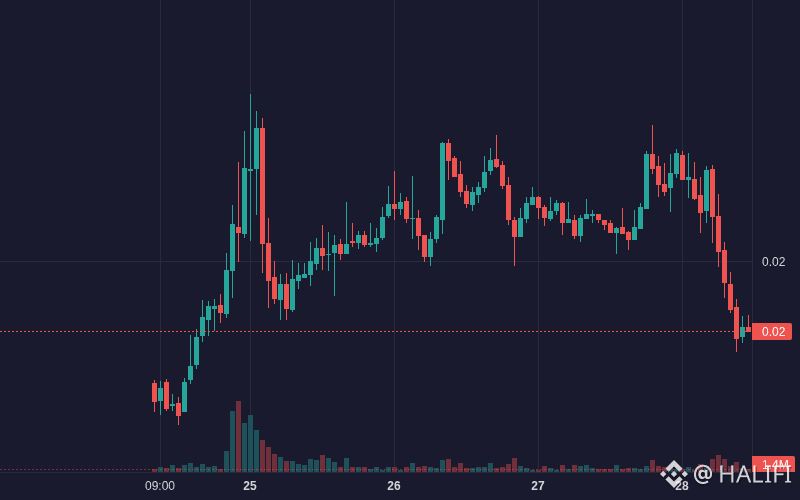
$DYM DYM is showing bearish movement: -6.50% (Crypto).
Volume: 1.62M | Last: $0.019120
Key signals: strong momentum, high volatility.
Bias Daily: BULLISH 🟢 | Weekly: BULLISH 🟢
DYM declined 6.5% over 24h driven by heavy capital outflows and deteriorating technicals despite early bullish sentiment.
**Community Sentiment (Medium)**: Bullish sentiment among the community citing a higher-low structure and positive MACD crossover has contributed to short-term upward momentum expectations.
- **Technical Deterioration (Low)**: Despite initial bullish sentiment, recent price action shows a decline from $0.02142 to $0.01915, with RSI dropping to oversold levels (17-23) and MACD turning negative.
#DYM #NEAR #NFP #BitgetHackerMoves$83MStolenXRP #Crypto
$DYM DYM is showing bearish movement: -6.50% (Crypto).
Volume: 1.62M | Last: $0.019120
Key signals: strong momentum, high volatility.
Bias Daily: BULLISH 🟢 | Weekly: BULLISH 🟢
DYM declined 6.5% over 24h driven by heavy capital outflows and deteriorating technicals despite early bullish sentiment.
**Community Sentiment (Medium)**: Bullish sentiment among the community citing a higher-low structure and positive MACD crossover has contributed to short-term upward momentum expectations.
- **Technical Deterioration (Low)**: Despite initial bullish sentiment, recent price action shows a decline from $0.02142 to $0.01915, with RSI dropping to oversold levels (17-23) and MACD turning negative.
#DYM #NEAR #NFP #BitgetHackerMoves$83MStolenXRP #Crypto
Volume: 1.62M | Last: $0.019120
Key signals: strong momentum, high volatility.
Bias Daily: BULLISH 🟢 | Weekly: BULLISH 🟢
DYM declined 6.5% over 24h driven by heavy capital outflows and deteriorating technicals despite early bullish sentiment.
**Community Sentiment (Medium)**: Bullish sentiment among the community citing a higher-low structure and positive MACD crossover has contributed to short-term upward momentum expectations.
- **Technical Deterioration (Low)**: Despite initial bullish sentiment, recent price action shows a decline from $0.02142 to $0.01915, with RSI dropping to oversold levels (17-23) and MACD turning negative.
#DYM #NEAR #NFP #BitgetHackerMoves$83MStolenXRP #Crypto
84
·
--
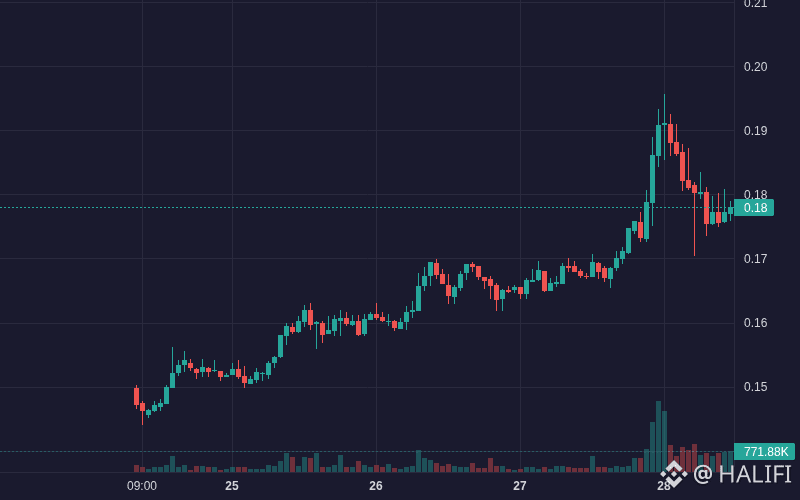
$IMX IMX is showing bullish movement: 6.34% (Crypto).
Volume: 3.38M | Last: $0.177800
Key signals: strong momentum, high volatility.
Bias Daily: BULLISH 🟢 | Weekly: BULLISH 🟢
IMX surged 14% to $0.191 on strong volume before facing a profit-taking correction and momentum shift.
**Volume-driven breakout (High)**: Trading volume surged significantly to 1.1M USDT, driving a sharp 14% price rally to $0.191.
- **Speculative momentum (Medium)**: Technical indicators showed extreme buying pressure, with RSI peaking near 90, reflecting aggressive short-term accumulation before the recent pullback.
- **Capital flows (Low)**: Mixed inflow patterns with periodic large outflows suggest opportunistic retail trading rather than sustained institutional accumulation.
#IMX #NEAR #NFP #BitgetHackerMoves$83MStolenXRP #Crypto
$IMX IMX is showing bullish movement: 6.34% (Crypto).
Volume: 3.38M | Last: $0.177800
Key signals: strong momentum, high volatility.
Bias Daily: BULLISH 🟢 | Weekly: BULLISH 🟢
IMX surged 14% to $0.191 on strong volume before facing a profit-taking correction and momentum shift.
**Volume-driven breakout (High)**: Trading volume surged significantly to 1.1M USDT, driving a sharp 14% price rally to $0.191.
- **Speculative momentum (Medium)**: Technical indicators showed extreme buying pressure, with RSI peaking near 90, reflecting aggressive short-term accumulation before the recent pullback.
- **Capital flows (Low)**: Mixed inflow patterns with periodic large outflows suggest opportunistic retail trading rather than sustained institutional accumulation.
#IMX #NEAR #NFP #BitgetHackerMoves$83MStolenXRP #Crypto
Volume: 3.38M | Last: $0.177800
Key signals: strong momentum, high volatility.
Bias Daily: BULLISH 🟢 | Weekly: BULLISH 🟢
IMX surged 14% to $0.191 on strong volume before facing a profit-taking correction and momentum shift.
**Volume-driven breakout (High)**: Trading volume surged significantly to 1.1M USDT, driving a sharp 14% price rally to $0.191.
- **Speculative momentum (Medium)**: Technical indicators showed extreme buying pressure, with RSI peaking near 90, reflecting aggressive short-term accumulation before the recent pullback.
- **Capital flows (Low)**: Mixed inflow patterns with periodic large outflows suggest opportunistic retail trading rather than sustained institutional accumulation.
#IMX #NEAR #NFP #BitgetHackerMoves$83MStolenXRP #Crypto
17
·
--
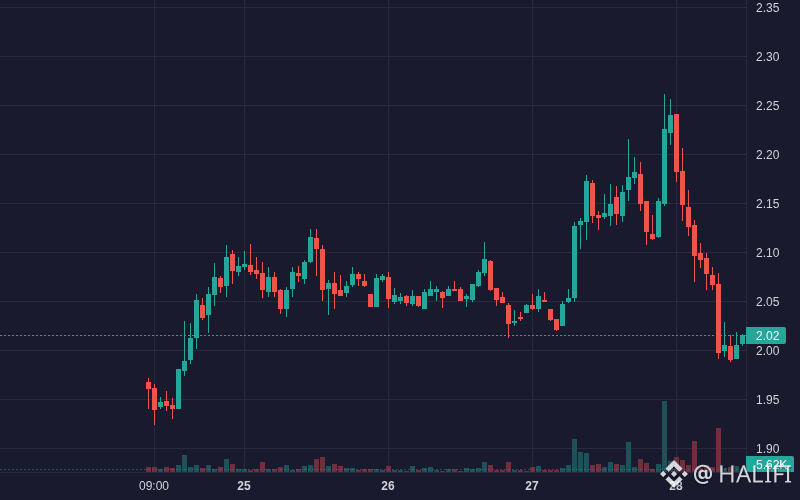
$CVX CVX is showing bearish movement: -5.44% (Crypto).
Volume: 2.20M | Last: $2.02
Key signals: strong momentum, high volatility.
Bias Daily: BULLISH 🟢 | Weekly: BULLISH 🟢
CVX dropped 10% from its $2.24 peak to $2.00 driven by geopolitical caution and aggressive profit-taking.
**Speculative volume (Medium)**: Intraday trading activity surged, peaking at over $1.07M USDT in a single window → this initial momentum propelled the asset to a local high of $2.24.
- **Community defense (Medium)**: Buyers actively defended the $2.00 support zone following the sharp pullback → community sentiment indicates a localized attempt to reclaim momentum.
#CVX #NEAR #NFP #BitgetHackerMoves$83MStolenXRP #Crypto
$CVX CVX is showing bearish movement: -5.44% (Crypto).
Volume: 2.20M | Last: $2.02
Key signals: strong momentum, high volatility.
Bias Daily: BULLISH 🟢 | Weekly: BULLISH 🟢
CVX dropped 10% from its $2.24 peak to $2.00 driven by geopolitical caution and aggressive profit-taking.
**Speculative volume (Medium)**: Intraday trading activity surged, peaking at over $1.07M USDT in a single window → this initial momentum propelled the asset to a local high of $2.24.
- **Community defense (Medium)**: Buyers actively defended the $2.00 support zone following the sharp pullback → community sentiment indicates a localized attempt to reclaim momentum.
#CVX #NEAR #NFP #BitgetHackerMoves$83MStolenXRP #Crypto
Volume: 2.20M | Last: $2.02
Key signals: strong momentum, high volatility.
Bias Daily: BULLISH 🟢 | Weekly: BULLISH 🟢
CVX dropped 10% from its $2.24 peak to $2.00 driven by geopolitical caution and aggressive profit-taking.
**Speculative volume (Medium)**: Intraday trading activity surged, peaking at over $1.07M USDT in a single window → this initial momentum propelled the asset to a local high of $2.24.
- **Community defense (Medium)**: Buyers actively defended the $2.00 support zone following the sharp pullback → community sentiment indicates a localized attempt to reclaim momentum.
#CVX #NEAR #NFP #BitgetHackerMoves$83MStolenXRP #Crypto
15
·
--
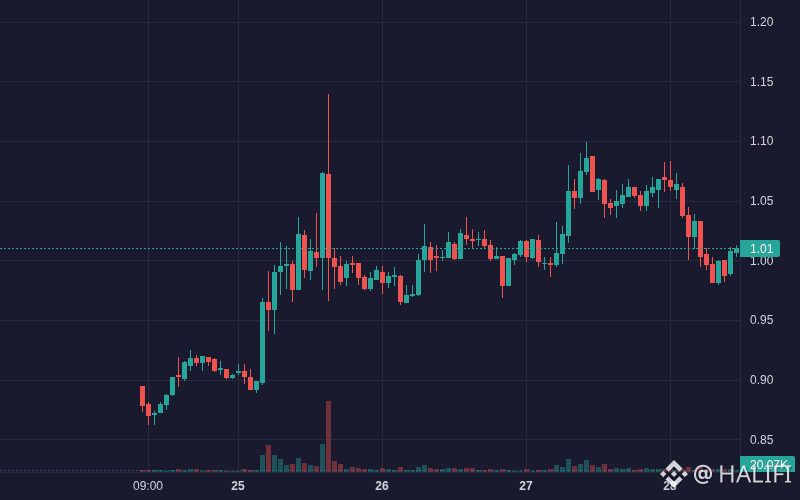
$MOVR MOVR is showing bearish movement: -5.96% (Crypto).
Volume: 1.76M | Last: $1.01
Key signals: strong momentum, high volatility.
Bias Daily: BULLISH 🟢 | Weekly: BULLISH 🟢
MOVR rebounded with a 13.8% hourly spike driven by aggressive spot buying and an oversold technical bounce.
**Short-term spot accumulation (High)**: Token surged +13.8% within a 60-minute window on major exchanges → indicates aggressive localized buying pressure and momentum trading.
- **Oversold technical bounce (Medium)**: RSI plunged to 18.7 (highly oversold conditions) before rebounding to 46.2 → triggered a relief rally from local lows of $0.98.
- **Retail speculation (Low)**: Community sentiment anticipates a breakout from the current trading range, fueling short-term volatility.
#MOVR #NEAR #NFP #BitgetHackerMoves$83MStolenXRP #Crypto
$MOVR MOVR is showing bearish movement: -5.96% (Crypto).
Volume: 1.76M | Last: $1.01
Key signals: strong momentum, high volatility.
Bias Daily: BULLISH 🟢 | Weekly: BULLISH 🟢
MOVR rebounded with a 13.8% hourly spike driven by aggressive spot buying and an oversold technical bounce.
**Short-term spot accumulation (High)**: Token surged +13.8% within a 60-minute window on major exchanges → indicates aggressive localized buying pressure and momentum trading.
- **Oversold technical bounce (Medium)**: RSI plunged to 18.7 (highly oversold conditions) before rebounding to 46.2 → triggered a relief rally from local lows of $0.98.
- **Retail speculation (Low)**: Community sentiment anticipates a breakout from the current trading range, fueling short-term volatility.
#MOVR #NEAR #NFP #BitgetHackerMoves$83MStolenXRP #Crypto
Volume: 1.76M | Last: $1.01
Key signals: strong momentum, high volatility.
Bias Daily: BULLISH 🟢 | Weekly: BULLISH 🟢
MOVR rebounded with a 13.8% hourly spike driven by aggressive spot buying and an oversold technical bounce.
**Short-term spot accumulation (High)**: Token surged +13.8% within a 60-minute window on major exchanges → indicates aggressive localized buying pressure and momentum trading.
- **Oversold technical bounce (Medium)**: RSI plunged to 18.7 (highly oversold conditions) before rebounding to 46.2 → triggered a relief rally from local lows of $0.98.
- **Retail speculation (Low)**: Community sentiment anticipates a breakout from the current trading range, fueling short-term volatility.
#MOVR #NEAR #NFP #BitgetHackerMoves$83MStolenXRP #Crypto
31
Log in to explore more content
Join global crypto users on Binance Square
⚡️ Get latest and useful information about crypto.
💬 Trusted by the world’s largest crypto exchange.
👍 Discover real insights from verified creators.
Email / Phone number
Trending Topics
1
#EarningsSeason
134,749 views
1,274 Discussing
2
#BitwiseLaunchesFirstSpotNEARETF
575 views
68 Discussing
3
#USJobOpeningsFallToFiveMonthLow
871 views
53 Discussing
4
#ECBToTestAIAgentsInDigitalEuroPayments
6,639 views
252 Discussing
5
#JapanFSABacksFourthStablecoinTradeSettlementPilot
7,305 views
318 Discussing
6
#BitgetHackerFailsToMoveStolenFunds
19,483 views
449 Discussing
7
#BitMineETHHoldingsTop6Million
20,373 views
588 Discussing
8
#StrategyAdds1666BTCHoldingsReach847666
16,355 views
419 Discussing
9
#NvidiaApproves$150BBuyback
3,907 views
65 Discussing
10
#OpenAIDelaysGPT6.1OverSafetyIssues
29,239 views
768 Discussing