
Xavier_Li
2.4k පෝස්ටු

Xavier_Li
වාර්තා කරන්න
පරිශීලක අවහිර කරන්න
195 හඹා යමින්
5.2K+ හඹා යන්නන්
407 කැමති විය
පෝස්ටු
සියල්ල
සජීවි
අමුණා ඇත
·
--
බෙයාරිෂ්
@babylonlabs_io
මීට පෙරට වඩා මම සිතියම්වලට විශ්වාසය අඩු බවක් දැනෙනවා. ඒවා අසත්ය නිසා නෙවෙයි. නමුත් ඒවා දිගටම අනුගමනය කරමින් ඉන්නකොට, මම සැබවින්ම ඉන්නේ කොහේද කියලා මට අවධානය දෙන එක අඩුවෙලා යනවා.
මේ පුංචි පුරුද්ද මට ක්රිප්ටෝ ගැන අනපේක්ෂිත විදිහකට හිතන්න හේතු වුණා. සමහරවිට අති සරල මාර්ගය තොරතුරු අවබෝධය යටපත් කරලා, එය ක්රමවේදයක් (routine) වගේ කරලා නිහඬවම වෙනස් කරයි. ඒක සිද්ධ වෙන බව මම හැමදාම හොඳටම දැනගන්නේ නැහැ.
බැබිලෝන් ගැන කියවද්දී මේ අදහස මගේ මනසේම තිබුණා. මට උනන්දු වුණේ BABYට Bitcoin එකට වඩා ඵලදායී බවක් දැනෙන්න පුළුවන්ද කියන එක නෙවෙයි.
ඒ මගේ හිතට ගැළපුණේ ‘ස්වයං-භාරකාර (self-custodial) BTC staking’ මගින් custody එක පසුසටහන් වගේ කර නොගෙන Proof-of-Stake බ්ලොක්චේන් ආරක්ෂාව ශක්තිමත් කරන්නට පුළුවන් කියන අදහසයි. මට ඇදී යන්නේ දැනුම/අවධානය යම් මට්ටමකින් පවත්වාගෙන යන නිර්මාණවලට.
මගේම යතුරු තබාගැනීම මට හැමදාම ‘චෙක්’ කරලා ඉවර කරන්න තියෙන එකක් වගේ නෙවෙයි; ඒක කාලානුරූපව නොනවතින පුහුණුවක් වගේ. ඒ වගේම වෙනත් තැනක සම්බන්ධ වෙන්න මට ඒ mindset එක අතහැරෙන්න කියලා ඉල්ලන්නේ නැති ප්රවේශ දැක්කම මම කැමතියි.
අපි එකතු කරන හැම ස්ථරයක්ම ecosystem එක නිරෝගී කරයි කියලා මට විශ්වාස නැහැ. සමහර වෙලාවට එහෙමයි. සමහර වෙලාවට ඒක හුඟක් වැදගත් තීරණ ටික තවදුරටත් ‘පහසු’ බවක් පේන අතුරුමුහුණතක් (smoother interfaces) පිටුපස සඟවලා දමනවා.
ආරම්භයේදී වෙනස හැමවිටම පැහැදිලි නැහැ. ඒ නිසාම මම අනිත්යතාව/නිරපේක්ෂ සහතිකය පස්සේ යනවාට වඩා, මුලික මූලධර්මයන් (first principles) වෙත ආපසු නැවත නැවත යන්න මම පෙළඹෙනවා.
ඔබ වැඩිම විශ්වාස කරන මෙවලම් ගැන හිතුවොත්—අමාරු කරලා නොවෙලා, ඔබව තව වැඩි අවධානයෙන් තබනවාට උදවු කරපු එකක මොනවද?
#baby $BABY
{future}(BABYUSDT)
ක්රිප්ටෝ මෙවලමක් ඇත්තටම වටිනා වන්නේ කුමක් නිසාද?
@BabylonLabs_io
මීට පෙරට වඩා මම සිතියම්වලට විශ්වාසය අඩු බවක් දැනෙනවා. ඒවා අසත්ය නිසා නෙවෙයි. නමුත් ඒවා දිගටම අනුගමනය කරමින් ඉන්නකොට, මම සැබවින්ම ඉන්නේ කොහේද කියලා මට අවධානය දෙන එක අඩුවෙලා යනවා.
මේ පුංචි පුරුද්ද මට ක්රිප්ටෝ ගැන අනපේක්ෂිත විදිහකට හිතන්න හේතු වුණා. සමහරවිට අති සරල මාර්ගය තොරතුරු අවබෝධය යටපත් කරලා, එය ක්රමවේදයක් (routine) වගේ කරලා නිහඬවම වෙනස් කරයි. ඒක සිද්ධ වෙන බව මම හැමදාම හොඳටම දැනගන්නේ නැහැ.
බැබිලෝන් ගැන කියවද්දී මේ අදහස මගේ මනසේම තිබුණා. මට උනන්දු වුණේ BABYට Bitcoin එකට වඩා ඵලදායී බවක් දැනෙන්න පුළුවන්ද කියන එක නෙවෙයි.
ඒ මගේ හිතට ගැළපුණේ ‘ස්වයං-භාරකාර (self-custodial) BTC staking’ මගින් custody එක පසුසටහන් වගේ කර නොගෙන Proof-of-Stake බ්ලොක්චේන් ආරක්ෂාව ශක්තිමත් කරන්නට පුළුවන් කියන අදහසයි. මට ඇදී යන්නේ දැනුම/අවධානය යම් මට්ටමකින් පවත්වාගෙන යන නිර්මාණවලට.
මගේම යතුරු තබාගැනීම මට හැමදාම ‘චෙක්’ කරලා ඉවර කරන්න තියෙන එකක් වගේ නෙවෙයි; ඒක කාලානුරූපව නොනවතින පුහුණුවක් වගේ. ඒ වගේම වෙනත් තැනක සම්බන්ධ වෙන්න මට ඒ mindset එක අතහැරෙන්න කියලා ඉල්ලන්නේ නැති ප්රවේශ දැක්කම මම කැමතියි.
අපි එකතු කරන හැම ස්ථරයක්ම ecosystem එක නිරෝගී කරයි කියලා මට විශ්වාස නැහැ. සමහර වෙලාවට එහෙමයි. සමහර වෙලාවට ඒක හුඟක් වැදගත් තීරණ ටික තවදුරටත් ‘පහසු’ බවක් පේන අතුරුමුහුණතක් (smoother interfaces) පිටුපස සඟවලා දමනවා.
ආරම්භයේදී වෙනස හැමවිටම පැහැදිලි නැහැ. ඒ නිසාම මම අනිත්යතාව/නිරපේක්ෂ සහතිකය පස්සේ යනවාට වඩා, මුලික මූලධර්මයන් (first principles) වෙත ආපසු නැවත නැවත යන්න මම පෙළඹෙනවා.
ඔබ වැඩිම විශ්වාස කරන මෙවලම් ගැන හිතුවොත්—අමාරු කරලා නොවෙලා, ඔබව තව වැඩි අවධානයෙන් තබනවාට උදවු කරපු එකක මොනවද?
#baby $BABY
ක්රිප්ටෝ මෙවලමක් ඇත්තටම වටිනා වන්නේ කුමක් නිසාද?
මීට පෙරට වඩා මම සිතියම්වලට විශ්වාසය අඩු බවක් දැනෙනවා. ඒවා අසත්ය නිසා නෙවෙයි. නමුත් ඒවා දිගටම අනුගමනය කරමින් ඉන්නකොට, මම සැබවින්ම ඉන්නේ කොහේද කියලා මට අවධානය දෙන එක අඩුවෙලා යනවා.
මේ පුංචි පුරුද්ද මට ක්රිප්ටෝ ගැන අනපේක්ෂිත විදිහකට හිතන්න හේතු වුණා. සමහරවිට අති සරල මාර්ගය තොරතුරු අවබෝධය යටපත් කරලා, එය ක්රමවේදයක් (routine) වගේ කරලා නිහඬවම වෙනස් කරයි. ඒක සිද්ධ වෙන බව මම හැමදාම හොඳටම දැනගන්නේ නැහැ.
බැබිලෝන් ගැන කියවද්දී මේ අදහස මගේ මනසේම තිබුණා. මට උනන්දු වුණේ BABYට Bitcoin එකට වඩා ඵලදායී බවක් දැනෙන්න පුළුවන්ද කියන එක නෙවෙයි.
ඒ මගේ හිතට ගැළපුණේ ‘ස්වයං-භාරකාර (self-custodial) BTC staking’ මගින් custody එක පසුසටහන් වගේ කර නොගෙන Proof-of-Stake බ්ලොක්චේන් ආරක්ෂාව ශක්තිමත් කරන්නට පුළුවන් කියන අදහසයි. මට ඇදී යන්නේ දැනුම/අවධානය යම් මට්ටමකින් පවත්වාගෙන යන නිර්මාණවලට.
මගේම යතුරු තබාගැනීම මට හැමදාම ‘චෙක්’ කරලා ඉවර කරන්න තියෙන එකක් වගේ නෙවෙයි; ඒක කාලානුරූපව නොනවතින පුහුණුවක් වගේ. ඒ වගේම වෙනත් තැනක සම්බන්ධ වෙන්න මට ඒ mindset එක අතහැරෙන්න කියලා ඉල්ලන්නේ නැති ප්රවේශ දැක්කම මම කැමතියි.
අපි එකතු කරන හැම ස්ථරයක්ම ecosystem එක නිරෝගී කරයි කියලා මට විශ්වාස නැහැ. සමහර වෙලාවට එහෙමයි. සමහර වෙලාවට ඒක හුඟක් වැදගත් තීරණ ටික තවදුරටත් ‘පහසු’ බවක් පේන අතුරුමුහුණතක් (smoother interfaces) පිටුපස සඟවලා දමනවා.
ආරම්භයේදී වෙනස හැමවිටම පැහැදිලි නැහැ. ඒ නිසාම මම අනිත්යතාව/නිරපේක්ෂ සහතිකය පස්සේ යනවාට වඩා, මුලික මූලධර්මයන් (first principles) වෙත ආපසු නැවත නැවත යන්න මම පෙළඹෙනවා.
ඔබ වැඩිම විශ්වාස කරන මෙවලම් ගැන හිතුවොත්—අමාරු කරලා නොවෙලා, ඔබව තව වැඩි අවධානයෙන් තබනවාට උදවු කරපු එකක මොනවද?
#baby $BABY
ක්රිප්ටෝ මෙවලමක් ඇත්තටම වටිනා වන්නේ කුමක් නිසාද?
🧠 Helps me understand more
100%
⚡ Makes things easier
0%
1 ඡන්ද • ඡන්දය අවසන්
13
5
146
අමුණා ඇත
·
--
උසබ තත්ත්වය
@babylonlabs_io
လွဲမှားတဲ့သော့တစ်ချောင်းက ကျွန်တော့်ကို တစ်ရာကြိမ်လောက် Crypto အခြေအတင်ငြင်းခုံတာတွေ မသင်ပေးနိုင်ခဲ့တဲ့အရာတစ်ခုကို သင်ပေးလိုက်တယ်။ အဲဒီသော့ ပျောက်သွားပြီထင်ပြီး အိမ်ကို တစ်နာရီလောက် လိုက်ရှာခဲ့တယ်။ နောက်ဆုံးမှာတော့ ကျွန်တော်က သော့ကို "လုံခြုံအောင်" ဆိုတဲ့နေရာတစ်ခုမှာ မေ့မေ့လျော့လျော့ ထားထားတာပဲ ဖြစ်နေတယ်ဆိုတာ သဘောပေါက်လိုက်ရတယ်။
လုံခြုံရေးက မကြာခဏဆိုသလို အပူအတားတွေကို ကိုယ်တိုင် ဖန်တီးလိုက်တတ်တာနဲ့၊ စိတ်ရှုပ်ထွေးမှုက အဆင်ပြေမှုအတွက် ထိန်းချုပ်မှုကို လက်လွှတ်ပေးချင်စေတတ်တာကို တွေးမိလာတယ်။
Babylon အကြောင်းကို ဖတ်နေတုန်း အဲဒီအမှတ်တရားက ပြန်ပေါ်လာတယ်။ စိတ်ဝင်စားစရာက Bitcoin နဲ့ ပိုလုပ်နိုင်မယ်ဆိုတဲ့ ကတိမဟုတ်ဘဲ BABY က self-custodial BTC staking ကို လွယ်ကူစေပြီး၊ custodian လို စဉ်းစားရတာကို ရပ်ခိုင်းမနေဘဲ Proof-of-Stake blockchain လုံခြုံရေးကို ခိုင်မာအောင် အထောက်အကူဖြစ်စေတဲ့ပုံစံပဲ ဖြစ်တယ်။
တာဝန်ကို စတင်ရာနေရာမှာပဲ ထားပေးတဲ့ အယူအဆတွေကို ကျွန်တော်ကြိုက်တယ်။ အဲဒါက “ပိုင်ဆိုင်မှု” ဆိုတာက ရိုးရိုးလက်လှမ်းမီခွင့်ရှိတာတင်မဟုတ်ဘဲ၊ အဲဒီလက်လှမ်းမီမှုကို ကိုယ့်လက်ထဲမှာပဲ ထိန်းထားရာကလာတဲ့ အလေးချိန်ကိုပါ လက်ခံတာလည်း ဖြစ်တယ်ဆိုတာကို သတိပေးတယ်။
မှန်ကန်တဲ့ ဟန်ချက်ကို ဘယ်မှာထားရမလဲဆိုတာကိုတော့ ကျွန်တော် ဆက်ပြီး စဉ်းစားနေတုန်းပဲ။ တချို့နေ့တွေမှာတော့ ရိုးရှင်းမှုကို မတန်မမှန်တန်ဖိုးမထားသလို ခံစားရတယ်။ တချို့နေ့တွေမှာတော့ ရိုးရှင်းမှုကို အရမ်းများများထားတာက တိတ်တိတ်လေးပဲ ကျွန်တော့်မျှော်လင့်ချက်တွေကို ပြောင်းလဲစေပြီး၊ တာဝန်ကို ဘယ်သူကထမ်းသင့်လဲဆိုတာနဲ့ပတ်သက်ပြီး မတူညီတဲ့အမြင်တွေ ဖြစ်လာစေတတ်တယ်လို့ ထင်မိတယ်။
ဒါကြောင့်လည်း စျေးနှုန်းထက် Infrastructure (အခြေခံအဆောက်အအုံ) နဲ့ ပတ်သက်တဲ့ မေးခွန်းတွေကို ပြန်ပြန်ရောက်လာတာဖြစ်နိုင်တယ်။ ယနေ့ ကျွန်တော်တို့ ပုံမှန်ဖြစ်အောင် လုပ်နေတဲ့ စနစ်တွေက ပိုက်ပိုက်အစုစုတွေကို မထိခိုက်ခင်မှာပင် ကျွန်တော်တို့ရဲ့အလေ့အကျင့်တွေကို ပုံဖော်ပေးတတ်တယ်။
Crypto မဟုတ်တဲ့ နေ့စဉ်ဘဝအတွေ့အကြုံတစ်ခုမှာ၊ ဒစ်ဂျစ်တယ်ပိုင်ဆိုင်မှုကို သင်ဘယ်လိုတွေးတတ်သွားအောင် မမျှော်လင့်ဘဲ ပြောင်းလဲသွားခဲ့တာလဲ?
#baby $BABY
{future}(BABYUSDT)
Self-custody က အဖိုးတန်စေတဲ့အရာကဘာလဲ?
@BabylonLabs_io
လွဲမှားတဲ့သော့တစ်ချောင်းက ကျွန်တော့်ကို တစ်ရာကြိမ်လောက် Crypto အခြေအတင်ငြင်းခုံတာတွေ မသင်ပေးနိုင်ခဲ့တဲ့အရာတစ်ခုကို သင်ပေးလိုက်တယ်။ အဲဒီသော့ ပျောက်သွားပြီထင်ပြီး အိမ်ကို တစ်နာရီလောက် လိုက်ရှာခဲ့တယ်။ နောက်ဆုံးမှာတော့ ကျွန်တော်က သော့ကို "လုံခြုံအောင်" ဆိုတဲ့နေရာတစ်ခုမှာ မေ့မေ့လျော့လျော့ ထားထားတာပဲ ဖြစ်နေတယ်ဆိုတာ သဘောပေါက်လိုက်ရတယ်။
လုံခြုံရေးက မကြာခဏဆိုသလို အပူအတားတွေကို ကိုယ်တိုင် ဖန်တီးလိုက်တတ်တာနဲ့၊ စိတ်ရှုပ်ထွေးမှုက အဆင်ပြေမှုအတွက် ထိန်းချုပ်မှုကို လက်လွှတ်ပေးချင်စေတတ်တာကို တွေးမိလာတယ်။
Babylon အကြောင်းကို ဖတ်နေတုန်း အဲဒီအမှတ်တရားက ပြန်ပေါ်လာတယ်။ စိတ်ဝင်စားစရာက Bitcoin နဲ့ ပိုလုပ်နိုင်မယ်ဆိုတဲ့ ကတိမဟုတ်ဘဲ BABY က self-custodial BTC staking ကို လွယ်ကူစေပြီး၊ custodian လို စဉ်းစားရတာကို ရပ်ခိုင်းမနေဘဲ Proof-of-Stake blockchain လုံခြုံရေးကို ခိုင်မာအောင် အထောက်အကူဖြစ်စေတဲ့ပုံစံပဲ ဖြစ်တယ်။
တာဝန်ကို စတင်ရာနေရာမှာပဲ ထားပေးတဲ့ အယူအဆတွေကို ကျွန်တော်ကြိုက်တယ်။ အဲဒါက “ပိုင်ဆိုင်မှု” ဆိုတာက ရိုးရိုးလက်လှမ်းမီခွင့်ရှိတာတင်မဟုတ်ဘဲ၊ အဲဒီလက်လှမ်းမီမှုကို ကိုယ့်လက်ထဲမှာပဲ ထိန်းထားရာကလာတဲ့ အလေးချိန်ကိုပါ လက်ခံတာလည်း ဖြစ်တယ်ဆိုတာကို သတိပေးတယ်။
မှန်ကန်တဲ့ ဟန်ချက်ကို ဘယ်မှာထားရမလဲဆိုတာကိုတော့ ကျွန်တော် ဆက်ပြီး စဉ်းစားနေတုန်းပဲ။ တချို့နေ့တွေမှာတော့ ရိုးရှင်းမှုကို မတန်မမှန်တန်ဖိုးမထားသလို ခံစားရတယ်။ တချို့နေ့တွေမှာတော့ ရိုးရှင်းမှုကို အရမ်းများများထားတာက တိတ်တိတ်လေးပဲ ကျွန်တော့်မျှော်လင့်ချက်တွေကို ပြောင်းလဲစေပြီး၊ တာဝန်ကို ဘယ်သူကထမ်းသင့်လဲဆိုတာနဲ့ပတ်သက်ပြီး မတူညီတဲ့အမြင်တွေ ဖြစ်လာစေတတ်တယ်လို့ ထင်မိတယ်။
ဒါကြောင့်လည်း စျေးနှုန်းထက် Infrastructure (အခြေခံအဆောက်အအုံ) နဲ့ ပတ်သက်တဲ့ မေးခွန်းတွေကို ပြန်ပြန်ရောက်လာတာဖြစ်နိုင်တယ်။ ယနေ့ ကျွန်တော်တို့ ပုံမှန်ဖြစ်အောင် လုပ်နေတဲ့ စနစ်တွေက ပိုက်ပိုက်အစုစုတွေကို မထိခိုက်ခင်မှာပင် ကျွန်တော်တို့ရဲ့အလေ့အကျင့်တွေကို ပုံဖော်ပေးတတ်တယ်။
Crypto မဟုတ်တဲ့ နေ့စဉ်ဘဝအတွေ့အကြုံတစ်ခုမှာ၊ ဒစ်ဂျစ်တယ်ပိုင်ဆိုင်မှုကို သင်ဘယ်လိုတွေးတတ်သွားအောင် မမျှော်လင့်ဘဲ ပြောင်းလဲသွားခဲ့တာလဲ?
#baby $BABY
Self-custody က အဖိုးတန်စေတဲ့အရာကဘာလဲ?
လွဲမှားတဲ့သော့တစ်ချောင်းက ကျွန်တော့်ကို တစ်ရာကြိမ်လောက် Crypto အခြေအတင်ငြင်းခုံတာတွေ မသင်ပေးနိုင်ခဲ့တဲ့အရာတစ်ခုကို သင်ပေးလိုက်တယ်။ အဲဒီသော့ ပျောက်သွားပြီထင်ပြီး အိမ်ကို တစ်နာရီလောက် လိုက်ရှာခဲ့တယ်။ နောက်ဆုံးမှာတော့ ကျွန်တော်က သော့ကို "လုံခြုံအောင်" ဆိုတဲ့နေရာတစ်ခုမှာ မေ့မေ့လျော့လျော့ ထားထားတာပဲ ဖြစ်နေတယ်ဆိုတာ သဘောပေါက်လိုက်ရတယ်။
လုံခြုံရေးက မကြာခဏဆိုသလို အပူအတားတွေကို ကိုယ်တိုင် ဖန်တီးလိုက်တတ်တာနဲ့၊ စိတ်ရှုပ်ထွေးမှုက အဆင်ပြေမှုအတွက် ထိန်းချုပ်မှုကို လက်လွှတ်ပေးချင်စေတတ်တာကို တွေးမိလာတယ်။
Babylon အကြောင်းကို ဖတ်နေတုန်း အဲဒီအမှတ်တရားက ပြန်ပေါ်လာတယ်။ စိတ်ဝင်စားစရာက Bitcoin နဲ့ ပိုလုပ်နိုင်မယ်ဆိုတဲ့ ကတိမဟုတ်ဘဲ BABY က self-custodial BTC staking ကို လွယ်ကူစေပြီး၊ custodian လို စဉ်းစားရတာကို ရပ်ခိုင်းမနေဘဲ Proof-of-Stake blockchain လုံခြုံရေးကို ခိုင်မာအောင် အထောက်အကူဖြစ်စေတဲ့ပုံစံပဲ ဖြစ်တယ်။
တာဝန်ကို စတင်ရာနေရာမှာပဲ ထားပေးတဲ့ အယူအဆတွေကို ကျွန်တော်ကြိုက်တယ်။ အဲဒါက “ပိုင်ဆိုင်မှု” ဆိုတာက ရိုးရိုးလက်လှမ်းမီခွင့်ရှိတာတင်မဟုတ်ဘဲ၊ အဲဒီလက်လှမ်းမီမှုကို ကိုယ့်လက်ထဲမှာပဲ ထိန်းထားရာကလာတဲ့ အလေးချိန်ကိုပါ လက်ခံတာလည်း ဖြစ်တယ်ဆိုတာကို သတိပေးတယ်။
မှန်ကန်တဲ့ ဟန်ချက်ကို ဘယ်မှာထားရမလဲဆိုတာကိုတော့ ကျွန်တော် ဆက်ပြီး စဉ်းစားနေတုန်းပဲ။ တချို့နေ့တွေမှာတော့ ရိုးရှင်းမှုကို မတန်မမှန်တန်ဖိုးမထားသလို ခံစားရတယ်။ တချို့နေ့တွေမှာတော့ ရိုးရှင်းမှုကို အရမ်းများများထားတာက တိတ်တိတ်လေးပဲ ကျွန်တော့်မျှော်လင့်ချက်တွေကို ပြောင်းလဲစေပြီး၊ တာဝန်ကို ဘယ်သူကထမ်းသင့်လဲဆိုတာနဲ့ပတ်သက်ပြီး မတူညီတဲ့အမြင်တွေ ဖြစ်လာစေတတ်တယ်လို့ ထင်မိတယ်။
ဒါကြောင့်လည်း စျေးနှုန်းထက် Infrastructure (အခြေခံအဆောက်အအုံ) နဲ့ ပတ်သက်တဲ့ မေးခွန်းတွေကို ပြန်ပြန်ရောက်လာတာဖြစ်နိုင်တယ်။ ယနေ့ ကျွန်တော်တို့ ပုံမှန်ဖြစ်အောင် လုပ်နေတဲ့ စနစ်တွေက ပိုက်ပိုက်အစုစုတွေကို မထိခိုက်ခင်မှာပင် ကျွန်တော်တို့ရဲ့အလေ့အကျင့်တွေကို ပုံဖော်ပေးတတ်တယ်။
Crypto မဟုတ်တဲ့ နေ့စဉ်ဘဝအတွေ့အကြုံတစ်ခုမှာ၊ ဒစ်ဂျစ်တယ်ပိုင်ဆိုင်မှုကို သင်ဘယ်လိုတွေးတတ်သွားအောင် မမျှော်လင့်ဘဲ ပြောင်းလဲသွားခဲ့တာလဲ?
#baby $BABY
Self-custody က အဖိုးတန်စေတဲ့အရာကဘာလဲ?
🔐 Full responsibility
100%
🛡️ Full control
0%
1 ඡන්ද • ඡන්දය අවසන්
15
4
147
·
--
උසබ තත්ත්වය
@babylonlabs_io
ကျွန်တော်က သတိမထားမိတော့တဲ့အရာတွေထက်၊ အာရုံကို မကြာခဏ တောင်းဆိုနေတဲ့အရာတွေထက်ပိုပြီး ပိုသတိရသွားတဲ့ ကိရိယာတွေကို သတိထားမိလာတယ်။
ဒါက ကျွန်တော့်ကို အံ့ဩစေခဲ့တယ်။ ဘာကြောင့်လဲဆိုတော့ ကရစ်တို (crypto) ဆွေးနွေးမှုတွေက မကြာခဏ အသစ်ဆုံးလိုက်စားနေတဲ့အရာတွေကို ပတ်သက်ပြီးတော့ပဲ လှည့်ပတ်သွားတတ်ပေမယ့်၊ ကျွန်တော့်အလေ့အထတွေကို တိတ်တဆိတ် ပုံဖော်ပေးနေတဲ့အရာတွေကတော့ မဖော်ပြခံရခဲပါတယ်။
အင်အားအကြီးဆုံး အခြေခံအဆောက်အအုံဆိုတာက နောက်ခံထဲကို ဖြည်းဖြည်းချင်း ပျောက်သွားရင်းနဲ့ပဲ၊ စနစ်ကိုယ်တိုင်ထက် ကျွန်တော့်ရဲ့ကိုယ်ပိုင်ရွေးချယ်မှုတွေကို အာရုံစိုက်နိုင်အောင် ကူညီပေးတဲ့ အမျိုးအစားလားဆိုတာကို တွေးနေမိပါတယ်။
ဒီအတွေးဟာ ဘေဗာလွန် (Babylon) အကြောင်းကို ဖတ်နေချိန်မှာ ပြန်ပေါ်လာတယ်။ ကျွန်တော့်ကို ဆွဲဆောင်ခဲ့တာက BABY ရဲ့ အသစ်အဆန်းဖြစ်မှု မဟုတ်ဘဲ၊ Self-custodial BTC staking ကို ဖွင့်ပေးခြင်းနောက်ကွယ်မှာရှိတဲ့ အတွေးအခေါ်ပြောင်းလဲမှု တိတ်တဆိတ်ရှိနေတာပါ—အဲဒါက Proof-of-Stake blockchain လုံခြုံရေးကို ခိုင်မာစေဖို့ ကူညီပေးပါတယ်။
အခုဆို Bitcoin ကနေ ဖြစ်နိုင်သမျှအသုံးချမှုတွေကို အကုန်ညှစ်ယူနေရမယ်လို့ ကျွန်တော် မတွေးမိတော့ပါဘူး။ ပါဝင်ခြင်းက ကိုယ်ပိုင်တာဝန်ယူမှုရဲ့ အဓိပ္ပါယ်ကို စွန့်လွှတ်စရာမလိုဘဲ ဖြစ်နိုင်မလားဆိုတာက ပိုစိတ်ဝင်စားပါတယ်—အဲဒီတာဝန်ယူမှုကပဲ ကျွန်တော့်ကို self-custody ကို လာဆွဲခဲ့တာပါ။
အဲဒါက လုံးဝကွဲပြားတဲ့ မေးခွန်းတစ်ခုလိုပဲ ခံစားရပြီး၊ အဖြေတစ်ခုအပေါ်မှာ ကျွန်တော် အပြီးသတ်ဆုံးဖြတ်ထားသေးတယ်မထင်ပါဘူး။
ကရစ်တို (crypto) ထဲမှာ အရေးအပါဆုံး ပြောင်းလဲမှုတွေဟာ အကျယ်ကြီး ထုတ်ပြောတဲ့အရာတွေမဖြစ်နိုင်ဘူးလို့တော့ ထင်ပါတယ်။ အချိန်ကြာလာတာနဲ့အမျှ ပိုကောင်းတဲ့ ဆုံးဖြတ်ချက်တွေကို ပိုသဘာဝကျကျ ဖြစ်သွားစေတတ်ပြီး၊ နောက်ပြန်ကြည့်မှသာ သိသာလာတတ်ပါတယ်။
နောက်ဆုံးမှာ ကွန်ယက်တွေကို သူတို့က အာမခံထားတာထက်—သူတို့က တိတ်တဆိတ်အားပေးနေတဲ့ အပြုအမူပုံစံမျိုးနဲ့ပဲ ပိုမိုသတ်မှတ်စီရင်မယ်လို့ ကျွန်တော် သိချင်မိပါတယ်။
ဒစ်ဂျစ်တယ် ပိုင်ဆိုင်မှုကို လူတစ်ယောက်က ဘယ်လိုနားလည်တတ်ကြောင်းကို အများဆုံး ထင်ရှားစေမယ့်နေ့စဉ်အလေ့အထက ဘာလဲလို့ သင်ထင်ပါသလဲ?
#baby $BABY
{future}(BABYUSDT)
ဒစ်ဂျစ်တယ် ပိုင်ဆိုင်မှုကို ဘာက အကောင်းဆုံး ထင်ဟပ်ပြသပါသလဲ?
@BabylonLabs_io
ကျွန်တော်က သတိမထားမိတော့တဲ့အရာတွေထက်၊ အာရုံကို မကြာခဏ တောင်းဆိုနေတဲ့အရာတွေထက်ပိုပြီး ပိုသတိရသွားတဲ့ ကိရိယာတွေကို သတိထားမိလာတယ်။
ဒါက ကျွန်တော့်ကို အံ့ဩစေခဲ့တယ်။ ဘာကြောင့်လဲဆိုတော့ ကရစ်တို (crypto) ဆွေးနွေးမှုတွေက မကြာခဏ အသစ်ဆုံးလိုက်စားနေတဲ့အရာတွေကို ပတ်သက်ပြီးတော့ပဲ လှည့်ပတ်သွားတတ်ပေမယ့်၊ ကျွန်တော့်အလေ့အထတွေကို တိတ်တဆိတ် ပုံဖော်ပေးနေတဲ့အရာတွေကတော့ မဖော်ပြခံရခဲပါတယ်။
အင်အားအကြီးဆုံး အခြေခံအဆောက်အအုံဆိုတာက နောက်ခံထဲကို ဖြည်းဖြည်းချင်း ပျောက်သွားရင်းနဲ့ပဲ၊ စနစ်ကိုယ်တိုင်ထက် ကျွန်တော့်ရဲ့ကိုယ်ပိုင်ရွေးချယ်မှုတွေကို အာရုံစိုက်နိုင်အောင် ကူညီပေးတဲ့ အမျိုးအစားလားဆိုတာကို တွေးနေမိပါတယ်။
ဒီအတွေးဟာ ဘေဗာလွန် (Babylon) အကြောင်းကို ဖတ်နေချိန်မှာ ပြန်ပေါ်လာတယ်။ ကျွန်တော့်ကို ဆွဲဆောင်ခဲ့တာက BABY ရဲ့ အသစ်အဆန်းဖြစ်မှု မဟုတ်ဘဲ၊ Self-custodial BTC staking ကို ဖွင့်ပေးခြင်းနောက်ကွယ်မှာရှိတဲ့ အတွေးအခေါ်ပြောင်းလဲမှု တိတ်တဆိတ်ရှိနေတာပါ—အဲဒါက Proof-of-Stake blockchain လုံခြုံရေးကို ခိုင်မာစေဖို့ ကူညီပေးပါတယ်။
အခုဆို Bitcoin ကနေ ဖြစ်နိုင်သမျှအသုံးချမှုတွေကို အကုန်ညှစ်ယူနေရမယ်လို့ ကျွန်တော် မတွေးမိတော့ပါဘူး။ ပါဝင်ခြင်းက ကိုယ်ပိုင်တာဝန်ယူမှုရဲ့ အဓိပ္ပါယ်ကို စွန့်လွှတ်စရာမလိုဘဲ ဖြစ်နိုင်မလားဆိုတာက ပိုစိတ်ဝင်စားပါတယ်—အဲဒီတာဝန်ယူမှုကပဲ ကျွန်တော့်ကို self-custody ကို လာဆွဲခဲ့တာပါ။
အဲဒါက လုံးဝကွဲပြားတဲ့ မေးခွန်းတစ်ခုလိုပဲ ခံစားရပြီး၊ အဖြေတစ်ခုအပေါ်မှာ ကျွန်တော် အပြီးသတ်ဆုံးဖြတ်ထားသေးတယ်မထင်ပါဘူး။
ကရစ်တို (crypto) ထဲမှာ အရေးအပါဆုံး ပြောင်းလဲမှုတွေဟာ အကျယ်ကြီး ထုတ်ပြောတဲ့အရာတွေမဖြစ်နိုင်ဘူးလို့တော့ ထင်ပါတယ်။ အချိန်ကြာလာတာနဲ့အမျှ ပိုကောင်းတဲ့ ဆုံးဖြတ်ချက်တွေကို ပိုသဘာဝကျကျ ဖြစ်သွားစေတတ်ပြီး၊ နောက်ပြန်ကြည့်မှသာ သိသာလာတတ်ပါတယ်။
နောက်ဆုံးမှာ ကွန်ယက်တွေကို သူတို့က အာမခံထားတာထက်—သူတို့က တိတ်တဆိတ်အားပေးနေတဲ့ အပြုအမူပုံစံမျိုးနဲ့ပဲ ပိုမိုသတ်မှတ်စီရင်မယ်လို့ ကျွန်တော် သိချင်မိပါတယ်။
ဒစ်ဂျစ်တယ် ပိုင်ဆိုင်မှုကို လူတစ်ယောက်က ဘယ်လိုနားလည်တတ်ကြောင်းကို အများဆုံး ထင်ရှားစေမယ့်နေ့စဉ်အလေ့အထက ဘာလဲလို့ သင်ထင်ပါသလဲ?
#baby $BABY
ဒစ်ဂျစ်တယ် ပိုင်ဆိုင်မှုကို ဘာက အကောင်းဆုံး ထင်ဟပ်ပြသပါသလဲ?
ကျွန်တော်က သတိမထားမိတော့တဲ့အရာတွေထက်၊ အာရုံကို မကြာခဏ တောင်းဆိုနေတဲ့အရာတွေထက်ပိုပြီး ပိုသတိရသွားတဲ့ ကိရိယာတွေကို သတိထားမိလာတယ်။
ဒါက ကျွန်တော့်ကို အံ့ဩစေခဲ့တယ်။ ဘာကြောင့်လဲဆိုတော့ ကရစ်တို (crypto) ဆွေးနွေးမှုတွေက မကြာခဏ အသစ်ဆုံးလိုက်စားနေတဲ့အရာတွေကို ပတ်သက်ပြီးတော့ပဲ လှည့်ပတ်သွားတတ်ပေမယ့်၊ ကျွန်တော့်အလေ့အထတွေကို တိတ်တဆိတ် ပုံဖော်ပေးနေတဲ့အရာတွေကတော့ မဖော်ပြခံရခဲပါတယ်။
အင်အားအကြီးဆုံး အခြေခံအဆောက်အအုံဆိုတာက နောက်ခံထဲကို ဖြည်းဖြည်းချင်း ပျောက်သွားရင်းနဲ့ပဲ၊ စနစ်ကိုယ်တိုင်ထက် ကျွန်တော့်ရဲ့ကိုယ်ပိုင်ရွေးချယ်မှုတွေကို အာရုံစိုက်နိုင်အောင် ကူညီပေးတဲ့ အမျိုးအစားလားဆိုတာကို တွေးနေမိပါတယ်။
ဒီအတွေးဟာ ဘေဗာလွန် (Babylon) အကြောင်းကို ဖတ်နေချိန်မှာ ပြန်ပေါ်လာတယ်။ ကျွန်တော့်ကို ဆွဲဆောင်ခဲ့တာက BABY ရဲ့ အသစ်အဆန်းဖြစ်မှု မဟုတ်ဘဲ၊ Self-custodial BTC staking ကို ဖွင့်ပေးခြင်းနောက်ကွယ်မှာရှိတဲ့ အတွေးအခေါ်ပြောင်းလဲမှု တိတ်တဆိတ်ရှိနေတာပါ—အဲဒါက Proof-of-Stake blockchain လုံခြုံရေးကို ခိုင်မာစေဖို့ ကူညီပေးပါတယ်။
အခုဆို Bitcoin ကနေ ဖြစ်နိုင်သမျှအသုံးချမှုတွေကို အကုန်ညှစ်ယူနေရမယ်လို့ ကျွန်တော် မတွေးမိတော့ပါဘူး။ ပါဝင်ခြင်းက ကိုယ်ပိုင်တာဝန်ယူမှုရဲ့ အဓိပ္ပါယ်ကို စွန့်လွှတ်စရာမလိုဘဲ ဖြစ်နိုင်မလားဆိုတာက ပိုစိတ်ဝင်စားပါတယ်—အဲဒီတာဝန်ယူမှုကပဲ ကျွန်တော့်ကို self-custody ကို လာဆွဲခဲ့တာပါ။
အဲဒါက လုံးဝကွဲပြားတဲ့ မေးခွန်းတစ်ခုလိုပဲ ခံစားရပြီး၊ အဖြေတစ်ခုအပေါ်မှာ ကျွန်တော် အပြီးသတ်ဆုံးဖြတ်ထားသေးတယ်မထင်ပါဘူး။
ကရစ်တို (crypto) ထဲမှာ အရေးအပါဆုံး ပြောင်းလဲမှုတွေဟာ အကျယ်ကြီး ထုတ်ပြောတဲ့အရာတွေမဖြစ်နိုင်ဘူးလို့တော့ ထင်ပါတယ်။ အချိန်ကြာလာတာနဲ့အမျှ ပိုကောင်းတဲ့ ဆုံးဖြတ်ချက်တွေကို ပိုသဘာဝကျကျ ဖြစ်သွားစေတတ်ပြီး၊ နောက်ပြန်ကြည့်မှသာ သိသာလာတတ်ပါတယ်။
နောက်ဆုံးမှာ ကွန်ယက်တွေကို သူတို့က အာမခံထားတာထက်—သူတို့က တိတ်တဆိတ်အားပေးနေတဲ့ အပြုအမူပုံစံမျိုးနဲ့ပဲ ပိုမိုသတ်မှတ်စီရင်မယ်လို့ ကျွန်တော် သိချင်မိပါတယ်။
ဒစ်ဂျစ်တယ် ပိုင်ဆိုင်မှုကို လူတစ်ယောက်က ဘယ်လိုနားလည်တတ်ကြောင်းကို အများဆုံး ထင်ရှားစေမယ့်နေ့စဉ်အလေ့အထက ဘာလဲလို့ သင်ထင်ပါသလဲ?
#baby $BABY
ဒစ်ဂျစ်တယ် ပိုင်ဆိုင်မှုကို ဘာက အကောင်းဆုံး ထင်ဟပ်ပြသပါသလဲ?
🔐 Keeping custody
50%
🧠 Taking responsibility
50%
🤝 Trusting platforms
0%
💰 Maximizing rewards
0%
2 ඡන්ද • ඡන්දය අවසන්
2
1
186
·
--
උසබ තත්ත්වය
@babylonlabs_io
මම අහම්බෙන්ම පහසුකම කියන්නේ අයිතිකමට සමාන දෙයක් වගේය කියලා සලකන්න යන බව මට අල්ලාගන්න ලැබුණා. මට බලාපොරොත්තු නොවූ තරම් ඒක මාව කලබල කළා. ඇප් එක හොඳට ක්රියා කරන විටත් හැම දෙයක්ම පිළිවෙළකට පෙනෙන විටත් පාලනයක් තියෙනවා වගේ දැනෙන්න ලේසි. ඉන්පසු මම “මගේ” කියලා මම ඇත්තටම අදහස් කළේ කුමක්ද කියලා මගෙන්ම අහන්න පටන්ගත්තා.
ඒ පිළිතුර වේගයෙන් ප්රවේශ විය හැකි දේ ගැනට වඩා, ඒ වගකීම අනිවාර්යයෙන්ම නොකැමති තත්වයක් වුණත් මට භාරගන්න පුළුවන් දේ ගැන විය.
එවැනි සිතීමකින් බබිලෝන් මට සිතෙන්න ගත්තේ මම අපේක්ෂා කළාට වඩා අඩු ශබ්දයකින් විශේෂ වුණ විදිහටයි. ආයෝජනය කරන Proof-of-Stake බ්ලොක්චේන් ආරක්ෂාව ශක්තිමත් කිරීමටත් උපකාරී වන, self-custodial BTC staking කියන අදහස මට උද්යෝගයක් පොරොන්දු කරන නිසා එතරම් ආකර්ෂණීය නැහැ.
මම කැමති වෙන්නේ ඒක මගේම තීරණවලට වෙනම සම්බන්ධතාවයක් ඇති කරගන්න මාව ටිකක් තල්ලු කරන නිසා. භාරකාරත්වය තබාගෙන සහභාගී වීම තේරීමේ හැඟීම්මය ස්වභාවය වෙනස් කරනවා. එය දෙයක් දීලා අතහැරලා යනවා වගේ නොවෙයි; ක්රියාවලියට ටිකක් වැඩි අවධානයක් ඉල්ලුවත්, අයිතිකම සහ වගකීම එකට බැඳී තිබිය යුතුයි කියලා පිළිගන්නවා වගේ දැනෙනවා.
මම තවමත් හිතන්නේ හැම trade-off එකකටම පැහැදිලි “හොඳම” පිළිතුරක් නැහැ කියලා. සමහර වෙලාවට friction අඩු කිරීම වටිනවා, තවත් සමහර වෙලාවට ඒක මම නොදැනෙන්නම මගේ සිතුවිලි වෙනස් කරන්නේ සෙමින්. තාක්ෂණය ප්රචාරය කරන විශේෂාංගවලට වඩා, තාක්ෂණය උදිරි කරන පුරුදු ගැන මට වැඩි උනන්දුවක් ඇති වෙලා.
දැන් ඉඳන් අවුරුදු කිහිපයකට පස්සේ ඔබ හිතන දේ බලන්න—මිනිසුන් අයිතිකම ගැන වැඩිපුරම තේරුම් ගත්තේ කුමන කුඩා නිර්මාණ තීරණයද?
#baby $BABY
{future}(BABYUSDT)
BTC ගැන සැබෑ අයිතිකම නියම කරන්නේ කුමක්ද?
@BabylonLabs_io
මම අහම්බෙන්ම පහසුකම කියන්නේ අයිතිකමට සමාන දෙයක් වගේය කියලා සලකන්න යන බව මට අල්ලාගන්න ලැබුණා. මට බලාපොරොත්තු නොවූ තරම් ඒක මාව කලබල කළා. ඇප් එක හොඳට ක්රියා කරන විටත් හැම දෙයක්ම පිළිවෙළකට පෙනෙන විටත් පාලනයක් තියෙනවා වගේ දැනෙන්න ලේසි. ඉන්පසු මම “මගේ” කියලා මම ඇත්තටම අදහස් කළේ කුමක්ද කියලා මගෙන්ම අහන්න පටන්ගත්තා.
ඒ පිළිතුර වේගයෙන් ප්රවේශ විය හැකි දේ ගැනට වඩා, ඒ වගකීම අනිවාර්යයෙන්ම නොකැමති තත්වයක් වුණත් මට භාරගන්න පුළුවන් දේ ගැන විය.
එවැනි සිතීමකින් බබිලෝන් මට සිතෙන්න ගත්තේ මම අපේක්ෂා කළාට වඩා අඩු ශබ්දයකින් විශේෂ වුණ විදිහටයි. ආයෝජනය කරන Proof-of-Stake බ්ලොක්චේන් ආරක්ෂාව ශක්තිමත් කිරීමටත් උපකාරී වන, self-custodial BTC staking කියන අදහස මට උද්යෝගයක් පොරොන්දු කරන නිසා එතරම් ආකර්ෂණීය නැහැ.
මම කැමති වෙන්නේ ඒක මගේම තීරණවලට වෙනම සම්බන්ධතාවයක් ඇති කරගන්න මාව ටිකක් තල්ලු කරන නිසා. භාරකාරත්වය තබාගෙන සහභාගී වීම තේරීමේ හැඟීම්මය ස්වභාවය වෙනස් කරනවා. එය දෙයක් දීලා අතහැරලා යනවා වගේ නොවෙයි; ක්රියාවලියට ටිකක් වැඩි අවධානයක් ඉල්ලුවත්, අයිතිකම සහ වගකීම එකට බැඳී තිබිය යුතුයි කියලා පිළිගන්නවා වගේ දැනෙනවා.
මම තවමත් හිතන්නේ හැම trade-off එකකටම පැහැදිලි “හොඳම” පිළිතුරක් නැහැ කියලා. සමහර වෙලාවට friction අඩු කිරීම වටිනවා, තවත් සමහර වෙලාවට ඒක මම නොදැනෙන්නම මගේ සිතුවිලි වෙනස් කරන්නේ සෙමින්. තාක්ෂණය ප්රචාරය කරන විශේෂාංගවලට වඩා, තාක්ෂණය උදිරි කරන පුරුදු ගැන මට වැඩි උනන්දුවක් ඇති වෙලා.
දැන් ඉඳන් අවුරුදු කිහිපයකට පස්සේ ඔබ හිතන දේ බලන්න—මිනිසුන් අයිතිකම ගැන වැඩිපුරම තේරුම් ගත්තේ කුමන කුඩා නිර්මාණ තීරණයද?
#baby $BABY
BTC ගැන සැබෑ අයිතිකම නියම කරන්නේ කුමක්ද?
මම අහම්බෙන්ම පහසුකම කියන්නේ අයිතිකමට සමාන දෙයක් වගේය කියලා සලකන්න යන බව මට අල්ලාගන්න ලැබුණා. මට බලාපොරොත්තු නොවූ තරම් ඒක මාව කලබල කළා. ඇප් එක හොඳට ක්රියා කරන විටත් හැම දෙයක්ම පිළිවෙළකට පෙනෙන විටත් පාලනයක් තියෙනවා වගේ දැනෙන්න ලේසි. ඉන්පසු මම “මගේ” කියලා මම ඇත්තටම අදහස් කළේ කුමක්ද කියලා මගෙන්ම අහන්න පටන්ගත්තා.
ඒ පිළිතුර වේගයෙන් ප්රවේශ විය හැකි දේ ගැනට වඩා, ඒ වගකීම අනිවාර්යයෙන්ම නොකැමති තත්වයක් වුණත් මට භාරගන්න පුළුවන් දේ ගැන විය.
එවැනි සිතීමකින් බබිලෝන් මට සිතෙන්න ගත්තේ මම අපේක්ෂා කළාට වඩා අඩු ශබ්දයකින් විශේෂ වුණ විදිහටයි. ආයෝජනය කරන Proof-of-Stake බ්ලොක්චේන් ආරක්ෂාව ශක්තිමත් කිරීමටත් උපකාරී වන, self-custodial BTC staking කියන අදහස මට උද්යෝගයක් පොරොන්දු කරන නිසා එතරම් ආකර්ෂණීය නැහැ.
මම කැමති වෙන්නේ ඒක මගේම තීරණවලට වෙනම සම්බන්ධතාවයක් ඇති කරගන්න මාව ටිකක් තල්ලු කරන නිසා. භාරකාරත්වය තබාගෙන සහභාගී වීම තේරීමේ හැඟීම්මය ස්වභාවය වෙනස් කරනවා. එය දෙයක් දීලා අතහැරලා යනවා වගේ නොවෙයි; ක්රියාවලියට ටිකක් වැඩි අවධානයක් ඉල්ලුවත්, අයිතිකම සහ වගකීම එකට බැඳී තිබිය යුතුයි කියලා පිළිගන්නවා වගේ දැනෙනවා.
මම තවමත් හිතන්නේ හැම trade-off එකකටම පැහැදිලි “හොඳම” පිළිතුරක් නැහැ කියලා. සමහර වෙලාවට friction අඩු කිරීම වටිනවා, තවත් සමහර වෙලාවට ඒක මම නොදැනෙන්නම මගේ සිතුවිලි වෙනස් කරන්නේ සෙමින්. තාක්ෂණය ප්රචාරය කරන විශේෂාංගවලට වඩා, තාක්ෂණය උදිරි කරන පුරුදු ගැන මට වැඩි උනන්දුවක් ඇති වෙලා.
දැන් ඉඳන් අවුරුදු කිහිපයකට පස්සේ ඔබ හිතන දේ බලන්න—මිනිසුන් අයිතිකම ගැන වැඩිපුරම තේරුම් ගත්තේ කුමන කුඩා නිර්මාණ තීරණයද?
#baby $BABY
BTC ගැන සැබෑ අයිතිකම නියම කරන්නේ කුමක්ද?
🔑 Keeping custody
0%
🛡️ Full control
100%
💰 Earning yield
0%
🌐 Network participation
0%
1 ඡන්ද • ඡන්දය අවසන්
10
3
149
·
--
ලිපිය
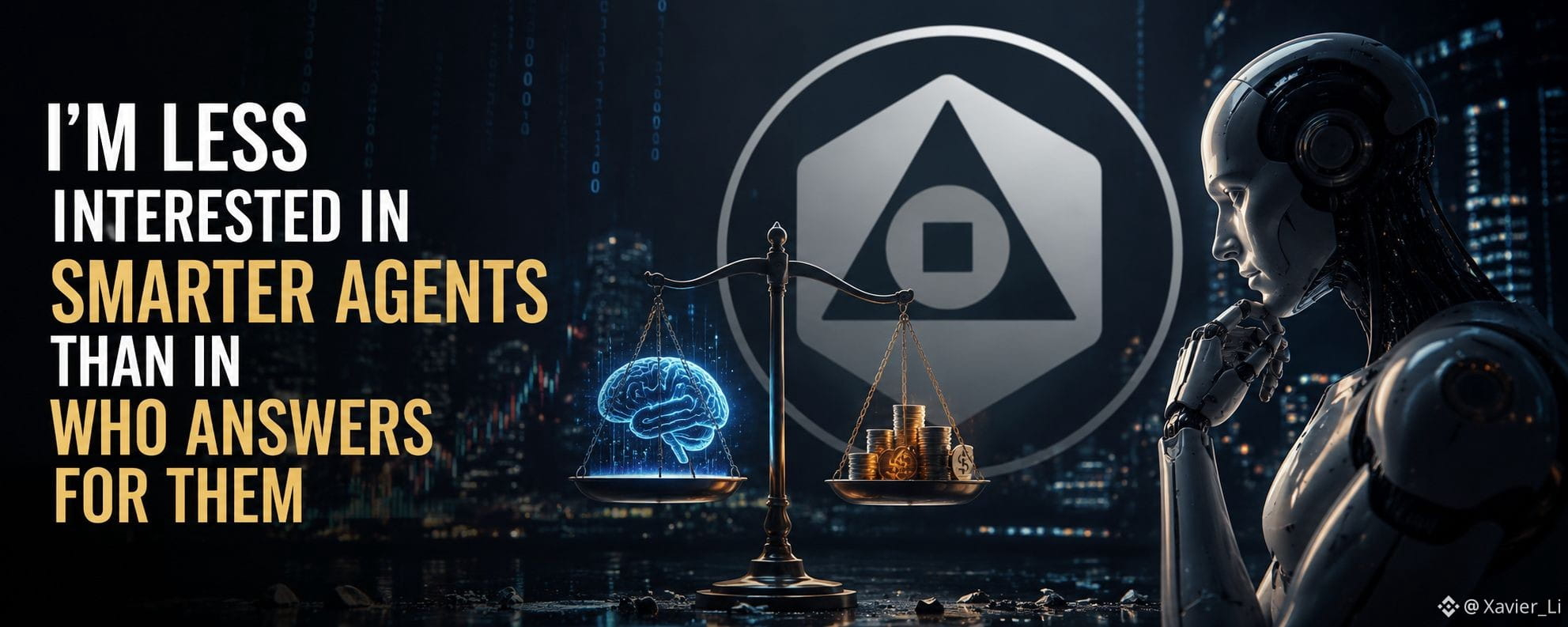
වඩා බුද්ධිමත් නියෝජිතයන් ගැන උනන්දුව අඩුයි—ඒ වෙනුවෙන් වගකීම දරන්නේ කවුද කියන එක ගැනයි@NewtonProtocol
මෙය තාක්ෂණික චක්ර කිහිපයක්ම නරඹලා තියෙන මහන්සියක් වෙන්න පුළුවන්, නමුත් හැමෝම දේවල් යන්නේ කොහේද කියලා එකඟ වන මොහොත ගැන මට සැකයක් ඇති වෙලා.
දැන් මේ මොහොතේ, AI සහ crypto ස්වභාවිකව එකතු වෙයි කියලා අපි බලාපොරොත්තු වගේ. මේ උපකල්පනය කිසිසේත්ම අමාරු නැති විදිහටම එනවා. AI වැඩිහැකියාවක් ලබනවා. Crypto මූල්ය රේල්ස් (financial rails) සපයනවා. මේ දෙක එකට දැම්මම කවුරු හරි අනාගතය තමාම හදාගනී වගේ.
ඒ පියවර අතර සැඟවුණු හැම දෙයක් ගැනම මම දිගින් දිගටම හිතනවා.
හැකියාව ඇති AI මොඩලයක් හොඳින් පෙනෙන ආයෝජන නිබන්ධනයක් (investment thesis) නිර්මාණය කරනවාට හෝ වෙනස් වෙමින් පවතින වෙළෙඳපොළ තත්වයන්ට හැඩගැසෙනවාට බලා සතුටු වීම පහසුයි. එය විශ්මිත තාක්ෂණික ජයග්රහණයක්. නමුත් එම එකම පද්ධතියට මිනිස් අනුමැතිය බලා නොසිට ගනුදෙනු (transactions) ක්රියාත්මක කිරීමට අවසර දෙන මොහොතේ—සාකච්ඡාව නිහඬවම වෙනස් වෙනවා.
වඩා බුද්ධිමත් නියෝජිතයන් ගැන උනන්දුව අඩුයි—ඒ වෙනුවෙන් වගකීම දරන්නේ කවුද කියන එක ගැනයි
@NewtonProtocol
මෙය තාක්ෂණික චක්ර කිහිපයක්ම නරඹලා තියෙන මහන්සියක් වෙන්න පුළුවන්, නමුත් හැමෝම දේවල් යන්නේ කොහේද කියලා එකඟ වන මොහොත ගැන මට සැකයක් ඇති වෙලා.
දැන් මේ මොහොතේ, AI සහ crypto ස්වභාවිකව එකතු වෙයි කියලා අපි බලාපොරොත්තු වගේ. මේ උපකල්පනය කිසිසේත්ම අමාරු නැති විදිහටම එනවා. AI වැඩිහැකියාවක් ලබනවා. Crypto මූල්ය රේල්ස් (financial rails) සපයනවා. මේ දෙක එකට දැම්මම කවුරු හරි අනාගතය තමාම හදාගනී වගේ.
ඒ පියවර අතර සැඟවුණු හැම දෙයක් ගැනම මම දිගින් දිගටම හිතනවා.
හැකියාව ඇති AI මොඩලයක් හොඳින් පෙනෙන ආයෝජන නිබන්ධනයක් (investment thesis) නිර්මාණය කරනවාට හෝ වෙනස් වෙමින් පවතින වෙළෙඳපොළ තත්වයන්ට හැඩගැසෙනවාට බලා සතුටු වීම පහසුයි. එය විශ්මිත තාක්ෂණික ජයග්රහණයක්. නමුත් එම එකම පද්ධතියට මිනිස් අනුමැතිය බලා නොසිට ගනුදෙනු (transactions) ක්රියාත්මක කිරීමට අවසර දෙන මොහොතේ—සාකච්ඡාව නිහඬවම වෙනස් වෙනවා.
මෙය තාක්ෂණික චක්ර කිහිපයක්ම නරඹලා තියෙන මහන්සියක් වෙන්න පුළුවන්, නමුත් හැමෝම දේවල් යන්නේ කොහේද කියලා එකඟ වන මොහොත ගැන මට සැකයක් ඇති වෙලා.
දැන් මේ මොහොතේ, AI සහ crypto ස්වභාවිකව එකතු වෙයි කියලා අපි බලාපොරොත්තු වගේ. මේ උපකල්පනය කිසිසේත්ම අමාරු නැති විදිහටම එනවා. AI වැඩිහැකියාවක් ලබනවා. Crypto මූල්ය රේල්ස් (financial rails) සපයනවා. මේ දෙක එකට දැම්මම කවුරු හරි අනාගතය තමාම හදාගනී වගේ.
ඒ පියවර අතර සැඟවුණු හැම දෙයක් ගැනම මම දිගින් දිගටම හිතනවා.
හැකියාව ඇති AI මොඩලයක් හොඳින් පෙනෙන ආයෝජන නිබන්ධනයක් (investment thesis) නිර්මාණය කරනවාට හෝ වෙනස් වෙමින් පවතින වෙළෙඳපොළ තත්වයන්ට හැඩගැසෙනවාට බලා සතුටු වීම පහසුයි. එය විශ්මිත තාක්ෂණික ජයග්රහණයක්. නමුත් එම එකම පද්ධතියට මිනිස් අනුමැතිය බලා නොසිට ගනුදෙනු (transactions) ක්රියාත්මක කිරීමට අවසර දෙන මොහොතේ—සාකච්ඡාව නිහඬවම වෙනස් වෙනවා.
8
2
99
·
--
බෙයාරිෂ්
@NewtonProtocol
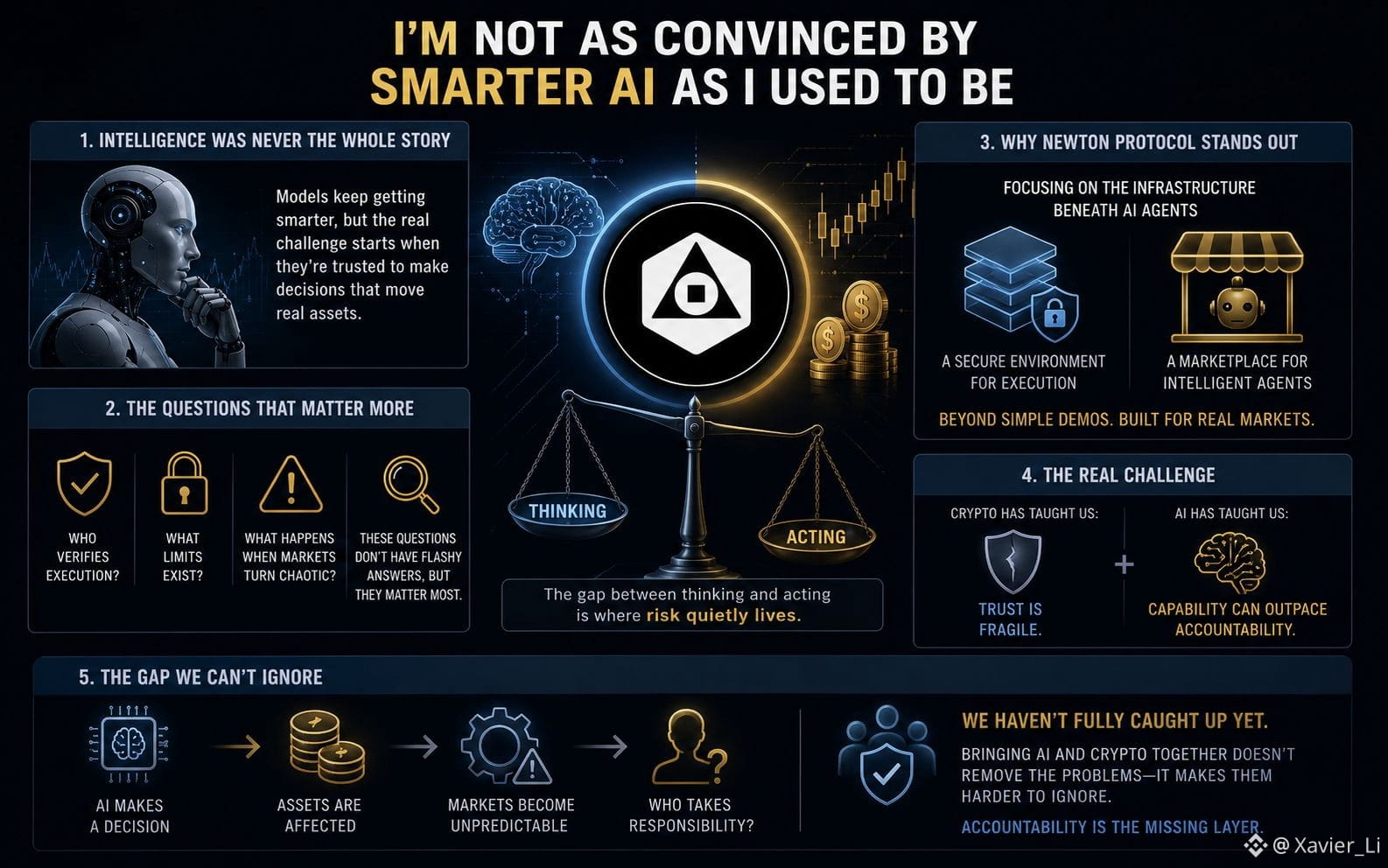
முன்பைப்போல புத்திசாலி AI குறித்து நான் இப்போது அவ்வளவு நிச்சயமாக நம்பவில்லை. ஒவ்வொரு மாதமும் மாடல்கள் கிட்டத்தட்ட மேம்படுவதைக் கடந்த ஆண்டுகள் பார்த்த பிறகு இது விசித்திரமாகத் தோன்றலாம். ஆனால் நுண்ணறிவு மட்டும் முழுக் கதையில்லை. அந்த அமைப்புகள் உண்மையில் சொத்துகளை நகர்த்தும் முடிவுகளை எடுக்க நம்பப்படும் நேரத்தில் தான் கடினமான பகுதி தொடங்குகிறது.
அதில்தான் நான் மெதுவாகச் சிந்திக்கிறேன்.
பெரும்பாலான விவாதங்கள் இன்னும் AI உருவாக்கக்கூடியதை கொண்டாடுவதிலேயே இருக்கின்றன. முடிவு எடுக்கப்பட்ட பிறகு என்ன நடக்க வேண்டும் என்பதில்தான் மிகச் சிலரே ஆர்வம் காட்டுகின்றனர். செயல்படுத்துவது யார் சரிபார்க்கிறார்கள்? என்ன வரம்புகள் உள்ளன? சந்தைகள் ஒத்துழைப்பாக இல்லாமல் கணிக்க முடியாதவையாக மாறும்போது என்ன நடக்கும்?
இந்த கேள்விகளுக்கு கண்கவர் பதில்கள் இல்லை; ஆனால் தன்னாட்சி அமைப்புகள் இன்னும் கொஞ்சம் திறமை பெறும் ஒவ்வொரு முறையும் அவை மேலும் முக்கியமானதாகத் தோன்றுகின்றன.
அதனால்தான் Newton Protocol என் மனதில் உள்ளது. அது இன்னொரு AI யுக்திகளின் அலை வரும் என்று வாக்குறுதி தருவதால் அல்ல; அதன் கீழே இருக்கும் உள்கட்டமைப்பை அது கவனத்தில் எடுத்துக்கொள்வதாகத் தெரிகிறது—செயல்பாட்டுக்கான பாதுகாப்பான சூழல், மற்றும் சாதாரண டெமோக்களைத் தாண்டி புத்திசாலி ஏஜெண்டுகள் இருப்பதற்கான ஒரு சந்தை.
இன்றுவரை உண்மையான சவால் எங்கேயோ அப்படியே இருக்கலாம்.
நான் இன்னும் எச்சரிக்கையாகவே இருக்கிறேன். நம்பிக்கை எளிதில் உடையக்கூடியது என்பதை கிரிப்டோ எனக்குக் கற்றுத் தந்தது; திறன் கணக்குப்பிடித்தல்/பொறுப்புணர்வை முந்திச் செல்லும் என்பதையும் AI கற்றுத் தந்தது. அவற்றை ஒன்றாகக் கொண்டு வந்தால் எந்த பிரச்சினையையும் நீக்குவதில்லை. சிந்தித்தல் மற்றும் செயல்படுதல் இடையிலான இடைவெளியை நாம் புறக்கணிப்பது இன்னும் கடினமாகிறது; ஆனால் அதில் நாங்கள் இன்னும் முழுமையாகத் தழுவிவிடவில்லை என்று எனக்குத் தோன்றுகிறது.
#newt $NEWT
{future}(NEWTUSDT)
@NewtonProtocol
முன்பைப்போல புத்திசாலி AI குறித்து நான் இப்போது அவ்வளவு நிச்சயமாக நம்பவில்லை. ஒவ்வொரு மாதமும் மாடல்கள் கிட்டத்தட்ட மேம்படுவதைக் கடந்த ஆண்டுகள் பார்த்த பிறகு இது விசித்திரமாகத் தோன்றலாம். ஆனால் நுண்ணறிவு மட்டும் முழுக் கதையில்லை. அந்த அமைப்புகள் உண்மையில் சொத்துகளை நகர்த்தும் முடிவுகளை எடுக்க நம்பப்படும் நேரத்தில் தான் கடினமான பகுதி தொடங்குகிறது.
அதில்தான் நான் மெதுவாகச் சிந்திக்கிறேன்.
பெரும்பாலான விவாதங்கள் இன்னும் AI உருவாக்கக்கூடியதை கொண்டாடுவதிலேயே இருக்கின்றன. முடிவு எடுக்கப்பட்ட பிறகு என்ன நடக்க வேண்டும் என்பதில்தான் மிகச் சிலரே ஆர்வம் காட்டுகின்றனர். செயல்படுத்துவது யார் சரிபார்க்கிறார்கள்? என்ன வரம்புகள் உள்ளன? சந்தைகள் ஒத்துழைப்பாக இல்லாமல் கணிக்க முடியாதவையாக மாறும்போது என்ன நடக்கும்?
இந்த கேள்விகளுக்கு கண்கவர் பதில்கள் இல்லை; ஆனால் தன்னாட்சி அமைப்புகள் இன்னும் கொஞ்சம் திறமை பெறும் ஒவ்வொரு முறையும் அவை மேலும் முக்கியமானதாகத் தோன்றுகின்றன.
அதனால்தான் Newton Protocol என் மனதில் உள்ளது. அது இன்னொரு AI யுக்திகளின் அலை வரும் என்று வாக்குறுதி தருவதால் அல்ல; அதன் கீழே இருக்கும் உள்கட்டமைப்பை அது கவனத்தில் எடுத்துக்கொள்வதாகத் தெரிகிறது—செயல்பாட்டுக்கான பாதுகாப்பான சூழல், மற்றும் சாதாரண டெமோக்களைத் தாண்டி புத்திசாலி ஏஜெண்டுகள் இருப்பதற்கான ஒரு சந்தை.
இன்றுவரை உண்மையான சவால் எங்கேயோ அப்படியே இருக்கலாம்.
நான் இன்னும் எச்சரிக்கையாகவே இருக்கிறேன். நம்பிக்கை எளிதில் உடையக்கூடியது என்பதை கிரிப்டோ எனக்குக் கற்றுத் தந்தது; திறன் கணக்குப்பிடித்தல்/பொறுப்புணர்வை முந்திச் செல்லும் என்பதையும் AI கற்றுத் தந்தது. அவற்றை ஒன்றாகக் கொண்டு வந்தால் எந்த பிரச்சினையையும் நீக்குவதில்லை. சிந்தித்தல் மற்றும் செயல்படுதல் இடையிலான இடைவெளியை நாம் புறக்கணிப்பது இன்னும் கடினமாகிறது; ஆனால் அதில் நாங்கள் இன்னும் முழுமையாகத் தழுவிவிடவில்லை என்று எனக்குத் தோன்றுகிறது.
#newt $NEWT
முன்பைப்போல புத்திசாலி AI குறித்து நான் இப்போது அவ்வளவு நிச்சயமாக நம்பவில்லை. ஒவ்வொரு மாதமும் மாடல்கள் கிட்டத்தட்ட மேம்படுவதைக் கடந்த ஆண்டுகள் பார்த்த பிறகு இது விசித்திரமாகத் தோன்றலாம். ஆனால் நுண்ணறிவு மட்டும் முழுக் கதையில்லை. அந்த அமைப்புகள் உண்மையில் சொத்துகளை நகர்த்தும் முடிவுகளை எடுக்க நம்பப்படும் நேரத்தில் தான் கடினமான பகுதி தொடங்குகிறது.
அதில்தான் நான் மெதுவாகச் சிந்திக்கிறேன்.
பெரும்பாலான விவாதங்கள் இன்னும் AI உருவாக்கக்கூடியதை கொண்டாடுவதிலேயே இருக்கின்றன. முடிவு எடுக்கப்பட்ட பிறகு என்ன நடக்க வேண்டும் என்பதில்தான் மிகச் சிலரே ஆர்வம் காட்டுகின்றனர். செயல்படுத்துவது யார் சரிபார்க்கிறார்கள்? என்ன வரம்புகள் உள்ளன? சந்தைகள் ஒத்துழைப்பாக இல்லாமல் கணிக்க முடியாதவையாக மாறும்போது என்ன நடக்கும்?
இந்த கேள்விகளுக்கு கண்கவர் பதில்கள் இல்லை; ஆனால் தன்னாட்சி அமைப்புகள் இன்னும் கொஞ்சம் திறமை பெறும் ஒவ்வொரு முறையும் அவை மேலும் முக்கியமானதாகத் தோன்றுகின்றன.
அதனால்தான் Newton Protocol என் மனதில் உள்ளது. அது இன்னொரு AI யுக்திகளின் அலை வரும் என்று வாக்குறுதி தருவதால் அல்ல; அதன் கீழே இருக்கும் உள்கட்டமைப்பை அது கவனத்தில் எடுத்துக்கொள்வதாகத் தெரிகிறது—செயல்பாட்டுக்கான பாதுகாப்பான சூழல், மற்றும் சாதாரண டெமோக்களைத் தாண்டி புத்திசாலி ஏஜெண்டுகள் இருப்பதற்கான ஒரு சந்தை.
இன்றுவரை உண்மையான சவால் எங்கேயோ அப்படியே இருக்கலாம்.
நான் இன்னும் எச்சரிக்கையாகவே இருக்கிறேன். நம்பிக்கை எளிதில் உடையக்கூடியது என்பதை கிரிப்டோ எனக்குக் கற்றுத் தந்தது; திறன் கணக்குப்பிடித்தல்/பொறுப்புணர்வை முந்திச் செல்லும் என்பதையும் AI கற்றுத் தந்தது. அவற்றை ஒன்றாகக் கொண்டு வந்தால் எந்த பிரச்சினையையும் நீக்குவதில்லை. சிந்தித்தல் மற்றும் செயல்படுதல் இடையிலான இடைவெளியை நாம் புறக்கணிப்பது இன்னும் கடினமாகிறது; ஆனால் அதில் நாங்கள் இன்னும் முழுமையாகத் தழுவிவிடவில்லை என்று எனக்குத் தோன்றுகிறது.
#newt $NEWT
98
·
--
ලිපිය
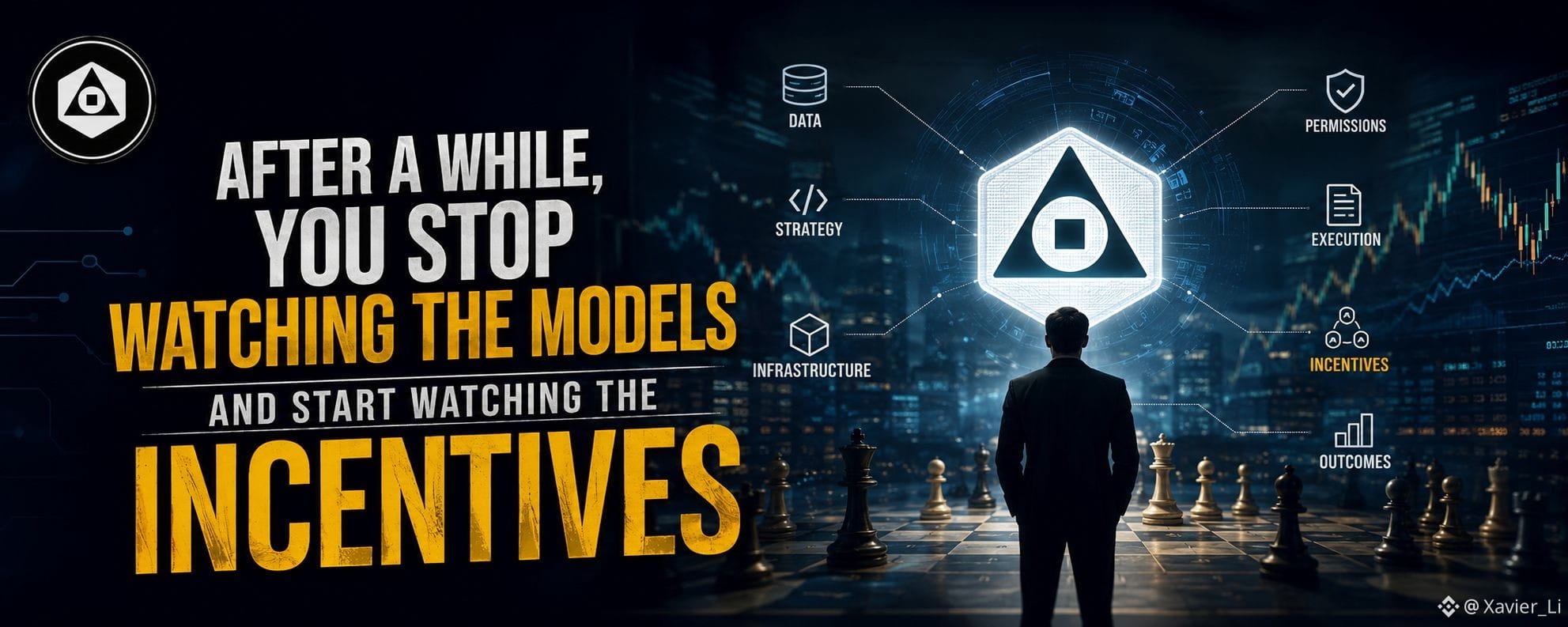
කාලයක් ගතවෙද්දී, ඔබ models දෙස නතර වී බැලීම නවතා දිරිගැන්වීම් දෙස බලන්න පටන් ගනී@NewtonProtocol
මිනිස්සු AI ගැන කතා කරන විදිහේ වෙනස්වීමක් මම දැකලා තියෙනවා. තාක්ෂණය තුළම නෙවෙයි—ඒ ගැන තියෙන උපකල්පන වල.
අවුරුද්දක් දෙකක් කලින් බොහෝ සංවාද තිබුණේ models ප්රමාණවත් තරම් intelligent ද කියලා ගැන. Reason කරන්න පුළුවන්ද? ලියන්න පුළුවන්ද? මාස කිහිපයකට පෙර අසීරු යැයි පෙනුන ප්රශ්න විසඳන්න පුළුවන්ද?
දැන් ප්රශ්නය වෙන පැත්තකට යමින් පාවෙනවා වගේ දැනෙනවා.
ඒ පද්ධති suggestion දෙන එක නවත්වලා, සැබෑ ප්රතිඵල ඇති කරන තීරණ ගන්න පටන් ගත්තොත් මොකක් වෙයිද?
කාලයක් ගතවෙද්දී, ඔබ models දෙස නතර වී බැලීම නවතා දිරිගැන්වීම් දෙස බලන්න පටන් ගනී
@NewtonProtocol
මිනිස්සු AI ගැන කතා කරන විදිහේ වෙනස්වීමක් මම දැකලා තියෙනවා. තාක්ෂණය තුළම නෙවෙයි—ඒ ගැන තියෙන උපකල්පන වල.
අවුරුද්දක් දෙකක් කලින් බොහෝ සංවාද තිබුණේ models ප්රමාණවත් තරම් intelligent ද කියලා ගැන. Reason කරන්න පුළුවන්ද? ලියන්න පුළුවන්ද? මාස කිහිපයකට පෙර අසීරු යැයි පෙනුන ප්රශ්න විසඳන්න පුළුවන්ද?
දැන් ප්රශ්නය වෙන පැත්තකට යමින් පාවෙනවා වගේ දැනෙනවා.
ඒ පද්ධති suggestion දෙන එක නවත්වලා, සැබෑ ප්රතිඵල ඇති කරන තීරණ ගන්න පටන් ගත්තොත් මොකක් වෙයිද?
මිනිස්සු AI ගැන කතා කරන විදිහේ වෙනස්වීමක් මම දැකලා තියෙනවා. තාක්ෂණය තුළම නෙවෙයි—ඒ ගැන තියෙන උපකල්පන වල.
අවුරුද්දක් දෙකක් කලින් බොහෝ සංවාද තිබුණේ models ප්රමාණවත් තරම් intelligent ද කියලා ගැන. Reason කරන්න පුළුවන්ද? ලියන්න පුළුවන්ද? මාස කිහිපයකට පෙර අසීරු යැයි පෙනුන ප්රශ්න විසඳන්න පුළුවන්ද?
දැන් ප්රශ්නය වෙන පැත්තකට යමින් පාවෙනවා වගේ දැනෙනවා.
ඒ පද්ධති suggestion දෙන එක නවත්වලා, සැබෑ ප්රතිඵල ඇති කරන තීරණ ගන්න පටන් ගත්තොත් මොකක් වෙයිද?
18
2
112
·
--
උසබ තත්ත්වය
@NewtonProtocol
இன்றைய நாட்களில் AI டெமோக்களால் என்னை ஈர்க்கச் செய்வது மேலும் கடினமாகி வருகிறது. ஒருவேளை போதுமான பல சுற்றுகளை பார்த்த பிறகு அப்படித்தான் நடக்குமோ.
மாடல்கள் யோசனைகள், தந்திரங்கள், மற்றும் நம்பவைக்கும் விளக்கங்களை உருவாக்குவதில் தொடர்ந்து மேம்படுகின்றன. ஆனால் இன்னும் நிச்சலனமாக உணரப்படுவது, சிந்திப்பு முடிந்த பிறகு என்ன நடக்கிறது என்பதே. உண்மையில் ஒரு ஏஜெண்ட் செய்ய அனுமதிக்கப்படுவது என்ன என்பதை யார் தீர்மானிக்கிறார்கள்? அவை உரை உருவாக்குவதற்குப் பதிலாக உண்மையான மதிப்பை நகர்த்த தொடங்கும்போது, அந்த நடவடிக்கைகளை நீங்கள் எப்படி சரிபார்க்கிறீர்கள்?
அந்த இடைவெளி பெரும்பாலான உரையாடல்கள் ஒப்புக்கொள்வதை விட பெரியதாகத் தெரிகிறது.
Newton Protocol பற்றி படிக்கும்போது நான் அதைப் பற்றி சிந்தித்திருக்கிறேன். அது இன்னொரு AI கதை என்பதற்காக அல்ல; அறிவுக்கும் செயலாக்கத்துக்கும் இடையில் இருக்கும் அடுக்கை அது கவனம் செலுத்துகிறது என்பதால். அனுமதிகள், பொறுப்பேற்பு, மற்றும் உள்கட்டமைப்பு ஆகியவை, மாடல் செயல்திறனில் இன்னொரு சதவீத புள்ளி அதிகரிப்பை விட அதிக முக்கியத்துவம் கொண்ட இடம் அது.
நான் இன்னும் எச்சரிக்கையில்தான் இருக்கிறேன்.
கிரிப்டோ, சந்தைகள் நடத்தை மாற்றத் தொடங்கும் வரை உள்கட்டமைப்பு பொதுவாக நம்பகமாகத் தோன்றும் என்பதை எனக்குக் கற்றுக்கொடுத்தது. AI, திறன் தானாகவே நம்பிக்கையாக மாறாது என்பதை எனக்குக் கற்றுக்கொடுத்தது. இரண்டையும் சேர்த்தால் எந்த பிரச்சினையையும் மாயமாக தீர்த்துவிடாது.
சுயாட்சி நிதி, ஏஜெண்ட்கள் எவ்வளவு புத்திசாலியாகும் என்பதால் மட்டும் வரையறுக்கப்படாமல் இருக்கலாம்.
ஏஜெண்ட்கள் முதலில் செயல்பட அனுமதிக்கும் அமைப்புகளை யாராவது நம்ப முடிகிறதா என்பதைப் பொறுத்தே அது வரையறுக்கப்படலாம்.
நாம் இன்னும் அந்த பதிலை அடைந்திருக்கிறோம் என நான் உறுதியாக இல்லை; உரையாடலின் இன்னும் சுவாரசியமான பகுதி அதுவாக இருக்கலாம் என நினைக்கிறேன்.
#newt $NEWT
{future}(NEWTUSDT)
AI ஏஜெண்ட்கள் உண்மையான மதிப்பை கையாளுவதற்கு முன்பு மிக முக்கியமானது என்ன?
@NewtonProtocol
இன்றைய நாட்களில் AI டெமோக்களால் என்னை ஈர்க்கச் செய்வது மேலும் கடினமாகி வருகிறது. ஒருவேளை போதுமான பல சுற்றுகளை பார்த்த பிறகு அப்படித்தான் நடக்குமோ.
மாடல்கள் யோசனைகள், தந்திரங்கள், மற்றும் நம்பவைக்கும் விளக்கங்களை உருவாக்குவதில் தொடர்ந்து மேம்படுகின்றன. ஆனால் இன்னும் நிச்சலனமாக உணரப்படுவது, சிந்திப்பு முடிந்த பிறகு என்ன நடக்கிறது என்பதே. உண்மையில் ஒரு ஏஜெண்ட் செய்ய அனுமதிக்கப்படுவது என்ன என்பதை யார் தீர்மானிக்கிறார்கள்? அவை உரை உருவாக்குவதற்குப் பதிலாக உண்மையான மதிப்பை நகர்த்த தொடங்கும்போது, அந்த நடவடிக்கைகளை நீங்கள் எப்படி சரிபார்க்கிறீர்கள்?
அந்த இடைவெளி பெரும்பாலான உரையாடல்கள் ஒப்புக்கொள்வதை விட பெரியதாகத் தெரிகிறது.
Newton Protocol பற்றி படிக்கும்போது நான் அதைப் பற்றி சிந்தித்திருக்கிறேன். அது இன்னொரு AI கதை என்பதற்காக அல்ல; அறிவுக்கும் செயலாக்கத்துக்கும் இடையில் இருக்கும் அடுக்கை அது கவனம் செலுத்துகிறது என்பதால். அனுமதிகள், பொறுப்பேற்பு, மற்றும் உள்கட்டமைப்பு ஆகியவை, மாடல் செயல்திறனில் இன்னொரு சதவீத புள்ளி அதிகரிப்பை விட அதிக முக்கியத்துவம் கொண்ட இடம் அது.
நான் இன்னும் எச்சரிக்கையில்தான் இருக்கிறேன்.
கிரிப்டோ, சந்தைகள் நடத்தை மாற்றத் தொடங்கும் வரை உள்கட்டமைப்பு பொதுவாக நம்பகமாகத் தோன்றும் என்பதை எனக்குக் கற்றுக்கொடுத்தது. AI, திறன் தானாகவே நம்பிக்கையாக மாறாது என்பதை எனக்குக் கற்றுக்கொடுத்தது. இரண்டையும் சேர்த்தால் எந்த பிரச்சினையையும் மாயமாக தீர்த்துவிடாது.
சுயாட்சி நிதி, ஏஜெண்ட்கள் எவ்வளவு புத்திசாலியாகும் என்பதால் மட்டும் வரையறுக்கப்படாமல் இருக்கலாம்.
ஏஜெண்ட்கள் முதலில் செயல்பட அனுமதிக்கும் அமைப்புகளை யாராவது நம்ப முடிகிறதா என்பதைப் பொறுத்தே அது வரையறுக்கப்படலாம்.
நாம் இன்னும் அந்த பதிலை அடைந்திருக்கிறோம் என நான் உறுதியாக இல்லை; உரையாடலின் இன்னும் சுவாரசியமான பகுதி அதுவாக இருக்கலாம் என நினைக்கிறேன்.
#newt $NEWT
AI ஏஜெண்ட்கள் உண்மையான மதிப்பை கையாளுவதற்கு முன்பு மிக முக்கியமானது என்ன?
இன்றைய நாட்களில் AI டெமோக்களால் என்னை ஈர்க்கச் செய்வது மேலும் கடினமாகி வருகிறது. ஒருவேளை போதுமான பல சுற்றுகளை பார்த்த பிறகு அப்படித்தான் நடக்குமோ.
மாடல்கள் யோசனைகள், தந்திரங்கள், மற்றும் நம்பவைக்கும் விளக்கங்களை உருவாக்குவதில் தொடர்ந்து மேம்படுகின்றன. ஆனால் இன்னும் நிச்சலனமாக உணரப்படுவது, சிந்திப்பு முடிந்த பிறகு என்ன நடக்கிறது என்பதே. உண்மையில் ஒரு ஏஜெண்ட் செய்ய அனுமதிக்கப்படுவது என்ன என்பதை யார் தீர்மானிக்கிறார்கள்? அவை உரை உருவாக்குவதற்குப் பதிலாக உண்மையான மதிப்பை நகர்த்த தொடங்கும்போது, அந்த நடவடிக்கைகளை நீங்கள் எப்படி சரிபார்க்கிறீர்கள்?
அந்த இடைவெளி பெரும்பாலான உரையாடல்கள் ஒப்புக்கொள்வதை விட பெரியதாகத் தெரிகிறது.
Newton Protocol பற்றி படிக்கும்போது நான் அதைப் பற்றி சிந்தித்திருக்கிறேன். அது இன்னொரு AI கதை என்பதற்காக அல்ல; அறிவுக்கும் செயலாக்கத்துக்கும் இடையில் இருக்கும் அடுக்கை அது கவனம் செலுத்துகிறது என்பதால். அனுமதிகள், பொறுப்பேற்பு, மற்றும் உள்கட்டமைப்பு ஆகியவை, மாடல் செயல்திறனில் இன்னொரு சதவீத புள்ளி அதிகரிப்பை விட அதிக முக்கியத்துவம் கொண்ட இடம் அது.
நான் இன்னும் எச்சரிக்கையில்தான் இருக்கிறேன்.
கிரிப்டோ, சந்தைகள் நடத்தை மாற்றத் தொடங்கும் வரை உள்கட்டமைப்பு பொதுவாக நம்பகமாகத் தோன்றும் என்பதை எனக்குக் கற்றுக்கொடுத்தது. AI, திறன் தானாகவே நம்பிக்கையாக மாறாது என்பதை எனக்குக் கற்றுக்கொடுத்தது. இரண்டையும் சேர்த்தால் எந்த பிரச்சினையையும் மாயமாக தீர்த்துவிடாது.
சுயாட்சி நிதி, ஏஜெண்ட்கள் எவ்வளவு புத்திசாலியாகும் என்பதால் மட்டும் வரையறுக்கப்படாமல் இருக்கலாம்.
ஏஜெண்ட்கள் முதலில் செயல்பட அனுமதிக்கும் அமைப்புகளை யாராவது நம்ப முடிகிறதா என்பதைப் பொறுத்தே அது வரையறுக்கப்படலாம்.
நாம் இன்னும் அந்த பதிலை அடைந்திருக்கிறோம் என நான் உறுதியாக இல்லை; உரையாடலின் இன்னும் சுவாரசியமான பகுதி அதுவாக இருக்கலாம் என நினைக்கிறேன்.
#newt $NEWT
AI ஏஜெண்ட்கள் உண்மையான மதிப்பை கையாளுவதற்கு முன்பு மிக முக்கியமானது என்ன?
🛡️ Trustworthy infrastructure
100%
🔒 Clear permissions
0%
🤖 Smarter AI
0%
⚡ Faster execution
0%
1 ඡන්ද • ඡන්දය අවසන්
6
1
98
·
--
ලිපිය
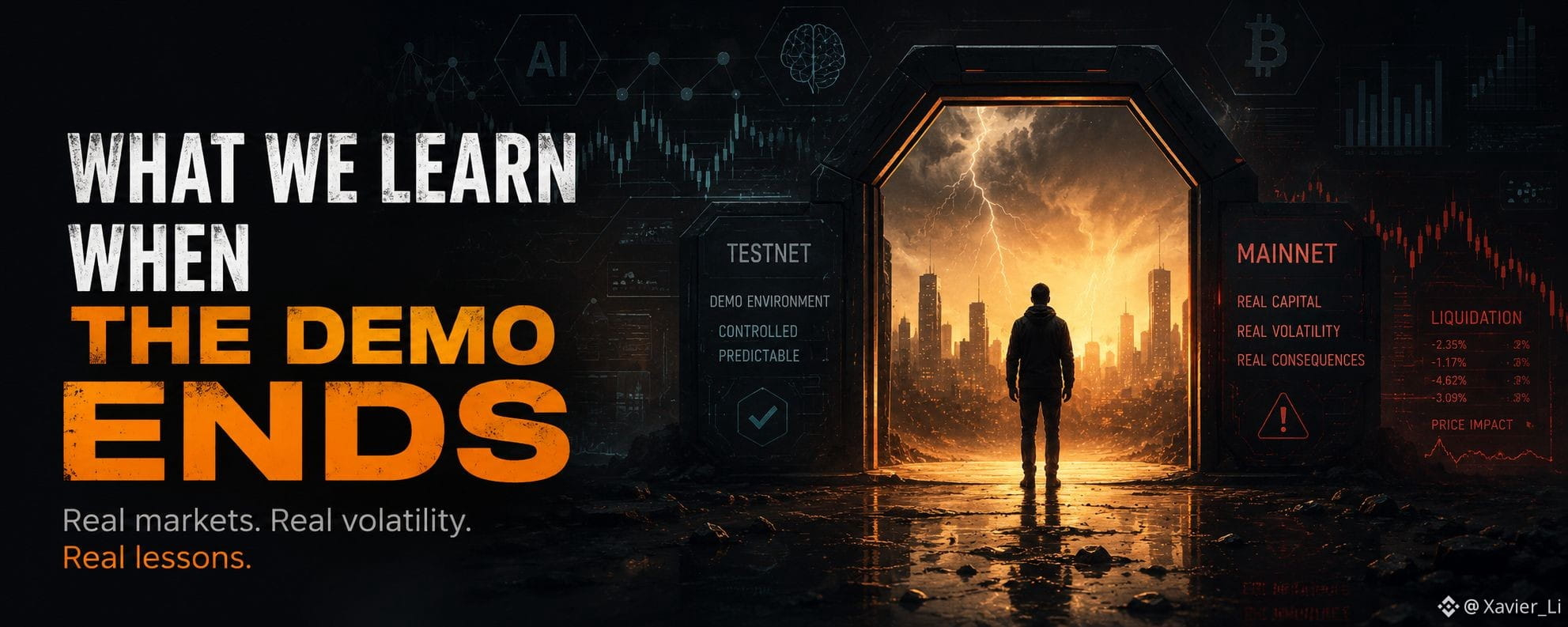
ඩිමෝ එක අවසන් වුණාම අපි ඉගෙනගන්නේ මොනවාද<c-68/>
පළවෙනි වතාවෙදිම හරියටම වැඩ කරන දේවල් මම විශ්වාස කරන්නේ නෑ. එය නිකම්ම cynicism එකක් නොවේ. ඒ වගේම වගෙයි — testnet වලින් mainnet දක්වා ගියාට පස්සේ ප්රමාණවත් පද්ධති බලලා, reality එකට එකතු වුණාම සමහර උපකල්පන (assumptions) තබාගන්න බැහැ කියලා පැහැදිලි වීමෙන් පසුව ඇති වන pattern recognition වගේ.
පිහිටුවූ පසු වහාම ඇතිවන සාමාන්යයෙන් නිහඬ මොහොතක් ඇත. ඩිමෝ එක අවසන්. පාලිත පරිසරය ඉවරයි. සැබෑ ප්රාග්ධනය චලනය වීමට පටන් ගනී. සැබෑ අස්ථිරතාවය අනපේක්ෂිතව මතුවෙයි. ඉතින් සංවර්ධනයේදී ප්රුඩන්ට් ලෙස පෙනුණ සෑම ගෘහ නිර්මාණ තීරණයක්ම — කවුරුත් තෝරා නොගත් තත්ත්වයන් යටතේ — නැවත විමසා බලන්න සිදුවනවා. දැන් බොහෝ AI-ක්රිප්ටෝ ව්යාපෘතිවලට එන ඒ මොහොතයි මේ, ඒ සඳහා ඇත්තටම සූදානම් ව ඇත්තේ කී දෙනෙක්ද කියලා මට විශ්වාස නෑ.
ඩිමෝ එක අවසන් වුණාම අපි ඉගෙනගන්නේ මොනවාද
<c-68/>
පළවෙනි වතාවෙදිම හරියටම වැඩ කරන දේවල් මම විශ්වාස කරන්නේ නෑ. එය නිකම්ම cynicism එකක් නොවේ. ඒ වගේම වගෙයි — testnet වලින් mainnet දක්වා ගියාට පස්සේ ප්රමාණවත් පද්ධති බලලා, reality එකට එකතු වුණාම සමහර උපකල්පන (assumptions) තබාගන්න බැහැ කියලා පැහැදිලි වීමෙන් පසුව ඇති වන pattern recognition වගේ.
පිහිටුවූ පසු වහාම ඇතිවන සාමාන්යයෙන් නිහඬ මොහොතක් ඇත. ඩිමෝ එක අවසන්. පාලිත පරිසරය ඉවරයි. සැබෑ ප්රාග්ධනය චලනය වීමට පටන් ගනී. සැබෑ අස්ථිරතාවය අනපේක්ෂිතව මතුවෙයි. ඉතින් සංවර්ධනයේදී ප්රුඩන්ට් ලෙස පෙනුණ සෑම ගෘහ නිර්මාණ තීරණයක්ම — කවුරුත් තෝරා නොගත් තත්ත්වයන් යටතේ — නැවත විමසා බලන්න සිදුවනවා. දැන් බොහෝ AI-ක්රිප්ටෝ ව්යාපෘතිවලට එන ඒ මොහොතයි මේ, ඒ සඳහා ඇත්තටම සූදානම් ව ඇත්තේ කී දෙනෙක්ද කියලා මට විශ්වාස නෑ.
පළවෙනි වතාවෙදිම හරියටම වැඩ කරන දේවල් මම විශ්වාස කරන්නේ නෑ. එය නිකම්ම cynicism එකක් නොවේ. ඒ වගේම වගෙයි — testnet වලින් mainnet දක්වා ගියාට පස්සේ ප්රමාණවත් පද්ධති බලලා, reality එකට එකතු වුණාම සමහර උපකල්පන (assumptions) තබාගන්න බැහැ කියලා පැහැදිලි වීමෙන් පසුව ඇති වන pattern recognition වගේ.
පිහිටුවූ පසු වහාම ඇතිවන සාමාන්යයෙන් නිහඬ මොහොතක් ඇත. ඩිමෝ එක අවසන්. පාලිත පරිසරය ඉවරයි. සැබෑ ප්රාග්ධනය චලනය වීමට පටන් ගනී. සැබෑ අස්ථිරතාවය අනපේක්ෂිතව මතුවෙයි. ඉතින් සංවර්ධනයේදී ප්රුඩන්ට් ලෙස පෙනුණ සෑම ගෘහ නිර්මාණ තීරණයක්ම — කවුරුත් තෝරා නොගත් තත්ත්වයන් යටතේ — නැවත විමසා බලන්න සිදුවනවා. දැන් බොහෝ AI-ක්රිප්ටෝ ව්යාපෘතිවලට එන ඒ මොහොතයි මේ, ඒ සඳහා ඇත්තටම සූදානම් ව ඇත්තේ කී දෙනෙක්ද කියලා මට විශ්වාස නෑ.
10
1
85
·
--
උසබ තත්ත්වය
@NewtonProtocol
ඩెමෝව හැමවිටම පිරිසිදුව පෙනෙන බව දැනගන්න තරම් මම බොහෝ කාලයක් ඒ වටා හිටියා.
ඇත්ත තත්ත්වයන් ඔබේ බැක්ටෙස්ට් ගැන කල්පනා කරන්නේ නැහැ.
අස්ථාවරත්වය (Volatility) ඇසුරට වගේම ආරාධනා නැතිව එනවා.
හදිසියේම, ඔබේ උපාය (strategy) පාලනය කරන තැනින් යටින් ඇති යටිතලය (infrastructure) රඳවාගත් පාඩුවක් හා ඊට වඩා නරක දෙයක් අතර මැදිහත් වන්නේ ඒයි.
වෙළඳපොළ සහය දක්වන එක නතර කරලා ඔබේ ස්වයංක්රීය නියෝජිතයා (autonomous agent) කිසිවෙකු බලන නැතිවම තීරණ ගන්න දිගටම යන විට මොකද වෙන්නේ කියලා ලොකු හඬින් කිසිවෙක් ඇහුවේ නැහැ.
ඒක තමයි ක්රියාත්මක කිරීමේ (execution) ස්තරය ඇත්තටම තමන්ව පරීක්ෂා කරන්නේ. ප්රეზන්ටේෂන් ඩෙක් එකේ නෙවෙයි. අවුල්වලදී.
Newton Protocol මගේ සිතුවිලි වලට නැවත නැවතත් එනවා—AI කොටස නිසා නෙවෙයි; මේ උපායයන් යට ඇත්තේ යම් සත්ය සීමාවන් (constraints) සමඟ ඒවා settle වෙන rollup එකක් ඔවුන් හදාගන්න නිසා.
දේවල් වැරදි යන විට බුද්ධියට වඩා සීමාවන් වැදගත්.
බොහෝ දෙනා ඒ පාඩම ඉගෙනගන්නේ අමාරුවෙන්.
වෙළඳපොළ පැත්ත තවමත් මට හිත නොසන්සුන් කරයි. කෙනෙක් නියෝජිතයෙක් (agent) හදනවා.
තවත් කෙනෙක් එය සැබෑ අරමුදල් සමඟ යෙදවනවා.
තාර්කිකය (logic) ලිස්සෙන විට වැරැද්දට හිමිකරු කවුද?
මට ඒ පිළිතුර නැහැ.
මෙවැනි දේවල් හදන කෙනෙක්ටත් සමහර විට නැහැ.
$NEWT
ඉතින්, අනාගතය නියෝජිතයන් (agents) තව තවත් බුද්ධිමත් කිරීම ගැනම නොවෙන්න පුළුවන්.
බහින රේල් (rails)—ඔවුන් දුවන මාර්ග—විශ්වාස කරන්න පුළුවන් තරම් අවංක කර ගැනීම ගැන වෙන්න පුළුවන්.
තවමත් ඒක මනාව හිතමින්.
#newt $NEWT
{future}(NEWTUSDT)
වෙළඳපොළ අස්ථාවර වුණාම වඩාත් වැදගත් වන්නේ මොකක්ද?
@NewtonProtocol
ඩెමෝව හැමවිටම පිරිසිදුව පෙනෙන බව දැනගන්න තරම් මම බොහෝ කාලයක් ඒ වටා හිටියා.
ඇත්ත තත්ත්වයන් ඔබේ බැක්ටෙස්ට් ගැන කල්පනා කරන්නේ නැහැ.
අස්ථාවරත්වය (Volatility) ඇසුරට වගේම ආරාධනා නැතිව එනවා.
හදිසියේම, ඔබේ උපාය (strategy) පාලනය කරන තැනින් යටින් ඇති යටිතලය (infrastructure) රඳවාගත් පාඩුවක් හා ඊට වඩා නරක දෙයක් අතර මැදිහත් වන්නේ ඒයි.
වෙළඳපොළ සහය දක්වන එක නතර කරලා ඔබේ ස්වයංක්රීය නියෝජිතයා (autonomous agent) කිසිවෙකු බලන නැතිවම තීරණ ගන්න දිගටම යන විට මොකද වෙන්නේ කියලා ලොකු හඬින් කිසිවෙක් ඇහුවේ නැහැ.
ඒක තමයි ක්රියාත්මක කිරීමේ (execution) ස්තරය ඇත්තටම තමන්ව පරීක්ෂා කරන්නේ. ප්රეზන්ටේෂන් ඩෙක් එකේ නෙවෙයි. අවුල්වලදී.
Newton Protocol මගේ සිතුවිලි වලට නැවත නැවතත් එනවා—AI කොටස නිසා නෙවෙයි; මේ උපායයන් යට ඇත්තේ යම් සත්ය සීමාවන් (constraints) සමඟ ඒවා settle වෙන rollup එකක් ඔවුන් හදාගන්න නිසා.
දේවල් වැරදි යන විට බුද්ධියට වඩා සීමාවන් වැදගත්.
බොහෝ දෙනා ඒ පාඩම ඉගෙනගන්නේ අමාරුවෙන්.
වෙළඳපොළ පැත්ත තවමත් මට හිත නොසන්සුන් කරයි. කෙනෙක් නියෝජිතයෙක් (agent) හදනවා.
තවත් කෙනෙක් එය සැබෑ අරමුදල් සමඟ යෙදවනවා.
තාර්කිකය (logic) ලිස්සෙන විට වැරැද්දට හිමිකරු කවුද?
මට ඒ පිළිතුර නැහැ.
මෙවැනි දේවල් හදන කෙනෙක්ටත් සමහර විට නැහැ.
$NEWT
ඉතින්, අනාගතය නියෝජිතයන් (agents) තව තවත් බුද්ධිමත් කිරීම ගැනම නොවෙන්න පුළුවන්.
බහින රේල් (rails)—ඔවුන් දුවන මාර්ග—විශ්වාස කරන්න පුළුවන් තරම් අවංක කර ගැනීම ගැන වෙන්න පුළුවන්.
තවමත් ඒක මනාව හිතමින්.
#newt $NEWT
වෙළඳපොළ අස්ථාවර වුණාම වඩාත් වැදගත් වන්නේ මොකක්ද?
ඩెමෝව හැමවිටම පිරිසිදුව පෙනෙන බව දැනගන්න තරම් මම බොහෝ කාලයක් ඒ වටා හිටියා.
ඇත්ත තත්ත්වයන් ඔබේ බැක්ටෙස්ට් ගැන කල්පනා කරන්නේ නැහැ.
අස්ථාවරත්වය (Volatility) ඇසුරට වගේම ආරාධනා නැතිව එනවා.
හදිසියේම, ඔබේ උපාය (strategy) පාලනය කරන තැනින් යටින් ඇති යටිතලය (infrastructure) රඳවාගත් පාඩුවක් හා ඊට වඩා නරක දෙයක් අතර මැදිහත් වන්නේ ඒයි.
වෙළඳපොළ සහය දක්වන එක නතර කරලා ඔබේ ස්වයංක්රීය නියෝජිතයා (autonomous agent) කිසිවෙකු බලන නැතිවම තීරණ ගන්න දිගටම යන විට මොකද වෙන්නේ කියලා ලොකු හඬින් කිසිවෙක් ඇහුවේ නැහැ.
ඒක තමයි ක්රියාත්මක කිරීමේ (execution) ස්තරය ඇත්තටම තමන්ව පරීක්ෂා කරන්නේ. ප්රეზන්ටේෂන් ඩෙක් එකේ නෙවෙයි. අවුල්වලදී.
Newton Protocol මගේ සිතුවිලි වලට නැවත නැවතත් එනවා—AI කොටස නිසා නෙවෙයි; මේ උපායයන් යට ඇත්තේ යම් සත්ය සීමාවන් (constraints) සමඟ ඒවා settle වෙන rollup එකක් ඔවුන් හදාගන්න නිසා.
දේවල් වැරදි යන විට බුද්ධියට වඩා සීමාවන් වැදගත්.
බොහෝ දෙනා ඒ පාඩම ඉගෙනගන්නේ අමාරුවෙන්.
වෙළඳපොළ පැත්ත තවමත් මට හිත නොසන්සුන් කරයි. කෙනෙක් නියෝජිතයෙක් (agent) හදනවා.
තවත් කෙනෙක් එය සැබෑ අරමුදල් සමඟ යෙදවනවා.
තාර්කිකය (logic) ලිස්සෙන විට වැරැද්දට හිමිකරු කවුද?
මට ඒ පිළිතුර නැහැ.
මෙවැනි දේවල් හදන කෙනෙක්ටත් සමහර විට නැහැ.
$NEWT
ඉතින්, අනාගතය නියෝජිතයන් (agents) තව තවත් බුද්ධිමත් කිරීම ගැනම නොවෙන්න පුළුවන්.
බහින රේල් (rails)—ඔවුන් දුවන මාර්ග—විශ්වාස කරන්න පුළුවන් තරම් අවංක කර ගැනීම ගැන වෙන්න පුළුවන්.
තවමත් ඒක මනාව හිතමින්.
#newt $NEWT
වෙළඳපොළ අස්ථාවර වුණාම වඩාත් වැදගත් වන්නේ මොකක්ද?
🛡️ Reliable execution
0%
🔒 Clear boundaries
0%
⚡ Fast decisions
0%
📊 Smarter AI
0%
0 ඡන්ද • ඡන්දය අවසන්
8
108
·
--
ලිපිය
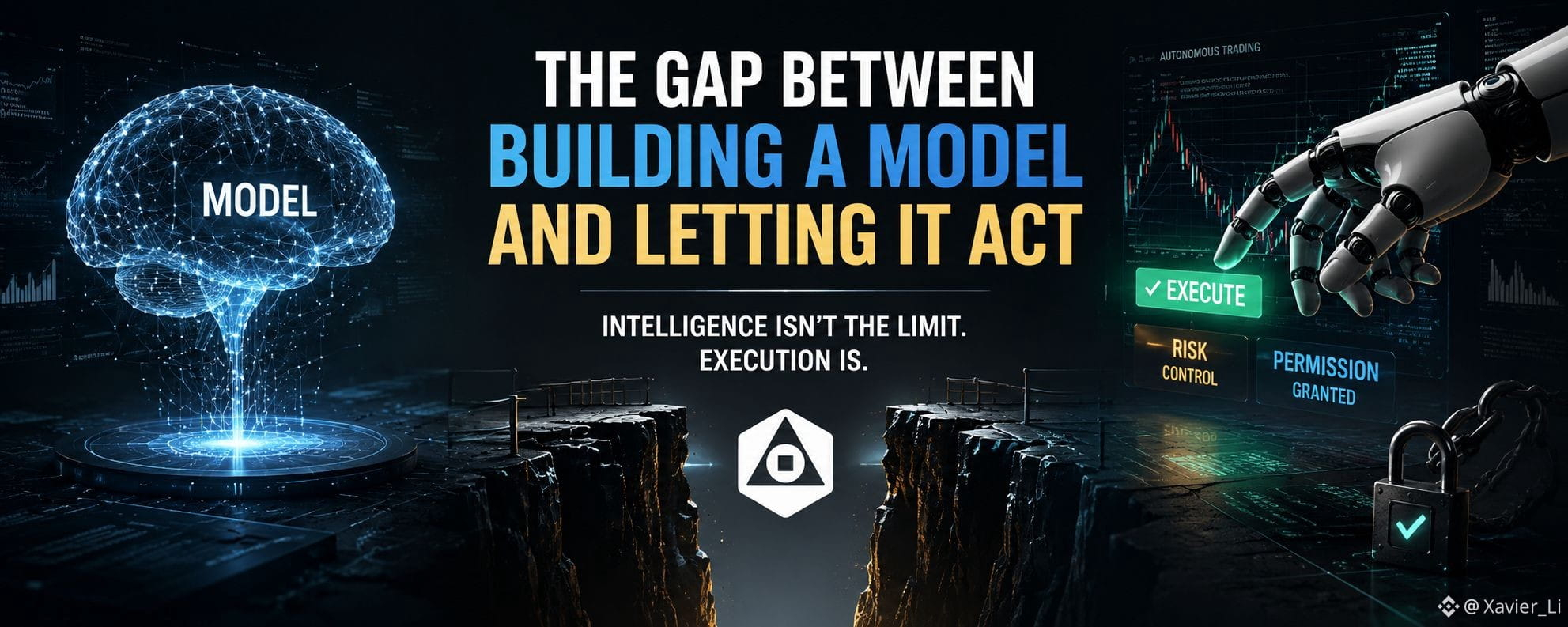
모델을 만드는 것과 그것이 행동하게 하는 것 사이의 격차@NewtonProtocol
나는 거의 너무 단순해서 중요하지 않을 것 같은 무언가로 계속 돌아가게 된다. 하지만 그게 대부분의 패널 토론, 화이트페이퍼, 런칭 발표에서 다뤄지는 것들보다 더 중요할지도 모른다고 의심한다.
생각할 수 있는 무언가를 만드는 것과, 열쇠(keys)를 쥐어 믿어도 되는 무언가를 만드는 것에는 차이가 있다.
그 차이는 미묘한 게 아니다. 해결해서 직접 다뤄지는 종류의 차이가 아니라, 피해 가며 이야기되는 종류다. 왜냐하면 그렇게 직접 다루는 순간, 우리가 ‘자율적 금융’이라고 부르는 것의 대부분이 아직 아무도 제대로 스트레스 테스트하지 못한 얇은 가정 위에서 돌아가고 있다는 사실을 인정해야 하기 때문이다.
모델을 만드는 것과 그것이 행동하게 하는 것 사이의 격차
@NewtonProtocol
나는 거의 너무 단순해서 중요하지 않을 것 같은 무언가로 계속 돌아가게 된다. 하지만 그게 대부분의 패널 토론, 화이트페이퍼, 런칭 발표에서 다뤄지는 것들보다 더 중요할지도 모른다고 의심한다.
생각할 수 있는 무언가를 만드는 것과, 열쇠(keys)를 쥐어 믿어도 되는 무언가를 만드는 것에는 차이가 있다.
그 차이는 미묘한 게 아니다. 해결해서 직접 다뤄지는 종류의 차이가 아니라, 피해 가며 이야기되는 종류다. 왜냐하면 그렇게 직접 다루는 순간, 우리가 ‘자율적 금융’이라고 부르는 것의 대부분이 아직 아무도 제대로 스트레스 테스트하지 못한 얇은 가정 위에서 돌아가고 있다는 사실을 인정해야 하기 때문이다.
나는 거의 너무 단순해서 중요하지 않을 것 같은 무언가로 계속 돌아가게 된다. 하지만 그게 대부분의 패널 토론, 화이트페이퍼, 런칭 발표에서 다뤄지는 것들보다 더 중요할지도 모른다고 의심한다.
생각할 수 있는 무언가를 만드는 것과, 열쇠(keys)를 쥐어 믿어도 되는 무언가를 만드는 것에는 차이가 있다.
그 차이는 미묘한 게 아니다. 해결해서 직접 다뤄지는 종류의 차이가 아니라, 피해 가며 이야기되는 종류다. 왜냐하면 그렇게 직접 다루는 순간, 우리가 ‘자율적 금융’이라고 부르는 것의 대부분이 아직 아무도 제대로 스트레스 테스트하지 못한 얇은 가정 위에서 돌아가고 있다는 사실을 인정해야 하기 때문이다.
2
114
·
--
උසබ තත්ත්වය
@NewtonProtocol
AI වෙළඳ ගණුදෙනු නියෝජිතයන් කිසිවෙකු ඇත්තටම මුඛයෙන් කියන්න කැමති නැති දෙයක් ගැන මම නිතරම සිතමින් ඉන්නවා—තත්වයන් අප සමඟ සහයෝගයෙන් නැවැත්වෙද්දි මේ සියලු AI වෙළඳ නියෝජිතයන් බිඳ වැටෙනවා ඇති. යටින් තියෙන යටිතල පහසුකම් හොඳයි කියලා අපි හැමෝම මවාපාන්නේ තාම පරීක්ෂා කරලා නැති නිසා පමණයි.
ඒ නිසා Newton Protocol ගැන මට විශේෂයෙන්ම ඇල්මක් තියෙනවා. AI කොටස නෙවෙයි. Rollup කොටස. ක්රියාත්මක කිරීම ඇත්තටම සිදුවන ඒ දුර්වර්ණ settlement layer එක. තර්කය ලිස්සී ගියත් හෝ අස්ථාවරත්වය වැදුනත් නියෝජිතයන්ට හිතුවක්කාරව දුවන්න බැරි විදිහට සීමා/constraints එයට ඇතුළත් කරලා තියෙනවා. එවැනි දෙයක් බෝරින් වගේ පෙනෙයි; නමුත් එය තමයි වඩා වැදගත් වන්නේ බවට පත් වෙන තැන.
ඒත් ඒකේ marketplace පැත්ත තවම මට කරදරයක්. නියෝජිතයන් deploy කරන developers. සැබෑ මුදල් සමඟ ඒවා විශ්වාස කරන අමුත්තන්. උපායමාර්ගය කිසිවෙකු බලාපොරොත්තු නොවූ දෙයක් වෙතට ලිස්සී ගිය වෙලාවේ වගකීම කාගේද?
$NEWT
මා වැරදි වෙන්න පුළුවන්. Execution layer එක අසීරුතාව යටතේ හොඳින් පවතිනවා විය හැක. නමුත් යටිතල පහසුකම් ගැන තියෙන සන්සුන් ප්රශ්න තමයි, යමක් බිඳ වැටුණු පසුව—බිඳ වැටෙන්න පෙර නොවෙයි—ඇත්තටම වැඩිපුර වැදගත් වෙන්නේ කියලා දැනගෙන ඉන්න තරම් මම වටේම හිටියා.
#newt $NEWT
{future}(NEWTUSDT)
ප්රශ්නය: AI නියෝජිතයන් මුලින්ම ඔප්පු කළ යුත්තේ කුමක්ද?
@NewtonProtocol
AI වෙළඳ ගණුදෙනු නියෝජිතයන් කිසිවෙකු ඇත්තටම මුඛයෙන් කියන්න කැමති නැති දෙයක් ගැන මම නිතරම සිතමින් ඉන්නවා—තත්වයන් අප සමඟ සහයෝගයෙන් නැවැත්වෙද්දි මේ සියලු AI වෙළඳ නියෝජිතයන් බිඳ වැටෙනවා ඇති. යටින් තියෙන යටිතල පහසුකම් හොඳයි කියලා අපි හැමෝම මවාපාන්නේ තාම පරීක්ෂා කරලා නැති නිසා පමණයි.
ඒ නිසා Newton Protocol ගැන මට විශේෂයෙන්ම ඇල්මක් තියෙනවා. AI කොටස නෙවෙයි. Rollup කොටස. ක්රියාත්මක කිරීම ඇත්තටම සිදුවන ඒ දුර්වර්ණ settlement layer එක. තර්කය ලිස්සී ගියත් හෝ අස්ථාවරත්වය වැදුනත් නියෝජිතයන්ට හිතුවක්කාරව දුවන්න බැරි විදිහට සීමා/constraints එයට ඇතුළත් කරලා තියෙනවා. එවැනි දෙයක් බෝරින් වගේ පෙනෙයි; නමුත් එය තමයි වඩා වැදගත් වන්නේ බවට පත් වෙන තැන.
ඒත් ඒකේ marketplace පැත්ත තවම මට කරදරයක්. නියෝජිතයන් deploy කරන developers. සැබෑ මුදල් සමඟ ඒවා විශ්වාස කරන අමුත්තන්. උපායමාර්ගය කිසිවෙකු බලාපොරොත්තු නොවූ දෙයක් වෙතට ලිස්සී ගිය වෙලාවේ වගකීම කාගේද?
$NEWT
මා වැරදි වෙන්න පුළුවන්. Execution layer එක අසීරුතාව යටතේ හොඳින් පවතිනවා විය හැක. නමුත් යටිතල පහසුකම් ගැන තියෙන සන්සුන් ප්රශ්න තමයි, යමක් බිඳ වැටුණු පසුව—බිඳ වැටෙන්න පෙර නොවෙයි—ඇත්තටම වැඩිපුර වැදගත් වෙන්නේ කියලා දැනගෙන ඉන්න තරම් මම වටේම හිටියා.
#newt $NEWT
ප්රශ්නය: AI නියෝජිතයන් මුලින්ම ඔප්පු කළ යුත්තේ කුමක්ද?
AI වෙළඳ ගණුදෙනු නියෝජිතයන් කිසිවෙකු ඇත්තටම මුඛයෙන් කියන්න කැමති නැති දෙයක් ගැන මම නිතරම සිතමින් ඉන්නවා—තත්වයන් අප සමඟ සහයෝගයෙන් නැවැත්වෙද්දි මේ සියලු AI වෙළඳ නියෝජිතයන් බිඳ වැටෙනවා ඇති. යටින් තියෙන යටිතල පහසුකම් හොඳයි කියලා අපි හැමෝම මවාපාන්නේ තාම පරීක්ෂා කරලා නැති නිසා පමණයි.
ඒ නිසා Newton Protocol ගැන මට විශේෂයෙන්ම ඇල්මක් තියෙනවා. AI කොටස නෙවෙයි. Rollup කොටස. ක්රියාත්මක කිරීම ඇත්තටම සිදුවන ඒ දුර්වර්ණ settlement layer එක. තර්කය ලිස්සී ගියත් හෝ අස්ථාවරත්වය වැදුනත් නියෝජිතයන්ට හිතුවක්කාරව දුවන්න බැරි විදිහට සීමා/constraints එයට ඇතුළත් කරලා තියෙනවා. එවැනි දෙයක් බෝරින් වගේ පෙනෙයි; නමුත් එය තමයි වඩා වැදගත් වන්නේ බවට පත් වෙන තැන.
ඒත් ඒකේ marketplace පැත්ත තවම මට කරදරයක්. නියෝජිතයන් deploy කරන developers. සැබෑ මුදල් සමඟ ඒවා විශ්වාස කරන අමුත්තන්. උපායමාර්ගය කිසිවෙකු බලාපොරොත්තු නොවූ දෙයක් වෙතට ලිස්සී ගිය වෙලාවේ වගකීම කාගේද?
$NEWT
මා වැරදි වෙන්න පුළුවන්. Execution layer එක අසීරුතාව යටතේ හොඳින් පවතිනවා විය හැක. නමුත් යටිතල පහසුකම් ගැන තියෙන සන්සුන් ප්රශ්න තමයි, යමක් බිඳ වැටුණු පසුව—බිඳ වැටෙන්න පෙර නොවෙයි—ඇත්තටම වැඩිපුර වැදගත් වෙන්නේ කියලා දැනගෙන ඉන්න තරම් මම වටේම හිටියා.
#newt $NEWT
ප්රශ්නය: AI නියෝජිතයන් මුලින්ම ඔප්පු කළ යුත්තේ කුමක්ද?
✅ Reliable execution
100%
Better performance
0%
Faster trades
0%
Lower costs
0%
3 ඡන්ද • ඡන්දය අවසන්
143
·
--
ලිපිය
පරිවර්තනය බලන්න
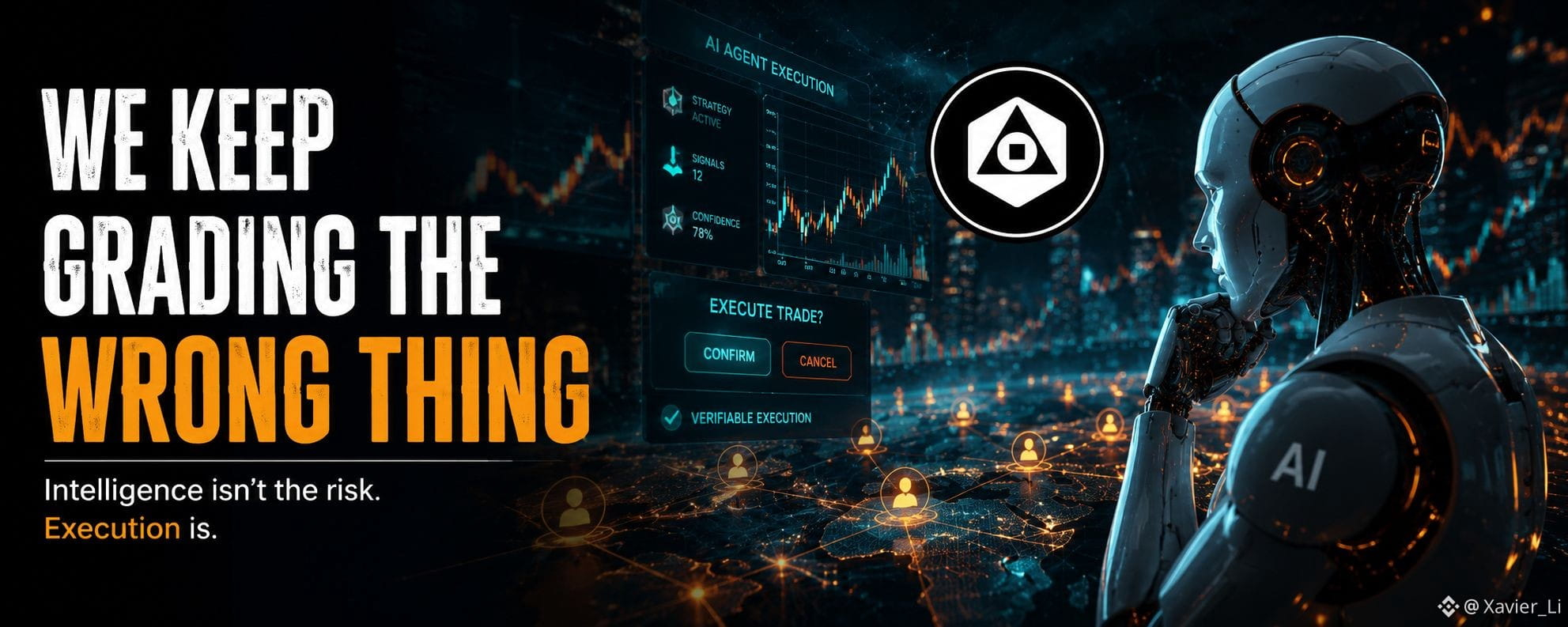
We Keep Grading the Wrong Thing@NewtonProtocol
There's a habit I can't shake after watching this space long enough. Whenever something new arrives, we immediately start scoring the wrong part of it. We measure the flash and ignore the wiring. And right now, with AI and crypto finally leaning into each other, I catch myself doing it too staring at how smart the agents are getting, when the question that actually matters is quieter and further down.
Because here's the thing nobody really wants to dwell on. It's not that hard anymore to build something that can decide. Models can generate a trading thesis, weigh a dozen signals, spit out a plan that sounds coherent. That part has gotten almost mundane. The hard part was never the deciding. It's what happens in the half-second after the decision, when that thought has to become an action that touches real money.
And it gets stranger when it's not one agent, but many.
That's the piece I keep turning over lately. We talk about autonomous agents like they're solo actors, each one reasoning in a clean room. But drop a few thousand of them into the same market, all executing, all reacting to each other's moves, and you get something closer to a crowd than a calculator. Crowds behave in ways no individual member intended. Software that's fine in isolation can become a feedback loop in aggregate. We've seen versions of this without AI flash crashes, liquidation cascades, and everyone’s clever strategy failing in the same direction at the same instant. Add agents that act faster than anyone can watch, and I'm not sure we've thought hard enough about the coordination problem underneath.
Which is a long way of saying: intelligence isn't the risk. Execution is. And shared execution, at speed, with money on the line, is a different animal from anything a single model does in a demo.
This is roughly where something like Newton Protocol enters the picture for me, and I want to be careful about how I say this, because I've talked myself into things before. The way I understand it, it's not really trying to win the "smartest agent" contest. It's more concerned with the ground the agents stand on a rollup where AI strategies actually run, where developers can put their agents out into the open and let them execute, but where the execution itself is meant to be verifiable rather than taken on faith. The interesting bet, if there is one, isn't the intelligence. It's the idea that the layer beneath the intelligence is the thing worth getting right.
But I hold that at arm's length, because I've watched "verifiable" and "secure" get stretched thin before. You can prove that an agent did exactly what it did. You still can't prove it should have. You can make execution transparent and auditable and still be left staring at a pile-up that every individual agent contributed to honestly. Verification catches the lie. It doesn't catch the correlated mistake, the thing where everyone was right by their own logic and wrong together.
And then there's the part that's less technical and more human, which is the part I trust least in every cycle. Ownership and accountability. When a marketplace lets anyone deploy an agent that moves value, and that agent is used by strangers, and it fails in some conditions its author never tested who actually holds that? The developer? The platform? The person who pressed go? We keep building systems that distribute the acting while leaving the answering strangely undefined. That gap has never closed on its own. I don't know why this time would be different.
So I sit somewhere in the middle. Not dismissive, because the underlying instinct feels correct to me that the frontier is shifting from cognition to execution, from how well a thing thinks to how it's permitted to act and who can check its work. Not convinced, either, because the messiest problems here aren't ones infrastructure can fully absorb.
Maybe that's the honest place to end up. Not with a verdict. Just with a slightly reordered set of worries. We spent years asking whether the machines could think. We're only now starting to ask what we'll let them do once they can and I don't think we've decided yet who's watching when they do it.
#Newt $NEWT
{future}(NEWTUSDT)
We Keep Grading the Wrong Thing
@NewtonProtocol
There's a habit I can't shake after watching this space long enough. Whenever something new arrives, we immediately start scoring the wrong part of it. We measure the flash and ignore the wiring. And right now, with AI and crypto finally leaning into each other, I catch myself doing it too staring at how smart the agents are getting, when the question that actually matters is quieter and further down.
Because here's the thing nobody really wants to dwell on. It's not that hard anymore to build something that can decide. Models can generate a trading thesis, weigh a dozen signals, spit out a plan that sounds coherent. That part has gotten almost mundane. The hard part was never the deciding. It's what happens in the half-second after the decision, when that thought has to become an action that touches real money.
And it gets stranger when it's not one agent, but many.
That's the piece I keep turning over lately. We talk about autonomous agents like they're solo actors, each one reasoning in a clean room. But drop a few thousand of them into the same market, all executing, all reacting to each other's moves, and you get something closer to a crowd than a calculator. Crowds behave in ways no individual member intended. Software that's fine in isolation can become a feedback loop in aggregate. We've seen versions of this without AI flash crashes, liquidation cascades, and everyone’s clever strategy failing in the same direction at the same instant. Add agents that act faster than anyone can watch, and I'm not sure we've thought hard enough about the coordination problem underneath.
Which is a long way of saying: intelligence isn't the risk. Execution is. And shared execution, at speed, with money on the line, is a different animal from anything a single model does in a demo.
This is roughly where something like Newton Protocol enters the picture for me, and I want to be careful about how I say this, because I've talked myself into things before. The way I understand it, it's not really trying to win the "smartest agent" contest. It's more concerned with the ground the agents stand on a rollup where AI strategies actually run, where developers can put their agents out into the open and let them execute, but where the execution itself is meant to be verifiable rather than taken on faith. The interesting bet, if there is one, isn't the intelligence. It's the idea that the layer beneath the intelligence is the thing worth getting right.
But I hold that at arm's length, because I've watched "verifiable" and "secure" get stretched thin before. You can prove that an agent did exactly what it did. You still can't prove it should have. You can make execution transparent and auditable and still be left staring at a pile-up that every individual agent contributed to honestly. Verification catches the lie. It doesn't catch the correlated mistake, the thing where everyone was right by their own logic and wrong together.
And then there's the part that's less technical and more human, which is the part I trust least in every cycle. Ownership and accountability. When a marketplace lets anyone deploy an agent that moves value, and that agent is used by strangers, and it fails in some conditions its author never tested who actually holds that? The developer? The platform? The person who pressed go? We keep building systems that distribute the acting while leaving the answering strangely undefined. That gap has never closed on its own. I don't know why this time would be different.
So I sit somewhere in the middle. Not dismissive, because the underlying instinct feels correct to me that the frontier is shifting from cognition to execution, from how well a thing thinks to how it's permitted to act and who can check its work. Not convinced, either, because the messiest problems here aren't ones infrastructure can fully absorb.
Maybe that's the honest place to end up. Not with a verdict. Just with a slightly reordered set of worries. We spent years asking whether the machines could think. We're only now starting to ask what we'll let them do once they can and I don't think we've decided yet who's watching when they do it.
#Newt $NEWT
There's a habit I can't shake after watching this space long enough. Whenever something new arrives, we immediately start scoring the wrong part of it. We measure the flash and ignore the wiring. And right now, with AI and crypto finally leaning into each other, I catch myself doing it too staring at how smart the agents are getting, when the question that actually matters is quieter and further down.
Because here's the thing nobody really wants to dwell on. It's not that hard anymore to build something that can decide. Models can generate a trading thesis, weigh a dozen signals, spit out a plan that sounds coherent. That part has gotten almost mundane. The hard part was never the deciding. It's what happens in the half-second after the decision, when that thought has to become an action that touches real money.
And it gets stranger when it's not one agent, but many.
That's the piece I keep turning over lately. We talk about autonomous agents like they're solo actors, each one reasoning in a clean room. But drop a few thousand of them into the same market, all executing, all reacting to each other's moves, and you get something closer to a crowd than a calculator. Crowds behave in ways no individual member intended. Software that's fine in isolation can become a feedback loop in aggregate. We've seen versions of this without AI flash crashes, liquidation cascades, and everyone’s clever strategy failing in the same direction at the same instant. Add agents that act faster than anyone can watch, and I'm not sure we've thought hard enough about the coordination problem underneath.
Which is a long way of saying: intelligence isn't the risk. Execution is. And shared execution, at speed, with money on the line, is a different animal from anything a single model does in a demo.
This is roughly where something like Newton Protocol enters the picture for me, and I want to be careful about how I say this, because I've talked myself into things before. The way I understand it, it's not really trying to win the "smartest agent" contest. It's more concerned with the ground the agents stand on a rollup where AI strategies actually run, where developers can put their agents out into the open and let them execute, but where the execution itself is meant to be verifiable rather than taken on faith. The interesting bet, if there is one, isn't the intelligence. It's the idea that the layer beneath the intelligence is the thing worth getting right.
But I hold that at arm's length, because I've watched "verifiable" and "secure" get stretched thin before. You can prove that an agent did exactly what it did. You still can't prove it should have. You can make execution transparent and auditable and still be left staring at a pile-up that every individual agent contributed to honestly. Verification catches the lie. It doesn't catch the correlated mistake, the thing where everyone was right by their own logic and wrong together.
And then there's the part that's less technical and more human, which is the part I trust least in every cycle. Ownership and accountability. When a marketplace lets anyone deploy an agent that moves value, and that agent is used by strangers, and it fails in some conditions its author never tested who actually holds that? The developer? The platform? The person who pressed go? We keep building systems that distribute the acting while leaving the answering strangely undefined. That gap has never closed on its own. I don't know why this time would be different.
So I sit somewhere in the middle. Not dismissive, because the underlying instinct feels correct to me that the frontier is shifting from cognition to execution, from how well a thing thinks to how it's permitted to act and who can check its work. Not convinced, either, because the messiest problems here aren't ones infrastructure can fully absorb.
Maybe that's the honest place to end up. Not with a verdict. Just with a slightly reordered set of worries. We spent years asking whether the machines could think. We're only now starting to ask what we'll let them do once they can and I don't think we've decided yet who's watching when they do it.
#Newt $NEWT
8
132
·
--
උසබ තත්ත්වය
පරිවර්තනය බලන්න
@NewtonProtocol
Funny how the loudest part of a new story is usually the least important. Everyone's talking about how capable these AI agents are getting. I keep getting stuck a step behind that, on something duller.
We've handed software our money before. Automated it, scheduled it, let scripts run. But we always knew, more or less, what the script would do. An agent is different. It decides. And delegating a decision is not the same as delegating a task. The old trust question was "will this run correctly." The new one is "should I have let it choose at all."
That shift bothers me more than the capability does. Because capability keeps improving and nobody's really arguing about that anymore. What barely gets discussed is what an autonomous thing is permitted to do once it's loose in a live market, and who's actually standing behind it when it moves.
I've seen Newton Protocol talked about as a place where these agents run and execute and if there's anything worth watching, it's that framing. Less about the thinking, more about the rails under it.
Whether rails hold when everyone's running at once, I don't know. That part never really gets tested until it's too late to ask.
#newt $NEWT
{future}(NEWTUSDT)
What should AI agents earn before more autonomy?
@NewtonProtocol
Funny how the loudest part of a new story is usually the least important. Everyone's talking about how capable these AI agents are getting. I keep getting stuck a step behind that, on something duller.
We've handed software our money before. Automated it, scheduled it, let scripts run. But we always knew, more or less, what the script would do. An agent is different. It decides. And delegating a decision is not the same as delegating a task. The old trust question was "will this run correctly." The new one is "should I have let it choose at all."
That shift bothers me more than the capability does. Because capability keeps improving and nobody's really arguing about that anymore. What barely gets discussed is what an autonomous thing is permitted to do once it's loose in a live market, and who's actually standing behind it when it moves.
I've seen Newton Protocol talked about as a place where these agents run and execute and if there's anything worth watching, it's that framing. Less about the thinking, more about the rails under it.
Whether rails hold when everyone's running at once, I don't know. That part never really gets tested until it's too late to ask.
#newt $NEWT
What should AI agents earn before more autonomy?
Funny how the loudest part of a new story is usually the least important. Everyone's talking about how capable these AI agents are getting. I keep getting stuck a step behind that, on something duller.
We've handed software our money before. Automated it, scheduled it, let scripts run. But we always knew, more or less, what the script would do. An agent is different. It decides. And delegating a decision is not the same as delegating a task. The old trust question was "will this run correctly." The new one is "should I have let it choose at all."
That shift bothers me more than the capability does. Because capability keeps improving and nobody's really arguing about that anymore. What barely gets discussed is what an autonomous thing is permitted to do once it's loose in a live market, and who's actually standing behind it when it moves.
I've seen Newton Protocol talked about as a place where these agents run and execute and if there's anything worth watching, it's that framing. Less about the thinking, more about the rails under it.
Whether rails hold when everyone's running at once, I don't know. That part never really gets tested until it's too late to ask.
#newt $NEWT
What should AI agents earn before more autonomy?
Trust
100%
Better reasoning
0%
More speed
0%
Lower costs
0%
1 ඡන්ද • ඡන්දය අවසන්
4
142
·
--
ලිපිය
පරිවර්තනය බලන්න
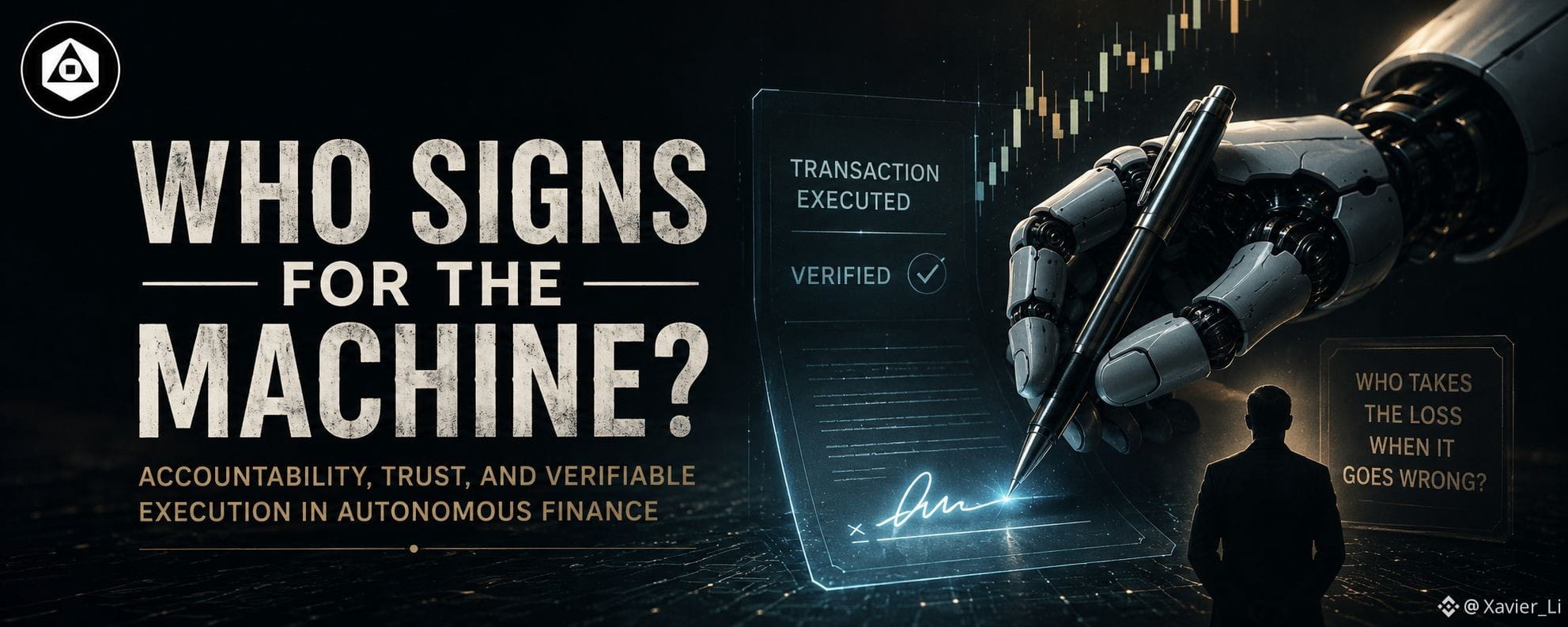
Who Signs for the Machine?@NewtonProtocol
There's a question I've started asking myself that I don't really have a comfortable answer for. When an autonomous agent makes a trade and it goes wrong badly wrong whose name is on it?
I don't mean legally. I mean in the honest sense. Who actually owns that decision?
I've been sitting with this longer than I'd like to admit, and it keeps getting stranger the more I turn it over. Because we've built decades of financial systems around the assumption that a human is somewhere in the loop. Signing. Approving. Bearing the weight of being wrong. That assumption is so deep we barely notice it anymore. And now we're quietly removing the human, and pretending the structure underneath still holds.
I'm not sure it does.
Here's what I keep noticing. The AI conversation has always been about capability. Can it reason? Can it plan? Can it outperform a person at some narrow task? And crypto's conversation has always been about ownership keys, custody, who controls what. Those two obsessions are colliding now, and the collision produces a question neither field was really built to answer. Not "can the machine decide," but "who is accountable when it acts."
Accountability is such an unglamorous word. Nobody builds a launch around it.
But I think it's the whole thing, honestly.
Because a strategy that lives inside a model is harmless. It's just math dreaming. The danger and the value only appears at the moment it executes. When the thinking becomes a signed transaction that moves real assets and can't be pulled back. That's the seam where everything either holds or tears, and it's the part almost nobody wants to talk about because it isn't exciting.
That's roughly the lens I bring to something like Newton Protocol. Not the promise of smarter agents I've grown tired of that promise, frankly. What catches my attention is the quieter framing underneath it. The idea that the marketplace where developers deploy and share and monetize their agents can't just be about who has the cleverest strategy. It has to be about whether anyone can verify what those strategies actually did. A secure execution layer, a rollup that treats the act of doing as the risk worth managing, rather than an afterthought bolted on later.
I want to be careful here, though. I'm not convinced.
Because the moment you build a marketplace of autonomous agents, you've created a mess of incentives that's genuinely hard to reason about. A developer profits when their agent gets used. But the person running it carries the loss when it fails. And the infrastructure sits in between, having permitted the whole thing. When those incentives point in three different directions, verification stops being a technical nicety and becomes the only thing keeping the whole arrangement honest.
I've seen what happens when verification is treated as optional. It works fine right up until it doesn't.
And it never fails in the calm. That's the part that unsettles me. You test these systems in gentle conditions, everything behaves, and everyone nods. Then the market convulses liquidity vanishes, prices gap, a hundred agents all react to the same signal in the same second and you finally learn what you actually built. Infrastructure only tells you the truth under stress. The rest of the time it's just telling you what you want to hear.
So maybe the real shift isn't about intelligence at all. Maybe we've been staring at the wrong variable. The question was never how well the agent thinks. It's how it's allowed to act, who gets to check its work, and whether there's any layer left standing that we can genuinely trust once the humans step back from the signing.
I catch myself almost believing that's the direction things are heading. That trust in autonomous finance will come from execution and proof rather than from bigger, bolder models.
Then I remember how these narratives usually go. Secure and accountable rarely wins attention. Fast and impressive does. And the incentives in this space have a way of drifting toward whatever gets funded, not whatever holds up.
So I keep landing back in the same uncertain place. We're building machines that can act on their own, and we still haven't agreed on who answers for what they do. Maybe the infrastructure figures it out before the volatility does.
Or maybe we find out the hard way, the way we usually do, and only then start asking who was supposed to be signing all along.
I don't know. I'm still turning it over.
#Newt $NEWT
{future}(NEWTUSDT)
Who Signs for the Machine?
@NewtonProtocol
There's a question I've started asking myself that I don't really have a comfortable answer for. When an autonomous agent makes a trade and it goes wrong badly wrong whose name is on it?
I don't mean legally. I mean in the honest sense. Who actually owns that decision?
I've been sitting with this longer than I'd like to admit, and it keeps getting stranger the more I turn it over. Because we've built decades of financial systems around the assumption that a human is somewhere in the loop. Signing. Approving. Bearing the weight of being wrong. That assumption is so deep we barely notice it anymore. And now we're quietly removing the human, and pretending the structure underneath still holds.
I'm not sure it does.
Here's what I keep noticing. The AI conversation has always been about capability. Can it reason? Can it plan? Can it outperform a person at some narrow task? And crypto's conversation has always been about ownership keys, custody, who controls what. Those two obsessions are colliding now, and the collision produces a question neither field was really built to answer. Not "can the machine decide," but "who is accountable when it acts."
Accountability is such an unglamorous word. Nobody builds a launch around it.
But I think it's the whole thing, honestly.
Because a strategy that lives inside a model is harmless. It's just math dreaming. The danger and the value only appears at the moment it executes. When the thinking becomes a signed transaction that moves real assets and can't be pulled back. That's the seam where everything either holds or tears, and it's the part almost nobody wants to talk about because it isn't exciting.
That's roughly the lens I bring to something like Newton Protocol. Not the promise of smarter agents I've grown tired of that promise, frankly. What catches my attention is the quieter framing underneath it. The idea that the marketplace where developers deploy and share and monetize their agents can't just be about who has the cleverest strategy. It has to be about whether anyone can verify what those strategies actually did. A secure execution layer, a rollup that treats the act of doing as the risk worth managing, rather than an afterthought bolted on later.
I want to be careful here, though. I'm not convinced.
Because the moment you build a marketplace of autonomous agents, you've created a mess of incentives that's genuinely hard to reason about. A developer profits when their agent gets used. But the person running it carries the loss when it fails. And the infrastructure sits in between, having permitted the whole thing. When those incentives point in three different directions, verification stops being a technical nicety and becomes the only thing keeping the whole arrangement honest.
I've seen what happens when verification is treated as optional. It works fine right up until it doesn't.
And it never fails in the calm. That's the part that unsettles me. You test these systems in gentle conditions, everything behaves, and everyone nods. Then the market convulses liquidity vanishes, prices gap, a hundred agents all react to the same signal in the same second and you finally learn what you actually built. Infrastructure only tells you the truth under stress. The rest of the time it's just telling you what you want to hear.
So maybe the real shift isn't about intelligence at all. Maybe we've been staring at the wrong variable. The question was never how well the agent thinks. It's how it's allowed to act, who gets to check its work, and whether there's any layer left standing that we can genuinely trust once the humans step back from the signing.
I catch myself almost believing that's the direction things are heading. That trust in autonomous finance will come from execution and proof rather than from bigger, bolder models.
Then I remember how these narratives usually go. Secure and accountable rarely wins attention. Fast and impressive does. And the incentives in this space have a way of drifting toward whatever gets funded, not whatever holds up.
So I keep landing back in the same uncertain place. We're building machines that can act on their own, and we still haven't agreed on who answers for what they do. Maybe the infrastructure figures it out before the volatility does.
Or maybe we find out the hard way, the way we usually do, and only then start asking who was supposed to be signing all along.
I don't know. I'm still turning it over.
#Newt $NEWT
There's a question I've started asking myself that I don't really have a comfortable answer for. When an autonomous agent makes a trade and it goes wrong badly wrong whose name is on it?
I don't mean legally. I mean in the honest sense. Who actually owns that decision?
I've been sitting with this longer than I'd like to admit, and it keeps getting stranger the more I turn it over. Because we've built decades of financial systems around the assumption that a human is somewhere in the loop. Signing. Approving. Bearing the weight of being wrong. That assumption is so deep we barely notice it anymore. And now we're quietly removing the human, and pretending the structure underneath still holds.
I'm not sure it does.
Here's what I keep noticing. The AI conversation has always been about capability. Can it reason? Can it plan? Can it outperform a person at some narrow task? And crypto's conversation has always been about ownership keys, custody, who controls what. Those two obsessions are colliding now, and the collision produces a question neither field was really built to answer. Not "can the machine decide," but "who is accountable when it acts."
Accountability is such an unglamorous word. Nobody builds a launch around it.
But I think it's the whole thing, honestly.
Because a strategy that lives inside a model is harmless. It's just math dreaming. The danger and the value only appears at the moment it executes. When the thinking becomes a signed transaction that moves real assets and can't be pulled back. That's the seam where everything either holds or tears, and it's the part almost nobody wants to talk about because it isn't exciting.
That's roughly the lens I bring to something like Newton Protocol. Not the promise of smarter agents I've grown tired of that promise, frankly. What catches my attention is the quieter framing underneath it. The idea that the marketplace where developers deploy and share and monetize their agents can't just be about who has the cleverest strategy. It has to be about whether anyone can verify what those strategies actually did. A secure execution layer, a rollup that treats the act of doing as the risk worth managing, rather than an afterthought bolted on later.
I want to be careful here, though. I'm not convinced.
Because the moment you build a marketplace of autonomous agents, you've created a mess of incentives that's genuinely hard to reason about. A developer profits when their agent gets used. But the person running it carries the loss when it fails. And the infrastructure sits in between, having permitted the whole thing. When those incentives point in three different directions, verification stops being a technical nicety and becomes the only thing keeping the whole arrangement honest.
I've seen what happens when verification is treated as optional. It works fine right up until it doesn't.
And it never fails in the calm. That's the part that unsettles me. You test these systems in gentle conditions, everything behaves, and everyone nods. Then the market convulses liquidity vanishes, prices gap, a hundred agents all react to the same signal in the same second and you finally learn what you actually built. Infrastructure only tells you the truth under stress. The rest of the time it's just telling you what you want to hear.
So maybe the real shift isn't about intelligence at all. Maybe we've been staring at the wrong variable. The question was never how well the agent thinks. It's how it's allowed to act, who gets to check its work, and whether there's any layer left standing that we can genuinely trust once the humans step back from the signing.
I catch myself almost believing that's the direction things are heading. That trust in autonomous finance will come from execution and proof rather than from bigger, bolder models.
Then I remember how these narratives usually go. Secure and accountable rarely wins attention. Fast and impressive does. And the incentives in this space have a way of drifting toward whatever gets funded, not whatever holds up.
So I keep landing back in the same uncertain place. We're building machines that can act on their own, and we still haven't agreed on who answers for what they do. Maybe the infrastructure figures it out before the volatility does.
Or maybe we find out the hard way, the way we usually do, and only then start asking who was supposed to be signing all along.
I don't know. I'm still turning it over.
#Newt $NEWT
22
5
92
·
--
උසබ තත්ත්වය
පරිවර්තනය බලන්න
@NewtonProtocol
I keep getting stuck on the same thing, and it's not the part everyone's excited about. We spent years asking whether AI could think well enough. Somewhere along the way we skipped the harder question what happens when it's allowed to act.
Because a smart strategy sitting inside a model is harmless. It's just math dreaming. The trouble starts the moment it becomes a signed transaction that moves real value and can't be undone. That seam, between deciding and doing, is the part nobody wants to talk about.
It's not exciting. It's plumbing. And plumbing only tells you the truth when the market breaks.
That's roughly the angle I bring to something like Newton Protocol. Not the promise of cleverer agents I'm tired of that promise. What catches me is the quieter idea underneath: that if developers are going to deploy and share and monetize these agents, someone has to verify what they actually did. Execution as the risk worth watching, not an afterthought.
I want to believe that's where attention is finally moving. Toward proof instead of intelligence.
Then I remember how these narratives usually drift. Fast and impressive gets funded. Accountable rarely does.
So I don't know. We're handing machines permission to move money, and still can't say who answers when they're wrong.
Still turning it over.
#newt $NEWT
{future}(NEWTUSDT)
What matters most when AI agents can move real value?
@NewtonProtocol
I keep getting stuck on the same thing, and it's not the part everyone's excited about. We spent years asking whether AI could think well enough. Somewhere along the way we skipped the harder question what happens when it's allowed to act.
Because a smart strategy sitting inside a model is harmless. It's just math dreaming. The trouble starts the moment it becomes a signed transaction that moves real value and can't be undone. That seam, between deciding and doing, is the part nobody wants to talk about.
It's not exciting. It's plumbing. And plumbing only tells you the truth when the market breaks.
That's roughly the angle I bring to something like Newton Protocol. Not the promise of cleverer agents I'm tired of that promise. What catches me is the quieter idea underneath: that if developers are going to deploy and share and monetize these agents, someone has to verify what they actually did. Execution as the risk worth watching, not an afterthought.
I want to believe that's where attention is finally moving. Toward proof instead of intelligence.
Then I remember how these narratives usually drift. Fast and impressive gets funded. Accountable rarely does.
So I don't know. We're handing machines permission to move money, and still can't say who answers when they're wrong.
Still turning it over.
#newt $NEWT
What matters most when AI agents can move real value?
I keep getting stuck on the same thing, and it's not the part everyone's excited about. We spent years asking whether AI could think well enough. Somewhere along the way we skipped the harder question what happens when it's allowed to act.
Because a smart strategy sitting inside a model is harmless. It's just math dreaming. The trouble starts the moment it becomes a signed transaction that moves real value and can't be undone. That seam, between deciding and doing, is the part nobody wants to talk about.
It's not exciting. It's plumbing. And plumbing only tells you the truth when the market breaks.
That's roughly the angle I bring to something like Newton Protocol. Not the promise of cleverer agents I'm tired of that promise. What catches me is the quieter idea underneath: that if developers are going to deploy and share and monetize these agents, someone has to verify what they actually did. Execution as the risk worth watching, not an afterthought.
I want to believe that's where attention is finally moving. Toward proof instead of intelligence.
Then I remember how these narratives usually drift. Fast and impressive gets funded. Accountable rarely does.
So I don't know. We're handing machines permission to move money, and still can't say who answers when they're wrong.
Still turning it over.
#newt $NEWT
What matters most when AI agents can move real value?
✅ Verifiable execution
100%
🔒 Strong permissions
0%
⚡ Faster decisions
0%
🧠 Smarter AI
0%
2 ඡන්ද • ඡන්දය අවසන්
8
1
113
·
--
පරිවර්තනය බලන්න
🤔 The more I research Web3, the less I believe the headline tells the real story.
Sometimes the most valuable insight is buried where very few people look.
Have you ever changed your opinion about a project after digging deeper? 👇
🤔 The more I research Web3, the less I believe the headline tells the real story.
Sometimes the most valuable insight is buried where very few people look.
Have you ever changed your opinion about a project after digging deeper? 👇
Sometimes the most valuable insight is buried where very few people look.
Have you ever changed your opinion about a project after digging deeper? 👇
169
·
--
පරිවර්තනය බලන්න
🧠 One thing I've changed this year...
I stopped judging Web3 projects by their headlines.
While researching @NewtonProtocol , I realized the most interesting ideas are usually hidden beneath the surface—not in the announcement itself, but in how the system is actually designed.
That changed the way I research every project.
Now I spend more time understanding the architecture than reading the marketing.
Some insights simply can't fit into a single post, which is why I often turn them into full CreatorPad articles. ✍️
💬 Has any crypto project ever changed your perspective after you researched it more deeply?
I'd genuinely like to hear your thoughts. 👇
What matters most in AI + Web3?
🧠 One thing I've changed this year...
I stopped judging Web3 projects by their headlines.
While researching @NewtonProtocol , I realized the most interesting ideas are usually hidden beneath the surface—not in the announcement itself, but in how the system is actually designed.
That changed the way I research every project.
Now I spend more time understanding the architecture than reading the marketing.
Some insights simply can't fit into a single post, which is why I often turn them into full CreatorPad articles. ✍️
💬 Has any crypto project ever changed your perspective after you researched it more deeply?
I'd genuinely like to hear your thoughts. 👇
What matters most in AI + Web3?
I stopped judging Web3 projects by their headlines.
While researching @NewtonProtocol , I realized the most interesting ideas are usually hidden beneath the surface—not in the announcement itself, but in how the system is actually designed.
That changed the way I research every project.
Now I spend more time understanding the architecture than reading the marketing.
Some insights simply can't fit into a single post, which is why I often turn them into full CreatorPad articles. ✍️
💬 Has any crypto project ever changed your perspective after you researched it more deeply?
I'd genuinely like to hear your thoughts. 👇
What matters most in AI + Web3?
✅ User control
0%
🔒 Security
0%
⚡ Speed
0%
🤖 Smarter AI
0%
0 ඡන්ද • ඡන්දය අවසන්
2
99
·
--
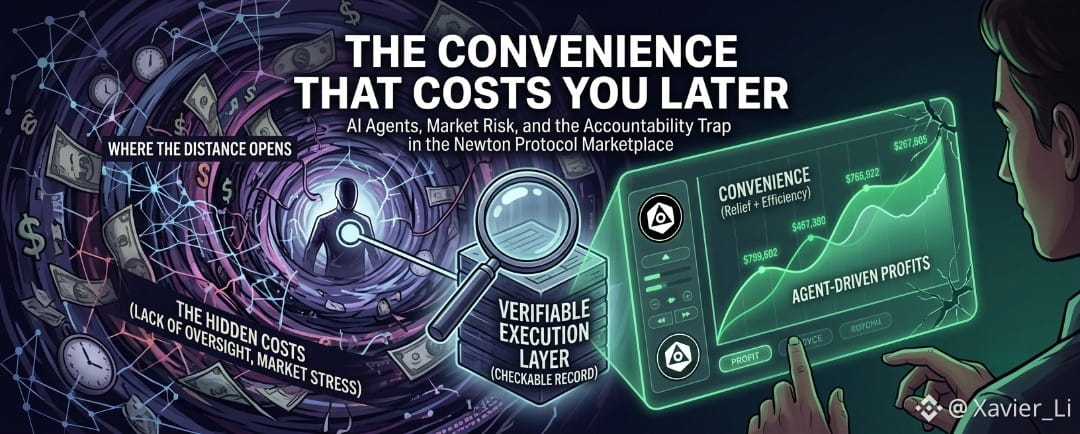
ලිපිය
ඔබට පසුව වියදම් වන පහසුව@NewtonProtocol
මගේ ජීවිතය පහසු කරලා දෙන්න යන හැම දෙයක්ම—ඒකෙන් මට යමක් ආපස්සට ඉල්ලන්නේ නැතුව—මම සම්පූර්ණයෙන්ම විශ්වාස කරන්නේ නැහැ. එම instinct එක මාව වරකට වඩා ගලවාගෙන තිබුණා. මම දැන් දකින්නේ ඒක නැවතත් දැල්වෙමින් පවතින බව—මෙහෙයුම් AI සහ crypto එකට එකතුවෙන්න පටන්ගන්න තැනේ, හොඳටම හිතට නොනැගෙන ලෙස, අමුතු කොනකින්.
මට සෙමින් ඒකට යන්න දෙන්න, මොකද මම ඇත්තටම මොනවද හිතන්නේ කියලා තවමත් සම්පූර්ණයෙන්ම විශ්වාස නැති නිසා.
ස්වයංක්රීයකරණය හැමවිටම තමන්ම එමම ආකාරයෙන් තමන්වම විකුණාගෙන ඇත. මට කම්කටොළු සහිත කොටස දෙන්න. මට චාට් බලන්න, ඇණවුම් කරන්න, ඔබට හැකි වීමට පෙරම වේගයෙන් ප්රතිචාර දක්වන්න. ඒවෙලාවට එය හොඳ පාරාජයක්—අල්පසහිත කොටස ඇත්තටම කම්කටොළු සහිත නිසාත්, යන්ත්රය ඇත්තටම වේගවත් නිසාත්. මම පෙරත් ස්වයංක්රීය පද්ධතිවලට දේවල් බාර දීලා, අතේ තබාගෙන ඉන්න එක අඩුවීමෙන් එන කුඩා සහනයක් දැනගෙන තිබුණා. ඒ සහනය සැබෑ. එයම තමයි, මම ඉගෙනගත්ත විදිහට—තව අඩුවෙන් බලාගෙන නොසිටින්න, ඒ අග වෙලාවේම තදින් අවධානය දෙන්න ඕන මොහොත.
ඔබට පසුව වියදම් වන පහසුව
@NewtonProtocol
මගේ ජීවිතය පහසු කරලා දෙන්න යන හැම දෙයක්ම—ඒකෙන් මට යමක් ආපස්සට ඉල්ලන්නේ නැතුව—මම සම්පූර්ණයෙන්ම විශ්වාස කරන්නේ නැහැ. එම instinct එක මාව වරකට වඩා ගලවාගෙන තිබුණා. මම දැන් දකින්නේ ඒක නැවතත් දැල්වෙමින් පවතින බව—මෙහෙයුම් AI සහ crypto එකට එකතුවෙන්න පටන්ගන්න තැනේ, හොඳටම හිතට නොනැගෙන ලෙස, අමුතු කොනකින්.
මට සෙමින් ඒකට යන්න දෙන්න, මොකද මම ඇත්තටම මොනවද හිතන්නේ කියලා තවමත් සම්පූර්ණයෙන්ම විශ්වාස නැති නිසා.
ස්වයංක්රීයකරණය හැමවිටම තමන්ම එමම ආකාරයෙන් තමන්වම විකුණාගෙන ඇත. මට කම්කටොළු සහිත කොටස දෙන්න. මට චාට් බලන්න, ඇණවුම් කරන්න, ඔබට හැකි වීමට පෙරම වේගයෙන් ප්රතිචාර දක්වන්න. ඒවෙලාවට එය හොඳ පාරාජයක්—අල්පසහිත කොටස ඇත්තටම කම්කටොළු සහිත නිසාත්, යන්ත්රය ඇත්තටම වේගවත් නිසාත්. මම පෙරත් ස්වයංක්රීය පද්ධතිවලට දේවල් බාර දීලා, අතේ තබාගෙන ඉන්න එක අඩුවීමෙන් එන කුඩා සහනයක් දැනගෙන තිබුණා. ඒ සහනය සැබෑ. එයම තමයි, මම ඉගෙනගත්ත විදිහට—තව අඩුවෙන් බලාගෙන නොසිටින්න, ඒ අග වෙලාවේම තදින් අවධානය දෙන්න ඕන මොහොත.
මගේ ජීවිතය පහසු කරලා දෙන්න යන හැම දෙයක්ම—ඒකෙන් මට යමක් ආපස්සට ඉල්ලන්නේ නැතුව—මම සම්පූර්ණයෙන්ම විශ්වාස කරන්නේ නැහැ. එම instinct එක මාව වරකට වඩා ගලවාගෙන තිබුණා. මම දැන් දකින්නේ ඒක නැවතත් දැල්වෙමින් පවතින බව—මෙහෙයුම් AI සහ crypto එකට එකතුවෙන්න පටන්ගන්න තැනේ, හොඳටම හිතට නොනැගෙන ලෙස, අමුතු කොනකින්.
මට සෙමින් ඒකට යන්න දෙන්න, මොකද මම ඇත්තටම මොනවද හිතන්නේ කියලා තවමත් සම්පූර්ණයෙන්ම විශ්වාස නැති නිසා.
ස්වයංක්රීයකරණය හැමවිටම තමන්ම එමම ආකාරයෙන් තමන්වම විකුණාගෙන ඇත. මට කම්කටොළු සහිත කොටස දෙන්න. මට චාට් බලන්න, ඇණවුම් කරන්න, ඔබට හැකි වීමට පෙරම වේගයෙන් ප්රතිචාර දක්වන්න. ඒවෙලාවට එය හොඳ පාරාජයක්—අල්පසහිත කොටස ඇත්තටම කම්කටොළු සහිත නිසාත්, යන්ත්රය ඇත්තටම වේගවත් නිසාත්. මම පෙරත් ස්වයංක්රීය පද්ධතිවලට දේවල් බාර දීලා, අතේ තබාගෙන ඉන්න එක අඩුවීමෙන් එන කුඩා සහනයක් දැනගෙන තිබුණා. ඒ සහනය සැබෑ. එයම තමයි, මම ඉගෙනගත්ත විදිහට—තව අඩුවෙන් බලාගෙන නොසිටින්න, ඒ අග වෙලාවේම තදින් අවධානය දෙන්න ඕන මොහොත.
14
1
89
·
--
උසබ තත්ත්වය
පරිවර්තනය බලන්න
@NewtonProtocol
Something's been nagging at me about speed. We keep celebrating how fast these agents can act, but I've started to wonder whether fast is the thing we actually want from something moving real money. Fast is great when it's right. Fast is a disaster when it's wrong, and it's wrong before you can blink.
I've watched enough automated systems to know that the failures don't announce themselves. They happen quietly, in the gap between the decision and the moment anyone notices. A human hesitates. That hesitation is sometimes the only safety we had, and we're busy engineering it out.
That's roughly the discomfort Newton Protocol seems to be sitting near. Not making agents quicker or sharper, but the layer underneath, where an action can actually be checked before it just becomes fact. The unglamorous part. The part that never gets the attention the intelligence does.
But I won't pretend that resolves it. A verifiable layer still runs at machine speed, and checking after the fact isn't the same as catching it in time. Markets don't pause so anyone can look.
Maybe the real question was never how smart or how fast these systems get. Maybe it's whether we've built anything underneath them worth trusting when they're moving faster than we can follow.
I keep circling it, no closer to done.
#newt $NEWT
{future}(NEWTUSDT)
@NewtonProtocol
Something's been nagging at me about speed. We keep celebrating how fast these agents can act, but I've started to wonder whether fast is the thing we actually want from something moving real money. Fast is great when it's right. Fast is a disaster when it's wrong, and it's wrong before you can blink.
I've watched enough automated systems to know that the failures don't announce themselves. They happen quietly, in the gap between the decision and the moment anyone notices. A human hesitates. That hesitation is sometimes the only safety we had, and we're busy engineering it out.
That's roughly the discomfort Newton Protocol seems to be sitting near. Not making agents quicker or sharper, but the layer underneath, where an action can actually be checked before it just becomes fact. The unglamorous part. The part that never gets the attention the intelligence does.
But I won't pretend that resolves it. A verifiable layer still runs at machine speed, and checking after the fact isn't the same as catching it in time. Markets don't pause so anyone can look.
Maybe the real question was never how smart or how fast these systems get. Maybe it's whether we've built anything underneath them worth trusting when they're moving faster than we can follow.
I keep circling it, no closer to done.
#newt $NEWT
Something's been nagging at me about speed. We keep celebrating how fast these agents can act, but I've started to wonder whether fast is the thing we actually want from something moving real money. Fast is great when it's right. Fast is a disaster when it's wrong, and it's wrong before you can blink.
I've watched enough automated systems to know that the failures don't announce themselves. They happen quietly, in the gap between the decision and the moment anyone notices. A human hesitates. That hesitation is sometimes the only safety we had, and we're busy engineering it out.
That's roughly the discomfort Newton Protocol seems to be sitting near. Not making agents quicker or sharper, but the layer underneath, where an action can actually be checked before it just becomes fact. The unglamorous part. The part that never gets the attention the intelligence does.
But I won't pretend that resolves it. A verifiable layer still runs at machine speed, and checking after the fact isn't the same as catching it in time. Markets don't pause so anyone can look.
Maybe the real question was never how smart or how fast these systems get. Maybe it's whether we've built anything underneath them worth trusting when they're moving faster than we can follow.
I keep circling it, no closer to done.
#newt $NEWT
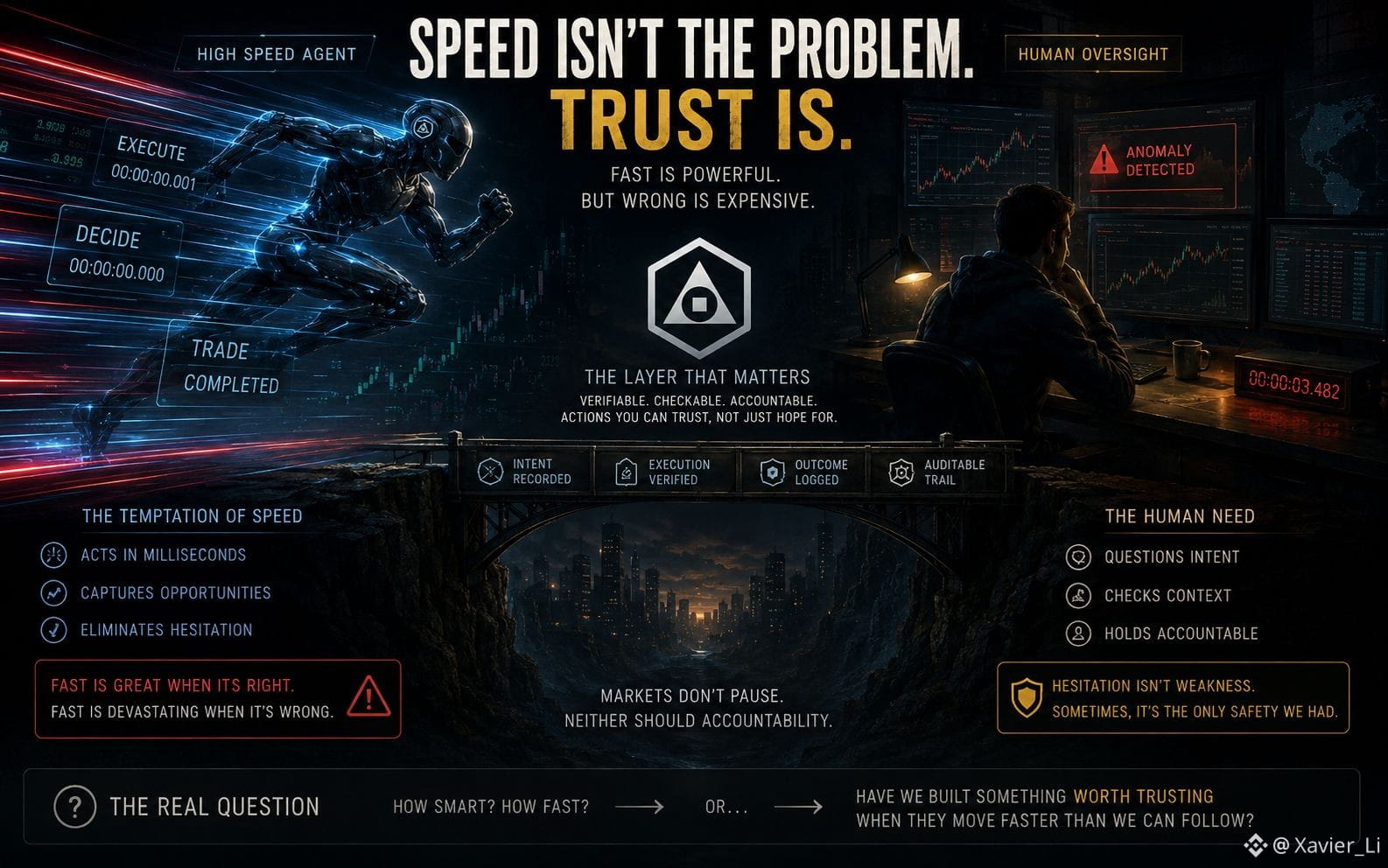
14
1
151
තවත් අන්තර්ගතයන් ගවේෂණය කිරීමට ඇතුල් වන්න
Binance චතුරශ්රය හි ගෝලීය ක්රිප්ටෝ පරිශීලකයින් හා එක්වන්න
⚡️ ක්රිප්ටෝ පිළිබඳ නවතම සහ ප්රයෝජනවත් තොරතුරු ලබා ගන්න.
💬 ලොව විශාලතම ක්රිප්ටෝ හුවමාරුව මගින් විශ්වාස කෙරේ.
👍 සත්යායනය කරන ලද නිර්මාණකරුවන්ගෙන් සැබෑ විදසුන් සොයා ගන්න.
විද්යුත් තැපෑල / දුරකථන අංකය
නැගී එන මාතෘකා
FedRateWatch
654,634 views
3,059 සාකච්ඡා කරමින්
எங்கள் டிரெண்டிங் ஹாஷ்டாக் பிரச்சாரத்தில் போக்குவரத்து ரிவார்டை பகிர்ந்து வெல்லுங்கள்
✨தலைப்பு: FOMC செப்டம்பர், பெடின் அடுத்த நடவடிக்கை என்ன?
👉சேருவது எப்படி:
ஹாஷ்டாக் #FedRateWatch உடன் ஒரு குறுகிய பதிவையோ அல்லது கட்டுரையையோ வெளியிடுங்கள்
கீழுள்ள கோணங்களின் அடிப்படையில் உள்ளடக்கத்தை உருவாக்குங்கள்:
- ஆகஸ்ட் கோர் CPI மாதந்தோறும் 0.3% உயர்ந்தது; இந்த வாரம் 25bp உயர்வுக்கான வாய்ப்புகள் இப்போது சுமார் 90% ஆக உள்ளன. இந்த வாரம் வட்டி உயர்வு நடக்குமென நீங்கள் எதிர்பார்க்கிறீர்களா? அது ஒருமுறைதானா, அல்லது இன்னும் நீளமான வட்டி உயர்வு சுழற்சியின் தொடக்கமா?
- உயர்வு நடந்தால், BTC, டெக் பங்குகள், மற்றும் தங்கம் ஆகியவற்றுக்கு அது எப்படி தாக்கம் காட்டும்? உயர்ச்சியா அல்லது சரிவா?
- நீங்கள் அடுத்ததாக எப்படி டிரேடு செய்ய திட்டமிடுகிறீர்கள்? எங்களின் டிரேடு பகிர்வு வித்ஜெட்டின் மூலம் உங்கள் BTC, பங்குகள் அல்லது தங்க டிரேடு/உடைமைகளைப் பகிருங்கள்.
⏰பிரச்சார காலம்:
- 2026-09-15 11:00 - 2026-09-17 3:00 UTC
🎁ரிவார்டு:
- மேலுள்ள வழிகாட்டுதல்களுக்கு இணங்கவும் 100 வார்த்தைகளுக்கு மேல் உள்ள தகுதிபெற்ற பதிவுகள் மதிப்பாய்வு செய்யப்படும்; மேலும் 500 முதல் 3,000 பார்வைகள் வரை சீரற்ற (ரேண்டம்) போக்குவரத்து அதிகரிப்பு கிடைக்கலாம். உங்கள் பதிவு தேர்ந்தெடுக்கப்பட்டால், உங்கள் feed secretary மூலம் ஒரு அறிவிப்பு கிடைக்கும்.
- Binance Square Official-ல் உங்கள் கட்டுரை இடம்பெற வாய்ப்பு பெறுங்கள்
உங்கள் பதிவுக்கான யோசனைகள் வேண்டுமா? தலைப்புப் பக்கத்தை #FedRateWatch அல்லது Square Guide on How to Post for Better Reach-ஐ பாருங்கள்.
Binance Square Official
·413 කැමත්ත දැක්වීම්
·928.4k views
EthereumFallsBelow$2400
167 views
29 සාකච්ඡා කරමින්
USSenateBlocksClarityAct
1,145 views
78 සාකච්ඡා කරමින්