
Xaif-Crypto
7.7k පෝස්ටු

Xaif-Crypto
X @Xaif-Crypto | CQ verified analyst | Investor | Trader | In Cryptos since 2017 | BINANCE Creator | Youtuber
විවෘත වෙළෙඳාම

{ටෝකන්} දරන්නා
ඉඳහිට වෙළෙන්දා
{වේලාව} වසර
293 හඹා යමින්
9.2K+ හඹා යන්නන්
11.0K+ කැමති විය
පෝස්ටු
ආයෝජන කළඹ
සියල්ල
උපුටා දැක්වීම්
වීඩියෝ
අමුණා ඇත
First time experienced this so much tiltttt.
Im done with trading. 🥹
Im done with trading. 🥹

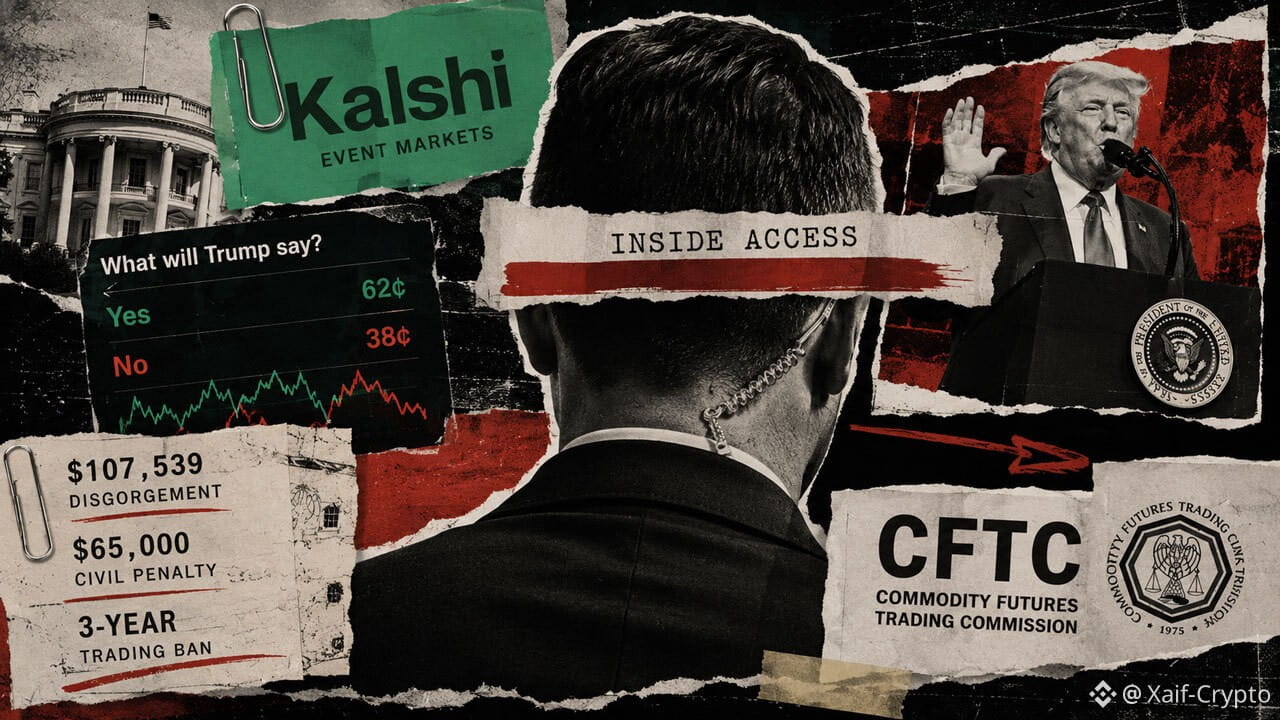
White House aide earned $107,000 by betting on the content of a secret speech before the CFTC intervened, highlighting how prediction markets can monetize insider information. This case underscores regulatory scrutiny over market manipulation and the need for clearer rules on political speech and financial speculation.
$XRP
$XRP
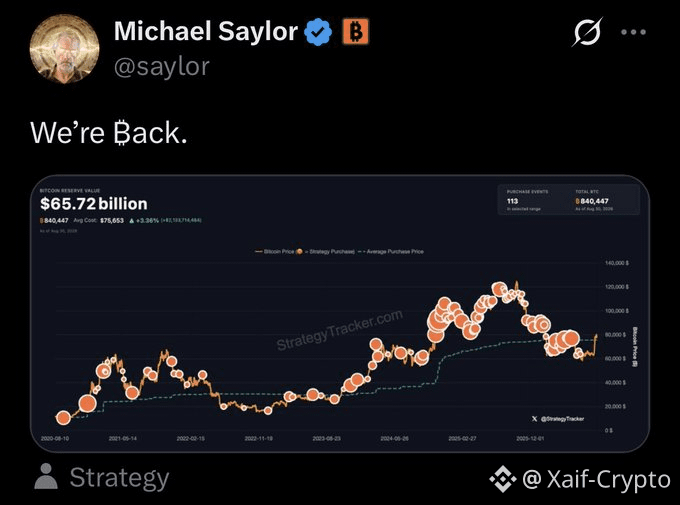
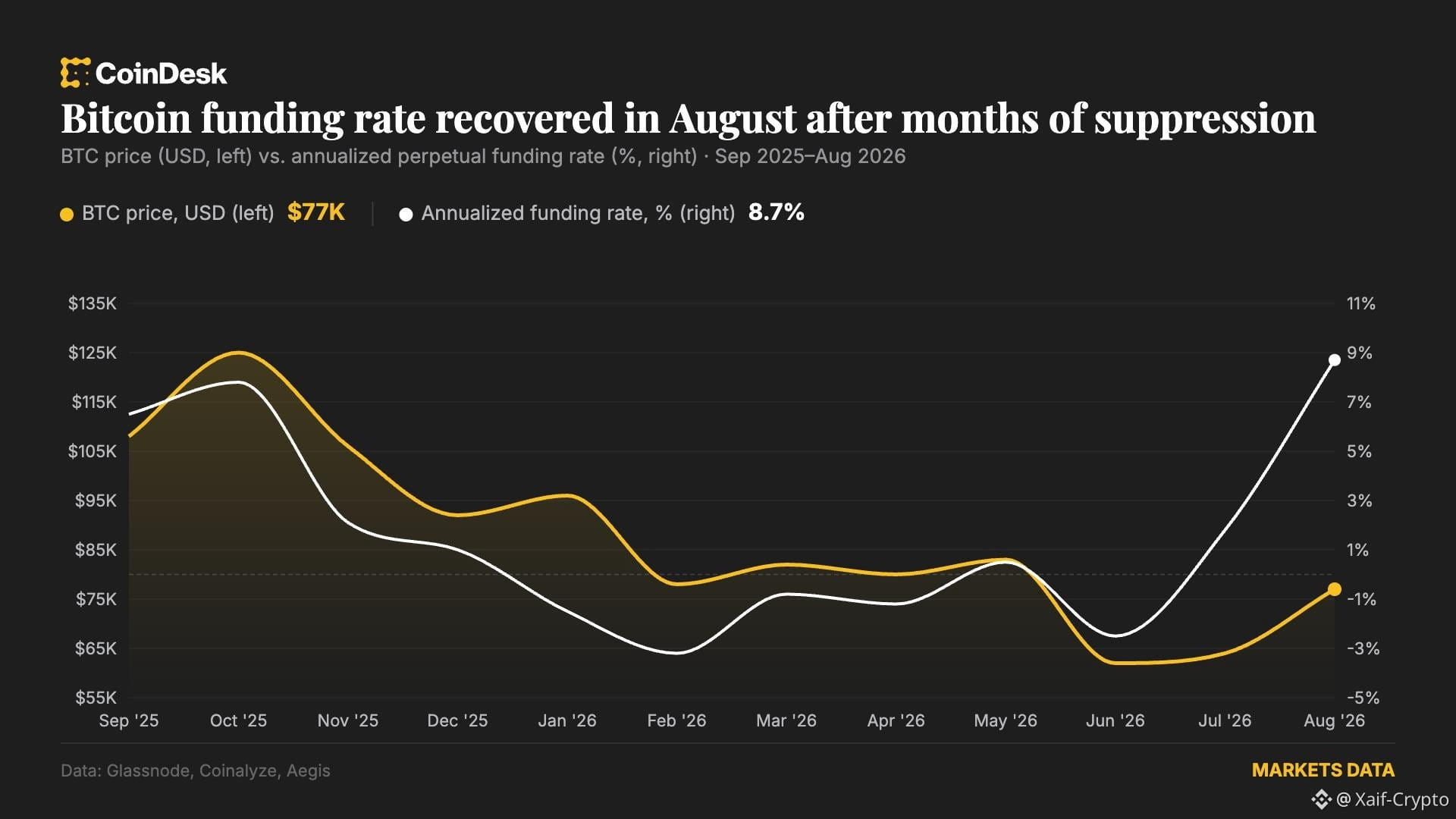
Crypto market makers are profiting from Bitcoin’s recent rally by providing liquidity, yet they are not taking directional positions on the price. This strategy allows them to earn fees while avoiding exposure to market swings.
$BTC
$BTC
Stellar’s real‑world asset market is approaching $4 billion as tokenization activity climbs, yet its native token XLM remains stuck near the $0.18 resistance level, indicating a disconnect between market depth and price movement. This highlights the growing institutional interest in RWA tokenization while XLM’s valuation lags behind the broader asset growth.
$XLM
$XLM
සත්යායනය කළ
Ripple has hired the former LME treasury chief to lead its tokenization initiatives, signaling a push to broaden institutional adoption of XRP and related digital assets. This move underscores Ripple’s strategy to integrate more traditional financial infrastructure into its blockchain ecosystem.
$XRP
$XRP
Solana’s new crypto phone will use a token developed in partnership with the Bitcoin Foundation, aiming to streamline payments and app integration on the device. This collaboration could broaden Solana’s ecosystem reach and attract institutional users.
$BTC
$BTC
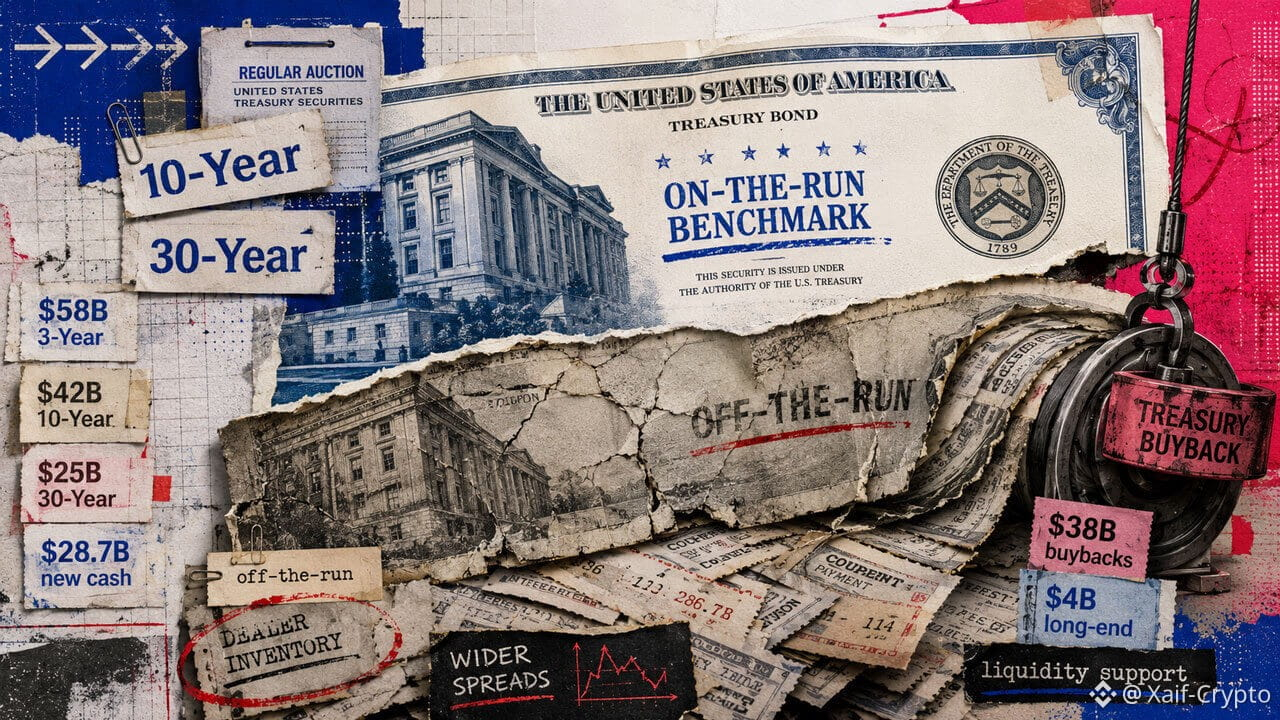
The U.S. Treasury’s $739 billion in new debt could absorb a significant portion of crypto liquidity before market‑wide buybacks reach Bitcoin, potentially dampening short‑term price support for digital assets. This shift may alter the flow of capital into the sector, affecting institutional allocation strategies.
$BTC
$BTC
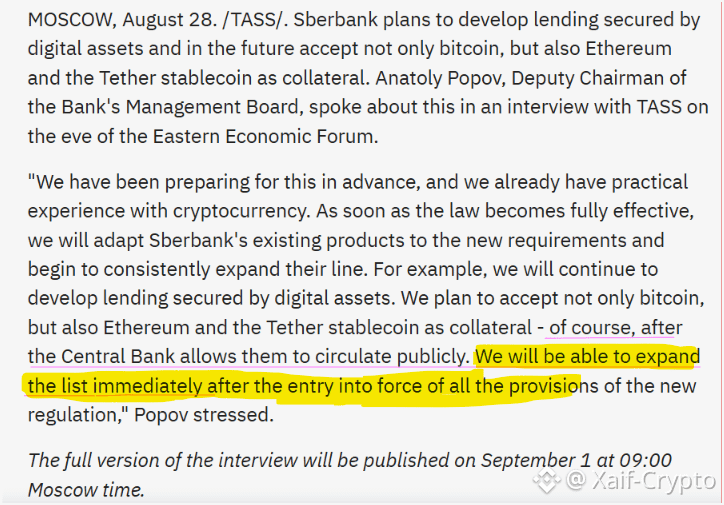
MetaMask and Mastercard have introduced a self‑custody crypto card available in the United States, allowing users to spend their own digital assets without a third‑party wallet. This partnership expands institutional access to crypto payments and could increase mainstream adoption of digital assets.
$XRP
$XRP
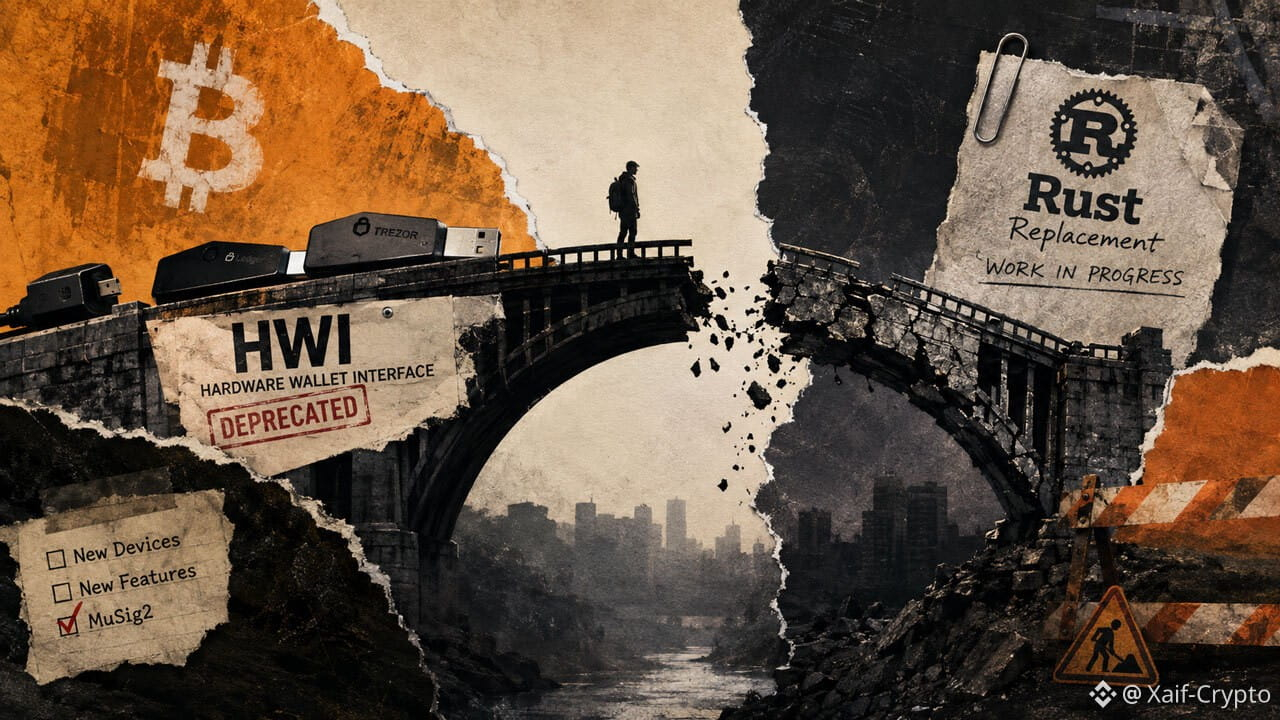
Popular Bitcoin wallets may lose support for new hardware devices as the critical security bridge stops accepting new devices, potentially limiting users’ ability to upgrade or add new hardware wallets. This could affect wallet security and user experience across the ecosystem.
$BTC
$BTC
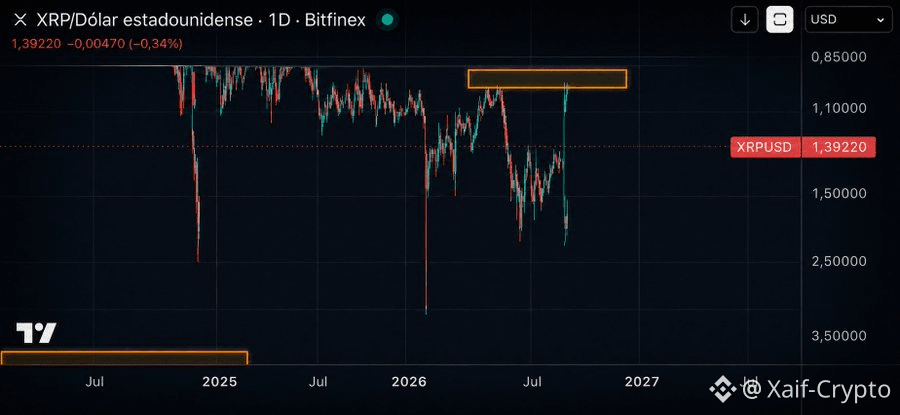
The question isn't what the price is going to do. No one knows. Not me, not you, not anyone.
The question is: why didn't you have a plan?
Because the one who was buying by ZONES today has XRP at good prices and sleeps soundly. And the one who was waiting for an EXACT price is out today and frustrated.
It wasn't the market — it was the plan.
You don't control what XRP does. What you DO control is how you buy, how you sell, and how you behave when the price moves. And right there, everything starts to go well.
That's why I created my training: so you can build YOUR portfolio with YOUR written buying plan and YOUR written selling plan — and so that being left out never happens to you again.
The question is: why didn't you have a plan?
Because the one who was buying by ZONES today has XRP at good prices and sleeps soundly. And the one who was waiting for an EXACT price is out today and frustrated.
It wasn't the market — it was the plan.
You don't control what XRP does. What you DO control is how you buy, how you sell, and how you behave when the price moves. And right there, everything starts to go well.
That's why I created my training: so you can build YOUR portfolio with YOUR written buying plan and YOUR written selling plan — and so that being left out never happens to you again.
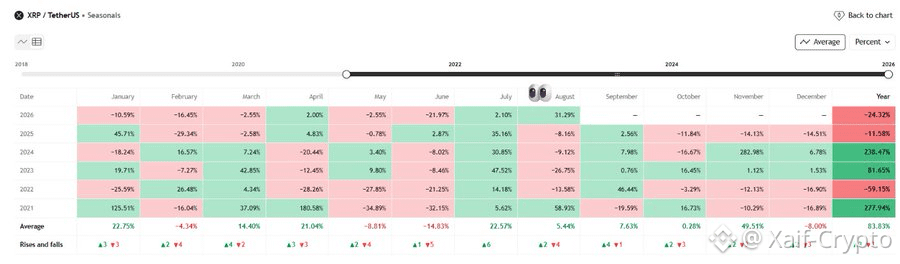
📊 $XRP SEPTEMBER SEASONALITY
4 out of 5 years GREEN since 2021
If history repeats... September could be XRP's month
4 out of 5 years GREEN since 2021
If history repeats... September could be XRP's month
Bitcoin’s recent rally is supported by $2.8 billion in ETF inflows, indicating growing institutional interest. This inflow trend could reinforce price stability as more traditional investors enter the market.
$BTC
$BTC
XRP closed August 35% higher as market eyes an upcoming Senate vote on digital asset rules. The outcome could set a precedent for how cryptocurrencies are regulated in the United States.
$XRP
$XRP
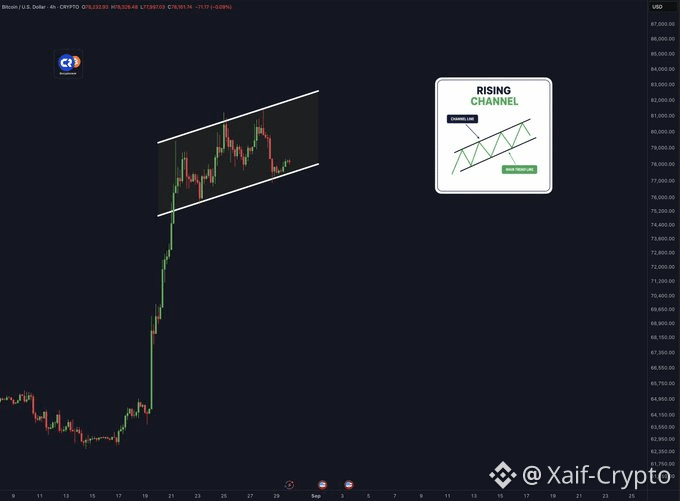
BITCOIN IS IN A RISING CHANNEL.
Support: $77,500
Resistance: $81,500
The breakout from here decides the next big move.$BTC
Support: $77,500
Resistance: $81,500
The breakout from here decides the next big move.$BTC
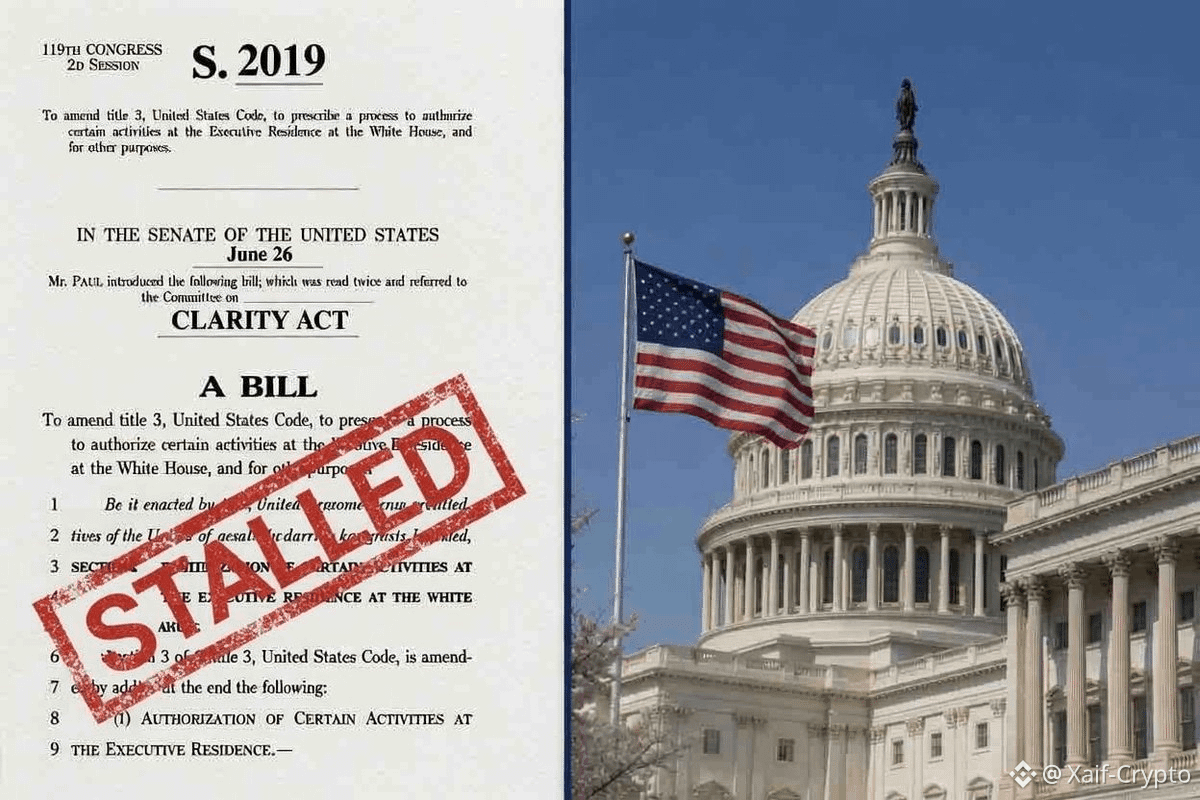
BREAKING: The odds of the Crypto CLARITY Act being signed into law this year are now just 14%.
The vote is scheduled for September 15.
If it fails to pass before the midterms, it could be delayed by another 2–3 years, especially if Republicans lose control in the midterm elections.
The vote is scheduled for September 15.
If it fails to pass before the midterms, it could be delayed by another 2–3 years, especially if Republicans lose control in the midterm elections.
Bitcoin’s next bull cycle peak may be propelled by rising demand for global ETF products, indicating institutional interest could be a key driver of price momentum. This shift highlights the growing role of regulated investment vehicles in shaping market dynamics.
$BTC
$BTC
සත්යායනය කළ
XRP spot ETFs have drawn $153 million in just nine days, reflecting growing institutional interest. The inflow suggests confidence in XRP’s liquidity and regulatory progress as the price remains close to $1.38.
$XRP
$XRP
තවත් අන්තර්ගතයන් ගවේෂණය කිරීමට ඇතුල් වන්න