
Wan_OnChain
321 පෝස්ටු
Wan_OnChain
වාර්තා කරන්න
පරිශීලක අවහිර කරන්න
📈Position Trader | 🚨News Agent | 📈📉Analysis | Monday - Friday 12.00PM UTC
විවෘත වෙළෙඳාම
නිතර වෙළෙන්දා
{වේලාව} මාස
12 හඹා යමින්
453 හඹා යන්නන්
476 කැමති විය
පෝස්ටු
ආයෝජන කළඹ
සියල්ල
උපුටා දැක්වීම්
වීඩියෝ
·
--
උසබ තත්ත්වය
$MSFTB ? මම ඒක මිලදී ගත්තේ ඇයි?
මම MSFT මිලදී ගත්තේ මයික්රොසොෆ්ට් කියන්නේ දැවැන්ත තාක්ෂණ සමාගමක් පමණක් නොව, ශක්තිමත් ව්යාපාර මූලධර්ම සහ ආකර්ෂණීය විවිධාංගීකරණයක් ද ඇති බව මම විශ්වාස කරන නිසායි.
මයික්රොසොෆ්ට්ගේ වර්ධනය තවමත් එහි වලාකුළු (cloud) ව්යාපාරය වන Azure, ව්යවසාය (enterprise) මෘදුකාංග, සහ AI ව්යාප්තිය මගින් තහවුරු වී තිබේ. FY26 Q3 තුළ මයික්රොසොෆ්ට් විසින් වාර්තා කළ ආදායම ඩොලර් බිලියන 82.9ක් වූ අතර එය වසරට වසර 18% කින් ඉහළ ගියා; ක්රියාකාරී ආදායම (operating income) ඩොලර් බිලියන 38.4ක් දක්වා ඉහළ ගොස් තිබේ, එය 20% කින් වැඩිවීමක්.
මයික්රොසොෆ්ට්ගේ කොටස් හිමියන්ට ලැබෙන ප්රතිලාභ (shareholder returns) ලබාදීමේ අඛණ්ඩතාව මටත් ආකර්ෂණය වූවා. මයික්රොසොෆ්ට් දැනට එක් කොටසකට (per share) ත්රೈමාසිකව ඩොලර් 0.91 ක ලාභාංශයක් ගෙවයි.
මාව සීරුමාරු කරන දේ වන්නේ අගයනය (valuation) සහ තාක්ෂණ ක්ෂේත්රයේ බුබුලයක් ඇති වීමේ අවදානමයි. එබැවින් මම MSFT එක අවදානම් රහිත (risk-free) වත්කමක් ලෙස නොසලකමි. ඒ වෙනුවට, මම එය ශික්ෂිත ඇතුළත් වීම (disciplined entry) සහ අවදානම් කළමනාකරණය සමඟ හිමිකර ගැනීමට අවශ්ය “ගුණාත්මක සමාගමක්” ලෙස දකිනවා.
මට, MSFT මිලදී ගැනීම AI hype එක ගැන පමණක් නොවෙයි; මූලධර්ම, ව්යාපාර වර්ධනය, සහ කොටස් හිමියන්ට ලැබෙන ප්රතිලාභ එකට එකතුවීමක් ලෙස මම ආකර්ෂණීය සංයෝජනයක් දකින නිසායි.💛
#TradeBStocks #BinanceAfrica
$MSFTB ? මම ඒක මිලදී ගත්තේ ඇයි?
මම MSFT මිලදී ගත්තේ මයික්රොසොෆ්ට් කියන්නේ දැවැන්ත තාක්ෂණ සමාගමක් පමණක් නොව, ශක්තිමත් ව්යාපාර මූලධර්ම සහ ආකර්ෂණීය විවිධාංගීකරණයක් ද ඇති බව මම විශ්වාස කරන නිසායි.
මයික්රොසොෆ්ට්ගේ වර්ධනය තවමත් එහි වලාකුළු (cloud) ව්යාපාරය වන Azure, ව්යවසාය (enterprise) මෘදුකාංග, සහ AI ව්යාප්තිය මගින් තහවුරු වී තිබේ. FY26 Q3 තුළ මයික්රොසොෆ්ට් විසින් වාර්තා කළ ආදායම ඩොලර් බිලියන 82.9ක් වූ අතර එය වසරට වසර 18% කින් ඉහළ ගියා; ක්රියාකාරී ආදායම (operating income) ඩොලර් බිලියන 38.4ක් දක්වා ඉහළ ගොස් තිබේ, එය 20% කින් වැඩිවීමක්.
මයික්රොසොෆ්ට්ගේ කොටස් හිමියන්ට ලැබෙන ප්රතිලාභ (shareholder returns) ලබාදීමේ අඛණ්ඩතාව මටත් ආකර්ෂණය වූවා. මයික්රොසොෆ්ට් දැනට එක් කොටසකට (per share) ත්රೈමාසිකව ඩොලර් 0.91 ක ලාභාංශයක් ගෙවයි.
මාව සීරුමාරු කරන දේ වන්නේ අගයනය (valuation) සහ තාක්ෂණ ක්ෂේත්රයේ බුබුලයක් ඇති වීමේ අවදානමයි. එබැවින් මම MSFT එක අවදානම් රහිත (risk-free) වත්කමක් ලෙස නොසලකමි. ඒ වෙනුවට, මම එය ශික්ෂිත ඇතුළත් වීම (disciplined entry) සහ අවදානම් කළමනාකරණය සමඟ හිමිකර ගැනීමට අවශ්ය “ගුණාත්මක සමාගමක්” ලෙස දකිනවා.
මට, MSFT මිලදී ගැනීම AI hype එක ගැන පමණක් නොවෙයි; මූලධර්ම, ව්යාපාර වර්ධනය, සහ කොටස් හිමියන්ට ලැබෙන ප්රතිලාභ එකට එකතුවීමක් ලෙස මම ආකර්ෂණීය සංයෝජනයක් දකින නිසායි.💛
#TradeBStocks #BinanceAfrica
මම MSFT මිලදී ගත්තේ මයික්රොසොෆ්ට් කියන්නේ දැවැන්ත තාක්ෂණ සමාගමක් පමණක් නොව, ශක්තිමත් ව්යාපාර මූලධර්ම සහ ආකර්ෂණීය විවිධාංගීකරණයක් ද ඇති බව මම විශ්වාස කරන නිසායි.
මයික්රොසොෆ්ට්ගේ වර්ධනය තවමත් එහි වලාකුළු (cloud) ව්යාපාරය වන Azure, ව්යවසාය (enterprise) මෘදුකාංග, සහ AI ව්යාප්තිය මගින් තහවුරු වී තිබේ. FY26 Q3 තුළ මයික්රොසොෆ්ට් විසින් වාර්තා කළ ආදායම ඩොලර් බිලියන 82.9ක් වූ අතර එය වසරට වසර 18% කින් ඉහළ ගියා; ක්රියාකාරී ආදායම (operating income) ඩොලර් බිලියන 38.4ක් දක්වා ඉහළ ගොස් තිබේ, එය 20% කින් වැඩිවීමක්.
මයික්රොසොෆ්ට්ගේ කොටස් හිමියන්ට ලැබෙන ප්රතිලාභ (shareholder returns) ලබාදීමේ අඛණ්ඩතාව මටත් ආකර්ෂණය වූවා. මයික්රොසොෆ්ට් දැනට එක් කොටසකට (per share) ත්රೈමාසිකව ඩොලර් 0.91 ක ලාභාංශයක් ගෙවයි.
මාව සීරුමාරු කරන දේ වන්නේ අගයනය (valuation) සහ තාක්ෂණ ක්ෂේත්රයේ බුබුලයක් ඇති වීමේ අවදානමයි. එබැවින් මම MSFT එක අවදානම් රහිත (risk-free) වත්කමක් ලෙස නොසලකමි. ඒ වෙනුවට, මම එය ශික්ෂිත ඇතුළත් වීම (disciplined entry) සහ අවදානම් කළමනාකරණය සමඟ හිමිකර ගැනීමට අවශ්ය “ගුණාත්මක සමාගමක්” ලෙස දකිනවා.
මට, MSFT මිලදී ගැනීම AI hype එක ගැන පමණක් නොවෙයි; මූලධර්ම, ව්යාපාර වර්ධනය, සහ කොටස් හිමියන්ට ලැබෙන ප්රතිලාභ එකට එකතුවීමක් ලෙස මම ආකර්ෂණීය සංයෝජනයක් දකින නිසායි.💛
#TradeBStocks #BinanceAfrica
1
200
·
--
ලිපිය
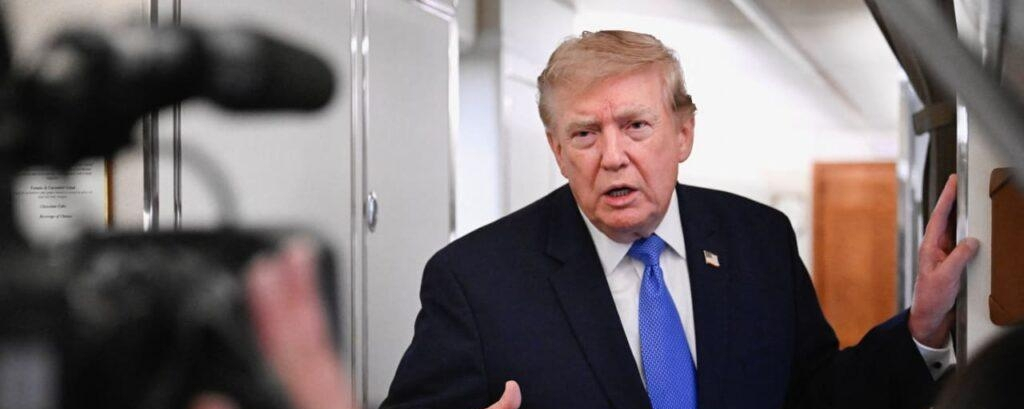
ට්රම්ප් නැවත රාජ්යතාන්ත්රික කේන්ද්රය වෙත මාරු වන විට එක්සත් ජනපදය–ඉරානයේ සාකච්ඡා ආරම්භ වීමට නියමිතයි
Isi Kontenජනාධිපති ඩොනල්ඩ් ට්රම්ප් විසින් රාජ්යතාන්ත්රික උත්සාහයන් වෙනුවෙන් අමතර මිලිටරි ප්රහාර නතර කිරීමට තීරණය කිරීමෙන් පසු, ඔහු සඳුදා සිට සාකච්ඡා ආරම්භ වන බව ප්රකාශ කළ නිසා එක්සත් ජනපදය සහ ඉරානය ඉදිරියේදී නව සාකච්ඡා වටයක් ආරම්භ කිරීමට අපේක්ෂා කෙරේ.
ට්රම්ප්ට අනුව, අරමුණ වන්නේ සාකච්ඡා මඟින් විසඳුමක් සෙවීමයි—ඒ සඳහා පහත ප්රධාන ගැටලු කිහිපයක් ඇතුළත් වන අතර:
ඉරානයේ න්යෂ්ටික වැඩසටහන
ප්රාදේශීය ආරක්ෂාව
හෝර්මූස් සමුද්ර සන්ධිය නැවත විවෘත කිරීම
මැදපෙරදිග දිගුකාලීන ස්ථාවරත්වය
කෙසේ වෙතත්, ට්රම්ප් අවධාරණය කළේ එකඟතාවයක් කරා ළඟා වීමට නියමිත අවසන් දිනයක් සකසා නැති බවත්, සාකච්ඡා ප්රගතිය මීළඟ පියවර තීරණය කරන බවත් ය.
ට්රම්ප් නැවත රාජ්යතාන්ත්රික කේන්ද්රය වෙත මාරු වන විට එක්සත් ජනපදය–ඉරානයේ සාකච්ඡා ආරම්භ වීමට නියමිතයි Isi Konten
ජනාධිපති ඩොනල්ඩ් ට්රම්ප් විසින් රාජ්යතාන්ත්රික උත්සාහයන් වෙනුවෙන් අමතර මිලිටරි ප්රහාර නතර කිරීමට තීරණය කිරීමෙන් පසු, ඔහු සඳුදා සිට සාකච්ඡා ආරම්භ වන බව ප්රකාශ කළ නිසා එක්සත් ජනපදය සහ ඉරානය ඉදිරියේදී නව සාකච්ඡා වටයක් ආරම්භ කිරීමට අපේක්ෂා කෙරේ.
ට්රම්ප්ට අනුව, අරමුණ වන්නේ සාකච්ඡා මඟින් විසඳුමක් සෙවීමයි—ඒ සඳහා පහත ප්රධාන ගැටලු කිහිපයක් ඇතුළත් වන අතර:
ඉරානයේ න්යෂ්ටික වැඩසටහන
ප්රාදේශීය ආරක්ෂාව
හෝර්මූස් සමුද්ර සන්ධිය නැවත විවෘත කිරීම
මැදපෙරදිග දිගුකාලීන ස්ථාවරත්වය
කෙසේ වෙතත්, ට්රම්ප් අවධාරණය කළේ එකඟතාවයක් කරා ළඟා වීමට නියමිත අවසන් දිනයක් සකසා නැති බවත්, සාකච්ඡා ප්රගතිය මීළඟ පියවර තීරණය කරන බවත් ය.
ට්රම්ප්ට අනුව, අරමුණ වන්නේ සාකච්ඡා මඟින් විසඳුමක් සෙවීමයි—ඒ සඳහා පහත ප්රධාන ගැටලු කිහිපයක් ඇතුළත් වන අතර:
ඉරානයේ න්යෂ්ටික වැඩසටහන
ප්රාදේශීය ආරක්ෂාව
හෝර්මූස් සමුද්ර සන්ධිය නැවත විවෘත කිරීම
මැදපෙරදිග දිගුකාලීන ස්ථාවරත්වය
කෙසේ වෙතත්, ට්රම්ප් අවධාරණය කළේ එකඟතාවයක් කරා ළඟා වීමට නියමිත අවසන් දිනයක් සකසා නැති බවත්, සාකච්ඡා ප්රගතිය මීළඟ පියවර තීරණය කරන බවත් ය.

Follow Me :D
Wan_OnChain වෙතින්
1
1
2
140
·
--
ලිපිය
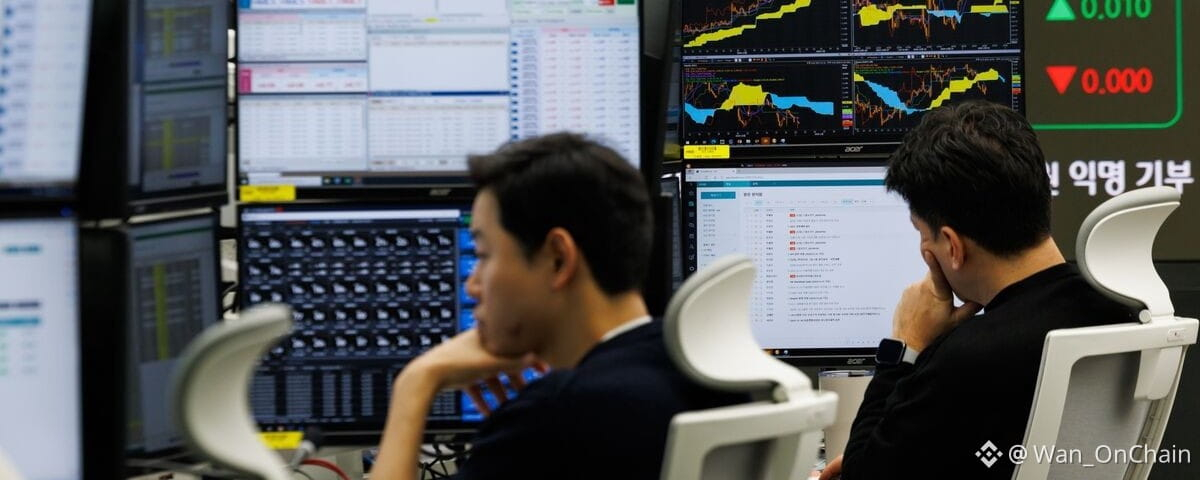
දකුණු කොරියානු ක්රිප්ටෝ වෙළඳුන් අවදානම් ආශාව සිසිල් වෙද්දී මාස 3ක අවමයට ලීවරේජ් කපා හැරියිදකුණු කොරියාවේ ක්රිප්ටෝ වෙළඳුන් පසුගිය මාස තුන තුළ අවම මට්ටමට ලීවරේජ් භාවිතය අඩු කර තිබේ; මෙය මැක්රෝ අවිනිශ්චිතතාව (macro uncertainty) සහ මෑතකාලීන වෙළඳපොළ අස්ථාවරත්වය (volatility) නිසා සංවේදනය මත පීඩනය වැඩිව තිබියදී වැඩි සැලකිල්ලක් සහිත ප්රවේශයක් වෙත යාමක් ලෙස පෙන්වයි.
සාමාන්යයෙන් අඩු ලීවරේජ් අදහස් කරන්නේ වෙළඳුන් ආක්රමණශීලී අනුමානයට වඩා මුලික පੂੰජිකරණය (capital preservation)ට ප්රමුඛතාව දෙන බවයි. අඩුවෙන් ණයට ගැනීම නිසා වෙළඳපොළ අචාංකිත ලිකුඩේෂන් දාමයන්ට අඩුවෙන් නිරාවරණය වන්නේ අතර, එය වඩා සෞඛය සම්පන්න වෙළඳ පරිසරයක් නිර්මාණය කිරීමට උපකාරී වේ.
ප්රධාන සාරාංශ
කොරියානු වෙළඳුන් ලීවරේජ් අඩු කරමින් මාස 3ක් අඩු අවමයකට
දකුණු කොරියානු ක්රිප්ටෝ වෙළඳුන් අවදානම් ආශාව සිසිල් වෙද්දී මාස 3ක අවමයට ලීවරේජ් කපා හැරියි
දකුණු කොරියාවේ ක්රිප්ටෝ වෙළඳුන් පසුගිය මාස තුන තුළ අවම මට්ටමට ලීවරේජ් භාවිතය අඩු කර තිබේ; මෙය මැක්රෝ අවිනිශ්චිතතාව (macro uncertainty) සහ මෑතකාලීන වෙළඳපොළ අස්ථාවරත්වය (volatility) නිසා සංවේදනය මත පීඩනය වැඩිව තිබියදී වැඩි සැලකිල්ලක් සහිත ප්රවේශයක් වෙත යාමක් ලෙස පෙන්වයි.
සාමාන්යයෙන් අඩු ලීවරේජ් අදහස් කරන්නේ වෙළඳුන් ආක්රමණශීලී අනුමානයට වඩා මුලික පੂੰජිකරණය (capital preservation)ට ප්රමුඛතාව දෙන බවයි. අඩුවෙන් ණයට ගැනීම නිසා වෙළඳපොළ අචාංකිත ලිකුඩේෂන් දාමයන්ට අඩුවෙන් නිරාවරණය වන්නේ අතර, එය වඩා සෞඛය සම්පන්න වෙළඳ පරිසරයක් නිර්මාණය කිරීමට උපකාරී වේ.
ප්රධාන සාරාංශ
කොරියානු වෙළඳුන් ලීවරේජ් අඩු කරමින් මාස 3ක් අඩු අවමයකට
සාමාන්යයෙන් අඩු ලීවරේජ් අදහස් කරන්නේ වෙළඳුන් ආක්රමණශීලී අනුමානයට වඩා මුලික පੂੰජිකරණය (capital preservation)ට ප්රමුඛතාව දෙන බවයි. අඩුවෙන් ණයට ගැනීම නිසා වෙළඳපොළ අචාංකිත ලිකුඩේෂන් දාමයන්ට අඩුවෙන් නිරාවරණය වන්නේ අතර, එය වඩා සෞඛය සම්පන්න වෙළඳ පරිසරයක් නිර්මාණය කිරීමට උපකාරී වේ.
ප්රධාන සාරාංශ
කොරියානු වෙළඳුන් ලීවරේජ් අඩු කරමින් මාස 3ක් අඩු අවමයකට
Follow Me
Wan_OnChain වෙතින්
1
111
·
--

ලිපිය
මැදපෙරදිග ගැටුම තවත් උත්සන්න වන අතර නවවන අඛණ්ඩ රාත්රියට අමෙරිකානු ප්රහාරවලින් ඉරානය ඉලක්ක කරයිඉරාන හමුදා ඉලක්ක වෙත අමෙරිකාව නවවන අඛණ්ඩ රාත්රිය තුළත් ගුවන් ප්රහාර සිදුකර තිබේ. ඒ අනුව, මෙම ගැටුම දිග්ගැස්සුනු අදියරකට පිවිස ඇති බවත්, ක්ෂණිකව සමනය කිරීමට කිසිදු ලක්ෂණයක් නොමැති බවත් පෙන්වයි.
ඇ.ජ. මධ්යම අණදෙන මධ්යස්ථානය (CENTCOM) අනුව, නවතම ප්රහාර ඉලක්ක කළේ:
මිසයිල් දියත් කිරීමේ පහසුකම්
ගුවන් ආරක්ෂක පද්ධති
අණදෙන සහ පාලන මධ්යස්ථාන
වෙරළබඩ නිරීක්ෂණ ස්ථාන
හමුදා සන්නිවේදන යටිතල පහසුකම්
මෙම මෙහෙයුම, හෝර්මුස් සමුද්ර සන්ධියට සම්බන්ධ, ලොව වැදගත්ම බලශක්ති සංක්රාන්ති මාර්ගවලින් එකක් වන එහි, අමෙරිකානු හමුදාවන්ට සහ වාණිජ නැව්වලට එරෙහිව ඉරානය විසින් සිදුකළ ප්රහාර ගණනාවකින් පසුව පැමිණෙයි.
මැදපෙරදිග ගැටුම තවත් උත්සන්න වන අතර නවවන අඛණ්ඩ රාත්රියට අමෙරිකානු ප්රහාරවලින් ඉරානය ඉලක්ක කරයි
ඉරාන හමුදා ඉලක්ක වෙත අමෙරිකාව නවවන අඛණ්ඩ රාත්රිය තුළත් ගුවන් ප්රහාර සිදුකර තිබේ. ඒ අනුව, මෙම ගැටුම දිග්ගැස්සුනු අදියරකට පිවිස ඇති බවත්, ක්ෂණිකව සමනය කිරීමට කිසිදු ලක්ෂණයක් නොමැති බවත් පෙන්වයි.
ඇ.ජ. මධ්යම අණදෙන මධ්යස්ථානය (CENTCOM) අනුව, නවතම ප්රහාර ඉලක්ක කළේ:
මිසයිල් දියත් කිරීමේ පහසුකම්
ගුවන් ආරක්ෂක පද්ධති
අණදෙන සහ පාලන මධ්යස්ථාන
වෙරළබඩ නිරීක්ෂණ ස්ථාන
හමුදා සන්නිවේදන යටිතල පහසුකම්
මෙම මෙහෙයුම, හෝර්මුස් සමුද්ර සන්ධියට සම්බන්ධ, ලොව වැදගත්ම බලශක්ති සංක්රාන්ති මාර්ගවලින් එකක් වන එහි, අමෙරිකානු හමුදාවන්ට සහ වාණිජ නැව්වලට එරෙහිව ඉරානය විසින් සිදුකළ ප්රහාර ගණනාවකින් පසුව පැමිණෙයි.
ඇ.ජ. මධ්යම අණදෙන මධ්යස්ථානය (CENTCOM) අනුව, නවතම ප්රහාර ඉලක්ක කළේ:
මිසයිල් දියත් කිරීමේ පහසුකම්
ගුවන් ආරක්ෂක පද්ධති
අණදෙන සහ පාලන මධ්යස්ථාන
වෙරළබඩ නිරීක්ෂණ ස්ථාන
හමුදා සන්නිවේදන යටිතල පහසුකම්
මෙම මෙහෙයුම, හෝර්මුස් සමුද්ර සන්ධියට සම්බන්ධ, ලොව වැදගත්ම බලශක්ති සංක්රාන්ති මාර්ගවලින් එකක් වන එහි, අමෙරිකානු හමුදාවන්ට සහ වාණිජ නැව්වලට එරෙහිව ඉරානය විසින් සිදුකළ ප්රහාර ගණනාවකින් පසුව පැමිණෙයි.
Follow Me
Wan_OnChain වෙතින්
2
161
·
--

ලිපිය
පරිවර්තනය බලන්න
Happy Binance Turn 9🎉🎆"Merayakan 9 tahun Binance dengan cara terbaik: Berbagi! 🪙✨
Nggak ada syarat follow atau like apa pun hari ini. Aku cuma mau merayakan momen ini bareng kalian dengan hadiah instan. 🥳
Siapa Cepat Dia dapat
#BinanceTurns9 #JuneCPIFedHike20% #USJuneCPIEasesTo3.8%
Happy Binance Turn 9🎉🎆
"Merayakan 9 tahun Binance dengan cara terbaik: Berbagi! 🪙✨
Nggak ada syarat follow atau like apa pun hari ini. Aku cuma mau merayakan momen ini bareng kalian dengan hadiah instan. 🥳
Siapa Cepat Dia dapat
#BinanceTurns9 #JuneCPIFedHike20% #USJuneCPIEasesTo3.8%
Nggak ada syarat follow atau like apa pun hari ini. Aku cuma mau merayakan momen ini bareng kalian dengan hadiah instan. 🥳
Siapa Cepat Dia dapat
#BinanceTurns9 #JuneCPIFedHike20% #USJuneCPIEasesTo3.8%
2
99
·
--
අර්ධ වශයෙන් සත්යයි

ලිපිය
පරිවර්තනය බලන්න
U.S. Jobless Claims Fall to 215K, Reinforcing Labor Market ResilienceFresh U.S. labor market data showed initial jobless claims fell to 215,000 for the week ending July 4, down 2,000 from the previous week and below economists' expectations.
The latest figures suggest that layoffs remain historically low, indicating the U.S. labor market continues to show resilience despite slower hiring momentum in recent months.
Key takeaways:
Initial jobless claims: 215K (previous: 217K)Below market expectations of around 218KContinuing claims rose slightly to 1.814 millionLabor market remains in a "slow-hire, slow-fire" environment.
While companies have become more cautious about hiring, economists noted there is still no broad sign of rising layoffs. Seasonal factors—such as school holidays and changes in auto manufacturing schedules—may also have influenced the weekly data.
For financial markets, the report reinforces one key message:
The U.S. labor market is cooling gradually—but it remains fundamentally stable.A resilient labor market could make the Federal Reserve more cautious about cutting interest rates quickly, especially if inflation remains above target. That means investors will continue watching upcoming inflation data and Fed communications for clues on future monetary policy.
Why This Matters
1) Fed rate-cut expectations remain uncertain
A stable labor market reduces the urgency for immediate monetary easing.
2) Dollar and Treasury yields could stay supported
Stronger employment data generally reinforces expectations of higher interest rates for longer.
3) Crypto may see mixed reactions
If markets believe the Fed will delay rate cuts, risk assets like Bitcoin could face short-term pressure. However, if inflation continues to ease, sentiment may improve later
Assets Most Impacted
• Bitcoin (BTC)
• U.S. Dollar Index (DXY)
• Gold
The Bigger Question
With layoffs still low but hiring slowing...Will the U.S. labor market achieve a soft landing, or will tighter monetary policy eventually lead to a sharper slowdown?
Source: Reuters, U.S. Department of Labor, Associated Press
Like And Follow For More Information
#USJoblessClaimsFallTo215K
U.S. Jobless Claims Fall to 215K, Reinforcing Labor Market Resilience
Fresh U.S. labor market data showed initial jobless claims fell to 215,000 for the week ending July 4, down 2,000 from the previous week and below economists' expectations.
The latest figures suggest that layoffs remain historically low, indicating the U.S. labor market continues to show resilience despite slower hiring momentum in recent months.
Key takeaways:
Initial jobless claims: 215K (previous: 217K)Below market expectations of around 218KContinuing claims rose slightly to 1.814 millionLabor market remains in a "slow-hire, slow-fire" environment.
While companies have become more cautious about hiring, economists noted there is still no broad sign of rising layoffs. Seasonal factors—such as school holidays and changes in auto manufacturing schedules—may also have influenced the weekly data.
For financial markets, the report reinforces one key message:
The U.S. labor market is cooling gradually—but it remains fundamentally stable.A resilient labor market could make the Federal Reserve more cautious about cutting interest rates quickly, especially if inflation remains above target. That means investors will continue watching upcoming inflation data and Fed communications for clues on future monetary policy.
Why This Matters
1) Fed rate-cut expectations remain uncertain
A stable labor market reduces the urgency for immediate monetary easing.
2) Dollar and Treasury yields could stay supported
Stronger employment data generally reinforces expectations of higher interest rates for longer.
3) Crypto may see mixed reactions
If markets believe the Fed will delay rate cuts, risk assets like Bitcoin could face short-term pressure. However, if inflation continues to ease, sentiment may improve later
Assets Most Impacted
• Bitcoin (BTC)
• U.S. Dollar Index (DXY)
• Gold
The Bigger Question
With layoffs still low but hiring slowing...Will the U.S. labor market achieve a soft landing, or will tighter monetary policy eventually lead to a sharper slowdown?
Source: Reuters, U.S. Department of Labor, Associated Press
Like And Follow For More Information
#USJoblessClaimsFallTo215K
The latest figures suggest that layoffs remain historically low, indicating the U.S. labor market continues to show resilience despite slower hiring momentum in recent months.
Key takeaways:
Initial jobless claims: 215K (previous: 217K)Below market expectations of around 218KContinuing claims rose slightly to 1.814 millionLabor market remains in a "slow-hire, slow-fire" environment.
While companies have become more cautious about hiring, economists noted there is still no broad sign of rising layoffs. Seasonal factors—such as school holidays and changes in auto manufacturing schedules—may also have influenced the weekly data.
For financial markets, the report reinforces one key message:
The U.S. labor market is cooling gradually—but it remains fundamentally stable.A resilient labor market could make the Federal Reserve more cautious about cutting interest rates quickly, especially if inflation remains above target. That means investors will continue watching upcoming inflation data and Fed communications for clues on future monetary policy.
Why This Matters
1) Fed rate-cut expectations remain uncertain
A stable labor market reduces the urgency for immediate monetary easing.
2) Dollar and Treasury yields could stay supported
Stronger employment data generally reinforces expectations of higher interest rates for longer.
3) Crypto may see mixed reactions
If markets believe the Fed will delay rate cuts, risk assets like Bitcoin could face short-term pressure. However, if inflation continues to ease, sentiment may improve later
Assets Most Impacted
• Bitcoin (BTC)
• U.S. Dollar Index (DXY)
• Gold
The Bigger Question
With layoffs still low but hiring slowing...Will the U.S. labor market achieve a soft landing, or will tighter monetary policy eventually lead to a sharper slowdown?
Source: Reuters, U.S. Department of Labor, Associated Press
Like And Follow For More Information
#USJoblessClaimsFallTo215K
Follow Me
Wan_OnChain වෙතින්
2
3
163
·
--
සත්යායනය කළ

ලිපිය
පරිවර්තනය බලන්න
U.S. Launches New Strikes Against Iran as Hormuz Tensions EscalateThe United States has launched a new wave of military strikes against Iran, marking another major escalation in the conflict after recent attacks on commercial shipping in the Strait of Hormuz.
According to the U.S. Central Command (CENTCOM), the operation targeted more than 80 military sites, including:
Missile launch facilitiesDrone launch positionsAir defense systemsIslamic Revolutionary Guard Corps (IRGC) naval assetsCommand-and-control infrastructure
U.S. officials said the strikes were carried out in response to Iranian attacks on commercial vessels transiting the Strait of Hormuz and were intended to protect freedom of navigation.
Iran strongly condemned the operation, calling it a violation of the existing ceasefire framework and warning that it reserves the right to respond. The renewed confrontation has raised concerns that diplomatic negotiations could stall further.
Financial markets reacted quickly:
Oil prices moved higher on fears of supply disruption.Investors shifted toward traditional safe-haven assets such as gold.Crypto traders are closely watching whether geopolitical uncertainty will increase volatility in Bitcoin and other digital assets.
Why This Matters
1) Strait of Hormuz remains a critical chokepoint
Nearly one-fifth of global oil shipments pass through the Strait of Hormuz, meaning any military escalation can rapidly affect global energy markets.
2) Oil and inflation risks are back
Higher oil prices could complicate inflation trends and influence future monetary policy decisions by major central banks.
3) Risk sentiment may remain fragile
Investors are likely to monitor developments closely, as further escalation could increase volatility across equities, commodities, and cryptocurrencies.
Assets Most Impacted
• Bitcoin
• Crude Oil (Brent & WTI)
• Gold
The Bigger Question
Will this latest military action remain a limited response... or mark the beginning of another broader escalation in the Middle East that reshapes global market sentiment?
Source: Reuters, Associated Press, U.S. Central Command (CENTCOM), MarketWatch.
Try to comment, what do you think?
Like And Follow For More Information
#USLaunchesNewStrikesAgainstIran
U.S. Launches New Strikes Against Iran as Hormuz Tensions Escalate
The United States has launched a new wave of military strikes against Iran, marking another major escalation in the conflict after recent attacks on commercial shipping in the Strait of Hormuz.
According to the U.S. Central Command (CENTCOM), the operation targeted more than 80 military sites, including:
Missile launch facilitiesDrone launch positionsAir defense systemsIslamic Revolutionary Guard Corps (IRGC) naval assetsCommand-and-control infrastructure
U.S. officials said the strikes were carried out in response to Iranian attacks on commercial vessels transiting the Strait of Hormuz and were intended to protect freedom of navigation.
Iran strongly condemned the operation, calling it a violation of the existing ceasefire framework and warning that it reserves the right to respond. The renewed confrontation has raised concerns that diplomatic negotiations could stall further.
Financial markets reacted quickly:
Oil prices moved higher on fears of supply disruption.Investors shifted toward traditional safe-haven assets such as gold.Crypto traders are closely watching whether geopolitical uncertainty will increase volatility in Bitcoin and other digital assets.
Why This Matters
1) Strait of Hormuz remains a critical chokepoint
Nearly one-fifth of global oil shipments pass through the Strait of Hormuz, meaning any military escalation can rapidly affect global energy markets.
2) Oil and inflation risks are back
Higher oil prices could complicate inflation trends and influence future monetary policy decisions by major central banks.
3) Risk sentiment may remain fragile
Investors are likely to monitor developments closely, as further escalation could increase volatility across equities, commodities, and cryptocurrencies.
Assets Most Impacted
• Bitcoin
• Crude Oil (Brent & WTI)
• Gold
The Bigger Question
Will this latest military action remain a limited response... or mark the beginning of another broader escalation in the Middle East that reshapes global market sentiment?
Source: Reuters, Associated Press, U.S. Central Command (CENTCOM), MarketWatch.
Try to comment, what do you think?
Like And Follow For More Information
#USLaunchesNewStrikesAgainstIran
According to the U.S. Central Command (CENTCOM), the operation targeted more than 80 military sites, including:
Missile launch facilitiesDrone launch positionsAir defense systemsIslamic Revolutionary Guard Corps (IRGC) naval assetsCommand-and-control infrastructure
U.S. officials said the strikes were carried out in response to Iranian attacks on commercial vessels transiting the Strait of Hormuz and were intended to protect freedom of navigation.
Iran strongly condemned the operation, calling it a violation of the existing ceasefire framework and warning that it reserves the right to respond. The renewed confrontation has raised concerns that diplomatic negotiations could stall further.
Financial markets reacted quickly:
Oil prices moved higher on fears of supply disruption.Investors shifted toward traditional safe-haven assets such as gold.Crypto traders are closely watching whether geopolitical uncertainty will increase volatility in Bitcoin and other digital assets.
Why This Matters
1) Strait of Hormuz remains a critical chokepoint
Nearly one-fifth of global oil shipments pass through the Strait of Hormuz, meaning any military escalation can rapidly affect global energy markets.
2) Oil and inflation risks are back
Higher oil prices could complicate inflation trends and influence future monetary policy decisions by major central banks.
3) Risk sentiment may remain fragile
Investors are likely to monitor developments closely, as further escalation could increase volatility across equities, commodities, and cryptocurrencies.
Assets Most Impacted
• Bitcoin
• Crude Oil (Brent & WTI)
• Gold
The Bigger Question
Will this latest military action remain a limited response... or mark the beginning of another broader escalation in the Middle East that reshapes global market sentiment?
Source: Reuters, Associated Press, U.S. Central Command (CENTCOM), MarketWatch.
Try to comment, what do you think?
Like And Follow For More Information
#USLaunchesNewStrikesAgainstIran
Follow Me
Wan_OnChain වෙතින්
2
103
·
--
සත්යායනය කළ
ලිපිය
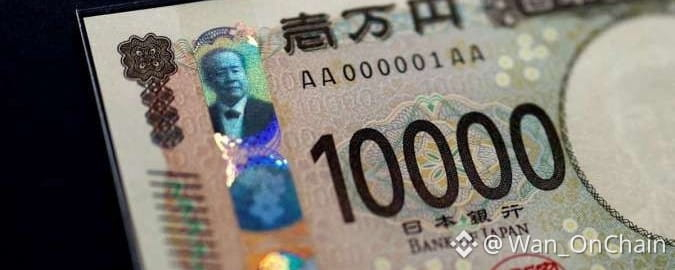
일본 10년물 채권 수익률, 30년 만의 최고치 경신…재정 우려가 시장을 흔든다10년 만기 일본 국채(JGB) 수익률이 약 30년 만에 최고 수준으로 올라간 가운데, 일본 정부채 시장이 다시 주목받고 있다. 이는 재정 정책에 대한 우려가 커지고 향후 통화 긴축에 대한 기대가 반영된 결과다.
이 움직임은 일본의 최신 경제 정책 청사진이 신호할 수 있다는 투자자들의 우려에 따른 것이다:
더 높은 정부 지출
채권 발행 증가
더딘 재정 건전화
지속되는 인플레이션 압력
일본 관리들은 일본은행(BOJ)에 금리를 낮게 유지하도록 압박하지 않았다고 부인했지만, 시장은 국가의 장기 부채 전망에 대해 여전히 조심스러운 분위기다.
일본 10년물 채권 수익률, 30년 만의 최고치 경신…재정 우려가 시장을 흔든다
10년 만기 일본 국채(JGB) 수익률이 약 30년 만에 최고 수준으로 올라간 가운데, 일본 정부채 시장이 다시 주목받고 있다. 이는 재정 정책에 대한 우려가 커지고 향후 통화 긴축에 대한 기대가 반영된 결과다.
이 움직임은 일본의 최신 경제 정책 청사진이 신호할 수 있다는 투자자들의 우려에 따른 것이다:
더 높은 정부 지출
채권 발행 증가
더딘 재정 건전화
지속되는 인플레이션 압력
일본 관리들은 일본은행(BOJ)에 금리를 낮게 유지하도록 압박하지 않았다고 부인했지만, 시장은 국가의 장기 부채 전망에 대해 여전히 조심스러운 분위기다.
이 움직임은 일본의 최신 경제 정책 청사진이 신호할 수 있다는 투자자들의 우려에 따른 것이다:
더 높은 정부 지출
채권 발행 증가
더딘 재정 건전화
지속되는 인플레이션 압력
일본 관리들은 일본은행(BOJ)에 금리를 낮게 유지하도록 압박하지 않았다고 부인했지만, 시장은 국가의 장기 부채 전망에 대해 여전히 조심스러운 분위기다.
Follow Me
Wan_OnChain වෙතින්
3
236
·
--
පරිවර්තනය බලන්න
My crypto journey with Binance started back in 2024, and seeing how the ecosystem continues to innovate for its 9th anniversary is incredible. Under the theme "Built By You," Binance is sharing a massive $4,500,000 reward pool with the community. I’ve already unlocked 2 landmarks of my own! Whether you are a seasoned trader or just getting started, this is the perfect time to join, explore the features, and claim your share of the rewards. Scan the QR code below and let's build the future of Web3 together!
#BinanceTurns9 Binance Turns 9 - Built by You
{spot}(BNBUSDT)
{spot}(SPCXBUSDT)
My crypto journey with Binance started back in 2024, and seeing how the ecosystem continues to innovate for its 9th anniversary is incredible. Under the theme "Built By You," Binance is sharing a massive $4,500,000 reward pool with the community. I’ve already unlocked 2 landmarks of my own! Whether you are a seasoned trader or just getting started, this is the perfect time to join, explore the features, and claim your share of the rewards. Scan the QR code below and let's build the future of Web3 together!
#BinanceTurns9 Binance Turns 9 - Built by You
#BinanceTurns9 Binance Turns 9 - Built by You

3
48
·
--

ලිපිය
පරිවර්තනය බලන්න
IMF Warns Tokenization Could Shift Financial Risk From Institutions to CodeThe International Monetary Fund has warned that the rapid adoption of tokenized finance could fundamentally reshape the global financial system by shifting risk away from traditional financial institutions and toward software, smart contracts, and digital infrastructure.
According to a recent IMF report, tokenization offers major benefits, including:
Faster settlementProgrammable financial assetsImproved liquidity managementLower transaction costs
However, as financial logic increasingly moves into smart contracts, the IMF argues that "risk shifts from institutions to infrastructure—and ultimately to code."
The report highlights several key concerns:
Smart contract vulnerabilitiesCybersecurity threatsOperational failuresFragmented blockchain networksLegal uncertainty across jurisdictions
Unlike traditional finance, where banks and intermediaries absorb much of the operational risk, tokenized systems rely heavily on software that can execute transactions automatically and almost instantly. A coding error or infrastructure failure could therefore propagate much faster through the financial system.
Despite these risks, the IMF does not oppose tokenization. Instead, it argues that the technology has the potential to improve financial markets if supported by:
Robust governance of codeClear legal frameworksInteroperability standardsInternational regulatory coordinationSecure settlement assets
Why This Matters
1) Tokenization Is Becoming Mainstream
The IMF views tokenization as a structural transformation of finance rather than just another blockchain trend.
2) Code Becomes Systemically Important
Future financial stability may depend not only on banks, but also on the security and governance of smart contracts and blockchain infrastructure.
3) Regulation Will Need to Evolve
Supervisors may increasingly oversee not only financial institutions but also the code and platforms that power tokenized markets.
Assets Most Impacted
• RWA (Real-World Asset) ecosystem
• Ethereum
• Tokenization infrastructure projects
The Bigger Question
As trillions of dollars in traditional assets move on-chain... can regulators build oversight for code and smart contracts quickly enough to keep pace with financial innovation?
Source: IMF – Tokenized Finance (April 2026), IMF Blog (July 2026), IMF Speech on Tokenized Finance & Money
Like And Follow For More Information
#IMFWarnsTokenizationShiftsRiskToCode
IMF Warns Tokenization Could Shift Financial Risk From Institutions to Code
The International Monetary Fund has warned that the rapid adoption of tokenized finance could fundamentally reshape the global financial system by shifting risk away from traditional financial institutions and toward software, smart contracts, and digital infrastructure.
According to a recent IMF report, tokenization offers major benefits, including:
Faster settlementProgrammable financial assetsImproved liquidity managementLower transaction costs
However, as financial logic increasingly moves into smart contracts, the IMF argues that "risk shifts from institutions to infrastructure—and ultimately to code."
The report highlights several key concerns:
Smart contract vulnerabilitiesCybersecurity threatsOperational failuresFragmented blockchain networksLegal uncertainty across jurisdictions
Unlike traditional finance, where banks and intermediaries absorb much of the operational risk, tokenized systems rely heavily on software that can execute transactions automatically and almost instantly. A coding error or infrastructure failure could therefore propagate much faster through the financial system.
Despite these risks, the IMF does not oppose tokenization. Instead, it argues that the technology has the potential to improve financial markets if supported by:
Robust governance of codeClear legal frameworksInteroperability standardsInternational regulatory coordinationSecure settlement assets
Why This Matters
1) Tokenization Is Becoming Mainstream
The IMF views tokenization as a structural transformation of finance rather than just another blockchain trend.
2) Code Becomes Systemically Important
Future financial stability may depend not only on banks, but also on the security and governance of smart contracts and blockchain infrastructure.
3) Regulation Will Need to Evolve
Supervisors may increasingly oversee not only financial institutions but also the code and platforms that power tokenized markets.
Assets Most Impacted
• RWA (Real-World Asset) ecosystem
• Ethereum
• Tokenization infrastructure projects
The Bigger Question
As trillions of dollars in traditional assets move on-chain... can regulators build oversight for code and smart contracts quickly enough to keep pace with financial innovation?
Source: IMF – Tokenized Finance (April 2026), IMF Blog (July 2026), IMF Speech on Tokenized Finance & Money
Like And Follow For More Information
#IMFWarnsTokenizationShiftsRiskToCode
According to a recent IMF report, tokenization offers major benefits, including:
Faster settlementProgrammable financial assetsImproved liquidity managementLower transaction costs
However, as financial logic increasingly moves into smart contracts, the IMF argues that "risk shifts from institutions to infrastructure—and ultimately to code."
The report highlights several key concerns:
Smart contract vulnerabilitiesCybersecurity threatsOperational failuresFragmented blockchain networksLegal uncertainty across jurisdictions
Unlike traditional finance, where banks and intermediaries absorb much of the operational risk, tokenized systems rely heavily on software that can execute transactions automatically and almost instantly. A coding error or infrastructure failure could therefore propagate much faster through the financial system.
Despite these risks, the IMF does not oppose tokenization. Instead, it argues that the technology has the potential to improve financial markets if supported by:
Robust governance of codeClear legal frameworksInteroperability standardsInternational regulatory coordinationSecure settlement assets
Why This Matters
1) Tokenization Is Becoming Mainstream
The IMF views tokenization as a structural transformation of finance rather than just another blockchain trend.
2) Code Becomes Systemically Important
Future financial stability may depend not only on banks, but also on the security and governance of smart contracts and blockchain infrastructure.
3) Regulation Will Need to Evolve
Supervisors may increasingly oversee not only financial institutions but also the code and platforms that power tokenized markets.
Assets Most Impacted
• RWA (Real-World Asset) ecosystem
• Ethereum
• Tokenization infrastructure projects
The Bigger Question
As trillions of dollars in traditional assets move on-chain... can regulators build oversight for code and smart contracts quickly enough to keep pace with financial innovation?
Source: IMF – Tokenized Finance (April 2026), IMF Blog (July 2026), IMF Speech on Tokenized Finance & Money
Like And Follow For More Information
#IMFWarnsTokenizationShiftsRiskToCode
Follow Me
Wan_OnChain වෙතින්
1
3
97
·
--
ලිපිය
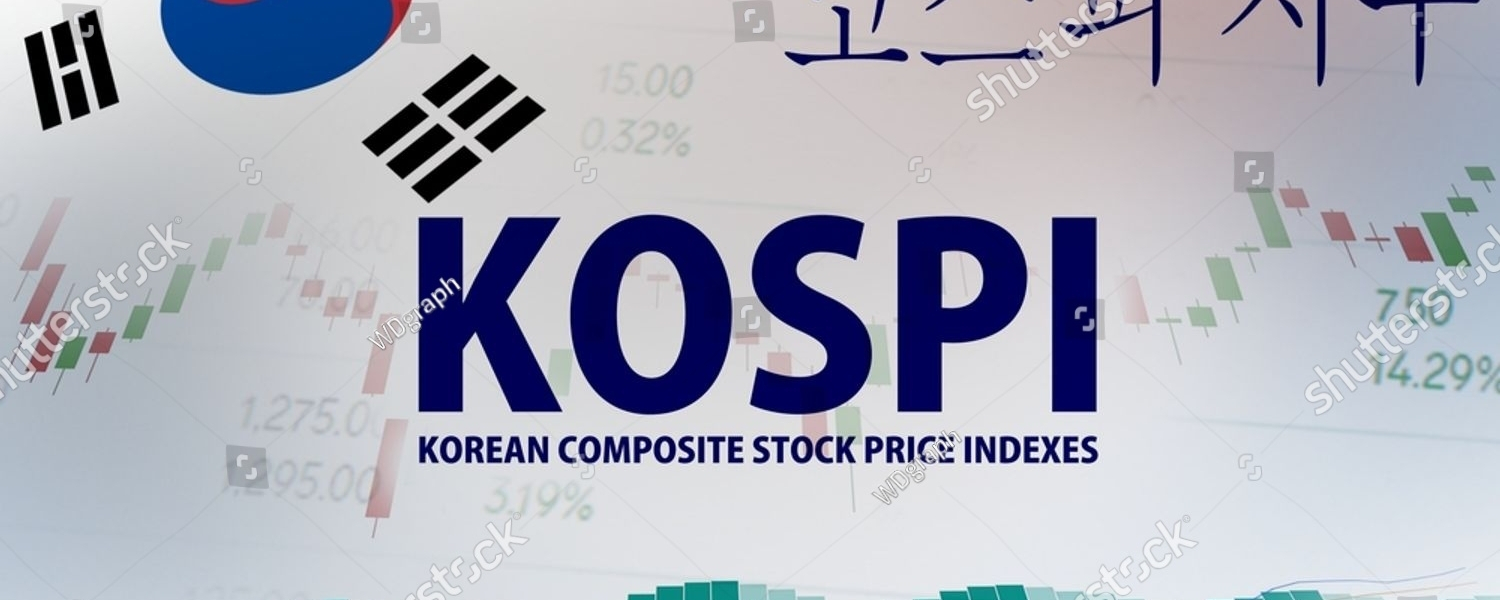
AI චිප රැලිය දකුණු කොරියානු වෙළඳපොල ඉහළ දමන අතර KOSPI 2.7%කින් ඉහළ යයිදකුණු කොරියාවේ KOSPI ආසන්න වශයෙන් 2.7%ක් ඉහළ ගියේය. AI අර්ධ සන්නායක අංශය කෙරෙහි ඇති ආයෝජක උද්යෝගය දිගටම මිලදී ගැනීමේ උනන්දුව තල්ලු කළ බැවින් මෙම ශක්තිමත් ප්රවණතාව තවත් වර්ධනය විය.
මෙම රැලිය මෙහෙයවූයේ Samsung Electronics සහ SK Hynix ඇතුළු ප්රධාන චිප නිෂ්පාදකයන් විසිනි. ගෝලීයව AI මතක චිප සඳහා සහ දත්ත මධ්යස්ථාන යටිතල පහසුකම් සඳහා ඇති ඉල්ලුම දිගටම පවතින බවට ඇති අපේක්ෂාවන් මධ්යයේ එය සිදුවිය.
ලැබූ ලාභයන් ගෝලීය වෙළඳපලවල් පුරා ඇති පුළුල් ප්රවණතාවක් පිළිබිඹු කරයි. එහිදී අර්ධ සන්නායක සමාගම් AI ආයෝජන උත්පාතයේ කේන්ද්රස්ථානයේම පවතී. ඉහළ බැන්ඩ්විඩ් මතකය (HBM) චිප සහ උසස් AI දෘඩාංග සඳහා ඇති ශක්තිමත් ඉල්ලුම ප්රමුඛ නිෂ්පාදකයන්ගේ ආදායම් අපේක්ෂාවන්ට දිගටම සහය දෙයි.
AI චිප රැලිය දකුණු කොරියානු වෙළඳපොල ඉහළ දමන අතර KOSPI 2.7%කින් ඉහළ යයි
දකුණු කොරියාවේ KOSPI ආසන්න වශයෙන් 2.7%ක් ඉහළ ගියේය. AI අර්ධ සන්නායක අංශය කෙරෙහි ඇති ආයෝජක උද්යෝගය දිගටම මිලදී ගැනීමේ උනන්දුව තල්ලු කළ බැවින් මෙම ශක්තිමත් ප්රවණතාව තවත් වර්ධනය විය.
මෙම රැලිය මෙහෙයවූයේ Samsung Electronics සහ SK Hynix ඇතුළු ප්රධාන චිප නිෂ්පාදකයන් විසිනි. ගෝලීයව AI මතක චිප සඳහා සහ දත්ත මධ්යස්ථාන යටිතල පහසුකම් සඳහා ඇති ඉල්ලුම දිගටම පවතින බවට ඇති අපේක්ෂාවන් මධ්යයේ එය සිදුවිය.
ලැබූ ලාභයන් ගෝලීය වෙළඳපලවල් පුරා ඇති පුළුල් ප්රවණතාවක් පිළිබිඹු කරයි. එහිදී අර්ධ සන්නායක සමාගම් AI ආයෝජන උත්පාතයේ කේන්ද්රස්ථානයේම පවතී. ඉහළ බැන්ඩ්විඩ් මතකය (HBM) චිප සහ උසස් AI දෘඩාංග සඳහා ඇති ශක්තිමත් ඉල්ලුම ප්රමුඛ නිෂ්පාදකයන්ගේ ආදායම් අපේක්ෂාවන්ට දිගටම සහය දෙයි.
මෙම රැලිය මෙහෙයවූයේ Samsung Electronics සහ SK Hynix ඇතුළු ප්රධාන චිප නිෂ්පාදකයන් විසිනි. ගෝලීයව AI මතක චිප සඳහා සහ දත්ත මධ්යස්ථාන යටිතල පහසුකම් සඳහා ඇති ඉල්ලුම දිගටම පවතින බවට ඇති අපේක්ෂාවන් මධ්යයේ එය සිදුවිය.
ලැබූ ලාභයන් ගෝලීය වෙළඳපලවල් පුරා ඇති පුළුල් ප්රවණතාවක් පිළිබිඹු කරයි. එහිදී අර්ධ සන්නායක සමාගම් AI ආයෝජන උත්පාතයේ කේන්ද්රස්ථානයේම පවතී. ඉහළ බැන්ඩ්විඩ් මතකය (HBM) චිප සහ උසස් AI දෘඩාංග සඳහා ඇති ශක්තිමත් ඉල්ලුම ප්රමුඛ නිෂ්පාදකයන්ගේ ආදායම් අපේක්ෂාවන්ට දිගටම සහය දෙයි.
Follow Me
Wan_OnChain වෙතින්
1
2
333
·
--

ලිපිය
පරිවර්තනය බලන්න
Bitcoin Network Activity Nears All-Time High Despite Price ConsolidationBitcoin is showing strong underlying network activity even as price action remains relatively subdued.
According to recent on-chain analysis from CryptoQuant, the Bitcoin Network Activity Index has climbed to within 7% of its all-time high, driven largely by a surge in smaller on-chain transactions. Daily transaction counts have also surpassed 800,000, marking one of the busiest periods in the network's history.
Analysts noted that transactions below 0.01 BTC now account for roughly 80% of daily activity—almost double their share compared to 2023. Much of this growth is linked to increased usage of protocols such as Ordinals and Runes, which continue expanding Bitcoin's on-chain ecosystem.
The data suggests that while Bitcoin's price has yet to fully reflect the increase in network usage, blockchain activity continues to strengthen beneath the surface.
Growing on-chain demand could eventually lead to:
Higher transaction feesGreater competition for block spaceStronger miner revenueIncreased long-term network utilization
However, analysts also note that a significant portion of the recent activity comes from data inscriptions rather than traditional value transfers, meaning investors should distinguish between network usage and economic settlement activity.
Why This Matters
1) Network fundamentals remain strong
High network activity is often viewed as a sign of continued adoption and ecosystem growth.
2) Bitcoin utility continues to expand
Protocols like Ordinals and Runes are increasing on-chain interactions beyond simple BTC transfers.
3) Long-term bullish signal
If network activity continues rising alongside institutional demand, it could reinforce Bitcoin's long-term investment thesis
Assets Most Impacted
• Bitcoin
• Bitcoin mining ecosystem
• Ordinals & Runes ecosyste
The Bigger Question
Can surging on-chain activity eventually translate into stronger Bitcoin price momentum... or will macroeconomic conditions continue to outweigh improving network fundamentals?
Source: CryptoQuant + CryptoPulse News (citing CryptoQuant on-chain data
Like And Follow For More Information
{spot}(BTCUSDT)
#BitcoinNetworkActivityNearAllTimeHigh
Bitcoin Network Activity Nears All-Time High Despite Price Consolidation
Bitcoin is showing strong underlying network activity even as price action remains relatively subdued.
According to recent on-chain analysis from CryptoQuant, the Bitcoin Network Activity Index has climbed to within 7% of its all-time high, driven largely by a surge in smaller on-chain transactions. Daily transaction counts have also surpassed 800,000, marking one of the busiest periods in the network's history.
Analysts noted that transactions below 0.01 BTC now account for roughly 80% of daily activity—almost double their share compared to 2023. Much of this growth is linked to increased usage of protocols such as Ordinals and Runes, which continue expanding Bitcoin's on-chain ecosystem.
The data suggests that while Bitcoin's price has yet to fully reflect the increase in network usage, blockchain activity continues to strengthen beneath the surface.
Growing on-chain demand could eventually lead to:
Higher transaction feesGreater competition for block spaceStronger miner revenueIncreased long-term network utilization
However, analysts also note that a significant portion of the recent activity comes from data inscriptions rather than traditional value transfers, meaning investors should distinguish between network usage and economic settlement activity.
Why This Matters
1) Network fundamentals remain strong
High network activity is often viewed as a sign of continued adoption and ecosystem growth.
2) Bitcoin utility continues to expand
Protocols like Ordinals and Runes are increasing on-chain interactions beyond simple BTC transfers.
3) Long-term bullish signal
If network activity continues rising alongside institutional demand, it could reinforce Bitcoin's long-term investment thesis
Assets Most Impacted
• Bitcoin
• Bitcoin mining ecosystem
• Ordinals & Runes ecosyste
The Bigger Question
Can surging on-chain activity eventually translate into stronger Bitcoin price momentum... or will macroeconomic conditions continue to outweigh improving network fundamentals?
Source: CryptoQuant + CryptoPulse News (citing CryptoQuant on-chain data
Like And Follow For More Information
#BitcoinNetworkActivityNearAllTimeHigh
According to recent on-chain analysis from CryptoQuant, the Bitcoin Network Activity Index has climbed to within 7% of its all-time high, driven largely by a surge in smaller on-chain transactions. Daily transaction counts have also surpassed 800,000, marking one of the busiest periods in the network's history.
Analysts noted that transactions below 0.01 BTC now account for roughly 80% of daily activity—almost double their share compared to 2023. Much of this growth is linked to increased usage of protocols such as Ordinals and Runes, which continue expanding Bitcoin's on-chain ecosystem.
The data suggests that while Bitcoin's price has yet to fully reflect the increase in network usage, blockchain activity continues to strengthen beneath the surface.
Growing on-chain demand could eventually lead to:
Higher transaction feesGreater competition for block spaceStronger miner revenueIncreased long-term network utilization
However, analysts also note that a significant portion of the recent activity comes from data inscriptions rather than traditional value transfers, meaning investors should distinguish between network usage and economic settlement activity.
Why This Matters
1) Network fundamentals remain strong
High network activity is often viewed as a sign of continued adoption and ecosystem growth.
2) Bitcoin utility continues to expand
Protocols like Ordinals and Runes are increasing on-chain interactions beyond simple BTC transfers.
3) Long-term bullish signal
If network activity continues rising alongside institutional demand, it could reinforce Bitcoin's long-term investment thesis
Assets Most Impacted
• Bitcoin
• Bitcoin mining ecosystem
• Ordinals & Runes ecosyste
The Bigger Question
Can surging on-chain activity eventually translate into stronger Bitcoin price momentum... or will macroeconomic conditions continue to outweigh improving network fundamentals?
Source: CryptoQuant + CryptoPulse News (citing CryptoQuant on-chain data
Like And Follow For More Information
#BitcoinNetworkActivityNearAllTimeHigh
Follow Me
Wan_OnChain වෙතින්
3
173
·
--
පරිවර්තනය බලන්න
2
82
·
--
ලිපිය
පරිවර්තනය බලන්න
SpaceX's Unusual IPO Lock-Up Schedule Draws Investor AttentionAs anticipation builds around the highly anticipated SpaceX IPO, investors are increasingly focusing on one key detail:
The company's unconventional lock-up schedule.
Unlike traditional IPOs that typically impose a 180-day lock-up period for insiders, SpaceX has adopted a staggered release structure designed to prevent a massive wave of insider selling from hitting the market all at once.
According to recent filings and reports:
Up to 20% of eligible insider shares may become available for sale shortly after SpaceX releases its first quarterly earnings report as a public company. Additional share unlocks are tied to performance milestones and stock price conditions.The company has implemented multiple phased unlock dates, significantly more complex than standard IPO structures. Elon Musk and certain major shareholders are reportedly subject to an extended 366-day lock-up period, much longer than the traditional 180 days.
Reuters reported that SpaceX's approach aims to reduce the risk of a "lock-up cliff"—a scenario where a large amount of insider shares become available simultaneously, potentially triggering significant selling pressure.
However, this structure also means investors may face multiple periods of increased supply pressure over the first year after the IPO, rather than a single unlock event.
For market participants, this transforms the lock-up schedule itself into an important factor influencing:
Liquidity dynamicsPrice volatilityInstitutional positioningPost-IPO trading behavior
Why This Matters
1) Reduced Risk of a Single Massive Sell-Off
Instead of one large unlock event, SpaceX is attempting to distribute insider selling pressure across multiple periods.
2) More Complex Trading Environment
Investors will need to monitor several unlock dates rather than focusing solely on the traditional 180-day mark.
3) Strong Insider Commitment Signal
Elon Musk's reported 366-day lock-up suggests long-term alignment with shareholders and may help support investor confidence.
Assets Most Impacted
• SpaceX (SPCX)
• Space sector stocks
• IPO market sentiment
The Bigger Question
Can SpaceX's staggered lock-up model successfully balance market stability with investor liquidity...or will prolonged insider unlocks create recurring selling pressure throughout the stock's first year?
Source: Reuters, Morningstar, SpaceX IPO filings
Like And Follow For More Information
#SpaceXIPOLockUpSchedule
SpaceX's Unusual IPO Lock-Up Schedule Draws Investor Attention
As anticipation builds around the highly anticipated SpaceX IPO, investors are increasingly focusing on one key detail:
The company's unconventional lock-up schedule.
Unlike traditional IPOs that typically impose a 180-day lock-up period for insiders, SpaceX has adopted a staggered release structure designed to prevent a massive wave of insider selling from hitting the market all at once.
According to recent filings and reports:
Up to 20% of eligible insider shares may become available for sale shortly after SpaceX releases its first quarterly earnings report as a public company. Additional share unlocks are tied to performance milestones and stock price conditions.The company has implemented multiple phased unlock dates, significantly more complex than standard IPO structures. Elon Musk and certain major shareholders are reportedly subject to an extended 366-day lock-up period, much longer than the traditional 180 days.
Reuters reported that SpaceX's approach aims to reduce the risk of a "lock-up cliff"—a scenario where a large amount of insider shares become available simultaneously, potentially triggering significant selling pressure.
However, this structure also means investors may face multiple periods of increased supply pressure over the first year after the IPO, rather than a single unlock event.
For market participants, this transforms the lock-up schedule itself into an important factor influencing:
Liquidity dynamicsPrice volatilityInstitutional positioningPost-IPO trading behavior
Why This Matters
1) Reduced Risk of a Single Massive Sell-Off
Instead of one large unlock event, SpaceX is attempting to distribute insider selling pressure across multiple periods.
2) More Complex Trading Environment
Investors will need to monitor several unlock dates rather than focusing solely on the traditional 180-day mark.
3) Strong Insider Commitment Signal
Elon Musk's reported 366-day lock-up suggests long-term alignment with shareholders and may help support investor confidence.
Assets Most Impacted
• SpaceX (SPCX)
• Space sector stocks
• IPO market sentiment
The Bigger Question
Can SpaceX's staggered lock-up model successfully balance market stability with investor liquidity...or will prolonged insider unlocks create recurring selling pressure throughout the stock's first year?
Source: Reuters, Morningstar, SpaceX IPO filings
Like And Follow For More Information
#SpaceXIPOLockUpSchedule
The company's unconventional lock-up schedule.
Unlike traditional IPOs that typically impose a 180-day lock-up period for insiders, SpaceX has adopted a staggered release structure designed to prevent a massive wave of insider selling from hitting the market all at once.
According to recent filings and reports:
Up to 20% of eligible insider shares may become available for sale shortly after SpaceX releases its first quarterly earnings report as a public company. Additional share unlocks are tied to performance milestones and stock price conditions.The company has implemented multiple phased unlock dates, significantly more complex than standard IPO structures. Elon Musk and certain major shareholders are reportedly subject to an extended 366-day lock-up period, much longer than the traditional 180 days.
Reuters reported that SpaceX's approach aims to reduce the risk of a "lock-up cliff"—a scenario where a large amount of insider shares become available simultaneously, potentially triggering significant selling pressure.
However, this structure also means investors may face multiple periods of increased supply pressure over the first year after the IPO, rather than a single unlock event.
For market participants, this transforms the lock-up schedule itself into an important factor influencing:
Liquidity dynamicsPrice volatilityInstitutional positioningPost-IPO trading behavior
Why This Matters
1) Reduced Risk of a Single Massive Sell-Off
Instead of one large unlock event, SpaceX is attempting to distribute insider selling pressure across multiple periods.
2) More Complex Trading Environment
Investors will need to monitor several unlock dates rather than focusing solely on the traditional 180-day mark.
3) Strong Insider Commitment Signal
Elon Musk's reported 366-day lock-up suggests long-term alignment with shareholders and may help support investor confidence.
Assets Most Impacted
• SpaceX (SPCX)
• Space sector stocks
• IPO market sentiment
The Bigger Question
Can SpaceX's staggered lock-up model successfully balance market stability with investor liquidity...or will prolonged insider unlocks create recurring selling pressure throughout the stock's first year?
Source: Reuters, Morningstar, SpaceX IPO filings
Like And Follow For More Information
#SpaceXIPOLockUpSchedule
Follow Me
Wan_OnChain වෙතින්
1
3
237
·
--
ලිපිය
පරිවර්තනය බලන්න
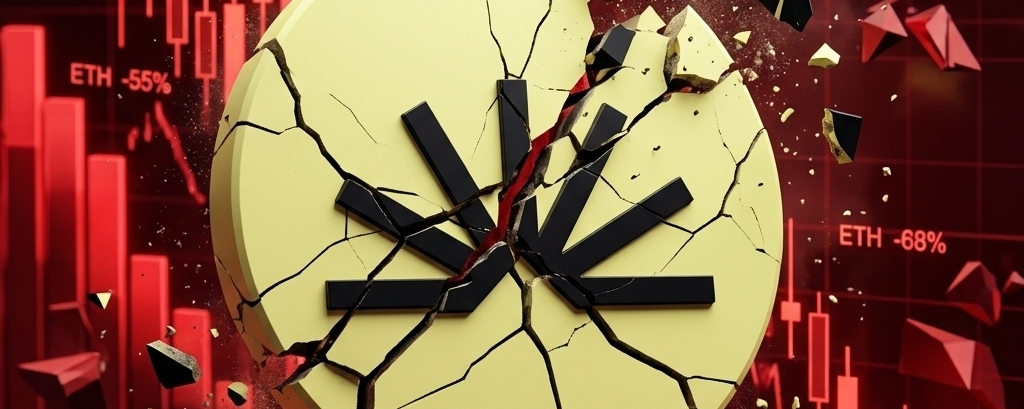
Sahara AI (SAHARA) Crashes 55% in 15 Minutes, Triggering Market Manipulation ConcernsThe AI-focused crypto sector faced renewed volatility after Sahara AI (SAHARA) plunged approximately 55% within just 15 minutes, sparking widespread concern among traders and investors.
Market data showed SAHARA rapidly collapsing before attempting a partial recovery, with 24-hour losses exceeding 50% across several exchanges.
As of now, Sahara AI has not released an official explanation regarding the sudden price movement.
Several factors are being closely monitored by market participants:
Potential market maker activityLiquidation cascadesLow liquidity conditionsToken unlock concernsConcentrated selling pressure
Notably, Sahara AI has an upcoming token unlock event scheduled in the coming weeks, with approximately 34% of the total supply currently circulating, while a substantial portion remains locked under the vesting schedule.
The incident once again highlights the risks associated with newer AI-related tokens, where:
Strong narratives can attract rapid inflows, but limited liquidity may amplify downside volatility.
For investors, the sharp decline serves as a reminder that sectors experiencing strong hype cycles—such as AI and crypto—can also experience equally aggressive corrections.
Why This Matters
1) AI Narrative Doesn't Eliminate Market Risk
Despite being one of crypto's strongest narratives, AI-related tokens remain vulnerable to:
Liquidity shocksConcentrated ownership structuresSpeculative trading behavior
2) Tokenomics Matter
With future unlocks approaching, investors are increasingly paying attention to:
Circulating supplyVesting schedulesPotential dilution risks
3) Market Confidence Could Be Tested
If no clear explanation emerges, concerns regarding:
Market structureMarket makersProject transparencyCould continue affecting sentiment.
Assets Most Impacted
• Sahara AI (SAHARA)
• AI crypto sector
• Recently launched tokens
The Bigger Question
Was SAHARA's 55% collapse simply a liquidity event...or does it reveal broader concerns about tokenomics and market structure within the AI crypto sector?
Source: CoinMarketCap, CoinGecko, Phemex News, Tokenomist
Like And Follow For More Information
#SaharaAIDrops55PercentIn15Minutes
{spot}(SAHARAUSDT)
Sahara AI (SAHARA) Crashes 55% in 15 Minutes, Triggering Market Manipulation Concerns
The AI-focused crypto sector faced renewed volatility after Sahara AI (SAHARA) plunged approximately 55% within just 15 minutes, sparking widespread concern among traders and investors.
Market data showed SAHARA rapidly collapsing before attempting a partial recovery, with 24-hour losses exceeding 50% across several exchanges.
As of now, Sahara AI has not released an official explanation regarding the sudden price movement.
Several factors are being closely monitored by market participants:
Potential market maker activityLiquidation cascadesLow liquidity conditionsToken unlock concernsConcentrated selling pressure
Notably, Sahara AI has an upcoming token unlock event scheduled in the coming weeks, with approximately 34% of the total supply currently circulating, while a substantial portion remains locked under the vesting schedule.
The incident once again highlights the risks associated with newer AI-related tokens, where:
Strong narratives can attract rapid inflows, but limited liquidity may amplify downside volatility.
For investors, the sharp decline serves as a reminder that sectors experiencing strong hype cycles—such as AI and crypto—can also experience equally aggressive corrections.
Why This Matters
1) AI Narrative Doesn't Eliminate Market Risk
Despite being one of crypto's strongest narratives, AI-related tokens remain vulnerable to:
Liquidity shocksConcentrated ownership structuresSpeculative trading behavior
2) Tokenomics Matter
With future unlocks approaching, investors are increasingly paying attention to:
Circulating supplyVesting schedulesPotential dilution risks
3) Market Confidence Could Be Tested
If no clear explanation emerges, concerns regarding:
Market structureMarket makersProject transparencyCould continue affecting sentiment.
Assets Most Impacted
• Sahara AI (SAHARA)
• AI crypto sector
• Recently launched tokens
The Bigger Question
Was SAHARA's 55% collapse simply a liquidity event...or does it reveal broader concerns about tokenomics and market structure within the AI crypto sector?
Source: CoinMarketCap, CoinGecko, Phemex News, Tokenomist
Like And Follow For More Information
#SaharaAIDrops55PercentIn15Minutes
Market data showed SAHARA rapidly collapsing before attempting a partial recovery, with 24-hour losses exceeding 50% across several exchanges.
As of now, Sahara AI has not released an official explanation regarding the sudden price movement.
Several factors are being closely monitored by market participants:
Potential market maker activityLiquidation cascadesLow liquidity conditionsToken unlock concernsConcentrated selling pressure
Notably, Sahara AI has an upcoming token unlock event scheduled in the coming weeks, with approximately 34% of the total supply currently circulating, while a substantial portion remains locked under the vesting schedule.
The incident once again highlights the risks associated with newer AI-related tokens, where:
Strong narratives can attract rapid inflows, but limited liquidity may amplify downside volatility.
For investors, the sharp decline serves as a reminder that sectors experiencing strong hype cycles—such as AI and crypto—can also experience equally aggressive corrections.
Why This Matters
1) AI Narrative Doesn't Eliminate Market Risk
Despite being one of crypto's strongest narratives, AI-related tokens remain vulnerable to:
Liquidity shocksConcentrated ownership structuresSpeculative trading behavior
2) Tokenomics Matter
With future unlocks approaching, investors are increasingly paying attention to:
Circulating supplyVesting schedulesPotential dilution risks
3) Market Confidence Could Be Tested
If no clear explanation emerges, concerns regarding:
Market structureMarket makersProject transparencyCould continue affecting sentiment.
Assets Most Impacted
• Sahara AI (SAHARA)
• AI crypto sector
• Recently launched tokens
The Bigger Question
Was SAHARA's 55% collapse simply a liquidity event...or does it reveal broader concerns about tokenomics and market structure within the AI crypto sector?
Source: CoinMarketCap, CoinGecko, Phemex News, Tokenomist
Like And Follow For More Information
#SaharaAIDrops55PercentIn15Minutes
Follow Me (SAHARA)
Wan_OnChain වෙතින්
2
4
287
·
--
සත්යායනය කළ

ලිපිය
උද්ධමන පීඩනයන් පවතින හෙයින් ECB අගයන් 25 Bpsකින් ඉහළ දැමීමට අපේක්ෂා කරයියුරෝ කලාපය පුරා නැවත උද්ධමනකාරී පීඩනවලට එරෙහිව ප්රතිපත්ති සකස් කරන්නන් දිගටම කටයුතු කරන බැවින්, යුරෝපා මහ බැංකුවෙන් (European Central Bank) 25 බේසිස් පොයින්ට් පොලී අනුපාතික ඉහළ දැමීමක් සඳහා වෙළඳපොලවල් වැඩි වශයෙන් මිල ගනිමින් සිටී.
යුරෝ කලාපයේ උද්ධමන දත්ත පෙන්වා දුන්නේ 5 වැනි මාසයේදී ප්රධාන උද්ධමනය 3.2% දක්වා වේගවත් වී ඇති බවයි—එය ECB හි 2% ඉලක්කය ඉතා ඉක්මවා යයි. වැඩිවන බලශක්ති වියදම් සහ අපේක්ෂිතයට වඩා ශක්තිමත් සේවා උද්ධමනය මධ්යම බැංකුවට තවදුරටත් ප්රතිපත්ති දැඩි කිරීමට ඇති ඉඩකඩ ශක්තිමත් කර තිබේ.
විශ්ලේෂකයන් පවසන්නේ, මෑත සති කිහිපය තුළ ECB නිලධාරීන් කිහිප දෙනෙකු වඩාත් “හෝක්ෂ්” (දැඩි) ස්වරයකට හැරී ඇති බවයි; එහිදී, ආර්ථික වර්ධනය මන්දගාමී වෙමින් තිබුණද උද්ධමන අවදානම් තවමත් ඉහළ මට්ටමක පවතින බව අවධාරණය කරති.
උද්ධමන පීඩනයන් පවතින හෙයින් ECB අගයන් 25 Bpsකින් ඉහළ දැමීමට අපේක්ෂා කරයි
යුරෝ කලාපය පුරා නැවත උද්ධමනකාරී පීඩනවලට එරෙහිව ප්රතිපත්ති සකස් කරන්නන් දිගටම කටයුතු කරන බැවින්, යුරෝපා මහ බැංකුවෙන් (European Central Bank) 25 බේසිස් පොයින්ට් පොලී අනුපාතික ඉහළ දැමීමක් සඳහා වෙළඳපොලවල් වැඩි වශයෙන් මිල ගනිමින් සිටී.
යුරෝ කලාපයේ උද්ධමන දත්ත පෙන්වා දුන්නේ 5 වැනි මාසයේදී ප්රධාන උද්ධමනය 3.2% දක්වා වේගවත් වී ඇති බවයි—එය ECB හි 2% ඉලක්කය ඉතා ඉක්මවා යයි. වැඩිවන බලශක්ති වියදම් සහ අපේක්ෂිතයට වඩා ශක්තිමත් සේවා උද්ධමනය මධ්යම බැංකුවට තවදුරටත් ප්රතිපත්ති දැඩි කිරීමට ඇති ඉඩකඩ ශක්තිමත් කර තිබේ.
විශ්ලේෂකයන් පවසන්නේ, මෑත සති කිහිපය තුළ ECB නිලධාරීන් කිහිප දෙනෙකු වඩාත් “හෝක්ෂ්” (දැඩි) ස්වරයකට හැරී ඇති බවයි; එහිදී, ආර්ථික වර්ධනය මන්දගාමී වෙමින් තිබුණද උද්ධමන අවදානම් තවමත් ඉහළ මට්ටමක පවතින බව අවධාරණය කරති.
යුරෝ කලාපයේ උද්ධමන දත්ත පෙන්වා දුන්නේ 5 වැනි මාසයේදී ප්රධාන උද්ධමනය 3.2% දක්වා වේගවත් වී ඇති බවයි—එය ECB හි 2% ඉලක්කය ඉතා ඉක්මවා යයි. වැඩිවන බලශක්ති වියදම් සහ අපේක්ෂිතයට වඩා ශක්තිමත් සේවා උද්ධමනය මධ්යම බැංකුවට තවදුරටත් ප්රතිපත්ති දැඩි කිරීමට ඇති ඉඩකඩ ශක්තිමත් කර තිබේ.
විශ්ලේෂකයන් පවසන්නේ, මෑත සති කිහිපය තුළ ECB නිලධාරීන් කිහිප දෙනෙකු වඩාත් “හෝක්ෂ්” (දැඩි) ස්වරයකට හැරී ඇති බවයි; එහිදී, ආර්ථික වර්ධනය මන්දගාමී වෙමින් තිබුණද උද්ධමන අවදානම් තවමත් ඉහළ මට්ටමක පවතින බව අවධාරණය කරති.
Follow Me
Wan_OnChain වෙතින්
1
4
244
·
--
සත්යායනය කළ

ලිපිය
JPMorgan၊ BofA နှင့် Citi တို့သည် Stablecoins ကို ယှဉ်ပြိုင်နိုင်ရန် Tokenized Deposit Network တစ်ခု ဒီဇိုင်းဆွဲနေကြသည်အမေရိကန်ပြည်ထောင်စုရှိ အကြီးဆုံးဘဏ်များဖြစ်သည့် JPMorgan Chase၊ Bank of America နှင့် Citigroup တို့သည် ရိုးရာဘဏ်လုပ်ငန်းစနစ်ကို blockchain အခြေခံအဆောက်အအုံနှင့် ချိတ်ဆက်မည့် နိုင်ငံတစ်ဝန်း tokenized deposit network ကို စတင်ရန် ပြင်ဆင်နေကြောင်း သတင်းများအရ သိရသည်။
ဤပရောဂျက်ကို The Clearing House မှ လည်ပတ်မည်ဖြစ်ပြီး ၂၀၂၇ ခုနှစ် ပထမနှစ်ဝက်တွင် လည်ပတ်နိုင်ရန် ရည်မှန်းထားသည်။
“Tokenized Deposit Network” ဆိုတာဘာလဲ။
stablecoins များနှင့်မတူဘဲ tokenized deposits များမှာ-
ရိုးရာဘဏ်ငွေသွင်းအပ်ငွေများ
blockchain ပေါ်တွင် တိုကင်များအဖြစ် ကိုယ်စားပြုထားသည်
JPMorgan၊ BofA နှင့် Citi တို့သည် Stablecoins ကို ယှဉ်ပြိုင်နိုင်ရန် Tokenized Deposit Network တစ်ခု ဒီဇိုင်းဆွဲနေကြသည်
အမေရိကန်ပြည်ထောင်စုရှိ အကြီးဆုံးဘဏ်များဖြစ်သည့် JPMorgan Chase၊ Bank of America နှင့် Citigroup တို့သည် ရိုးရာဘဏ်လုပ်ငန်းစနစ်ကို blockchain အခြေခံအဆောက်အအုံနှင့် ချိတ်ဆက်မည့် နိုင်ငံတစ်ဝန်း tokenized deposit network ကို စတင်ရန် ပြင်ဆင်နေကြောင်း သတင်းများအရ သိရသည်။
ဤပရောဂျက်ကို The Clearing House မှ လည်ပတ်မည်ဖြစ်ပြီး ၂၀၂၇ ခုနှစ် ပထမနှစ်ဝက်တွင် လည်ပတ်နိုင်ရန် ရည်မှန်းထားသည်။
“Tokenized Deposit Network” ဆိုတာဘာလဲ။
stablecoins များနှင့်မတူဘဲ tokenized deposits များမှာ-
ရိုးရာဘဏ်ငွေသွင်းအပ်ငွေများ
blockchain ပေါ်တွင် တိုကင်များအဖြစ် ကိုယ်စားပြုထားသည်
ဤပရောဂျက်ကို The Clearing House မှ လည်ပတ်မည်ဖြစ်ပြီး ၂၀၂၇ ခုနှစ် ပထမနှစ်ဝက်တွင် လည်ပတ်နိုင်ရန် ရည်မှန်းထားသည်။
“Tokenized Deposit Network” ဆိုတာဘာလဲ။
stablecoins များနှင့်မတူဘဲ tokenized deposits များမှာ-
ရိုးရာဘဏ်ငွေသွင်းအပ်ငွေများ
blockchain ပေါ်တွင် တိုကင်များအဖြစ် ကိုယ်စားပြုထားသည်
Follow Me
Wan_OnChain වෙතින්
1
5
284
·
--
උසබ තත්ත්වය
පරිවර්තනය බලන්න
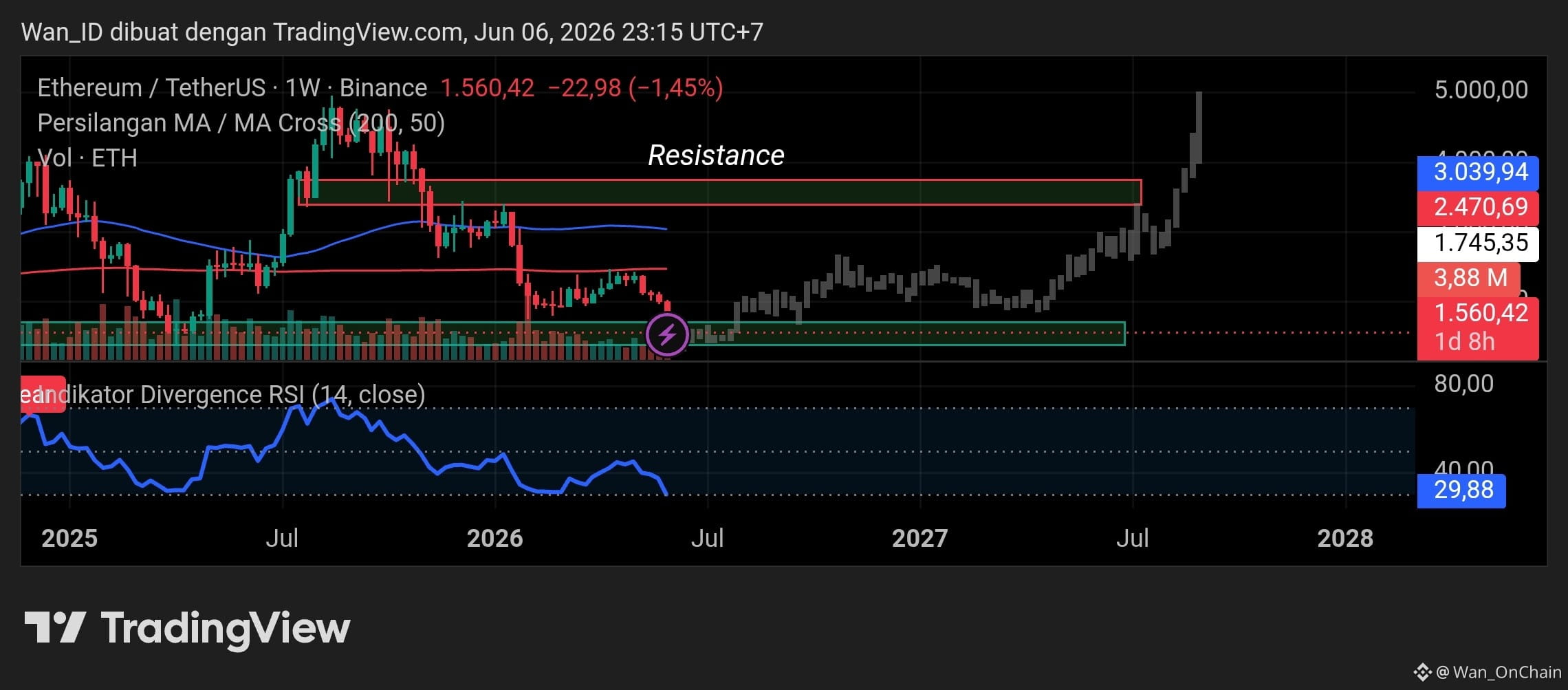
$ETH is at long-term support in the range of $1,600 - $1,350 and Resistance of $3,400 - $4,000, the market is now observing this critical point whether Ethereum will survive or considering there are several risks including:
1. DeFi liquidity worth over 345,000 ETH poses a threat across various protocols
2. Ethereum has seen continued ETF outflows as well as deposits of 17,900 ETH to exchanges.
3. One wallet that had been inactive for 3 years transferred 80,000 ETH of money, sparking concerns in the market.
On the other hand, Long Term Support is also supported by buyers including:
1. There are entities that acquired more than 138,000 ETH and Whales borrowed Stablecoins to buy Ethereum amounting to 87,600 ETH
2. Industry leaders emphasize Ethereum's growing role as a foundational settlement layer for tokenized assets.
3. Technically, the price is at Long Term Support, which means the price is at the average price of long-term holders, which could trigger buying action.
So, what is the future thesis for Ethereum?
Because Ethereum is at long-term support, some parties have started accumulating ETH according to data that could slow down selling pressure even though Bitcoin still has the potential to fall further. However, in Ethereum's history, when Bitcoin crashed in 2022, Ethereum managed to show its strength in maintaining this long-term support.
Support : $1.600 - $1.350
Resistance : $3.400 - $4.000
Where is Ethereum Targeting in this cycle?
There are several opinions from analysts that we can use as a reference for long-term investment, including:
1. VanEck: $11,800
2. Standard Chartered: $40,000
3. CoinPedia : $15.575 - $12.647
4. Forbes & CoinCodex : +$20.000
Share your opinion in the comments column
#NasdaqWorstDayInOverAYear
#ETH
$ETH is at long-term support in the range of $1,600 - $1,350 and Resistance of $3,400 - $4,000, the market is now observing this critical point whether Ethereum will survive or considering there are several risks including:
1. DeFi liquidity worth over 345,000 ETH poses a threat across various protocols
2. Ethereum has seen continued ETF outflows as well as deposits of 17,900 ETH to exchanges.
3. One wallet that had been inactive for 3 years transferred 80,000 ETH of money, sparking concerns in the market.
On the other hand, Long Term Support is also supported by buyers including:
1. There are entities that acquired more than 138,000 ETH and Whales borrowed Stablecoins to buy Ethereum amounting to 87,600 ETH
2. Industry leaders emphasize Ethereum's growing role as a foundational settlement layer for tokenized assets.
3. Technically, the price is at Long Term Support, which means the price is at the average price of long-term holders, which could trigger buying action.
So, what is the future thesis for Ethereum?
Because Ethereum is at long-term support, some parties have started accumulating ETH according to data that could slow down selling pressure even though Bitcoin still has the potential to fall further. However, in Ethereum's history, when Bitcoin crashed in 2022, Ethereum managed to show its strength in maintaining this long-term support.
Support : $1.600 - $1.350
Resistance : $3.400 - $4.000
Where is Ethereum Targeting in this cycle?
There are several opinions from analysts that we can use as a reference for long-term investment, including:
1. VanEck: $11,800
2. Standard Chartered: $40,000
3. CoinPedia : $15.575 - $12.647
4. Forbes & CoinCodex : +$20.000
Share your opinion in the comments column
#NasdaqWorstDayInOverAYear
#ETH
1. DeFi liquidity worth over 345,000 ETH poses a threat across various protocols
2. Ethereum has seen continued ETF outflows as well as deposits of 17,900 ETH to exchanges.
3. One wallet that had been inactive for 3 years transferred 80,000 ETH of money, sparking concerns in the market.
On the other hand, Long Term Support is also supported by buyers including:
1. There are entities that acquired more than 138,000 ETH and Whales borrowed Stablecoins to buy Ethereum amounting to 87,600 ETH
2. Industry leaders emphasize Ethereum's growing role as a foundational settlement layer for tokenized assets.
3. Technically, the price is at Long Term Support, which means the price is at the average price of long-term holders, which could trigger buying action.
So, what is the future thesis for Ethereum?
Because Ethereum is at long-term support, some parties have started accumulating ETH according to data that could slow down selling pressure even though Bitcoin still has the potential to fall further. However, in Ethereum's history, when Bitcoin crashed in 2022, Ethereum managed to show its strength in maintaining this long-term support.
Support : $1.600 - $1.350
Resistance : $3.400 - $4.000
Where is Ethereum Targeting in this cycle?
There are several opinions from analysts that we can use as a reference for long-term investment, including:
1. VanEck: $11,800
2. Standard Chartered: $40,000
3. CoinPedia : $15.575 - $12.647
4. Forbes & CoinCodex : +$20.000
Share your opinion in the comments column
#NasdaqWorstDayInOverAYear
#ETH
1
212
·
--
සත්යායනය කළ
ලිපිය
පරිවර්තනය බලන්න
Nasdaq Suffers Worst Day in Over a Year as Hot Jobs Data Shakes MarketsThe Nasdaq recorded its worst single-day performance in more than a year, with the Nasdaq Composite plunging 4.18%, marking its steepest decline since April 2025.
The sell-off was primarily driven by a stronger-than-expected U.S. labor market report, which reignited fears that the Federal Reserve System may keep interest rates higher for longer—or potentially even consider additional tightening measures.
The latest jobs report showed:
172,000 jobs added in MayUnemployment rate holding at 4.3%Rising Treasury yields following the release of the data
Higher yields typically pressure growth stocks because future earnings become less attractive when discounted at elevated interest rates.
Technology and semiconductor stocks led the decline, with major AI-related companies experiencing sharp losses as investors reassessed valuations following months of strong gains.
The broader market reaction suggests investors are increasingly concerned that:
Strong economic data may delay the timing of future Fed rate cuts.
Additionally, ongoing geopolitical uncertainties in the Middle East added another layer of risk aversion to markets.
Why This Matters
1) AI Trade Faces Reality Check
After months of AI-driven momentum, investors are beginning to question whether current valuations already price in years of future growth.
2) Fed Expectations Shift Again
Strong employment data reduces the urgency for the Fed to cut rates, potentially extending the higher-for-longer environment.
3) Treasury Yields Are Back in Focus
The rise in bond yields disproportionately affects:
Technology stocksHigh-growth companiesSpeculative assetsIncluding cryptocurrencies.
Assets Most Impacted
• Nasdaq Composite
• AI & semiconductor stocks (NVDA, MRVL, AMD, AVGO)
The Bigger Question
Is this merely a healthy correction after an extended AI rally...or the beginning of a broader repricing as markets adjust to a prolonged higher-rate environment?
Source: Reuters, Barron's, Axios
Like And Follow For More Information
#NasdaqWorstDayInOverAYear
{alpha}(560x9f16e46c73b43bdb70861247d537bee4ea18f639)
{alpha}(560x1501ec83ffef405b4331cc4f73277a40fb0c627d)
{alpha}(560xa9ee28c80f960b889dfbd1902055218cba016f75)
Nasdaq Suffers Worst Day in Over a Year as Hot Jobs Data Shakes Markets
The Nasdaq recorded its worst single-day performance in more than a year, with the Nasdaq Composite plunging 4.18%, marking its steepest decline since April 2025.
The sell-off was primarily driven by a stronger-than-expected U.S. labor market report, which reignited fears that the Federal Reserve System may keep interest rates higher for longer—or potentially even consider additional tightening measures.
The latest jobs report showed:
172,000 jobs added in MayUnemployment rate holding at 4.3%Rising Treasury yields following the release of the data
Higher yields typically pressure growth stocks because future earnings become less attractive when discounted at elevated interest rates.
Technology and semiconductor stocks led the decline, with major AI-related companies experiencing sharp losses as investors reassessed valuations following months of strong gains.
The broader market reaction suggests investors are increasingly concerned that:
Strong economic data may delay the timing of future Fed rate cuts.
Additionally, ongoing geopolitical uncertainties in the Middle East added another layer of risk aversion to markets.
Why This Matters
1) AI Trade Faces Reality Check
After months of AI-driven momentum, investors are beginning to question whether current valuations already price in years of future growth.
2) Fed Expectations Shift Again
Strong employment data reduces the urgency for the Fed to cut rates, potentially extending the higher-for-longer environment.
3) Treasury Yields Are Back in Focus
The rise in bond yields disproportionately affects:
Technology stocksHigh-growth companiesSpeculative assetsIncluding cryptocurrencies.
Assets Most Impacted
• Nasdaq Composite
• AI & semiconductor stocks (NVDA, MRVL, AMD, AVGO)
The Bigger Question
Is this merely a healthy correction after an extended AI rally...or the beginning of a broader repricing as markets adjust to a prolonged higher-rate environment?
Source: Reuters, Barron's, Axios
Like And Follow For More Information
#NasdaqWorstDayInOverAYear
The sell-off was primarily driven by a stronger-than-expected U.S. labor market report, which reignited fears that the Federal Reserve System may keep interest rates higher for longer—or potentially even consider additional tightening measures.
The latest jobs report showed:
172,000 jobs added in MayUnemployment rate holding at 4.3%Rising Treasury yields following the release of the data
Higher yields typically pressure growth stocks because future earnings become less attractive when discounted at elevated interest rates.
Technology and semiconductor stocks led the decline, with major AI-related companies experiencing sharp losses as investors reassessed valuations following months of strong gains.
The broader market reaction suggests investors are increasingly concerned that:
Strong economic data may delay the timing of future Fed rate cuts.
Additionally, ongoing geopolitical uncertainties in the Middle East added another layer of risk aversion to markets.
Why This Matters
1) AI Trade Faces Reality Check
After months of AI-driven momentum, investors are beginning to question whether current valuations already price in years of future growth.
2) Fed Expectations Shift Again
Strong employment data reduces the urgency for the Fed to cut rates, potentially extending the higher-for-longer environment.
3) Treasury Yields Are Back in Focus
The rise in bond yields disproportionately affects:
Technology stocksHigh-growth companiesSpeculative assetsIncluding cryptocurrencies.
Assets Most Impacted
• Nasdaq Composite
• AI & semiconductor stocks (NVDA, MRVL, AMD, AVGO)
The Bigger Question
Is this merely a healthy correction after an extended AI rally...or the beginning of a broader repricing as markets adjust to a prolonged higher-rate environment?
Source: Reuters, Barron's, Axios
Like And Follow For More Information
#NasdaqWorstDayInOverAYear
Follow Me
Wan_OnChain වෙතින්
3
452
තවත් අන්තර්ගතයන් ගවේෂණය කිරීමට ඇතුල් වන්න
Binance චතුරශ්රය හි ගෝලීය ක්රිප්ටෝ පරිශීලකයින් හා එක්වන්න
⚡️ ක්රිප්ටෝ පිළිබඳ නවතම සහ ප්රයෝජනවත් තොරතුරු ලබා ගන්න.
💬 ලොව විශාලතම ක්රිප්ටෝ හුවමාරුව මගින් විශ්වාස කෙරේ.
👍 සත්යායනය කරන ලද නිර්මාණකරුවන්ගෙන් සැබෑ විදසුන් සොයා ගන්න.
විද්යුත් තැපෑල / දුරකථන අංකය
නැගී එන මාතෘකා
FedRateWatch
676,155 views
3,177 සාකච්ඡා කරමින්
எங்கள் டிரெண்டிங் ஹாஷ்டாக் பிரச்சாரத்தில் போக்குவரத்து ரிவார்டை பகிர்ந்து வெல்லுங்கள்
✨தலைப்பு: FOMC செப்டம்பர், பெடின் அடுத்த நடவடிக்கை என்ன?
👉சேருவது எப்படி:
ஹாஷ்டாக் #FedRateWatch உடன் ஒரு குறுகிய பதிவையோ அல்லது கட்டுரையையோ வெளியிடுங்கள்
கீழுள்ள கோணங்களின் அடிப்படையில் உள்ளடக்கத்தை உருவாக்குங்கள்:
- ஆகஸ்ட் கோர் CPI மாதந்தோறும் 0.3% உயர்ந்தது; இந்த வாரம் 25bp உயர்வுக்கான வாய்ப்புகள் இப்போது சுமார் 90% ஆக உள்ளன. இந்த வாரம் வட்டி உயர்வு நடக்குமென நீங்கள் எதிர்பார்க்கிறீர்களா? அது ஒருமுறைதானா, அல்லது இன்னும் நீளமான வட்டி உயர்வு சுழற்சியின் தொடக்கமா?
- உயர்வு நடந்தால், BTC, டெக் பங்குகள், மற்றும் தங்கம் ஆகியவற்றுக்கு அது எப்படி தாக்கம் காட்டும்? உயர்ச்சியா அல்லது சரிவா?
- நீங்கள் அடுத்ததாக எப்படி டிரேடு செய்ய திட்டமிடுகிறீர்கள்? எங்களின் டிரேடு பகிர்வு வித்ஜெட்டின் மூலம் உங்கள் BTC, பங்குகள் அல்லது தங்க டிரேடு/உடைமைகளைப் பகிருங்கள்.
⏰பிரச்சார காலம்:
- 2026-09-15 11:00 - 2026-09-17 3:00 UTC
🎁ரிவார்டு:
- மேலுள்ள வழிகாட்டுதல்களுக்கு இணங்கவும் 100 வார்த்தைகளுக்கு மேல் உள்ள தகுதிபெற்ற பதிவுகள் மதிப்பாய்வு செய்யப்படும்; மேலும் 500 முதல் 3,000 பார்வைகள் வரை சீரற்ற (ரேண்டம்) போக்குவரத்து அதிகரிப்பு கிடைக்கலாம். உங்கள் பதிவு தேர்ந்தெடுக்கப்பட்டால், உங்கள் feed secretary மூலம் ஒரு அறிவிப்பு கிடைக்கும்.
- Binance Square Official-ல் உங்கள் கட்டுரை இடம்பெற வாய்ப்பு பெறுங்கள்
உங்கள் பதிவுக்கான யோசனைகள் வேண்டுமா? தலைப்புப் பக்கத்தை #FedRateWatch அல்லது Square Guide on How to Post for Better Reach-ஐ பாருங்கள்.
Binance Square Official
·419 කැමත්ත දැක්වීම්
·944.4k views
EthereumFallsBelow$2400
850 views
33 සාකච්ඡා කරමින්
USSenateBlocksClarityAct
3,282 views
140 සාකච්ඡා කරමින්