

Trader Rai
21.5k පෝස්ටු
Trader Rai
වාර්තා කරන්න
පරිශීලක අවහිර කරන්න
X_: @trader_raiii ; Trading is first priority since 2020 || BNB || Influencer ||
10 හඹා යමින්
64.1K+ හඹා යන්නන්
111.6K+ කැමති විය
පෝස්ටු
සියල්ල
උපුටා දැක්වීම්
වීඩියෝ
සජීවි
·
--
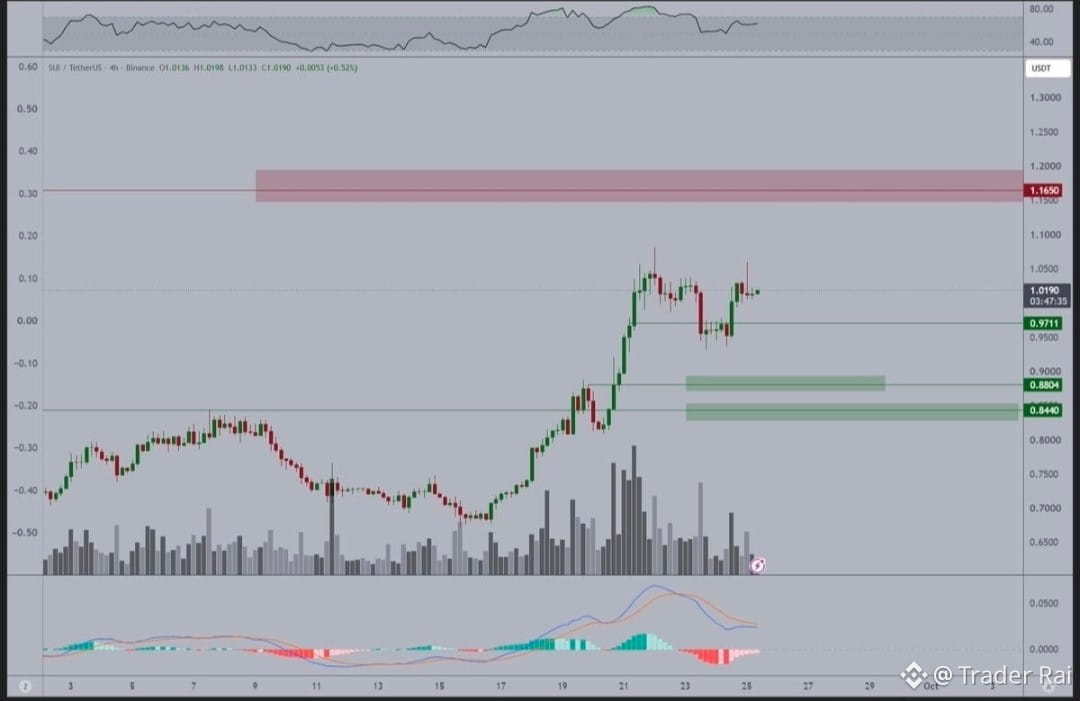
There's plenty of room for $SUI to run higher from here. We just barely cracked through resistance, and if you look at the chart, $1.20 feels like the next natural stop — probably within the next week or so.
Not saying it's guaranteed, but the setup's there. Sometimes the best moves happen right after a breakout when most people are still waiting for confirmation. Just saying, keep an eye on it.
{future}(SUIUSDT)
There's plenty of room for $SUI to run higher from here. We just barely cracked through resistance, and if you look at the chart, $1.20 feels like the next natural stop — probably within the next week or so.
Not saying it's guaranteed, but the setup's there. Sometimes the best moves happen right after a breakout when most people are still waiting for confirmation. Just saying, keep an eye on it.
Not saying it's guaranteed, but the setup's there. Sometimes the best moves happen right after a breakout when most people are still waiting for confirmation. Just saying, keep an eye on it.
1
186
·
--
උසබ තත්ත්වය
In 2023, when $BTC was at 31,000, the Crown Prince already emphasized that by around the end of 2025 it would be around $150,000. Back then, the whole internet was looking at 8,000; after that, with every round of volatility, everyone told you it was over—only I told you to keep innovating and keep hitting new highs. Then with it only just short of $150,000, those paper-handed traders said, “Wow, why is the Crown Prince looking at Bitcoin at 120,000?” Last June, the whole internet was bearish on Ethereum. It’s the same logic: the Crown Prince emphasized that in two months it would reach 5,000. Two months ago, when Bitcoin was at 62,000, the Crown Prince already told you that it would start surging in August. Now I’m emphasizing that Bitcoin will reach 180,000. When Bitcoin reaches 160,000, even if you can’t quite touch 180,000, the paper-handed traders will immediately say, “Wow, the Crown Prince is bullish on Bitcoin at 180,000.” Paper hands are always paper hands—give them a hundred-times coin and they can still find a way to lose money.
{spot}(BTCUSDT)
In 2023, when $BTC was at 31,000, the Crown Prince already emphasized that by around the end of 2025 it would be around $150,000. Back then, the whole internet was looking at 8,000; after that, with every round of volatility, everyone told you it was over—only I told you to keep innovating and keep hitting new highs. Then with it only just short of $150,000, those paper-handed traders said, “Wow, why is the Crown Prince looking at Bitcoin at 120,000?” Last June, the whole internet was bearish on Ethereum. It’s the same logic: the Crown Prince emphasized that in two months it would reach 5,000. Two months ago, when Bitcoin was at 62,000, the Crown Prince already told you that it would start surging in August. Now I’m emphasizing that Bitcoin will reach 180,000. When Bitcoin reaches 160,000, even if you can’t quite touch 180,000, the paper-handed traders will immediately say, “Wow, the Crown Prince is bullish on Bitcoin at 180,000.” Paper hands are always paper hands—give them a hundred-times coin and they can still find a way to lose money.
314
·
--
උසබ තත්ත්වය
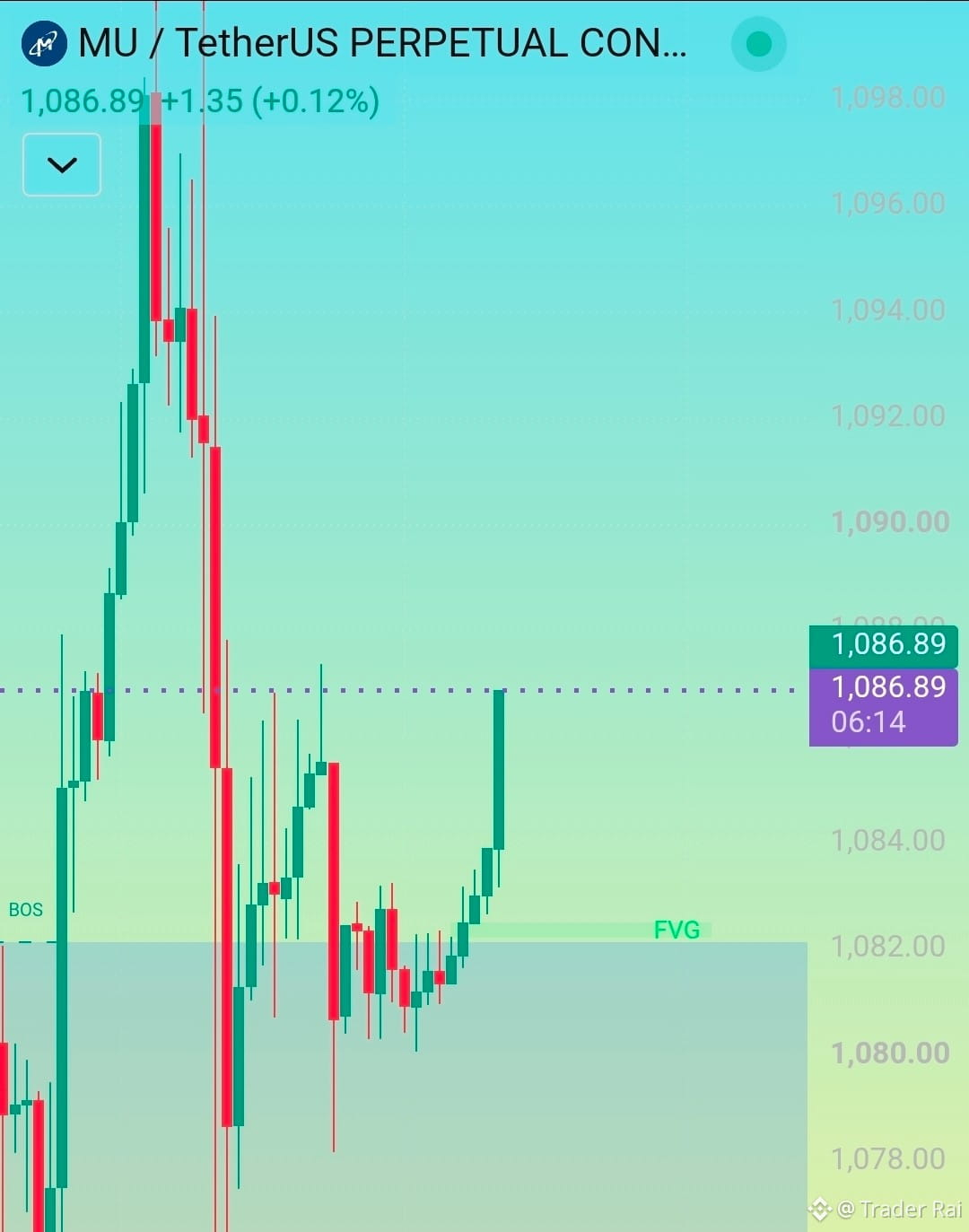
$MU just swept the local low, tapped into the Fair Value Gap (FVG), and put in a strong impulsive recovery candle. Expecting a continuation back toward the recent highs as long as current support holds.
Trade Setup:
Long Entry: 1,085 - 1,087
Stop Loss: 1,079
Target: 1,098
{future}(MUUSDT)
$MU just swept the local low, tapped into the Fair Value Gap (FVG), and put in a strong impulsive recovery candle. Expecting a continuation back toward the recent highs as long as current support holds.
Trade Setup:
Long Entry: 1,085 - 1,087
Stop Loss: 1,079
Target: 1,098
Trade Setup:
Long Entry: 1,085 - 1,087
Stop Loss: 1,079
Target: 1,098
1
590
·
--
උසබ තත්ත්වය
Clean Breakout Play
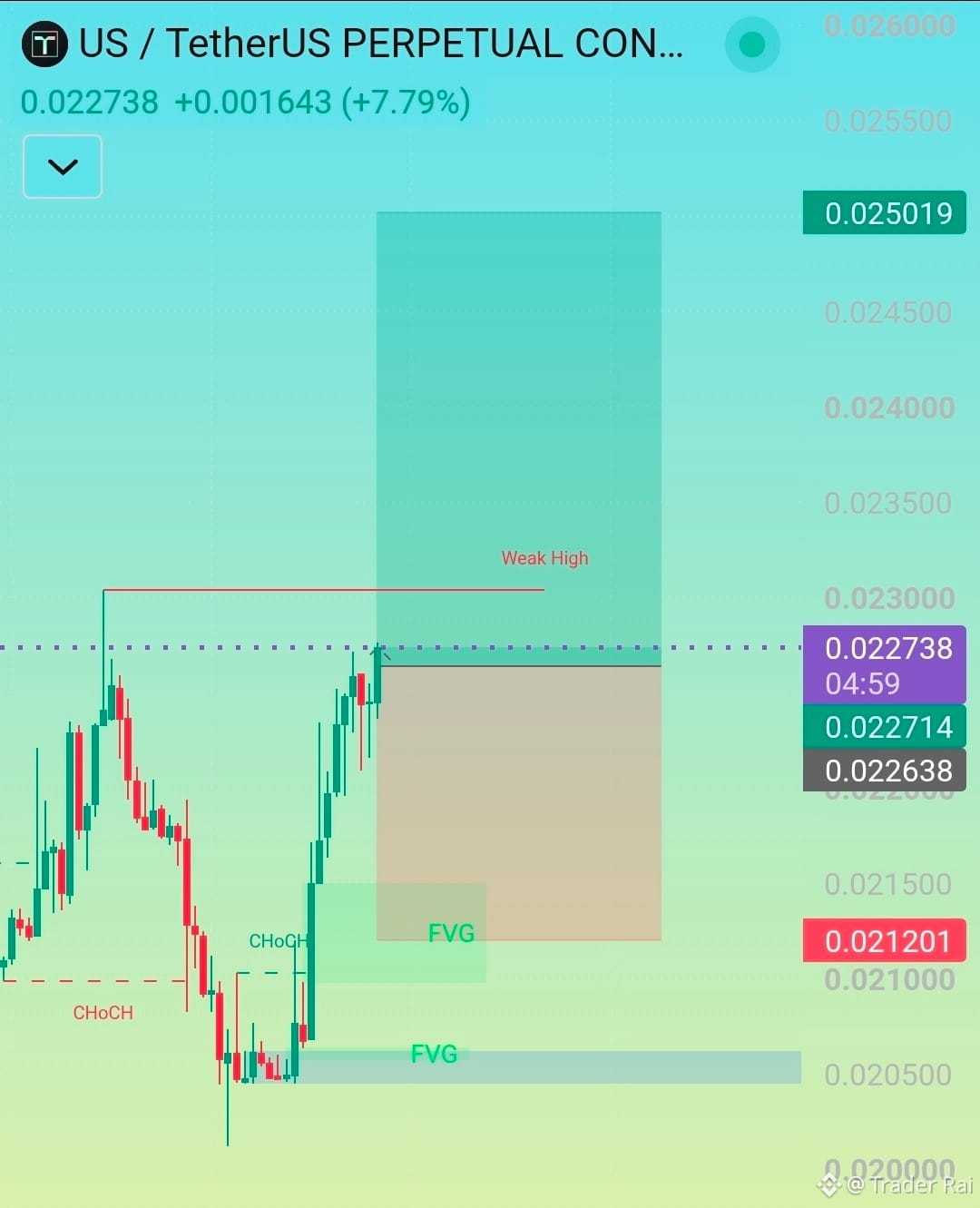
This $US chart shows a solid market structure shift with a clean higher low forming near the local fair value gap, meaning buyers are stepping back in. I'm watching for a continuation toward that weak high as momentum builds.
Trade Setup:
Long entry around 0.0221–0.0224
stop loss below 0.0211 and target 0.0250.
#CryptoTrading
{future}(USUSDT)
Clean Breakout Play
This $US chart shows a solid market structure shift with a clean higher low forming near the local fair value gap, meaning buyers are stepping back in. I'm watching for a continuation toward that weak high as momentum builds.
Trade Setup:
Long entry around 0.0221–0.0224
stop loss below 0.0211 and target 0.0250.
#CryptoTrading
This $US chart shows a solid market structure shift with a clean higher low forming near the local fair value gap, meaning buyers are stepping back in. I'm watching for a continuation toward that weak high as momentum builds.
Trade Setup:
Long entry around 0.0221–0.0224
stop loss below 0.0211 and target 0.0250.
#CryptoTrading
1
1
2
447
·
--
උසබ තත්ත්වය
Guy's.. Don't worry 😉
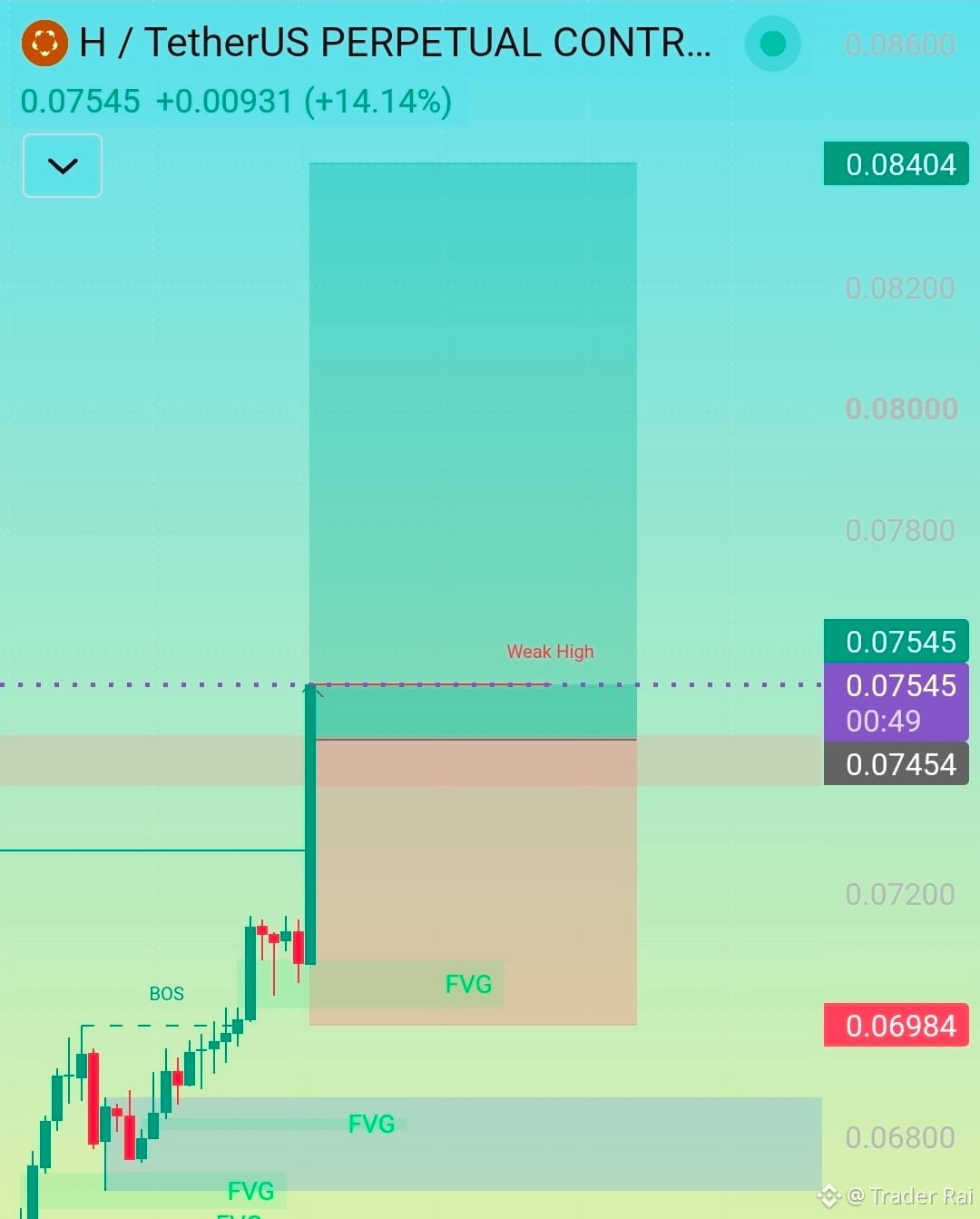
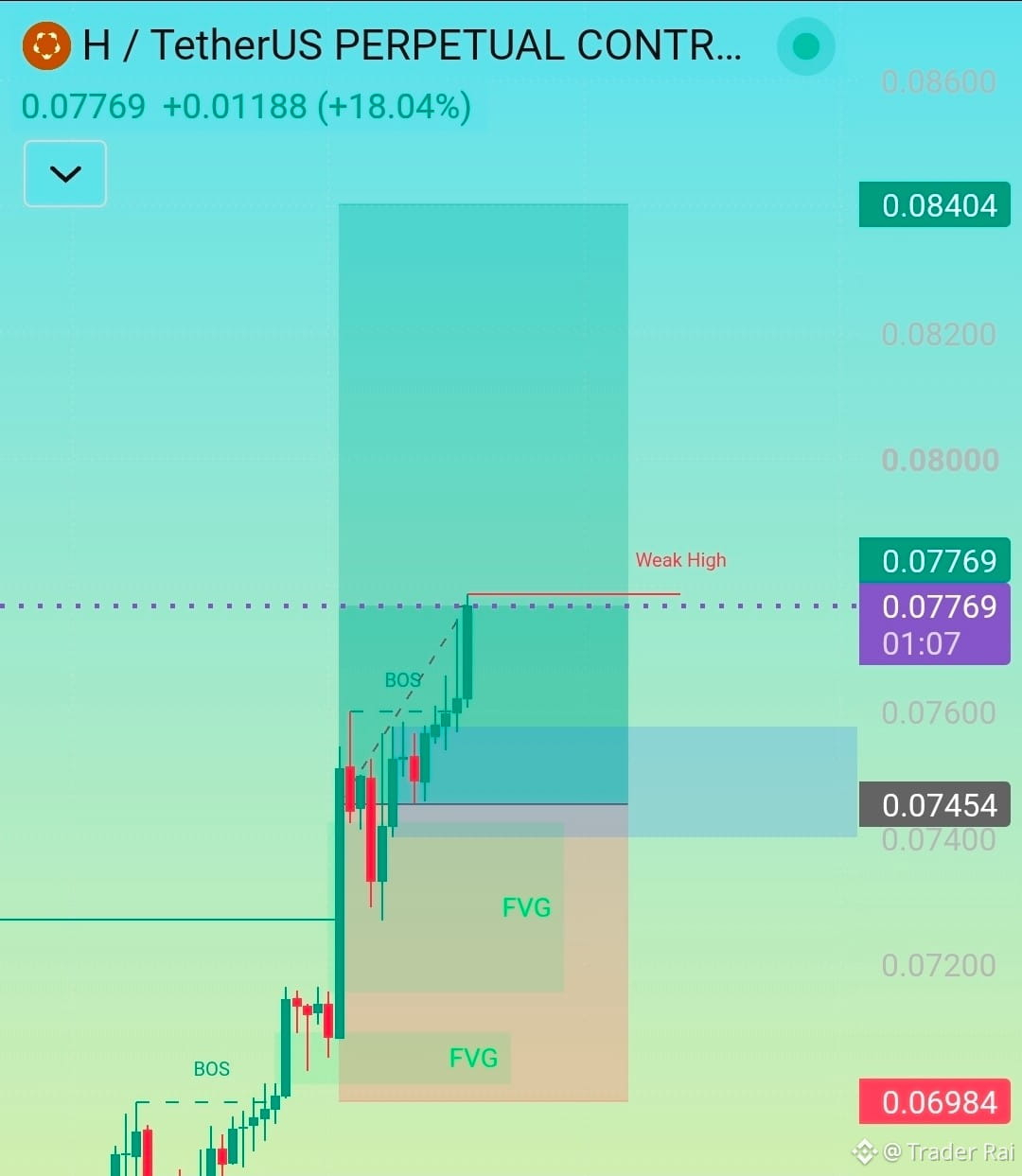
My $H trade working accurately and i know my many followers friends take this trade and i wish we all hit our target and we all make nice profits..
Guy's you see that market will reject again and again ask us for move me more up So, buyers are come and control and market will again pumping...
{future}(HUSDT)
Guy's.. Don't worry 😉
My $H trade working accurately and i know my many followers friends take this trade and i wish we all hit our target and we all make nice profits..
Guy's you see that market will reject again and again ask us for move me more up So, buyers are come and control and market will again pumping...
My $H trade working accurately and i know my many followers friends take this trade and i wish we all hit our target and we all make nice profits..
Guy's you see that market will reject again and again ask us for move me more up So, buyers are come and control and market will again pumping...
Trader Rai
·
--
උසබ තත්ත්වය$H just broke out and swept the range nicely. Waiting for a quick pullback to the local imbalance zone to catch a long entry before it pushes toward the next target.
Trade Setup: Long
Entry: 0.07150 – 0.07250
Take Profit: 0.08400
Stop Loss: 0.06950
Trade Setup: Long
Entry: 0.07150 – 0.07250
Take Profit: 0.08400
Stop Loss: 0.06950
2
819
·
--
උසබ තත්ත්වය
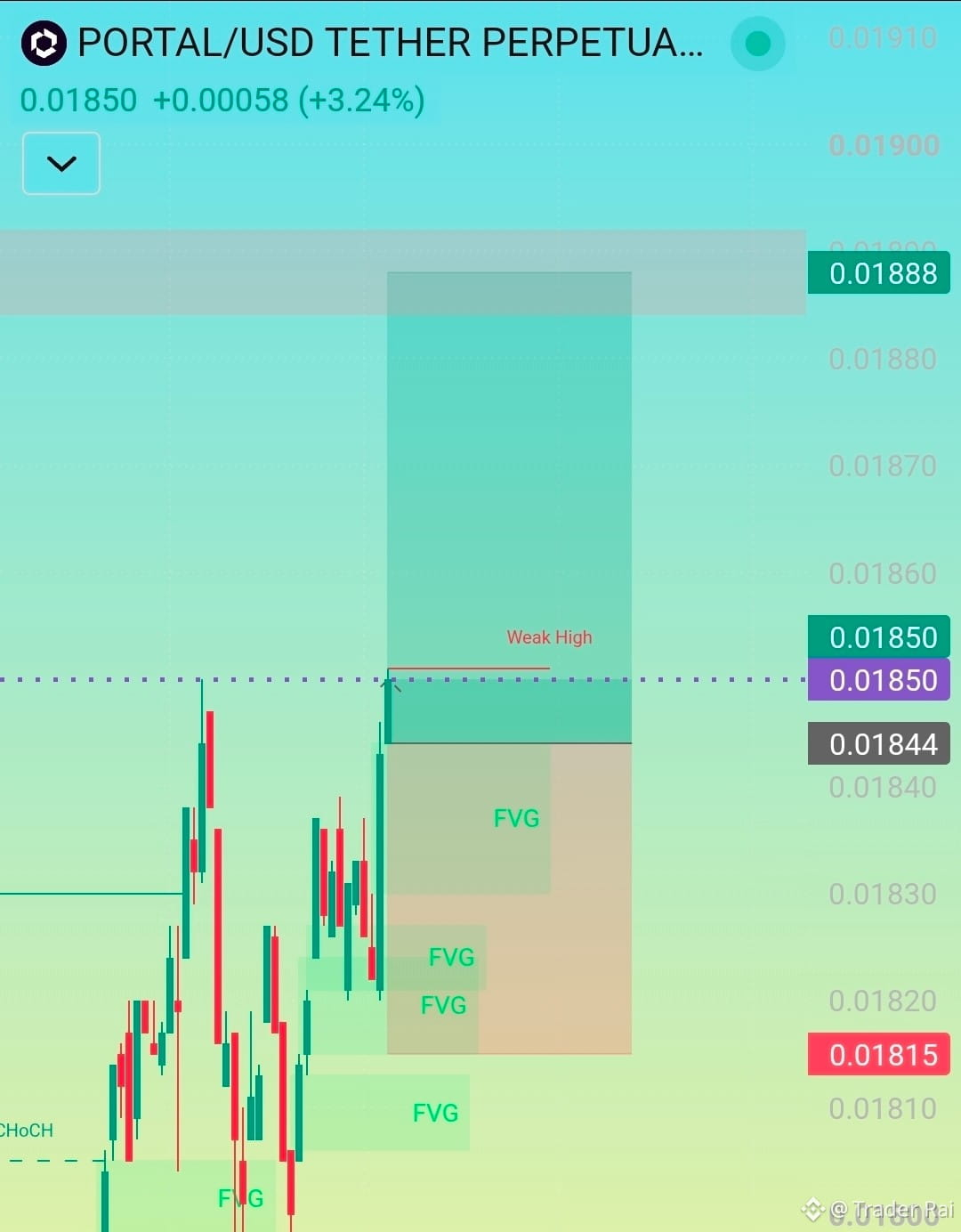
$PORTAL holding strong above the $0.0184 level after sweeping recent highs, and as long as this support holds, we could see a steady push toward the $0.0188 resistance zone.
Setup: Long entry at $0.0184
Stop loss: $0.0181
Target: $0.0188
{future}(PORTALUSDT)
$PORTAL holding strong above the $0.0184 level after sweeping recent highs, and as long as this support holds, we could see a steady push toward the $0.0188 resistance zone.
Setup: Long entry at $0.0184
Stop loss: $0.0181
Target: $0.0188
Setup: Long entry at $0.0184
Stop loss: $0.0181
Target: $0.0188
2
447
·
--
උසබ තත්ත්වය
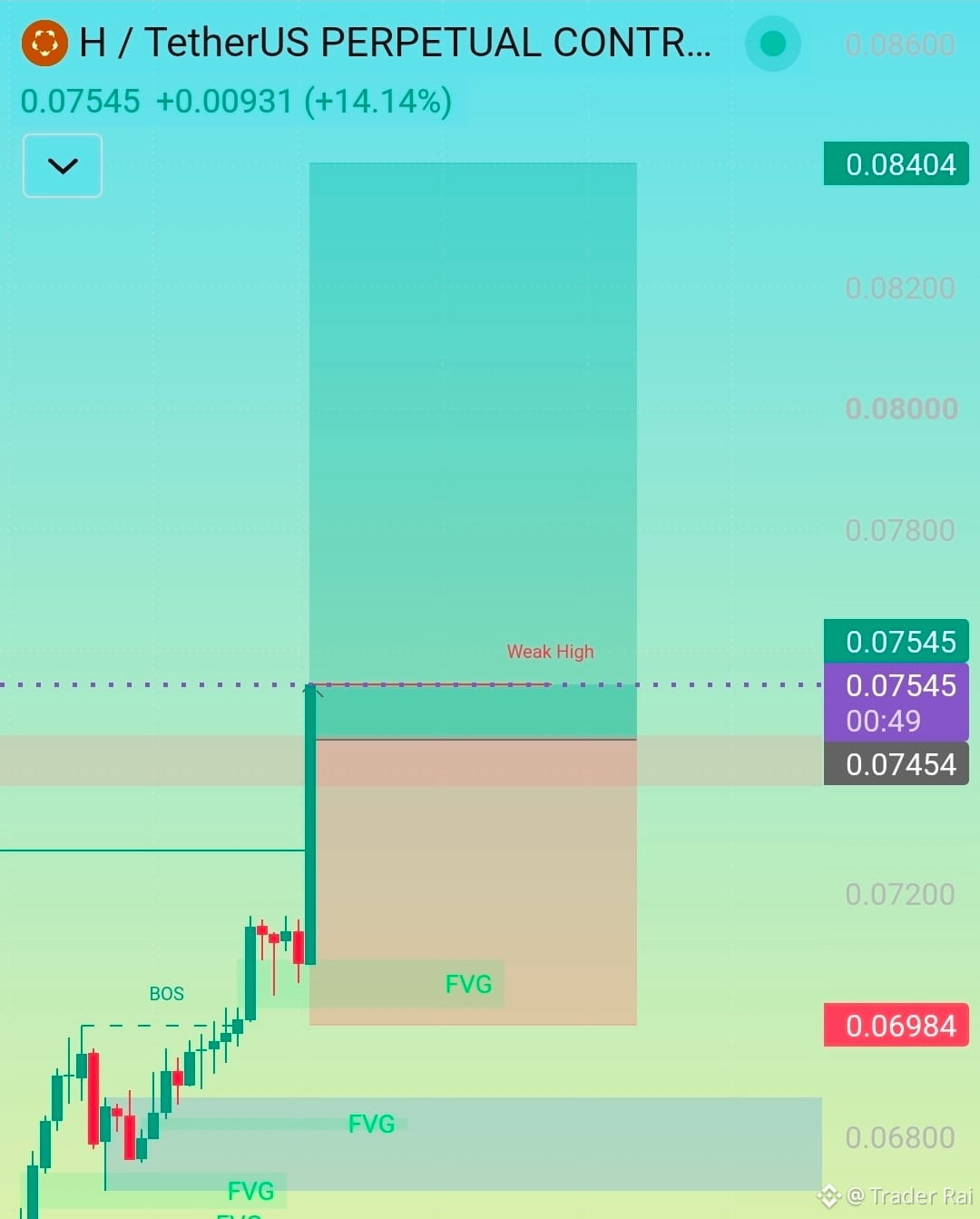
$H just broke out and swept the range nicely. Waiting for a quick pullback to the local imbalance zone to catch a long entry before it pushes toward the next target.
Trade Setup: Long
Entry: 0.07150 – 0.07250
Take Profit: 0.08400
Stop Loss: 0.06950
{future}(HUSDT)
$H just broke out and swept the range nicely. Waiting for a quick pullback to the local imbalance zone to catch a long entry before it pushes toward the next target.
Trade Setup: Long
Entry: 0.07150 – 0.07250
Take Profit: 0.08400
Stop Loss: 0.06950
Trade Setup: Long
Entry: 0.07150 – 0.07250
Take Profit: 0.08400
Stop Loss: 0.06950
1
2
765
·
--
උසබ තත්ත්වය
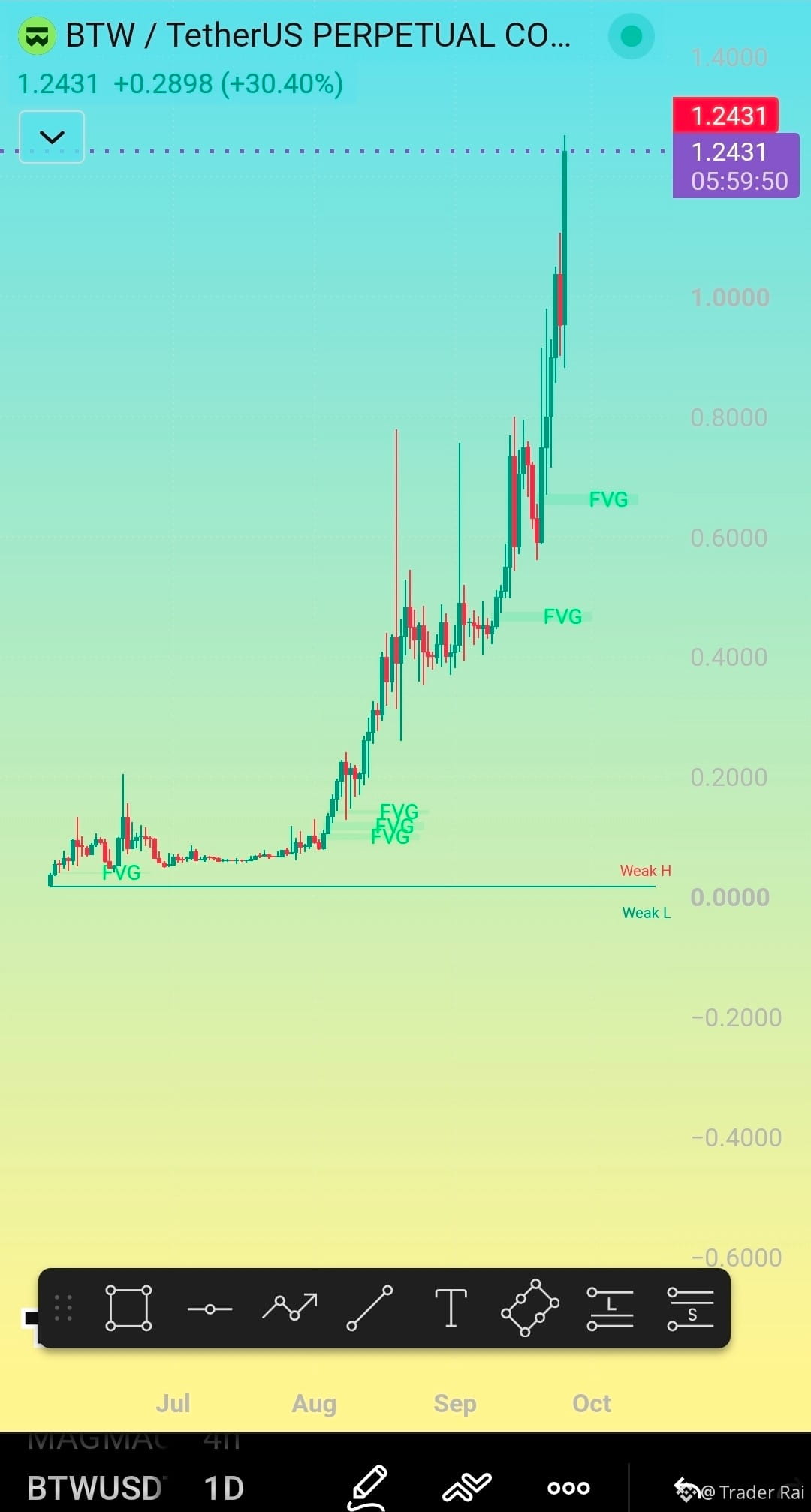
$BTW has been one of the most interesting moves lately. From almost $0, it has climbed to around $1.24, and the momentum is still looking seriously bullish. I got in at much lower levels and I’m still holding, so I’m already sitting on a solid profit. If this momentum continues, $2 is definitely a level I’m watching — and a strong breakout could even open the door toward $3. Nothing is guaranteed in crypto, but this move is hard to ignore. If you’re watching $BTW , this could be an interesting spot to keep on your radar for future spot trades.
Do you think $BTW can hit $2? 👀
{future}(BTWUSDT)
$BTW has been one of the most interesting moves lately. From almost $0, it has climbed to around $1.24, and the momentum is still looking seriously bullish. I got in at much lower levels and I’m still holding, so I’m already sitting on a solid profit. If this momentum continues, $2 is definitely a level I’m watching — and a strong breakout could even open the door toward $3. Nothing is guaranteed in crypto, but this move is hard to ignore. If you’re watching $BTW , this could be an interesting spot to keep on your radar for future spot trades.
Do you think $BTW can hit $2? 👀
Do you think $BTW can hit $2? 👀
1
922
·
--
බෙයාරිෂ්
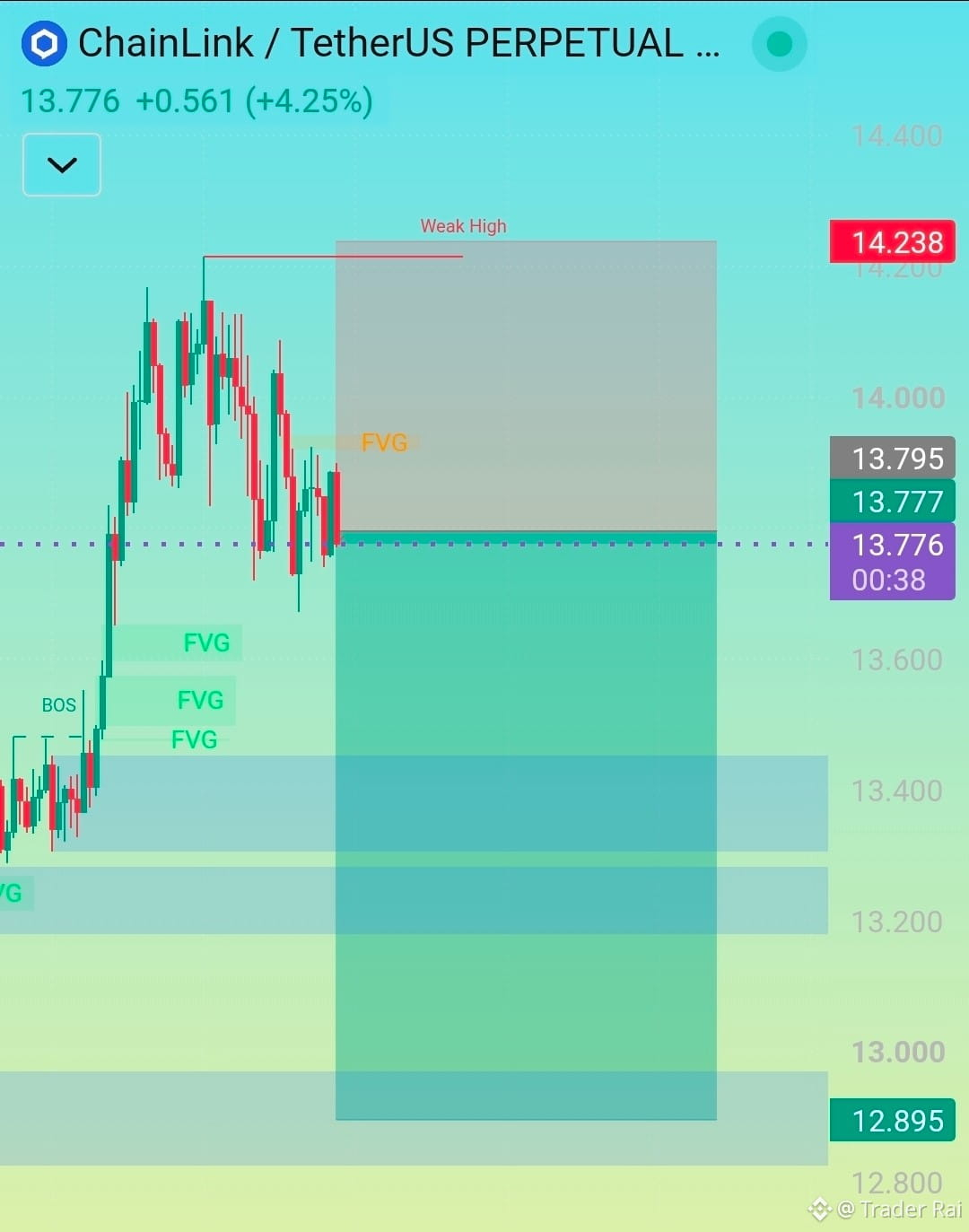
Totally weakness in $LINK after tapping local resistance, signaling a potential downside move back toward lower liquidity pockets. If sellers sustain this downward pressure, expect a clean continuation lower.
Entry: $13.75 - $13.85
Stop Loss: $14.25
Target: $12.90
{future}(LINKUSDT)
Totally weakness in $LINK after tapping local resistance, signaling a potential downside move back toward lower liquidity pockets. If sellers sustain this downward pressure, expect a clean continuation lower.
Entry: $13.75 - $13.85
Stop Loss: $14.25
Target: $12.90
Entry: $13.75 - $13.85
Stop Loss: $14.25
Target: $12.90
2
352
·
--
ලිපිය
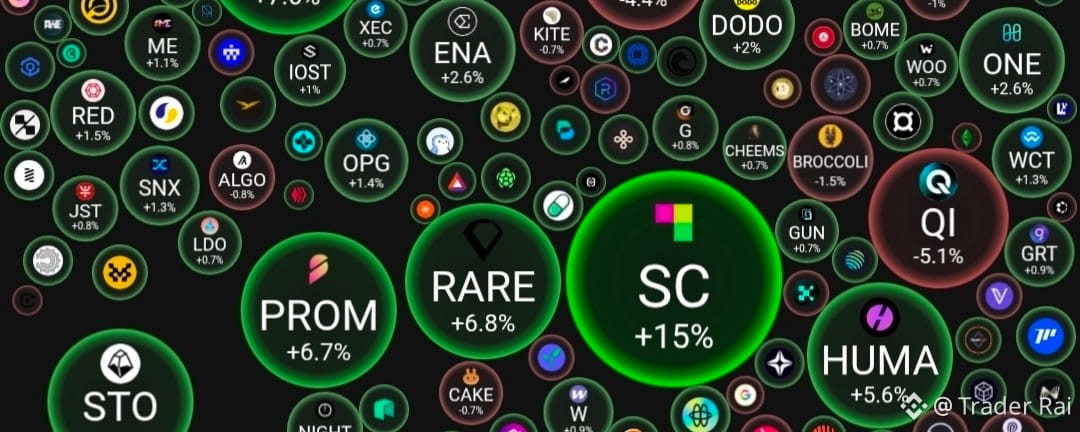
ALTCOINS ARE SHOWING STRENGTH — WATCH THESE 6 👀The important thing here is momentum + volume expansion. Several altcoins from your list are already outperforming the broader market, which can attract fresh buyers if this strength continues. A clean breakout with follow-through could push the strongest names toward the next liquidity zones. Recent data also shows elevated activity in names like PROM and VELO, while RARE has maintained a strong multi-day move.
$SC → 0.0200 → 0.0230 → 0.0260
$RARE → 0.0150 → 0.0170 → 0.0200
$PROM → 6.20 → 6.80 → 7.50
#VELO → 0.00520 → 0.00580 → 0.00650
#STO → 0.090 → 0.105 → 0.125
#HUMA → 0.050 → 0.060 → 0.070
These are bullish watch levels, not guaranteed targets. If momentum stays strong and volume keeps supporting the moves, these coins can remain interesting; if volume fades after the initial pump, a pullback/retest is possible. Keep risk controlled and watch BTC/market direction before chasing green candles.
{spot}(SCUSDT)
{spot}(RAREUSDT)
{spot}(PROMUSDT)
ALTCOINS ARE SHOWING STRENGTH — WATCH THESE 6 👀
The important thing here is momentum + volume expansion. Several altcoins from your list are already outperforming the broader market, which can attract fresh buyers if this strength continues. A clean breakout with follow-through could push the strongest names toward the next liquidity zones. Recent data also shows elevated activity in names like PROM and VELO, while RARE has maintained a strong multi-day move.
$SC → 0.0200 → 0.0230 → 0.0260
$RARE → 0.0150 → 0.0170 → 0.0200
$PROM → 6.20 → 6.80 → 7.50
#VELO → 0.00520 → 0.00580 → 0.00650
#STO → 0.090 → 0.105 → 0.125
#HUMA → 0.050 → 0.060 → 0.070
These are bullish watch levels, not guaranteed targets. If momentum stays strong and volume keeps supporting the moves, these coins can remain interesting; if volume fades after the initial pump, a pullback/retest is possible. Keep risk controlled and watch BTC/market direction before chasing green candles.
$SC → 0.0200 → 0.0230 → 0.0260
$RARE → 0.0150 → 0.0170 → 0.0200
$PROM → 6.20 → 6.80 → 7.50
#VELO → 0.00520 → 0.00580 → 0.00650
#STO → 0.090 → 0.105 → 0.125
#HUMA → 0.050 → 0.060 → 0.070
These are bullish watch levels, not guaranteed targets. If momentum stays strong and volume keeps supporting the moves, these coins can remain interesting; if volume fades after the initial pump, a pullback/retest is possible. Keep risk controlled and watch BTC/market direction before chasing green candles.
1
1.6k
·
--
උසබ තත්ත්වය
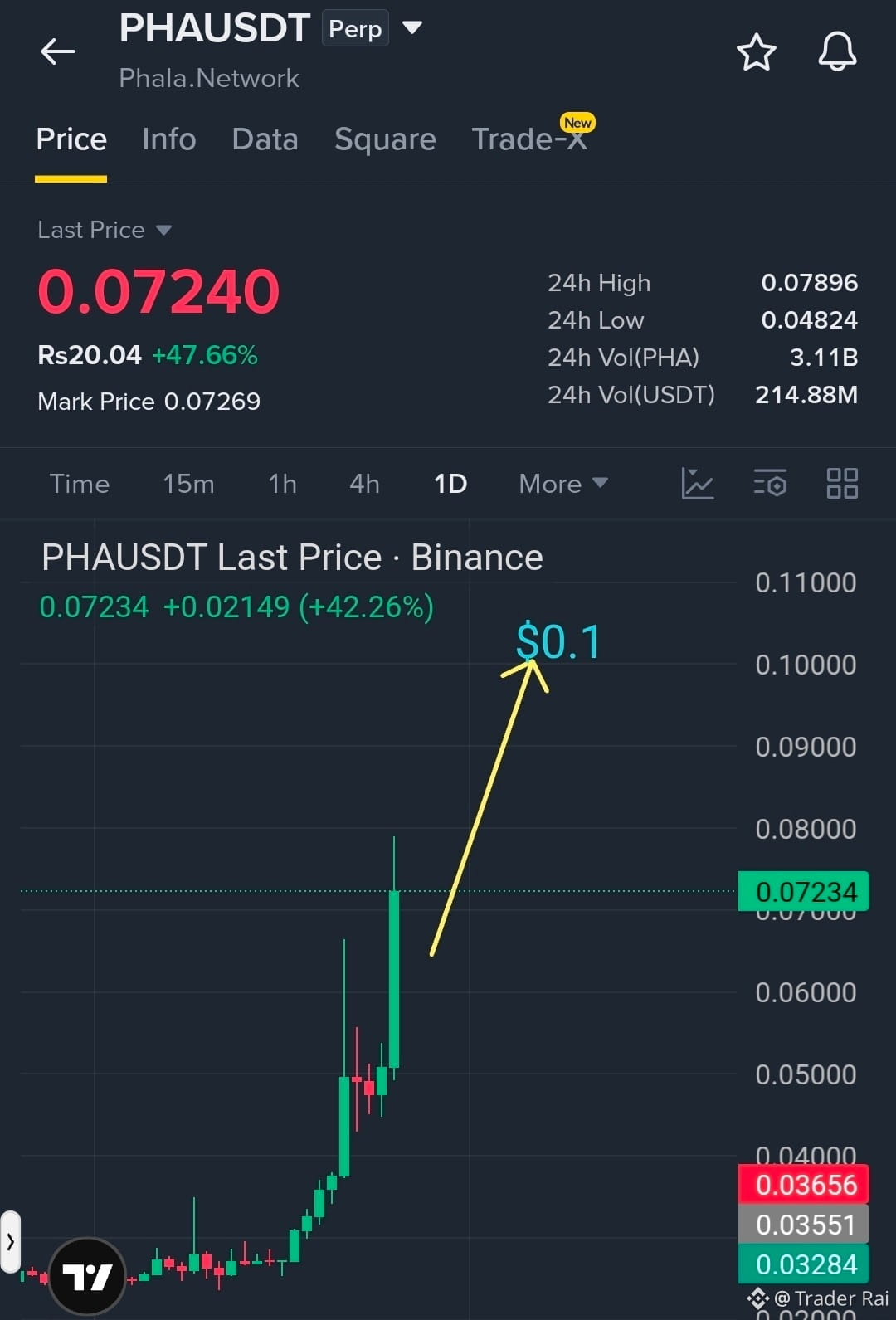
$PHA 💸 made a sharp move today, so this is not the place to chase candles just because momentum looks strong🤑. The breakout is interesting, but after a move this fast, a pullback or liquidity sweep can happen anytime. I’d rather see price cool down, retest a support/FVG area, and show buyers stepping back in before taking the next entry. Volatility is high, so keep the risk controlled.
Trade Setup
Entry: 0.0690–0.0710
SL: 0.0660
TP1: $0.0789
TP2: $0.0850
TP3: $0.0900
TP5: $0.1000
{future}(PHAUSDT)
$PHA 💸 made a sharp move today, so this is not the place to chase candles just because momentum looks strong🤑. The breakout is interesting, but after a move this fast, a pullback or liquidity sweep can happen anytime. I’d rather see price cool down, retest a support/FVG area, and show buyers stepping back in before taking the next entry. Volatility is high, so keep the risk controlled.
Trade Setup
Entry: 0.0690–0.0710
SL: 0.0660
TP1: $0.0789
TP2: $0.0850
TP3: $0.0900
TP5: $0.1000
Trade Setup
Entry: 0.0690–0.0710
SL: 0.0660
TP1: $0.0789
TP2: $0.0850
TP3: $0.0900
TP5: $0.1000
1
445
·
--
උසබ තත්ත්වය
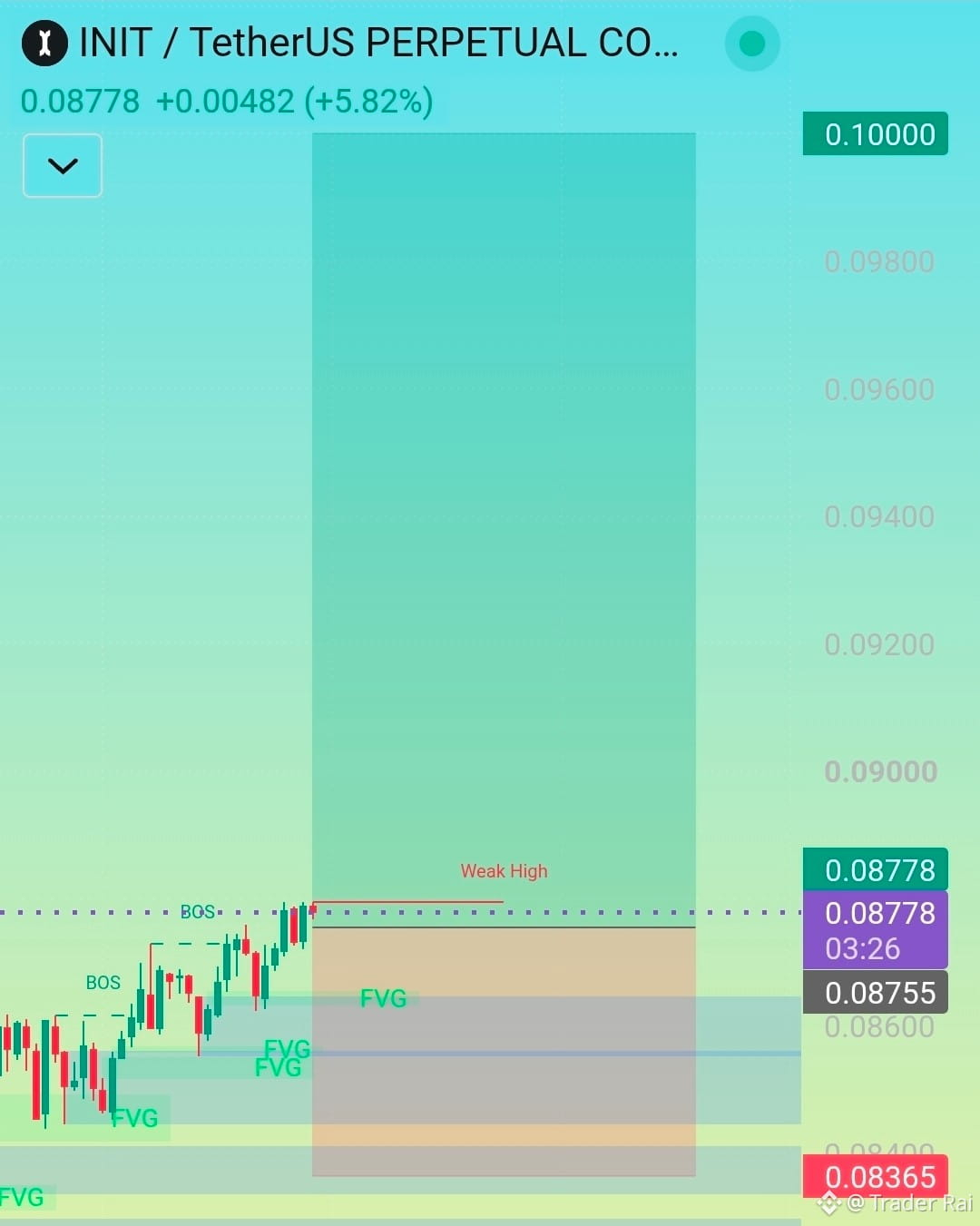
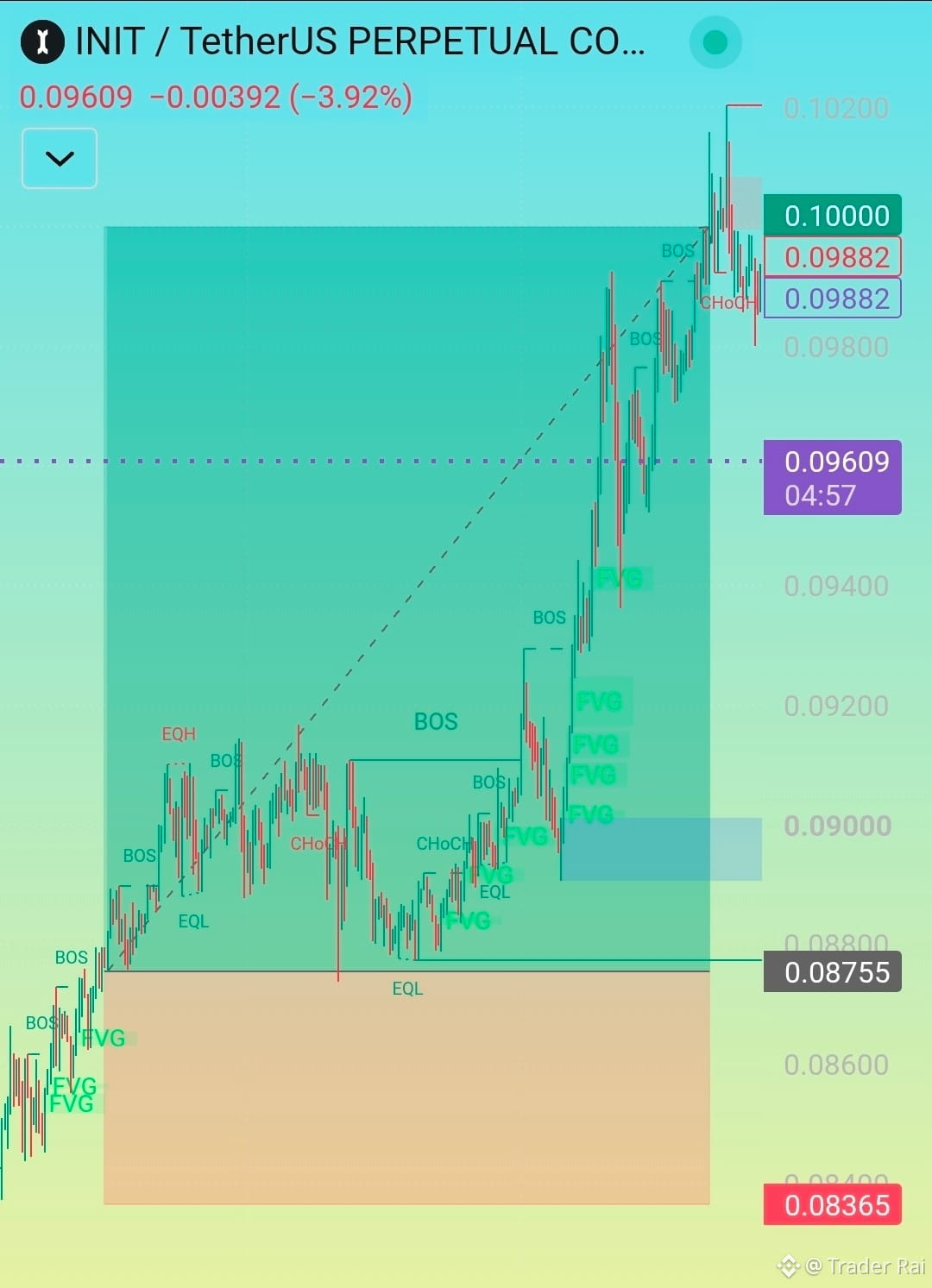
$INIT target hit cleanly 🎯 Market structure played out exactly how we mapped it out. Solid profits locked in for everyone who took the setup.
If you don't want to miss the next one, make sure to keep tracking my updates and catch the next move with us.
{future}(INITUSDT)
$INIT target hit cleanly 🎯 Market structure played out exactly how we mapped it out. Solid profits locked in for everyone who took the setup.
If you don't want to miss the next one, make sure to keep tracking my updates and catch the next move with us.
If you don't want to miss the next one, make sure to keep tracking my updates and catch the next move with us.
Trader Rai
·
--
උසබ තත්ත්වය$INIT just printed a clean BOS and is pulling back nicely into the local Fvg zone..... $INIT Looking for a quick dip to grab longs before it targets that high again.
Entry: 0.0855 - 0.0870
SL: 0.0835
TP: 0.1000
Entry: 0.0855 - 0.0870
SL: 0.0835
TP: 0.1000
1
326
·
--
උසබ තත්ත්වය
Hahaha 😂
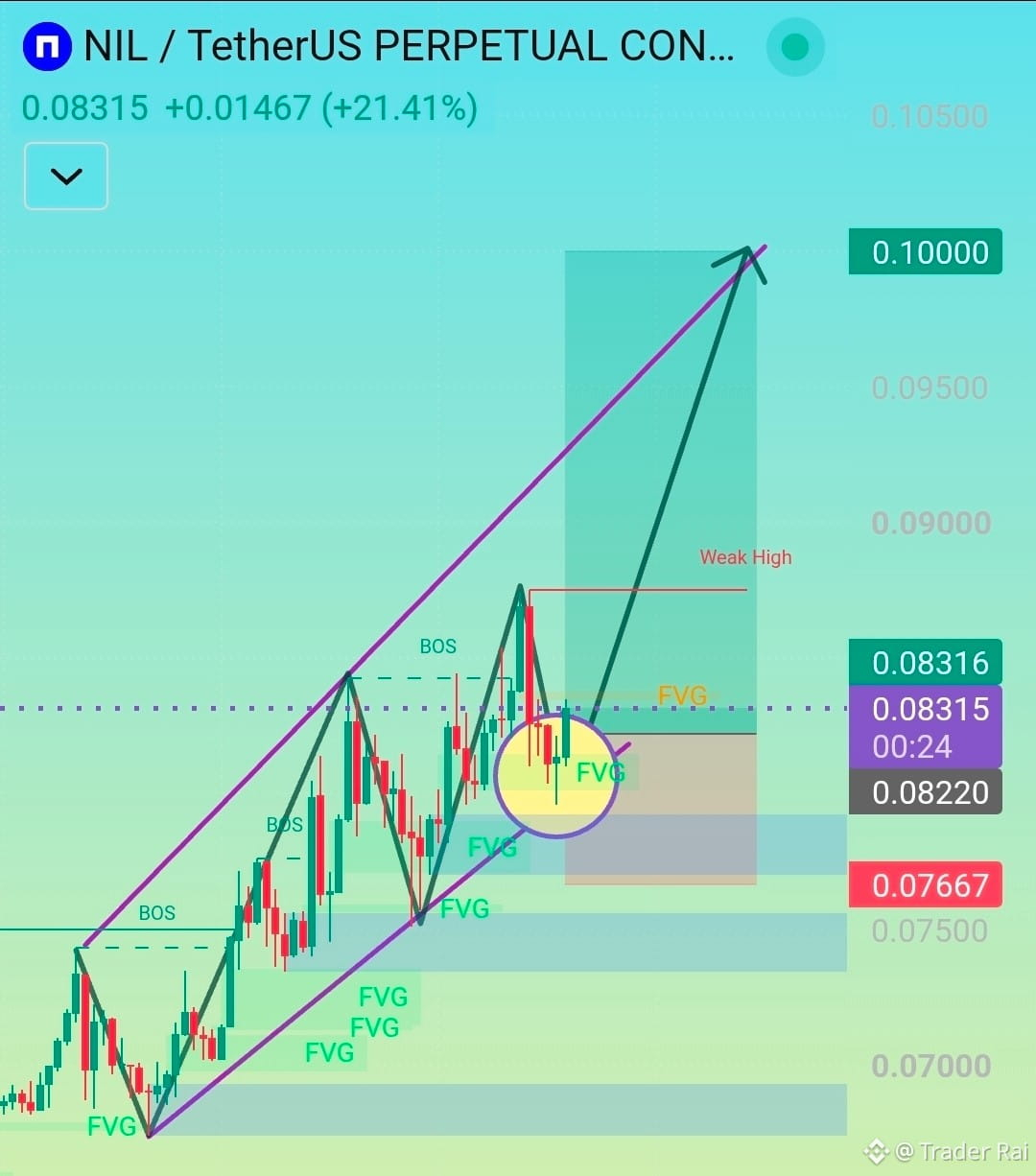
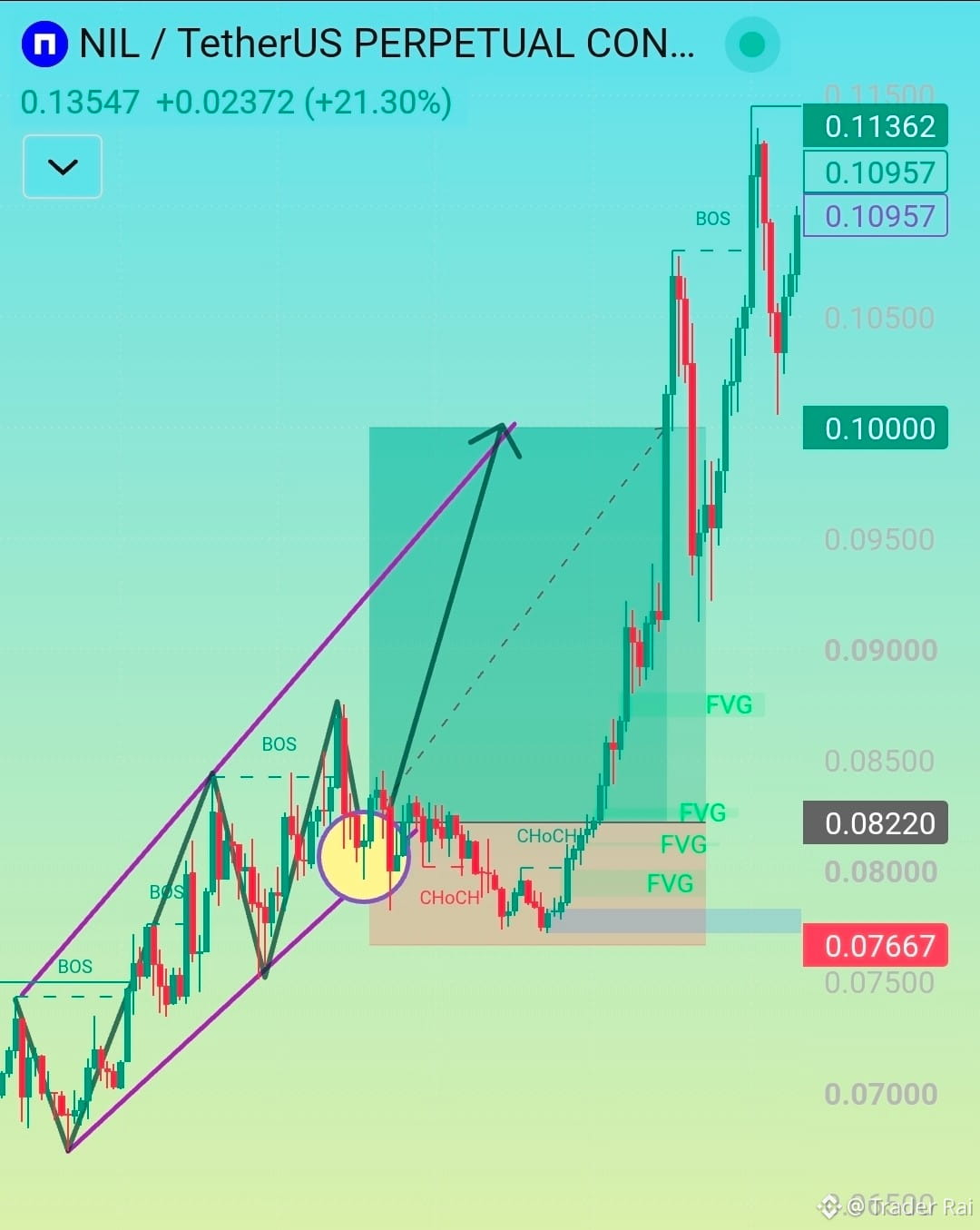
My this $NIL trade littel riskey 🥲 but Congratulations to all Friends 🩷
Main thing is that we all hit our target successfully 🥰.. Guy's market need rejection support level and after that market will make BoooooM bullish.. and we hit our target...
Follow me for more profitable updates...
{future}(NILUSDT)
Hahaha 😂
My this $NIL trade littel riskey 🥲 but Congratulations to all Friends 🩷
Main thing is that we all hit our target successfully 🥰.. Guy's market need rejection support level and after that market will make BoooooM bullish.. and we hit our target...
Follow me for more profitable updates...
My this $NIL trade littel riskey 🥲 but Congratulations to all Friends 🩷
Main thing is that we all hit our target successfully 🥰.. Guy's market need rejection support level and after that market will make BoooooM bullish.. and we hit our target...
Follow me for more profitable updates...
Trader Rai
·
--
උසබ තත්ත්වය$NIL looking super clean here after bouncing right off that FVG support and breaking structure, so I'm expecting a quick push to sweep that weak high and run straight up to the 0.100 mark.
Entry: 0.082 - 0.083
SL: 0.076
TP: 0.100
Entry: 0.082 - 0.083
SL: 0.076
TP: 0.100
1
534
·
--
Real Analysis and experience 😊
Real trades 😉
Real profits 💸
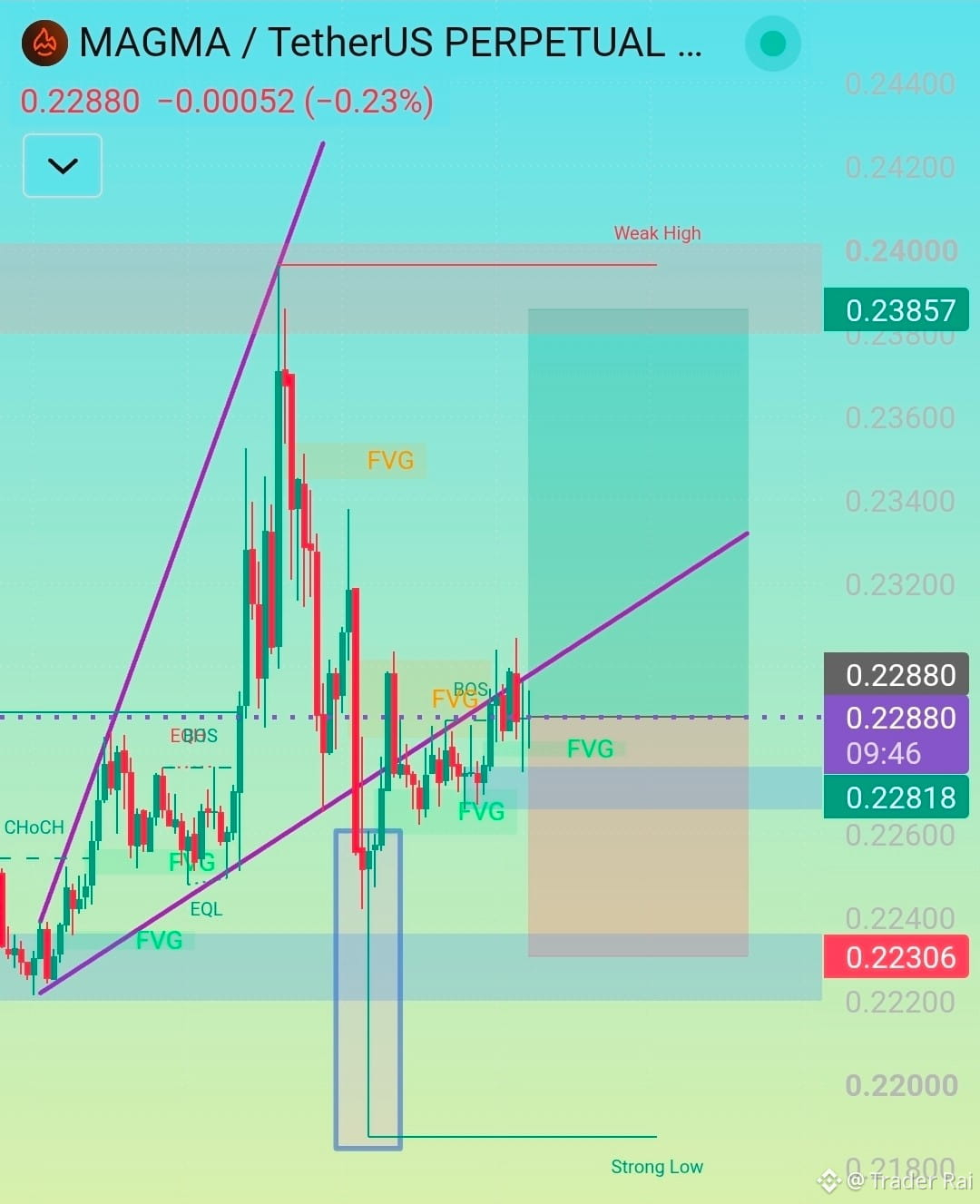
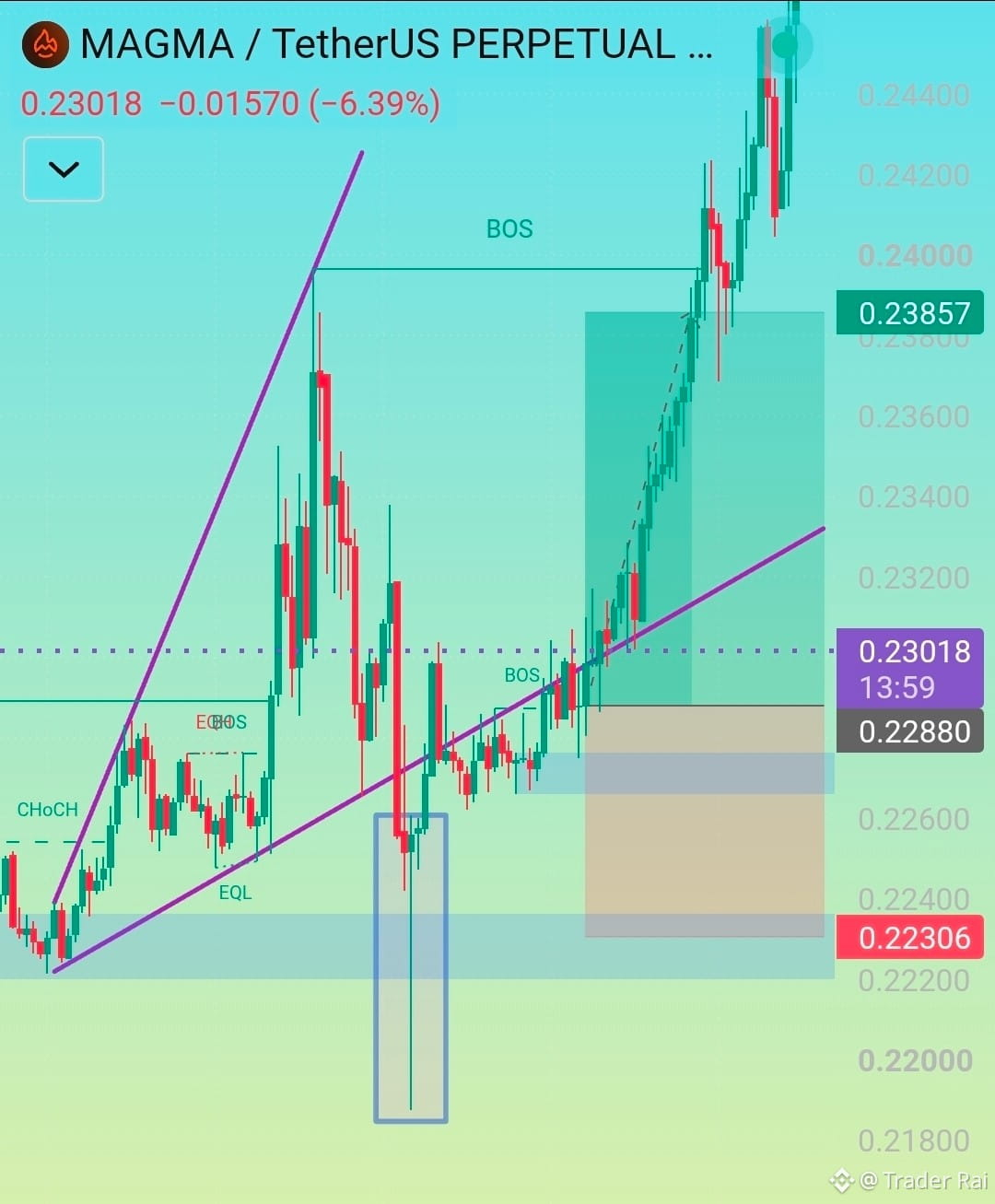
Congratulations All Friend 💕My $MAGMA trade move accurately as we accepted 😁and also hit my ling setup target successfully 🤍🤍
Follow me for more profitable updates...
{future}(MAGMAUSDT)
Real Analysis and experience 😊
Real trades 😉
Real profits 💸
Congratulations All Friend 💕My $MAGMA trade move accurately as we accepted 😁and also hit my ling setup target successfully 🤍🤍
Follow me for more profitable updates...
Real trades 😉
Real profits 💸
Congratulations All Friend 💕My $MAGMA trade move accurately as we accepted 😁and also hit my ling setup target successfully 🤍🤍
Follow me for more profitable updates...
Trader Rai
·
--
උසබ තත්ත්වය Currently... You need to take focus in this trade because all sides clear in this market for make trades... $MAGMA is holding the rising structure after a BOS, with the FVG around $0.2280 acting as support.
Trade Setup — LONG
Entry: $0.2280–$0.2288
SL: $0.2230
TP1: $0.2320
TP2: $0.2360
TP3: $0.2385
Trade Setup — LONG
Entry: $0.2280–$0.2288
SL: $0.2230
TP1: $0.2320
TP2: $0.2360
TP3: $0.2385
1
420
·
--
උසබ තත්ත්වය
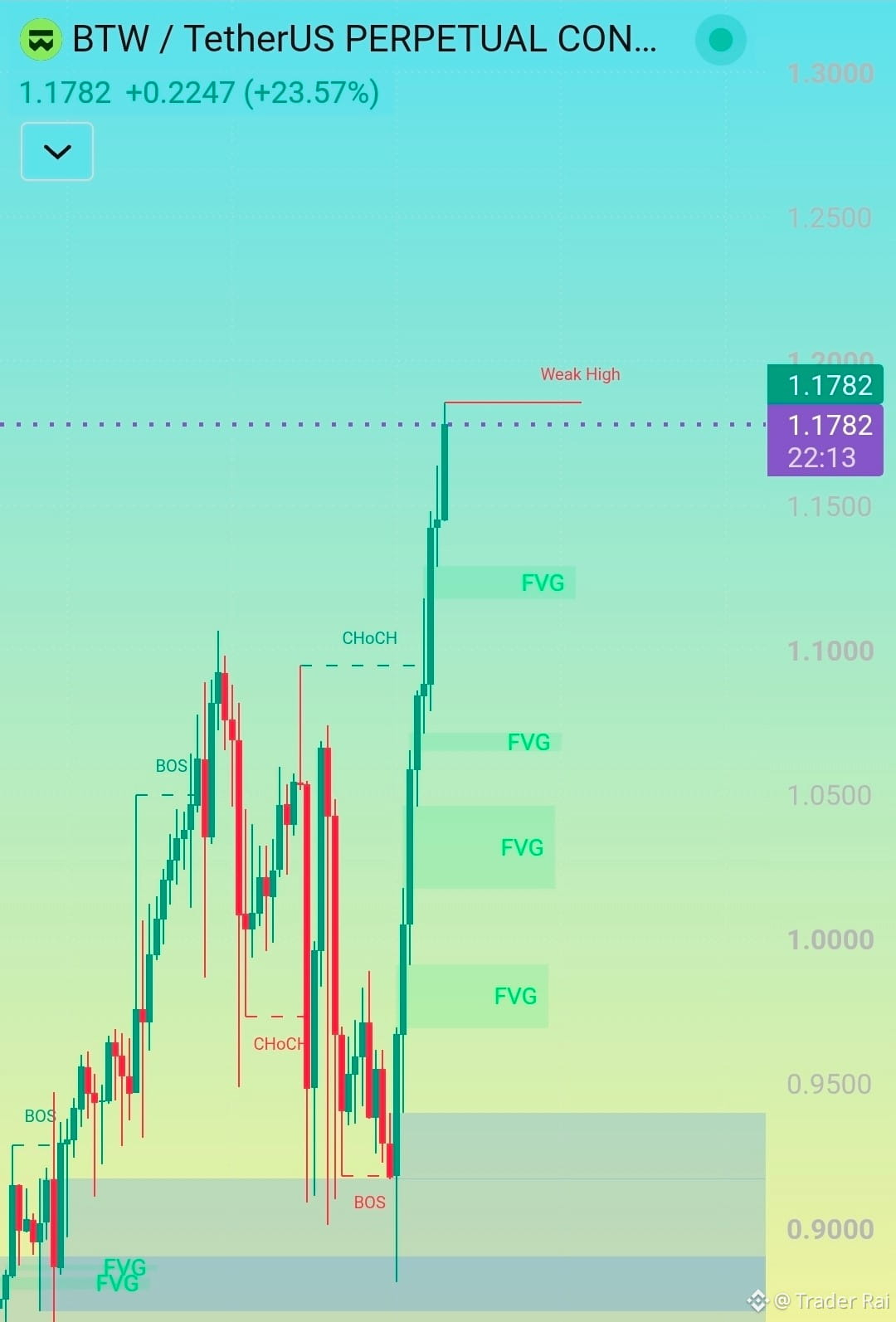
$BTW just printed a clean breakout following a solid structural shift, but after a 23% pump right into a weak high, chasing it up here is risky. I'm waiting for a healthy retest of the lower Fair Value Gaps around 1.05 to look for a cleaner entry.
Setup: Buy the dip near 1.05 - 1.08,
target 1.30,
with a stop-loss tightly managed below 0.97.
{future}(BTWUSDT)
$BTW just printed a clean breakout following a solid structural shift, but after a 23% pump right into a weak high, chasing it up here is risky. I'm waiting for a healthy retest of the lower Fair Value Gaps around 1.05 to look for a cleaner entry.
Setup: Buy the dip near 1.05 - 1.08,
target 1.30,
with a stop-loss tightly managed below 0.97.
Setup: Buy the dip near 1.05 - 1.08,
target 1.30,
with a stop-loss tightly managed below 0.97.
1
960
·
--
උසබ තත්ත්වය
🚨 Heads up, everyone—pay attention to this right now.
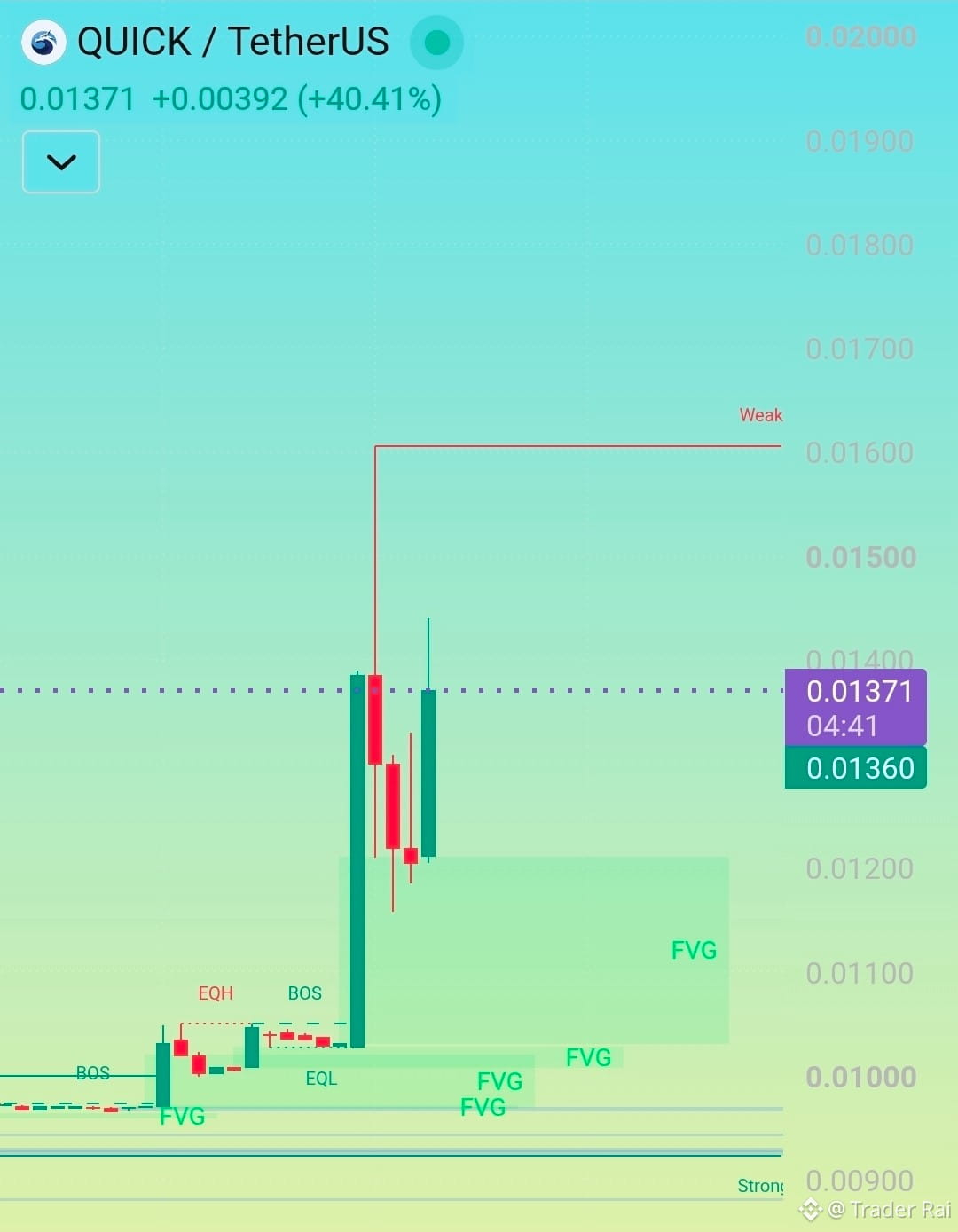
We have a genuinely rare setup unfolding on Binance spot. If you haven't checked the charts yet, you need to look at $QUICK immediately before this window closes.
Targeting a clean push toward the 0.02 ( Target) liquidity level.
This is shaping up to be an incredible opportunity for spot traders. Don't miss the boat on this one—stay sharp, manage your risk properly, and let’s secure some solid gains.
{spot}(QUICKUSDT)
🚨 Heads up, everyone—pay attention to this right now.
We have a genuinely rare setup unfolding on Binance spot. If you haven't checked the charts yet, you need to look at $QUICK immediately before this window closes.
Targeting a clean push toward the 0.02 ( Target) liquidity level.
This is shaping up to be an incredible opportunity for spot traders. Don't miss the boat on this one—stay sharp, manage your risk properly, and let’s secure some solid gains.
We have a genuinely rare setup unfolding on Binance spot. If you haven't checked the charts yet, you need to look at $QUICK immediately before this window closes.
Targeting a clean push toward the 0.02 ( Target) liquidity level.
This is shaping up to be an incredible opportunity for spot traders. Don't miss the boat on this one—stay sharp, manage your risk properly, and let’s secure some solid gains.
2
664
·
--
උසබ තත්ත්වය
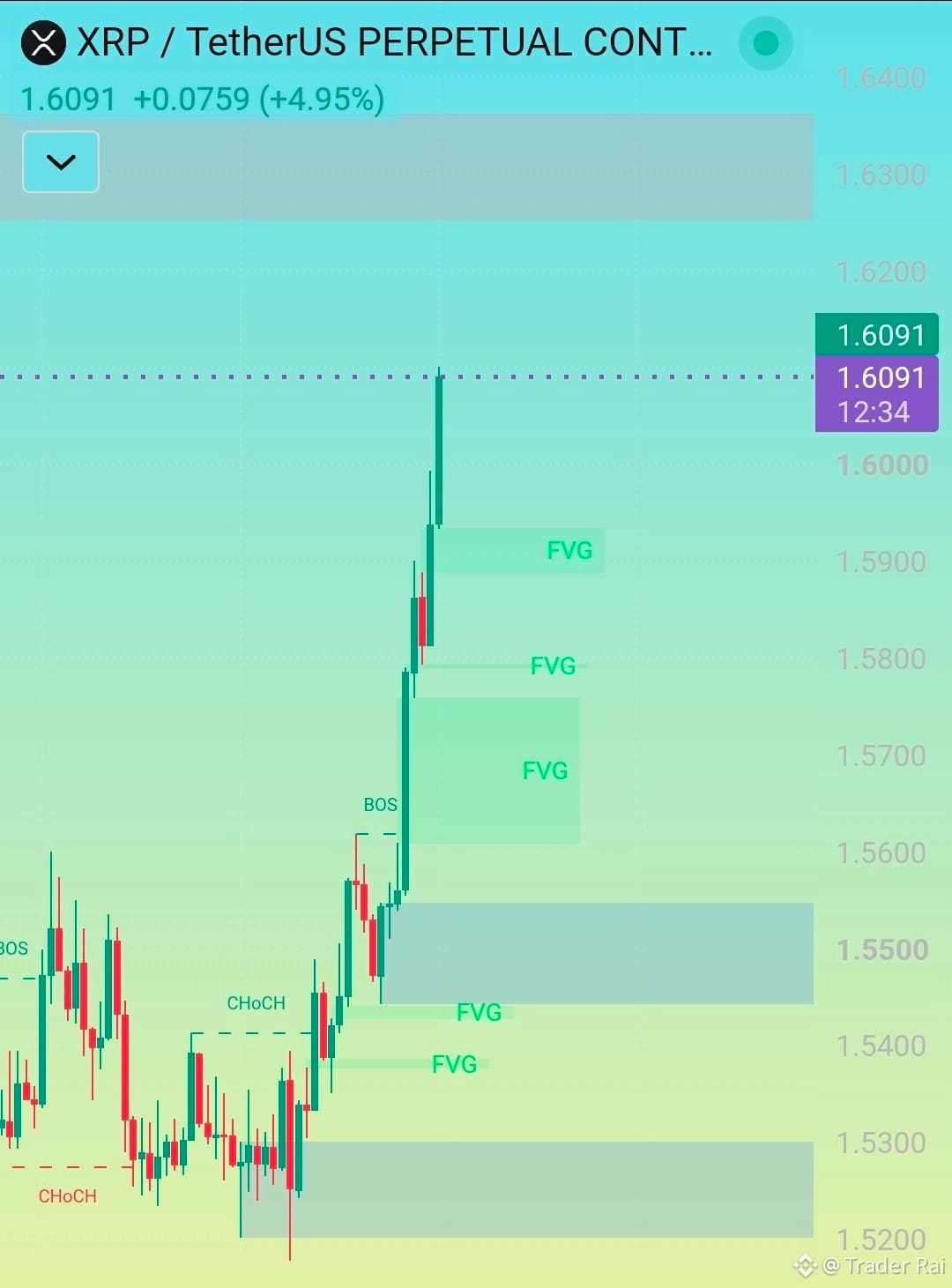
$XRP structural momentum and strong bullish following a recent breakout. Expect a brief pullback to the 1.57–1.58 support zone before a continuation toward 1.64.
Setup: Buy dip at 1.6091
Stop-Loss at 1.5800
Target 1.6300.
{future}(XRPUSDT)
$XRP structural momentum and strong bullish following a recent breakout. Expect a brief pullback to the 1.57–1.58 support zone before a continuation toward 1.64.
Setup: Buy dip at 1.6091
Stop-Loss at 1.5800
Target 1.6300.
Setup: Buy dip at 1.6091
Stop-Loss at 1.5800
Target 1.6300.
2
626
·
--
උසබ තත්ත්වය
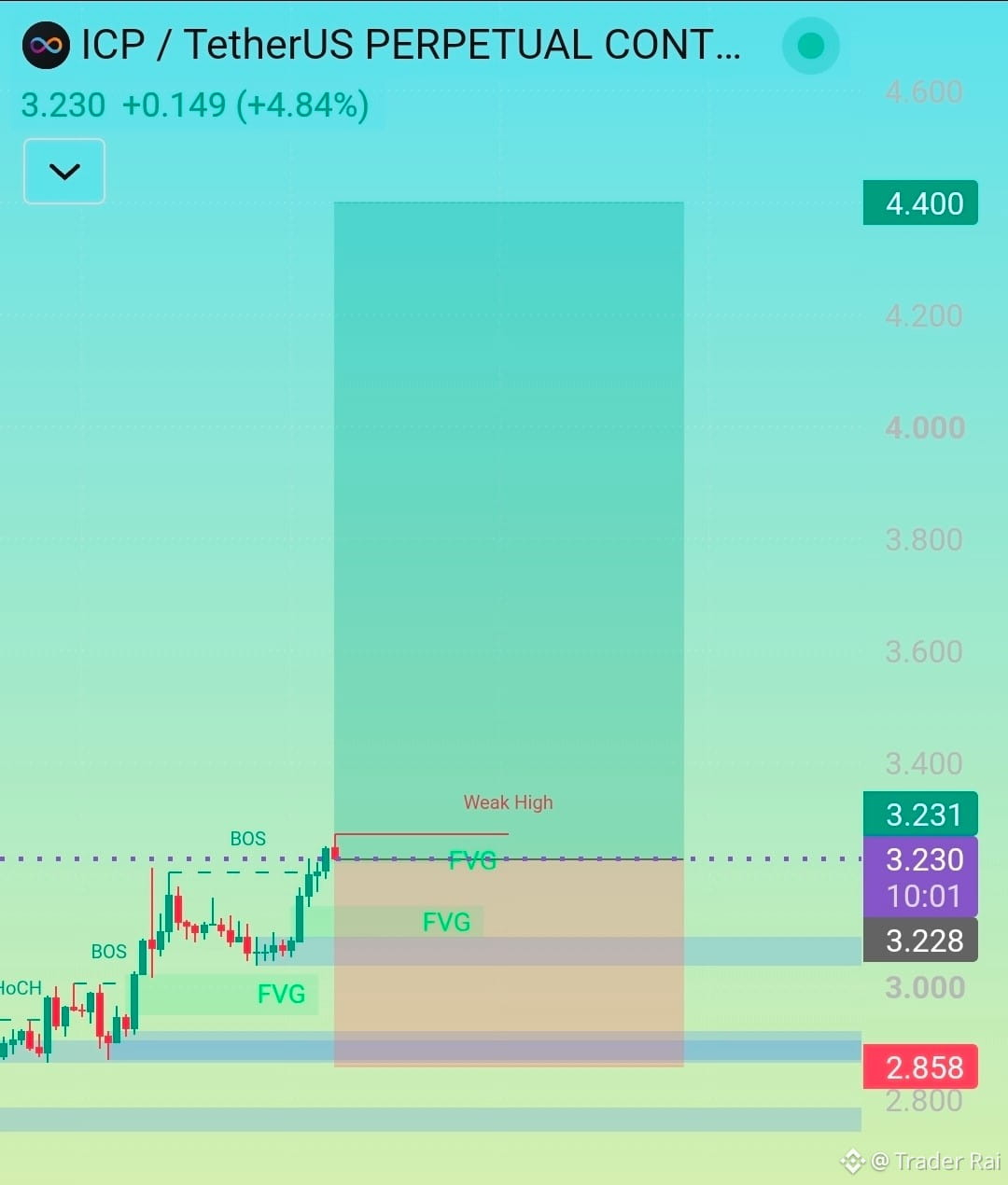
$ICP finally swept those lows and is chewing through resistance like it's nothing. Momentum is shifting fast.
I'm watching for a quick pullback to the FVG to get a clean entry before the next leg up toward $3.40, $3.80, and $4.40.
Setup: LONG
Entry: $3.20–$3.23
SL: $2.85
Targets: $3.40 / $3.80 / $4.40
Spot traders can just chill and hold. Futures fam, keep that leverage tight—don't give it back to the market.
{future}(ICPUSDT)
$ICP finally swept those lows and is chewing through resistance like it's nothing. Momentum is shifting fast.
I'm watching for a quick pullback to the FVG to get a clean entry before the next leg up toward $3.40, $3.80, and $4.40.
Setup: LONG
Entry: $3.20–$3.23
SL: $2.85
Targets: $3.40 / $3.80 / $4.40
Spot traders can just chill and hold. Futures fam, keep that leverage tight—don't give it back to the market.
I'm watching for a quick pullback to the FVG to get a clean entry before the next leg up toward $3.40, $3.80, and $4.40.
Setup: LONG
Entry: $3.20–$3.23
SL: $2.85
Targets: $3.40 / $3.80 / $4.40
Spot traders can just chill and hold. Futures fam, keep that leverage tight—don't give it back to the market.
4
797
·
--
උසබ තත්ත්වය
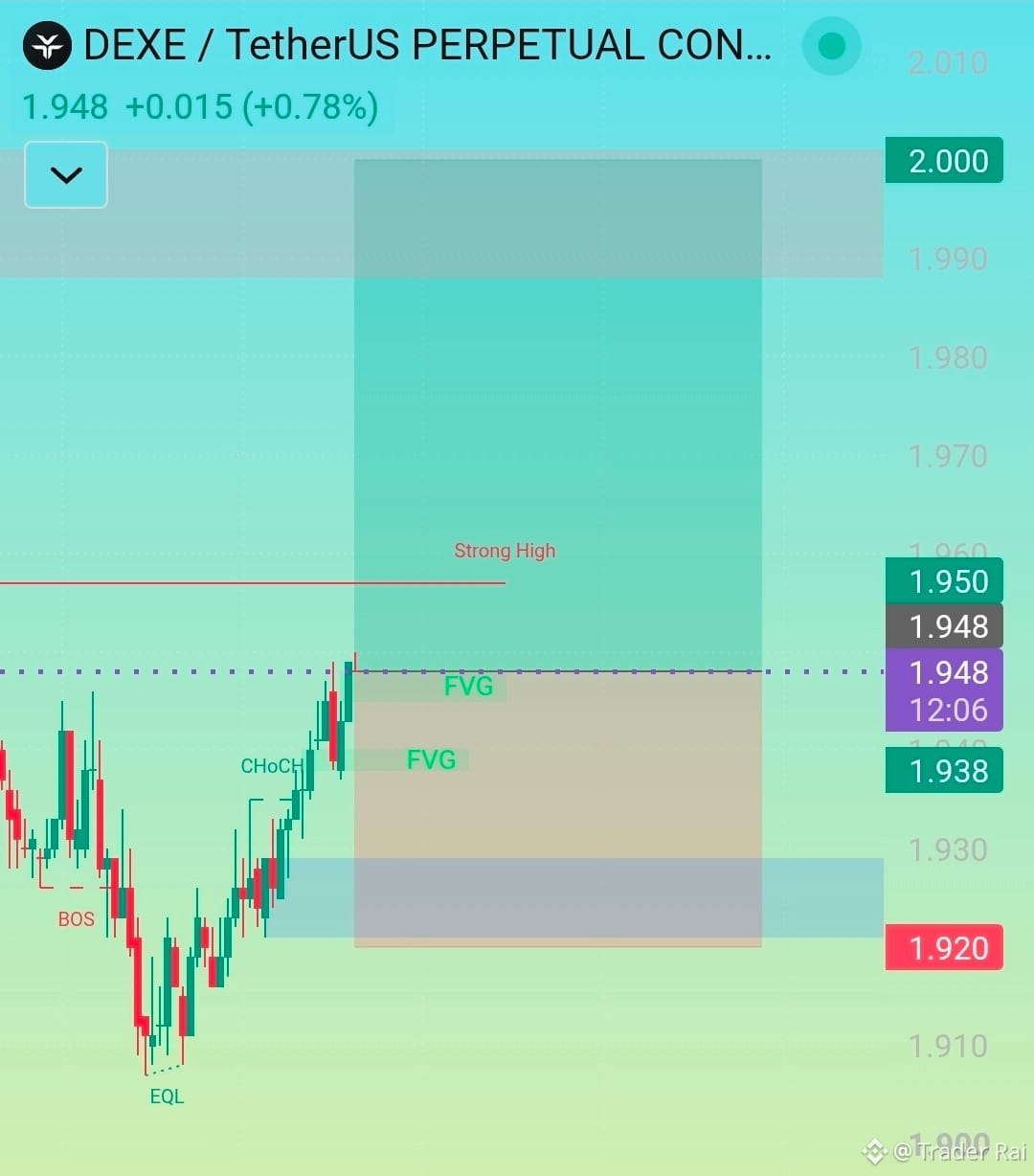
$DEXE just put in a clean bullish structural shift with that recent ChoCH and BOS after sweeping the lows. Price is currently holding nicely above the Fair Value Gaps and grinding toward that local resistance, so I'm eyeing a potential continuation if this support holds firm.
Setup:
Entry: 1.935 - 1.945
Stop Loss: 1.920
Target: 2.000
{future}(DEXEUSDT)
$DEXE just put in a clean bullish structural shift with that recent ChoCH and BOS after sweeping the lows. Price is currently holding nicely above the Fair Value Gaps and grinding toward that local resistance, so I'm eyeing a potential continuation if this support holds firm.
Setup:
Entry: 1.935 - 1.945
Stop Loss: 1.920
Target: 2.000
Setup:
Entry: 1.935 - 1.945
Stop Loss: 1.920
Target: 2.000
3
3
1.2k
·
--
බෙයාරිෂ්
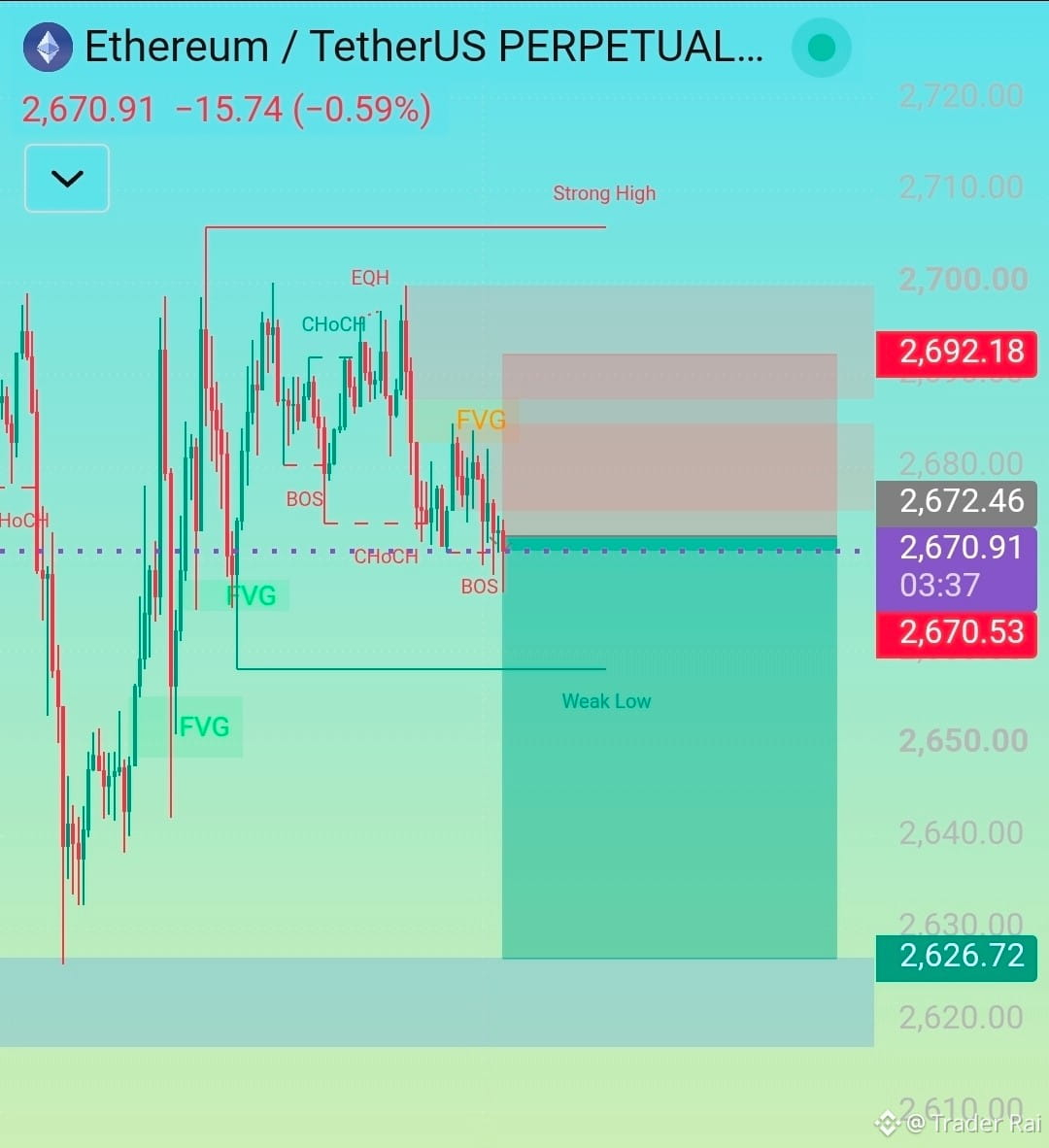
$ETH keeps facing heavy selling pressure after getting rejected near the $2,710 resistance zone, looking primed for a deeper pullback toward local support.
Trading Setup: Short
Entry Zone: $2,670 – $2,685
Take Profit: $2,626
Stop Loss: $2,695
#Ethereum
{future}(ETHUSDT)
$ETH keeps facing heavy selling pressure after getting rejected near the $2,710 resistance zone, looking primed for a deeper pullback toward local support.
Trading Setup: Short
Entry Zone: $2,670 – $2,685
Take Profit: $2,626
Stop Loss: $2,695
#Ethereum
Trading Setup: Short
Entry Zone: $2,670 – $2,685
Take Profit: $2,626
Stop Loss: $2,695
#Ethereum
1
479
තවත් අන්තර්ගතයන් ගවේෂණය කිරීමට ඇතුල් වන්න
Binance චතුරශ්රය හි ගෝලීය ක්රිප්ටෝ පරිශීලකයින් හා එක්වන්න
⚡️ ක්රිප්ටෝ පිළිබඳ නවතම සහ ප්රයෝජනවත් තොරතුරු ලබා ගන්න.
💬 ලොව විශාලතම ක්රිප්ටෝ හුවමාරුව මගින් විශ්වාස කෙරේ.
👍 සත්යායනය කරන ලද නිර්මාණකරුවන්ගෙන් සැබෑ විදසුන් සොයා ගන්න.
විද්යුත් තැපෑල / දුරකථන අංකය
නැගී එන මාතෘකා
CircleTetherFreezeBitgetHackerWallet
17,999 views
183 සාකච්ඡා කරමින්
#circletetherfreezebitgethackerwallet 🚨 CIRCLE & TETHER FREEZE BITGET HACKER WALLET
A major crypto security incident has triggered another important debate around stablecoin controls.
Bitget reported a massive security breach on September 24, with the initial loss estimated at $351.6M. The exchange later revised the affected-asset estimate to approximately $387.5M, after accounting for additional assets including Zcash and TRON.
🔒 Circle & Tether Take Action
Circle blacklisted a wallet identified as “Bitget Exploiter 8”, while Tether subsequently blocked the same address.
The wallet contained approximately:
• 99,990 USDC
• 218,023 USDT
• 170.47 ETH
The freeze effectively locked around $318,000 worth of USDC and USDT.
⚠️ But there is a major limitation:
Stablecoin issuers can freeze their own tokens, but they cannot freeze native ETH. Reports indicate that other exploiter wallets still held more than 63,000 ETH.
Bitget CEO Gracy Chen said the attackers compromised a backend system in the exchange's wallet infrastructure and spoofed transaction data, rather than obtaining users' private keys. Bitget says its cold wallets were unaffected and its User Protection Fund holds more than $464M.
📌 The bigger takeaway:
This incident shows both the power and limits of centralized stablecoin controls. USDC and USDT can potentially be frozen at the token-contract level, while assets such as ETH cannot be frozen by stablecoin issuers.
👀 Assets to watch:
$BTC • $ETH • $XRP
#Bitget #CryptoSecurity #Circle #Tether #USDC #USDT #CryptoNews
Ayeshg
·2 කැමත්ත දැක්වීම්
·9.3k views
SECSaysTokenBuybacksNotAutoSecurities
1,310 views
67 සාකච්ඡා කරමින්
ChinaUSAgreeOn$30BTariffCut
154 views
3 සාකච්ඡා කරමින්