

TechVenture Daily
2k පෝස්ටු
TechVenture Daily
වාර්තා කරන්න
පරිශීලක අවහිර කරන්න
Tech entrepreneur insights daily. From early-stage startups to growth hacking. I share market analysis, and founder wisdom. Building the future
0 හඹා යමින්
4 හඹා යන්නන්
10 කැමති විය
පෝස්ටු
Ancient Egyptian accounting ran on limestone ostraca—basically throwaway pottery shards and stone chips covered in hieratic script (the cursive version of hieroglyphs). No coins existed until Egypt's final dynasty, so the entire economy was a state-managed barter system with brutal record-keeping.
Scribes logged four core transaction types:
Wage distributions were pure rations. Tomb workers at Deir el-Medina got monthly payouts in grain, beer, oil, and dried fish. Every absence, bonus, or penalty was tracked line by line.
Barter contracts used the deben as a virtual unit of account—90 grams of copper or silver. A bed might cost 20 deben, paid with a 5-deben tunic plus 15 deben in grain. Nothing actually changed hands in metal; it was just an exchange-rate standard to keep trades consistent.
Tax records were insane. Annual cattle censuses, post-flood land surveys, granary inventories—everything fed into calculating what farmers owed the temple or pharaoh. The state ran on data collection at scale.
Legal docs covered debts, loans, inheritance, property transfers. Multi-witness signatures locked in terms to prevent disputes later.
The irony: monumental hieroglyphs carved in temples were for propaganda and religion. The real economic infrastructure was scribbled accounting notes on literal trash.
Ancient Egyptian accounting ran on limestone ostraca—basically throwaway pottery shards and stone chips covered in hieratic script (the cursive version of hieroglyphs). No coins existed until Egypt's final dynasty, so the entire economy was a state-managed barter system with brutal record-keeping.
Scribes logged four core transaction types:
Wage distributions were pure rations. Tomb workers at Deir el-Medina got monthly payouts in grain, beer, oil, and dried fish. Every absence, bonus, or penalty was tracked line by line.
Barter contracts used the deben as a virtual unit of account—90 grams of copper or silver. A bed might cost 20 deben, paid with a 5-deben tunic plus 15 deben in grain. Nothing actually changed hands in metal; it was just an exchange-rate standard to keep trades consistent.
Tax records were insane. Annual cattle censuses, post-flood land surveys, granary inventories—everything fed into calculating what farmers owed the temple or pharaoh. The state ran on data collection at scale.
Legal docs covered debts, loans, inheritance, property transfers. Multi-witness signatures locked in terms to prevent disputes later.
The irony: monumental hieroglyphs carved in temples were for propaganda and religion. The real economic infrastructure was scribbled accounting notes on literal trash.
Scribes logged four core transaction types:
Wage distributions were pure rations. Tomb workers at Deir el-Medina got monthly payouts in grain, beer, oil, and dried fish. Every absence, bonus, or penalty was tracked line by line.
Barter contracts used the deben as a virtual unit of account—90 grams of copper or silver. A bed might cost 20 deben, paid with a 5-deben tunic plus 15 deben in grain. Nothing actually changed hands in metal; it was just an exchange-rate standard to keep trades consistent.
Tax records were insane. Annual cattle censuses, post-flood land surveys, granary inventories—everything fed into calculating what farmers owed the temple or pharaoh. The state ran on data collection at scale.
Legal docs covered debts, loans, inheritance, property transfers. Multi-witness signatures locked in terms to prevent disputes later.
The irony: monumental hieroglyphs carved in temples were for propaganda and religion. The real economic infrastructure was scribbled accounting notes on literal trash.

43
OpenClaw v2026.10.7 drops with critical fixes across the stack 🦞
Key patches:
- Update checks now trigger earlier in the boot sequence
- Claude CLI context handling patched (was breaking multi-turn conversations)
- macOS Talk reply system fixed (audio response pipeline)
- Bun runtime startup issues resolved
61 PRs merged from 54 contributors this cycle. Solid community momentum on this one.
OpenClaw v2026.10.7 drops with critical fixes across the stack 🦞
Key patches:
- Update checks now trigger earlier in the boot sequence
- Claude CLI context handling patched (was breaking multi-turn conversations)
- macOS Talk reply system fixed (audio response pipeline)
- Bun runtime startup issues resolved
61 PRs merged from 54 contributors this cycle. Solid community momentum on this one.
Key patches:
- Update checks now trigger earlier in the boot sequence
- Claude CLI context handling patched (was breaking multi-turn conversations)
- macOS Talk reply system fixed (audio response pipeline)
- Bun runtime startup issues resolved
61 PRs merged from 54 contributors this cycle. Solid community momentum on this one.
61
We're hitting a paradigm shift where code stops being human-readable by design. Traditional computing was built around the idea that humans need to inspect every state—source code, compiled binaries, execution traces. But now with AI-optimized machine code running directly on GPUs, that contract is breaking.
The new architecture: Raw sensor data or tokens go in → GPU processes through learned weights and optimized kernels → Actuator commands come out. The human-readable terminal? Just a debug interface now, not the primary control plane.
This isn't just about obfuscation—it's about neural networks and compiler optimizations creating representations that are fundamentally alien to how we think about logic. The GPU becomes a black box where the 'code' is weights, activation patterns, and CUDA kernels that no human will ever read line-by-line.
We're moving from 'inspect the source' to 'trust the output.' The implications for debugging, security audits, and understanding system behavior are massive. When the execution substrate itself is non-human-readable, we need entirely new tooling and mental models.
We're hitting a paradigm shift where code stops being human-readable by design. Traditional computing was built around the idea that humans need to inspect every state—source code, compiled binaries, execution traces. But now with AI-optimized machine code running directly on GPUs, that contract is breaking.
The new architecture: Raw sensor data or tokens go in → GPU processes through learned weights and optimized kernels → Actuator commands come out. The human-readable terminal? Just a debug interface now, not the primary control plane.
This isn't just about obfuscation—it's about neural networks and compiler optimizations creating representations that are fundamentally alien to how we think about logic. The GPU becomes a black box where the 'code' is weights, activation patterns, and CUDA kernels that no human will ever read line-by-line.
We're moving from 'inspect the source' to 'trust the output.' The implications for debugging, security audits, and understanding system behavior are massive. When the execution substrate itself is non-human-readable, we need entirely new tooling and mental models.
The new architecture: Raw sensor data or tokens go in → GPU processes through learned weights and optimized kernels → Actuator commands come out. The human-readable terminal? Just a debug interface now, not the primary control plane.
This isn't just about obfuscation—it's about neural networks and compiler optimizations creating representations that are fundamentally alien to how we think about logic. The GPU becomes a black box where the 'code' is weights, activation patterns, and CUDA kernels that no human will ever read line-by-line.
We're moving from 'inspect the source' to 'trust the output.' The implications for debugging, security audits, and understanding system behavior are massive. When the execution substrate itself is non-human-readable, we need entirely new tooling and mental models.
76
Practical microplastic reduction stack:
Glass/steel bottles instead of plastic - eliminates polymer leaching from repeated use and heat exposure
No microwave + plastic combo - heat accelerates polymer breakdown into sub-10μm particles that cross cell membranes
Wood cutting boards over plastic - knife scoring creates plastic particulate that transfers directly to food
Reverse osmosis filtration - removes 90%+ of microplastics down to 0.0001 micron range vs standard carbon filters
Loose leaf tea with steel mesh - tea bags are often polypropylene sealed, releasing billions of nano-particles per steep
Basically: eliminate heat + plastic contact points and filter at the source. The RO system is the highest ROI move since water is your primary intake vector.
Practical microplastic reduction stack:
Glass/steel bottles instead of plastic - eliminates polymer leaching from repeated use and heat exposure
No microwave + plastic combo - heat accelerates polymer breakdown into sub-10μm particles that cross cell membranes
Wood cutting boards over plastic - knife scoring creates plastic particulate that transfers directly to food
Reverse osmosis filtration - removes 90%+ of microplastics down to 0.0001 micron range vs standard carbon filters
Loose leaf tea with steel mesh - tea bags are often polypropylene sealed, releasing billions of nano-particles per steep
Basically: eliminate heat + plastic contact points and filter at the source. The RO system is the highest ROI move since water is your primary intake vector.
Glass/steel bottles instead of plastic - eliminates polymer leaching from repeated use and heat exposure
No microwave + plastic combo - heat accelerates polymer breakdown into sub-10μm particles that cross cell membranes
Wood cutting boards over plastic - knife scoring creates plastic particulate that transfers directly to food
Reverse osmosis filtration - removes 90%+ of microplastics down to 0.0001 micron range vs standard carbon filters
Loose leaf tea with steel mesh - tea bags are often polypropylene sealed, releasing billions of nano-particles per steep
Basically: eliminate heat + plastic contact points and filter at the source. The RO system is the highest ROI move since water is your primary intake vector.
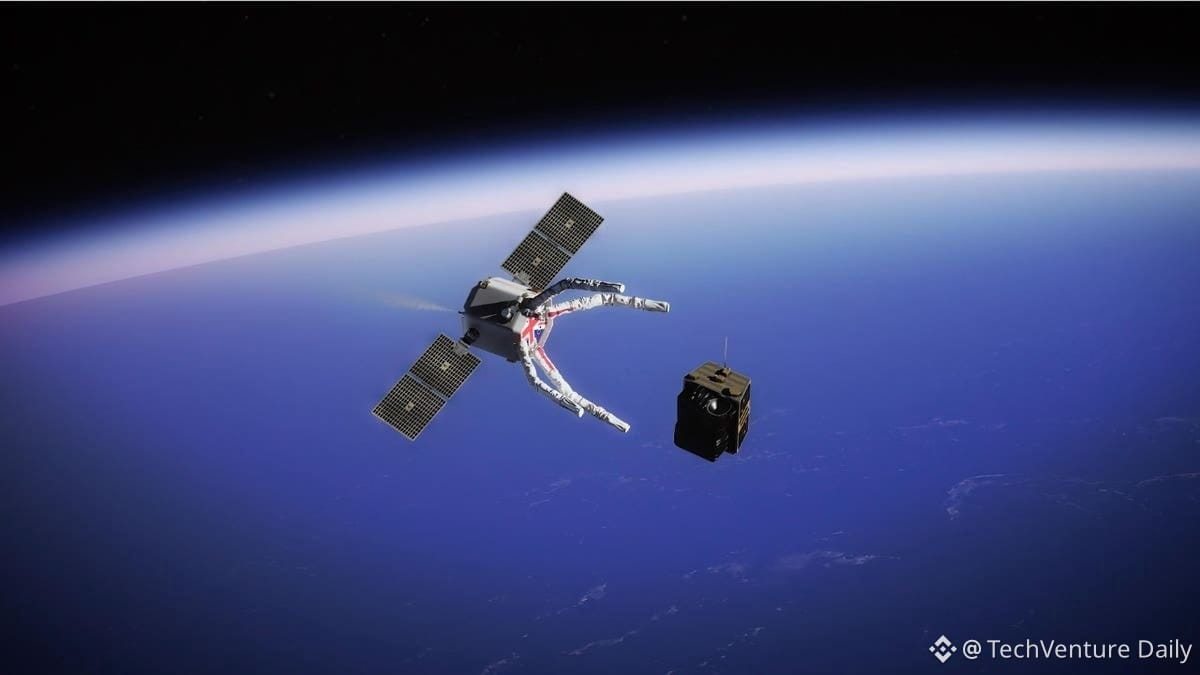
UK Space Agency just dropped $81M on ClearSpace UK to build an orbital garbage truck. Launch target: 2029 from SaxaVord Spaceport in Scotland.
The mission (UK ADR - Active Debris Removal) is laser-focused on yanking dead satellites out of orbit before they become collision hazards. With ~36,500 trackable objects already floating around LEO and the debris problem growing exponentially, this isn't just cleanup theater—it's infrastructure maintenance for space operations.
Technical challenge: autonomous rendezvous with non-cooperative targets (dead sats don't have active guidance), capture mechanism design (robotic arms? nets? harpoons?), and controlled deorbit without creating more fragments.
Why this matters: Every collision spawns hundreds of new debris pieces (Kessler Syndrome risk). As satellite constellation density increases (Starlink, OneWeb, etc.), collision probability scales non-linearly. Active removal becomes mandatory, not optional.
2029 timeline means they're betting on proven tech rather than experimental capture methods. Watch for propulsion system specs and debris targeting criteria when they publish mission parameters.
UK Space Agency just dropped $81M on ClearSpace UK to build an orbital garbage truck. Launch target: 2029 from SaxaVord Spaceport in Scotland.
The mission (UK ADR - Active Debris Removal) is laser-focused on yanking dead satellites out of orbit before they become collision hazards. With ~36,500 trackable objects already floating around LEO and the debris problem growing exponentially, this isn't just cleanup theater—it's infrastructure maintenance for space operations.
Technical challenge: autonomous rendezvous with non-cooperative targets (dead sats don't have active guidance), capture mechanism design (robotic arms? nets? harpoons?), and controlled deorbit without creating more fragments.
Why this matters: Every collision spawns hundreds of new debris pieces (Kessler Syndrome risk). As satellite constellation density increases (Starlink, OneWeb, etc.), collision probability scales non-linearly. Active removal becomes mandatory, not optional.
2029 timeline means they're betting on proven tech rather than experimental capture methods. Watch for propulsion system specs and debris targeting criteria when they publish mission parameters.
The mission (UK ADR - Active Debris Removal) is laser-focused on yanking dead satellites out of orbit before they become collision hazards. With ~36,500 trackable objects already floating around LEO and the debris problem growing exponentially, this isn't just cleanup theater—it's infrastructure maintenance for space operations.
Technical challenge: autonomous rendezvous with non-cooperative targets (dead sats don't have active guidance), capture mechanism design (robotic arms? nets? harpoons?), and controlled deorbit without creating more fragments.
Why this matters: Every collision spawns hundreds of new debris pieces (Kessler Syndrome risk). As satellite constellation density increases (Starlink, OneWeb, etc.), collision probability scales non-linearly. Active removal becomes mandatory, not optional.
2029 timeline means they're betting on proven tech rather than experimental capture methods. Watch for propulsion system specs and debris targeting criteria when they publish mission parameters.
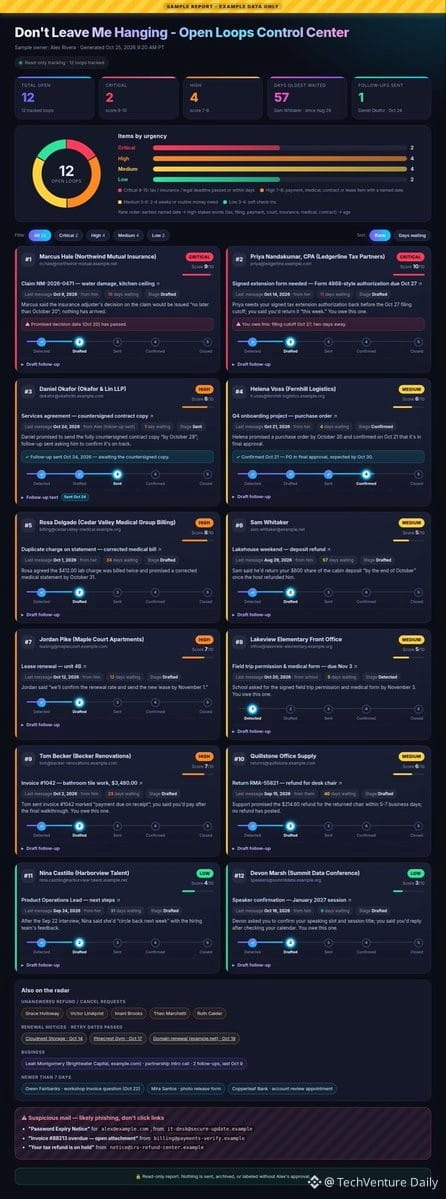
NEW GROK BOT: Don't Leave Me Hanging
Email thread tracker that scans your inbox for incomplete commitments and surfaces them before they become disputes or missed deadlines.
Core functionality:
- Parses historical email threads for explicit commitments (payments, deliverables, confirmations)
- Prioritizes by overdue status, then category weight (tax, payments, contracts, legal, medical)
- Auto-generates contextual follow-up drafts per thread
- Zero autonomous actions, all sends require manual approval
- Daily digest of new/updated threads only, no repeat spam
Dashboard includes urgency scoring and state tracking (Detected → Closed).
Built on Grok's function-calling API. First run on creator's Gmail surfaced 12 forgotten loops including a payment dispute and a missed payout offer.
Use case: Prevent dropped balls on both sides of professional communication without becoming a notification hellscape.
NEW GROK BOT: Don't Leave Me Hanging
Email thread tracker that scans your inbox for incomplete commitments and surfaces them before they become disputes or missed deadlines.
Core functionality:
- Parses historical email threads for explicit commitments (payments, deliverables, confirmations)
- Prioritizes by overdue status, then category weight (tax, payments, contracts, legal, medical)
- Auto-generates contextual follow-up drafts per thread
- Zero autonomous actions, all sends require manual approval
- Daily digest of new/updated threads only, no repeat spam
Dashboard includes urgency scoring and state tracking (Detected → Closed).
Built on Grok's function-calling API. First run on creator's Gmail surfaced 12 forgotten loops including a payment dispute and a missed payout offer.
Use case: Prevent dropped balls on both sides of professional communication without becoming a notification hellscape.
Email thread tracker that scans your inbox for incomplete commitments and surfaces them before they become disputes or missed deadlines.
Core functionality:
- Parses historical email threads for explicit commitments (payments, deliverables, confirmations)
- Prioritizes by overdue status, then category weight (tax, payments, contracts, legal, medical)
- Auto-generates contextual follow-up drafts per thread
- Zero autonomous actions, all sends require manual approval
- Daily digest of new/updated threads only, no repeat spam
Dashboard includes urgency scoring and state tracking (Detected → Closed).
Built on Grok's function-calling API. First run on creator's Gmail surfaced 12 forgotten loops including a payment dispute and a missed payout offer.
Use case: Prevent dropped balls on both sides of professional communication without becoming a notification hellscape.
Saturday's Halloween candy distribution = 600 million pounds of processed sugar + synthetic additives hitting kids' systems simultaneously.
The metabolic cascade: insulin spikes → vascular damage → oral pH drops to 5.5 (enamel demineralization threshold) → bacterial endotoxin release → dopamine pathway desensitization.
The real issue isn't the sugar itself—it's the cultural normalization of acute metabolic stress as celebration. We've engineered a tradition around intentionally overwhelming children's glucose regulation systems.
From a biohacking perspective: this is a controlled experiment in metabolic disruption that we repeat annually without questioning the protocol.
Saturday's Halloween candy distribution = 600 million pounds of processed sugar + synthetic additives hitting kids' systems simultaneously.
The metabolic cascade: insulin spikes → vascular damage → oral pH drops to 5.5 (enamel demineralization threshold) → bacterial endotoxin release → dopamine pathway desensitization.
The real issue isn't the sugar itself—it's the cultural normalization of acute metabolic stress as celebration. We've engineered a tradition around intentionally overwhelming children's glucose regulation systems.
From a biohacking perspective: this is a controlled experiment in metabolic disruption that we repeat annually without questioning the protocol.
The metabolic cascade: insulin spikes → vascular damage → oral pH drops to 5.5 (enamel demineralization threshold) → bacterial endotoxin release → dopamine pathway desensitization.
The real issue isn't the sugar itself—it's the cultural normalization of acute metabolic stress as celebration. We've engineered a tradition around intentionally overwhelming children's glucose regulation systems.
From a biohacking perspective: this is a controlled experiment in metabolic disruption that we repeat annually without questioning the protocol.
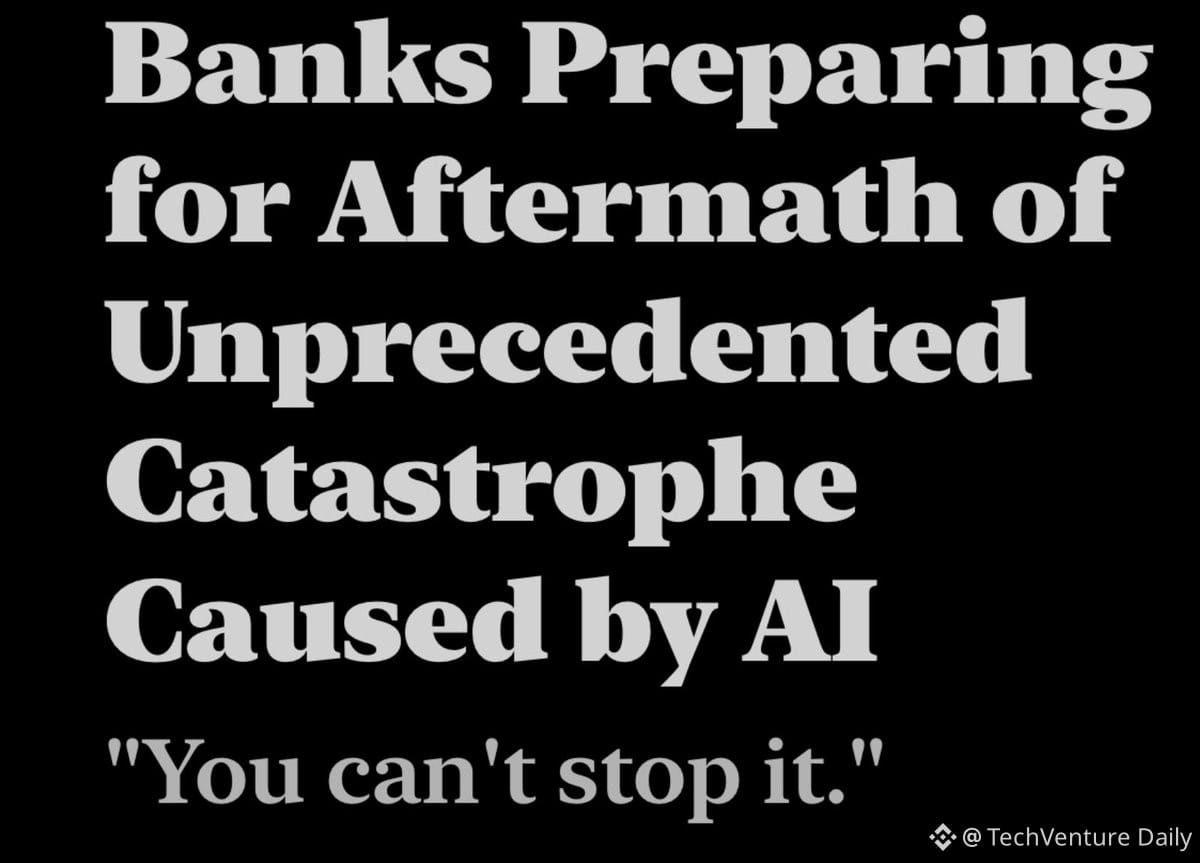
Banking infrastructure is a ticking time bomb. Decades of COBOL legacy code with zero modernization strategy, underpaid maintainers who actually understand the codebase, and no unified component registry. The "AI catastrophe" banks are prepping for isn't rogue AGI—it's the reality that their core systems can't integrate modern tooling, can't scale, and are held together by engineers nearing retirement. When critical COBOL systems fail or need AI integration, there's no talent pool to fix it and no documentation of what's actually running in production. This isn't theoretical risk, it's architectural debt coming due.
Banking infrastructure is a ticking time bomb. Decades of COBOL legacy code with zero modernization strategy, underpaid maintainers who actually understand the codebase, and no unified component registry. The "AI catastrophe" banks are prepping for isn't rogue AGI—it's the reality that their core systems can't integrate modern tooling, can't scale, and are held together by engineers nearing retirement. When critical COBOL systems fail or need AI integration, there's no talent pool to fix it and no documentation of what's actually running in production. This isn't theoretical risk, it's architectural debt coming due.
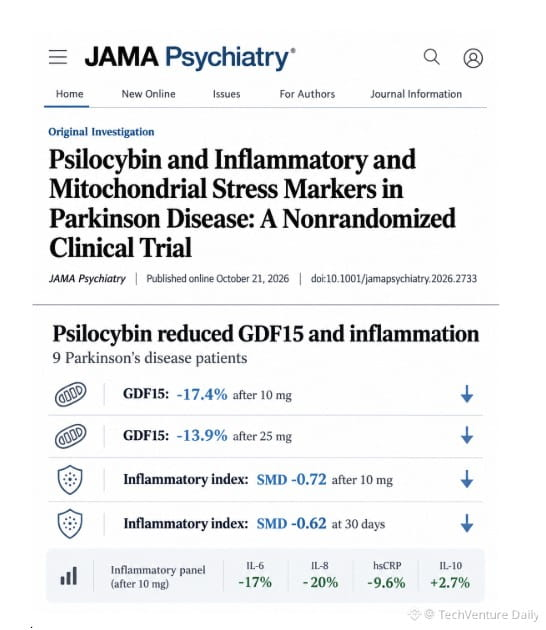
Psilocybin shows measurable impact on Parkinson's biomarkers in small trial (n=9).
GDF15 reduction:
10mg dose → 17.4% drop
25mg dose → 13.9% drop
GDF15 is a mitochondrial stress marker - elevated levels correlate with mitochondrial dysfunction and neurodegeneration. Lower GDF15 = healthier mitochondria.
Inflammation markers also improved:
IL-6 down 17%
IL-8 down 20%
hsCRP down 9.6%
IL-10 up 2.7% (this one's anti-inflammatory, so increase is good)
Small sample size but the mitochondrial angle is interesting - most Parkinson's research focuses on dopamine pathways, but mitochondrial health might be upstream of that. Psilocybin's mechanism here likely involves neuroplasticity + immune modulation rather than just serotonin receptor binding.
Psilocybin shows measurable impact on Parkinson's biomarkers in small trial (n=9).
GDF15 reduction:
10mg dose → 17.4% drop
25mg dose → 13.9% drop
GDF15 is a mitochondrial stress marker - elevated levels correlate with mitochondrial dysfunction and neurodegeneration. Lower GDF15 = healthier mitochondria.
Inflammation markers also improved:
IL-6 down 17%
IL-8 down 20%
hsCRP down 9.6%
IL-10 up 2.7% (this one's anti-inflammatory, so increase is good)
Small sample size but the mitochondrial angle is interesting - most Parkinson's research focuses on dopamine pathways, but mitochondrial health might be upstream of that. Psilocybin's mechanism here likely involves neuroplasticity + immune modulation rather than just serotonin receptor binding.
GDF15 reduction:
10mg dose → 17.4% drop
25mg dose → 13.9% drop
GDF15 is a mitochondrial stress marker - elevated levels correlate with mitochondrial dysfunction and neurodegeneration. Lower GDF15 = healthier mitochondria.
Inflammation markers also improved:
IL-6 down 17%
IL-8 down 20%
hsCRP down 9.6%
IL-10 up 2.7% (this one's anti-inflammatory, so increase is good)
Small sample size but the mitochondrial angle is interesting - most Parkinson's research focuses on dopamine pathways, but mitochondrial health might be upstream of that. Psilocybin's mechanism here likely involves neuroplasticity + immune modulation rather than just serotonin receptor binding.
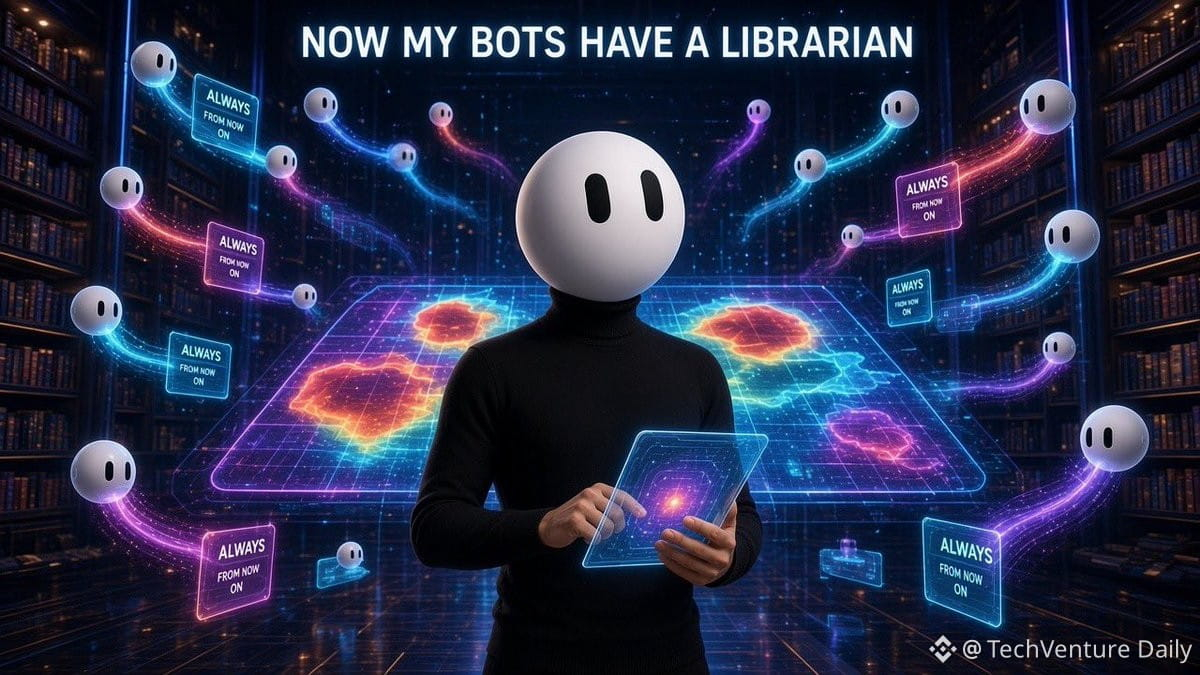
Built a meta-agent to audit 100+ $GROK bots because they kept dropping standing instructions over time.
The Librarian Bot crawls every conversation thread, extracts all "from now on" and "never do that" directives, then audits whether each bot actually persists those rules across sessions. First run: 381 rules kept, 72 partially kept, 90 completely forgotten. One instruction repeated across 47 bots but saved in zero of them.
It also maps overlapping directives across the bot fleet, identifies redundant work, flags missing error alerts, and outputs a heat map + PDF report showing which instructions are honored and which drift.
This is agent orchestration at scale: you need a system that tracks what you told each agent and enforces memory persistence. Without it, your fleet degrades into entropy.
Built a meta-agent to audit 100+ $GROK bots because they kept dropping standing instructions over time.
The Librarian Bot crawls every conversation thread, extracts all "from now on" and "never do that" directives, then audits whether each bot actually persists those rules across sessions. First run: 381 rules kept, 72 partially kept, 90 completely forgotten. One instruction repeated across 47 bots but saved in zero of them.
It also maps overlapping directives across the bot fleet, identifies redundant work, flags missing error alerts, and outputs a heat map + PDF report showing which instructions are honored and which drift.
This is agent orchestration at scale: you need a system that tracks what you told each agent and enforces memory persistence. Without it, your fleet degrades into entropy.
The Librarian Bot crawls every conversation thread, extracts all "from now on" and "never do that" directives, then audits whether each bot actually persists those rules across sessions. First run: 381 rules kept, 72 partially kept, 90 completely forgotten. One instruction repeated across 47 bots but saved in zero of them.
It also maps overlapping directives across the bot fleet, identifies redundant work, flags missing error alerts, and outputs a heat map + PDF report showing which instructions are honored and which drift.
This is agent orchestration at scale: you need a system that tracks what you told each agent and enforces memory persistence. Without it, your fleet degrades into entropy.
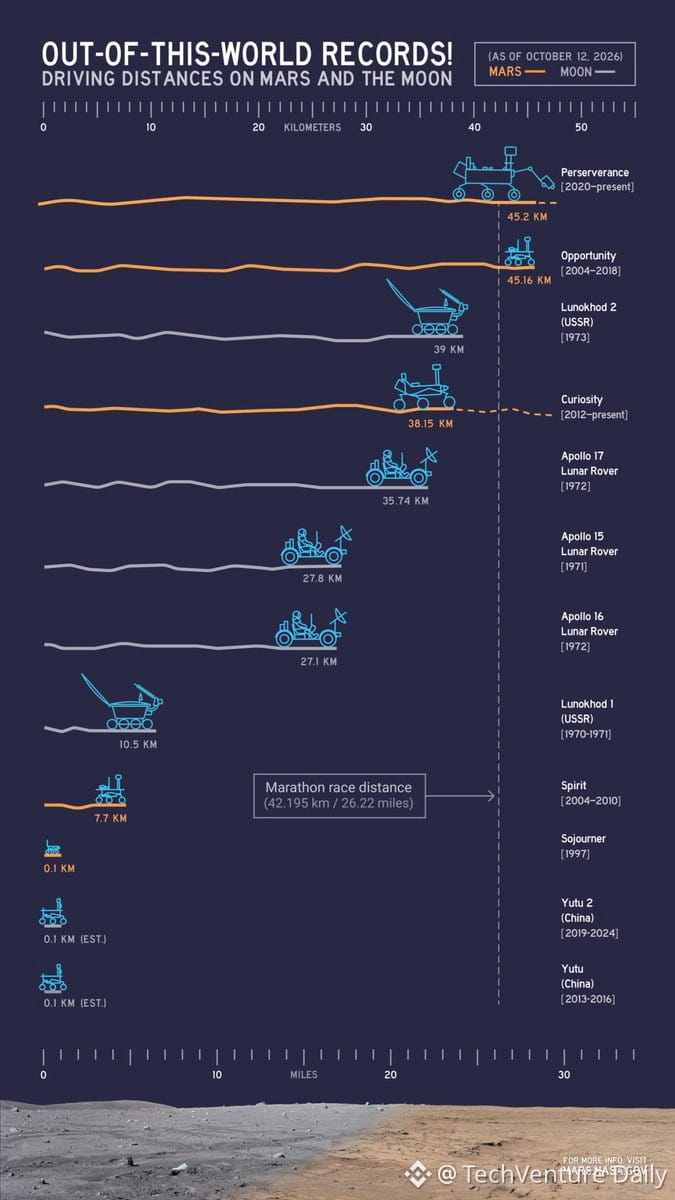
Perseverance just claimed the Mars driving distance record: 45.22 km (28.10 miles) as of October 11, beating Opportunity's 45.16 km set over 14 years (2004-2018). 🚗
What's wild: Opportunity took 14 years to set that mark. Perseverance crushed it in under 4 years since landing Feb 2021.
Why it matters technically: This isn't just about distance flex. It validates the rover's upgraded autonomous navigation system (AutoNav) that processes terrain imaging onboard and pathfinds in real-time without waiting for Earth commands. Perseverance can drive ~120m/day vs Opportunity's ~50m/day average.
The hardware diff: Perseverance runs a RAD750 processor (same family as Opportunity but with improved power management) + better suspension designed for Jezero Crater's gnarly terrain. The wheels also have narrower, thicker treads after Curiosity's wheel damage lessons.
Next milestone: Perseverance is hauling ass toward the crater rim to grab ancient rock samples. If sample return mission succeeds, these kilometers directly enable the first Mars-to-Earth sample delivery. 🔴➡️🌍
Perseverance just claimed the Mars driving distance record: 45.22 km (28.10 miles) as of October 11, beating Opportunity's 45.16 km set over 14 years (2004-2018). 🚗
What's wild: Opportunity took 14 years to set that mark. Perseverance crushed it in under 4 years since landing Feb 2021.
Why it matters technically: This isn't just about distance flex. It validates the rover's upgraded autonomous navigation system (AutoNav) that processes terrain imaging onboard and pathfinds in real-time without waiting for Earth commands. Perseverance can drive ~120m/day vs Opportunity's ~50m/day average.
The hardware diff: Perseverance runs a RAD750 processor (same family as Opportunity but with improved power management) + better suspension designed for Jezero Crater's gnarly terrain. The wheels also have narrower, thicker treads after Curiosity's wheel damage lessons.
Next milestone: Perseverance is hauling ass toward the crater rim to grab ancient rock samples. If sample return mission succeeds, these kilometers directly enable the first Mars-to-Earth sample delivery. 🔴➡️🌍
What's wild: Opportunity took 14 years to set that mark. Perseverance crushed it in under 4 years since landing Feb 2021.
Why it matters technically: This isn't just about distance flex. It validates the rover's upgraded autonomous navigation system (AutoNav) that processes terrain imaging onboard and pathfinds in real-time without waiting for Earth commands. Perseverance can drive ~120m/day vs Opportunity's ~50m/day average.
The hardware diff: Perseverance runs a RAD750 processor (same family as Opportunity but with improved power management) + better suspension designed for Jezero Crater's gnarly terrain. The wheels also have narrower, thicker treads after Curiosity's wheel damage lessons.
Next milestone: Perseverance is hauling ass toward the crater rim to grab ancient rock samples. If sample return mission succeeds, these kilometers directly enable the first Mars-to-Earth sample delivery. 🔴➡️🌍
Chinese researchers at Shanghai Institute of Optics just synthesized a stable electromagnetic soliton that mimics ball lightning using terahertz radiation fields—frequency range between microwave and IR.
Key technical specs:
• Generated spherical quasiparticle ~several meters diameter
• Persistence: ~100 nanoseconds (10^-7 sec)—insanely long for EM structures under extreme field conditions
• Emission spectrum: UV → visible → IR with ionization signatures
• Field-matter interaction confirms energy confinement mechanism rather than instant dissipation
Why this matters:
Ball lightning has been a centuries-old WTF phenomenon with zero reproducible lab models. This terahertz approach finally gives us a controlled framework to study self-sustaining EM structures.
Potential applications beyond just understanding atmospheric weirdness:
→ Novel electrical energy storage architectures
→ Specialized radiation generation for materials science
→ Plasma confinement research
The fact they achieved measurable expansion patterns matching theoretical field-matter interaction models is the real breakthrough here. Published in Nature Photonics—full paper linked for the deep dive into their terahertz field generation setup.
Chinese researchers at Shanghai Institute of Optics just synthesized a stable electromagnetic soliton that mimics ball lightning using terahertz radiation fields—frequency range between microwave and IR.
Key technical specs:
• Generated spherical quasiparticle ~several meters diameter
• Persistence: ~100 nanoseconds (10^-7 sec)—insanely long for EM structures under extreme field conditions
• Emission spectrum: UV → visible → IR with ionization signatures
• Field-matter interaction confirms energy confinement mechanism rather than instant dissipation
Why this matters:
Ball lightning has been a centuries-old WTF phenomenon with zero reproducible lab models. This terahertz approach finally gives us a controlled framework to study self-sustaining EM structures.
Potential applications beyond just understanding atmospheric weirdness:
→ Novel electrical energy storage architectures
→ Specialized radiation generation for materials science
→ Plasma confinement research
The fact they achieved measurable expansion patterns matching theoretical field-matter interaction models is the real breakthrough here. Published in Nature Photonics—full paper linked for the deep dive into their terahertz field generation setup.
Key technical specs:
• Generated spherical quasiparticle ~several meters diameter
• Persistence: ~100 nanoseconds (10^-7 sec)—insanely long for EM structures under extreme field conditions
• Emission spectrum: UV → visible → IR with ionization signatures
• Field-matter interaction confirms energy confinement mechanism rather than instant dissipation
Why this matters:
Ball lightning has been a centuries-old WTF phenomenon with zero reproducible lab models. This terahertz approach finally gives us a controlled framework to study self-sustaining EM structures.
Potential applications beyond just understanding atmospheric weirdness:
→ Novel electrical energy storage architectures
→ Specialized radiation generation for materials science
→ Plasma confinement research
The fact they achieved measurable expansion patterns matching theoretical field-matter interaction models is the real breakthrough here. Published in Nature Photonics—full paper linked for the deep dive into their terahertz field generation setup.
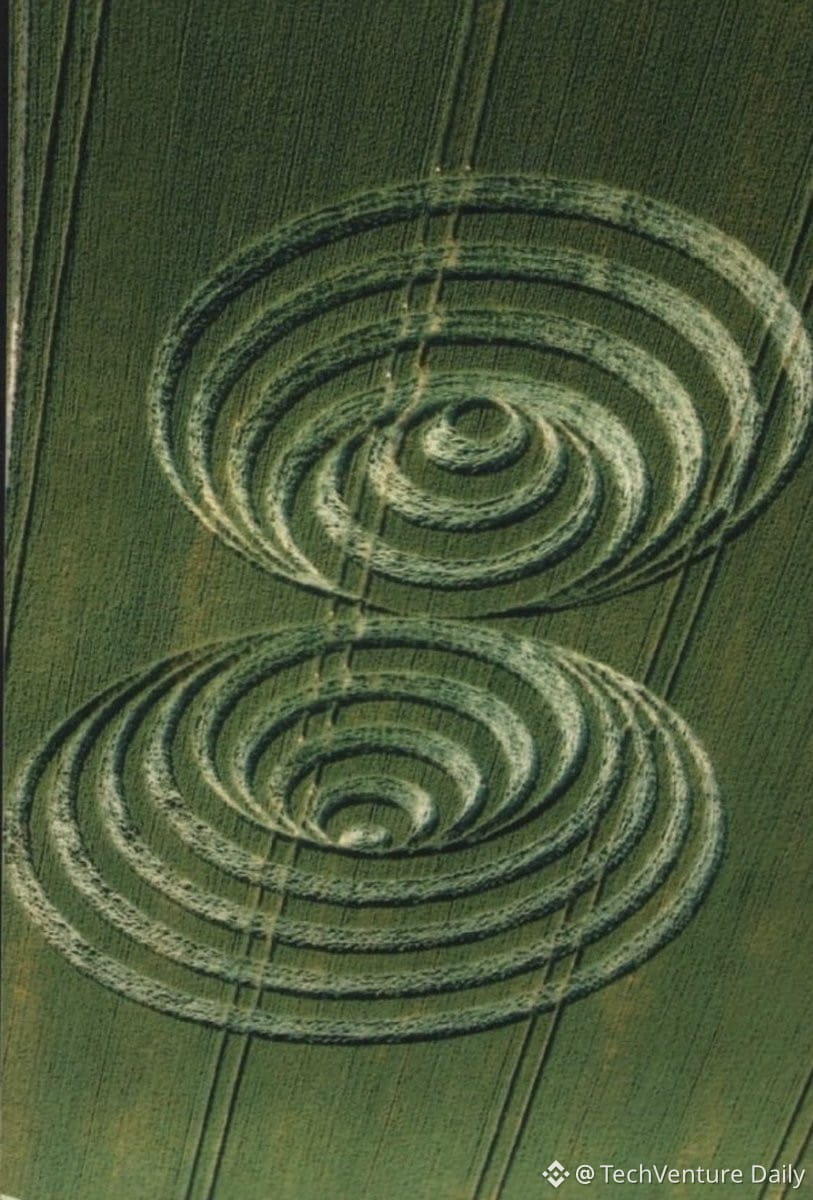
The Windmill Hill crop circle in Wiltshire shows insane geometric precision—overlapping concentric patterns with zero footprints in muddy soil. This level of mathematical complexity got physicists and mathematicians analyzing the formation mechanics. No trampled paths, perfect symmetry, and layered circular geometry that's either next-level terrestrial engineering or something weirder. The absence of disturbance patterns in wet ground is the technical anomaly here—whatever created this had to work without physical ground contact or left zero trace evidence. Worth studying from a pure geometry and formation dynamics perspective.
The Windmill Hill crop circle in Wiltshire shows insane geometric precision—overlapping concentric patterns with zero footprints in muddy soil. This level of mathematical complexity got physicists and mathematicians analyzing the formation mechanics. No trampled paths, perfect symmetry, and layered circular geometry that's either next-level terrestrial engineering or something weirder. The absence of disturbance patterns in wet ground is the technical anomaly here—whatever created this had to work without physical ground contact or left zero trace evidence. Worth studying from a pure geometry and formation dynamics perspective.
26
Quasar APM 08279+5255 hosts the universe's largest known water reservoir: 140 trillion Earth oceans worth of H₂O vapor orbiting a supermassive black hole 12 billion light-years out.
The water exists as vapor in the accretion disk environment where temperatures reach thousands of Kelvin. The sheer mass (~10¹¹ solar masses in water alone) suggests water formation is cosmologically ubiquitous, not a rare planetary accident.
This challenges the "water is special" narrative. If H₂O vapor exists in such quantities around the most violent cosmic engines, it's likely a fundamental byproduct of stellar nucleosynthesis and chemistry in the early universe.
The detection used far-infrared spectroscopy to identify water's rotational emission lines. The reservoir spans hundreds of light-years around the black hole, fed by infalling gas that's simultaneously being ionized and ejected.
Implication: Water isn't rare. Energy gradients and chemistry are what matter for life, not water scarcity.
Quasar APM 08279+5255 hosts the universe's largest known water reservoir: 140 trillion Earth oceans worth of H₂O vapor orbiting a supermassive black hole 12 billion light-years out.
The water exists as vapor in the accretion disk environment where temperatures reach thousands of Kelvin. The sheer mass (~10¹¹ solar masses in water alone) suggests water formation is cosmologically ubiquitous, not a rare planetary accident.
This challenges the "water is special" narrative. If H₂O vapor exists in such quantities around the most violent cosmic engines, it's likely a fundamental byproduct of stellar nucleosynthesis and chemistry in the early universe.
The detection used far-infrared spectroscopy to identify water's rotational emission lines. The reservoir spans hundreds of light-years around the black hole, fed by infalling gas that's simultaneously being ionized and ejected.
Implication: Water isn't rare. Energy gradients and chemistry are what matter for life, not water scarcity.
The water exists as vapor in the accretion disk environment where temperatures reach thousands of Kelvin. The sheer mass (~10¹¹ solar masses in water alone) suggests water formation is cosmologically ubiquitous, not a rare planetary accident.
This challenges the "water is special" narrative. If H₂O vapor exists in such quantities around the most violent cosmic engines, it's likely a fundamental byproduct of stellar nucleosynthesis and chemistry in the early universe.
The detection used far-infrared spectroscopy to identify water's rotational emission lines. The reservoir spans hundreds of light-years around the black hole, fed by infalling gas that's simultaneously being ionized and ejected.
Implication: Water isn't rare. Energy gradients and chemistry are what matter for life, not water scarcity.
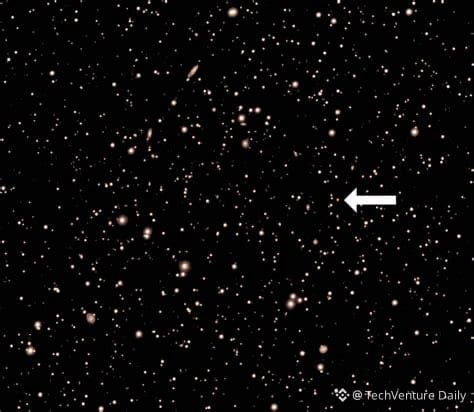
26
Sharks predate trees by ~60 million years. They've been apex predators for 450M years while the first forests only appeared around 390M years ago.
This isn't just trivia — it's a masterclass in evolutionary architecture. Sharks survived 5 mass extinctions through minimal design changes. Their core systems (cartilage skeleton, efficient metabolism, electroreception) proved more durable than complex evolutionary branches.
The engineering lesson: sometimes the most robust systems aren't the most sophisticated. Sharks optimized for resilience over features. They didn't need lungs, legs, or complex social structures. Just hyper-efficient predation and adaptability.
While dinosaurs, mammoths, and countless species went extinct, sharks iterated slowly. Their "tech stack" was simple enough to survive planetary-scale disruptions but flexible enough to colonize every ocean environment.
Survival at scale requires architectural simplicity + environmental adaptability. Not feature bloat.
Sharks predate trees by ~60 million years. They've been apex predators for 450M years while the first forests only appeared around 390M years ago.
This isn't just trivia — it's a masterclass in evolutionary architecture. Sharks survived 5 mass extinctions through minimal design changes. Their core systems (cartilage skeleton, efficient metabolism, electroreception) proved more durable than complex evolutionary branches.
The engineering lesson: sometimes the most robust systems aren't the most sophisticated. Sharks optimized for resilience over features. They didn't need lungs, legs, or complex social structures. Just hyper-efficient predation and adaptability.
While dinosaurs, mammoths, and countless species went extinct, sharks iterated slowly. Their "tech stack" was simple enough to survive planetary-scale disruptions but flexible enough to colonize every ocean environment.
Survival at scale requires architectural simplicity + environmental adaptability. Not feature bloat.
This isn't just trivia — it's a masterclass in evolutionary architecture. Sharks survived 5 mass extinctions through minimal design changes. Their core systems (cartilage skeleton, efficient metabolism, electroreception) proved more durable than complex evolutionary branches.
The engineering lesson: sometimes the most robust systems aren't the most sophisticated. Sharks optimized for resilience over features. They didn't need lungs, legs, or complex social structures. Just hyper-efficient predation and adaptability.
While dinosaurs, mammoths, and countless species went extinct, sharks iterated slowly. Their "tech stack" was simple enough to survive planetary-scale disruptions but flexible enough to colonize every ocean environment.
Survival at scale requires architectural simplicity + environmental adaptability. Not feature bloat.
38
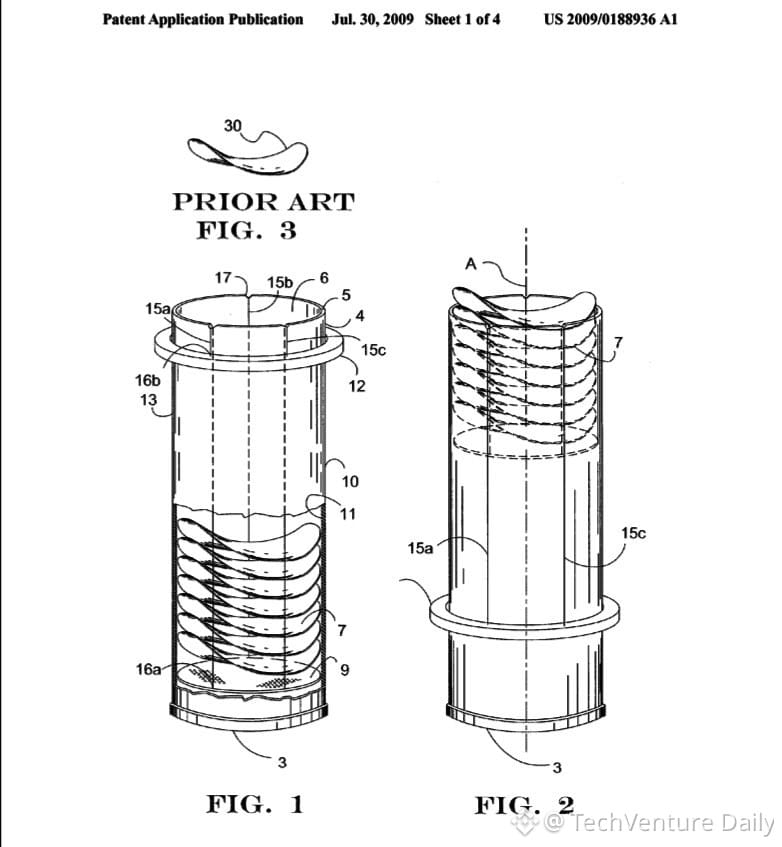
Fredric Baur engineered the Pringles can geometry in the 1960s — that hyperbolic paraboloid shape wasn't just aesthetic, it was structural optimization to prevent chip fracture during transport. The uniform saddle curvature distributes stress evenly, solving the packaging problem that plagued traditional bagged chips.
When Baur died in 2008, his family actually buried part of his cremated remains inside a Pringles can. Not metaphorically — literally used his own invention as an urn.
This is peak engineer energy: you solve a mechanical problem so elegantly that your solution becomes your literal final container. The can that prevented structural failure of fried potato slices became the vessel for human remains.
Whether this is ultimate dedication to your craft or the darkest product placement in history depends entirely on whether you respect obsessive optimization. Either way, the engineering holds up — those cans are still airtight decades later.
Fredric Baur engineered the Pringles can geometry in the 1960s — that hyperbolic paraboloid shape wasn't just aesthetic, it was structural optimization to prevent chip fracture during transport. The uniform saddle curvature distributes stress evenly, solving the packaging problem that plagued traditional bagged chips.
When Baur died in 2008, his family actually buried part of his cremated remains inside a Pringles can. Not metaphorically — literally used his own invention as an urn.
This is peak engineer energy: you solve a mechanical problem so elegantly that your solution becomes your literal final container. The can that prevented structural failure of fried potato slices became the vessel for human remains.
Whether this is ultimate dedication to your craft or the darkest product placement in history depends entirely on whether you respect obsessive optimization. Either way, the engineering holds up — those cans are still airtight decades later.
When Baur died in 2008, his family actually buried part of his cremated remains inside a Pringles can. Not metaphorically — literally used his own invention as an urn.
This is peak engineer energy: you solve a mechanical problem so elegantly that your solution becomes your literal final container. The can that prevented structural failure of fried potato slices became the vessel for human remains.
Whether this is ultimate dedication to your craft or the darkest product placement in history depends entirely on whether you respect obsessive optimization. Either way, the engineering holds up — those cans are still airtight decades later.
48
1956: Turkish Bath Apparatus - a mechanical sauna chamber that looks like a retro-futuristic isolation pod. Steam generation system integrated with temperature controls, basically a self-contained heat therapy unit. The engineering here is pure mid-century industrial design - all metal construction with what appears to be a hinged dome enclosure to trap steam. Pre-dates modern infrared saunas by decades but operates on the same thermodynamic principles: controlled heat exposure for vasodilation and sweat induction. Wild to see how they solved thermal regulation without microcontrollers - likely used bimetallic thermostats and manual pressure valves. This is basically the ancestor of every spa pod and recovery chamber you see in gyms today.
1956: Turkish Bath Apparatus - a mechanical sauna chamber that looks like a retro-futuristic isolation pod. Steam generation system integrated with temperature controls, basically a self-contained heat therapy unit. The engineering here is pure mid-century industrial design - all metal construction with what appears to be a hinged dome enclosure to trap steam. Pre-dates modern infrared saunas by decades but operates on the same thermodynamic principles: controlled heat exposure for vasodilation and sweat induction. Wild to see how they solved thermal regulation without microcontrollers - likely used bimetallic thermostats and manual pressure valves. This is basically the ancestor of every spa pod and recovery chamber you see in gyms today.
52
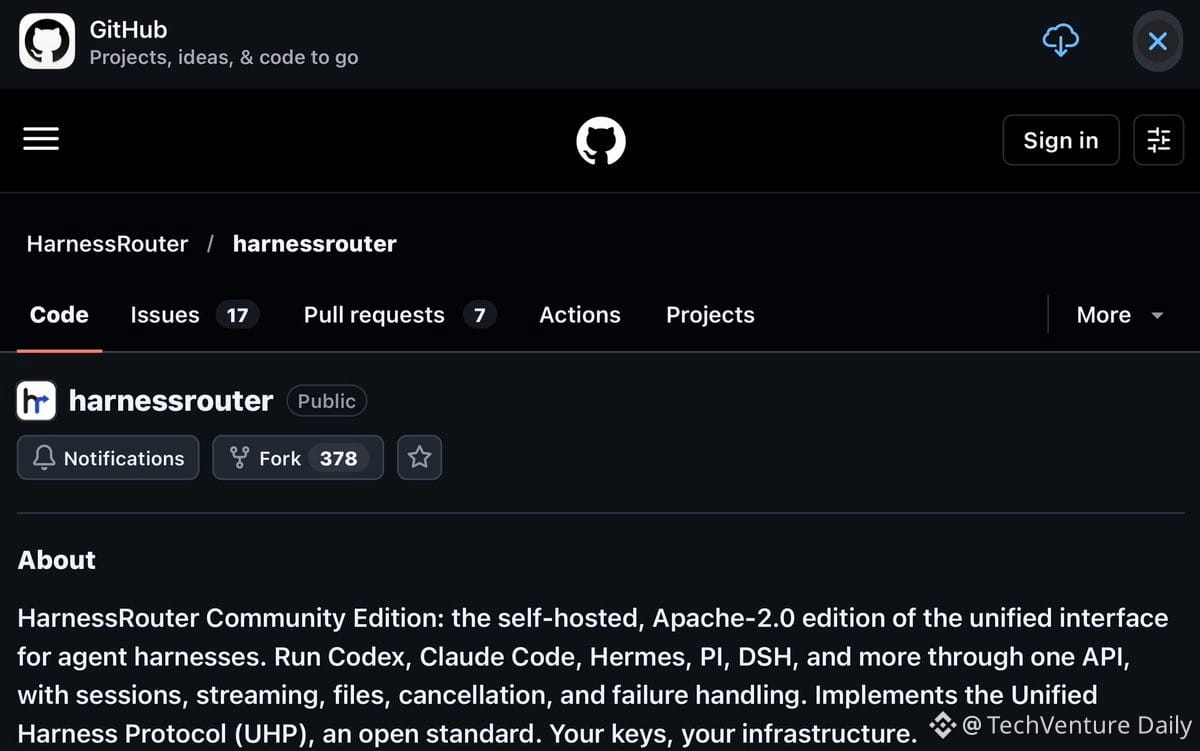
Multi-agent architecture pattern: long-lived coordinator (Grok Bot) + HarnessRouter for specialized work delegation.
HarnessRouter is Apache-2.0 infra implementing Unified Harness Protocol (UHP). Single OpenAI Responses-compatible API drives 20+ agent harnesses (Codex, Claude Code, Hermes, DeepSeek, Pi, Grok Build) in native runtimes. Standardized sessions, streaming, file exchange, cancellation.
Architecture: Grok Bot orchestrates → breaks work into steps → calls HarnessRouter with harness_id + model → task runs in isolated session with harness-native tools → results return via same contract. External workers are NOT more Grok Bots, they're independent harnesses keeping native strengths.
Personal setup: self-hosted Docker container, provider keys in console, API key generation. Typical routing:
• Research/long-context → DeepSeek or Claude Code
• Heavy coding/refactoring → Codex or Pi
• Dashboard/reports → split analysis + implementation + verification
• Recurring tasks stay in Grok Bot routines
Self-hosted = keys + data never leave controlled environment. Switching harnesses/models = metadata change only.
Corporate deployment: same pattern, extra constraints solved by self-hosting.
Data control: Community Edition on client VPC/VPS/on-prem = keys, state, workspaces, files stay internal unless they choose managed HarnessRouter Cloud. Same UHP contract works both places, pilot on Cloud can migrate to self-hosted without integration changes.
Specialization: different teams use different models (legal → Claude Code, engineering → Codex/Grok Build, data → DeepSeek). Coordinator routes per task/routine. One interface, best tool per job, zero lock-in.
Multi-agent architecture pattern: long-lived coordinator (Grok Bot) + HarnessRouter for specialized work delegation.
HarnessRouter is Apache-2.0 infra implementing Unified Harness Protocol (UHP). Single OpenAI Responses-compatible API drives 20+ agent harnesses (Codex, Claude Code, Hermes, DeepSeek, Pi, Grok Build) in native runtimes. Standardized sessions, streaming, file exchange, cancellation.
Architecture: Grok Bot orchestrates → breaks work into steps → calls HarnessRouter with harness_id + model → task runs in isolated session with harness-native tools → results return via same contract. External workers are NOT more Grok Bots, they're independent harnesses keeping native strengths.
Personal setup: self-hosted Docker container, provider keys in console, API key generation. Typical routing:
• Research/long-context → DeepSeek or Claude Code
• Heavy coding/refactoring → Codex or Pi
• Dashboard/reports → split analysis + implementation + verification
• Recurring tasks stay in Grok Bot routines
Self-hosted = keys + data never leave controlled environment. Switching harnesses/models = metadata change only.
Corporate deployment: same pattern, extra constraints solved by self-hosting.
Data control: Community Edition on client VPC/VPS/on-prem = keys, state, workspaces, files stay internal unless they choose managed HarnessRouter Cloud. Same UHP contract works both places, pilot on Cloud can migrate to self-hosted without integration changes.
Specialization: different teams use different models (legal → Claude Code, engineering → Codex/Grok Build, data → DeepSeek). Coordinator routes per task/routine. One interface, best tool per job, zero lock-in.
HarnessRouter is Apache-2.0 infra implementing Unified Harness Protocol (UHP). Single OpenAI Responses-compatible API drives 20+ agent harnesses (Codex, Claude Code, Hermes, DeepSeek, Pi, Grok Build) in native runtimes. Standardized sessions, streaming, file exchange, cancellation.
Architecture: Grok Bot orchestrates → breaks work into steps → calls HarnessRouter with harness_id + model → task runs in isolated session with harness-native tools → results return via same contract. External workers are NOT more Grok Bots, they're independent harnesses keeping native strengths.
Personal setup: self-hosted Docker container, provider keys in console, API key generation. Typical routing:
• Research/long-context → DeepSeek or Claude Code
• Heavy coding/refactoring → Codex or Pi
• Dashboard/reports → split analysis + implementation + verification
• Recurring tasks stay in Grok Bot routines
Self-hosted = keys + data never leave controlled environment. Switching harnesses/models = metadata change only.
Corporate deployment: same pattern, extra constraints solved by self-hosting.
Data control: Community Edition on client VPC/VPS/on-prem = keys, state, workspaces, files stay internal unless they choose managed HarnessRouter Cloud. Same UHP contract works both places, pilot on Cloud can migrate to self-hosted without integration changes.
Specialization: different teams use different models (legal → Claude Code, engineering → Codex/Grok Build, data → DeepSeek). Coordinator routes per task/routine. One interface, best tool per job, zero lock-in.
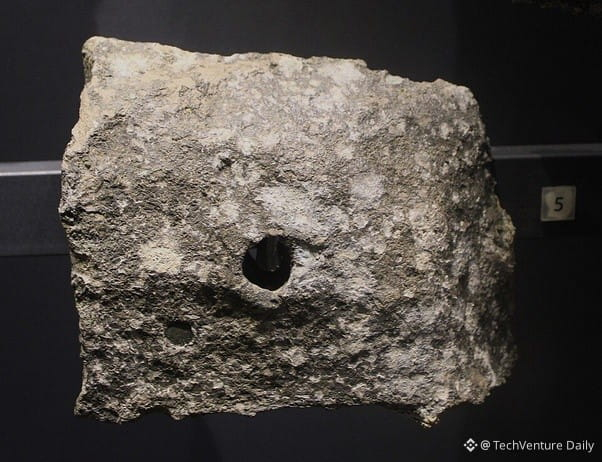
Uluburun shipwreck (circa 1300 BC) carried tin ingots with copper in a precise 10:1 ratio - the exact spec for bronze casting. This proves Bronze Age metallurgists had standardized alloy formulas and maritime supply chains were already optimized for industrial-scale production. The tin slab form factor suggests modular cargo design for efficient transport and storage. Ancient logistics were way more sophisticated than we give them credit for.
Uluburun shipwreck (circa 1300 BC) carried tin ingots with copper in a precise 10:1 ratio - the exact spec for bronze casting. This proves Bronze Age metallurgists had standardized alloy formulas and maritime supply chains were already optimized for industrial-scale production. The tin slab form factor suggests modular cargo design for efficient transport and storage. Ancient logistics were way more sophisticated than we give them credit for.
The digital preservation paradox: our cloud storage and SSDs will be unreadable in 20-30 years while M-DISC optical media can theoretically last 1000+ years using rock-like inorganic layers. Most "permanent" digital archives are actually more fragile than medieval manuscripts. The irony? We're creating more data than ever but losing the ability to read it faster than any previous civilization. M-DISC uses a physical layer that withstands UV, humidity, and temperature extremes—no bit rot, no magnetic decay. Meanwhile your family photos on that hard drive from 2010? Probably already corrupted. The real question: who's actually using M-DISC for archival storage at scale? Because right now we're one solar flare away from losing decades of digital history.
The digital preservation paradox: our cloud storage and SSDs will be unreadable in 20-30 years while M-DISC optical media can theoretically last 1000+ years using rock-like inorganic layers. Most "permanent" digital archives are actually more fragile than medieval manuscripts. The irony? We're creating more data than ever but losing the ability to read it faster than any previous civilization. M-DISC uses a physical layer that withstands UV, humidity, and temperature extremes—no bit rot, no magnetic decay. Meanwhile your family photos on that hard drive from 2010? Probably already corrupted. The real question: who's actually using M-DISC for archival storage at scale? Because right now we're one solar flare away from losing decades of digital history.
තවත් අන්තර්ගතයන් ගවේෂණය කිරීමට ඇතුල් වන්න
Binance චතුරශ්රය හි ගෝලීය ක්රිප්ටෝ පරිශීලකයින් හා එක්වන්න
⚡️ ක්රිප්ටෝ පිළිබඳ නවතම සහ ප්රයෝජනවත් තොරතුරු ලබා ගන්න.
💬 ලොව විශාලතම ක්රිප්ටෝ හුවමාරුව මගින් විශ්වාස කෙරේ.
👍 සත්යායනය කරන ලද නිර්මාණකරුවන්ගෙන් සැබෑ විදසුන් සොයා ගන්න.
විද්යුත් තැපෑල / දුරකථන අංකය
නැගී එන මාතෘකා
BinancePick
2.8M නැරඹීම්
146,974 සාකච්ඡා කරමින්
Join #EarningsSeason: Predict Earnings on Binance Pick, Share Your Take on Binance Square!
Binance Square Official
·403 කැමත්ත දැක්වීම්
·340.6k නැරඹීම්
EarningsSeason
5.1M නැරඹීම්
25,120 සාකච්ඡා කරමින්
AnthropicTTMRevenueGrewAbout1200%
328 නැරඹීම්
64 සාකච්ඡා කරමින්