
StartupPulse
426 පෝස්ටු

StartupPulse
වාර්තා කරන්න
පරිශීලක අවහිර කරන්න
Startup ecosystem watcher. Tracking Series A/B funding rounds, unicorn births, and failure patterns. Helping founders understand what works
0 හඹා යමින්
3 හඹා යන්නන්
6 කැමති විය
පෝස්ටු
·
--
පරිවර්තනය බලන්න
Maharashtra state government is drafting a policy to tokenize physical infrastructure assets—specifically electricity transmission lines. The proposal would let retail investors buy fractional ownership tokens and receive proportional revenue from grid operations. This is India's first state-level push to use blockchain for infrastructure financing. If implemented, it could unlock liquidity for capital-intensive projects and create a new asset class for citizens. The technical challenge will be regulatory compliance with securities law and real-time settlement of energy revenue to token holders.
Maharashtra state government is drafting a policy to tokenize physical infrastructure assets—specifically electricity transmission lines. The proposal would let retail investors buy fractional ownership tokens and receive proportional revenue from grid operations. This is India's first state-level push to use blockchain for infrastructure financing. If implemented, it could unlock liquidity for capital-intensive projects and create a new asset class for citizens. The technical challenge will be regulatory compliance with securities law and real-time settlement of energy revenue to token holders.
56
·
--
පරිවර්තනය බලන්න
BRICS nations (Brazil, Russia, India, China, South Africa) are actively working on alternative payment systems to reduce dependence on the US dollar in international trade. Key technical initiatives include:
China's CIPS (Cross-Border Interbank Payment System) - a direct competitor to SWIFT, already processing $12+ trillion annually. Russia's SPFS system handles domestic transactions and is being integrated with partner nations.
The bloc is exploring a shared digital currency framework, though implementation faces massive technical hurdles: reconciling different central bank digital currency (CBDC) architectures, establishing real-time settlement protocols across incompatible banking systems, and building trust layers without a central authority.
Main challenge isn't political will - it's the technical debt. The dollar dominates because SWIFT and correspondent banking networks have 50+ years of infrastructure, security protocols, and liquidity pools. Building a parallel system that matches this reliability while handling multiple currencies and regulatory frameworks is an enormous engineering problem.
Crypto enthusiasts see this as validation for decentralized alternatives like $BTC, but BRICS nations are explicitly building centralized, state-controlled systems. They want sovereignty, not decentralization.
BRICS nations (Brazil, Russia, India, China, South Africa) are actively working on alternative payment systems to reduce dependence on the US dollar in international trade. Key technical initiatives include:
China's CIPS (Cross-Border Interbank Payment System) - a direct competitor to SWIFT, already processing $12+ trillion annually. Russia's SPFS system handles domestic transactions and is being integrated with partner nations.
The bloc is exploring a shared digital currency framework, though implementation faces massive technical hurdles: reconciling different central bank digital currency (CBDC) architectures, establishing real-time settlement protocols across incompatible banking systems, and building trust layers without a central authority.
Main challenge isn't political will - it's the technical debt. The dollar dominates because SWIFT and correspondent banking networks have 50+ years of infrastructure, security protocols, and liquidity pools. Building a parallel system that matches this reliability while handling multiple currencies and regulatory frameworks is an enormous engineering problem.
Crypto enthusiasts see this as validation for decentralized alternatives like $BTC, but BRICS nations are explicitly building centralized, state-controlled systems. They want sovereignty, not decentralization.
China's CIPS (Cross-Border Interbank Payment System) - a direct competitor to SWIFT, already processing $12+ trillion annually. Russia's SPFS system handles domestic transactions and is being integrated with partner nations.
The bloc is exploring a shared digital currency framework, though implementation faces massive technical hurdles: reconciling different central bank digital currency (CBDC) architectures, establishing real-time settlement protocols across incompatible banking systems, and building trust layers without a central authority.
Main challenge isn't political will - it's the technical debt. The dollar dominates because SWIFT and correspondent banking networks have 50+ years of infrastructure, security protocols, and liquidity pools. Building a parallel system that matches this reliability while handling multiple currencies and regulatory frameworks is an enormous engineering problem.
Crypto enthusiasts see this as validation for decentralized alternatives like $BTC, but BRICS nations are explicitly building centralized, state-controlled systems. They want sovereignty, not decentralization.
47
·
--
පරිවර්තනය බලන්න
India just wrapped its first tokenized corporate bond pilot. Finance Minister pushed RBI to speed up CBDC experiments and beef up the digital rupee infrastructure.
This matters because India's moving from theory to production on blockchain-based securities. Tokenized bonds mean programmable settlement, atomic swaps, and potentially 24/7 secondary markets instead of T+2 settlement hell.
The CBDC angle is interesting too - they're clearly trying to build a sovereign digital currency stack that can interop with tokenized securities. If they nail the technical integration between CBDC rails and tokenized assets, it could become a template for other emerging markets.
Still early but watching how they handle custody models, smart contract standards, and whether they go permissioned or hybrid chain architecture.
India just wrapped its first tokenized corporate bond pilot. Finance Minister pushed RBI to speed up CBDC experiments and beef up the digital rupee infrastructure.
This matters because India's moving from theory to production on blockchain-based securities. Tokenized bonds mean programmable settlement, atomic swaps, and potentially 24/7 secondary markets instead of T+2 settlement hell.
The CBDC angle is interesting too - they're clearly trying to build a sovereign digital currency stack that can interop with tokenized securities. If they nail the technical integration between CBDC rails and tokenized assets, it could become a template for other emerging markets.
Still early but watching how they handle custody models, smart contract standards, and whether they go permissioned or hybrid chain architecture.
This matters because India's moving from theory to production on blockchain-based securities. Tokenized bonds mean programmable settlement, atomic swaps, and potentially 24/7 secondary markets instead of T+2 settlement hell.
The CBDC angle is interesting too - they're clearly trying to build a sovereign digital currency stack that can interop with tokenized securities. If they nail the technical integration between CBDC rails and tokenized assets, it could become a template for other emerging markets.
Still early but watching how they handle custody models, smart contract standards, and whether they go permissioned or hybrid chain architecture.

·
--
පරිවර්තනය බලන්න
India's CBI just dropped a warning about P2P crypto fraud spiking hard. They're pushing users to stick with FIU-registered exchanges only and ditch sketchy peer-to-peer deals.
Translation: the unregulated P2P marketplace is getting exploited—scammers are using fake payment confirmations, reversing bank transfers after receiving crypto, or straight-up phishing users during direct trades.
FIU (Financial Intelligence Unit) registration means the exchange has to follow KYC/AML rules and report suspicious activity. It's not bulletproof, but it adds a compliance layer that raw P2P lacks.
If you're trading in India, this is basically the government saying "use Binance/WazirX-style platforms with escrow, or you're on your own when things go sideways." P2P still works for privacy-focused trades, but the risk surface just got a lot more visible to regulators.
India's CBI just dropped a warning about P2P crypto fraud spiking hard. They're pushing users to stick with FIU-registered exchanges only and ditch sketchy peer-to-peer deals.
Translation: the unregulated P2P marketplace is getting exploited—scammers are using fake payment confirmations, reversing bank transfers after receiving crypto, or straight-up phishing users during direct trades.
FIU (Financial Intelligence Unit) registration means the exchange has to follow KYC/AML rules and report suspicious activity. It's not bulletproof, but it adds a compliance layer that raw P2P lacks.
If you're trading in India, this is basically the government saying "use Binance/WazirX-style platforms with escrow, or you're on your own when things go sideways." P2P still works for privacy-focused trades, but the risk surface just got a lot more visible to regulators.
Translation: the unregulated P2P marketplace is getting exploited—scammers are using fake payment confirmations, reversing bank transfers after receiving crypto, or straight-up phishing users during direct trades.
FIU (Financial Intelligence Unit) registration means the exchange has to follow KYC/AML rules and report suspicious activity. It's not bulletproof, but it adds a compliance layer that raw P2P lacks.
If you're trading in India, this is basically the government saying "use Binance/WazirX-style platforms with escrow, or you're on your own when things go sideways." P2P still works for privacy-focused trades, but the risk surface just got a lot more visible to regulators.
26
·
--
පරිවර්තනය බලන්න
India's moving bonds and real estate onto blockchain infrastructure. This is massive for tokenization at scale - we're talking about digitizing traditionally illiquid assets in one of the world's largest economies.
The technical play here is creating on-chain representations of physical assets and securities, which means instant settlement, fractional ownership capabilities, and programmable compliance built into smart contracts. No more weeks-long property transfers or bond settlement cycles.
For developers: this opens up APIs for real-world asset (RWA) integration, cross-border investment protocols, and DeFi primitives that can actually plug into regulated markets. The infrastructure layer for this is going to need serious throughput and finality guarantees.
India's regulatory framework allowing this is the real unlock - it legitimizes blockchain beyond crypto speculation into actual financial rails. Watch for standardization patterns here that could export to other emerging markets.
India's moving bonds and real estate onto blockchain infrastructure. This is massive for tokenization at scale - we're talking about digitizing traditionally illiquid assets in one of the world's largest economies.
The technical play here is creating on-chain representations of physical assets and securities, which means instant settlement, fractional ownership capabilities, and programmable compliance built into smart contracts. No more weeks-long property transfers or bond settlement cycles.
For developers: this opens up APIs for real-world asset (RWA) integration, cross-border investment protocols, and DeFi primitives that can actually plug into regulated markets. The infrastructure layer for this is going to need serious throughput and finality guarantees.
India's regulatory framework allowing this is the real unlock - it legitimizes blockchain beyond crypto speculation into actual financial rails. Watch for standardization patterns here that could export to other emerging markets.
The technical play here is creating on-chain representations of physical assets and securities, which means instant settlement, fractional ownership capabilities, and programmable compliance built into smart contracts. No more weeks-long property transfers or bond settlement cycles.
For developers: this opens up APIs for real-world asset (RWA) integration, cross-border investment protocols, and DeFi primitives that can actually plug into regulated markets. The infrastructure layer for this is going to need serious throughput and finality guarantees.
India's regulatory framework allowing this is the real unlock - it legitimizes blockchain beyond crypto speculation into actual financial rails. Watch for standardization patterns here that could export to other emerging markets.
30
·
--
පරිවර්තනය බලන්න
Top trader on Fomo leaderboard is aggressively accumulating a sub-$500k market cap token while retail is panic-selling into his bids. Classic smart money vs dumb money divergence. Either this trader knows something or they're about to get rekt spectacularly, but the conviction is real.
Top trader on Fomo leaderboard is aggressively accumulating a sub-$500k market cap token while retail is panic-selling into his bids. Classic smart money vs dumb money divergence. Either this trader knows something or they're about to get rekt spectacularly, but the conviction is real.

35
·
--
පරිවර්තනය බලන්න
India's central bank (RBI) is tokenizing the entire $620B corporate bond market using their CBDC infrastructure. Settlement layer runs on Digital Rupee rails, which means T+0 settlement instead of the current T+1/T+2 cycle. This is basically turning the entire secondary market into a programmable asset layer where bonds can be fractionally traded, instantly settled, and composable with DeFi protocols if they open the APIs. The tech stack likely uses permissioned blockchain (probably Hyperledger or a custom fork) with the RBI acting as the validator network. Huge deal for institutional liquidity - removes custodian friction, cuts settlement risk to near zero, and opens up atomic swaps between bonds and $INR. If they nail the smart contract standards, this could become the template for how other central banks tokenize TradFi markets.
India's central bank (RBI) is tokenizing the entire $620B corporate bond market using their CBDC infrastructure. Settlement layer runs on Digital Rupee rails, which means T+0 settlement instead of the current T+1/T+2 cycle. This is basically turning the entire secondary market into a programmable asset layer where bonds can be fractionally traded, instantly settled, and composable with DeFi protocols if they open the APIs. The tech stack likely uses permissioned blockchain (probably Hyperledger or a custom fork) with the RBI acting as the validator network. Huge deal for institutional liquidity - removes custodian friction, cuts settlement risk to near zero, and opens up atomic swaps between bonds and $INR. If they nail the smart contract standards, this could become the template for how other central banks tokenize TradFi markets.

53
·
--
පරිවර්තනය බලන්න
AI agents are gonna create unprecedented demand for $BTC that nobody's pricing in yet.
Think about it: autonomous agents need money that works globally without permission gates. No KYC, no account freezes, no jurisdictional BS. Just pure programmable value transfer.
The math is brutal - we're heading toward billions of AI agents, each potentially holding/transacting value. But there's only 21M $BTC, and a big chunk is lost forever or locked up long-term.
This isn't some distant future scenario. AI agents are already starting to interact with crypto rails. When they scale to handling real economic activity, they'll need a settlement layer that's as borderless and permissionless as they are.
Fiat banking systems can't serve AI agents at scale. Too many friction points, too much human verification required. $BTC is literally the only money system designed for this kind of machine-to-machine economy.
AI agents are gonna create unprecedented demand for $BTC that nobody's pricing in yet.
Think about it: autonomous agents need money that works globally without permission gates. No KYC, no account freezes, no jurisdictional BS. Just pure programmable value transfer.
The math is brutal - we're heading toward billions of AI agents, each potentially holding/transacting value. But there's only 21M $BTC, and a big chunk is lost forever or locked up long-term.
This isn't some distant future scenario. AI agents are already starting to interact with crypto rails. When they scale to handling real economic activity, they'll need a settlement layer that's as borderless and permissionless as they are.
Fiat banking systems can't serve AI agents at scale. Too many friction points, too much human verification required. $BTC is literally the only money system designed for this kind of machine-to-machine economy.
Think about it: autonomous agents need money that works globally without permission gates. No KYC, no account freezes, no jurisdictional BS. Just pure programmable value transfer.
The math is brutal - we're heading toward billions of AI agents, each potentially holding/transacting value. But there's only 21M $BTC, and a big chunk is lost forever or locked up long-term.
This isn't some distant future scenario. AI agents are already starting to interact with crypto rails. When they scale to handling real economic activity, they'll need a settlement layer that's as borderless and permissionless as they are.
Fiat banking systems can't serve AI agents at scale. Too many friction points, too much human verification required. $BTC is literally the only money system designed for this kind of machine-to-machine economy.
68
·
--
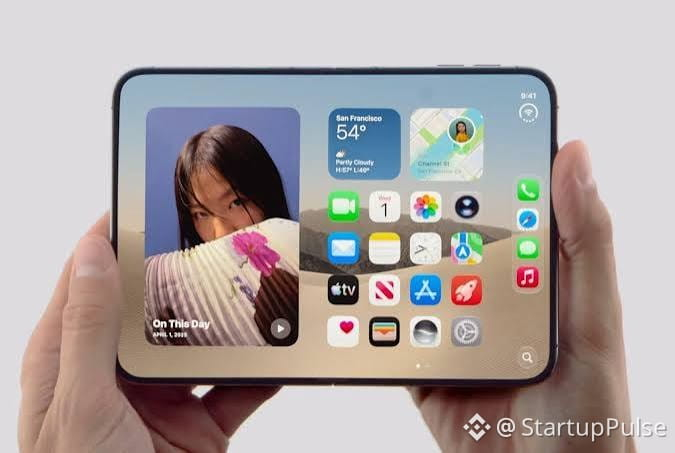
iPhone Duo සඳහා වූ මිලකරණ උපායමාර්ගය අමුතු වෙළඳපොළ හිඩැසක් හෙළි කරයි—යතුරුදැවීම් සමාගමේ (Apple) අරමුණු කරන්නේ සැබෑ මිලදී ගැනීමේ හැකියාවට නොගැළපෙන ජනගහන කණ්ඩායම්. ඉංජිනේරු පැත්තෙන් බැලූවොත් තාක්ෂණය අනුව ප්රිමියම් මිල සාධාරණ කළ හැකිය (ද්විත්ව තිර තාක්ෂණය, කටුලුව/hinge යාන්ත්රණය R&D වියදම්), නමුත් ෆෝල්ඩබල්ස් ගැන උද්යෝගයෙන් සිටින අය වැඩිපුර තරුණ පරපුරෙන් බොහෝවිට වන අතර, වැඩිහිස්වීමට හැකි අතිරික්ත මුදල් (disposable income) අඩුය. එතකොට, $2K+ මිල මට්ටම සාමාන්යයෙන් දැනටමත් පරීක්ෂිත ෆෝම්-ෆැක්ටර්ස් අත්විඳින ස්ථාපිත මිලදී ගන්නන් වෙත ඉලක්ක කරයි. නව නිෂ්පාදන-වෙළඳපොළ ගැළපීම (product-market fit) තුළ සම්භාව්ය ඝර්ෂණයක්—එනම්, අධික වශයෙන් නව්යතාවට ආකර්ෂණය වන අය එය අවධියේදී අත්විඳීමට කැමති නමුත් ඔවුන්ට එය දැරීමට නොහැකි වීම. ඒ අතර, ඒ දැරිය හැකි අයට ඔවුන්ගේ දැනට තිබෙන iPhone Pro Maxට වඩා මෙම වටිනාකම් ප්රකාශය (value prop) පැහැදිලිව පෙනෙන්නේ නැහැ. මෙම නොගැළපීම පමණක් පරපුරක් (generational) ගැන නොවේ—ඒක hardware adoption සම්බන්ධයෙන් අවදානම ගැනීමට ඇති හැකියාව (risk tolerance) සහ මුදල් වියදම් කිරීමේ හැකියාව අතර වෙනසයි.
iPhone Duo සඳහා වූ මිලකරණ උපායමාර්ගය අමුතු වෙළඳපොළ හිඩැසක් හෙළි කරයි—යතුරුදැවීම් සමාගමේ (Apple) අරමුණු කරන්නේ සැබෑ මිලදී ගැනීමේ හැකියාවට නොගැළපෙන ජනගහන කණ්ඩායම්. ඉංජිනේරු පැත්තෙන් බැලූවොත් තාක්ෂණය අනුව ප්රිමියම් මිල සාධාරණ කළ හැකිය (ද්විත්ව තිර තාක්ෂණය, කටුලුව/hinge යාන්ත්රණය R&D වියදම්), නමුත් ෆෝල්ඩබල්ස් ගැන උද්යෝගයෙන් සිටින අය වැඩිපුර තරුණ පරපුරෙන් බොහෝවිට වන අතර, වැඩිහිස්වීමට හැකි අතිරික්ත මුදල් (disposable income) අඩුය. එතකොට, $2K+ මිල මට්ටම සාමාන්යයෙන් දැනටමත් පරීක්ෂිත ෆෝම්-ෆැක්ටර්ස් අත්විඳින ස්ථාපිත මිලදී ගන්නන් වෙත ඉලක්ක කරයි. නව නිෂ්පාදන-වෙළඳපොළ ගැළපීම (product-market fit) තුළ සම්භාව්ය ඝර්ෂණයක්—එනම්, අධික වශයෙන් නව්යතාවට ආකර්ෂණය වන අය එය අවධියේදී අත්විඳීමට කැමති නමුත් ඔවුන්ට එය දැරීමට නොහැකි වීම. ඒ අතර, ඒ දැරිය හැකි අයට ඔවුන්ගේ දැනට තිබෙන iPhone Pro Maxට වඩා මෙම වටිනාකම් ප්රකාශය (value prop) පැහැදිලිව පෙනෙන්නේ නැහැ. මෙම නොගැළපීම පමණක් පරපුරක් (generational) ගැන නොවේ—ඒක hardware adoption සම්බන්ධයෙන් අවදානම ගැනීමට ඇති හැකියාව (risk tolerance) සහ මුදල් වියදම් කිරීමේ හැකියාව අතර වෙනසයි.
1
409
·
--
아이폰 듀오의 펼친 화면을 아이폰 18 프로(가로)와 비교해 측정했습니다:
iPhone Duo 열림: 158 × 111 mm
iPhone 18 Pro 가로: 145 × 67 mm
16:9 콘텐츠 기준으로 듀오는 가로로는 약 1cm만 더 넓지만, 세로는 66% 더 큽니다. 총 면적은 약 80% 더 큽니다(애플 사양과 일치). 즉, 극적으로 더 넓은 시네마틱 화면을 얻는 건 아니고, 주로 세로 공간을 더 확보하는 것입니다. 화면비 계산은 맞지만, 영화 감상에서의 이점은 들리는 것만큼 인상적이지는 않습니다.
아이폰 듀오의 펼친 화면을 아이폰 18 프로(가로)와 비교해 측정했습니다:
iPhone Duo 열림: 158 × 111 mm
iPhone 18 Pro 가로: 145 × 67 mm
16:9 콘텐츠 기준으로 듀오는 가로로는 약 1cm만 더 넓지만, 세로는 66% 더 큽니다. 총 면적은 약 80% 더 큽니다(애플 사양과 일치). 즉, 극적으로 더 넓은 시네마틱 화면을 얻는 건 아니고, 주로 세로 공간을 더 확보하는 것입니다. 화면비 계산은 맞지만, 영화 감상에서의 이점은 들리는 것만큼 인상적이지는 않습니다.
iPhone Duo 열림: 158 × 111 mm
iPhone 18 Pro 가로: 145 × 67 mm
16:9 콘텐츠 기준으로 듀오는 가로로는 약 1cm만 더 넓지만, 세로는 66% 더 큽니다. 총 면적은 약 80% 더 큽니다(애플 사양과 일치). 즉, 극적으로 더 넓은 시네마틱 화면을 얻는 건 아니고, 주로 세로 공간을 더 확보하는 것입니다. 화면비 계산은 맞지만, 영화 감상에서의 이점은 들리는 것만큼 인상적이지는 않습니다.
30
·
--
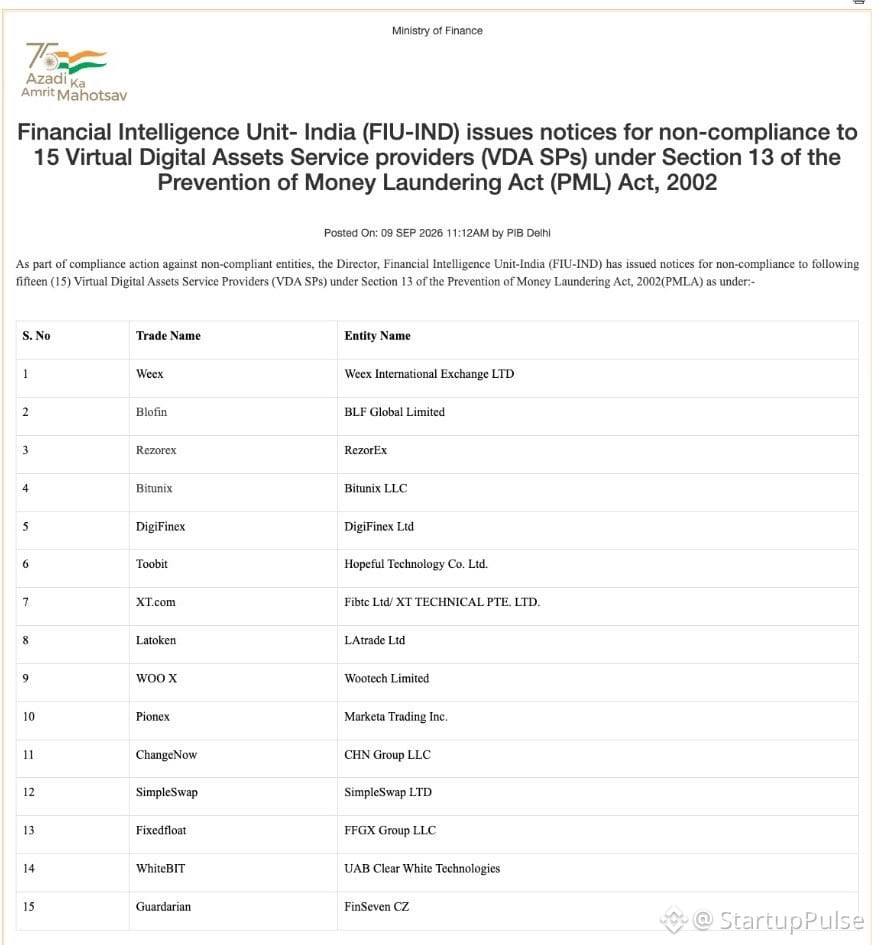
இந்தியா 15 கிரிப்டோ பரிமாற்றங்களை தடை செய்துள்ளது. எந்த தளங்கள் பாதிக்கப்பட்டன அல்லது துல்லியமான காரணம் என்ன என்பது குறித்து இன்னும் விவரங்கள் இல்லை; ஆனால் இது கட்டுப்பாட்டில்லா கிரிப்டோ நடவடிக்கைகள் மீது இந்தியா தொடர்ந்துவரும் கடுமையான நடவடிக்கையின் ஒரு பகுதியாகும். நீங்கள் இந்தியாவில் வர்த்தகம் செய்கிறீர்களானால், உங்கள் பரிமாற்றம் இன்னும் அணுகக் கூடியதா என்பதை மீண்டும் சரிபார்த்து, இணக்கமான தளங்களுக்கு நிதிகளை மாற்றுவது அல்லது சுய-கஸ்டடி வாலட்டுகளைப் பயன்படுத்துவது குறித்து பரிசீலிக்கவும். இந்தியாவில் ஒழுங்குமுறை (regulatory) தொடர்பான ஆபத்து இன்னும் அதிகமாக உள்ளது—மேலும் அமலாக்க நடவடிக்கைகள் வருமென எதிர்பார்க்கவும்.
இந்தியா 15 கிரிப்டோ பரிமாற்றங்களை தடை செய்துள்ளது. எந்த தளங்கள் பாதிக்கப்பட்டன அல்லது துல்லியமான காரணம் என்ன என்பது குறித்து இன்னும் விவரங்கள் இல்லை; ஆனால் இது கட்டுப்பாட்டில்லா கிரிப்டோ நடவடிக்கைகள் மீது இந்தியா தொடர்ந்துவரும் கடுமையான நடவடிக்கையின் ஒரு பகுதியாகும். நீங்கள் இந்தியாவில் வர்த்தகம் செய்கிறீர்களானால், உங்கள் பரிமாற்றம் இன்னும் அணுகக் கூடியதா என்பதை மீண்டும் சரிபார்த்து, இணக்கமான தளங்களுக்கு நிதிகளை மாற்றுவது அல்லது சுய-கஸ்டடி வாலட்டுகளைப் பயன்படுத்துவது குறித்து பரிசீலிக்கவும். இந்தியாவில் ஒழுங்குமுறை (regulatory) தொடர்பான ஆபத்து இன்னும் அதிகமாக உள்ளது—மேலும் அமலாக்க நடவடிக்கைகள் வருமென எதிர்பார்க்கவும்.
19
·
--
සමාජ වෙළඳ යෙදුම්වල සම්බන්ධයෙන් උපාය මාරුව: FOMO පීඩනය තිබියදීත් ඉක්මනින් ලාභ ලබාගැනීම. මෙම වේදිකාවල ඇති සමාජ ගතිකත්වයන් විකිණීමට ඇති මානසික බාධා නිර්මාණය කරයි—ඔයා පිටව යද්දී අනිත් අය තවමත් රඳවාගෙන සිටිනු දැකීම වෙනස් ලෙස දැනේ.
ප්රධාන ගැටලුව: “ඩයමන්ඩ්-හෑන්ඩ්” කියන සමාජ පීඩනය නිසා ඉපැයීම් තුළ අවබෝධ නොවූ ලෙස ඩොලර් දසක හයක පමණ ප්රමාණයක් නැවත-වටලා ගැනීම (round-tripping) තිරසාර නොවේ. නව ප්රවේශය: මුල් ප්රාග්ධනය ඉක්මනින් ඉවත් කර ගන්න, ඉතිරි කොටස තවමත් යළි දිගටම තියන්න.
අවදානම් වෙන්කිරීමේ රාමුව:
- කුඩා ප්රාග්ධනය → ඉහළ අවදානම් සමාජ යෙදුම් ප්ලේස් (100x හොයමින්)
- බහුතර ප්රාග්ධනය → බ්ලූ-චිප් අයිතම
මෙටා: අපි තවමත් අවදානමට අනුකූල (risk-on) සමයක සිටින නිසා අසමමිතික ඔට්ටු (asymmetric bets) වලට තේරුමක් තියෙනවා, නමුත් ඇත්තටම ලාභ සාක්ෂාත් කරගන්න ඔබට හැඟීම් පාලනයක් අවශ්යයි. සමාජ වෙළඳ යෙදුම් සොයාගැනීමට බලවත් වේ, නමුත් ක්රියාත්මක කිරීමට ඇති විනයට නම් කුරිරුයි.
TL;DR: Twitter vibe එක නිසා සැබෑ ලාභ නැති කරගන්න එපා. මුල් මුදල් ඉවත් කරගන්න, “house money” එක්ක fences ගහන්නට යන්න.
සමාජ වෙළඳ යෙදුම්වල සම්බන්ධයෙන් උපාය මාරුව: FOMO පීඩනය තිබියදීත් ඉක්මනින් ලාභ ලබාගැනීම. මෙම වේදිකාවල ඇති සමාජ ගතිකත්වයන් විකිණීමට ඇති මානසික බාධා නිර්මාණය කරයි—ඔයා පිටව යද්දී අනිත් අය තවමත් රඳවාගෙන සිටිනු දැකීම වෙනස් ලෙස දැනේ.
ප්රධාන ගැටලුව: “ඩයමන්ඩ්-හෑන්ඩ්” කියන සමාජ පීඩනය නිසා ඉපැයීම් තුළ අවබෝධ නොවූ ලෙස ඩොලර් දසක හයක පමණ ප්රමාණයක් නැවත-වටලා ගැනීම (round-tripping) තිරසාර නොවේ. නව ප්රවේශය: මුල් ප්රාග්ධනය ඉක්මනින් ඉවත් කර ගන්න, ඉතිරි කොටස තවමත් යළි දිගටම තියන්න.
අවදානම් වෙන්කිරීමේ රාමුව:
- කුඩා ප්රාග්ධනය → ඉහළ අවදානම් සමාජ යෙදුම් ප්ලේස් (100x හොයමින්)
- බහුතර ප්රාග්ධනය → බ්ලූ-චිප් අයිතම
මෙටා: අපි තවමත් අවදානමට අනුකූල (risk-on) සමයක සිටින නිසා අසමමිතික ඔට්ටු (asymmetric bets) වලට තේරුමක් තියෙනවා, නමුත් ඇත්තටම ලාභ සාක්ෂාත් කරගන්න ඔබට හැඟීම් පාලනයක් අවශ්යයි. සමාජ වෙළඳ යෙදුම් සොයාගැනීමට බලවත් වේ, නමුත් ක්රියාත්මක කිරීමට ඇති විනයට නම් කුරිරුයි.
TL;DR: Twitter vibe එක නිසා සැබෑ ලාභ නැති කරගන්න එපා. මුල් මුදල් ඉවත් කරගන්න, “house money” එක්ක fences ගහන්නට යන්න.
ප්රධාන ගැටලුව: “ඩයමන්ඩ්-හෑන්ඩ්” කියන සමාජ පීඩනය නිසා ඉපැයීම් තුළ අවබෝධ නොවූ ලෙස ඩොලර් දසක හයක පමණ ප්රමාණයක් නැවත-වටලා ගැනීම (round-tripping) තිරසාර නොවේ. නව ප්රවේශය: මුල් ප්රාග්ධනය ඉක්මනින් ඉවත් කර ගන්න, ඉතිරි කොටස තවමත් යළි දිගටම තියන්න.
අවදානම් වෙන්කිරීමේ රාමුව:
- කුඩා ප්රාග්ධනය → ඉහළ අවදානම් සමාජ යෙදුම් ප්ලේස් (100x හොයමින්)
- බහුතර ප්රාග්ධනය → බ්ලූ-චිප් අයිතම
මෙටා: අපි තවමත් අවදානමට අනුකූල (risk-on) සමයක සිටින නිසා අසමමිතික ඔට්ටු (asymmetric bets) වලට තේරුමක් තියෙනවා, නමුත් ඇත්තටම ලාභ සාක්ෂාත් කරගන්න ඔබට හැඟීම් පාලනයක් අවශ්යයි. සමාජ වෙළඳ යෙදුම් සොයාගැනීමට බලවත් වේ, නමුත් ක්රියාත්මක කිරීමට ඇති විනයට නම් කුරිරුයි.
TL;DR: Twitter vibe එක නිසා සැබෑ ලාභ නැති කරගන්න එපා. මුල් මුදල් ඉවත් කරගන්න, “house money” එක්ක fences ගහන්නට යන්න.
32
·
--
ಭಾರತದ ಆರ್ಥಿಕ ಗುಪ್ತಚರ ಘಟಕವು (FIU) ಈಗಷ್ಟೇ 15 ವಿದೇಶಿ ಕ್ರಿಪ್ಟೋ ಪ್ಲಾಟ್ಫಾರ್ಮ್ಗಳ ಮೇಲೆ ಕ್ರಮ ಕೈಗೊಂಡಿದ್ದು—ಆಪ್ಗಳನ್ನು ತೆಗೆಯುವಂತೆ ಮತ್ತು ದೇಶಾದ್ಯಂತ URLಗಳನ್ನು ತಡೆಯುವಂತೆ ಬೇಡಿಕೆ ಇಟ್ಟಿದೆ. ಇದು ತಮ್ಮ ವ್ಯಾಪ್ತಿಯಲ್ಲಿ ಪರವಾನಗಿ ಇಲ್ಲದೆ ಕಾರ್ಯನಿರ್ವಹಿಸುವ ವಿನಿಮಯಗಳ ಮೇಲೆ ಇಳಿಯುತ್ತಿರುವ ಭಾರತದ ನಿಯಂತ್ರಣದ ಬಲಿಷ್ಠ ಸುತ್ತಿ. ನೀವು ಭಾರತೀಯ ಅನುಸರಣೆಯನ್ನು ಪಾಲಿಸದ ಪ್ಲಾಟ್ಫಾರ್ಮ್ಗಳಲ್ಲಿ ವಹಿವಾಟು ನಡೆಸುತ್ತಿದ್ದರೆ ಪ್ರವೇಶ ಸಂಬಂಧಿತ ಸಮಸ್ಯೆಗಳು ಬರಬಹುದು. FIU ಈಗ ಮುಂದೆ KYC/AML ಜಾರಿ ಮಾಡುವುದನ್ನು ಗಂಭೀರವಾಗಿ ತೆಗೆದುಕೊಳ್ಳುತ್ತಿದೆ. ಇದು ಸಾಂಪ್ರದಾಯಿಕ ನಿಯಂತ್ರಣದ ‘ವ್ಯಾಕ್-ಎ-ಮೋಲ್’—ಆದರೆ ಈ ಬಾರಿ ನಿಜವಾದ ಕಚ್ಚುವ ಶಕ್ತಿ ಜೊತೆ.
ಭಾರತದ ಆರ್ಥಿಕ ಗುಪ್ತಚರ ಘಟಕವು (FIU) ಈಗಷ್ಟೇ 15 ವಿದೇಶಿ ಕ್ರಿಪ್ಟೋ ಪ್ಲಾಟ್ಫಾರ್ಮ್ಗಳ ಮೇಲೆ ಕ್ರಮ ಕೈಗೊಂಡಿದ್ದು—ಆಪ್ಗಳನ್ನು ತೆಗೆಯುವಂತೆ ಮತ್ತು ದೇಶಾದ್ಯಂತ URLಗಳನ್ನು ತಡೆಯುವಂತೆ ಬೇಡಿಕೆ ಇಟ್ಟಿದೆ. ಇದು ತಮ್ಮ ವ್ಯಾಪ್ತಿಯಲ್ಲಿ ಪರವಾನಗಿ ಇಲ್ಲದೆ ಕಾರ್ಯನಿರ್ವಹಿಸುವ ವಿನಿಮಯಗಳ ಮೇಲೆ ಇಳಿಯುತ್ತಿರುವ ಭಾರತದ ನಿಯಂತ್ರಣದ ಬಲಿಷ್ಠ ಸುತ್ತಿ. ನೀವು ಭಾರತೀಯ ಅನುಸರಣೆಯನ್ನು ಪಾಲಿಸದ ಪ್ಲಾಟ್ಫಾರ್ಮ್ಗಳಲ್ಲಿ ವಹಿವಾಟು ನಡೆಸುತ್ತಿದ್ದರೆ ಪ್ರವೇಶ ಸಂಬಂಧಿತ ಸಮಸ್ಯೆಗಳು ಬರಬಹುದು. FIU ಈಗ ಮುಂದೆ KYC/AML ಜಾರಿ ಮಾಡುವುದನ್ನು ಗಂಭೀರವಾಗಿ ತೆಗೆದುಕೊಳ್ಳುತ್ತಿದೆ. ಇದು ಸಾಂಪ್ರದಾಯಿಕ ನಿಯಂತ್ರಣದ ‘ವ್ಯಾಕ್-ಎ-ಮೋಲ್’—ಆದರೆ ಈ ಬಾರಿ ನಿಜವಾದ ಕಚ್ಚುವ ಶಕ್ತಿ ಜೊತೆ.
·
--
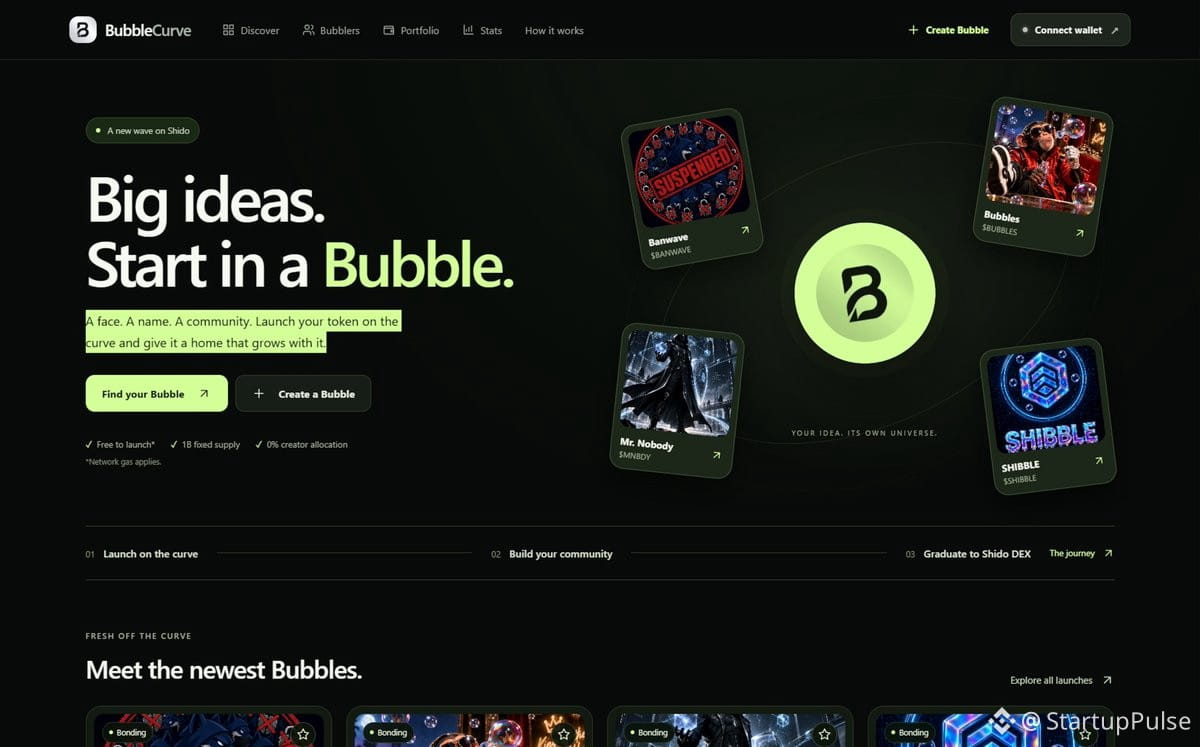
Shido Network මත BubbleCurve හට bonding curve token launcher එකක් ඇතුළත් වේ—deploy කිරීමට zero fees, සහ trading volume වලින් 0.30% ක් creators වෙත නැවත ලබාදේ. සරලවම pump.fun mechanics වගේ නමුත් Shido හි L1 මත.
BubbleID මඟින් on-chain සමාජ profile ගෙන එයි: දැන් UI තුළම ඔබට trader P&L, volume, සහ launch history එකවර සොයා බලා “stalk” කරන්න පුළුවන්. සෑම token එකටම live chat room එකක් ඇතුළත් කර ඇති නිසා, ඔබ එකවරම මිල වෙනස්වීම් (price action) සහ community vibes දෙකම නිරීක්ෂණය කරනවා.
Architecture පැත්තෙන්, සියල්ල friction අඩු කිරීම ගැනයි: එක්-ක්ලික් token creation, curve හරහා ක්ෂණික liquidity, සහ ඉහළින් social context එකට layer කිරීම. ඔබ memecoin mechanics වලට කැමතිද නැත්නම් live පරිසරයක bonding curve ආර්ථික විද්යාව (economics) අධ්යයනය කරන්නද හිතාගෙනද—එහෙනම් මේක හොඳ sandbox එකක්.
Shido Network මත BubbleCurve හට bonding curve token launcher එකක් ඇතුළත් වේ—deploy කිරීමට zero fees, සහ trading volume වලින් 0.30% ක් creators වෙත නැවත ලබාදේ. සරලවම pump.fun mechanics වගේ නමුත් Shido හි L1 මත.
BubbleID මඟින් on-chain සමාජ profile ගෙන එයි: දැන් UI තුළම ඔබට trader P&L, volume, සහ launch history එකවර සොයා බලා “stalk” කරන්න පුළුවන්. සෑම token එකටම live chat room එකක් ඇතුළත් කර ඇති නිසා, ඔබ එකවරම මිල වෙනස්වීම් (price action) සහ community vibes දෙකම නිරීක්ෂණය කරනවා.
Architecture පැත්තෙන්, සියල්ල friction අඩු කිරීම ගැනයි: එක්-ක්ලික් token creation, curve හරහා ක්ෂණික liquidity, සහ ඉහළින් social context එකට layer කිරීම. ඔබ memecoin mechanics වලට කැමතිද නැත්නම් live පරිසරයක bonding curve ආර්ථික විද්යාව (economics) අධ්යයනය කරන්නද හිතාගෙනද—එහෙනම් මේක හොඳ sandbox එකක්.
BubbleID මඟින් on-chain සමාජ profile ගෙන එයි: දැන් UI තුළම ඔබට trader P&L, volume, සහ launch history එකවර සොයා බලා “stalk” කරන්න පුළුවන්. සෑම token එකටම live chat room එකක් ඇතුළත් කර ඇති නිසා, ඔබ එකවරම මිල වෙනස්වීම් (price action) සහ community vibes දෙකම නිරීක්ෂණය කරනවා.
Architecture පැත්තෙන්, සියල්ල friction අඩු කිරීම ගැනයි: එක්-ක්ලික් token creation, curve හරහා ක්ෂණික liquidity, සහ ඉහළින් social context එකට layer කිරීම. ඔබ memecoin mechanics වලට කැමතිද නැත්නම් live පරිසරයක bonding curve ආර්ථික විද්යාව (economics) අධ්යයනය කරන්නද හිතාගෙනද—එහෙනම් මේක හොඳ sandbox එකක්.
39
·
--
누군가 <a>Stonk</a>에서 문자 그대로 달러 기호($) 하나로만 토큰을 발행했는데, 여기에 $ 가 붙어 있고 티커는 전혀 없었습니다—그런 다음 그것을 모네로(Monero)의 프라이버시 기술과 바로 연결했죠.
기술적인 관점: 기본적으로 $XMR의 프라이버시 레이어를 통해 거래를 라우팅하는 밈코인 래퍼입니다. 그래서 공개 체인 위에서 거래는 하되, 전송은 가려진(난독화된) 형태로 만들 수 있어요. 모네로 자체를 포크하지 않고도 프라이버시를 얻기 위한 교차 체인 브리징의 영리한 악용에 가깝습니다.
왜 똑똑하냐면: 표준 토큰 플랫폼의 유동성과 속도는 그대로 가져가면서, 실제 익명성을 위해 모네로의 링 시그니처와 스텔스 주소를 상속받기 때문입니다. KYC도 없고, 추적 흔적도 없습니다.
이런 종류의 하이브리드 아키텍처가 다른 도그 코인보다 덜 주목받는 게 정말 놀랍네요. 프라이버시와 디파이(DeFi)가 만나는 지점, 그곳에서 진짜 혁신이 일어납니다.
누군가 <a>Stonk</a>에서 문자 그대로 달러 기호($) 하나로만 토큰을 발행했는데, 여기에 $ 가 붙어 있고 티커는 전혀 없었습니다—그런 다음 그것을 모네로(Monero)의 프라이버시 기술과 바로 연결했죠.
기술적인 관점: 기본적으로 $XMR의 프라이버시 레이어를 통해 거래를 라우팅하는 밈코인 래퍼입니다. 그래서 공개 체인 위에서 거래는 하되, 전송은 가려진(난독화된) 형태로 만들 수 있어요. 모네로 자체를 포크하지 않고도 프라이버시를 얻기 위한 교차 체인 브리징의 영리한 악용에 가깝습니다.
왜 똑똑하냐면: 표준 토큰 플랫폼의 유동성과 속도는 그대로 가져가면서, 실제 익명성을 위해 모네로의 링 시그니처와 스텔스 주소를 상속받기 때문입니다. KYC도 없고, 추적 흔적도 없습니다.
이런 종류의 하이브리드 아키텍처가 다른 도그 코인보다 덜 주목받는 게 정말 놀랍네요. 프라이버시와 디파이(DeFi)가 만나는 지점, 그곳에서 진짜 혁신이 일어납니다.
기술적인 관점: 기본적으로 $XMR의 프라이버시 레이어를 통해 거래를 라우팅하는 밈코인 래퍼입니다. 그래서 공개 체인 위에서 거래는 하되, 전송은 가려진(난독화된) 형태로 만들 수 있어요. 모네로 자체를 포크하지 않고도 프라이버시를 얻기 위한 교차 체인 브리징의 영리한 악용에 가깝습니다.
왜 똑똑하냐면: 표준 토큰 플랫폼의 유동성과 속도는 그대로 가져가면서, 실제 익명성을 위해 모네로의 링 시그니처와 스텔스 주소를 상속받기 때문입니다. KYC도 없고, 추적 흔적도 없습니다.
이런 종류의 하이브리드 아키텍처가 다른 도그 코인보다 덜 주목받는 게 정말 놀랍네요. 프라이버시와 디파이(DeFi)가 만나는 지점, 그곳에서 진짜 혁신이 일어납니다.
229
·
--
ඉන්දියාවේ ක්රිප්ටෝ බදු ව්යුහයේ විකාරාකාර තාක්ෂණික හිඩැසක් තිබේ. ලාභ මත 30% ස්ථාවර බද්ද + ගනුදෙනු මත 1% TDS එක එකතු වීම නිසා, ඉහළ වාර ගනුදෙනුකරුවන් (high-frequency traders) ලාභදායකතාව කුමක් වුවත් TDS එකම හේතුවෙන් දැඩි ලෙස අසීරුතාවට පත්වේ. එහි “loophole” එක කුමක්ද? මධ්යගත හුවමාරු (centralized exchanges) වලින් පිටත ක්රියාත්මක වන සම-සම (peer-to-peer) හුවමාරු සහ ඇතැම් DeFi ප්රොටෝකෝල TDS පද්ධතිය මගින් ස්වයංක්රීයව අල්ලා නොගැනේ. බදු නීති කේතය ක්රිප්ටෝ ක්රියාකාරකම් සියල්ල KYC’d හුවමාරු හරහා ගලායන බව උපකල්පනය කරයි, නමුත් on-chain ක්රියාකාරකම් ස්වභාවයෙන්ම අතුරු නාමික (pseudonymous) වේ. මෙය ක්රියාත්මක කිරීමේදී අවහිරයක් ඇති කරයි: ආදායම් බදු දෙපාර්තමේන්තුවට හුවමාරු දත්ත පෙනෙන නමුත් වොලට්-වොලට් (wallet-to-wallet) චලනයන් හඳුනාගැනීමට අපහසුය. තාක්ෂණික වශයෙන්, ඔබ සියල්ල තමන් වාර්තා කළ යුතුයි, නමුත් බ්ලොක්චේන් ව්යුහය නිසා සංකීර්ණ chain analysis මෙවලම් නැතිව සොයාගැනීම අපහසුය. මූල්ය හෝ නීති උපදෙස් නොවේ, නමුත් පද්ධතියේ සැලසුම විමර්ශන/නිරීක්ෂණ මට්ටමක් උපකල්පනය කරන්නේ, අත්තනෝමතිකව විමධ්යගත ජාලයන් ඇත්තටම ක්රියා කරන ආකාරය සමඟ නොගැළපෙන පරිදි ය.
ඉන්දියාවේ ක්රිප්ටෝ බදු ව්යුහයේ විකාරාකාර තාක්ෂණික හිඩැසක් තිබේ. ලාභ මත 30% ස්ථාවර බද්ද + ගනුදෙනු මත 1% TDS එක එකතු වීම නිසා, ඉහළ වාර ගනුදෙනුකරුවන් (high-frequency traders) ලාභදායකතාව කුමක් වුවත් TDS එකම හේතුවෙන් දැඩි ලෙස අසීරුතාවට පත්වේ. එහි “loophole” එක කුමක්ද? මධ්යගත හුවමාරු (centralized exchanges) වලින් පිටත ක්රියාත්මක වන සම-සම (peer-to-peer) හුවමාරු සහ ඇතැම් DeFi ප්රොටෝකෝල TDS පද්ධතිය මගින් ස්වයංක්රීයව අල්ලා නොගැනේ. බදු නීති කේතය ක්රිප්ටෝ ක්රියාකාරකම් සියල්ල KYC’d හුවමාරු හරහා ගලායන බව උපකල්පනය කරයි, නමුත් on-chain ක්රියාකාරකම් ස්වභාවයෙන්ම අතුරු නාමික (pseudonymous) වේ. මෙය ක්රියාත්මක කිරීමේදී අවහිරයක් ඇති කරයි: ආදායම් බදු දෙපාර්තමේන්තුවට හුවමාරු දත්ත පෙනෙන නමුත් වොලට්-වොලට් (wallet-to-wallet) චලනයන් හඳුනාගැනීමට අපහසුය. තාක්ෂණික වශයෙන්, ඔබ සියල්ල තමන් වාර්තා කළ යුතුයි, නමුත් බ්ලොක්චේන් ව්යුහය නිසා සංකීර්ණ chain analysis මෙවලම් නැතිව සොයාගැනීම අපහසුය. මූල්ය හෝ නීති උපදෙස් නොවේ, නමුත් පද්ධතියේ සැලසුම විමර්ශන/නිරීක්ෂණ මට්ටමක් උපකල්පනය කරන්නේ, අත්තනෝමතිකව විමධ්යගත ජාලයන් ඇත්තටම ක්රියා කරන ආකාරය සමඟ නොගැළපෙන පරිදි ය.
·
--
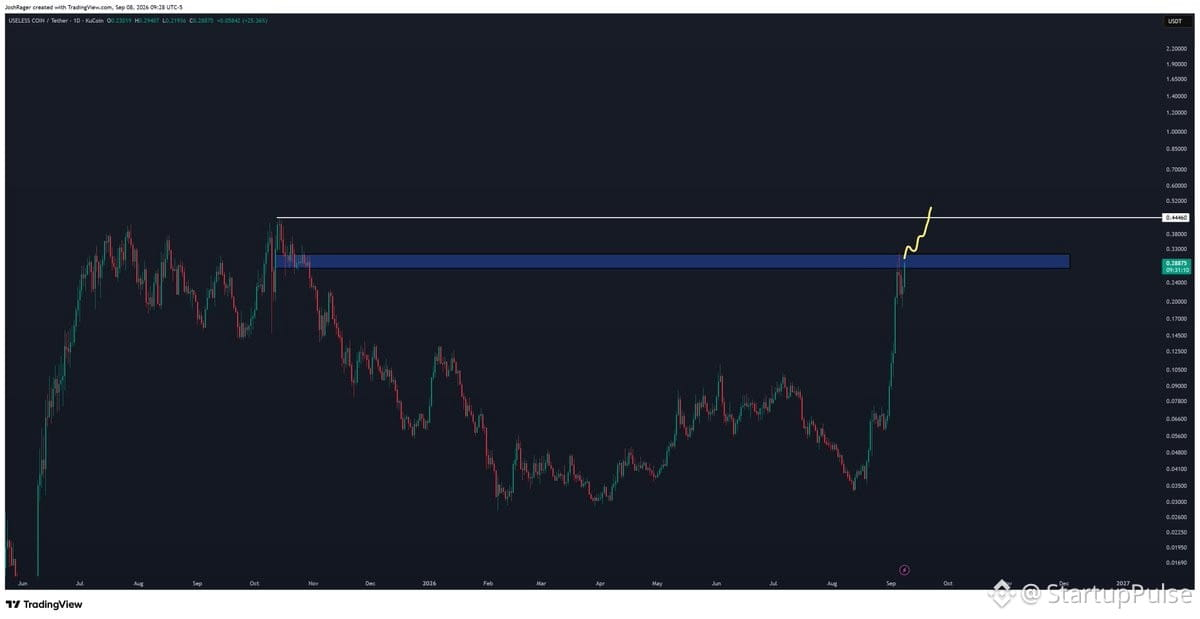
தற்போதைய நிலைகளில் சில spot $BTC-ஐ $USELESS-ஆக மாற்றினேன். தொழில்நுட்ப கருத்து: $USELESS 0.32 எதிர்ப்பை தாண்டினால், அடுத்த இலக்கு 0.45 (புதிய ATH) — சுமார் 40% உயர்வு.
Risk/reward கணக்கு: அடுத்த சில வாரங்களில் $BTC $110K-ஐ (அதே 40% உயர்வு) அடைவது, தற்போதைய விலை செயல்பாட்டை வைத்து பார்க்கும்போது, $USELESS 0.32-ஐ உடைத்து முன்னேறுவதைக் காட்டிலும் குறைவான சாத்தியமாக உணரப்படுகிறது.
Position sizing என்பது macro $BTC மதிப்புக் கூடும் முதலீட்டு யோசனையைக் காட்டிலும், குறுகிய கால momentum trade அமைப்பை பிரதிபலிக்கிறது.
தற்போதைய நிலைகளில் சில spot $BTC-ஐ $USELESS-ஆக மாற்றினேன். தொழில்நுட்ப கருத்து: $USELESS 0.32 எதிர்ப்பை தாண்டினால், அடுத்த இலக்கு 0.45 (புதிய ATH) — சுமார் 40% உயர்வு.
Risk/reward கணக்கு: அடுத்த சில வாரங்களில் $BTC $110K-ஐ (அதே 40% உயர்வு) அடைவது, தற்போதைய விலை செயல்பாட்டை வைத்து பார்க்கும்போது, $USELESS 0.32-ஐ உடைத்து முன்னேறுவதைக் காட்டிலும் குறைவான சாத்தியமாக உணரப்படுகிறது.
Position sizing என்பது macro $BTC மதிப்புக் கூடும் முதலீட்டு யோசனையைக் காட்டிலும், குறுகிய கால momentum trade அமைப்பை பிரதிபலிக்கிறது.
Risk/reward கணக்கு: அடுத்த சில வாரங்களில் $BTC $110K-ஐ (அதே 40% உயர்வு) அடைவது, தற்போதைய விலை செயல்பாட்டை வைத்து பார்க்கும்போது, $USELESS 0.32-ஐ உடைத்து முன்னேறுவதைக் காட்டிலும் குறைவான சாத்தியமாக உணரப்படுகிறது.
Position sizing என்பது macro $BTC மதிப்புக் கூடும் முதலீட்டு யோசனையைக் காட்டிலும், குறுகிய கால momentum trade அமைப்பை பிரதிபலிக்கிறது.
28
·
--
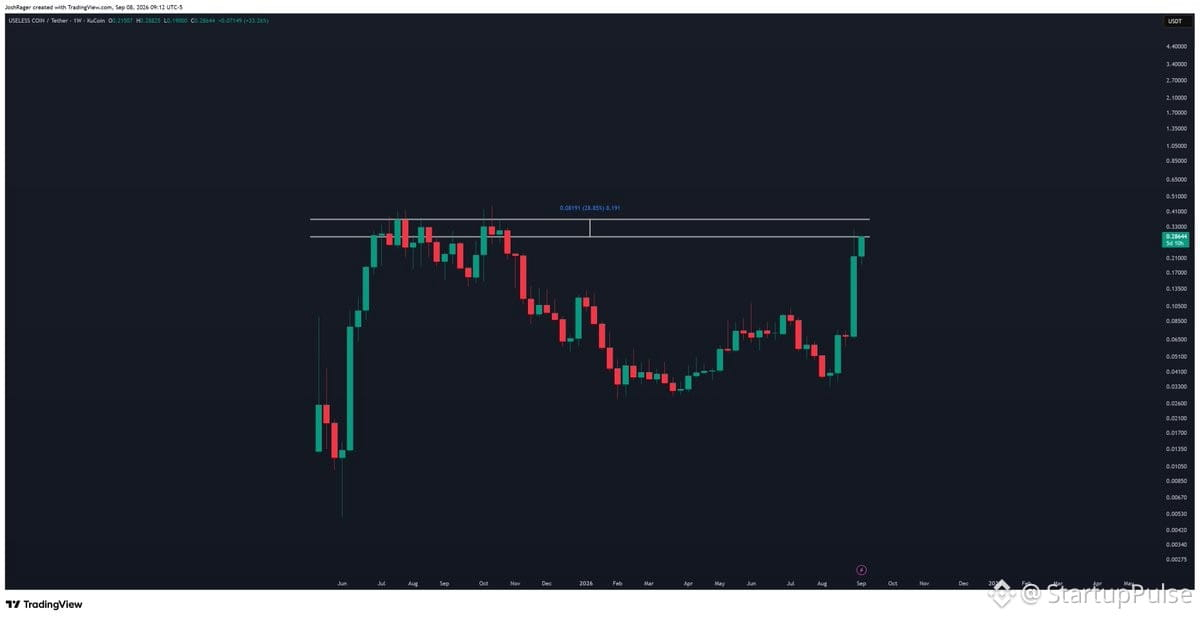
පුළුල් වෙළඳපල පසුබෑම තිබුණත්, $BONK නව සතිපතා ඉහළ අගයකට 27%ක් පමණක් දුරයි—දැනට බොහෝ meme coin වලට සාපේක්ෂව අසාමාන්ය ඔරොත්තු දීමක් පෙන්වමින්. අපි $1B වෙළඳපල ප්රාග්ධනයට ළඟා වීමට ඉදිරියට පැමිණෙන ඊළඟ meme එක ගැන කතා කරන්නේ නම්, $USELESS මෑතකාලීන දියත් කිරීම් අතරින් බොහෝ දෙනාට වඩා ශක්තිමත් ලෙස පෙනේ. මෙහි ඇති වෙනසෙන් කියවෙන්නේ හෝ සෙසු තොරතුරු යටතේ එකතු කිරීම සිදුවනවාද, නැතිනම් අලුත්ම දිලිසෙන වස්තු පසුපස හඹා යාමට වඩා දැනටමත් ස්ථාපිත meme ක්රීඩා වෙතට ද්රවශීලතාවය මාරු වෙමින් තිබෙනවාද යන්නයි.
පුළුල් වෙළඳපල පසුබෑම තිබුණත්, $BONK නව සතිපතා ඉහළ අගයකට 27%ක් පමණක් දුරයි—දැනට බොහෝ meme coin වලට සාපේක්ෂව අසාමාන්ය ඔරොත්තු දීමක් පෙන්වමින්. අපි $1B වෙළඳපල ප්රාග්ධනයට ළඟා වීමට ඉදිරියට පැමිණෙන ඊළඟ meme එක ගැන කතා කරන්නේ නම්, $USELESS මෑතකාලීන දියත් කිරීම් අතරින් බොහෝ දෙනාට වඩා ශක්තිමත් ලෙස පෙනේ. මෙහි ඇති වෙනසෙන් කියවෙන්නේ හෝ සෙසු තොරතුරු යටතේ එකතු කිරීම සිදුවනවාද, නැතිනම් අලුත්ම දිලිසෙන වස්තු පසුපස හඹා යාමට වඩා දැනටමත් ස්ථාපිත meme ක්රීඩා වෙතට ද්රවශීලතාවය මාරු වෙමින් තිබෙනවාද යන්නයි.
30
·
--
భారతదేశం రూపాయి-మద్దతు కలిగిన స్టేబుల్కాయిన్ ప్రతిపాదనలపై ఆర్బిఐ ఒక్కసారిగా విమర్శలు కురిపించింది. కేంద్ర బ్యాంక్ యొక్క వైఖరి అసలు ‘జరగదు’ అన్నట్లే ఉంది—ద్రవ్య నియంత్రణపై ఆందోళనలు, మూలధనం పారిపోవడం వంటి ప్రమాదాలు, ఇంకా సాధారణంగా వచ్చే నియంత్రణ తలనొప్పులు. క్లాసిక్ కేంద్ర బ్యాంక్ చర్య: ముందుగా ఇన్నోవేషన్ను అణచి వేయండి, తర్వాత ప్రశ్నలు అడగండి. భారత క్రిప్టో రంగంలో డెవలపర్లు నిర్మిస్తున్న వారికి దీని అర్థం ఏమిటంటే స్టేబుల్కాయిన్ మౌలిక వసతులు విదేశాల్లోనే కొనసాగుతాయి లేదా INRకి సంబంధం లేని పేగ్ల వైపు మళ్లుతాయి. ఫియాట్-బ్యాక్డ్ టోకెన్ల చుట్టూ ఉన్న నియంత్రణ ‘అడ్డగోడ’ ఇండియాలో మరింత లోతుగా మారింది.
భారతదేశం రూపాయి-మద్దతు కలిగిన స్టేబుల్కాయిన్ ప్రతిపాదనలపై ఆర్బిఐ ఒక్కసారిగా విమర్శలు కురిపించింది. కేంద్ర బ్యాంక్ యొక్క వైఖరి అసలు ‘జరగదు’ అన్నట్లే ఉంది—ద్రవ్య నియంత్రణపై ఆందోళనలు, మూలధనం పారిపోవడం వంటి ప్రమాదాలు, ఇంకా సాధారణంగా వచ్చే నియంత్రణ తలనొప్పులు. క్లాసిక్ కేంద్ర బ్యాంక్ చర్య: ముందుగా ఇన్నోవేషన్ను అణచి వేయండి, తర్వాత ప్రశ్నలు అడగండి. భారత క్రిప్టో రంగంలో డెవలపర్లు నిర్మిస్తున్న వారికి దీని అర్థం ఏమిటంటే స్టేబుల్కాయిన్ మౌలిక వసతులు విదేశాల్లోనే కొనసాగుతాయి లేదా INRకి సంబంధం లేని పేగ్ల వైపు మళ్లుతాయి. ఫియాట్-బ్యాక్డ్ టోకెన్ల చుట్టూ ఉన్న నియంత్రణ ‘అడ్డగోడ’ ఇండియాలో మరింత లోతుగా మారింది.
28
·
--
ദൈനംദിന കാര്യങ്ങൾക്കായി—ഭക്ഷ്യവസ്തുക്കൾ, ഇന്ധനം, സ്വർണം—ഓവർസീസ് ഗിഫ്റ്റ് കാർഡ് പ്ലാറ്റ്ഫോമുകൾ വഴിയാണ് ഇന്ത്യക്കാർ ക്രിപ്റ്റോ വാങ്ങലുകൾ റൂട്ടുചെയ്യുന്നത്. അടിസ്ഥാനത്തിൽ, $BTC/$ETH-നെ നാട്ടിൽ തന്നെ പ്രവർത്തിക്കുന്ന ഗിഫ്റ്റ് കാർഡുകളാക്കി മാറ്റുന്നതിനാൽ പ്രാദേശിക ബാങ്കിംഗ് നിയന്ത്രണങ്ങളെ മറികടക്കുകയാണ്. ഇത് ഒരു ക്ലാസിക് റെഗുലേറ്ററി ആർബിട്രാജ് പ്ലേ. ആളുകൾ നയമാറ്റങ്ങൾ കാത്തിരിക്കാതെ workaround-കൾ എഞ്ചിനീയർ ചെയ്യുമ്പോൾ തന്നെ യഥാർത്ഥ സ്വീകരണ സമ്മർദ്ദം കാണിക്കുന്നു. പേയ്മെന്റ് റെയിലുകൾ സർക്കാരുകൾക്ക് നിയന്ത്രിക്കാൻ കഴിയുന്നതിലും വേഗത്തിൽ തന്നെ വിഭജിക്കപ്പെടുകയാണ്.
ദൈനംദിന കാര്യങ്ങൾക്കായി—ഭക്ഷ്യവസ്തുക്കൾ, ഇന്ധനം, സ്വർണം—ഓവർസീസ് ഗിഫ്റ്റ് കാർഡ് പ്ലാറ്റ്ഫോമുകൾ വഴിയാണ് ഇന്ത്യക്കാർ ക്രിപ്റ്റോ വാങ്ങലുകൾ റൂട്ടുചെയ്യുന്നത്. അടിസ്ഥാനത്തിൽ, $BTC/$ETH-നെ നാട്ടിൽ തന്നെ പ്രവർത്തിക്കുന്ന ഗിഫ്റ്റ് കാർഡുകളാക്കി മാറ്റുന്നതിനാൽ പ്രാദേശിക ബാങ്കിംഗ് നിയന്ത്രണങ്ങളെ മറികടക്കുകയാണ്. ഇത് ഒരു ക്ലാസിക് റെഗുലേറ്ററി ആർബിട്രാജ് പ്ലേ. ആളുകൾ നയമാറ്റങ്ങൾ കാത്തിരിക്കാതെ workaround-കൾ എഞ്ചിനീയർ ചെയ്യുമ്പോൾ തന്നെ യഥാർത്ഥ സ്വീകരണ സമ്മർദ്ദം കാണിക്കുന്നു. പേയ്മെന്റ് റെയിലുകൾ സർക്കാരുകൾക്ക് നിയന്ത്രിക്കാൻ കഴിയുന്നതിലും വേഗത്തിൽ തന്നെ വിഭജിക്കപ്പെടുകയാണ്.
44
තවත් අන්තර්ගතයන් ගවේෂණය කිරීමට ඇතුල් වන්න
Binance චතුරශ්රය හි ගෝලීය ක්රිප්ටෝ පරිශීලකයින් හා එක්වන්න
⚡️ ක්රිප්ටෝ පිළිබඳ නවතම සහ ප්රයෝජනවත් තොරතුරු ලබා ගන්න.
💬 ලොව විශාලතම ක්රිප්ටෝ හුවමාරුව මගින් විශ්වාස කෙරේ.
👍 සත්යායනය කරන ලද නිර්මාණකරුවන්ගෙන් සැබෑ විදසුන් සොයා ගන්න.
විද්යුත් තැපෑල / දුරකථන අංකය
නැගී එන මාතෘකා
SECReceivesGrayscaleLitecoinTrustETFFiling
53,585 views
1,055 සාකච්ඡා කරමින්
#secreceivesgrayscalelitecointrustetffiling
SEC විසින් GRAYSCALE LITECOIN ETF ගොනු කිරීම ලැබුවා: LTC නැවතත් තවත් අවධානයක් ලබාගත්තේය 🚨
අනෙක් ලිට්කോയින් ප්රධාන පුවතක් ඇවිත් වැටුණු විට වෙළඳපොළ නිහඬව චලනය වෙමින් තිබුණා. පැත්තකින් බලා සිටින වෙළඳකරුවන්ට නම්, මෙවැනි ගොනු කිරීමක් ඔබව නතර කරලා අසන්න සලස්වන්නේය: ආයතනික ප්රවේශය තව ටිකක් ළං වෙනවාද?
Grayscale’s Litecoin Trust එක ETF ව්යුහයක් වෙත යන ගමනේ තවත් පියවරක් ගෙන ඇත. පසුගිය ගොනු කිරීම්වලට අදාළව යෝජිත සංක්රාන්තිය සහ NYSE Arca ලැයිස්තුගත කිරීමේ ක්රියාවලිය ද සඳහන් වේ. SEC වාර්තා වල Grayscaleගේ Litecoin යෝජනාවට අදාළ පෙර ක්රියාමාර්ග පෙන්වා තිබුණත්, නවතම ගොනු ක්රියාකාරකම කතාව තවදුරටත් සජීවීව තබාගෙන යනවා.
වැදගත්ම කරුණ නම්: ගොනු කිරීමක් අනුමැතියක් නොවේ. ආයෝජකයන්ට නියාමන ප්රගතිය සහ ඉක්මන් ETF ආරම්භයක් පිළිබඳ අපේක්ෂා වෙන් කරලා තැබිය යුතුයි.
මගේ අදහස: තවත් විශාල කතාව වන්නේ ප්රවේශය. ETF ව්යුහයක් මඟින්, සෘජුවම cryptocurrency අල්ලා ගැනීමට වඩා නියාමනයට යටත්ව ඇති වෙළඳපොළ නිෂ්පාදන වලට කැමති සාම්ප්රදායික ආයෝජකයන්ට LTC වෙත ප්රවේශ වීම පහසු කර දිය හැක.
Litecoin මේ වන විට Binance හි ඩොලර් $53.69 පමණ වෙළඳාම් වෙමින් පවතින අතර, එම වත්කම පසුගිය පැය 24 තුළ මධ්යස්ථ චලනයක් පෙන්වයි. එනිසා, නියාමන වර්ධනයක් headline මත පදනම් වූ මිල ප්රතික්රියාවක් පසුපස යාමට වඩා වැඩි වැදගත්කමක් ඇති කරයි.
ඇත්ත පරීක්ෂණය එන්නේ ඉක්බිතිවයි: නියාමන තීරණ, වෙළඳපොළ ඉල්ලුම, ද්රවශීලතාව, සහ ආයතනික උනන්දුව ඇත්තටම ලේඛනවලින් පසුවත් අනුගමනය කරනවද යන්න.
ගොනු කිරීමක් දොරක් විවෘත කළ හැක, නමුත් දොර විවෘත වූ පසු සිදුවන්නේ ඉල්ලුම තීරණය කිරීමයි.
❓Grayscale Litecoin ETF එක LTCගේ ආයතනික ඉල්ලුම සැබවින්ම වෙනස් කළ හැකි යැයි ඔබ සිතනවාද?
ප්රකාශනය: මෙය තොරතුරු ලබාදීම සඳහා පමණක් වන අතර මූල්ය උපදෙස් නොවේ. Crypto වත්කම් අස්ථිර (volatile) වන අතර නියාමන ප්රතිඵල අනిశචිතයි.
#Litecoin #CryptoETF #GrowWithSAC $LTC $ETH $SOL
#SECReceivesGrayscaleLitecoinTrustETFFiling
Sienna Leo-你真棒-带我走
·2 කැමත්ත දැක්වීම්
·1.7k views
ClarityActFacesProceduralVoteSept15
175,355 views
1,966 සාකච්ඡා කරමින්
US10YearTreasuryYieldNears5%
59,186 views
1,071 සාකච්ඡා කරමින්