
Thani Youssouf
5 පෝස්ටු

Thani Youssouf
වාර්තා කරන්න
පරිශීලක අවහිර කරන්න
Crypto Market Analyst | Not Financial Advice Crypto & Web3 Enthusiast | Trader | Sharing Insights & Airdrops To Help People Grow in Crypto
විවෘත වෙළෙඳාම
නිතර වෙළෙන්දා
{වේලාව} වසර
22 හඹා යමින්
21 හඹා යන්නන්
24 කැමති විය
පෝස්ටු
ආයෝජන කළඹ
පරිවර්තනය බලන්න
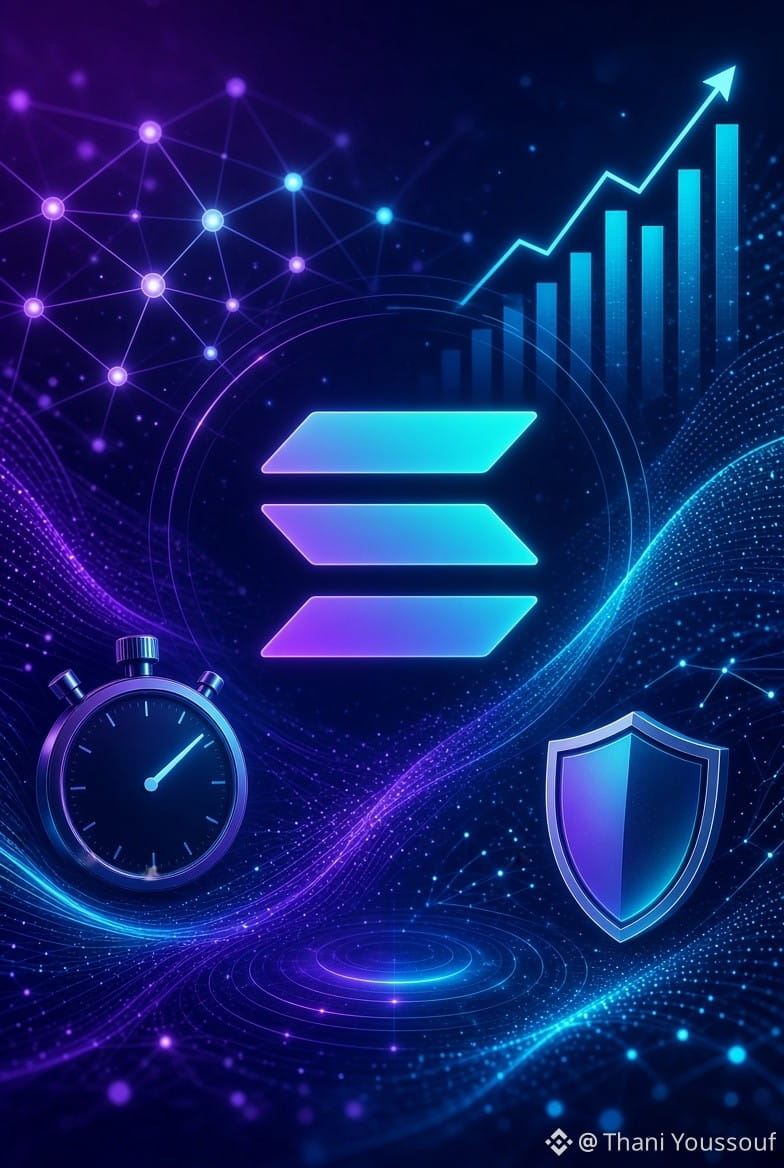
Solana is not just a fast blockchain. It is now moving in a very strong direction.
Over the past few days, the amount of data that can fit into a single transaction has been increased significantly almost three times larger. It used to be around 1,200 bytes, and now it is close to 4,100 bytes. This means developers can fit more complex operations into a single transaction without having to split them up. Things like multi-step trades, privacy proofs, or company approvals. More simplicity, with more power.
At the same time, the time it takes to produce a block slot time is gradually getting shorter. It was previously 400 milliseconds, it is now around 300ms, and on September 18, it is expected to drop to 250ms. The goal is to eventually reach 200ms. That means confirmations can happen faster than before.
In August, Solana hit a record, processing more than five billion transactions excluding votes. The network is handling a lot of activity, while major downtime has not been a serious issue for years. It has gone more than 30 months without a complete network shutdown.
Beyond that, Alpenglow, a new consensus system, is planned for October. If it goes live as expected, finality could drop from around 13 seconds to roughly 150 milliseconds. That would be a major improvement. Firedancer, a new validator client, is also becoming more established across the network, bringing more client diversity and improving overall resilience.
Beyond the technology, real-world activity is also growing. Real World Assets (RWA) have reached billions of dollars, stablecoins remain strong, banks and major companies are using the network, ETFs are entering the market, and DEX volumes remain strong.
Overall, Solana is building steadily, fixing the things that matter, and showing that it can handle real-world activity at scale. This is not just hype. There is real activity behind it.
How do you see this progress? Are you following it, or are you already using Solana?
#RobinhoodToSupportCircleArcNetwork #HyperliquidUSDCSupplyOvertakesSolana #RobinhoodToSupportCircleArcNetwork $SOL
Solana is not just a fast blockchain. It is now moving in a very strong direction.
Over the past few days, the amount of data that can fit into a single transaction has been increased significantly almost three times larger. It used to be around 1,200 bytes, and now it is close to 4,100 bytes. This means developers can fit more complex operations into a single transaction without having to split them up. Things like multi-step trades, privacy proofs, or company approvals. More simplicity, with more power.
At the same time, the time it takes to produce a block slot time is gradually getting shorter. It was previously 400 milliseconds, it is now around 300ms, and on September 18, it is expected to drop to 250ms. The goal is to eventually reach 200ms. That means confirmations can happen faster than before.
In August, Solana hit a record, processing more than five billion transactions excluding votes. The network is handling a lot of activity, while major downtime has not been a serious issue for years. It has gone more than 30 months without a complete network shutdown.
Beyond that, Alpenglow, a new consensus system, is planned for October. If it goes live as expected, finality could drop from around 13 seconds to roughly 150 milliseconds. That would be a major improvement. Firedancer, a new validator client, is also becoming more established across the network, bringing more client diversity and improving overall resilience.
Beyond the technology, real-world activity is also growing. Real World Assets (RWA) have reached billions of dollars, stablecoins remain strong, banks and major companies are using the network, ETFs are entering the market, and DEX volumes remain strong.
Overall, Solana is building steadily, fixing the things that matter, and showing that it can handle real-world activity at scale. This is not just hype. There is real activity behind it.
How do you see this progress? Are you following it, or are you already using Solana?
#RobinhoodToSupportCircleArcNetwork #HyperliquidUSDCSupplyOvertakesSolana #RobinhoodToSupportCircleArcNetwork $SOL
Over the past few days, the amount of data that can fit into a single transaction has been increased significantly almost three times larger. It used to be around 1,200 bytes, and now it is close to 4,100 bytes. This means developers can fit more complex operations into a single transaction without having to split them up. Things like multi-step trades, privacy proofs, or company approvals. More simplicity, with more power.
At the same time, the time it takes to produce a block slot time is gradually getting shorter. It was previously 400 milliseconds, it is now around 300ms, and on September 18, it is expected to drop to 250ms. The goal is to eventually reach 200ms. That means confirmations can happen faster than before.
In August, Solana hit a record, processing more than five billion transactions excluding votes. The network is handling a lot of activity, while major downtime has not been a serious issue for years. It has gone more than 30 months without a complete network shutdown.
Beyond that, Alpenglow, a new consensus system, is planned for October. If it goes live as expected, finality could drop from around 13 seconds to roughly 150 milliseconds. That would be a major improvement. Firedancer, a new validator client, is also becoming more established across the network, bringing more client diversity and improving overall resilience.
Beyond the technology, real-world activity is also growing. Real World Assets (RWA) have reached billions of dollars, stablecoins remain strong, banks and major companies are using the network, ETFs are entering the market, and DEX volumes remain strong.
Overall, Solana is building steadily, fixing the things that matter, and showing that it can handle real-world activity at scale. This is not just hype. There is real activity behind it.
How do you see this progress? Are you following it, or are you already using Solana?
#RobinhoodToSupportCircleArcNetwork #HyperliquidUSDCSupplyOvertakesSolana #RobinhoodToSupportCircleArcNetwork $SOL
1
119
පරිවර්තනය බලන්න
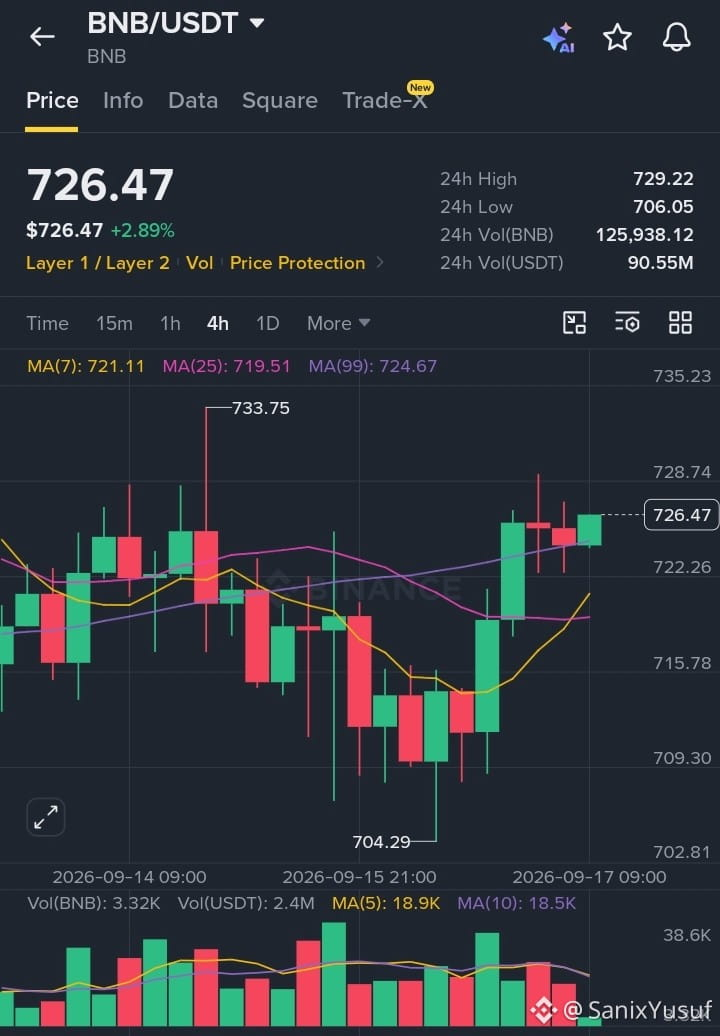
BNB Chain entered 2026 with a clear institutional pitch — Real-World Assets, agentic finance, and high-performance upgrades. The messaging leaned heavily on BlackRock’s BUIDL, Franklin Templeton products, Circle’s USYC, and a growing wave of AI agents treating the chain as their financial layer. But when you look at what’s actually driving the numbers this year, the story shifts.
According to CryptoRank and RWA.xyz data through September 2026, BNB Chain leads RWA growth with roughly $3.62 billion added so far, outpacing both Solana and Ethereum on that metric. Yet most of that growth isn’t coming from pure institutional funds alone. A meaningful share sits in tokenized stocks — bStocks, Ondo, xStocks — where retail users are buying Apple, Tesla, Nvidia and others as BEP-20 tokens that trade 24/7 without a traditional broker.
That’s the real distinction. The infrastructure marketed as institutional-grade tokenization is working, but it’s gaining traction partly because BNB Chain’s low fees and distribution reach let ordinary users participate. At the same time, the Pasteur hard fork and BidBlock V2 pushed the gas limit toward 70 million. The capacity is being filled less by pure DeFi and more by a mix of stablecoin peer-to-peer volume, tokenized equities, and agent activity.
Whether this counts as institutional RWA taking the lead, or retail demand for tokenized stocks and cheap transfers carrying the bulk of adoption, depends on which side of the ecosystem you focus on. Worth watching is whether the RWA narrative continues to dominate, or whether AI agents and launchpad activity start claiming a larger share of the new capacity now coming online.
#FedHikes25BpsUSStocksClose #DotPlotSignalsOneMoreHikeIn2026 $BNB
BNB Chain entered 2026 with a clear institutional pitch — Real-World Assets, agentic finance, and high-performance upgrades. The messaging leaned heavily on BlackRock’s BUIDL, Franklin Templeton products, Circle’s USYC, and a growing wave of AI agents treating the chain as their financial layer. But when you look at what’s actually driving the numbers this year, the story shifts.
According to CryptoRank and RWA.xyz data through September 2026, BNB Chain leads RWA growth with roughly $3.62 billion added so far, outpacing both Solana and Ethereum on that metric. Yet most of that growth isn’t coming from pure institutional funds alone. A meaningful share sits in tokenized stocks — bStocks, Ondo, xStocks — where retail users are buying Apple, Tesla, Nvidia and others as BEP-20 tokens that trade 24/7 without a traditional broker.
That’s the real distinction. The infrastructure marketed as institutional-grade tokenization is working, but it’s gaining traction partly because BNB Chain’s low fees and distribution reach let ordinary users participate. At the same time, the Pasteur hard fork and BidBlock V2 pushed the gas limit toward 70 million. The capacity is being filled less by pure DeFi and more by a mix of stablecoin peer-to-peer volume, tokenized equities, and agent activity.
Whether this counts as institutional RWA taking the lead, or retail demand for tokenized stocks and cheap transfers carrying the bulk of adoption, depends on which side of the ecosystem you focus on. Worth watching is whether the RWA narrative continues to dominate, or whether AI agents and launchpad activity start claiming a larger share of the new capacity now coming online.
#FedHikes25BpsUSStocksClose #DotPlotSignalsOneMoreHikeIn2026 $BNB
According to CryptoRank and RWA.xyz data through September 2026, BNB Chain leads RWA growth with roughly $3.62 billion added so far, outpacing both Solana and Ethereum on that metric. Yet most of that growth isn’t coming from pure institutional funds alone. A meaningful share sits in tokenized stocks — bStocks, Ondo, xStocks — where retail users are buying Apple, Tesla, Nvidia and others as BEP-20 tokens that trade 24/7 without a traditional broker.
That’s the real distinction. The infrastructure marketed as institutional-grade tokenization is working, but it’s gaining traction partly because BNB Chain’s low fees and distribution reach let ordinary users participate. At the same time, the Pasteur hard fork and BidBlock V2 pushed the gas limit toward 70 million. The capacity is being filled less by pure DeFi and more by a mix of stablecoin peer-to-peer volume, tokenized equities, and agent activity.
Whether this counts as institutional RWA taking the lead, or retail demand for tokenized stocks and cheap transfers carrying the bulk of adoption, depends on which side of the ecosystem you focus on. Worth watching is whether the RWA narrative continues to dominate, or whether AI agents and launchpad activity start claiming a larger share of the new capacity now coming online.
#FedHikes25BpsUSStocksClose #DotPlotSignalsOneMoreHikeIn2026 $BNB

2
1
97
සත්යායනය කළ
{spot}(AVAXUSDT)
AVAX သည် တိုကင်ကိုယ်တိုင်ထက် အမှန်တကယ်ဇာတ်လမ်းက ပိုမိုကြီးမားလာသည့် အဆင့်တစ်ခုသို့ ဝင်ရောက်နေပြီဖြစ်သည်။
Avalanche သည် ယခင် cycle ကတည်းက အဟောင်း Subnet မော်ဒယ်မှ စိတ်ကြိုက်ပြုလုပ်နိုင်သည့် Avalanche L1 များဆီသို့ ၎င်း၏ architecture ကို ပြောင်းလဲနေခဲ့ပြီး၊ ယင်းကြောင့် အဖွဲ့အစည်းများ၊ application များနှင့် သီးသန့်ကွန်ယက်များက ကိုယ်တိုင် တည်ဆောက်ရ လွယ်ကူလာသလိုပင် အခြား Avalanche ဂေဟစနစ်အတွင်းနှင့် ချိတ်ဆက်နေဆဲဖြစ်စေခဲ့သည်။ Avalanche9000/Etna အဆင့်မြှင့်တင်မှုသည် ထိုအပြောင်းအလဲ၏ အဓိက အစိတ်အပိုင်းတစ်ခု ဖြစ်ပြီး L1 များကို စတင်တည်ထောင်ရာတွင် ကုန်ကျစရိတ်နှင့် အခက်အခဲများကို သိသိသာသာ လျှော့ချခဲ့သည်။
ယခုစနစ်မှာ ပိုပြီးစိတ်ဝင်စားစရာကောင်းတာက လက်တွေ့ကမ္ဘာဆိုင်ရာ အက်ဆက်များနှင့် အဖွဲ့အစည်းဆိုင်ရာ အခြေခံအဆောက်အအုံကို အာရုံစိုက်လာမှု တိုးလာခြင်း ဖြစ်သည်။ Tokenized assets များ၊ ငွေကြေးထုတ်ကုန်များနှင့် enterprise အသုံးပြုမှုကိစ္စများကို Avalanche ပေါ်တွင် တည်ဆောက်နေခြင်းက တိုးလာနေပြီး Aave V4 ကလည်း ကွန်ယက်ပေါ်သို့ စတင်လည်ပတ်နေပြီဖြစ်ကာ ဂေဟစနစ်အတွင်းသို့ ပိုမိုနက်ရှိုင်းသော liquidity infrastructure ကို ယူဆောင်လာပေးခဲ့သည်။
နောက်ထပ် အရေးကြီးသော catalyst ကတော့ စက်တင်ဘာ 22 ရက်နေ့တွင် Avalanche mainnet ပေါ်သို့ ရောက်ရှိမည့် Helicon ဖြစ်သည်။ ၎င်းသည် C-Chain ပေါ်တွင် Continuous Execution ကို ထည့်သွင်းပေးပြီး validator economics၊ staking duration နှင့် gas pricing တို့အတွက် ပြောင်းလဲမှုများလည်း ပါဝင်လာသည်။ ဒါတွေက မျက်နှာသာသက်သက်ပြောင်းလဲမှုတွေ မဟုတ်ပါ။ ကွန်ယက်က ငွေပေးငွေယူများကို ဘယ်လိုလုပ်ဆောင်တယ်ဆိုတာနဲ့ validators တွေက ၎င်းကို လုံခြုံစေရာမှာ ဘယ်လိုပါဝင်ကြတယ်ဆိုတာကို ပိုမိုကောင်းမွန်အောင် ဒီဇိုင်းထုတ်ထားတာဖြစ်သည်။
AVAX အတွက် ပိုကြီးတဲ့ မေးခွန်းကတော့ ecosystem ကြီးထွားလာမှုက တိုကင်ကိုယ်တိုင်အတွက် ဝယ်လိုအား ပိုမိုအားကောင်းလာစေမလား ဆိုတာပဲ ဖြစ်သည်။ L1 များပိုများလာခြင်း၊ အဖွဲ့အစည်းအလိုက် အသုံးပြုချမှတ်လာခြင်းနှင့် application လှုပ်ရှားမှုများ တိုးလာခြင်းတို့က Avalanche ကို အခြေခံအဆောက်အအုံအဖြစ် ပိုမိုအားကောင်းစေနိုင်ပေမယ့် AVAX အတွက် တန်ဖိုးကို ဖမ်းယူနိုင်မှုကတော့ အချိန်ကြာလာသည်နှင့်အမျှ စျေးကွက်က သက်သေပြရန် လိုအပ်နေသေးသည်။
အဲဒီအပိုင်းကိုတော့ ကျွန်တော် အဓိကထားပြီး သတိထားချင်ပါတယ်—Avalanche က သီးခြားလွတ်လပ်သော ကွန်ယက်/ကွင်းဆက်များရဲ့ ပိုမိုကြီးမားတဲ့ ကွန်ယက်တစ်ခုကို တည်ဆောက်နေတယ်၊ ဒါပေမယ့် AVAX ရဲ့ အချိန်ရှည်အင်အားကတော့ ဒီကြီးထွားလာတဲ့ ecosystem က အခြေခံ asset အတွက် ဝယ်လိုအားကို ဘယ်လောက်ထိ ထိရောက်စွာ ဖန်တီးနိုင်မလဲဆိုတာအပေါ်မှာ မူတည်လိမ့်မယ်။
AVAX အတွက်တော့ အခြေခံအဆောက်အအုံကြီးထွားမှုက အလုပ်ဖြစ်နေပြီပဲ။ နောက်တစ်ဆင့်က တိုကင်တန်ဖိုးကို ဖမ်းယူနိုင်မှုကို သက်သေပြရမယ်ဆိုတာဖြစ်သည်။
#USBankCompletesCrossBorderPaymentPilotOnStellar #CPIWatch $AVAX
AVAX သည် တိုကင်ကိုယ်တိုင်ထက် အမှန်တကယ်ဇာတ်လမ်းက ပိုမိုကြီးမားလာသည့် အဆင့်တစ်ခုသို့ ဝင်ရောက်နေပြီဖြစ်သည်။
Avalanche သည် ယခင် cycle ကတည်းက အဟောင်း Subnet မော်ဒယ်မှ စိတ်ကြိုက်ပြုလုပ်နိုင်သည့် Avalanche L1 များဆီသို့ ၎င်း၏ architecture ကို ပြောင်းလဲနေခဲ့ပြီး၊ ယင်းကြောင့် အဖွဲ့အစည်းများ၊ application များနှင့် သီးသန့်ကွန်ယက်များက ကိုယ်တိုင် တည်ဆောက်ရ လွယ်ကူလာသလိုပင် အခြား Avalanche ဂေဟစနစ်အတွင်းနှင့် ချိတ်ဆက်နေဆဲဖြစ်စေခဲ့သည်။ Avalanche9000/Etna အဆင့်မြှင့်တင်မှုသည် ထိုအပြောင်းအလဲ၏ အဓိက အစိတ်အပိုင်းတစ်ခု ဖြစ်ပြီး L1 များကို စတင်တည်ထောင်ရာတွင် ကုန်ကျစရိတ်နှင့် အခက်အခဲများကို သိသိသာသာ လျှော့ချခဲ့သည်။
ယခုစနစ်မှာ ပိုပြီးစိတ်ဝင်စားစရာကောင်းတာက လက်တွေ့ကမ္ဘာဆိုင်ရာ အက်ဆက်များနှင့် အဖွဲ့အစည်းဆိုင်ရာ အခြေခံအဆောက်အအုံကို အာရုံစိုက်လာမှု တိုးလာခြင်း ဖြစ်သည်။ Tokenized assets များ၊ ငွေကြေးထုတ်ကုန်များနှင့် enterprise အသုံးပြုမှုကိစ္စများကို Avalanche ပေါ်တွင် တည်ဆောက်နေခြင်းက တိုးလာနေပြီး Aave V4 ကလည်း ကွန်ယက်ပေါ်သို့ စတင်လည်ပတ်နေပြီဖြစ်ကာ ဂေဟစနစ်အတွင်းသို့ ပိုမိုနက်ရှိုင်းသော liquidity infrastructure ကို ယူဆောင်လာပေးခဲ့သည်။
နောက်ထပ် အရေးကြီးသော catalyst ကတော့ စက်တင်ဘာ 22 ရက်နေ့တွင် Avalanche mainnet ပေါ်သို့ ရောက်ရှိမည့် Helicon ဖြစ်သည်။ ၎င်းသည် C-Chain ပေါ်တွင် Continuous Execution ကို ထည့်သွင်းပေးပြီး validator economics၊ staking duration နှင့် gas pricing တို့အတွက် ပြောင်းလဲမှုများလည်း ပါဝင်လာသည်။ ဒါတွေက မျက်နှာသာသက်သက်ပြောင်းလဲမှုတွေ မဟုတ်ပါ။ ကွန်ယက်က ငွေပေးငွေယူများကို ဘယ်လိုလုပ်ဆောင်တယ်ဆိုတာနဲ့ validators တွေက ၎င်းကို လုံခြုံစေရာမှာ ဘယ်လိုပါဝင်ကြတယ်ဆိုတာကို ပိုမိုကောင်းမွန်အောင် ဒီဇိုင်းထုတ်ထားတာဖြစ်သည်။
AVAX အတွက် ပိုကြီးတဲ့ မေးခွန်းကတော့ ecosystem ကြီးထွားလာမှုက တိုကင်ကိုယ်တိုင်အတွက် ဝယ်လိုအား ပိုမိုအားကောင်းလာစေမလား ဆိုတာပဲ ဖြစ်သည်။ L1 များပိုများလာခြင်း၊ အဖွဲ့အစည်းအလိုက် အသုံးပြုချမှတ်လာခြင်းနှင့် application လှုပ်ရှားမှုများ တိုးလာခြင်းတို့က Avalanche ကို အခြေခံအဆောက်အအုံအဖြစ် ပိုမိုအားကောင်းစေနိုင်ပေမယ့် AVAX အတွက် တန်ဖိုးကို ဖမ်းယူနိုင်မှုကတော့ အချိန်ကြာလာသည်နှင့်အမျှ စျေးကွက်က သက်သေပြရန် လိုအပ်နေသေးသည်။
အဲဒီအပိုင်းကိုတော့ ကျွန်တော် အဓိကထားပြီး သတိထားချင်ပါတယ်—Avalanche က သီးခြားလွတ်လပ်သော ကွန်ယက်/ကွင်းဆက်များရဲ့ ပိုမိုကြီးမားတဲ့ ကွန်ယက်တစ်ခုကို တည်ဆောက်နေတယ်၊ ဒါပေမယ့် AVAX ရဲ့ အချိန်ရှည်အင်အားကတော့ ဒီကြီးထွားလာတဲ့ ecosystem က အခြေခံ asset အတွက် ဝယ်လိုအားကို ဘယ်လောက်ထိ ထိရောက်စွာ ဖန်တီးနိုင်မလဲဆိုတာအပေါ်မှာ မူတည်လိမ့်မယ်။
AVAX အတွက်တော့ အခြေခံအဆောက်အအုံကြီးထွားမှုက အလုပ်ဖြစ်နေပြီပဲ။ နောက်တစ်ဆင့်က တိုကင်တန်ဖိုးကို ဖမ်းယူနိုင်မှုကို သက်သေပြရမယ်ဆိုတာဖြစ်သည်။
#USBankCompletesCrossBorderPaymentPilotOnStellar #CPIWatch $AVAX
Avalanche သည် ယခင် cycle ကတည်းက အဟောင်း Subnet မော်ဒယ်မှ စိတ်ကြိုက်ပြုလုပ်နိုင်သည့် Avalanche L1 များဆီသို့ ၎င်း၏ architecture ကို ပြောင်းလဲနေခဲ့ပြီး၊ ယင်းကြောင့် အဖွဲ့အစည်းများ၊ application များနှင့် သီးသန့်ကွန်ယက်များက ကိုယ်တိုင် တည်ဆောက်ရ လွယ်ကူလာသလိုပင် အခြား Avalanche ဂေဟစနစ်အတွင်းနှင့် ချိတ်ဆက်နေဆဲဖြစ်စေခဲ့သည်။ Avalanche9000/Etna အဆင့်မြှင့်တင်မှုသည် ထိုအပြောင်းအလဲ၏ အဓိက အစိတ်အပိုင်းတစ်ခု ဖြစ်ပြီး L1 များကို စတင်တည်ထောင်ရာတွင် ကုန်ကျစရိတ်နှင့် အခက်အခဲများကို သိသိသာသာ လျှော့ချခဲ့သည်။
ယခုစနစ်မှာ ပိုပြီးစိတ်ဝင်စားစရာကောင်းတာက လက်တွေ့ကမ္ဘာဆိုင်ရာ အက်ဆက်များနှင့် အဖွဲ့အစည်းဆိုင်ရာ အခြေခံအဆောက်အအုံကို အာရုံစိုက်လာမှု တိုးလာခြင်း ဖြစ်သည်။ Tokenized assets များ၊ ငွေကြေးထုတ်ကုန်များနှင့် enterprise အသုံးပြုမှုကိစ္စများကို Avalanche ပေါ်တွင် တည်ဆောက်နေခြင်းက တိုးလာနေပြီး Aave V4 ကလည်း ကွန်ယက်ပေါ်သို့ စတင်လည်ပတ်နေပြီဖြစ်ကာ ဂေဟစနစ်အတွင်းသို့ ပိုမိုနက်ရှိုင်းသော liquidity infrastructure ကို ယူဆောင်လာပေးခဲ့သည်။
နောက်ထပ် အရေးကြီးသော catalyst ကတော့ စက်တင်ဘာ 22 ရက်နေ့တွင် Avalanche mainnet ပေါ်သို့ ရောက်ရှိမည့် Helicon ဖြစ်သည်။ ၎င်းသည် C-Chain ပေါ်တွင် Continuous Execution ကို ထည့်သွင်းပေးပြီး validator economics၊ staking duration နှင့် gas pricing တို့အတွက် ပြောင်းလဲမှုများလည်း ပါဝင်လာသည်။ ဒါတွေက မျက်နှာသာသက်သက်ပြောင်းလဲမှုတွေ မဟုတ်ပါ။ ကွန်ယက်က ငွေပေးငွေယူများကို ဘယ်လိုလုပ်ဆောင်တယ်ဆိုတာနဲ့ validators တွေက ၎င်းကို လုံခြုံစေရာမှာ ဘယ်လိုပါဝင်ကြတယ်ဆိုတာကို ပိုမိုကောင်းမွန်အောင် ဒီဇိုင်းထုတ်ထားတာဖြစ်သည်။
AVAX အတွက် ပိုကြီးတဲ့ မေးခွန်းကတော့ ecosystem ကြီးထွားလာမှုက တိုကင်ကိုယ်တိုင်အတွက် ဝယ်လိုအား ပိုမိုအားကောင်းလာစေမလား ဆိုတာပဲ ဖြစ်သည်။ L1 များပိုများလာခြင်း၊ အဖွဲ့အစည်းအလိုက် အသုံးပြုချမှတ်လာခြင်းနှင့် application လှုပ်ရှားမှုများ တိုးလာခြင်းတို့က Avalanche ကို အခြေခံအဆောက်အအုံအဖြစ် ပိုမိုအားကောင်းစေနိုင်ပေမယ့် AVAX အတွက် တန်ဖိုးကို ဖမ်းယူနိုင်မှုကတော့ အချိန်ကြာလာသည်နှင့်အမျှ စျေးကွက်က သက်သေပြရန် လိုအပ်နေသေးသည်။
အဲဒီအပိုင်းကိုတော့ ကျွန်တော် အဓိကထားပြီး သတိထားချင်ပါတယ်—Avalanche က သီးခြားလွတ်လပ်သော ကွန်ယက်/ကွင်းဆက်များရဲ့ ပိုမိုကြီးမားတဲ့ ကွန်ယက်တစ်ခုကို တည်ဆောက်နေတယ်၊ ဒါပေမယ့် AVAX ရဲ့ အချိန်ရှည်အင်အားကတော့ ဒီကြီးထွားလာတဲ့ ecosystem က အခြေခံ asset အတွက် ဝယ်လိုအားကို ဘယ်လောက်ထိ ထိရောက်စွာ ဖန်တီးနိုင်မလဲဆိုတာအပေါ်မှာ မူတည်လိမ့်မယ်။
AVAX အတွက်တော့ အခြေခံအဆောက်အအုံကြီးထွားမှုက အလုပ်ဖြစ်နေပြီပဲ။ နောက်တစ်ဆင့်က တိုကင်တန်ဖိုးကို ဖမ်းယူနိုင်မှုကို သက်သေပြရမယ်ဆိုတာဖြစ်သည်။
#USBankCompletesCrossBorderPaymentPilotOnStellar #CPIWatch $AVAX
4
2
7.4k
බිට්කොයින් එක් ඓතිහාසික රටාවක් පරීක්ෂා කරමින් සිටී.
පෙර සෑම වෙළඳපොළ චක්රයකම, බිට්කොයින් ප්රධාන පසුබෑමක් (major bottom) ස්ථාපිත කිරීමට පෙර 0.618–0.786 ෆිබොනාචි කලාපයට නැවත පැමිණ තිබුණි.
දැනට මෙම චක්රය එම රටාව අනුගමනය කර නැත.
සමහර විශ්ලේෂකයන් විශ්වාස කරන්නේ අතුරුදහන් වූ එම නැවත පැමිණීම අවසන් විශ්රාමකරණය (final capitulation) තවම සිදු විය යුතු බවයි.
තවත් අය කියන්නේ බිට්කොයින්හි වැඩිවෙන ආයතනික දරුගැන්වීම් (institutional adoption) මෙම චක්රයේ ව්යුහය වෙනස් කරමින් සිටිය හැකි බවයි.
බිට්කොයින් එක් ඓතිහාසික රටාවක් පරීක්ෂා කරමින් සිටී.
පෙර සෑම වෙළඳපොළ චක්රයකම, බිට්කොයින් ප්රධාන පසුබෑමක් (major bottom) ස්ථාපිත කිරීමට පෙර 0.618–0.786 ෆිබොනාචි කලාපයට නැවත පැමිණ තිබුණි.
දැනට මෙම චක්රය එම රටාව අනුගමනය කර නැත.
සමහර විශ්ලේෂකයන් විශ්වාස කරන්නේ අතුරුදහන් වූ එම නැවත පැමිණීම අවසන් විශ්රාමකරණය (final capitulation) තවම සිදු විය යුතු බවයි.
තවත් අය කියන්නේ බිට්කොයින්හි වැඩිවෙන ආයතනික දරුගැන්වීම් (institutional adoption) මෙම චක්රයේ ව්යුහය වෙනස් කරමින් සිටිය හැකි බවයි.
පෙර සෑම වෙළඳපොළ චක්රයකම, බිට්කොයින් ප්රධාන පසුබෑමක් (major bottom) ස්ථාපිත කිරීමට පෙර 0.618–0.786 ෆිබොනාචි කලාපයට නැවත පැමිණ තිබුණි.
දැනට මෙම චක්රය එම රටාව අනුගමනය කර නැත.
සමහර විශ්ලේෂකයන් විශ්වාස කරන්නේ අතුරුදහන් වූ එම නැවත පැමිණීම අවසන් විශ්රාමකරණය (final capitulation) තවම සිදු විය යුතු බවයි.
තවත් අය කියන්නේ බිට්කොයින්හි වැඩිවෙන ආයතනික දරුගැන්වීම් (institutional adoption) මෙම චක්රයේ ව්යුහය වෙනස් කරමින් සිටිය හැකි බවයි.
82
තවත් අන්තර්ගතයන් ගවේෂණය කිරීමට ඇතුල් වන්න
Binance චතුරශ්රය හි ගෝලීය ක්රිප්ටෝ පරිශීලකයින් හා එක්වන්න
⚡️ ක්රිප්ටෝ පිළිබඳ නවතම සහ ප්රයෝජනවත් තොරතුරු ලබා ගන්න.
💬 ලොව විශාලතම ක්රිප්ටෝ හුවමාරුව මගින් විශ්වාස කෙරේ.
👍 සත්යායනය කරන ලද නිර්මාණකරුවන්ගෙන් සැබෑ විදසුන් සොයා ගන්න.
විද්යුත් තැපෑල / දුරකථන අංකය
නැගී එන මාතෘකා
BitcoinSurpasses$77000
10,653 views
164 සාකච්ඡා කරමින්
$BTC වේදනාවක් නොමැතිව ඉහළට ඉවසිල්ලෙන් ඉහළ යමින් තිබේ. 🚀
අද වසර 3කට වැඩි කාලයකින් පළමු පොලී අනුපාත ඉහළ දැමීම සනිටුහන් වූ අතර, CLARITY Act ඊයේ නැවතත් නතර විය.
තවත් දිගු ලොකු Setup එකක් - පසුව මට ස්තුති කරන්න
Entry : $75500 - $76500
Stoploss : $74900
Take profit : $77000 - $78000
අමුතු වර්ධන චක්රයක් සඳහා සූදානම් වන්න. 🔥
TF_bnb
·16 කැමත්ත දැක්වීම්
·6.7k views
ParadigmDisclosesZECHolding
40,481 views
788 සාකච්ඡා කරමින්
BitcoinETFsShed$450M
20,670 views
186 සාකච්ඡා කරමින්