

木虫虫
2.2k පෝස්ටු

木虫虫
වාර්තා කරන්න
පරිශීලක අවහිර කරන්න
敢谒后淑贤者
විවෘත වෙළෙඳාම
ඉඳහිට වෙළෙන්දා
{වේලාව} වසර
3 හඹා යමින්
174 හඹා යන්නන්
851 කැමති විය
පෝස්ටු
ආයෝජන කළඹ
සියල්ල
උපුටා දැක්වීම්
වීඩියෝ
සජීවි
·
--
Governments these days be like:
“Here’s our homemade sovereign crap rocket...absolutely no idea if it even makes it halfway without blowing the entire thing up”
“But SpaceX can launch it for a fraction of the cost...and more safely”
“Nah. Here’s a billion dollars...just go burn the money” 😂
Governments these days be like:
“Here’s our homemade sovereign crap rocket...absolutely no idea if it even makes it halfway without blowing the entire thing up”
“But SpaceX can launch it for a fraction of the cost...and more safely”
“Nah. Here’s a billion dollars...just go burn the money” 😂
“Here’s our homemade sovereign crap rocket...absolutely no idea if it even makes it halfway without blowing the entire thing up”
“But SpaceX can launch it for a fraction of the cost...and more safely”
“Nah. Here’s a billion dollars...just go burn the money” 😂
1
·
--
https://app.binance.com/uni-qr/cact26user/4?uc=app_square_share_link&us=copylink
https://app.binance.com/uni-qr/cact26user/4?uc=app_square_share_link&us=copylink
1
·
--
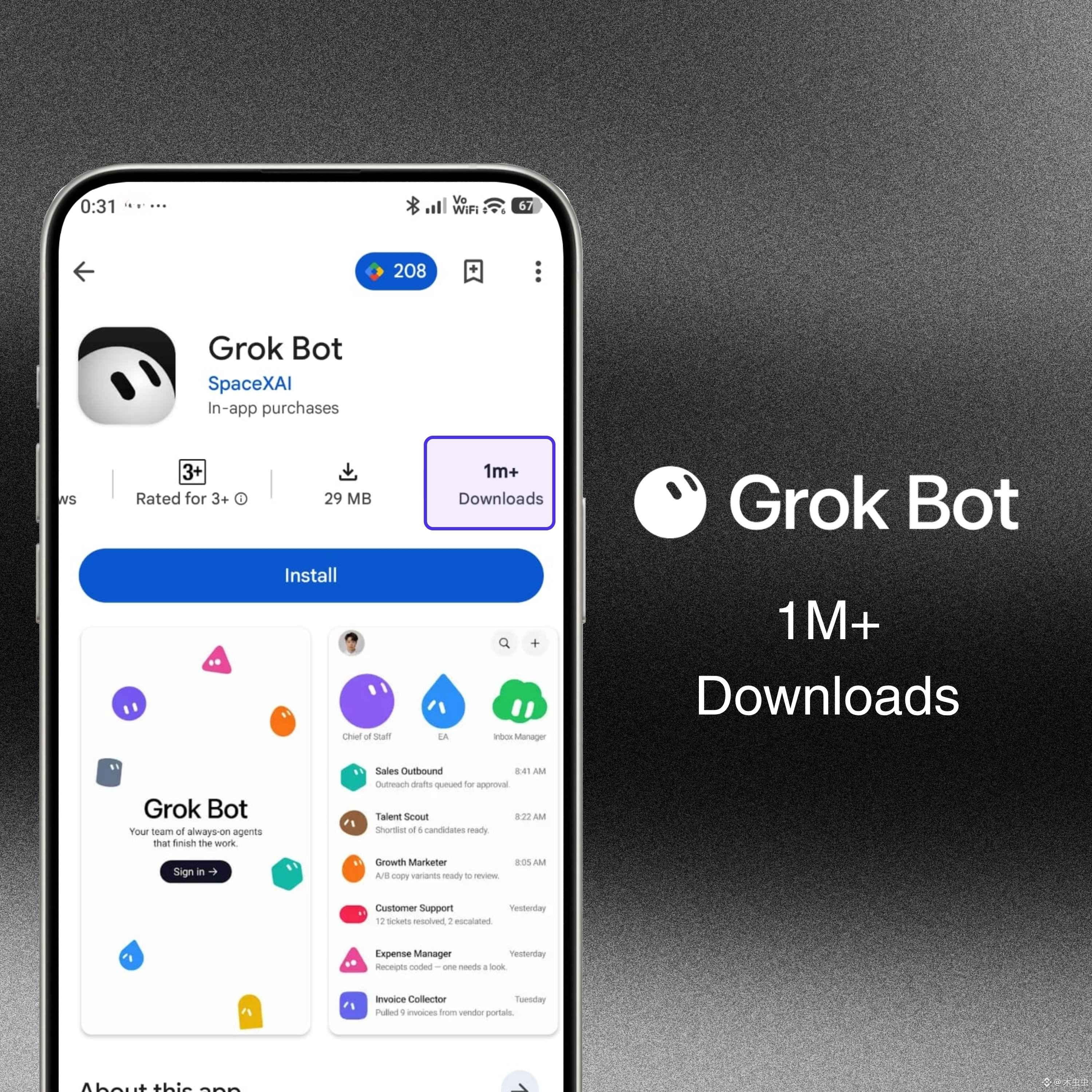
Grok Bot just hit a massive milestone:
1 MILLION+ downloads on Android Google Play Store
The app is scaling insanely fast....more and more people are using Grok Bot as a personal always-on AI agent for real work
Grok Bot just hit a massive milestone:
1 MILLION+ downloads on Android Google Play Store
The app is scaling insanely fast....more and more people are using Grok Bot as a personal always-on AI agent for real work
1 MILLION+ downloads on Android Google Play Store
The app is scaling insanely fast....more and more people are using Grok Bot as a personal always-on AI agent for real work
2
·
--
Important note regarding Grok @Bot:
Going forward, @SpaceX will use the best back end model for any given task, including Claude Opus 5.5, MidJourney, Suno and other leading APIs.
Whatever is most likely to give you the best outcome.
Important note regarding Grok @Bot:
Going forward, @SpaceX will use the best back end model for any given task, including Claude Opus 5.5, MidJourney, Suno and other leading APIs.
Whatever is most likely to give you the best outcome.
Going forward, @SpaceX will use the best back end model for any given task, including Claude Opus 5.5, MidJourney, Suno and other leading APIs.
Whatever is most likely to give you the best outcome.
3
·
--
10
·
--
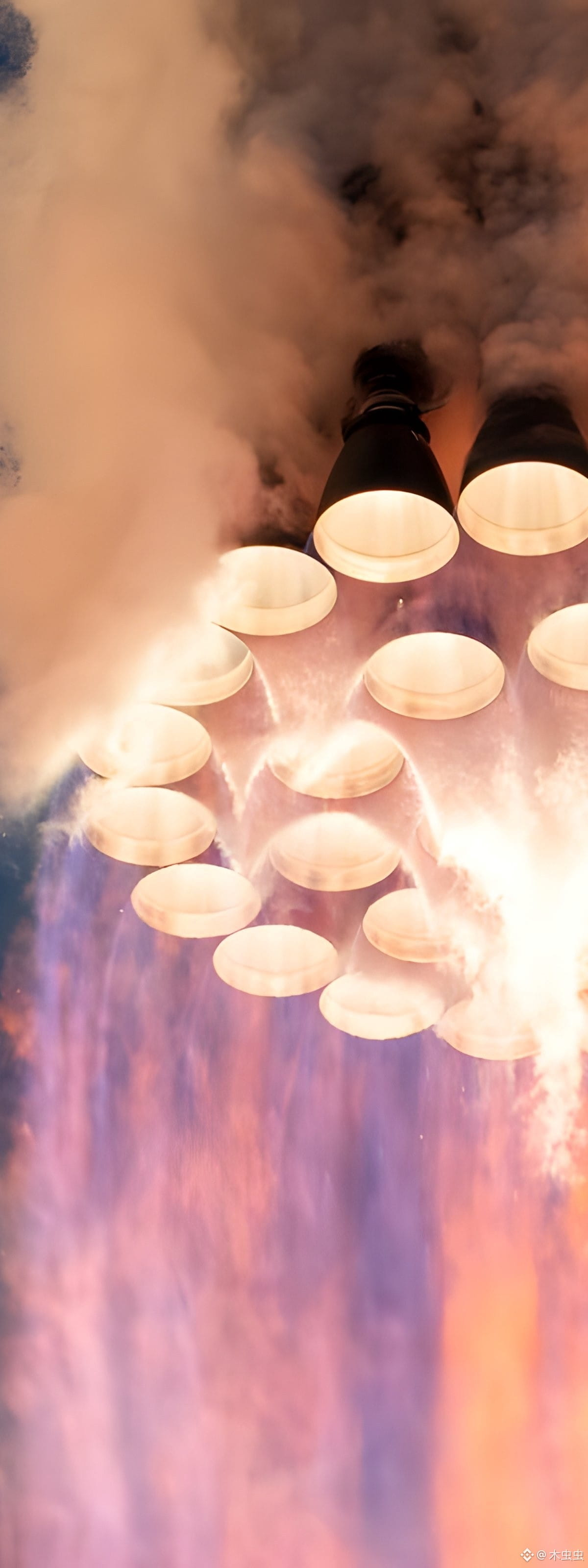
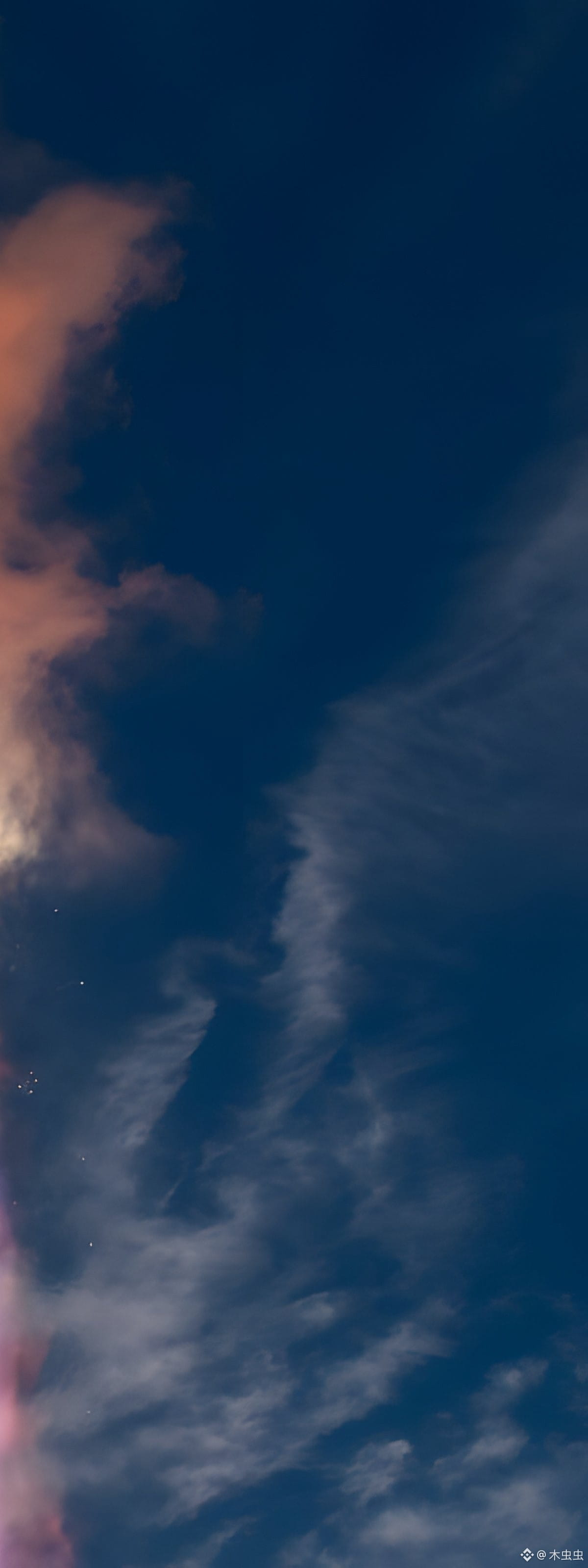
The engineering underneath Super Heavy is absolutely insane
It literally looks more like science fiction than rocket hardware
The engineering underneath Super Heavy is absolutely insane
It literally looks more like science fiction than rocket hardware
It literally looks more like science fiction than rocket hardware

68
·
--
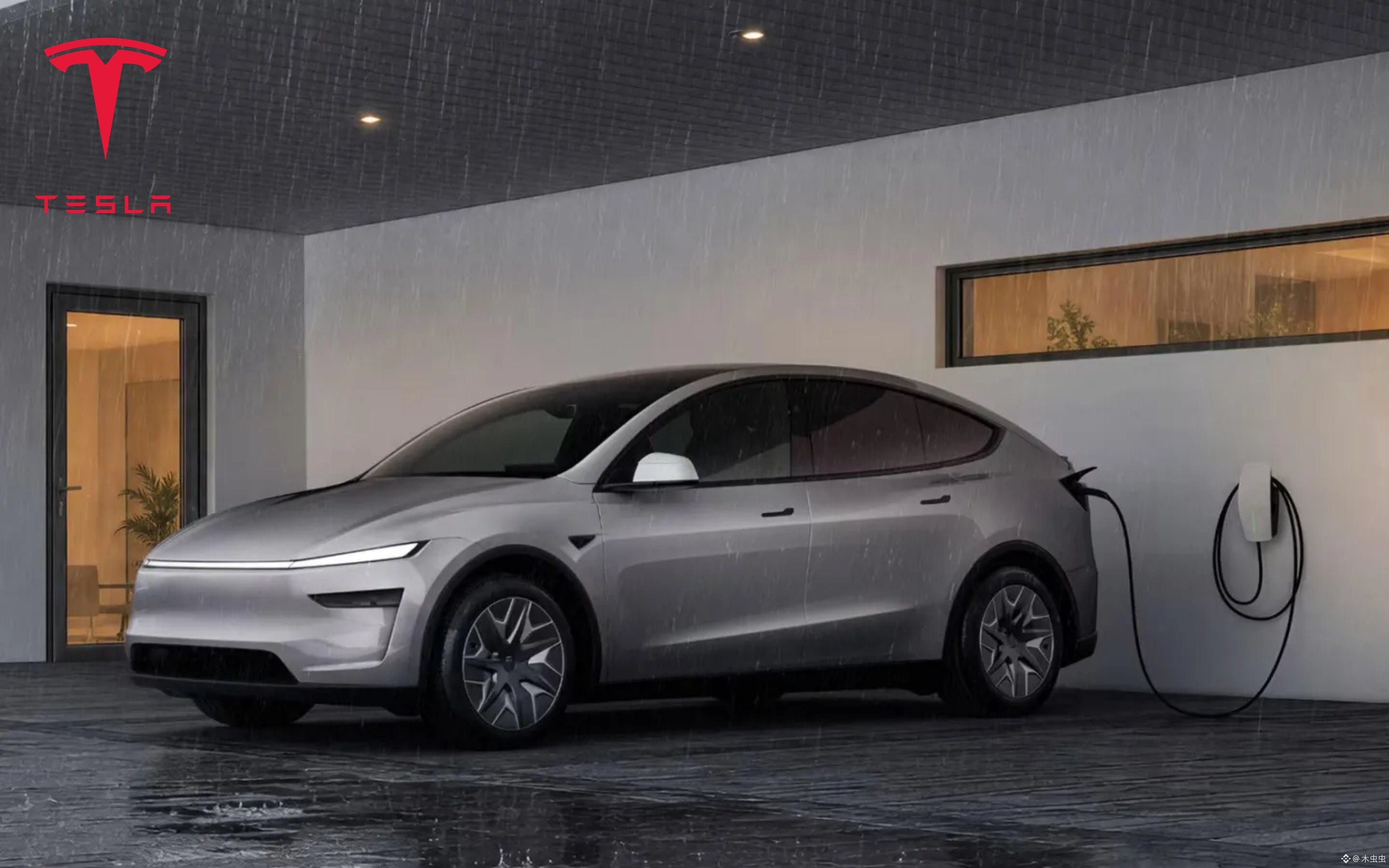
Tesla just turned new Model 3 and Model Y vehicles into giant backup batteries for your home
With Powerwall 3, they can now use Powershare Home Backup to keep a house powered during an outage
Premium and Performance variants can extend home backup by more than 2 days
Tesla’s ecosystem is really insane
Your car is becoming part of your home energy system, storing power and helping keep the lights on when the grid goes down
Tesla just turned new Model 3 and Model Y vehicles into giant backup batteries for your home
With Powerwall 3, they can now use Powershare Home Backup to keep a house powered during an outage
Premium and Performance variants can extend home backup by more than 2 days
Tesla’s ecosystem is really insane
Your car is becoming part of your home energy system, storing power and helping keep the lights on when the grid goes down
With Powerwall 3, they can now use Powershare Home Backup to keep a house powered during an outage
Premium and Performance variants can extend home backup by more than 2 days
Tesla’s ecosystem is really insane
Your car is becoming part of your home energy system, storing power and helping keep the lights on when the grid goes down
49
·
--
Cursor now lets you control agents running on your computer directly from the iOS app
You can:
• Check what an agent is doing
• Reply to it
• Start new tasks
• Keep directing the work from your phone
The agent keeps running on your computer while the phone acts like the remote control
So you can literally just walk away from your desk and keep coding from anywhere
Cursor now lets you control agents running on your computer directly from the iOS app
You can:
• Check what an agent is doing
• Reply to it
• Start new tasks
• Keep directing the work from your phone
The agent keeps running on your computer while the phone acts like the remote control
So you can literally just walk away from your desk and keep coding from anywhere
You can:
• Check what an agent is doing
• Reply to it
• Start new tasks
• Keep directing the work from your phone
The agent keeps running on your computer while the phone acts like the remote control
So you can literally just walk away from your desk and keep coding from anywhere
141
·
--
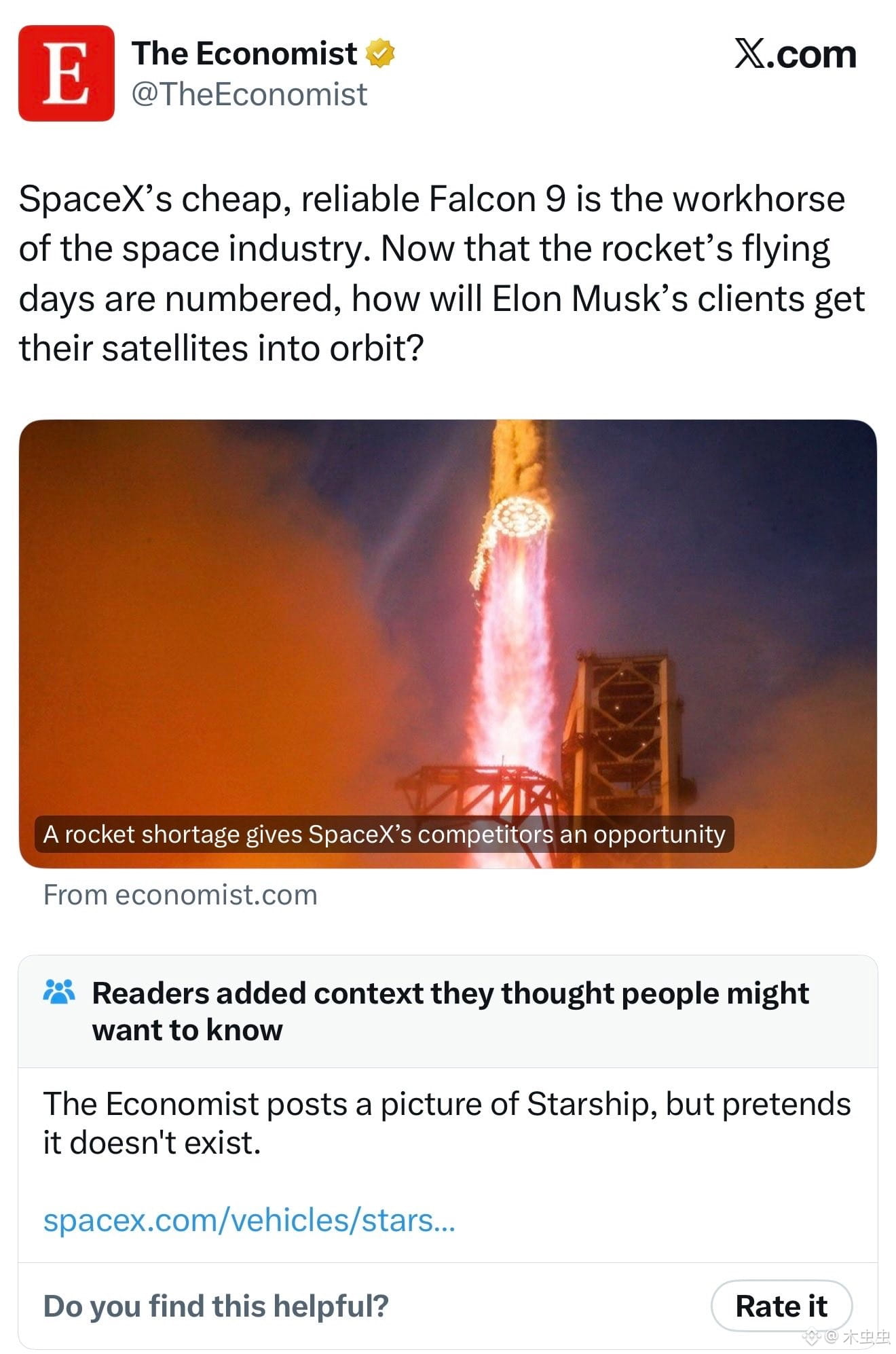
They should have this permanent label for The Economist:
“Name may be misleading. Understanding of economics not guaranteed” 😂
They should have this permanent label for The Economist:
“Name may be misleading. Understanding of economics not guaranteed” 😂
“Name may be misleading. Understanding of economics not guaranteed” 😂
225
·
--
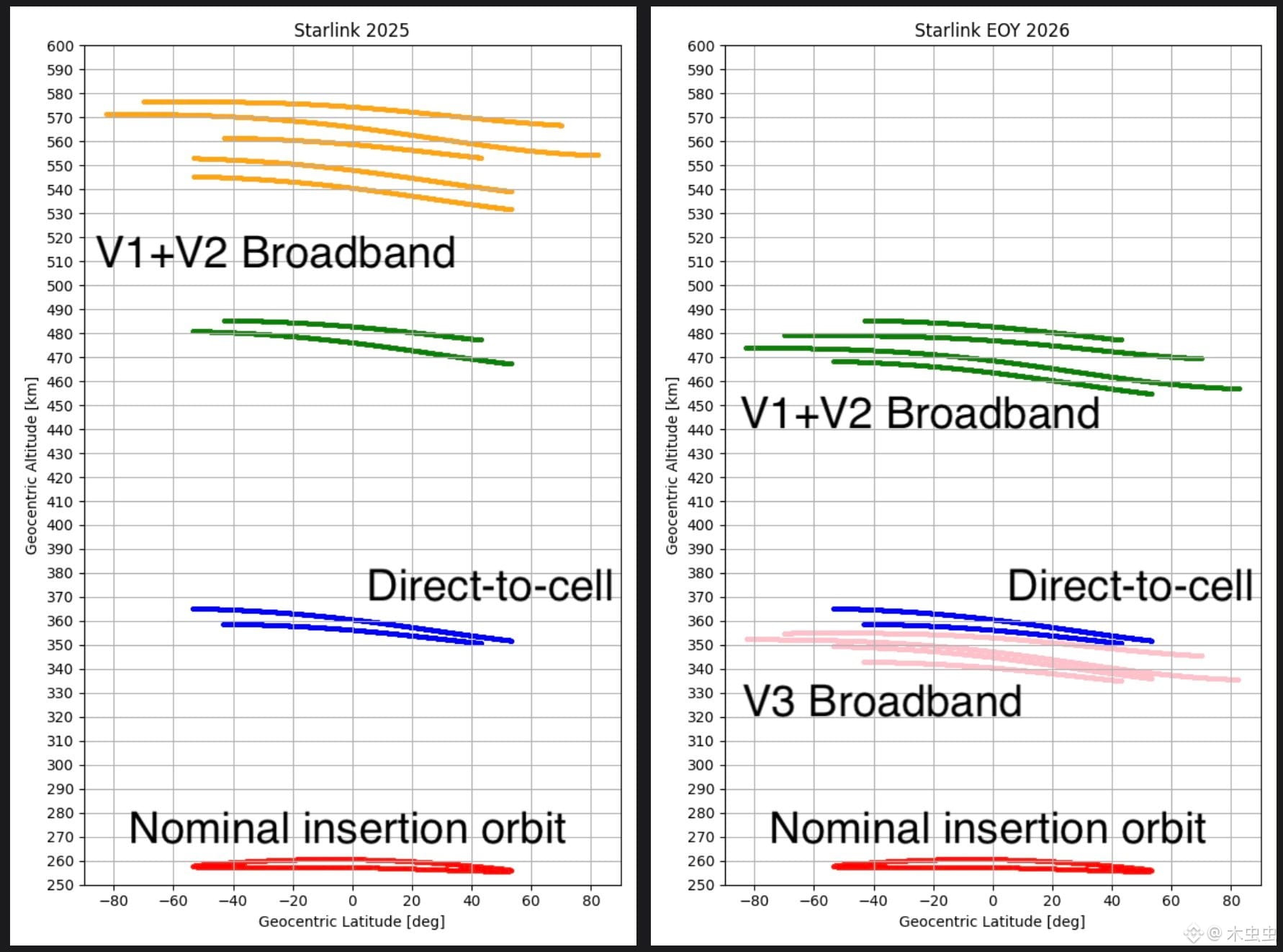
Starlink is lowering its remaining satellites above 500 km into lower shells by the end of 2026
Why it matters:
A failed satellite at ~550 km can linger for 4+ years during solar minimum. At ~480 km, ballistic decay time drops by more than 80% to just a few months
Retired Starlinks are normally deorbited using propulsion. If that fails, atmospheric drag becomes the backup
Lower altitude makes that backup much faster
With 11,000+ Starlinks in orbit, even a small safety gain scales massively
Starlink is lowering its remaining satellites above 500 km into lower shells by the end of 2026
Why it matters:
A failed satellite at ~550 km can linger for 4+ years during solar minimum. At ~480 km, ballistic decay time drops by more than 80% to just a few months
Retired Starlinks are normally deorbited using propulsion. If that fails, atmospheric drag becomes the backup
Lower altitude makes that backup much faster
With 11,000+ Starlinks in orbit, even a small safety gain scales massively
Why it matters:
A failed satellite at ~550 km can linger for 4+ years during solar minimum. At ~480 km, ballistic decay time drops by more than 80% to just a few months
Retired Starlinks are normally deorbited using propulsion. If that fails, atmospheric drag becomes the backup
Lower altitude makes that backup much faster
With 11,000+ Starlinks in orbit, even a small safety gain scales massively
133
·
--
Michael Nicolls just just laid out SpaceX's ambition for connectivity that extends beyond Earth
“We will connect the Moon with a constellation, and then we will connect Mars”
"Our goal, again, is to extend consciousness beyond this planet, and we want to go and connect the Moon and Mars
But before that on Starlink, we're creating the technologies to connect the Moon with very high-bandwidth connectivity systems, very high-bandwidth lasers
And we will connect the Moon with a constellation, and then we will connect Mars, and we will form an interplanetary mesh of connectivity that is fundamentally driven by the same technologies we're working on with Starlink
To make this happen, SpaceX needs to keep improving safety in LEO so everyone can operate and scale safely”
Build safe, coordinated infrastructure in LEO first then extend connectivity and human presence to the Moon, Mars, and beyond
Michael Nicolls just just laid out SpaceX's ambition for connectivity that extends beyond Earth
“We will connect the Moon with a constellation, and then we will connect Mars”
"Our goal, again, is to extend consciousness beyond this planet, and we want to go and connect the Moon and Mars
But before that on Starlink, we're creating the technologies to connect the Moon with very high-bandwidth connectivity systems, very high-bandwidth lasers
And we will connect the Moon with a constellation, and then we will connect Mars, and we will form an interplanetary mesh of connectivity that is fundamentally driven by the same technologies we're working on with Starlink
To make this happen, SpaceX needs to keep improving safety in LEO so everyone can operate and scale safely”
Build safe, coordinated infrastructure in LEO first then extend connectivity and human presence to the Moon, Mars, and beyond
“We will connect the Moon with a constellation, and then we will connect Mars”
"Our goal, again, is to extend consciousness beyond this planet, and we want to go and connect the Moon and Mars
But before that on Starlink, we're creating the technologies to connect the Moon with very high-bandwidth connectivity systems, very high-bandwidth lasers
And we will connect the Moon with a constellation, and then we will connect Mars, and we will form an interplanetary mesh of connectivity that is fundamentally driven by the same technologies we're working on with Starlink
To make this happen, SpaceX needs to keep improving safety in LEO so everyone can operate and scale safely”
Build safe, coordinated infrastructure in LEO first then extend connectivity and human presence to the Moon, Mars, and beyond
9
·
--
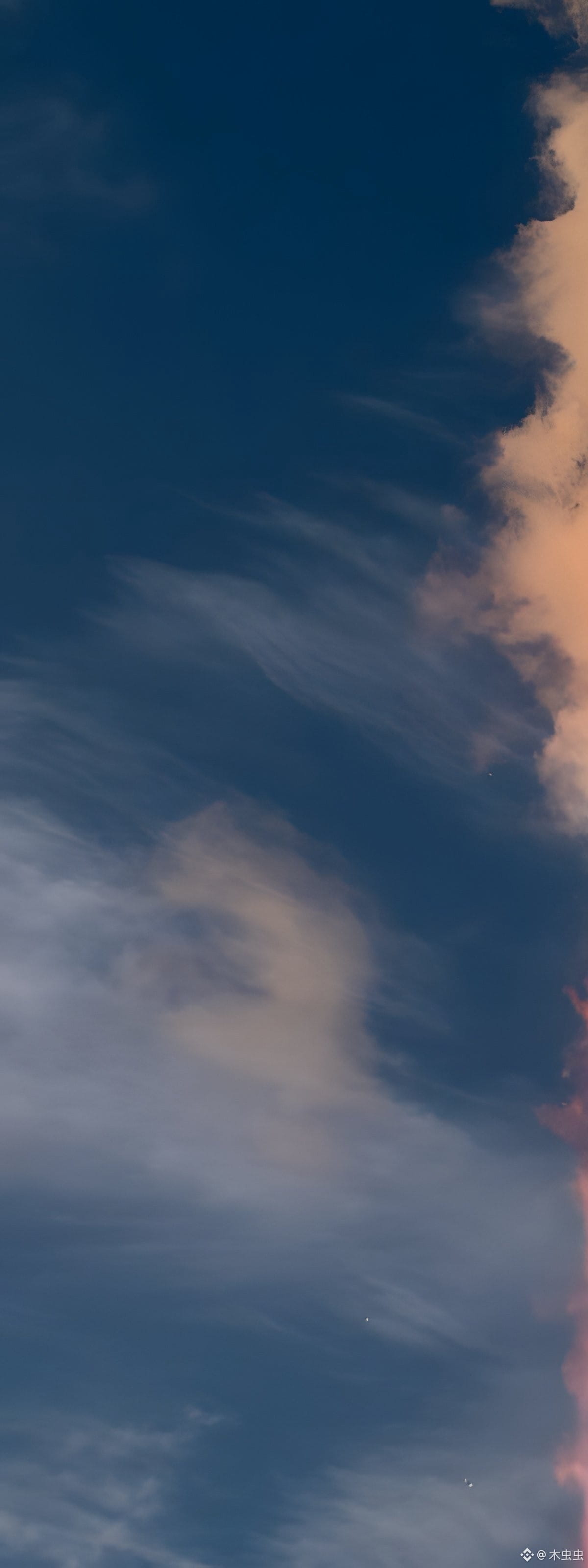
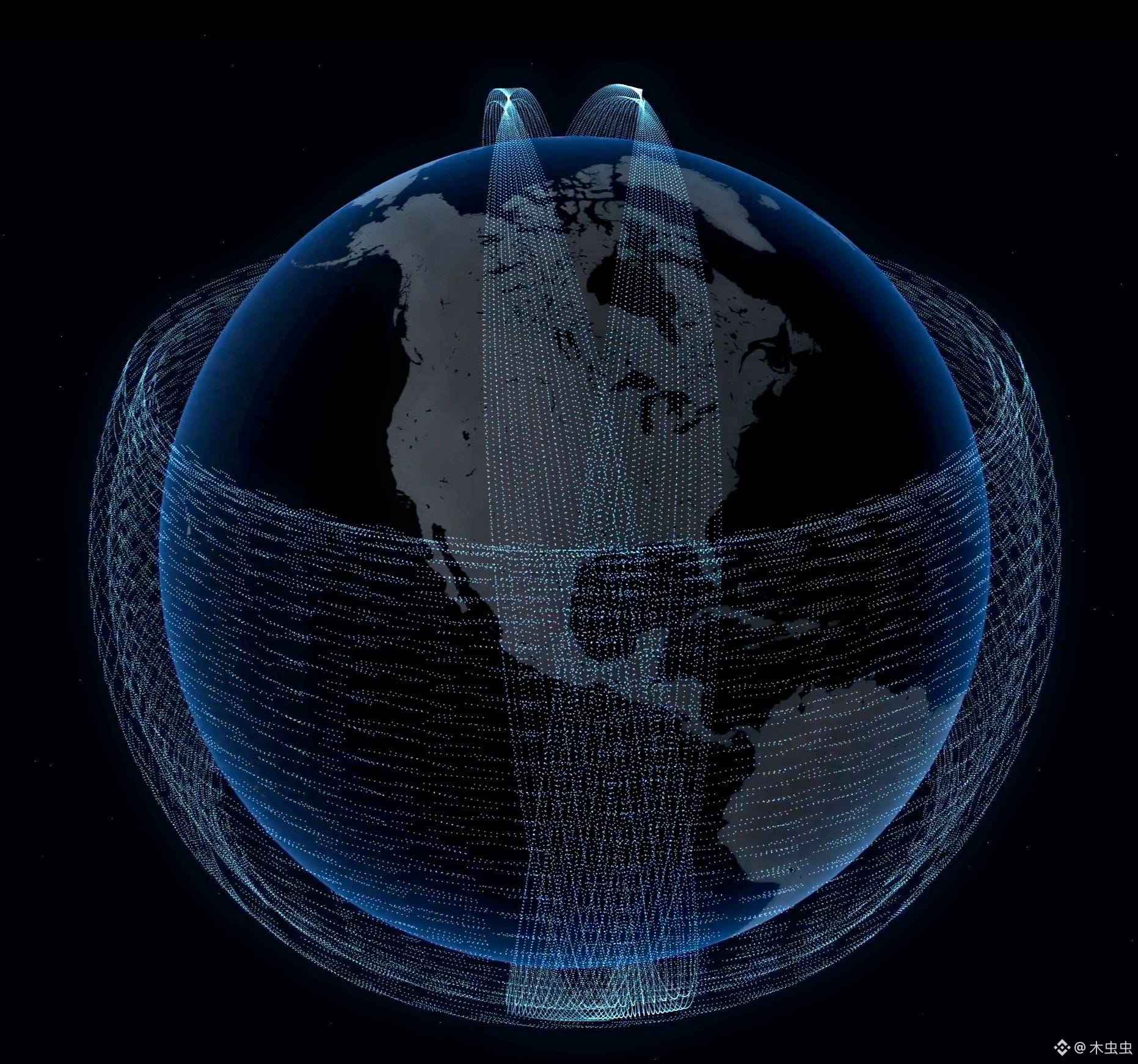
This is what SpaceX’s planetary-scale connectivity and Super Intelligence layers look like in orbit
This is what SpaceX’s planetary-scale connectivity and Super Intelligence layers look like in orbit
4
·
--
This is what SpaceX’s planetary-scale connectivity and Super Intelligence layers look like in orbit
This is what SpaceX’s planetary-scale connectivity and Super Intelligence layers look like in orbit
47
·
--
Track the change log of @Grok Bot & Build
https://x.ai/changelog/bot
Track the change log of @Grok Bot & Build
https://x.ai/changelog/bot
https://x.ai/changelog/bot
5
·
--
SpaceXAI President Michael Nicolls explains why SpaceX started Starlink:
To connect humanity
Before Starlink, roughly a third of the world was offline or lacked reliable broadband
SpaceX set out to solve that problem from orbit
Now Starlink has grown into the largest satellite constellation in history...bringing internet to most underserved communities and some of the most remote places on Earth, giving people the opportunity to connect to the global network and fundamentally transforming lives
SpaceXAI President Michael Nicolls explains why SpaceX started Starlink:
To connect humanity
Before Starlink, roughly a third of the world was offline or lacked reliable broadband
SpaceX set out to solve that problem from orbit
Now Starlink has grown into the largest satellite constellation in history...bringing internet to most underserved communities and some of the most remote places on Earth, giving people the opportunity to connect to the global network and fundamentally transforming lives
To connect humanity
Before Starlink, roughly a third of the world was offline or lacked reliable broadband
SpaceX set out to solve that problem from orbit
Now Starlink has grown into the largest satellite constellation in history...bringing internet to most underserved communities and some of the most remote places on Earth, giving people the opportunity to connect to the global network and fundamentally transforming lives
8
·
--
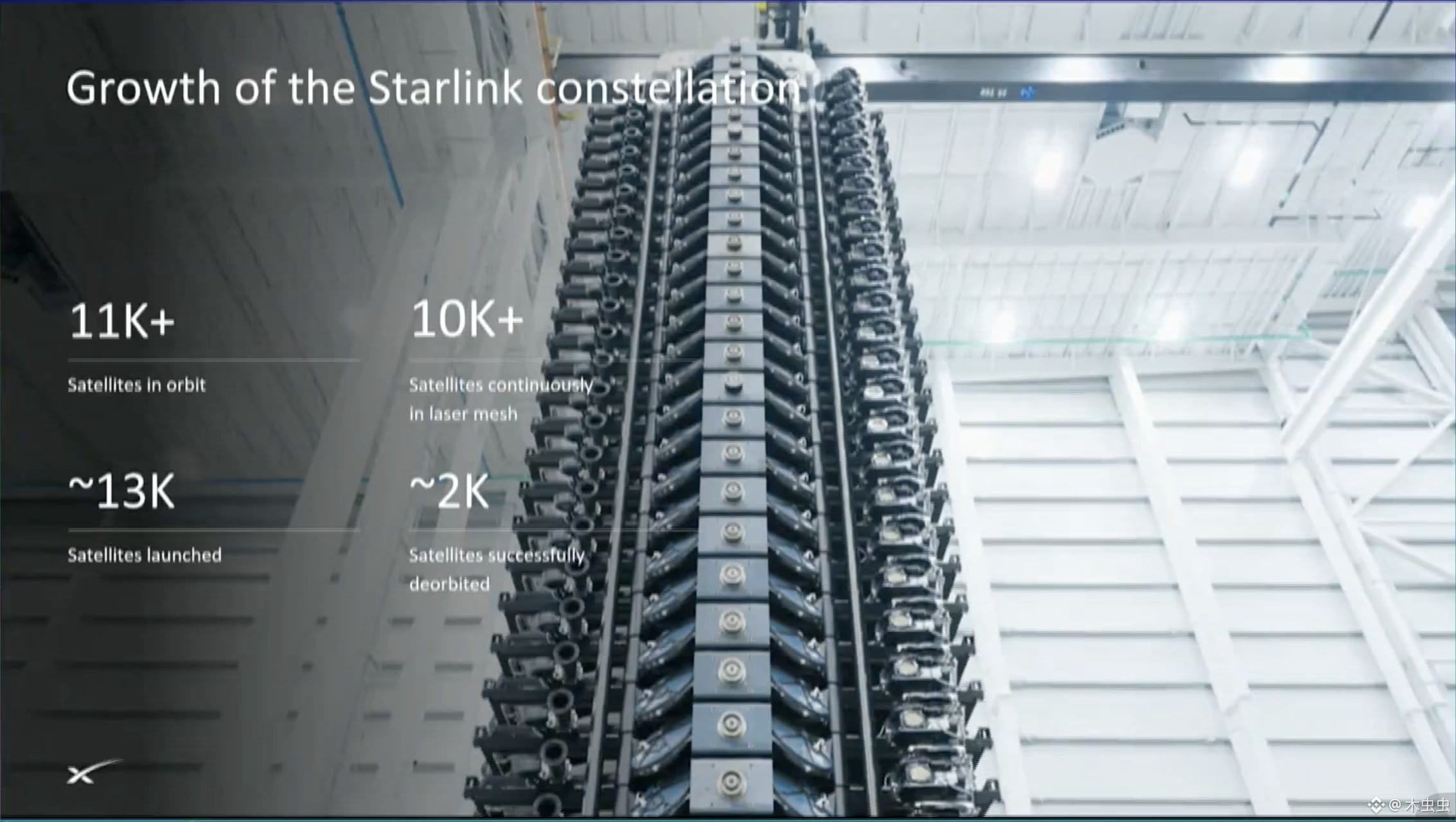
Starlink’s constellation has reached an absolutely massive scale
• 11,000+ satellites currently in orbit
• 10,000+ continuously connected through the laser mesh
• ~13,000 satellites launched in total
• ~2,000 successfully deorbited
From an initial deployment of 60 satellites to 11,000+ in orbit
Starlink is now the largest satellite constellation in history and accounts for roughly TWO-THIRDS of all active satellites orbiting Earth
Starlink’s constellation has reached an absolutely massive scale
• 11,000+ satellites currently in orbit
• 10,000+ continuously connected through the laser mesh
• ~13,000 satellites launched in total
• ~2,000 successfully deorbited
From an initial deployment of 60 satellites to 11,000+ in orbit
Starlink is now the largest satellite constellation in history and accounts for roughly TWO-THIRDS of all active satellites orbiting Earth
• 11,000+ satellites currently in orbit
• 10,000+ continuously connected through the laser mesh
• ~13,000 satellites launched in total
• ~2,000 successfully deorbited
From an initial deployment of 60 satellites to 11,000+ in orbit
Starlink is now the largest satellite constellation in history and accounts for roughly TWO-THIRDS of all active satellites orbiting Earth
4
·
--
Starlink’s constellation has reached an absolutely massive scale
• 11,000+ satellites currently in orbit
• 10,000+ continuously connected in the laser mesh
• ~13,000 satellites launched in total
• ~2,000 successfully deorbited
From 60 experimental satellites to 11,000+ in orbit
Starlink’s constellation has reached an absolutely massive scale
• 11,000+ satellites currently in orbit
• 10,000+ continuously connected in the laser mesh
• ~13,000 satellites launched in total
• ~2,000 successfully deorbited
From 60 experimental satellites to 11,000+ in orbit
• 11,000+ satellites currently in orbit
• 10,000+ continuously connected in the laser mesh
• ~13,000 satellites launched in total
• ~2,000 successfully deorbited
From 60 experimental satellites to 11,000+ in orbit
7
තවත් අන්තර්ගතයන් ගවේෂණය කිරීමට ඇතුල් වන්න
Binance චතුරශ්රය හි ගෝලීය ක්රිප්ටෝ පරිශීලකයින් හා එක්වන්න
⚡️ ක්රිප්ටෝ පිළිබඳ නවතම සහ ප්රයෝජනවත් තොරතුරු ලබා ගන්න.
💬 ලොව විශාලතම ක්රිප්ටෝ හුවමාරුව මගින් විශ්වාස කෙරේ.
👍 සත්යායනය කරන ලද නිර්මාණකරුවන්ගෙන් සැබෑ විදසුන් සොයා ගන්න.
විද්යුත් තැපෑල / දුරකථන අංකය
නැගී එන මාතෘකා
BinanceLaunchesBinanceIntelligence
843,534 views
5,208 සාකච්ඡා කරමින්
🚨 BINANCE FAIT ENTRER L’IA PLUS PROFONDÉMENT DANS LA CRYPTO.
Binance a lancé Binance Intelligence — une nouvelle couche basée sur l’IA, conçue autour de la recherche de marché, des processus de trading et des données crypto.
Le plus intéressant ?
Ce n’est pas qu’un seul outil.
🧠 Binance AI → analyses personnalisées du marché, alertes et informations sur le portefeuille
⚡ Binance AI Pro → transforme des idées formulées en langage naturel en processus de trading
🤖 Agent OS → connecte les agents d’IA aux capacités du marché, des portefeuilles et de la blockchain
C’est un grand changement.
Les plateformes crypto ne se contentent plus de fournir aux traders des graphiques et des données.
Elles commencent à leur proposer des systèmes d’IA capables d’interpréter ces données.
La vraie question, c’est :
L’IA deviendra-t-elle aussi courante chez les traders que les indicateurs et les graphiques aujourd’hui ? 👀
$BTC
$GRIFFAIN
$NMR
#BinanceLaunchesBinanceIntelligence
Jacob trade
·1 කැමත්ත දැක්වීම්
·156 views
FedMinutesFocusOnOctoberPause
0 views
0 සාකච්ඡා කරමින්
RobinhoodAdds$25MInBitcoinToBalanceSheet
18 views
3 සාකච්ඡා කරමින්