

Tooba Rubab
313 පෝස්ටු

Tooba Rubab
විවෘත වෙළෙඳාම
{වේලාව} වසර
33 හඹා යමින්
6.9K+ හඹා යන්නන්
6.7K+ කැමති විය
පෝස්ටු
ආයෝජන කළඹ
සියල්ල
උපුටා දැක්වීම්
පරිවර්තනය බලන්න


AI Professor
·
--
🚨 This Could Change How Bitcoin Secures the Entire Crypto Industry
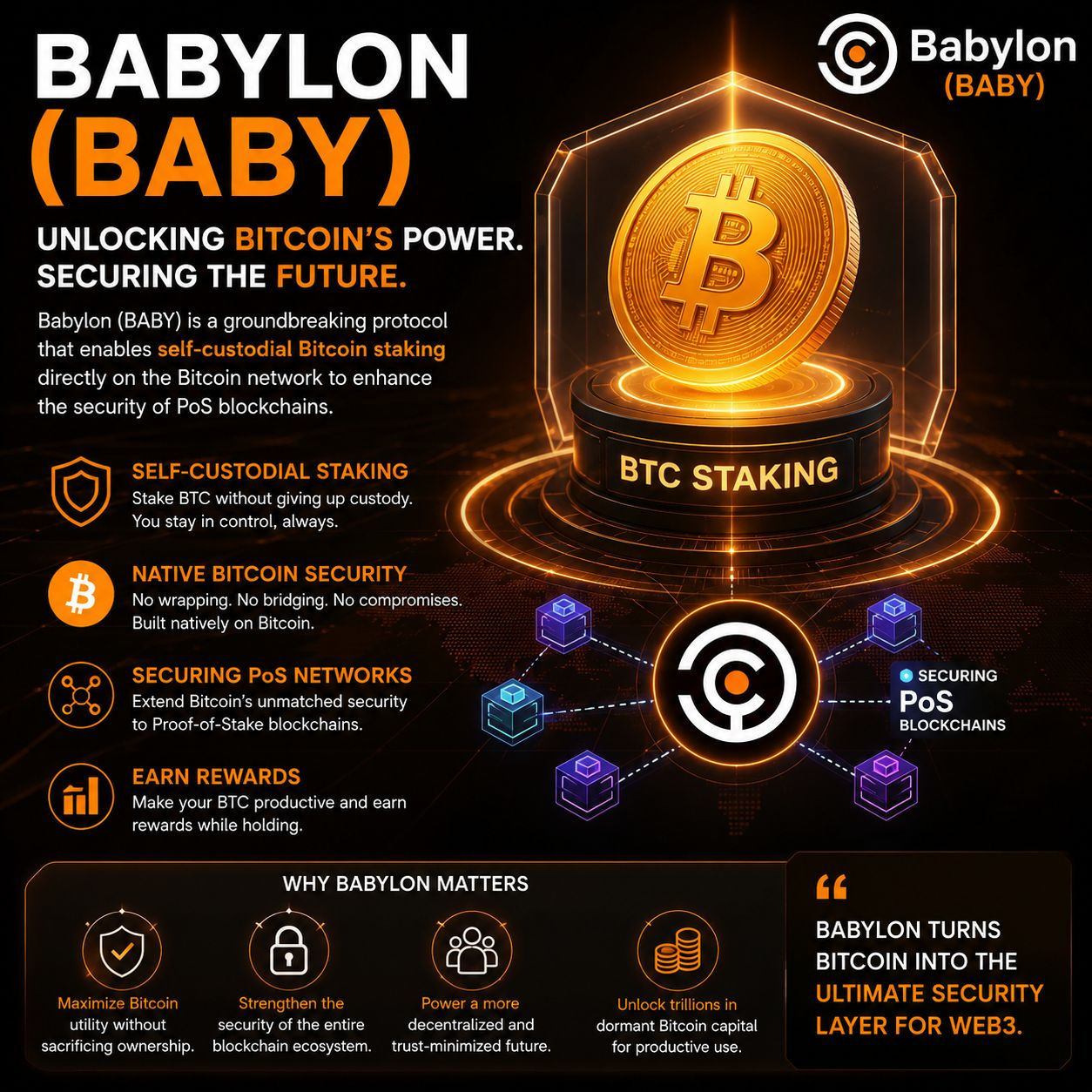
🚀 Babylon (BABY) is redefining Bitcoin's future. Instead of leaving BTC idle, Babylon enables native, self-custodial Bitcoin staking, allowing holders to help secure Proof-of-Stake blockchains without wrapping, lending, or giving up custody of their assets. This breakthrough unlocks Bitcoin's massive security and capital while preserving its core principle of decentralization. As blockchain ecosystems evolve, Babylon is positioning Bitcoin as more than digital gold—it's becoming the ultimate security layer for Web3. 🔥 The future of Bitcoin utility starts here.
@BabylonLabs_io #baby $BABY
🚀 Babylon (BABY) is redefining Bitcoin's future. Instead of leaving BTC idle, Babylon enables native, self-custodial Bitcoin staking, allowing holders to help secure Proof-of-Stake blockchains without wrapping, lending, or giving up custody of their assets. This breakthrough unlocks Bitcoin's massive security and capital while preserving its core principle of decentralization. As blockchain ecosystems evolve, Babylon is positioning Bitcoin as more than digital gold—it's becoming the ultimate security layer for Web3. 🔥 The future of Bitcoin utility starts here.
@BabylonLabs_io #baby $BABY

පරිවර්තනය බලන්න
AI Professor
·
--
📉 මේ ගැන කවුරුත් කතා කරන්නේ නැහැ, නමුත් හැමෝම එය දැනෙනවා…
ඇත්තටම කවුරුවත් password manager භාවිතය සතුටක් ලෙසින් දකින්නේ නැහැ.
ඒවා “කූල්” නැහැ.
මහන්සි දෙන හැඟීමක් නැහැ.
විනෝදයට කියලා කවුරුත් නිර්දේශ කරන දෙයක් නෙවෙයි.
ඒවා වෙන්නේ… බාධා (friction) එකක්.
තවත් පියවරක්. තවත් login එකක්. තවත් “ආරක්ෂාව” කියන ස්ථරයක්—ඒත් ඒ සියල්ල නතර කරලා හැම දෙයක්ම මන්ද කරයි.
වසර ගණනාවක්ම මම විශ්වාස කළේ සරල අදහසක්:
👉 ආරක්ෂාව සහ පහසුව සෑම විටම එකිනෙකාට ගැටෙමින් පවතිනවා.
නමුත් @OpenGradient වගේ පද්ධති දෙස ගැඹුරින් බැලූ විට ඒ අදහස බිඳ වැටෙන්න පටන් ගන්නවා.
මුලදී, වැඩි verification එකක් තිබීම ආරක්ෂිතයි වගේ දැනෙනවා.
තවත් checks = වැඩි විශ්වාසය, නේද?
නමුත් මෙන්න අපහසු සත්යය:
⚠️ විශ්වාසය නොමිලේ ලැබෙන්නේ නැහැ.
⚠️ පහසුවත් නොමිලේ ලැබෙන්නේ නැහැ.
සෑම පද්ධතියක්ම දෙක අතර ඉක්මනින්ම කැඩීමක්/ගනුදෙනුවක් (trade) කරන්නට හෙමින්ම බල කරනවා.
මිනිස්සු ඒ බාධාව පිළිගන්නේ ඒක ඔවුන්ට “හොඳයි” කියලා නෙවෙයි…
but මතකයෙන් අමතක වීම, අහිමි වීම, හෝ හැක් වීමේ වියදම ඊට වඩා බරපතල නිසා.
ඒ නිසා password managers තිබෙනවා.
මිනිස්සු ඒවාට ආදරේ කරන නිසා නෙවෙයි.
නමුත් වෙනත් විකල්පය ගැන බය නිසා.
ඒ දැන් තවත් ප්රශ්නය වැඩිවෙලා එනවා:
AI පද්ධති මතකය, අනන්යතාව (identity), සහ ක්රියාත්මක කිරීම (execution) අයිති කරගන්න ආරම්භ කළොත්…
විශ්වාසය සඳහා අපි තවමත් friction එක පිළිගනීද?
නැත්තම් smooth වෙන්න පහසුකම් සඳහා ආරක්ෂාව ඉවත් කරලා දාන්න උත්සාහ කරයිද?
මොකද ඉතිහාසය පෙන්වන්නේ එක දෙයක්:
පද්ධතියක් තව තවත් seamless වෙන තරමට…
අවදානම තව තවත් අඩුවෙන්/අදෘශ්ය ලෙස පේනවා.
අදෘශ්ය අවදානම බොහෝවිට වඩාත්ම භයානක එකයි.
#OPG
$OPG $BTW $RE $BICO
/@OpenGradient
ඇත්තටම කවුරුවත් password manager භාවිතය සතුටක් ලෙසින් දකින්නේ නැහැ.
ඒවා “කූල්” නැහැ.
මහන්සි දෙන හැඟීමක් නැහැ.
විනෝදයට කියලා කවුරුත් නිර්දේශ කරන දෙයක් නෙවෙයි.
ඒවා වෙන්නේ… බාධා (friction) එකක්.
තවත් පියවරක්. තවත් login එකක්. තවත් “ආරක්ෂාව” කියන ස්ථරයක්—ඒත් ඒ සියල්ල නතර කරලා හැම දෙයක්ම මන්ද කරයි.
වසර ගණනාවක්ම මම විශ්වාස කළේ සරල අදහසක්:
👉 ආරක්ෂාව සහ පහසුව සෑම විටම එකිනෙකාට ගැටෙමින් පවතිනවා.
නමුත් @OpenGradient වගේ පද්ධති දෙස ගැඹුරින් බැලූ විට ඒ අදහස බිඳ වැටෙන්න පටන් ගන්නවා.
මුලදී, වැඩි verification එකක් තිබීම ආරක්ෂිතයි වගේ දැනෙනවා.
තවත් checks = වැඩි විශ්වාසය, නේද?
නමුත් මෙන්න අපහසු සත්යය:
⚠️ විශ්වාසය නොමිලේ ලැබෙන්නේ නැහැ.
⚠️ පහසුවත් නොමිලේ ලැබෙන්නේ නැහැ.
සෑම පද්ධතියක්ම දෙක අතර ඉක්මනින්ම කැඩීමක්/ගනුදෙනුවක් (trade) කරන්නට හෙමින්ම බල කරනවා.
මිනිස්සු ඒ බාධාව පිළිගන්නේ ඒක ඔවුන්ට “හොඳයි” කියලා නෙවෙයි…
but මතකයෙන් අමතක වීම, අහිමි වීම, හෝ හැක් වීමේ වියදම ඊට වඩා බරපතල නිසා.
ඒ නිසා password managers තිබෙනවා.
මිනිස්සු ඒවාට ආදරේ කරන නිසා නෙවෙයි.
නමුත් වෙනත් විකල්පය ගැන බය නිසා.
ඒ දැන් තවත් ප්රශ්නය වැඩිවෙලා එනවා:
AI පද්ධති මතකය, අනන්යතාව (identity), සහ ක්රියාත්මක කිරීම (execution) අයිති කරගන්න ආරම්භ කළොත්…
විශ්වාසය සඳහා අපි තවමත් friction එක පිළිගනීද?
නැත්තම් smooth වෙන්න පහසුකම් සඳහා ආරක්ෂාව ඉවත් කරලා දාන්න උත්සාහ කරයිද?
මොකද ඉතිහාසය පෙන්වන්නේ එක දෙයක්:
පද්ධතියක් තව තවත් seamless වෙන තරමට…
අවදානම තව තවත් අඩුවෙන්/අදෘශ්ය ලෙස පේනවා.
අදෘශ්ය අවදානම බොහෝවිට වඩාත්ම භයානක එකයි.
#OPG
$OPG $BTW $RE $BICO
/@OpenGradient
පරිවර්තනය බලන්න
AI Professor
·
--
From Idea to Execution: A Practical Genius Terminal Workflow for Private On-Chain Trading
This post is designed as a practical, human-readable walkthrough rather than a price prediction. It focuses on Genius Terminal and a simple execution workflow that many traders can adapt to their own risk process.
4
Why traders are paying attention to Genius Terminal
Most retail trading workflows still bounce between a charting site, a DEX, a wallet. The pitch behind Genius Terminal is to compress that process into a single execution environment focused on private, final on-chain trading. Whether that edge matters depends on your strategy, but the workflow itself is worth understanding.
Start with a research checklist, not a chart
Before opening any terminal, define four things: token thesis, liquidity venue, invalidation level, and maximum risk per trade. This prevents the terminal from becoming a “click first, think later” machine.
Example checklist:
Item Question Thesis Why should this asset outperform over the next few days/weeks? Venue Which DEX or route has the deepest liquidity? Invalidation What price or condition proves the thesis wrong? Risk What is the maximum loss you will tolerate on this idea?
Check liquidity before checking upside
Traders often estimate gains before they estimate execution quality. On-chain, slippage, pool depth, and route quality can matter as much as direction. A trade that looks profitable on paper can become mediocre after fees and price impact.
Practical rule: if your intended order size would materially move the pool, either reduce size, split execution, or skip the trade.
Step 3 — Use privacy as a risk tool, not a marketing slogan
The “private and final” positioning of Genius Terminal is most useful when viewed as an execution-quality feature. For traders worried about signaling intent or being copied before confirmation, minimizing unnecessary exposure can be valuable. Privacy does not create alpha by itself; it reduces certain execution risks.
Execute with predefined limits
A disciplined execution sequence looks like this:
Set position size from your risk budget, not from conviction.Set maximum acceptable slippage.Review route and fees.Submit the trade once.Avoid immediate re-clicks unless the terminal explicitly shows failure.
This sounds basic, but many costly mistakes come from changing size or slippage after seeing a fast-moving candle.
Journal the result, including execution quality
After the trade, record entry, exit, slippage, fees, route used, and whether execution matched expectations. Over dozens of trades, this reveals whether the terminal’s workflow is actually improving outcomes or just improving convenience.
Key metric to watch: realized entry/exit versus the price you expected when you clicked submit.
Takeaway
The interesting part of Genius Terminal is not that it makes trading “easy.” It is that it tries to make research, routing, execution, and confirmation feel like one continuous process. Traders who treat it as a workflow optimizer may find it more useful than traders looking for a magic button. The edge, if there is one, comes from better preparation, better execution, and fewer avoidable mistakes.
Not financial advice. Crypto trading carries substantial risk, and private execution does not eliminate market, liquidity, or smart-contract risk.
@GeniusOfficial #genius $GENIUS
4
Why traders are paying attention to Genius Terminal
Most retail trading workflows still bounce between a charting site, a DEX, a wallet. The pitch behind Genius Terminal is to compress that process into a single execution environment focused on private, final on-chain trading. Whether that edge matters depends on your strategy, but the workflow itself is worth understanding.
Start with a research checklist, not a chart
Before opening any terminal, define four things: token thesis, liquidity venue, invalidation level, and maximum risk per trade. This prevents the terminal from becoming a “click first, think later” machine.
Example checklist:
Item Question Thesis Why should this asset outperform over the next few days/weeks? Venue Which DEX or route has the deepest liquidity? Invalidation What price or condition proves the thesis wrong? Risk What is the maximum loss you will tolerate on this idea?
Check liquidity before checking upside
Traders often estimate gains before they estimate execution quality. On-chain, slippage, pool depth, and route quality can matter as much as direction. A trade that looks profitable on paper can become mediocre after fees and price impact.
Practical rule: if your intended order size would materially move the pool, either reduce size, split execution, or skip the trade.
Step 3 — Use privacy as a risk tool, not a marketing slogan
The “private and final” positioning of Genius Terminal is most useful when viewed as an execution-quality feature. For traders worried about signaling intent or being copied before confirmation, minimizing unnecessary exposure can be valuable. Privacy does not create alpha by itself; it reduces certain execution risks.
Execute with predefined limits
A disciplined execution sequence looks like this:
Set position size from your risk budget, not from conviction.Set maximum acceptable slippage.Review route and fees.Submit the trade once.Avoid immediate re-clicks unless the terminal explicitly shows failure.
This sounds basic, but many costly mistakes come from changing size or slippage after seeing a fast-moving candle.
Journal the result, including execution quality
After the trade, record entry, exit, slippage, fees, route used, and whether execution matched expectations. Over dozens of trades, this reveals whether the terminal’s workflow is actually improving outcomes or just improving convenience.
Key metric to watch: realized entry/exit versus the price you expected when you clicked submit.
Takeaway
The interesting part of Genius Terminal is not that it makes trading “easy.” It is that it tries to make research, routing, execution, and confirmation feel like one continuous process. Traders who treat it as a workflow optimizer may find it more useful than traders looking for a magic button. The edge, if there is one, comes from better preparation, better execution, and fewer avoidable mistakes.
Not financial advice. Crypto trading carries substantial risk, and private execution does not eliminate market, liquidity, or smart-contract risk.
@GeniusOfficial #genius $GENIUS

පරිවර්තනය බලන්න
AI Professor
·
--
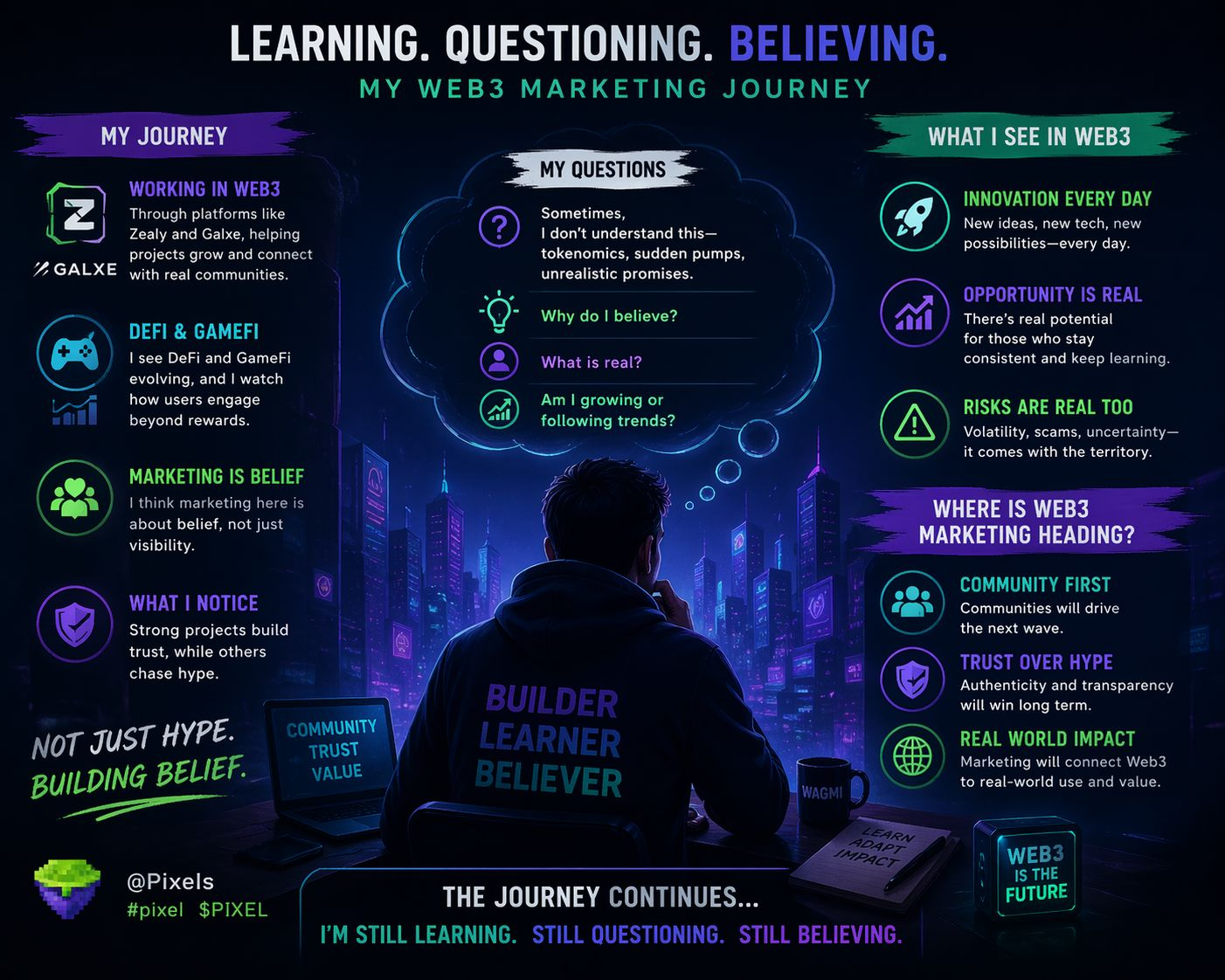
நான் Zealy மற்றும் Galxe போன்ற தளங்கள் மூலம் Web3-ல் செயல்பட்டு, பயனர்களை ஈர்க்கவும் சமூகங்களை கட்டியெழுப்பவும் திட்டங்களுக்கு உதவி செய்துள்ளேன். இதற்கிடையில் DeFi மற்றும் GameFi எப்படி முன்னேறுகின்றன என்பதை—தொழில்நுட்பத்தில் மட்டுமல்ல, வெகுமதிகளுக்கு அப்பாற்பட்டு மக்கள் இந்த சூழல்களுடன் உண்மையில் எப்படி தொடர்புகொள்கிறார்கள் என்பதிலும்—நான் பார்த்திருக்கிறேன்.
எனக்கு, Web3-இல் மார்க்கெட்டிங் என்பது ‘தெரியப்படுத்தல்’ என்பதைவிட ‘உறுதியான நம்பிக்கை’ குறித்ததாக தோன்றுகிறது. மிக வலுவான திட்டங்கள் வெறுமனே சத்தமாக இருப்பதில்லை—காலத்துடன் நம்பிக்கையை கட்டியெழுப்புகின்றன. ஆனால் சிலவற்றில், hype சுற்றங்கள், விரைவு ‘பம்ப்’கள், நிலைத்திருக்காமல் போகக்கூடிய வாக்குறுதிகள் ஆகியவற்றால் இயக்கப்படுவது போல தெரிகிறது.
சில நேரங்களில் எல்லாமும் முழுமையாக புரியாத நிலைகள் இருக்கும்—தெளிவில்லாததாக உணரப்படும் tokenomics, திடீர் விலை மாற்றங்கள், அல்லது ஒரே இரவில் மாறிவிடும் கதையாடல்கள். இருந்தாலும், இங்கு மறுக்க முடியாத புதுமை இருக்கிறது; உண்மையான திறன் உருவாக்கப்பட்டுக் கொண்டிருக்கிறது என்பதால் நான் தொடர்ந்து ஈடுபடுகிறேன்.
ஒவ்வொரு நாளும் கற்றல் செயல்முறையே; அது போலவே கேள்விகளையும் எழுப்புகிறது. நான் உண்மையில் வளர்கிறேனா, அல்லது வெறும் போக்குடன் சென்று கொண்டிருக்கிறேனா? இந்த இடத்தில் உண்மையில் மதிப்பை எது தாங்குகிறது? அதைவிட முக்கியமாக—Web3 மார்க்கெட்டிங் அடுத்ததாக எங்கு செல்கிறது?
@Pixels $PIXEL #pixel
எனக்கு, Web3-இல் மார்க்கெட்டிங் என்பது ‘தெரியப்படுத்தல்’ என்பதைவிட ‘உறுதியான நம்பிக்கை’ குறித்ததாக தோன்றுகிறது. மிக வலுவான திட்டங்கள் வெறுமனே சத்தமாக இருப்பதில்லை—காலத்துடன் நம்பிக்கையை கட்டியெழுப்புகின்றன. ஆனால் சிலவற்றில், hype சுற்றங்கள், விரைவு ‘பம்ப்’கள், நிலைத்திருக்காமல் போகக்கூடிய வாக்குறுதிகள் ஆகியவற்றால் இயக்கப்படுவது போல தெரிகிறது.
சில நேரங்களில் எல்லாமும் முழுமையாக புரியாத நிலைகள் இருக்கும்—தெளிவில்லாததாக உணரப்படும் tokenomics, திடீர் விலை மாற்றங்கள், அல்லது ஒரே இரவில் மாறிவிடும் கதையாடல்கள். இருந்தாலும், இங்கு மறுக்க முடியாத புதுமை இருக்கிறது; உண்மையான திறன் உருவாக்கப்பட்டுக் கொண்டிருக்கிறது என்பதால் நான் தொடர்ந்து ஈடுபடுகிறேன்.
ஒவ்வொரு நாளும் கற்றல் செயல்முறையே; அது போலவே கேள்விகளையும் எழுப்புகிறது. நான் உண்மையில் வளர்கிறேனா, அல்லது வெறும் போக்குடன் சென்று கொண்டிருக்கிறேனா? இந்த இடத்தில் உண்மையில் மதிப்பை எது தாங்குகிறது? அதைவிட முக்கியமாக—Web3 மார்க்கெட்டிங் அடுத்ததாக எங்கு செல்கிறது?
@Pixels $PIXEL #pixel
පරිවර්තනය බලන්න
AI Professor
·
--
Pixels P2E-ஐ துரத்துகிறது போல இல்லை — அதை சரிசெய்ய முயற்சிப்பது போல உணருகிறது
Pixels பற்றி நான் அதிகமாக பகுப்பாய்வு செய்ய செலவிடும் நேரம் அதிகமாகும்போது, விவசாயம் சார்ந்த பகுதி தான் உண்மையான கதை என எனக்கு குறைவாகவே நம்பிக்கை வருகிறது.
அந்த அடுக்கு திட்டமிட்டு எளிமையாக வைக்கப்பட்டதுபோல உணரப்படுகிறது. நீங்கள் விதைக்கிறீர்கள், உருவாக்குகிறீர்கள், அலங்கரிக்கிறீர்கள், சமூகமாகிறீர்கள். இது மென்மையானது, பரிச்சயமானது, புரிந்துகொள்ள எளிதானது. யாரும் சில விநாடிகளில் விளையாட்டு முறையின் அடிப்படைகளை பார்த்து உடனே பிடித்துக்கொள்ளலாம்.
ஆனால் அந்த மேற்பரப்பில் கிடைக்கும் அனுபவம், கணினி உண்மையில் என்ன கட்டியெழுப்ப முயல்கிறது என்பதை முழுமையாக விளக்கவில்லை.
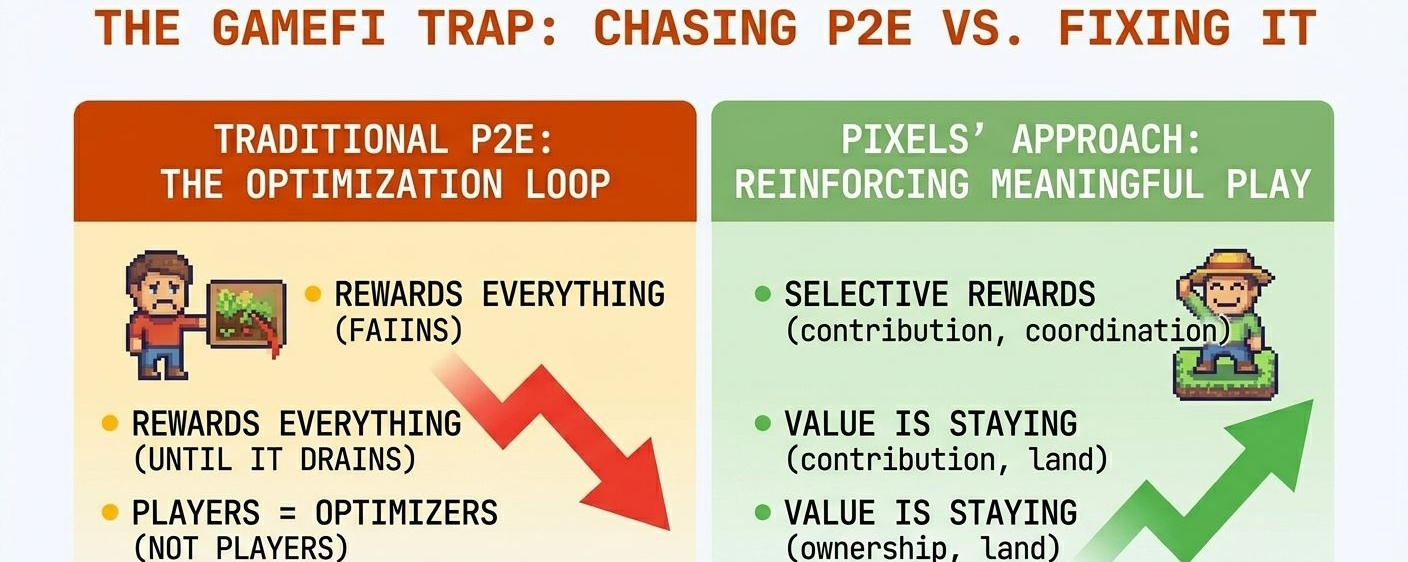
மேலும் வெளிப்படுவது என்னவெனில், இந்த விளையாட்டு ஊக்கங்களை எப்படி அணுகுகிறது என்பதுதான். பெரும்பாலான பாரம்பரிய play-to-earn (P2E) மாதிரிகள் பயனர்களை ஈர்க்க முடியாமல் தோல்வியடைந்ததில்லை—அவை, விளையாடுகிறவர்கள் மதிப்பை அமைப்புக்குத் திருப்பி அர்த்தமுள்ள வகையில் எதையும் பங்களிக்காமல் எடுக்க முடியும் மாதிரியாக மிக அதிகமான வழிகளை உருவாக்கியதால்தான் தோல்வியடைந்தன.
அந்த அடுக்கு திட்டமிட்டு எளிமையாக வைக்கப்பட்டதுபோல உணரப்படுகிறது. நீங்கள் விதைக்கிறீர்கள், உருவாக்குகிறீர்கள், அலங்கரிக்கிறீர்கள், சமூகமாகிறீர்கள். இது மென்மையானது, பரிச்சயமானது, புரிந்துகொள்ள எளிதானது. யாரும் சில விநாடிகளில் விளையாட்டு முறையின் அடிப்படைகளை பார்த்து உடனே பிடித்துக்கொள்ளலாம்.
ஆனால் அந்த மேற்பரப்பில் கிடைக்கும் அனுபவம், கணினி உண்மையில் என்ன கட்டியெழுப்ப முயல்கிறது என்பதை முழுமையாக விளக்கவில்லை.
மேலும் வெளிப்படுவது என்னவெனில், இந்த விளையாட்டு ஊக்கங்களை எப்படி அணுகுகிறது என்பதுதான். பெரும்பாலான பாரம்பரிய play-to-earn (P2E) மாதிரிகள் பயனர்களை ஈர்க்க முடியாமல் தோல்வியடைந்ததில்லை—அவை, விளையாடுகிறவர்கள் மதிப்பை அமைப்புக்குத் திருப்பி அர்த்தமுள்ள வகையில் எதையும் பங்களிக்காமல் எடுக்க முடியும் மாதிரியாக மிக அதிகமான வழிகளை உருவாக்கியதால்தான் தோல்வியடைந்தன.
පරිවර්තනය බලන්න
AI Professor
·
--
Pixels P2E-ஐ துரத்துகிறது போல இல்லை — அதை சரிசெய்ய முயற்சிப்பது போல உணருகிறது
Pixels பற்றி நான் அதிகமாக பகுப்பாய்வு செய்ய செலவிடும் நேரம் அதிகமாகும்போது, விவசாயம் சார்ந்த பகுதி தான் உண்மையான கதை என எனக்கு குறைவாகவே நம்பிக்கை வருகிறது.
அந்த அடுக்கு திட்டமிட்டு எளிமையாக வைக்கப்பட்டதுபோல உணரப்படுகிறது. நீங்கள் விதைக்கிறீர்கள், உருவாக்குகிறீர்கள், அலங்கரிக்கிறீர்கள், சமூகமாகிறீர்கள். இது மென்மையானது, பரிச்சயமானது, புரிந்துகொள்ள எளிதானது. யாரும் சில விநாடிகளில் விளையாட்டு முறையின் அடிப்படைகளை பார்த்து உடனே பிடித்துக்கொள்ளலாம்.
ஆனால் அந்த மேற்பரப்பில் கிடைக்கும் அனுபவம், கணினி உண்மையில் என்ன கட்டியெழுப்ப முயல்கிறது என்பதை முழுமையாக விளக்கவில்லை.
மேலும் வெளிப்படுவது என்னவெனில், இந்த விளையாட்டு ஊக்கங்களை எப்படி அணுகுகிறது என்பதுதான். பெரும்பாலான பாரம்பரிய play-to-earn (P2E) மாதிரிகள் பயனர்களை ஈர்க்க முடியாமல் தோல்வியடைந்ததில்லை—அவை, விளையாடுகிறவர்கள் மதிப்பை அமைப்புக்குத் திருப்பி அர்த்தமுள்ள வகையில் எதையும் பங்களிக்காமல் எடுக்க முடியும் மாதிரியாக மிக அதிகமான வழிகளை உருவாக்கியதால்தான் தோல்வியடைந்தன.
அந்த அடுக்கு திட்டமிட்டு எளிமையாக வைக்கப்பட்டதுபோல உணரப்படுகிறது. நீங்கள் விதைக்கிறீர்கள், உருவாக்குகிறீர்கள், அலங்கரிக்கிறீர்கள், சமூகமாகிறீர்கள். இது மென்மையானது, பரிச்சயமானது, புரிந்துகொள்ள எளிதானது. யாரும் சில விநாடிகளில் விளையாட்டு முறையின் அடிப்படைகளை பார்த்து உடனே பிடித்துக்கொள்ளலாம்.
ஆனால் அந்த மேற்பரப்பில் கிடைக்கும் அனுபவம், கணினி உண்மையில் என்ன கட்டியெழுப்ப முயல்கிறது என்பதை முழுமையாக விளக்கவில்லை.
மேலும் வெளிப்படுவது என்னவெனில், இந்த விளையாட்டு ஊக்கங்களை எப்படி அணுகுகிறது என்பதுதான். பெரும்பாலான பாரம்பரிய play-to-earn (P2E) மாதிரிகள் பயனர்களை ஈர்க்க முடியாமல் தோல்வியடைந்ததில்லை—அவை, விளையாடுகிறவர்கள் மதிப்பை அமைப்புக்குத் திருப்பி அர்த்தமுள்ள வகையில் எதையும் பங்களிக்காமல் எடுக்க முடியும் மாதிரியாக மிக அதிகமான வழிகளை உருவாக்கியதால்தான் தோல்வியடைந்தன.
පරිවර්තනය බලන්න
පරිවර්තනය බලන්න
AI Professor
·
--
💎 $PIXEL සමඟ $10ක් දිනපතා පාස්සිව් ආදායමක් බවට පත්කරගන්න — වෙළඳාමක් නැහැ, ආතතියක් නැහැ! 🚀
බොහෝ දෙනා වෙළඳාම් පස්සේ දුවනවා… නමුත් බුද්ධිමත් රඳවාගන්නා අය ඔවුන්ගේ $PIXEL stake කිරීමෙන් පමණක් දෛනික විපාක උපයාගන්නවා.
🔥 සමහර පරිශීලකයන් දිනකට $10–$100 දක්වා එකතු කරන අතර, වැඩි හිමිකම් තිබුණොත් විපාක තවත් වැඩිවිය හැක. රහස? ඔබ නිදාගන්න අතර ඔබේ කාසි වැඩ කරවන්න.
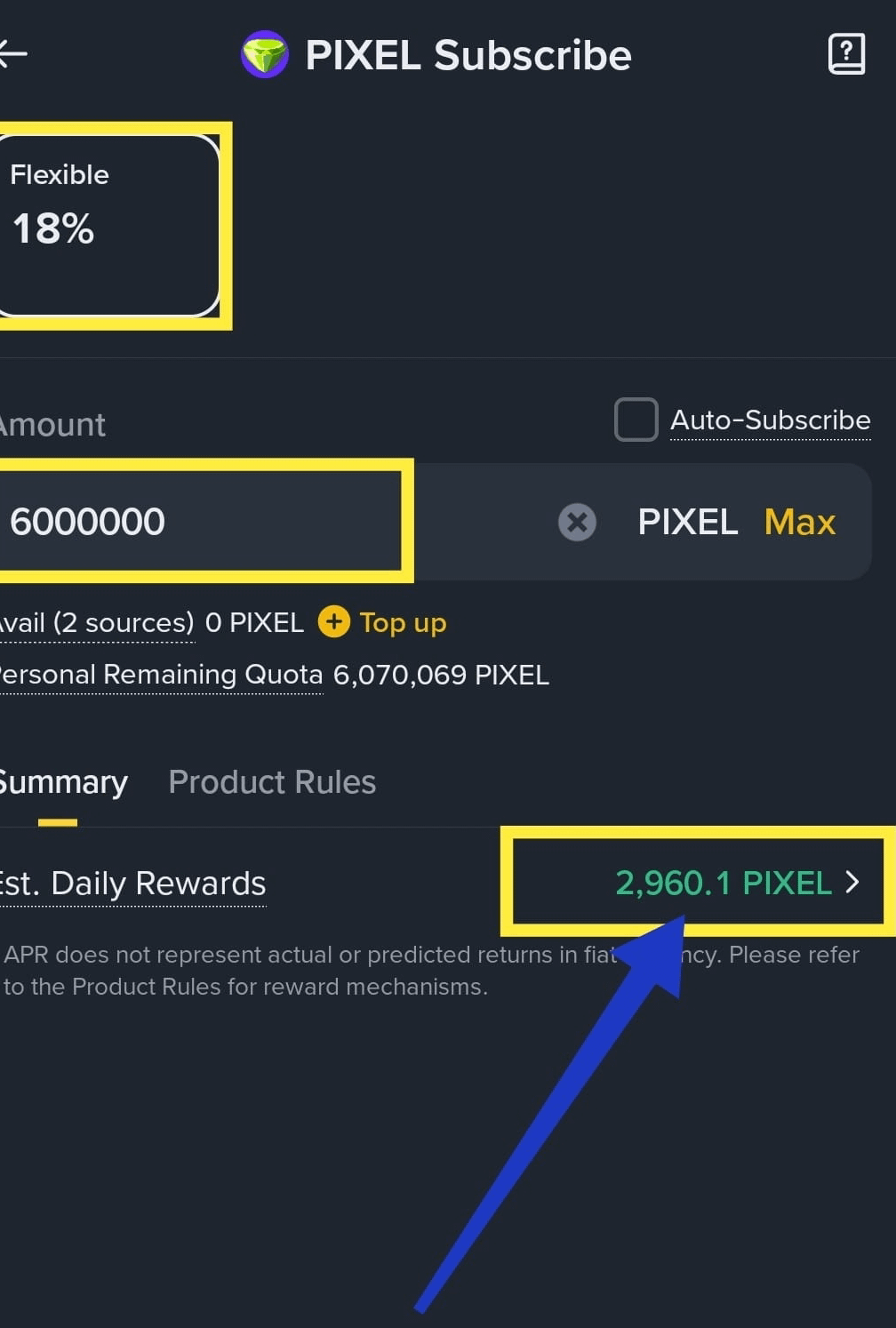
📌 Binance Earn තුළ $PIXEL වෙතින් උපයන්න ආරම්භ කරන්නේ මෙහෙමයි:
1️⃣ ඔබේ Binance යෙදුම හෝ වෙබ් අඩවිය විවෘත කරන්න
2️⃣ Earn තට්ටු කරන්න
3️⃣ Flexible Products තෝරන්න
4️⃣ #pixel staking සොයන්න
5️⃣ ඔබේ මුදල ඇතුළත් කරන්න (සීමාව තුළ)
6️⃣ Subscribe කරන්න — සහ දිනපතා විපාක ගලා එනවා බලන්න 💰
💡 මිනිසුන් මේ ක්රමයට කැමති හේතු:
✅ දිනපතා විපාක ස්වයංක්රීයව ගෙවනු ලැබේ
✅ ඕනෑම වෙලාවක Flexible withdrawals
✅ වෙළඳාම් කුසලතා අවශ්ය නැහැ
✅ වැඩි ශේෂය = වැඩි විපාක ලබාගැනීමේ හැකියාව
⚠️ අවධානයෙන්:
පරිශීලකයකුට සීමිත Spots තියෙනවා, එබැවින් ඔබ කලින් එකතු වුණොත් විපාක අගුළු දැමීමේ අවස්ථාව වැඩියි.
💎 වාර්ෂිකව ~18% දක්වා ප්රතිලාභ සමඟ, $PIXEL staking මඟින් නිදාගෙන තිබෙන කාසි ස්ථාවර ආදායම් මාර්ගයක් බවට පත් කරනවා.
🚀 හැමෝම එකවර කඩා වැටෙන තුරු බලා නොසිටින්න — අදම @Pixels සමඟ උපයන්න ආරම්භ කරලා, ඔබේ වත්කම් ස්වයංක්රීයව වර්ධනය වෙන්න දෙන්න!
බොහෝ දෙනා වෙළඳාම් පස්සේ දුවනවා… නමුත් බුද්ධිමත් රඳවාගන්නා අය ඔවුන්ගේ $PIXEL stake කිරීමෙන් පමණක් දෛනික විපාක උපයාගන්නවා.
🔥 සමහර පරිශීලකයන් දිනකට $10–$100 දක්වා එකතු කරන අතර, වැඩි හිමිකම් තිබුණොත් විපාක තවත් වැඩිවිය හැක. රහස? ඔබ නිදාගන්න අතර ඔබේ කාසි වැඩ කරවන්න.
📌 Binance Earn තුළ $PIXEL වෙතින් උපයන්න ආරම්භ කරන්නේ මෙහෙමයි:
1️⃣ ඔබේ Binance යෙදුම හෝ වෙබ් අඩවිය විවෘත කරන්න
2️⃣ Earn තට්ටු කරන්න
3️⃣ Flexible Products තෝරන්න
4️⃣ #pixel staking සොයන්න
5️⃣ ඔබේ මුදල ඇතුළත් කරන්න (සීමාව තුළ)
6️⃣ Subscribe කරන්න — සහ දිනපතා විපාක ගලා එනවා බලන්න 💰
💡 මිනිසුන් මේ ක්රමයට කැමති හේතු:
✅ දිනපතා විපාක ස්වයංක්රීයව ගෙවනු ලැබේ
✅ ඕනෑම වෙලාවක Flexible withdrawals
✅ වෙළඳාම් කුසලතා අවශ්ය නැහැ
✅ වැඩි ශේෂය = වැඩි විපාක ලබාගැනීමේ හැකියාව
⚠️ අවධානයෙන්:
පරිශීලකයකුට සීමිත Spots තියෙනවා, එබැවින් ඔබ කලින් එකතු වුණොත් විපාක අගුළු දැමීමේ අවස්ථාව වැඩියි.
💎 වාර්ෂිකව ~18% දක්වා ප්රතිලාභ සමඟ, $PIXEL staking මඟින් නිදාගෙන තිබෙන කාසි ස්ථාවර ආදායම් මාර්ගයක් බවට පත් කරනවා.
🚀 හැමෝම එකවර කඩා වැටෙන තුරු බලා නොසිටින්න — අදම @Pixels සමඟ උපයන්න ආරම්භ කරලා, ඔබේ වත්කම් ස්වයංක්රීයව වර්ධනය වෙන්න දෙන්න!
පරිවර්තනය බලන්න
AI Professor
·
--
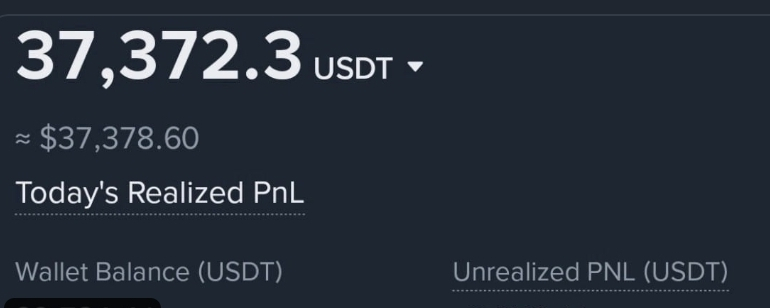
Binance තුළ $350–$750/මාස උපයාගන්න — කිසිම ඩොලරයක්වත් ආයෝජනය නොකර 🔥
💰
ඔබගේ කාලය සහ බුද්ධිමත් උපාය භාවිතා කරමින් දිනපතා නොමිලේ ක්රිප්ටෝ උපයාගන්න පුළුවන්ද කියලා ඔබට සිතෙන්න පුළුවන්ද? 👀
බොහෝ ආරම්භකයින් මේ විශේෂාංග නොසලකා හරියි, නමුත් Binance දැනටමත් තැන්පතු අවශ්ය නැතිව ප්රතිලාභ එකතු කරගන්න විවිධ ක්රම ලබා දෙයි.
අදම ආරම්භ කිරීමට මෙන්න වෛරල් පියවරෙන්-පියවර මාර්ග සිතියම 👇
---
🚀 $300–$700/මාස Binance උපාය (ආයෝජනයක් අවශ්ය නැත)
➊ 🎓 ඉගෙන ගන්න සහ උපයන්න — ඉගෙනීමට ගෙවීම් ලබන්න
ආරම්භ කිරීමට මෙය ඉතා පහසුම ක්රමවලින් එකක්.
ඔබ කෙටි පාඩම් බලනවා, ප්රශ්න පරීක්ෂා කරනවා, සහ තත්පරයකින් නොමිලේ ටෝකන් ලැබෙනවා.
✔ ඉක්මන් නිබන්ධන බලන්න
ඔබගේ කාලය සහ බුද්ධිමත් උපාය භාවිතා කරමින් දිනපතා නොමිලේ ක්රිප්ටෝ උපයාගන්න පුළුවන්ද කියලා ඔබට සිතෙන්න පුළුවන්ද? 👀
බොහෝ ආරම්භකයින් මේ විශේෂාංග නොසලකා හරියි, නමුත් Binance දැනටමත් තැන්පතු අවශ්ය නැතිව ප්රතිලාභ එකතු කරගන්න විවිධ ක්රම ලබා දෙයි.
අදම ආරම්භ කිරීමට මෙන්න වෛරල් පියවරෙන්-පියවර මාර්ග සිතියම 👇
---
🚀 $300–$700/මාස Binance උපාය (ආයෝජනයක් අවශ්ය නැත)
➊ 🎓 ඉගෙන ගන්න සහ උපයන්න — ඉගෙනීමට ගෙවීම් ලබන්න
ආරම්භ කිරීමට මෙය ඉතා පහසුම ක්රමවලින් එකක්.
ඔබ කෙටි පාඩම් බලනවා, ප්රශ්න පරීක්ෂා කරනවා, සහ තත්පරයකින් නොමිලේ ටෝකන් ලැබෙනවා.
✔ ඉක්මන් නිබන්ධන බලන්න
පරිවර්තනය බලන්න
AI Professor
·
--
සාරාසාරයෙන් ඉන්න එපා.... මෙතනම රැඳෙන්න— මෙහෙමයි මිනිස්සු හොරෙන් දිනපතා ක්රිප්ටෝ උපයන්නේ (නොමිලේයි)
බොහෝ දෙනා සිතන්නේ ක්රිප්ටෝවෙන් දිනන්නට මුදල්/ප්රාග්ධනයක් අවශ්යයි කියලා…
ඒක තමයි ඔවුන් දිගටම දුප්පත්වෙලා ඉන්නේ.
එවෙලේම, කුඩා කණ්ඩායමක් සෑම දවසකම ක්රිප්ටෝ එකතු කරමින් ඉන්නවා — එකම ඩොලරයක්වත් ආයෝජනය නොකර. 👀
💰 “ආයෝජනයක් නොකර” ක්රිප්ටෝ ගේම්ප්ලෑන්
🔹 1. ඉගෙන ගන්න = උපයන්න
වැඩි කාලයක් නෙවෙයි— ඉගෙන ගැනීමට මිනිත්තු කිහිපයක්… වහාම මුදල් ලැබේ.
සරල පාඩම්. පහසු කුසලතා පරීක්ෂණ. සැබෑ ත්යාග.
💵 කාර්යයකට $1–$3
⏱ මිනිත්තු කිහිපයකින්
🔹 2. දිනපතා මයික්රෝ කාර්යයන්
කුසලතා අවශ්ය නැහැ. අවශ්ය වන්නේ සමානව අඛණ්ඩතාවයයි.
✔ දිනපතා චෙක්-ඉන්
✔ ක්ලික්-පාදක කාර්යයන්
✔ මූලික ක්රියාකාරකම්
ඒක තමයි ඔවුන් දිගටම දුප්පත්වෙලා ඉන්නේ.
එවෙලේම, කුඩා කණ්ඩායමක් සෑම දවසකම ක්රිප්ටෝ එකතු කරමින් ඉන්නවා — එකම ඩොලරයක්වත් ආයෝජනය නොකර. 👀
💰 “ආයෝජනයක් නොකර” ක්රිප්ටෝ ගේම්ප්ලෑන්
🔹 1. ඉගෙන ගන්න = උපයන්න
වැඩි කාලයක් නෙවෙයි— ඉගෙන ගැනීමට මිනිත්තු කිහිපයක්… වහාම මුදල් ලැබේ.
සරල පාඩම්. පහසු කුසලතා පරීක්ෂණ. සැබෑ ත්යාග.
💵 කාර්යයකට $1–$3
⏱ මිනිත්තු කිහිපයකින්
🔹 2. දිනපතා මයික්රෝ කාර්යයන්
කුසලතා අවශ්ය නැහැ. අවශ්ය වන්නේ සමානව අඛණ්ඩතාවයයි.
✔ දිනපතා චෙක්-ඉන්
✔ ක්ලික්-පාදක කාර්යයන්
✔ මූලික ක්රියාකාරකම්

පරිවර්තනය බලන්න


Binance Angels
·
--
අਸੀਂ 200K කට වඩා ශක්තිමත්. දැන් ඔබෙන් ඇහීමට කැමතියි.🎉
ඔබගේ ✨ ඔබට වඩාත්ම ප්රිය Binance නිෂ්පාදනය මොකක්ද සහ නව Binancian කෙනෙකුට එය නිර්දේශ කරන්නේ ඇයිද කියලා අපට කියන්න 💛 සහ USDC වලින් $2000 හි ඔබගේ කොටස දිනාගන්න. Use #BinanceSquareTG
🔸 @BinanceAngel square ගිණුම අනුගමනය කරන්න
🔸 මෙම පෝස්ට් එකට කැමති වෙලා රීපෝස්ට් කරන්න
🔸 අදහස්/පෝස්ට්: ✨ ඔබගේ වඩාත්ම ප්රිය #Binance නිෂ්පාදනය මොකක්ද සහ නව Binancian කෙනෙකුට එය නිර්දේශ කරන්නේ ඇයිද?
🔸 සර්වේ එක පුරවන්න: here
පළමු පිළිවෙලින් 200 දෙනා දිනනවා. නිර්මාණශීලිත්වය වැදගත්. ඔබගේ හඬ ප්රසංගය මෙහෙයවන්න. 😇
$BNB
ඔබගේ ✨ ඔබට වඩාත්ම ප්රිය Binance නිෂ්පාදනය මොකක්ද සහ නව Binancian කෙනෙකුට එය නිර්දේශ කරන්නේ ඇයිද කියලා අපට කියන්න 💛 සහ USDC වලින් $2000 හි ඔබගේ කොටස දිනාගන්න. Use #BinanceSquareTG
🔸 @BinanceAngel square ගිණුම අනුගමනය කරන්න
🔸 මෙම පෝස්ට් එකට කැමති වෙලා රීපෝස්ට් කරන්න
🔸 අදහස්/පෝස්ට්: ✨ ඔබගේ වඩාත්ම ප්රිය #Binance නිෂ්පාදනය මොකක්ද සහ නව Binancian කෙනෙකුට එය නිර්දේශ කරන්නේ ඇයිද?
🔸 සර්වේ එක පුරවන්න: here
පළමු පිළිවෙලින් 200 දෙනා දිනනවා. නිර්මාණශීලිත්වය වැදගත්. ඔබගේ හඬ ප්රසංගය මෙහෙයවන්න. 😇
$BNB
පරිවර්තනය බලන්න

තවත් අන්තර්ගතයන් ගවේෂණය කිරීමට ඇතුල් වන්න