

浩宇BNB
3.2k පෝස්ටු

浩宇BNB
වාර්තා කරන්න
පරිශීලක අවහිර කරන්න
Be Polite 🙏
2.2K+ හඹා යමින්
10.5K+ හඹා යන්නන්
5.7K+ කැමති විය
පෝස්ටු
සියල්ල
උපුටා දැක්වීම්
සජීවි
·
--
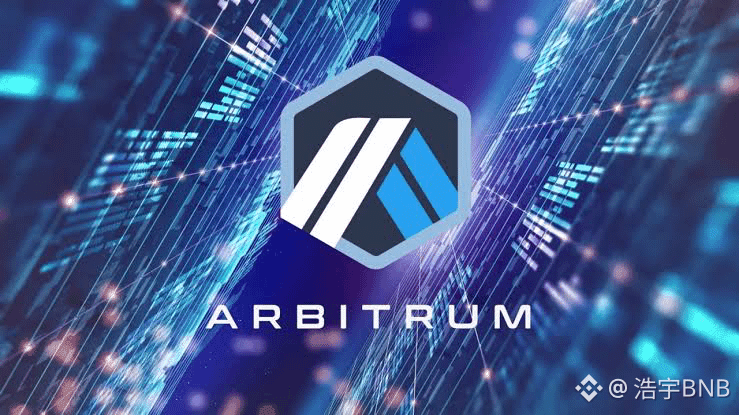
🚨 Arbitrum is making a serious move in the stablecoin war.
By joining Paxos-led Global Dollar Network and bringing USDG onto Arbitrum, the Ethereum L2 is positioning itself to capture more of the rapidly expanding digital-dollar economy.
The bigger story isn’t just another stablecoin. It’s liquidity, incentives and network economics.
With billions already sitting in stablecoins on Arbitrum, USDG has a ready-made DeFi environment to scale.
If adoption accelerates, Arbitrum could turn stablecoin activity into a major growth engine for its ecosystem. 👀
$ARB
{spot}(ARBUSDT)
🚨 Arbitrum is making a serious move in the stablecoin war.
By joining Paxos-led Global Dollar Network and bringing USDG onto Arbitrum, the Ethereum L2 is positioning itself to capture more of the rapidly expanding digital-dollar economy.
The bigger story isn’t just another stablecoin. It’s liquidity, incentives and network economics.
With billions already sitting in stablecoins on Arbitrum, USDG has a ready-made DeFi environment to scale.
If adoption accelerates, Arbitrum could turn stablecoin activity into a major growth engine for its ecosystem. 👀
$ARB
By joining Paxos-led Global Dollar Network and bringing USDG onto Arbitrum, the Ethereum L2 is positioning itself to capture more of the rapidly expanding digital-dollar economy.
The bigger story isn’t just another stablecoin. It’s liquidity, incentives and network economics.
With billions already sitting in stablecoins on Arbitrum, USDG has a ready-made DeFi environment to scale.
If adoption accelerates, Arbitrum could turn stablecoin activity into a major growth engine for its ecosystem. 👀
$ARB
265
8
265
·
--
🚨 CRYPTO JUST GOT A BIG REGULATORY SIGNAL 🇺🇸
The CFTC is moving toward tougher rules designed to protect crypto investors from fraud, manipulation and market abuse.
But here’s the bigger picture 👇
This isn’t simply “more regulation.” It could be a step toward making crypto markets institutional-grade.
Clearer rules → stronger investor confidence → greater institutional participation → deeper liquidity.
The short-term reaction may create fear, but the long-term impact could be massive for legitimate crypto businesses.
🔥 Regulation may not kill crypto.
It could be what unlocks the next wave of adoption.
$BTC
{spot}(BTCUSDT)
$LINK
{spot}(LINKUSDT)
$QNT
{spot}(QNTUSDT)
🚨 CRYPTO JUST GOT A BIG REGULATORY SIGNAL 🇺🇸
The CFTC is moving toward tougher rules designed to protect crypto investors from fraud, manipulation and market abuse.
But here’s the bigger picture 👇
This isn’t simply “more regulation.” It could be a step toward making crypto markets institutional-grade.
Clearer rules → stronger investor confidence → greater institutional participation → deeper liquidity.
The short-term reaction may create fear, but the long-term impact could be massive for legitimate crypto businesses.
🔥 Regulation may not kill crypto.
It could be what unlocks the next wave of adoption.
$BTC
$LINK
$QNT
The CFTC is moving toward tougher rules designed to protect crypto investors from fraud, manipulation and market abuse.
But here’s the bigger picture 👇
This isn’t simply “more regulation.” It could be a step toward making crypto markets institutional-grade.
Clearer rules → stronger investor confidence → greater institutional participation → deeper liquidity.
The short-term reaction may create fear, but the long-term impact could be massive for legitimate crypto businesses.
🔥 Regulation may not kill crypto.
It could be what unlocks the next wave of adoption.
$BTC
$LINK
$QNT
527
·
--
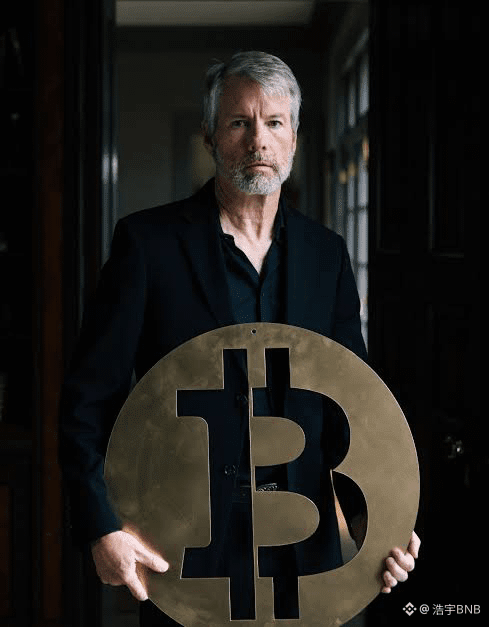
🚨 Michael Saylor’s Strategy just bought another 334.3 BTC for roughly $29 million.
The bigger story isn’t the purchase size—it’s the strategy behind it.
At an average price near $85.8K per BTC, Strategy is continuing to accumulate even after Bitcoin’s major recovery. Its total treasury has now climbed to roughly 848,000 BTC, reinforcing its position as the largest corporate Bitcoin holder.
This is effectively a leveraged long-term bet on Bitcoin’s monetary premium: Strategy raises capital, converts it into scarce digital assets, and aims to increase BTC exposure per share.
Saylor isn’t trading Bitcoin.
He’s building a Bitcoin balance sheet.😎
$BTC
{spot}(BTCUSDT)
🚨 Michael Saylor’s Strategy just bought another 334.3 BTC for roughly $29 million.
The bigger story isn’t the purchase size—it’s the strategy behind it.
At an average price near $85.8K per BTC, Strategy is continuing to accumulate even after Bitcoin’s major recovery. Its total treasury has now climbed to roughly 848,000 BTC, reinforcing its position as the largest corporate Bitcoin holder.
This is effectively a leveraged long-term bet on Bitcoin’s monetary premium: Strategy raises capital, converts it into scarce digital assets, and aims to increase BTC exposure per share.
Saylor isn’t trading Bitcoin.
He’s building a Bitcoin balance sheet.😎
$BTC
The bigger story isn’t the purchase size—it’s the strategy behind it.
At an average price near $85.8K per BTC, Strategy is continuing to accumulate even after Bitcoin’s major recovery. Its total treasury has now climbed to roughly 848,000 BTC, reinforcing its position as the largest corporate Bitcoin holder.
This is effectively a leveraged long-term bet on Bitcoin’s monetary premium: Strategy raises capital, converts it into scarce digital assets, and aims to increase BTC exposure per share.
Saylor isn’t trading Bitcoin.
He’s building a Bitcoin balance sheet.😎
$BTC
637
2
25
637
·
--
Chainlink is no longer just a crypto infrastructure story—it is becoming part of the institutional financial stack.
At Sibos 2026, Sergey Nazarov highlighted growing engagement with top financial market infrastructures, leading banks, asset managers, global system integrators, and capital-markets technology providers.
The launch of CCIP 2.0 makes this more significant. Institutions can move tokenized assets across public and private blockchains while adding custom verification, compliance controls, and flexible settlement speeds.
The deeper story is not simply cross-chain transfers. It is interoperability becoming financial infrastructure.
If banks tokenize deposits, funds, securities, and collateral, they need secure rails connecting fragmented networks.
Chainlink is positioning CCIP as that neutral connectivity layer—and institutional demand suggests the market is paying attention.😎
$LINK
{spot}(LINKUSDT)
Chainlink is no longer just a crypto infrastructure story—it is becoming part of the institutional financial stack.
At Sibos 2026, Sergey Nazarov highlighted growing engagement with top financial market infrastructures, leading banks, asset managers, global system integrators, and capital-markets technology providers.
The launch of CCIP 2.0 makes this more significant. Institutions can move tokenized assets across public and private blockchains while adding custom verification, compliance controls, and flexible settlement speeds.
The deeper story is not simply cross-chain transfers. It is interoperability becoming financial infrastructure.
If banks tokenize deposits, funds, securities, and collateral, they need secure rails connecting fragmented networks.
Chainlink is positioning CCIP as that neutral connectivity layer—and institutional demand suggests the market is paying attention.😎
$LINK
At Sibos 2026, Sergey Nazarov highlighted growing engagement with top financial market infrastructures, leading banks, asset managers, global system integrators, and capital-markets technology providers.
The launch of CCIP 2.0 makes this more significant. Institutions can move tokenized assets across public and private blockchains while adding custom verification, compliance controls, and flexible settlement speeds.
The deeper story is not simply cross-chain transfers. It is interoperability becoming financial infrastructure.
If banks tokenize deposits, funds, securities, and collateral, they need secure rails connecting fragmented networks.
Chainlink is positioning CCIP as that neutral connectivity layer—and institutional demand suggests the market is paying attention.😎
$LINK
1
112
·
--
සත්යායනය කළ
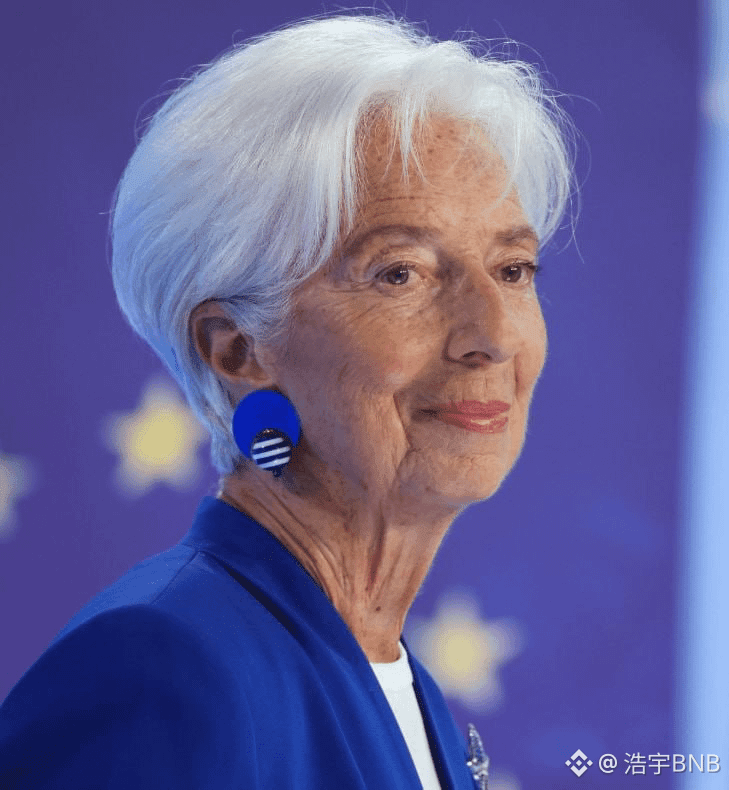
Europe’s digital-money strategy is moving from theory to infrastructure.
The ECB has selected 36 payment providers for a 12-month digital-euro pilot beginning in the second half of 2027, while now inviting e-commerce and mobile merchants to participate.
The important development for $QNT is Quant’s confirmed role as an ECB digital-euro pioneer. Quant is specifically testing conditional payments—locking funds until predefined conditions, such as delivery, are satisfied.
That distinction matters: the ECB is not making programmable money; it is exploring programmable payment conditions.
The bigger signal is institutional: Europe is testing money, payments and settlement infrastructure that can interact with digital systems at scale.
This is less about hype—and more about rebuilding financial rails.😎
$XRP
{spot}(XRPUSDT)
$QNT
{spot}(QNTUSDT)
Europe’s digital-money strategy is moving from theory to infrastructure.
The ECB has selected 36 payment providers for a 12-month digital-euro pilot beginning in the second half of 2027, while now inviting e-commerce and mobile merchants to participate.
The important development for $QNT is Quant’s confirmed role as an ECB digital-euro pioneer. Quant is specifically testing conditional payments—locking funds until predefined conditions, such as delivery, are satisfied.
That distinction matters: the ECB is not making programmable money; it is exploring programmable payment conditions.
The bigger signal is institutional: Europe is testing money, payments and settlement infrastructure that can interact with digital systems at scale.
This is less about hype—and more about rebuilding financial rails.😎
$XRP
$QNT
The ECB has selected 36 payment providers for a 12-month digital-euro pilot beginning in the second half of 2027, while now inviting e-commerce and mobile merchants to participate.
The important development for $QNT is Quant’s confirmed role as an ECB digital-euro pioneer. Quant is specifically testing conditional payments—locking funds until predefined conditions, such as delivery, are satisfied.
That distinction matters: the ECB is not making programmable money; it is exploring programmable payment conditions.
The bigger signal is institutional: Europe is testing money, payments and settlement infrastructure that can interact with digital systems at scale.
This is less about hype—and more about rebuilding financial rails.😎
$XRP
$QNT

1
887
·
--
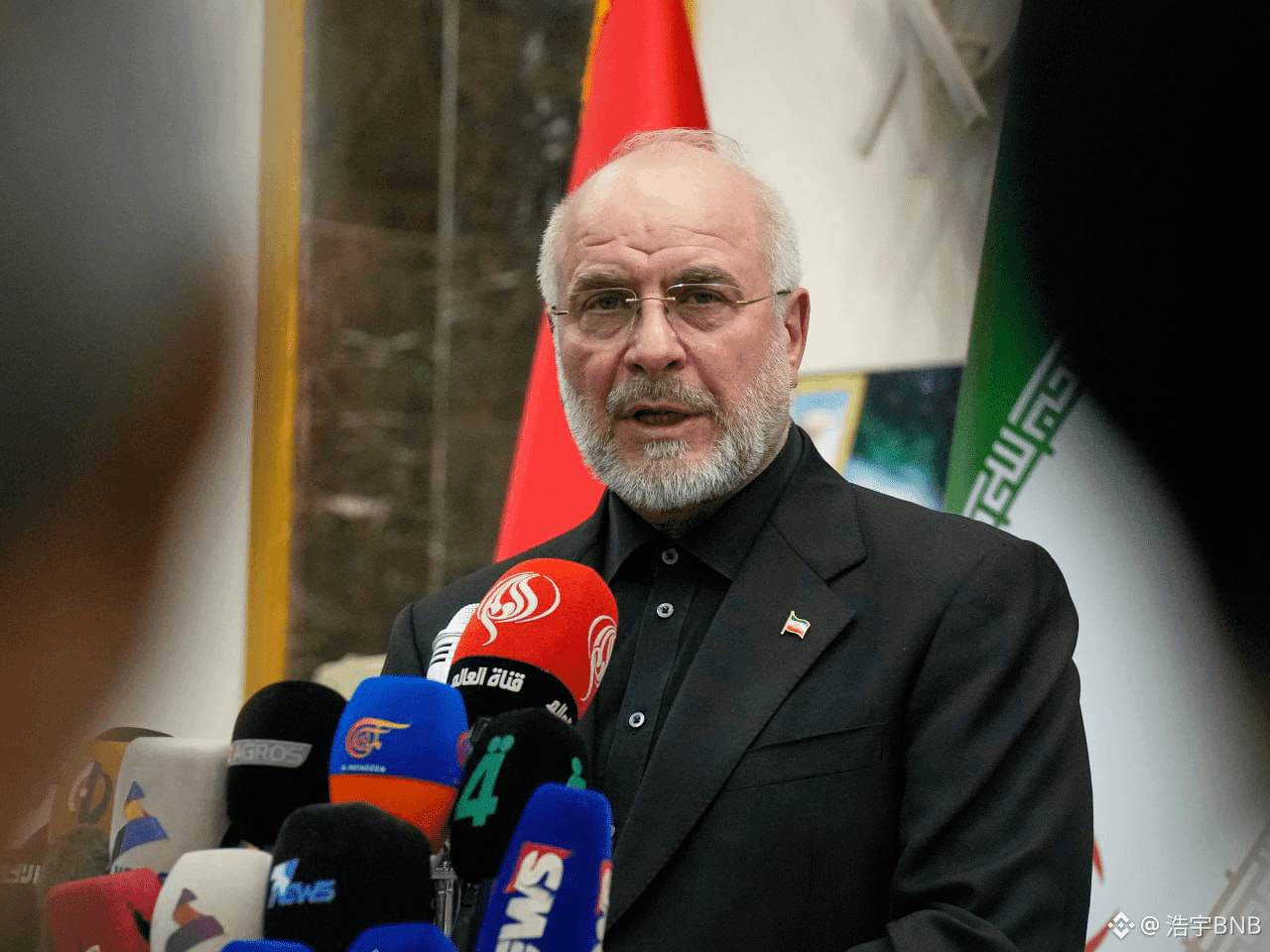
Iran just raised the stakes in the Middle East.
Tehran says the Strait of Hormuz will remain closed until the U.S. accepts seven conditions linked to the June Islamabad agreement. Iran also says its priority is restoring security in the waterway—not reopening nuclear talks.
This matters far beyond oil.
Hormuz is a critical route for global energy shipments. Keeping it restricted can pressure oil prices, increase inflation risks and hit economies that depend on Gulf energy.
The bigger issue is sequencing: Washington and Tehran reportedly disagree on who must make concessions first.
If diplomacy breaks down, markets could face another major energy shock.
Something much bigger may be developing.😎
$BTC
{spot}(BTCUSDT)
$BNB
{spot}(BNBUSDT)
$TROLL
{alpha}(CT_5015UUH9RTDiSpq6HKS6bp4NdU9PNJpXRXuiw6ShBTBhgH2)
Iran just raised the stakes in the Middle East.
Tehran says the Strait of Hormuz will remain closed until the U.S. accepts seven conditions linked to the June Islamabad agreement. Iran also says its priority is restoring security in the waterway—not reopening nuclear talks.
This matters far beyond oil.
Hormuz is a critical route for global energy shipments. Keeping it restricted can pressure oil prices, increase inflation risks and hit economies that depend on Gulf energy.
The bigger issue is sequencing: Washington and Tehran reportedly disagree on who must make concessions first.
If diplomacy breaks down, markets could face another major energy shock.
Something much bigger may be developing.😎
$BTC
$BNB
$TROLL
Tehran says the Strait of Hormuz will remain closed until the U.S. accepts seven conditions linked to the June Islamabad agreement. Iran also says its priority is restoring security in the waterway—not reopening nuclear talks.
This matters far beyond oil.
Hormuz is a critical route for global energy shipments. Keeping it restricted can pressure oil prices, increase inflation risks and hit economies that depend on Gulf energy.
The bigger issue is sequencing: Washington and Tehran reportedly disagree on who must make concessions first.
If diplomacy breaks down, markets could face another major energy shock.
Something much bigger may be developing.😎
$BTC
$BNB
$TROLL
2
230
·
--
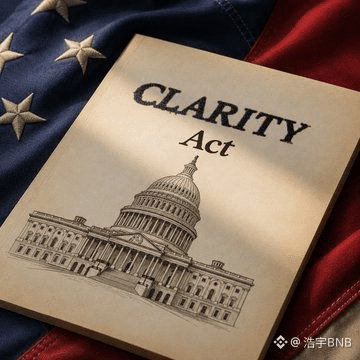
The CLARITY Act failed. Crypto didn’t.
The Senate vote was 49–50, but the market’s reaction tells a bigger story: Washington may be debating the rules while Wall Street is already building the rails.
The SEC is moving toward tokenized securities and leveraged crypto products. The CFTC is preparing broader crypto-market rules. NYSE is exploring tokenized stocks. And DTCC—sitting at the heart of U.S. market infrastructure—is preparing its own tokenization service.
That is the real inflection point.
This isn’t simply about Bitcoin anymore. It’s about putting stocks, funds, dollars and other financial assets on programmable infrastructure.
If DTCC, exchanges, banks and payment giants execute, tokenization could turn blockchain from a speculative asset class into core financial infrastructure.
CLARITY may be delayed. Wall Street’s blockchain strategy isn’t.😎
$BTC
{spot}(BTCUSDT)
$QNT
{spot}(QNTUSDT)
$NVDAB
{spot}(NVDABUSDT)
The CLARITY Act failed. Crypto didn’t.
The Senate vote was 49–50, but the market’s reaction tells a bigger story: Washington may be debating the rules while Wall Street is already building the rails.
The SEC is moving toward tokenized securities and leveraged crypto products. The CFTC is preparing broader crypto-market rules. NYSE is exploring tokenized stocks. And DTCC—sitting at the heart of U.S. market infrastructure—is preparing its own tokenization service.
That is the real inflection point.
This isn’t simply about Bitcoin anymore. It’s about putting stocks, funds, dollars and other financial assets on programmable infrastructure.
If DTCC, exchanges, banks and payment giants execute, tokenization could turn blockchain from a speculative asset class into core financial infrastructure.
CLARITY may be delayed. Wall Street’s blockchain strategy isn’t.😎
$BTC
$QNT
$NVDAB
The Senate vote was 49–50, but the market’s reaction tells a bigger story: Washington may be debating the rules while Wall Street is already building the rails.
The SEC is moving toward tokenized securities and leveraged crypto products. The CFTC is preparing broader crypto-market rules. NYSE is exploring tokenized stocks. And DTCC—sitting at the heart of U.S. market infrastructure—is preparing its own tokenization service.
That is the real inflection point.
This isn’t simply about Bitcoin anymore. It’s about putting stocks, funds, dollars and other financial assets on programmable infrastructure.
If DTCC, exchanges, banks and payment giants execute, tokenization could turn blockchain from a speculative asset class into core financial infrastructure.
CLARITY may be delayed. Wall Street’s blockchain strategy isn’t.😎
$BTC
$QNT
$NVDAB
1
616
·
--
🚨 BITDEER JUST SOLD EVERYTHING IT MINED.
Nasdaq-listed Bitdeer mined 292.3 BTC and sold the full 292.3 BTC in the week ending October 2.
That leaves its reported pure Bitcoin holdings at ZERO.
This is the part the market should watch 👀
Bitcoin miners are effectively BTC-producing businesses. When a miner sells 100% of weekly production, there is no treasury accumulation from that output.
It doesn’t automatically mean a bearish Bitcoin signal—but it shows how miners are managing BTC exposure amid changing mining economics.
292.3 BTC mined.
292.3 BTC sold.
0 BTC retained.
Miner selling pressure remains a metric worth tracking. 📊
$BTC
{spot}(BTCUSDT)
🚨 BITDEER JUST SOLD EVERYTHING IT MINED.
Nasdaq-listed Bitdeer mined 292.3 BTC and sold the full 292.3 BTC in the week ending October 2.
That leaves its reported pure Bitcoin holdings at ZERO.
This is the part the market should watch 👀
Bitcoin miners are effectively BTC-producing businesses. When a miner sells 100% of weekly production, there is no treasury accumulation from that output.
It doesn’t automatically mean a bearish Bitcoin signal—but it shows how miners are managing BTC exposure amid changing mining economics.
292.3 BTC mined.
292.3 BTC sold.
0 BTC retained.
Miner selling pressure remains a metric worth tracking. 📊
$BTC
Nasdaq-listed Bitdeer mined 292.3 BTC and sold the full 292.3 BTC in the week ending October 2.
That leaves its reported pure Bitcoin holdings at ZERO.
This is the part the market should watch 👀
Bitcoin miners are effectively BTC-producing businesses. When a miner sells 100% of weekly production, there is no treasury accumulation from that output.
It doesn’t automatically mean a bearish Bitcoin signal—but it shows how miners are managing BTC exposure amid changing mining economics.
292.3 BTC mined.
292.3 BTC sold.
0 BTC retained.
Miner selling pressure remains a metric worth tracking. 📊
$BTC
1
119
·
--
🚨 Bitcoin-এর next chapter হয়তো ইতিমধ্যেই শুরু!
CryptoQuant CEO Ki Young Ju-এর মতে, BTC নতুন cycle-এ প্রবেশ করেছে—এবং cycle low থেকে 3–5x upside সম্ভব।
কিন্তু আসল গল্প শুধু price নয়। 👇
Bitcoin-এর market structure বদলেছে। Institutional capital, ETF-driven demand এবং দীর্ঘমেয়াদি holders-এর আচরণ এখন আগের cycle-এর তুলনায় সম্পূর্ণ ভিন্ন।
Ju-এর thesis অনুযায়ী, নতুন cycle-এ explosive upside থাকলেও আগের মতো extreme volatility নাও দেখা যেতে পারে। অর্থাৎ, diminishing returns Bitcoin-এর পরবর্তী phase-এর সবচেয়ে গুরুত্বপূর্ণ theme হতে পারে।
তবে 3–5x কোনো guaranteed target নয়—এটি একটি সম্ভাব্য cycle framework।
🔥 প্রশ্ন একটাই: BTC কি এবার ইতিহাসের পুনরাবৃত্তি করবে, নাকি নতুন market structure তৈরি করবে?😎
$BTC
{spot}(BTCUSDT)
$HYPE
{spot}(HYPEUSDT)
🚨 Bitcoin-এর next chapter হয়তো ইতিমধ্যেই শুরু!
CryptoQuant CEO Ki Young Ju-এর মতে, BTC নতুন cycle-এ প্রবেশ করেছে—এবং cycle low থেকে 3–5x upside সম্ভব।
কিন্তু আসল গল্প শুধু price নয়। 👇
Bitcoin-এর market structure বদলেছে। Institutional capital, ETF-driven demand এবং দীর্ঘমেয়াদি holders-এর আচরণ এখন আগের cycle-এর তুলনায় সম্পূর্ণ ভিন্ন।
Ju-এর thesis অনুযায়ী, নতুন cycle-এ explosive upside থাকলেও আগের মতো extreme volatility নাও দেখা যেতে পারে। অর্থাৎ, diminishing returns Bitcoin-এর পরবর্তী phase-এর সবচেয়ে গুরুত্বপূর্ণ theme হতে পারে।
তবে 3–5x কোনো guaranteed target নয়—এটি একটি সম্ভাব্য cycle framework।
🔥 প্রশ্ন একটাই: BTC কি এবার ইতিহাসের পুনরাবৃত্তি করবে, নাকি নতুন market structure তৈরি করবে?😎
$BTC
$HYPE
CryptoQuant CEO Ki Young Ju-এর মতে, BTC নতুন cycle-এ প্রবেশ করেছে—এবং cycle low থেকে 3–5x upside সম্ভব।
কিন্তু আসল গল্প শুধু price নয়। 👇
Bitcoin-এর market structure বদলেছে। Institutional capital, ETF-driven demand এবং দীর্ঘমেয়াদি holders-এর আচরণ এখন আগের cycle-এর তুলনায় সম্পূর্ণ ভিন্ন।
Ju-এর thesis অনুযায়ী, নতুন cycle-এ explosive upside থাকলেও আগের মতো extreme volatility নাও দেখা যেতে পারে। অর্থাৎ, diminishing returns Bitcoin-এর পরবর্তী phase-এর সবচেয়ে গুরুত্বপূর্ণ theme হতে পারে।
তবে 3–5x কোনো guaranteed target নয়—এটি একটি সম্ভাব্য cycle framework।
🔥 প্রশ্ন একটাই: BTC কি এবার ইতিহাসের পুনরাবৃত্তি করবে, নাকি নতুন market structure তৈরি করবে?😎
$BTC
$HYPE
1
157
·
--
🚨 BREAKING: Institutional Bitcoin Demand Returns
U.S. spot Bitcoin ETFs recorded $102.67M in net inflows, with BlackRock’s IBIT leading at $195.57M.
The headline matters, but the flow composition matters more: Fidelity saw $60.73M of outflows and Grayscale’s GBTC lost $31.39M. So this isn’t simply “everyone is buying”—capital is rotating toward specific vehicles.
Still, the broader signal remains notable: September brought $2.65B of net Bitcoin ETF inflows, showing institutional demand remains active.
Watch ETF flows closely—persistent inflows can become an important liquidity driver for BTC.😎
$BTC
{spot}(BTCUSDT)
$XMR
{future}(XMRUSDT)
$XRP
{spot}(XRPUSDT)
🚨 BREAKING: Institutional Bitcoin Demand Returns
U.S. spot Bitcoin ETFs recorded $102.67M in net inflows, with BlackRock’s IBIT leading at $195.57M.
The headline matters, but the flow composition matters more: Fidelity saw $60.73M of outflows and Grayscale’s GBTC lost $31.39M. So this isn’t simply “everyone is buying”—capital is rotating toward specific vehicles.
Still, the broader signal remains notable: September brought $2.65B of net Bitcoin ETF inflows, showing institutional demand remains active.
Watch ETF flows closely—persistent inflows can become an important liquidity driver for BTC.😎
$BTC
$XMR
$XRP
U.S. spot Bitcoin ETFs recorded $102.67M in net inflows, with BlackRock’s IBIT leading at $195.57M.
The headline matters, but the flow composition matters more: Fidelity saw $60.73M of outflows and Grayscale’s GBTC lost $31.39M. So this isn’t simply “everyone is buying”—capital is rotating toward specific vehicles.
Still, the broader signal remains notable: September brought $2.65B of net Bitcoin ETF inflows, showing institutional demand remains active.
Watch ETF flows closely—persistent inflows can become an important liquidity driver for BTC.😎
$BTC
$XMR
$XRP

2
137
·
--
1
515
·
--
🚨 Bitcoin’s $100M Liquidation Shock
Crypto just experienced a sharp leverage reset, with roughly $100M liquidated—$60M from longs and $40M from shorts. BTC initially surged above $87K after September U.S. payrolls came in at just 29K vs. 90K expected, strengthening expectations for a Fed pause.
But the reversal toward $85K highlights a critical market dynamic: macro optimism alone cannot sustain price when leveraged positioning becomes crowded. BTC now faces a key battle around $85K–$87.5K, where liquidity and derivatives positioning could determine the next decisive move.😎
$BTC
{spot}(BTCUSDT)
🚨 Bitcoin’s $100M Liquidation Shock
Crypto just experienced a sharp leverage reset, with roughly $100M liquidated—$60M from longs and $40M from shorts. BTC initially surged above $87K after September U.S. payrolls came in at just 29K vs. 90K expected, strengthening expectations for a Fed pause.
But the reversal toward $85K highlights a critical market dynamic: macro optimism alone cannot sustain price when leveraged positioning becomes crowded. BTC now faces a key battle around $85K–$87.5K, where liquidity and derivatives positioning could determine the next decisive move.😎
$BTC
Crypto just experienced a sharp leverage reset, with roughly $100M liquidated—$60M from longs and $40M from shorts. BTC initially surged above $87K after September U.S. payrolls came in at just 29K vs. 90K expected, strengthening expectations for a Fed pause.
But the reversal toward $85K highlights a critical market dynamic: macro optimism alone cannot sustain price when leveraged positioning becomes crowded. BTC now faces a key battle around $85K–$87.5K, where liquidity and derivatives positioning could determine the next decisive move.😎
$BTC
1
217
·
--
dear fellows
sell all your alts & get ready to have some $BTC
{spot}(BTCUSDT)
read again ☝️
yes i mean it 😎
dear fellows
sell all your alts & get ready to have some $BTC
read again ☝️
yes i mean it 😎
sell all your alts & get ready to have some $BTC
read again ☝️
yes i mean it 😎
1
92
·
--
⚠️🇺🇸 US Military Buildup: Why Crypto Traders Should Care
Reports that the US is deploying a third aircraft carrier and additional Marines to the Middle East point to a broader escalation risk. Recent reporting confirms the US has been expanding carrier and Marine deployments amid the Iran conflict.
For crypto, the real transmission channel is oil → inflation → yields → liquidity. A sustained energy shock could delay monetary easing, strengthen the dollar and tighten global liquidity—conditions historically hostile to high-beta altcoins.
BTC may face volatility, while leveraged alts carry greater liquidation risk. Watch crude, DXY, Treasury yields, BTC dominance and funding rates.😎
$BTC
{spot}(BTCUSDT)
$QNT
{spot}(QNTUSDT)
$XMR
{future}(XMRUSDT)
⚠️🇺🇸 US Military Buildup: Why Crypto Traders Should Care
Reports that the US is deploying a third aircraft carrier and additional Marines to the Middle East point to a broader escalation risk. Recent reporting confirms the US has been expanding carrier and Marine deployments amid the Iran conflict.
For crypto, the real transmission channel is oil → inflation → yields → liquidity. A sustained energy shock could delay monetary easing, strengthen the dollar and tighten global liquidity—conditions historically hostile to high-beta altcoins.
BTC may face volatility, while leveraged alts carry greater liquidation risk. Watch crude, DXY, Treasury yields, BTC dominance and funding rates.😎
$BTC
$QNT
$XMR
Reports that the US is deploying a third aircraft carrier and additional Marines to the Middle East point to a broader escalation risk. Recent reporting confirms the US has been expanding carrier and Marine deployments amid the Iran conflict.
For crypto, the real transmission channel is oil → inflation → yields → liquidity. A sustained energy shock could delay monetary easing, strengthen the dollar and tighten global liquidity—conditions historically hostile to high-beta altcoins.
BTC may face volatility, while leveraged alts carry greater liquidation risk. Watch crude, DXY, Treasury yields, BTC dominance and funding rates.😎
$BTC
$QNT
$XMR

4
1.5k
·
--
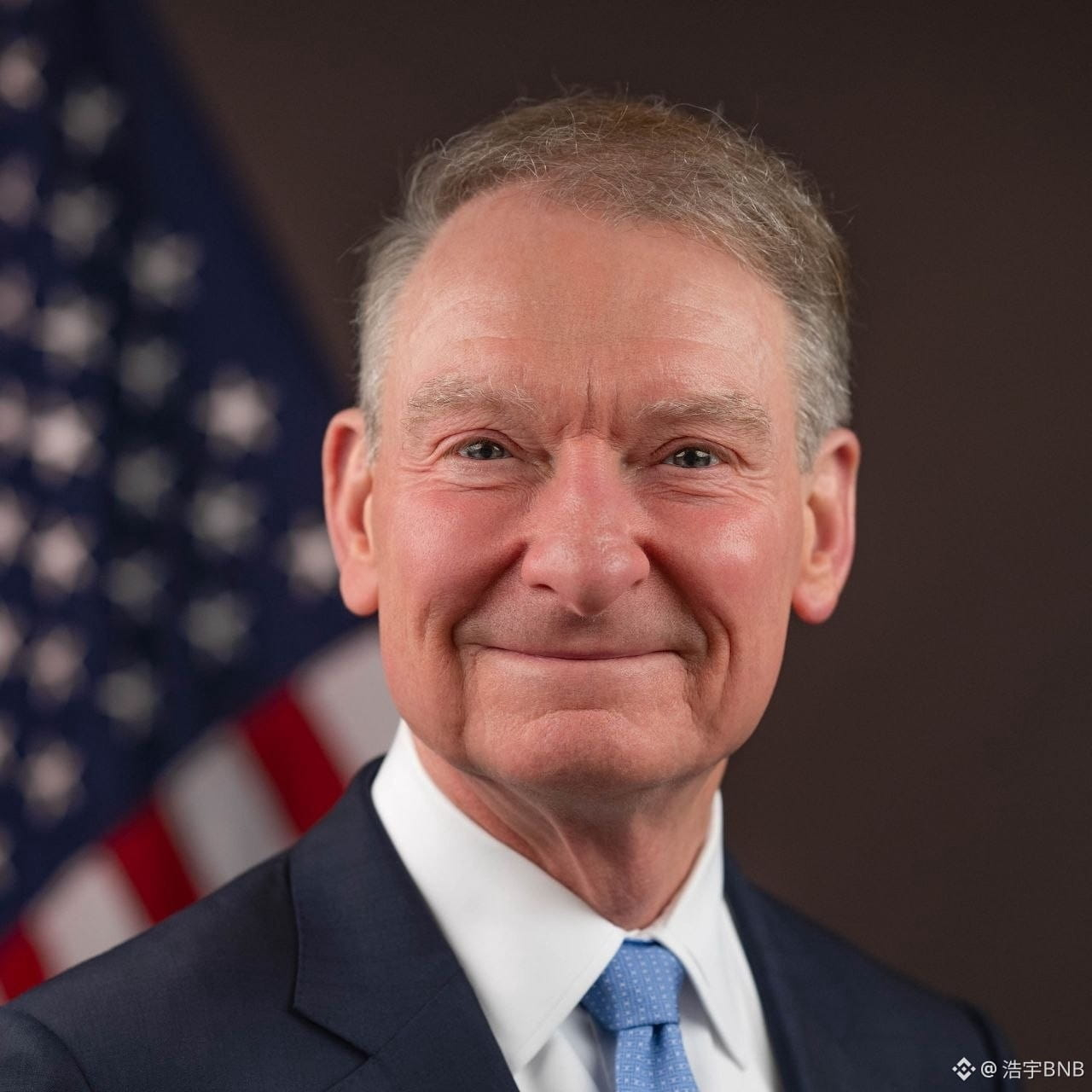
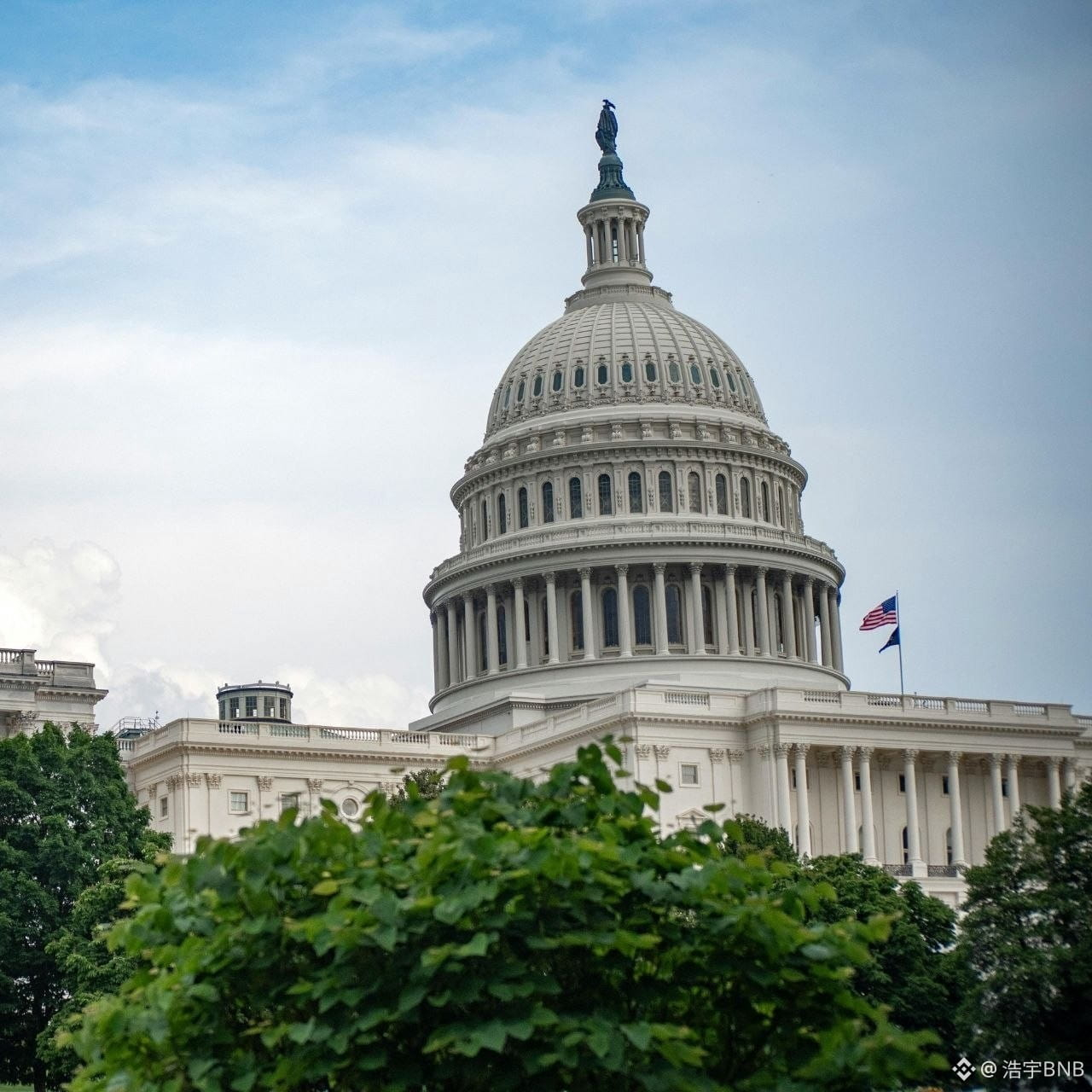
🚨 CLARITY Act failed in Congress. But crypto regulation didn’t stop.
SEC Chair Paul Atkins says the agency is moving forward anyway—working to provide clarity on how companies can raise capital onchain.
That is a bigger deal than it sounds.
If the SEC creates workable pathways for tokenized fundraising, startups could potentially access capital markets without waiting years for Congress to rewrite the rules.
The real battleground is shifting: legislation vs. regulatory execution.
Congress can create durable law. The SEC can move faster within its existing authority.
For crypto, this means one thing: the road to onchain capital markets is still moving.
CLARITY stalled.
The onchain capital experiment didn’t.😎
$QNT
{spot}(QNTUSDT)
$LINK
{spot}(LINKUSDT)
$ETH
{spot}(ETHUSDT)
🚨 CLARITY Act failed in Congress. But crypto regulation didn’t stop.
SEC Chair Paul Atkins says the agency is moving forward anyway—working to provide clarity on how companies can raise capital onchain.
That is a bigger deal than it sounds.
If the SEC creates workable pathways for tokenized fundraising, startups could potentially access capital markets without waiting years for Congress to rewrite the rules.
The real battleground is shifting: legislation vs. regulatory execution.
Congress can create durable law. The SEC can move faster within its existing authority.
For crypto, this means one thing: the road to onchain capital markets is still moving.
CLARITY stalled.
The onchain capital experiment didn’t.😎
$QNT
$LINK
$ETH
SEC Chair Paul Atkins says the agency is moving forward anyway—working to provide clarity on how companies can raise capital onchain.
That is a bigger deal than it sounds.
If the SEC creates workable pathways for tokenized fundraising, startups could potentially access capital markets without waiting years for Congress to rewrite the rules.
The real battleground is shifting: legislation vs. regulatory execution.
Congress can create durable law. The SEC can move faster within its existing authority.
For crypto, this means one thing: the road to onchain capital markets is still moving.
CLARITY stalled.
The onchain capital experiment didn’t.😎
$QNT
$LINK
$ETH
1
395
·
--
একসময় ভাবতাম, “চার্ট খুললাম, সেটআপ দেখলাম—ব্যস, ট্রেড মেরে দিলাম!” 😅
তারপর দু-একটা “জিনিয়াস” এন্ট্রি নেওয়ার পর বুঝলাম—প্ল্যান ছাড়া ট্রেড করলে মার্কেট নয়, নিজের ইমোশনই ট্রেড করা হয়! 😂
এখন আমার মিনিমাম সেটআপ:
• ট্রেড প্ল্যান — কোথায় ঢুকব, কোথায় বেরোব, আর কোথায় বুঝব ট্রেডটা ভুল হয়েছে
• রিস্ক ম্যানেজমেন্ট — একটা ট্রেডে কতটা লস নেওয়া যাবে
• চেকলিস্ট — এন্ট্রি নেওয়ার আগে একবার সব দেখে নেওয়া
• ট্রেডিং জার্নাল — স্ক্রিনশট আর কেন ট্রেডটা নিলাম, সেটা লিখে রাখা
• নিউজ — যতটুকু দরকার, যাতে FOMO-তে পড়ে উল্টোপাল্টা ট্রেড না নিই 😎
সব বাদ দিয়ে যদি শুধু একটা জিনিস রাখতে হয়—তুমি কোনটা রাখবে? 👇
$BTC
$QNT
$XMR
একসময় ভাবতাম, “চার্ট খুললাম, সেটআপ দেখলাম—ব্যস, ট্রেড মেরে দিলাম!” 😅
তারপর দু-একটা “জিনিয়াস” এন্ট্রি নেওয়ার পর বুঝলাম—প্ল্যান ছাড়া ট্রেড করলে মার্কেট নয়, নিজের ইমোশনই ট্রেড করা হয়! 😂
এখন আমার মিনিমাম সেটআপ:
• ট্রেড প্ল্যান — কোথায় ঢুকব, কোথায় বেরোব, আর কোথায় বুঝব ট্রেডটা ভুল হয়েছে
• রিস্ক ম্যানেজমেন্ট — একটা ট্রেডে কতটা লস নেওয়া যাবে
• চেকলিস্ট — এন্ট্রি নেওয়ার আগে একবার সব দেখে নেওয়া
• ট্রেডিং জার্নাল — স্ক্রিনশট আর কেন ট্রেডটা নিলাম, সেটা লিখে রাখা
• নিউজ — যতটুকু দরকার, যাতে FOMO-তে পড়ে উল্টোপাল্টা ট্রেড না নিই 😎
সব বাদ দিয়ে যদি শুধু একটা জিনিস রাখতে হয়—তুমি কোনটা রাখবে? 👇
$BTC
$QNT
$XMR
তারপর দু-একটা “জিনিয়াস” এন্ট্রি নেওয়ার পর বুঝলাম—প্ল্যান ছাড়া ট্রেড করলে মার্কেট নয়, নিজের ইমোশনই ট্রেড করা হয়! 😂
এখন আমার মিনিমাম সেটআপ:
• ট্রেড প্ল্যান — কোথায় ঢুকব, কোথায় বেরোব, আর কোথায় বুঝব ট্রেডটা ভুল হয়েছে
• রিস্ক ম্যানেজমেন্ট — একটা ট্রেডে কতটা লস নেওয়া যাবে
• চেকলিস্ট — এন্ট্রি নেওয়ার আগে একবার সব দেখে নেওয়া
• ট্রেডিং জার্নাল — স্ক্রিনশট আর কেন ট্রেডটা নিলাম, সেটা লিখে রাখা
• নিউজ — যতটুকু দরকার, যাতে FOMO-তে পড়ে উল্টোপাল্টা ট্রেড না নিই 😎
সব বাদ দিয়ে যদি শুধু একটা জিনিস রাখতে হয়—তুমি কোনটা রাখবে? 👇
$BTC
$QNT
$XMR
2
564
·
--
🚀 UPTOBER IS COMING IN 2 DAYS!
October has historically been one of Bitcoin’s stronger months, an average October gain of roughly 23% since 2013.
But seasonality alone doesn’t create a bull run. The real catalysts are liquidity, ETF flows, macro policy, leverage and demand. In October 2024, BTC rallied strongly and briefly approached $73.5K amid substantial ETF inflows.
If liquidity expands and BTC reclaims key resistance with volume, the road toward $150K becomes an increasingly important market narrative.
History gives the setup. Liquidity decides the move. ✨✈️
$BTC
{spot}(BTCUSDT)
$QNT
{spot}(QNTUSDT)
$XRP
{spot}(XRPUSDT)
🚀 UPTOBER IS COMING IN 2 DAYS!
October has historically been one of Bitcoin’s stronger months, an average October gain of roughly 23% since 2013.
But seasonality alone doesn’t create a bull run. The real catalysts are liquidity, ETF flows, macro policy, leverage and demand. In October 2024, BTC rallied strongly and briefly approached $73.5K amid substantial ETF inflows.
If liquidity expands and BTC reclaims key resistance with volume, the road toward $150K becomes an increasingly important market narrative.
History gives the setup. Liquidity decides the move. ✨✈️
$BTC
$QNT
$XRP
October has historically been one of Bitcoin’s stronger months, an average October gain of roughly 23% since 2013.
But seasonality alone doesn’t create a bull run. The real catalysts are liquidity, ETF flows, macro policy, leverage and demand. In October 2024, BTC rallied strongly and briefly approached $73.5K amid substantial ETF inflows.
If liquidity expands and BTC reclaims key resistance with volume, the road toward $150K becomes an increasingly important market narrative.
History gives the setup. Liquidity decides the move. ✨✈️
$BTC
$QNT
$XRP
1
649
·
--
Bitcoin is entering a critical decision zone. After rejecting the $87K area, BTC is consolidating near $83K–$85K, while the broader structure remains constructive.
For me, this is not the place to blindly max-long. The market needs confirmation. A clean breakout above $87K with strong volume could signal continuation and open the path toward higher resistance zones. Conversely, losing $83K would weaken the short-term structure and make a downside setup more relevant.
My approach is simple: prepare for both scenarios. One short setup, one long setup, with predefined invalidation and risk. Until price chooses direction, trading the range can offer better risk control than chasing candles.😎
$BTC
{spot}(BTCUSDT)
Bitcoin is entering a critical decision zone. After rejecting the $87K area, BTC is consolidating near $83K–$85K, while the broader structure remains constructive.
For me, this is not the place to blindly max-long. The market needs confirmation. A clean breakout above $87K with strong volume could signal continuation and open the path toward higher resistance zones. Conversely, losing $83K would weaken the short-term structure and make a downside setup more relevant.
My approach is simple: prepare for both scenarios. One short setup, one long setup, with predefined invalidation and risk. Until price chooses direction, trading the range can offer better risk control than chasing candles.😎
$BTC
For me, this is not the place to blindly max-long. The market needs confirmation. A clean breakout above $87K with strong volume could signal continuation and open the path toward higher resistance zones. Conversely, losing $83K would weaken the short-term structure and make a downside setup more relevant.
My approach is simple: prepare for both scenarios. One short setup, one long setup, with predefined invalidation and risk. Until price chooses direction, trading the range can offer better risk control than chasing candles.😎
$BTC
247
1
16
247
·
--
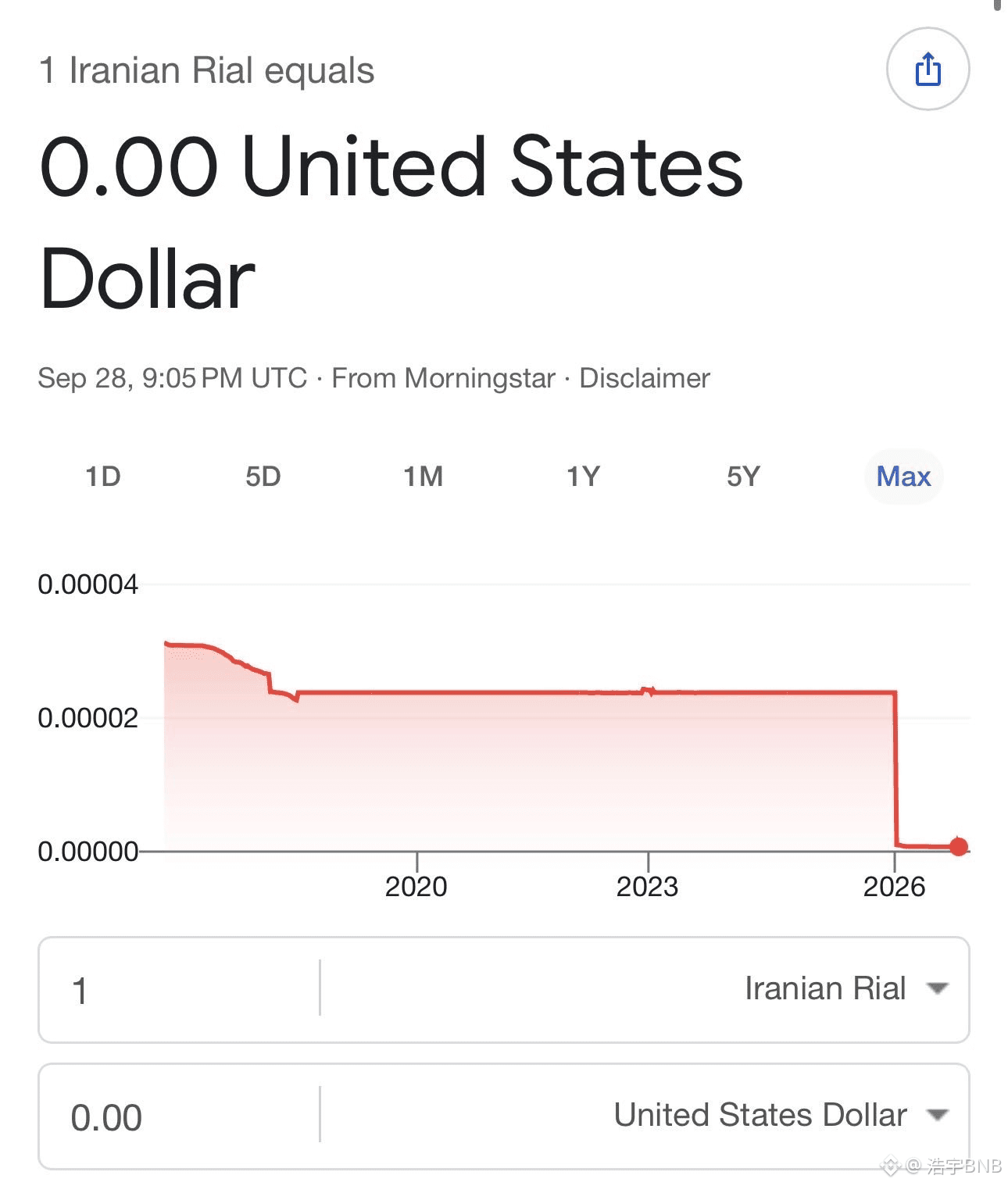
🇮🇷 Iran’s Rial Crisis Is Becoming a Crypto Story
Iran’s rial has fallen to a fresh record low, with the free-market dollar rate surpassing 2.5 million rials amid intensifying sanctions and economic pressure.
The crypto connection is significant—but more nuanced than “rial collapse = Bitcoin bullish.”
A U.S. Senate investigation found that 84% of 846 sanctioned Iran-linked crypto wallets had transacted in USDT, highlighting how dollar-backed stablecoins can function as alternative financial rails when conventional banking access is restricted.
Tether says it has helped freeze nearly $550 million in Iran-linked USDT during 2026, demonstrating the opposite side of stablecoin adoption: blockchain liquidity remains subject to issuer controls and sanctions enforcement.
The bigger takeaway for crypto markets is clear: currency instability can increase demand for digital dollar exposure, while simultaneously increasing regulatory and counterparty risks across the stablecoin ecosystem.😎
$BTC
{spot}(BTCUSDT)
$ETH
{spot}(ETHUSDT)
$ONT
{spot}(ONTUSDT)
🇮🇷 Iran’s Rial Crisis Is Becoming a Crypto Story
Iran’s rial has fallen to a fresh record low, with the free-market dollar rate surpassing 2.5 million rials amid intensifying sanctions and economic pressure.
The crypto connection is significant—but more nuanced than “rial collapse = Bitcoin bullish.”
A U.S. Senate investigation found that 84% of 846 sanctioned Iran-linked crypto wallets had transacted in USDT, highlighting how dollar-backed stablecoins can function as alternative financial rails when conventional banking access is restricted.
Tether says it has helped freeze nearly $550 million in Iran-linked USDT during 2026, demonstrating the opposite side of stablecoin adoption: blockchain liquidity remains subject to issuer controls and sanctions enforcement.
The bigger takeaway for crypto markets is clear: currency instability can increase demand for digital dollar exposure, while simultaneously increasing regulatory and counterparty risks across the stablecoin ecosystem.😎
$BTC
$ETH
$ONT
Iran’s rial has fallen to a fresh record low, with the free-market dollar rate surpassing 2.5 million rials amid intensifying sanctions and economic pressure.
The crypto connection is significant—but more nuanced than “rial collapse = Bitcoin bullish.”
A U.S. Senate investigation found that 84% of 846 sanctioned Iran-linked crypto wallets had transacted in USDT, highlighting how dollar-backed stablecoins can function as alternative financial rails when conventional banking access is restricted.
Tether says it has helped freeze nearly $550 million in Iran-linked USDT during 2026, demonstrating the opposite side of stablecoin adoption: blockchain liquidity remains subject to issuer controls and sanctions enforcement.
The bigger takeaway for crypto markets is clear: currency instability can increase demand for digital dollar exposure, while simultaneously increasing regulatory and counterparty risks across the stablecoin ecosystem.😎
$BTC
$ETH
$ONT
216
තවත් අන්තර්ගතයන් ගවේෂණය කිරීමට ඇතුල් වන්න
Binance චතුරශ්රය හි ගෝලීය ක්රිප්ටෝ පරිශීලකයින් හා එක්වන්න
⚡️ ක්රිප්ටෝ පිළිබඳ නවතම සහ ප්රයෝජනවත් තොරතුරු ලබා ගන්න.
💬 ලොව විශාලතම ක්රිප්ටෝ හුවමාරුව මගින් විශ්වාස කෙරේ.
👍 සත්යායනය කරන ලද නිර්මාණකරුවන්ගෙන් සැබෑ විදසුන් සොයා ගන්න.
විද්යුත් තැපෑල / දුරකථන අංකය
නැගී එන මාතෘකා
BinanceLaunchesBinanceIntelligence
712,505 views
4,483 සාකච්ඡා කරමින්
🧠 ¿Hacer trading como un fondo de inversión experto? ¡Ahora la IA lo hace gratis por ti! 🤖📈
Wilsontrader97
·10 කැමත්ත දැක්වීම්
·12.3k views
BTCFallsBelow$84K
25,675 views
91 සාකච්ඡා කරමින්
DubaiVARAIssuesReserveAssetAuditCircular
5,056 views
317 සාකච්ඡා කරමින්