
Messianh
199 පෝස්ටු

Messianh
වාර්තා කරන්න
පරිශීලක අවහිර කරන්න
Web3 Community Manager | Content Creator | Crypto Project Ambassador
3 හඹා යමින්
79 හඹා යන්නන්
252 කැමති විය
පෝස්ටු
සියල්ල
උපුටා දැක්වීම්
·
--
පරිවර්තනය බලන්න
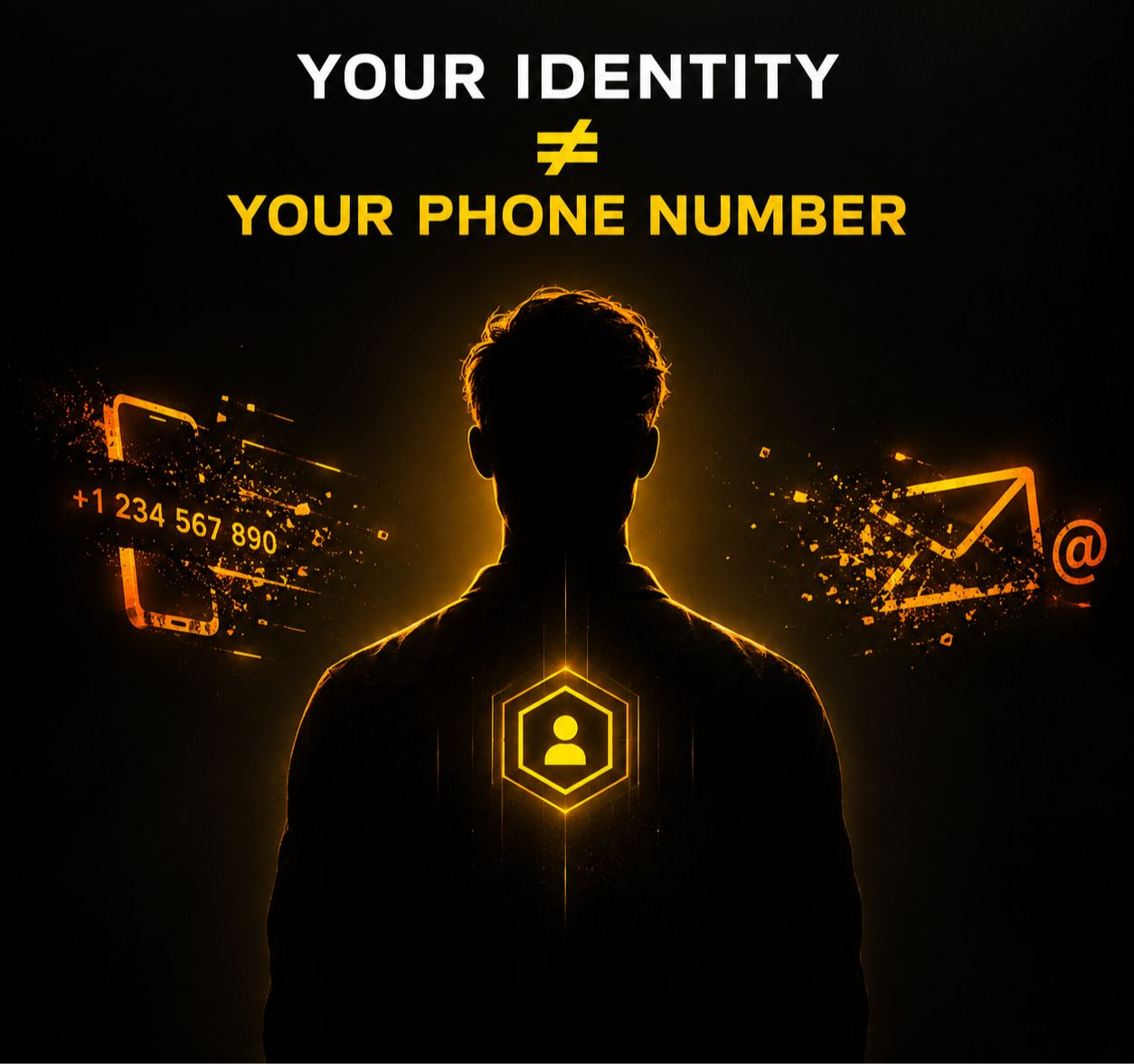
Understand that your phone number isn't your identity.
Your phone number isn't your identity. Yet most digital services treat it like one. You give them a number, they give you an account. But there's a deeper question:
Who actually controls that identity?
Think about what happens when you create a typical online account.
Email
Phone number
Password
Sometimes even government-issued ID
Your identity becomes tied to identifiers controlled outside the platform.
That's convenient, but convenience and ownership aren't the same thing. If your account depends on an identifier you don't control, losing access to that identifier can become a problem.
Web3 approaches identity differently.
Instead of making an email address or phone number the foundation of your account, you can use cryptographic keys and wallet-based identities.
The important shift is identity → something you can control cryptographically.
Liberdus takes this approach for its accounts. According to its current documentation, you can create an account by choosing a username without providing a phone number or email. The username is mapped to your Liberdus wallet address.
That doesn't magically solve digital identity. It simply changes the architecture.
Instead of asking:
Which phone number belongs to this user?
the system can ask:
Which cryptographic account controls this identity?
That's a very different model.
And that's where things get interesting.
Because digital identity isn't just about logging in. It's about control, portability, privacy and ownership.
The real question isn't can I create an account?
It's xhat actually belongs to me when I create one?
#Liberdus #ETH🔥🔥🔥🔥🔥🔥 $ETH #TSMCAugustRevenueUp53.3%YoY
{spot}(ETHUSDT)
Understand that your phone number isn't your identity.
Your phone number isn't your identity. Yet most digital services treat it like one. You give them a number, they give you an account. But there's a deeper question:
Who actually controls that identity?
Think about what happens when you create a typical online account.
Email
Phone number
Password
Sometimes even government-issued ID
Your identity becomes tied to identifiers controlled outside the platform.
That's convenient, but convenience and ownership aren't the same thing. If your account depends on an identifier you don't control, losing access to that identifier can become a problem.
Web3 approaches identity differently.
Instead of making an email address or phone number the foundation of your account, you can use cryptographic keys and wallet-based identities.
The important shift is identity → something you can control cryptographically.
Liberdus takes this approach for its accounts. According to its current documentation, you can create an account by choosing a username without providing a phone number or email. The username is mapped to your Liberdus wallet address.
That doesn't magically solve digital identity. It simply changes the architecture.
Instead of asking:
Which phone number belongs to this user?
the system can ask:
Which cryptographic account controls this identity?
That's a very different model.
And that's where things get interesting.
Because digital identity isn't just about logging in. It's about control, portability, privacy and ownership.
The real question isn't can I create an account?
It's xhat actually belongs to me when I create one?
#Liberdus #ETH🔥🔥🔥🔥🔥🔥 $ETH #TSMCAugustRevenueUp53.3%YoY
Your phone number isn't your identity. Yet most digital services treat it like one. You give them a number, they give you an account. But there's a deeper question:
Who actually controls that identity?
Think about what happens when you create a typical online account.
Phone number
Password
Sometimes even government-issued ID
Your identity becomes tied to identifiers controlled outside the platform.
That's convenient, but convenience and ownership aren't the same thing. If your account depends on an identifier you don't control, losing access to that identifier can become a problem.
Web3 approaches identity differently.
Instead of making an email address or phone number the foundation of your account, you can use cryptographic keys and wallet-based identities.
The important shift is identity → something you can control cryptographically.
Liberdus takes this approach for its accounts. According to its current documentation, you can create an account by choosing a username without providing a phone number or email. The username is mapped to your Liberdus wallet address.
That doesn't magically solve digital identity. It simply changes the architecture.
Instead of asking:
Which phone number belongs to this user?
the system can ask:
Which cryptographic account controls this identity?
That's a very different model.
And that's where things get interesting.
Because digital identity isn't just about logging in. It's about control, portability, privacy and ownership.
The real question isn't can I create an account?
It's xhat actually belongs to me when I create one?
#Liberdus #ETH🔥🔥🔥🔥🔥🔥 $ETH #TSMCAugustRevenueUp53.3%YoY
1
55
·
--
පරිවර්තනය බලන්න
What Twelve Days Add Up To
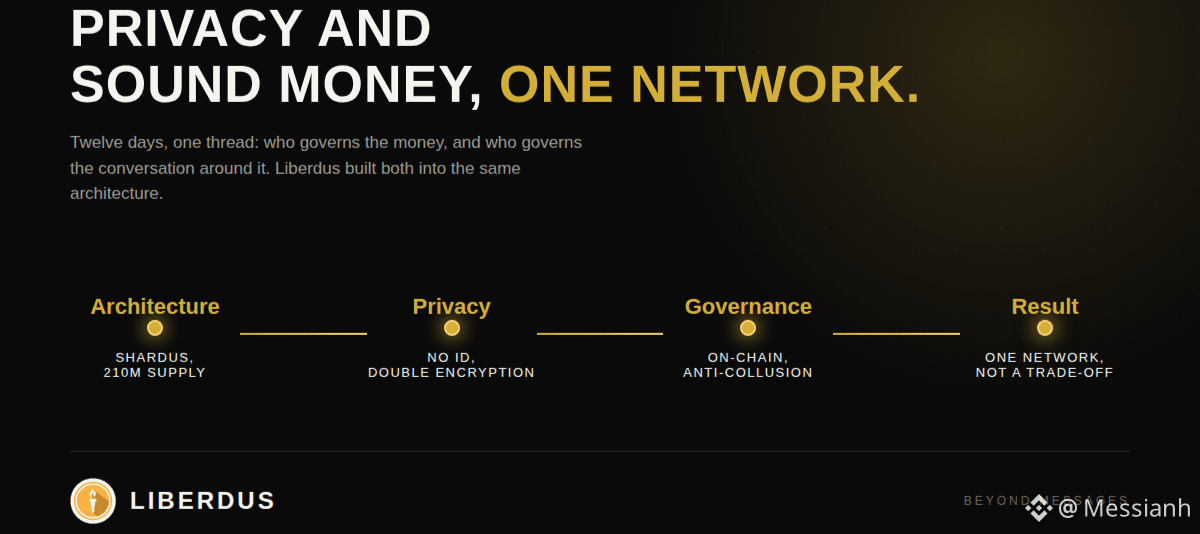
Twelve articles, one thread running through all of them: every design choice in Liberdus traces back to a single founding question from Day 14: who governs the money, and who governs the conversation around it.
The architecture answers the first half. Shardus sharding lets the network scale without concentrating power in fewer, larger validators. A fixed 210 million supply, distributed only to the people building and securing the network, keeps the "sound money" half of the name more than a marketing line. On-chain governance, with proposal margins that scale against collusion, puts changes to those rules in the hands of the network rather than a company board.
The privacy layer answers the second half. Accounts with no phone number, no email, and no persistent identifier remove the single thread that ties most digital lives to a real name. Double encryption, classical and post-quantum, protects what gets said against both today's attackers and tomorrow's. And the toll system turns spam from a filtering problem into a pricing problem, charging unknown senders instead of asking recipients to tolerate them for free.
None of these pieces work in isolation, which is the actual point of building them together. A messenger with strong encryption but centralized identity still knows who's talking to whom. A payment network with sound tokenomics but no privacy layer still exposes every transaction to the same surveillance crypto was supposed to escape. Liberdus's bet is that privacy and sound money solve the same underlying problem, so it built both into one network instead of choosing one.
That's the whole arc, from the name's Latin roots to the chains LIB now trades on. What Liberdus does next isn't something this series can confirm in advance. What it's built so far is on the record, and now, after twelve days, so is the reasoning behind it.
#Liberdus #XRP $XRP #AppleDebutsFoldablePhone
{spot}(XRPUSDT)
What Twelve Days Add Up To
Twelve articles, one thread running through all of them: every design choice in Liberdus traces back to a single founding question from Day 14: who governs the money, and who governs the conversation around it.
The architecture answers the first half. Shardus sharding lets the network scale without concentrating power in fewer, larger validators. A fixed 210 million supply, distributed only to the people building and securing the network, keeps the "sound money" half of the name more than a marketing line. On-chain governance, with proposal margins that scale against collusion, puts changes to those rules in the hands of the network rather than a company board.
The privacy layer answers the second half. Accounts with no phone number, no email, and no persistent identifier remove the single thread that ties most digital lives to a real name. Double encryption, classical and post-quantum, protects what gets said against both today's attackers and tomorrow's. And the toll system turns spam from a filtering problem into a pricing problem, charging unknown senders instead of asking recipients to tolerate them for free.
None of these pieces work in isolation, which is the actual point of building them together. A messenger with strong encryption but centralized identity still knows who's talking to whom. A payment network with sound tokenomics but no privacy layer still exposes every transaction to the same surveillance crypto was supposed to escape. Liberdus's bet is that privacy and sound money solve the same underlying problem, so it built both into one network instead of choosing one.
That's the whole arc, from the name's Latin roots to the chains LIB now trades on. What Liberdus does next isn't something this series can confirm in advance. What it's built so far is on the record, and now, after twelve days, so is the reasoning behind it.
#Liberdus #XRP $XRP #AppleDebutsFoldablePhone
Twelve articles, one thread running through all of them: every design choice in Liberdus traces back to a single founding question from Day 14: who governs the money, and who governs the conversation around it.
The architecture answers the first half. Shardus sharding lets the network scale without concentrating power in fewer, larger validators. A fixed 210 million supply, distributed only to the people building and securing the network, keeps the "sound money" half of the name more than a marketing line. On-chain governance, with proposal margins that scale against collusion, puts changes to those rules in the hands of the network rather than a company board.
The privacy layer answers the second half. Accounts with no phone number, no email, and no persistent identifier remove the single thread that ties most digital lives to a real name. Double encryption, classical and post-quantum, protects what gets said against both today's attackers and tomorrow's. And the toll system turns spam from a filtering problem into a pricing problem, charging unknown senders instead of asking recipients to tolerate them for free.
None of these pieces work in isolation, which is the actual point of building them together. A messenger with strong encryption but centralized identity still knows who's talking to whom. A payment network with sound tokenomics but no privacy layer still exposes every transaction to the same surveillance crypto was supposed to escape. Liberdus's bet is that privacy and sound money solve the same underlying problem, so it built both into one network instead of choosing one.
That's the whole arc, from the name's Latin roots to the chains LIB now trades on. What Liberdus does next isn't something this series can confirm in advance. What it's built so far is on the record, and now, after twelve days, so is the reasoning behind it.
#Liberdus #XRP $XRP #AppleDebutsFoldablePhone
1
2
69
·
--
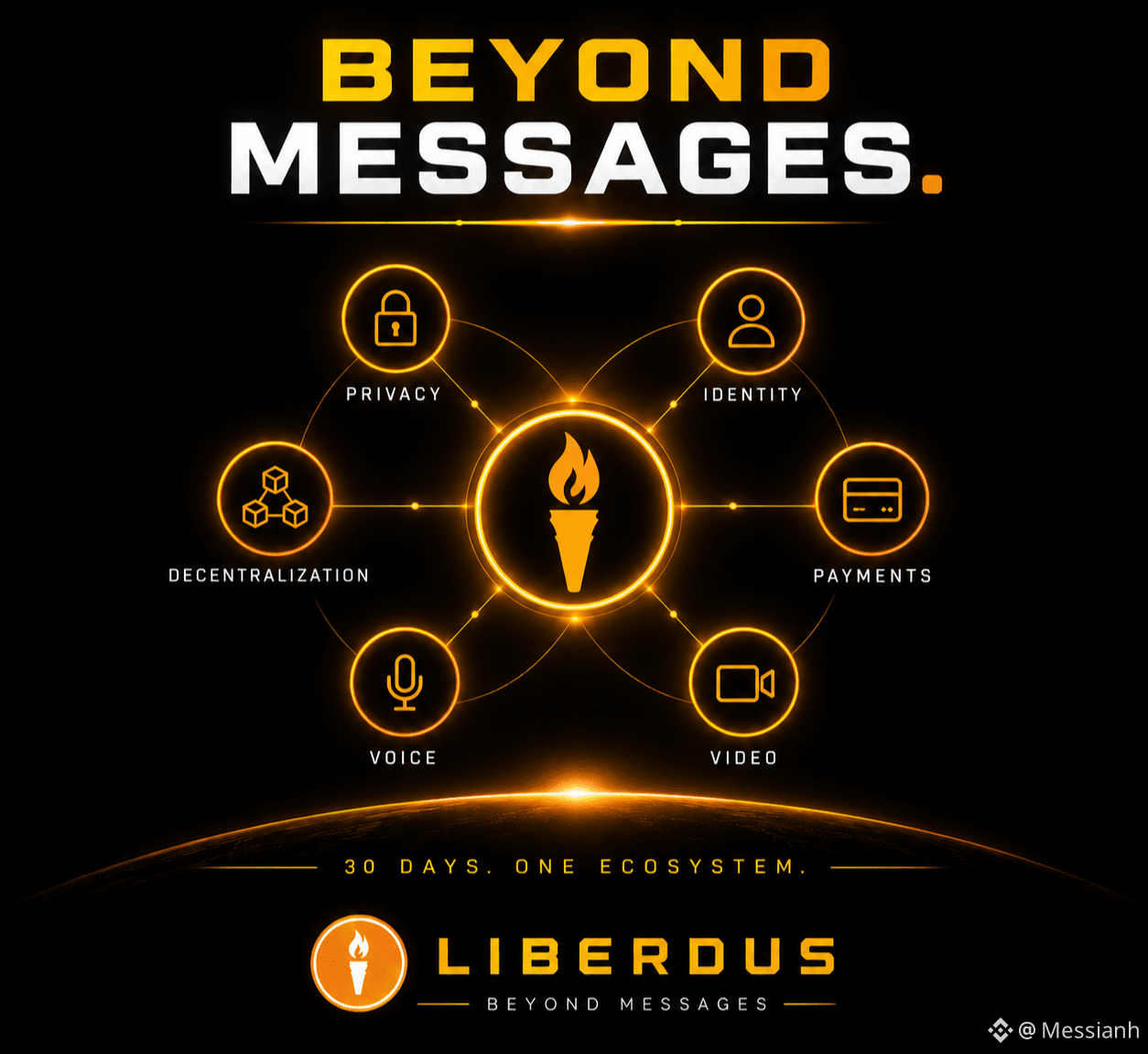
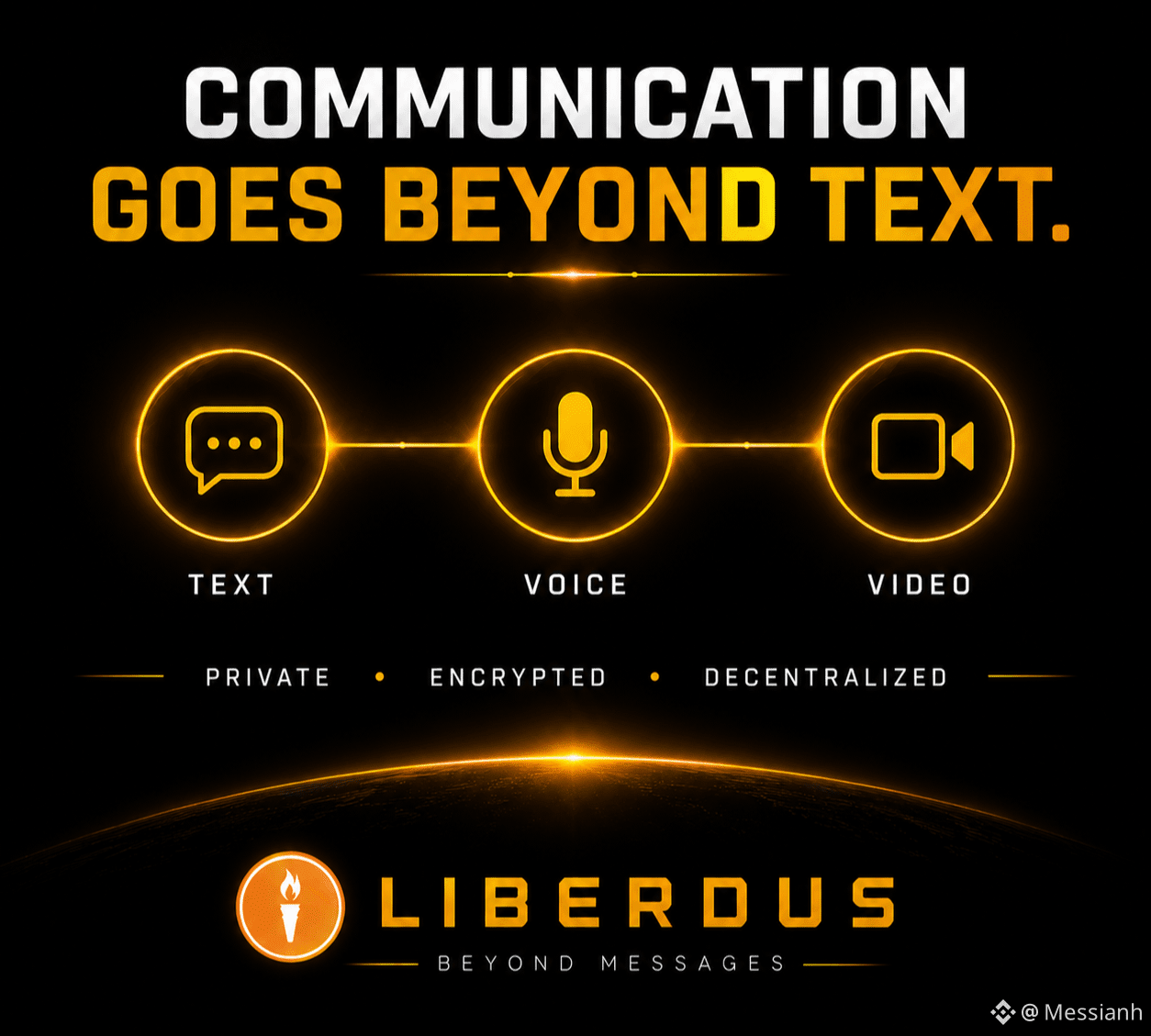
Liberdus කිසිදා හුදෙක් පණිවිඩ යැවීම ගැන පමණක් නොවේ.
පෞද්ගලිකත්වය
විමධ්යගතකරණය
ගෙවීම්
ඩිජිටල් අනන්යතාව
හඬ සහ වීඩියෝ
විවෘත මූලාශ්රය
පරිශීලක සහභාගීත්වය
එකම පරිසර පද්ධතියක් තුළ
ඒ තමයි Beyond Messages කියන්නේ. සන්නිවේදනයේ අනාගතය පණිවිඩයක් යැවීම ගැන පමණක් නොවෙයි.
ඔබ ඔබේ සන්නිවේදනය පාලනය කිරීම පිළිබඳව විය යුතුයි.
@liberdus #Liberdus $BNB #BNB金鏟子
{spot}(BNBUSDT)
Liberdus කිසිදා හුදෙක් පණිවිඩ යැවීම ගැන පමණක් නොවේ.
පෞද්ගලිකත්වය
විමධ්යගතකරණය
ගෙවීම්
ඩිජිටල් අනන්යතාව
හඬ සහ වීඩියෝ
විවෘත මූලාශ්රය
පරිශීලක සහභාගීත්වය
එකම පරිසර පද්ධතියක් තුළ
ඒ තමයි Beyond Messages කියන්නේ. සන්නිවේදනයේ අනාගතය පණිවිඩයක් යැවීම ගැන පමණක් නොවෙයි.
ඔබ ඔබේ සන්නිවේදනය පාලනය කිරීම පිළිබඳව විය යුතුයි.
@liberdus #Liberdus $BNB #BNB金鏟子
පෞද්ගලිකත්වය
විමධ්යගතකරණය
ගෙවීම්
ඩිජිටල් අනන්යතාව
හඬ සහ වීඩියෝ
විවෘත මූලාශ්රය
පරිශීලක සහභාගීත්වය
එකම පරිසර පද්ධතියක් තුළ
ඒ තමයි Beyond Messages කියන්නේ. සන්නිවේදනයේ අනාගතය පණිවිඩයක් යැවීම ගැන පමණක් නොවෙයි.
ඔබ ඔබේ සන්නිවේදනය පාලනය කිරීම පිළිබඳව විය යුතුයි.
@liberdus #Liberdus $BNB #BNB金鏟子
1
211
·
--
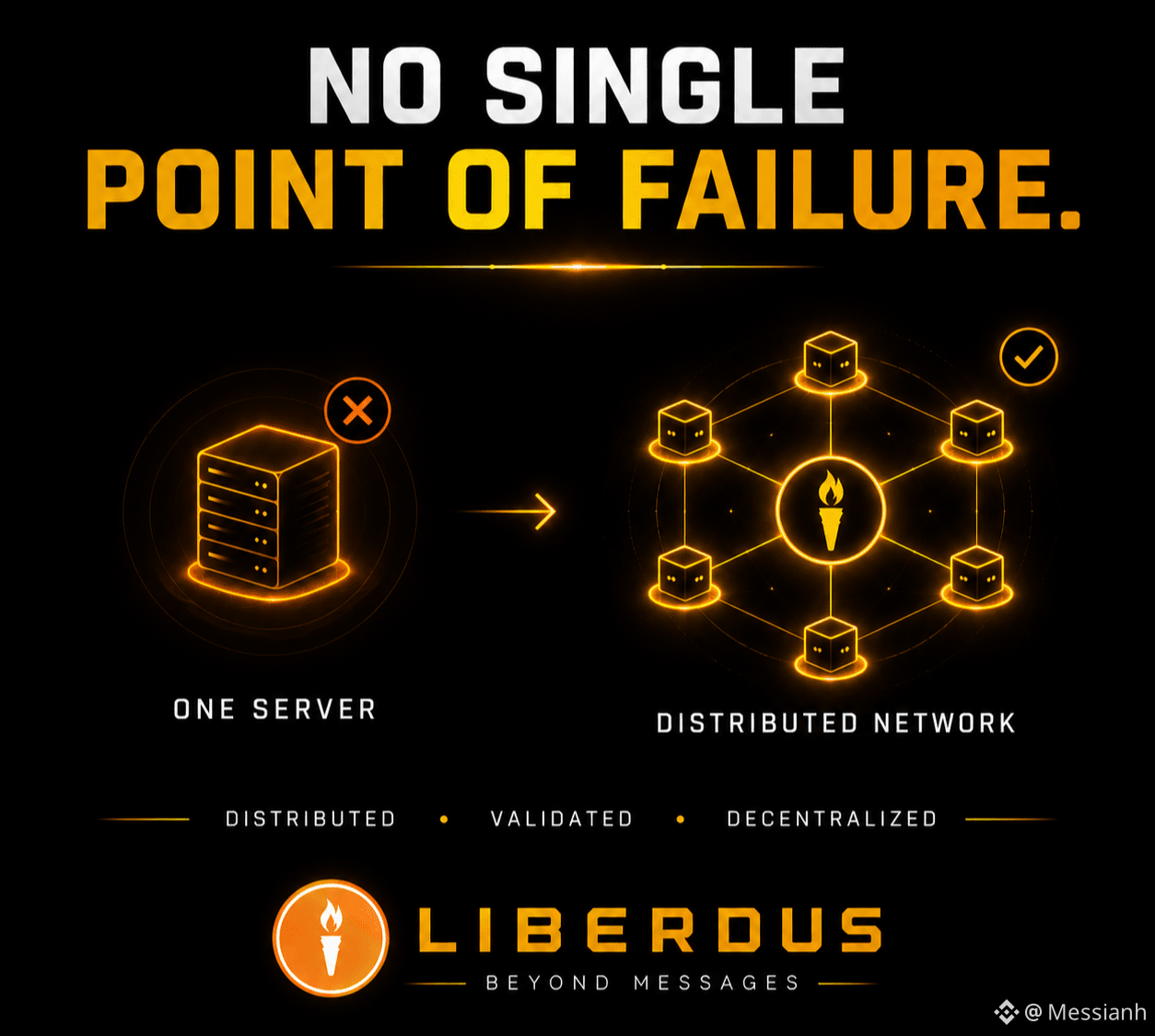
එක් සේවාදායකය, එක් අසාර්ථකත්ව ස්ථානයක්.
Liberdus වෙනස් ප්රවේශයක් ගනී.
එහි ජාලය කේන්ද්රීය සේවාදායකයකට රඳා නොසිට බෙදාහැරුණු වලංගුකරන (validator) නෝඩ් හරහා ක්රියාත්මක වේ. නෝඩ් එකට එකතුව ජාලය සබලව තබාගෙන වලංගුකරණයට සහභාගී වේ.
මැද සිටින තනි සේවාදායකයක් නොව, සහභාගිවන්නන්ගේ ජාලයක් පමණි.
#Liberdus #IranSaysItHit3USShips3Tankers $BTC
{spot}(BTCUSDT)
එක් සේවාදායකය, එක් අසාර්ථකත්ව ස්ථානයක්.
Liberdus වෙනස් ප්රවේශයක් ගනී.
එහි ජාලය කේන්ද්රීය සේවාදායකයකට රඳා නොසිට බෙදාහැරුණු වලංගුකරන (validator) නෝඩ් හරහා ක්රියාත්මක වේ. නෝඩ් එකට එකතුව ජාලය සබලව තබාගෙන වලංගුකරණයට සහභාගී වේ.
මැද සිටින තනි සේවාදායකයක් නොව, සහභාගිවන්නන්ගේ ජාලයක් පමණි.
#Liberdus #IranSaysItHit3USShips3Tankers $BTC
Liberdus වෙනස් ප්රවේශයක් ගනී.
එහි ජාලය කේන්ද්රීය සේවාදායකයකට රඳා නොසිට බෙදාහැරුණු වලංගුකරන (validator) නෝඩ් හරහා ක්රියාත්මක වේ. නෝඩ් එකට එකතුව ජාලය සබලව තබාගෙන වලංගුකරණයට සහභාගී වේ.
මැද සිටින තනි සේවාදායකයක් නොව, සහභාගිවන්නන්ගේ ජාලයක් පමණි.
#Liberdus #IranSaysItHit3USShips3Tankers $BTC
1
83
·
--
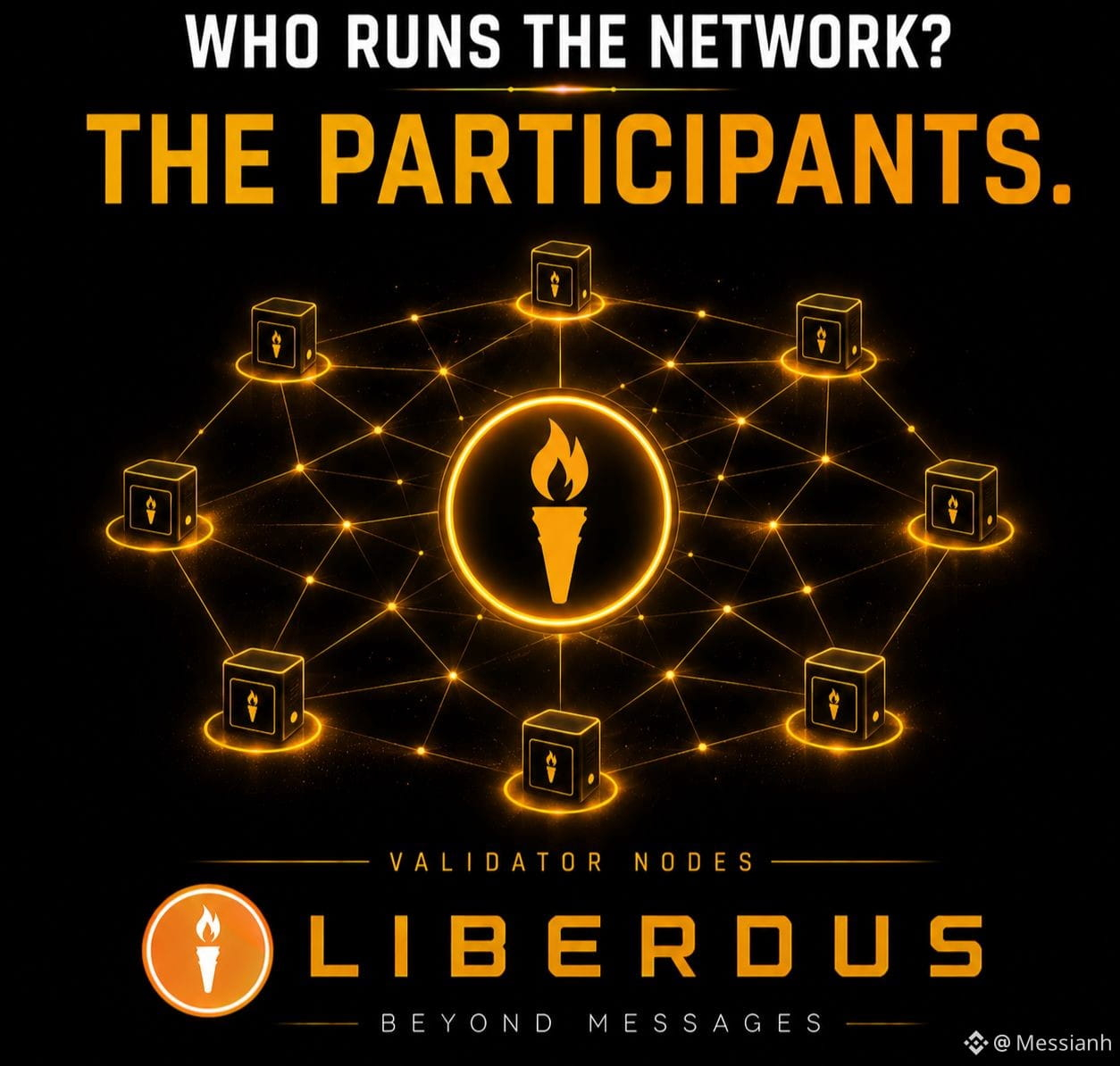
අවමධ්යගත ජාලයක් ජීවමානව තබාගන්නේ කවුද?
ඒක එක් සමාගමක්වත් නැත, එක් සේවාදායකයක්වත් නැත—නෝඩ්ස්.
@liberdus ජාලය ක්රියාත්මක කිරීමට සහ ගනුදෙනු සකසීමට ජායාරූපීකරණය වූ ව්යාධිකාරක (validator) නෝඩ් ජාලයක් භාවිතා කරයි.
පහසුවෙන් සම්බන්ධ වීම (permissionless)යි. ඔබට අනුමැතිය දීමට මධ්යම බලධාරියෙකු අවශ්ය නැත.
නෝඩ් එකක් ධාවනය කරන්න, LIB stake කරන්න, සහ ජාලය ආරක්ෂා කිරීමට උදව් කරන්න.
අවමධ්යගත වීමට සහභාගිවන්නන් අවශ්යයි.
#Liberdus #Privacy #XRP’ $XRP
{spot}(XRPUSDT)
අවමධ්යගත ජාලයක් ජීවමානව තබාගන්නේ කවුද?
ඒක එක් සමාගමක්වත් නැත, එක් සේවාදායකයක්වත් නැත—නෝඩ්ස්.
@liberdus ජාලය ක්රියාත්මක කිරීමට සහ ගනුදෙනු සකසීමට ජායාරූපීකරණය වූ ව්යාධිකාරක (validator) නෝඩ් ජාලයක් භාවිතා කරයි.
පහසුවෙන් සම්බන්ධ වීම (permissionless)යි. ඔබට අනුමැතිය දීමට මධ්යම බලධාරියෙකු අවශ්ය නැත.
නෝඩ් එකක් ධාවනය කරන්න, LIB stake කරන්න, සහ ජාලය ආරක්ෂා කිරීමට උදව් කරන්න.
අවමධ්යගත වීමට සහභාගිවන්නන් අවශ්යයි.
#Liberdus #Privacy #XRP’ $XRP
ඒක එක් සමාගමක්වත් නැත, එක් සේවාදායකයක්වත් නැත—නෝඩ්ස්.
@liberdus ජාලය ක්රියාත්මක කිරීමට සහ ගනුදෙනු සකසීමට ජායාරූපීකරණය වූ ව්යාධිකාරක (validator) නෝඩ් ජාලයක් භාවිතා කරයි.
පහසුවෙන් සම්බන්ධ වීම (permissionless)යි. ඔබට අනුමැතිය දීමට මධ්යම බලධාරියෙකු අවශ්ය නැත.
නෝඩ් එකක් ධාවනය කරන්න, LIB stake කරන්න, සහ ජාලය ආරක්ෂා කිරීමට උදව් කරන්න.
අවමධ්යගත වීමට සහභාගිවන්නන් අවශ්යයි.
#Liberdus #Privacy #XRP’ $XRP
119
·
--
මේක ප්රතික්ෂේපිතව ප්රජාවකට අදහස් කරන්නේ කුමක්ද
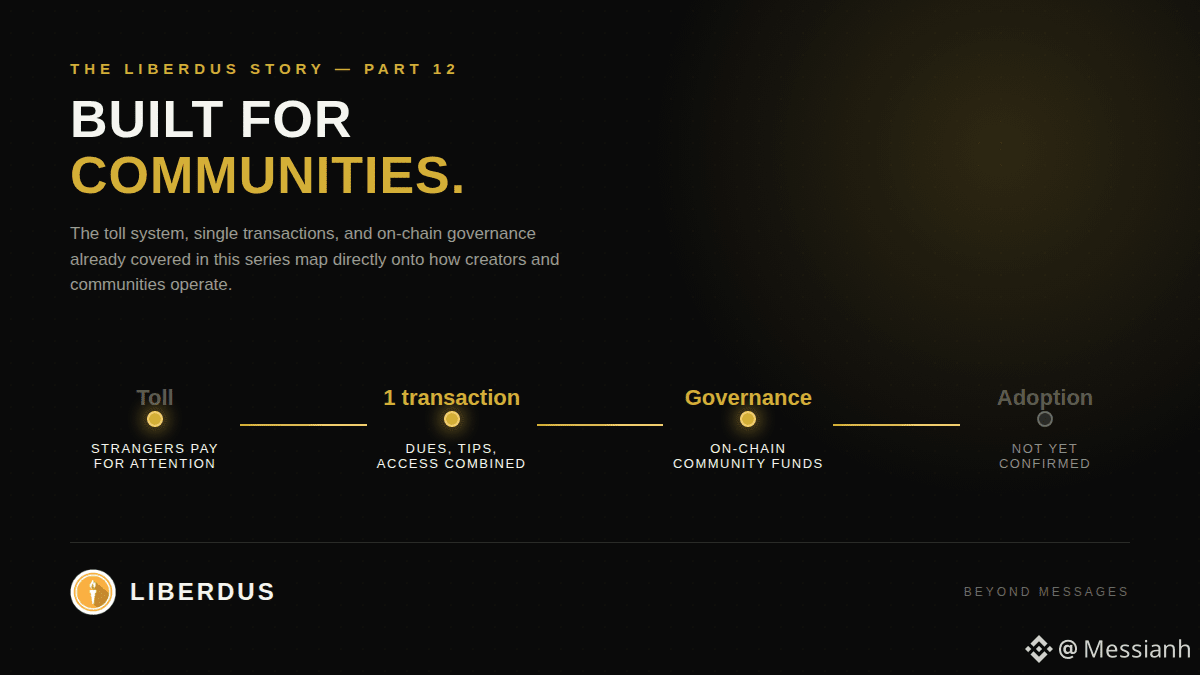
මේ ශ්රේණියේ ආවරණය කළ සෑම යන්ත්රයක්ම එකම තැනකට ස්වභාවිකව ගැලපෙනවා: ටිප්ස්, සාමාජිකත්වයන්, සහ හඳුනා නොගත් අයගෙන් අඛණ්ඩව එන නොඅවශ්ය සම්බන්ධකින් ක්රියාත්මක වෙන නිර්මාපකයෙකු හෝ ප්රජාවක්.
Day 18 සිට ටෝල් (toll) පද්ධතියෙන් ආරම්භ කරන්න. ඕනෑම මහජන පැවැත්මක් තියෙන නිර්මාපකයෙකුට ඔවුන් කවදාවත් මුණ නොගැසූ අයගෙන් පණිවිඩ ගොඩක් එනවා—ඒවාගෙන් බොහොමයක් වටිනාකම අඩුයි, කිහිපයක් නම් spam. නොදන්නා යවන්නන් සඳහා ටෝල් එකක් සකස් කිරීමෙන් අදහස් වන්නේ, ඒ ගමනාගමනය නැවතෙනවා හෝ එය ඉල්ලන අවධානය සඳහා නිර්මාපකයාට ගෙවීම් ආරම්භ කරනවා. මෙය බොහෝ නිර්මාපකයන් මේ වනවිට විසඳන්නේ ඔවුන්ගේ DM කියවීමෙන් වැළකීමෙන් පමණක් වන ගැටලුවකට සෘජු පිළිතුරක්.
ඊළඟට, ඊයේ ලිපියේ තිබූ එක්ම ගනුදෙනුව (single transaction). ප්රජාවක් දැනුම් (dues) එකතු කරනවාද, patron කෙනෙක් ටිප් එකක් යවනවාද, සාමාජිකයෙක් ප්රවේශය සඳහා ගෙවීම කරනවාද—මේ සියල්ල message එකක් වගේම වෙන්වූ wallet transfer එකක් ලෙස නොව, එක්ම ක්රියාවක් බවට පත්වෙනවා. ප්රජා භාණ්ඩාගාරිකයෙකු group chat එකත් ගෙවීම් මෙවලමත් දෙකම සමතුලනය කරමින් ඉන්නවා නම්, මෙය එකම පද්ධතියක් ගැළපෙන්න තබා ගැනීම අඩු කරනවා.
Day 21 හි DAO governance layer එකද ප්රජා මට්ටමටත් ව්යුහමය වශයෙන් අදාළ වෙනවා. scaled voting margins ඇති on-chain proposals, “govern කරන” network එක Liberdusම හෝ ඒ මත ගොඩනඟන community pool එකක්ද කියලා වෙනසක් නැතිව, එකම යාන්ත්රණයයි—කණ්ඩායම තම funding ඒ විදියට සකස් කිරීමට තෝරා ගත්තොත්.
#liberdus #GoldFalls3.24%ThisWeek $ASTER
මේක ප්රතික්ෂේපිතව ප්රජාවකට අදහස් කරන්නේ කුමක්ද
මේ ශ්රේණියේ ආවරණය කළ සෑම යන්ත්රයක්ම එකම තැනකට ස්වභාවිකව ගැලපෙනවා: ටිප්ස්, සාමාජිකත්වයන්, සහ හඳුනා නොගත් අයගෙන් අඛණ්ඩව එන නොඅවශ්ය සම්බන්ධකින් ක්රියාත්මක වෙන නිර්මාපකයෙකු හෝ ප්රජාවක්.
Day 18 සිට ටෝල් (toll) පද්ධතියෙන් ආරම්භ කරන්න. ඕනෑම මහජන පැවැත්මක් තියෙන නිර්මාපකයෙකුට ඔවුන් කවදාවත් මුණ නොගැසූ අයගෙන් පණිවිඩ ගොඩක් එනවා—ඒවාගෙන් බොහොමයක් වටිනාකම අඩුයි, කිහිපයක් නම් spam. නොදන්නා යවන්නන් සඳහා ටෝල් එකක් සකස් කිරීමෙන් අදහස් වන්නේ, ඒ ගමනාගමනය නැවතෙනවා හෝ එය ඉල්ලන අවධානය සඳහා නිර්මාපකයාට ගෙවීම් ආරම්භ කරනවා. මෙය බොහෝ නිර්මාපකයන් මේ වනවිට විසඳන්නේ ඔවුන්ගේ DM කියවීමෙන් වැළකීමෙන් පමණක් වන ගැටලුවකට සෘජු පිළිතුරක්.
ඊළඟට, ඊයේ ලිපියේ තිබූ එක්ම ගනුදෙනුව (single transaction). ප්රජාවක් දැනුම් (dues) එකතු කරනවාද, patron කෙනෙක් ටිප් එකක් යවනවාද, සාමාජිකයෙක් ප්රවේශය සඳහා ගෙවීම කරනවාද—මේ සියල්ල message එකක් වගේම වෙන්වූ wallet transfer එකක් ලෙස නොව, එක්ම ක්රියාවක් බවට පත්වෙනවා. ප්රජා භාණ්ඩාගාරිකයෙකු group chat එකත් ගෙවීම් මෙවලමත් දෙකම සමතුලනය කරමින් ඉන්නවා නම්, මෙය එකම පද්ධතියක් ගැළපෙන්න තබා ගැනීම අඩු කරනවා.
Day 21 හි DAO governance layer එකද ප්රජා මට්ටමටත් ව්යුහමය වශයෙන් අදාළ වෙනවා. scaled voting margins ඇති on-chain proposals, “govern කරන” network එක Liberdusම හෝ ඒ මත ගොඩනඟන community pool එකක්ද කියලා වෙනසක් නැතිව, එකම යාන්ත්රණයයි—කණ්ඩායම තම funding ඒ විදියට සකස් කිරීමට තෝරා ගත්තොත්.
#liberdus #GoldFalls3.24%ThisWeek $ASTER
මේ ශ්රේණියේ ආවරණය කළ සෑම යන්ත්රයක්ම එකම තැනකට ස්වභාවිකව ගැලපෙනවා: ටිප්ස්, සාමාජිකත්වයන්, සහ හඳුනා නොගත් අයගෙන් අඛණ්ඩව එන නොඅවශ්ය සම්බන්ධකින් ක්රියාත්මක වෙන නිර්මාපකයෙකු හෝ ප්රජාවක්.
Day 18 සිට ටෝල් (toll) පද්ධතියෙන් ආරම්භ කරන්න. ඕනෑම මහජන පැවැත්මක් තියෙන නිර්මාපකයෙකුට ඔවුන් කවදාවත් මුණ නොගැසූ අයගෙන් පණිවිඩ ගොඩක් එනවා—ඒවාගෙන් බොහොමයක් වටිනාකම අඩුයි, කිහිපයක් නම් spam. නොදන්නා යවන්නන් සඳහා ටෝල් එකක් සකස් කිරීමෙන් අදහස් වන්නේ, ඒ ගමනාගමනය නැවතෙනවා හෝ එය ඉල්ලන අවධානය සඳහා නිර්මාපකයාට ගෙවීම් ආරම්භ කරනවා. මෙය බොහෝ නිර්මාපකයන් මේ වනවිට විසඳන්නේ ඔවුන්ගේ DM කියවීමෙන් වැළකීමෙන් පමණක් වන ගැටලුවකට සෘජු පිළිතුරක්.
ඊළඟට, ඊයේ ලිපියේ තිබූ එක්ම ගනුදෙනුව (single transaction). ප්රජාවක් දැනුම් (dues) එකතු කරනවාද, patron කෙනෙක් ටිප් එකක් යවනවාද, සාමාජිකයෙක් ප්රවේශය සඳහා ගෙවීම කරනවාද—මේ සියල්ල message එකක් වගේම වෙන්වූ wallet transfer එකක් ලෙස නොව, එක්ම ක්රියාවක් බවට පත්වෙනවා. ප්රජා භාණ්ඩාගාරිකයෙකු group chat එකත් ගෙවීම් මෙවලමත් දෙකම සමතුලනය කරමින් ඉන්නවා නම්, මෙය එකම පද්ධතියක් ගැළපෙන්න තබා ගැනීම අඩු කරනවා.
Day 21 හි DAO governance layer එකද ප්රජා මට්ටමටත් ව්යුහමය වශයෙන් අදාළ වෙනවා. scaled voting margins ඇති on-chain proposals, “govern කරන” network එක Liberdusම හෝ ඒ මත ගොඩනඟන community pool එකක්ද කියලා වෙනසක් නැතිව, එකම යාන්ත්රණයයි—කණ්ඩායම තම funding ඒ විදියට සකස් කිරීමට තෝරා ගත්තොත්.
#liberdus #GoldFalls3.24%ThisWeek $ASTER
1
42
·
--
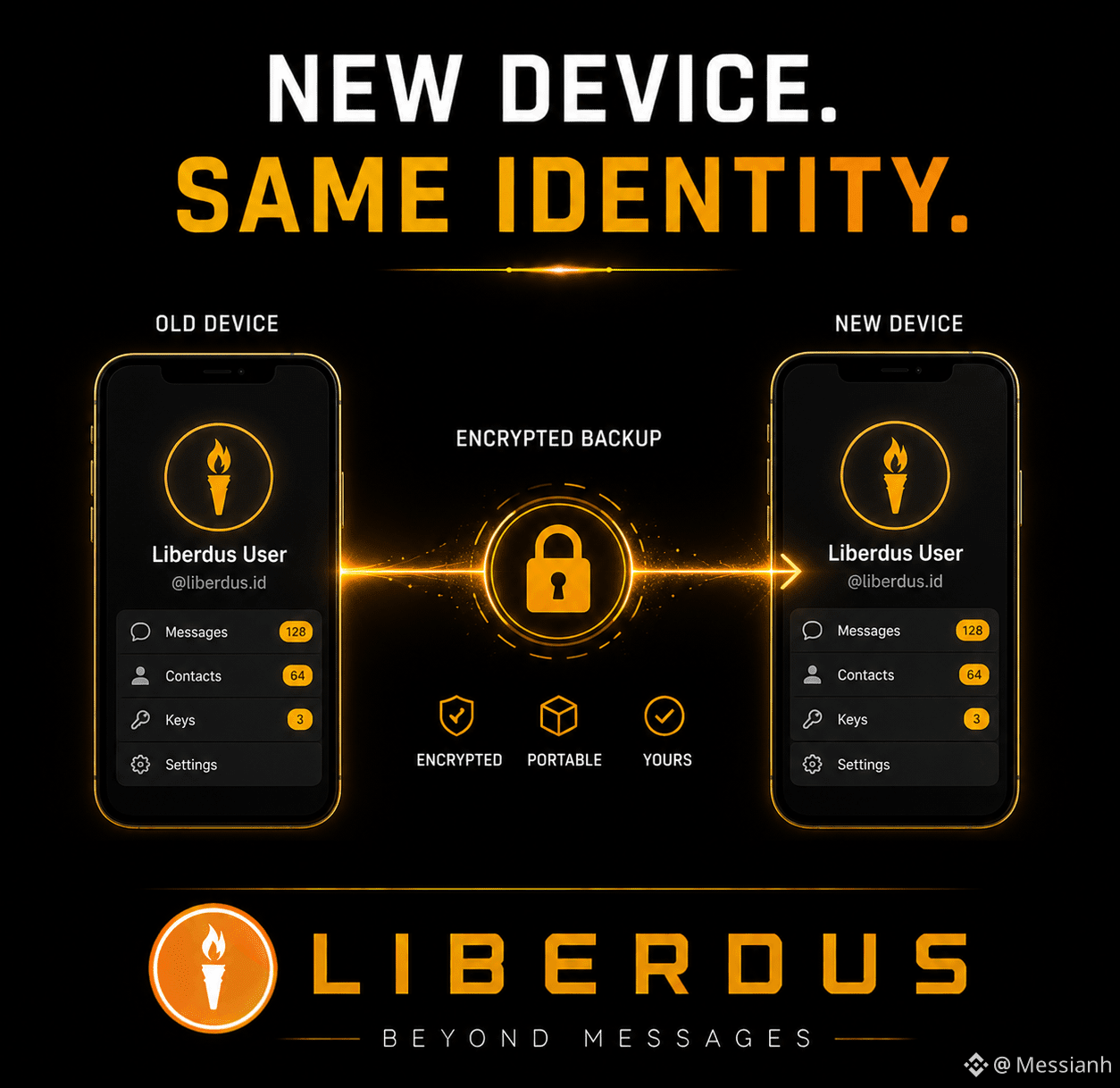
නව දුරකථනය, එම අනන්යතාවම
ඔබ උපකරණ වෙනස් කරන විට ඔබගේ ඩිජිටල් අනන්යතාවයට සිදුවන්නේ කුමක්ද?
Liberdus සමඟින් ඔබට ඔබගේ ගිණුමට සංකේතනය කළ උපස්ථයක් (encrypted backup) නිර්යාත කරගෙන වෙනත් උපකරණයකට එය ප්රතිස්ථාපනය කළ හැක.
ඔබගේ ගිණුම ඔබ අතේ තබාගෙන සිටින දුරකථනයට සරලවම සම්බන්ධ නොවේ.
එය උපස්ථ කරන්න, ගෙන යන්න, ප්රතිස්ථාපනය කරන්න.
ඩිජිටල් හිමිකාරිත්වය දැනෙන්න යුතු ලෙස එහෙමයි.
@liberdus #liberdus #KoreaSingleStockLeveragedETFTradingFalls
$LINK
{spot}(LINKUSDT)
නව දුරකථනය, එම අනන්යතාවම
ඔබ උපකරණ වෙනස් කරන විට ඔබගේ ඩිජිටල් අනන්යතාවයට සිදුවන්නේ කුමක්ද?
Liberdus සමඟින් ඔබට ඔබගේ ගිණුමට සංකේතනය කළ උපස්ථයක් (encrypted backup) නිර්යාත කරගෙන වෙනත් උපකරණයකට එය ප්රතිස්ථාපනය කළ හැක.
ඔබගේ ගිණුම ඔබ අතේ තබාගෙන සිටින දුරකථනයට සරලවම සම්බන්ධ නොවේ.
එය උපස්ථ කරන්න, ගෙන යන්න, ප්රතිස්ථාපනය කරන්න.
ඩිජිටල් හිමිකාරිත්වය දැනෙන්න යුතු ලෙස එහෙමයි.
@liberdus #liberdus #KoreaSingleStockLeveragedETFTradingFalls
$LINK
ඔබ උපකරණ වෙනස් කරන විට ඔබගේ ඩිජිටල් අනන්යතාවයට සිදුවන්නේ කුමක්ද?
Liberdus සමඟින් ඔබට ඔබගේ ගිණුමට සංකේතනය කළ උපස්ථයක් (encrypted backup) නිර්යාත කරගෙන වෙනත් උපකරණයකට එය ප්රතිස්ථාපනය කළ හැක.
ඔබගේ ගිණුම ඔබ අතේ තබාගෙන සිටින දුරකථනයට සරලවම සම්බන්ධ නොවේ.
එය උපස්ථ කරන්න, ගෙන යන්න, ප්රතිස්ථාපනය කරන්න.
ඩිජිටල් හිමිකාරිත්වය දැනෙන්න යුතු ලෙස එහෙමයි.
@liberdus #liberdus #KoreaSingleStockLeveragedETFTradingFalls
$LINK
1
108
·
--
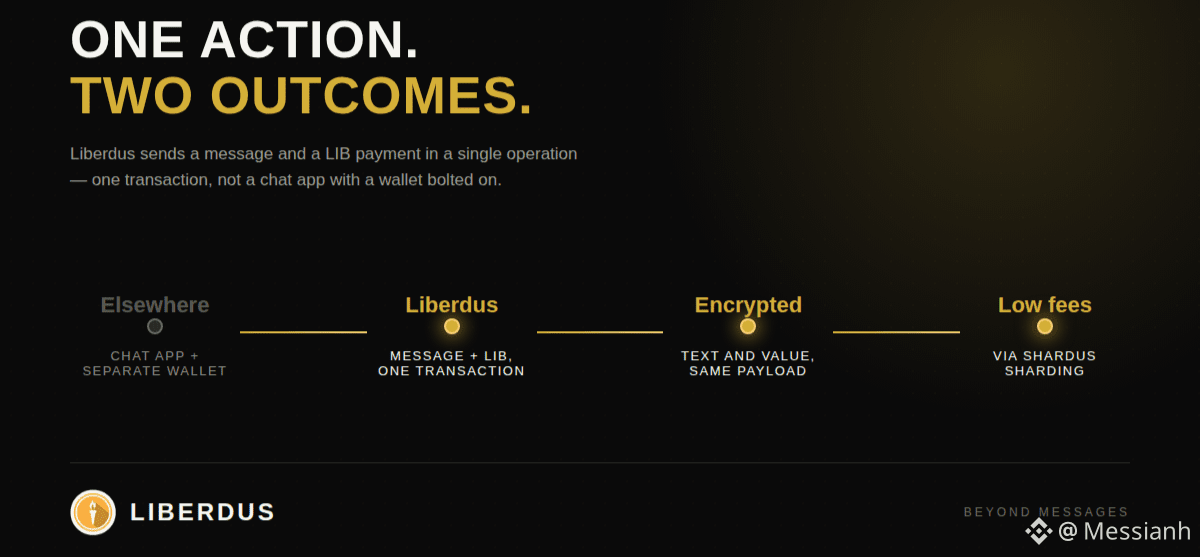
එක් ක්රියාමාර්ගයක්, ප්රතිඵල දෙකක්
බොහෝ වේදිකාවලදී කෙනෙකුට මුදල් යැවීම කියන්නේ කරන්නේ වෙනම කටයුතු දෙකක්: ඇයි කියන්නට චැට් ඇප් එකක් අරඹන එක, ඉන්පසු මුදල් ඇත්තටම මාරු කිරීමට වොලට් එකක් හෝ බැංකු ඇප් එකක් අරඹන එක. ඇප් දෙකක්, ලොගින් දෙකක්, එකිනෙකා ගැන නොදන්නා පද්ධති දෙකක්.
@Liberdus ආරක්ෂිත සන්නිවේදනය ක්රිප්ටෝ මුදල් ගනුදෙනු සමඟ එකට එක් කරලා, පණිවිඩයක් සහ LIB ටෝකන් එක මෙහෙයුමකින්ම යැවීමට ඉඩ දෙයි. ගෙවීම් බොත්තමක් අමුණා තිබෙන චැට් ඇප් එකක් නොවේ. පණිවිඩයත් ගෙවීමත් එකම ගනුදෙනුවක් වන අතර, ඒ දෙකම එකම ජාලයේ එකට සැකසී (processed) යයි.
එම එක්-ගනුදෙනු (single-transaction) සැලසුම තමයි මෙම ලිපි මාලාවේ කලින් ලිපි නිහඬවම ගොඩනඟමින් සිටියේ. යටින් ක්රියාත්මක වන Shardus sharding නිසා ගාස්තු ප්රමාණවත් ලෙස අඩු වන අතර, පණිවිඩයක් සමඟ සෑම ගෙවීමක්ම යුගල කිරීම අධික වියදමක් වෙනුවට ප්රායෝගික වේ.
දවස 16 සිටින අනන්යතාව තොර (anonymous), දුරකථන අංකය නොමැති ගිණුම් නිසා එම ගනුදෙනුවට ඇත්තේ වොලට් එකටම සීමා වූ අනන්යතාවක් පමණි. දවස 17 සිට ද්වි-එන්ක්රිප්ෂන් (double encryption) නිසා පෙළත් එහි සමඟ ගමන් කරන වටිනාකමත් ආරක්ෂා කරයි, මන්ද දෙකම එකම එන්ක්රිප්ට් payload එකේ කොටස් දෙකක් වන නිසා. තවද දවස 18 සිට පවතින toll mechanism ද ගෙවීමක් පණිවිඩයක් තුළට ගමන් කළ හැකි දෙයක් ලෙසම සලකයි—බිල් එකක් settling කිරීමට නොව, spam වැළැක්වීමට උත්සාහ කරමින්.
පණිවිඩයක් සහ ගෙවීමක් එක් ගනුදෙනුවක් බෙදාගැනීම කියන්නේ කුඩා තාක්ෂණික විස්තරයක් වගේ පෙනේ. නමුත් ප්රායෝගිකව එය ඝර්ෂණ (friction) වර්ගයක් පුරාම ඉවත් කරයි: විවෘත කරන්නට වෙනම වොලට් එකක් නැහැ, ඔබගේ ගෙවීම් ඉතිහාසය සමඟ විශ්වාස කරන්නට වෙනම ඇප් එකක් නැහැ, සහ කිසිදු විරාමයක් නැහැ—මොනවා හරි කියන එක සහ වටිනාකමක් ඒ සමඟම තැබීම අතර.
#liberdus #bnb $BNB
{spot}(BNBUSDT)
එක් ක්රියාමාර්ගයක්, ප්රතිඵල දෙකක්
බොහෝ වේදිකාවලදී කෙනෙකුට මුදල් යැවීම කියන්නේ කරන්නේ වෙනම කටයුතු දෙකක්: ඇයි කියන්නට චැට් ඇප් එකක් අරඹන එක, ඉන්පසු මුදල් ඇත්තටම මාරු කිරීමට වොලට් එකක් හෝ බැංකු ඇප් එකක් අරඹන එක. ඇප් දෙකක්, ලොගින් දෙකක්, එකිනෙකා ගැන නොදන්නා පද්ධති දෙකක්.
@Liberdus ආරක්ෂිත සන්නිවේදනය ක්රිප්ටෝ මුදල් ගනුදෙනු සමඟ එකට එක් කරලා, පණිවිඩයක් සහ LIB ටෝකන් එක මෙහෙයුමකින්ම යැවීමට ඉඩ දෙයි. ගෙවීම් බොත්තමක් අමුණා තිබෙන චැට් ඇප් එකක් නොවේ. පණිවිඩයත් ගෙවීමත් එකම ගනුදෙනුවක් වන අතර, ඒ දෙකම එකම ජාලයේ එකට සැකසී (processed) යයි.
එම එක්-ගනුදෙනු (single-transaction) සැලසුම තමයි මෙම ලිපි මාලාවේ කලින් ලිපි නිහඬවම ගොඩනඟමින් සිටියේ. යටින් ක්රියාත්මක වන Shardus sharding නිසා ගාස්තු ප්රමාණවත් ලෙස අඩු වන අතර, පණිවිඩයක් සමඟ සෑම ගෙවීමක්ම යුගල කිරීම අධික වියදමක් වෙනුවට ප්රායෝගික වේ.
දවස 16 සිටින අනන්යතාව තොර (anonymous), දුරකථන අංකය නොමැති ගිණුම් නිසා එම ගනුදෙනුවට ඇත්තේ වොලට් එකටම සීමා වූ අනන්යතාවක් පමණි. දවස 17 සිට ද්වි-එන්ක්රිප්ෂන් (double encryption) නිසා පෙළත් එහි සමඟ ගමන් කරන වටිනාකමත් ආරක්ෂා කරයි, මන්ද දෙකම එකම එන්ක්රිප්ට් payload එකේ කොටස් දෙකක් වන නිසා. තවද දවස 18 සිට පවතින toll mechanism ද ගෙවීමක් පණිවිඩයක් තුළට ගමන් කළ හැකි දෙයක් ලෙසම සලකයි—බිල් එකක් settling කිරීමට නොව, spam වැළැක්වීමට උත්සාහ කරමින්.
පණිවිඩයක් සහ ගෙවීමක් එක් ගනුදෙනුවක් බෙදාගැනීම කියන්නේ කුඩා තාක්ෂණික විස්තරයක් වගේ පෙනේ. නමුත් ප්රායෝගිකව එය ඝර්ෂණ (friction) වර්ගයක් පුරාම ඉවත් කරයි: විවෘත කරන්නට වෙනම වොලට් එකක් නැහැ, ඔබගේ ගෙවීම් ඉතිහාසය සමඟ විශ්වාස කරන්නට වෙනම ඇප් එකක් නැහැ, සහ කිසිදු විරාමයක් නැහැ—මොනවා හරි කියන එක සහ වටිනාකමක් ඒ සමඟම තැබීම අතර.
#liberdus #bnb $BNB
බොහෝ වේදිකාවලදී කෙනෙකුට මුදල් යැවීම කියන්නේ කරන්නේ වෙනම කටයුතු දෙකක්: ඇයි කියන්නට චැට් ඇප් එකක් අරඹන එක, ඉන්පසු මුදල් ඇත්තටම මාරු කිරීමට වොලට් එකක් හෝ බැංකු ඇප් එකක් අරඹන එක. ඇප් දෙකක්, ලොගින් දෙකක්, එකිනෙකා ගැන නොදන්නා පද්ධති දෙකක්.
@Liberdus ආරක්ෂිත සන්නිවේදනය ක්රිප්ටෝ මුදල් ගනුදෙනු සමඟ එකට එක් කරලා, පණිවිඩයක් සහ LIB ටෝකන් එක මෙහෙයුමකින්ම යැවීමට ඉඩ දෙයි. ගෙවීම් බොත්තමක් අමුණා තිබෙන චැට් ඇප් එකක් නොවේ. පණිවිඩයත් ගෙවීමත් එකම ගනුදෙනුවක් වන අතර, ඒ දෙකම එකම ජාලයේ එකට සැකසී (processed) යයි.
එම එක්-ගනුදෙනු (single-transaction) සැලසුම තමයි මෙම ලිපි මාලාවේ කලින් ලිපි නිහඬවම ගොඩනඟමින් සිටියේ. යටින් ක්රියාත්මක වන Shardus sharding නිසා ගාස්තු ප්රමාණවත් ලෙස අඩු වන අතර, පණිවිඩයක් සමඟ සෑම ගෙවීමක්ම යුගල කිරීම අධික වියදමක් වෙනුවට ප්රායෝගික වේ.
දවස 16 සිටින අනන්යතාව තොර (anonymous), දුරකථන අංකය නොමැති ගිණුම් නිසා එම ගනුදෙනුවට ඇත්තේ වොලට් එකටම සීමා වූ අනන්යතාවක් පමණි. දවස 17 සිට ද්වි-එන්ක්රිප්ෂන් (double encryption) නිසා පෙළත් එහි සමඟ ගමන් කරන වටිනාකමත් ආරක්ෂා කරයි, මන්ද දෙකම එකම එන්ක්රිප්ට් payload එකේ කොටස් දෙකක් වන නිසා. තවද දවස 18 සිට පවතින toll mechanism ද ගෙවීමක් පණිවිඩයක් තුළට ගමන් කළ හැකි දෙයක් ලෙසම සලකයි—බිල් එකක් settling කිරීමට නොව, spam වැළැක්වීමට උත්සාහ කරමින්.
පණිවිඩයක් සහ ගෙවීමක් එක් ගනුදෙනුවක් බෙදාගැනීම කියන්නේ කුඩා තාක්ෂණික විස්තරයක් වගේ පෙනේ. නමුත් ප්රායෝගිකව එය ඝර්ෂණ (friction) වර්ගයක් පුරාම ඉවත් කරයි: විවෘත කරන්නට වෙනම වොලට් එකක් නැහැ, ඔබගේ ගෙවීම් ඉතිහාසය සමඟ විශ්වාස කරන්නට වෙනම ඇප් එකක් නැහැ, සහ කිසිදු විරාමයක් නැහැ—මොනවා හරි කියන එක සහ වටිනාකමක් ඒ සමඟම තැබීම අතර.
#liberdus #bnb $BNB
1
80
·
--
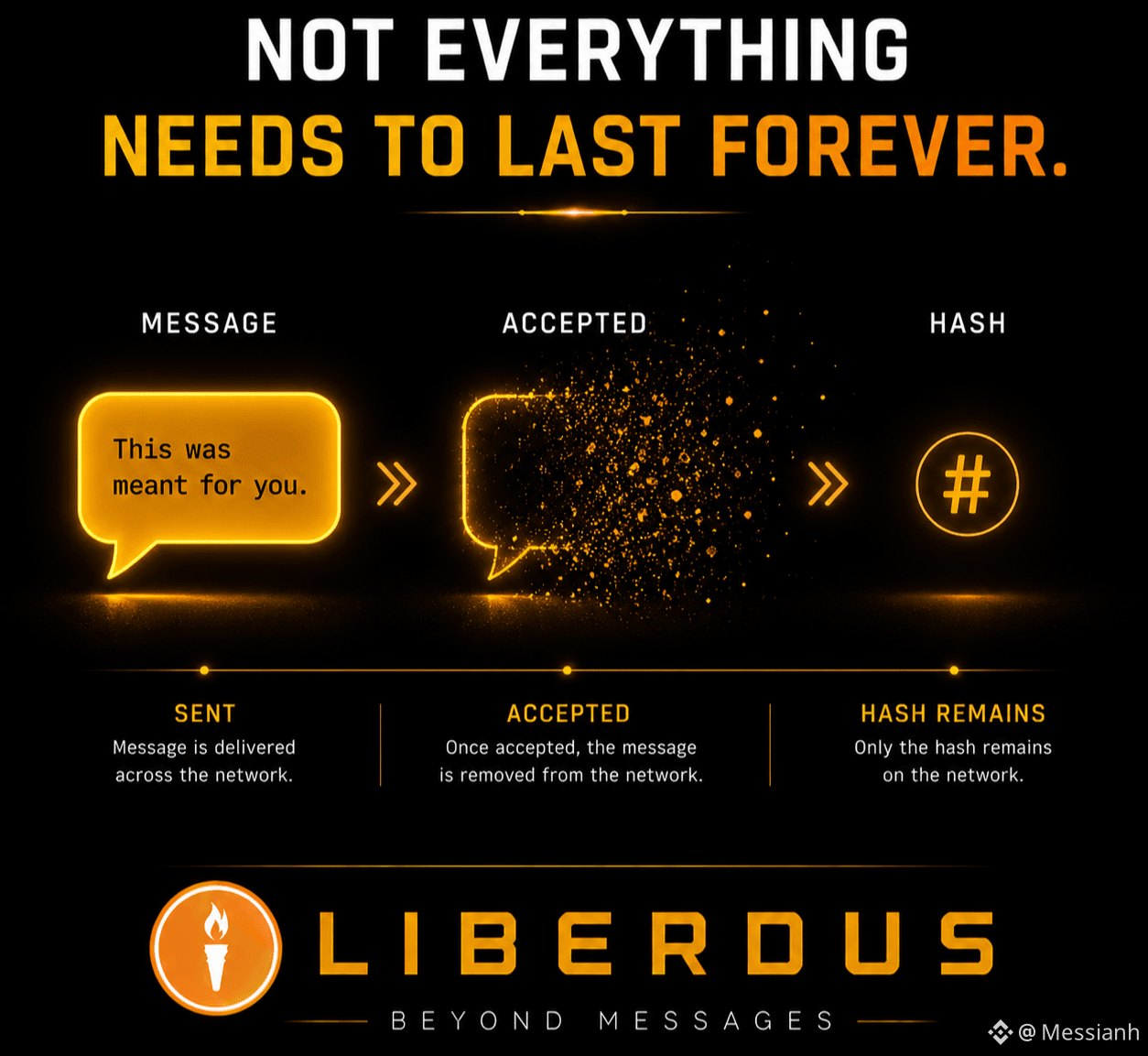
ඔබගේ පණිවිඩ දිගුකාලීනව සදහටම තබාගත යුතු නැහැ.
බොහෝ දෙනා පණිවිඩයක් බාරදුන් පසු එයට සිදුවන්නේ කුමක්ද කියලා අතිශයින්ම කලාතුරකින් සිතනවා. @liberdus සමඟ, පණිවිඩ බොහෝ කාලයක් සදහටම ජාලයේ රැඳී සිටීමට නිර්මාණය කරලා නැහැ.
පණිවිඩයක් පිළිගත් පසු, එය ජාලයෙන් ඉවත් කරනු ලැබේ.
පවතින්නේ පණිවිඩයම නොව හැෂ් එකයි.
අඩු ස්ථිර දත්ත, අඩු අනවශ්ය නිරාවරණයක්.
ඒක පණිවිඩ යැවීමේදී සම්පූර්ණයෙන්ම වෙනස් ප්රවේශයක්.
#Liberdus #BTC $BTC
{spot}(BTCUSDT)
ඔබගේ පණිවිඩ දිගුකාලීනව සදහටම තබාගත යුතු නැහැ.
බොහෝ දෙනා පණිවිඩයක් බාරදුන් පසු එයට සිදුවන්නේ කුමක්ද කියලා අතිශයින්ම කලාතුරකින් සිතනවා. @liberdus සමඟ, පණිවිඩ බොහෝ කාලයක් සදහටම ජාලයේ රැඳී සිටීමට නිර්මාණය කරලා නැහැ.
පණිවිඩයක් පිළිගත් පසු, එය ජාලයෙන් ඉවත් කරනු ලැබේ.
පවතින්නේ පණිවිඩයම නොව හැෂ් එකයි.
අඩු ස්ථිර දත්ත, අඩු අනවශ්ය නිරාවරණයක්.
ඒක පණිවිඩ යැවීමේදී සම්පූර්ණයෙන්ම වෙනස් ප්රවේශයක්.
#Liberdus #BTC $BTC
බොහෝ දෙනා පණිවිඩයක් බාරදුන් පසු එයට සිදුවන්නේ කුමක්ද කියලා අතිශයින්ම කලාතුරකින් සිතනවා. @liberdus සමඟ, පණිවිඩ බොහෝ කාලයක් සදහටම ජාලයේ රැඳී සිටීමට නිර්මාණය කරලා නැහැ.
පණිවිඩයක් පිළිගත් පසු, එය ජාලයෙන් ඉවත් කරනු ලැබේ.
පවතින්නේ පණිවිඩයම නොව හැෂ් එකයි.
අඩු ස්ථිර දත්ත, අඩු අනවශ්ය නිරාවරණයක්.
ඒක පණිවිඩ යැවීමේදී සම්පූර්ණයෙන්ම වෙනස් ප්රවේශයක්.
#Liberdus #BTC $BTC
1
111
·
--
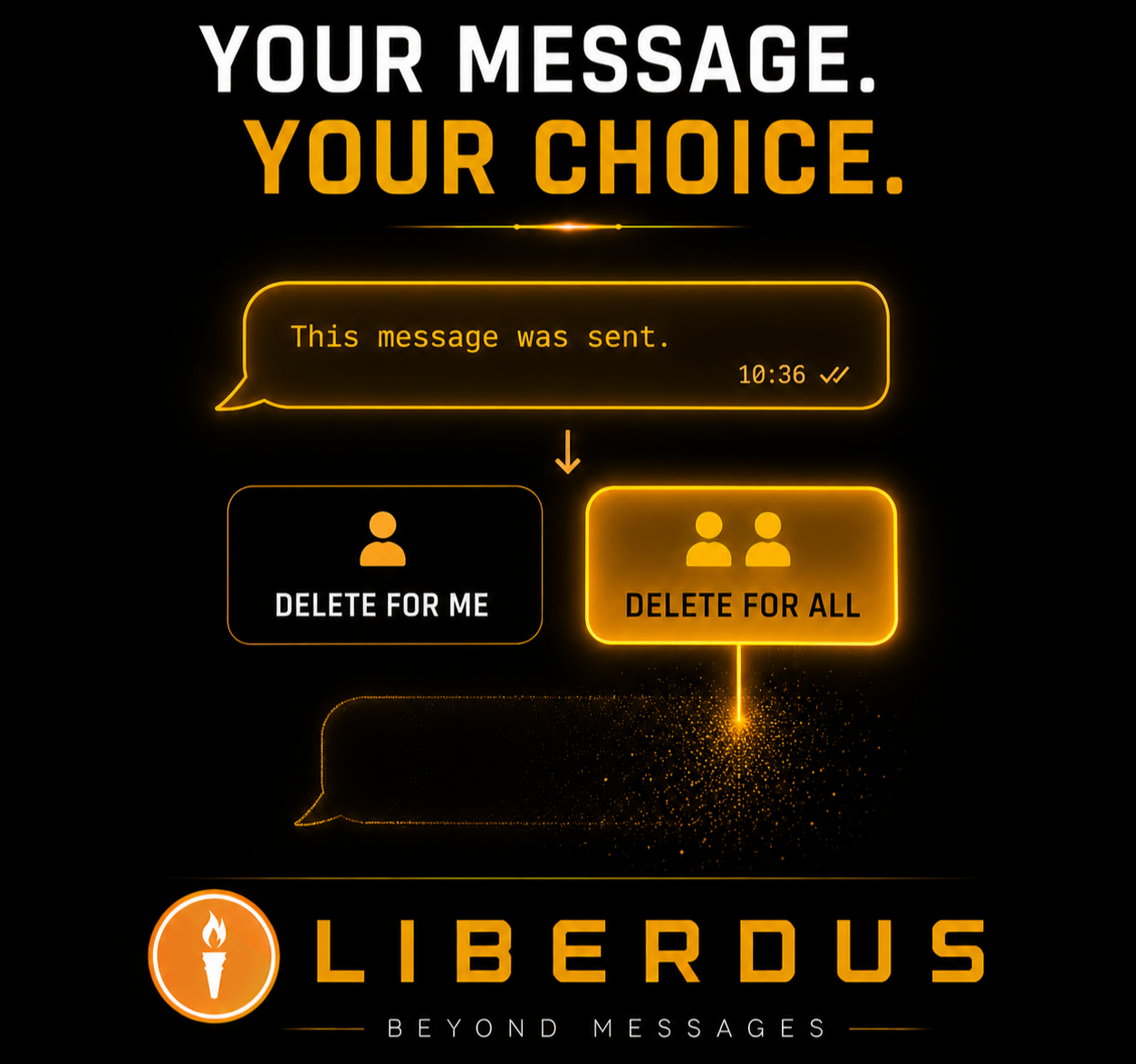
ඔබට පණිවිඩයක් මකා දමා අවසන් කිරීමට අවශ්ය වූ විට කුමක් සිදුවේද?
Liberdus හි ඔබට විකල්ප දෙකක් තිබේ:
මට සඳහා මකා දමන්න → එය ඔබගේ උපාංගයෙන් ඉවත් කරයි.
සියල්ලන් සඳහා මකා දමන්න → ඔබගේ පණිවිඩය සංවාදයේ දෙපැත්තෙන්ම ඉවත් කරයි.
සංකීර්ණ ක්රියාවලියක් නැහැ
ඔබ යැවූ දේට පාලනය
ඔබගේ සංවාදය. ඔබේ තේරීම
@liberdus #xrp $XRP
{spot}(XRPUSDT)
ඔබට පණිවිඩයක් මකා දමා අවසන් කිරීමට අවශ්ය වූ විට කුමක් සිදුවේද?
Liberdus හි ඔබට විකල්ප දෙකක් තිබේ:
මට සඳහා මකා දමන්න → එය ඔබගේ උපාංගයෙන් ඉවත් කරයි.
සියල්ලන් සඳහා මකා දමන්න → ඔබගේ පණිවිඩය සංවාදයේ දෙපැත්තෙන්ම ඉවත් කරයි.
සංකීර්ණ ක්රියාවලියක් නැහැ
ඔබ යැවූ දේට පාලනය
ඔබගේ සංවාදය. ඔබේ තේරීම
@liberdus #xrp $XRP
Liberdus හි ඔබට විකල්ප දෙකක් තිබේ:
මට සඳහා මකා දමන්න → එය ඔබගේ උපාංගයෙන් ඉවත් කරයි.
සියල්ලන් සඳහා මකා දමන්න → ඔබගේ පණිවිඩය සංවාදයේ දෙපැත්තෙන්ම ඉවත් කරයි.
සංකීර්ණ ක්රියාවලියක් නැහැ
ඔබ යැවූ දේට පාලනය
ඔබගේ සංවාදය. ඔබේ තේරීම
@liberdus #xrp $XRP
1
88
·
--
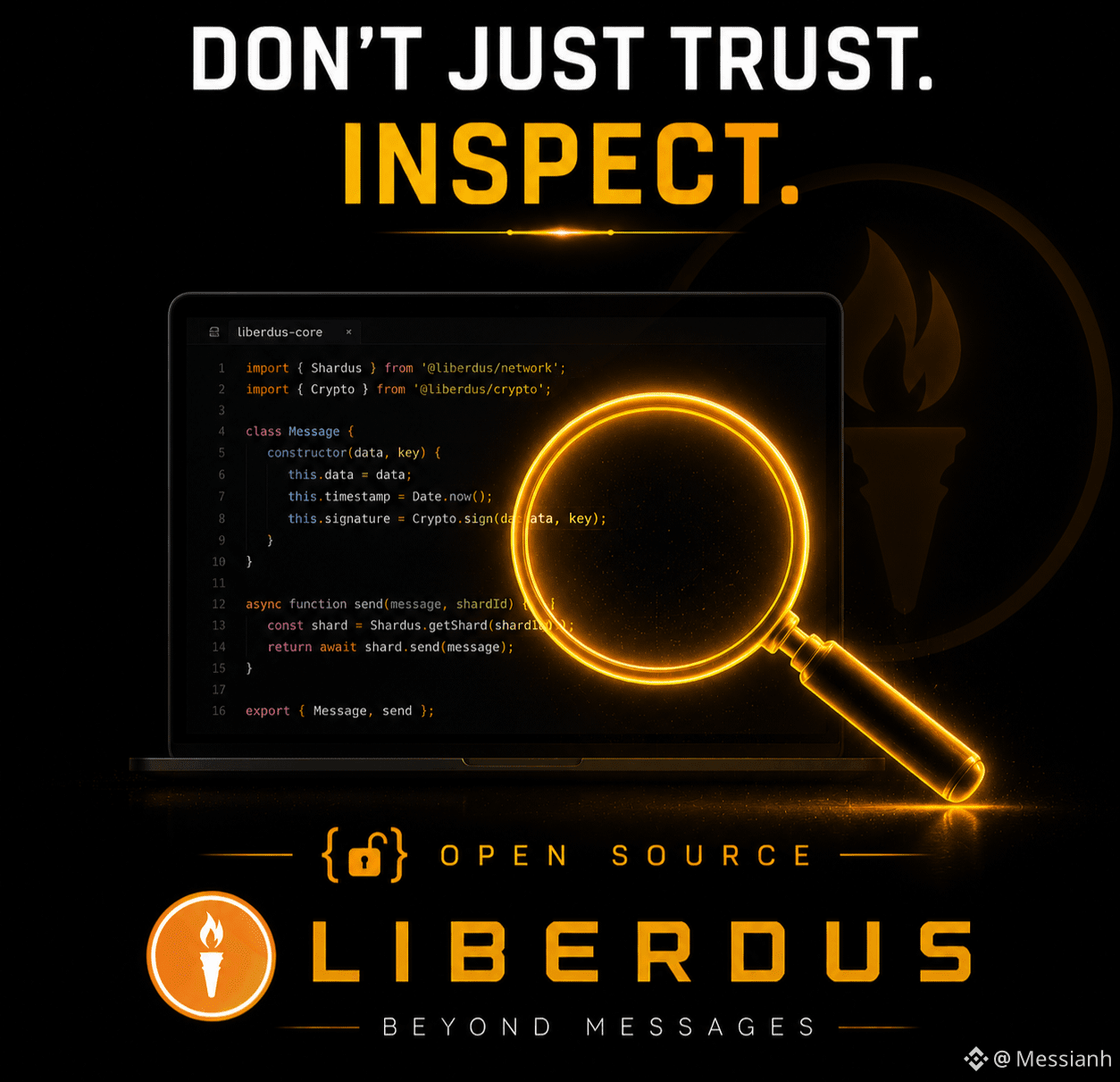
යෙදුමට පමණක් විශ්වාස නොකරන්න, එය පරීක්ෂා කරන්න.
ඔබ පණිවිඩ යැවීමේ වේදිකාවක් භාවිතා කරන විට, ඔබට අනිවාර්යයෙන්ම දැකිය නොහැකි මෘදුකාංගයක් ඔබ විශ්වාස කරමින් සිටිනවා.
Liberdus වෙනස් ප්රවේශයක් ගන්නවා.
එහි ප්රධාන සංරචක විවෘත මූලාශ්ර (open source) වේ.
එම කේතය (code) පොදු වේ. ඕනෑම කෙනෙකුට එය පරීක්ෂා කරන්න, විගණනය (audit) කරන්න, නැත්නම් එයට දායක වන්න පුළුවන්.
විශ්වාසය ලාංඡනයකින් (logo) ආ යුතු නැහැ.
සමහර විට, විශ්වාසය කේතයෙන් (code) ආ යුතුයි.
@liberdus #Liberdus #XRPLeadsCryptoPullbackDropsNearly7% $ONG
{spot}(ONGUSDT)
යෙදුමට පමණක් විශ්වාස නොකරන්න, එය පරීක්ෂා කරන්න.
ඔබ පණිවිඩ යැවීමේ වේදිකාවක් භාවිතා කරන විට, ඔබට අනිවාර්යයෙන්ම දැකිය නොහැකි මෘදුකාංගයක් ඔබ විශ්වාස කරමින් සිටිනවා.
Liberdus වෙනස් ප්රවේශයක් ගන්නවා.
එහි ප්රධාන සංරචක විවෘත මූලාශ්ර (open source) වේ.
එම කේතය (code) පොදු වේ. ඕනෑම කෙනෙකුට එය පරීක්ෂා කරන්න, විගණනය (audit) කරන්න, නැත්නම් එයට දායක වන්න පුළුවන්.
විශ්වාසය ලාංඡනයකින් (logo) ආ යුතු නැහැ.
සමහර විට, විශ්වාසය කේතයෙන් (code) ආ යුතුයි.
@liberdus #Liberdus #XRPLeadsCryptoPullbackDropsNearly7% $ONG
ඔබ පණිවිඩ යැවීමේ වේදිකාවක් භාවිතා කරන විට, ඔබට අනිවාර්යයෙන්ම දැකිය නොහැකි මෘදුකාංගයක් ඔබ විශ්වාස කරමින් සිටිනවා.
Liberdus වෙනස් ප්රවේශයක් ගන්නවා.
එහි ප්රධාන සංරචක විවෘත මූලාශ්ර (open source) වේ.
එම කේතය (code) පොදු වේ. ඕනෑම කෙනෙකුට එය පරීක්ෂා කරන්න, විගණනය (audit) කරන්න, නැත්නම් එයට දායක වන්න පුළුවන්.
විශ්වාසය ලාංඡනයකින් (logo) ආ යුතු නැහැ.
සමහර විට, විශ්වාසය කේතයෙන් (code) ආ යුතුයි.
@liberdus #Liberdus #XRPLeadsCryptoPullbackDropsNearly7% $ONG
1
72
·
--
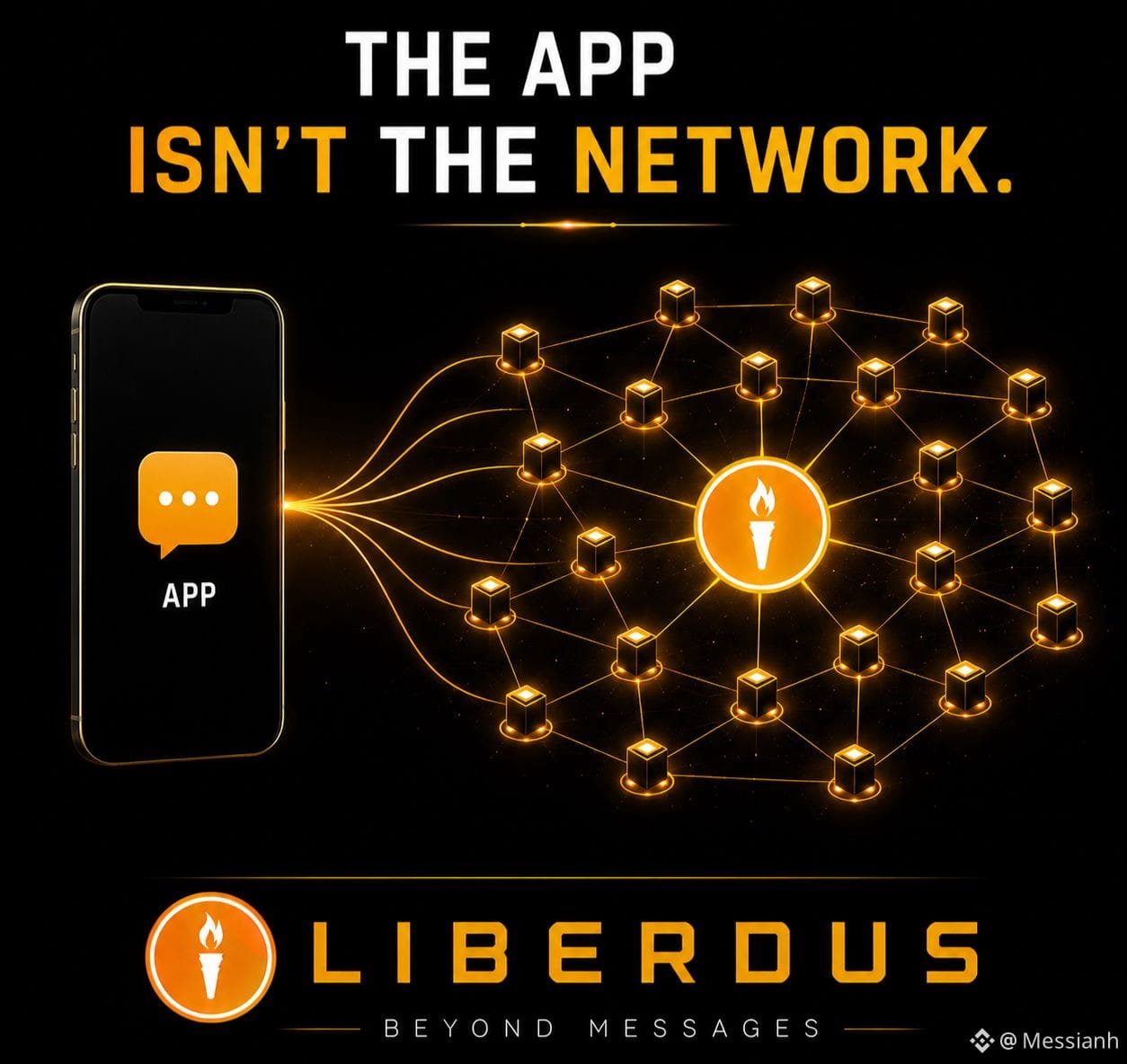
යෙදුම ජාලය නොවේ
මෙය පහසුවෙන් මඟහැරී යා හැකි වෙන්කළකිරීමක්.
සාම්ප්රදායික පණිවිඩ යැවීමේ වේදිකාවකදී, යෙදුම සහ එය පිටුපස සිටින සමාගම ඔබ යැපෙන යටිතල පහසුකම් සමඟ තදින් බැඳී ඇත.
@liberdus වෙනස් ආකාරයෙන් නිර්මාණය කර ඇත.
ජාලය මධ්යගත පණිවිඩ සේවාදායකයකට වඩා, බෙදාහැරුණු වාලිඩේටර් නෝඩ් හරහා ක්රියා කරයි. ජාලය සමඟ ඔබ අන්තර්ක්රියා කරන්නේ යෙදුමෙන්.
ජාලයට එක් යෙදුම් සේවාදායකයක් ජීවතුන් අතර සිටීම මත රඳා නොපවතී. විමධ්යගතකරණය කියන්නේ ඇත්තටම ආරම්භ වන්නේ එතැනින්.
#Liberdus #xrp $XRP
{spot}(XRPUSDT)
යෙදුම ජාලය නොවේ
මෙය පහසුවෙන් මඟහැරී යා හැකි වෙන්කළකිරීමක්.
සාම්ප්රදායික පණිවිඩ යැවීමේ වේදිකාවකදී, යෙදුම සහ එය පිටුපස සිටින සමාගම ඔබ යැපෙන යටිතල පහසුකම් සමඟ තදින් බැඳී ඇත.
@liberdus වෙනස් ආකාරයෙන් නිර්මාණය කර ඇත.
ජාලය මධ්යගත පණිවිඩ සේවාදායකයකට වඩා, බෙදාහැරුණු වාලිඩේටර් නෝඩ් හරහා ක්රියා කරයි. ජාලය සමඟ ඔබ අන්තර්ක්රියා කරන්නේ යෙදුමෙන්.
ජාලයට එක් යෙදුම් සේවාදායකයක් ජීවතුන් අතර සිටීම මත රඳා නොපවතී. විමධ්යගතකරණය කියන්නේ ඇත්තටම ආරම්භ වන්නේ එතැනින්.
#Liberdus #xrp $XRP
මෙය පහසුවෙන් මඟහැරී යා හැකි වෙන්කළකිරීමක්.
සාම්ප්රදායික පණිවිඩ යැවීමේ වේදිකාවකදී, යෙදුම සහ එය පිටුපස සිටින සමාගම ඔබ යැපෙන යටිතල පහසුකම් සමඟ තදින් බැඳී ඇත.
@liberdus වෙනස් ආකාරයෙන් නිර්මාණය කර ඇත.
ජාලය මධ්යගත පණිවිඩ සේවාදායකයකට වඩා, බෙදාහැරුණු වාලිඩේටර් නෝඩ් හරහා ක්රියා කරයි. ජාලය සමඟ ඔබ අන්තර්ක්රියා කරන්නේ යෙදුමෙන්.
ජාලයට එක් යෙදුම් සේවාදායකයක් ජීවතුන් අතර සිටීම මත රඳා නොපවතී. විමධ්යගතකරණය කියන්නේ ඇත්තටම ආරම්භ වන්නේ එතැනින්.
#Liberdus #xrp $XRP
1
46
·
--
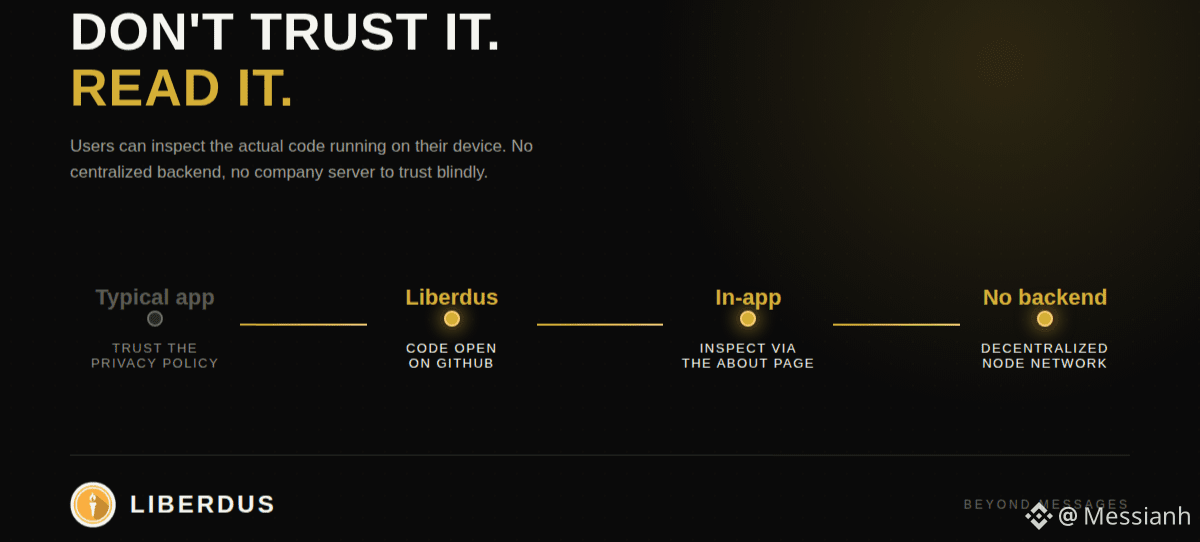
ඔබට ඇත්තටම පරීක්ෂා කළ හැකි කේතය
බොහෝ පණිවිඩ යෙදුම්වල විශ්වාසය පදනම් වන්නේ ඔබට තහවුරු කරගත නොහැකි පොරොන්දුවක් මතය: අපි ඔබේ පණිවිඩ කියවන්නේ නැහැ. ඔබටම එම ප්රකාශය පරීක්ෂා කිරීමට ක්රමයක් නැහැ; විශ්වාස කරන්න තියෙන්නේ පෞද්ගලිකත්ව ප්රතිපත්තියක් සහ වෙළඳ නාමය පිළිබඳ කීර්තියක් පමණයි.
Liberdus වෙනස් ප්රවේශයක් ගනී: බොහෝ පණිවිඩ වේදිකාවන්ට වඩා වෙනස්ව, එය සම්පූර්ණයෙන්ම විනිවිද පෙනෙන අතර, යෙදුමේ ඇති About පිටුව තුළින් භාවිතා කරන්නන්ට තම උපාංගයේ ක්රියාත්මක වන සැබෑ කේතය පරීක්ෂා කළ හැක. කේතය කියලා දෙනවා කියන දේවල් සාරාංශ කරන whitepaper එකක් නොවේ. ඕනෑම කෙනෙකුට කියවිය හැකි තැනක සිටින කේතයමයි.
මෙම ව්යාපෘතියේ GitHub සංවිධානය විසින් සම්පූර්ණ framework එකක් decentralized chat පද්ධතියක් ලෙස host කරයි—ඒ සමඟම native coin transfer එකද ඇතුළත් කර ඇත. එය තිරස්ව (horizontally) පරිමාණය කළ හැකි ලෙස නිර්මාණය කර Shardus protocol එක මත ගොඩනගා ඇත. validator nodes වෙත ගමනාගමනය route කරන proxy යටිතල පහසුකම්ද, LIB එක් එක් chain අතර සම්බන්ධ කරන bridge contracts ද එහිම ඇතුළත් වේ. ප්රධාන සංරචක සියල්ලම විවෘතවයි—පෙන්වීමට පහසු කොටස් පමණක් නොව.
ඒ විනිවිදභාවය මෙම මාලාවේ කලින් පැහැදිලි කර තිබූ ව්යුහගත නිර්මාණයට සෘජුවම සම්බන්ධ වේ. සමාගමක් විසින් පවත්වාගෙන යන centralized backend එකක් වෙනුවට, Liberdus හදන්නේ ඕනෑම කෙනෙකුට සාමාන්ය පරිගණකයක් භාවිතයෙන් එක්විය හැකි decentralized nodes ජාලයක් මගින් ක්රියාත්මක කරන blockchain එකක්. ඒ නිසා විශ්වාස කළ යුතු සමාගම් server එකක් නැහැ—මුලින්මම core network එක පවත්වාගෙන යන්නේ සමාගම් server එකක් නොමැති නිසා.
විවෘත කේතය encryption හෝ ප්රවේශම් සහගත ව්යුහගත නිර්මාණ අවශ්යතාව වෙනුවට නොවේ; එය privacy policy එකකින් ලබා දෙන්න බැරි දෙයක් සමඟින් ඒ design තීරණ සඳහා සහය දක්වයි: එම ප්රකාශය විශ්වාස කරගැනීමකට වඩා, එය තහවුරු කිරීමට තරම් තාක්ෂණික ප්රමාණවත් ඕනෑම කෙනෙකුට එය සත්යාපනය කළ හැකි හැකියාව.
#Liberdus @Liberdus #BNB $BNB
{spot}(BNBUSDT)
ඔබට ඇත්තටම පරීක්ෂා කළ හැකි කේතය
බොහෝ පණිවිඩ යෙදුම්වල විශ්වාසය පදනම් වන්නේ ඔබට තහවුරු කරගත නොහැකි පොරොන්දුවක් මතය: අපි ඔබේ පණිවිඩ කියවන්නේ නැහැ. ඔබටම එම ප්රකාශය පරීක්ෂා කිරීමට ක්රමයක් නැහැ; විශ්වාස කරන්න තියෙන්නේ පෞද්ගලිකත්ව ප්රතිපත්තියක් සහ වෙළඳ නාමය පිළිබඳ කීර්තියක් පමණයි.
Liberdus වෙනස් ප්රවේශයක් ගනී: බොහෝ පණිවිඩ වේදිකාවන්ට වඩා වෙනස්ව, එය සම්පූර්ණයෙන්ම විනිවිද පෙනෙන අතර, යෙදුමේ ඇති About පිටුව තුළින් භාවිතා කරන්නන්ට තම උපාංගයේ ක්රියාත්මක වන සැබෑ කේතය පරීක්ෂා කළ හැක. කේතය කියලා දෙනවා කියන දේවල් සාරාංශ කරන whitepaper එකක් නොවේ. ඕනෑම කෙනෙකුට කියවිය හැකි තැනක සිටින කේතයමයි.
මෙම ව්යාපෘතියේ GitHub සංවිධානය විසින් සම්පූර්ණ framework එකක් decentralized chat පද්ධතියක් ලෙස host කරයි—ඒ සමඟම native coin transfer එකද ඇතුළත් කර ඇත. එය තිරස්ව (horizontally) පරිමාණය කළ හැකි ලෙස නිර්මාණය කර Shardus protocol එක මත ගොඩනගා ඇත. validator nodes වෙත ගමනාගමනය route කරන proxy යටිතල පහසුකම්ද, LIB එක් එක් chain අතර සම්බන්ධ කරන bridge contracts ද එහිම ඇතුළත් වේ. ප්රධාන සංරචක සියල්ලම විවෘතවයි—පෙන්වීමට පහසු කොටස් පමණක් නොව.
ඒ විනිවිදභාවය මෙම මාලාවේ කලින් පැහැදිලි කර තිබූ ව්යුහගත නිර්මාණයට සෘජුවම සම්බන්ධ වේ. සමාගමක් විසින් පවත්වාගෙන යන centralized backend එකක් වෙනුවට, Liberdus හදන්නේ ඕනෑම කෙනෙකුට සාමාන්ය පරිගණකයක් භාවිතයෙන් එක්විය හැකි decentralized nodes ජාලයක් මගින් ක්රියාත්මක කරන blockchain එකක්. ඒ නිසා විශ්වාස කළ යුතු සමාගම් server එකක් නැහැ—මුලින්මම core network එක පවත්වාගෙන යන්නේ සමාගම් server එකක් නොමැති නිසා.
විවෘත කේතය encryption හෝ ප්රවේශම් සහගත ව්යුහගත නිර්මාණ අවශ්යතාව වෙනුවට නොවේ; එය privacy policy එකකින් ලබා දෙන්න බැරි දෙයක් සමඟින් ඒ design තීරණ සඳහා සහය දක්වයි: එම ප්රකාශය විශ්වාස කරගැනීමකට වඩා, එය තහවුරු කිරීමට තරම් තාක්ෂණික ප්රමාණවත් ඕනෑම කෙනෙකුට එය සත්යාපනය කළ හැකි හැකියාව.
#Liberdus @Liberdus #BNB $BNB
බොහෝ පණිවිඩ යෙදුම්වල විශ්වාසය පදනම් වන්නේ ඔබට තහවුරු කරගත නොහැකි පොරොන්දුවක් මතය: අපි ඔබේ පණිවිඩ කියවන්නේ නැහැ. ඔබටම එම ප්රකාශය පරීක්ෂා කිරීමට ක්රමයක් නැහැ; විශ්වාස කරන්න තියෙන්නේ පෞද්ගලිකත්ව ප්රතිපත්තියක් සහ වෙළඳ නාමය පිළිබඳ කීර්තියක් පමණයි.
Liberdus වෙනස් ප්රවේශයක් ගනී: බොහෝ පණිවිඩ වේදිකාවන්ට වඩා වෙනස්ව, එය සම්පූර්ණයෙන්ම විනිවිද පෙනෙන අතර, යෙදුමේ ඇති About පිටුව තුළින් භාවිතා කරන්නන්ට තම උපාංගයේ ක්රියාත්මක වන සැබෑ කේතය පරීක්ෂා කළ හැක. කේතය කියලා දෙනවා කියන දේවල් සාරාංශ කරන whitepaper එකක් නොවේ. ඕනෑම කෙනෙකුට කියවිය හැකි තැනක සිටින කේතයමයි.
මෙම ව්යාපෘතියේ GitHub සංවිධානය විසින් සම්පූර්ණ framework එකක් decentralized chat පද්ධතියක් ලෙස host කරයි—ඒ සමඟම native coin transfer එකද ඇතුළත් කර ඇත. එය තිරස්ව (horizontally) පරිමාණය කළ හැකි ලෙස නිර්මාණය කර Shardus protocol එක මත ගොඩනගා ඇත. validator nodes වෙත ගමනාගමනය route කරන proxy යටිතල පහසුකම්ද, LIB එක් එක් chain අතර සම්බන්ධ කරන bridge contracts ද එහිම ඇතුළත් වේ. ප්රධාන සංරචක සියල්ලම විවෘතවයි—පෙන්වීමට පහසු කොටස් පමණක් නොව.
ඒ විනිවිදභාවය මෙම මාලාවේ කලින් පැහැදිලි කර තිබූ ව්යුහගත නිර්මාණයට සෘජුවම සම්බන්ධ වේ. සමාගමක් විසින් පවත්වාගෙන යන centralized backend එකක් වෙනුවට, Liberdus හදන්නේ ඕනෑම කෙනෙකුට සාමාන්ය පරිගණකයක් භාවිතයෙන් එක්විය හැකි decentralized nodes ජාලයක් මගින් ක්රියාත්මක කරන blockchain එකක්. ඒ නිසා විශ්වාස කළ යුතු සමාගම් server එකක් නැහැ—මුලින්මම core network එක පවත්වාගෙන යන්නේ සමාගම් server එකක් නොමැති නිසා.
විවෘත කේතය encryption හෝ ප්රවේශම් සහගත ව්යුහගත නිර්මාණ අවශ්යතාව වෙනුවට නොවේ; එය privacy policy එකකින් ලබා දෙන්න බැරි දෙයක් සමඟින් ඒ design තීරණ සඳහා සහය දක්වයි: එම ප්රකාශය විශ්වාස කරගැනීමකට වඩා, එය තහවුරු කිරීමට තරම් තාක්ෂණික ප්රමාණවත් ඕනෑම කෙනෙකුට එය සත්යාපනය කළ හැකි හැකියාව.
#Liberdus @Liberdus #BNB $BNB
1
64
·
--
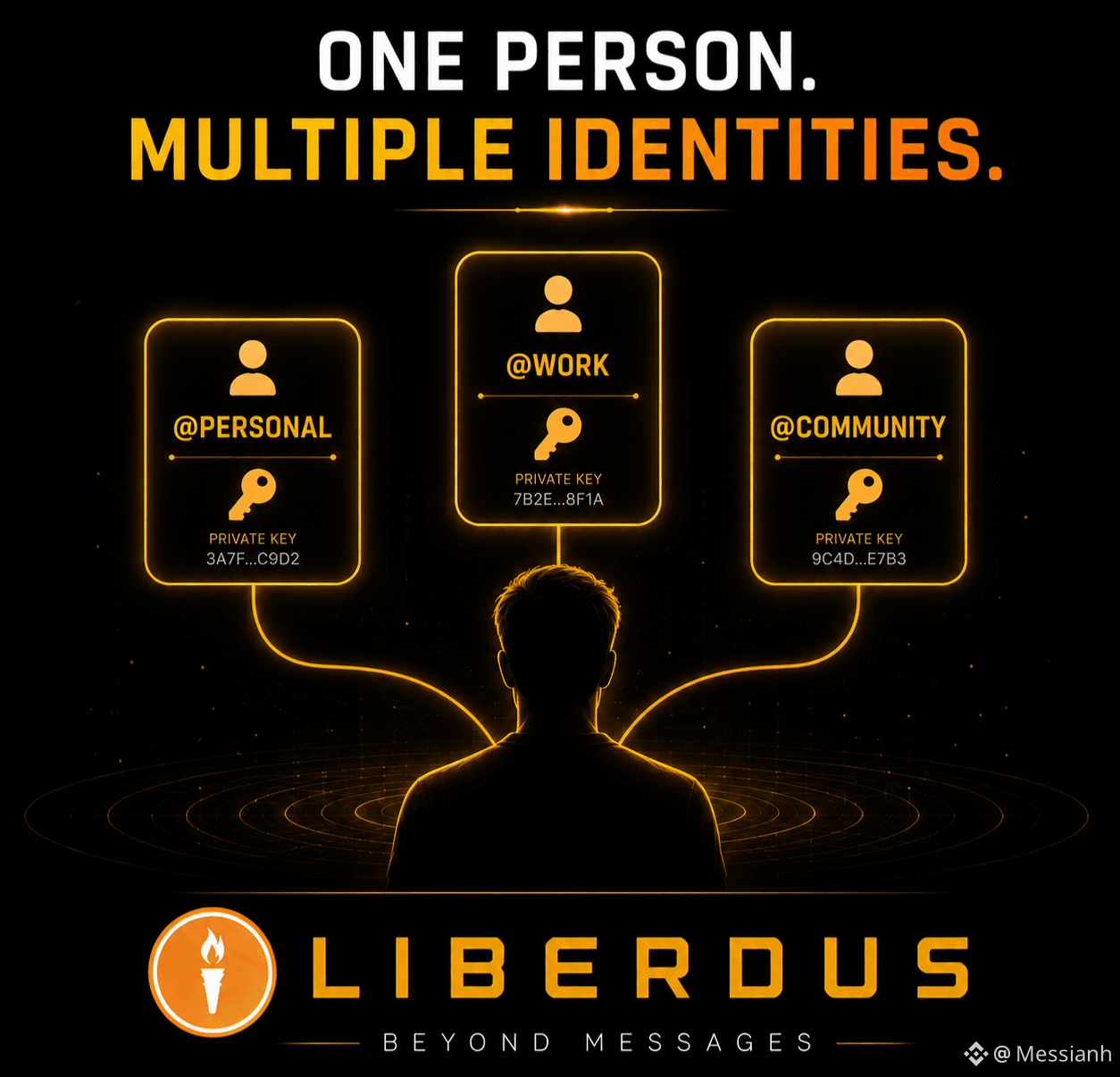
ඇයි එක් පුද්ගලයෙකුට එකම ඩිජිටල් අනන්යතාවයක් පමණක් තිබිය යුත්තේ?
ඔබේ පුද්ගලික ජීවිතය ඔබේ වැඩවලින් වෙනස්
ඔබේ වැඩ ඔබේ ප්රජාවෙන් වෙනස්.
නමුත් බොහෝ වේදිකා සියල්ල එකම ගිණුමක් හරහා දමයි.
Liberdus එකම උපාංගයේම අසම මැදිහත් නොවන විවිධ ගිණුම් නිර්මාණය කිරීමට ඔබට ඉඩ දෙයි
විවිධ පරිශීලක නාම
විවිධ යතුරු
විවිධ wallet ලිපින
එක් පුද්ගලයෙක්
බහුවිධ අනන්යතා
සමහරවිට ඩිජිටල් අනන්යතාවය වඩා නම්යශීලී විය යුතුයි.
#Liberdus #BrentDrops1.87% $ETH
{spot}(ETHUSDT)
ඇයි එක් පුද්ගලයෙකුට එකම ඩිජිටල් අනන්යතාවයක් පමණක් තිබිය යුත්තේ?
ඔබේ පුද්ගලික ජීවිතය ඔබේ වැඩවලින් වෙනස්
ඔබේ වැඩ ඔබේ ප්රජාවෙන් වෙනස්.
නමුත් බොහෝ වේදිකා සියල්ල එකම ගිණුමක් හරහා දමයි.
Liberdus එකම උපාංගයේම අසම මැදිහත් නොවන විවිධ ගිණුම් නිර්මාණය කිරීමට ඔබට ඉඩ දෙයි
විවිධ පරිශීලක නාම
විවිධ යතුරු
විවිධ wallet ලිපින
එක් පුද්ගලයෙක්
බහුවිධ අනන්යතා
සමහරවිට ඩිජිටල් අනන්යතාවය වඩා නම්යශීලී විය යුතුයි.
#Liberdus #BrentDrops1.87% $ETH
ඔබේ පුද්ගලික ජීවිතය ඔබේ වැඩවලින් වෙනස්
ඔබේ වැඩ ඔබේ ප්රජාවෙන් වෙනස්.
නමුත් බොහෝ වේදිකා සියල්ල එකම ගිණුමක් හරහා දමයි.
Liberdus එකම උපාංගයේම අසම මැදිහත් නොවන විවිධ ගිණුම් නිර්මාණය කිරීමට ඔබට ඉඩ දෙයි
විවිධ පරිශීලක නාම
විවිධ යතුරු
විවිධ wallet ලිපින
එක් පුද්ගලයෙක්
බහුවිධ අනන්යතා
සමහරවිට ඩිජිටල් අනන්යතාවය වඩා නම්යශීලී විය යුතුයි.
#Liberdus #BrentDrops1.87% $ETH
1
102
·
--
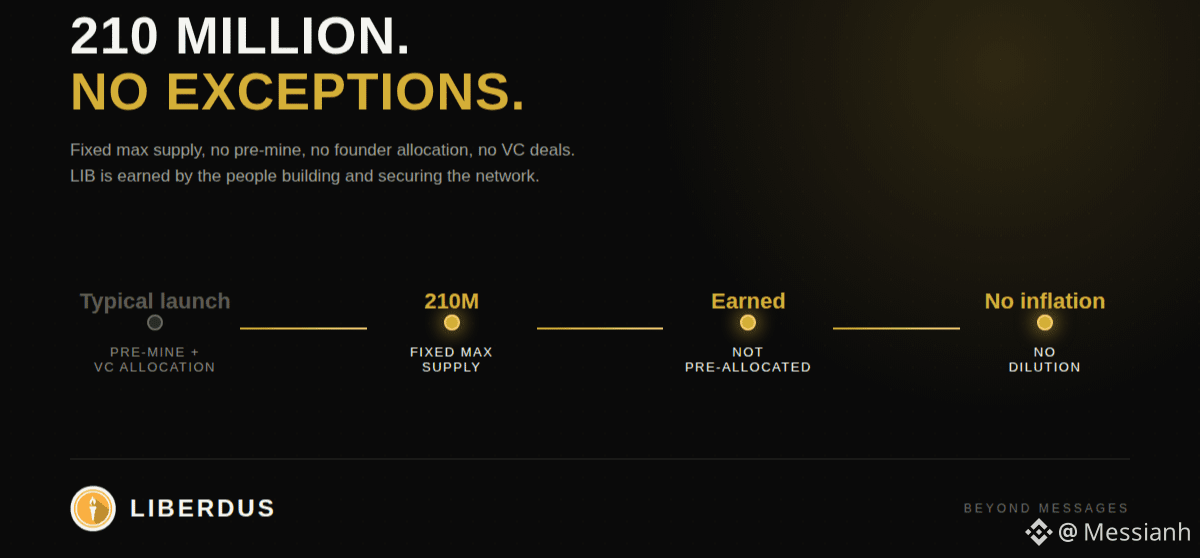
210 මිලියන, කිසිදු ව්යතිරේකයක් නැත
බොහෝ ටෝකන් දියත්කිරීම්වලදී කතාව වෙනස් වීමට යන අංකයක් අමුණා තිබේ. සීමාවක් ඉහළ දමනවා. ප්රජා අදාළතාවයක් තිබුණත් ඒක පේනවා පදනම් කණ්ඩායමත් ඇතුළත් කරගෙන. කිසිවෙක් ඡන්දය දුන්නේ නැති භාණ්ඩාගාරයක් අරමුදල් කිරීම සඳහා උද්ධමනය (inflation) නිහඬව හඳුන්වා දෙනවා. Day one දවසේ තිබූ අංකය අතුරින්, road map එකට ගැටෙන විට බොහෝ විට ඉතිරි නොවේ.
LIB සතුව ඩෙසිමල් පසු ඉලක්කම් 18ක් සහිත 210 මිලියන ටෝකන්වල ස්ථාවර සැපයුමක් තිබෙනවා. Bitcoin හි ස්ථාවර සැපයුම් ආර්ථික ආකෘතියෙන් ආභාෂයෙන් නිර්මාණය කර ඇති, උද්ධමනයක් (inflation) නොමැතිව, dilution එකක් නොමැතිව. එම සිවිලිම ඉලක්කයක් හෝ මෘදු සීමාවක් නොවේ. එය කවදාවත් පැවතිය හැක්කේ මුළු සැපයුමයි.
මෙම අංකය විශ්වාසනීය වන්නේ, පළමුව එය බෙදාහැර ඇති ආකාරය නිසාය. උපරිම සැපයුමේදී pre-mine එකක් නැහැ, founder allocation එකක් නැහැ, VC ගනුදෙනුත් නැහැ. මිල අඩු වටයකින් මුල් ආයෝජකයන් ලබාගත් discounted stack එකක්, retail ඉල්ලුමට ගැටෙන විට විකිණීමට බලාගෙන සිටින එකක් නැහැ. ඒ වෙනුවට LIB ටෝකන් ලැබෙන්නේ — code development, testing, සහ Liberdus මත apps ගොඩනැගීම වැනි භූමිකාවන් හරහා.
“ලැබෙන්න—නොව වෙන්කරලා”—යන මෙම ආදර්ශය ටෝකනය ඇත්තටම කරන දේට සෘජුව සම්බන්ධ වෙනවා. LIB එක්කෝ Liberdus ජාලය තුළම coin එකක් ලෙස ක්රියා කරනවා, එසේම BNB Chain සහ Polygon වැනි smart contract වේදිකාවල bridged token එකක් ලෙසද ක්රියා කරනවා. එය ජාල ගාස්තු සඳහා, governance සඳහා, සහ ජාලය ධාවනය කරමින් සිටින පුද්ගලයින් දිරිගැන්වීමට භාවිතා වෙනවා. Node operators, liquidity providers, developers — ජාලය ආරක්ෂා කරමින් ගොඩනගන්නේ, පසුව users වෙතින් වටිනාකම ඉවත් කරන මුල් ආධාරකරුවන්ගේ වෙනම පන්තියක් නොව, ඒම පුද්ගලයින්මයි. ඔවුන් තමයි සැපයුම උපයන්නේ.
ස්ථාවර සැපයුමක් (fixed supply) වීම කියන්නේ, පිටුපස කිසිවක් නිහඬව වෙනස් කරන්න බැරි නම් පමණක් එයට අර්ථයක් තිබෙන design තීරණයක්. Liberdus නිර්මාණය කළේ බෙදාහැරීමේ ක්රමය පොරොන්දුවට ගැලපෙන ලෙසයි: නම අදහස් කළ පරිදිම sound money — එය ඇත්තටම 210 මිලියනය මිනිසුන්ගේ අතට පත්වීමට හේතුව වූ ආකාරය දක්වාම.
#Liberdus @Liberdus #AvalancheAVAX $AVAX
{spot}(AVAXUSDT)
210 මිලියන, කිසිදු ව්යතිරේකයක් නැත
බොහෝ ටෝකන් දියත්කිරීම්වලදී කතාව වෙනස් වීමට යන අංකයක් අමුණා තිබේ. සීමාවක් ඉහළ දමනවා. ප්රජා අදාළතාවයක් තිබුණත් ඒක පේනවා පදනම් කණ්ඩායමත් ඇතුළත් කරගෙන. කිසිවෙක් ඡන්දය දුන්නේ නැති භාණ්ඩාගාරයක් අරමුදල් කිරීම සඳහා උද්ධමනය (inflation) නිහඬව හඳුන්වා දෙනවා. Day one දවසේ තිබූ අංකය අතුරින්, road map එකට ගැටෙන විට බොහෝ විට ඉතිරි නොවේ.
LIB සතුව ඩෙසිමල් පසු ඉලක්කම් 18ක් සහිත 210 මිලියන ටෝකන්වල ස්ථාවර සැපයුමක් තිබෙනවා. Bitcoin හි ස්ථාවර සැපයුම් ආර්ථික ආකෘතියෙන් ආභාෂයෙන් නිර්මාණය කර ඇති, උද්ධමනයක් (inflation) නොමැතිව, dilution එකක් නොමැතිව. එම සිවිලිම ඉලක්කයක් හෝ මෘදු සීමාවක් නොවේ. එය කවදාවත් පැවතිය හැක්කේ මුළු සැපයුමයි.
මෙම අංකය විශ්වාසනීය වන්නේ, පළමුව එය බෙදාහැර ඇති ආකාරය නිසාය. උපරිම සැපයුමේදී pre-mine එකක් නැහැ, founder allocation එකක් නැහැ, VC ගනුදෙනුත් නැහැ. මිල අඩු වටයකින් මුල් ආයෝජකයන් ලබාගත් discounted stack එකක්, retail ඉල්ලුමට ගැටෙන විට විකිණීමට බලාගෙන සිටින එකක් නැහැ. ඒ වෙනුවට LIB ටෝකන් ලැබෙන්නේ — code development, testing, සහ Liberdus මත apps ගොඩනැගීම වැනි භූමිකාවන් හරහා.
“ලැබෙන්න—නොව වෙන්කරලා”—යන මෙම ආදර්ශය ටෝකනය ඇත්තටම කරන දේට සෘජුව සම්බන්ධ වෙනවා. LIB එක්කෝ Liberdus ජාලය තුළම coin එකක් ලෙස ක්රියා කරනවා, එසේම BNB Chain සහ Polygon වැනි smart contract වේදිකාවල bridged token එකක් ලෙසද ක්රියා කරනවා. එය ජාල ගාස්තු සඳහා, governance සඳහා, සහ ජාලය ධාවනය කරමින් සිටින පුද්ගලයින් දිරිගැන්වීමට භාවිතා වෙනවා. Node operators, liquidity providers, developers — ජාලය ආරක්ෂා කරමින් ගොඩනගන්නේ, පසුව users වෙතින් වටිනාකම ඉවත් කරන මුල් ආධාරකරුවන්ගේ වෙනම පන්තියක් නොව, ඒම පුද්ගලයින්මයි. ඔවුන් තමයි සැපයුම උපයන්නේ.
ස්ථාවර සැපයුමක් (fixed supply) වීම කියන්නේ, පිටුපස කිසිවක් නිහඬව වෙනස් කරන්න බැරි නම් පමණක් එයට අර්ථයක් තිබෙන design තීරණයක්. Liberdus නිර්මාණය කළේ බෙදාහැරීමේ ක්රමය පොරොන්දුවට ගැලපෙන ලෙසයි: නම අදහස් කළ පරිදිම sound money — එය ඇත්තටම 210 මිලියනය මිනිසුන්ගේ අතට පත්වීමට හේතුව වූ ආකාරය දක්වාම.
#Liberdus @Liberdus #AvalancheAVAX $AVAX
බොහෝ ටෝකන් දියත්කිරීම්වලදී කතාව වෙනස් වීමට යන අංකයක් අමුණා තිබේ. සීමාවක් ඉහළ දමනවා. ප්රජා අදාළතාවයක් තිබුණත් ඒක පේනවා පදනම් කණ්ඩායමත් ඇතුළත් කරගෙන. කිසිවෙක් ඡන්දය දුන්නේ නැති භාණ්ඩාගාරයක් අරමුදල් කිරීම සඳහා උද්ධමනය (inflation) නිහඬව හඳුන්වා දෙනවා. Day one දවසේ තිබූ අංකය අතුරින්, road map එකට ගැටෙන විට බොහෝ විට ඉතිරි නොවේ.
LIB සතුව ඩෙසිමල් පසු ඉලක්කම් 18ක් සහිත 210 මිලියන ටෝකන්වල ස්ථාවර සැපයුමක් තිබෙනවා. Bitcoin හි ස්ථාවර සැපයුම් ආර්ථික ආකෘතියෙන් ආභාෂයෙන් නිර්මාණය කර ඇති, උද්ධමනයක් (inflation) නොමැතිව, dilution එකක් නොමැතිව. එම සිවිලිම ඉලක්කයක් හෝ මෘදු සීමාවක් නොවේ. එය කවදාවත් පැවතිය හැක්කේ මුළු සැපයුමයි.
මෙම අංකය විශ්වාසනීය වන්නේ, පළමුව එය බෙදාහැර ඇති ආකාරය නිසාය. උපරිම සැපයුමේදී pre-mine එකක් නැහැ, founder allocation එකක් නැහැ, VC ගනුදෙනුත් නැහැ. මිල අඩු වටයකින් මුල් ආයෝජකයන් ලබාගත් discounted stack එකක්, retail ඉල්ලුමට ගැටෙන විට විකිණීමට බලාගෙන සිටින එකක් නැහැ. ඒ වෙනුවට LIB ටෝකන් ලැබෙන්නේ — code development, testing, සහ Liberdus මත apps ගොඩනැගීම වැනි භූමිකාවන් හරහා.
“ලැබෙන්න—නොව වෙන්කරලා”—යන මෙම ආදර්ශය ටෝකනය ඇත්තටම කරන දේට සෘජුව සම්බන්ධ වෙනවා. LIB එක්කෝ Liberdus ජාලය තුළම coin එකක් ලෙස ක්රියා කරනවා, එසේම BNB Chain සහ Polygon වැනි smart contract වේදිකාවල bridged token එකක් ලෙසද ක්රියා කරනවා. එය ජාල ගාස්තු සඳහා, governance සඳහා, සහ ජාලය ධාවනය කරමින් සිටින පුද්ගලයින් දිරිගැන්වීමට භාවිතා වෙනවා. Node operators, liquidity providers, developers — ජාලය ආරක්ෂා කරමින් ගොඩනගන්නේ, පසුව users වෙතින් වටිනාකම ඉවත් කරන මුල් ආධාරකරුවන්ගේ වෙනම පන්තියක් නොව, ඒම පුද්ගලයින්මයි. ඔවුන් තමයි සැපයුම උපයන්නේ.
ස්ථාවර සැපයුමක් (fixed supply) වීම කියන්නේ, පිටුපස කිසිවක් නිහඬව වෙනස් කරන්න බැරි නම් පමණක් එයට අර්ථයක් තිබෙන design තීරණයක්. Liberdus නිර්මාණය කළේ බෙදාහැරීමේ ක්රමය පොරොන්දුවට ගැලපෙන ලෙසයි: නම අදහස් කළ පරිදිම sound money — එය ඇත්තටම 210 මිලියනය මිනිසුන්ගේ අතට පත්වීමට හේතුව වූ ආකාරය දක්වාම.
#Liberdus @Liberdus #AvalancheAVAX $AVAX
1
78
·
--
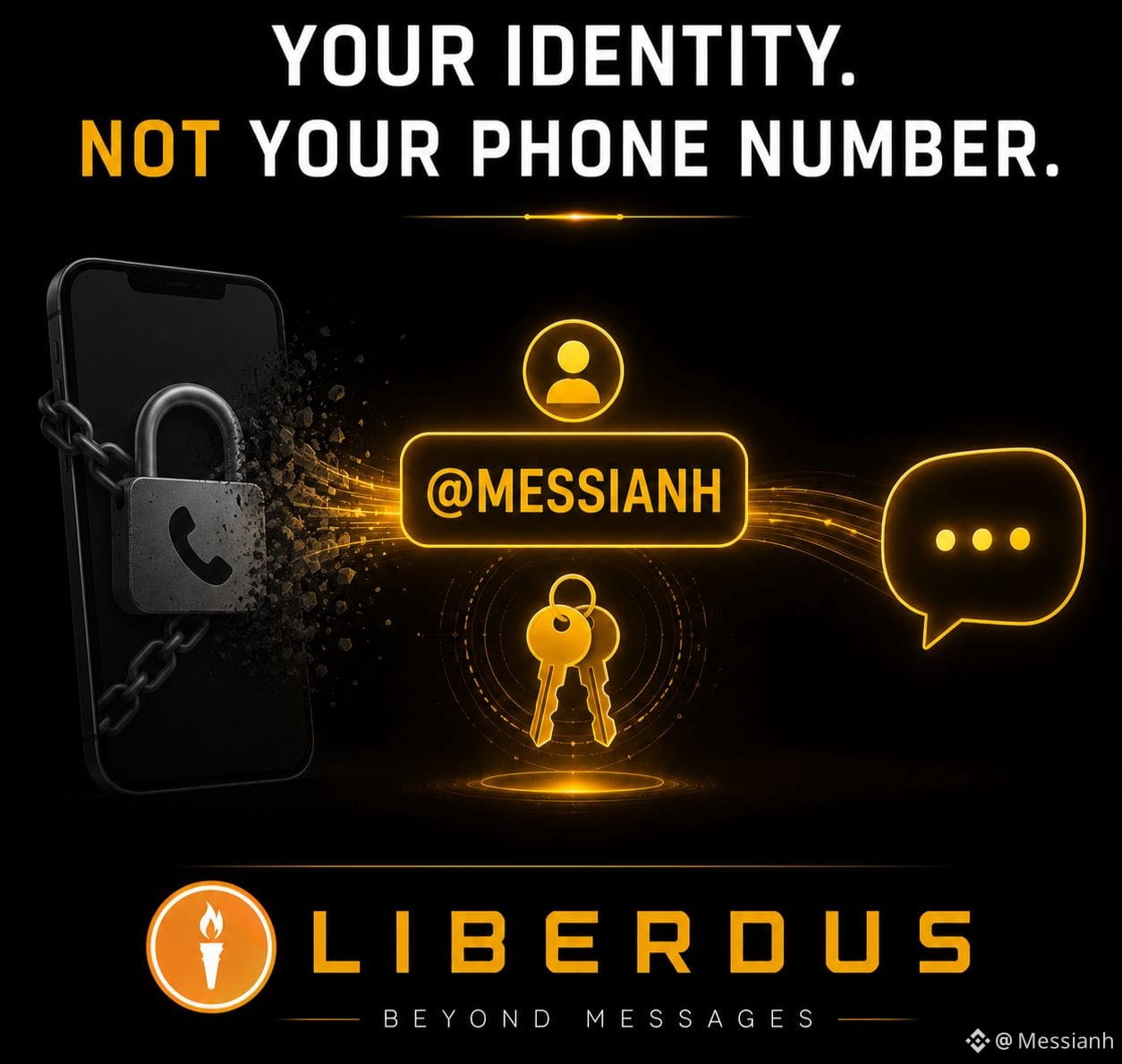
මැසේජිං යෙදුමකට ඔබගේ දුරකථන අංකය අවශ්ය වන්නේ ඇයි?
එය සිතා බලන්න
ඔබට යමෙකු සමඟ කතා කරන්න ඕන
ඒ නිසා ඔබ වේදිකාවක් ලබා දෙනවා:
ඔබගේ දුරකථන අංකය
ඔබගේ ඊමේල් ලිපිනය
ඔබගේ පුද්ගලික තොරතුරු
Liberdus වෙනස් ප්රවේශයක් ගන්නවා
යූසර්නේම් එකක් තෝරන්න
ඔබගේ ගිණුම් යතුරු ජනනය කරන්න
සංදේශනය ආරම්භ කරන්න
ඔබගේ අනන්යතාවය දුරකථන අංකයකින් පටන් ගන්නටම අවශ්ය නැහැ.
#Liberdus #BitcoinStrongestWeekSinceMarch2023 $BTC
{spot}(BTCUSDT)
මැසේජිං යෙදුමකට ඔබගේ දුරකථන අංකය අවශ්ය වන්නේ ඇයි?
එය සිතා බලන්න
ඔබට යමෙකු සමඟ කතා කරන්න ඕන
ඒ නිසා ඔබ වේදිකාවක් ලබා දෙනවා:
ඔබගේ දුරකථන අංකය
ඔබගේ ඊමේල් ලිපිනය
ඔබගේ පුද්ගලික තොරතුරු
Liberdus වෙනස් ප්රවේශයක් ගන්නවා
යූසර්නේම් එකක් තෝරන්න
ඔබගේ ගිණුම් යතුරු ජනනය කරන්න
සංදේශනය ආරම්භ කරන්න
ඔබගේ අනන්යතාවය දුරකථන අංකයකින් පටන් ගන්නටම අවශ්ය නැහැ.
#Liberdus #BitcoinStrongestWeekSinceMarch2023 $BTC
එය සිතා බලන්න
ඔබට යමෙකු සමඟ කතා කරන්න ඕන
ඒ නිසා ඔබ වේදිකාවක් ලබා දෙනවා:
ඔබගේ දුරකථන අංකය
ඔබගේ ඊමේල් ලිපිනය
ඔබගේ පුද්ගලික තොරතුරු
Liberdus වෙනස් ප්රවේශයක් ගන්නවා
යූසර්නේම් එකක් තෝරන්න
ඔබගේ ගිණුම් යතුරු ජනනය කරන්න
සංදේශනය ආරම්භ කරන්න
ඔබගේ අනන්යතාවය දුරකථන අංකයකින් පටන් ගන්නටම අවශ්ය නැහැ.
#Liberdus #BitcoinStrongestWeekSinceMarch2023 $BTC
1
39
·
--
ඔබට මුදල් ගෙන දෙන ස්පෑම්
පවතින සෑම ස්පෑම් පෙරහනක්ම “ආරක්ෂාව” වෙමින් තිබේ. එය පණිවිඩය දැනටමත් පැමිණි පසුව—ඔබට එය දැක ඉවත් කරන්න ගන්න තත්පර දෙකම ගෙවූ පසු—ස්කෑන් කරලා, ලකුණු දාලා, ඒවා මකා දමයි. ස්පෑම්වල ආර්ථිකය කිසිදා වෙනස් නොවේ: පණිවිඩයක් යැවීම ඉතාම අඩු වියදමක්, එබැවින් කිසිවෙක් කවුරුවත් ඒවා අයැදීම නවත්වන්නේ නැහැ—ඒවා බිලියනයක් යවන්නට බාධාවක් නැතිව.
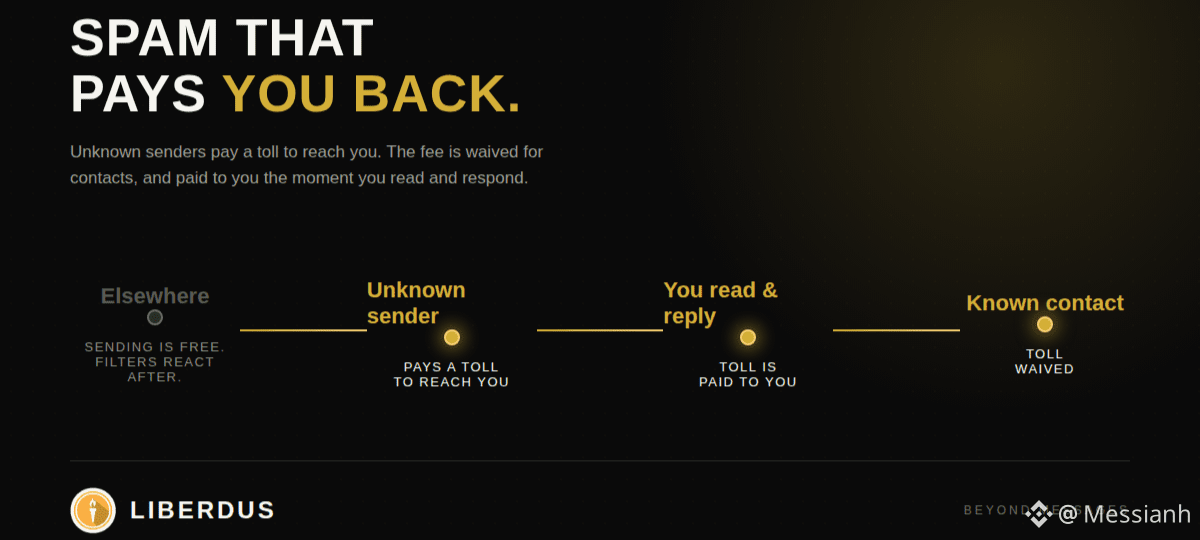
@liberdus එම ආර්ථිකය “පෙරහන” කරන්නට උත්සාහ කරනවාට වඩා, එයම කෙලින්ම ප්රහාර කරයි. පරිශීලකයන්ට නොදන්නා යවන්නන්ගෙන් එන පණිවිඩ සඳහා ගාස්තු සකස් කළ හැකිය; පණිවිඩය කියවීමේදී සහ ප්රතිචාරයේදී ගෙවීම් සක්රිය වේ. මෙය ස්වයංක්රීයව ස්පෑම් වැළැක්වීමක් හා දිරිගැන්වීමක් ඇති කරන ගොඩනඟන ලද යාන්ත්රණයක්. මෙම විශේෂාංගයට ඇප් එක ඇතුළත නමක් තියෙනවා: toll. Toll යනු පණිවිඩයක් සමඟ ඇතුළත් කර ඇති ගෙවීමකි. ලබන්නාට පණිවිඩය කියවා පිළිතුරු දීමට “වටින” ලෙස එය අදහස් කරයි. toll රේඛාවෙන් පෙන්වෙන්නේ යවන්නාට ගෙවීමට අවශ්ය නැති බව නම්, එය ස්වයංක්රීයව නිශ්චල කර දෙනවා.
සාමාන්ය සම්බන්ධය හරවන්න; ඒ සමඟම දිරිගැන්වීමත් හරවෙනවා. නොවිමසූ පණිවිඩ නොදන්නා පාර්ශවයන්ගෙන් පැමිණෙන විට, ලබන්නා තමන්ව නොනවත්වා අනෙකාගේ පණිවිඩවල වියදම දරාගන්න වෙනුවට—ලබන්නාට කියවා ප්රතිචාර දීමට ගෙවිය යුතු වෙනවා. වෙනත් වේදිකාවලට වියදමක් නැති මහා ස්පෑම් ව්යාපාරයක්, Liberdus තුළ පරිමාණයෙන්—ලබන්නන් සෑම කෙනෙකුටම—පණිවිඩයකට ගාස්තු ගෙවන්නට සිදුවෙනවා. එයයි: සෑම තැනකම ස්පෑම් ලාභදායක කරවන ගණිතය මෙතැන ක්රියා කරන්නේ නෑ.
මෙය තාක්ෂණික “පැච්” එකක් පමණක් නොව, සැබෑ ආර්ථිකයෙන් ඇදගත්, තරමක් දුරදිග නොවන නමුත් ප්රයෝජනවත් යාන්ත්රණයක්. පෙරහනවල් ස්පෑම්ව “හඳුනාගැනීමේ” ප්රශ්නයක් ලෙස සලකනවා. Liberdus එය “මිල” පිළිබඳ ප්රශ්නයක් ලෙස සලකන අතර, අනවශ්ය අවධානයට ඒ අනුව මිල පවරයි. ඉදිරිදා: LIB ටෝකනයට තමන්ගේම “ශබ්ද මුදල්” අනුවාදයක් දෙන ස්ථාවර මිලියන 210 ක සැපයුම.
#Liberdus #USDollarFallsToThreeMonthLow $XRP
{spot}(XRPUSDT)
ඔබට මුදල් ගෙන දෙන ස්පෑම්
පවතින සෑම ස්පෑම් පෙරහනක්ම “ආරක්ෂාව” වෙමින් තිබේ. එය පණිවිඩය දැනටමත් පැමිණි පසුව—ඔබට එය දැක ඉවත් කරන්න ගන්න තත්පර දෙකම ගෙවූ පසු—ස්කෑන් කරලා, ලකුණු දාලා, ඒවා මකා දමයි. ස්පෑම්වල ආර්ථිකය කිසිදා වෙනස් නොවේ: පණිවිඩයක් යැවීම ඉතාම අඩු වියදමක්, එබැවින් කිසිවෙක් කවුරුවත් ඒවා අයැදීම නවත්වන්නේ නැහැ—ඒවා බිලියනයක් යවන්නට බාධාවක් නැතිව.
@liberdus එම ආර්ථිකය “පෙරහන” කරන්නට උත්සාහ කරනවාට වඩා, එයම කෙලින්ම ප්රහාර කරයි. පරිශීලකයන්ට නොදන්නා යවන්නන්ගෙන් එන පණිවිඩ සඳහා ගාස්තු සකස් කළ හැකිය; පණිවිඩය කියවීමේදී සහ ප්රතිචාරයේදී ගෙවීම් සක්රිය වේ. මෙය ස්වයංක්රීයව ස්පෑම් වැළැක්වීමක් හා දිරිගැන්වීමක් ඇති කරන ගොඩනඟන ලද යාන්ත්රණයක්. මෙම විශේෂාංගයට ඇප් එක ඇතුළත නමක් තියෙනවා: toll. Toll යනු පණිවිඩයක් සමඟ ඇතුළත් කර ඇති ගෙවීමකි. ලබන්නාට පණිවිඩය කියවා පිළිතුරු දීමට “වටින” ලෙස එය අදහස් කරයි. toll රේඛාවෙන් පෙන්වෙන්නේ යවන්නාට ගෙවීමට අවශ්ය නැති බව නම්, එය ස්වයංක්රීයව නිශ්චල කර දෙනවා.
සාමාන්ය සම්බන්ධය හරවන්න; ඒ සමඟම දිරිගැන්වීමත් හරවෙනවා. නොවිමසූ පණිවිඩ නොදන්නා පාර්ශවයන්ගෙන් පැමිණෙන විට, ලබන්නා තමන්ව නොනවත්වා අනෙකාගේ පණිවිඩවල වියදම දරාගන්න වෙනුවට—ලබන්නාට කියවා ප්රතිචාර දීමට ගෙවිය යුතු වෙනවා. වෙනත් වේදිකාවලට වියදමක් නැති මහා ස්පෑම් ව්යාපාරයක්, Liberdus තුළ පරිමාණයෙන්—ලබන්නන් සෑම කෙනෙකුටම—පණිවිඩයකට ගාස්තු ගෙවන්නට සිදුවෙනවා. එයයි: සෑම තැනකම ස්පෑම් ලාභදායක කරවන ගණිතය මෙතැන ක්රියා කරන්නේ නෑ.
මෙය තාක්ෂණික “පැච්” එකක් පමණක් නොව, සැබෑ ආර්ථිකයෙන් ඇදගත්, තරමක් දුරදිග නොවන නමුත් ප්රයෝජනවත් යාන්ත්රණයක්. පෙරහනවල් ස්පෑම්ව “හඳුනාගැනීමේ” ප්රශ්නයක් ලෙස සලකනවා. Liberdus එය “මිල” පිළිබඳ ප්රශ්නයක් ලෙස සලකන අතර, අනවශ්ය අවධානයට ඒ අනුව මිල පවරයි. ඉදිරිදා: LIB ටෝකනයට තමන්ගේම “ශබ්ද මුදල්” අනුවාදයක් දෙන ස්ථාවර මිලියන 210 ක සැපයුම.
#Liberdus #USDollarFallsToThreeMonthLow $XRP
පවතින සෑම ස්පෑම් පෙරහනක්ම “ආරක්ෂාව” වෙමින් තිබේ. එය පණිවිඩය දැනටමත් පැමිණි පසුව—ඔබට එය දැක ඉවත් කරන්න ගන්න තත්පර දෙකම ගෙවූ පසු—ස්කෑන් කරලා, ලකුණු දාලා, ඒවා මකා දමයි. ස්පෑම්වල ආර්ථිකය කිසිදා වෙනස් නොවේ: පණිවිඩයක් යැවීම ඉතාම අඩු වියදමක්, එබැවින් කිසිවෙක් කවුරුවත් ඒවා අයැදීම නවත්වන්නේ නැහැ—ඒවා බිලියනයක් යවන්නට බාධාවක් නැතිව.
@liberdus එම ආර්ථිකය “පෙරහන” කරන්නට උත්සාහ කරනවාට වඩා, එයම කෙලින්ම ප්රහාර කරයි. පරිශීලකයන්ට නොදන්නා යවන්නන්ගෙන් එන පණිවිඩ සඳහා ගාස්තු සකස් කළ හැකිය; පණිවිඩය කියවීමේදී සහ ප්රතිචාරයේදී ගෙවීම් සක්රිය වේ. මෙය ස්වයංක්රීයව ස්පෑම් වැළැක්වීමක් හා දිරිගැන්වීමක් ඇති කරන ගොඩනඟන ලද යාන්ත්රණයක්. මෙම විශේෂාංගයට ඇප් එක ඇතුළත නමක් තියෙනවා: toll. Toll යනු පණිවිඩයක් සමඟ ඇතුළත් කර ඇති ගෙවීමකි. ලබන්නාට පණිවිඩය කියවා පිළිතුරු දීමට “වටින” ලෙස එය අදහස් කරයි. toll රේඛාවෙන් පෙන්වෙන්නේ යවන්නාට ගෙවීමට අවශ්ය නැති බව නම්, එය ස්වයංක්රීයව නිශ්චල කර දෙනවා.
සාමාන්ය සම්බන්ධය හරවන්න; ඒ සමඟම දිරිගැන්වීමත් හරවෙනවා. නොවිමසූ පණිවිඩ නොදන්නා පාර්ශවයන්ගෙන් පැමිණෙන විට, ලබන්නා තමන්ව නොනවත්වා අනෙකාගේ පණිවිඩවල වියදම දරාගන්න වෙනුවට—ලබන්නාට කියවා ප්රතිචාර දීමට ගෙවිය යුතු වෙනවා. වෙනත් වේදිකාවලට වියදමක් නැති මහා ස්පෑම් ව්යාපාරයක්, Liberdus තුළ පරිමාණයෙන්—ලබන්නන් සෑම කෙනෙකුටම—පණිවිඩයකට ගාස්තු ගෙවන්නට සිදුවෙනවා. එයයි: සෑම තැනකම ස්පෑම් ලාභදායක කරවන ගණිතය මෙතැන ක්රියා කරන්නේ නෑ.
මෙය තාක්ෂණික “පැච්” එකක් පමණක් නොව, සැබෑ ආර්ථිකයෙන් ඇදගත්, තරමක් දුරදිග නොවන නමුත් ප්රයෝජනවත් යාන්ත්රණයක්. පෙරහනවල් ස්පෑම්ව “හඳුනාගැනීමේ” ප්රශ්නයක් ලෙස සලකනවා. Liberdus එය “මිල” පිළිබඳ ප්රශ්නයක් ලෙස සලකන අතර, අනවශ්ය අවධානයට ඒ අනුව මිල පවරයි. ඉදිරිදා: LIB ටෝකනයට තමන්ගේම “ශබ්ද මුදල්” අනුවාදයක් දෙන ස්ථාවර මිලියන 210 ක සැපයුම.
#Liberdus #USDollarFallsToThreeMonthLow $XRP
1
86
·
--
මුදල් යැවීමට විතරක් ඇප් වෙනස් කරන්න ඇයි?
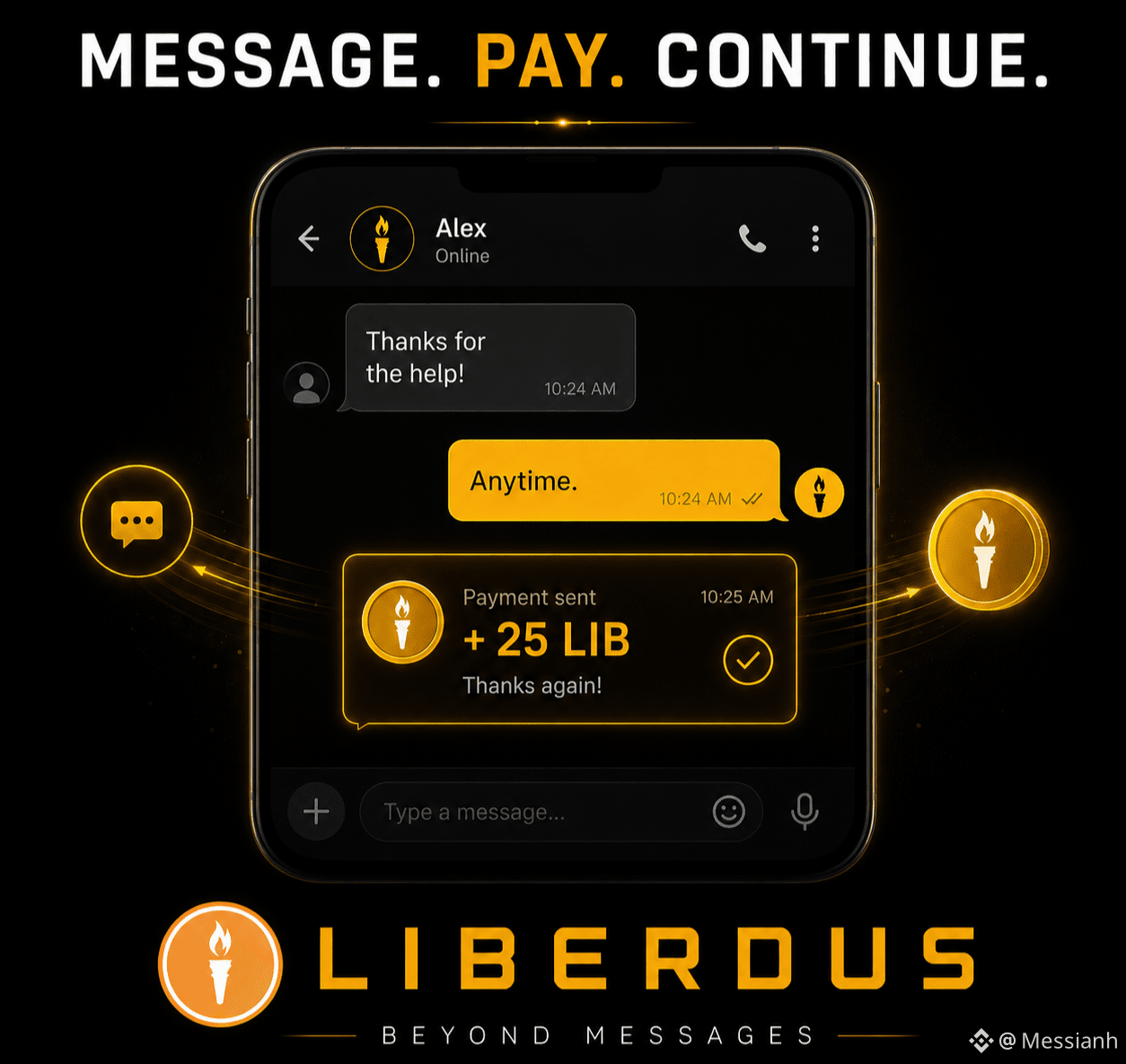
ඔබ තවදුරටත් කෙනෙකුට කතා කරමින් ඉන්නවා. එහෙම නම් තවත් වොලට් එකක් විවෘත කරලා, ලිපිනයක් පිටපත් කරලා, ඇප් එකක් මාරු කරලා, ගෙවීම යවාලා, පසුව ආපසු සංවාදයට එන්නෙ ඇයි?
Liberdus මැසෙන්ජිං සහ ගෙවීම් එකම ස්ථානයේ තබනවා.
චැට් එකෙන්ම ඔබට LIB සෘජුව යවන්න පුළුවන්, මතක සටහනක් (memo) එකතු කරන්නත්, සංවාදයේම ගනුදෙනුව දකින්නත් හැකියි.
පණිවිඩය, ගෙවීම, සංවාදය දිගටම.
එක් අන්තර්ක්රියාවකට ඇප් පහක් ඕන වෙන්නෙ නෑ.
#Liberdus $BTC
{spot}(BTCUSDT)
මුදල් යැවීමට විතරක් ඇප් වෙනස් කරන්න ඇයි?
ඔබ තවදුරටත් කෙනෙකුට කතා කරමින් ඉන්නවා. එහෙම නම් තවත් වොලට් එකක් විවෘත කරලා, ලිපිනයක් පිටපත් කරලා, ඇප් එකක් මාරු කරලා, ගෙවීම යවාලා, පසුව ආපසු සංවාදයට එන්නෙ ඇයි?
Liberdus මැසෙන්ජිං සහ ගෙවීම් එකම ස්ථානයේ තබනවා.
චැට් එකෙන්ම ඔබට LIB සෘජුව යවන්න පුළුවන්, මතක සටහනක් (memo) එකතු කරන්නත්, සංවාදයේම ගනුදෙනුව දකින්නත් හැකියි.
පණිවිඩය, ගෙවීම, සංවාදය දිගටම.
එක් අන්තර්ක්රියාවකට ඇප් පහක් ඕන වෙන්නෙ නෑ.
#Liberdus $BTC
ඔබ තවදුරටත් කෙනෙකුට කතා කරමින් ඉන්නවා. එහෙම නම් තවත් වොලට් එකක් විවෘත කරලා, ලිපිනයක් පිටපත් කරලා, ඇප් එකක් මාරු කරලා, ගෙවීම යවාලා, පසුව ආපසු සංවාදයට එන්නෙ ඇයි?
Liberdus මැසෙන්ජිං සහ ගෙවීම් එකම ස්ථානයේ තබනවා.
චැට් එකෙන්ම ඔබට LIB සෘජුව යවන්න පුළුවන්, මතක සටහනක් (memo) එකතු කරන්නත්, සංවාදයේම ගනුදෙනුව දකින්නත් හැකියි.
පණිවිඩය, ගෙවීම, සංවාදය දිගටම.
එක් අන්තර්ක්රියාවකට ඇප් පහක් ඕන වෙන්නෙ නෑ.
#Liberdus $BTC
1
20
·
--
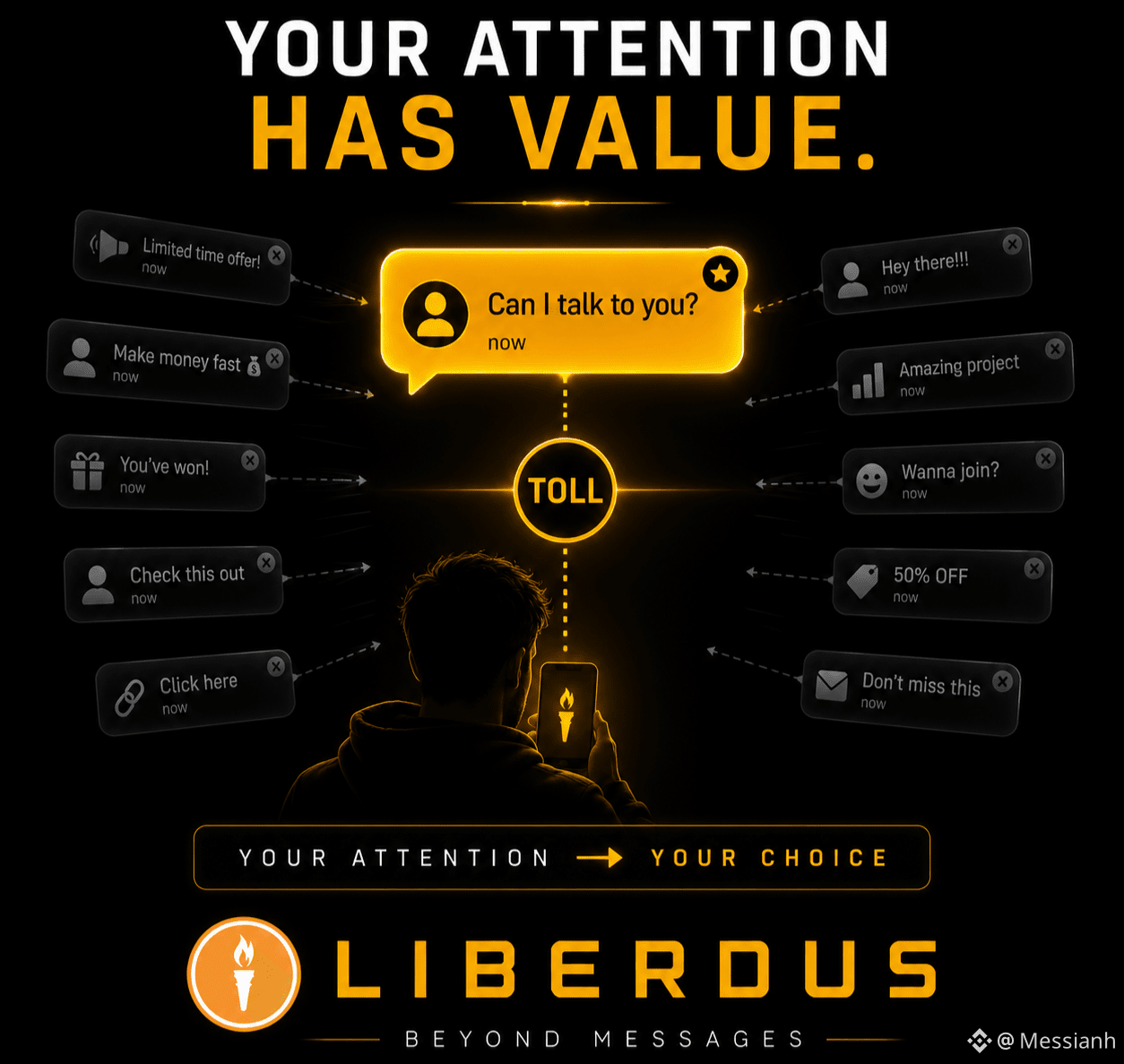
ඔබගේ අවධානයට වටිනාකමක් ඇත.
නමුත් බොහෝ පණිවිඩ යැවීමේ වේදිකා එය නොමිලේ යැයි සලකයි. කෙනෙක් ඔබව බාධා කළ හැක. ඔබට සබැඳි ප්රචාරණයක් (pitch) යැවිය හැක. ස්පෑම් යැවිය හැක. ඔබගේ කාලය ඉල්ලිය හැක.
Liberdus වෙනස් ආකෘතියක් හඳුන්වා දෙයි:
ඔබ නොඉල්ලූ පණිවිඩ සඳහා ගාස්තුවක් නියම කළ හැක.
යමෙකුට ඔබගේ අවධානය අවශ්ය නම්, එම ඉල්ලීමට සම්බන්ධ ආර්ථික වියදමක් තිබිය හැක.
සහ සැබවින්ම සංවාදය සිදුවන විට, ඔබට ඒ තුළින් උපයාගත හැක.
සමහර විට ඔබගේ අවධානය දෛනිකව නොමිලේ නොවිය යුතුයි.
#ETH🔥🔥🔥🔥🔥🔥 $ETH #WalmartFalls7%
{spot}(ETHUSDT)
ඔබගේ අවධානයට වටිනාකමක් ඇත.
නමුත් බොහෝ පණිවිඩ යැවීමේ වේදිකා එය නොමිලේ යැයි සලකයි. කෙනෙක් ඔබව බාධා කළ හැක. ඔබට සබැඳි ප්රචාරණයක් (pitch) යැවිය හැක. ස්පෑම් යැවිය හැක. ඔබගේ කාලය ඉල්ලිය හැක.
Liberdus වෙනස් ආකෘතියක් හඳුන්වා දෙයි:
ඔබ නොඉල්ලූ පණිවිඩ සඳහා ගාස්තුවක් නියම කළ හැක.
යමෙකුට ඔබගේ අවධානය අවශ්ය නම්, එම ඉල්ලීමට සම්බන්ධ ආර්ථික වියදමක් තිබිය හැක.
සහ සැබවින්ම සංවාදය සිදුවන විට, ඔබට ඒ තුළින් උපයාගත හැක.
සමහර විට ඔබගේ අවධානය දෛනිකව නොමිලේ නොවිය යුතුයි.
#ETH🔥🔥🔥🔥🔥🔥 $ETH #WalmartFalls7%
නමුත් බොහෝ පණිවිඩ යැවීමේ වේදිකා එය නොමිලේ යැයි සලකයි. කෙනෙක් ඔබව බාධා කළ හැක. ඔබට සබැඳි ප්රචාරණයක් (pitch) යැවිය හැක. ස්පෑම් යැවිය හැක. ඔබගේ කාලය ඉල්ලිය හැක.
Liberdus වෙනස් ආකෘතියක් හඳුන්වා දෙයි:
ඔබ නොඉල්ලූ පණිවිඩ සඳහා ගාස්තුවක් නියම කළ හැක.
යමෙකුට ඔබගේ අවධානය අවශ්ය නම්, එම ඉල්ලීමට සම්බන්ධ ආර්ථික වියදමක් තිබිය හැක.
සහ සැබවින්ම සංවාදය සිදුවන විට, ඔබට ඒ තුළින් උපයාගත හැක.
සමහර විට ඔබගේ අවධානය දෛනිකව නොමිලේ නොවිය යුතුයි.
#ETH🔥🔥🔥🔥🔥🔥 $ETH #WalmartFalls7%
1
43
තවත් අන්තර්ගතයන් ගවේෂණය කිරීමට ඇතුල් වන්න
Binance චතුරශ්රය හි ගෝලීය ක්රිප්ටෝ පරිශීලකයින් හා එක්වන්න
⚡️ ක්රිප්ටෝ පිළිබඳ නවතම සහ ප්රයෝජනවත් තොරතුරු ලබා ගන්න.
💬 ලොව විශාලතම ක්රිප්ටෝ හුවමාරුව මගින් විශ්වාස කෙරේ.
👍 සත්යායනය කරන ලද නිර්මාණකරුවන්ගෙන් සැබෑ විදසුන් සොයා ගන්න.
විද්යුත් තැපෑල / දුරකථන අංකය
නැගී එන මාතෘකා
USAugustPPIRisesLessThanExpected
5,156 views
200 සාකච්ඡා කරමින්
🚨 US AUG PPI: අපේක්ෂා කළට වඩා අඩුවෙන් ඉහළ යයි! ක්රිප්ටෝ සඳහා බුලිෂ් ද? 🚀
PPI +0.4% MoM අපේක්ෂා කළ පරිදි—නමුත් CORE PPI +0.2% පමණයි; +0.3% අපේක්ෂා කළ ප්රමාණයට වඩා අඩුවෙලා—ශක්තිමත් වීම සිසිල් වෙමින් තිබේ!
එයින් අදහස් වන්නේ:
• තොග මට්ටමේ උද්ධමනය බලාපොරොත්තු වූවාට වඩා මෘදුයි
• Fed rate hike අවස්ථාව දැන් 62% - නමුත් dovish සංඥා එනවා
• Core PCE සංශෝධන පහළට එනු ඇතැයි අපේක්ෂා - බුලිෂ්
• BTC බොහෝ විට මෘදු PPI මත උඩට යයි
Fed රැස්වීම Sep 15-16 - දැන් වෙළඳපොළ pause එකක් බලාපොරොත්තු වෙනවාද, hike එකක්ද?
Q4 rally සඳහා මෙය හරිත සංඥාවද?
#Bitcoin #PPI #Fed #CryptoNews #BTC#usaugustppiriseslessthanexpected
True News
·1 කැමත්ත දැක්වීම්
·1k views
SECApprovesNasdaqTexasCommodityTrustRule
4,647 views
224 සාකච්ඡා කරමින්
ECBRaisesRatesSecondTimeTo2.5%
2,347 views
161 සාකච්ඡා කරමින්