

BlueTokenCapital
Less hype. More research. Hunting alpha through data, narratives, and on-chain signals.
විවෘත වෙළෙඳාම

{ටෝකන්} දරන්නා
අධි-සංඛ්යාත වෙළෙන්දා
{වේලාව} වසර
513 හඹා යමින්
6.6K+ හඹා යන්නන්
31.1K කැමති විය
පෝස්ටු
ආයෝජන කළඹ
සියල්ල
උපුටා දැක්වීම්
වීඩියෝ
සජීවි
අමුණා ඇත
අමුණා ඇත

Binance TG Community
·
--
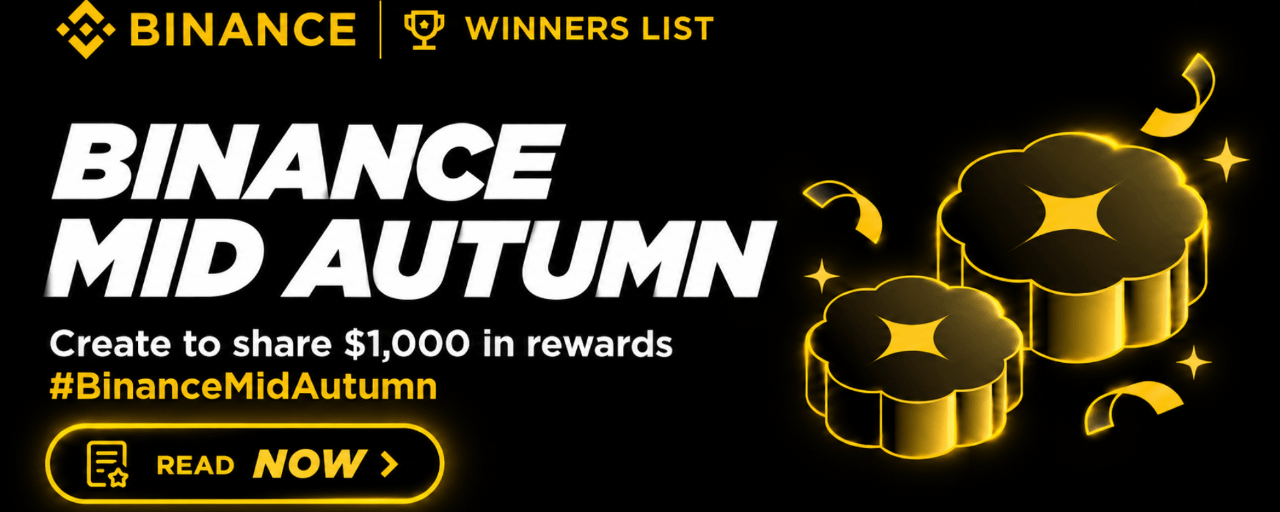
Binance Square Mid Autumn Campaign winners list
🎂 Dear Binancians, Thank you all for participating in our Moon Cake Creation Campaign on Binance Square! 🎉 Your creativity and amazing cake designs made this celebration extra special. 💛 🏆 The 250 lucky winners have been announced! Congratulations to all the winners, and a huge thank you to everyone who joined and shared their creativity with us! 🥳
Rewards will be distributed within 10 days of this announcement.
See your Square username below:
@Cripp
@CazadorSobresRojos
@OlexanderL
@MariiaL
@G33k3r1kTom
@VaultedTokens
@ImaneAmr
@Ruffgee
@Neelipearl
@bibiriley
@profittothemoon
@MicroTraderWorker
@Jhosua_20
@square-creator-04f8f461d317
@GainMachine_
@roxanaamundarain
@FUNDA_CRYPTO
@hichem
Luz2001
@xnobita_1122
@MinhTri-Signals
@kasria
@vnghia
@ansrapjtn
@MarjanMKD
@Esteban_Coco
@ve_emily
@KhoonSattMoon
@crystal900
@Maryeli26
@Jhannyjpa
@Vantan91
@1O69852872
@Dana24
@Mohamed72707
@Nati_Na
@mssipop
@DEMENTOR
@lucianMINT
@Antaryami42
@mdmahadi
@Square-Creator-7e3c9e69cba9f
@Josue19
@MV1289
@lucky2631
@Ronak_Sheikh
@EdiOq
@ronak6T9
@rsscat
@depesh-3
@Reham1
@Dipeshsquare
@Sonworkspace
@ladymary20
@CR7_fan
@Ashish_BL3SS
@kingishereu
@Marinesss
@TheGeek25
@Middleline123
@hieukool
@CloudPrince
@Smart_Geek
@PablicoMar20448
@Cocubase37
@Alabsi86
@CharsSF
Kimi93201
yviel
@Wolverine5
@KHALIF009
@Bagirova
@GOLF123
@JhonAlfis0808
@Crosboma
@AndirO
@MB_1234
@dolphinlee
@HongNgocRuby
@raselrimi
@Square-Creator-d8e437cefcac
bnoqbh
@hutao
CarmenJV
@callofdutywarzone1
Superhero luna
Bintas_levels
@Jaybe19
@CryptoVision_TR
@Itsouf
degamerpt
@NAHU1562
@Square-Creator-70decbb745456
@Square-Creator-53c241576
@bebap098
@ricardinhol
@wajdiyemen
@wajdi_alghorafi
Catto_
@Everythingwillok
@Beki crypto
@Megurkha
@Zill Lemon
@Welovecrypto
@chimangonegro
Ayari Galvicius @BinanceTG
@GhostWriter
@zainabzahoor
@Supermamag
kkgothere
@Ragnar_bnb
@Moody3ahmed
Harby1210@
lingyun666
@kb1234
zlz180152
@Aloneboysajid
@AvishkaSandee12
@borio40o
@Azuki_Rose
@SURJA143
@Square-Nam24112
@annis210
@Rerajj
@Ley01
@janemer
@boxbox35
@Masao
@Kassie Frie UQS3
@Onaona123
@Pavel-Durov
@Shane_shns
@abuahmad700
@amecu
@aytacasan
@Square-Creator-50a186616
@不吃猪jio饭
@tung9xnb
@MrGP
@樱梦 Sakura
@南宫若晴
林悠悠一
@梅灵月mels
@oksi
@FreeAirdrop002
@Cpzero
black80837
@fabrice_mi58073
@cointime_crypto
@KoalaEnergy
@whimsy
Dr crypto DZ
@bangaw
@LuisFer83
@Chodann
danwangxia
@sailinga
Square-Creator-e14ce422172f
@ercanelgn
@zutia
@yosreia
@Mohamnmed
@shenmi
@kokim4758
@invisible_specimen
@Precious_qt
@bemakrip_to
@BinUser_Jane88
@Lemonchii
@Olena_Vovchuk777
@feryanzama
@Hereferg
@Napol
@Weser009
@Square-Creator-6b2ad9113a266
@nadeesha12
@rock_manojkumar
@MorokatAlpha
R_EthX_BNB
@Mee_1137
@Sela11
@ChakoTd
@chocbears
@Tai300Crypto
@Vladimir160665
@Mobbys
@IGJanuary
@XPRLover
@Reueus
@Sucelly1207
@Vqueen_iriani
@idod
itsrahul01
@DDYNS
@LearnBits
@risnatambunan
@Anatyrojas
@fentje16
@Eaindray
@ZhiE
@Flor1985
@redx56
@Marcella
@Coolestgovernor
@MH0za
@Otii5
@firas15
@CandyG
@JoseLOBO_24
@0xMegumi
@Abenanie-24
@divernaud
@nimu69
@DavidEkila
Square-Creator-fccae92ec880
@Abdus_Shakur38
@TimesSquare_555
@Hafiz_Bro
@mosfemwealth
@Marchnovich
@CarlC99
@shams–anlyz
@SanAndreas
@BlueTokenCapital
@RahmetUlken
@Telesphore12
@Innocentro
@pprotrader123
@Vik2912
tofike
riaj_03017311
@MoiU
@robic_vic
@mm35y899
@CricketCrypto
@aWifeOfaWhale
@Untung_11
@Aqsa73
@Anne777
@radhyam_
harshraj
@Square-Creator-4f8165986 (Drjmada)
@Elise_Crypto
@Square-Creator-
@possiblyinmichigen
@Hardcore_murph
@Amir-Rajpoot-BnB
@RizOnChain
@navalAnglelist
@EMINENCE_23
Stay connected with us here t.me/binanceexchange
$BNB
Terms and Conditions
These terms and conditions (“Promotion Terms”) govern users’ participation in the promotion above (“Promotion”). By participating in this Promotion, users agree to these Promotion Terms, and the following additional terms: (a) Binance Terms and Conditions for Prize Promotions; (b) Binance Terms of Use; and (c) Binance Privacy Notice; all of which are incorporated by reference into these terms and conditions. In the case of any inconsistency or conflict between these Promotion Terms, and any other incorporated terms, the provisions of these Promotion Terms shall prevail, followed by the following in this order of precedence, and to the extent of such conflict: (a) Binance Terms and Conditions for Prize Promotions; (b) Binance Terms of Use; and (c) Binance Privacy Notice.Only users who complete identity verification and confirm their participation during the Promotion Period can qualify for rewards in the Promotion. The products or features referred to above may not be available in your region. Users are responsible for informing themselves about and observing any restrictions and/or requirements imposed with respect to the access to and use of Binance services in each country from which the services are accessed.A user cannot win more than once in this Promotion. Binance reserves the right to disqualify a user’s reward eligibility if the account is involved in any dishonest behavior (e.g., wash trading, illegally bulk account registrations/logins, self dealing, or market manipulation). Binance further reserves the right to disqualify any participants who tamper with Binance program code, or interfere with the operation of Binance program code with other software.Binance reserves the right at any time in its sole and absolute discretion to determine and/or amend or vary these terms and conditions without prior notice, including but not limited to canceling, extending, terminating or suspending this Promotion, the eligibility terms and criteria, the selection and number of winners, and the timing of any act to be done, and all Participants shall be bound by these amendments. There may be discrepancies between this original content in English and any translated versions. Please refer to the original English version for the most accurate information, in case any discrepancies arise.
Rewards will be distributed within 10 days of this announcement.
See your Square username below:
@Cripp
@CazadorSobresRojos
@OlexanderL
@MariiaL
@G33k3r1kTom
@VaultedTokens
@ImaneAmr
@Ruffgee
@Neelipearl
@bibiriley
@profittothemoon
@MicroTraderWorker
@Jhosua_20
@square-creator-04f8f461d317
@GainMachine_
@roxanaamundarain
@FUNDA_CRYPTO
@hichem
Luz2001
@xnobita_1122
@MinhTri-Signals
@kasria
@vnghia
@ansrapjtn
@MarjanMKD
@Esteban_Coco
@ve_emily
@KhoonSattMoon
@crystal900
@Maryeli26
@Jhannyjpa
@Vantan91
@1O69852872
@Dana24
@Mohamed72707
@Nati_Na
@mssipop
@DEMENTOR
@lucianMINT
@Antaryami42
@mdmahadi
@Square-Creator-7e3c9e69cba9f
@Josue19
@MV1289
@lucky2631
@Ronak_Sheikh
@EdiOq
@ronak6T9
@rsscat
@depesh-3
@Reham1
@Dipeshsquare
@Sonworkspace
@ladymary20
@CR7_fan
@Ashish_BL3SS
@kingishereu
@Marinesss
@TheGeek25
@Middleline123
@hieukool
@CloudPrince
@Smart_Geek
@PablicoMar20448
@Cocubase37
@Alabsi86
@CharsSF
Kimi93201
yviel
@Wolverine5
@KHALIF009
@Bagirova
@GOLF123
@JhonAlfis0808
@Crosboma
@AndirO
@MB_1234
@dolphinlee
@HongNgocRuby
@raselrimi
@Square-Creator-d8e437cefcac
bnoqbh
@hutao
CarmenJV
@callofdutywarzone1
Superhero luna
Bintas_levels
@Jaybe19
@CryptoVision_TR
@Itsouf
degamerpt
@NAHU1562
@Square-Creator-70decbb745456
@Square-Creator-53c241576
@bebap098
@ricardinhol
@wajdiyemen
@wajdi_alghorafi
Catto_
@Everythingwillok
@Beki crypto
@Megurkha
@Zill Lemon
@Welovecrypto
@chimangonegro
Ayari Galvicius @BinanceTG
@GhostWriter
@zainabzahoor
@Supermamag
kkgothere
@Ragnar_bnb
@Moody3ahmed
Harby1210@
lingyun666
@kb1234
zlz180152
@Aloneboysajid
@AvishkaSandee12
@borio40o
@Azuki_Rose
@SURJA143
@Square-Nam24112
@annis210
@Rerajj
@Ley01
@janemer
@boxbox35
@Masao
@Kassie Frie UQS3
@Onaona123
@Pavel-Durov
@Shane_shns
@abuahmad700
@amecu
@aytacasan
@Square-Creator-50a186616
@不吃猪jio饭
@tung9xnb
@MrGP
@樱梦 Sakura
@南宫若晴
林悠悠一
@梅灵月mels
@oksi
@FreeAirdrop002
@Cpzero
black80837
@fabrice_mi58073
@cointime_crypto
@KoalaEnergy
@whimsy
Dr crypto DZ
@bangaw
@LuisFer83
@Chodann
danwangxia
@sailinga
Square-Creator-e14ce422172f
@ercanelgn
@zutia
@yosreia
@Mohamnmed
@shenmi
@kokim4758
@invisible_specimen
@Precious_qt
@bemakrip_to
@BinUser_Jane88
@Lemonchii
@Olena_Vovchuk777
@feryanzama
@Hereferg
@Napol
@Weser009
@Square-Creator-6b2ad9113a266
@nadeesha12
@rock_manojkumar
@MorokatAlpha
R_EthX_BNB
@Mee_1137
@Sela11
@ChakoTd
@chocbears
@Tai300Crypto
@Vladimir160665
@Mobbys
@IGJanuary
@XPRLover
@Reueus
@Sucelly1207
@Vqueen_iriani
@idod
itsrahul01
@DDYNS
@LearnBits
@risnatambunan
@Anatyrojas
@fentje16
@Eaindray
@ZhiE
@Flor1985
@redx56
@Marcella
@Coolestgovernor
@MH0za
@Otii5
@firas15
@CandyG
@JoseLOBO_24
@0xMegumi
@Abenanie-24
@divernaud
@nimu69
@DavidEkila
Square-Creator-fccae92ec880
@Abdus_Shakur38
@TimesSquare_555
@Hafiz_Bro
@mosfemwealth
@Marchnovich
@CarlC99
@shams–anlyz
@SanAndreas
@BlueTokenCapital
@RahmetUlken
@Telesphore12
@Innocentro
@pprotrader123
@Vik2912
tofike
riaj_03017311
@MoiU
@robic_vic
@mm35y899
@CricketCrypto
@aWifeOfaWhale
@Untung_11
@Aqsa73
@Anne777
@radhyam_
harshraj
@Square-Creator-4f8165986 (Drjmada)
@Elise_Crypto
@Square-Creator-
@possiblyinmichigen
@Hardcore_murph
@Amir-Rajpoot-BnB
@RizOnChain
@navalAnglelist
@EMINENCE_23
Stay connected with us here t.me/binanceexchange
$BNB
Terms and Conditions
These terms and conditions (“Promotion Terms”) govern users’ participation in the promotion above (“Promotion”). By participating in this Promotion, users agree to these Promotion Terms, and the following additional terms: (a) Binance Terms and Conditions for Prize Promotions; (b) Binance Terms of Use; and (c) Binance Privacy Notice; all of which are incorporated by reference into these terms and conditions. In the case of any inconsistency or conflict between these Promotion Terms, and any other incorporated terms, the provisions of these Promotion Terms shall prevail, followed by the following in this order of precedence, and to the extent of such conflict: (a) Binance Terms and Conditions for Prize Promotions; (b) Binance Terms of Use; and (c) Binance Privacy Notice.Only users who complete identity verification and confirm their participation during the Promotion Period can qualify for rewards in the Promotion. The products or features referred to above may not be available in your region. Users are responsible for informing themselves about and observing any restrictions and/or requirements imposed with respect to the access to and use of Binance services in each country from which the services are accessed.A user cannot win more than once in this Promotion. Binance reserves the right to disqualify a user’s reward eligibility if the account is involved in any dishonest behavior (e.g., wash trading, illegally bulk account registrations/logins, self dealing, or market manipulation). Binance further reserves the right to disqualify any participants who tamper with Binance program code, or interfere with the operation of Binance program code with other software.Binance reserves the right at any time in its sole and absolute discretion to determine and/or amend or vary these terms and conditions without prior notice, including but not limited to canceling, extending, terminating or suspending this Promotion, the eligibility terms and criteria, the selection and number of winners, and the timing of any act to be done, and all Participants shall be bound by these amendments. There may be discrepancies between this original content in English and any translated versions. Please refer to the original English version for the most accurate information, in case any discrepancies arise.
තවත් අන්තර්ගතයන් ගවේෂණය කිරීමට ඇතුල් වන්න