

MarvaBaladejo
206 පෝස්ටු

MarvaBaladejo
වාර්තා කරන්න
පරිශීලක අවහිර කරන්න
Trading time
විවෘත වෙළෙඳාම
නිතර වෙළෙන්දා
{වේලාව} වසර
72 හඹා යමින්
18 හඹා යන්නන්
13 කැමති විය
පෝස්ටු
ආයෝජන කළඹ
සියල්ල
උපුටා දැක්වීම්
#WORDOFTHEDAY✅
today 8 Latter ANSWER = SECURITY
#WORDOFTHEDAY✅
today 8 Latter ANSWER = SECURITY
today 8 Latter ANSWER = SECURITY
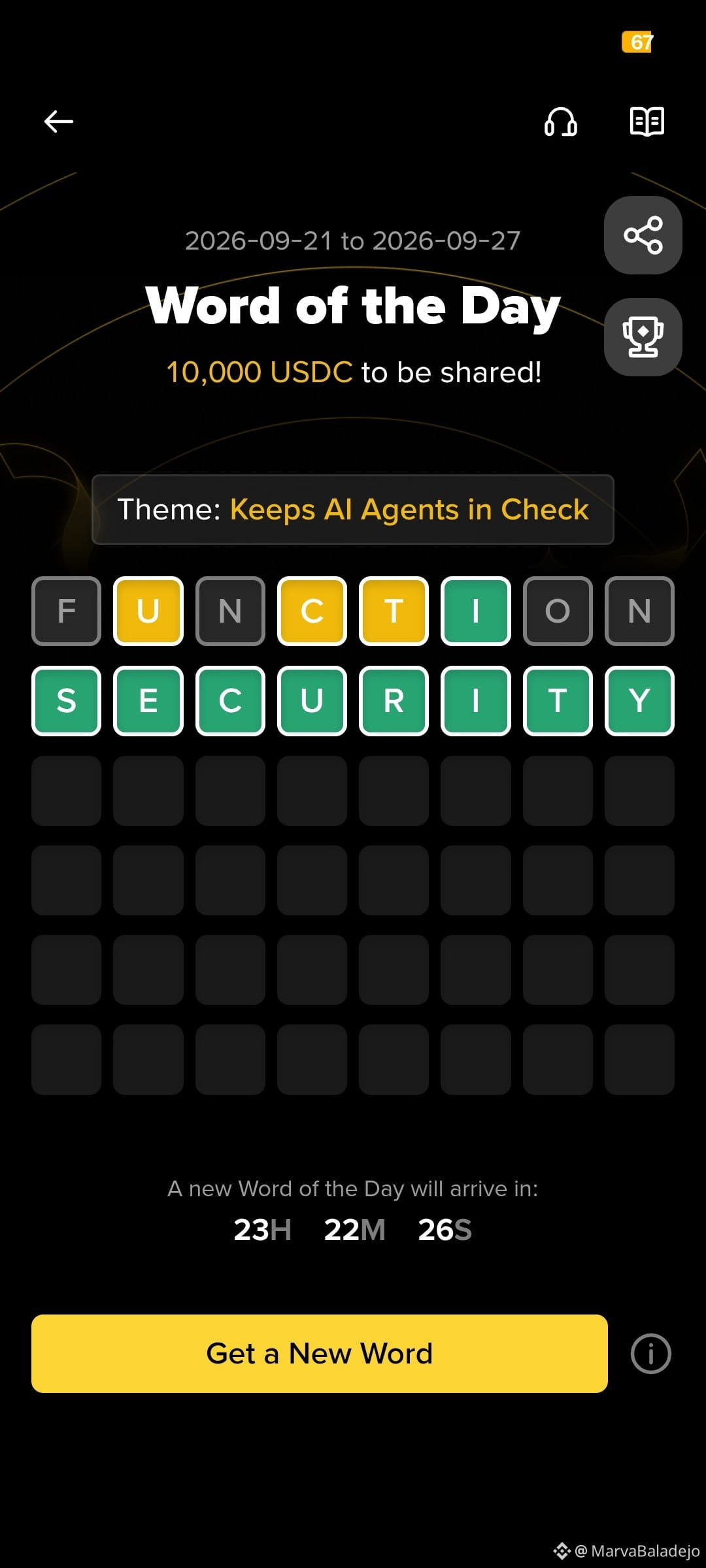
2
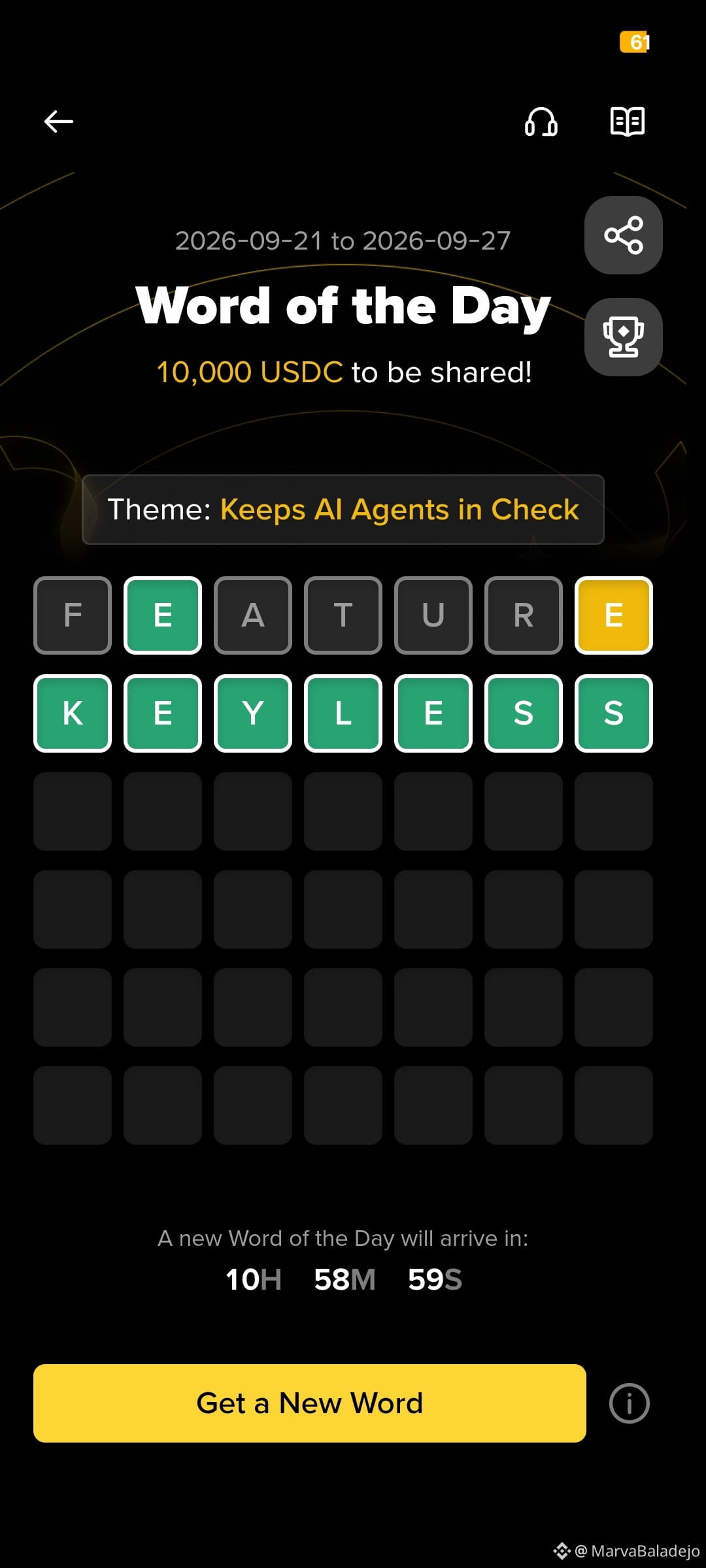
#WORDOFTHEDAY✅
today 7 letter answer =DEFAULT
#WORDOFTHEDAY✅
today 7 letter answer =DEFAULT
today 7 letter answer =DEFAULT
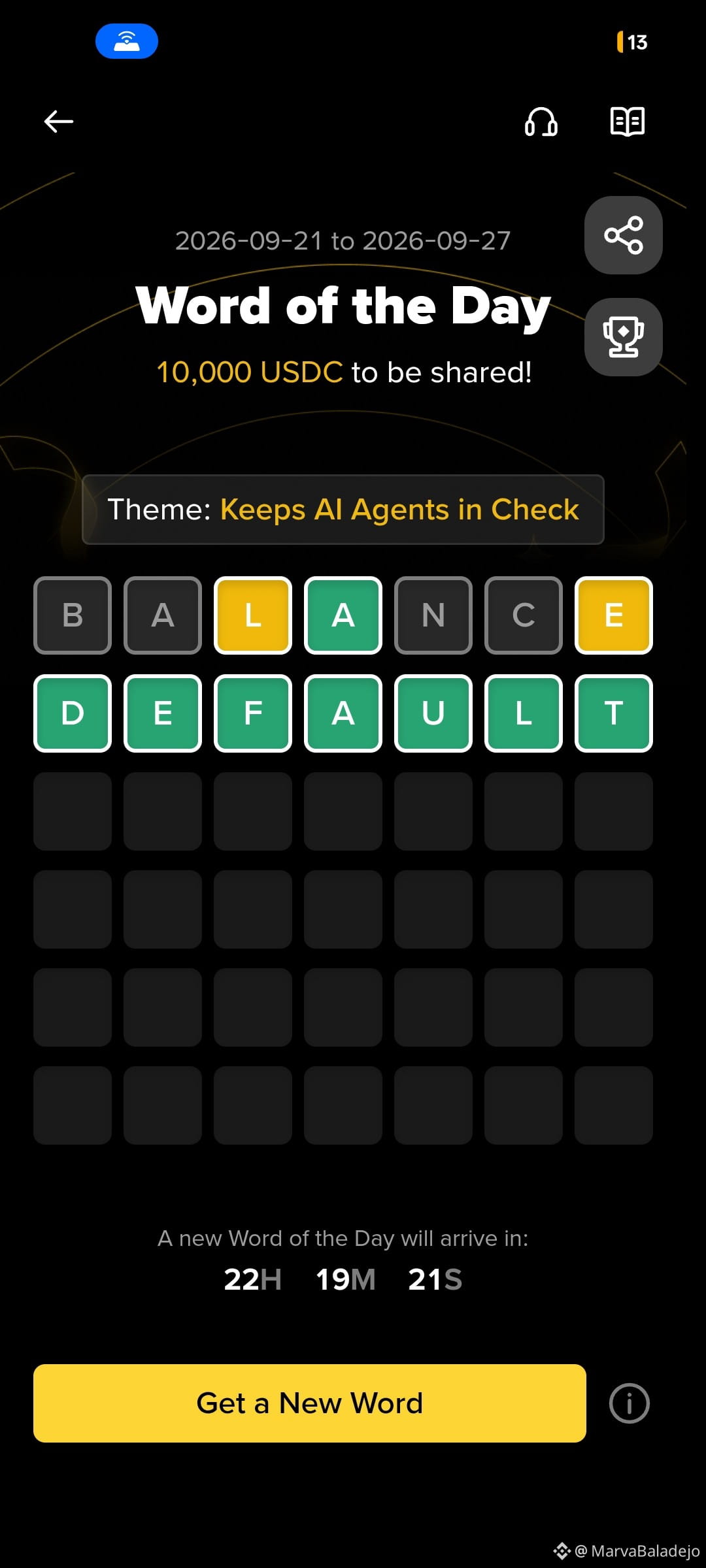
1
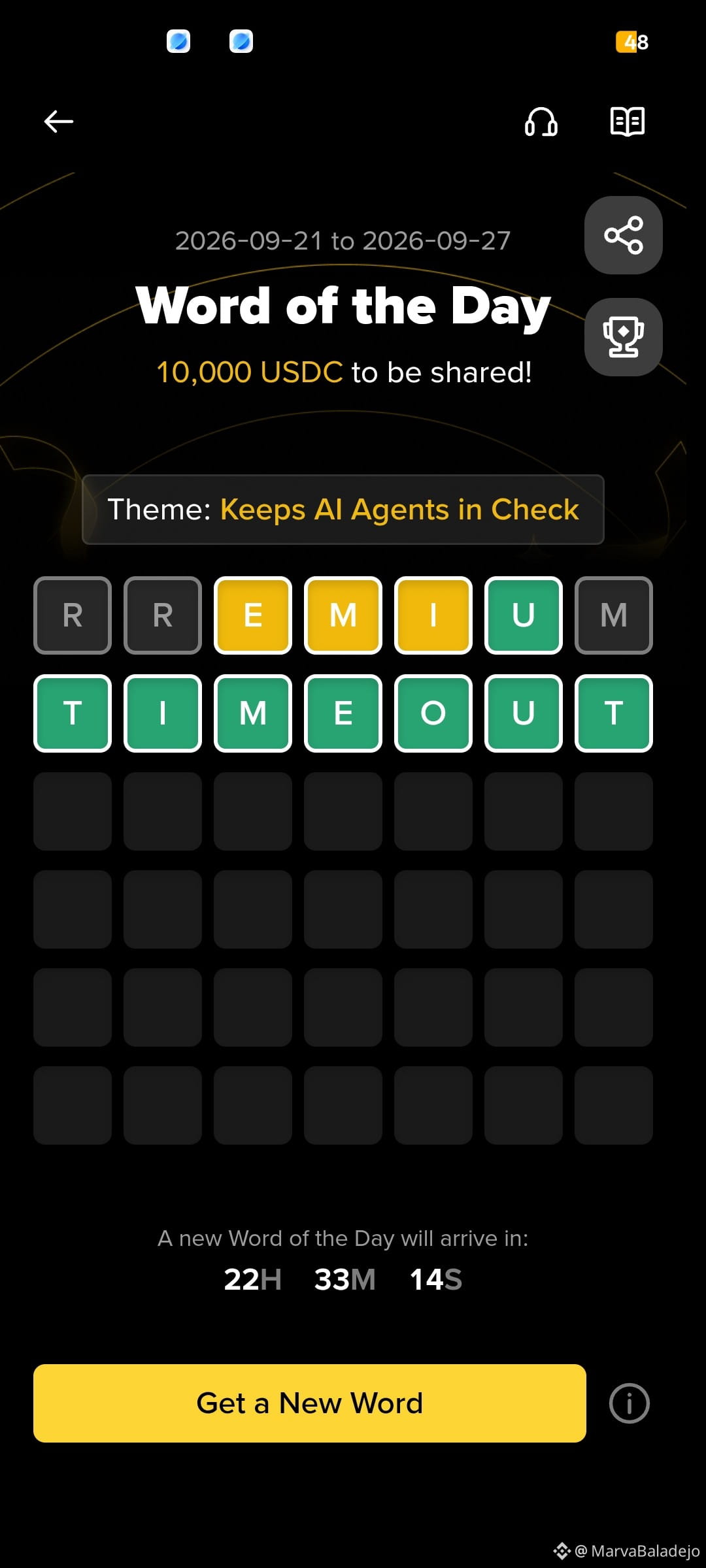
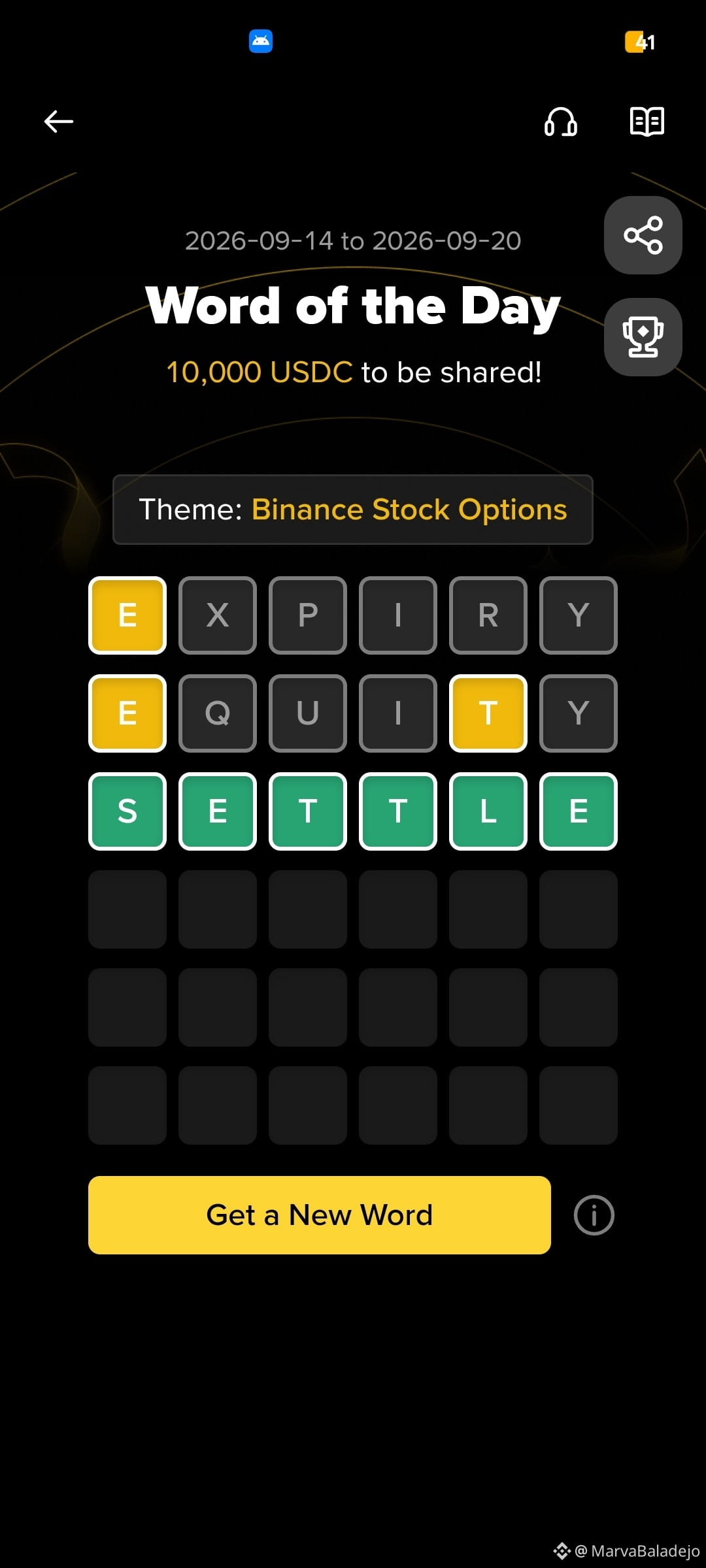
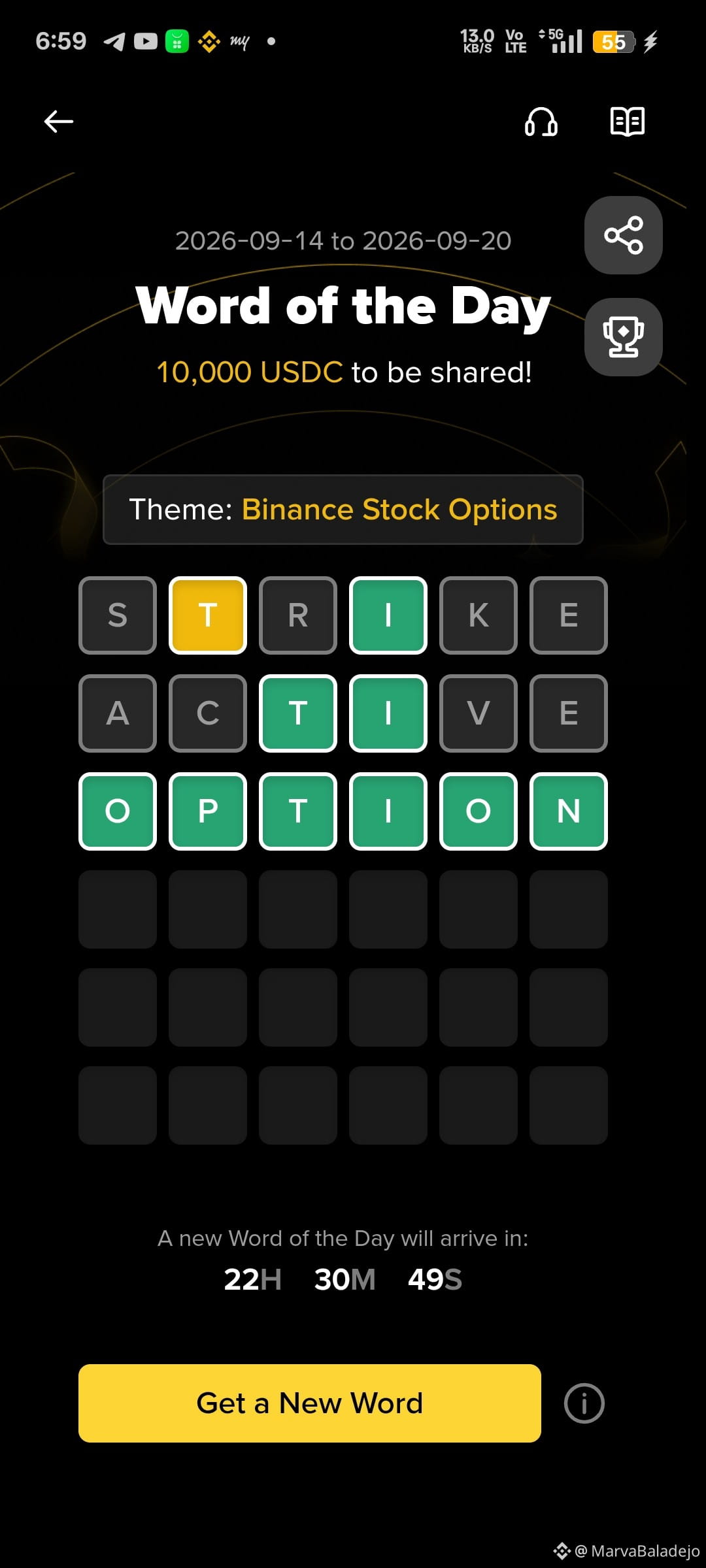
#WORDOFTHEDAY✅
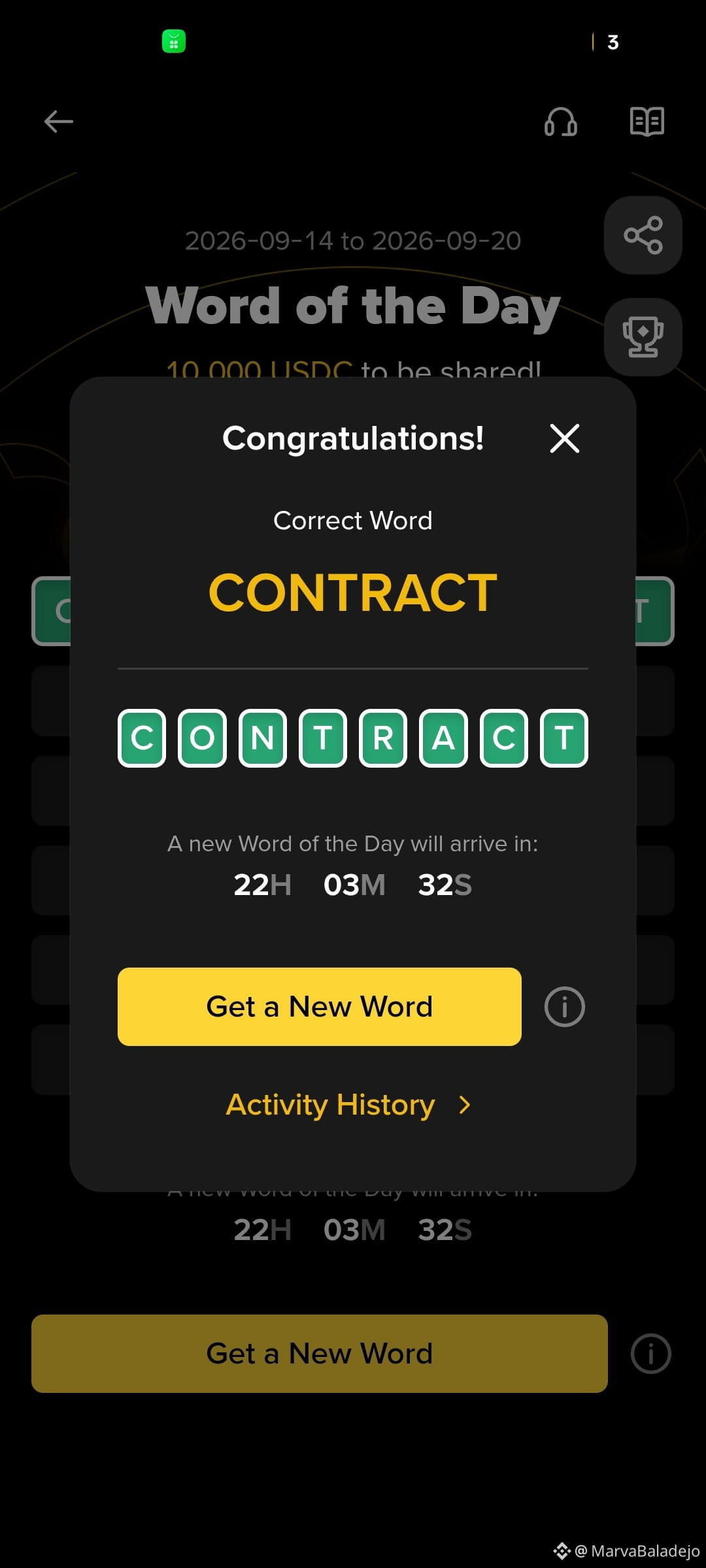
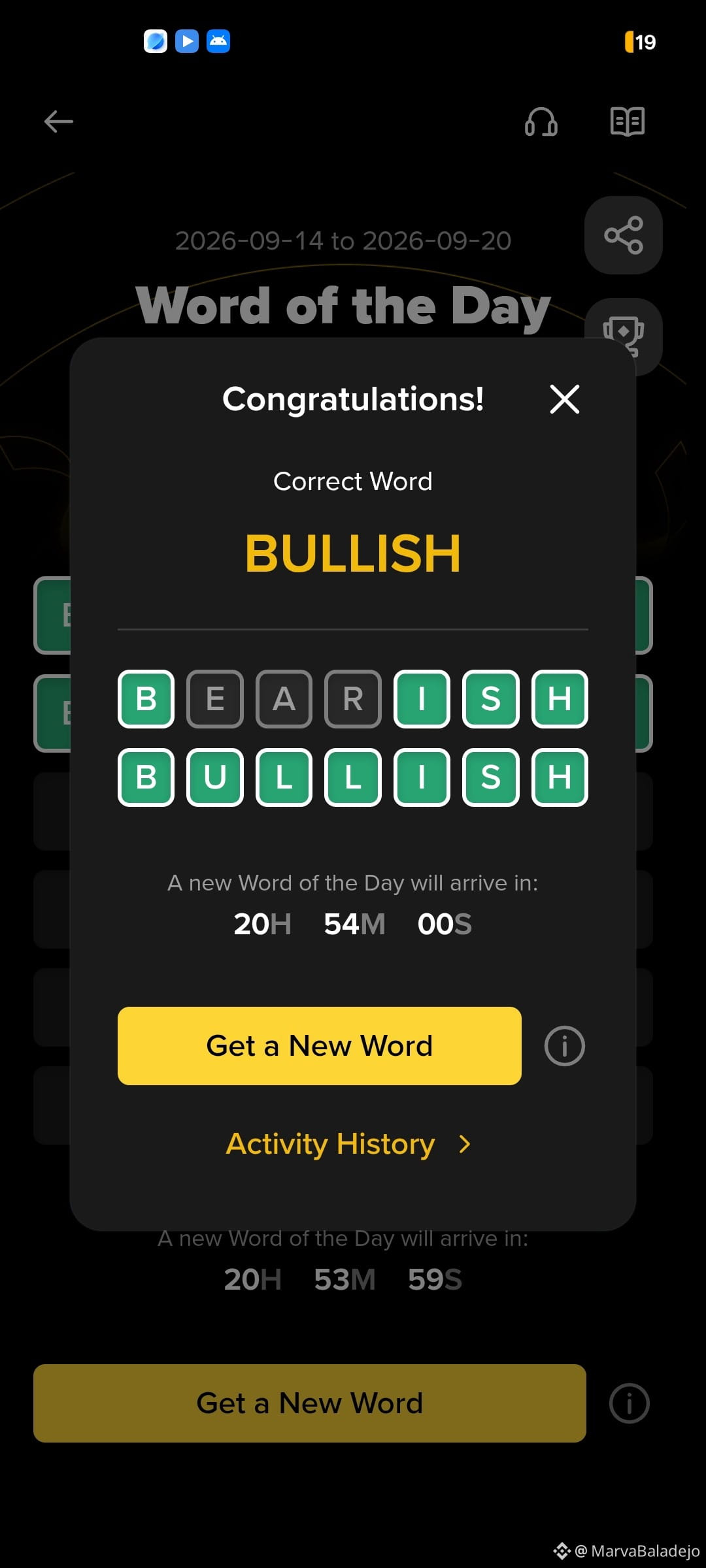
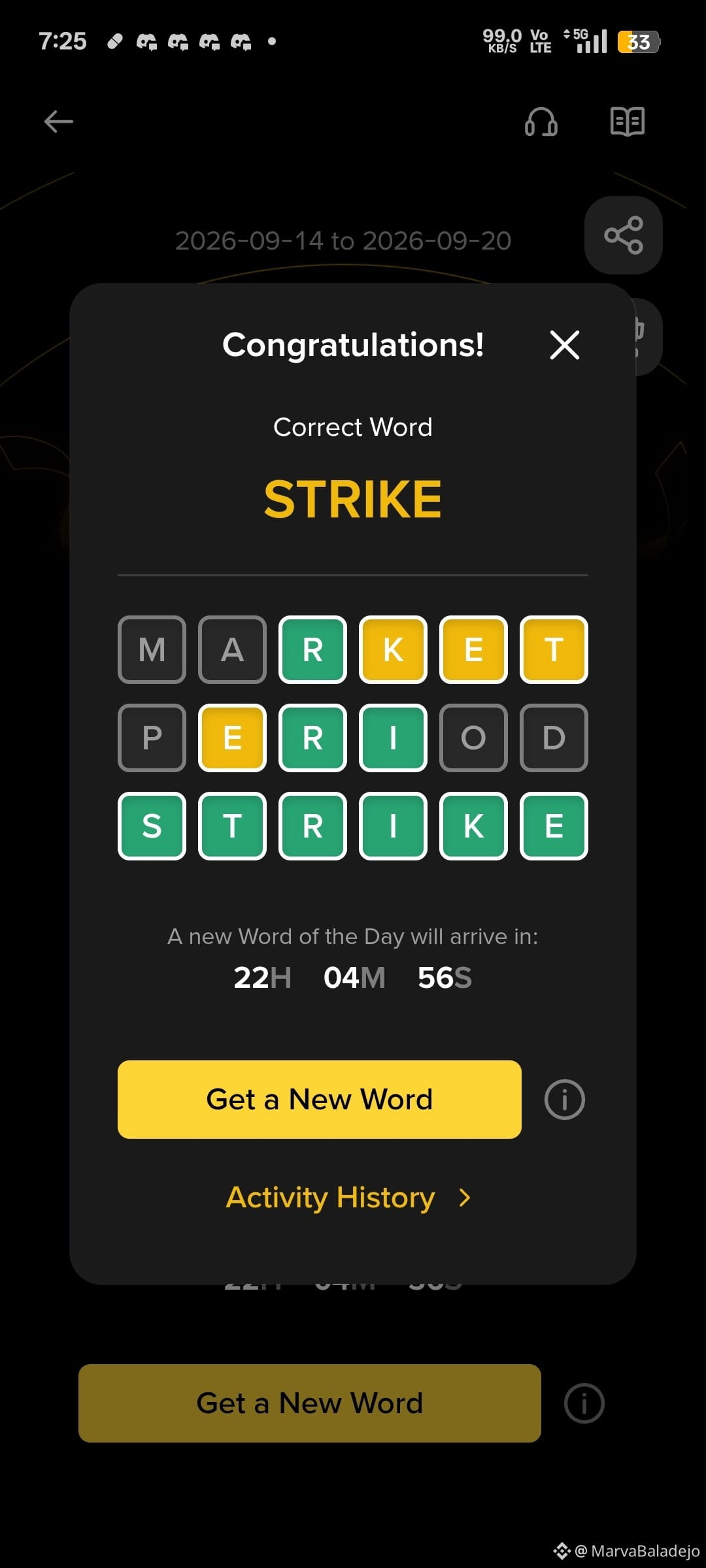
today 8 Latter ANSWER = CONTRACT
#WORDOFTHEDAY✅
today 8 Latter ANSWER = CONTRACT
today 8 Latter ANSWER = CONTRACT
2
2
#WORDOFTHEDAY✅
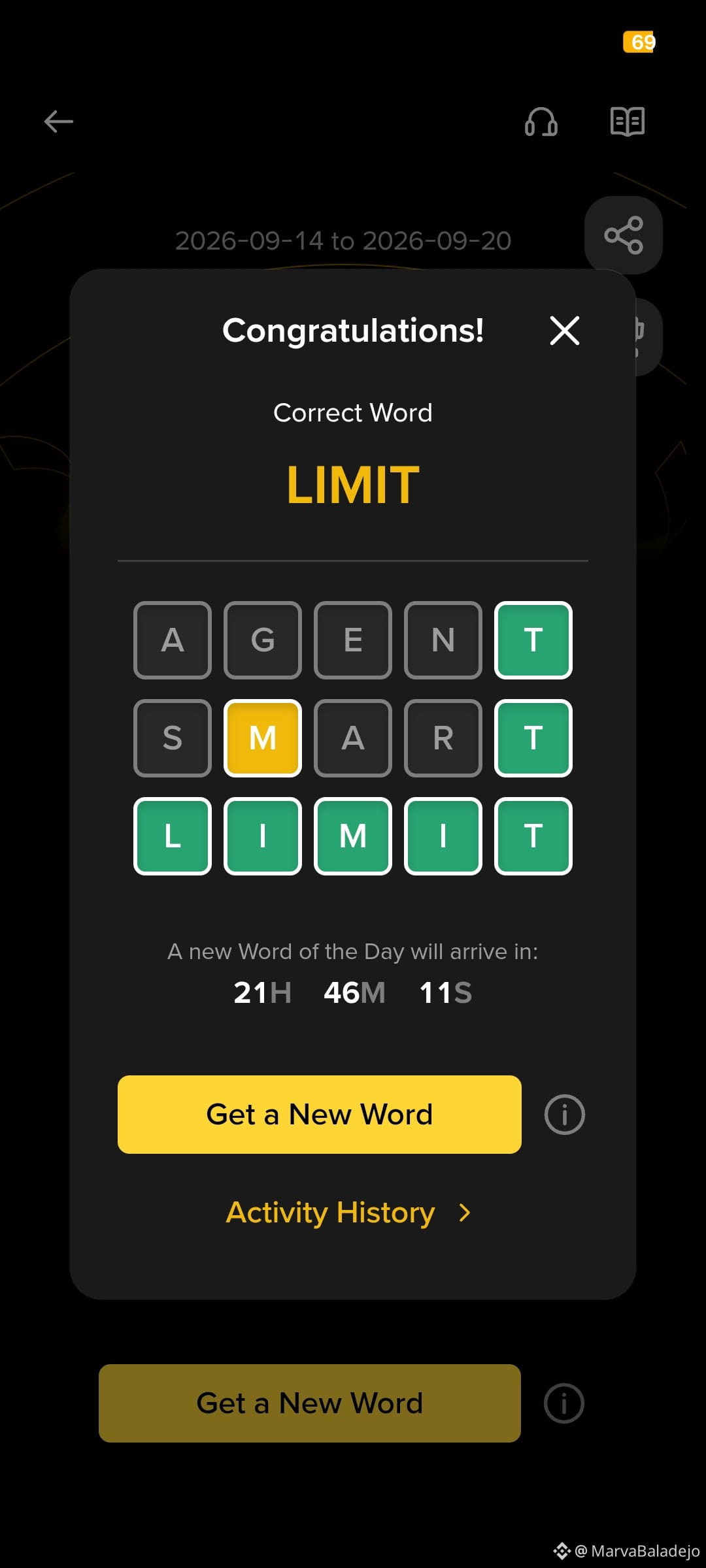
today 5 letter Answer = LIMIT
#WORDOFTHEDAY✅
today 5 letter Answer = LIMIT
today 5 letter Answer = LIMIT
2
#WORDOFTHEDAY✅
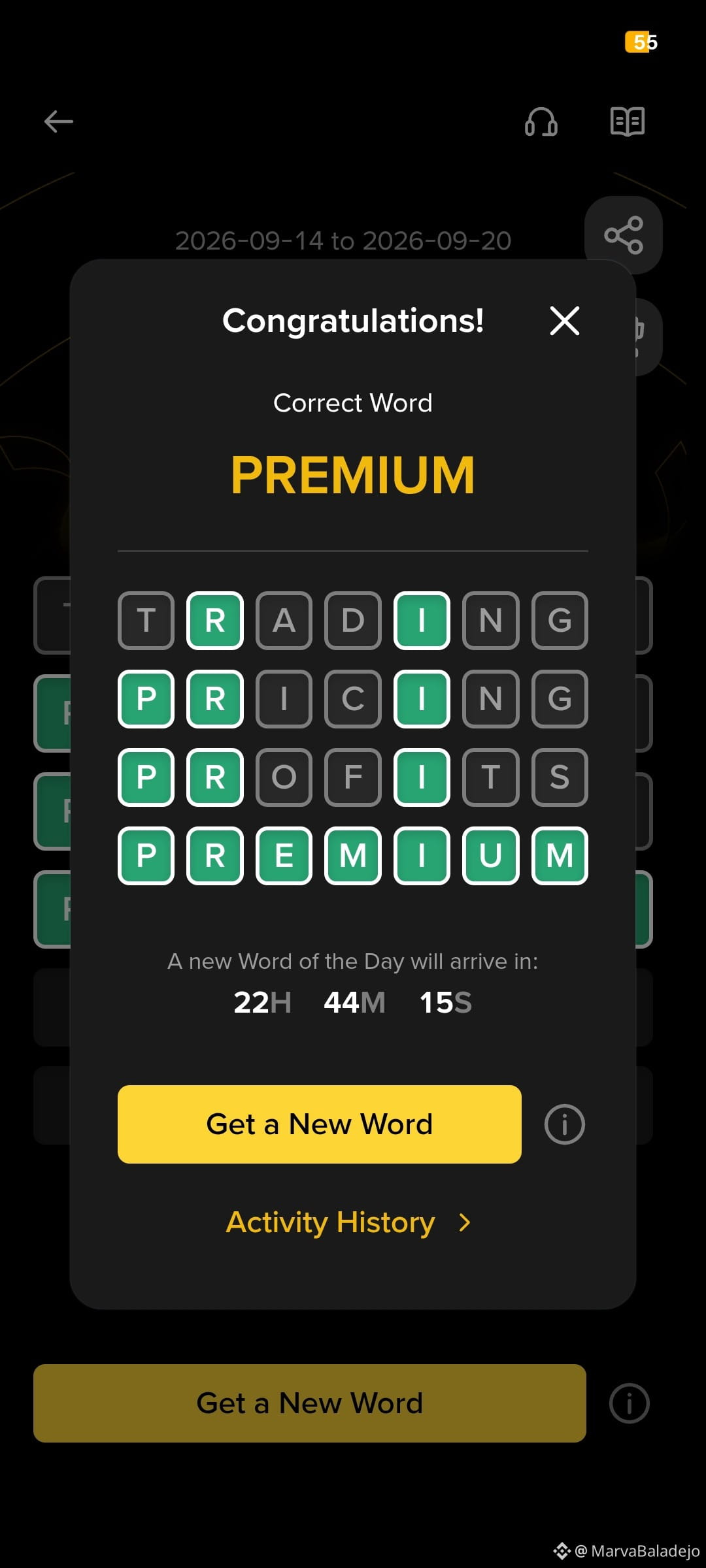
today 7 letter Answer = PREMIUM
#WORDOFTHEDAY✅
today 7 letter Answer = PREMIUM
today 7 letter Answer = PREMIUM
4
#WORD_OF_THE_DAY_BINANCE
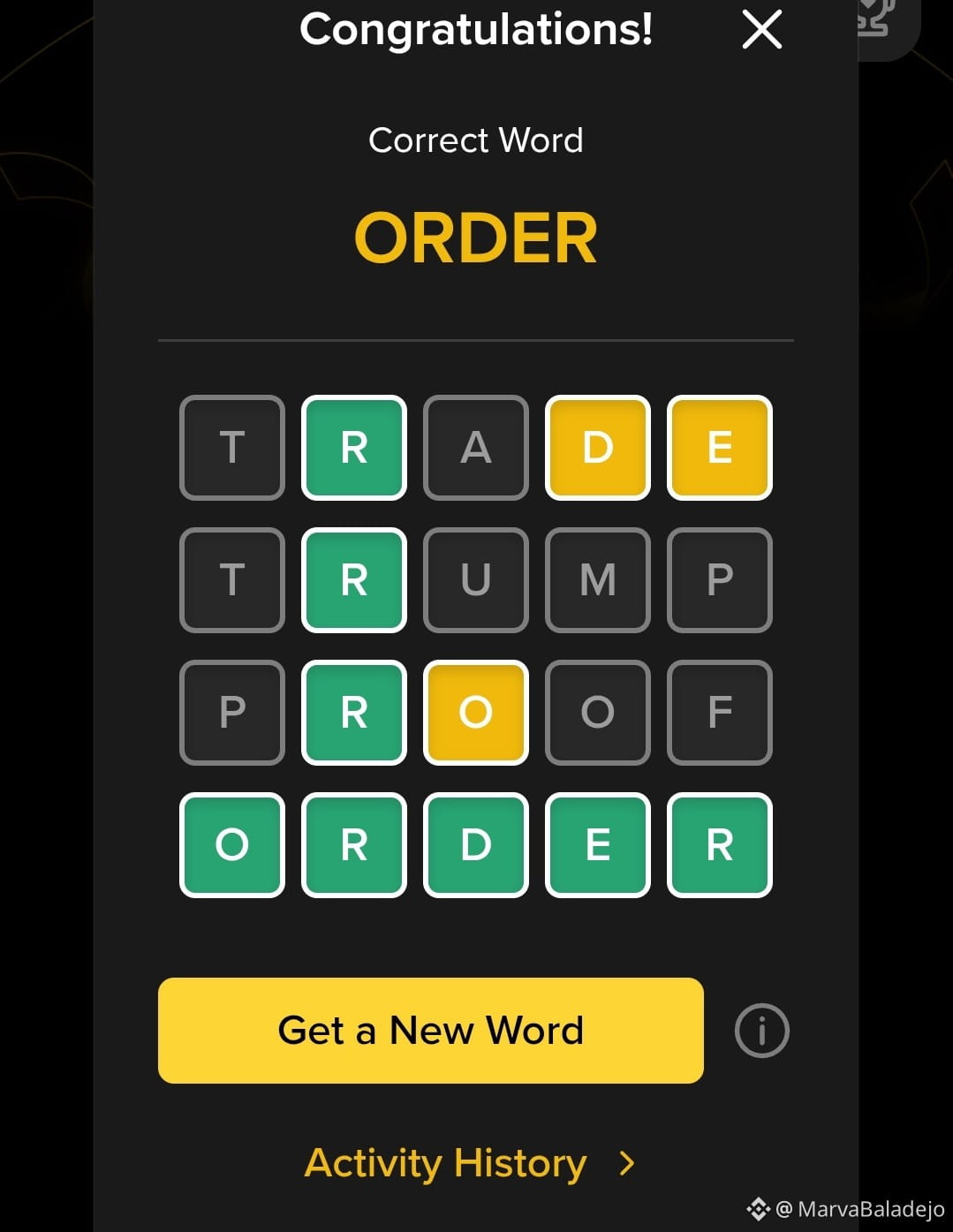
today 5 Latter Answer = ORDER
#WORD_OF_THE_DAY_BINANCE
today 5 Latter Answer = ORDER
today 5 Latter Answer = ORDER
1
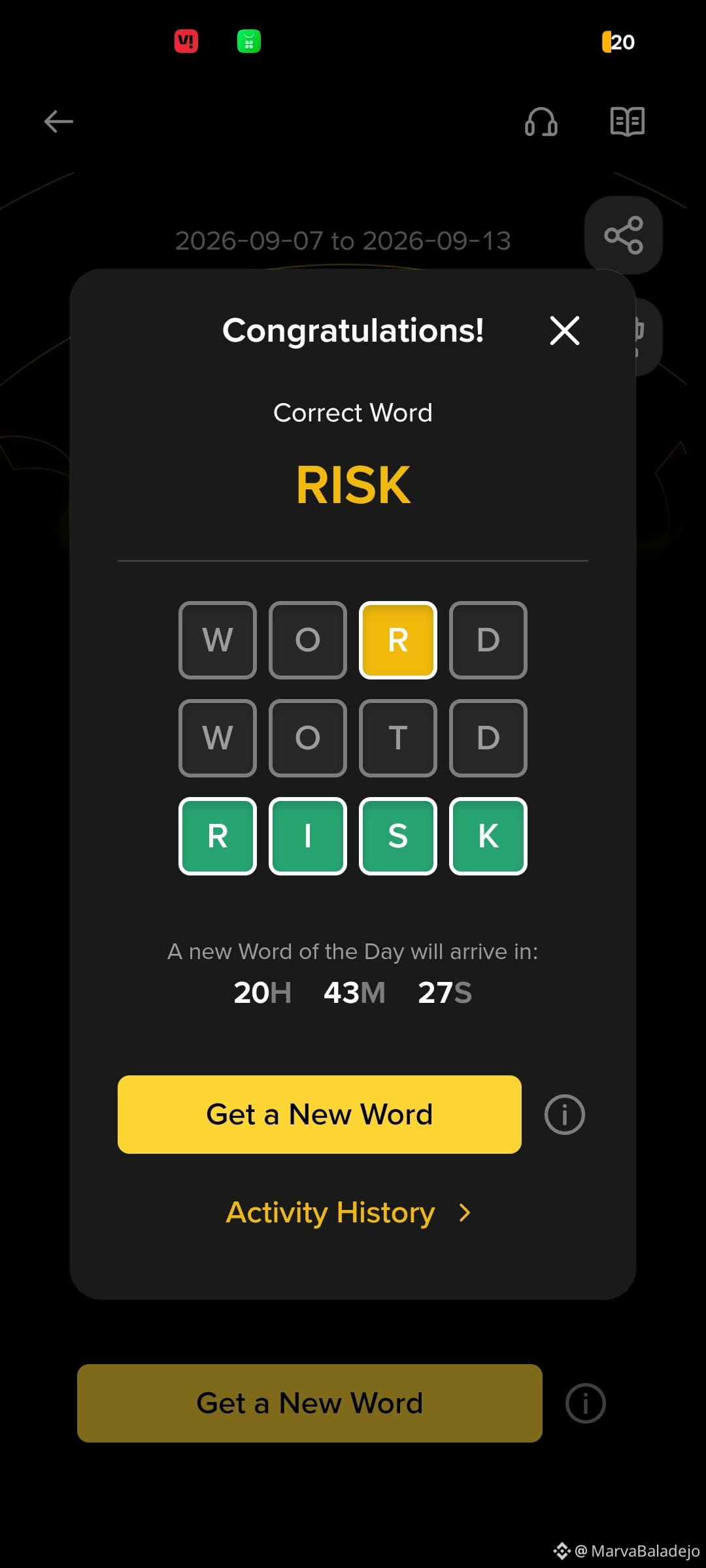
#WORDOFTHEDAY✅
today 4 Latter ANSWER = RISK
#WORDOFTHEDAY✅
today 4 Latter ANSWER = RISK
today 4 Latter ANSWER = RISK
1
#USDCFreezeDebate
#USDCFreezeDebate — what it means (Binance/crypto angle)
What “freezing USDC” refers to
USDC is issued by Circle and is designed to comply with laws/sanctions. When required, the issuer can freeze USDC held at specific on-chain addresses (blacklist), preventing those tokens from moving.
This is different from an exchange freezing your account funds; it’s an issuer-level, token-contract control on supported chains.
Why people debate it
Pro-freeze (compliance & safety): Freezing can help limit the movement of hacked/stolen funds and support lawful enforcement. It can also make regulated institutions more comfortable using stablecoins.
Anti-freeze (censorship & counterparty risk): If an issuer can freeze, holders face permission risk (a third party can restrict transfer). Some view that as incompatible with “censorship resistance.”
Practical implications for users
If you self-custody USDC, you’re taking on issuer risk: in extreme cases, funds at an address could be frozen (typically tied to legal/sanctions contexts).
If you want fewer “freeze” controls, users often look at alternative stablecoin designs—but those can introduce other risks (e.g., depegs, collateral/liquidity risk). There’s no free lunch.
On Binance
Binance supports multiple stablecoins and risk controls. A simple approach is to diversify stablecoin exposure and avoid interacting with suspicious addresses/contracts to reduce contamination risk.
If you tell me your goal (payments, trading, long-term parking cash, DeFi), I can suggest a stablecoin risk checklist tailored to it.
#USDCFreezeDebate
#USDCFreezeDebate — what it means (Binance/crypto angle)
What “freezing USDC” refers to
USDC is issued by Circle and is designed to comply with laws/sanctions. When required, the issuer can freeze USDC held at specific on-chain addresses (blacklist), preventing those tokens from moving.
This is different from an exchange freezing your account funds; it’s an issuer-level, token-contract control on supported chains.
Why people debate it
Pro-freeze (compliance & safety): Freezing can help limit the movement of hacked/stolen funds and support lawful enforcement. It can also make regulated institutions more comfortable using stablecoins.
Anti-freeze (censorship & counterparty risk): If an issuer can freeze, holders face permission risk (a third party can restrict transfer). Some view that as incompatible with “censorship resistance.”
Practical implications for users
If you self-custody USDC, you’re taking on issuer risk: in extreme cases, funds at an address could be frozen (typically tied to legal/sanctions contexts).
If you want fewer “freeze” controls, users often look at alternative stablecoin designs—but those can introduce other risks (e.g., depegs, collateral/liquidity risk). There’s no free lunch.
On Binance
Binance supports multiple stablecoins and risk controls. A simple approach is to diversify stablecoin exposure and avoid interacting with suspicious addresses/contracts to reduce contamination risk.
If you tell me your goal (payments, trading, long-term parking cash, DeFi), I can suggest a stablecoin risk checklist tailored to it.
#USDCFreezeDebate — what it means (Binance/crypto angle)
What “freezing USDC” refers to
USDC is issued by Circle and is designed to comply with laws/sanctions. When required, the issuer can freeze USDC held at specific on-chain addresses (blacklist), preventing those tokens from moving.
This is different from an exchange freezing your account funds; it’s an issuer-level, token-contract control on supported chains.
Why people debate it
Pro-freeze (compliance & safety): Freezing can help limit the movement of hacked/stolen funds and support lawful enforcement. It can also make regulated institutions more comfortable using stablecoins.
Anti-freeze (censorship & counterparty risk): If an issuer can freeze, holders face permission risk (a third party can restrict transfer). Some view that as incompatible with “censorship resistance.”
Practical implications for users
If you self-custody USDC, you’re taking on issuer risk: in extreme cases, funds at an address could be frozen (typically tied to legal/sanctions contexts).
If you want fewer “freeze” controls, users often look at alternative stablecoin designs—but those can introduce other risks (e.g., depegs, collateral/liquidity risk). There’s no free lunch.
On Binance
Binance supports multiple stablecoins and risk controls. A simple approach is to diversify stablecoin exposure and avoid interacting with suspicious addresses/contracts to reduce contamination risk.
If you tell me your goal (payments, trading, long-term parking cash, DeFi), I can suggest a stablecoin risk checklist tailored to it.
46
#SECEasesBrokerRulesforCertainDeFiInterfaces
Here’s the Binance/crypto takeaway on #SECEasesBrokerRulesforCertainDeFiInterfaces:
The SEC staff has issued guidance stating it will not object, in certain circumstances, to interface providers for front ends and self-custodial wallets operating without broker-dealer registration for onchain crypto asset securities transactions. (sec.gov)
A few important nuances:
This is staff guidance / a statement, not a new law or rule. (sec.gov)
It applies only under specific conditions, so it does not mean all DeFi interfaces are exempt from broker rules. (sec.gov)
The SEC has also been publishing related crypto interpretations and custody guidance recently, showing a broader effort to clarify how existing securities laws apply to crypto assets and market infrastructure. (sec.gov)
Why this matters for crypto markets:
If the guidance is applied broadly by the market, it could reduce some regulatory uncertainty for wallet apps and DeFi front ends, which may support more development around user interfaces and self-custody tools. That said, any real impact will depend on the exact conditions in the guidance and how firms interpret compliance obligations. (sec.gov)
If you want, I can also turn this into:
a 1-line news headline,
a tweet-sized post, or
a Binance-style market impact summary.
#SECEasesBrokerRulesforCertainDeFiInterfaces
Here’s the Binance/crypto takeaway on #SECEasesBrokerRulesforCertainDeFiInterfaces:
The SEC staff has issued guidance stating it will not object, in certain circumstances, to interface providers for front ends and self-custodial wallets operating without broker-dealer registration for onchain crypto asset securities transactions. (sec.gov)
A few important nuances:
This is staff guidance / a statement, not a new law or rule. (sec.gov)
It applies only under specific conditions, so it does not mean all DeFi interfaces are exempt from broker rules. (sec.gov)
The SEC has also been publishing related crypto interpretations and custody guidance recently, showing a broader effort to clarify how existing securities laws apply to crypto assets and market infrastructure. (sec.gov)
Why this matters for crypto markets:
If the guidance is applied broadly by the market, it could reduce some regulatory uncertainty for wallet apps and DeFi front ends, which may support more development around user interfaces and self-custody tools. That said, any real impact will depend on the exact conditions in the guidance and how firms interpret compliance obligations. (sec.gov)
If you want, I can also turn this into:
a 1-line news headline,
a tweet-sized post, or
a Binance-style market impact summary.
Here’s the Binance/crypto takeaway on #SECEasesBrokerRulesforCertainDeFiInterfaces:
The SEC staff has issued guidance stating it will not object, in certain circumstances, to interface providers for front ends and self-custodial wallets operating without broker-dealer registration for onchain crypto asset securities transactions. (sec.gov)
A few important nuances:
This is staff guidance / a statement, not a new law or rule. (sec.gov)
It applies only under specific conditions, so it does not mean all DeFi interfaces are exempt from broker rules. (sec.gov)
The SEC has also been publishing related crypto interpretations and custody guidance recently, showing a broader effort to clarify how existing securities laws apply to crypto assets and market infrastructure. (sec.gov)
Why this matters for crypto markets:
If the guidance is applied broadly by the market, it could reduce some regulatory uncertainty for wallet apps and DeFi front ends, which may support more development around user interfaces and self-custody tools. That said, any real impact will depend on the exact conditions in the guidance and how firms interpret compliance obligations. (sec.gov)
If you want, I can also turn this into:
a 1-line news headline,
a tweet-sized post, or
a Binance-style market impact summary.
122
#CryptoMarketRebounds
Crypto markets are showing a rebound, with BTC, ETH, and BNB all moving higher in the latest market snapshot.
BTC: $74,526.37, +5.38% in 24h
ETH: $2,377.65, +8.90% in 24h
BNB: $617.35, +3.60% in 24h
A rebound like this often reflects renewed risk appetite, improving sentiment, or short covering after earlier weakness. If you want, I can also give you a simple Binance-focused market summary, top gainers/losers, or a trading checklist for volatile rebounds.
#CryptoMarketRebounds
Crypto markets are showing a rebound, with BTC, ETH, and BNB all moving higher in the latest market snapshot.
BTC: $74,526.37, +5.38% in 24h
ETH: $2,377.65, +8.90% in 24h
BNB: $617.35, +3.60% in 24h
A rebound like this often reflects renewed risk appetite, improving sentiment, or short covering after earlier weakness. If you want, I can also give you a simple Binance-focused market summary, top gainers/losers, or a trading checklist for volatile rebounds.
Crypto markets are showing a rebound, with BTC, ETH, and BNB all moving higher in the latest market snapshot.
BTC: $74,526.37, +5.38% in 24h
ETH: $2,377.65, +8.90% in 24h
BNB: $617.35, +3.60% in 24h
A rebound like this often reflects renewed risk appetite, improving sentiment, or short covering after earlier weakness. If you want, I can also give you a simple Binance-focused market summary, top gainers/losers, or a trading checklist for volatile rebounds.
10
$BTC
{spot}(BTCUSDT)
🚀 Daily Crypto Market: 3-Minute Briefing
📰 Today's News
🔥 Bitcoin ETFs See Positive Year-to-Date Inflows
Bitcoin Exchange-Traded Funds (ETFs) have experienced a strong week of inflows, turning positive for year-to-date net flows despite previous outflows. This resurgence indicates improving market sentiment and renewed investor interest in Bitcoin-backed financial products.
⚡ U.S. SEC Provides Temporary Guidance for DeFi Front-Ends and Wallet Apps
The U.S. SEC's Division of Trading and Markets has issued temporary guidance, granting certain decentralized finance (DeFi) front-ends, wallet extensions, and mobile applications a five-year exemption from broker registration requirements under specific conditions. This move offers a clearer, albeit temporary, regulatory path for parts of the DeFi ecosystem.
📉 Polkadot Bridge Exploit Leads to 1 Billion DOT Minting and Sale on Ethereum
A critical exploit on the Hyperbridge gateway contract allowed an attacker to manipulate administrator privileges on the Ethereum network, leading to the unauthorized minting and subsequent selling of 1 billion wrapped DOT tokens. This incident resulted in approximately $237,000 in profit for the attacker and highlights ongoing security vulnerabilities in cross-chain protocols.
📈 Mainstream Asset Performance (24h)
BTC: +1.4% — Bitcoin has seen a slight recovery, now trading around $71,872.81, showing resilience amidst market fluctuations.
ETH: +1.1% — Ethereum also posted modest gains, with its price reaching approximately $2,209.86.
SOL: +1.4% — Solana experienced a positive movement, trading at about $82.70.
🚀 Today's Top Gainers
币安人生USDT: +45.3% — Significant increase in trading volume and continuous capital inflow.
币安人生USDC: +45.2% — Significant increase in trading volume and continuous capital inflow.
🎁 Platform Activities & Reminders
🔥 Binance Alpha Lists Genius (GENIUS)
$BTC
🚀 Daily Crypto Market: 3-Minute Briefing
📰 Today's News
🔥 Bitcoin ETFs See Positive Year-to-Date Inflows
Bitcoin Exchange-Traded Funds (ETFs) have experienced a strong week of inflows, turning positive for year-to-date net flows despite previous outflows. This resurgence indicates improving market sentiment and renewed investor interest in Bitcoin-backed financial products.
⚡ U.S. SEC Provides Temporary Guidance for DeFi Front-Ends and Wallet Apps
The U.S. SEC's Division of Trading and Markets has issued temporary guidance, granting certain decentralized finance (DeFi) front-ends, wallet extensions, and mobile applications a five-year exemption from broker registration requirements under specific conditions. This move offers a clearer, albeit temporary, regulatory path for parts of the DeFi ecosystem.
📉 Polkadot Bridge Exploit Leads to 1 Billion DOT Minting and Sale on Ethereum
A critical exploit on the Hyperbridge gateway contract allowed an attacker to manipulate administrator privileges on the Ethereum network, leading to the unauthorized minting and subsequent selling of 1 billion wrapped DOT tokens. This incident resulted in approximately $237,000 in profit for the attacker and highlights ongoing security vulnerabilities in cross-chain protocols.
📈 Mainstream Asset Performance (24h)
BTC: +1.4% — Bitcoin has seen a slight recovery, now trading around $71,872.81, showing resilience amidst market fluctuations.
ETH: +1.1% — Ethereum also posted modest gains, with its price reaching approximately $2,209.86.
SOL: +1.4% — Solana experienced a positive movement, trading at about $82.70.
🚀 Today's Top Gainers
币安人生USDT: +45.3% — Significant increase in trading volume and continuous capital inflow.
币安人生USDC: +45.2% — Significant increase in trading volume and continuous capital inflow.
🎁 Platform Activities & Reminders
🔥 Binance Alpha Lists Genius (GENIUS)
🚀 Daily Crypto Market: 3-Minute Briefing
📰 Today's News
🔥 Bitcoin ETFs See Positive Year-to-Date Inflows
Bitcoin Exchange-Traded Funds (ETFs) have experienced a strong week of inflows, turning positive for year-to-date net flows despite previous outflows. This resurgence indicates improving market sentiment and renewed investor interest in Bitcoin-backed financial products.
⚡ U.S. SEC Provides Temporary Guidance for DeFi Front-Ends and Wallet Apps
The U.S. SEC's Division of Trading and Markets has issued temporary guidance, granting certain decentralized finance (DeFi) front-ends, wallet extensions, and mobile applications a five-year exemption from broker registration requirements under specific conditions. This move offers a clearer, albeit temporary, regulatory path for parts of the DeFi ecosystem.
📉 Polkadot Bridge Exploit Leads to 1 Billion DOT Minting and Sale on Ethereum
A critical exploit on the Hyperbridge gateway contract allowed an attacker to manipulate administrator privileges on the Ethereum network, leading to the unauthorized minting and subsequent selling of 1 billion wrapped DOT tokens. This incident resulted in approximately $237,000 in profit for the attacker and highlights ongoing security vulnerabilities in cross-chain protocols.
📈 Mainstream Asset Performance (24h)
BTC: +1.4% — Bitcoin has seen a slight recovery, now trading around $71,872.81, showing resilience amidst market fluctuations.
ETH: +1.1% — Ethereum also posted modest gains, with its price reaching approximately $2,209.86.
SOL: +1.4% — Solana experienced a positive movement, trading at about $82.70.
🚀 Today's Top Gainers
币安人生USDT: +45.3% — Significant increase in trading volume and continuous capital inflow.
币安人生USDC: +45.2% — Significant increase in trading volume and continuous capital inflow.
🎁 Platform Activities & Reminders
🔥 Binance Alpha Lists Genius (GENIUS)
3
🚀 Daily Crypto Market: 3-Minute Briefing
📰 Today's News
🔥 Bitcoin ETFs See Positive Year-to-Date Inflows
Bitcoin Exchange-Traded Funds (ETFs) have experienced a strong week of inflows, turning positive for year-to-date net flows despite previous outflows. This resurgence indicates improving market sentiment and renewed investor interest in Bitcoin-backed financial products.
⚡ U.S. SEC Provides Temporary Guidance for DeFi Front-Ends and Wallet Apps
The U.S. SEC's Division of Trading and Markets has issued temporary guidance, granting certain decentralized finance (DeFi) front-ends, wallet extensions, and mobile applications a five-year exemption from broker registration requirements under specific conditions. This move offers a clearer, albeit temporary, regulatory path for parts of the DeFi ecosystem.
📉 Polkadot Bridge Exploit Leads to 1 Billion DOT Minting and Sale on Ethereum
A critical exploit on the Hyperbridge gateway contract allowed an attacker to manipulate administrator privileges on the Ethereum network, leading to the unauthorized minting and subsequent selling of 1 billion wrapped DOT tokens. This incident resulted in approximately $237,000 in profit for the attacker and highlights ongoing security vulnerabilities in cross-chain protocols.
📈 Mainstream Asset Performance (24h)
BTC: +1.4% — Bitcoin has seen a slight recovery, now trading around $71,872.81, showing resilience amidst market fluctuations.
ETH: +1.1% — Ethereum also posted modest gains, with its price reaching approximately $2,209.86.
SOL: +1.4% — Solana experienced a positive movement, trading at about $82.70.
🚀 Today's Top Gainers
币安人生USDT: +45.3% — Significant increase in trading volume and continuous capital inflow.
币安人生USDC: +45.2% — Significant increase in trading volume and continuous capital inflow.
🎁 Platform Activities & Reminders
🔥 Binance Alpha Lists Genius (GENIUS)
🚀 Daily Crypto Market: 3-Minute Briefing
📰 Today's News
🔥 Bitcoin ETFs See Positive Year-to-Date Inflows
Bitcoin Exchange-Traded Funds (ETFs) have experienced a strong week of inflows, turning positive for year-to-date net flows despite previous outflows. This resurgence indicates improving market sentiment and renewed investor interest in Bitcoin-backed financial products.
⚡ U.S. SEC Provides Temporary Guidance for DeFi Front-Ends and Wallet Apps
The U.S. SEC's Division of Trading and Markets has issued temporary guidance, granting certain decentralized finance (DeFi) front-ends, wallet extensions, and mobile applications a five-year exemption from broker registration requirements under specific conditions. This move offers a clearer, albeit temporary, regulatory path for parts of the DeFi ecosystem.
📉 Polkadot Bridge Exploit Leads to 1 Billion DOT Minting and Sale on Ethereum
A critical exploit on the Hyperbridge gateway contract allowed an attacker to manipulate administrator privileges on the Ethereum network, leading to the unauthorized minting and subsequent selling of 1 billion wrapped DOT tokens. This incident resulted in approximately $237,000 in profit for the attacker and highlights ongoing security vulnerabilities in cross-chain protocols.
📈 Mainstream Asset Performance (24h)
BTC: +1.4% — Bitcoin has seen a slight recovery, now trading around $71,872.81, showing resilience amidst market fluctuations.
ETH: +1.1% — Ethereum also posted modest gains, with its price reaching approximately $2,209.86.
SOL: +1.4% — Solana experienced a positive movement, trading at about $82.70.
🚀 Today's Top Gainers
币安人生USDT: +45.3% — Significant increase in trading volume and continuous capital inflow.
币安人生USDC: +45.2% — Significant increase in trading volume and continuous capital inflow.
🎁 Platform Activities & Reminders
🔥 Binance Alpha Lists Genius (GENIUS)
📰 Today's News
🔥 Bitcoin ETFs See Positive Year-to-Date Inflows
Bitcoin Exchange-Traded Funds (ETFs) have experienced a strong week of inflows, turning positive for year-to-date net flows despite previous outflows. This resurgence indicates improving market sentiment and renewed investor interest in Bitcoin-backed financial products.
⚡ U.S. SEC Provides Temporary Guidance for DeFi Front-Ends and Wallet Apps
The U.S. SEC's Division of Trading and Markets has issued temporary guidance, granting certain decentralized finance (DeFi) front-ends, wallet extensions, and mobile applications a five-year exemption from broker registration requirements under specific conditions. This move offers a clearer, albeit temporary, regulatory path for parts of the DeFi ecosystem.
📉 Polkadot Bridge Exploit Leads to 1 Billion DOT Minting and Sale on Ethereum
A critical exploit on the Hyperbridge gateway contract allowed an attacker to manipulate administrator privileges on the Ethereum network, leading to the unauthorized minting and subsequent selling of 1 billion wrapped DOT tokens. This incident resulted in approximately $237,000 in profit for the attacker and highlights ongoing security vulnerabilities in cross-chain protocols.
📈 Mainstream Asset Performance (24h)
BTC: +1.4% — Bitcoin has seen a slight recovery, now trading around $71,872.81, showing resilience amidst market fluctuations.
ETH: +1.1% — Ethereum also posted modest gains, with its price reaching approximately $2,209.86.
SOL: +1.4% — Solana experienced a positive movement, trading at about $82.70.
🚀 Today's Top Gainers
币安人生USDT: +45.3% — Significant increase in trading volume and continuous capital inflow.
币安人生USDC: +45.2% — Significant increase in trading volume and continuous capital inflow.
🎁 Platform Activities & Reminders
🔥 Binance Alpha Lists Genius (GENIUS)
1

ලිපිය
sign#Sign #signaladvisor Looks like you’re pointing at a **narrative/trend tag** around **SIGN**, not a clean fundamental data point by itself.
## What that hashtag is *basically saying*
**“Digital sovereign infrastructure”** means blockchain rails for things like:
* identity / credentials
* attestations / proofs
* document verification
* token distribution / permissions
* cross-chain trust layers
That framing **does match how “Sign” is being marketed** in a lot of recent crypto content: as infrastructure for **verifiable trust**, not just “another token.” CoinMarketCap’s recent explainer describes it as a blockchain infrastructure project for **digital identity, verifiable credentials, and programmable token distribution**, with products like **Sign Protocol** and **TokenTable**. ([CoinMarketCap][1])
## The important part: signal vs. shilling
Right now, a lot of what shows up for **#signdigitalsovereigninfra** looks like **exchange/community-post amplification**, not neutral analysis.
What I’m seeing:
* **Binance Square / KuCoin / Gate-style posts** pushing the thesis
* repeated language like “Middle East growth,” “digital sovereignty,” and “trust layer”
* lots of **narrative-heavy posts**, light on hard adoption metrics ([Binance][2])
Translation: **the story is strong, but the evidence quality is mixed**.
## Bull case for $SIGN
If the project actually gets real usage, the thesis is understandable:
1. **Useful category**
“Proof/identity/attestation” is a real infrastructure problem in Web3 and even outside Web3.
If apps, institutions, or governments need reusable verification rails, that’s a legit niche. ([CoinMarketCap][1])
2. **Better than pure meme narratives**
This is at least a **product-shaped** narrative, not just “community + vibes.”
3. **Can benefit from regulation-friendly trends**
Projects framed around compliance, credentials, provenance, and trust often get more serious attention than random DeFi vaporware.
## Bear case for $SIGN
And here’s where people get rekt by PowerPoint tokens:
1. **Narrative ≠ adoption**
“Sovereign infrastructure” sounds huge.
It can also mean **absolutely nothing** if there are:
* no major active integrations
* no sticky developer usage
* no real fee demand
* no token necessity
2. **Token capture risk**
Even if the protocol is useful, **the token may not be**.
Ask:
* Does usage force demand for $SIGN?
* Or is the token just governance/marketing wallpaper?
3. **Crypto content echo chamber**
A lot of recent posts look like people repeating the same bullish thesis back to each other. That’s not due diligence; that’s a group project in bagholding. ([Binance][2])
## My blunt read
If you’re seeing **#signdigitalsovereigninfra**, treat it as:
> **A developing market narrative around Sign — not proof that the token is undervalued.**
That means it’s worth watching **only if** you can answer these 5 questions:
### Quick DD checklist for $SIGN
* **What exactly does the protocol do better than competitors?**
* **Who is actually using it today?**
* **What on-chain activity proves that?**
* **Why does the token need to exist?**
* **What unlocks / supply emissions are coming?**
If you can’t answer those, then you’re not investing — you’re auditioning for exit liquidity.
## Short version
**#signdigitalsovereigninfra = bullish branding thesis**
**$SIGN = maybe interesting, but currently very narrative-driven**
### My rating:
* **Narrative strength:** high
* **Evidence strength:** medium-to-low
* **Speculative risk:** high
If you want, I can do a **proper no-hype breakdown of $SIGN** for you:
* tokenomics
* unlocks
* use case
* competitors
* whether it’s actually worth buying or just Twitter perfume
[1]: https://coinmarketcap.com/cmc-ai/sign/what-is/?utm_source=chatgpt.com "What Is Sign (SIGN) And How Does It Work?"
[2]: https://www.binance.com/en/squa
re/post/306261222879201?utm_source=chatgpt.com "#signdigitalsovereigninfra $SIGN Sign is positioning"
sign
#Sign #signaladvisor Looks like you’re pointing at a **narrative/trend tag** around **SIGN**, not a clean fundamental data point by itself.
## What that hashtag is *basically saying*
**“Digital sovereign infrastructure”** means blockchain rails for things like:
* identity / credentials
* attestations / proofs
* document verification
* token distribution / permissions
* cross-chain trust layers
That framing **does match how “Sign” is being marketed** in a lot of recent crypto content: as infrastructure for **verifiable trust**, not just “another token.” CoinMarketCap’s recent explainer describes it as a blockchain infrastructure project for **digital identity, verifiable credentials, and programmable token distribution**, with products like **Sign Protocol** and **TokenTable**. ([CoinMarketCap][1])
## The important part: signal vs. shilling
Right now, a lot of what shows up for **#signdigitalsovereigninfra** looks like **exchange/community-post amplification**, not neutral analysis.
What I’m seeing:
* **Binance Square / KuCoin / Gate-style posts** pushing the thesis
* repeated language like “Middle East growth,” “digital sovereignty,” and “trust layer”
* lots of **narrative-heavy posts**, light on hard adoption metrics ([Binance][2])
Translation: **the story is strong, but the evidence quality is mixed**.
## Bull case for $SIGN
If the project actually gets real usage, the thesis is understandable:
1. **Useful category**
“Proof/identity/attestation” is a real infrastructure problem in Web3 and even outside Web3.
If apps, institutions, or governments need reusable verification rails, that’s a legit niche. ([CoinMarketCap][1])
2. **Better than pure meme narratives**
This is at least a **product-shaped** narrative, not just “community + vibes.”
3. **Can benefit from regulation-friendly trends**
Projects framed around compliance, credentials, provenance, and trust often get more serious attention than random DeFi vaporware.
## Bear case for $SIGN
And here’s where people get rekt by PowerPoint tokens:
1. **Narrative ≠ adoption**
“Sovereign infrastructure” sounds huge.
It can also mean **absolutely nothing** if there are:
* no major active integrations
* no sticky developer usage
* no real fee demand
* no token necessity
2. **Token capture risk**
Even if the protocol is useful, **the token may not be**.
Ask:
* Does usage force demand for $SIGN?
* Or is the token just governance/marketing wallpaper?
3. **Crypto content echo chamber**
A lot of recent posts look like people repeating the same bullish thesis back to each other. That’s not due diligence; that’s a group project in bagholding. ([Binance][2])
## My blunt read
If you’re seeing **#signdigitalsovereigninfra**, treat it as:
> **A developing market narrative around Sign — not proof that the token is undervalued.**
That means it’s worth watching **only if** you can answer these 5 questions:
### Quick DD checklist for $SIGN
* **What exactly does the protocol do better than competitors?**
* **Who is actually using it today?**
* **What on-chain activity proves that?**
* **Why does the token need to exist?**
* **What unlocks / supply emissions are coming?**
If you can’t answer those, then you’re not investing — you’re auditioning for exit liquidity.
## Short version
**#signdigitalsovereigninfra = bullish branding thesis**
**$SIGN = maybe interesting, but currently very narrative-driven**
### My rating:
* **Narrative strength:** high
* **Evidence strength:** medium-to-low
* **Speculative risk:** high
If you want, I can do a **proper no-hype breakdown of $SIGN** for you:
* tokenomics
* unlocks
* use case
* competitors
* whether it’s actually worth buying or just Twitter perfume
[1]: https://coinmarketcap.com/cmc-ai/sign/what-is/?utm_source=chatgpt.com "What Is Sign (SIGN) And How Does It Work?"
[2]: https://www.binance.com/en/squa
re/post/306261222879201?utm_source=chatgpt.com "#signdigitalsovereigninfra $SIGN Sign is positioning"
## What that hashtag is *basically saying*
**“Digital sovereign infrastructure”** means blockchain rails for things like:
* identity / credentials
* attestations / proofs
* document verification
* token distribution / permissions
* cross-chain trust layers
That framing **does match how “Sign” is being marketed** in a lot of recent crypto content: as infrastructure for **verifiable trust**, not just “another token.” CoinMarketCap’s recent explainer describes it as a blockchain infrastructure project for **digital identity, verifiable credentials, and programmable token distribution**, with products like **Sign Protocol** and **TokenTable**. ([CoinMarketCap][1])
## The important part: signal vs. shilling
Right now, a lot of what shows up for **#signdigitalsovereigninfra** looks like **exchange/community-post amplification**, not neutral analysis.
What I’m seeing:
* **Binance Square / KuCoin / Gate-style posts** pushing the thesis
* repeated language like “Middle East growth,” “digital sovereignty,” and “trust layer”
* lots of **narrative-heavy posts**, light on hard adoption metrics ([Binance][2])
Translation: **the story is strong, but the evidence quality is mixed**.
## Bull case for $SIGN
If the project actually gets real usage, the thesis is understandable:
1. **Useful category**
“Proof/identity/attestation” is a real infrastructure problem in Web3 and even outside Web3.
If apps, institutions, or governments need reusable verification rails, that’s a legit niche. ([CoinMarketCap][1])
2. **Better than pure meme narratives**
This is at least a **product-shaped** narrative, not just “community + vibes.”
3. **Can benefit from regulation-friendly trends**
Projects framed around compliance, credentials, provenance, and trust often get more serious attention than random DeFi vaporware.
## Bear case for $SIGN
And here’s where people get rekt by PowerPoint tokens:
1. **Narrative ≠ adoption**
“Sovereign infrastructure” sounds huge.
It can also mean **absolutely nothing** if there are:
* no major active integrations
* no sticky developer usage
* no real fee demand
* no token necessity
2. **Token capture risk**
Even if the protocol is useful, **the token may not be**.
Ask:
* Does usage force demand for $SIGN?
* Or is the token just governance/marketing wallpaper?
3. **Crypto content echo chamber**
A lot of recent posts look like people repeating the same bullish thesis back to each other. That’s not due diligence; that’s a group project in bagholding. ([Binance][2])
## My blunt read
If you’re seeing **#signdigitalsovereigninfra**, treat it as:
> **A developing market narrative around Sign — not proof that the token is undervalued.**
That means it’s worth watching **only if** you can answer these 5 questions:
### Quick DD checklist for $SIGN
* **What exactly does the protocol do better than competitors?**
* **Who is actually using it today?**
* **What on-chain activity proves that?**
* **Why does the token need to exist?**
* **What unlocks / supply emissions are coming?**
If you can’t answer those, then you’re not investing — you’re auditioning for exit liquidity.
## Short version
**#signdigitalsovereigninfra = bullish branding thesis**
**$SIGN = maybe interesting, but currently very narrative-driven**
### My rating:
* **Narrative strength:** high
* **Evidence strength:** medium-to-low
* **Speculative risk:** high
If you want, I can do a **proper no-hype breakdown of $SIGN** for you:
* tokenomics
* unlocks
* use case
* competitors
* whether it’s actually worth buying or just Twitter perfume
[1]: https://coinmarketcap.com/cmc-ai/sign/what-is/?utm_source=chatgpt.com "What Is Sign (SIGN) And How Does It Work?"
[2]: https://www.binance.com/en/squa
re/post/306261222879201?utm_source=chatgpt.com "#signdigitalsovereigninfra $SIGN Sign is positioning"
1

ලිපිය
SignLooks like you’re pointing at a narrative/trend tag around SIGN, not a clean fundamental data point by itself.
What that hashtag is basically saying
“Digital sovereign infrastructure” means blockchain rails for things like:
identity / credentialsattestations / proofsdocument verificationtoken distribution / permissionscross-chain trust layers
That framing does match how “Sign” is being marketed in a lot of recent crypto content: as infrastructure for verifiable trust, not just “another token.” CoinMarketCap’s recent explainer describes it as a blockchain infrastructure project for digital identity, verifiable credentials, and programmable token distribution, with products like Sign Protocol and TokenTable. (CoinMarketCap)
The important part: signal vs. shilling
Right now, a lot of what shows up for #signdigitalsovereigninfra looks like exchange/community-post amplification, not neutral analysis.
What I’m seeing:
Binance Square / KuCoin / Gate-style posts pushing the thesisrepeated language like “Middle East growth,” “digital sovereignty,” and “trust layer”lots of narrative-heavy posts, light on hard adoption metrics ([Binance](https://www.binance.com/en/square/post/306261222879201?utm_source=chatgpt.com))
Translation: the story is strong, but the evidence quality is mixed.
Bull case for $SIGN
If the project actually gets real usage, the thesis is understandable:
Useful category
“Proof/identity/attestation” is a real infrastructure problem in Web3 and even outside Web3.
If apps, institutions, or governments need reusable verification rails, that’s a legit niche. (CoinMarketCap)Better than pure meme narratives
This is at least a product-shaped narrative, not just “community + vibes.”Can benefit from regulation-friendly trends
Projects framed around compliance, credentials, provenance, and trust often get more serious attention than random DeFi vaporware.
Bear case for $SIGN
And here’s where people get rekt by PowerPoint tokens:
Narrative ≠ adoption
“Sovereign infrastructure” sounds huge.
It can also mean absolutely nothing if there are:no major active integrationsno sticky developer usageno real fee demandno token necessityToken capture risk
Even if the protocol is useful, the token may not be.
Ask:Does usage force demand for $SIGN?Or is the token just governance/marketing wallpaper?Crypto content echo chamber
A lot of recent posts look like people repeating the same bullish thesis back to each other. That’s not due diligence; that’s a group project in bagholding. ([Binance](https://www.binance.com/en/square/post/306261222879201?utm_source=chatgpt.com))
My blunt read
If you’re seeing #signdigitalsovereigninfra, treat it as:
A developing market narrative around Sign — not proof that the token is undervalued.
That means it’s worth watching only if you can answer these 5 questions:
Quick DD checklist for $SIGN
What exactly does the protocol do better than competitors?Who is actually using it today?What on-chain activity proves that?Why does the token need to exist?What unlocks / supply emissions are coming?
If you can’t answer those, then you’re not investing — you’re auditioning for exit liquidity.
Short version
#signdigitalsovereigninfra = bullish branding thesis
$SIGN = maybe interesting, but currently very narrative-driven
My rating:
Narrative strength: highEvidence strength: medium-to-lowSpeculative risk: high
If you want, I can do a proper no-hype breakdown of $SIGN for you:
tokenomicsunlocksuse casecompetitorswhether it’s actually worth buying or just Twitter perfume
Sign
Looks like you’re pointing at a narrative/trend tag around SIGN, not a clean fundamental data point by itself.
What that hashtag is basically saying
“Digital sovereign infrastructure” means blockchain rails for things like:
identity / credentialsattestations / proofsdocument verificationtoken distribution / permissionscross-chain trust layers
That framing does match how “Sign” is being marketed in a lot of recent crypto content: as infrastructure for verifiable trust, not just “another token.” CoinMarketCap’s recent explainer describes it as a blockchain infrastructure project for digital identity, verifiable credentials, and programmable token distribution, with products like Sign Protocol and TokenTable. (CoinMarketCap)
The important part: signal vs. shilling
Right now, a lot of what shows up for #signdigitalsovereigninfra looks like exchange/community-post amplification, not neutral analysis.
What I’m seeing:
Binance Square / KuCoin / Gate-style posts pushing the thesisrepeated language like “Middle East growth,” “digital sovereignty,” and “trust layer”lots of narrative-heavy posts, light on hard adoption metrics (Binance)
Translation: the story is strong, but the evidence quality is mixed.
Bull case for $SIGN
If the project actually gets real usage, the thesis is understandable:
Useful category
“Proof/identity/attestation” is a real infrastructure problem in Web3 and even outside Web3.
If apps, institutions, or governments need reusable verification rails, that’s a legit niche. (CoinMarketCap)Better than pure meme narratives
This is at least a product-shaped narrative, not just “community + vibes.”Can benefit from regulation-friendly trends
Projects framed around compliance, credentials, provenance, and trust often get more serious attention than random DeFi vaporware.
Bear case for $SIGN
And here’s where people get rekt by PowerPoint tokens:
Narrative ≠ adoption
“Sovereign infrastructure” sounds huge.
It can also mean absolutely nothing if there are:no major active integrationsno sticky developer usageno real fee demandno token necessityToken capture risk
Even if the protocol is useful, the token may not be.
Ask:Does usage force demand for $SIGN?Or is the token just governance/marketing wallpaper?Crypto content echo chamber
A lot of recent posts look like people repeating the same bullish thesis back to each other. That’s not due diligence; that’s a group project in bagholding. (Binance)
My blunt read
If you’re seeing #signdigitalsovereigninfra, treat it as:
A developing market narrative around Sign — not proof that the token is undervalued.
That means it’s worth watching only if you can answer these 5 questions:
Quick DD checklist for $SIGN
What exactly does the protocol do better than competitors?Who is actually using it today?What on-chain activity proves that?Why does the token need to exist?What unlocks / supply emissions are coming?
If you can’t answer those, then you’re not investing — you’re auditioning for exit liquidity.
Short version
#signdigitalsovereigninfra = bullish branding thesis
$SIGN = maybe interesting, but currently very narrative-driven
My rating:
Narrative strength: highEvidence strength: medium-to-lowSpeculative risk: high
If you want, I can do a proper no-hype breakdown of $SIGN for you:
tokenomicsunlocksuse casecompetitorswhether it’s actually worth buying or just Twitter perfume
What that hashtag is basically saying
“Digital sovereign infrastructure” means blockchain rails for things like:
identity / credentialsattestations / proofsdocument verificationtoken distribution / permissionscross-chain trust layers
That framing does match how “Sign” is being marketed in a lot of recent crypto content: as infrastructure for verifiable trust, not just “another token.” CoinMarketCap’s recent explainer describes it as a blockchain infrastructure project for digital identity, verifiable credentials, and programmable token distribution, with products like Sign Protocol and TokenTable. (CoinMarketCap)
The important part: signal vs. shilling
Right now, a lot of what shows up for #signdigitalsovereigninfra looks like exchange/community-post amplification, not neutral analysis.
What I’m seeing:
Binance Square / KuCoin / Gate-style posts pushing the thesisrepeated language like “Middle East growth,” “digital sovereignty,” and “trust layer”lots of narrative-heavy posts, light on hard adoption metrics (Binance)
Translation: the story is strong, but the evidence quality is mixed.
Bull case for $SIGN
If the project actually gets real usage, the thesis is understandable:
Useful category
“Proof/identity/attestation” is a real infrastructure problem in Web3 and even outside Web3.
If apps, institutions, or governments need reusable verification rails, that’s a legit niche. (CoinMarketCap)Better than pure meme narratives
This is at least a product-shaped narrative, not just “community + vibes.”Can benefit from regulation-friendly trends
Projects framed around compliance, credentials, provenance, and trust often get more serious attention than random DeFi vaporware.
Bear case for $SIGN
And here’s where people get rekt by PowerPoint tokens:
Narrative ≠ adoption
“Sovereign infrastructure” sounds huge.
It can also mean absolutely nothing if there are:no major active integrationsno sticky developer usageno real fee demandno token necessityToken capture risk
Even if the protocol is useful, the token may not be.
Ask:Does usage force demand for $SIGN?Or is the token just governance/marketing wallpaper?Crypto content echo chamber
A lot of recent posts look like people repeating the same bullish thesis back to each other. That’s not due diligence; that’s a group project in bagholding. (Binance)
My blunt read
If you’re seeing #signdigitalsovereigninfra, treat it as:
A developing market narrative around Sign — not proof that the token is undervalued.
That means it’s worth watching only if you can answer these 5 questions:
Quick DD checklist for $SIGN
What exactly does the protocol do better than competitors?Who is actually using it today?What on-chain activity proves that?Why does the token need to exist?What unlocks / supply emissions are coming?
If you can’t answer those, then you’re not investing — you’re auditioning for exit liquidity.
Short version
#signdigitalsovereigninfra = bullish branding thesis
$SIGN = maybe interesting, but currently very narrative-driven
My rating:
Narrative strength: highEvidence strength: medium-to-lowSpeculative risk: high
If you want, I can do a proper no-hype breakdown of $SIGN for you:
tokenomicsunlocksuse casecompetitorswhether it’s actually worth buying or just Twitter perfume
තවත් අන්තර්ගතයන් ගවේෂණය කිරීමට ඇතුල් වන්න
Binance චතුරශ්රය හි ගෝලීය ක්රිප්ටෝ පරිශීලකයින් හා එක්වන්න
⚡️ ක්රිප්ටෝ පිළිබඳ නවතම සහ ප්රයෝජනවත් තොරතුරු ලබා ගන්න.
💬 ලොව විශාලතම ක්රිප්ටෝ හුවමාරුව මගින් විශ්වාස කෙරේ.
👍 සත්යායනය කරන ලද නිර්මාණකරුවන්ගෙන් සැබෑ විදසුන් සොයා ගන්න.
විද්යුත් තැපෑල / දුරකථන අංකය