

Doric Network
763 පෝස්ටු

Doric Network
වාර්තා කරන්න
පරිශීලක අවහිර කරන්න
Doric Network is a blockchain platform dedicated to revolutionizing asset tokenization.
Visit https://doric.network/
16 හඹා යමින්
479 හඹා යන්නන්
1.0K+ කැමති විය
පෝස්ටු
සියල්ල
වීඩියෝ
අමුණා ඇත
Elon Musk's newly formed Department of Government Efficiency (D.O.G.E) aims to cut $2 trillion from federal spending, a move that could destabilize the U.S. economy. Critics warn that aggressive layoffs and agency dissolutions could lead to a government shutdown, reminiscent of the costly 2018-2019 shutdown, which cost $11 billion. Moreover, with 75% of the federal budget being mandatory spending, achieving such cuts is deemed unrealistic, potentially worsening the national debt and causing economic turmoil. Musk's influence is already creating market anxiety, as investors fear a "deflationary shock" and reduced consumer spending.
Elon Musk's newly formed Department of Government Efficiency (D.O.G.E) aims to cut $2 trillion from federal spending, a move that could destabilize the U.S. economy. Critics warn that aggressive layoffs and agency dissolutions could lead to a government shutdown, reminiscent of the costly 2018-2019 shutdown, which cost $11 billion. Moreover, with 75% of the federal budget being mandatory spending, achieving such cuts is deemed unrealistic, potentially worsening the national debt and causing economic turmoil. Musk's influence is already creating market anxiety, as investors fear a "deflationary shock" and reduced consumer spending.

14
11
66
69.4k
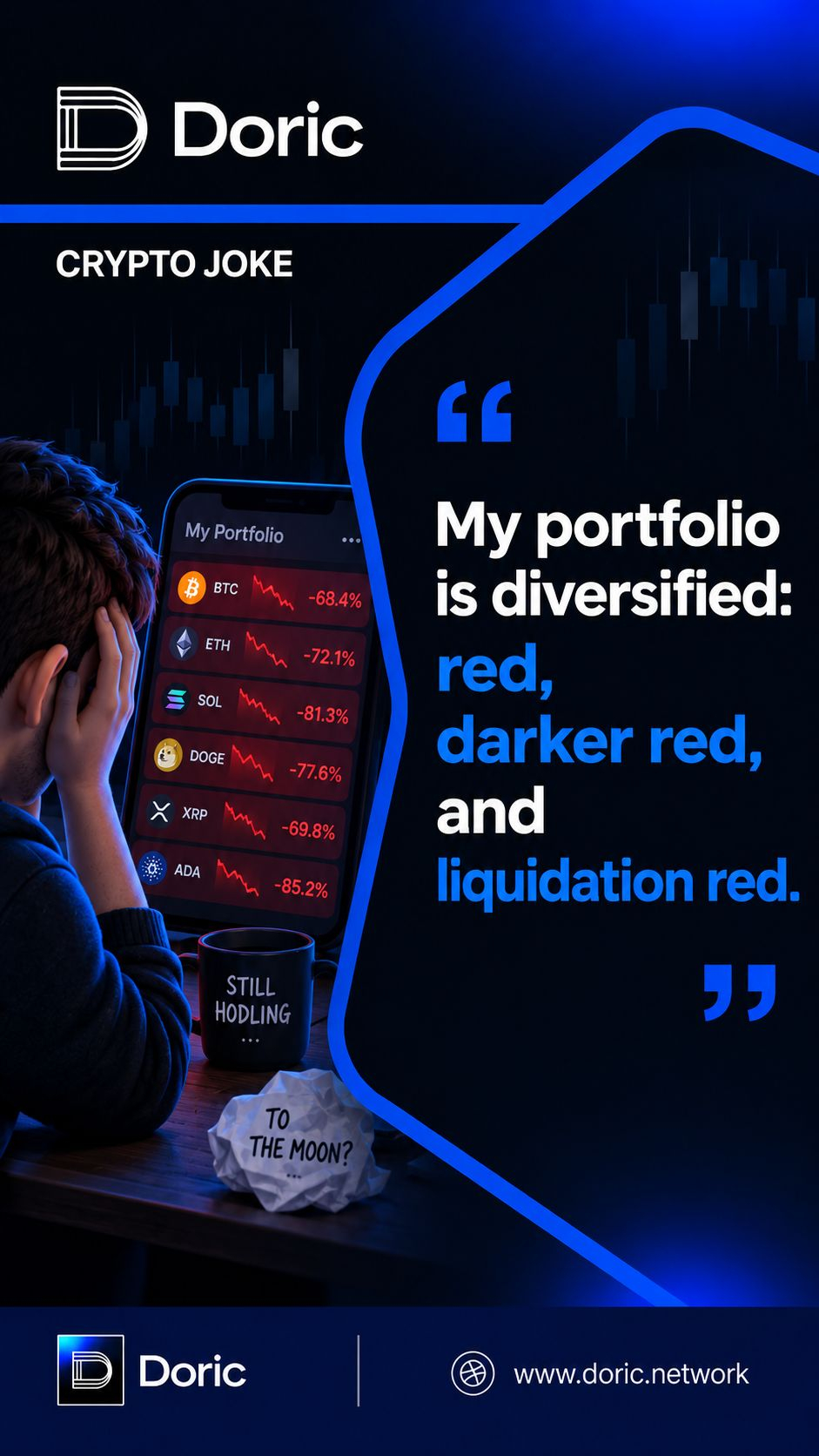
BITCOIN JUST 4% AWAY FROM A CRITICAL LEVEL! 🐂📉 IS THE BULL MARKET AT RISK?**
🔥 Bitcoin is walking a fine line as its price hovers near $80,000, just 4% above a crucial level identified by Galaxy Research!
📊 **Here's what traders need to know:**
🔹 **$76,540 – Critical Level:** Galaxy warns that a weekly close below this level, without recovering within a month, could invalidate its bullish outlook.
🔹 **Bullish Signals 🐂:** Galaxy believes Bitcoin's bear market ended in June, supported by declining selling pressure and improving long-term trends.
🔹 **Institutional Demand 💰:** Bitcoin ETFs and corporate buyers have helped absorb supply from long-term holders.
🔹 **Fed Uncertainty ⚠️:** Interest rate expectations and ETF outflows could increase short-term volatility.
💡 **THE BIG TAKEAWAY:**
Bitcoin's recovery remains promising, but the $76,540 level deserves close attention. Holding above it could strengthen confidence, while a sustained breakdown may signal deeper weakness.
🚀 **Is BTC preparing for its next major rally, or are we heading toward another correction?**
👇 **Drop your Bitcoin price prediction below!**
🔔 Follow for daily crypto insights, market updates, and trading opportunities!
📰 **Source:** https://coinmarketcap.com/academy/article/bitcoin-4-percent-above-galaxy-tripwire
#Bitcoin #BTC #CryptoNews #BitcoinPrice #CryptoTrading
Based on reporting from October 26–27, 2026, and Galaxy Research's published analysis. The $76,540 threshold is Galaxy's stated invalidation level, not a guaranteed market floor.

1
76

ලිපිය
What Does Real Decentralization Actually Cost in Practice?The marketing narratives surrounding blockchain technology routinely portray decentralization as an effortless virtue that dissolves corruption, eliminates rent-seeking intermediaries, and guarantees sovereign freedom with a few lines of code. Enthusiasts often tell newcomers that peer-to-peer networks replace corporate monopolies while simultaneously providing faster, cheaper, and more democratic computing. However, when software architects step away from abstract whitepapers and examine production networks in the real world, they encounter an undeniable engineering reality. Real decentralization does not eliminate coordination expenses; it redistributes those costs across thousands of independent actors while introducing massive architectural redundancy.
Decentralization forces every participant to verify incoming transactions independently, maintain duplicate copies of global ledger history, and absorb latency delays across an uncoordinated global mesh network. A centralized cloud database running on commercial server clusters processes tens of thousands of transactions per second for tiny fractions of a cent because a single entity writes updates unilaterally to an optimized disk. By contrast, a permissionless public blockchain distributes that identical workload across tens of thousands of independent computing nodes, introducing compounding hardware requirements, persistent bandwidth consumption, operational complexity, and intense governance friction. This comprehensive guide breaks down the true price of decentralization, examining the physical, economic, and operational costs that power genuine architectural independence.
+-----------------------------------------------------------------------+
| CENTRALIZED VS. DECENTRALIZED COST STACK |
| |
| CENTRALIZED CLOUD ARCHITECTURE (Single Ledger): |
| [User Request] ---> [Cloud Database: 50,000 TPS] ---> Instant Write |
| * 1 Physical Write, Zero Redundant Nodes, Negligible Compute Overhead |
| |
| REAL DECENTRALIZED ARCHITECTURE (Redundant Consensus): |
| [User Request] ---> [Gossip Network Protocol] |
| | |
| +------------------+------------------+ |
| v v v |
| [Node 1: Full Exec] [Node 2: Full Exec] [Node 3: Full Exec] ... |
| * Tens of Thousands of Duplicate Writes, High Bandwidth, Latency |
+-----------------------------------------------------------------------+
The Capital Toll of Physical Hardware and Validator Nodes
The most immediate physical price of real decentralization strikes operators directly at the hardware layer. A centralized enterprise scales compute resources dynamically using shared cloud infrastructure, paying only for the specific virtual compute cycles consumed by end users. In contrast, genuine decentralization requires thousands of sovereign participants across different geopolitical jurisdictions to purchase and maintain dedicated physical computers running execution and consensus software around the clock. If a network relies on a small consortium of supercomputers hosted in commercial cloud facilities, it ceases to be a decentralized network and becomes an insecure corporate collective.
To maintain a solo validator node on a battle-tested network like Ethereum, an operator must provision hardware capable of sustaining heavy input and output operations without falling behind live blocks. A production-grade validator node requires an eight-core processor, thirty-two to sixty-four gigabytes of high-speed memory, and a solid-state drive with at least two to four terabytes of storage. Because blockchain state databases continuously read and write cryptographic tree structures, standard consumer hard drives burn out quickly under the input-output pressure. Operators must therefore purchase high-end TLC NVMe drives with high endurance ratings, which cost hundreds of dollars upfront. Furthermore, dedicated bare-metal server hosting for an enterprise validator node runs between two hundred and fifty dollars and six hundred dollars per month. When you multiply these machine expenses across tens of thousands of independent node operators globally, the aggregate capital expenditure dedicated purely to running duplicate copies of an identical ledger reaches tens of millions of dollars each year.
The Relentless Drain of Bandwidth and State Storage Growth
Beyond purchasing physical machines, running an independent blockchain node imposes a continuous, compounding consumption of digital bandwidth and physical disk space. In a traditional web application, a centralized database processes an entry once, appends it to an internal index, and serves query results to millions of connected clients. In a permissionless blockchain, every full node must ingest every transaction broadcast to the network, verify the cryptographic signature, execute the virtual machine bytecode, and re-broadcast the resulting block to adjacent peers over a peer-to-peer gossip protocol.
This continuous peer-to-peer synchronization consumes vast amounts of network data. A full node regularly uploads and downloads between one and two terabytes of bandwidth each month, quickly exceeding standard residential data limits and forcing operators to purchase commercial internet plans with un-metered pipelines. Meanwhile, the historical record of the ledger — known as state size — accumulates continuously. On Ethereum, a standard full node database requires approximately one to two terabytes of high-performance NVMe storage, growing by several gigabytes every week, while an archive node retaining the complete historical debug state requires between two and twelve terabytes. When local disks fill up, node operators must execute complex offline pruning routines or buy higher-capacity drives, creating recurring hardware maintenance burdens that centralized cloud services handle invisibly.
+-----------------------------------------------------------------------+
| STATE ACCUMULATION AND NODE OVERHEAD |
| |
| [Global Transaction Flow] ---> Appended to Every Block Permanently |
| | |
| v |
| [Node Disk Footprint: 2TB+ Base] ----> Expands Several GBs Per Week |
| | |
| v |
| [Monthly Bandwidth Drain: 1-2TB] ----> Requires Commercial Internet |
| | |
| v |
| [Maintenance Routine] ---------------> Demands Periodic Disk Pruning |
+-----------------------------------------------------------------------+
The Throughput Deficit and the Scalability Trilemma Tax
The most visible economic tax that end users pay for authentic decentralization appears as a throughput bottleneck governed by the Scalability Trilemma. In computer networking, a distributed database cannot simultaneously maximize decentralization, security, and scalability. Centralized payment processors like Visa process tens of thousands of transactions per second because a closed, proprietary server farm confirms transactions with minimal latency. By contrast, a decentralized base layer like Bitcoin processes roughly seven transactions per second, while the Ethereum mainnet handles between twelve and thirty transactions per second.
| Network Architecture | Throughput Capacity | Confirmation Horizon | Latency Bottleneck |
| :--- | :--- | :--- | :--- |
| **Centralized Cloud (AWS/Visa)** | 50,000+ TPS | Milliseconds | Negligible Network Latency |
| **High-Throughput Chain (Few Nodes)**| 2,000 - 5,000 TPS | Sub-Second | Moderate Centralized Clusters |
| **Real Decentralized Base Layer**| 12 - 30 TPS | 12 Sec - 10 Min | Global Mesh Consensus Speed |
This throughput constraint is not a software design error; it is a deliberate physical safety mechanism designed to protect decentralization. If a blockchain increased its base block capacity to process fifty thousand transactions per second directly on Layer 1, the memory, bandwidth, and processing requirements would explode. Residential node runners would disconnect within days, leaving ledger validation exclusively in the hands of massive institutional data centers. To preserve the ability of ordinary individuals to run nodes, decentralized protocols enforce strict block gas limits. However, when millions of users compete for these scarce block allocations during periods of market volatility, network fees surge. A user executing an automated decentralized swap or transferring a tokenized asset can pay tens of dollars for a single transaction, paying an explicit economic premium to maintain base-layer independence.
The Economic Opportunity Cost of Consensus Capital Security
Maintaining trust across a public network where anonymous actors can interact freely requires substantial economic security to make transaction reversals mathematically unprofitable. In traditional finance, nation-states protect property registries through police forces, judicial courts, and regulatory agencies funded by general taxation. In decentralized networks, security relies directly on capital expenditure and programmatic financial bonds. In Proof-of-Work systems, miners consume physical electricity running specialized hardware to generate cryptographic proof.
In Proof-of-Stake protocols, the network derives its security from billions of dollars in locked capital. To participate in transaction validation and secure the network against reorganization attacks, node runners must lock valuable native tokens into smart contract staking deposits. On Ethereum, activating an independent validator node requires staking thirty-two native network tokens, which represents tens of thousands of dollars in locked capital per validator. With hundreds of thousands of active validators securing the network, tens of billions of dollars in economic value sit immobilized inside staking contracts. This locked capital carries an immense economic opportunity cost, as these resources cannot fund productive business expansions, corporate research, or real-world industrial projects. Furthermore, the protocol must continuously issue new native tokens to pay rewards to these validators, generating programmatic inflation that every asset holder absorbs over time.
The Sluggish Friction of Decentralized Governance Coordination
In a traditional corporate hierarchy, leadership resolves crises, deploys software updates, and redirects strategic resources in minutes through centralized executive authority. If a software defect emerges, the chief executive officer instructs the engineering department, and developers push an urgent software patch straight to production. In a genuinely decentralized network, there is no chief executive, no board of directors, and no unilateral authority capable of forcing a software update onto independent participants.
Decentralized governance operates as a slow, deliberate social consensus mechanism resembling international treaty negotiation. When core developers propose an improvement proposal to optimize gas dynamics or update cryptographic primitives, that proposal must endure months — and frequently years — of contentious public debate, architectural reviews, client implementation testing, and validator coordination. If a faction of the community objects to an ideological change, the network risks a contentious hard fork, splitting developer mindshare and fracturing capital liquidity. When an exploit occurs on an autonomous application, the community cannot easily freeze the exploiter’s wallet without sparking intense political controversy over censorship resistance. This intentional governance friction protects users from arbitrary corporate tyranny, but it imposes an undeniable agility penalty that leaves decentralized protocols moving far slower than centralized commercial software.
+-----------------------------------------------------------------------+
| THE GOVERNANCE COORDINATION TIMELINE |
| |
| CENTRALIZED CORPORATE HOTFIX: |
| [Bug Detected] ---> [Executive Directs Engineering] ---> [Patch in 2h]
| |
| REAL DECENTRALIZED PROTOCOL UPDATE: |
| [Improvement Proposal Drafted (Month 1)] |
| | |
| v |
| [Public Community Debates & Core Dev Reviews (Months 2-6)] |
| | |
| v |
| [Multiple Client Testnet Implementations (Months 7-12)] |
| | |
| v |
| [Validator Hard-Fork Upgrade Activation (Month 14+)] |
+-----------------------------------------------------------------------+
The User Experience Penalty and the Burden of Sovereign Self Custody
In consumer web applications, convenience serves as the primary metric of product design. Centralized platforms offer seamless single-sign-on credentials, facial recognition logins, and automated password recovery links that restore account access in seconds. If an unauthorized merchant charges a fraudulent transaction to your credit card, your bank steps in, reverses the payment, and reissues a new card with zero financial liability to the cardholder. This consumer protection relies entirely on trusted centralized intermediaries who hold master administrative control over proprietary internal databases.
Real decentralization strips away this safety net, placing the total cognitive and security burden of sovereign custody directly onto the individual user. When you hold assets in a self-custodial wallet, you alone protect the cryptographic private keys. There is no customer support telephone line, no corporate compliance department, and no administrative back office capable of recovering your funds if you misplace your recovery phrase or approve a malicious smart contract transaction. The underlying distributed ledger processes commands deterministically: if you send capital to an incorrect address, the assets vanish irreversibly. This absence of human forgiveness creates intense operational friction, forcing everyday users to master key management, verify raw transaction bytecode, and maintain rigorous operational security simply to participate in digital commerce.
Developer Complexity and the Perils of Immutable Code
Building applications for a decentralized computing environment introduces engineering challenges that far surpass conventional software development. In traditional cloud software, product releases follow an agile, iterative methodology. Software engineers release minimal viable products, inspect real-time application logs, and deploy daily bug fixes to repair unforeseen logic errors. If an application crashes or suffers an unauthorized intrusion, system administrators take the server offline, restore the database from a backup, and patch the vulnerability.
+-----------------------------------------------------------------------+
| SOFTWARE ENGINEERING RISK COMPARISON |
| |
| TRADITIONAL CLOUD APPLICATION: |
| [Write Code] ---> [Deploy to Web] ---> [Bug Occurs] ---> [Hotfix Patch]
| |
| DECENTRALIZED SMART CONTRACT: |
| [Write Code] ---> [Mathematical Verification] ---> [Security Audits] |
| | |
| v |
| [Deploy to Ledger] ---> [Single Logic Flaw Found] ---> [Total Drain] |
| * Zero rollback capability, irreversible asset loss, immutable code |
+-----------------------------------------------------------------------+
In decentralized smart contract development, deployed code is immutable and accessible to attackers across the globe. Once an engineer publishes a smart contract to a public blockchain, its logic cannot be modified arbitrarily without complex upgradeable proxy patterns that introduce their own security risks. Because smart contracts routinely hold hundreds of millions of dollars in financial value, a single missing access check or an unhandled reentrancy vector allows malicious actors to drain the protocol within a single block. This permanence forces decentralized engineering teams to spend hundreds of thousands of dollars on independent security reviews, formal mathematical verification proofs, and continuous bug bounty rewards before deploying software. The cost of technical errors in a decentralized environment is absolute, transforming software engineering into a high-stakes discipline with zero margin for error.
Capital Fragmentation and User Friction Across Layer Two Networks
To overcome the throughput limitations and high transaction fees of decentralized base layers, the Web3 ecosystem executed a massive shift toward modular architectures and Layer-2 rollups. Instead of settling every transaction directly on the main blockchain, users execute trades on secondary networks that bundle thousands of transactions off-chain and post compressed cryptographic proofs back to Layer 1. While this modular scaling model lowers individual transaction costs to pennies, it introduces a substantial new operational cost: structural liquidity and user experience fragmentation.
+-----------------------------------------------------------------------+
| MODULAR LIQUIDITY FRAGMENTATION |
| |
| BASE SETTLEMENT LAYER: |
| [Ethereum Layer 1: Sovereign Security, High Fees, Deep Liquidity] |
| | | |
| v v |
| FRAGMENTED EXECUTION NETWORKS: |
| [Layer 2 Rollup A] [Layer 2 Rollup B]|
| - Isolated Token Balances - Separate Token |
| - Independent Bridge Contracts - Distinct Bridges|
| - Segmented DEX Liquidity - Custom Gas Token|
+-----------------------------------------------------------------------+
Rather than accessing a unified, global financial marketplace, users and market makers find their capital split across dozens of competing Layer-2 rollups, sidechains, and application-specific environments. An investor holding capital on one rollup cannot trade directly against liquidity residing on another rollup without moving funds through cross-chain bridges or decentralized intent solvers. This fragmentation forces market makers to divide their balance sheets thinly across multiple execution layers, resulting in wider bid-ask spreads, higher price slippage on large trades, and persistent exposure to cross-chain bridge vulnerabilities. The operational complexity required to manage diverse network configurations, native gas tokens, and cross-chain messaging routes represents a heavy cognitive and economic burden that modern decentralized finance must bear.
The Capital Inefficiency of Over-Collateralized Financial Protocols
In the traditional commercial banking sector, modern economies run on fractional reserve banking and under-collateralized lending. A business owner can walk into a commercial bank, present verified corporate financial statements, and secure a multi-million-dollar operating credit facility backed by legal contracts, credit scores, and personal guarantees. If the borrower defaults on their loan obligations, the judicial court system enforces collection, liquidating physical assets and restructuring corporate liabilities through legal bankruptcy procedures.
Decentralized financial protocols cannot natively verify off-chain creditworthiness or dispatch debt collection agencies to enforce loan agreements. Because anyone can interact with a smart contract anonymously using an un-verified digital wallet, decentralized lending markets must protect themselves through mandatory over-collateralization. To borrow one thousand dollars worth of stablecoins on an on-chain lending market, a borrower must deposit one thousand three hundred to one thousand five hundred dollars worth of volatile collateral into an escrow contract. This requirement creates severe capital inefficiency. Trillions of dollars in potential purchasing power sit trapped in collateral contracts simply to support smaller borrowing lines, restricting the capital velocity and leverage that drive traditional commercial expansion.
| Lending Mechanism | Collateral Requirement | Enforcement Architecture | Capital Efficiency |
| :--- | :--- | :--- | :--- |
| **Traditional Banking** | Under-Collateralized (Reputational) | Legal Courts & Contracts | High (Capital Leveraged) |
| **Decentralized Lending**| Over-Collateralized (130-150% Ratio)| Automated Smart Contracts | Low (Capital Locked) |
Sovereignty as an Economic Insurance Policy
Having mapped the substantial costs of physical hardware, bandwidth consumption, throughput bottlenecks, governance gridlock, user friction, and capital inefficiency, a beginner must confront a central question: why does anyone choose to pay this extraordinary price for real decentralization? The answer becomes clear once you realize that decentralization is not an engineering optimization for convenience, speed, or low-cost computing; it is a financial and political insurance policy against institutional failure, arbitrary confiscation, and centralized points of control.
A centralized financial system operates with remarkable efficiency right up until the central authority abuses its administrative power, encounters insolvency, or enforces political censorship. When a centralized exchange halts customer withdrawals or a government freezes domestic bank accounts, users realize that the low fees of centralized convenience carry immense counterparty risk. Real decentralization costs an enormous amount in physical compute, continuous operator vigilance, and slow consensus coordination, but in exchange, it provides an un-censorable, permissionless, and sovereign ledger of truth. Market participants pay the heavy price of decentralization not because it is cheap, but because it ensures that no single corporation, government, or malicious cartel can alter their balances, rewrite their transaction history, or exclude them from the global digital economy.
The Realistic Future of Decentralized Infrastructure
Real decentralization is an uncompromising engineering discipline that demands continuous, tangible sacrifices across every layer of the computing stack. The physical hardware outlays, recurring bandwidth requirements, throughput constraints, and governance delays represent structural realities of distributed consensus rather than temporary software bugs. Centralized cloud platforms will always process transactions faster, deliver smoother user experiences, and provide cheaper baseline compute than decentralized networks.
However, accepting these operational costs allows society to build a resilient, open financial system that operates without centralized points of failure. As distributed engineering matures, modular zero-knowledge proofs, state-pruning algorithms, and account abstraction will reduce user friction without sacrificing the sovereign guarantees of the base layer. Navigating the modern digital economy requires beginners to look past utopian marketing slogans and appreciate the genuine trade-offs of decentralized systems. When you pay a network transaction fee, run an independent validator node, or secure your own private keys, you are not paying for inefficient code; you are funding the infrastructure of an independent, transparent, and sovereign global financial frontier.
What Does Real Decentralization Actually Cost in Practice?
The marketing narratives surrounding blockchain technology routinely portray decentralization as an effortless virtue that dissolves corruption, eliminates rent-seeking intermediaries, and guarantees sovereign freedom with a few lines of code. Enthusiasts often tell newcomers that peer-to-peer networks replace corporate monopolies while simultaneously providing faster, cheaper, and more democratic computing. However, when software architects step away from abstract whitepapers and examine production networks in the real world, they encounter an undeniable engineering reality. Real decentralization does not eliminate coordination expenses; it redistributes those costs across thousands of independent actors while introducing massive architectural redundancy.
Decentralization forces every participant to verify incoming transactions independently, maintain duplicate copies of global ledger history, and absorb latency delays across an uncoordinated global mesh network. A centralized cloud database running on commercial server clusters processes tens of thousands of transactions per second for tiny fractions of a cent because a single entity writes updates unilaterally to an optimized disk. By contrast, a permissionless public blockchain distributes that identical workload across tens of thousands of independent computing nodes, introducing compounding hardware requirements, persistent bandwidth consumption, operational complexity, and intense governance friction. This comprehensive guide breaks down the true price of decentralization, examining the physical, economic, and operational costs that power genuine architectural independence.
+-----------------------------------------------------------------------+
| CENTRALIZED VS. DECENTRALIZED COST STACK |
| |
| CENTRALIZED CLOUD ARCHITECTURE (Single Ledger): |
| [User Request] ---> [Cloud Database: 50,000 TPS] ---> Instant Write |
| * 1 Physical Write, Zero Redundant Nodes, Negligible Compute Overhead |
| |
| REAL DECENTRALIZED ARCHITECTURE (Redundant Consensus): |
| [User Request] ---> [Gossip Network Protocol] |
| | |
| +------------------+------------------+ |
| v v v |
| [Node 1: Full Exec] [Node 2: Full Exec] [Node 3: Full Exec] ... |
| * Tens of Thousands of Duplicate Writes, High Bandwidth, Latency |
+-----------------------------------------------------------------------+
The Capital Toll of Physical Hardware and Validator Nodes
The most immediate physical price of real decentralization strikes operators directly at the hardware layer. A centralized enterprise scales compute resources dynamically using shared cloud infrastructure, paying only for the specific virtual compute cycles consumed by end users. In contrast, genuine decentralization requires thousands of sovereign participants across different geopolitical jurisdictions to purchase and maintain dedicated physical computers running execution and consensus software around the clock. If a network relies on a small consortium of supercomputers hosted in commercial cloud facilities, it ceases to be a decentralized network and becomes an insecure corporate collective.
To maintain a solo validator node on a battle-tested network like Ethereum, an operator must provision hardware capable of sustaining heavy input and output operations without falling behind live blocks. A production-grade validator node requires an eight-core processor, thirty-two to sixty-four gigabytes of high-speed memory, and a solid-state drive with at least two to four terabytes of storage. Because blockchain state databases continuously read and write cryptographic tree structures, standard consumer hard drives burn out quickly under the input-output pressure. Operators must therefore purchase high-end TLC NVMe drives with high endurance ratings, which cost hundreds of dollars upfront. Furthermore, dedicated bare-metal server hosting for an enterprise validator node runs between two hundred and fifty dollars and six hundred dollars per month. When you multiply these machine expenses across tens of thousands of independent node operators globally, the aggregate capital expenditure dedicated purely to running duplicate copies of an identical ledger reaches tens of millions of dollars each year.
The Relentless Drain of Bandwidth and State Storage Growth
Beyond purchasing physical machines, running an independent blockchain node imposes a continuous, compounding consumption of digital bandwidth and physical disk space. In a traditional web application, a centralized database processes an entry once, appends it to an internal index, and serves query results to millions of connected clients. In a permissionless blockchain, every full node must ingest every transaction broadcast to the network, verify the cryptographic signature, execute the virtual machine bytecode, and re-broadcast the resulting block to adjacent peers over a peer-to-peer gossip protocol.
This continuous peer-to-peer synchronization consumes vast amounts of network data. A full node regularly uploads and downloads between one and two terabytes of bandwidth each month, quickly exceeding standard residential data limits and forcing operators to purchase commercial internet plans with un-metered pipelines. Meanwhile, the historical record of the ledger — known as state size — accumulates continuously. On Ethereum, a standard full node database requires approximately one to two terabytes of high-performance NVMe storage, growing by several gigabytes every week, while an archive node retaining the complete historical debug state requires between two and twelve terabytes. When local disks fill up, node operators must execute complex offline pruning routines or buy higher-capacity drives, creating recurring hardware maintenance burdens that centralized cloud services handle invisibly.
+-----------------------------------------------------------------------+
| STATE ACCUMULATION AND NODE OVERHEAD |
| |
| [Global Transaction Flow] ---> Appended to Every Block Permanently |
| | |
| v |
| [Node Disk Footprint: 2TB+ Base] ----> Expands Several GBs Per Week |
| | |
| v |
| [Monthly Bandwidth Drain: 1-2TB] ----> Requires Commercial Internet |
| | |
| v |
| [Maintenance Routine] ---------------> Demands Periodic Disk Pruning |
+-----------------------------------------------------------------------+
The Throughput Deficit and the Scalability Trilemma Tax
The most visible economic tax that end users pay for authentic decentralization appears as a throughput bottleneck governed by the Scalability Trilemma. In computer networking, a distributed database cannot simultaneously maximize decentralization, security, and scalability. Centralized payment processors like Visa process tens of thousands of transactions per second because a closed, proprietary server farm confirms transactions with minimal latency. By contrast, a decentralized base layer like Bitcoin processes roughly seven transactions per second, while the Ethereum mainnet handles between twelve and thirty transactions per second.
| Network Architecture | Throughput Capacity | Confirmation Horizon | Latency Bottleneck |
| :--- | :--- | :--- | :--- |
| **Centralized Cloud (AWS/Visa)** | 50,000+ TPS | Milliseconds | Negligible Network Latency |
| **High-Throughput Chain (Few Nodes)**| 2,000 - 5,000 TPS | Sub-Second | Moderate Centralized Clusters |
| **Real Decentralized Base Layer**| 12 - 30 TPS | 12 Sec - 10 Min | Global Mesh Consensus Speed |
This throughput constraint is not a software design error; it is a deliberate physical safety mechanism designed to protect decentralization. If a blockchain increased its base block capacity to process fifty thousand transactions per second directly on Layer 1, the memory, bandwidth, and processing requirements would explode. Residential node runners would disconnect within days, leaving ledger validation exclusively in the hands of massive institutional data centers. To preserve the ability of ordinary individuals to run nodes, decentralized protocols enforce strict block gas limits. However, when millions of users compete for these scarce block allocations during periods of market volatility, network fees surge. A user executing an automated decentralized swap or transferring a tokenized asset can pay tens of dollars for a single transaction, paying an explicit economic premium to maintain base-layer independence.
The Economic Opportunity Cost of Consensus Capital Security
Maintaining trust across a public network where anonymous actors can interact freely requires substantial economic security to make transaction reversals mathematically unprofitable. In traditional finance, nation-states protect property registries through police forces, judicial courts, and regulatory agencies funded by general taxation. In decentralized networks, security relies directly on capital expenditure and programmatic financial bonds. In Proof-of-Work systems, miners consume physical electricity running specialized hardware to generate cryptographic proof.
In Proof-of-Stake protocols, the network derives its security from billions of dollars in locked capital. To participate in transaction validation and secure the network against reorganization attacks, node runners must lock valuable native tokens into smart contract staking deposits. On Ethereum, activating an independent validator node requires staking thirty-two native network tokens, which represents tens of thousands of dollars in locked capital per validator. With hundreds of thousands of active validators securing the network, tens of billions of dollars in economic value sit immobilized inside staking contracts. This locked capital carries an immense economic opportunity cost, as these resources cannot fund productive business expansions, corporate research, or real-world industrial projects. Furthermore, the protocol must continuously issue new native tokens to pay rewards to these validators, generating programmatic inflation that every asset holder absorbs over time.
The Sluggish Friction of Decentralized Governance Coordination
In a traditional corporate hierarchy, leadership resolves crises, deploys software updates, and redirects strategic resources in minutes through centralized executive authority. If a software defect emerges, the chief executive officer instructs the engineering department, and developers push an urgent software patch straight to production. In a genuinely decentralized network, there is no chief executive, no board of directors, and no unilateral authority capable of forcing a software update onto independent participants.
Decentralized governance operates as a slow, deliberate social consensus mechanism resembling international treaty negotiation. When core developers propose an improvement proposal to optimize gas dynamics or update cryptographic primitives, that proposal must endure months — and frequently years — of contentious public debate, architectural reviews, client implementation testing, and validator coordination. If a faction of the community objects to an ideological change, the network risks a contentious hard fork, splitting developer mindshare and fracturing capital liquidity. When an exploit occurs on an autonomous application, the community cannot easily freeze the exploiter’s wallet without sparking intense political controversy over censorship resistance. This intentional governance friction protects users from arbitrary corporate tyranny, but it imposes an undeniable agility penalty that leaves decentralized protocols moving far slower than centralized commercial software.
+-----------------------------------------------------------------------+
| THE GOVERNANCE COORDINATION TIMELINE |
| |
| CENTRALIZED CORPORATE HOTFIX: |
| [Bug Detected] ---> [Executive Directs Engineering] ---> [Patch in 2h]
| |
| REAL DECENTRALIZED PROTOCOL UPDATE: |
| [Improvement Proposal Drafted (Month 1)] |
| | |
| v |
| [Public Community Debates & Core Dev Reviews (Months 2-6)] |
| | |
| v |
| [Multiple Client Testnet Implementations (Months 7-12)] |
| | |
| v |
| [Validator Hard-Fork Upgrade Activation (Month 14+)] |
+-----------------------------------------------------------------------+
The User Experience Penalty and the Burden of Sovereign Self Custody
In consumer web applications, convenience serves as the primary metric of product design. Centralized platforms offer seamless single-sign-on credentials, facial recognition logins, and automated password recovery links that restore account access in seconds. If an unauthorized merchant charges a fraudulent transaction to your credit card, your bank steps in, reverses the payment, and reissues a new card with zero financial liability to the cardholder. This consumer protection relies entirely on trusted centralized intermediaries who hold master administrative control over proprietary internal databases.
Real decentralization strips away this safety net, placing the total cognitive and security burden of sovereign custody directly onto the individual user. When you hold assets in a self-custodial wallet, you alone protect the cryptographic private keys. There is no customer support telephone line, no corporate compliance department, and no administrative back office capable of recovering your funds if you misplace your recovery phrase or approve a malicious smart contract transaction. The underlying distributed ledger processes commands deterministically: if you send capital to an incorrect address, the assets vanish irreversibly. This absence of human forgiveness creates intense operational friction, forcing everyday users to master key management, verify raw transaction bytecode, and maintain rigorous operational security simply to participate in digital commerce.
Developer Complexity and the Perils of Immutable Code
Building applications for a decentralized computing environment introduces engineering challenges that far surpass conventional software development. In traditional cloud software, product releases follow an agile, iterative methodology. Software engineers release minimal viable products, inspect real-time application logs, and deploy daily bug fixes to repair unforeseen logic errors. If an application crashes or suffers an unauthorized intrusion, system administrators take the server offline, restore the database from a backup, and patch the vulnerability.
+-----------------------------------------------------------------------+
| SOFTWARE ENGINEERING RISK COMPARISON |
| |
| TRADITIONAL CLOUD APPLICATION: |
| [Write Code] ---> [Deploy to Web] ---> [Bug Occurs] ---> [Hotfix Patch]
| |
| DECENTRALIZED SMART CONTRACT: |
| [Write Code] ---> [Mathematical Verification] ---> [Security Audits] |
| | |
| v |
| [Deploy to Ledger] ---> [Single Logic Flaw Found] ---> [Total Drain] |
| * Zero rollback capability, irreversible asset loss, immutable code |
+-----------------------------------------------------------------------+
In decentralized smart contract development, deployed code is immutable and accessible to attackers across the globe. Once an engineer publishes a smart contract to a public blockchain, its logic cannot be modified arbitrarily without complex upgradeable proxy patterns that introduce their own security risks. Because smart contracts routinely hold hundreds of millions of dollars in financial value, a single missing access check or an unhandled reentrancy vector allows malicious actors to drain the protocol within a single block. This permanence forces decentralized engineering teams to spend hundreds of thousands of dollars on independent security reviews, formal mathematical verification proofs, and continuous bug bounty rewards before deploying software. The cost of technical errors in a decentralized environment is absolute, transforming software engineering into a high-stakes discipline with zero margin for error.
Capital Fragmentation and User Friction Across Layer Two Networks
To overcome the throughput limitations and high transaction fees of decentralized base layers, the Web3 ecosystem executed a massive shift toward modular architectures and Layer-2 rollups. Instead of settling every transaction directly on the main blockchain, users execute trades on secondary networks that bundle thousands of transactions off-chain and post compressed cryptographic proofs back to Layer 1. While this modular scaling model lowers individual transaction costs to pennies, it introduces a substantial new operational cost: structural liquidity and user experience fragmentation.
+-----------------------------------------------------------------------+
| MODULAR LIQUIDITY FRAGMENTATION |
| |
| BASE SETTLEMENT LAYER: |
| [Ethereum Layer 1: Sovereign Security, High Fees, Deep Liquidity] |
| | | |
| v v |
| FRAGMENTED EXECUTION NETWORKS: |
| [Layer 2 Rollup A] [Layer 2 Rollup B]|
| - Isolated Token Balances - Separate Token |
| - Independent Bridge Contracts - Distinct Bridges|
| - Segmented DEX Liquidity - Custom Gas Token|
+-----------------------------------------------------------------------+
Rather than accessing a unified, global financial marketplace, users and market makers find their capital split across dozens of competing Layer-2 rollups, sidechains, and application-specific environments. An investor holding capital on one rollup cannot trade directly against liquidity residing on another rollup without moving funds through cross-chain bridges or decentralized intent solvers. This fragmentation forces market makers to divide their balance sheets thinly across multiple execution layers, resulting in wider bid-ask spreads, higher price slippage on large trades, and persistent exposure to cross-chain bridge vulnerabilities. The operational complexity required to manage diverse network configurations, native gas tokens, and cross-chain messaging routes represents a heavy cognitive and economic burden that modern decentralized finance must bear.
The Capital Inefficiency of Over-Collateralized Financial Protocols
In the traditional commercial banking sector, modern economies run on fractional reserve banking and under-collateralized lending. A business owner can walk into a commercial bank, present verified corporate financial statements, and secure a multi-million-dollar operating credit facility backed by legal contracts, credit scores, and personal guarantees. If the borrower defaults on their loan obligations, the judicial court system enforces collection, liquidating physical assets and restructuring corporate liabilities through legal bankruptcy procedures.
Decentralized financial protocols cannot natively verify off-chain creditworthiness or dispatch debt collection agencies to enforce loan agreements. Because anyone can interact with a smart contract anonymously using an un-verified digital wallet, decentralized lending markets must protect themselves through mandatory over-collateralization. To borrow one thousand dollars worth of stablecoins on an on-chain lending market, a borrower must deposit one thousand three hundred to one thousand five hundred dollars worth of volatile collateral into an escrow contract. This requirement creates severe capital inefficiency. Trillions of dollars in potential purchasing power sit trapped in collateral contracts simply to support smaller borrowing lines, restricting the capital velocity and leverage that drive traditional commercial expansion.
| Lending Mechanism | Collateral Requirement | Enforcement Architecture | Capital Efficiency |
| :--- | :--- | :--- | :--- |
| **Traditional Banking** | Under-Collateralized (Reputational) | Legal Courts & Contracts | High (Capital Leveraged) |
| **Decentralized Lending**| Over-Collateralized (130-150% Ratio)| Automated Smart Contracts | Low (Capital Locked) |
Sovereignty as an Economic Insurance Policy
Having mapped the substantial costs of physical hardware, bandwidth consumption, throughput bottlenecks, governance gridlock, user friction, and capital inefficiency, a beginner must confront a central question: why does anyone choose to pay this extraordinary price for real decentralization? The answer becomes clear once you realize that decentralization is not an engineering optimization for convenience, speed, or low-cost computing; it is a financial and political insurance policy against institutional failure, arbitrary confiscation, and centralized points of control.
A centralized financial system operates with remarkable efficiency right up until the central authority abuses its administrative power, encounters insolvency, or enforces political censorship. When a centralized exchange halts customer withdrawals or a government freezes domestic bank accounts, users realize that the low fees of centralized convenience carry immense counterparty risk. Real decentralization costs an enormous amount in physical compute, continuous operator vigilance, and slow consensus coordination, but in exchange, it provides an un-censorable, permissionless, and sovereign ledger of truth. Market participants pay the heavy price of decentralization not because it is cheap, but because it ensures that no single corporation, government, or malicious cartel can alter their balances, rewrite their transaction history, or exclude them from the global digital economy.
The Realistic Future of Decentralized Infrastructure
Real decentralization is an uncompromising engineering discipline that demands continuous, tangible sacrifices across every layer of the computing stack. The physical hardware outlays, recurring bandwidth requirements, throughput constraints, and governance delays represent structural realities of distributed consensus rather than temporary software bugs. Centralized cloud platforms will always process transactions faster, deliver smoother user experiences, and provide cheaper baseline compute than decentralized networks.
However, accepting these operational costs allows society to build a resilient, open financial system that operates without centralized points of failure. As distributed engineering matures, modular zero-knowledge proofs, state-pruning algorithms, and account abstraction will reduce user friction without sacrificing the sovereign guarantees of the base layer. Navigating the modern digital economy requires beginners to look past utopian marketing slogans and appreciate the genuine trade-offs of decentralized systems. When you pay a network transaction fee, run an independent validator node, or secure your own private keys, you are not paying for inefficient code; you are funding the infrastructure of an independent, transparent, and sovereign global financial frontier.
111
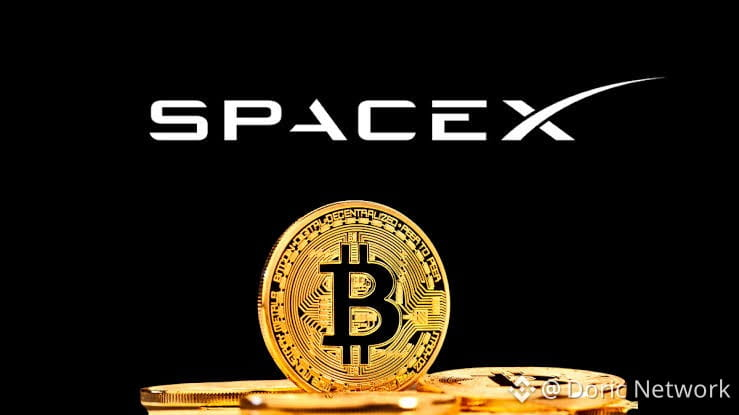
🚀🔥 SPACEX PROFITS SKYROCKET — BUT ELON MUSK IS STILL HOLDING BILLIONS IN BITCOIN! ₿💰
Elon Musk's SpaceX is making headlines again — and it's not just about rockets! 🌕📈
💥 The numbers are MASSIVE:
🚀 $14.6 BILLION in quarterly revenue — up 161%!
💵 $4.4 BILLION in net profit, reversing last year's losses!
₿ 18,712 BTC reportedly remain in SpaceX's Bitcoin treasury.
💎 $1.57 BILLION in reported digital assets!
🔥 Here's what crypto investors should pay attention to:
While SpaceX expands its AI and space technology empire, it continues to maintain a substantial Bitcoin position.
📊 The bigger picture? Corporate Bitcoin adoption isn't just about buying during a bull market. It's also about whether major companies are willing to hold through volatility.
⚠️ Holding BTC doesn't guarantee higher prices, but SpaceX's continued exposure reinforces Bitcoin's growing role in corporate treasury strategies.
🤔 BIG QUESTION: If Elon Musk's SpaceX is still holding billions in Bitcoin, could more major corporations follow?
💬 Are you BULLISH 🟢 or BEARISH 🔴 on Bitcoin's future?
👇 Drop your prediction in the comments!
🔔 Follow for more breaking crypto news, Bitcoin insights, and market-moving updates!
📰 Source: https://cryptonews.net/news/finance/33624690/
#Bitcoin #BTC #SpaceX #ElonMusk #CryptoNews
102
ලිපිය
Does Fractional Ownership Genuinely Help First Time Investors?The modern financial frontier has permanently decoupled wealth building from the massive capital reserves that once guarded the gates of prosperity. For generations, traditional wealth accumulation forced novice savers into an agonizing waiting period, demanding that an individual accumulate tens of thousands of dollars before purchasing their first revenue-generating asset. Whether buying a physical residential property, acquiring private corporate credit, or taking equity positions in high-performing enterprises, the entry barrier routinely excluded everyday wage earners. However, the maturation of financial technology and real-world asset tokenization has transformed this historical dynamic. Fractional ownership divides high-value assets into accessible, standardized shares, enabling retail savers to participate in institutional cash flows with commitments as low as fifty dollars. Yet, as millions of eager participants enter this democratized arena, an essential question emerges: does fractional ownership genuinely help first-time investors, or does it merely repackage illiquid financial instruments into seductive consumer apps?
Transitioning from an analog savings mindset to an active fractional portfolio requires a grounded, realistic evaluation of real-world outcomes. Proponents argue that fractional ownership delivers vital financial inclusion, mitigates concentration risk, and educates young savers on modern asset allocation. Conversely, critics caution that fragmented positions carry subtle management charges, secondary liquidity bottlenecks, and complex tax reporting obligations that can overwhelm a novice. Global market figures demonstrate that tokenized and fractional real-world assets have expanded into a multi-billion-dollar marketplace, proving that this investment model is not a passing fad. This comprehensive guide delivers a detailed, beginner-friendly exploration of fractional ownership, examining the structural economics, practical benefits, and hidden friction points to determine whether this vehicle truly accelerates the financial journey of a first-time investor.
+-----------------------------------------------------------------------+
| TRADITIONAL ACQUISITION VS. FRACTIONAL ACCESS |
| |
| LEGACY PROPERTY MODEL: |
| [Saver Accumulates $60,000+ Down Payment] ---> [Buys Single Property]|
| * 100% localized geographical risk, high mortgage debt, months to buy|
| |
| MODERN FRACTIONAL MODEL: |
| [$50-$100 Capital Minimum] ---> [Allocates to 10 Audited Asset SPVs] |
| * Instant portfolio diversification, automated yield, zero debt underwriting
+-----------------------------------------------------------------------+
The Anatomy of Fractional Investment Mechanics
To evaluate the utility of fractional investing, a beginner must first comprehend the mechanical plumbing that makes these micro-allocations legally possible. In classical financial structures, an investor must buy an asset as an undivided whole, requiring the buyer to sign legal deeds, execute mortgage contracts, or purchase whole share lots through traditional brokerages. Fractional ownership fundamentally alters this transaction by introducing a specialized legal entity between the physical asset and the end investor. The issuing platform identifies an income-generating asset — such as a multifamily apartment building, a sovereign debt instrument, or a pool of corporate equipment leases — and transfers the title into an independent Special Purpose Vehicle, typically structured as a limited liability company.
Once the legal entity holds the unencumbered asset, the platform issues hundreds or thousands of equity or debt shares tied directly to that specific vehicle. When an investor deploys one hundred dollars into the offering, they do not acquire a literal brick or a corner of the roof; rather, they acquire a certified, legally protected fractional equity stake in the holding company that owns the property. This structure ensures that all proportional rights — including net rental income, interest payments, and capital appreciation upon the eventual sale of the property — flow directly to the investor’s balance sheet. Modern blockchain infrastructure streamlines this administration by representing these equity units as programmable security tokens, automating payouts and verifying compliance directly on distributed ledgers.
Eliminating the Destructive Down Payment Barrier
The most decisive advantage that fractional ownership delivers to first-time investors is the total destruction of the prohibitive initial capital requirement. In traditional real estate markets, purchasing an average residential starter home requires a minimum down payment ranging between ten and twenty percent of the total purchase price, alongside substantial closing fees, title insurance, and cash reserves. In major metropolitan areas where home prices exceed four hundred thousand dollars, a young professional must accumulate sixty to eighty thousand dollars in idle cash before making their first investment. In an economic environment marked by persistent consumer inflation, saving this lump sum takes years, during which the investor’s purchasing power steadily erodes.
Fractional ownership eliminates this systemic hurdle by reducing the minimum check size down to accessible thresholds, often starting between ten and one hundred dollars. Instead of waiting an entire decade to deploy their capital, an entry-level worker can allocate fifty dollars from their very first paycheck into an institutional-grade commercial building or a yield-bearing residential portfolio. This immediate deployment activates the compounding engine of wealth creation early in an individual’s career, transforming passive cash savers into active equity holders. By removing the down payment barrier, fractional ownership levels the playing field, ensuring that young savers do not remain trapped on the sidelines while real asset prices outpace their wages.
Unlocking Institutional Grade Diversification on a Modest Budget
A foundational rule of responsible wealth management is diversification, which mandates that an investor spread their capital across multiple assets to prevent a single failure from destroying their net worth. Unfortunately, novice investors who attempt to buy whole assets are structurally incapable of achieving diversification. When an individual pours their entire life savings into a single rental property or a single family business, they incur extreme concentration risk. If a local factory closes, a major tenant leaves, or a regional natural disaster occurs, the investor’s entire financial foundation suffers immediate damage.
| Portfolio Dimension | Solo Property Acquisition | Fractional Micro-Portfolio |
| :--- | :--- | :--- |
| **Capital Commitment** | $50,000 to $100,000+ | $500 Total ($50 across 10 Assets) |
| **Asset Distribution** | 1 Property in 1 Neighborhood | 10 Properties Across 6 States |
| **Concentration Risk** | 100% Exposed to Single Tenant | Maximum 10% Exposure to Single Tenant |
| **Management Effort** | Direct Maintenance & Evictions | 100% Passive Professional Servicing |
Fractional ownership resolves this concentration dilemma by allowing small amounts of capital to achieve multi-asset, cross-geographic diversification. With an initial balance of just five hundred dollars, an investor can acquire fifty-dollar allocations across ten completely distinct properties located in different cities, economic climates, and asset classes. One allocation might fund a suburban residential development in Texas, another an industrial logistics warehouse in Ohio, and a third a medical office building in Florida. If a tenant defaults in one building, the ninety percent of the remaining portfolio continues to generate stable, un-interrupted cash flows. This architectural resilience protects beginners from the catastrophic volatility that routinely ruins concentrated, single-asset owners.
Hands Off Management and the Freedom from Landlord Friction
A persistent myth surrounding traditional property investing is the romanticized idea of passive income. Novice investors who purchase physical rental properties quickly discover that traditional landlording is an active, stressful, and time-consuming operational business. When a plumbing line ruptures at two in the morning, a heating system fails during a winter freeze, or a tenant stops paying rent, the property owner must personally coordinate emergency repairs, negotiate with contractors, or navigate expensive legal eviction proceedings. For a first-time investor working a full-time job, these operational demands create intense emotional fatigue and unexpected capital drains.
Fractional ownership genuine helps beginners by transforming real estate into an authentically passive, hands-off financial asset. The issuing platforms partner with established, professional property management corporations that handle the tenant acquisition, rent collection, property maintenance, and municipal compliance. The fractional investor never fields a late-night phone call from an angry tenant, never paints an empty apartment, and never attends a court hearing. The management company deducts its operational servicing expenses directly from the gross property revenues and routes the net profit straight to the investor’s digital account. This professional separation allows beginners to enjoy the mathematical benefits of real asset ownership while preserving their personal time and focus for their primary careers.
Hyper Velocity Cash Flow and the Power of Automated Reinvestment
In legacy alternative investments and private equity funds, capital moves at an agonizingly slow pace. When an investor participates in a traditional private real estate syndication, distributions occur on a rigid quarterly or annual schedule, with physical checks mailed or wire transfers cleared after weeks of internal accounting. This slow velocity delays the compounding loop, preventing the investor from redeploying their earned capital efficiently. Furthermore, small distribution checks sitting inside a standard bank checking account are frequently spent on everyday consumption rather than reinvested.
+-----------------------------------------------------------------------+
| FRACTIONAL COMPOUNDING REINVESTMENT LOOP |
| |
| [Tenants Pay Monthly Rent] ---> Converted to Digital Stablecoins |
| | |
| v |
| [Smart Contract Rebase Engine] -> Micro-Yields Paid Daily/Weekly |
| | |
| v |
| [Automated Portfolio Engine] ---> Buys Fractional Units in New Assets|
| |
| * Rapid cash velocity accelerates the mathematical growth curve. |
+-----------------------------------------------------------------------+
Modern fractional platforms, particularly those utilizing programmable distributed ledgers, accelerate this cash flow velocity by delivering automated daily, weekly, or monthly dividend distributions. Because smart contracts automate rent distribution for fractions of a cent, platforms can credit an investor’s wallet with micro-yields the moment tenant payments clear. This continuous stream of cash creates a powerful behavioral feedback loop for beginners, allowing them to witness their assets working in real time. Moreover, investors can activate automated dividend reinvestment features, allowing their incoming micro-yields to purchase additional fractional shares in new offerings automatically. This systematic reinvestment accelerates compounding, helping modest initial portfolios grow with remarkable momentum.
Financial Education and the Development of Risk Literacy
A frequently overlooked benefit of fractional ownership is its exceptional value as a real-world educational sandbox. Traditional financial education is overwhelmingly theoretical, relying on textbooks, simulated paper trading apps, or passive index fund advice that fails to teach beginners how physical businesses actually generate cash flow. Because paper trading involves zero emotional consequence, novice investors often fail to develop the psychological discipline required to manage risk, evaluate balance sheets, and endure real-world market downturns.
Investing small sums in fractional real-world assets provides a tangible, low-stakes education in corporate finance. When a beginner deploys one hundred dollars into a fractional apartment complex, they receive access to real property documentation, including inspection surveys, neighborhood crime statistics, rent rolls, property tax appraisals, and debt amortization schedules. The investor learns how net operating income is calculated, how property management fees impact bottom-line yields, and how vacancies alter net cash flow. Because their financial exposure is limited to a small initial sum, the beginner can make mistakes, observe market dynamics, and build genuine analytical literacy without risking financial ruin. This hands-on experience turns theoretical knowledge into permanent practical wisdom, equipping first-time investors with the skills needed to manage larger portfolios later in life.
The Reality of Hidden Fees and Platform Administrative Drag
While fractional ownership offers immense advantages, an honest assessment must evaluate the structural friction points that can erode a beginner’s returns. The most prevalent operational drag inside the fractional ecosystem is the layered fee structure imposed by platform operators and intermediaries. In their marketing materials, platforms enthusiastically advertise gross annualized yields of eight to twelve percent, but the net yield delivered to the investor’s wallet is often significantly lower once all administrative costs are subtracted.
+-----------------------------------------------------------------------+
| THE FRACTIONAL FEE EROSION FUNNEL |
| |
| [Gross Rental Revenue: 100%] |
| | |
| v |
| [Property Management & Repair Reserves: -8% to -12%] |
| | |
| v |
| [Platform Sourcing & Asset Management Charges: -1% to -3%] |
| | |
| v |
| [Secondary Market Transaction Commissions: -1% to -2.5%] |
| | |
| v |
| [NET REALIZED CASH RETURN: Delivered to Investor Wallet] |
+-----------------------------------------------------------------------+
A novice investor must inspect the offering documents to uncover all underlying costs. Sourcing fees, broker-dealer commissions, entity setup costs, ongoing asset management charges, and property maintenance reserves all consume portions of the gross cash flow. In some poorly structured offerings, these administrative deductions reduce a nominal ten percent return down to an ordinary five or six percent net yield. If an investor fails to read the offering circular, they may discover that third-party fees consume their profit margins. Beginners must develop the habit of auditing the net distributable yield rather than celebrating the headline gross yield, ensuring that the platform’s corporate overhead does not undermine their compounding journey.
Secondary Market Illiquidity and the Challenge of Capital Exit
The central marketing promise of many modern fractional platforms is liquidity — the claim that investors can trade historically illiquid private assets like real estate or corporate debt at any time through digital secondary order books. While fractionalization provides the technical software rails for secondary trading, having a digital button to sell an asset does not guarantee that a buyer will be waiting on the other side of the transaction. True liquidity requires deep, continuous pools of active capital, a feature that many emerging fractional marketplaces still lack.
Novice investors who assume that a fractional property share trades with the instant liquidity of a public mega-cap stock face a rude awakening during personal financial emergencies. If an investor suddenly needs their principal capital back, but the platform’s secondary trading volume is thin, the seller must either wait weeks for a buyer to appear or accept a severe discount relative to the asset’s net asset value. Furthermore, many regulatory exemptions mandate holding periods of six to twelve months before secondary trading is legally permitted. Beginners must recognize that fractional real-world assets remain fundamentally illiquid, medium-to-long-term investments. First-time allocators must never deploy their emergency savings into fractional offerings, ensuring that they can afford to hold their positions until the asset matures or sells naturally.
Platform Counterparty Risk and the Need for Bankruptcy Remoteness
A critical danger that first-time investors frequently overlook is platform counterparty risk. When an individual purchases fractional shares through a sleek smartphone interface, they are establishing an operational dependency on the fintech startup that operates the software. If the platform experiences corporate mismanagement, burns through its venture capital reserves, and declares bankruptcy, what happens to the investor’s fractional property claims? If the platform operated with sloppy legal architecture, the investor’s funds can become tangled in protracted corporate bankruptcy proceedings.
+-----------------------------------------------------------------------+
| LEGAL ISOLATION COUNTERPARTY DEFENSE |
| |
| [Fintech Operating Platform] (Faces Startup Bankruptcy Risk) |
| | |
| X (Legal Separation Barrier - Zero Asset Access) |
| v |
| [Special Purpose Vehicle (LLC)] ---> Holds Unencumbered Asset Title |
| | |
| v |
| [Fractional Investors] ------------> Direct Owners of LLC Equity |
| |
| * Platform failure leaves the underlying asset completely protected. |
+-----------------------------------------------------------------------+
To protect themselves, beginners must verify that the platform utilizes ironclad, bankruptcy-remote Special Purpose Vehicles for every asset issuance. In a properly structured offering, the fintech platform does not own the asset; the independent holding company owns the property, and the investors own the equity of that company. If the technology startup dissolves, the holding company continues to exist as an independent legal entity, and a designated third-party backup servicer steps in to manage the property, collect rent, and distribute yields to token holders. Verifying this structural legal insulation is essential before committing capital, ensuring that a platform’s corporate failure does not destroy your hard-earned equity.
The Administrative Complexity of Multi Asset Tax Reporting
The final hurdle that catches novice fractional investors off guard is the administrative friction of annual tax reporting. In traditional stock index investing, an individual receives a single, consolidated tax form at the end of the fiscal year, making filing straightforward and inexpensive. Conversely, because fractional real estate ownership grants direct legal equity in underlying holding companies, the tax obligations mirror those of a direct commercial real estate partner.
When an investor acquires fractional units across ten different properties located in five distinct states, they may receive ten individual partnership tax forms, such as Schedule K-1 documents. Each document details the investor’s proportional share of rental income, paper depreciation, mortgage interest deductions, and municipal taxes. Preparing these tax filings requires specialized accounting software or expensive certified public accountants, whose fees can easily exceed the total dividends earned on small fifty-dollar investments. Modern platforms are beginning to solve this friction by packaging offerings into corporate entities that issue standardized tax summaries, but the administrative burden remains a reality. First-time investors must consult with tax professionals and evaluate the reporting requirements of a platform before building an overly fragmented portfolio across multiple jurisdictions.
Constructing the Definitive Beginner Action Plan
To determine whether fractional ownership genuinely helps your specific financial journey, you must weigh the structural benefits against the operational friction points. For a first-time investor who possesses no emergency cash, carries high-interest credit card debt, and expects instant liquidity, fractional ownership is an inappropriate vehicle that introduces unnecessary complexity. However, for a disciplined saver who has established a liquid emergency buffer, understands the long-term nature of real assets, and seeks to build diversified, cash-flowing wealth without massive debt, fractional ownership represents a life-changing financial innovation.
+-----------------------------------------------------------------------+
| THE 4-STEP BEGINNER ROADMAP |
| |
| STEP 1: [Establish 3-6 Months Liquid Cash Emergency Reserves] |
| | |
| v |
| STEP 2: [Confirm Issuer Uses Bankruptcy-Remote LLC Architecture] |
| | |
| v |
| STEP 3: [Audit Net Distributable Yields & Fee Structures] |
| | |
| v |
| STEP 4: [Deploy $50-$100 Increments Across 5-10 Independent Assets] |
+-----------------------------------------------------------------------+
The optimal strategy for a beginner is to approach fractional ownership as a deliberate, educational wealth-building laboratory. Start by allocating small, affordable sums — such as fifty or one hundred dollars — into established, bankruptcy-remote offerings backed by transparent properties and verified property managers. Monitor the automated dividend payouts, review the annual operating reports, and evaluate how the assets behave across different macroeconomic environments. As your confidence, financial literacy, and savings capacity grow, gradually expand your allocations across varied geographies and asset classes. By practicing disciplined due diligence and treating fractional ownership as a patient, compounding discipline rather than a short-term trading game, you harness the full power of financial democratization, building a resilient, income-generating portfolio that secures your economic future.
Fractional ownership genuinely helps first-time investors, but only when approached with realistic expectations, intellectual discipline, and structured due diligence. By tearing down the insurmountable down payment barriers of the past, fractional platforms allow everyday wage earners to participate in premier, cash-flowing real-world assets that were once reserved exclusively for institutional elites. The ability to build a diversified, geographically balanced portfolio with micro-commitments, collect automated passive yields, and gain practical financial education provides an extraordinary launchpad for generational wealth creation. However, this accessibility does not eliminate the fundamental realities of investing. Novice participants must navigate platform fee deductions, secondary market liquidity constraints, corporate counterparty risks, and multi-state tax reporting. When a beginner looks past the marketing hype, audits the underlying legal wrappers, and commits to a patient, long-term compounding horizon, fractional ownership becomes the ultimate financial equalizer, proving that true wealth creation is no longer defined by how much capital you begin with, but by how wisely and consistently you deploy the resources you have.
Does Fractional Ownership Genuinely Help First Time Investors?
The modern financial frontier has permanently decoupled wealth building from the massive capital reserves that once guarded the gates of prosperity. For generations, traditional wealth accumulation forced novice savers into an agonizing waiting period, demanding that an individual accumulate tens of thousands of dollars before purchasing their first revenue-generating asset. Whether buying a physical residential property, acquiring private corporate credit, or taking equity positions in high-performing enterprises, the entry barrier routinely excluded everyday wage earners. However, the maturation of financial technology and real-world asset tokenization has transformed this historical dynamic. Fractional ownership divides high-value assets into accessible, standardized shares, enabling retail savers to participate in institutional cash flows with commitments as low as fifty dollars. Yet, as millions of eager participants enter this democratized arena, an essential question emerges: does fractional ownership genuinely help first-time investors, or does it merely repackage illiquid financial instruments into seductive consumer apps?
Transitioning from an analog savings mindset to an active fractional portfolio requires a grounded, realistic evaluation of real-world outcomes. Proponents argue that fractional ownership delivers vital financial inclusion, mitigates concentration risk, and educates young savers on modern asset allocation. Conversely, critics caution that fragmented positions carry subtle management charges, secondary liquidity bottlenecks, and complex tax reporting obligations that can overwhelm a novice. Global market figures demonstrate that tokenized and fractional real-world assets have expanded into a multi-billion-dollar marketplace, proving that this investment model is not a passing fad. This comprehensive guide delivers a detailed, beginner-friendly exploration of fractional ownership, examining the structural economics, practical benefits, and hidden friction points to determine whether this vehicle truly accelerates the financial journey of a first-time investor.
+-----------------------------------------------------------------------+
| TRADITIONAL ACQUISITION VS. FRACTIONAL ACCESS |
| |
| LEGACY PROPERTY MODEL: |
| [Saver Accumulates $60,000+ Down Payment] ---> [Buys Single Property]|
| * 100% localized geographical risk, high mortgage debt, months to buy|
| |
| MODERN FRACTIONAL MODEL: |
| [$50-$100 Capital Minimum] ---> [Allocates to 10 Audited Asset SPVs] |
| * Instant portfolio diversification, automated yield, zero debt underwriting
+-----------------------------------------------------------------------+
The Anatomy of Fractional Investment Mechanics
To evaluate the utility of fractional investing, a beginner must first comprehend the mechanical plumbing that makes these micro-allocations legally possible. In classical financial structures, an investor must buy an asset as an undivided whole, requiring the buyer to sign legal deeds, execute mortgage contracts, or purchase whole share lots through traditional brokerages. Fractional ownership fundamentally alters this transaction by introducing a specialized legal entity between the physical asset and the end investor. The issuing platform identifies an income-generating asset — such as a multifamily apartment building, a sovereign debt instrument, or a pool of corporate equipment leases — and transfers the title into an independent Special Purpose Vehicle, typically structured as a limited liability company.
Once the legal entity holds the unencumbered asset, the platform issues hundreds or thousands of equity or debt shares tied directly to that specific vehicle. When an investor deploys one hundred dollars into the offering, they do not acquire a literal brick or a corner of the roof; rather, they acquire a certified, legally protected fractional equity stake in the holding company that owns the property. This structure ensures that all proportional rights — including net rental income, interest payments, and capital appreciation upon the eventual sale of the property — flow directly to the investor’s balance sheet. Modern blockchain infrastructure streamlines this administration by representing these equity units as programmable security tokens, automating payouts and verifying compliance directly on distributed ledgers.
Eliminating the Destructive Down Payment Barrier
The most decisive advantage that fractional ownership delivers to first-time investors is the total destruction of the prohibitive initial capital requirement. In traditional real estate markets, purchasing an average residential starter home requires a minimum down payment ranging between ten and twenty percent of the total purchase price, alongside substantial closing fees, title insurance, and cash reserves. In major metropolitan areas where home prices exceed four hundred thousand dollars, a young professional must accumulate sixty to eighty thousand dollars in idle cash before making their first investment. In an economic environment marked by persistent consumer inflation, saving this lump sum takes years, during which the investor’s purchasing power steadily erodes.
Fractional ownership eliminates this systemic hurdle by reducing the minimum check size down to accessible thresholds, often starting between ten and one hundred dollars. Instead of waiting an entire decade to deploy their capital, an entry-level worker can allocate fifty dollars from their very first paycheck into an institutional-grade commercial building or a yield-bearing residential portfolio. This immediate deployment activates the compounding engine of wealth creation early in an individual’s career, transforming passive cash savers into active equity holders. By removing the down payment barrier, fractional ownership levels the playing field, ensuring that young savers do not remain trapped on the sidelines while real asset prices outpace their wages.
Unlocking Institutional Grade Diversification on a Modest Budget
A foundational rule of responsible wealth management is diversification, which mandates that an investor spread their capital across multiple assets to prevent a single failure from destroying their net worth. Unfortunately, novice investors who attempt to buy whole assets are structurally incapable of achieving diversification. When an individual pours their entire life savings into a single rental property or a single family business, they incur extreme concentration risk. If a local factory closes, a major tenant leaves, or a regional natural disaster occurs, the investor’s entire financial foundation suffers immediate damage.
| Portfolio Dimension | Solo Property Acquisition | Fractional Micro-Portfolio |
| :--- | :--- | :--- |
| **Capital Commitment** | $50,000 to $100,000+ | $500 Total ($50 across 10 Assets) |
| **Asset Distribution** | 1 Property in 1 Neighborhood | 10 Properties Across 6 States |
| **Concentration Risk** | 100% Exposed to Single Tenant | Maximum 10% Exposure to Single Tenant |
| **Management Effort** | Direct Maintenance & Evictions | 100% Passive Professional Servicing |
Fractional ownership resolves this concentration dilemma by allowing small amounts of capital to achieve multi-asset, cross-geographic diversification. With an initial balance of just five hundred dollars, an investor can acquire fifty-dollar allocations across ten completely distinct properties located in different cities, economic climates, and asset classes. One allocation might fund a suburban residential development in Texas, another an industrial logistics warehouse in Ohio, and a third a medical office building in Florida. If a tenant defaults in one building, the ninety percent of the remaining portfolio continues to generate stable, un-interrupted cash flows. This architectural resilience protects beginners from the catastrophic volatility that routinely ruins concentrated, single-asset owners.
Hands Off Management and the Freedom from Landlord Friction
A persistent myth surrounding traditional property investing is the romanticized idea of passive income. Novice investors who purchase physical rental properties quickly discover that traditional landlording is an active, stressful, and time-consuming operational business. When a plumbing line ruptures at two in the morning, a heating system fails during a winter freeze, or a tenant stops paying rent, the property owner must personally coordinate emergency repairs, negotiate with contractors, or navigate expensive legal eviction proceedings. For a first-time investor working a full-time job, these operational demands create intense emotional fatigue and unexpected capital drains.
Fractional ownership genuine helps beginners by transforming real estate into an authentically passive, hands-off financial asset. The issuing platforms partner with established, professional property management corporations that handle the tenant acquisition, rent collection, property maintenance, and municipal compliance. The fractional investor never fields a late-night phone call from an angry tenant, never paints an empty apartment, and never attends a court hearing. The management company deducts its operational servicing expenses directly from the gross property revenues and routes the net profit straight to the investor’s digital account. This professional separation allows beginners to enjoy the mathematical benefits of real asset ownership while preserving their personal time and focus for their primary careers.
Hyper Velocity Cash Flow and the Power of Automated Reinvestment
In legacy alternative investments and private equity funds, capital moves at an agonizingly slow pace. When an investor participates in a traditional private real estate syndication, distributions occur on a rigid quarterly or annual schedule, with physical checks mailed or wire transfers cleared after weeks of internal accounting. This slow velocity delays the compounding loop, preventing the investor from redeploying their earned capital efficiently. Furthermore, small distribution checks sitting inside a standard bank checking account are frequently spent on everyday consumption rather than reinvested.
+-----------------------------------------------------------------------+
| FRACTIONAL COMPOUNDING REINVESTMENT LOOP |
| |
| [Tenants Pay Monthly Rent] ---> Converted to Digital Stablecoins |
| | |
| v |
| [Smart Contract Rebase Engine] -> Micro-Yields Paid Daily/Weekly |
| | |
| v |
| [Automated Portfolio Engine] ---> Buys Fractional Units in New Assets|
| |
| * Rapid cash velocity accelerates the mathematical growth curve. |
+-----------------------------------------------------------------------+
Modern fractional platforms, particularly those utilizing programmable distributed ledgers, accelerate this cash flow velocity by delivering automated daily, weekly, or monthly dividend distributions. Because smart contracts automate rent distribution for fractions of a cent, platforms can credit an investor’s wallet with micro-yields the moment tenant payments clear. This continuous stream of cash creates a powerful behavioral feedback loop for beginners, allowing them to witness their assets working in real time. Moreover, investors can activate automated dividend reinvestment features, allowing their incoming micro-yields to purchase additional fractional shares in new offerings automatically. This systematic reinvestment accelerates compounding, helping modest initial portfolios grow with remarkable momentum.
Financial Education and the Development of Risk Literacy
A frequently overlooked benefit of fractional ownership is its exceptional value as a real-world educational sandbox. Traditional financial education is overwhelmingly theoretical, relying on textbooks, simulated paper trading apps, or passive index fund advice that fails to teach beginners how physical businesses actually generate cash flow. Because paper trading involves zero emotional consequence, novice investors often fail to develop the psychological discipline required to manage risk, evaluate balance sheets, and endure real-world market downturns.
Investing small sums in fractional real-world assets provides a tangible, low-stakes education in corporate finance. When a beginner deploys one hundred dollars into a fractional apartment complex, they receive access to real property documentation, including inspection surveys, neighborhood crime statistics, rent rolls, property tax appraisals, and debt amortization schedules. The investor learns how net operating income is calculated, how property management fees impact bottom-line yields, and how vacancies alter net cash flow. Because their financial exposure is limited to a small initial sum, the beginner can make mistakes, observe market dynamics, and build genuine analytical literacy without risking financial ruin. This hands-on experience turns theoretical knowledge into permanent practical wisdom, equipping first-time investors with the skills needed to manage larger portfolios later in life.
The Reality of Hidden Fees and Platform Administrative Drag
While fractional ownership offers immense advantages, an honest assessment must evaluate the structural friction points that can erode a beginner’s returns. The most prevalent operational drag inside the fractional ecosystem is the layered fee structure imposed by platform operators and intermediaries. In their marketing materials, platforms enthusiastically advertise gross annualized yields of eight to twelve percent, but the net yield delivered to the investor’s wallet is often significantly lower once all administrative costs are subtracted.
+-----------------------------------------------------------------------+
| THE FRACTIONAL FEE EROSION FUNNEL |
| |
| [Gross Rental Revenue: 100%] |
| | |
| v |
| [Property Management & Repair Reserves: -8% to -12%] |
| | |
| v |
| [Platform Sourcing & Asset Management Charges: -1% to -3%] |
| | |
| v |
| [Secondary Market Transaction Commissions: -1% to -2.5%] |
| | |
| v |
| [NET REALIZED CASH RETURN: Delivered to Investor Wallet] |
+-----------------------------------------------------------------------+
A novice investor must inspect the offering documents to uncover all underlying costs. Sourcing fees, broker-dealer commissions, entity setup costs, ongoing asset management charges, and property maintenance reserves all consume portions of the gross cash flow. In some poorly structured offerings, these administrative deductions reduce a nominal ten percent return down to an ordinary five or six percent net yield. If an investor fails to read the offering circular, they may discover that third-party fees consume their profit margins. Beginners must develop the habit of auditing the net distributable yield rather than celebrating the headline gross yield, ensuring that the platform’s corporate overhead does not undermine their compounding journey.
Secondary Market Illiquidity and the Challenge of Capital Exit
The central marketing promise of many modern fractional platforms is liquidity — the claim that investors can trade historically illiquid private assets like real estate or corporate debt at any time through digital secondary order books. While fractionalization provides the technical software rails for secondary trading, having a digital button to sell an asset does not guarantee that a buyer will be waiting on the other side of the transaction. True liquidity requires deep, continuous pools of active capital, a feature that many emerging fractional marketplaces still lack.
Novice investors who assume that a fractional property share trades with the instant liquidity of a public mega-cap stock face a rude awakening during personal financial emergencies. If an investor suddenly needs their principal capital back, but the platform’s secondary trading volume is thin, the seller must either wait weeks for a buyer to appear or accept a severe discount relative to the asset’s net asset value. Furthermore, many regulatory exemptions mandate holding periods of six to twelve months before secondary trading is legally permitted. Beginners must recognize that fractional real-world assets remain fundamentally illiquid, medium-to-long-term investments. First-time allocators must never deploy their emergency savings into fractional offerings, ensuring that they can afford to hold their positions until the asset matures or sells naturally.
Platform Counterparty Risk and the Need for Bankruptcy Remoteness
A critical danger that first-time investors frequently overlook is platform counterparty risk. When an individual purchases fractional shares through a sleek smartphone interface, they are establishing an operational dependency on the fintech startup that operates the software. If the platform experiences corporate mismanagement, burns through its venture capital reserves, and declares bankruptcy, what happens to the investor’s fractional property claims? If the platform operated with sloppy legal architecture, the investor’s funds can become tangled in protracted corporate bankruptcy proceedings.
+-----------------------------------------------------------------------+
| LEGAL ISOLATION COUNTERPARTY DEFENSE |
| |
| [Fintech Operating Platform] (Faces Startup Bankruptcy Risk) |
| | |
| X (Legal Separation Barrier - Zero Asset Access) |
| v |
| [Special Purpose Vehicle (LLC)] ---> Holds Unencumbered Asset Title |
| | |
| v |
| [Fractional Investors] ------------> Direct Owners of LLC Equity |
| |
| * Platform failure leaves the underlying asset completely protected. |
+-----------------------------------------------------------------------+
To protect themselves, beginners must verify that the platform utilizes ironclad, bankruptcy-remote Special Purpose Vehicles for every asset issuance. In a properly structured offering, the fintech platform does not own the asset; the independent holding company owns the property, and the investors own the equity of that company. If the technology startup dissolves, the holding company continues to exist as an independent legal entity, and a designated third-party backup servicer steps in to manage the property, collect rent, and distribute yields to token holders. Verifying this structural legal insulation is essential before committing capital, ensuring that a platform’s corporate failure does not destroy your hard-earned equity.
The Administrative Complexity of Multi Asset Tax Reporting
The final hurdle that catches novice fractional investors off guard is the administrative friction of annual tax reporting. In traditional stock index investing, an individual receives a single, consolidated tax form at the end of the fiscal year, making filing straightforward and inexpensive. Conversely, because fractional real estate ownership grants direct legal equity in underlying holding companies, the tax obligations mirror those of a direct commercial real estate partner.
When an investor acquires fractional units across ten different properties located in five distinct states, they may receive ten individual partnership tax forms, such as Schedule K-1 documents. Each document details the investor’s proportional share of rental income, paper depreciation, mortgage interest deductions, and municipal taxes. Preparing these tax filings requires specialized accounting software or expensive certified public accountants, whose fees can easily exceed the total dividends earned on small fifty-dollar investments. Modern platforms are beginning to solve this friction by packaging offerings into corporate entities that issue standardized tax summaries, but the administrative burden remains a reality. First-time investors must consult with tax professionals and evaluate the reporting requirements of a platform before building an overly fragmented portfolio across multiple jurisdictions.
Constructing the Definitive Beginner Action Plan
To determine whether fractional ownership genuinely helps your specific financial journey, you must weigh the structural benefits against the operational friction points. For a first-time investor who possesses no emergency cash, carries high-interest credit card debt, and expects instant liquidity, fractional ownership is an inappropriate vehicle that introduces unnecessary complexity. However, for a disciplined saver who has established a liquid emergency buffer, understands the long-term nature of real assets, and seeks to build diversified, cash-flowing wealth without massive debt, fractional ownership represents a life-changing financial innovation.
+-----------------------------------------------------------------------+
| THE 4-STEP BEGINNER ROADMAP |
| |
| STEP 1: [Establish 3-6 Months Liquid Cash Emergency Reserves] |
| | |
| v |
| STEP 2: [Confirm Issuer Uses Bankruptcy-Remote LLC Architecture] |
| | |
| v |
| STEP 3: [Audit Net Distributable Yields & Fee Structures] |
| | |
| v |
| STEP 4: [Deploy $50-$100 Increments Across 5-10 Independent Assets] |
+-----------------------------------------------------------------------+
The optimal strategy for a beginner is to approach fractional ownership as a deliberate, educational wealth-building laboratory. Start by allocating small, affordable sums — such as fifty or one hundred dollars — into established, bankruptcy-remote offerings backed by transparent properties and verified property managers. Monitor the automated dividend payouts, review the annual operating reports, and evaluate how the assets behave across different macroeconomic environments. As your confidence, financial literacy, and savings capacity grow, gradually expand your allocations across varied geographies and asset classes. By practicing disciplined due diligence and treating fractional ownership as a patient, compounding discipline rather than a short-term trading game, you harness the full power of financial democratization, building a resilient, income-generating portfolio that secures your economic future.
Fractional ownership genuinely helps first-time investors, but only when approached with realistic expectations, intellectual discipline, and structured due diligence. By tearing down the insurmountable down payment barriers of the past, fractional platforms allow everyday wage earners to participate in premier, cash-flowing real-world assets that were once reserved exclusively for institutional elites. The ability to build a diversified, geographically balanced portfolio with micro-commitments, collect automated passive yields, and gain practical financial education provides an extraordinary launchpad for generational wealth creation. However, this accessibility does not eliminate the fundamental realities of investing. Novice participants must navigate platform fee deductions, secondary market liquidity constraints, corporate counterparty risks, and multi-state tax reporting. When a beginner looks past the marketing hype, audits the underlying legal wrappers, and commits to a patient, long-term compounding horizon, fractional ownership becomes the ultimate financial equalizer, proving that true wealth creation is no longer defined by how much capital you begin with, but by how wisely and consistently you deploy the resources you have.
81
🚨🐳 BITCOIN WHALES JUST BOUGHT 16,010 BTC! IS A MASSIVE REBOUND COMING? 🚀🔥
While Bitcoin faces selling pressure, the biggest players are making bold moves! 💰
📊 Here's what's happening:
🐳 Bitcoin whales reportedly accumulated 16,010 BTC in just 5 days, even as prices declined from $87K toward $80K.
📉 $77K – A crucial downside level to watch if selling intensifies.
🎯 $84,569 – Key resistance that could determine Bitcoin's next major move.
🚀 $89K–$94K – Potential upside targets if bullish momentum returns.
💡 THE BIG TAKEAWAY:
Whales are accumulating while market uncertainty remains high. That's a potentially encouraging signal, but whale buying alone doesn't guarantee a rally.
🔥 Smart money may be positioning early. The real question is whether Bitcoin can turn accumulation into a confirmed breakout!
🤔 What's your prediction? Will BTC rebound toward $94K or revisit $77K first?
👇 Drop your price target in the comments!
🔔 Follow for daily Bitcoin insights, whale movements, and crypto market updates!
🔗 Source: https://cryptonews.net/33583778/?utm_source=CryptoNews&utm_medium=app&utm_campaign=shared
#Bitcoin #BTC #CryptoNews #BitcoinWhales #CryptoMarket

1
183

ලිපිය
How Will Tokenization Change the Way We Inherit Wealth?The global financial system stands on the precipice of the largest generational wealth transfer in human history, an economic migration that will permanently reshape the distribution of private capital. Over the next two decades, financial research from institutions like Cerulli Associates projects that an astronomical one hundred and twenty-four trillion dollars will pass between generations in the United States alone, with roughly one hundred and five trillion dollars flowing directly to surviving spouses and heirs. Yet, despite the unprecedented scale of this capital movement, the legacy estate planning framework designed to facilitate this transition remains hopelessly broken. The traditional inheritance apparatus relies on nineteenth-century paperwork, protracted probate court proceedings, expensive legal intermediaries, and opaque family squabbles that routinely drag on for years. Families watching their parents pass away frequently discover that their hard-earned family estates become trapped inside an administrative gridlock, hemorrhaging significant value to court filing fees, statutory executor commissions, and forced asset fire sales.
The rapid proliferation of real-world asset tokenization provides an extraordinary technological remedy to this ancient dilemma, transforming estate succession into an automated, programmatic, and mathematically verifiable process. Tokenization converts physical properties, private equity, debt instruments, fine art, and liquid treasuries into standardized digital security tokens governed by immutable smart contracts on public blockchains. Rather than navigating opaque paper wills, dusty safety deposit boxes, and contentious probate battles, the next generation will inherit diversified, yield-generating wealth that settles directly into cryptographic vaults. By embedding testamentary instructions, conditional distribution triggers, and regulatory compliance rules straight into the code of the assets themselves, blockchain technology reinvents generational wealth transfer. This comprehensive beginner's guide examines how asset tokenization dissolves the inefficiencies of legacy estate planning, illustrating how code-based succession empowers families to preserve, divide, and transmit multi-generational wealth with surgical precision.
+-----------------------------------------------------------------------+ | LEGACY ESTATE INHERITANCE VS. TOKENIZED SUCCESSION | | | | LEGACY ESTATE PROCESS: | | [Death Occurs] ---> [Probate Court Petition] ---> [Frozen Accounts] | | | | | v | | [Lawyer/Executor Fees: 3-8%] -> [Forced Asset Sale] -> [12-24 Mos] | | | | PROGRAMMATIC TOKENIZED SUCCESSION: | | [Cryptographic Oracle / Proof] ---> [Conditional Smart Contract] | | | | | v | | [Zero Probate Delay] -------------> [Atomic On-Chain Distribution] | +-----------------------------------------------------------------------+
The Crippling Inefficiencies and Financial Friction of Legacy Probate
To understand why the digitization of generational wealth represents such a profound breakthrough, you must first examine the archaic reality of modern probate court administration. In the traditional legal framework, when an individual passes away, the state freezes their bank accounts, physical property titles, and investment portfolios until a court of law certifies the authenticity of their last will and testament. Even when a decedent leaves a clear holographic or notarized will, the probate process remains notoriously slow, public, and expensive. The court appoints an executor, requires public notifications for potential creditors, and invites distant claimants to dispute the asset distribution, dragging the grieving family through an exhausting legal labyrinth that averages between nine and twenty-four months to resolve.
Beyond the severe emotional and temporal toll, the legacy probate system extracts a brutal financial tax from family wealth. Industry analyses indicate that legal probate fees, court administration costs, independent appraisal expenses, and statutory executor compensations systematically consume between three percent and eight percent of the gross estate value. For a family passing down a modest two-million-dollar estate consisting of a family home and a retirement portfolio, probate can easily siphon away more than one hundred thousand dollars in legal administrative overhead. Furthermore, because probate court records become public documents, curious neighbors, predatory debt collectors, and opportunistic scammers gain unfettered access to the family's exact net worth, asset locations, and heir identities. Tokenization completely shatters this antiquated paradigm by enabling assets to bypass court intervention entirely, allowing wealth to transfer privately, frictionlessly, and autonomously.
Smart Contracts as Self Executing Digital Wills and Trust Enforcers
The core technological mechanism transforming generational inheritance is the deployment of self-executing smart contracts acting as immutable digital wills and trust instruments. In traditional estate planning, a lawyer drafts a living trust or a testamentary document on physical paper, storing it in an office file cabinet where it sits dormant until human executors interpret and enforce its legal prose. This human layer introduces severe operational vulnerabilities, as executors can misinterpret clauses, delay asset distributions, or misappropriate estate funds through fiduciary neglect. A smart contract eliminates this vulnerability by replacing ambiguous human language with deterministic, tamper-proof software code deployed to a decentralized blockchain ledger.
+-----------------------------------------------------------------------+ | THE SMART CONTRACT TESTAMENTARY LOOP | | | | [Testator Programs Distribution Rules & Target Wallet Addresses] | | | | | v | | [Cryptographic Inactivity Timer / Multi-Sig Proof of Life Check] | | | | | v | | [Oracle Death Attestation Validates Off-Chain Government Registry] | | | | | v | | [Smart Contract Automatically Executes Atomic Transfer to Heirs] | +-----------------------------------------------------------------------+
When an individual structures an on-chain estate plan, they program their exact testamentary intentions directly into a smart contract vault. The testator defines the recipient wallet addresses, establishes the precise percentage allocations, and sets cryptographic conditions that must be fulfilled before the contract executes. Because public blockchains execute transactions deterministically, no rogue relative, biased attorney, or corrupt executor can override the pre-programmed instructions of the contract. The smart contract treats the testator's code as absolute law, ensuring that the wealth transfers to the designated heirs the exact millisecond the conditional parameters are validated on-chain. This programmatic enforcement restores sovereignty to the wealth creator, ensuring that their lifelong economic achievements pass to their loved ones without human distortion or administrative compromise.
Solving the Indivisible Asset Dilemma Through Fractional Ownership
One of the most persistent, heartbreak-inducing conflicts in legacy inheritance disputes centers on the fundamental indivisibility of physical family assets. Consider a common scenario where parents leave a three-million-dollar family farm, commercial building, or historic residential home to three adult children. Under traditional property regimes, dividing a single physical deed among multiple siblings with divergent life goals, geographical locations, and financial needs triggers catastrophic familial gridlock. One sibling may wish to live in the home, another may demand immediate cash to fund a business venture, while the third prefers to retain the property for long-term rental appreciation. Because an analog brick-and-mortar structure cannot be physically carved into three functional pieces, families frequently resort to bitter partition lawsuits, forcing the court to auction the property at a discounted price just to distribute fiat currency.
Tokenization permanently eliminates the indivisible asset crisis by converting monolithic physical properties into thousands of liquid, fractional digital tokens. When a parent tokenizes a commercial real estate property or a family home through a bankruptcy-remote corporate Special Purpose Vehicle, the legal title is divided into standardized on-chain equity units. When the estate distributes, the smart contract allocates an identical number of tokens to each child's wallet without altering the underlying physical operation of the real estate. The sibling who needs immediate cash can seamlessly sell ten or twenty percent of their tokens on a secondary digital exchange to extract instant liquidity, while the siblings who value long-term generational wealth retain their fractional tokens, continuing to collect their automated, daily rental stablecoin yields directly to their wallets. By rendering hard physical assets perfectly divisible, tokenization preserves family harmony and protects generational wealth from destructive, forced liquidations.
Oracles Proof of Life Systems and Dead Man Switch Mechanisms
A primary technical question that beginner investors ask regarding on-chain succession planning is how a decentralized smart contract reliably knows when a person has passed away. Because blockchain networks operate in strictly isolated software sandboxes without direct native awareness of the physical world, they cannot inspect hospital wards or browse public obituary notices on the web. To bridge this information gap safely, modern on-chain estate protocols deploy a combination of decentralized oracle networks, multi-signature dead man switch timers, and zero-knowledge identity attestations.
+-----------------------------------------------------------------------+ | DEAD MAN SWITCH & ORACLE TRIGGER MATRIX | | | | [Active State: Testator Sends Periodic Proof-of-Life Ping] | | | | | v | | [Timer Expiration: No Ping Received Within 90-Day Grace Window] | | | | | v | | [Oracle Network Cross-References Government Death Certificate Data] | | | | | v | | [Fallback Consensus: 3-of-5 Designated Guardians Validate Event] | | | | | v | | [STATE REVEAL: Smart Contract Unlocks Inheritance Execution Vault] | +-----------------------------------------------------------------------+
A common on-chain inheritance configuration relies on an automated "Proof-of-Life" dead man switch. Under this setup, the smart contract requires the wealth creator to submit a simple cryptographic signature or mobile check-in once every ninety or one hundred and eighty days, effectively confirming their vitality. If the timer expires without a signature, the contract enters an escalation window, prompting independent decentralized oracles like Chainlink to query certified government vital statistics registries and legal death certificate databases. Simultaneously, the contract can require a multi-signature confirmation from a pre-selected "Guardian Mesh"—consisting of trusted family physicians, corporate estate trustees, and legal attorneys—to confirm the passing. Once the mathematical consensus threshold is achieved, the contract verifies the event with absolute certainty, unlocking the distribution pipeline and initiating the inheritance process without relying on a centralized point of failure.
Continuous Yield Streaming and Programmable Milestone Distributions
In the legacy financial world, inheriting a substantial lump-sum inheritance frequently proves catastrophic for young or financially inexperienced beneficiaries. Empirical wealth studies consistently reveal that an alarming seventy percent of wealthy family fortunes vanish by the second generation, largely because heirs receive massive windfalls without the financial discipline, budgeting habits, or maturity required to manage sudden riches. Traditional trust attorneys attempt to solve this through restrictive spendthrift trusts, but administering these vehicles requires expensive human trustees who charge ongoing annual management percentages simply to approve minor allowance requests.
Tokenized real-world assets revolutionize inheritance management by enabling programmable milestone distributions and continuous, hyper-velocity yield streaming. Because tokenized assets generate automated, on-chain cash flows—such as daily rental payments from fractional real estate or weekly coupon distributions from tokenized corporate private debt—a parent can program the smart contract to distribute only the continuous yield to their children while locking the underlying principal tokens in a secure vault. Furthermore, the smart contract can enforce programmatic life milestones without human intervention. The contract can release ten percent of the principal capital when the beneficiary turns twenty-five, disburse an additional allocation upon cryptographic verification of a university graduation credential, and unlock the final tranche at age thirty-five. By transforming static inheritances into disciplined, automated financial streams, tokenization provides a protective framework that educates and sustains heirs over their entire lifetimes.
| Succession Feature | Traditional Estate Trusts | Programmatic Tokenized Succession | | :--- | :--- | :--- | | **Execution Cost** | High (Ongoing Annual Trustee Fees) | Minimal (Fractions of a Cent in Gas) | | **Distribution Speed** | Weeks/Months Following Written Requests | Instant, Block-by-Block Yield Streaming | | **Milestone Auditing** | Manual Verification by Human Lawyers | Cryptographic On-Chain Credential Checks | | **Asset Liquidity** | Rigid, Illiquid Trust Structures | Fluid, Fractional Secondary Market Units |
Privacy Preservation and the Elimination of Public Court Records
When an individual accumulates substantial wealth over a lifetime of entrepreneurial effort, maintaining family privacy during the wealth transfer phase is paramount. Unfortunately, traditional inheritance mechanisms offer virtually zero privacy protection once an estate enters the public judicial arena. In standard probate proceedings, the decedent's last will and testament is officially filed with the county courthouse, becoming an open public record that anyone can access, inspect, and copy. Competitors, disgruntled acquaintances, and criminal enterprises routinely monitor probate filings to identify wealthy widows, vulnerable heirs, and the exact asset inventories left behind by prominent families.
Tokenized estate transfers insulate family legacies from public exposure by leveraging the cryptographic privacy guarantees of distributed ledger technology and zero-knowledge proofs. While public blockchains verify that a transaction is mathematically legitimate, advanced identity registries and private smart contracts allow asset ownership to transition between cryptographic accounts without broadcasting sensitive personal details to the open internet. An on-chain inheritance allows a family to transfer multi-million-dollar real estate shares, private credit portfolios, and physical commodities privately between verified wallets. Because the settlement occurs peer-to-peer through audited smart contracts, no public courthouse documents expose the distribution percentages, the identity of the beneficiaries, or the total value of the family estate. This cryptographic privacy shields the next generation from predatory scams, targeted lawsuits, and unwelcome social exposure, preserving the family’s peace and security.
Embedded Cross Border Compliance via the ERC-3643 Standard
As modern families become increasingly international, with children, grandchildren, and business interests scattered across different sovereign nations, cross-border estate succession has become a bureaucratic nightmare. Inheriting a physical property or investment portfolio in a foreign country typically requires heirs to hire local legal counsel, translate complex testamentary documents, obtain local tax identification numbers, and navigate contradictory securities regulations across multiple legal jurisdictions. This cross-border friction often results in assets being frozen for years, with foreign tax authorities levying punishing withholding penalties while families struggle to establish their legal standing.
+-----------------------------------------------------------------------+ | ON-CHAIN CROSS-BORDER SUCCESSION GATEWAY | | | | [Heir in Foreign Jurisdiction Claims Tokenized Inheritance] | | | | | v | | [Smart Contract Invokes ERC-3643 Compliance Hooks] | | | | | v | | [ONCHAINID Registry Verifies Identity, Residency, & Tax Credentials] | | | | | +----------------------+----------------------+ | | | | | | v v | | PASS: [Delivers Tokenized Securities] FAIL: [Holds Escrow Until| | * Compliant with Local Holding Caps Credentials Met] | +-----------------------------------------------------------------------+
Tokenized securities resolve this cross-border friction by utilizing standardized, institutional compliance frameworks like the open-source ERC-3643 standard. Under this architecture, the regulatory rules governing the transfer of securities—such as Know Your Customer requirements, Anti-Money Laundering mandates, and regional investor limits—are embedded directly into the smart contract's transfer logic. When an heir in London or Tokyo claims their inherited shares of an American commercial real estate fund, the smart contract checks an on-chain identity registry to verify the heir's credentials instantly. If the recipient meets the legal requirements, the smart contract settles the transfer atomically, logging the compliance verification on-chain. By transforming complex international private law into automated, self-enforcing software code, tokenization enables global families to transfer wealth across borders without encountering months of diplomatic, administrative, and legal delays.
Mitigating Sibling Rivalry and Asset Dissipation Through Algorithmic Transparency
Family inheritance battles represent one of the most tragic and destructive phenomena in human society, routinely tearing apart siblings and squandering generational wealth in courtrooms. The root cause of almost every inheritance dispute is informational asymmetry and perceived unfairness. When parents appoint one adult child as the executor of a paper estate, other siblings frequently suspect that the executor is hiding financial records, undervaluing specific personal assets, or siphoning off estate funds for personal benefit. This lack of transparency breeds deep resentment, quickly escalating into expensive litigation where family members spend hundreds of thousands of dollars on forensic accountants and legal battles to audit the estate.
Tokenization permanently neutralizes this informational asymmetry by providing complete, un-alterable transparency across the entire estate lifecycle. When family assets exist as tokenized real-world assets on a public ledger, every single fractional share, historical dividend payout, and operational balance is recorded on an immutable cryptographic ledger accessible to all authorized family members simultaneously. No single heir can secretly manipulate the valuation of a property, drain a custodial account, or misrepresent the estate's total value, because the blockchain provides an undisputed, mathematically verifiable record of the truth. When the smart contract executes the testamentary transfer, every sibling observes the exact same distribution event occurring in real time according to the precise mathematical ratios programmed by their parents. By replacing human discretion with cryptographic truth, tokenization removes the emotional suspicion and secrecy that fuel family litigation, allowing generational wealth to act as a unifying blessing rather than a destructive curse.
Decentralized Key Custody Social Recovery and Guardian Architectures
A critical fear that prevents beginners from embracing digital inheritance is the terrifying prospect of permanent asset loss due to lost cryptographic private keys. The crypto ecosystem is littered with cautionary tales of individuals who accumulated vast digital fortunes, only to have their wealth permanently locked inside inaccessible wallets upon their sudden death because they failed to share their private seed phrases with their heirs. In the legacy crypto era, the motto "not your keys, not your crypto" often translated into a heartbreaking tragedy where families were completely locked out of their deceased loved ones' life savings.
+-----------------------------------------------------------------------+ | SOCIAL RECOVERY INHERITANCE MESH | | | | [ERC-4337 Smart Account Holds Tokenized Generational Portfolio] | | | | | v | | [Emergency Succession Event Triggered via Inactivity Timeout] | | | | | v | | [Guardian Quorum Initiated: Family Members, Trusted Legal Custodians]| | | | | v | | [3-of-5 Cryptographic Approvals Re-Assign Master Ownership to Heirs] | | * Eliminates single-point-of-failure private seed phrase loss | +-----------------------------------------------------------------------+
Modern institutional tokenization completely solves this private key dilemma through the adoption of account abstraction, ERC-4337 smart contract accounts, and decentralized social recovery guardian architectures. Under this advanced setup, an individual’s tokenized wealth does not depend on a single, fragile paper seed phrase hidden in a sock drawer. Instead, the smart account distributes recovery authority across a trusted network of independent guardians—such as licensed institutional custodians, close family members, and specialized estate planning platforms. If a wealth creator passes away or their heirs lose access to the primary credentials, the guardians execute an on-chain quorum recovery protocol. By pooling their independent cryptographic signatures, the guardians can recover the account and transfer operational ownership of the tokenized estate to the beneficiaries safely. This robust safety net delivers institutional-grade security while eliminating single-point-of-failure risks, ensuring that family wealth remains completely secure during the estate succession transition.
Preparing Your Family Estate for the On Chain Transition
Transitioning an analog family estate into a fully tokenized, programmatic inheritance architecture requires a deliberate, step-by-step strategy that harmonizes traditional corporate law with cutting-edge blockchain mechanics. Asset tokenization does not completely eliminate the need for legal documentation; rather, it elevates legal contracts into living, software-driven instruments. Families seeking to modernize their estate planning must begin by working with forward-thinking estate planning attorneys and licensed tokenization platforms that understand how to build bankruptcy-remote Special Purpose Vehicles that legally bind on-chain smart contracts to real-world property deeds and corporate registers.
+-----------------------------------------------------------------------+ | THE 4-STAGE TOKENIZED ESTATE ROADMAP | | | | STAGE 1: [Audit Real-World Assets & Form Bankruptcy-Remote SPVs] | | | | | v | | STAGE 2: [Mint Compliant Security Tokens via Regulated Platforms] | | | | | v | | STAGE 3: [Deploy Smart Contract Wills & Social Recovery Guardians] | | | | | v | | STAGE 4: [Educate Heirs on Multi-Sig Vaults & On-Chain Governance] | +-----------------------------------------------------------------------+
The process begins with an audit of the family’s physical and financial balance sheet, identifying monolithic, illiquid assets—such as commercial real estate, private business equity, and land holdings—that would benefit most from fractional tokenization. Once the assets reside inside compliant legal wrappers, the family mints corresponding permissioned security tokens, embedding dynamic compliance rules and on-chain identity credentials straight into the contract code. The wealth creator then programs a self-executing inheritance smart contract, configuring automated proof-of-life timers, designated beneficiary wallet distributions, and decentralized guardian recovery meshes. Finally, the family conducts comprehensive education sessions, training heirs on hardware security, multi-signature wallet operations, and on-chain governance hygiene. By taking proactive steps to tokenize family assets today, wealth creators construct a resilient, automated succession framework that will protect, preserve, and multiply their legacy for generations to come.
The convergence of real-world asset tokenization and programmatic smart contract execution marks the most profound modernization of generational wealth transfer in centuries. As the Great Wealth Transfer moves over one hundred trillion dollars between generations, the archaic, paper-based probate framework will collapse under the weight of its own administrative friction, delays, and exorbitant fees. Tokenization offers a transformative alternative, replacing slow court proceedings and contentious family disputes with mathematically verifiable, self-executing digital succession. By transforming indivisible physical assets into liquid fractional units, automating inheritance distributions via cryptographic proof-of-life triggers, and embedding regulatory compliance directly into the software code, blockchain technology empowers families to transfer wealth with unprecedented speed, privacy, and precision. The future of inheritance will not be decided by dusty paper wills read in somber law offices, but by elegant, immutable smart contracts settling on transparent, distributed ledgers. Wealth creators who embrace this digital shift today give their families far more than financial security; they provide them with a streamlined, resilient, and enduring legacy built to flourish in the modern digital economy.
How Will Tokenization Change the Way We Inherit Wealth?
The global financial system stands on the precipice of the largest generational wealth transfer in human history, an economic migration that will permanently reshape the distribution of private capital. Over the next two decades, financial research from institutions like Cerulli Associates projects that an astronomical one hundred and twenty-four trillion dollars will pass between generations in the United States alone, with roughly one hundred and five trillion dollars flowing directly to surviving spouses and heirs. Yet, despite the unprecedented scale of this capital movement, the legacy estate planning framework designed to facilitate this transition remains hopelessly broken. The traditional inheritance apparatus relies on nineteenth-century paperwork, protracted probate court proceedings, expensive legal intermediaries, and opaque family squabbles that routinely drag on for years. Families watching their parents pass away frequently discover that their hard-earned family estates become trapped inside an administrative gridlock, hemorrhaging significant value to court filing fees, statutory executor commissions, and forced asset fire sales.
The rapid proliferation of real-world asset tokenization provides an extraordinary technological remedy to this ancient dilemma, transforming estate succession into an automated, programmatic, and mathematically verifiable process. Tokenization converts physical properties, private equity, debt instruments, fine art, and liquid treasuries into standardized digital security tokens governed by immutable smart contracts on public blockchains. Rather than navigating opaque paper wills, dusty safety deposit boxes, and contentious probate battles, the next generation will inherit diversified, yield-generating wealth that settles directly into cryptographic vaults. By embedding testamentary instructions, conditional distribution triggers, and regulatory compliance rules straight into the code of the assets themselves, blockchain technology reinvents generational wealth transfer. This comprehensive beginner's guide examines how asset tokenization dissolves the inefficiencies of legacy estate planning, illustrating how code-based succession empowers families to preserve, divide, and transmit multi-generational wealth with surgical precision.
+-----------------------------------------------------------------------+ | LEGACY ESTATE INHERITANCE VS. TOKENIZED SUCCESSION | | | | LEGACY ESTATE PROCESS: | | [Death Occurs] ---> [Probate Court Petition] ---> [Frozen Accounts] | | | | | v | | [Lawyer/Executor Fees: 3-8%] -> [Forced Asset Sale] -> [12-24 Mos] | | | | PROGRAMMATIC TOKENIZED SUCCESSION: | | [Cryptographic Oracle / Proof] ---> [Conditional Smart Contract] | | | | | v | | [Zero Probate Delay] -------------> [Atomic On-Chain Distribution] | +-----------------------------------------------------------------------+
The Crippling Inefficiencies and Financial Friction of Legacy Probate
To understand why the digitization of generational wealth represents such a profound breakthrough, you must first examine the archaic reality of modern probate court administration. In the traditional legal framework, when an individual passes away, the state freezes their bank accounts, physical property titles, and investment portfolios until a court of law certifies the authenticity of their last will and testament. Even when a decedent leaves a clear holographic or notarized will, the probate process remains notoriously slow, public, and expensive. The court appoints an executor, requires public notifications for potential creditors, and invites distant claimants to dispute the asset distribution, dragging the grieving family through an exhausting legal labyrinth that averages between nine and twenty-four months to resolve.
Beyond the severe emotional and temporal toll, the legacy probate system extracts a brutal financial tax from family wealth. Industry analyses indicate that legal probate fees, court administration costs, independent appraisal expenses, and statutory executor compensations systematically consume between three percent and eight percent of the gross estate value. For a family passing down a modest two-million-dollar estate consisting of a family home and a retirement portfolio, probate can easily siphon away more than one hundred thousand dollars in legal administrative overhead. Furthermore, because probate court records become public documents, curious neighbors, predatory debt collectors, and opportunistic scammers gain unfettered access to the family's exact net worth, asset locations, and heir identities. Tokenization completely shatters this antiquated paradigm by enabling assets to bypass court intervention entirely, allowing wealth to transfer privately, frictionlessly, and autonomously.
Smart Contracts as Self Executing Digital Wills and Trust Enforcers
The core technological mechanism transforming generational inheritance is the deployment of self-executing smart contracts acting as immutable digital wills and trust instruments. In traditional estate planning, a lawyer drafts a living trust or a testamentary document on physical paper, storing it in an office file cabinet where it sits dormant until human executors interpret and enforce its legal prose. This human layer introduces severe operational vulnerabilities, as executors can misinterpret clauses, delay asset distributions, or misappropriate estate funds through fiduciary neglect. A smart contract eliminates this vulnerability by replacing ambiguous human language with deterministic, tamper-proof software code deployed to a decentralized blockchain ledger.
+-----------------------------------------------------------------------+ | THE SMART CONTRACT TESTAMENTARY LOOP | | | | [Testator Programs Distribution Rules & Target Wallet Addresses] | | | | | v | | [Cryptographic Inactivity Timer / Multi-Sig Proof of Life Check] | | | | | v | | [Oracle Death Attestation Validates Off-Chain Government Registry] | | | | | v | | [Smart Contract Automatically Executes Atomic Transfer to Heirs] | +-----------------------------------------------------------------------+
When an individual structures an on-chain estate plan, they program their exact testamentary intentions directly into a smart contract vault. The testator defines the recipient wallet addresses, establishes the precise percentage allocations, and sets cryptographic conditions that must be fulfilled before the contract executes. Because public blockchains execute transactions deterministically, no rogue relative, biased attorney, or corrupt executor can override the pre-programmed instructions of the contract. The smart contract treats the testator's code as absolute law, ensuring that the wealth transfers to the designated heirs the exact millisecond the conditional parameters are validated on-chain. This programmatic enforcement restores sovereignty to the wealth creator, ensuring that their lifelong economic achievements pass to their loved ones without human distortion or administrative compromise.
Solving the Indivisible Asset Dilemma Through Fractional Ownership
One of the most persistent, heartbreak-inducing conflicts in legacy inheritance disputes centers on the fundamental indivisibility of physical family assets. Consider a common scenario where parents leave a three-million-dollar family farm, commercial building, or historic residential home to three adult children. Under traditional property regimes, dividing a single physical deed among multiple siblings with divergent life goals, geographical locations, and financial needs triggers catastrophic familial gridlock. One sibling may wish to live in the home, another may demand immediate cash to fund a business venture, while the third prefers to retain the property for long-term rental appreciation. Because an analog brick-and-mortar structure cannot be physically carved into three functional pieces, families frequently resort to bitter partition lawsuits, forcing the court to auction the property at a discounted price just to distribute fiat currency.
Tokenization permanently eliminates the indivisible asset crisis by converting monolithic physical properties into thousands of liquid, fractional digital tokens. When a parent tokenizes a commercial real estate property or a family home through a bankruptcy-remote corporate Special Purpose Vehicle, the legal title is divided into standardized on-chain equity units. When the estate distributes, the smart contract allocates an identical number of tokens to each child's wallet without altering the underlying physical operation of the real estate. The sibling who needs immediate cash can seamlessly sell ten or twenty percent of their tokens on a secondary digital exchange to extract instant liquidity, while the siblings who value long-term generational wealth retain their fractional tokens, continuing to collect their automated, daily rental stablecoin yields directly to their wallets. By rendering hard physical assets perfectly divisible, tokenization preserves family harmony and protects generational wealth from destructive, forced liquidations.
Oracles Proof of Life Systems and Dead Man Switch Mechanisms
A primary technical question that beginner investors ask regarding on-chain succession planning is how a decentralized smart contract reliably knows when a person has passed away. Because blockchain networks operate in strictly isolated software sandboxes without direct native awareness of the physical world, they cannot inspect hospital wards or browse public obituary notices on the web. To bridge this information gap safely, modern on-chain estate protocols deploy a combination of decentralized oracle networks, multi-signature dead man switch timers, and zero-knowledge identity attestations.
+-----------------------------------------------------------------------+ | DEAD MAN SWITCH & ORACLE TRIGGER MATRIX | | | | [Active State: Testator Sends Periodic Proof-of-Life Ping] | | | | | v | | [Timer Expiration: No Ping Received Within 90-Day Grace Window] | | | | | v | | [Oracle Network Cross-References Government Death Certificate Data] | | | | | v | | [Fallback Consensus: 3-of-5 Designated Guardians Validate Event] | | | | | v | | [STATE REVEAL: Smart Contract Unlocks Inheritance Execution Vault] | +-----------------------------------------------------------------------+
A common on-chain inheritance configuration relies on an automated "Proof-of-Life" dead man switch. Under this setup, the smart contract requires the wealth creator to submit a simple cryptographic signature or mobile check-in once every ninety or one hundred and eighty days, effectively confirming their vitality. If the timer expires without a signature, the contract enters an escalation window, prompting independent decentralized oracles like Chainlink to query certified government vital statistics registries and legal death certificate databases. Simultaneously, the contract can require a multi-signature confirmation from a pre-selected "Guardian Mesh"—consisting of trusted family physicians, corporate estate trustees, and legal attorneys—to confirm the passing. Once the mathematical consensus threshold is achieved, the contract verifies the event with absolute certainty, unlocking the distribution pipeline and initiating the inheritance process without relying on a centralized point of failure.
Continuous Yield Streaming and Programmable Milestone Distributions
In the legacy financial world, inheriting a substantial lump-sum inheritance frequently proves catastrophic for young or financially inexperienced beneficiaries. Empirical wealth studies consistently reveal that an alarming seventy percent of wealthy family fortunes vanish by the second generation, largely because heirs receive massive windfalls without the financial discipline, budgeting habits, or maturity required to manage sudden riches. Traditional trust attorneys attempt to solve this through restrictive spendthrift trusts, but administering these vehicles requires expensive human trustees who charge ongoing annual management percentages simply to approve minor allowance requests.
Tokenized real-world assets revolutionize inheritance management by enabling programmable milestone distributions and continuous, hyper-velocity yield streaming. Because tokenized assets generate automated, on-chain cash flows—such as daily rental payments from fractional real estate or weekly coupon distributions from tokenized corporate private debt—a parent can program the smart contract to distribute only the continuous yield to their children while locking the underlying principal tokens in a secure vault. Furthermore, the smart contract can enforce programmatic life milestones without human intervention. The contract can release ten percent of the principal capital when the beneficiary turns twenty-five, disburse an additional allocation upon cryptographic verification of a university graduation credential, and unlock the final tranche at age thirty-five. By transforming static inheritances into disciplined, automated financial streams, tokenization provides a protective framework that educates and sustains heirs over their entire lifetimes.
| Succession Feature | Traditional Estate Trusts | Programmatic Tokenized Succession | | :--- | :--- | :--- | | **Execution Cost** | High (Ongoing Annual Trustee Fees) | Minimal (Fractions of a Cent in Gas) | | **Distribution Speed** | Weeks/Months Following Written Requests | Instant, Block-by-Block Yield Streaming | | **Milestone Auditing** | Manual Verification by Human Lawyers | Cryptographic On-Chain Credential Checks | | **Asset Liquidity** | Rigid, Illiquid Trust Structures | Fluid, Fractional Secondary Market Units |
Privacy Preservation and the Elimination of Public Court Records
When an individual accumulates substantial wealth over a lifetime of entrepreneurial effort, maintaining family privacy during the wealth transfer phase is paramount. Unfortunately, traditional inheritance mechanisms offer virtually zero privacy protection once an estate enters the public judicial arena. In standard probate proceedings, the decedent's last will and testament is officially filed with the county courthouse, becoming an open public record that anyone can access, inspect, and copy. Competitors, disgruntled acquaintances, and criminal enterprises routinely monitor probate filings to identify wealthy widows, vulnerable heirs, and the exact asset inventories left behind by prominent families.
Tokenized estate transfers insulate family legacies from public exposure by leveraging the cryptographic privacy guarantees of distributed ledger technology and zero-knowledge proofs. While public blockchains verify that a transaction is mathematically legitimate, advanced identity registries and private smart contracts allow asset ownership to transition between cryptographic accounts without broadcasting sensitive personal details to the open internet. An on-chain inheritance allows a family to transfer multi-million-dollar real estate shares, private credit portfolios, and physical commodities privately between verified wallets. Because the settlement occurs peer-to-peer through audited smart contracts, no public courthouse documents expose the distribution percentages, the identity of the beneficiaries, or the total value of the family estate. This cryptographic privacy shields the next generation from predatory scams, targeted lawsuits, and unwelcome social exposure, preserving the family’s peace and security.
Embedded Cross Border Compliance via the ERC-3643 Standard
As modern families become increasingly international, with children, grandchildren, and business interests scattered across different sovereign nations, cross-border estate succession has become a bureaucratic nightmare. Inheriting a physical property or investment portfolio in a foreign country typically requires heirs to hire local legal counsel, translate complex testamentary documents, obtain local tax identification numbers, and navigate contradictory securities regulations across multiple legal jurisdictions. This cross-border friction often results in assets being frozen for years, with foreign tax authorities levying punishing withholding penalties while families struggle to establish their legal standing.
+-----------------------------------------------------------------------+ | ON-CHAIN CROSS-BORDER SUCCESSION GATEWAY | | | | [Heir in Foreign Jurisdiction Claims Tokenized Inheritance] | | | | | v | | [Smart Contract Invokes ERC-3643 Compliance Hooks] | | | | | v | | [ONCHAINID Registry Verifies Identity, Residency, & Tax Credentials] | | | | | +----------------------+----------------------+ | | | | | | v v | | PASS: [Delivers Tokenized Securities] FAIL: [Holds Escrow Until| | * Compliant with Local Holding Caps Credentials Met] | +-----------------------------------------------------------------------+
Tokenized securities resolve this cross-border friction by utilizing standardized, institutional compliance frameworks like the open-source ERC-3643 standard. Under this architecture, the regulatory rules governing the transfer of securities—such as Know Your Customer requirements, Anti-Money Laundering mandates, and regional investor limits—are embedded directly into the smart contract's transfer logic. When an heir in London or Tokyo claims their inherited shares of an American commercial real estate fund, the smart contract checks an on-chain identity registry to verify the heir's credentials instantly. If the recipient meets the legal requirements, the smart contract settles the transfer atomically, logging the compliance verification on-chain. By transforming complex international private law into automated, self-enforcing software code, tokenization enables global families to transfer wealth across borders without encountering months of diplomatic, administrative, and legal delays.
Mitigating Sibling Rivalry and Asset Dissipation Through Algorithmic Transparency
Family inheritance battles represent one of the most tragic and destructive phenomena in human society, routinely tearing apart siblings and squandering generational wealth in courtrooms. The root cause of almost every inheritance dispute is informational asymmetry and perceived unfairness. When parents appoint one adult child as the executor of a paper estate, other siblings frequently suspect that the executor is hiding financial records, undervaluing specific personal assets, or siphoning off estate funds for personal benefit. This lack of transparency breeds deep resentment, quickly escalating into expensive litigation where family members spend hundreds of thousands of dollars on forensic accountants and legal battles to audit the estate.
Tokenization permanently neutralizes this informational asymmetry by providing complete, un-alterable transparency across the entire estate lifecycle. When family assets exist as tokenized real-world assets on a public ledger, every single fractional share, historical dividend payout, and operational balance is recorded on an immutable cryptographic ledger accessible to all authorized family members simultaneously. No single heir can secretly manipulate the valuation of a property, drain a custodial account, or misrepresent the estate's total value, because the blockchain provides an undisputed, mathematically verifiable record of the truth. When the smart contract executes the testamentary transfer, every sibling observes the exact same distribution event occurring in real time according to the precise mathematical ratios programmed by their parents. By replacing human discretion with cryptographic truth, tokenization removes the emotional suspicion and secrecy that fuel family litigation, allowing generational wealth to act as a unifying blessing rather than a destructive curse.
Decentralized Key Custody Social Recovery and Guardian Architectures
A critical fear that prevents beginners from embracing digital inheritance is the terrifying prospect of permanent asset loss due to lost cryptographic private keys. The crypto ecosystem is littered with cautionary tales of individuals who accumulated vast digital fortunes, only to have their wealth permanently locked inside inaccessible wallets upon their sudden death because they failed to share their private seed phrases with their heirs. In the legacy crypto era, the motto "not your keys, not your crypto" often translated into a heartbreaking tragedy where families were completely locked out of their deceased loved ones' life savings.
+-----------------------------------------------------------------------+ | SOCIAL RECOVERY INHERITANCE MESH | | | | [ERC-4337 Smart Account Holds Tokenized Generational Portfolio] | | | | | v | | [Emergency Succession Event Triggered via Inactivity Timeout] | | | | | v | | [Guardian Quorum Initiated: Family Members, Trusted Legal Custodians]| | | | | v | | [3-of-5 Cryptographic Approvals Re-Assign Master Ownership to Heirs] | | * Eliminates single-point-of-failure private seed phrase loss | +-----------------------------------------------------------------------+
Modern institutional tokenization completely solves this private key dilemma through the adoption of account abstraction, ERC-4337 smart contract accounts, and decentralized social recovery guardian architectures. Under this advanced setup, an individual’s tokenized wealth does not depend on a single, fragile paper seed phrase hidden in a sock drawer. Instead, the smart account distributes recovery authority across a trusted network of independent guardians—such as licensed institutional custodians, close family members, and specialized estate planning platforms. If a wealth creator passes away or their heirs lose access to the primary credentials, the guardians execute an on-chain quorum recovery protocol. By pooling their independent cryptographic signatures, the guardians can recover the account and transfer operational ownership of the tokenized estate to the beneficiaries safely. This robust safety net delivers institutional-grade security while eliminating single-point-of-failure risks, ensuring that family wealth remains completely secure during the estate succession transition.
Preparing Your Family Estate for the On Chain Transition
Transitioning an analog family estate into a fully tokenized, programmatic inheritance architecture requires a deliberate, step-by-step strategy that harmonizes traditional corporate law with cutting-edge blockchain mechanics. Asset tokenization does not completely eliminate the need for legal documentation; rather, it elevates legal contracts into living, software-driven instruments. Families seeking to modernize their estate planning must begin by working with forward-thinking estate planning attorneys and licensed tokenization platforms that understand how to build bankruptcy-remote Special Purpose Vehicles that legally bind on-chain smart contracts to real-world property deeds and corporate registers.
+-----------------------------------------------------------------------+ | THE 4-STAGE TOKENIZED ESTATE ROADMAP | | | | STAGE 1: [Audit Real-World Assets & Form Bankruptcy-Remote SPVs] | | | | | v | | STAGE 2: [Mint Compliant Security Tokens via Regulated Platforms] | | | | | v | | STAGE 3: [Deploy Smart Contract Wills & Social Recovery Guardians] | | | | | v | | STAGE 4: [Educate Heirs on Multi-Sig Vaults & On-Chain Governance] | +-----------------------------------------------------------------------+
The process begins with an audit of the family’s physical and financial balance sheet, identifying monolithic, illiquid assets—such as commercial real estate, private business equity, and land holdings—that would benefit most from fractional tokenization. Once the assets reside inside compliant legal wrappers, the family mints corresponding permissioned security tokens, embedding dynamic compliance rules and on-chain identity credentials straight into the contract code. The wealth creator then programs a self-executing inheritance smart contract, configuring automated proof-of-life timers, designated beneficiary wallet distributions, and decentralized guardian recovery meshes. Finally, the family conducts comprehensive education sessions, training heirs on hardware security, multi-signature wallet operations, and on-chain governance hygiene. By taking proactive steps to tokenize family assets today, wealth creators construct a resilient, automated succession framework that will protect, preserve, and multiply their legacy for generations to come.
The convergence of real-world asset tokenization and programmatic smart contract execution marks the most profound modernization of generational wealth transfer in centuries. As the Great Wealth Transfer moves over one hundred trillion dollars between generations, the archaic, paper-based probate framework will collapse under the weight of its own administrative friction, delays, and exorbitant fees. Tokenization offers a transformative alternative, replacing slow court proceedings and contentious family disputes with mathematically verifiable, self-executing digital succession. By transforming indivisible physical assets into liquid fractional units, automating inheritance distributions via cryptographic proof-of-life triggers, and embedding regulatory compliance directly into the software code, blockchain technology empowers families to transfer wealth with unprecedented speed, privacy, and precision. The future of inheritance will not be decided by dusty paper wills read in somber law offices, but by elegant, immutable smart contracts settling on transparent, distributed ledgers. Wealth creators who embrace this digital shift today give their families far more than financial security; they provide them with a streamlined, resilient, and enduring legacy built to flourish in the modern digital economy.
1
102
🚨 A DORMANT ETHEREUM WHALE JUST WOKE UP AFTER 10 YEARS! 🐋👀
💎 An Ethereum wallet holding 12,746 ETH has become active after approximately 10.2 years of inactivity — putting a massive early-era ETH holding back in the spotlight!
🔥 What does this mean for ETH traders?
🐋 Whale watch: Large, long-dormant wallets can influence market sentiment when they become active.
📉 Potential selling pressure? If the ETH moves to exchanges, traders may watch for possible sell-offs. But wallet activation alone does NOT confirm selling intentions.
📈 A potential long-term signal? The owner could also be reorganizing funds, securing assets, or preparing to stake.
🎯 The key takeaway: Don't panic over a whale waking up. Watch the next on-chain transactions, where the ETH goes, and how the market responds. The follow-up movements may tell us far more than the activation itself.
👀 What do you think? Will this Ethereum whale sell, stake, or keep holding? Drop your prediction in the comments! 💬
🔔 Follow for more crypto news, whale alerts, and market insights!
🔗 Read the full story:
https://cryptonews.net/33570514/?utm_source=CryptoNews&utm_medium=app&utm_campaign=shared
#Ethereum #ETH #CryptoNews #WhaleAlert #CryptoTrading
739
🚨 TOKENIZED FINANCE IS GROWING — BUT WHY ISN’T IT SCALING FASTER? 🌐💰
The IMF has highlighted a major challenge facing tokenized finance: blockchain innovation alone isn’t enough to transform global markets.
📊 Here’s what traders and crypto investors should know:
🔹 Massive growth potential: Tokenization promises 24/7 trading, fractional ownership, and faster settlement.
🔹 A huge market gap: Tokenized repo transactions average around $300–$350 billion daily, compared with roughly $13 trillion in the traditional U.S. repo market.
🔹 Liquidity remains a challenge: Fragmented platforms, thin liquidity, and price volatility can make trading riskier.
🔹 Interoperability is key: Different blockchain networks need to work together, while clear regulations and reliable settlement systems are essential for wider adoption.
🔥 THE BIG TAKEAWAY: Real-world asset (RWA) tokenization could reshape financial markets, but its next growth phase depends on more than hype. Better infrastructure, stronger liquidity, legal clarity, and trust will determine whether tokenized assets move from niche innovation to mainstream finance.
👀 For crypto traders, watch the infrastructure behind the narrative—not just the tokens riding the trend.
💡 Do you believe RWA tokenization will become one of crypto’s biggest growth drivers? Share your thoughts below and follow for more crypto insights!
🔗 Read the report coverage: https://cryptonews.net/33564053/?utm_source=CryptoNews&utm_medium=app&utm_campaign=shared
#RWA #Tokenization #CryptoNews #Blockchain #DeFi

180
🚨 $566 MILLION IN CRYPTO MOVED BY THE U.S. GOVERNMENT — SHOULD TRADERS WORRY?
The U.S. government just moved roughly $566 million worth of seized crypto to Coinbase Prime within a matter of hours. 👀
The transfers reportedly included: 🔸 3,974 BTC — around $330M
🔸 657.92 BTC — around $54.6M
🔸 750.19 WBTC — around $62.3M
🔸 118M+ USDT across reported transactions
The big question: Is the government preparing to sell?
Not necessarily.
Coinbase Prime is used for institutional custody and trading, so sending seized assets there doesn't confirm liquidation. Still, large government wallet movements can attract attention because traders often watch exchange inflows for potential selling pressure.
📌 Market takeaway: Don't confuse a wallet transfer with an actual sale. The real signal will be what happens next — whether these assets are sold, held, transferred again, or simply placed into custody.
For crypto traders, on-chain movements matter, but context matters even more. 🔎
Follow for more crypto market updates, on-chain developments, and signals worth watching.
🔗 Source: https://cryptonews.net/33557007/
#Bitcoin #Crypto #BTC #CryptoNews #Blockchain

1
137
🚨 CHINA COULD BE THE CATALYST FOR CRYPTO’S NEXT SUPERCYCLE
What happens if China eventually finds a way to reopen crypto trading under tighter controls?
Solana Company CEO Joseph Chee says it could trigger a major new crypto cycle, potentially bringing significant demand back into the global digital-asset market. 🇨🇳₿
But there’s a major “if.”
Beijing would first need to address concerns around capital flight, financial stability, and market volatility. For now, mainland China still restricts crypto trading, while Hong Kong continues to serve as a regulated testing ground for digital assets.
📌 The market takeaway:
China reopening crypto is not a confirmed event—it’s a potential catalyst. If meaningful regulatory access eventually returns, the scale of Chinese participation could reshape liquidity, adoption, and market sentiment across Bitcoin and other major crypto assets.
👀 For traders, this is one policy development worth watching closely.
The next crypto supercycle may not come from where the market expects.
Source: CryptoNews — Solana CEO Says China Crypto Reopening Could Spark Next Supercycle
#Bitcoin #Crypto #Solana #CryptoNews #Blockchain

1
133

ලිපිය
How Do You Spot a Fake Tokenization ProjectThe migration of physical capital onto distributed ledgers represents the defining financial transformation of the modern era, converting hundreds of billions of dollars in commercial real estate, corporate private debt, and sovereign treasuries into fluid digital units. Legitimate real-world asset tokenization bridges physical legal rights with public software ledgers, unlocking borderless twenty-four-hour liquidity and democratizing institutional cash flows for everyday retail investors. However, this explosive expansion has simultaneously created a fertile breeding ground for sophisticated bad actors, predatory fraudsters, and outright Ponzi architects. Dishonest promoters frequently exploit the complex technical vocabulary of Web3—waving around phrases like smart contracts, fractional deeds, and asset-backed yields—to construct elaborate digital mirages designed to separate eager newcomers from their hard-earned capital.
Spotting a fake tokenization project requires a total departure from surface-level marketing enthusiasm, demanding that an investor look directly into the structural plumbing that connects the digital token to the physical world. While legitimate tokenization platforms publish verifiable legal filings, subject their smart contracts to rigorous mathematical formal verification, and utilize regulated third-party custodians, fraudulent schemes rely on digital smoke and mirrors. A fake project often operates on the dangerous assumption that retail investors will marvel at a glossy web dashboard and never check the underlying county property registry or inspect the corporate registry of the issuing entity. This beginner-friendly guide delivers an exhaustive, data-driven analytical framework that demystifies the warning signs, legal deficits, and technical vulnerabilities of fraudulent token offerings, giving you the critical verification tools needed to safeguard your wealth in the tokenized digital economy.
+-----------------------------------------------------------------------+ | THE TOKENIZATION LEGITIMACY FUNNEL | | | | [Tier 1: Legal Structure] ---> Bankruptcy-Remote SPVs & Deeds | | [Tier 2: Custodial Integrity] ---> Independent Proof of Reserves | | [Tier 3: Smart Contract Code] ---> Formal Audits & Timelock Governance| | [Tier 4: Market Mechanics] ---> Transparent, Feasible Cash Yields | | | | * A failure at ANY single tier immediately signals a fraudulent trap.| +-----------------------------------------------------------------------+
The Anatomy of the Tokenization Illusion and the Mirage of Backing
To understand how fraudulent tokenization schemes deceive unsuspecting investors, you must first recognize the fundamental anatomy of a digital asset scam. A common misconception among beginner investors is that if a token exists on a public blockchain, some form of automated technological guarantee must protect its value. In reality, deploying an arbitrary digital token onto a public ledger takes less than ten minutes and costs mere pennies in network transaction fees. Anyone can write a basic smart contract, name the token after a luxury resort in the Caribbean or a gold mine in Australia, and market it across social media as a groundbreaking, asset-backed investment.
The core deception in a fake tokenization project lies in fabricating the link between the digital token on the ledger and the physical asset in the real world. In a genuine offering, an unbroken legal chain of custody binds the token holder to an audited corporate entity that holds the physical deed, vehicle title, or warehouse deposit receipt. In a fraudulent scheme, that legal tether does not exist; the promoter simply launches a digital token, invents a fictitious story about physical ownership, and collects customer funds into a private wallet. The digital token simply acts as an empty software container that carries zero legal standing, zero property rights, and zero enforceable claims in a court of law. Recognizing that the presence of an on-chain token does not equal genuine physical backing is the foundational mental defense required to navigate the digital asset landscape.
Evaluating the Legal Entity and the Absence of Bankruptcy Remote Wrappers
The primary structural hallmark of a legitimate tokenized offering is the presence of an audited, legally binding corporate structure specifically designed to isolate the physical asset from issuer insolvency. When an authentic platform tokenizes an income-generating office building or a pool of private consumer loans, it creates an independent legal vehicle known as a Special Purpose Vehicle, typically organized as a specialized limited liability company. This entity holds the physical deed or mortgage note directly, ensuring that the asset remains completely separate from the platform’s general operating accounts. If the software platform goes bankrupt, the token holders retain direct legal ownership of the asset inside the Special Purpose Vehicle, protecting them from outside creditors.
+-----------------------------------------------------------------------+ | FRAUDULENT VS. LEGITIMATE CORPORATE WRAPPERS | | | | LEGITIMATE TOKENIZATION STRUCTURE: | | [Platform Developer] ---> [Bankruptcy-Remote LLC / SPV] ---> [Deed] | | | | | v | | [Token Holders Legally Own LLC Equity] | | | | FRAUDULENT TOKENIZATION STRUCTURE: | | [Promoter Wallet] <--- Funds Flow In (Zero Corporate Registration) | | | | | v | | [Generic Smart Contract] ---> Empty Digital Tokens (Zero Asset Title)| +-----------------------------------------------------------------------+
Fake tokenization schemes completely omit this essential legal layer because establishing, auditing, and maintaining bankruptcy-remote entities requires substantial capital, specialized securities attorneys, and transparent regulatory filings. When investigating a project, you must demand the official corporate documentation, including the Private Placement Memorandum, the Operating Agreement of the entity, and the certified business entity registration number from the relevant local jurisdiction. If the project claims that it does not need a formal corporate wrapper because the code is the law, or if the promoters instruct you to send capital directly to a generic corporate treasury without executing an operating agreement, you are looking at an outright scam. Without a verified corporate vehicle that ties your wallet address to legally recognized equity, your investment is legally invisible.
Auditing Real World Title Registries and Public Deed Verification
Because a tokenized asset represents a piece of the real world, the ultimate proof of its existence does not reside on a blockchain explorer; it resides within official government registries and physical title offices. If a project claims to have tokenized a forty-unit apartment complex in Florida or a commercial industrial park in Germany, an official public record must substantiate that claim in the municipality where the physical real estate sits. County property appraisers, land title registries, and commercial mortgage records are open public documents that anyone can verify online with basic search queries.
A fake tokenization project collapses the moment an investor cross-references the platform's promotional claims against official government deeds. Fraudulent actors frequently scrape high-resolution photographs of real commercial properties from public commercial listing sites like LoopNet or Zillow, claiming that their decentralized network recently acquired the property. To spot this fraud, you must locate the exact physical address of the asset, contact the local county clerk or visit their land records portal, and review the recent chain of title. If the county records show that the property belongs to an established, unrelated private real estate development firm, or if the title shows unmentioned sovereign liens and pending bank foreclosures, the token offering is a complete fabrication. Legitimate tokenization platforms gladly provide the exact parcel numbers, title insurance policies, and recorded deed instruments, allowing investors to verify physical ownership directly at the source.
Unmasking Impossible Cash Yields and Mathematical Absurdities
The economic engine that lures thousands of unsophisticated retail investors into fraudulent schemes is the seductive promise of extraordinarily high, guaranteed passive returns. In traditional capital markets, fixed-income yields and real estate cap rates are strictly governed by macroeconomic realities, central bank benchmark rates, and local business cash flows. Prime residential properties in major metropolitan hubs typically generate net annual rental yields ranging between five percent and nine percent, while high-risk private credit facilities rarely exceed twelve to fifteen percent even in aggressive economic climates.
| Investment Metric | Real-World Economic Reality | Fraudulent Tokenization Claims | | :--- | :--- | :--- | | **Real Estate Net Yield** | 6% to 10% Annual Rental Income | 1% Daily Guaranteed (365% Annually) | | **Yield Predictability** | Variable (Subject to Vacancy/Repairs)| 100% Fixed, Guaranteed, Risk-Free | | **Revenue Origin** | Physical Tenant Rent / Debt Interest | Influx of Subsequent Investor Deposits | | **Audit Verification** | Third-Party CPA Financial Statements | Unverified Graphical Balance Dashboards |
Fake tokenization projects completely discard economic reality, advertising mathematically impossible returns to exploit retail financial anxiety. If a platform promises a guaranteed return of one percent per day, fifty percent per month, or completely risk-free double-digit annual yields backed by ordinary real estate, it is operating a classic Ponzi scheme. Physical buildings do not suddenly generate fifty percent annual profit margins simply because an issuer assigns digital tokens to their deeds. These fraudulent protocols use the capital deposited by new investors to pay out the daily dividends of earlier participants, creating a false illusion of liquidity until the incoming capital dries up and the promoters vanish with the remaining funds. You must always measure advertised yields against real-world industry benchmarks; if the return sounds miraculous, the yield originates from fraud rather than productive physical commerce.
Inspecting Proof of Reserves and Independent Custody Architecture
When a project claims to tokenize liquid financial assets—such as physical gold bars stored in high-security vaults, sovereign treasury bonds, or corporate debt notes—the primary risk shifts to custodial integrity. An investor must know with absolute certainty that the physical collateral exists within an independent, regulated repository and that the total volume of minted digital tokens strictly matches the audited reserve balance. Legitimate platforms solve this problem by partnering with tier-one custodial banks, licensed trust corporations, and bonded vault operators, integrating continuous, automated on-chain Proof of Reserve feeds powered by decentralized oracles like Chainlink.
+-----------------------------------------------------------------------+ | THE PROOF OF RESERVE SAFETY CHECK | | | | [Independent Custodian Bank] ---> Physical Collateral Audited Daily | | | | | v | | [Automated Chainlink Oracle] ---> Writes Real Balance to Blockchain | | | | | v | | [On-Chain Token Logic] -------> Halts Minting If Reserves Mismatch | | | | * SCAM ALERT: Self-published monthly PDF reports = Zero verification.| +-----------------------------------------------------------------------+
Fake tokenization projects avoid independent custody like the plague, opting instead to hold purported asset reserves in unverified, opaque bank accounts controlled directly by the platform founders. Alternatively, they publish self-generated monthly balance spreadsheets or unverified PDF letters signed by unknown, offshore accounting firms, claiming that hundreds of millions of dollars in physical bullion or treasury paper sit safely behind closed doors. To spot this trap, you must demand verifiable cryptographic Proof of Reserves visible directly on a public blockchain explorer. Check whether the oracle feed actively monitors the custodial balance, verify that the custodian is a licensed, regulated financial institution, and confirm that the smart contract automatically prevents over-issuance if reserves fluctuate. If an issuer demands that you trust their internal accounting without verifiable third-party proof, your funds are exposed to immediate misappropriation.
Uncovering Smart Contract Vulnerabilities and Privileged Admin Abuse
In the decentralized ecosystem, software code serves as the final executor of financial transactions. Even if a project possesses genuine physical assets, flawed or malicious smart contract code can allow dishonest developers to steal investor capital with a few keystrokes. Legitimate platforms utilize standardized, institutional-grade security token frameworks like the open-source ERC-3643 standard, submitting their contracts to multiple independent cybersecurity auditing firms to confirm that the code contains no backdoors, hidden mint functions, or arbitrary drainage vectors.
+-----------------------------------------------------------------------+ | MALICIOUS SMART CONTRACT BACKDOORS | | | | [Hidden Owner Mint Function] ---> Inflates Token Supply Arbitrarily | | [Unrestricted Drainage Hook] ---> Sweeps Treasury Funds Directly | | [Zero-Delay Admin Upgrade] ---> Swaps Code for Exploit Bytecode | | [Arbitrary Wallet Blacklist] ---> Freezes Legitimate User Accounts | | | | * A legitimate contract MUST implement timelocks and multi-sig keys. | +-----------------------------------------------------------------------+
When evaluating a project’s technical infrastructure, you must review their official smart contract audit reports and inspect the contract bytecode on a block explorer. Look specifically for dangerous administrative backdoors that give the project creator unilateral power to alter the rules of the game. Malicious contracts often contain hidden mint functions that allow the owner to manufacture millions of new tokens out of thin air, crashing the secondary price and diluting legitimate holders. Furthermore, examine whether the contract includes a multi-signature security matrix and an on-chain timelock. If a single developer wallet possesses the un-restricted capability to upgrade the contract bytecode, withdraw underlying liquidity pools, or freeze user wallets without a forty-eight-hour timelock delay, the project lacks institutional security and exposes you to an intentional rug-pull exploit.
Identifying Regulatory Evasion and Phantom Compliance Claims
A favorite tactic of fraudulent tokenization platforms is fabricating an aura of official government endorsement and regulatory compliance to disarm skeptical investors. Scammers routinely plaster their websites with official logos of the United States Securities and Exchange Commission, the United Kingdom Financial Conduct Authority, or European regulatory bodies, claiming that their token offering is officially approved, licensed, or insured by sovereign governments. In reality, securities regulators do not endorse, certify, or guarantee individual digital asset offerings; they establish legal registration frameworks and disclosure standards that issuers must satisfy under penalty of law.
You can easily unmask these fraudulent compliance claims by conducting primary research directly within official regulatory public disclosure databases. In the United States, legitimate security offerings that utilize exemptions like Regulation D, Regulation S, or Regulation A+ must file official disclosure forms—such as a Form D or an offering circular—accessible to anyone through the SEC’s online EDGAR database. Similarly, legitimate European platforms operating under the Markets in Crypto-Assets regulation maintain verified entries in public registers managed by the European Securities and Markets Authority. If a project claims to be a fully regulated investment platform but does not appear in national regulatory databases, or if the promoters use offshore shell companies in uncooperative tax havens to evade basic Know Your Customer and Anti-Money Laundering requirements, the project is actively breaking international securities laws.
Investigating the Executive Leadership and the Anonymous Developer Trap
The human element remains one of the most reliable indicators of a tokenization project's underlying legitimacy. Launching and operating a multi-million-dollar real-world asset tokenization platform requires deep, verifiable expertise across several highly complex professional fields, including traditional commercial real estate syndication, structured debt underwriting, securities law, institutional banking, and blockchain smart contract development. Legitimate platforms are led by fully doxxed, highly reputable industry veterans whose professional careers, educational credentials, and past corporate track records are fully verifiable across professional networks like LinkedIn, regulatory registries, and historical corporate filings.
| Executive Checkpoint | Legitimate Tokenization Platform | Fraudulent Offering Red Flags | | :--- | :--- | :--- | | **Founder Identity** | Fully Doxxed, Verifiable Track Record | Anonymous, Pseudonymous, or Stock Photos | | **Professional History**| Decades in Banking, Real Estate, or Law | Zero Verifiable Industry Presence | | **External Advisory** | Tier-One Legal Counsel & Regulated Banks| Fictitious Advisors with Fake Profiles | | **Public Interaction** | Regular Keynote Addresses & Press Interviews| Exclusively Text-Based Social Channels |
Conversely, fraudulent tokenization schemes are overwhelmingly coordinated by anonymous developers, shadowy offshore entities, or fabricated executive personas created using artificial intelligence imagery and stock photography. If a project claims to manage a fifty-million-dollar portfolio of institutional commercial properties, yet the founding team uses cartoon avatars, pseudonymous screen names, or refuses to appear on live video conferences, you are looking at an undeniable red flag. Furthermore, scammers frequently list prominent corporate executives or university professors as advisory board members without their knowledge or consent. Taking fifteen minutes to reach out directly to listed advisors on professional networking sites or searching their names in local bar associations and corporate registries will quickly expose whether the management team is genuine or entirely fictional.
Analyzing Secondary Market Realities and Artificial Liquidity Traps
A central selling proposition of genuine real-world asset tokenization is the unlocking of secondary market liquidity, allowing investors to exit their fractional investments through compliant, regulated venues. However, liquidating a tokenized share of a physical commercial building or private corporate loan requires an active market of real buyers and sellers operating on licensed trading venues, such as registered Alternative Trading Systems in the United States or Multilateral Trading Facilities in Europe. Real secondary liquidity develops slowly, with trading volumes and bid-ask spreads reflecting genuine investor demand and broader macroeconomic liquidity.
Fake tokenization schemes create an illusion of hyper-liquid, instant secondary markets by constructing internal, simulated trading dashboards or setting up manipulated liquidity pools on decentralized automated market makers. On these fraudulent internal exchanges, asset prices only move up in a straight line, displaying artificially high trading volumes and zero slippage. However, when an investor attempts to withdraw their capital or sell their tokens back to the platform, they encounter an endless labyrinth of administrative obstacles. The platform will suddenly demand unexpected withdrawal fees, mandate new identity verification deposits, or lock user accounts under the guise of an ongoing system upgrade. If a platform does not allow you to trade on an independent, licensed secondary exchange, or if you can only sell your assets back to the platform developer under arbitrary, restrictive rules, your capital is trapped inside an artificial closed-loop designed to prevent you from ever realizing a physical exit.
Synthesizing the Complete Fraud Detection Verification Protocol
To protect your portfolio from catastrophic capital loss, you must synthesize these individual investigative threads into a comprehensive, repeatable verification protocol executed before you deploy a single dollar of capital. Due diligence in the tokenization sector is not a quick five-minute scan of a project's landing page; it is a systematic, adversarial audit of the issuer’s legal, technical, and operational reality. You must approach every new offering with healthy skepticism, forcing the project to prove its legitimacy through verifiable third-party documentation at every step of the investment funnel.
+-----------------------------------------------------------------------+ | THE 5-STEP RWA VERIFICATION PROTOCOL | | | | STEP 1: [Cross-Reference County Deeds & Government Title Records] | | | | | v | | STEP 2: [Inspect Bankruptcy-Remote SPV Corporate Incorporation] | | | | | v | | STEP 3: [Verify Cryptographic Proof of Reserves via Oracles] | | | | | v | | STEP 4: [Review Fresh Independent Smart Contract Audit Reports] | | | | | v | | STEP 5: [Confirm EDGAR / MiCA Official Regulatory Exemptions] | +-----------------------------------------------------------------------+
Begin by verifying the physical existence and legal title of the asset in local government registries, ensuring that the property actually exists and that the named Special Purpose Vehicle holds the unencumbered deed. Next, inspect the corporate filings to confirm that the entity is bankruptcy-remote and legally bound to the digital smart contract. Proceed to verify the on-chain infrastructure by reviewing independent cybersecurity audits and confirming that automated Proof of Reserve oracles actively monitor third-party institutional bank custodians. Finally, cross-reference the offering against official securities regulatory databases like the SEC’s EDGAR system, verify the professional credentials of the executive leadership, and confirm that advertised cash yields align with real-world economic averages. If a project fails or attempts to evade a single step in this verification protocol, walk away immediately. Real-world asset tokenization offers extraordinary opportunities for long-term wealth generation, but only for investors who possess the discipline to separate verified physical truth from digital fiction.
The convergence of distributed ledger technology and real-world capital markets represents one of the most promising economic frontiers in human history, offering a transparent, efficient, and inclusive alternative to legacy finance. However, as capital continues to flood into the tokenized asset ecosystem, the responsibility of verification falls squarely upon the shoulders of the individual investor. Scammers and fraudulent platforms will continue to refine their digital facades, deploying advanced marketing, complex jargon, and fabricated dashboards to capture uninformed capital. By recognizing that on-chain tokens are worthless without verifiable off-chain legal wrappers, auditing physical deeds in municipal registries, rejecting mathematically absurd yield promises, and demanding continuous cryptographic Proof of Reserves, you dismantle the illusions used by bad actors. Real-world asset investing requires the exact same foundational principles of prudence, legal verification, and mathematical scrutiny that have governed sound financial stewardship for centuries. By adopting a disciplined, adversarial due diligence process and verifying every claim against immutable public records, you can comfortably bypass predatory traps and confidently build a resilient, high-performing portfolio anchored in genuine, lasting value.
How Do You Spot a Fake Tokenization Project
The migration of physical capital onto distributed ledgers represents the defining financial transformation of the modern era, converting hundreds of billions of dollars in commercial real estate, corporate private debt, and sovereign treasuries into fluid digital units. Legitimate real-world asset tokenization bridges physical legal rights with public software ledgers, unlocking borderless twenty-four-hour liquidity and democratizing institutional cash flows for everyday retail investors. However, this explosive expansion has simultaneously created a fertile breeding ground for sophisticated bad actors, predatory fraudsters, and outright Ponzi architects. Dishonest promoters frequently exploit the complex technical vocabulary of Web3—waving around phrases like smart contracts, fractional deeds, and asset-backed yields—to construct elaborate digital mirages designed to separate eager newcomers from their hard-earned capital.
Spotting a fake tokenization project requires a total departure from surface-level marketing enthusiasm, demanding that an investor look directly into the structural plumbing that connects the digital token to the physical world. While legitimate tokenization platforms publish verifiable legal filings, subject their smart contracts to rigorous mathematical formal verification, and utilize regulated third-party custodians, fraudulent schemes rely on digital smoke and mirrors. A fake project often operates on the dangerous assumption that retail investors will marvel at a glossy web dashboard and never check the underlying county property registry or inspect the corporate registry of the issuing entity. This beginner-friendly guide delivers an exhaustive, data-driven analytical framework that demystifies the warning signs, legal deficits, and technical vulnerabilities of fraudulent token offerings, giving you the critical verification tools needed to safeguard your wealth in the tokenized digital economy.
+-----------------------------------------------------------------------+ | THE TOKENIZATION LEGITIMACY FUNNEL | | | | [Tier 1: Legal Structure] ---> Bankruptcy-Remote SPVs & Deeds | | [Tier 2: Custodial Integrity] ---> Independent Proof of Reserves | | [Tier 3: Smart Contract Code] ---> Formal Audits & Timelock Governance| | [Tier 4: Market Mechanics] ---> Transparent, Feasible Cash Yields | | | | * A failure at ANY single tier immediately signals a fraudulent trap.| +-----------------------------------------------------------------------+
The Anatomy of the Tokenization Illusion and the Mirage of Backing
To understand how fraudulent tokenization schemes deceive unsuspecting investors, you must first recognize the fundamental anatomy of a digital asset scam. A common misconception among beginner investors is that if a token exists on a public blockchain, some form of automated technological guarantee must protect its value. In reality, deploying an arbitrary digital token onto a public ledger takes less than ten minutes and costs mere pennies in network transaction fees. Anyone can write a basic smart contract, name the token after a luxury resort in the Caribbean or a gold mine in Australia, and market it across social media as a groundbreaking, asset-backed investment.
The core deception in a fake tokenization project lies in fabricating the link between the digital token on the ledger and the physical asset in the real world. In a genuine offering, an unbroken legal chain of custody binds the token holder to an audited corporate entity that holds the physical deed, vehicle title, or warehouse deposit receipt. In a fraudulent scheme, that legal tether does not exist; the promoter simply launches a digital token, invents a fictitious story about physical ownership, and collects customer funds into a private wallet. The digital token simply acts as an empty software container that carries zero legal standing, zero property rights, and zero enforceable claims in a court of law. Recognizing that the presence of an on-chain token does not equal genuine physical backing is the foundational mental defense required to navigate the digital asset landscape.
Evaluating the Legal Entity and the Absence of Bankruptcy Remote Wrappers
The primary structural hallmark of a legitimate tokenized offering is the presence of an audited, legally binding corporate structure specifically designed to isolate the physical asset from issuer insolvency. When an authentic platform tokenizes an income-generating office building or a pool of private consumer loans, it creates an independent legal vehicle known as a Special Purpose Vehicle, typically organized as a specialized limited liability company. This entity holds the physical deed or mortgage note directly, ensuring that the asset remains completely separate from the platform’s general operating accounts. If the software platform goes bankrupt, the token holders retain direct legal ownership of the asset inside the Special Purpose Vehicle, protecting them from outside creditors.
+-----------------------------------------------------------------------+ | FRAUDULENT VS. LEGITIMATE CORPORATE WRAPPERS | | | | LEGITIMATE TOKENIZATION STRUCTURE: | | [Platform Developer] ---> [Bankruptcy-Remote LLC / SPV] ---> [Deed] | | | | | v | | [Token Holders Legally Own LLC Equity] | | | | FRAUDULENT TOKENIZATION STRUCTURE: | | [Promoter Wallet] <--- Funds Flow In (Zero Corporate Registration) | | | | | v | | [Generic Smart Contract] ---> Empty Digital Tokens (Zero Asset Title)| +-----------------------------------------------------------------------+
Fake tokenization schemes completely omit this essential legal layer because establishing, auditing, and maintaining bankruptcy-remote entities requires substantial capital, specialized securities attorneys, and transparent regulatory filings. When investigating a project, you must demand the official corporate documentation, including the Private Placement Memorandum, the Operating Agreement of the entity, and the certified business entity registration number from the relevant local jurisdiction. If the project claims that it does not need a formal corporate wrapper because the code is the law, or if the promoters instruct you to send capital directly to a generic corporate treasury without executing an operating agreement, you are looking at an outright scam. Without a verified corporate vehicle that ties your wallet address to legally recognized equity, your investment is legally invisible.
Auditing Real World Title Registries and Public Deed Verification
Because a tokenized asset represents a piece of the real world, the ultimate proof of its existence does not reside on a blockchain explorer; it resides within official government registries and physical title offices. If a project claims to have tokenized a forty-unit apartment complex in Florida or a commercial industrial park in Germany, an official public record must substantiate that claim in the municipality where the physical real estate sits. County property appraisers, land title registries, and commercial mortgage records are open public documents that anyone can verify online with basic search queries.
A fake tokenization project collapses the moment an investor cross-references the platform's promotional claims against official government deeds. Fraudulent actors frequently scrape high-resolution photographs of real commercial properties from public commercial listing sites like LoopNet or Zillow, claiming that their decentralized network recently acquired the property. To spot this fraud, you must locate the exact physical address of the asset, contact the local county clerk or visit their land records portal, and review the recent chain of title. If the county records show that the property belongs to an established, unrelated private real estate development firm, or if the title shows unmentioned sovereign liens and pending bank foreclosures, the token offering is a complete fabrication. Legitimate tokenization platforms gladly provide the exact parcel numbers, title insurance policies, and recorded deed instruments, allowing investors to verify physical ownership directly at the source.
Unmasking Impossible Cash Yields and Mathematical Absurdities
The economic engine that lures thousands of unsophisticated retail investors into fraudulent schemes is the seductive promise of extraordinarily high, guaranteed passive returns. In traditional capital markets, fixed-income yields and real estate cap rates are strictly governed by macroeconomic realities, central bank benchmark rates, and local business cash flows. Prime residential properties in major metropolitan hubs typically generate net annual rental yields ranging between five percent and nine percent, while high-risk private credit facilities rarely exceed twelve to fifteen percent even in aggressive economic climates.
| Investment Metric | Real-World Economic Reality | Fraudulent Tokenization Claims | | :--- | :--- | :--- | | **Real Estate Net Yield** | 6% to 10% Annual Rental Income | 1% Daily Guaranteed (365% Annually) | | **Yield Predictability** | Variable (Subject to Vacancy/Repairs)| 100% Fixed, Guaranteed, Risk-Free | | **Revenue Origin** | Physical Tenant Rent / Debt Interest | Influx of Subsequent Investor Deposits | | **Audit Verification** | Third-Party CPA Financial Statements | Unverified Graphical Balance Dashboards |
Fake tokenization projects completely discard economic reality, advertising mathematically impossible returns to exploit retail financial anxiety. If a platform promises a guaranteed return of one percent per day, fifty percent per month, or completely risk-free double-digit annual yields backed by ordinary real estate, it is operating a classic Ponzi scheme. Physical buildings do not suddenly generate fifty percent annual profit margins simply because an issuer assigns digital tokens to their deeds. These fraudulent protocols use the capital deposited by new investors to pay out the daily dividends of earlier participants, creating a false illusion of liquidity until the incoming capital dries up and the promoters vanish with the remaining funds. You must always measure advertised yields against real-world industry benchmarks; if the return sounds miraculous, the yield originates from fraud rather than productive physical commerce.
Inspecting Proof of Reserves and Independent Custody Architecture
When a project claims to tokenize liquid financial assets—such as physical gold bars stored in high-security vaults, sovereign treasury bonds, or corporate debt notes—the primary risk shifts to custodial integrity. An investor must know with absolute certainty that the physical collateral exists within an independent, regulated repository and that the total volume of minted digital tokens strictly matches the audited reserve balance. Legitimate platforms solve this problem by partnering with tier-one custodial banks, licensed trust corporations, and bonded vault operators, integrating continuous, automated on-chain Proof of Reserve feeds powered by decentralized oracles like Chainlink.
+-----------------------------------------------------------------------+ | THE PROOF OF RESERVE SAFETY CHECK | | | | [Independent Custodian Bank] ---> Physical Collateral Audited Daily | | | | | v | | [Automated Chainlink Oracle] ---> Writes Real Balance to Blockchain | | | | | v | | [On-Chain Token Logic] -------> Halts Minting If Reserves Mismatch | | | | * SCAM ALERT: Self-published monthly PDF reports = Zero verification.| +-----------------------------------------------------------------------+
Fake tokenization projects avoid independent custody like the plague, opting instead to hold purported asset reserves in unverified, opaque bank accounts controlled directly by the platform founders. Alternatively, they publish self-generated monthly balance spreadsheets or unverified PDF letters signed by unknown, offshore accounting firms, claiming that hundreds of millions of dollars in physical bullion or treasury paper sit safely behind closed doors. To spot this trap, you must demand verifiable cryptographic Proof of Reserves visible directly on a public blockchain explorer. Check whether the oracle feed actively monitors the custodial balance, verify that the custodian is a licensed, regulated financial institution, and confirm that the smart contract automatically prevents over-issuance if reserves fluctuate. If an issuer demands that you trust their internal accounting without verifiable third-party proof, your funds are exposed to immediate misappropriation.
Uncovering Smart Contract Vulnerabilities and Privileged Admin Abuse
In the decentralized ecosystem, software code serves as the final executor of financial transactions. Even if a project possesses genuine physical assets, flawed or malicious smart contract code can allow dishonest developers to steal investor capital with a few keystrokes. Legitimate platforms utilize standardized, institutional-grade security token frameworks like the open-source ERC-3643 standard, submitting their contracts to multiple independent cybersecurity auditing firms to confirm that the code contains no backdoors, hidden mint functions, or arbitrary drainage vectors.
+-----------------------------------------------------------------------+ | MALICIOUS SMART CONTRACT BACKDOORS | | | | [Hidden Owner Mint Function] ---> Inflates Token Supply Arbitrarily | | [Unrestricted Drainage Hook] ---> Sweeps Treasury Funds Directly | | [Zero-Delay Admin Upgrade] ---> Swaps Code for Exploit Bytecode | | [Arbitrary Wallet Blacklist] ---> Freezes Legitimate User Accounts | | | | * A legitimate contract MUST implement timelocks and multi-sig keys. | +-----------------------------------------------------------------------+
When evaluating a project’s technical infrastructure, you must review their official smart contract audit reports and inspect the contract bytecode on a block explorer. Look specifically for dangerous administrative backdoors that give the project creator unilateral power to alter the rules of the game. Malicious contracts often contain hidden mint functions that allow the owner to manufacture millions of new tokens out of thin air, crashing the secondary price and diluting legitimate holders. Furthermore, examine whether the contract includes a multi-signature security matrix and an on-chain timelock. If a single developer wallet possesses the un-restricted capability to upgrade the contract bytecode, withdraw underlying liquidity pools, or freeze user wallets without a forty-eight-hour timelock delay, the project lacks institutional security and exposes you to an intentional rug-pull exploit.
Identifying Regulatory Evasion and Phantom Compliance Claims
A favorite tactic of fraudulent tokenization platforms is fabricating an aura of official government endorsement and regulatory compliance to disarm skeptical investors. Scammers routinely plaster their websites with official logos of the United States Securities and Exchange Commission, the United Kingdom Financial Conduct Authority, or European regulatory bodies, claiming that their token offering is officially approved, licensed, or insured by sovereign governments. In reality, securities regulators do not endorse, certify, or guarantee individual digital asset offerings; they establish legal registration frameworks and disclosure standards that issuers must satisfy under penalty of law.
You can easily unmask these fraudulent compliance claims by conducting primary research directly within official regulatory public disclosure databases. In the United States, legitimate security offerings that utilize exemptions like Regulation D, Regulation S, or Regulation A+ must file official disclosure forms—such as a Form D or an offering circular—accessible to anyone through the SEC’s online EDGAR database. Similarly, legitimate European platforms operating under the Markets in Crypto-Assets regulation maintain verified entries in public registers managed by the European Securities and Markets Authority. If a project claims to be a fully regulated investment platform but does not appear in national regulatory databases, or if the promoters use offshore shell companies in uncooperative tax havens to evade basic Know Your Customer and Anti-Money Laundering requirements, the project is actively breaking international securities laws.
Investigating the Executive Leadership and the Anonymous Developer Trap
The human element remains one of the most reliable indicators of a tokenization project's underlying legitimacy. Launching and operating a multi-million-dollar real-world asset tokenization platform requires deep, verifiable expertise across several highly complex professional fields, including traditional commercial real estate syndication, structured debt underwriting, securities law, institutional banking, and blockchain smart contract development. Legitimate platforms are led by fully doxxed, highly reputable industry veterans whose professional careers, educational credentials, and past corporate track records are fully verifiable across professional networks like LinkedIn, regulatory registries, and historical corporate filings.
| Executive Checkpoint | Legitimate Tokenization Platform | Fraudulent Offering Red Flags | | :--- | :--- | :--- | | **Founder Identity** | Fully Doxxed, Verifiable Track Record | Anonymous, Pseudonymous, or Stock Photos | | **Professional History**| Decades in Banking, Real Estate, or Law | Zero Verifiable Industry Presence | | **External Advisory** | Tier-One Legal Counsel & Regulated Banks| Fictitious Advisors with Fake Profiles | | **Public Interaction** | Regular Keynote Addresses & Press Interviews| Exclusively Text-Based Social Channels |
Conversely, fraudulent tokenization schemes are overwhelmingly coordinated by anonymous developers, shadowy offshore entities, or fabricated executive personas created using artificial intelligence imagery and stock photography. If a project claims to manage a fifty-million-dollar portfolio of institutional commercial properties, yet the founding team uses cartoon avatars, pseudonymous screen names, or refuses to appear on live video conferences, you are looking at an undeniable red flag. Furthermore, scammers frequently list prominent corporate executives or university professors as advisory board members without their knowledge or consent. Taking fifteen minutes to reach out directly to listed advisors on professional networking sites or searching their names in local bar associations and corporate registries will quickly expose whether the management team is genuine or entirely fictional.
Analyzing Secondary Market Realities and Artificial Liquidity Traps
A central selling proposition of genuine real-world asset tokenization is the unlocking of secondary market liquidity, allowing investors to exit their fractional investments through compliant, regulated venues. However, liquidating a tokenized share of a physical commercial building or private corporate loan requires an active market of real buyers and sellers operating on licensed trading venues, such as registered Alternative Trading Systems in the United States or Multilateral Trading Facilities in Europe. Real secondary liquidity develops slowly, with trading volumes and bid-ask spreads reflecting genuine investor demand and broader macroeconomic liquidity.
Fake tokenization schemes create an illusion of hyper-liquid, instant secondary markets by constructing internal, simulated trading dashboards or setting up manipulated liquidity pools on decentralized automated market makers. On these fraudulent internal exchanges, asset prices only move up in a straight line, displaying artificially high trading volumes and zero slippage. However, when an investor attempts to withdraw their capital or sell their tokens back to the platform, they encounter an endless labyrinth of administrative obstacles. The platform will suddenly demand unexpected withdrawal fees, mandate new identity verification deposits, or lock user accounts under the guise of an ongoing system upgrade. If a platform does not allow you to trade on an independent, licensed secondary exchange, or if you can only sell your assets back to the platform developer under arbitrary, restrictive rules, your capital is trapped inside an artificial closed-loop designed to prevent you from ever realizing a physical exit.
Synthesizing the Complete Fraud Detection Verification Protocol
To protect your portfolio from catastrophic capital loss, you must synthesize these individual investigative threads into a comprehensive, repeatable verification protocol executed before you deploy a single dollar of capital. Due diligence in the tokenization sector is not a quick five-minute scan of a project's landing page; it is a systematic, adversarial audit of the issuer’s legal, technical, and operational reality. You must approach every new offering with healthy skepticism, forcing the project to prove its legitimacy through verifiable third-party documentation at every step of the investment funnel.
+-----------------------------------------------------------------------+ | THE 5-STEP RWA VERIFICATION PROTOCOL | | | | STEP 1: [Cross-Reference County Deeds & Government Title Records] | | | | | v | | STEP 2: [Inspect Bankruptcy-Remote SPV Corporate Incorporation] | | | | | v | | STEP 3: [Verify Cryptographic Proof of Reserves via Oracles] | | | | | v | | STEP 4: [Review Fresh Independent Smart Contract Audit Reports] | | | | | v | | STEP 5: [Confirm EDGAR / MiCA Official Regulatory Exemptions] | +-----------------------------------------------------------------------+
Begin by verifying the physical existence and legal title of the asset in local government registries, ensuring that the property actually exists and that the named Special Purpose Vehicle holds the unencumbered deed. Next, inspect the corporate filings to confirm that the entity is bankruptcy-remote and legally bound to the digital smart contract. Proceed to verify the on-chain infrastructure by reviewing independent cybersecurity audits and confirming that automated Proof of Reserve oracles actively monitor third-party institutional bank custodians. Finally, cross-reference the offering against official securities regulatory databases like the SEC’s EDGAR system, verify the professional credentials of the executive leadership, and confirm that advertised cash yields align with real-world economic averages. If a project fails or attempts to evade a single step in this verification protocol, walk away immediately. Real-world asset tokenization offers extraordinary opportunities for long-term wealth generation, but only for investors who possess the discipline to separate verified physical truth from digital fiction.
The convergence of distributed ledger technology and real-world capital markets represents one of the most promising economic frontiers in human history, offering a transparent, efficient, and inclusive alternative to legacy finance. However, as capital continues to flood into the tokenized asset ecosystem, the responsibility of verification falls squarely upon the shoulders of the individual investor. Scammers and fraudulent platforms will continue to refine their digital facades, deploying advanced marketing, complex jargon, and fabricated dashboards to capture uninformed capital. By recognizing that on-chain tokens are worthless without verifiable off-chain legal wrappers, auditing physical deeds in municipal registries, rejecting mathematically absurd yield promises, and demanding continuous cryptographic Proof of Reserves, you dismantle the illusions used by bad actors. Real-world asset investing requires the exact same foundational principles of prudence, legal verification, and mathematical scrutiny that have governed sound financial stewardship for centuries. By adopting a disciplined, adversarial due diligence process and verifying every claim against immutable public records, you can comfortably bypass predatory traps and confidently build a resilient, high-performing portfolio anchored in genuine, lasting value.
1
13
🚨 ETH IS BACK AT THE $2,800 WALL — BUT WHALES ARE MOVING! 🐋⚡
Ethereum is testing the $2,800 resistance zone again, and this time the on-chain picture is getting interesting.
🐋 Whale activity has surged, with large transactions increasing as ETH approaches resistance.
📤 Over the past 30 days, tracked whales reportedly withdrew about $3.20B in ETH from exchanges while depositing around $1.34B — a net $1.86B outflow.
🔥 Even more interesting: large wallets have been buying near the $2,700–$2,800 area, while exchange-held ETH continues to trend lower.
But there’s a catch. 📊
ETH has repeatedly failed to turn $2,800 into support, while MVRV is recovering and market sentiment has weakened. That means profitable holders could still take some chips off the table.
🎯 The key level: $2,800.
A sustained break and daily close above it could shift the market structure and put $3,000 back in focus. A rejection, however, could send ETH back toward the $2,600–$2,650 support area.
Bottom line: The data currently shows signs of accumulation, but $2,800 remains the real test. The whales may be positioning—but price still needs to confirm it. 👀🐋
👉 Read the full analysis: CryptoNews — Ethereum $2,800 Analysis
#Ethereum #ETH #Crypto #Altcoins #CryptoTrading

1
84
🚨 BITCOIN ETF INFLOW STREAK IS OVER! $3.1 BILLION TREND REVERSES 📉₿
After a massive $3.1 billion positive streak, spot Bitcoin ETFs have recorded a reversal — and Fidelity reportedly led the biggest outflows. 💸
🔥 Why should crypto traders care? 📉 ETF flows matter: They offer a window into institutional demand for Bitcoin. 🐋 Watch the big players: Large withdrawals can influence short-term market sentiment. ⚖️ Don't jump to conclusions: One reversal doesn't automatically mean a bear market is starting.
🎯 The key takeaway: Watch whether ETF outflows continue or buyers return. Sustained flows in either direction may offer a clearer signal about institutional appetite for BTC.
Bitcoin's next move isn't guaranteed. Stay alert, manage risk, and follow the data — not just the headlines. 🚀
🔗 Read the full story:
https://cryptonews.net/33528642/?utm_source=CryptoNews&utm_medium=app&utm_campaign=shared
#Bitcoin #BitcoinETF #BTC #CryptoNews #CryptoMarket
1
90
🚨 Bitcoin’s real opportunity may be far bigger than the crypto market.
Michael Saylor says Strategy and Strive are not simply competing for crypto investors—they’re targeting a slice of the $318.5 trillion global equity and fixed-income markets. 🌎₿
According to SIFMA data cited by Saylor, global equities totaled $157.8T while fixed-income debt reached $160.7T at the end of 2025. Even 0.1% of that combined market represents roughly $318.5 billion.
The bigger idea? 👀
Bitcoin treasury companies are increasingly building financial products around BTC—not just buying and holding it. Saylor argues that stronger players, deeper markets, and more institutional participation could expand the entire Bitcoin-finance ecosystem.
And there’s already an example of competitors cooperating: Strive purchased $50M of Strategy’s preferred stock, showing how companies in the same sector can also become customers and investors in one another.
📌 Market takeaway:
The Bitcoin story is increasingly shifting from “How high can BTC go?” to “How much traditional capital can Bitcoin-based financial products attract?”
That’s a much bigger conversation. 🔥
Follow for more Bitcoin, RWA, institutional crypto, and market updates. 🚀
🔗 Source: CryptoNews — Saylor Says Strategy, Strive Can Win Share of $318.5T With Bitcoin
#Bitcoin #BTC #Crypto #BitcoinTreasury #RWA

1
98
🚨 U.S. Crypto Regulation Is Entering a New Phase
The SEC is set to lose Commissioner Hester Peirce on October 2, leaving the agency with just two commissioners. Combined with the CFTC’s reduced leadership, the two agencies overseeing major parts of the U.S. digital-asset market are heading into a period of unusually lean commissioner-level leadership.
Why does this matter for crypto? 👀
📌 Regulatory decisions could become more concentrated.
📌 The SEC and CFTC are still moving forward with crypto-related rulemaking using existing authority.
📌 Congressional legislation remains an important variable, particularly as comprehensive crypto market-structure legislation faces uncertainty.
📌 For traders and projects, regulatory developments—not just price charts—remain a major market factor. 📊
The key takeaway: Crypto regulation in the U.S. isn't standing still. The next phase could be shaped as much by agency action and leadership changes as by new legislation. ⚖️🔗
Stay informed. In crypto, regulation can move markets before the market moves. 🚀
#Crypto #Bitcoin #CryptoRegulation #Blockchain #DigitalAssets
🔗 Source:

1
80
ලිපිය
What Would a Fully Tokenized Stock Exchange Look Like?The modern equity trading floor has undergone several digital transformations over the last half-century, progressing from physical paper certificates and raucous trading pits to electronic matching engines and high-frequency algorithms. Yet, beneath the slick mobile interfaces that retail investors use today, the financial system still relies on post-trade plumbing designed during the late twentieth century. Traditional stock exchanges execute buy and sell orders in fractions of a microsecond, but finalizing legal ownership, moving capital, and delivering shares across clearinghouses and central securities depositories takes days. The ongoing shift toward real-world asset tokenization challenges this legacy paradigm, prompting market participants, technologists, and regulators to reimagine public capital markets from the ground up.
A fully tokenized stock exchange replaces the fragmented stack of siloed electronic ledgers, intermediary banks, and legacy transfer agents with a unified, distributed financial architecture. Instead of holding contractual claims through multiple tiers of street-name registration, investors hold programmable digital tokens that confer direct legal ownership of corporate equity on-chain. These digital shares incorporate native corporate governance rights, automated dividend mechanics, and embedded regulatory compliance rules directly within their smart contract code. This comprehensive beginner's guide explores the operational, economic, and technical design of a fully tokenized stock exchange, illustrating how programmable capital rewires the global financial ecosystem.
+-----------------------------------------------------------------------+ | LEGACY EQUITY STACK VS. FULLY TOKENIZED STACK | | | | LEGACY EQUITY PIPELINE (T+1 Settlement): | | [Broker App] --> [Exchange Match] --> [Clearinghouse] --> [Depository]| | * Disconnected ledgers, delayed clearance, multi-layer custody | | | | FULLY TOKENIZED PIPELINE (T-Zero Atomic Settlement): | | [Self-Custodial Wallet] <---> [On-Chain Liquidity Engine / Orderbook] | | * Unified ledger, instant Delivery versus Payment, continuous trading| +-----------------------------------------------------------------------+
The Death of Delayed Clearance and the Era of Atomic Settlement
To understand how a tokenized exchange functions, you must first examine the operational friction that plagues conventional equity settlement. In traditional capital markets, completing a stock trade involves a multi-step sequence between the trade execution date and the official settlement date. Although the financial industry shortened standard settlement cycles to one business day, that delay still requires massive clearinghouses like the National Securities Clearing Corporation to guarantee trades, calculate margin cushions, and manage counterparty risk. During that clearance window, buyers and sellers face settlement uncertainty, while clearing firms must post billions of dollars in collateral to cover potential intraday defaults.
A fully tokenized stock exchange completely eliminates this clearance lag by introducing atomic settlement, often described as programmatic Delivery versus Payment. When an investor executes a stock purchase on a tokenized exchange, the transaction triggers an automated smart contract swap on the underlying distributed ledger. The network simultaneously transfers stablecoin or central bank digital currency reserves from the buyer’s wallet to the seller, while instantly transferring the legal stock tokens from the seller’s wallet to the buyer within the exact same block. Because both legs of the transaction execute simultaneously or fail entirely, counterparty risk vanishes, removing the need for clearinghouse default funds and unlocking trillions of dollars in trapped liquidity across institutional balance sheets.
Continuous Twenty Four Hour Trading and the End of Market Bells
The traditional financial day remains anchored to arbitrary trading windows established over a century ago. The New York Stock Exchange and Nasdaq operate from morning until late afternoon on weekdays, shutting down completely over weekends and statutory bank holidays. When market-moving news breaks on a Saturday morning, corporate investors and retail traders remain powerless to adjust their risk positions until the opening bell rings days later. This structural halt forces market makers to re-open markets with violent price gaps, punishing long-term allocators and generating unpredictable intraday volatility.
+-----------------------------------------------------------------------+ | THE 24/7/365 CONTINUOUS ORDERBOOK | | | | TRADITIONAL MARKETS: | | [Monday-Friday, 9:30 AM - 4:00 PM] ---> Weekend Gap Shock Risk | | | | FULLY TOKENIZED EXCHANGE: | | [Continuous Non-Stop Matching] -------> Real-Time Global Liquidity | | * Absorbs geopolitical and corporate news without opening price gaps | +-----------------------------------------------------------------------+
A fully tokenized stock exchange operates twenty-four hours a day, seven days a week, three hundred and sixty-five days a year. Because public blockchain ledgers settle transactions autonomously without relying on commercial banking operations, the market never closes. If a global multinational reports quarterly earnings, announces an unexpected leadership change, or experiences an international supply chain shock at midnight, market participants can immediately trade the equity at its fair market clearing price. Continuous trading transforms equity markets into a living, real-time barometer of global business value, eliminating artificial weekend market gaps and allowing capital to react fluidly to macroeconomic developments worldwide.
Hybrid Matching Architectures Combining Speed and Ledger Finality
A persistent technical concern regarding blockchain technology centers on transaction throughput. While automated market makers manage decentralized liquidity pools well, enterprise equity markets process tens of millions of order updates, cancellations, and limit executions per second. Recording every individual quote amendment directly onto a public blockchain ledger would quickly overwhelm network validators and generate immense gas fees, creating latency that institutional high-frequency trading firms would find unacceptable.
+-----------------------------------------------------------------------+ | HYBRID EXCHANGE ARCHITECTURE MATRIX | | | | [Institutional Off-Chain Matching Engine: Sub-Millisecond Speed] | | | | | v | | [Cryptographic Trade Attestation: Generates Zero-Knowledge Proofs] | | | | | v | | [On-Chain Atomic Settlement Layer: Verifies Proof & Moves Assets] | +-----------------------------------------------------------------------+
To solve this scaling challenge, a fully tokenized stock exchange deploys a hybrid architecture that pairs an off-chain central limit order book matching engine with an on-chain atomic settlement layer. The exchange’s matching engine runs in high-performance data centers, matching buy and sell orders with sub-millisecond execution speeds. Once two orders match, the engine bundles thousands of trades into a single cryptographic batch and submits the settlement package to the blockchain using zero-knowledge proofs. The smart contract validates the cryptographic batch, moving tokenized shares and digital cash balances between the participating accounts atomically. This hybrid design delivers the best of both worlds: the ultra-low latency matching expected by modern institutional market makers, paired with the immutable custody, auditability, and instant settlement of a distributed ledger.
Embedded Programmable Compliance and Self Enforcing Securities Laws
In the traditional regulatory landscape, securities compliance is an active, manual, and expensive policing endeavor. Brokerages, transfer agents, and corporate compliance officers must manually confirm whether an investor qualifies as an accredited participant, track multi-month resale lockup restrictions under regulatory exemptions, and verify that foreign buyers do not breach regional ownership caps. This manual oversight incurs massive overhead, with large brokerage houses spending billions annually on administrative compliance monitoring and legal arbitration.
+-----------------------------------------------------------------------+ | THE PROGRAMMABLE COMPLIANCE LOOP | | | | [User Initiates Stock Transfer] ---> Calls Smart Contract Transfer | | | | | v | | [On-Chain Identity Registry] ------> Validates Reusable Credentials | | | | | +------------------------------------+------------------+ | | | | | | v v | | COMPLIANT INVESTOR: RESTRICTED / BANNED: | * KYC/AML Verified, Within Regional Caps * Unverified Wallet | * EXECUTES ATOMIC SETTLEMENT INSTANTLY * REVERTS TRANSACTION +-----------------------------------------------------------------------+
A fully tokenized stock exchange embeds compliance logic directly into the software architecture of the stock tokens through enterprise frameworks like the ERC-3643 standard. Before the smart contract processes a share transfer, it queries an on-chain identity registry to verify that both the buyer and the seller hold valid, cryptographically signed credentials. If an unauthorized buyer attempts to acquire shares reserved exclusively for accredited domestic investors, or if an investor tries to transfer restricted equity before an official holding period expires, the smart contract automatically rejects the transaction. Regulatory compliance shifts from a retroactive policing exercise to an unyielding, programmatic gatekeeper, ensuring that illegal, unregistered distributions cannot occur at the software execution level.
Direct Legal Ownership and the Elimination of Street Name Intermediaries
Most retail investors assume that when they buy shares through a conventional mobile brokerage app, they hold direct, legal ownership of those corporate certificates. In reality, modern financial systems hold stocks through an indirect holding architecture. A centralized depository—such as the Depository Trust Company in the United States—holds the physical master certificates registered under the nominee name Cede and Company. The investor merely holds an entry on a broker’s internal ledger, giving them a beneficial contractual claim rather than direct property ownership. This tiered holding structure obscures true ownership, complicates shareholder voting, and introduces counterparty dependencies across the brokerage chain.
| Ownership Dimension | Traditional Street-Name System | Fully Tokenized Exchange | | :--- | :--- | :--- | | **Legal Status** | Indirect Beneficial Entitlement Claim | Direct, Verifiable Property Ownership | | **Corporate Custodian** | Centralized Depository (Cede & Co.) | Self-Custodial Vault or Institutional Trust | | **Voting Distribution**| Multi-Tiered Proxy Intermediary Routing | Instant, Direct On-Chain Cryptographic Ballot | | **Lending Transparency**| Opaque Broker Hypothecation Pools | Fully Audited, Code-Governed Loan Vaults |
A fully tokenized stock exchange restores direct property ownership to the individual investor. When an investor buys tokenized stock, the transaction updates the official corporate shareholder capitalization table on the blockchain ledger instantly. The investor holds the cryptographic keys to their tokenized shares within their personal digital vault or an institutional custody account, maintaining direct legal title recognized by corporate law. This transparency eliminates the risks of opaque share lending and unauthorized short selling. Because the public ledger proves the location and provenance of every tokenized share, brokers cannot lend out an investor's equity without their explicit, programmatic consent, returning ultimate sovereignty to the rightful owner.
Automated Dividend Payments and Instant Corporate Actions
Corporate treasury teams spend immense operational resources managing routine shareholder actions. When a public company declares a quarterly cash dividend, distributing those funds involves a cumbersome web of payment clearinghouses, custodian banks, and regional payroll providers. The process takes several weeks between the declaration date, the ex-dividend date, the record date, and the final payment date, with foreign shareholders frequently losing portions of their yield to excessive cross-border bank wire fees and foreign exchange margins.
+-----------------------------------------------------------------------+ | AUTOMATED CORPORATE DIVIDEND ENGINE | | | | [Corporate Treasury Deposits $50M Net Income in Treasury Contract] | | | | | v | | [Smart Contract Scans On-Chain Shareholder Registry at Block Height] | | | | | v | | [Instant Stablecoin Rebase: 100% of Payout Delivered in Seconds] | | * Zero manual checks, zero middle-office clearing fees, no wire lag | +-----------------------------------------------------------------------+
A fully tokenized stock exchange automates corporate dividend distributions through programmable smart contracts. The moment the corporate board approves an earnings payout, the company deposits the aggregate dividend reserves into an audited distribution smart contract in the form of fiat-backed stablecoins. The smart contract captures an on-chain snapshot of the shareholder registry at that specific block height and calculates each token holder's proportional payout. In the next block, the smart contract routes the distributions straight into the investors' self-custodial wallets. Whether an investor holds one fractional share in Manila or a hundred thousand shares in New York, their dividend arrives simultaneously with zero clearing lag, zero bank deductions, and zero administrative reconciliation costs.
Universal Share Fractionalization and Capital Democratization
Historically, high nominal share prices acted as an invisible barrier preventing retail savers from constructing diversified equity portfolios. While traditional fintech brokers eventually introduced fractional trading, they achieved this by internalizing synthetic contracts off-exchange, meaning the broker held the whole share and divided the economic exposure on an internal database. If the broker went bankrupt, the client's fractional entitlement faced significant legal uncertainty, as conventional clearinghouses recognize only whole shares.
On a fully tokenized stock exchange, extreme divisibility is baked into the base mathematical standard of the digital asset. A tokenized stock contract can divide a single corporate share down to six or eighteen decimal places, allowing an investor to deploy as little as one dollar into an elite technology stock or market index. Because these fractional units exist natively on the blockchain ledger, the fractional owner possesses genuine, legally protected equity claims rather than a synthetic IOUs issued by an app. This democratization enables everyday retail investors around the world to build customized, mathematically balanced equity portfolios, harvesting identical capital gains and proportional dividend yields alongside institutional mega-funds.
Transparent Global Proxy Voting via Zero Knowledge Proofs
Shareholder voting represents the cornerstone of modern corporate governance, giving equity owners the democratic power to elect directors, approve executive compensation packages, and vote on major corporate mergers. Yet, the legacy proxy voting apparatus is notoriously inefficient, opaque, and prone to administrative inaccuracies. Proxy materials travel through layers of physical mailings, third-party proxy advisory portals, and custodial intermediaries, resulting in dismal retail participation rates that rarely surpass twenty percent of individual holders.
+-----------------------------------------------------------------------+ | ZERO-KNOWLEDGE PROXY VOTING PIPELINE | | | | [Shareholder Wallet Holds Tokenized Equity at Snapshot Block] | | | | | v | | [Generates ZK-Proof: Proves Ownership Weight Without Leaking ID] | | | | | v | | [Submits Encrypted Vote Straight to On-Chain Governance Contract] | | | | | v | | [Instant Mathematical Quorum Tally: 100% Tamper-Proof Finality] | +-----------------------------------------------------------------------+
A fully tokenized stock exchange upgrades corporate governance by routing proxy voting through zero-knowledge cryptographic ballots. When a vote occurs, the company launches an on-chain governance proposal. Shareholders use their private keys to generate a cryptographic proof verifying their ownership weight, allowing them to cast an encrypted, tamper-proof ballot straight into the smart contract without revealing their private identity or wallet balance to the public. The smart contract tallies the votes continuously, producing an immutable, mathematically verified result the instant the voting window closes. This transparency eliminates proxy manipulation, cuts administrative election expenditures, and empowers a global base of shareholders to steer corporate leadership with institutional confidence.
Deep Interoperability with Decentralized Finance Collateral Money Markets
In traditional capital markets, public equities sit dormant inside brokerage silos. If an investor owns a massive portfolio of blue-chip corporate equities and needs short-term cash to fund a business expansion or purchase real estate, they must undergo an invasive credit check, pay high arrangement fees, and negotiate a restrictive margin loan facility with a commercial bank. The traditional financial infrastructure treats stock equity as a rigid, static asset that cannot interface fluidly with alternative credit ecosystems.
A fully tokenized stock exchange unlocks capital efficiency by allowing tokenized equities to interact directly with decentralized finance money markets. Because tokenized shares conform to standardized smart contract specifications, investors can deposit their equity tokens into audited liquidity vaults to borrow fiat stablecoins automatically. Decentralized lending protocols read real-time stock valuation feeds from low-latency oracle networks, establishing safe borrowing thresholds and auto-compounding interest rates. If an investor borrows against their tokenized shares, they retain full title to the underlying equity, collect their automated dividend payouts, and access short-term liquidity instantly without triggering capital gains taxes or selling their core equity holdings.
Navigating the Inevitable Market Fragmentation and Migration Challenges
While the benefits of a fully tokenized stock exchange are profound, transitioning the world's multitrillion-dollar equity markets onto distributed rails presents complex logistical challenges. The primary obstacle during the multi-year transition period is liquidity fragmentation. If tokenized shares trade exclusively on closed on-chain venues while traditional paper shares trade on legacy stock exchanges, market depth fractures, creating wide bid-ask spreads that punish investors.
+-----------------------------------------------------------------------+ | THE DUAL-TRACK FUNGIBILITY BRIDGE | | | | [Global Central Limit Orderbook: Matches Both Trading Formats] | | | | | +--------------------------+--------------------------+ | | | | | | v v | | [Order Flag: Conventional] [Order Flag: Tokenized]| | * Settles through Traditional DTC Rails * Settles on Public Chain | | * Standard Broker Custody * Delivers to Personal Wallet +-----------------------------------------------------------------------+
To prevent this liquidity divide, progressive national stock exchanges and central depositories deploy dual-track fungibility architectures. In this transitional design, traditional equity shares and tokenized representations trade on the exact same central order book, sharing identical ticker symbols, execution priority, and official security identifiers. When an investor enters an order, they simply select whether they prefer conventional brokerage settlement or on-chain tokenized delivery to their personal wallet. Central depositories handle the dynamic tokenization and de-tokenization of shares behind the scenes, ensuring that liquidity pools remain unified while the broader market gradually shifts toward native on-chain infrastructure.
A fully tokenized stock exchange represents the inevitable evolution of global capital markets, replacing outdated manual settlement plumbing with an agile, transparent, and programmable financial ecosystem. By dismantling the slow multi-day clearance cycles of the past, tokenization introduces instant atomic settlement, eliminating systemic counterparty risks and freeing up trillions of dollars in trapped corporate collateral. Continuous twenty-four-hour trading transforms equity markets into an uninterrupted, borderless barometer of global commerce, while smart contract compliance filters and direct on-chain ownership restore sovereignty and security to everyday investors. Although the migration from legacy infrastructure to distributed ledgers requires careful harmonization to prevent temporary liquidity fragmentation, the structural trajectory is unmistakable. As traditional market titans, clearinghouses, and national regulators unite to operationalize these digital pipelines, the fully tokenized stock exchange will transition from an ambitious vision into the default operating system of modern capitalism, powering a more democratic, transparent, and frictionless financial future for all.
What Would a Fully Tokenized Stock Exchange Look Like?
The modern equity trading floor has undergone several digital transformations over the last half-century, progressing from physical paper certificates and raucous trading pits to electronic matching engines and high-frequency algorithms. Yet, beneath the slick mobile interfaces that retail investors use today, the financial system still relies on post-trade plumbing designed during the late twentieth century. Traditional stock exchanges execute buy and sell orders in fractions of a microsecond, but finalizing legal ownership, moving capital, and delivering shares across clearinghouses and central securities depositories takes days. The ongoing shift toward real-world asset tokenization challenges this legacy paradigm, prompting market participants, technologists, and regulators to reimagine public capital markets from the ground up.
A fully tokenized stock exchange replaces the fragmented stack of siloed electronic ledgers, intermediary banks, and legacy transfer agents with a unified, distributed financial architecture. Instead of holding contractual claims through multiple tiers of street-name registration, investors hold programmable digital tokens that confer direct legal ownership of corporate equity on-chain. These digital shares incorporate native corporate governance rights, automated dividend mechanics, and embedded regulatory compliance rules directly within their smart contract code. This comprehensive beginner's guide explores the operational, economic, and technical design of a fully tokenized stock exchange, illustrating how programmable capital rewires the global financial ecosystem.
+-----------------------------------------------------------------------+ | LEGACY EQUITY STACK VS. FULLY TOKENIZED STACK | | | | LEGACY EQUITY PIPELINE (T+1 Settlement): | | [Broker App] --> [Exchange Match] --> [Clearinghouse] --> [Depository]| | * Disconnected ledgers, delayed clearance, multi-layer custody | | | | FULLY TOKENIZED PIPELINE (T-Zero Atomic Settlement): | | [Self-Custodial Wallet] <---> [On-Chain Liquidity Engine / Orderbook] | | * Unified ledger, instant Delivery versus Payment, continuous trading| +-----------------------------------------------------------------------+
The Death of Delayed Clearance and the Era of Atomic Settlement
To understand how a tokenized exchange functions, you must first examine the operational friction that plagues conventional equity settlement. In traditional capital markets, completing a stock trade involves a multi-step sequence between the trade execution date and the official settlement date. Although the financial industry shortened standard settlement cycles to one business day, that delay still requires massive clearinghouses like the National Securities Clearing Corporation to guarantee trades, calculate margin cushions, and manage counterparty risk. During that clearance window, buyers and sellers face settlement uncertainty, while clearing firms must post billions of dollars in collateral to cover potential intraday defaults.
A fully tokenized stock exchange completely eliminates this clearance lag by introducing atomic settlement, often described as programmatic Delivery versus Payment. When an investor executes a stock purchase on a tokenized exchange, the transaction triggers an automated smart contract swap on the underlying distributed ledger. The network simultaneously transfers stablecoin or central bank digital currency reserves from the buyer’s wallet to the seller, while instantly transferring the legal stock tokens from the seller’s wallet to the buyer within the exact same block. Because both legs of the transaction execute simultaneously or fail entirely, counterparty risk vanishes, removing the need for clearinghouse default funds and unlocking trillions of dollars in trapped liquidity across institutional balance sheets.
Continuous Twenty Four Hour Trading and the End of Market Bells
The traditional financial day remains anchored to arbitrary trading windows established over a century ago. The New York Stock Exchange and Nasdaq operate from morning until late afternoon on weekdays, shutting down completely over weekends and statutory bank holidays. When market-moving news breaks on a Saturday morning, corporate investors and retail traders remain powerless to adjust their risk positions until the opening bell rings days later. This structural halt forces market makers to re-open markets with violent price gaps, punishing long-term allocators and generating unpredictable intraday volatility.
+-----------------------------------------------------------------------+ | THE 24/7/365 CONTINUOUS ORDERBOOK | | | | TRADITIONAL MARKETS: | | [Monday-Friday, 9:30 AM - 4:00 PM] ---> Weekend Gap Shock Risk | | | | FULLY TOKENIZED EXCHANGE: | | [Continuous Non-Stop Matching] -------> Real-Time Global Liquidity | | * Absorbs geopolitical and corporate news without opening price gaps | +-----------------------------------------------------------------------+
A fully tokenized stock exchange operates twenty-four hours a day, seven days a week, three hundred and sixty-five days a year. Because public blockchain ledgers settle transactions autonomously without relying on commercial banking operations, the market never closes. If a global multinational reports quarterly earnings, announces an unexpected leadership change, or experiences an international supply chain shock at midnight, market participants can immediately trade the equity at its fair market clearing price. Continuous trading transforms equity markets into a living, real-time barometer of global business value, eliminating artificial weekend market gaps and allowing capital to react fluidly to macroeconomic developments worldwide.
Hybrid Matching Architectures Combining Speed and Ledger Finality
A persistent technical concern regarding blockchain technology centers on transaction throughput. While automated market makers manage decentralized liquidity pools well, enterprise equity markets process tens of millions of order updates, cancellations, and limit executions per second. Recording every individual quote amendment directly onto a public blockchain ledger would quickly overwhelm network validators and generate immense gas fees, creating latency that institutional high-frequency trading firms would find unacceptable.
+-----------------------------------------------------------------------+ | HYBRID EXCHANGE ARCHITECTURE MATRIX | | | | [Institutional Off-Chain Matching Engine: Sub-Millisecond Speed] | | | | | v | | [Cryptographic Trade Attestation: Generates Zero-Knowledge Proofs] | | | | | v | | [On-Chain Atomic Settlement Layer: Verifies Proof & Moves Assets] | +-----------------------------------------------------------------------+
To solve this scaling challenge, a fully tokenized stock exchange deploys a hybrid architecture that pairs an off-chain central limit order book matching engine with an on-chain atomic settlement layer. The exchange’s matching engine runs in high-performance data centers, matching buy and sell orders with sub-millisecond execution speeds. Once two orders match, the engine bundles thousands of trades into a single cryptographic batch and submits the settlement package to the blockchain using zero-knowledge proofs. The smart contract validates the cryptographic batch, moving tokenized shares and digital cash balances between the participating accounts atomically. This hybrid design delivers the best of both worlds: the ultra-low latency matching expected by modern institutional market makers, paired with the immutable custody, auditability, and instant settlement of a distributed ledger.
Embedded Programmable Compliance and Self Enforcing Securities Laws
In the traditional regulatory landscape, securities compliance is an active, manual, and expensive policing endeavor. Brokerages, transfer agents, and corporate compliance officers must manually confirm whether an investor qualifies as an accredited participant, track multi-month resale lockup restrictions under regulatory exemptions, and verify that foreign buyers do not breach regional ownership caps. This manual oversight incurs massive overhead, with large brokerage houses spending billions annually on administrative compliance monitoring and legal arbitration.
+-----------------------------------------------------------------------+ | THE PROGRAMMABLE COMPLIANCE LOOP | | | | [User Initiates Stock Transfer] ---> Calls Smart Contract Transfer | | | | | v | | [On-Chain Identity Registry] ------> Validates Reusable Credentials | | | | | +------------------------------------+------------------+ | | | | | | v v | | COMPLIANT INVESTOR: RESTRICTED / BANNED: | * KYC/AML Verified, Within Regional Caps * Unverified Wallet | * EXECUTES ATOMIC SETTLEMENT INSTANTLY * REVERTS TRANSACTION +-----------------------------------------------------------------------+
A fully tokenized stock exchange embeds compliance logic directly into the software architecture of the stock tokens through enterprise frameworks like the ERC-3643 standard. Before the smart contract processes a share transfer, it queries an on-chain identity registry to verify that both the buyer and the seller hold valid, cryptographically signed credentials. If an unauthorized buyer attempts to acquire shares reserved exclusively for accredited domestic investors, or if an investor tries to transfer restricted equity before an official holding period expires, the smart contract automatically rejects the transaction. Regulatory compliance shifts from a retroactive policing exercise to an unyielding, programmatic gatekeeper, ensuring that illegal, unregistered distributions cannot occur at the software execution level.
Direct Legal Ownership and the Elimination of Street Name Intermediaries
Most retail investors assume that when they buy shares through a conventional mobile brokerage app, they hold direct, legal ownership of those corporate certificates. In reality, modern financial systems hold stocks through an indirect holding architecture. A centralized depository—such as the Depository Trust Company in the United States—holds the physical master certificates registered under the nominee name Cede and Company. The investor merely holds an entry on a broker’s internal ledger, giving them a beneficial contractual claim rather than direct property ownership. This tiered holding structure obscures true ownership, complicates shareholder voting, and introduces counterparty dependencies across the brokerage chain.
| Ownership Dimension | Traditional Street-Name System | Fully Tokenized Exchange | | :--- | :--- | :--- | | **Legal Status** | Indirect Beneficial Entitlement Claim | Direct, Verifiable Property Ownership | | **Corporate Custodian** | Centralized Depository (Cede & Co.) | Self-Custodial Vault or Institutional Trust | | **Voting Distribution**| Multi-Tiered Proxy Intermediary Routing | Instant, Direct On-Chain Cryptographic Ballot | | **Lending Transparency**| Opaque Broker Hypothecation Pools | Fully Audited, Code-Governed Loan Vaults |
A fully tokenized stock exchange restores direct property ownership to the individual investor. When an investor buys tokenized stock, the transaction updates the official corporate shareholder capitalization table on the blockchain ledger instantly. The investor holds the cryptographic keys to their tokenized shares within their personal digital vault or an institutional custody account, maintaining direct legal title recognized by corporate law. This transparency eliminates the risks of opaque share lending and unauthorized short selling. Because the public ledger proves the location and provenance of every tokenized share, brokers cannot lend out an investor's equity without their explicit, programmatic consent, returning ultimate sovereignty to the rightful owner.
Automated Dividend Payments and Instant Corporate Actions
Corporate treasury teams spend immense operational resources managing routine shareholder actions. When a public company declares a quarterly cash dividend, distributing those funds involves a cumbersome web of payment clearinghouses, custodian banks, and regional payroll providers. The process takes several weeks between the declaration date, the ex-dividend date, the record date, and the final payment date, with foreign shareholders frequently losing portions of their yield to excessive cross-border bank wire fees and foreign exchange margins.
+-----------------------------------------------------------------------+ | AUTOMATED CORPORATE DIVIDEND ENGINE | | | | [Corporate Treasury Deposits $50M Net Income in Treasury Contract] | | | | | v | | [Smart Contract Scans On-Chain Shareholder Registry at Block Height] | | | | | v | | [Instant Stablecoin Rebase: 100% of Payout Delivered in Seconds] | | * Zero manual checks, zero middle-office clearing fees, no wire lag | +-----------------------------------------------------------------------+
A fully tokenized stock exchange automates corporate dividend distributions through programmable smart contracts. The moment the corporate board approves an earnings payout, the company deposits the aggregate dividend reserves into an audited distribution smart contract in the form of fiat-backed stablecoins. The smart contract captures an on-chain snapshot of the shareholder registry at that specific block height and calculates each token holder's proportional payout. In the next block, the smart contract routes the distributions straight into the investors' self-custodial wallets. Whether an investor holds one fractional share in Manila or a hundred thousand shares in New York, their dividend arrives simultaneously with zero clearing lag, zero bank deductions, and zero administrative reconciliation costs.
Universal Share Fractionalization and Capital Democratization
Historically, high nominal share prices acted as an invisible barrier preventing retail savers from constructing diversified equity portfolios. While traditional fintech brokers eventually introduced fractional trading, they achieved this by internalizing synthetic contracts off-exchange, meaning the broker held the whole share and divided the economic exposure on an internal database. If the broker went bankrupt, the client's fractional entitlement faced significant legal uncertainty, as conventional clearinghouses recognize only whole shares.
On a fully tokenized stock exchange, extreme divisibility is baked into the base mathematical standard of the digital asset. A tokenized stock contract can divide a single corporate share down to six or eighteen decimal places, allowing an investor to deploy as little as one dollar into an elite technology stock or market index. Because these fractional units exist natively on the blockchain ledger, the fractional owner possesses genuine, legally protected equity claims rather than a synthetic IOUs issued by an app. This democratization enables everyday retail investors around the world to build customized, mathematically balanced equity portfolios, harvesting identical capital gains and proportional dividend yields alongside institutional mega-funds.
Transparent Global Proxy Voting via Zero Knowledge Proofs
Shareholder voting represents the cornerstone of modern corporate governance, giving equity owners the democratic power to elect directors, approve executive compensation packages, and vote on major corporate mergers. Yet, the legacy proxy voting apparatus is notoriously inefficient, opaque, and prone to administrative inaccuracies. Proxy materials travel through layers of physical mailings, third-party proxy advisory portals, and custodial intermediaries, resulting in dismal retail participation rates that rarely surpass twenty percent of individual holders.
+-----------------------------------------------------------------------+ | ZERO-KNOWLEDGE PROXY VOTING PIPELINE | | | | [Shareholder Wallet Holds Tokenized Equity at Snapshot Block] | | | | | v | | [Generates ZK-Proof: Proves Ownership Weight Without Leaking ID] | | | | | v | | [Submits Encrypted Vote Straight to On-Chain Governance Contract] | | | | | v | | [Instant Mathematical Quorum Tally: 100% Tamper-Proof Finality] | +-----------------------------------------------------------------------+
A fully tokenized stock exchange upgrades corporate governance by routing proxy voting through zero-knowledge cryptographic ballots. When a vote occurs, the company launches an on-chain governance proposal. Shareholders use their private keys to generate a cryptographic proof verifying their ownership weight, allowing them to cast an encrypted, tamper-proof ballot straight into the smart contract without revealing their private identity or wallet balance to the public. The smart contract tallies the votes continuously, producing an immutable, mathematically verified result the instant the voting window closes. This transparency eliminates proxy manipulation, cuts administrative election expenditures, and empowers a global base of shareholders to steer corporate leadership with institutional confidence.
Deep Interoperability with Decentralized Finance Collateral Money Markets
In traditional capital markets, public equities sit dormant inside brokerage silos. If an investor owns a massive portfolio of blue-chip corporate equities and needs short-term cash to fund a business expansion or purchase real estate, they must undergo an invasive credit check, pay high arrangement fees, and negotiate a restrictive margin loan facility with a commercial bank. The traditional financial infrastructure treats stock equity as a rigid, static asset that cannot interface fluidly with alternative credit ecosystems.
A fully tokenized stock exchange unlocks capital efficiency by allowing tokenized equities to interact directly with decentralized finance money markets. Because tokenized shares conform to standardized smart contract specifications, investors can deposit their equity tokens into audited liquidity vaults to borrow fiat stablecoins automatically. Decentralized lending protocols read real-time stock valuation feeds from low-latency oracle networks, establishing safe borrowing thresholds and auto-compounding interest rates. If an investor borrows against their tokenized shares, they retain full title to the underlying equity, collect their automated dividend payouts, and access short-term liquidity instantly without triggering capital gains taxes or selling their core equity holdings.
Navigating the Inevitable Market Fragmentation and Migration Challenges
While the benefits of a fully tokenized stock exchange are profound, transitioning the world's multitrillion-dollar equity markets onto distributed rails presents complex logistical challenges. The primary obstacle during the multi-year transition period is liquidity fragmentation. If tokenized shares trade exclusively on closed on-chain venues while traditional paper shares trade on legacy stock exchanges, market depth fractures, creating wide bid-ask spreads that punish investors.
+-----------------------------------------------------------------------+ | THE DUAL-TRACK FUNGIBILITY BRIDGE | | | | [Global Central Limit Orderbook: Matches Both Trading Formats] | | | | | +--------------------------+--------------------------+ | | | | | | v v | | [Order Flag: Conventional] [Order Flag: Tokenized]| | * Settles through Traditional DTC Rails * Settles on Public Chain | | * Standard Broker Custody * Delivers to Personal Wallet +-----------------------------------------------------------------------+
To prevent this liquidity divide, progressive national stock exchanges and central depositories deploy dual-track fungibility architectures. In this transitional design, traditional equity shares and tokenized representations trade on the exact same central order book, sharing identical ticker symbols, execution priority, and official security identifiers. When an investor enters an order, they simply select whether they prefer conventional brokerage settlement or on-chain tokenized delivery to their personal wallet. Central depositories handle the dynamic tokenization and de-tokenization of shares behind the scenes, ensuring that liquidity pools remain unified while the broader market gradually shifts toward native on-chain infrastructure.
A fully tokenized stock exchange represents the inevitable evolution of global capital markets, replacing outdated manual settlement plumbing with an agile, transparent, and programmable financial ecosystem. By dismantling the slow multi-day clearance cycles of the past, tokenization introduces instant atomic settlement, eliminating systemic counterparty risks and freeing up trillions of dollars in trapped corporate collateral. Continuous twenty-four-hour trading transforms equity markets into an uninterrupted, borderless barometer of global commerce, while smart contract compliance filters and direct on-chain ownership restore sovereignty and security to everyday investors. Although the migration from legacy infrastructure to distributed ledgers requires careful harmonization to prevent temporary liquidity fragmentation, the structural trajectory is unmistakable. As traditional market titans, clearinghouses, and national regulators unite to operationalize these digital pipelines, the fully tokenized stock exchange will transition from an ambitious vision into the default operating system of modern capitalism, powering a more democratic, transparent, and frictionless financial future for all.
1
76
🚨 BITCOIN IS STARTING TO PLAY TWO GAMES AT ONCE.
Institutions increasingly see Bitcoin like gold—but invest in it like technology. 🟠🏦💻
A new Bitwise study of 15 major institutional allocators found that every crypto-owning institution surveyed held Bitcoin. For many, BTC was their first, largest, and longest-held crypto asset, and it was increasingly paired with gold as a store-of-value or currency-debasement hedge.
But here’s the interesting part 👇
📌 Gold-like role: BTC is increasingly viewed as a long-term store of value.
📌 Tech-like investment: Institutions still evaluate crypto through adoption, innovation, and network growth.
📌 Sticky capital: None of the 15 institutions interviewed reduced their crypto allocation during the roughly 50% market drawdown from Q4 2025 to Q2 2026; several increased exposure.
📌 Small allocations, big implications: Most reported crypto allocations were around 1%–2% of investable assets, although the range was wider.
💡 The takeaway:
Bitcoin’s institutional story may be evolving beyond “high-risk crypto asset.” It is increasingly being considered both a macro hedge and a technology-driven asset.
That dual identity could be one of the most important narratives to watch as institutional crypto adoption develops. 👀📈
🔗 Read the full story:
CryptoNews — Institutions See Bitcoin Like Gold but Invest in It Like Tech
#Bitcoin #BTC #Crypto #InstitutionalInvesting #CryptoNews

1
70
තවත් අන්තර්ගතයන් ගවේෂණය කිරීමට ඇතුල් වන්න
Binance චතුරශ්රය හි ගෝලීය ක්රිප්ටෝ පරිශීලකයින් හා එක්වන්න
⚡️ ක්රිප්ටෝ පිළිබඳ නවතම සහ ප්රයෝජනවත් තොරතුරු ලබා ගන්න.
💬 ලොව විශාලතම ක්රිප්ටෝ හුවමාරුව මගින් විශ්වාස කෙරේ.
👍 සත්යායනය කරන ලද නිර්මාණකරුවන්ගෙන් සැබෑ විදසුන් සොයා ගන්න.
විද්යුත් තැපෑල / දුරකථන අංකය
නැගී එන මාතෘකා
FedWatch
16.1M නැරඹීම්
37,645 සාකච්ඡා කරමින්
ФРС США оставила ставку без изменений, но Уорш не исключает повышение в декабре
BorisBorissss
·3 කැමත්ත දැක්වීම්
·2.3k නැරඹීම්
Nasdaq100FuturesFall0.9%
58 නැරඹීම්
20 සාකච්ඡා කරමින්
BitcoinCore32.1RaisesPeerConnectionLimit
12,252 නැරඹීම්
366 සාකච්ඡා කරමින්