

Palpatine
5.7k පෝස්ටු

Palpatine
වාර්තා කරන්න
පරිශීලක අවහිර කරන්න
Strategy, vision, and market analysis from the dark side of crypto. Where others see chaos, I see pattern.
විවෘත වෙළෙඳාම
නිතර වෙළෙන්දා
{වේලාව} වසර
607 හඹා යමින්
647 හඹා යන්නන්
4.8K+ කැමති විය
පෝස්ටු
ආයෝජන කළඹ
සියල්ල
උපුටා දැක්වීම්
වීඩියෝ
·
--
උසබ තත්ත්වය
GRACIAS CAPITAN!!!
{spot}(ORCAUSDT)
{spot}(GTCUSDT)
{spot}(GLMRUSDT)
GRACIAS CAPITAN!!!

3
581
·
--
උසබ තත්ත්වය
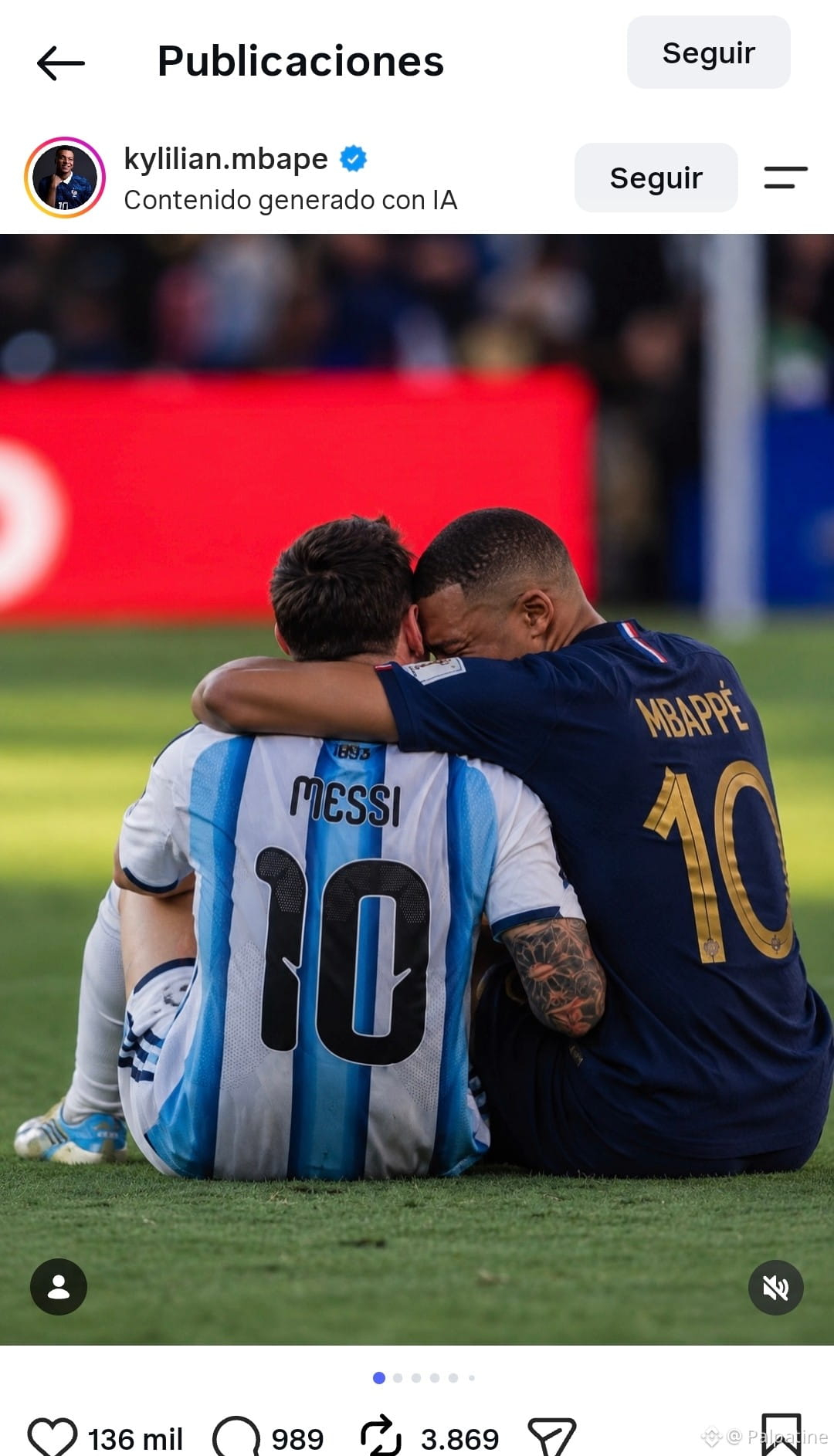
MBAPE SABE QUIEN ES EL GOAT
{spot}(BTCUSDT)
{spot}(NVDABUSDT)
{spot}(AAPLBUSDT)
MBAPE SABE QUIEN ES EL GOAT
123
·
--
උසබ තත්ත්වය
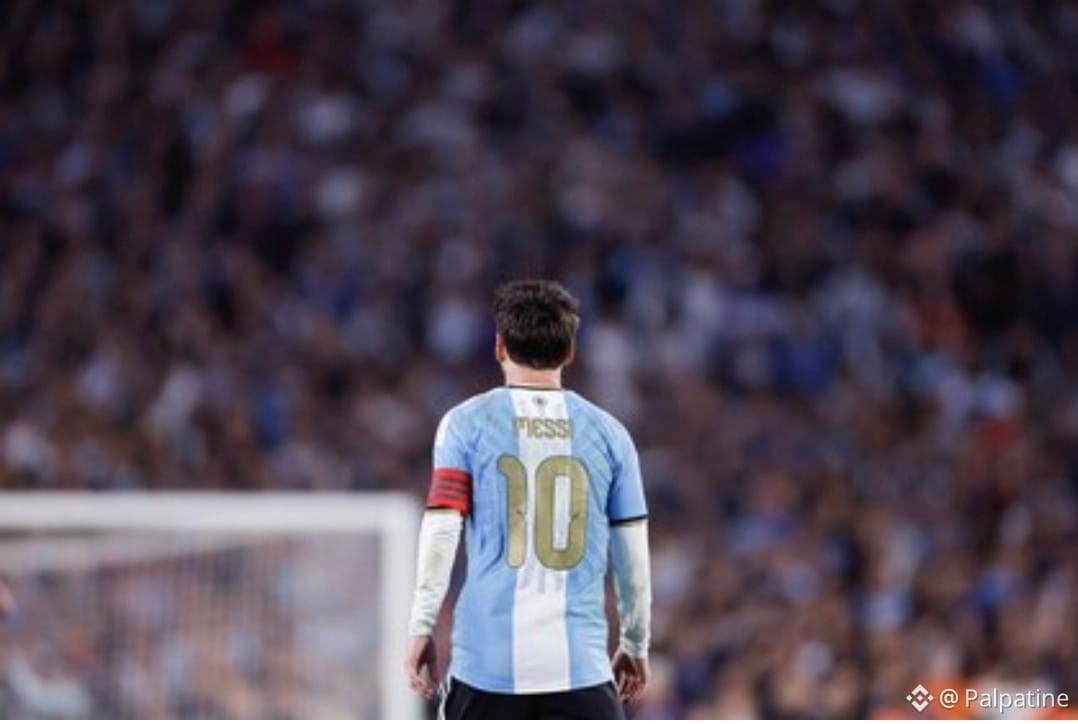
MESSI SE DESPIDIÓ… Y VOLVIÓ A NEGAR QUE “PASÓ ALGO RARO”
En su partido despedida con la Selección Argentina, Messi volvió sobre aquella final ante España:
“No pasó nada raro.”
Pero la frase deja una pregunta inevitable:
si no pasó nada… ¿por qué todavía sigue siendo necesario aclararlo?
{spot}(BTCUSDT)
{spot}(NVDABUSDT)
{spot}(SPCXBUSDT)
#algopaso
MESSI SE DESPIDIÓ… Y VOLVIÓ A NEGAR QUE “PASÓ ALGO RARO”
En su partido despedida con la Selección Argentina, Messi volvió sobre aquella final ante España:
“No pasó nada raro.”
Pero la frase deja una pregunta inevitable:
si no pasó nada… ¿por qué todavía sigue siendo necesario aclararlo?
#algopaso
En su partido despedida con la Selección Argentina, Messi volvió sobre aquella final ante España:
“No pasó nada raro.”
Pero la frase deja una pregunta inevitable:
si no pasó nada… ¿por qué todavía sigue siendo necesario aclararlo?
#algopaso
3
1.1k
·
--
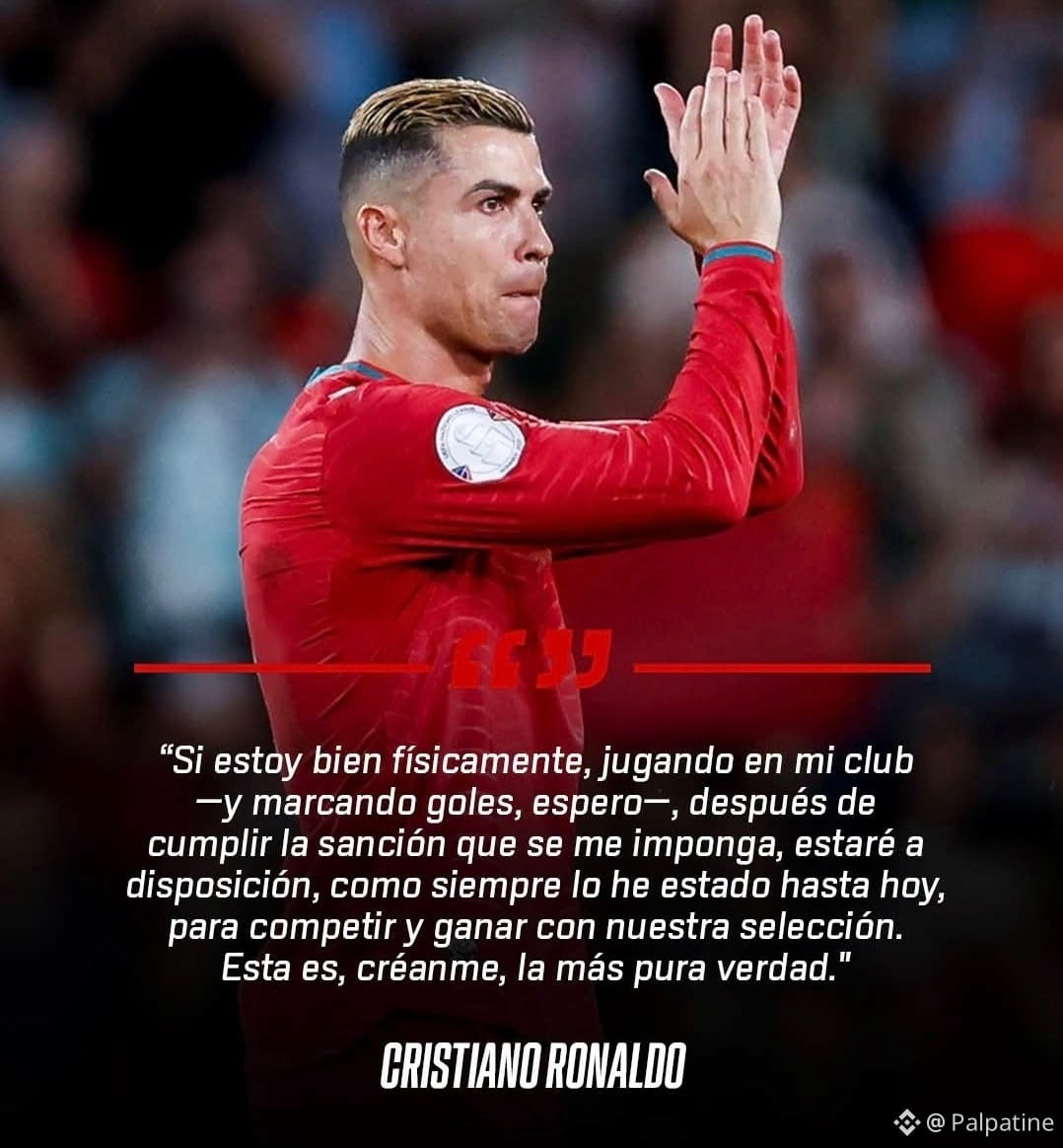
CR7 EN SU OCASO
Debería retirarse por la puerta grande ?
{spot}(ORCAUSDT)
{spot}(NMRUSDT)
{spot}(RLCUSDT)
CR7 EN SU OCASO
Debería retirarse por la puerta grande ?
Debería retirarse por la puerta grande ?
3
656
·
--
HOY NO SE DESPIDE MESSI EL GOAT. SE DESPIDE UNA PARTE DE NUESTRA VIDA. 🇦🇷🐐
$RLC · $RAD · $MOVR
HOY NO SE DESPIDE MESSI EL GOAT. SE DESPIDE UNA PARTE DE NUESTRA VIDA. 🇦🇷🐐
$RLC · $RAD · $MOVR
$RLC · $RAD · $MOVR
2
4
349
·
--
උසබ තත්ත්වය
ARGENTINA YA ESTÁ TOKENIZANDO LA ECONOMÍA REAL 🇦🇷
Yerba mate: US$3.500 financiados en menos de 24 horas.
Real estate en Salta: US$1,36 MILLONES en 12 minutos.
No hablamos de una memecoin ni de un activo que existe únicamente en blockchain.
Hablamos de producción de yerba mate e inmuebles reales convertidos en inversiones digitales.
Esto es exactamente la narrativa RWA —Real World Assets— que el mercado cripto lleva años anticipando.
La pregunta fuerte para tráfico sería:
¿Y si la próxima gran adopción de blockchain no viene de otra criptomoneda… sino de convertir la economía real en tokens?
Ahí sí tenemos tema para meter 3 monedas RWA relacionadas de verdad, en vez de pegar tickers sin conexión.
{spot}(ONDOUSDT)
{spot}(SOLUSDT)
{spot}(PLUMEUSDT)
ARGENTINA YA ESTÁ TOKENIZANDO LA ECONOMÍA REAL 🇦🇷
Yerba mate: US$3.500 financiados en menos de 24 horas.
Real estate en Salta: US$1,36 MILLONES en 12 minutos.
No hablamos de una memecoin ni de un activo que existe únicamente en blockchain.
Hablamos de producción de yerba mate e inmuebles reales convertidos en inversiones digitales.
Esto es exactamente la narrativa RWA —Real World Assets— que el mercado cripto lleva años anticipando.
La pregunta fuerte para tráfico sería:
¿Y si la próxima gran adopción de blockchain no viene de otra criptomoneda… sino de convertir la economía real en tokens?
Ahí sí tenemos tema para meter 3 monedas RWA relacionadas de verdad, en vez de pegar tickers sin conexión.
Yerba mate: US$3.500 financiados en menos de 24 horas.
Real estate en Salta: US$1,36 MILLONES en 12 minutos.
No hablamos de una memecoin ni de un activo que existe únicamente en blockchain.
Hablamos de producción de yerba mate e inmuebles reales convertidos en inversiones digitales.
Esto es exactamente la narrativa RWA —Real World Assets— que el mercado cripto lleva años anticipando.
La pregunta fuerte para tráfico sería:
¿Y si la próxima gran adopción de blockchain no viene de otra criptomoneda… sino de convertir la economía real en tokens?
Ahí sí tenemos tema para meter 3 monedas RWA relacionadas de verdad, en vez de pegar tickers sin conexión.

2
2.2k
·
--
උසබ තත්ත්වය
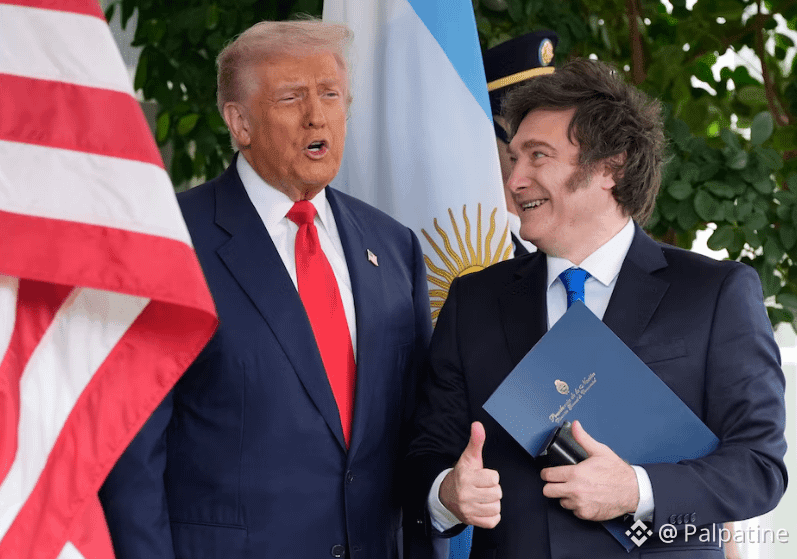
ARGENTINA ENTRA AL CLUB DE LA “SUPERINTELIGENCIA” 🇦🇷🤖
Argentina acaba de sumarse a una iniciativa internacional liderada por Estados Unidos para acelerar descubrimientos científicos usando inteligencia artificial avanzada.
La llamada Visión de Kioto para una Edad de Oro de la Ciencia fue respaldada por 17 países, entre ellos Estados Unidos, Japón, Alemania, Reino Unido, Corea del Sur, Singapur, Chile y Argentina.
La idea no es crear “otra declaración diplomática” más.
El plan apunta a algo bastante concreto:
más acceso a IA avanzada, datos científicos, supercomputación, laboratorios y nuevos modelos de financiación para investigadores.
La Casa Blanca habla directamente de “superinteligencia aplicada a la ciencia”: sistemas capaces de analizar enormes cantidades de conocimiento, modelar sistemas físicos y biológicos y hasta impulsar experimentación autónoma.
Pero hay una precisión importante:
Argentina no firmó un tratado ni recibió automáticamente dinero o infraestructura.
Es una declaración multilateral de principios. El desafío empieza ahora: convertir esa adhesión en centros de datos, investigación, talento, energía, empresas y tecnología instalada en el país.
Porque entrar al mapa de la IA mundial suena bien.
La verdadera pregunta es otra:
¿ARGENTINA VA A DESARROLLAR INTELIGENCIA ARTIFICIAL… O SOLO VA A PONER LA ENERGÍA Y EL TERRITORIO PARA QUE OTROS LA DESARROLLEN?
Ese es el debate que vale la pena tener.
#argentinapotencia
{spot}(NEARUSDT)
{spot}(WLDUSDT)
{spot}(TAOUSDT)
ARGENTINA ENTRA AL CLUB DE LA “SUPERINTELIGENCIA” 🇦🇷🤖
Argentina acaba de sumarse a una iniciativa internacional liderada por Estados Unidos para acelerar descubrimientos científicos usando inteligencia artificial avanzada.
La llamada Visión de Kioto para una Edad de Oro de la Ciencia fue respaldada por 17 países, entre ellos Estados Unidos, Japón, Alemania, Reino Unido, Corea del Sur, Singapur, Chile y Argentina.
La idea no es crear “otra declaración diplomática” más.
El plan apunta a algo bastante concreto:
más acceso a IA avanzada, datos científicos, supercomputación, laboratorios y nuevos modelos de financiación para investigadores.
La Casa Blanca habla directamente de “superinteligencia aplicada a la ciencia”: sistemas capaces de analizar enormes cantidades de conocimiento, modelar sistemas físicos y biológicos y hasta impulsar experimentación autónoma.
Pero hay una precisión importante:
Argentina no firmó un tratado ni recibió automáticamente dinero o infraestructura.
Es una declaración multilateral de principios. El desafío empieza ahora: convertir esa adhesión en centros de datos, investigación, talento, energía, empresas y tecnología instalada en el país.
Porque entrar al mapa de la IA mundial suena bien.
La verdadera pregunta es otra:
¿ARGENTINA VA A DESARROLLAR INTELIGENCIA ARTIFICIAL… O SOLO VA A PONER LA ENERGÍA Y EL TERRITORIO PARA QUE OTROS LA DESARROLLEN?
Ese es el debate que vale la pena tener.
#argentinapotencia
Argentina acaba de sumarse a una iniciativa internacional liderada por Estados Unidos para acelerar descubrimientos científicos usando inteligencia artificial avanzada.
La llamada Visión de Kioto para una Edad de Oro de la Ciencia fue respaldada por 17 países, entre ellos Estados Unidos, Japón, Alemania, Reino Unido, Corea del Sur, Singapur, Chile y Argentina.
La idea no es crear “otra declaración diplomática” más.
El plan apunta a algo bastante concreto:
más acceso a IA avanzada, datos científicos, supercomputación, laboratorios y nuevos modelos de financiación para investigadores.
La Casa Blanca habla directamente de “superinteligencia aplicada a la ciencia”: sistemas capaces de analizar enormes cantidades de conocimiento, modelar sistemas físicos y biológicos y hasta impulsar experimentación autónoma.
Pero hay una precisión importante:
Argentina no firmó un tratado ni recibió automáticamente dinero o infraestructura.
Es una declaración multilateral de principios. El desafío empieza ahora: convertir esa adhesión en centros de datos, investigación, talento, energía, empresas y tecnología instalada en el país.
Porque entrar al mapa de la IA mundial suena bien.
La verdadera pregunta es otra:
¿ARGENTINA VA A DESARROLLAR INTELIGENCIA ARTIFICIAL… O SOLO VA A PONER LA ENERGÍA Y EL TERRITORIO PARA QUE OTROS LA DESARROLLEN?
Ese es el debate que vale la pena tener.
#argentinapotencia
2
6
·
--
උසබ තත්ත්වය
¿BOT… O UN SISTEMA QUE CONVIRTIÓ A TODOS EN BOTS?
Sobres con premios microscópicos.
Miles reclamando en segundos.
Acciones repetitivas.
Bloqueos por “comportamiento anormal”.
La pregunta incómoda es simple:
¿el problema son los bots… o un sistema de recompensas que terminó incentivando exactamente ese comportamiento?
{spot}(PEPEUSDT)
{spot}(DOGEUSDT)
{spot}(XRPUSDT)
¿BOT… O UN SISTEMA QUE CONVIRTIÓ A TODOS EN BOTS?
Sobres con premios microscópicos.
Miles reclamando en segundos.
Acciones repetitivas.
Bloqueos por “comportamiento anormal”.
La pregunta incómoda es simple:
¿el problema son los bots… o un sistema de recompensas que terminó incentivando exactamente ese comportamiento?
Sobres con premios microscópicos.
Miles reclamando en segundos.
Acciones repetitivas.
Bloqueos por “comportamiento anormal”.
La pregunta incómoda es simple:
¿el problema son los bots… o un sistema de recompensas que terminó incentivando exactamente ese comportamiento?

8
2
10
5.6k
·
--
BRASIL VA A BALOTAJE: FLÁVIO BOLSONARO QUEDÓ PRIMERO Y LULA SIGUE VIVO
Milei Emitio un comunicado por las elecciones en Brasil.
Brasil terminó la primera vuelta con un resultado mucho más cerrado de lo esperado:
Flávio Bolsonaro: 47,31%
Lula da Silva: 44,83%
{spot}(GTCUSDT)
{spot}(FETUSDT)
{spot}(BEAMXUSDT)
BRASIL VA A BALOTAJE: FLÁVIO BOLSONARO QUEDÓ PRIMERO Y LULA SIGUE VIVO
Milei Emitio un comunicado por las elecciones en Brasil.
Brasil terminó la primera vuelta con un resultado mucho más cerrado de lo esperado:
Flávio Bolsonaro: 47,31%
Lula da Silva: 44,83%
Milei Emitio un comunicado por las elecciones en Brasil.
Brasil terminó la primera vuelta con un resultado mucho más cerrado de lo esperado:
Flávio Bolsonaro: 47,31%
Lula da Silva: 44,83%

2
993
·
--
උසබ තත්ත්වය
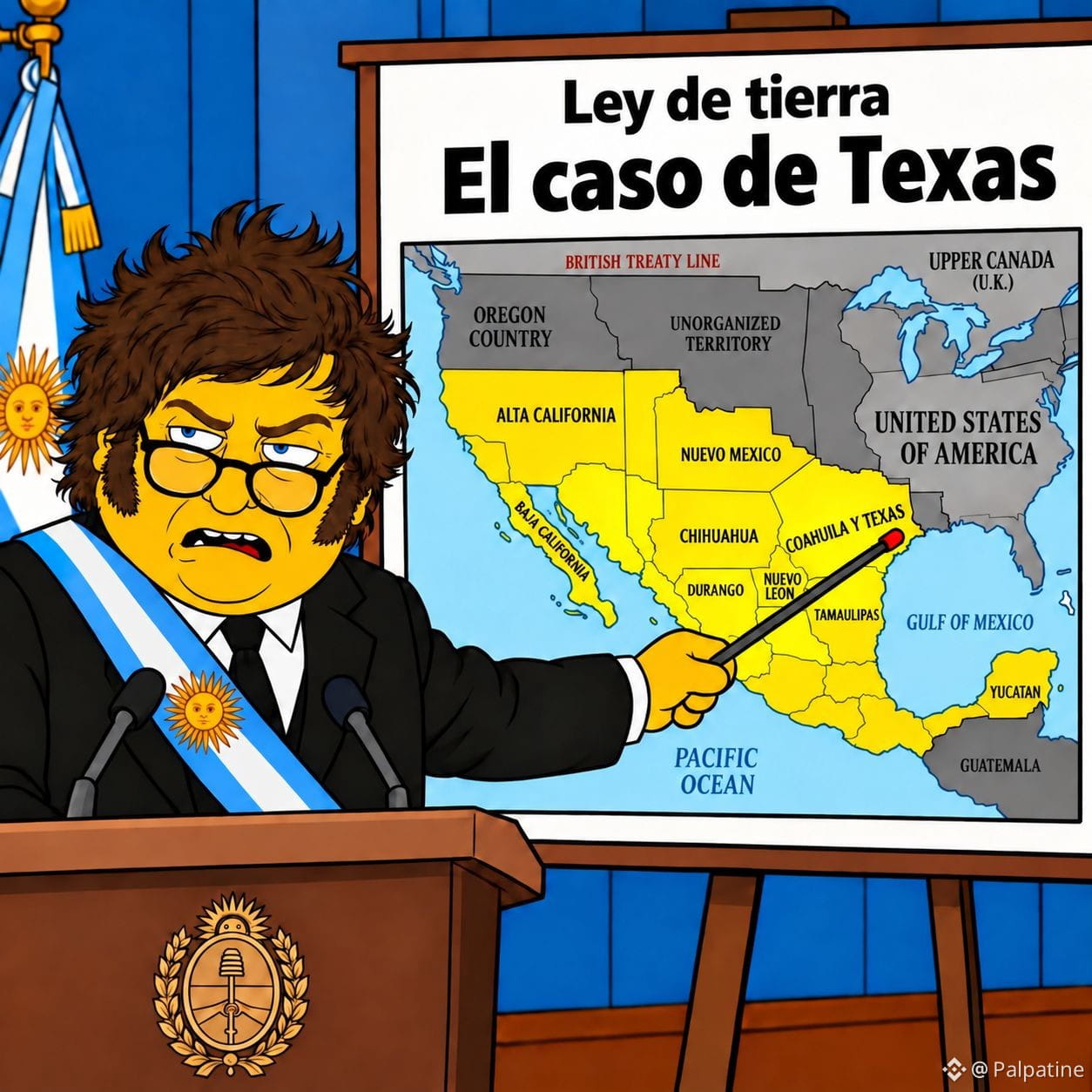
TEXAS, ARGENTINA Y LA PREGUNTA INCÓMODA: ¿CUÁNDO LA INVERSIÓN TOCA LA SOBERANÍA?
Texas no “se perdió” simplemente porque extranjeros compraron tierras. La historia fue más compleja: México promovió la colonización, llegaron miles de angloamericanos, crecieron la especulación, las tensiones políticas y el conflicto por la esclavitud; en 1836 Texas declaró su independencia y en 1845 fue anexada por Estados Unidos. La tierra y la colonización fueron piezas centrales del proceso.
Argentina está muy lejos de ese escenario. Pero la comparación sirve para discutir algo actual: la tierra y los recursos estratégicos no son una mercancía cualquiera.
Hoy la Ley 26.737 fija un límite del 15% a la titularidad o posesión extranjera de tierras rurales y agrega restricciones sobre superficies y zonas sensibles.
El debate no debería reducirse a “capital extranjero sí” o “capital extranjero no”.
La inversión externa puede traer dólares, tecnología, empleo y mercados. El problema aparece cuando el modelo se vuelve un enclave: se extrae el recurso, se exporta la renta, quedan costos ambientales y poco desarrollo local.
La pregunta importante es: ¿qué parte del valor creado queda realmente en el país?
Una política seria debería atraer inversión y exigir empleo local, proveedores nacionales, impuestos efectivos, transferencia tecnológica, controles ambientales y remediación.
Porque inversión no es sinónimo de extractivismo. Y soberanía tampoco significa cerrar la puerta al capital extranjero.
La cuestión es encontrar el equilibrio: que el capital venga, gane dinero y deje también riqueza, conocimiento e infraestructura en la sociedad que aporta el territorio y los recursos.
Texas no es una receta para Argentina. Pero sí recuerda algo incómodo: cuando tierra, capital y poder político se mezclan, una decisión económica puede terminar teniendo consecuencias mucho más grandes.
{spot}(BTCUSDT)
{spot}(BNBUSDT)
{spot}(ETHUSDT)
TEXAS, ARGENTINA Y LA PREGUNTA INCÓMODA: ¿CUÁNDO LA INVERSIÓN TOCA LA SOBERANÍA?
Texas no “se perdió” simplemente porque extranjeros compraron tierras. La historia fue más compleja: México promovió la colonización, llegaron miles de angloamericanos, crecieron la especulación, las tensiones políticas y el conflicto por la esclavitud; en 1836 Texas declaró su independencia y en 1845 fue anexada por Estados Unidos. La tierra y la colonización fueron piezas centrales del proceso.
Argentina está muy lejos de ese escenario. Pero la comparación sirve para discutir algo actual: la tierra y los recursos estratégicos no son una mercancía cualquiera.
Hoy la Ley 26.737 fija un límite del 15% a la titularidad o posesión extranjera de tierras rurales y agrega restricciones sobre superficies y zonas sensibles.
El debate no debería reducirse a “capital extranjero sí” o “capital extranjero no”.
La inversión externa puede traer dólares, tecnología, empleo y mercados. El problema aparece cuando el modelo se vuelve un enclave: se extrae el recurso, se exporta la renta, quedan costos ambientales y poco desarrollo local.
La pregunta importante es: ¿qué parte del valor creado queda realmente en el país?
Una política seria debería atraer inversión y exigir empleo local, proveedores nacionales, impuestos efectivos, transferencia tecnológica, controles ambientales y remediación.
Porque inversión no es sinónimo de extractivismo. Y soberanía tampoco significa cerrar la puerta al capital extranjero.
La cuestión es encontrar el equilibrio: que el capital venga, gane dinero y deje también riqueza, conocimiento e infraestructura en la sociedad que aporta el territorio y los recursos.
Texas no es una receta para Argentina. Pero sí recuerda algo incómodo: cuando tierra, capital y poder político se mezclan, una decisión económica puede terminar teniendo consecuencias mucho más grandes.
Texas no “se perdió” simplemente porque extranjeros compraron tierras. La historia fue más compleja: México promovió la colonización, llegaron miles de angloamericanos, crecieron la especulación, las tensiones políticas y el conflicto por la esclavitud; en 1836 Texas declaró su independencia y en 1845 fue anexada por Estados Unidos. La tierra y la colonización fueron piezas centrales del proceso.
Argentina está muy lejos de ese escenario. Pero la comparación sirve para discutir algo actual: la tierra y los recursos estratégicos no son una mercancía cualquiera.
Hoy la Ley 26.737 fija un límite del 15% a la titularidad o posesión extranjera de tierras rurales y agrega restricciones sobre superficies y zonas sensibles.
El debate no debería reducirse a “capital extranjero sí” o “capital extranjero no”.
La inversión externa puede traer dólares, tecnología, empleo y mercados. El problema aparece cuando el modelo se vuelve un enclave: se extrae el recurso, se exporta la renta, quedan costos ambientales y poco desarrollo local.
La pregunta importante es: ¿qué parte del valor creado queda realmente en el país?
Una política seria debería atraer inversión y exigir empleo local, proveedores nacionales, impuestos efectivos, transferencia tecnológica, controles ambientales y remediación.
Porque inversión no es sinónimo de extractivismo. Y soberanía tampoco significa cerrar la puerta al capital extranjero.
La cuestión es encontrar el equilibrio: que el capital venga, gane dinero y deje también riqueza, conocimiento e infraestructura en la sociedad que aporta el territorio y los recursos.
Texas no es una receta para Argentina. Pero sí recuerda algo incómodo: cuando tierra, capital y poder político se mezclan, una decisión económica puede terminar teniendo consecuencias mucho más grandes.
11
10
11.6k
·
--
උසබ තත්ත්වය
¿DOBLE VARA? ARGENTINA SOSPECHA, ESPAÑA MÉRITO
Argentina ganó Copa América, Finalissima y Mundial: para muchos, “Infantino”.
España gana y el relato cambia: “mérito deportivo”
{spot}(BTCUSDT)
{spot}(BTTCUSDT)
{spot}(SOLUSDT)
#algopaso
¿DOBLE VARA? ARGENTINA SOSPECHA, ESPAÑA MÉRITO
Argentina ganó Copa América, Finalissima y Mundial: para muchos, “Infantino”.
España gana y el relato cambia: “mérito deportivo”
#algopaso
Argentina ganó Copa América, Finalissima y Mundial: para muchos, “Infantino”.
España gana y el relato cambia: “mérito deportivo”
#algopaso

879
·
--
SOLICITO AYUDA A LA COMUNIDAD
X suspendió mi cuenta. Ya apelé, pedí la eliminación y contacté soporte, pero la cuenta sigue asociada a mi correo y teléfono. Además, X me indica que no puedo crear una cuenta nueva.
¿Alguien pasó por lo mismo? ¿Cómo lo resolvió?
{future}(SPACEUSDT)
{spot}(XRPUSDT)
{spot}(ZECUSDT)
SOLICITO AYUDA A LA COMUNIDAD
X suspendió mi cuenta. Ya apelé, pedí la eliminación y contacté soporte, pero la cuenta sigue asociada a mi correo y teléfono. Además, X me indica que no puedo crear una cuenta nueva.
¿Alguien pasó por lo mismo? ¿Cómo lo resolvió?
X suspendió mi cuenta. Ya apelé, pedí la eliminación y contacté soporte, pero la cuenta sigue asociada a mi correo y teléfono. Además, X me indica que no puedo crear una cuenta nueva.
¿Alguien pasó por lo mismo? ¿Cómo lo resolvió?

7
1
6.3k
·
--
උසබ තත්ත්වය
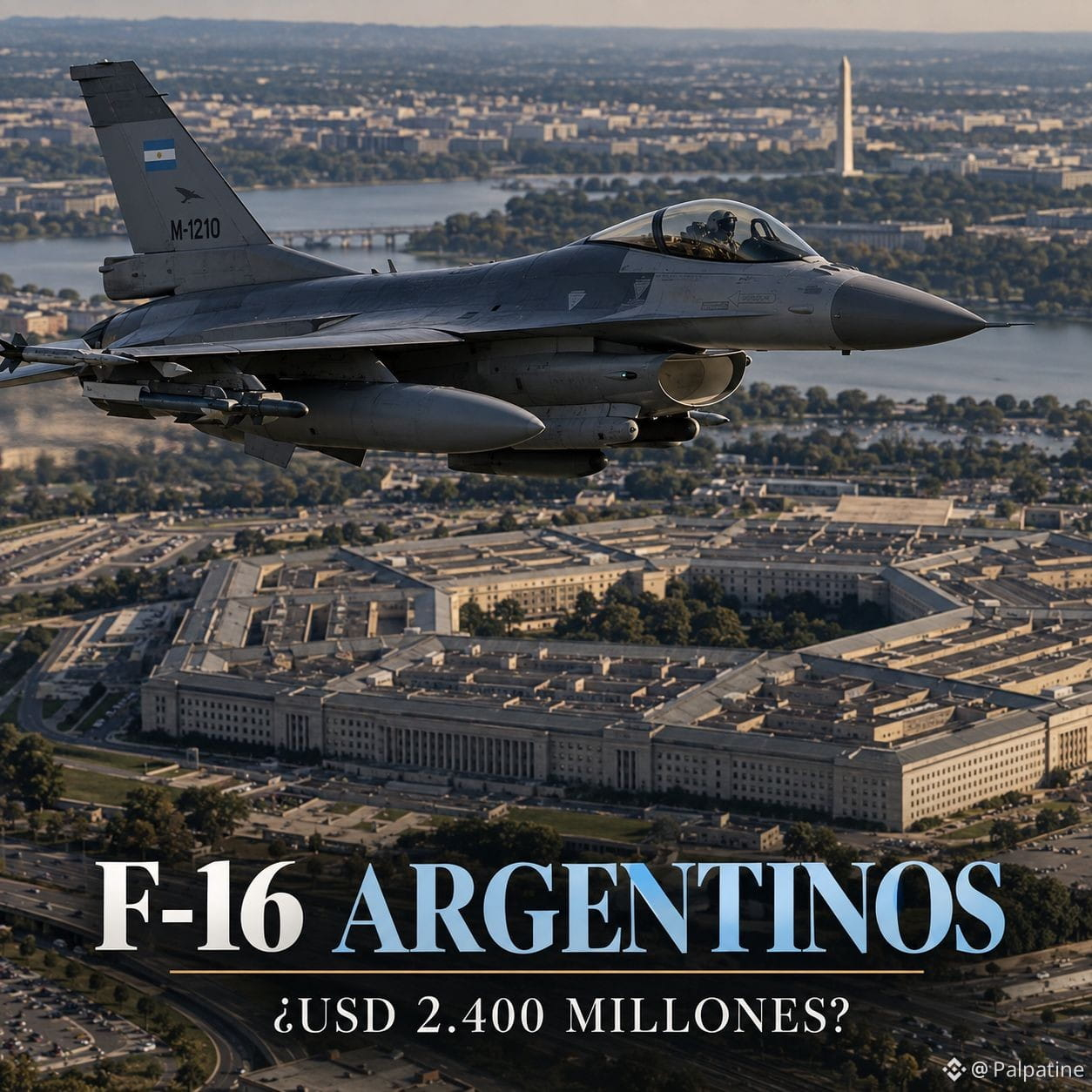
LOS F-16 ARGENTINOS Y LOS USD 2.400 MILLONES: EL NÚMERO QUE ENCENDIÓ LA POLÉMICA
En redes empezó a circular una acusación fuerte: que Argentina ᴀʀ tendría que pagar USD 2.400 millones al Pentágono únicamente por el mantenimiento de los motores de sus F-16.
El número existe.
Pero no significa eso.
Los USD 2.400 millones corresponden al techo global del programa estadounidense SPEED MAC, destinado al mantenimiento, reparación y provisión de componentes de motores F100-PW-220/229 utilizados por F-16 y F-15 de Estados Unidos y de distintos países integrados al sistema Foreign Military Sales.
Es decir: no es una factura argentina por USD 2.400 millones.
Argentina compró a Dinamarca 24 F-16 por USD 301,2 millones, incluyendo componentes y servicios.
Además, Estados Unidos autorizó una posible operación FMS de hasta USD 941 millones para armamento, repuestos, software, capacitación y soporte. Pero incluso esa cifra representa una autorización máxima estimada, no necesariamente dinero ya gastado.
Los F-16 argentinos sí dependen de una cadena logística internacional y utilizan motores Pratt & Whitney F100-PW-220E. Eso implica costos futuros de mantenimiento y soporte.
Pero convertir un programa internacional de USD 2.400 millones en una supuesta deuda exclusiva argentina cambia completamente la historia.
El número era real. La interpretación, no.
Y mientras la discusión continúa, seis nuevos F-16 llegaron al país esta semana dentro del programa Peace Condor.
¿Error de interpretación o desinformación deliberada?
{spot}(GLMRUSDT)
{spot}(QIUSDT)
{spot}(ONEUSDT)
LOS F-16 ARGENTINOS Y LOS USD 2.400 MILLONES: EL NÚMERO QUE ENCENDIÓ LA POLÉMICA
En redes empezó a circular una acusación fuerte: que Argentina ᴀʀ tendría que pagar USD 2.400 millones al Pentágono únicamente por el mantenimiento de los motores de sus F-16.
El número existe.
Pero no significa eso.
Los USD 2.400 millones corresponden al techo global del programa estadounidense SPEED MAC, destinado al mantenimiento, reparación y provisión de componentes de motores F100-PW-220/229 utilizados por F-16 y F-15 de Estados Unidos y de distintos países integrados al sistema Foreign Military Sales.
Es decir: no es una factura argentina por USD 2.400 millones.
Argentina compró a Dinamarca 24 F-16 por USD 301,2 millones, incluyendo componentes y servicios.
Además, Estados Unidos autorizó una posible operación FMS de hasta USD 941 millones para armamento, repuestos, software, capacitación y soporte. Pero incluso esa cifra representa una autorización máxima estimada, no necesariamente dinero ya gastado.
Los F-16 argentinos sí dependen de una cadena logística internacional y utilizan motores Pratt & Whitney F100-PW-220E. Eso implica costos futuros de mantenimiento y soporte.
Pero convertir un programa internacional de USD 2.400 millones en una supuesta deuda exclusiva argentina cambia completamente la historia.
El número era real. La interpretación, no.
Y mientras la discusión continúa, seis nuevos F-16 llegaron al país esta semana dentro del programa Peace Condor.
¿Error de interpretación o desinformación deliberada?
En redes empezó a circular una acusación fuerte: que Argentina ᴀʀ tendría que pagar USD 2.400 millones al Pentágono únicamente por el mantenimiento de los motores de sus F-16.
El número existe.
Pero no significa eso.
Los USD 2.400 millones corresponden al techo global del programa estadounidense SPEED MAC, destinado al mantenimiento, reparación y provisión de componentes de motores F100-PW-220/229 utilizados por F-16 y F-15 de Estados Unidos y de distintos países integrados al sistema Foreign Military Sales.
Es decir: no es una factura argentina por USD 2.400 millones.
Argentina compró a Dinamarca 24 F-16 por USD 301,2 millones, incluyendo componentes y servicios.
Además, Estados Unidos autorizó una posible operación FMS de hasta USD 941 millones para armamento, repuestos, software, capacitación y soporte. Pero incluso esa cifra representa una autorización máxima estimada, no necesariamente dinero ya gastado.
Los F-16 argentinos sí dependen de una cadena logística internacional y utilizan motores Pratt & Whitney F100-PW-220E. Eso implica costos futuros de mantenimiento y soporte.
Pero convertir un programa internacional de USD 2.400 millones en una supuesta deuda exclusiva argentina cambia completamente la historia.
El número era real. La interpretación, no.
Y mientras la discusión continúa, seis nuevos F-16 llegaron al país esta semana dentro del programa Peace Condor.
¿Error de interpretación o desinformación deliberada?
2
187
·
--
උසබ තත්ත්වය
POR LA PUERTA DE ATRAS??
Diario europeo contrasta el final de carrera de CR7 con lo que es la despedida del GOAT de todos los tiempos , Messi...
{spot}(BTCUSDT)
{spot}(XRPUSDT)
{spot}(BNBUSDT)
POR LA PUERTA DE ATRAS??
Diario europeo contrasta el final de carrera de CR7 con lo que es la despedida del GOAT de todos los tiempos , Messi...
Diario europeo contrasta el final de carrera de CR7 con lo que es la despedida del GOAT de todos los tiempos , Messi...

4
3
1.3k
·
--
උසබ තත්ත්වය
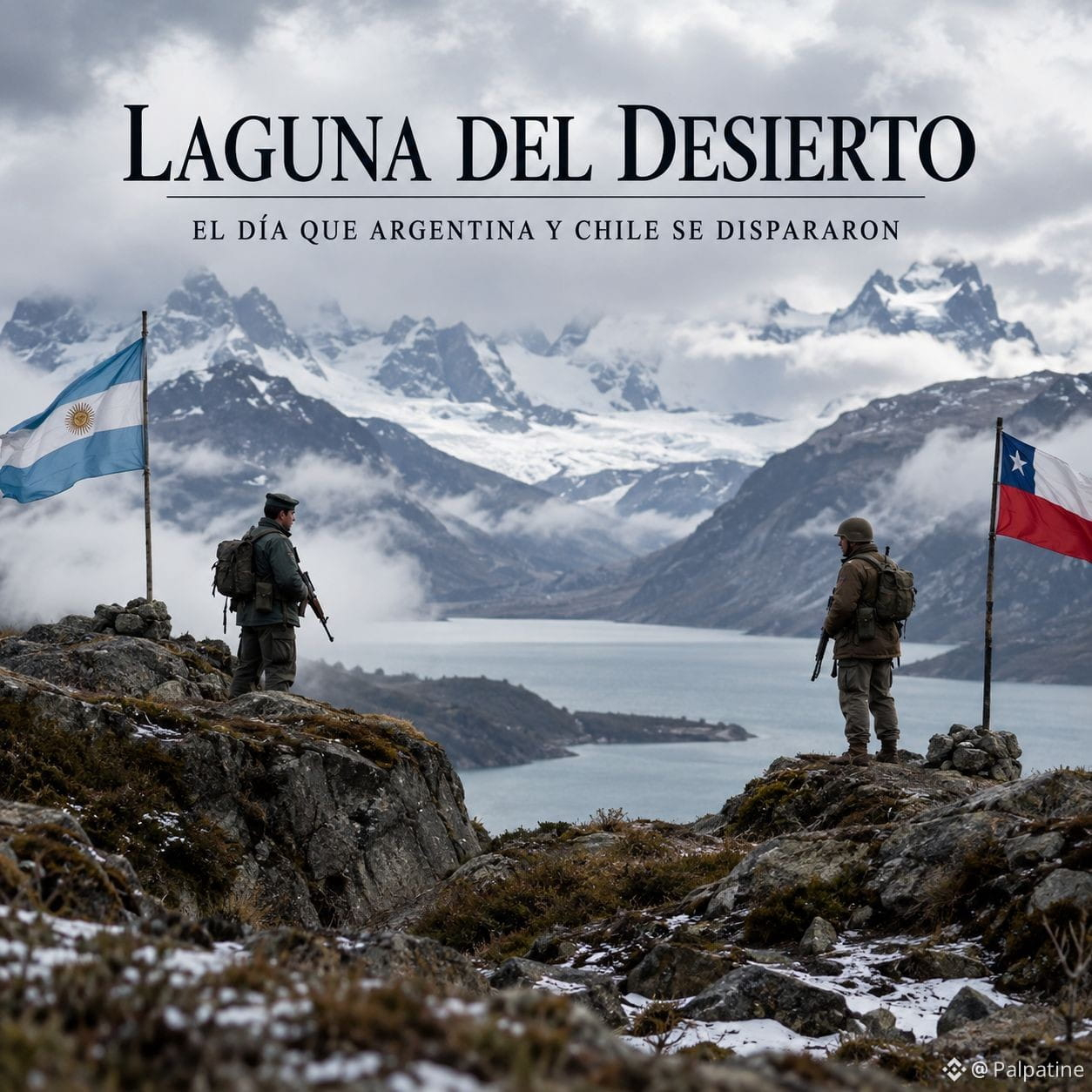
EL DÍA QUE ARGENTINA Y CHILE SE DISPARARON POR LA PATAGONIA 🇦🇷🇨🇱
Muchos recuerdan el conflicto del Beagle de 1978.
Pero 13 años antes ya habían volado balas de verdad.
El 6 de noviembre de 1965, fuerzas argentinas y Carabineros de Chile se enfrentaron en Laguna del Desierto, una zona patagónica cuya soberanía reclamaban ambos países.
El choque terminó con la muerte del teniente chileno Hernán Merino Correa, otro carabinero herido y una crisis diplomática que pudo haber escalado mucho más. Las versiones históricas de ambos países difieren sobre cómo comenzó el enfrentamiento y sobre quién estaba ocupando territorio ajeno.
Lo increíble es que el conflicto territorial sobrevivió durante casi tres décadas.
Finalmente, el 21 de octubre de 1994, un tribunal arbitral internacional resolvió la disputa a favor de Argentina, estableciendo que el territorio de Laguna del Desierto pertenecía a ese país. En Chile, el fallo provocó una enorme reacción política, aunque finalmente fue acatado.
Una frontera.
Dos países.
Un muerto.
Casi 30 años de disputa.
Y un tribunal internacional cerrando en 1994 una historia que había comenzado a los tiros en 1965.
¿Conocías este episodio entre Argentina y Chile?
#argentinapotencia
{spot}(SANDUSDT)
{spot}(ENJUSDT)
{spot}(BTCUSDT)
EL DÍA QUE ARGENTINA Y CHILE SE DISPARARON POR LA PATAGONIA 🇦🇷🇨🇱
Muchos recuerdan el conflicto del Beagle de 1978.
Pero 13 años antes ya habían volado balas de verdad.
El 6 de noviembre de 1965, fuerzas argentinas y Carabineros de Chile se enfrentaron en Laguna del Desierto, una zona patagónica cuya soberanía reclamaban ambos países.
El choque terminó con la muerte del teniente chileno Hernán Merino Correa, otro carabinero herido y una crisis diplomática que pudo haber escalado mucho más. Las versiones históricas de ambos países difieren sobre cómo comenzó el enfrentamiento y sobre quién estaba ocupando territorio ajeno.
Lo increíble es que el conflicto territorial sobrevivió durante casi tres décadas.
Finalmente, el 21 de octubre de 1994, un tribunal arbitral internacional resolvió la disputa a favor de Argentina, estableciendo que el territorio de Laguna del Desierto pertenecía a ese país. En Chile, el fallo provocó una enorme reacción política, aunque finalmente fue acatado.
Una frontera.
Dos países.
Un muerto.
Casi 30 años de disputa.
Y un tribunal internacional cerrando en 1994 una historia que había comenzado a los tiros en 1965.
¿Conocías este episodio entre Argentina y Chile?
#argentinapotencia
Muchos recuerdan el conflicto del Beagle de 1978.
Pero 13 años antes ya habían volado balas de verdad.
El 6 de noviembre de 1965, fuerzas argentinas y Carabineros de Chile se enfrentaron en Laguna del Desierto, una zona patagónica cuya soberanía reclamaban ambos países.
El choque terminó con la muerte del teniente chileno Hernán Merino Correa, otro carabinero herido y una crisis diplomática que pudo haber escalado mucho más. Las versiones históricas de ambos países difieren sobre cómo comenzó el enfrentamiento y sobre quién estaba ocupando territorio ajeno.
Lo increíble es que el conflicto territorial sobrevivió durante casi tres décadas.
Finalmente, el 21 de octubre de 1994, un tribunal arbitral internacional resolvió la disputa a favor de Argentina, estableciendo que el territorio de Laguna del Desierto pertenecía a ese país. En Chile, el fallo provocó una enorme reacción política, aunque finalmente fue acatado.
Una frontera.
Dos países.
Un muerto.
Casi 30 años de disputa.
Y un tribunal internacional cerrando en 1994 una historia que había comenzado a los tiros en 1965.
¿Conocías este episodio entre Argentina y Chile?
#argentinapotencia
2
765
·
--
උසබ තත්ත්වය
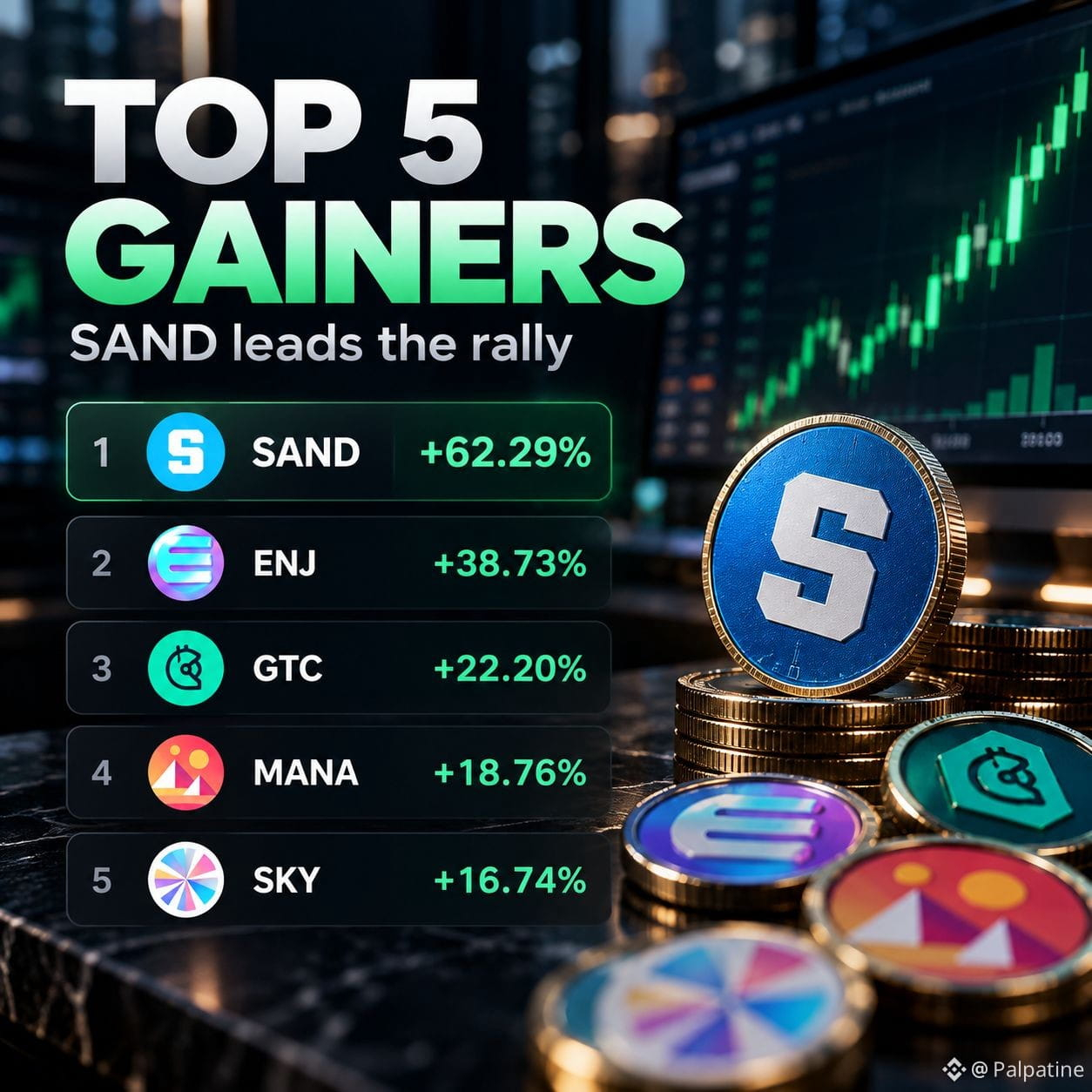
TOP 5 CRYPTO GAINERS RIGHT NOW — SAND IS LEAVING THE PACK 🚀
The market is green, but one name is clearly stealing the spotlight.
1. $SAND — +62.29%
Price: $0.06998
2. $ENJ — +38.73%
Price: $0.04033
3. $GTC — +22.20%
Price: $0.12295
4. MANA — +18.76%
Price: $0.1051
5. SKY — +16.74%
Price: $0.09312
What catches my attention is that SAND and MANA are both moving hard at the same time.
That immediately raises the question:
Are metaverse tokens waking up again… or is this just another short-lived rotation?
SAND is already more than +60% in 24H, so chasing blindly here makes no sense. But if volume stays strong and the rest of the sector follows, this could become more than a one-coin pump.
For traders, the next few hours matter more than the headline.
Which one are you trading: SAND, ENJ, GTC, MANA or SKY?
{spot}(SANDUSDT)
{spot}(ENJUSDT)
{spot}(GTCUSDT)
TOP 5 CRYPTO GAINERS RIGHT NOW — SAND IS LEAVING THE PACK 🚀
The market is green, but one name is clearly stealing the spotlight.
1. $SAND — +62.29%
Price: $0.06998
2. $ENJ — +38.73%
Price: $0.04033
3. $GTC — +22.20%
Price: $0.12295
4. MANA — +18.76%
Price: $0.1051
5. SKY — +16.74%
Price: $0.09312
What catches my attention is that SAND and MANA are both moving hard at the same time.
That immediately raises the question:
Are metaverse tokens waking up again… or is this just another short-lived rotation?
SAND is already more than +60% in 24H, so chasing blindly here makes no sense. But if volume stays strong and the rest of the sector follows, this could become more than a one-coin pump.
For traders, the next few hours matter more than the headline.
Which one are you trading: SAND, ENJ, GTC, MANA or SKY?
The market is green, but one name is clearly stealing the spotlight.
1. $SAND — +62.29%
Price: $0.06998
2. $ENJ — +38.73%
Price: $0.04033
3. $GTC — +22.20%
Price: $0.12295
4. MANA — +18.76%
Price: $0.1051
5. SKY — +16.74%
Price: $0.09312
What catches my attention is that SAND and MANA are both moving hard at the same time.
That immediately raises the question:
Are metaverse tokens waking up again… or is this just another short-lived rotation?
SAND is already more than +60% in 24H, so chasing blindly here makes no sense. But if volume stays strong and the rest of the sector follows, this could become more than a one-coin pump.
For traders, the next few hours matter more than the headline.
Which one are you trading: SAND, ENJ, GTC, MANA or SKY?
1
963
·
--
උසබ තත්ත්වය
LAPORTE APUNTÓ CONTRA ARGENTINA Y HABLÓ DE “ANTIFÚTBOL”
Aymeric Laporte encendió la polémica con una frase que en Argentina no va a pasar desapercibida. El defensor español aseguró que le molestaba “ver esa imagen dentro del fútbol” y fue todavía más lejos: dijo que a la Selección se le permitían empujones y agresividad “que a otros no se les habría permitido tanto”, calificándolo directamente como “ANTIFÚTBOL”.
La declaración toca una fibra sensible porque no cuestiona una jugada aislada: cuestiona una identidad. Para unos, Argentina compite con carácter, roce y personalidad. Para otros, muchas veces cruza una línea que el arbitraje le deja cruzar.
Lo cierto es que cuando esta Selección gana, no solo se lleva partidos: también deja heridas, enojo y debates que duran años. Y eso explica por qué cada frase contra la Albiceleste explota.
Ahora la discusión está servida:
¿carácter de campeón o exceso disfrazado de garra?
Porque cuando el rival habla de “antifútbol”, en el fondo también está admitiendo algo:
Argentina sigue incomodando incluso mucho después del pitazo final.
{spot}(ARKUSDT)
{spot}(QNTUSDT)
{spot}(MOVRUSDT)
#algopaso
LAPORTE APUNTÓ CONTRA ARGENTINA Y HABLÓ DE “ANTIFÚTBOL”
Aymeric Laporte encendió la polémica con una frase que en Argentina no va a pasar desapercibida. El defensor español aseguró que le molestaba “ver esa imagen dentro del fútbol” y fue todavía más lejos: dijo que a la Selección se le permitían empujones y agresividad “que a otros no se les habría permitido tanto”, calificándolo directamente como “ANTIFÚTBOL”.
La declaración toca una fibra sensible porque no cuestiona una jugada aislada: cuestiona una identidad. Para unos, Argentina compite con carácter, roce y personalidad. Para otros, muchas veces cruza una línea que el arbitraje le deja cruzar.
Lo cierto es que cuando esta Selección gana, no solo se lleva partidos: también deja heridas, enojo y debates que duran años. Y eso explica por qué cada frase contra la Albiceleste explota.
Ahora la discusión está servida:
¿carácter de campeón o exceso disfrazado de garra?
Porque cuando el rival habla de “antifútbol”, en el fondo también está admitiendo algo:
Argentina sigue incomodando incluso mucho después del pitazo final.
#algopaso
Aymeric Laporte encendió la polémica con una frase que en Argentina no va a pasar desapercibida. El defensor español aseguró que le molestaba “ver esa imagen dentro del fútbol” y fue todavía más lejos: dijo que a la Selección se le permitían empujones y agresividad “que a otros no se les habría permitido tanto”, calificándolo directamente como “ANTIFÚTBOL”.
La declaración toca una fibra sensible porque no cuestiona una jugada aislada: cuestiona una identidad. Para unos, Argentina compite con carácter, roce y personalidad. Para otros, muchas veces cruza una línea que el arbitraje le deja cruzar.
Lo cierto es que cuando esta Selección gana, no solo se lleva partidos: también deja heridas, enojo y debates que duran años. Y eso explica por qué cada frase contra la Albiceleste explota.
Ahora la discusión está servida:
¿carácter de campeón o exceso disfrazado de garra?
Porque cuando el rival habla de “antifútbol”, en el fondo también está admitiendo algo:
Argentina sigue incomodando incluso mucho después del pitazo final.
#algopaso

554
·
--
උසබ තත්ත්වය
“TRAICIÓN”: CRISTIANO ROMPIÓ CON PORTUGAL Y PROMETIÓ CONTAR TODA LA VERDAD
Cristiano Ronaldo abandonó la concentración de Portugal y el escándalo ya explotó.
Según Edu Aguirre, periodista muy cercano a CR7, el quiebre nació después del partido ante Noruega: Jorge Jesus dejó a Cristiano en el banco y luego, en privado, habría reconocido que gestionó mal la situación y prometido disculparse públicamente.
Pero horas después hizo lo contrario.
Ante la prensa defendió su autoridad: “Ningún jugador me hará cambiar de opinión. Ni él, ni nadie.” Aguirre calificó esa contradicción como una auténtica “traición”.
Cristiano tomó entonces una decisión extrema: dejó la concentración y se marchó.
Y antes de irse lanzó la frase que dejó a Portugal en suspenso:
“A su debido tiempo contaré la verdad.”
La Federación confirmó que abandonó el grupo, pero todavía no dijo que esto signifique su retiro definitivo de la selección.
A los 41 años, con 234 partidos y 146 goles, la pregunta ya no es solamente qué pasó con el entrenador.
Es otra:
¿ACABAMOS DE VER EL FINAL DE CRISTIANO RONALDO CON PORTUGAL? 🇵🇹
Porque si CR7 realmente decide hablar, esta historia recién empieza
{spot}(MOVRUSDT)
{spot}(NOMUSDT)
{spot}(STXUSDT)
“TRAICIÓN”: CRISTIANO ROMPIÓ CON PORTUGAL Y PROMETIÓ CONTAR TODA LA VERDAD
Cristiano Ronaldo abandonó la concentración de Portugal y el escándalo ya explotó.
Según Edu Aguirre, periodista muy cercano a CR7, el quiebre nació después del partido ante Noruega: Jorge Jesus dejó a Cristiano en el banco y luego, en privado, habría reconocido que gestionó mal la situación y prometido disculparse públicamente.
Pero horas después hizo lo contrario.
Ante la prensa defendió su autoridad: “Ningún jugador me hará cambiar de opinión. Ni él, ni nadie.” Aguirre calificó esa contradicción como una auténtica “traición”.
Cristiano tomó entonces una decisión extrema: dejó la concentración y se marchó.
Y antes de irse lanzó la frase que dejó a Portugal en suspenso:
“A su debido tiempo contaré la verdad.”
La Federación confirmó que abandonó el grupo, pero todavía no dijo que esto signifique su retiro definitivo de la selección.
A los 41 años, con 234 partidos y 146 goles, la pregunta ya no es solamente qué pasó con el entrenador.
Es otra:
¿ACABAMOS DE VER EL FINAL DE CRISTIANO RONALDO CON PORTUGAL? 🇵🇹
Porque si CR7 realmente decide hablar, esta historia recién empieza
Cristiano Ronaldo abandonó la concentración de Portugal y el escándalo ya explotó.
Según Edu Aguirre, periodista muy cercano a CR7, el quiebre nació después del partido ante Noruega: Jorge Jesus dejó a Cristiano en el banco y luego, en privado, habría reconocido que gestionó mal la situación y prometido disculparse públicamente.
Pero horas después hizo lo contrario.
Ante la prensa defendió su autoridad: “Ningún jugador me hará cambiar de opinión. Ni él, ni nadie.” Aguirre calificó esa contradicción como una auténtica “traición”.
Cristiano tomó entonces una decisión extrema: dejó la concentración y se marchó.
Y antes de irse lanzó la frase que dejó a Portugal en suspenso:
“A su debido tiempo contaré la verdad.”
La Federación confirmó que abandonó el grupo, pero todavía no dijo que esto signifique su retiro definitivo de la selección.
A los 41 años, con 234 partidos y 146 goles, la pregunta ya no es solamente qué pasó con el entrenador.
Es otra:
¿ACABAMOS DE VER EL FINAL DE CRISTIANO RONALDO CON PORTUGAL? 🇵🇹
Porque si CR7 realmente decide hablar, esta historia recién empieza

3
1
22
·
--
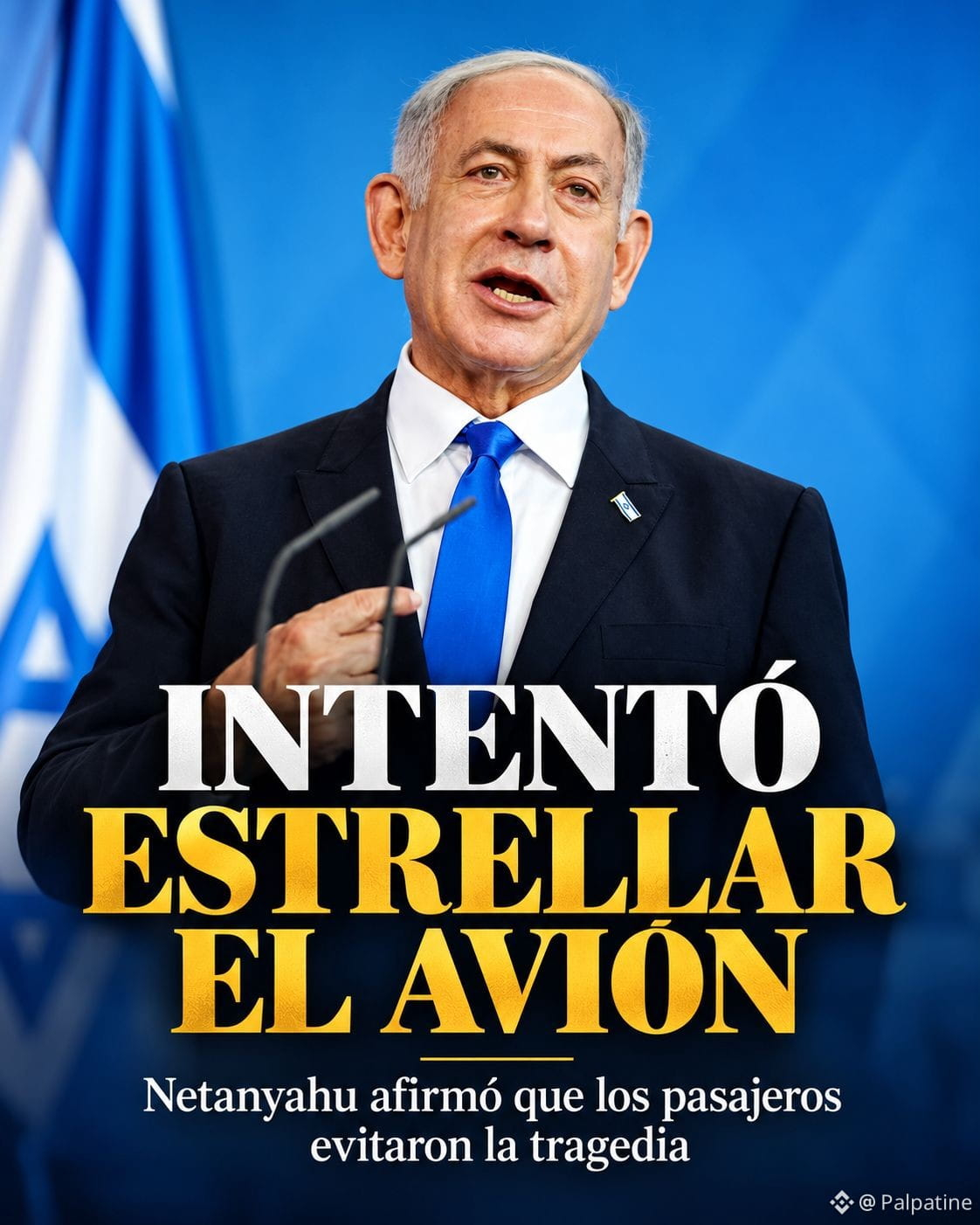
NETANYAHU: UN PILOTO INTENTÓ ESTRELLAR EL AVIÓN… Y LOS PASAJEROS LO DETUVIERON ✈️⚠️
Parece el argumento de una película, pero ocurrió en el vuelo FZ1073 de Flydubai, que viajaba de Dubái a Tel Aviv.
Según el gobierno israelí, uno de los pilotos habría apuñalado al otro e intentado hacer caer el Boeing 737, provocando un descenso extremadamente brusco.
Entonces pasó lo inesperado.
Pasajeros y miembros de la tripulación lograron ingresar a la cabina, reducir al sospechoso y recuperar el control del avión.
La aeronave terminó aterrizando de emergencia en Tabuk, Arabia Saudita, y los más de 170 pasajeros pudieron salir con vida. El sospechoso quedó detenido.
Hay una precisión importante: Flydubai confirmó un grave incidente entre los pilotos, pero pidió no especular sobre el motivo mientras continúa la investigación. La afirmación de que pretendía estrellar el avión proviene de Netanyahu y autoridades israelíes.
Una situación que pudo terminar en tragedia cambió en cuestión de minutos por la reacción de quienes estaban a bordo.
¿Vos hubieras intentado entrar a esa cabina?
{future}(SOONUSDT)
{spot}(QNTUSDT)
{spot}(ZBTUSDT)
NETANYAHU: UN PILOTO INTENTÓ ESTRELLAR EL AVIÓN… Y LOS PASAJEROS LO DETUVIERON ✈️⚠️
Parece el argumento de una película, pero ocurrió en el vuelo FZ1073 de Flydubai, que viajaba de Dubái a Tel Aviv.
Según el gobierno israelí, uno de los pilotos habría apuñalado al otro e intentado hacer caer el Boeing 737, provocando un descenso extremadamente brusco.
Entonces pasó lo inesperado.
Pasajeros y miembros de la tripulación lograron ingresar a la cabina, reducir al sospechoso y recuperar el control del avión.
La aeronave terminó aterrizando de emergencia en Tabuk, Arabia Saudita, y los más de 170 pasajeros pudieron salir con vida. El sospechoso quedó detenido.
Hay una precisión importante: Flydubai confirmó un grave incidente entre los pilotos, pero pidió no especular sobre el motivo mientras continúa la investigación. La afirmación de que pretendía estrellar el avión proviene de Netanyahu y autoridades israelíes.
Una situación que pudo terminar en tragedia cambió en cuestión de minutos por la reacción de quienes estaban a bordo.
¿Vos hubieras intentado entrar a esa cabina?
Parece el argumento de una película, pero ocurrió en el vuelo FZ1073 de Flydubai, que viajaba de Dubái a Tel Aviv.
Según el gobierno israelí, uno de los pilotos habría apuñalado al otro e intentado hacer caer el Boeing 737, provocando un descenso extremadamente brusco.
Entonces pasó lo inesperado.
Pasajeros y miembros de la tripulación lograron ingresar a la cabina, reducir al sospechoso y recuperar el control del avión.
La aeronave terminó aterrizando de emergencia en Tabuk, Arabia Saudita, y los más de 170 pasajeros pudieron salir con vida. El sospechoso quedó detenido.
Hay una precisión importante: Flydubai confirmó un grave incidente entre los pilotos, pero pidió no especular sobre el motivo mientras continúa la investigación. La afirmación de que pretendía estrellar el avión proviene de Netanyahu y autoridades israelíes.
Una situación que pudo terminar en tragedia cambió en cuestión de minutos por la reacción de quienes estaban a bordo.
¿Vos hubieras intentado entrar a esa cabina?
1
1.3k
·
--
උසබ තත්ත්වය
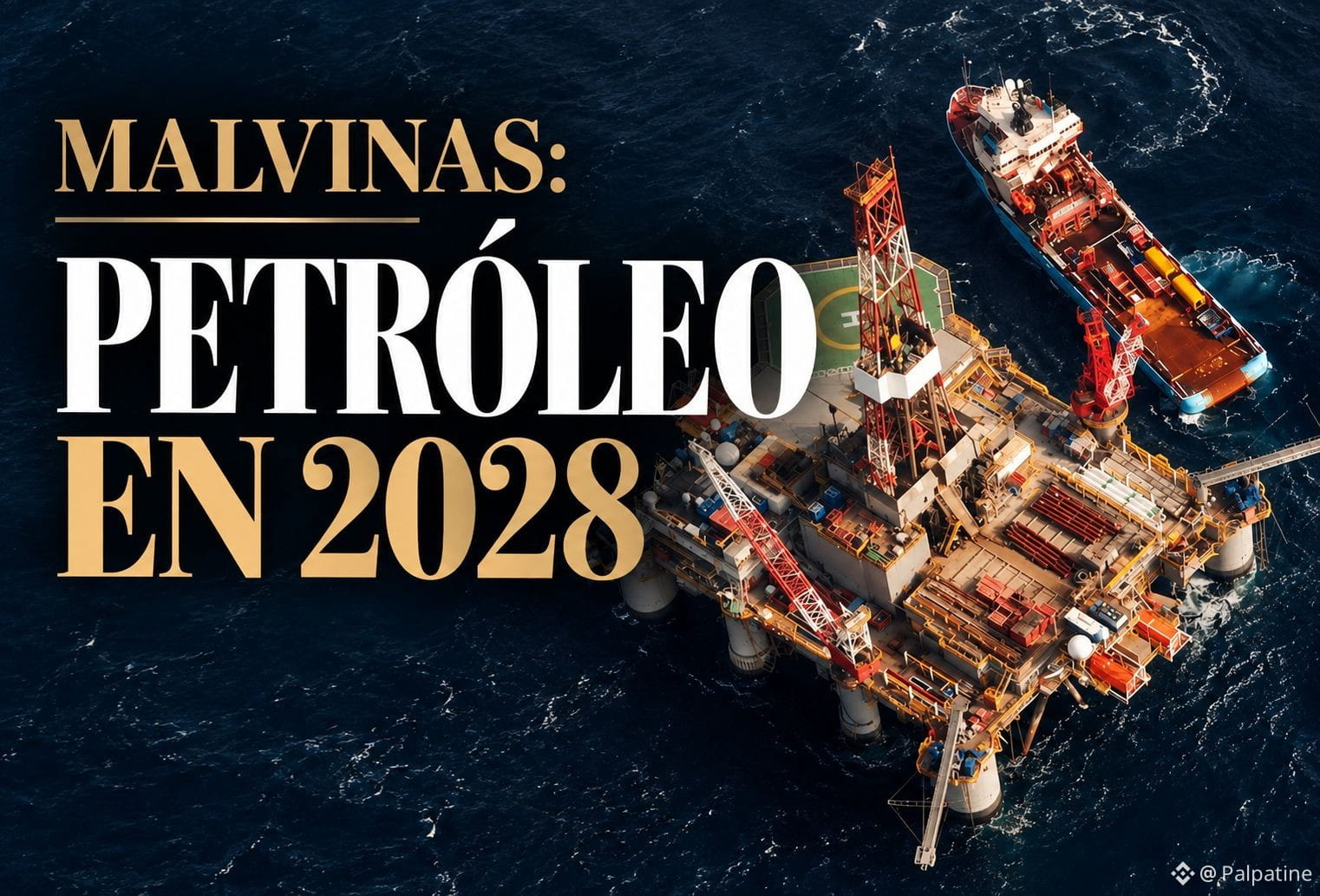
⚠️MALVINAS: ROCKHOPPER RATIFICA PETRÓLEO PARA 2028 PESE A LAS MEDIDAS ARGENTINAS
La pulseada por Sea Lion acaba de subir otro escalón.
Rockhopper confirmó que mantiene como objetivo producir el primer petróleo en el primer trimestre de 2028 y afirmó contar con respaldo continuo del Reino Unido ɢʙ y de las autoridades isleñas. Su socio Navitas posee el 65% del proyecto; Rockhopper, el 35%.
La compañía además acaba de reforzar su financiación y sostiene que la perforación de desarrollo comenzará a principios de 2027. El proyecto contempla una primera fase ya aprobada y nuevas etapas posteriores de expansión.
Del otro lado, Argentina ᴀʀ instruyó formalmente iniciar un procedimiento de arbitraje bajo la Convención de Naciones Unidas sobre el Derecho del Mar para intentar impedir la explotación de hidrocarburos en la Cuenca Malvinas Norte.
Así queda planteado el choque:
Rockhopper: petróleo en 2028.
Argentina: arbitraje y sanciones para frenarlo.
Ya no es solamente una discusión diplomática.
Es soberanía + energía + miles de millones de dólares en recursos del Atlántico Sur.
¿Quién tiene hoy más capacidad real para alterar el cronograma de Sea Lion?
#argentinapotencia #OilQuality
{spot}(BTCUSDT)
{spot}(ZECUSDT)
{spot}(SOLUSDT)
⚠️MALVINAS: ROCKHOPPER RATIFICA PETRÓLEO PARA 2028 PESE A LAS MEDIDAS ARGENTINAS
La pulseada por Sea Lion acaba de subir otro escalón.
Rockhopper confirmó que mantiene como objetivo producir el primer petróleo en el primer trimestre de 2028 y afirmó contar con respaldo continuo del Reino Unido ɢʙ y de las autoridades isleñas. Su socio Navitas posee el 65% del proyecto; Rockhopper, el 35%.
La compañía además acaba de reforzar su financiación y sostiene que la perforación de desarrollo comenzará a principios de 2027. El proyecto contempla una primera fase ya aprobada y nuevas etapas posteriores de expansión.
Del otro lado, Argentina ᴀʀ instruyó formalmente iniciar un procedimiento de arbitraje bajo la Convención de Naciones Unidas sobre el Derecho del Mar para intentar impedir la explotación de hidrocarburos en la Cuenca Malvinas Norte.
Así queda planteado el choque:
Rockhopper: petróleo en 2028.
Argentina: arbitraje y sanciones para frenarlo.
Ya no es solamente una discusión diplomática.
Es soberanía + energía + miles de millones de dólares en recursos del Atlántico Sur.
¿Quién tiene hoy más capacidad real para alterar el cronograma de Sea Lion?
#argentinapotencia #OilQuality
La pulseada por Sea Lion acaba de subir otro escalón.
Rockhopper confirmó que mantiene como objetivo producir el primer petróleo en el primer trimestre de 2028 y afirmó contar con respaldo continuo del Reino Unido ɢʙ y de las autoridades isleñas. Su socio Navitas posee el 65% del proyecto; Rockhopper, el 35%.
La compañía además acaba de reforzar su financiación y sostiene que la perforación de desarrollo comenzará a principios de 2027. El proyecto contempla una primera fase ya aprobada y nuevas etapas posteriores de expansión.
Del otro lado, Argentina ᴀʀ instruyó formalmente iniciar un procedimiento de arbitraje bajo la Convención de Naciones Unidas sobre el Derecho del Mar para intentar impedir la explotación de hidrocarburos en la Cuenca Malvinas Norte.
Así queda planteado el choque:
Rockhopper: petróleo en 2028.
Argentina: arbitraje y sanciones para frenarlo.
Ya no es solamente una discusión diplomática.
Es soberanía + energía + miles de millones de dólares en recursos del Atlántico Sur.
¿Quién tiene hoy más capacidad real para alterar el cronograma de Sea Lion?
#argentinapotencia #OilQuality
1
152
තවත් අන්තර්ගතයන් ගවේෂණය කිරීමට ඇතුල් වන්න
Binance චතුරශ්රය හි ගෝලීය ක්රිප්ටෝ පරිශීලකයින් හා එක්වන්න
⚡️ ක්රිප්ටෝ පිළිබඳ නවතම සහ ප්රයෝජනවත් තොරතුරු ලබා ගන්න.
💬 ලොව විශාලතම ක්රිප්ටෝ හුවමාරුව මගින් විශ්වාස කෙරේ.
👍 සත්යායනය කරන ලද නිර්මාණකරුවන්ගෙන් සැබෑ විදසුන් සොයා ගන්න.
විද්යුත් තැපෑල / දුරකථන අංකය
නැගී එන මාතෘකා
FedMinutesFocusOnOctoberPause
38,074 views
645 සාකච්ඡා කරමින්
#fedminutesfocusonoctoberpause
🚨 OCTOBER FED HIKE ODDS COLLAPSE TO 21.6%… Is $BTC About to React? 👀
The Fed is about to give markets another major clue.
Investors are waiting for today’s FOMC minutes — and the biggest question is whether October brings another rate hike… or a pause.
Right now, the odds of a 25-basis-point October hike have fallen to just 21.6%.
That’s a huge shift in expectations.
But here’s what makes this interesting… 👀
The Fed raised rates to 3.75%–4.00% in September, but recent weakness in jobs data and softer inflation have made another immediate hike look less certain.
And for crypto, this matters.
A Fed pause could reduce pressure on financial conditions and potentially improve risk appetite.
That could become a tailwind for BTC
But there’s a catch…
Bitcoin is already under pressure as the dollar and Treasury yields move higher.
So tonight’s minutes could become a volatility trigger.
Dovish Fed → liquidity hopes → bullish .
BTC narrative?
Hawkish Fed → higher-rate fears → more pressure on risk assets?
The real question:
Is October becoming the pause Bitcoin bulls have been waiting for… or could the Fed surprise the market again? 👀
Watch BTC + Fed expectations + Treasury yields closely.
#FederalReserve #Fed #Crypto #InterestRates
$ETH
$SOL
Shae Cassler Sw9r
·20 කැමත්ත දැක්වීම්
·40.9k views
BinanceLaunchesBinanceIntelligence
968,387 views
5,881 සාකච්ඡා කරමින්
EvernorthDelaysNasdaqDebutToOct12
1,067 views
71 සාකච්ඡා කරමින්