
Beryl Lancz jQlO
8 පෝස්ටු

Beryl Lancz jQlO
4 හඹා යමින්
16 හඹා යන්නන්
24 කැමති විය
පෝස්ටු
සියල්ල
උපුටා දැක්වීම්

Erin K
·
--
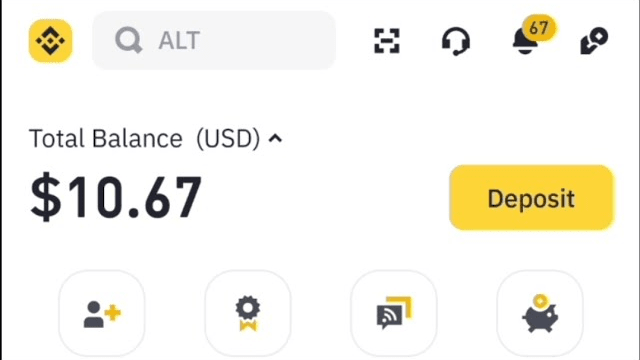
Binance හි දිනකට $0–$7 උපයන්නේ කෙසේද — කිසිදු ආයෝජනයක් නැතිව
ඔබ Binance හෝ ක්රිප්ටෝ මුලින්ම භාවිතා කරන කෙනෙක් නම්, උපයනමට මුලින්ම තැන්පතුවක් අවශ්ය යැයි ඔබට සිතෙන්න පුළුවන්. නමුත් සැබවින්ම, කිසිවක් වියදම් නොකර Binance හි කුඩා නමුත් ස්ථාවර ආදායමක් ජනනය කිරීමට වලංගු ක්රම කිහිපයක් තිබේ.
මෙම මාර්ගෝපදේශය Binance හි නොමිලේ විශේෂාංග සහ ප්රවර්ධන මඟින් පමණක් දිනකට $1–$7ක් උපයනීමට පහසු ආරම්භක-හිතකාමී ප්රායෝගික ක්රම හඳුන්වයි.
1. Learn & Earn — ඔබේ දැනුම පුළුල් කිරීම සඳහා ත්යාග ලබාගන්න
Binance යෙදුමේ, තවත් → Learn & Earn වෙත යන්න
නව බ්ලොක්චේන් ව්යාපෘති පිළිබඳ කෙටි අධ්යාපනික වීඩියෝ බලන්න
මෙම මාර්ගෝපදේශය Binance හි නොමිලේ විශේෂාංග සහ ප්රවර්ධන මඟින් පමණක් දිනකට $1–$7ක් උපයනීමට පහසු ආරම්භක-හිතකාමී ප්රායෝගික ක්රම හඳුන්වයි.
1. Learn & Earn — ඔබේ දැනුම පුළුල් කිරීම සඳහා ත්යාග ලබාගන්න
Binance යෙදුමේ, තවත් → Learn & Earn වෙත යන්න
නව බ්ලොක්චේන් ව්යාපෘති පිළිබඳ කෙටි අධ්යාපනික වීඩියෝ බලන්න
Beryl Lancz jQlO
·
--
🪙 ETH $10K වෙත?
නවයෙන් ප්රකාශයට පත් කරන ලද Ethereum Community Foundation (ECF) ගැන කර්මාන්තය දැඩි අවධානය යොමු කර ඇත: මෙම අරමුදලට Ethereum හි යටිතල පහසුකම් සඳහා ප්රධාන කොටස් සඳහා මූල්ය සැපයීමට අරමුණක් ඇති අතර, එමඟින් Ether හි මිල $10,000 දක්වා ඉහළ දැමීමට උපකාර වනු ඇතැයි අපේක්ෂා කෙරේ.
මූල්ය ආධාර බොහෝ ක්ෂේත්ර සඳහා නියමිතයි — layer-2 විසඳුම්, ගෙවීම් සහ භාරකාර (custody) සේවා, සහ ජාලයේ මූලික යටිතල පහසුකම් ශක්තිමත් කරන වෙනත් ව්යාපෘති.
ආරම්භක ප්රකාශය අනුව, ECF අදියර වශයෙන් තොරතුරු නිකුත් කරනු ඇත:
🟡 සුදුසුකම් නිර්ණායක සහිත විස්තරාත්මක ප්රදාන ලැයිස්තුව
🟡 මූල්යකරණය සඳහා තෝරාගත් පළමු මුලපිරීම්
🟡 මූලික කණ්ඩායම සහ බාහිර දායකයින්
🟡 ECF සහාය ඇතිව ව්යාපෘතියක් අයදුම් කරන්නේද හෝ ආරම්භ කරන්නේද යන්න පිළිබඳ තැනූම්කරුවන්ට සහ පර්යේෂකයන්ට මාර්ගෝපදේශ
තව ප්රශ්න කිහිපයක් ඉතිරිව පවතී. සංවිධානය තවමත් තම ප්රාග්ධන සංචිතයේ ප්රමාණය, නීතිමය ව්යුහය, හෝ එහි ආරම්භකයින්ගේ අනන්යතාවයන් හෙළි කර නොමැත. ඒ වගේම, Ethereum හි ප්රොටෝකොල සංවර්ධනයේ භාරකරුවන් වන දිගුකාලීන Ethereum Foundation සමඟ ECF හි කාර්යය කෙසේ සම්බන්ධීකරණය කරන්නේද යන්නද පැහැදිලි නැත.
පළමු නිල ලේඛන සහ ප්රදාන වැඩසටහන ආරම්භය ඉදිරි සති කිහිපය තුළ අපේක්ෂා කෙරේ. ඒවායේ අන්තර්ගතය මෙම මුලපිරීමේ පරිමාණය සහ Ethereum හි දිගුකාලීන ගමන්මාර්ගයට ඇති විය හැකි බලපෑම ඇගයීමට තීරණාත්මක වනු ඇත.#uscryptonews
නවයෙන් ප්රකාශයට පත් කරන ලද Ethereum Community Foundation (ECF) ගැන කර්මාන්තය දැඩි අවධානය යොමු කර ඇත: මෙම අරමුදලට Ethereum හි යටිතල පහසුකම් සඳහා ප්රධාන කොටස් සඳහා මූල්ය සැපයීමට අරමුණක් ඇති අතර, එමඟින් Ether හි මිල $10,000 දක්වා ඉහළ දැමීමට උපකාර වනු ඇතැයි අපේක්ෂා කෙරේ.
මූල්ය ආධාර බොහෝ ක්ෂේත්ර සඳහා නියමිතයි — layer-2 විසඳුම්, ගෙවීම් සහ භාරකාර (custody) සේවා, සහ ජාලයේ මූලික යටිතල පහසුකම් ශක්තිමත් කරන වෙනත් ව්යාපෘති.
ආරම්භක ප්රකාශය අනුව, ECF අදියර වශයෙන් තොරතුරු නිකුත් කරනු ඇත:
🟡 සුදුසුකම් නිර්ණායක සහිත විස්තරාත්මක ප්රදාන ලැයිස්තුව
🟡 මූල්යකරණය සඳහා තෝරාගත් පළමු මුලපිරීම්
🟡 මූලික කණ්ඩායම සහ බාහිර දායකයින්
🟡 ECF සහාය ඇතිව ව්යාපෘතියක් අයදුම් කරන්නේද හෝ ආරම්භ කරන්නේද යන්න පිළිබඳ තැනූම්කරුවන්ට සහ පර්යේෂකයන්ට මාර්ගෝපදේශ
තව ප්රශ්න කිහිපයක් ඉතිරිව පවතී. සංවිධානය තවමත් තම ප්රාග්ධන සංචිතයේ ප්රමාණය, නීතිමය ව්යුහය, හෝ එහි ආරම්භකයින්ගේ අනන්යතාවයන් හෙළි කර නොමැත. ඒ වගේම, Ethereum හි ප්රොටෝකොල සංවර්ධනයේ භාරකරුවන් වන දිගුකාලීන Ethereum Foundation සමඟ ECF හි කාර්යය කෙසේ සම්බන්ධීකරණය කරන්නේද යන්නද පැහැදිලි නැත.
පළමු නිල ලේඛන සහ ප්රදාන වැඩසටහන ආරම්භය ඉදිරි සති කිහිපය තුළ අපේක්ෂා කෙරේ. ඒවායේ අන්තර්ගතය මෙම මුලපිරීමේ පරිමාණය සහ Ethereum හි දිගුකාලීන ගමන්මාර්ගයට ඇති විය හැකි බලපෑම ඇගයීමට තීරණාත්මක වනු ඇත.#uscryptonews


Binance Academy
·
--
பிட்காயின் என்றால் என்ன? அது எப்படி வேலை செய்கிறது?
முக்கிய எடுத்துக்காட்டுகள்
பிட்காயின் உருவாக்கப்பட்ட முதல் கிரிப்டோகரன்சி (cryptocurrency) ஆகும். இது 2008 ஆம் ஆண்டில் ஒரு வெள்ளை அறிக்கை (whitepaper) மூலம் அறிமுகப்படுத்தப்பட்டது; 2009 ஜனவரியில் அதிகாரப்பூர்வமாக தொடங்கப்பட்டது. பிட்காயினின் உருவாக்குநர், சதோஷி நகமோட்டோ (Satoshi Nakamoto) என்ற புனைபெயரால் மட்டுமே அறியப்படுகிறார்.
பிட்காயின் பிளாக்செயின் தொழில்நுட்பத்தில் இயங்குகிறது; அது பொதுக் கணக்கேடு (public ledger) போல செயல்படுகிறது. வங்கியைப் போல பரிவர்த்தனைகளைச் சரிபார்ப்பதற்குப் பதிலாக, கணினிகள் அடங்கிய உலகளாவிய ஒரு நெட்வொர்க் அந்த வேலையைச் செய்கிறது.
பிட்காயினை எந்த ஒரு நிறுவனமும் அல்லது அரசாங்கமும் சொந்தமாக வைத்திருக்கவில்லை. அது மையமற்றது (decentralized), வெளிப்படையானது (transparent), திறந்த மூலமாக (open source) உள்ளது; அதனால் பாரம்பரிய நிதி முறைகளுக்கு ஒரு பிரபலமான மாற்றாக உள்ளது.
பிட்காயின் உருவாக்கப்பட்ட முதல் கிரிப்டோகரன்சி (cryptocurrency) ஆகும். இது 2008 ஆம் ஆண்டில் ஒரு வெள்ளை அறிக்கை (whitepaper) மூலம் அறிமுகப்படுத்தப்பட்டது; 2009 ஜனவரியில் அதிகாரப்பூர்வமாக தொடங்கப்பட்டது. பிட்காயினின் உருவாக்குநர், சதோஷி நகமோட்டோ (Satoshi Nakamoto) என்ற புனைபெயரால் மட்டுமே அறியப்படுகிறார்.
பிட்காயின் பிளாக்செயின் தொழில்நுட்பத்தில் இயங்குகிறது; அது பொதுக் கணக்கேடு (public ledger) போல செயல்படுகிறது. வங்கியைப் போல பரிவர்த்தனைகளைச் சரிபார்ப்பதற்குப் பதிலாக, கணினிகள் அடங்கிய உலகளாவிய ஒரு நெட்வொர்க் அந்த வேலையைச் செய்கிறது.
பிட்காயினை எந்த ஒரு நிறுவனமும் அல்லது அரசாங்கமும் சொந்தமாக வைத்திருக்கவில்லை. அது மையமற்றது (decentralized), வெளிப்படையானது (transparent), திறந்த மூலமாக (open source) உள்ளது; அதனால் பாரம்பரிய நிதி முறைகளுக்கு ஒரு பிரபலமான மாற்றாக உள்ளது.



Tradingguro
·
--
Binance හි මුදල් නොවැයීමෙන්ම දිනකට $5 සිට $10 දක්වා මම උපයන්නේ කොහොමද
Binance හි උපයන්න ඔබට මුදල් ආයෝජනය කරන්න අවශ්ය නැහැ. මම දිනකට $5 සිට $10 දක්වා උපයනවා—වෙළඳාමක් නැතිව, තැන්පත් කිරීමක් නැතිව, කිසිම අවදානමක් නැතිව. මම කරන්නේ Binance යෙදුමේ ඇති නොමිලේ විශේෂාංග ටිකක් වෙලාව හා උත්සාහය දාලා භාවිතා කරන එක.
මෙන්න මම ඒක කරන්නේ මෙහෙමයි:
1. Learn & Earn – ඉගෙනගෙන නොමිලේ Crypto උපයන්න
Binance හි “Learn & Earn” කියලා විශේෂාංගයක් තියෙනවා. ඔබ කෙටි වීඩියෝ බලනකොට හෝ crypto ගැන සරල පාඩම් කියවනකොට ඔබට නොමිලේ crypto ලැබෙනවා. ඉගෙන ගත්තට පස්සේ කුඩා කුයිස් එකකට පිළිතුරු දෙන්න වෙනවා. ඔබ සමත් වුණොත් නොමිලේ crypto උපයනවා.
නව පාඨමාලාවක් ආවම, මම විනාඩි කිහිපයකින්ම පහසුවෙන්ම $1 සිට $2 වගේ උපයනවා.
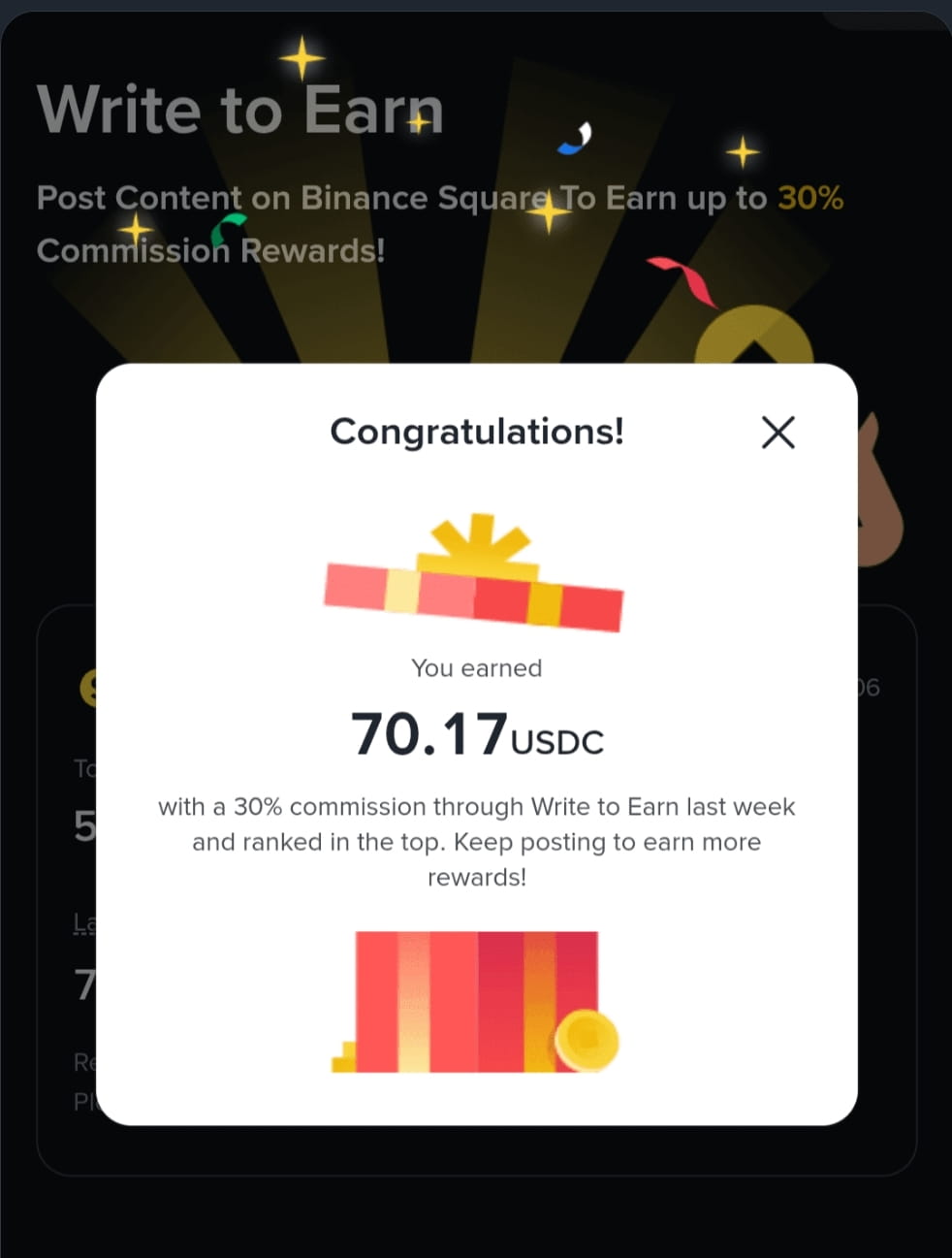
2. Binance Square – පෝස්ට් කිරීමෙන් උපයන්න
මම Binance Square හි දිනපතා පෝස්ට් බෙදා ගන්නවා. මම market update, tips, සහ news ලියනවා. මිනිස්සු මගේ පෝස්ට් වලට like කරන්න, comment කරන්න, හෝ කියවන්න කරන විට Binance සමහර වෙලාවට මට ත්යාග දෙනවා.
දිනපතා පෝස්ට් කළොත්, හොඳ දවස් වලදී මට දිනකට $3 සිට $5 දක්වා උපයන්න ලැබෙනවා. තවත් පෝස්ට් වැඩි වුණාම උපයන්න අවස්ථාත් වැඩි වෙනවා.
3. Task Center – ත්යාග සඳහා කුඩා කාර්යයන්
Binance යෙදුමේ “Task Center” එකක් තියෙනවා. මෙතැනදී ඔබට news කියවීම, account එකක් follow කිරීම, හෝ event එකකට සම්බන්ධ වීම වගේ සරල tasks ලැබෙනවා.
එක් task එකක් විනාඩි 1 සිට 2 දක්වා ගන්නවා, ඒවායින් USDT කුඩා ප්රමාණ, vouchers, හෝ cashback ලැබෙන්න පුළුවන්. මම සාමාන්යයෙන් මේකෙන් දිනකට තවත් $1 සිට $2 වගේ උපයනවා.
දිනකට මම කොච්චර උපයනවද
සාමාන්යයෙන්, මම දිනකට $5 සිට $10 දක්වා උපයනවා—මගේ දුරකථනයෙන් විනාඩි 30 සිට 40 දක්වා වගේ වෙලාවක් පාවිච්චි කරලාම.
මම අවධානය දන්නේ ඉගෙනීමට, Binance Square හි පෝස්ට් කිරීම, සහ tasks සම්පූර්ණ කිරීමට. මේක පහසුයි, ආරක්ෂිතයි, ඕනෑම කෙනෙකුට කරන්න පුළුවන්.
අවසාන අදහස්
ආරම්භ කරන්න trading අත්දැකීම් හෝ විශාල මුදලක් අවශ්ය නැහැ. ඔබට ඕනෑ තරම් දිනපතා ටිකක් වෙලාවක් ගත කරලා ක්රියාකාරීව ඉන්න.
Binance හි මේ නොමිලේ විකල්ප වලින් මට උපයන්න පුළුවන් නම්, ඔබටත් ඒක කරන්න පුළුවන්.
අදම පටන් ගන්න—ඔබේ නොමිලේ වෙලාව වෙන අමතර මුදල් උපයන්න භාවිතා කරන්න.
$USDC
#Write2Earn #USCryptoWeek #MemecoinSentiment
Binance හි උපයන්න ඔබට මුදල් ආයෝජනය කරන්න අවශ්ය නැහැ. මම දිනකට $5 සිට $10 දක්වා උපයනවා—වෙළඳාමක් නැතිව, තැන්පත් කිරීමක් නැතිව, කිසිම අවදානමක් නැතිව. මම කරන්නේ Binance යෙදුමේ ඇති නොමිලේ විශේෂාංග ටිකක් වෙලාව හා උත්සාහය දාලා භාවිතා කරන එක.
මෙන්න මම ඒක කරන්නේ මෙහෙමයි:
1. Learn & Earn – ඉගෙනගෙන නොමිලේ Crypto උපයන්න
Binance හි “Learn & Earn” කියලා විශේෂාංගයක් තියෙනවා. ඔබ කෙටි වීඩියෝ බලනකොට හෝ crypto ගැන සරල පාඩම් කියවනකොට ඔබට නොමිලේ crypto ලැබෙනවා. ඉගෙන ගත්තට පස්සේ කුඩා කුයිස් එකකට පිළිතුරු දෙන්න වෙනවා. ඔබ සමත් වුණොත් නොමිලේ crypto උපයනවා.
නව පාඨමාලාවක් ආවම, මම විනාඩි කිහිපයකින්ම පහසුවෙන්ම $1 සිට $2 වගේ උපයනවා.
2. Binance Square – පෝස්ට් කිරීමෙන් උපයන්න
මම Binance Square හි දිනපතා පෝස්ට් බෙදා ගන්නවා. මම market update, tips, සහ news ලියනවා. මිනිස්සු මගේ පෝස්ට් වලට like කරන්න, comment කරන්න, හෝ කියවන්න කරන විට Binance සමහර වෙලාවට මට ත්යාග දෙනවා.
දිනපතා පෝස්ට් කළොත්, හොඳ දවස් වලදී මට දිනකට $3 සිට $5 දක්වා උපයන්න ලැබෙනවා. තවත් පෝස්ට් වැඩි වුණාම උපයන්න අවස්ථාත් වැඩි වෙනවා.
3. Task Center – ත්යාග සඳහා කුඩා කාර්යයන්
Binance යෙදුමේ “Task Center” එකක් තියෙනවා. මෙතැනදී ඔබට news කියවීම, account එකක් follow කිරීම, හෝ event එකකට සම්බන්ධ වීම වගේ සරල tasks ලැබෙනවා.
එක් task එකක් විනාඩි 1 සිට 2 දක්වා ගන්නවා, ඒවායින් USDT කුඩා ප්රමාණ, vouchers, හෝ cashback ලැබෙන්න පුළුවන්. මම සාමාන්යයෙන් මේකෙන් දිනකට තවත් $1 සිට $2 වගේ උපයනවා.
දිනකට මම කොච්චර උපයනවද
සාමාන්යයෙන්, මම දිනකට $5 සිට $10 දක්වා උපයනවා—මගේ දුරකථනයෙන් විනාඩි 30 සිට 40 දක්වා වගේ වෙලාවක් පාවිච්චි කරලාම.
මම අවධානය දන්නේ ඉගෙනීමට, Binance Square හි පෝස්ට් කිරීම, සහ tasks සම්පූර්ණ කිරීමට. මේක පහසුයි, ආරක්ෂිතයි, ඕනෑම කෙනෙකුට කරන්න පුළුවන්.
අවසාන අදහස්
ආරම්භ කරන්න trading අත්දැකීම් හෝ විශාල මුදලක් අවශ්ය නැහැ. ඔබට ඕනෑ තරම් දිනපතා ටිකක් වෙලාවක් ගත කරලා ක්රියාකාරීව ඉන්න.
Binance හි මේ නොමිලේ විකල්ප වලින් මට උපයන්න පුළුවන් නම්, ඔබටත් ඒක කරන්න පුළුවන්.
අදම පටන් ගන්න—ඔබේ නොමිලේ වෙලාව වෙන අමතර මුදල් උපයන්න භාවිතා කරන්න.
$USDC
#Write2Earn #USCryptoWeek #MemecoinSentiment
තවත් අන්තර්ගතයන් ගවේෂණය කිරීමට ඇතුල් වන්න