
CoinPhoton
7.8k පෝස්ටු
CoinPhoton
 Binance චතුරශ්ර සත්යාපිත+
වාර්තා කරන්න
පරිශීලක අවහිර කරන්න

Creator of the Year

Level 2 Creator
විවෘත වෙළෙඳාම
ඉඳහිට වෙළෙන්දා
{වේලාව} වසර
15 හඹා යමින්
146.5K+ හඹා යන්නන්
146.6K+ කැමති විය
2 ලාංජනය
පෝස්ටු
ආයෝජන කළඹ
සියල්ල
උපුටා දැක්වීම්
වීඩියෝ
සජීවි
·
--
StoneXはRobinhoodのカバレッジを開始し、Buy評価と170ドルの目標株価を提示。これは火曜日の終値から約45%の上値余地があることを意味する。
アナリストのMark Palmer氏は、Robinhoodの主要な運営指標のほぼすべてが加速していると述べ、鍵となる新たな成長エンジンとしてRobinhood Chainと予測(prediction)市場を挙げた。
StoneXは、Robinhood Chainが2029年度までに年収益で最大9億8000万ドルを生み出し、マージンは85%になる可能性があると見積もっている。レイヤー2ネットワークは最近、手数料の高いイーサリアム(Ethereum)チェーンの中で上位にランクインした。
予測市場ももう一つの大きなけん引役だ。Robinhoodは第2四半期に136億件のイベント契約を取引し、約1億5600万ドルの収益を生み出した。これは前四半期比で50%増となる。
強気の見通しは、Bernsteinが最近160ドルの目標株価を出したことに続くもので、伝統的な個人向けの取引を超えたRobinhoodの拡大に対するウォール街の楽観が高まっていることを裏付けている。
StoneXはRobinhoodのカバレッジを開始し、Buy評価と170ドルの目標株価を提示。これは火曜日の終値から約45%の上値余地があることを意味する。
アナリストのMark Palmer氏は、Robinhoodの主要な運営指標のほぼすべてが加速していると述べ、鍵となる新たな成長エンジンとしてRobinhood Chainと予測(prediction)市場を挙げた。
StoneXは、Robinhood Chainが2029年度までに年収益で最大9億8000万ドルを生み出し、マージンは85%になる可能性があると見積もっている。レイヤー2ネットワークは最近、手数料の高いイーサリアム(Ethereum)チェーンの中で上位にランクインした。
予測市場ももう一つの大きなけん引役だ。Robinhoodは第2四半期に136億件のイベント契約を取引し、約1億5600万ドルの収益を生み出した。これは前四半期比で50%増となる。
強気の見通しは、Bernsteinが最近160ドルの目標株価を出したことに続くもので、伝統的な個人向けの取引を超えたRobinhoodの拡大に対するウォール街の楽観が高まっていることを裏付けている。
アナリストのMark Palmer氏は、Robinhoodの主要な運営指標のほぼすべてが加速していると述べ、鍵となる新たな成長エンジンとしてRobinhood Chainと予測(prediction)市場を挙げた。
StoneXは、Robinhood Chainが2029年度までに年収益で最大9億8000万ドルを生み出し、マージンは85%になる可能性があると見積もっている。レイヤー2ネットワークは最近、手数料の高いイーサリアム(Ethereum)チェーンの中で上位にランクインした。
予測市場ももう一つの大きなけん引役だ。Robinhoodは第2四半期に136億件のイベント契約を取引し、約1億5600万ドルの収益を生み出した。これは前四半期比で50%増となる。
強気の見通しは、Bernsteinが最近160ドルの目標株価を出したことに続くもので、伝統的な個人向けの取引を超えたRobinhoodの拡大に対するウォール街の楽観が高まっていることを裏付けている。
334
·
--
සත්යායනය කළ
ട്രോണുമായി ബന്ധപ്പെട്ട ആദ്യമായി യു.എസ്.-ൽ ലിസ്റ്റ് ചെയ്യുന്ന സ്റ്റേക്ക് ചെയ്ത ETF ബുധനാഴ്ച TRXS എന്ന ടിക്കറിനിൽ ലോഞ്ച് ചെയ്യാൻ ഒരുങ്ങുന്നു. ഇതിലൂടെ പരമ്പരാഗത മാർക്കറ്റുകൾ വഴി നിക്ഷേപകർക്ക് TRX ലേക്ക് പ്രവേശനം ലഭിക്കും.
ട്രോണിന്റെ proof-of-stake നെറ്റ്വർക്കിൽ നിന്നുണ്ടാകുന്ന സ്റ്റേക്കിംഗ് റിവാർഡുകളും Canary Staked TRX ETF പിടിച്ചെടുക്കും; ആ റിവാർഡുകൾ ഫണ്ടിന്റെ നെറ്റ് ആസറ്റ് വാല്യുവിൽ (NAV) പ്രതിഫലിക്കും.
TRX നിലവിൽ ഏകദേശം $32.1 ബില്യൺ മാർക്കറ്റ് ക്യാപിറ്റലൈസേഷനുണ്ട്, ഇതോടെ അത് എട്ടാമത്തെ വലിയ ക്രിപ്റ്റോകറൻസിയാകുന്നു.
Canary Capital പറഞ്ഞു ഈ ഉൽപ്പന്നം TRX തന്നെ ഉൾപ്പെടെ അതിന്റെ വിപുലമായ വളർച്ചയിലേക്കുള്ള എക്സ്പോഷർ തേടുന്ന നിക്ഷേപകരെയാണ് ലക്ഷ്യമിടുന്നത്. സ്ഥിരതയുള്ളകോയിൻ പേയ്മെന്റുകളും സെറ്റിൽമെന്റും നടത്താൻ വ്യാപകമായി ഉപയോഗിക്കുന്ന Tron നെറ്റ്വർക്കിന്റെ വളർച്ചയിലേക്കും ഇതുവഴി പ്രവേശനം ലഭിക്കും. $TRX
{future}(TRXUSDT)
ട്രോണുമായി ബന്ധപ്പെട്ട ആദ്യമായി യു.എസ്.-ൽ ലിസ്റ്റ് ചെയ്യുന്ന സ്റ്റേക്ക് ചെയ്ത ETF ബുധനാഴ്ച TRXS എന്ന ടിക്കറിനിൽ ലോഞ്ച് ചെയ്യാൻ ഒരുങ്ങുന്നു. ഇതിലൂടെ പരമ്പരാഗത മാർക്കറ്റുകൾ വഴി നിക്ഷേപകർക്ക് TRX ലേക്ക് പ്രവേശനം ലഭിക്കും.
ട്രോണിന്റെ proof-of-stake നെറ്റ്വർക്കിൽ നിന്നുണ്ടാകുന്ന സ്റ്റേക്കിംഗ് റിവാർഡുകളും Canary Staked TRX ETF പിടിച്ചെടുക്കും; ആ റിവാർഡുകൾ ഫണ്ടിന്റെ നെറ്റ് ആസറ്റ് വാല്യുവിൽ (NAV) പ്രതിഫലിക്കും.
TRX നിലവിൽ ഏകദേശം $32.1 ബില്യൺ മാർക്കറ്റ് ക്യാപിറ്റലൈസേഷനുണ്ട്, ഇതോടെ അത് എട്ടാമത്തെ വലിയ ക്രിപ്റ്റോകറൻസിയാകുന്നു.
Canary Capital പറഞ്ഞു ഈ ഉൽപ്പന്നം TRX തന്നെ ഉൾപ്പെടെ അതിന്റെ വിപുലമായ വളർച്ചയിലേക്കുള്ള എക്സ്പോഷർ തേടുന്ന നിക്ഷേപകരെയാണ് ലക്ഷ്യമിടുന്നത്. സ്ഥിരതയുള്ളകോയിൻ പേയ്മെന്റുകളും സെറ്റിൽമെന്റും നടത്താൻ വ്യാപകമായി ഉപയോഗിക്കുന്ന Tron നെറ്റ്വർക്കിന്റെ വളർച്ചയിലേക്കും ഇതുവഴി പ്രവേശനം ലഭിക്കും. $TRX
ട്രോണിന്റെ proof-of-stake നെറ്റ്വർക്കിൽ നിന്നുണ്ടാകുന്ന സ്റ്റേക്കിംഗ് റിവാർഡുകളും Canary Staked TRX ETF പിടിച്ചെടുക്കും; ആ റിവാർഡുകൾ ഫണ്ടിന്റെ നെറ്റ് ആസറ്റ് വാല്യുവിൽ (NAV) പ്രതിഫലിക്കും.
TRX നിലവിൽ ഏകദേശം $32.1 ബില്യൺ മാർക്കറ്റ് ക്യാപിറ്റലൈസേഷനുണ്ട്, ഇതോടെ അത് എട്ടാമത്തെ വലിയ ക്രിപ്റ്റോകറൻസിയാകുന്നു.
Canary Capital പറഞ്ഞു ഈ ഉൽപ്പന്നം TRX തന്നെ ഉൾപ്പെടെ അതിന്റെ വിപുലമായ വളർച്ചയിലേക്കുള്ള എക്സ്പോഷർ തേടുന്ന നിക്ഷേപകരെയാണ് ലക്ഷ്യമിടുന്നത്. സ്ഥിരതയുള്ളകോയിൻ പേയ്മെന്റുകളും സെറ്റിൽമെന്റും നടത്താൻ വ്യാപകമായി ഉപയോഗിക്കുന്ന Tron നെറ്റ്വർക്കിന്റെ വളർച്ചയിലേക്കും ഇതുവഴി പ്രവേശനം ലഭിക്കും. $TRX
1
1.9k
·
--
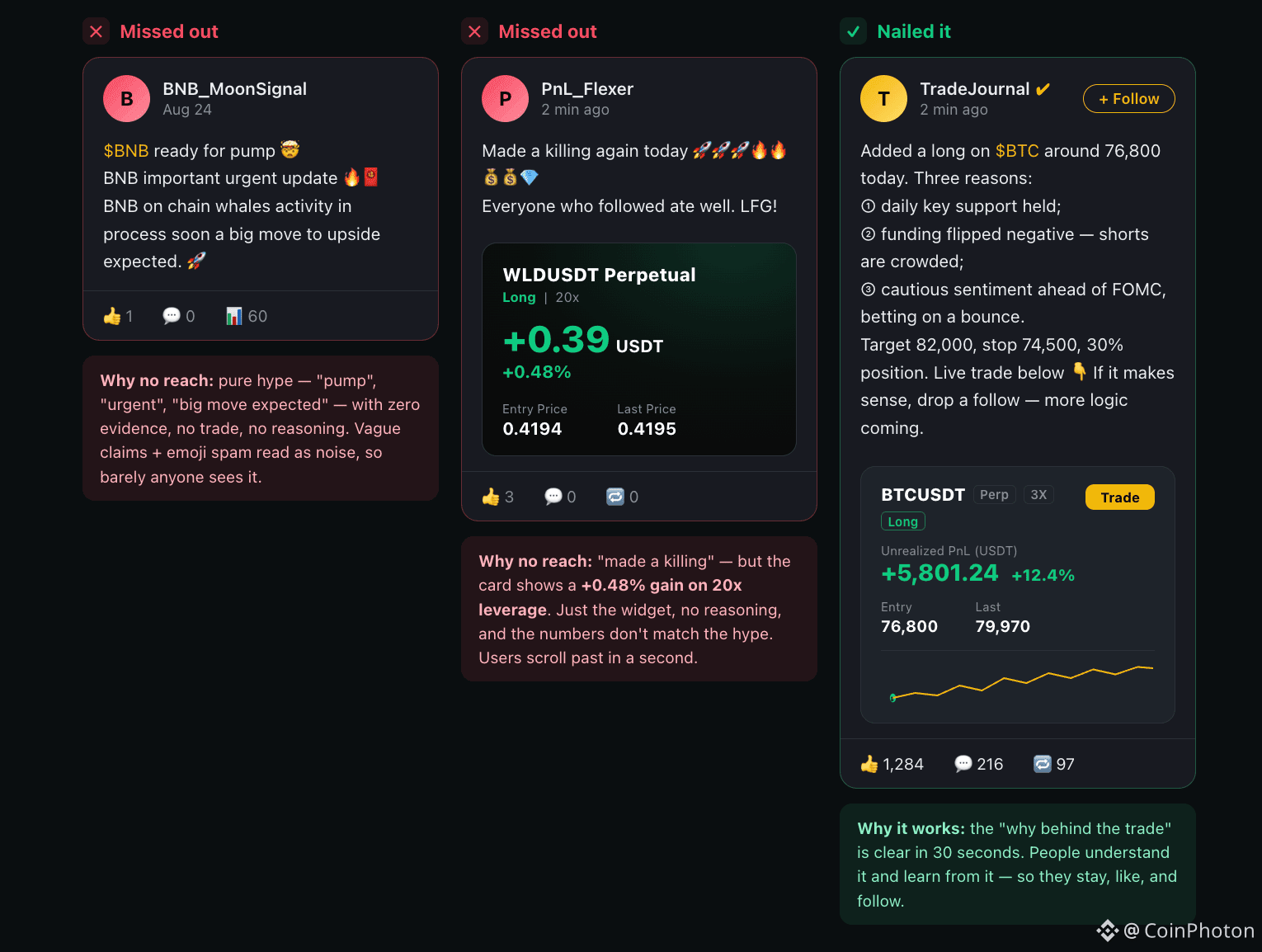
Binance Square හි අන්තර්ගතය බොහෝ දේ පළ කළත් තවමත් අඩු දර්ශන ලැබෙනවාද? වේදිකාව පැහැදිලිවම අවශ්ය කරන එකම දෙය ඔබට මග හැරෙන්න ඇති: ඔබේම අදහස.
Binance Square හි Creator Academy වැඩි reach ලබාගැනීමට උපකාරී playbook එකක් බෙදාගෙන තිබුණා. ප්රධානම takeaway එක සරලයි: පුවත් හෝ hot tickers පමණක් පළ කිරීම ප්රමාණවත් නැහැ.
වඩා හොඳ ප්රතිඵල සඳහා:
Trading posts: චලනය පෙන්වන්න → ඔබේ අදහස පැහැදිලි කරන්න → ඔබ කළ දේ පෙන්වන්න → CTA එකක් එක් කරන්න.
ඔබ trades බෙදාගන්න නම්, ඒවා සැබෑ වන්න. ව්යාජ screenshot, නොගැලපෙන positions, හෝ කෘත්රිම ක්රියාකාරකම් ඔබේ ගිණුමේ reach එකට හානි කළ හැක.
පුවත් posts සඳහා, headline එක නැවත පළ කරන්නේ නැහැ. අවම වශයෙන් ඔබේම විශ්ලේෂණ වචන 50ක්වත් එක් කරන්න: එයට වැදගත් වන්නේ ඇයි? කුමන token හෝ අංශය ප්රයෝජනය ලබයිද? ඔබ නිරීක්ෂණය කරන දේ හෝ ඉදිරියට කරන්නේ කුමක්ද?
පළමු තත්පර 3 වැදගත්මයි. දුර්වල hook එකක්, එසේමත් හොඳ post එකක්වත් මරා දමන්න පුළුවන්.
ticker spam, නැවත නැවත පළ කිරීම්, අධික emojis, සහ බලහත්කාරයෙන් “BREAKING” clickbait භාවිතා කිරීමෙන් වළකින්න.
ඔබට කාලයත් සමඟ audience එක ගොඩනගන්න අවශ්ය නම්, follow CTA එකක් සමඟ ස්වභාවිකව අවසන් කරන්න.
මගේ ප්රධාන takeaway එක: Binance Square පෙනෙන්නේ judgment සහ ක්රියාව එකතු කරන creators හට ත්යාග දෙනවාට. පුවත් පමණක් යළි සකස් කර පළ කරන accounts හට නොවෙයි.
දෙන දෙදෙනාට එකම කතාවක් පළ කළත්, එය වැදගත් වන්නේ ඇයි කියලාත් ඒ ගැන කරන්නේ කුමක්ද කියලාත් පැහැදිලි කරන තැනැත්තා, කියවන්නන් සම්බන්ධ කරගෙන views ඉඳුරා followers බවට පත් කරගන්න වැඩි ඉඩක් තියෙනවා.
Headline පමණක් පළ කිරීම වෙනුවට, මම තවත් වැඩි අවධානය දෙන්නේ පුවත් + market impact + පුද්ගලික අදහසටයි.
තවත් crypto news, market insights, සහ trading කේන්ද්රගත update සඳහා follow කරන්න.
#CreatorAcademy #BinanceSquare #crypto #bitcoin #trading $BNB
{future}(BNBUSDT)
Binance Square හි අන්තර්ගතය බොහෝ දේ පළ කළත් තවමත් අඩු දර්ශන ලැබෙනවාද? වේදිකාව පැහැදිලිවම අවශ්ය කරන එකම දෙය ඔබට මග හැරෙන්න ඇති: ඔබේම අදහස.
Binance Square හි Creator Academy වැඩි reach ලබාගැනීමට උපකාරී playbook එකක් බෙදාගෙන තිබුණා. ප්රධානම takeaway එක සරලයි: පුවත් හෝ hot tickers පමණක් පළ කිරීම ප්රමාණවත් නැහැ.
වඩා හොඳ ප්රතිඵල සඳහා:
Trading posts: චලනය පෙන්වන්න → ඔබේ අදහස පැහැදිලි කරන්න → ඔබ කළ දේ පෙන්වන්න → CTA එකක් එක් කරන්න.
ඔබ trades බෙදාගන්න නම්, ඒවා සැබෑ වන්න. ව්යාජ screenshot, නොගැලපෙන positions, හෝ කෘත්රිම ක්රියාකාරකම් ඔබේ ගිණුමේ reach එකට හානි කළ හැක.
පුවත් posts සඳහා, headline එක නැවත පළ කරන්නේ නැහැ. අවම වශයෙන් ඔබේම විශ්ලේෂණ වචන 50ක්වත් එක් කරන්න: එයට වැදගත් වන්නේ ඇයි? කුමන token හෝ අංශය ප්රයෝජනය ලබයිද? ඔබ නිරීක්ෂණය කරන දේ හෝ ඉදිරියට කරන්නේ කුමක්ද?
පළමු තත්පර 3 වැදගත්මයි. දුර්වල hook එකක්, එසේමත් හොඳ post එකක්වත් මරා දමන්න පුළුවන්.
ticker spam, නැවත නැවත පළ කිරීම්, අධික emojis, සහ බලහත්කාරයෙන් “BREAKING” clickbait භාවිතා කිරීමෙන් වළකින්න.
ඔබට කාලයත් සමඟ audience එක ගොඩනගන්න අවශ්ය නම්, follow CTA එකක් සමඟ ස්වභාවිකව අවසන් කරන්න.
මගේ ප්රධාන takeaway එක: Binance Square පෙනෙන්නේ judgment සහ ක්රියාව එකතු කරන creators හට ත්යාග දෙනවාට. පුවත් පමණක් යළි සකස් කර පළ කරන accounts හට නොවෙයි.
දෙන දෙදෙනාට එකම කතාවක් පළ කළත්, එය වැදගත් වන්නේ ඇයි කියලාත් ඒ ගැන කරන්නේ කුමක්ද කියලාත් පැහැදිලි කරන තැනැත්තා, කියවන්නන් සම්බන්ධ කරගෙන views ඉඳුරා followers බවට පත් කරගන්න වැඩි ඉඩක් තියෙනවා.
Headline පමණක් පළ කිරීම වෙනුවට, මම තවත් වැඩි අවධානය දෙන්නේ පුවත් + market impact + පුද්ගලික අදහසටයි.
තවත් crypto news, market insights, සහ trading කේන්ද්රගත update සඳහා follow කරන්න.
#CreatorAcademy #BinanceSquare #crypto #bitcoin #trading $BNB
Binance Square හි Creator Academy වැඩි reach ලබාගැනීමට උපකාරී playbook එකක් බෙදාගෙන තිබුණා. ප්රධානම takeaway එක සරලයි: පුවත් හෝ hot tickers පමණක් පළ කිරීම ප්රමාණවත් නැහැ.
වඩා හොඳ ප්රතිඵල සඳහා:
Trading posts: චලනය පෙන්වන්න → ඔබේ අදහස පැහැදිලි කරන්න → ඔබ කළ දේ පෙන්වන්න → CTA එකක් එක් කරන්න.
ඔබ trades බෙදාගන්න නම්, ඒවා සැබෑ වන්න. ව්යාජ screenshot, නොගැලපෙන positions, හෝ කෘත්රිම ක්රියාකාරකම් ඔබේ ගිණුමේ reach එකට හානි කළ හැක.
පුවත් posts සඳහා, headline එක නැවත පළ කරන්නේ නැහැ. අවම වශයෙන් ඔබේම විශ්ලේෂණ වචන 50ක්වත් එක් කරන්න: එයට වැදගත් වන්නේ ඇයි? කුමන token හෝ අංශය ප්රයෝජනය ලබයිද? ඔබ නිරීක්ෂණය කරන දේ හෝ ඉදිරියට කරන්නේ කුමක්ද?
පළමු තත්පර 3 වැදගත්මයි. දුර්වල hook එකක්, එසේමත් හොඳ post එකක්වත් මරා දමන්න පුළුවන්.
ticker spam, නැවත නැවත පළ කිරීම්, අධික emojis, සහ බලහත්කාරයෙන් “BREAKING” clickbait භාවිතා කිරීමෙන් වළකින්න.
ඔබට කාලයත් සමඟ audience එක ගොඩනගන්න අවශ්ය නම්, follow CTA එකක් සමඟ ස්වභාවිකව අවසන් කරන්න.
මගේ ප්රධාන takeaway එක: Binance Square පෙනෙන්නේ judgment සහ ක්රියාව එකතු කරන creators හට ත්යාග දෙනවාට. පුවත් පමණක් යළි සකස් කර පළ කරන accounts හට නොවෙයි.
දෙන දෙදෙනාට එකම කතාවක් පළ කළත්, එය වැදගත් වන්නේ ඇයි කියලාත් ඒ ගැන කරන්නේ කුමක්ද කියලාත් පැහැදිලි කරන තැනැත්තා, කියවන්නන් සම්බන්ධ කරගෙන views ඉඳුරා followers බවට පත් කරගන්න වැඩි ඉඩක් තියෙනවා.
Headline පමණක් පළ කිරීම වෙනුවට, මම තවත් වැඩි අවධානය දෙන්නේ පුවත් + market impact + පුද්ගලික අදහසටයි.
තවත් crypto news, market insights, සහ trading කේන්ද්රගත update සඳහා follow කරන්න.
#CreatorAcademy #BinanceSquare #crypto #bitcoin #trading $BNB
4
1.6k
·
--
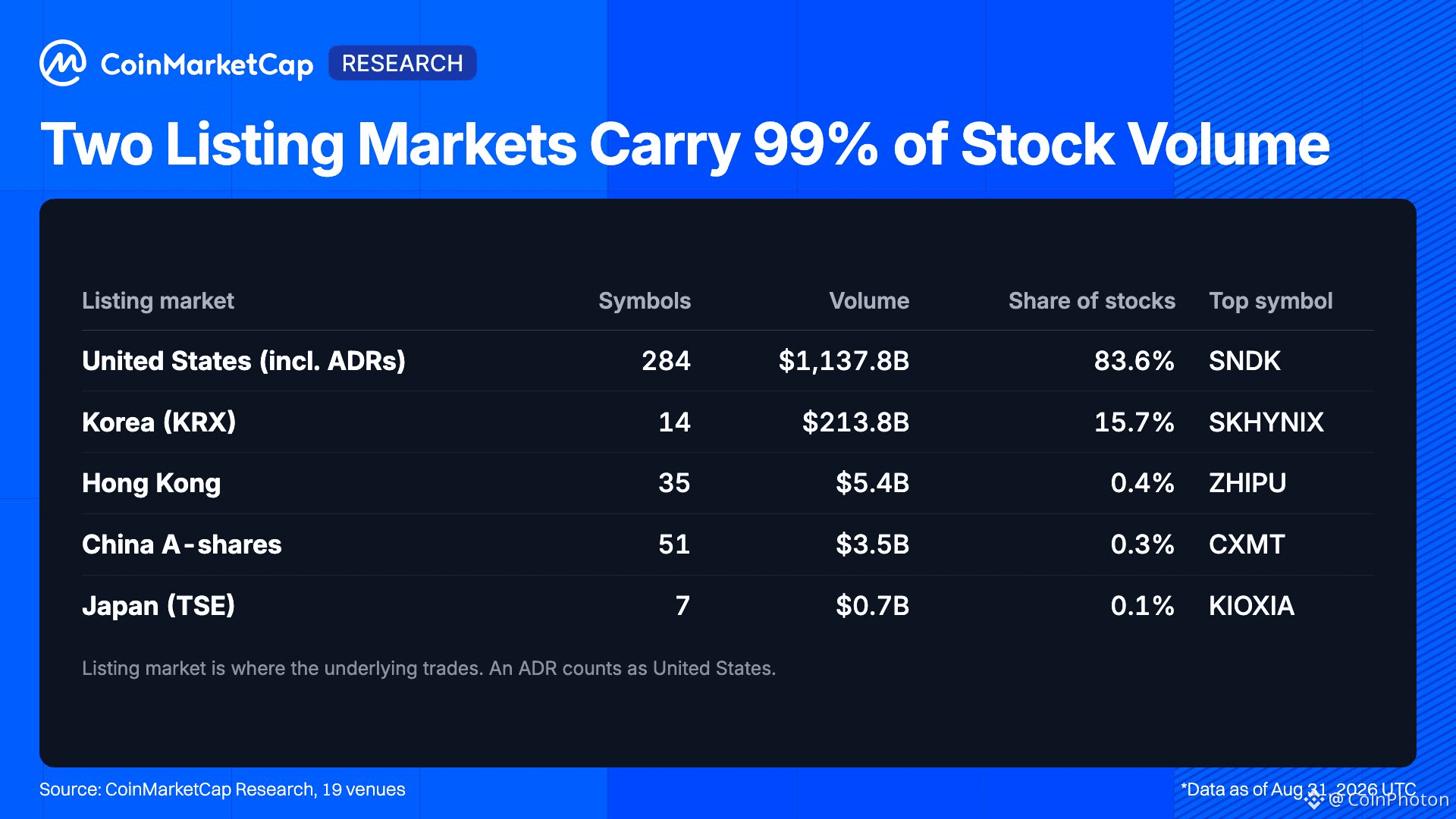
එක්සත් ජනපදය සහ කොරියානු කොටස් සියල්ලමෙහි මුළු RWA කොටස්-ශಾಶ්වත (stock-perpetual) වෙළඳ පරිමාවෙන් 99%කට වඩා දායක වන අතර, වර්ධනය වෙමින් පවතින වෙළඳපොළෙහි අතිශය තද සංකේන්ද්රණය ඉස්මතු කරයි。
ADR ඇතුළු එක්සත් ජනපදයේ ලැයිස්තුගත කොටස් සංකේත 284ක් හරහා ආසන්න වශයෙන් ඩොලර් ට්රිලියන 1.14ක් නිපදවා ඇති අතර, එය මුළු කොටස්-පර්ප් වාලියුම් ප්රමාණයේ 83.6%ක් නියෝජනය කරයි. කොරියාව තත්පර ස්ථානයේ සිටි අතර ඩොලර් බිලියන 213.8ක් ලබාගෙන ඇතත්, ක්රියාකාරිත්වය සංකේත 14ක් තුළ පමණක් සංකේන්ද්ර වී තිබුණි。
එක්සත් ජනපදය සහ කොරියාව එකතුවෙන් වෙළඳපොළෙන් 99.3%ක් දක්වා වන අතර, හොංකොං, චීන A-shares සහ ටෝකියෝ ඒකාබද්ධව 1%කට අඩුවෙන් දායක වේ—එයින් අමතර සංකේත 93ක් දායක කළද。
මතක-චිප් (memory-chip) වෙළඳාම නිසා කොරියානු ක්රියාකාරිත්වය විශේෂයෙන් සංකේන්ද්ර වී ඇති අතර, එය රටේ කොටස් වෙළඳපොළට පුළුල් නිරාවරණයක්ට වඩා පරිමාව බොහෝමයක් මෙහෙයවයි.
එක්සත් ජනපදය සහ කොරියානු කොටස් සියල්ලමෙහි මුළු RWA කොටස්-ශಾಶ්වත (stock-perpetual) වෙළඳ පරිමාවෙන් 99%කට වඩා දායක වන අතර, වර්ධනය වෙමින් පවතින වෙළඳපොළෙහි අතිශය තද සංකේන්ද්රණය ඉස්මතු කරයි。
ADR ඇතුළු එක්සත් ජනපදයේ ලැයිස්තුගත කොටස් සංකේත 284ක් හරහා ආසන්න වශයෙන් ඩොලර් ට්රිලියන 1.14ක් නිපදවා ඇති අතර, එය මුළු කොටස්-පර්ප් වාලියුම් ප්රමාණයේ 83.6%ක් නියෝජනය කරයි. කොරියාව තත්පර ස්ථානයේ සිටි අතර ඩොලර් බිලියන 213.8ක් ලබාගෙන ඇතත්, ක්රියාකාරිත්වය සංකේත 14ක් තුළ පමණක් සංකේන්ද්ර වී තිබුණි。
එක්සත් ජනපදය සහ කොරියාව එකතුවෙන් වෙළඳපොළෙන් 99.3%ක් දක්වා වන අතර, හොංකොං, චීන A-shares සහ ටෝකියෝ ඒකාබද්ධව 1%කට අඩුවෙන් දායක වේ—එයින් අමතර සංකේත 93ක් දායක කළද。
මතක-චිප් (memory-chip) වෙළඳාම නිසා කොරියානු ක්රියාකාරිත්වය විශේෂයෙන් සංකේන්ද්ර වී ඇති අතර, එය රටේ කොටස් වෙළඳපොළට පුළුල් නිරාවරණයක්ට වඩා පරිමාව බොහෝමයක් මෙහෙයවයි.
ADR ඇතුළු එක්සත් ජනපදයේ ලැයිස්තුගත කොටස් සංකේත 284ක් හරහා ආසන්න වශයෙන් ඩොලර් ට්රිලියන 1.14ක් නිපදවා ඇති අතර, එය මුළු කොටස්-පර්ප් වාලියුම් ප්රමාණයේ 83.6%ක් නියෝජනය කරයි. කොරියාව තත්පර ස්ථානයේ සිටි අතර ඩොලර් බිලියන 213.8ක් ලබාගෙන ඇතත්, ක්රියාකාරිත්වය සංකේත 14ක් තුළ පමණක් සංකේන්ද්ර වී තිබුණි。
එක්සත් ජනපදය සහ කොරියාව එකතුවෙන් වෙළඳපොළෙන් 99.3%ක් දක්වා වන අතර, හොංකොං, චීන A-shares සහ ටෝකියෝ ඒකාබද්ධව 1%කට අඩුවෙන් දායක වේ—එයින් අමතර සංකේත 93ක් දායක කළද。
මතක-චිප් (memory-chip) වෙළඳාම නිසා කොරියානු ක්රියාකාරිත්වය විශේෂයෙන් සංකේන්ද්ර වී ඇති අතර, එය රටේ කොටස් වෙළඳපොළට පුළුල් නිරාවරණයක්ට වඩා පරිමාව බොහෝමයක් මෙහෙයවයි.
1
536
·
--
Hyperliquid ၏ စုစုပေါင်း open interest သည် ပြန်လည် $14.3 ဘီလီယံ သို့ တက်လာပြီး သမိုင်းဝင် 2025 အောက်တိုဘာ 10 ရက် အပျက်အယွင်းမတိုင်မီ ဖြစ်ခဲ့သည့် အဆင့်များနှင့် 3% အတွင်းတွင် ရှိနေသည်။
ထိုအကျပ်အယွင်းကာလအတွင်း Hyperliquid ၏ OI သည် တစ်နေ့တည်းအတွင်း ခန့်မှန်းအားဖြင့် 56% ကျဆင်းသွားခဲ့ပြီး $14.7 ဘီလီယံ မှ $6.5 ဘီလီယံ သို့ ကျခဲ့သည်။ ပြန်လည်တက်လာမှုကို အစပိုင်းတွင် HIP-3 စျေးကွက်များက မောင်းနှင်ခဲ့ပြီး အပြီးခဲ့သည့် ခြောက်လအတွင်း ပလက်ဖောင်း၏ OI တိုးတက်မှု၏ 30% ခန့်ကို ရယူခဲ့သည်။
သို့ရာတွင် မကြာသေးမီကတော့ တိုးတက်မှုသည် Hyperliquid ၏ အဓိက crypto perpetual စျေးကွက်များဘက်သို့ ပြန်လည်ပြောင်းလာပြီဖြစ်သည်။ ဖြစ်နိုင်သည့် အကြောင်းရင်းများတွင် Coinbase မှ Base App အသုံးပြုသူများကို Hyperliquid သို့ routing လုပ်ပေးနိုင်ခြင်း နှင့် အမေရိကန် ထိန်းကျောင်းသူများက အနာဂတ်တွင် စည်းမျဉ်းလိုက်နာနိုင်သော onshore access ကို ခွင့်ပြုလာနိုင်ခြင်းတို့ ပါဝင်သည်။
ထိုပြောင်းလဲမှုသည် HYPE အတွက် အထူးအရေးကြီးသည်။ အကြောင်းမှာ Hyperliquid ၏ အဓိက crypto perps မှ ရရှိသည့် အခကြေးငွေ၏ ခန့်မှန်း 97% ကို HYPE buybacks များအတွက် ညွှန်ကြားထားသောကြောင့် အဓိက-စျေးကွက်ကြီးထွားမှုသည် HIP-3 လှုပ်ရှားမှုထက် တိုကင်အတွက် ပိုတန်ဖိုးရှိစေသည်။
HYPE သည် ယခုလအတွင်း 50% ထက်ပိုပြီး တက်လာကာ $88 အနီးရှိ အမြင့်ဆုံးသမိုင်းတင် (all-time high) သို့ ရောက်ရှိပြီး စျေးကွက်အရင်းအနှီးမှာ ဘီလီယံဒေါ်လာ 20 နီးပါးရှိသည်။ $HYPE
{future}(HYPEUSDT)
Hyperliquid ၏ စုစုပေါင်း open interest သည် ပြန်လည် $14.3 ဘီလီယံ သို့ တက်လာပြီး သမိုင်းဝင် 2025 အောက်တိုဘာ 10 ရက် အပျက်အယွင်းမတိုင်မီ ဖြစ်ခဲ့သည့် အဆင့်များနှင့် 3% အတွင်းတွင် ရှိနေသည်။
ထိုအကျပ်အယွင်းကာလအတွင်း Hyperliquid ၏ OI သည် တစ်နေ့တည်းအတွင်း ခန့်မှန်းအားဖြင့် 56% ကျဆင်းသွားခဲ့ပြီး $14.7 ဘီလီယံ မှ $6.5 ဘီလီယံ သို့ ကျခဲ့သည်။ ပြန်လည်တက်လာမှုကို အစပိုင်းတွင် HIP-3 စျေးကွက်များက မောင်းနှင်ခဲ့ပြီး အပြီးခဲ့သည့် ခြောက်လအတွင်း ပလက်ဖောင်း၏ OI တိုးတက်မှု၏ 30% ခန့်ကို ရယူခဲ့သည်။
သို့ရာတွင် မကြာသေးမီကတော့ တိုးတက်မှုသည် Hyperliquid ၏ အဓိက crypto perpetual စျေးကွက်များဘက်သို့ ပြန်လည်ပြောင်းလာပြီဖြစ်သည်။ ဖြစ်နိုင်သည့် အကြောင်းရင်းများတွင် Coinbase မှ Base App အသုံးပြုသူများကို Hyperliquid သို့ routing လုပ်ပေးနိုင်ခြင်း နှင့် အမေရိကန် ထိန်းကျောင်းသူများက အနာဂတ်တွင် စည်းမျဉ်းလိုက်နာနိုင်သော onshore access ကို ခွင့်ပြုလာနိုင်ခြင်းတို့ ပါဝင်သည်။
ထိုပြောင်းလဲမှုသည် HYPE အတွက် အထူးအရေးကြီးသည်။ အကြောင်းမှာ Hyperliquid ၏ အဓိက crypto perps မှ ရရှိသည့် အခကြေးငွေ၏ ခန့်မှန်း 97% ကို HYPE buybacks များအတွက် ညွှန်ကြားထားသောကြောင့် အဓိက-စျေးကွက်ကြီးထွားမှုသည် HIP-3 လှုပ်ရှားမှုထက် တိုကင်အတွက် ပိုတန်ဖိုးရှိစေသည်။
HYPE သည် ယခုလအတွင်း 50% ထက်ပိုပြီး တက်လာကာ $88 အနီးရှိ အမြင့်ဆုံးသမိုင်းတင် (all-time high) သို့ ရောက်ရှိပြီး စျေးကွက်အရင်းအနှီးမှာ ဘီလီယံဒေါ်လာ 20 နီးပါးရှိသည်။ $HYPE
ထိုအကျပ်အယွင်းကာလအတွင်း Hyperliquid ၏ OI သည် တစ်နေ့တည်းအတွင်း ခန့်မှန်းအားဖြင့် 56% ကျဆင်းသွားခဲ့ပြီး $14.7 ဘီလီယံ မှ $6.5 ဘီလီယံ သို့ ကျခဲ့သည်။ ပြန်လည်တက်လာမှုကို အစပိုင်းတွင် HIP-3 စျေးကွက်များက မောင်းနှင်ခဲ့ပြီး အပြီးခဲ့သည့် ခြောက်လအတွင်း ပလက်ဖောင်း၏ OI တိုးတက်မှု၏ 30% ခန့်ကို ရယူခဲ့သည်။
သို့ရာတွင် မကြာသေးမီကတော့ တိုးတက်မှုသည် Hyperliquid ၏ အဓိက crypto perpetual စျေးကွက်များဘက်သို့ ပြန်လည်ပြောင်းလာပြီဖြစ်သည်။ ဖြစ်နိုင်သည့် အကြောင်းရင်းများတွင် Coinbase မှ Base App အသုံးပြုသူများကို Hyperliquid သို့ routing လုပ်ပေးနိုင်ခြင်း နှင့် အမေရိကန် ထိန်းကျောင်းသူများက အနာဂတ်တွင် စည်းမျဉ်းလိုက်နာနိုင်သော onshore access ကို ခွင့်ပြုလာနိုင်ခြင်းတို့ ပါဝင်သည်။
ထိုပြောင်းလဲမှုသည် HYPE အတွက် အထူးအရေးကြီးသည်။ အကြောင်းမှာ Hyperliquid ၏ အဓိက crypto perps မှ ရရှိသည့် အခကြေးငွေ၏ ခန့်မှန်း 97% ကို HYPE buybacks များအတွက် ညွှန်ကြားထားသောကြောင့် အဓိက-စျေးကွက်ကြီးထွားမှုသည် HIP-3 လှုပ်ရှားမှုထက် တိုကင်အတွက် ပိုတန်ဖိုးရှိစေသည်။
HYPE သည် ယခုလအတွင်း 50% ထက်ပိုပြီး တက်လာကာ $88 အနီးရှိ အမြင့်ဆုံးသမိုင်းတင် (all-time high) သို့ ရောက်ရှိပြီး စျေးကွက်အရင်းအနှီးမှာ ဘီလီယံဒေါ်လာ 20 နီးပါးရှိသည်။ $HYPE
315
·
--
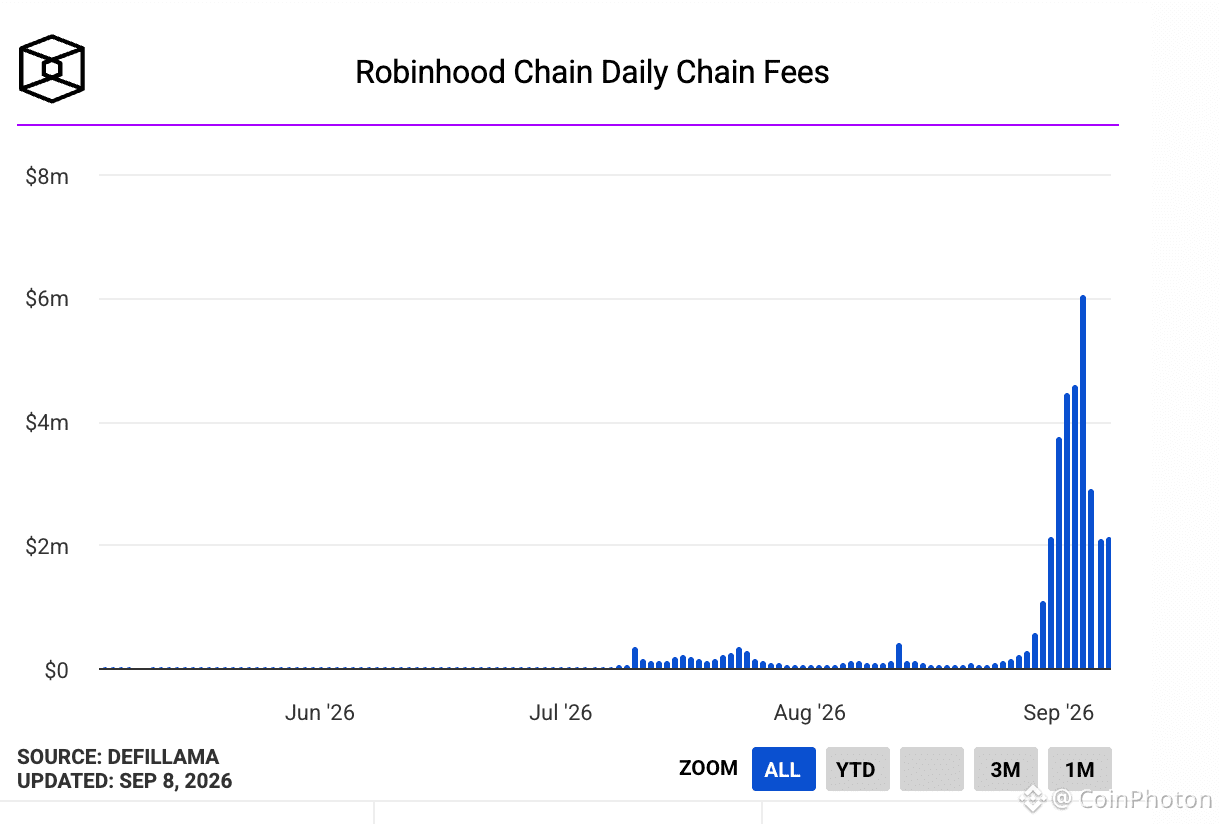
Robinhood Chain-ිෙය් ක්රියාකාරකම් ඉතා වේගයෙන් පුපුරා යාමත් සමඟ PONS, ඩොලර් මිලියන 970කට ඉහළ සියලුකාලීන උපරිම අගයකට ඇගයීම වේගයෙන් ඉහළ ගියේය; ඒ සමඟ සතිපතා ජාල ගාස්තු 17 ගුණයකින් ඉහළ ගියේය.
සැප්තැම්බර් 4 වැනිදා Robinhood Chain විසින් වාර්තාගත ඩොලර් මිලියන 6ක් ගාස්තු උපයාගත් අතර, දින 7ක ගාස්තු ආසන්න වශයෙන් ඩොලර් මිලියන 25ක් විය—පසුගිය සතියේ තිබූ ඩොලර් මිලියන 1.4ට සාපේක්ෂව. සතිපතා DEX වෝල්යුම් ද ඩොලර් බිලියන 12.4 දක්වාට වඩා දෙගුණයකින් ඉහළ ගියේය.
මෙම ඉහළ යෑම බොහෝ දුරට Pons විසින් සිදු විය—එය දැන් Robinhood Chain හි ප්රමුඛ ටෝකන් ලොන්ච්පෑඩ් එකයි. සැප්තැම්බර් 3 එක් දිනක් තුළ පමණක් Pons විසින් ගාස්තු nearly ඩොලර් මිලියන 6ක් උපයාගත් අතර, එදින Pump.fun සහ Hyperliquid දෙකම අභිබවා ගියේය.
PONS එක් සතියක් තුළ 200%කට වඩා ඉහළ ගොස් ඇත. Pons හි ආදායමින් ආසන්න වශයෙන් 80%ක් ටෝකන් buyback සඳහා යොදාගන්නා අතර, ටෝකන් සැපයුමෙන් 28%කට වඩා දැනටමත් burn කර ඇත—මේ සියල්ල වේදිකාවේ ක්රියාකාරකමට සෘජුව සම්බන්ධ ශක්තිමත් buyback-and-burn යාන්ත්රණයක් නිර්මාණය කරයි.
Robinhood Chain-ිෙය් ක්රියාකාරකම් ඉතා වේගයෙන් පුපුරා යාමත් සමඟ PONS, ඩොලර් මිලියන 970කට ඉහළ සියලුකාලීන උපරිම අගයකට ඇගයීම වේගයෙන් ඉහළ ගියේය; ඒ සමඟ සතිපතා ජාල ගාස්තු 17 ගුණයකින් ඉහළ ගියේය.
සැප්තැම්බර් 4 වැනිදා Robinhood Chain විසින් වාර්තාගත ඩොලර් මිලියන 6ක් ගාස්තු උපයාගත් අතර, දින 7ක ගාස්තු ආසන්න වශයෙන් ඩොලර් මිලියන 25ක් විය—පසුගිය සතියේ තිබූ ඩොලර් මිලියන 1.4ට සාපේක්ෂව. සතිපතා DEX වෝල්යුම් ද ඩොලර් බිලියන 12.4 දක්වාට වඩා දෙගුණයකින් ඉහළ ගියේය.
මෙම ඉහළ යෑම බොහෝ දුරට Pons විසින් සිදු විය—එය දැන් Robinhood Chain හි ප්රමුඛ ටෝකන් ලොන්ච්පෑඩ් එකයි. සැප්තැම්බර් 3 එක් දිනක් තුළ පමණක් Pons විසින් ගාස්තු nearly ඩොලර් මිලියන 6ක් උපයාගත් අතර, එදින Pump.fun සහ Hyperliquid දෙකම අභිබවා ගියේය.
PONS එක් සතියක් තුළ 200%කට වඩා ඉහළ ගොස් ඇත. Pons හි ආදායමින් ආසන්න වශයෙන් 80%ක් ටෝකන් buyback සඳහා යොදාගන්නා අතර, ටෝකන් සැපයුමෙන් 28%කට වඩා දැනටමත් burn කර ඇත—මේ සියල්ල වේදිකාවේ ක්රියාකාරකමට සෘජුව සම්බන්ධ ශක්තිමත් buyback-and-burn යාන්ත්රණයක් නිර්මාණය කරයි.
සැප්තැම්බර් 4 වැනිදා Robinhood Chain විසින් වාර්තාගත ඩොලර් මිලියන 6ක් ගාස්තු උපයාගත් අතර, දින 7ක ගාස්තු ආසන්න වශයෙන් ඩොලර් මිලියන 25ක් විය—පසුගිය සතියේ තිබූ ඩොලර් මිලියන 1.4ට සාපේක්ෂව. සතිපතා DEX වෝල්යුම් ද ඩොලර් බිලියන 12.4 දක්වාට වඩා දෙගුණයකින් ඉහළ ගියේය.
මෙම ඉහළ යෑම බොහෝ දුරට Pons විසින් සිදු විය—එය දැන් Robinhood Chain හි ප්රමුඛ ටෝකන් ලොන්ච්පෑඩ් එකයි. සැප්තැම්බර් 3 එක් දිනක් තුළ පමණක් Pons විසින් ගාස්තු nearly ඩොලර් මිලියන 6ක් උපයාගත් අතර, එදින Pump.fun සහ Hyperliquid දෙකම අභිබවා ගියේය.
PONS එක් සතියක් තුළ 200%කට වඩා ඉහළ ගොස් ඇත. Pons හි ආදායමින් ආසන්න වශයෙන් 80%ක් ටෝකන් buyback සඳහා යොදාගන්නා අතර, ටෝකන් සැපයුමෙන් 28%කට වඩා දැනටමත් burn කර ඇත—මේ සියල්ල වේදිකාවේ ක්රියාකාරකමට සෘජුව සම්බන්ධ ශක්තිමත් buyback-and-burn යාන්ත්රණයක් නිර්මාණය කරයි.
509
·
--
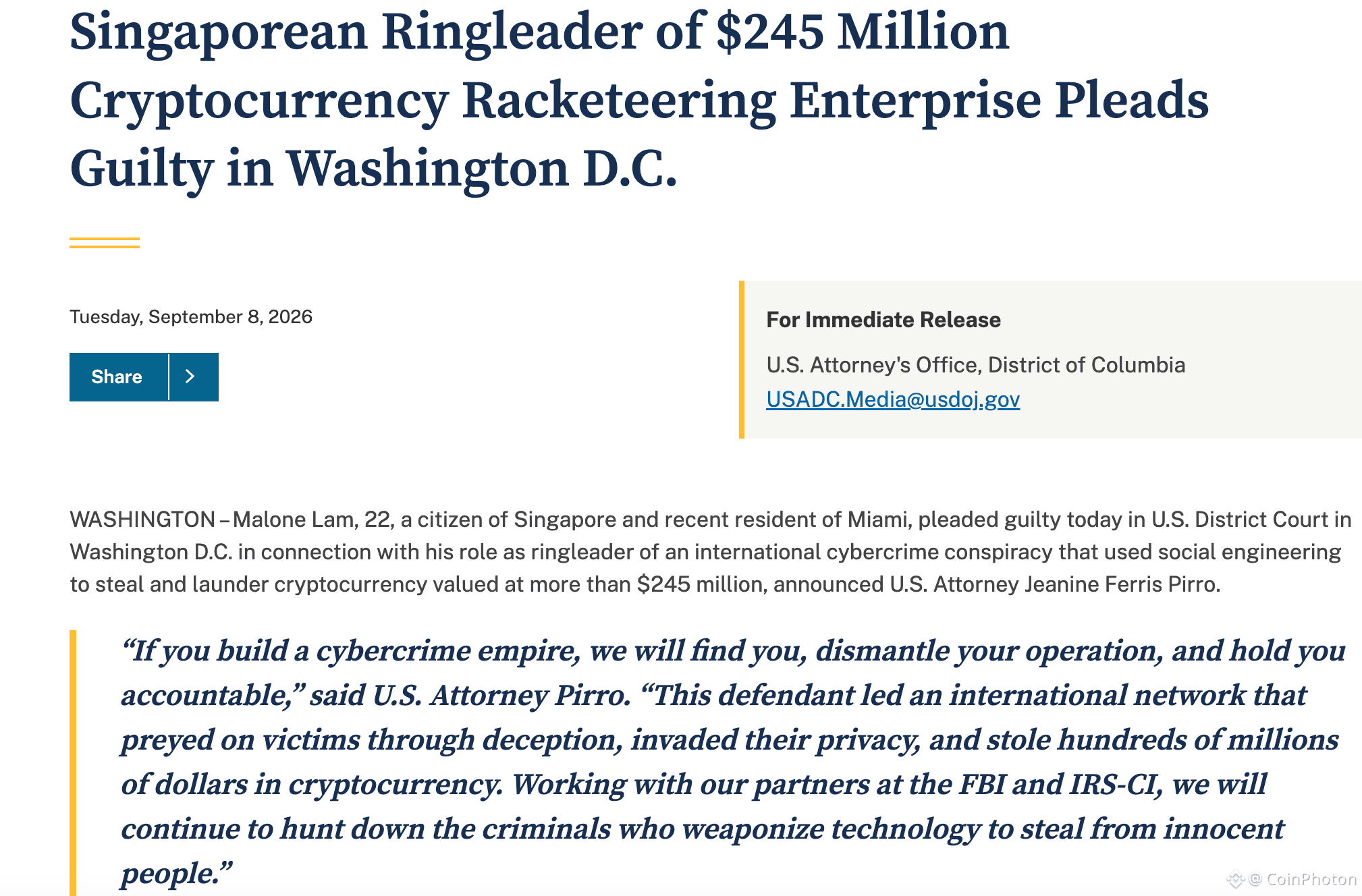
வயது 22 ஆன சிங்கப்பூரைச் சேர்ந்த ஒருவர், மொத்தம் 2.45 கோடி டாலருக்கும் அதிகமான கிரிப்டோகரன்சியை திருடி பணமோசடி செய்த சர்வதேச சமூக-பொறி (social-engineering) நடவடிக்கையை தலைமை தாங்கியதாக ஒப்புக்கொண்டுள்ளார்.
“Anne Hathaway”, “$$$” மற்றும் “King Greavy” உள்ளிட்ட புனைப்பெயர்களைப் பயன்படுத்திய Malone Lam, கொலம்பியா மாவட்ட அமெரிக்க வழக்கறிஞர் அலுவலகத்தின் தகவலின்படி, கூட்டாட்சி ராக்கெட்டியரிங் சதி (federal racketeering conspiracy) என்ற ஒரு குற்றச்சாட்டில் குற்றம் ஒப்புக்கொண்டார்.
வழக்கறிஞர்கள், Lam பாதிக்கப்பட்டவர்களை அடையாளம் காண்பதில் மற்றும் அந்த திட்டத்தில் உறுப்பினர்களை ஒருங்கிணைப்பதில் ஈடுபட்டதாக தெரிவித்தனர். திருடப்பட்ட நிதி, சொகுசு கார்கள், கடிகாரங்கள், கைப்பைகள், உயர்தர வாடகை சொத்துகள் மற்றும் ஒரு இரவில் சுமார் $500,000 அளவிற்கு நெருங்கும் நைட்கிளப் பில்லுகளுக்கு பயன்படுத்தப்பட்டதாகக் கூறப்படுகிறது.
Lam-க்கு அதிகபட்சமாக 20 ஆண்டுகள் சிறைத்தண்டனை எதிர்நோக்க உள்ளது; டிச. 8 அன்று நிலை விசாரணை (status hearing) திட்டமிடப்பட்டுள்ளது.
வயது 22 ஆன சிங்கப்பூரைச் சேர்ந்த ஒருவர், மொத்தம் 2.45 கோடி டாலருக்கும் அதிகமான கிரிப்டோகரன்சியை திருடி பணமோசடி செய்த சர்வதேச சமூக-பொறி (social-engineering) நடவடிக்கையை தலைமை தாங்கியதாக ஒப்புக்கொண்டுள்ளார்.
“Anne Hathaway”, “$$$” மற்றும் “King Greavy” உள்ளிட்ட புனைப்பெயர்களைப் பயன்படுத்திய Malone Lam, கொலம்பியா மாவட்ட அமெரிக்க வழக்கறிஞர் அலுவலகத்தின் தகவலின்படி, கூட்டாட்சி ராக்கெட்டியரிங் சதி (federal racketeering conspiracy) என்ற ஒரு குற்றச்சாட்டில் குற்றம் ஒப்புக்கொண்டார்.
வழக்கறிஞர்கள், Lam பாதிக்கப்பட்டவர்களை அடையாளம் காண்பதில் மற்றும் அந்த திட்டத்தில் உறுப்பினர்களை ஒருங்கிணைப்பதில் ஈடுபட்டதாக தெரிவித்தனர். திருடப்பட்ட நிதி, சொகுசு கார்கள், கடிகாரங்கள், கைப்பைகள், உயர்தர வாடகை சொத்துகள் மற்றும் ஒரு இரவில் சுமார் $500,000 அளவிற்கு நெருங்கும் நைட்கிளப் பில்லுகளுக்கு பயன்படுத்தப்பட்டதாகக் கூறப்படுகிறது.
Lam-க்கு அதிகபட்சமாக 20 ஆண்டுகள் சிறைத்தண்டனை எதிர்நோக்க உள்ளது; டிச. 8 அன்று நிலை விசாரணை (status hearing) திட்டமிடப்பட்டுள்ளது.
“Anne Hathaway”, “$$$” மற்றும் “King Greavy” உள்ளிட்ட புனைப்பெயர்களைப் பயன்படுத்திய Malone Lam, கொலம்பியா மாவட்ட அமெரிக்க வழக்கறிஞர் அலுவலகத்தின் தகவலின்படி, கூட்டாட்சி ராக்கெட்டியரிங் சதி (federal racketeering conspiracy) என்ற ஒரு குற்றச்சாட்டில் குற்றம் ஒப்புக்கொண்டார்.
வழக்கறிஞர்கள், Lam பாதிக்கப்பட்டவர்களை அடையாளம் காண்பதில் மற்றும் அந்த திட்டத்தில் உறுப்பினர்களை ஒருங்கிணைப்பதில் ஈடுபட்டதாக தெரிவித்தனர். திருடப்பட்ட நிதி, சொகுசு கார்கள், கடிகாரங்கள், கைப்பைகள், உயர்தர வாடகை சொத்துகள் மற்றும் ஒரு இரவில் சுமார் $500,000 அளவிற்கு நெருங்கும் நைட்கிளப் பில்லுகளுக்கு பயன்படுத்தப்பட்டதாகக் கூறப்படுகிறது.
Lam-க்கு அதிகபட்சமாக 20 ஆண்டுகள் சிறைத்தண்டனை எதிர்நோக்க உள்ளது; டிச. 8 அன்று நிலை விசாரணை (status hearing) திட்டமிடப்பட்டுள்ளது.
480
·
--
Jack Dorsey විසින් ආරම්භ කරන ලද Block, Inc. විසින් Builders Bank & Trust, N.A. නමින් ෆෙඩරල් වශයෙන් නියාමනය කරන ලද ජාතික භාර භාරකාර බැංකුවක් පිහිටුවීමට අයදුම් කර ඇත
ගෙවීම් සමාගම එම අයදුම්පත එක්සත් ජනපද මුදල්පාලන කාර්යාලය (OCC) වෙත ඉදිරිපත් කර ඇත. අනුමත වුවහොත්, අනිශ්චිත නොවන ජාතික භාර භාරකාර බැංකුව Bitcoin සහ stablecoins සඳහා සහය ඇතුළුව භාරකාරත්වය හා විශ්වාසනීය සේවා (custody and fiduciary services) සපයනු ඇත
Block පවසන්නේ ෆෙඩරල් බලපත්රයක් මඟින් සමාගම දැනටමත් ලබාදෙන ඩිජිටල් වත්කම් භාරකාරත්වය සහ ඒ ආශ්රිත ක්රියාකාරකම් සඳහා වඩා පැහැදිලි ජාතික මට්ටමේ රාමුවක් ලැබෙන බවයි
මෙම පියවර වන්නේ වැඩිවන fintech සහ crypto සමාගම් ෆෙඩරල් බැංකු බලපත්ර සොයන තත්ත්වයක් මධ්යයේයි. Coinbase, Paxos, BitGo, Ripple, Circle සහ Revolut ඇතුළු සමාගම් ද OCC විසින් ඩිජිටල් වත්කම් අංශය සමඟ කරන සම්බන්ධතාවය පුළුල් කරන අතරතුරදී අයදුම් කර හෝ අනුමත ලබාගෙන තිබේ. $BTC
{future}(BTCUSDT)
Jack Dorsey විසින් ආරම්භ කරන ලද Block, Inc. විසින් Builders Bank & Trust, N.A. නමින් ෆෙඩරල් වශයෙන් නියාමනය කරන ලද ජාතික භාර භාරකාර බැංකුවක් පිහිටුවීමට අයදුම් කර ඇත
ගෙවීම් සමාගම එම අයදුම්පත එක්සත් ජනපද මුදල්පාලන කාර්යාලය (OCC) වෙත ඉදිරිපත් කර ඇත. අනුමත වුවහොත්, අනිශ්චිත නොවන ජාතික භාර භාරකාර බැංකුව Bitcoin සහ stablecoins සඳහා සහය ඇතුළුව භාරකාරත්වය හා විශ්වාසනීය සේවා (custody and fiduciary services) සපයනු ඇත
Block පවසන්නේ ෆෙඩරල් බලපත්රයක් මඟින් සමාගම දැනටමත් ලබාදෙන ඩිජිටල් වත්කම් භාරකාරත්වය සහ ඒ ආශ්රිත ක්රියාකාරකම් සඳහා වඩා පැහැදිලි ජාතික මට්ටමේ රාමුවක් ලැබෙන බවයි
මෙම පියවර වන්නේ වැඩිවන fintech සහ crypto සමාගම් ෆෙඩරල් බැංකු බලපත්ර සොයන තත්ත්වයක් මධ්යයේයි. Coinbase, Paxos, BitGo, Ripple, Circle සහ Revolut ඇතුළු සමාගම් ද OCC විසින් ඩිජිටල් වත්කම් අංශය සමඟ කරන සම්බන්ධතාවය පුළුල් කරන අතරතුරදී අයදුම් කර හෝ අනුමත ලබාගෙන තිබේ. $BTC
ගෙවීම් සමාගම එම අයදුම්පත එක්සත් ජනපද මුදල්පාලන කාර්යාලය (OCC) වෙත ඉදිරිපත් කර ඇත. අනුමත වුවහොත්, අනිශ්චිත නොවන ජාතික භාර භාරකාර බැංකුව Bitcoin සහ stablecoins සඳහා සහය ඇතුළුව භාරකාරත්වය හා විශ්වාසනීය සේවා (custody and fiduciary services) සපයනු ඇත
Block පවසන්නේ ෆෙඩරල් බලපත්රයක් මඟින් සමාගම දැනටමත් ලබාදෙන ඩිජිටල් වත්කම් භාරකාරත්වය සහ ඒ ආශ්රිත ක්රියාකාරකම් සඳහා වඩා පැහැදිලි ජාතික මට්ටමේ රාමුවක් ලැබෙන බවයි
මෙම පියවර වන්නේ වැඩිවන fintech සහ crypto සමාගම් ෆෙඩරල් බැංකු බලපත්ර සොයන තත්ත්වයක් මධ්යයේයි. Coinbase, Paxos, BitGo, Ripple, Circle සහ Revolut ඇතුළු සමාගම් ද OCC විසින් ඩිජිටල් වත්කම් අංශය සමඟ කරන සම්බන්ධතාවය පුළුල් කරන අතරතුරදී අයදුම් කර හෝ අනුමත ලබාගෙන තිබේ. $BTC
418
·
--
Visa தனது செட்டில்மென்ட் நெட்வொர்க்குடன் onchain கடன் வழங்கலை ஒருங்கிணைத்து வருகிறது; ஸ்டேபில்காயின்-இணைக்கப்பட்ட கார்டு திட்டங்களுக்கு வேலை மூலதனத்தை அணுக புதிய வழியை வழங்குகிறது.
பெரும் பணப்பரிவர்த்தனை நிறுவனம், VisaNet லிருந்து வரும் தரவுகளை blockchain-அடிப்படையிலான கடன் வழங்கல் கட்டமைப்புடன் இணைப்பதாக கூறியது. இதன் மூலம், கடன் வழங்குநர்கள் Visa செட்டில்மென்ட் பதிவுகளும் onchain பரிவர்த்தனைத் தரவுகளும் இரண்டையும் பயன்படுத்தி கடன்பெறுநர்களை மதிப்பீடு செய்து, பின்னர் அவர்களுடைய கட்டண பொறுப்புகளை நிதியளிக்க முடியும்.
Visa, Credit Coop-ஐ ஒரு ஆரம்ப எடுத்துக்காட்டாக குறிப்பிட்டது. இந்த blockchain கடன் வழங்கல் நெறிமுறை, 2023 முதல் 3,000-க்கும் மேற்பட்ட கடன்பெறல் நிகழ்வுகளின் வழியாக மொத்தமாக $2.5 பில்லியனுக்கும் அதிகமான கூட்டுச் செட்டில்மென்ட் அளவிற்கு நிதியளித்துள்ளது.
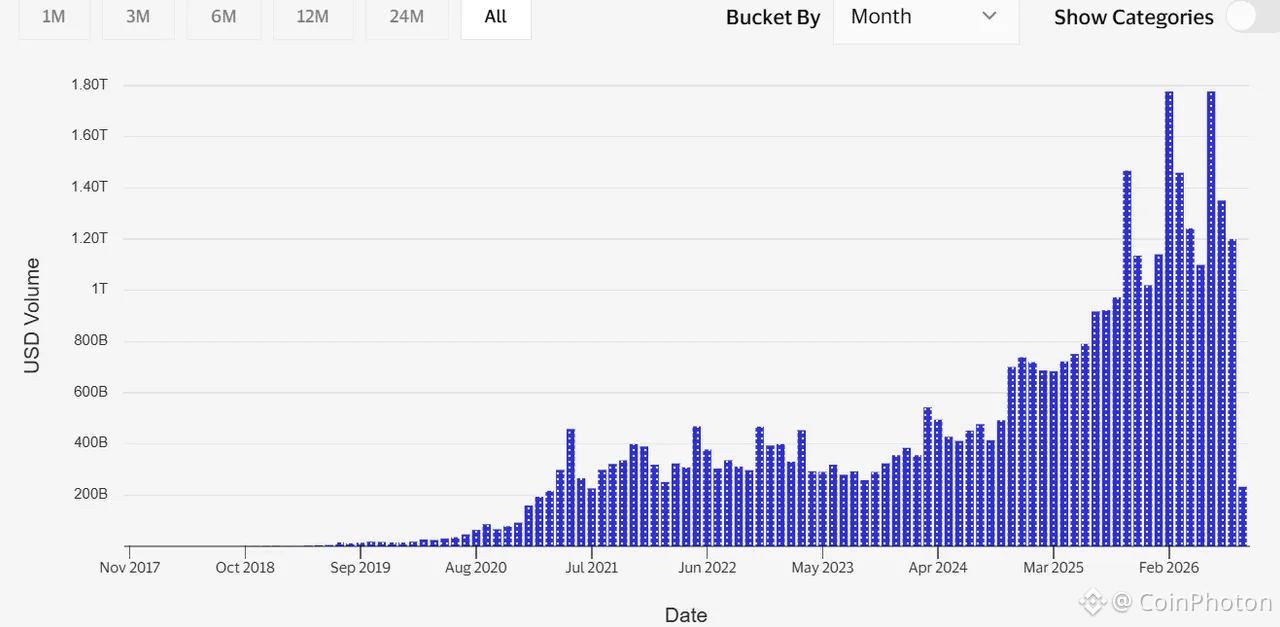
Visa-வின் ஸ்டேபில்காயின் வணிகம் வேகமாக வளருவதையொட்டி இந்த முன்னேற்றம் வந்துள்ளது. தற்போது அதன் நெட்வொர்க்கில் 160-க்கும் மேற்பட்ட ஸ்டேபில்காயின்-இணைக்கப்பட்ட கார்டு திட்டங்கள் செயல்படுகின்றன; ஆண்டு தோறும் பணப்பரிவர்த்தனை அளவு சுமார் 200% உயர்ந்துள்ளது. அதேவேளை, ஸ்டேபில்காயின் செட்டில்மென்ட் அளவு $20 பில்லியன் ஆண்டளவிலான ரன்-ரேட்டை மீறியுள்ளது.
Visa தனது செட்டில்மென்ட் நெட்வொர்க்குடன் onchain கடன் வழங்கலை ஒருங்கிணைத்து வருகிறது; ஸ்டேபில்காயின்-இணைக்கப்பட்ட கார்டு திட்டங்களுக்கு வேலை மூலதனத்தை அணுக புதிய வழியை வழங்குகிறது.
பெரும் பணப்பரிவர்த்தனை நிறுவனம், VisaNet லிருந்து வரும் தரவுகளை blockchain-அடிப்படையிலான கடன் வழங்கல் கட்டமைப்புடன் இணைப்பதாக கூறியது. இதன் மூலம், கடன் வழங்குநர்கள் Visa செட்டில்மென்ட் பதிவுகளும் onchain பரிவர்த்தனைத் தரவுகளும் இரண்டையும் பயன்படுத்தி கடன்பெறுநர்களை மதிப்பீடு செய்து, பின்னர் அவர்களுடைய கட்டண பொறுப்புகளை நிதியளிக்க முடியும்.
Visa, Credit Coop-ஐ ஒரு ஆரம்ப எடுத்துக்காட்டாக குறிப்பிட்டது. இந்த blockchain கடன் வழங்கல் நெறிமுறை, 2023 முதல் 3,000-க்கும் மேற்பட்ட கடன்பெறல் நிகழ்வுகளின் வழியாக மொத்தமாக $2.5 பில்லியனுக்கும் அதிகமான கூட்டுச் செட்டில்மென்ட் அளவிற்கு நிதியளித்துள்ளது.
Visa-வின் ஸ்டேபில்காயின் வணிகம் வேகமாக வளருவதையொட்டி இந்த முன்னேற்றம் வந்துள்ளது. தற்போது அதன் நெட்வொர்க்கில் 160-க்கும் மேற்பட்ட ஸ்டேபில்காயின்-இணைக்கப்பட்ட கார்டு திட்டங்கள் செயல்படுகின்றன; ஆண்டு தோறும் பணப்பரிவர்த்தனை அளவு சுமார் 200% உயர்ந்துள்ளது. அதேவேளை, ஸ்டேபில்காயின் செட்டில்மென்ட் அளவு $20 பில்லியன் ஆண்டளவிலான ரன்-ரேட்டை மீறியுள்ளது.
பெரும் பணப்பரிவர்த்தனை நிறுவனம், VisaNet லிருந்து வரும் தரவுகளை blockchain-அடிப்படையிலான கடன் வழங்கல் கட்டமைப்புடன் இணைப்பதாக கூறியது. இதன் மூலம், கடன் வழங்குநர்கள் Visa செட்டில்மென்ட் பதிவுகளும் onchain பரிவர்த்தனைத் தரவுகளும் இரண்டையும் பயன்படுத்தி கடன்பெறுநர்களை மதிப்பீடு செய்து, பின்னர் அவர்களுடைய கட்டண பொறுப்புகளை நிதியளிக்க முடியும்.
Visa, Credit Coop-ஐ ஒரு ஆரம்ப எடுத்துக்காட்டாக குறிப்பிட்டது. இந்த blockchain கடன் வழங்கல் நெறிமுறை, 2023 முதல் 3,000-க்கும் மேற்பட்ட கடன்பெறல் நிகழ்வுகளின் வழியாக மொத்தமாக $2.5 பில்லியனுக்கும் அதிகமான கூட்டுச் செட்டில்மென்ட் அளவிற்கு நிதியளித்துள்ளது.
Visa-வின் ஸ்டேபில்காயின் வணிகம் வேகமாக வளருவதையொட்டி இந்த முன்னேற்றம் வந்துள்ளது. தற்போது அதன் நெட்வொர்க்கில் 160-க்கும் மேற்பட்ட ஸ்டேபில்காயின்-இணைக்கப்பட்ட கார்டு திட்டங்கள் செயல்படுகின்றன; ஆண்டு தோறும் பணப்பரிவர்த்தனை அளவு சுமார் 200% உயர்ந்துள்ளது. அதேவேளை, ஸ்டேபில்காயின் செட்டில்மென்ட் அளவு $20 பில்லியன் ஆண்டளவிலான ரன்-ரேட்டை மீறியுள்ளது.
162
·
--
மெக்சிகோவில் நான்கு பேர் கொல்லப்பட்ட சம்பவம் தொடர்பாக இரண்டு சந்தேகநபர்கள், கோல்டு வாலெட் (cold wallet) ஒன்றில் கோடிக்கணக்கான டாலர்கள் பிட்காயின் வடிவில் இருப்பதாக அவர்கள் நம்பியதால் அதைத் தேடியபோது இந்த தாக்குதலை நடத்தியதாகக் கூறப்படுகிறது.
பிரதிகள் (prosecutors) கூறுவதாவது, பாதிக்கப்பட்டவர்களில் Camilo Séptimo குழுவின் கீபோர்டிஸ்ட் Jonathan Meléndez, அவரின் கர்ப்பிணி மனைவி, அவரின் மகள் மற்றும் Atizapán de Zaragozaவில் உள்ள அவர்களின் வீட்டில் பணியாற்றிய ஒரு ஊழியர் ஆகியோர் அடங்குகிறார்கள். அந்தக் குடும்பத்தின் நாயும் கொல்லப்பட்டது.
ஒரு சந்தேகநபர், பாதிக்கப்பட்டவர்களில் ஒருவருடன் வியாபார தொடர்பு கொண்டிருந்ததாகவும், அந்த உறவைப் பயன்படுத்தி சொத்தின் மீது அணுகலைப் பெற்றதாகவும் தகவல்கள் தெரிவிக்கின்றன.
“கிரிப்டோ ரெஞ்ச்” (crypto wrench) தாக்குதல்கள் எனப்படும் வகைத் தாக்குதல்கள் திடீரென அதிகரிக்கும் சூழலில் இந்த வழக்கு வந்துள்ளது. இத்தகைய தாக்குதல்களில் குற்றவாளிகள் உடல் வன்முறை அல்லது மிரட்டல்களை பயன்படுத்தி டிஜிட்டல் சொத்துகளை திருடுகிறார்கள். CertiK 2026ஆம் ஆண்டின் முதல் அரையாண்டில் உலகளவில் இதுபோன்ற 52 தாக்குதல்களை பதிவு செய்துள்ளது; இது கடந்த ஆண்டின் இதே காலத்துடன் ஒப்பிடும்போது 33% அதிகம். அதேநேரத்தில் Chainalysis, அந்த காலகட்டத்தில் இத்தகைய சம்பவங்கள் மூலம் $30 மில்லியனுக்கும் அதிகமான கிரிப்டோ திருடப்பட்டது என்று மதிப்பிடுகிறது. $BTC
{future}(BTCUSDT)
மெக்சிகோவில் நான்கு பேர் கொல்லப்பட்ட சம்பவம் தொடர்பாக இரண்டு சந்தேகநபர்கள், கோல்டு வாலெட் (cold wallet) ஒன்றில் கோடிக்கணக்கான டாலர்கள் பிட்காயின் வடிவில் இருப்பதாக அவர்கள் நம்பியதால் அதைத் தேடியபோது இந்த தாக்குதலை நடத்தியதாகக் கூறப்படுகிறது.
பிரதிகள் (prosecutors) கூறுவதாவது, பாதிக்கப்பட்டவர்களில் Camilo Séptimo குழுவின் கீபோர்டிஸ்ட் Jonathan Meléndez, அவரின் கர்ப்பிணி மனைவி, அவரின் மகள் மற்றும் Atizapán de Zaragozaவில் உள்ள அவர்களின் வீட்டில் பணியாற்றிய ஒரு ஊழியர் ஆகியோர் அடங்குகிறார்கள். அந்தக் குடும்பத்தின் நாயும் கொல்லப்பட்டது.
ஒரு சந்தேகநபர், பாதிக்கப்பட்டவர்களில் ஒருவருடன் வியாபார தொடர்பு கொண்டிருந்ததாகவும், அந்த உறவைப் பயன்படுத்தி சொத்தின் மீது அணுகலைப் பெற்றதாகவும் தகவல்கள் தெரிவிக்கின்றன.
“கிரிப்டோ ரெஞ்ச்” (crypto wrench) தாக்குதல்கள் எனப்படும் வகைத் தாக்குதல்கள் திடீரென அதிகரிக்கும் சூழலில் இந்த வழக்கு வந்துள்ளது. இத்தகைய தாக்குதல்களில் குற்றவாளிகள் உடல் வன்முறை அல்லது மிரட்டல்களை பயன்படுத்தி டிஜிட்டல் சொத்துகளை திருடுகிறார்கள். CertiK 2026ஆம் ஆண்டின் முதல் அரையாண்டில் உலகளவில் இதுபோன்ற 52 தாக்குதல்களை பதிவு செய்துள்ளது; இது கடந்த ஆண்டின் இதே காலத்துடன் ஒப்பிடும்போது 33% அதிகம். அதேநேரத்தில் Chainalysis, அந்த காலகட்டத்தில் இத்தகைய சம்பவங்கள் மூலம் $30 மில்லியனுக்கும் அதிகமான கிரிப்டோ திருடப்பட்டது என்று மதிப்பிடுகிறது. $BTC
பிரதிகள் (prosecutors) கூறுவதாவது, பாதிக்கப்பட்டவர்களில் Camilo Séptimo குழுவின் கீபோர்டிஸ்ட் Jonathan Meléndez, அவரின் கர்ப்பிணி மனைவி, அவரின் மகள் மற்றும் Atizapán de Zaragozaவில் உள்ள அவர்களின் வீட்டில் பணியாற்றிய ஒரு ஊழியர் ஆகியோர் அடங்குகிறார்கள். அந்தக் குடும்பத்தின் நாயும் கொல்லப்பட்டது.
ஒரு சந்தேகநபர், பாதிக்கப்பட்டவர்களில் ஒருவருடன் வியாபார தொடர்பு கொண்டிருந்ததாகவும், அந்த உறவைப் பயன்படுத்தி சொத்தின் மீது அணுகலைப் பெற்றதாகவும் தகவல்கள் தெரிவிக்கின்றன.
“கிரிப்டோ ரெஞ்ச்” (crypto wrench) தாக்குதல்கள் எனப்படும் வகைத் தாக்குதல்கள் திடீரென அதிகரிக்கும் சூழலில் இந்த வழக்கு வந்துள்ளது. இத்தகைய தாக்குதல்களில் குற்றவாளிகள் உடல் வன்முறை அல்லது மிரட்டல்களை பயன்படுத்தி டிஜிட்டல் சொத்துகளை திருடுகிறார்கள். CertiK 2026ஆம் ஆண்டின் முதல் அரையாண்டில் உலகளவில் இதுபோன்ற 52 தாக்குதல்களை பதிவு செய்துள்ளது; இது கடந்த ஆண்டின் இதே காலத்துடன் ஒப்பிடும்போது 33% அதிகம். அதேநேரத்தில் Chainalysis, அந்த காலகட்டத்தில் இத்தகைய சம்பவங்கள் மூலம் $30 மில்லியனுக்கும் அதிகமான கிரிப்டோ திருடப்பட்டது என்று மதிப்பிடுகிறது. $BTC
91
·
--
සත්යායනය කළ
StablecoinX ၏ CEO ලෙස Franklin Templeton ဒစ်ဂျစ်တယ် အက်ဆက်ပတ် နယ်ပယ်က အမှုဆောင် အရာရှိဟောင်း Christopher Jensen ကို ခန့်အပ်လိုက်ပြီး၊ Ethena ၏ ENA တိုကင်ကို ကိုင်ဆောင်ထားသည့် အကြီးဆုံး ကော်ပိုရိတ် ကိုင်ဆောင်သူအဖြစ် သူ့အား တာဝန်ပေးထားသည်။
Jensen သည် June လတွင် Nasdaq တွင် StablecoinX ကို စာရင်းဝင်စေခဲ့သူ Ted Chen နေရာကို ဆက်ခံရပြီး Ted Chen သည် ဘုတ်အဖွဲ့ ဥက္ကဋ္ဌ အဖြစ် ဆက်လက်ရှိနေမည်ဖြစ်သည်။
Ticker အဖြစ် $USDE
{spot}(USDEUSDT)
အောက်တွင် အရောင်းအဝယ်လုပ်နေသော StablecoinX သည် ENA စုစုပေါင်း ထောက်ပံ့မှု၏ အကြမ်းဖျဉ်း 20% နှင့် တူညီသည့် 3.03 billion $ENA
{future}(ENAUSDT)
တိုကင်များ ခန့်မှန်းကို ကိုင်ထားသည်။
Jensen သည် ယခင်က Franklin Templeton တွင် portfolio manager နှင့် digital asset research director အဖြစ် တာဝန်ထမ်းဆောင်ခဲ့ပြီး၊ ကုမ္ပဏီ၏ ဒစ်ဂျစ်တယ် အက်ဆက်ပတ် စီးပွားရေးကို တီထွင်ဖန်တီးရာတွင် ကူညီခဲ့ကာ ၎င်း၏ seed investment မှတစ်ဆင့် Ethena ကို စောစောစီးစီး ထိတွေ့ခွင့်ရခဲ့သည်။
Ethena သည် Ethena Pay ဖြင့် ၎င်း၏ ecosystem ကို ချဲ့ထွင်နေချိန်တွင် ယခုခန့်အပ်မှု ဖြစ်ပေါ်လာခြင်းဖြစ်ပြီး ENA သည် လွန်ခဲ့သည့် လအတွင်း 80% ကျော် တက်လာကာ ခန့်မှန်း $0.16 သို့ ရောက်ရှိခဲ့သည်။ သို့ရာတွင် ယခုနှစ်အစမှ စုစုပေါင်းအားဖြင့် အကြမ်းဖျဉ်း 20% ခန့် ကျနေဆဲ ဖြစ်သည်။
StablecoinX ၏ CEO ලෙස Franklin Templeton ဒစ်ဂျစ်တယ် အက်ဆက်ပတ် နယ်ပယ်က အမှုဆောင် အရာရှိဟောင်း Christopher Jensen ကို ခန့်အပ်လိုက်ပြီး၊ Ethena ၏ ENA တိုကင်ကို ကိုင်ဆောင်ထားသည့် အကြီးဆုံး ကော်ပိုရိတ် ကိုင်ဆောင်သူအဖြစ် သူ့အား တာဝန်ပေးထားသည်။
Jensen သည် June လတွင် Nasdaq တွင် StablecoinX ကို စာရင်းဝင်စေခဲ့သူ Ted Chen နေရာကို ဆက်ခံရပြီး Ted Chen သည် ဘုတ်အဖွဲ့ ဥက္ကဋ္ဌ အဖြစ် ဆက်လက်ရှိနေမည်ဖြစ်သည်။
Ticker အဖြစ် $USDE
အောက်တွင် အရောင်းအဝယ်လုပ်နေသော StablecoinX သည် ENA စုစုပေါင်း ထောက်ပံ့မှု၏ အကြမ်းဖျဉ်း 20% နှင့် တူညီသည့် 3.03 billion $ENA
တိုကင်များ ခန့်မှန်းကို ကိုင်ထားသည်။
Jensen သည် ယခင်က Franklin Templeton တွင် portfolio manager နှင့် digital asset research director အဖြစ် တာဝန်ထမ်းဆောင်ခဲ့ပြီး၊ ကုမ္ပဏီ၏ ဒစ်ဂျစ်တယ် အက်ဆက်ပတ် စီးပွားရေးကို တီထွင်ဖန်တီးရာတွင် ကူညီခဲ့ကာ ၎င်း၏ seed investment မှတစ်ဆင့် Ethena ကို စောစောစီးစီး ထိတွေ့ခွင့်ရခဲ့သည်။
Ethena သည် Ethena Pay ဖြင့် ၎င်း၏ ecosystem ကို ချဲ့ထွင်နေချိန်တွင် ယခုခန့်အပ်မှု ဖြစ်ပေါ်လာခြင်းဖြစ်ပြီး ENA သည် လွန်ခဲ့သည့် လအတွင်း 80% ကျော် တက်လာကာ ခန့်မှန်း $0.16 သို့ ရောက်ရှိခဲ့သည်။ သို့ရာတွင် ယခုနှစ်အစမှ စုစုပေါင်းအားဖြင့် အကြမ်းဖျဉ်း 20% ခန့် ကျနေဆဲ ဖြစ်သည်။
Jensen သည် June လတွင် Nasdaq တွင် StablecoinX ကို စာရင်းဝင်စေခဲ့သူ Ted Chen နေရာကို ဆက်ခံရပြီး Ted Chen သည် ဘုတ်အဖွဲ့ ဥက္ကဋ္ဌ အဖြစ် ဆက်လက်ရှိနေမည်ဖြစ်သည်။
Ticker အဖြစ် $USDE
အောက်တွင် အရောင်းအဝယ်လုပ်နေသော StablecoinX သည် ENA စုစုပေါင်း ထောက်ပံ့မှု၏ အကြမ်းဖျဉ်း 20% နှင့် တူညီသည့် 3.03 billion $ENA
တိုကင်များ ခန့်မှန်းကို ကိုင်ထားသည်။
Jensen သည် ယခင်က Franklin Templeton တွင် portfolio manager နှင့် digital asset research director အဖြစ် တာဝန်ထမ်းဆောင်ခဲ့ပြီး၊ ကုမ္ပဏီ၏ ဒစ်ဂျစ်တယ် အက်ဆက်ပတ် စီးပွားရေးကို တီထွင်ဖန်တီးရာတွင် ကူညီခဲ့ကာ ၎င်း၏ seed investment မှတစ်ဆင့် Ethena ကို စောစောစီးစီး ထိတွေ့ခွင့်ရခဲ့သည်။
Ethena သည် Ethena Pay ဖြင့် ၎င်း၏ ecosystem ကို ချဲ့ထွင်နေချိန်တွင် ယခုခန့်အပ်မှု ဖြစ်ပေါ်လာခြင်းဖြစ်ပြီး ENA သည် လွန်ခဲ့သည့် လအတွင်း 80% ကျော် တက်လာကာ ခန့်မှန်း $0.16 သို့ ရောက်ရှိခဲ့သည်။ သို့ရာတွင် ယခုနှစ်အစမှ စုစုပေါင်းအားဖြင့် အကြမ်းဖျဉ်း 20% ခန့် ကျနေဆဲ ဖြစ်သည်။
1
668
·
--
බිට්කොයින් අඟහරුවාදා $78,000ට පහළට කෙටියෙන් වැටී ඇති අතර, නැවත ජෝර්දාන් මැදපෙරදිග තත්ත්වයන් උග්රවීම ගෝලීය රිස්ක් ආසන්නතාට පීඩනය දී ඛනිජ තෙල් මිල තියුණු ලෙස ඉහළ දමා තිබේ.
එස්&පී 500 සහ නස්ඩැක් ද හූති කැරැලිකරුවන් සවුදි අරාබියේ නගර සහ තෙල් යටිතල පහසුකම් ඉලක්ක කර ප්රහාර එල්ල කළ බවට වාර්තා වීමෙන් පසුවත් පහළ ගියේය.
තෙල් වෙළෙඳපොළ දැඩි ලෙස ප්රතිචාර දැක්වූ අතර, WTI තෙල් බැරලයක් ලෙස $95ට ආසන්න වෙමින්, මාස තුනක ඉහළම මට්ටමට ළඟා වී තිබේ; බ්රෙන්ට් ද $100ට ආසන්න විය. ඉහළ යන බලශක්ති මිලයන් සිකුරාදා පැවැත්වෙන එක්සත් ජනපද CPI වාර්තාව ඉදිරියේ උද්ධමන පිළිබඳ කනස්සල්ල වැඩි කරයි.
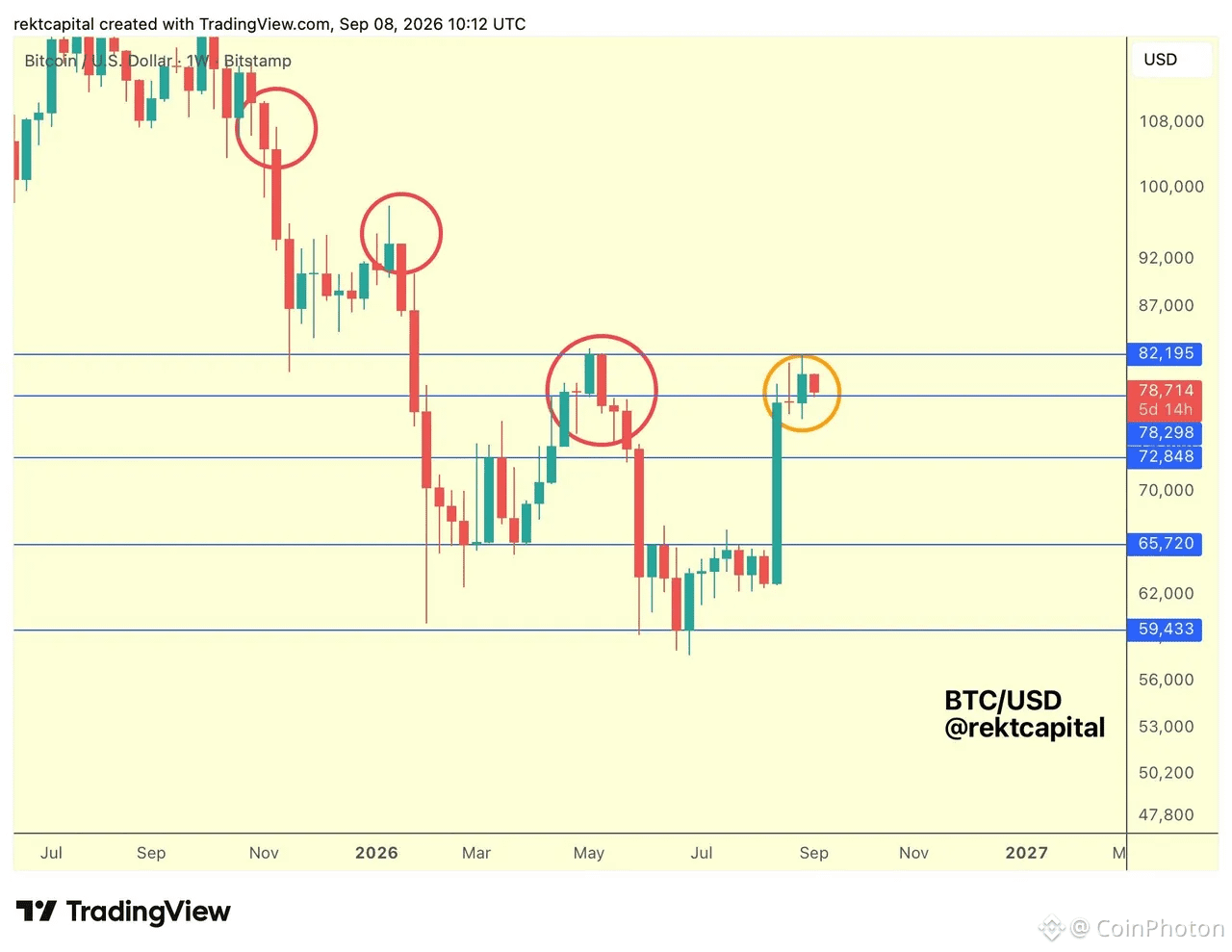
බිට්කොයින් දැන් $78,300 ආසන්නයේ වැදගත් ආධාරක කලාපයක් පරීක්ෂා කරමින් සිටී. විශ්ලේෂක රෙක්ට් කැපිටල් අනතුරු ඇඟවූයේ, මේ මට්ටමට පහළින් සතිපතා වසා දැමීමක් සිදුවී, පසුව එම මට්ටම යළි පරීක්ෂා කිරීමක් අසාර්ථක වුවහොත්, මැයි මාසයේ මෙන් තවත් බිඳවැටීමක් තහවුරු විය හැකි බවයි; එවිට BTC අවසානයේ $57,000 දක්වා වැටී තිබුණි. $BTC
{future}(BTCUSDT)
බිට්කොයින් අඟහරුවාදා $78,000ට පහළට කෙටියෙන් වැටී ඇති අතර, නැවත ජෝර්දාන් මැදපෙරදිග තත්ත්වයන් උග්රවීම ගෝලීය රිස්ක් ආසන්නතාට පීඩනය දී ඛනිජ තෙල් මිල තියුණු ලෙස ඉහළ දමා තිබේ.
එස්&පී 500 සහ නස්ඩැක් ද හූති කැරැලිකරුවන් සවුදි අරාබියේ නගර සහ තෙල් යටිතල පහසුකම් ඉලක්ක කර ප්රහාර එල්ල කළ බවට වාර්තා වීමෙන් පසුවත් පහළ ගියේය.
තෙල් වෙළෙඳපොළ දැඩි ලෙස ප්රතිචාර දැක්වූ අතර, WTI තෙල් බැරලයක් ලෙස $95ට ආසන්න වෙමින්, මාස තුනක ඉහළම මට්ටමට ළඟා වී තිබේ; බ්රෙන්ට් ද $100ට ආසන්න විය. ඉහළ යන බලශක්ති මිලයන් සිකුරාදා පැවැත්වෙන එක්සත් ජනපද CPI වාර්තාව ඉදිරියේ උද්ධමන පිළිබඳ කනස්සල්ල වැඩි කරයි.
බිට්කොයින් දැන් $78,300 ආසන්නයේ වැදගත් ආධාරක කලාපයක් පරීක්ෂා කරමින් සිටී. විශ්ලේෂක රෙක්ට් කැපිටල් අනතුරු ඇඟවූයේ, මේ මට්ටමට පහළින් සතිපතා වසා දැමීමක් සිදුවී, පසුව එම මට්ටම යළි පරීක්ෂා කිරීමක් අසාර්ථක වුවහොත්, මැයි මාසයේ මෙන් තවත් බිඳවැටීමක් තහවුරු විය හැකි බවයි; එවිට BTC අවසානයේ $57,000 දක්වා වැටී තිබුණි. $BTC
එස්&පී 500 සහ නස්ඩැක් ද හූති කැරැලිකරුවන් සවුදි අරාබියේ නගර සහ තෙල් යටිතල පහසුකම් ඉලක්ක කර ප්රහාර එල්ල කළ බවට වාර්තා වීමෙන් පසුවත් පහළ ගියේය.
තෙල් වෙළෙඳපොළ දැඩි ලෙස ප්රතිචාර දැක්වූ අතර, WTI තෙල් බැරලයක් ලෙස $95ට ආසන්න වෙමින්, මාස තුනක ඉහළම මට්ටමට ළඟා වී තිබේ; බ්රෙන්ට් ද $100ට ආසන්න විය. ඉහළ යන බලශක්ති මිලයන් සිකුරාදා පැවැත්වෙන එක්සත් ජනපද CPI වාර්තාව ඉදිරියේ උද්ධමන පිළිබඳ කනස්සල්ල වැඩි කරයි.
බිට්කොයින් දැන් $78,300 ආසන්නයේ වැදගත් ආධාරක කලාපයක් පරීක්ෂා කරමින් සිටී. විශ්ලේෂක රෙක්ට් කැපිටල් අනතුරු ඇඟවූයේ, මේ මට්ටමට පහළින් සතිපතා වසා දැමීමක් සිදුවී, පසුව එම මට්ටම යළි පරීක්ෂා කිරීමක් අසාර්ථක වුවහොත්, මැයි මාසයේ මෙන් තවත් බිඳවැටීමක් තහවුරු විය හැකි බවයි; එවිට BTC අවසානයේ $57,000 දක්වා වැටී තිබුණි. $BTC
3
3
710
·
--
உஸ்பெகிஸ்தான் HUMO எனும் ஸ்டேபில்காயினை பயன்படுத்தி பணப்பரிவர்த்தனைகளை சோதனை செய்ய ஒரு பைலட்டை தொடங்கியுள்ளது. இது உஸ்பெக் சோம் க்கு 1:1 என்ற விகிதத்தில் இணைக்கப்பட்டு, அரசு பத்திரங்களால் ஆதரிக்கப்படுகிறது.
எதிர்காலத் திட்டங்களுக்கான தேசிய முகமை, மத்திய வங்கியுடன் இணைந்து மேற்பார்வை செய்யப்படும் ஒரு சிறப்பு ஒழுங்குமுறை சூழலில் Humo Digital-ஐ பதிவு செய்துள்ளது. இந்த பைலட் HUMO-வின் வெளியீடு, பரவல் மற்றும் மீட்பு ஆகியவற்றைச் சோதிக்கும்; பொருட்கள் மற்றும் சேவைகளுக்காக அந்த டோக்கனை ஏற்கத் தயாராக உள்ள 20-க்கும் மேற்பட்ட வணிகர்கள் உள்ளனர்.
பங்கேற்கும் வங்கிகள், தங்களின் கட்டண செயலாக்க அமைப்புகளை ப்ளாக்செயின் உள்கட்டமைப்புடன் ஒருங்கிணைக்கும்; அதே நேரத்தில் உரிமம் பெற்ற கிரிப்டோ பரிமாற்றமான Asterium திட்டக் கூட்டாளராக இருக்கும்.
ஆரம்ப சோதனை 12 மாதங்களுக்கு நடைபெறும்; மொத்தத் திட்டம் மூன்று ஆண்டுகளுக்குள் வரையறுக்கப்பட்டுள்ளது. ஒழுங்குமுறை அமைப்புகள், அடமானப் பாதுகாப்புகள், சைபர்செக்யூரிட்டி, நுகர்வோர் பாதுகாப்பு, AML கட்டுப்பாடுகள் மற்றும் நிதி மற்றும் விலை நிலைத்தன்மைக்கு ஏற்படக்கூடிய சாத்தியமான அபாயங்களை மதிப்பீடு செய்யும்.
உஸ்பெகிஸ்தான் HUMO எனும் ஸ்டேபில்காயினை பயன்படுத்தி பணப்பரிவர்த்தனைகளை சோதனை செய்ய ஒரு பைலட்டை தொடங்கியுள்ளது. இது உஸ்பெக் சோம் க்கு 1:1 என்ற விகிதத்தில் இணைக்கப்பட்டு, அரசு பத்திரங்களால் ஆதரிக்கப்படுகிறது.
எதிர்காலத் திட்டங்களுக்கான தேசிய முகமை, மத்திய வங்கியுடன் இணைந்து மேற்பார்வை செய்யப்படும் ஒரு சிறப்பு ஒழுங்குமுறை சூழலில் Humo Digital-ஐ பதிவு செய்துள்ளது. இந்த பைலட் HUMO-வின் வெளியீடு, பரவல் மற்றும் மீட்பு ஆகியவற்றைச் சோதிக்கும்; பொருட்கள் மற்றும் சேவைகளுக்காக அந்த டோக்கனை ஏற்கத் தயாராக உள்ள 20-க்கும் மேற்பட்ட வணிகர்கள் உள்ளனர்.
பங்கேற்கும் வங்கிகள், தங்களின் கட்டண செயலாக்க அமைப்புகளை ப்ளாக்செயின் உள்கட்டமைப்புடன் ஒருங்கிணைக்கும்; அதே நேரத்தில் உரிமம் பெற்ற கிரிப்டோ பரிமாற்றமான Asterium திட்டக் கூட்டாளராக இருக்கும்.
ஆரம்ப சோதனை 12 மாதங்களுக்கு நடைபெறும்; மொத்தத் திட்டம் மூன்று ஆண்டுகளுக்குள் வரையறுக்கப்பட்டுள்ளது. ஒழுங்குமுறை அமைப்புகள், அடமானப் பாதுகாப்புகள், சைபர்செக்யூரிட்டி, நுகர்வோர் பாதுகாப்பு, AML கட்டுப்பாடுகள் மற்றும் நிதி மற்றும் விலை நிலைத்தன்மைக்கு ஏற்படக்கூடிய சாத்தியமான அபாயங்களை மதிப்பீடு செய்யும்.
எதிர்காலத் திட்டங்களுக்கான தேசிய முகமை, மத்திய வங்கியுடன் இணைந்து மேற்பார்வை செய்யப்படும் ஒரு சிறப்பு ஒழுங்குமுறை சூழலில் Humo Digital-ஐ பதிவு செய்துள்ளது. இந்த பைலட் HUMO-வின் வெளியீடு, பரவல் மற்றும் மீட்பு ஆகியவற்றைச் சோதிக்கும்; பொருட்கள் மற்றும் சேவைகளுக்காக அந்த டோக்கனை ஏற்கத் தயாராக உள்ள 20-க்கும் மேற்பட்ட வணிகர்கள் உள்ளனர்.
பங்கேற்கும் வங்கிகள், தங்களின் கட்டண செயலாக்க அமைப்புகளை ப்ளாக்செயின் உள்கட்டமைப்புடன் ஒருங்கிணைக்கும்; அதே நேரத்தில் உரிமம் பெற்ற கிரிப்டோ பரிமாற்றமான Asterium திட்டக் கூட்டாளராக இருக்கும்.
ஆரம்ப சோதனை 12 மாதங்களுக்கு நடைபெறும்; மொத்தத் திட்டம் மூன்று ஆண்டுகளுக்குள் வரையறுக்கப்பட்டுள்ளது. ஒழுங்குமுறை அமைப்புகள், அடமானப் பாதுகாப்புகள், சைபர்செக்யூரிட்டி, நுகர்வோர் பாதுகாப்பு, AML கட்டுப்பாடுகள் மற்றும் நிதி மற்றும் விலை நிலைத்தன்மைக்கு ஏற்படக்கூடிய சாத்தியமான அபாயங்களை மதிப்பீடு செய்யும்.
114
·
--
Michael Saylor’s Strategy සිය සතිපතා Bitcoin මිලදීගැනීම් නතර කර, ඒ වෙනුවට $176.3 මිලියනක් වැය කරමින් එහි STRC ප්රාමුඛ කොටස් නැවත මිලදී ගත්තේය.
අගෝස්තු 31 සිට සැප්තැම්බර් 7 දක්වා, Strategy විසින් STRC කොටස් මිලදී ගැනීම් 1.8 මිලියනක් ආපසු කරගත් අතර Digital Credit Securities Repurchase Program එක $2 බිලියන දක්වා දෙගුණ කළේය.
නව Bitcoin මිලදීගැනීමක් නොමැතිව, Strategy විසින් 845,050 BTCක් තබාගෙන සිටින අතර, ඒවා එක් BTCකට සාමාන්ය මිල $75,412ක් ලෙස ගෙවා ඇත්තේ දළ වශයෙන් $63.6 බිලියනටය.
මෙම පියවර පැමිණෙන්නේ STRC සිය $100 නාමික (par) අගයට පහළින් වෙළඳාම් කිරීමත් සමඟ, ප්රාමුඛ-කොටස් විකිණීම හරහා නව මුදල් රැස් කිරීමට Strategy’s හැකියාව සීමා වීම නිසාය. STRC යනු සමාගමේ දිගුකාලීන Bitcoin එකතු කිරීමේ උපාය සඳහා වන ප්රධාන අරමුදල් මාර්ගවලින් එකකි.
Michael Saylor’s Strategy සිය සතිපතා Bitcoin මිලදීගැනීම් නතර කර, ඒ වෙනුවට $176.3 මිලියනක් වැය කරමින් එහි STRC ප්රාමුඛ කොටස් නැවත මිලදී ගත්තේය.
අගෝස්තු 31 සිට සැප්තැම්බර් 7 දක්වා, Strategy විසින් STRC කොටස් මිලදී ගැනීම් 1.8 මිලියනක් ආපසු කරගත් අතර Digital Credit Securities Repurchase Program එක $2 බිලියන දක්වා දෙගුණ කළේය.
නව Bitcoin මිලදීගැනීමක් නොමැතිව, Strategy විසින් 845,050 BTCක් තබාගෙන සිටින අතර, ඒවා එක් BTCකට සාමාන්ය මිල $75,412ක් ලෙස ගෙවා ඇත්තේ දළ වශයෙන් $63.6 බිලියනටය.
මෙම පියවර පැමිණෙන්නේ STRC සිය $100 නාමික (par) අගයට පහළින් වෙළඳාම් කිරීමත් සමඟ, ප්රාමුඛ-කොටස් විකිණීම හරහා නව මුදල් රැස් කිරීමට Strategy’s හැකියාව සීමා වීම නිසාය. STRC යනු සමාගමේ දිගුකාලීන Bitcoin එකතු කිරීමේ උපාය සඳහා වන ප්රධාන අරමුදල් මාර්ගවලින් එකකි.
අගෝස්තු 31 සිට සැප්තැම්බර් 7 දක්වා, Strategy විසින් STRC කොටස් මිලදී ගැනීම් 1.8 මිලියනක් ආපසු කරගත් අතර Digital Credit Securities Repurchase Program එක $2 බිලියන දක්වා දෙගුණ කළේය.
නව Bitcoin මිලදීගැනීමක් නොමැතිව, Strategy විසින් 845,050 BTCක් තබාගෙන සිටින අතර, ඒවා එක් BTCකට සාමාන්ය මිල $75,412ක් ලෙස ගෙවා ඇත්තේ දළ වශයෙන් $63.6 බිලියනටය.
මෙම පියවර පැමිණෙන්නේ STRC සිය $100 නාමික (par) අගයට පහළින් වෙළඳාම් කිරීමත් සමඟ, ප්රාමුඛ-කොටස් විකිණීම හරහා නව මුදල් රැස් කිරීමට Strategy’s හැකියාව සීමා වීම නිසාය. STRC යනු සමාගමේ දිගුකාලීන Bitcoin එකතු කිරීමේ උපාය සඳහා වන ප්රධාන අරමුදල් මාර්ගවලින් එකකි.
1
245
·
--
ஸ்விட்சர்லாந்தின் CHFID எனப்படும் நிரலாக்க பணப்பரிவர்த்தனைகள் மற்றும் டிஜிட்டல் சொத்து தீர்வுக்காக வடிவமைக்கப்பட்ட ஸ்விஸ் ஃபிராங்க் ஸ்டேபில்காயினை மையமாகக் கொண்டு, ஒன்பது ஸ்விஸ் நிறுவனங்கள் சாண்ட்பாக்ஸ் சோதனையைத் தொடங்கியுள்ளன.
இந்த பைலட், ஆன்லைன் மார்க்கெட்ப்ளேஸ்களில் மோசடியைக் குறைக்க நிரலாக்க பணப்பரிவர்த்தனைகள் உதவுமா, நிகழ்ச்சி டிக்கெட்டுகளுக்கு நியாயமான அணுகலை மேம்படுத்துமா, மற்றும் பொது துறைக்கு செலுத்தப்படும் பணப்பரிவர்த்தனைகளை மேலும் திறமையாக்குமா என்பதைக் கண்டறியும்.
நிதி சந்தை உள்கட்டமைப்பு செயல்பாட்டாளர் SIX மற்றும் பணப்பரிவர்த்தனை ஆப் TWINT ஆகியோர் இந்த முன்முயற்சியில் இணைந்துள்ளனர்; இது முதலில் ஏப்ரலில் தொடங்கப்பட்டது.
இந்த திட்டம், நிஜ உலக நிதி பயன்பாடுகளில் டோக்கனைஸ் செய்யப்பட்ட பணம் மற்றும் பிளாக்செயின் அடிப்படையிலான பணப்பரிவர்த்தனை உள்கட்டமைப்பைச் சோதிக்க ஸ்விட்சர்லாந்து மேற்கொள்ளும் பரந்த முயற்சிக்கு கூடுதல் ஆதாரமாகிறது.
ஸ்விட்சர்லாந்தின் CHFID எனப்படும் நிரலாக்க பணப்பரிவர்த்தனைகள் மற்றும் டிஜிட்டல் சொத்து தீர்வுக்காக வடிவமைக்கப்பட்ட ஸ்விஸ் ஃபிராங்க் ஸ்டேபில்காயினை மையமாகக் கொண்டு, ஒன்பது ஸ்விஸ் நிறுவனங்கள் சாண்ட்பாக்ஸ் சோதனையைத் தொடங்கியுள்ளன.
இந்த பைலட், ஆன்லைன் மார்க்கெட்ப்ளேஸ்களில் மோசடியைக் குறைக்க நிரலாக்க பணப்பரிவர்த்தனைகள் உதவுமா, நிகழ்ச்சி டிக்கெட்டுகளுக்கு நியாயமான அணுகலை மேம்படுத்துமா, மற்றும் பொது துறைக்கு செலுத்தப்படும் பணப்பரிவர்த்தனைகளை மேலும் திறமையாக்குமா என்பதைக் கண்டறியும்.
நிதி சந்தை உள்கட்டமைப்பு செயல்பாட்டாளர் SIX மற்றும் பணப்பரிவர்த்தனை ஆப் TWINT ஆகியோர் இந்த முன்முயற்சியில் இணைந்துள்ளனர்; இது முதலில் ஏப்ரலில் தொடங்கப்பட்டது.
இந்த திட்டம், நிஜ உலக நிதி பயன்பாடுகளில் டோக்கனைஸ் செய்யப்பட்ட பணம் மற்றும் பிளாக்செயின் அடிப்படையிலான பணப்பரிவர்த்தனை உள்கட்டமைப்பைச் சோதிக்க ஸ்விட்சர்லாந்து மேற்கொள்ளும் பரந்த முயற்சிக்கு கூடுதல் ஆதாரமாகிறது.
இந்த பைலட், ஆன்லைன் மார்க்கெட்ப்ளேஸ்களில் மோசடியைக் குறைக்க நிரலாக்க பணப்பரிவர்த்தனைகள் உதவுமா, நிகழ்ச்சி டிக்கெட்டுகளுக்கு நியாயமான அணுகலை மேம்படுத்துமா, மற்றும் பொது துறைக்கு செலுத்தப்படும் பணப்பரிவர்த்தனைகளை மேலும் திறமையாக்குமா என்பதைக் கண்டறியும்.
நிதி சந்தை உள்கட்டமைப்பு செயல்பாட்டாளர் SIX மற்றும் பணப்பரிவர்த்தனை ஆப் TWINT ஆகியோர் இந்த முன்முயற்சியில் இணைந்துள்ளனர்; இது முதலில் ஏப்ரலில் தொடங்கப்பட்டது.
இந்த திட்டம், நிஜ உலக நிதி பயன்பாடுகளில் டோக்கனைஸ் செய்யப்பட்ட பணம் மற்றும் பிளாக்செயின் அடிப்படையிலான பணப்பரிவர்த்தனை உள்கட்டமைப்பைச் சோதிக்க ஸ்விட்சர்லாந்து மேற்கொள்ளும் பரந்த முயற்சிக்கு கூடுதல் ஆதாரமாகிறது.
132
·
--
Swift’s Digital Ledger හරහා ටෝකනීකරණය කළ තැන්පතු භාවිතයෙන් සිංගප්පූරුව සහ එක්සත් ජනපදය අතර පළමු සතිඅන්ත USD ගෙවීම් හුවමාරුව DBS සහ Citi විසින් සම්පූර්ණ කර ඇත.
DBS සහ Citi හි නිව් යෝර්ක් කාර්යාලය අතර සැප්තැම්බර් 5 වැනි දින සිදු වූ ගනුදෙනුව මිනිත්තු කිහිපයක් තුළ විසඳී තිබුණි; සාමාන්ය දේශසීමා හරස් ගෙවීම් සඳහා ව්යාපාරික දින දෙකක් දක්වා ගතවිය හැකිව තිබුණි.
මෙම පද්ධතිය වාර්ථාවන් වලින් පමණක් නොව, සති අන්ත, බැංකු කාලසීමා සහ කාල කලාප වෙනස්කම් හේතුවෙන් ඇති වන ප්රමාදයන් මඟහරින අන්දමින්, ආයතන වලට USD 24/7 ලෙස ගමන් කිරීමට ඉඩ සලසයි. DBS පැවසුවේ මෙම තාක්ෂණය e-commerce සහ ඩිජිටල් සේවා සමාගම් වැනි ගෝලීය ව්යාපාර සඳහා විශේෂයෙන් ප්රයෝජනවත් විය හැකි බවයි.
Citi විසින් ජූලි මාසයේදී Swift හි ටෝකනීකරණය කළ තැන්පතු පයිලට් වැඩසටහනට එක්වූ අතර, DBS විසින් 2024 දී DBS Treasury Tokens ආරම්භ කළ දා සිට සිය බ්ලොක්චේන්-පාදක බැංකු යටිතල පහසුකම් ව්යාප්ත කරමින් සිටී.
මෙම සන්ධිස්ථානය මගින්, ටෝකනීකරණය කළ බැංකු තැන්පතු පරීක්ෂණයෙන් ඔබ්බට ගොස් සෑම විටම ක්රියාත්මක වන ගෝලීය ගෙවීම් වල සැබෑ භාවිතයට යොමු වන බව පෙන්වා දෙයි.
Swift’s Digital Ledger හරහා ටෝකනීකරණය කළ තැන්පතු භාවිතයෙන් සිංගප්පූරුව සහ එක්සත් ජනපදය අතර පළමු සතිඅන්ත USD ගෙවීම් හුවමාරුව DBS සහ Citi විසින් සම්පූර්ණ කර ඇත.
DBS සහ Citi හි නිව් යෝර්ක් කාර්යාලය අතර සැප්තැම්බර් 5 වැනි දින සිදු වූ ගනුදෙනුව මිනිත්තු කිහිපයක් තුළ විසඳී තිබුණි; සාමාන්ය දේශසීමා හරස් ගෙවීම් සඳහා ව්යාපාරික දින දෙකක් දක්වා ගතවිය හැකිව තිබුණි.
මෙම පද්ධතිය වාර්ථාවන් වලින් පමණක් නොව, සති අන්ත, බැංකු කාලසීමා සහ කාල කලාප වෙනස්කම් හේතුවෙන් ඇති වන ප්රමාදයන් මඟහරින අන්දමින්, ආයතන වලට USD 24/7 ලෙස ගමන් කිරීමට ඉඩ සලසයි. DBS පැවසුවේ මෙම තාක්ෂණය e-commerce සහ ඩිජිටල් සේවා සමාගම් වැනි ගෝලීය ව්යාපාර සඳහා විශේෂයෙන් ප්රයෝජනවත් විය හැකි බවයි.
Citi විසින් ජූලි මාසයේදී Swift හි ටෝකනීකරණය කළ තැන්පතු පයිලට් වැඩසටහනට එක්වූ අතර, DBS විසින් 2024 දී DBS Treasury Tokens ආරම්භ කළ දා සිට සිය බ්ලොක්චේන්-පාදක බැංකු යටිතල පහසුකම් ව්යාප්ත කරමින් සිටී.
මෙම සන්ධිස්ථානය මගින්, ටෝකනීකරණය කළ බැංකු තැන්පතු පරීක්ෂණයෙන් ඔබ්බට ගොස් සෑම විටම ක්රියාත්මක වන ගෝලීය ගෙවීම් වල සැබෑ භාවිතයට යොමු වන බව පෙන්වා දෙයි.
DBS සහ Citi හි නිව් යෝර්ක් කාර්යාලය අතර සැප්තැම්බර් 5 වැනි දින සිදු වූ ගනුදෙනුව මිනිත්තු කිහිපයක් තුළ විසඳී තිබුණි; සාමාන්ය දේශසීමා හරස් ගෙවීම් සඳහා ව්යාපාරික දින දෙකක් දක්වා ගතවිය හැකිව තිබුණි.
මෙම පද්ධතිය වාර්ථාවන් වලින් පමණක් නොව, සති අන්ත, බැංකු කාලසීමා සහ කාල කලාප වෙනස්කම් හේතුවෙන් ඇති වන ප්රමාදයන් මඟහරින අන්දමින්, ආයතන වලට USD 24/7 ලෙස ගමන් කිරීමට ඉඩ සලසයි. DBS පැවසුවේ මෙම තාක්ෂණය e-commerce සහ ඩිජිටල් සේවා සමාගම් වැනි ගෝලීය ව්යාපාර සඳහා විශේෂයෙන් ප්රයෝජනවත් විය හැකි බවයි.
Citi විසින් ජූලි මාසයේදී Swift හි ටෝකනීකරණය කළ තැන්පතු පයිලට් වැඩසටහනට එක්වූ අතර, DBS විසින් 2024 දී DBS Treasury Tokens ආරම්භ කළ දා සිට සිය බ්ලොක්චේන්-පාදක බැංකු යටිතල පහසුකම් ව්යාප්ත කරමින් සිටී.
මෙම සන්ධිස්ථානය මගින්, ටෝකනීකරණය කළ බැංකු තැන්පතු පරීක්ෂණයෙන් ඔබ්බට ගොස් සෑම විටම ක්රියාත්මක වන ගෝලීය ගෙවීම් වල සැබෑ භාවිතයට යොමු වන බව පෙන්වා දෙයි.
1
154
·
--
ၾသဂ 30 Tectonic සූරාකෑම අතරතුර, වංචාකාරයෙක් හසුරවන ලද උකස් භාවිතා කර $120.4 මිලියනක් ණයට ගත්ත බව Cronos තහවුරු කළේය. වලංගුකරුවන් ජාලය නතර කිරීමට පෙර මෙය සිදුව ඇත.
පශ්චාත්-මරණ වාර්තාවකට අනුව, වංචාකාරයා Tectonic හි ඉතා අඩුවෙන් ගනුදෙනු වන TONIC ටෝකනයේ මිලය කෘත්රීම ලෙස ඉහළ නංවා, එය උකස් ලෙස යොදාගෙන අධිකරණවෙළඳපොළ නවයක (nine) මාර්කට් හරහා වත්කම් ණයට ලබාගත්තේය.
පසුව Cronos බ්ලොක්චේන් එක ආසන්න වශයෙන් පැය දෙකකට ආපසු (roll back) කළ අතර, බලපෑමට ලක් වූ අරමුදල් වලින් ආසන්න වශයෙන් $111.2 මිලියනයක් ආපසු හැරවීය. කෙසේ වෙතත්, $9.19 මිලියනයක් දැනටමත් off-chain වෙත මාරු කර ඇති අතර එය තවමත් ආපසු ලබාගෙන නැත.
ආපසු හැරවීමෙන් 10,961 බ්ලොක් ඉවත දමනු ලැබූ අතර, එම කාලය තුළ වූ සියලුම ගනුදෙනු, සූරාකෑමට සම්බන්ධ නොවන ඒවා පවා, අවලංගු විය. සූරාකෑම ආරම්භ වීමෙන් ආසන්න වශයෙන් පැය 11කට පසුව Cronos බ්ලොක් නිෂ්පාදනය නැවත ආරම්භ කළ අතර, පරිශීලකයන්ට දැනට කිසිම පියවරක් ගැනීමට අවශ්ය නොවන බව පැවසීය.
ၾသဂ 30 Tectonic සූරාකෑම අතරතුර, වංචාකාරයෙක් හසුරවන ලද උකස් භාවිතා කර $120.4 මිලියනක් ණයට ගත්ත බව Cronos තහවුරු කළේය. වලංගුකරුවන් ජාලය නතර කිරීමට පෙර මෙය සිදුව ඇත.
පශ්චාත්-මරණ වාර්තාවකට අනුව, වංචාකාරයා Tectonic හි ඉතා අඩුවෙන් ගනුදෙනු වන TONIC ටෝකනයේ මිලය කෘත්රීම ලෙස ඉහළ නංවා, එය උකස් ලෙස යොදාගෙන අධිකරණවෙළඳපොළ නවයක (nine) මාර්කට් හරහා වත්කම් ණයට ලබාගත්තේය.
පසුව Cronos බ්ලොක්චේන් එක ආසන්න වශයෙන් පැය දෙකකට ආපසු (roll back) කළ අතර, බලපෑමට ලක් වූ අරමුදල් වලින් ආසන්න වශයෙන් $111.2 මිලියනයක් ආපසු හැරවීය. කෙසේ වෙතත්, $9.19 මිලියනයක් දැනටමත් off-chain වෙත මාරු කර ඇති අතර එය තවමත් ආපසු ලබාගෙන නැත.
ආපසු හැරවීමෙන් 10,961 බ්ලොක් ඉවත දමනු ලැබූ අතර, එම කාලය තුළ වූ සියලුම ගනුදෙනු, සූරාකෑමට සම්බන්ධ නොවන ඒවා පවා, අවලංගු විය. සූරාකෑම ආරම්භ වීමෙන් ආසන්න වශයෙන් පැය 11කට පසුව Cronos බ්ලොක් නිෂ්පාදනය නැවත ආරම්භ කළ අතර, පරිශීලකයන්ට දැනට කිසිම පියවරක් ගැනීමට අවශ්ය නොවන බව පැවසීය.
පශ්චාත්-මරණ වාර්තාවකට අනුව, වංචාකාරයා Tectonic හි ඉතා අඩුවෙන් ගනුදෙනු වන TONIC ටෝකනයේ මිලය කෘත්රීම ලෙස ඉහළ නංවා, එය උකස් ලෙස යොදාගෙන අධිකරණවෙළඳපොළ නවයක (nine) මාර්කට් හරහා වත්කම් ණයට ලබාගත්තේය.
පසුව Cronos බ්ලොක්චේන් එක ආසන්න වශයෙන් පැය දෙකකට ආපසු (roll back) කළ අතර, බලපෑමට ලක් වූ අරමුදල් වලින් ආසන්න වශයෙන් $111.2 මිලියනයක් ආපසු හැරවීය. කෙසේ වෙතත්, $9.19 මිලියනයක් දැනටමත් off-chain වෙත මාරු කර ඇති අතර එය තවමත් ආපසු ලබාගෙන නැත.
ආපසු හැරවීමෙන් 10,961 බ්ලොක් ඉවත දමනු ලැබූ අතර, එම කාලය තුළ වූ සියලුම ගනුදෙනු, සූරාකෑමට සම්බන්ධ නොවන ඒවා පවා, අවලංගු විය. සූරාකෑම ආරම්භ වීමෙන් ආසන්න වශයෙන් පැය 11කට පසුව Cronos බ්ලොක් නිෂ්පාදනය නැවත ආරම්භ කළ අතර, පරිශීලකයන්ට දැනට කිසිම පියවරක් ගැනීමට අවශ්ය නොවන බව පැවසීය.
2
390
·
--
සත්යායනය කළ
එතීරියම් ෆවුන්ඩේෂන් විසින් ප්රොටොකෝල මණ්ඩලය විසින් සකස් කරන ලද නව මාර්ග සිතියමක් අනුව, එතීරියම් හි ලේයර් 1 ස්ථරය සම්පූර්ණයෙන්ම ක්වොන්ටම්-ප්රතිරෝධී (quantum-resistant) කිරීමට 2029 දෙසැම්බර් මස වන විට ඉලක්ක කරමින් සිටී. එම ඉලක්කය එතීරියම් හි ප්රධාන අංග තුනම ආවරණය කරයි: ක්රියාත්මක කිරීම (execution), එකඟතාව (consensus), සහ දත්ත ලබාදීම (data availability).
2030 වටා ප්රමාණවත් තරම් බලවත් ක්වොන්ටම් පරිගණක මතුවිය හැකි අවස්ථාව පිළියෙල කරමින් ෆවුන්ඩේෂන් කටයුතු කරයි; එය අද දින භාවිතයේ පවතින සමහර ක්රිප්ටෝග්රැෆි පද්ධතිවලට තර්ජනයක් විය හැක. මෙම මාර්ග සිතියමට, ක්වොන්ටම්-පසු අත්සන් (post-quantum signatures) හඳුන්වාදීම, සහ එතීරියම්ගේ ගනුදෙනු (transaction) ගෘහ නිර්මාණය, එකඟතාවේ යාන්ත්රණය, සහ දත්ත යටිතල ව්යුහය සම්බන්ධ විශාල වෙනස්කම් ඇතුළත් වේ.
2026 දෙසැම්බර් මාසයේදී අපේක්ෂිත Glamsterdam උත්ශ්රේණියෙන් පසුව, එතීරියම් වෙත සම්පූර්ණ ක්වොන්ටම් ප්රතිරෝධයක් ලබා ගැනීමට ආසන්න වශයෙන් අමතර හාර්ඩ් ෆෝර්ක් (hard forks) පහක් අවශ්ය විය හැක. එයට පසුව පැමිණෙන Hegotá උත්ශ්රේණිය ද, ක්වොන්ටම්-පසු ආරක්ෂාව (post-quantum security) වෙත එතීරියම්ගේ දීර්ඝකාලීන සංක්රමණය සඳහා වැදගත් පදනමක් ලෙස ද ක්රියා කිරීමට අපේක්ෂා කෙරේ. $ETH
{future}(ETHUSDT)
එතීරියම් ෆවුන්ඩේෂන් විසින් ප්රොටොකෝල මණ්ඩලය විසින් සකස් කරන ලද නව මාර්ග සිතියමක් අනුව, එතීරියම් හි ලේයර් 1 ස්ථරය සම්පූර්ණයෙන්ම ක්වොන්ටම්-ප්රතිරෝධී (quantum-resistant) කිරීමට 2029 දෙසැම්බර් මස වන විට ඉලක්ක කරමින් සිටී. එම ඉලක්කය එතීරියම් හි ප්රධාන අංග තුනම ආවරණය කරයි: ක්රියාත්මක කිරීම (execution), එකඟතාව (consensus), සහ දත්ත ලබාදීම (data availability).
2030 වටා ප්රමාණවත් තරම් බලවත් ක්වොන්ටම් පරිගණක මතුවිය හැකි අවස්ථාව පිළියෙල කරමින් ෆවුන්ඩේෂන් කටයුතු කරයි; එය අද දින භාවිතයේ පවතින සමහර ක්රිප්ටෝග්රැෆි පද්ධතිවලට තර්ජනයක් විය හැක. මෙම මාර්ග සිතියමට, ක්වොන්ටම්-පසු අත්සන් (post-quantum signatures) හඳුන්වාදීම, සහ එතීරියම්ගේ ගනුදෙනු (transaction) ගෘහ නිර්මාණය, එකඟතාවේ යාන්ත්රණය, සහ දත්ත යටිතල ව්යුහය සම්බන්ධ විශාල වෙනස්කම් ඇතුළත් වේ.
2026 දෙසැම්බර් මාසයේදී අපේක්ෂිත Glamsterdam උත්ශ්රේණියෙන් පසුව, එතීරියම් වෙත සම්පූර්ණ ක්වොන්ටම් ප්රතිරෝධයක් ලබා ගැනීමට ආසන්න වශයෙන් අමතර හාර්ඩ් ෆෝර්ක් (hard forks) පහක් අවශ්ය විය හැක. එයට පසුව පැමිණෙන Hegotá උත්ශ්රේණිය ද, ක්වොන්ටම්-පසු ආරක්ෂාව (post-quantum security) වෙත එතීරියම්ගේ දීර්ඝකාලීන සංක්රමණය සඳහා වැදගත් පදනමක් ලෙස ද ක්රියා කිරීමට අපේක්ෂා කෙරේ. $ETH
2030 වටා ප්රමාණවත් තරම් බලවත් ක්වොන්ටම් පරිගණක මතුවිය හැකි අවස්ථාව පිළියෙල කරමින් ෆවුන්ඩේෂන් කටයුතු කරයි; එය අද දින භාවිතයේ පවතින සමහර ක්රිප්ටෝග්රැෆි පද්ධතිවලට තර්ජනයක් විය හැක. මෙම මාර්ග සිතියමට, ක්වොන්ටම්-පසු අත්සන් (post-quantum signatures) හඳුන්වාදීම, සහ එතීරියම්ගේ ගනුදෙනු (transaction) ගෘහ නිර්මාණය, එකඟතාවේ යාන්ත්රණය, සහ දත්ත යටිතල ව්යුහය සම්බන්ධ විශාල වෙනස්කම් ඇතුළත් වේ.
2026 දෙසැම්බර් මාසයේදී අපේක්ෂිත Glamsterdam උත්ශ්රේණියෙන් පසුව, එතීරියම් වෙත සම්පූර්ණ ක්වොන්ටම් ප්රතිරෝධයක් ලබා ගැනීමට ආසන්න වශයෙන් අමතර හාර්ඩ් ෆෝර්ක් (hard forks) පහක් අවශ්ය විය හැක. එයට පසුව පැමිණෙන Hegotá උත්ශ්රේණිය ද, ක්වොන්ටම්-පසු ආරක්ෂාව (post-quantum security) වෙත එතීරියම්ගේ දීර්ඝකාලීන සංක්රමණය සඳහා වැදගත් පදනමක් ලෙස ද ක්රියා කිරීමට අපේක්ෂා කෙරේ. $ETH
788
·
--
UPDATE: Liquid Network சம்பவத்தின் பின்னால் இருந்ததாக கூறப்படும் white-hat ஹேக்கர்கள், Blockstream உடன் மேற்கொண்ட onchain பேச்சுவார்த்தைகளுக்குப் பிறகு கூட்டமைப்பு (Federation) பணப்பைக்கும் 3,400 BTC-ஐ, அதாவது நிதியின் சுமார் 85%-ஐ மீண்டும் திருப்பிக் கொடுத்துள்ளனர்.
இந்தக் குழு, சுமார் 598 BTC-ஐ, சுமார் $47 மில்லியன் மதிப்பை, ஒரு வெளிப்படையான பரிசுத்தொகையாக (bounty) வைத்திருப்பதாகத் தெரிகிறது.
ஆரம்பத்தில் Liquid-ის federation wallet-இலிருந்து சுமார் 4,000 BTC திரும்பப் பெறப்பட்டதால் Bitcoin sidechain செயல்பாடுகளை நிறுத்த வேண்டிய நிலை ஏற்பட்ட பிறகு, இந்த வளர்ச்சி ஒரு முக்கிய மீட்சியை குறிக்கிறது.
UPDATE: Liquid Network சம்பவத்தின் பின்னால் இருந்ததாக கூறப்படும் white-hat ஹேக்கர்கள், Blockstream உடன் மேற்கொண்ட onchain பேச்சுவார்த்தைகளுக்குப் பிறகு கூட்டமைப்பு (Federation) பணப்பைக்கும் 3,400 BTC-ஐ, அதாவது நிதியின் சுமார் 85%-ஐ மீண்டும் திருப்பிக் கொடுத்துள்ளனர்.
இந்தக் குழு, சுமார் 598 BTC-ஐ, சுமார் $47 மில்லியன் மதிப்பை, ஒரு வெளிப்படையான பரிசுத்தொகையாக (bounty) வைத்திருப்பதாகத் தெரிகிறது.
ஆரம்பத்தில் Liquid-ის federation wallet-இலிருந்து சுமார் 4,000 BTC திரும்பப் பெறப்பட்டதால் Bitcoin sidechain செயல்பாடுகளை நிறுத்த வேண்டிய நிலை ஏற்பட்ட பிறகு, இந்த வளர்ச்சி ஒரு முக்கிய மீட்சியை குறிக்கிறது.
இந்தக் குழு, சுமார் 598 BTC-ஐ, சுமார் $47 மில்லியன் மதிப்பை, ஒரு வெளிப்படையான பரிசுத்தொகையாக (bounty) வைத்திருப்பதாகத் தெரிகிறது.
ஆரம்பத்தில் Liquid-ის federation wallet-இலிருந்து சுமார் 4,000 BTC திரும்பப் பெறப்பட்டதால் Bitcoin sidechain செயல்பாடுகளை நிறுத்த வேண்டிய நிலை ஏற்பட்ட பிறகு, இந்த வளர்ச்சி ஒரு முக்கிய மீட்சியை குறிக்கிறது.
754
·
--
සත්යායනය කළ
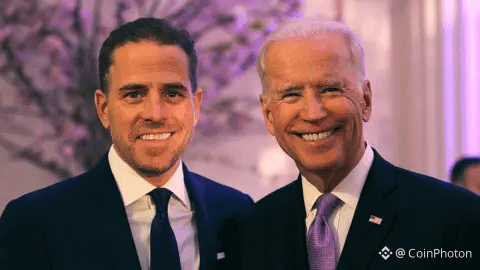
අමෙරිකා එක්සත් ජනපදයේ හිටපු ජනාධිපති ජෝ බයිඩන්ගේ පුත් හන්ටර් බයිඩන් පැවසුවේ 2020 එක්සත් ජනපද මැතිවරණයට පෙර විශාල දේශපාලන මතභේදයකට තුඩු දුන් ලැප්ටොප් එකට සඳහන් කරමින් LAPTOP නමින් මيمිකාසීනයක් (memecoin) ආරම්භ කිරීමට තමා සැලසුම් කරන බවයි.
$LAPTOP ටෝකනය බදාදා දියත් වනු ඇතැයි අපේක්ෂා කෙරෙන අතර, මුළු ටෝකන සංඛ්යාව බිලියන 1ක් වේ. The Wall Street Journal වාර්තාවට අනුව, එම සැපයුමෙන් ආසන්න වශයෙන් 20%ක් ඩොනල්ඩ් ට්රම්ප්ගේ TRUMP memecoin සඳහා ඇති Substack දායකයින්, තැපැල් ලැයිස්තු සාමාජිකයින් සහ ආයෝජකයින් වෙත බෙදාහරිනු ඇත.
ප්රවෘත්ති අනුව, නිර්මාතෘවරුන් සැපයුමෙන් 30%ක් රඳවා ගැනීමට නියමිත බව පෙනෙයි; ඇතැම් සන්ධිස්ථාන මත පදනම්ව ටෝකන 30%ක් දක්වා අලවිකර (burn) විය හැකි බවද කියැවේ. ඒ අතර 2028 දී ඩිමොක්රටික් ජනාධිපති ජයග්රහණයක්, බිට්කොයිනය නවතම සියලුකාලීන ඉහළම අගයක් කරා ළඟා වීම, හෝ LAPTOP හි fully diluted valuation අගය ට්රම්ප්ගේ TRUMP අගය ඉක්මවා යාම ඇතුළත් වේ.
මෙම දියත් කිරීම සිදුවන්නේ හන්ටර් බයිඩන් ක්රිප්ටෝ ක්ෂේත්රය සම්බන්ධයෙන් දැනෙන ලෙස කතා කිරීමට වැඩිවන විටයි; ඒ අතර World Liberty Financial හරහා එම කර්මාන්තයට ට්රම්ප් පවුල සම්බන්ධ වීම ගැනත් ඔහු විවේචනය කර ඇත.
පැහැදිලිව සැලසුම් කළ පරිදි දියත් වුවහොත්, US දේශපාලනය සහ memecoins අතර වර්ධනය වන සම්බන්ධය තවදුරටත් මෙයින් පෙන්විය හැකි අතර, CLARITY Act සම්බන්ධයෙන් සැප්තැම්බර් 15 දින cloture ඡන්දයකට නීති සම්පාදකයින් සූදානම් වෙමින් සිටියි.
අමෙරිකා එක්සත් ජනපදයේ හිටපු ජනාධිපති ජෝ බයිඩන්ගේ පුත් හන්ටර් බයිඩන් පැවසුවේ 2020 එක්සත් ජනපද මැතිවරණයට පෙර විශාල දේශපාලන මතභේදයකට තුඩු දුන් ලැප්ටොප් එකට සඳහන් කරමින් LAPTOP නමින් මيمිකාසීනයක් (memecoin) ආරම්භ කිරීමට තමා සැලසුම් කරන බවයි.
$LAPTOP ටෝකනය බදාදා දියත් වනු ඇතැයි අපේක්ෂා කෙරෙන අතර, මුළු ටෝකන සංඛ්යාව බිලියන 1ක් වේ. The Wall Street Journal වාර්තාවට අනුව, එම සැපයුමෙන් ආසන්න වශයෙන් 20%ක් ඩොනල්ඩ් ට්රම්ප්ගේ TRUMP memecoin සඳහා ඇති Substack දායකයින්, තැපැල් ලැයිස්තු සාමාජිකයින් සහ ආයෝජකයින් වෙත බෙදාහරිනු ඇත.
ප්රවෘත්ති අනුව, නිර්මාතෘවරුන් සැපයුමෙන් 30%ක් රඳවා ගැනීමට නියමිත බව පෙනෙයි; ඇතැම් සන්ධිස්ථාන මත පදනම්ව ටෝකන 30%ක් දක්වා අලවිකර (burn) විය හැකි බවද කියැවේ. ඒ අතර 2028 දී ඩිමොක්රටික් ජනාධිපති ජයග්රහණයක්, බිට්කොයිනය නවතම සියලුකාලීන ඉහළම අගයක් කරා ළඟා වීම, හෝ LAPTOP හි fully diluted valuation අගය ට්රම්ප්ගේ TRUMP අගය ඉක්මවා යාම ඇතුළත් වේ.
මෙම දියත් කිරීම සිදුවන්නේ හන්ටර් බයිඩන් ක්රිප්ටෝ ක්ෂේත්රය සම්බන්ධයෙන් දැනෙන ලෙස කතා කිරීමට වැඩිවන විටයි; ඒ අතර World Liberty Financial හරහා එම කර්මාන්තයට ට්රම්ප් පවුල සම්බන්ධ වීම ගැනත් ඔහු විවේචනය කර ඇත.
පැහැදිලිව සැලසුම් කළ පරිදි දියත් වුවහොත්, US දේශපාලනය සහ memecoins අතර වර්ධනය වන සම්බන්ධය තවදුරටත් මෙයින් පෙන්විය හැකි අතර, CLARITY Act සම්බන්ධයෙන් සැප්තැම්බර් 15 දින cloture ඡන්දයකට නීති සම්පාදකයින් සූදානම් වෙමින් සිටියි.
$LAPTOP ටෝකනය බදාදා දියත් වනු ඇතැයි අපේක්ෂා කෙරෙන අතර, මුළු ටෝකන සංඛ්යාව බිලියන 1ක් වේ. The Wall Street Journal වාර්තාවට අනුව, එම සැපයුමෙන් ආසන්න වශයෙන් 20%ක් ඩොනල්ඩ් ට්රම්ප්ගේ TRUMP memecoin සඳහා ඇති Substack දායකයින්, තැපැල් ලැයිස්තු සාමාජිකයින් සහ ආයෝජකයින් වෙත බෙදාහරිනු ඇත.
ප්රවෘත්ති අනුව, නිර්මාතෘවරුන් සැපයුමෙන් 30%ක් රඳවා ගැනීමට නියමිත බව පෙනෙයි; ඇතැම් සන්ධිස්ථාන මත පදනම්ව ටෝකන 30%ක් දක්වා අලවිකර (burn) විය හැකි බවද කියැවේ. ඒ අතර 2028 දී ඩිමොක්රටික් ජනාධිපති ජයග්රහණයක්, බිට්කොයිනය නවතම සියලුකාලීන ඉහළම අගයක් කරා ළඟා වීම, හෝ LAPTOP හි fully diluted valuation අගය ට්රම්ප්ගේ TRUMP අගය ඉක්මවා යාම ඇතුළත් වේ.
මෙම දියත් කිරීම සිදුවන්නේ හන්ටර් බයිඩන් ක්රිප්ටෝ ක්ෂේත්රය සම්බන්ධයෙන් දැනෙන ලෙස කතා කිරීමට වැඩිවන විටයි; ඒ අතර World Liberty Financial හරහා එම කර්මාන්තයට ට්රම්ප් පවුල සම්බන්ධ වීම ගැනත් ඔහු විවේචනය කර ඇත.
පැහැදිලිව සැලසුම් කළ පරිදි දියත් වුවහොත්, US දේශපාලනය සහ memecoins අතර වර්ධනය වන සම්බන්ධය තවදුරටත් මෙයින් පෙන්විය හැකි අතර, CLARITY Act සම්බන්ධයෙන් සැප්තැම්බර් 15 දින cloture ඡන්දයකට නීති සම්පාදකයින් සූදානම් වෙමින් සිටියි.
1
6
9.6k
තවත් අන්තර්ගතයන් ගවේෂණය කිරීමට ඇතුල් වන්න
Binance චතුරශ්රය හි ගෝලීය ක්රිප්ටෝ පරිශීලකයින් හා එක්වන්න
⚡️ ක්රිප්ටෝ පිළිබඳ නවතම සහ ප්රයෝජනවත් තොරතුරු ලබා ගන්න.
💬 ලොව විශාලතම ක්රිප්ටෝ හුවමාරුව මගින් විශ්වාස කෙරේ.
👍 සත්යායනය කරන ලද නිර්මාණකරුවන්ගෙන් සැබෑ විදසුන් සොයා ගන්න.
විද්යුත් තැපෑල / දුරකථන අංකය
නැගී එන මාතෘකා
SaylorHintsStrategyBitcoinBuy
2.2M views
11,513 සාකච්ඡා කරමින්
#SaylorHintsStrategyBitcoinBuy
Michael Saylor သည် Bitcoin Strategy ကိုအကောင်အထည်ဖော်ရန်အတွက် အပြုသဘောဆိုင်ရာ အချက်ပြမှုများ ထပ်မံပြန်လည်ပေးနေသည်။
သို့ရာတွင် မကြာသေးမီက အချက်အလက်များအရ Strategy သည် လွန်ခဲ့သည့် အချို့ပတ်အတွင်း Bitcoin မဝယ်သေးကြောင်း ဖော်ပြနေသည်။ ၂၀၂၆ ခုနှစ် စက်တင်ဘာ ၁၃ ရက်အထိ ကုမ္ပဏီသည် 845.050 BTC နှင့် USD အခြေခံ ပိုင်ဆိုင်မှု ခန့်မှန်းအားဖြင့် US$6,4 ဘီလီယံကို ဆက်လက်ထိန်းထားထားဆဲဖြစ်သည်။
BTC ကိုဝယ်ယူမည့်အစား Strategy သည် STRC အမည်ခံ ရှယ်ယာများကို ပြန်ဝယ်ရန် အတွက် ခန့်မှန်းအားဖြင့် US$139 သန်းကို ခွဲဝေအောင်လုပ်နေသည်။
ဒါက စျေးကွက်အတွက် ဘာအဓိပ္ပါယ်ရှိလဲ?
🔹 Strategy က Bitcoin အပေါ် ရေရှည် ယုံကြည်ချက်ကို ဆက်လက် ထိန်းထားဆဲ
🔹 USD အရန်ငွေများက နောက်ထပ် BTC ဝယ်ယူမှုအတွက် နေရာပေးထားတယ်
🔹 နောက်ထပ်ဝယ်ယူမှုအသစ်က အဖွဲ့အစည်းဆိုင်ရာ စိတ်ခံစားချက်အတွက် bullish catalyst ဖြစ်လာနိုင်
🔹 သို့သော် သဲလွန်စတစ်ခုတည်းက အတည်ပြုထားပြီးသား ဝယ်ယူမှုနဲ့ မတူသေး
ယခုအချိန်မှာတော့ စျေးကွက်က “စုဆောင်းနေတယ်” ဆိုတဲ့ ကောလဟာလနဲ့ “တရားဝင် filing” တို့ကို ခွဲခြားဖို့ လိုအပ်ပါတယ်။
အတည်ပြုချက်ကို စောင့်ပါ—headline ကြောင့်သာ ဝယ်မလုပ်ပါနဲ့။
#Bitcoin #BTC #Strategy #MichaelSaylor
$BTC
XaliCoin
·1 කැමත්ත දැක්වීම්
·139 views
BOJRaisesRatesTo31YearHigh
185,894 views
2,735 සාකච්ඡා කරමින්
BuffettStepsDownAsBerkshireChairman
90,134 views
1,420 සාකච්ඡා කරමින්