

Jojo Crypto 1
166 පෝස්ටු

Jojo Crypto 1
වාර්තා කරන්න
පරිශීලක අවහිර කරන්න
🚀 Ambassadeur Web3 & Superfan Crypto 🏆 📢 Community Builder | 📖 Crypto Writer
0 හඹා යමින්
1 හඹා යන්නන්
3 කැමති විය
පෝස්ටු
🔐 No phone number. No email. Does that mean you’re anonymous? Not necessarily. $XMR focuses on financial privacy, but digital identity involves much more than transactions. Even without a phone number, your IP address, device information, activity patterns or transaction history can potentially reveal information about you. That’s why there’s a difference between privacy, pseudonymity and anonymity. Liberdus lets users create accounts without providing a phone number or email address, reducing the personal information required to get started. But that doesn’t automatically make every activity untraceable. Privacy isn’t about becoming invisible. It’s about reducing unnecessary exposure and having more control over your information. That’s an important distinction as Web3 communication evolves. #XMR #Monero
🔐 No phone number. No email. Does that mean you’re anonymous? Not necessarily. $XMR focuses on financial privacy, but digital identity involves much more than transactions. Even without a phone number, your IP address, device information, activity patterns or transaction history can potentially reveal information about you. That’s why there’s a difference between privacy, pseudonymity and anonymity. Liberdus lets users create accounts without providing a phone number or email address, reducing the personal information required to get started. But that doesn’t automatically make every activity untraceable. Privacy isn’t about becoming invisible. It’s about reducing unnecessary exposure and having more control over your information. That’s an important distinction as Web3 communication evolves. #XMR #Monero

69
From $ETH payments to $XMR privacy, Web3 keeps evolving What should messaging apps improve next? @Liberdus is exploring new possibilities #ETH
From $ETH payments to $XMR privacy, Web3 keeps evolving What should messaging apps improve next? @Liberdus is exploring new possibilities #ETH
76
Private messaging and crypto payments can coexist. But what does privacy really mean?
$ETH helped make digital payments a core part of Web3. Liberdus explores another approach: bringing encrypted conversations and LIB payments together in one decentralized ecosystem.
Here's how it works:
-Private conversations: Message content is protected by end-to-end encryption.
-Usernames, not personal details: You can create an account without providing a phone number or email address.
-Payments inside chats: Send LIB directly through conversations using the built-in wallet.
But here's an important distinction.
Encrypted messages don't mean anonymous transactions.
LIB transactions can expose metadata such as the sender's account, recipient's account and amount transferred.
For example, an observer may see that one account sent 25 LIB to another. That doesn't automatically reveal their real-world identities, unless other information links those accounts to the people behind them.
That's why privacy isn't simply about hiding everything. It's about understanding what information is visible, what stays protected, and how those layers work together.
Liberdus brings communication and payments together while letting users participate without requiring traditional personal identifiers.
Would you use a messaging app that also lets you send crypto directly in your chats?
#ETH #Ethereum
Private messaging and crypto payments can coexist. But what does privacy really mean?
$ETH helped make digital payments a core part of Web3. Liberdus explores another approach: bringing encrypted conversations and LIB payments together in one decentralized ecosystem.
Here's how it works:
-Private conversations: Message content is protected by end-to-end encryption.
-Usernames, not personal details: You can create an account without providing a phone number or email address.
-Payments inside chats: Send LIB directly through conversations using the built-in wallet.
But here's an important distinction.
Encrypted messages don't mean anonymous transactions.
LIB transactions can expose metadata such as the sender's account, recipient's account and amount transferred.
For example, an observer may see that one account sent 25 LIB to another. That doesn't automatically reveal their real-world identities, unless other information links those accounts to the people behind them.
That's why privacy isn't simply about hiding everything. It's about understanding what information is visible, what stays protected, and how those layers work together.
Liberdus brings communication and payments together while letting users participate without requiring traditional personal identifiers.
Would you use a messaging app that also lets you send crypto directly in your chats?
#ETH #Ethereum
$ETH helped make digital payments a core part of Web3. Liberdus explores another approach: bringing encrypted conversations and LIB payments together in one decentralized ecosystem.
Here's how it works:
-Private conversations: Message content is protected by end-to-end encryption.
-Usernames, not personal details: You can create an account without providing a phone number or email address.
-Payments inside chats: Send LIB directly through conversations using the built-in wallet.
But here's an important distinction.
Encrypted messages don't mean anonymous transactions.
LIB transactions can expose metadata such as the sender's account, recipient's account and amount transferred.
For example, an observer may see that one account sent 25 LIB to another. That doesn't automatically reveal their real-world identities, unless other information links those accounts to the people behind them.
That's why privacy isn't simply about hiding everything. It's about understanding what information is visible, what stays protected, and how those layers work together.
Liberdus brings communication and payments together while letting users participate without requiring traditional personal identifiers.
Would you use a messaging app that also lets you send crypto directly in your chats?
#ETH #Ethereum

62
Crypto has changed how we move money. But what about how we communicate?
$ETH has helped make digital payments a core part of Web3. Yet communication and payments are often treated as separate experiences.
Liberdus is exploring a different approach.
-Encrypted messaging
- Usernames without requiring a phone number or email
- A built-in wallet to send LIB directly in chats
- Decentralized infrastructure powered by Shardus
The interesting part is how these pieces work together: users can communicate and transfer value within the same ecosystem.
One important distinction: private messages don't automatically mean anonymous transactions. LIB transfers can still expose transaction metadata.
The next step for Web3 may not just be moving value, but rethinking how people connect while doing it.
Would you rather see more crypto apps integrate messaging, or keep payments and communication separate?
#ETH #Ethereum
Crypto has changed how we move money. But what about how we communicate?
$ETH has helped make digital payments a core part of Web3. Yet communication and payments are often treated as separate experiences.
Liberdus is exploring a different approach.
-Encrypted messaging
- Usernames without requiring a phone number or email
- A built-in wallet to send LIB directly in chats
- Decentralized infrastructure powered by Shardus
The interesting part is how these pieces work together: users can communicate and transfer value within the same ecosystem.
One important distinction: private messages don't automatically mean anonymous transactions. LIB transfers can still expose transaction metadata.
The next step for Web3 may not just be moving value, but rethinking how people connect while doing it.
Would you rather see more crypto apps integrate messaging, or keep payments and communication separate?
#ETH #Ethereum
$ETH has helped make digital payments a core part of Web3. Yet communication and payments are often treated as separate experiences.
Liberdus is exploring a different approach.
-Encrypted messaging
- Usernames without requiring a phone number or email
- A built-in wallet to send LIB directly in chats
- Decentralized infrastructure powered by Shardus
The interesting part is how these pieces work together: users can communicate and transfer value within the same ecosystem.
One important distinction: private messages don't automatically mean anonymous transactions. LIB transfers can still expose transaction metadata.
The next step for Web3 may not just be moving value, but rethinking how people connect while doing it.
Would you rather see more crypto apps integrate messaging, or keep payments and communication separate?
#ETH #Ethereum

69
A crypto exchange shuts down, but the legal battle is far from over. A former BitMEX user is suing the exchange for 324.8 $BTC , worth roughly $27 million, over losses from leveraged trades between 2018 and 2022. His argument? BitMEX allegedly offered derivatives to UK customers without the required regulatory authorization. The claim is still unproven, but the case could open the door to similar claims from other British traders. Should traders be able to recover losses from products allegedly offered illegally, even years later? #BTC #Macro Insights# #Bitcoin
A crypto exchange shuts down, but the legal battle is far from over. A former BitMEX user is suing the exchange for 324.8 $BTC , worth roughly $27 million, over losses from leveraged trades between 2018 and 2022. His argument? BitMEX allegedly offered derivatives to UK customers without the required regulatory authorization. The claim is still unproven, but the case could open the door to similar claims from other British traders. Should traders be able to recover losses from products allegedly offered illegally, even years later? #BTC #Macro Insights# #Bitcoin
64
Privacy is moving beyond transactions.
It's reaching the way we access digital services.
On October 1, $ETH introduced zkAPI on mainnet, allowing users to pay for AI and other API services without directly linking their payment identity to every request.
Why does this matter?
Because privacy isn't just about what happens to your money.
It's also about what your searches, prompts and everyday digital interactions reveal about you.
And communication is part of that equation.
Projects like @Liberdus are exploring a different approach to digital communication, built around decentralized infrastructure and user-controlled identities.
The bigger question isn't just how we protect our transactions.
It's how much of ourselves we should have to reveal just to use the internet.
#ETH #Ethereum
Privacy is moving beyond transactions.
It's reaching the way we access digital services.
On October 1, $ETH introduced zkAPI on mainnet, allowing users to pay for AI and other API services without directly linking their payment identity to every request.
Why does this matter?
Because privacy isn't just about what happens to your money.
It's also about what your searches, prompts and everyday digital interactions reveal about you.
And communication is part of that equation.
Projects like @Liberdus are exploring a different approach to digital communication, built around decentralized infrastructure and user-controlled identities.
The bigger question isn't just how we protect our transactions.
It's how much of ourselves we should have to reveal just to use the internet.
#ETH #Ethereum
It's reaching the way we access digital services.
On October 1, $ETH introduced zkAPI on mainnet, allowing users to pay for AI and other API services without directly linking their payment identity to every request.
Why does this matter?
Because privacy isn't just about what happens to your money.
It's also about what your searches, prompts and everyday digital interactions reveal about you.
And communication is part of that equation.
Projects like @Liberdus are exploring a different approach to digital communication, built around decentralized infrastructure and user-controlled identities.
The bigger question isn't just how we protect our transactions.
It's how much of ourselves we should have to reveal just to use the internet.
#ETH #Ethereum

68
BitMine keeps stacking ETH. The company bought another 15,112 $ETH over the past week, bringing its holdings to 6,016,414 ETH roughly 4.9% of Ethereum’s total supply. That’s an enormous position for a single public company. And BitMine isn’t just holding it: more than 5 million ETH is currently staked. If BitMine keeps accumulating, how significant could 5%+ of ETH supply become for the market? #ETH #Ethereum
BitMine keeps stacking ETH. The company bought another 15,112 $ETH over the past week, bringing its holdings to 6,016,414 ETH roughly 4.9% of Ethereum’s total supply. That’s an enormous position for a single public company. And BitMine isn’t just holding it: more than 5 million ETH is currently staked. If BitMine keeps accumulating, how significant could 5%+ of ETH supply become for the market? #ETH #Ethereum
58
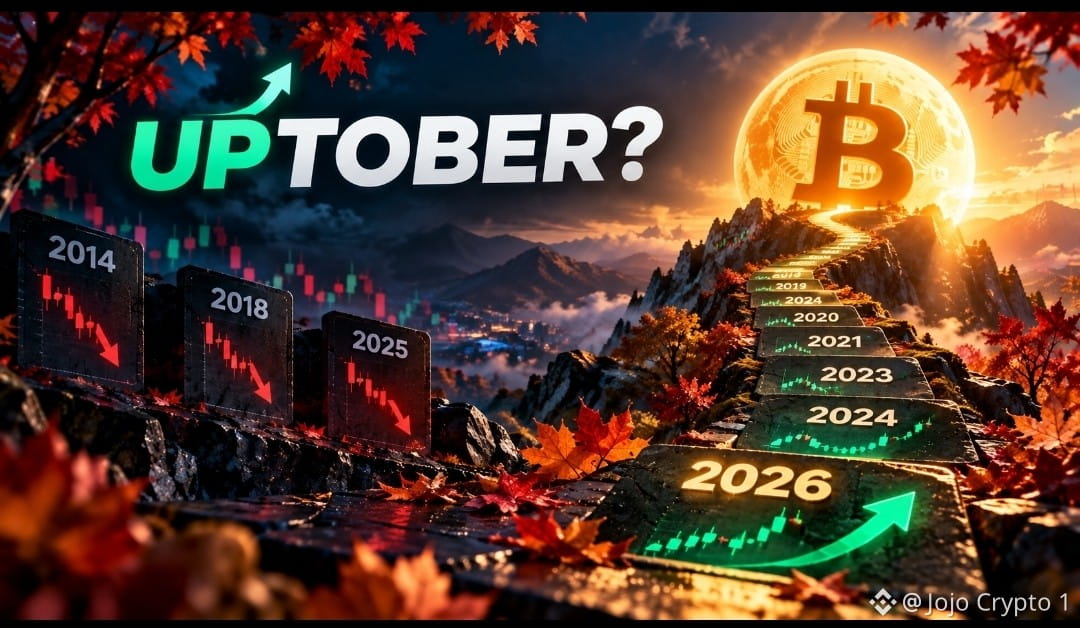
“Uptober” is a useful signal but I don’t think it’s enough to trust on its own. $BTC has historically had a strong October, closing green in 10 of 13 years since 2013, with a median return of +10.8%. But 2025 was an important reminder that historical patterns can break. Bitcoin reached a new ATH above $126K last October and still ended the month in the red, snapping a six-year green streak. That makes me question how much weight we should really give “Uptober.” The sample itself is also relatively small: 13 Octobers isn’t enough to treat seasonality like a rule. For me, the more interesting question is whether October seasonality is still working when liquidity, macro conditions and positioning are different from previous cycles. Is Uptober a recurring market signal or just a pattern traders have learned to expect? #BTC #BTC Price Analysis# #Macro Insights# #Altcoin Season#
“Uptober” is a useful signal but I don’t think it’s enough to trust on its own. $BTC has historically had a strong October, closing green in 10 of 13 years since 2013, with a median return of +10.8%. But 2025 was an important reminder that historical patterns can break. Bitcoin reached a new ATH above $126K last October and still ended the month in the red, snapping a six-year green streak. That makes me question how much weight we should really give “Uptober.” The sample itself is also relatively small: 13 Octobers isn’t enough to treat seasonality like a rule. For me, the more interesting question is whether October seasonality is still working when liquidity, macro conditions and positioning are different from previous cycles. Is Uptober a recurring market signal or just a pattern traders have learned to expect? #BTC #BTC Price Analysis# #Macro Insights# #Altcoin Season#
54
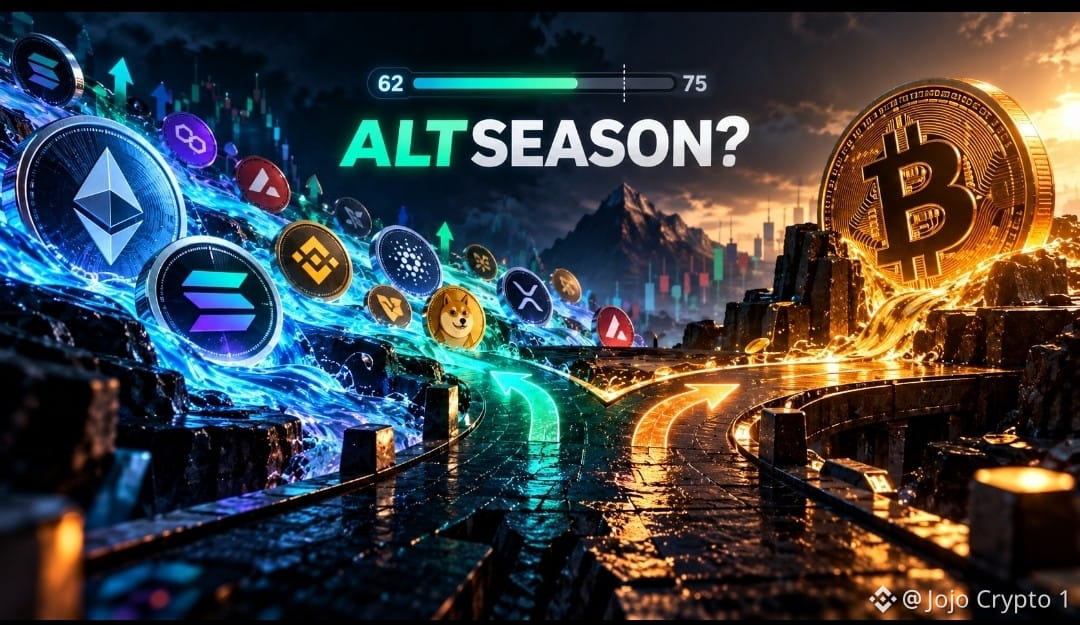
4x the volume doesn’t automatically mean altseason. Altcoin spot volume is now nearly 4× Bitcoin’s, while the CMC Altcoin Season Index has climbed to 62 from around 33 last month. That looks like capital rotation… but there’s a catch. 62 is still below the 75 threshold CMC uses to confirm altseason, and $BTC dominance remains around 59%. So I see two possible readings: 🔄 Rotation: traders are finally moving deeper into alts. ⚠️ Distribution: the huge volume could be late buyers entering while existing holders take profits. The next few weeks may tell us which one it is. According to you, is this the beginning of altseason or liquidity preparing for another BTC move? #BTC #BTC Price Analysis# #Macro Insights# #Altcoin Season#
4x the volume doesn’t automatically mean altseason. Altcoin spot volume is now nearly 4× Bitcoin’s, while the CMC Altcoin Season Index has climbed to 62 from around 33 last month. That looks like capital rotation… but there’s a catch. 62 is still below the 75 threshold CMC uses to confirm altseason, and $BTC dominance remains around 59%. So I see two possible readings: 🔄 Rotation: traders are finally moving deeper into alts. ⚠️ Distribution: the huge volume could be late buyers entering while existing holders take profits. The next few weeks may tell us which one it is. According to you, is this the beginning of altseason or liquidity preparing for another BTC move? #BTC #BTC Price Analysis# #Macro Insights# #Altcoin Season#
77
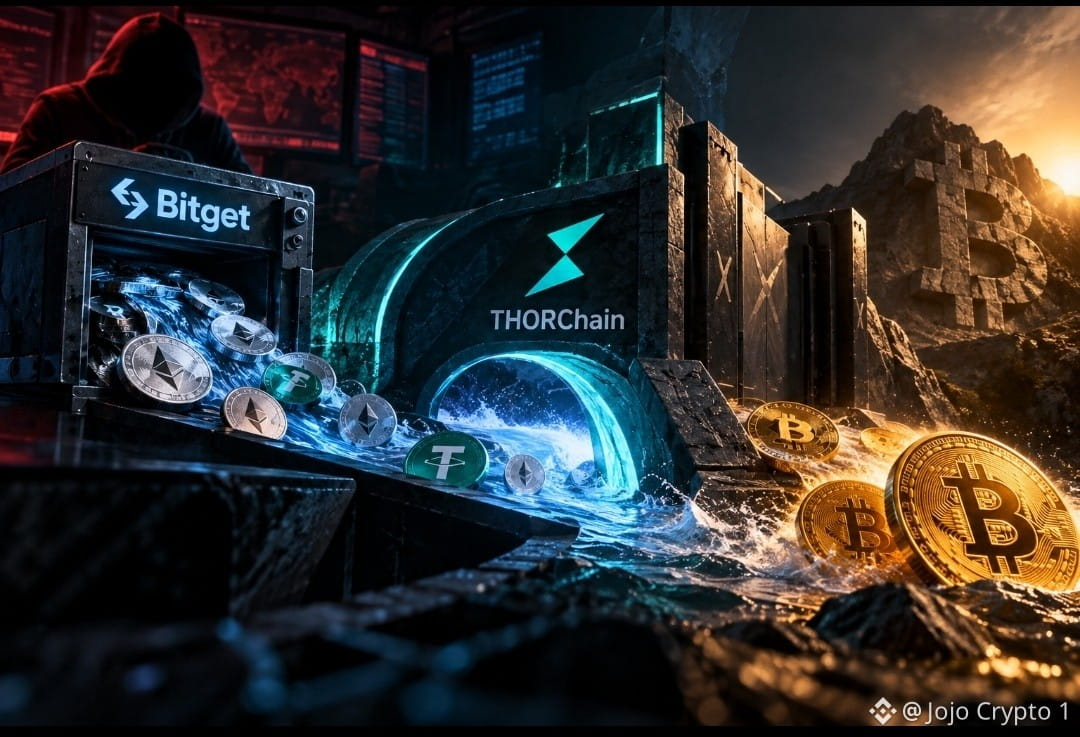
This is where the decentralization debate gets really interesting. THORChain refused to block addresses linked to the $388M Bitget hack. Shortly after, around $6.3M in stolen $ETH was swapped into 75.2 $BTC through the protocol. And this is where I see the strongest argument for THORChain’s position: Bitcoin itself is permissionless. If a BTC address is publicly flagged as stolen, Bitcoin doesn’t automatically reject its transactions. But THORChain isn’t Bitcoin. Its validators have emergency controls and can halt the network, which makes the comparison much more complicated. So where should the line be? If decentralization means permissionless access, should protocols really have the right to decide who can swap even when the funds are clearly linked to a hack? #BTC #ETH #Macro Insights#
This is where the decentralization debate gets really interesting. THORChain refused to block addresses linked to the $388M Bitget hack. Shortly after, around $6.3M in stolen $ETH was swapped into 75.2 $BTC through the protocol. And this is where I see the strongest argument for THORChain’s position: Bitcoin itself is permissionless. If a BTC address is publicly flagged as stolen, Bitcoin doesn’t automatically reject its transactions. But THORChain isn’t Bitcoin. Its validators have emergency controls and can halt the network, which makes the comparison much more complicated. So where should the line be? If decentralization means permissionless access, should protocols really have the right to decide who can swap even when the funds are clearly linked to a hack? #BTC #ETH #Macro Insights#
50
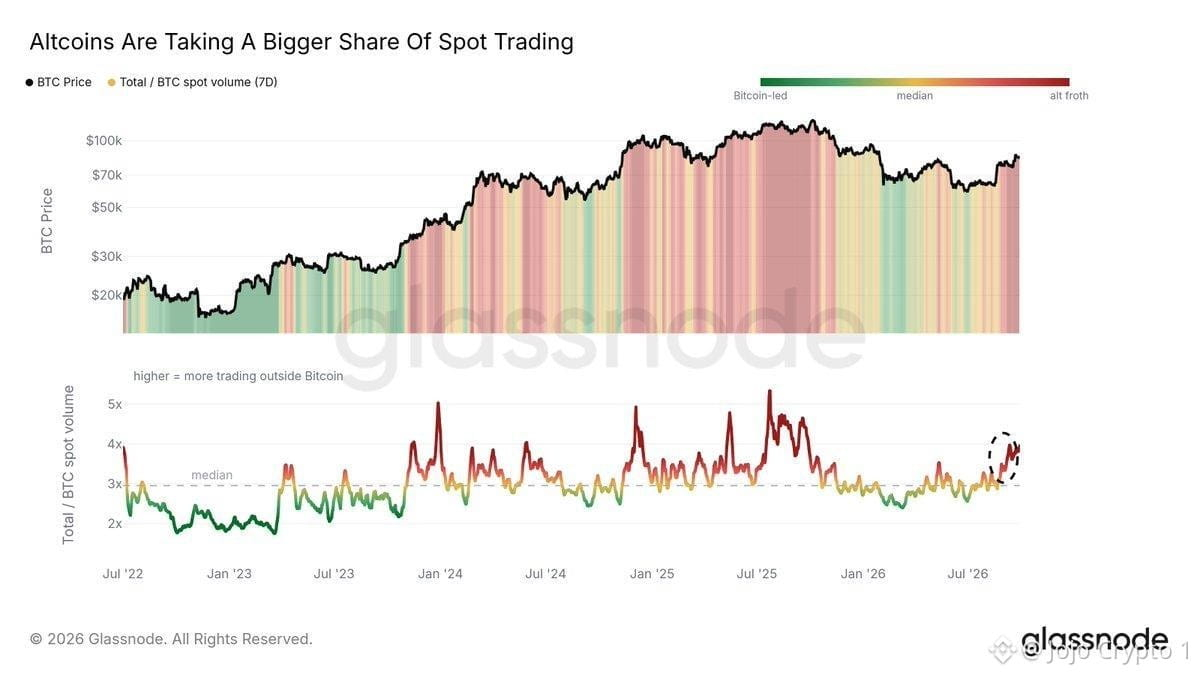
Altcoins are suddenly dominating spot volume. Altcoin spot trading volume is now nearly 4× Bitcoin’s, the highest ratio in about a year. But there’s an interesting warning: Glassnode notes that similar spikes in altcoin activity have previously appeared around local $BTC tops. So is this the start of a real altseason or a sign that Bitcoin’s rally is getting overheated? According to you, what comes next for $BTC? #BTC #BTC Price Analysis# #Macro Insights#
Altcoins are suddenly dominating spot volume. Altcoin spot trading volume is now nearly 4× Bitcoin’s, the highest ratio in about a year. But there’s an interesting warning: Glassnode notes that similar spikes in altcoin activity have previously appeared around local $BTC tops. So is this the start of a real altseason or a sign that Bitcoin’s rally is getting overheated? According to you, what comes next for $BTC? #BTC #BTC Price Analysis# #Macro Insights#
49
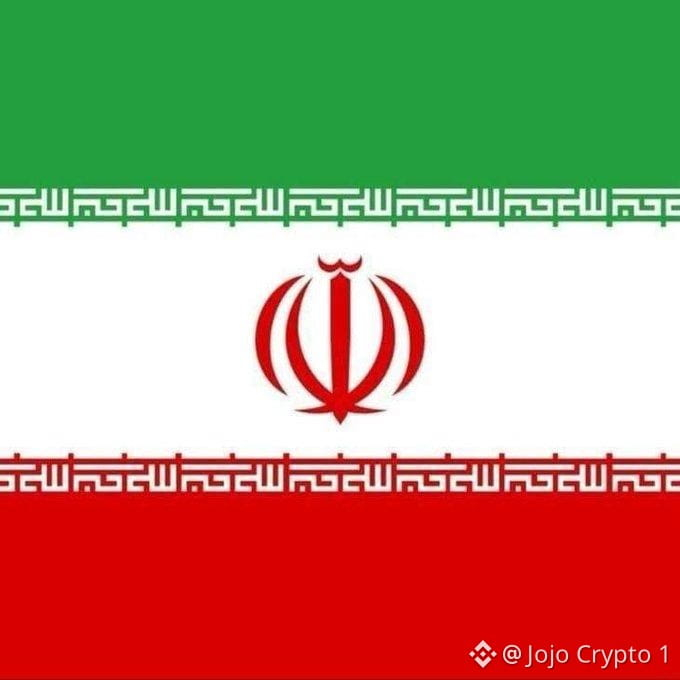
USDT is facing serious scrutiny in Washington. A U.S. Senate investigation found that 84% of 846 Iran-linked sanctioned wallets used Tether’s $USDT exclusively or almost exclusively. Tether says it has frozen around $550M in Iran-linked USDT this year, highlighting the other side of the debate: public blockchains can also make these funds traceable and freezeable. Is this a major risk for USDT or proof that blockchain transparency actually works? #USDT
USDT is facing serious scrutiny in Washington. A U.S. Senate investigation found that 84% of 846 Iran-linked sanctioned wallets used Tether’s $USDT exclusively or almost exclusively. Tether says it has frozen around $550M in Iran-linked USDT this year, highlighting the other side of the debate: public blockchains can also make these funds traceable and freezeable. Is this a major risk for USDT or proof that blockchain transparency actually works? #USDT
70
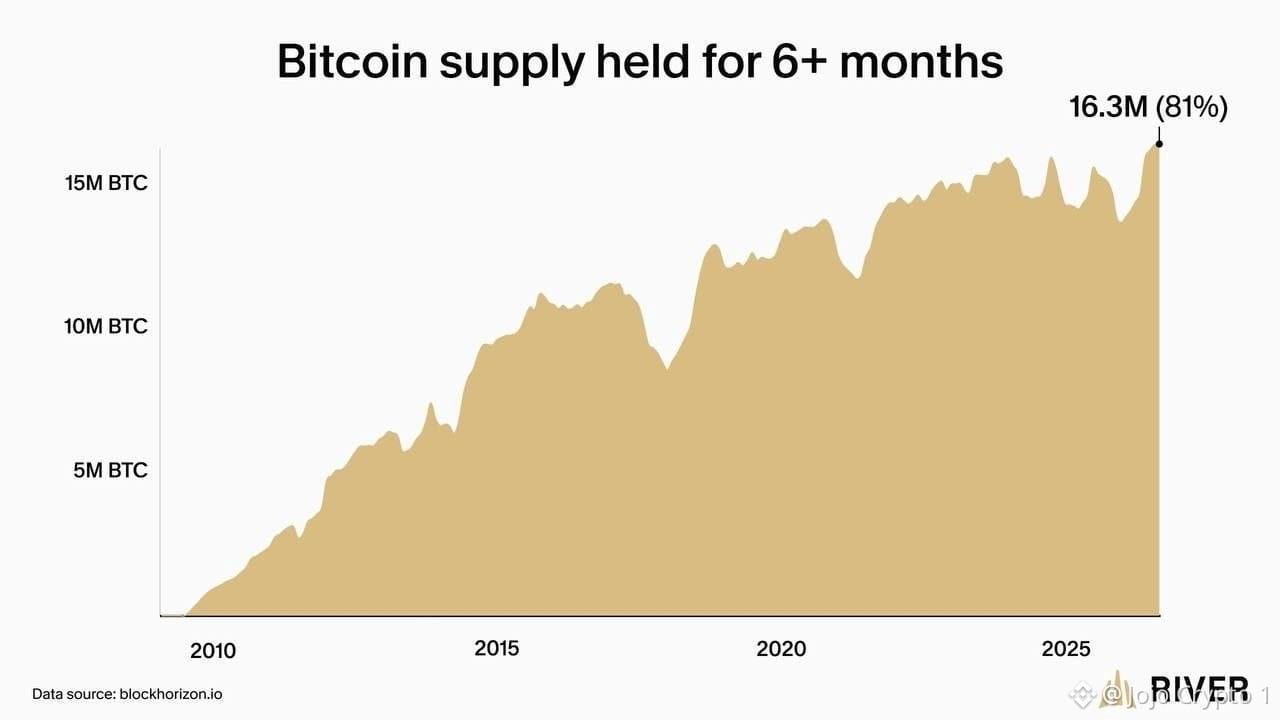
Bitcoin holders are barely moving. Around 81% of $BTC supply hasn’t moved in at least 6 months, according to recent on-chain data. That means a huge portion of Bitcoin is sitting untouched even as the market moves higher. Less supply actively circulating can make liquidity tighter when demand rises. According to you, is this a sign that BTC holders are preparing for another major move? #BTC #BTC Price Analysis# #Macro Insights#
Bitcoin holders are barely moving. Around 81% of $BTC supply hasn’t moved in at least 6 months, according to recent on-chain data. That means a huge portion of Bitcoin is sitting untouched even as the market moves higher. Less supply actively circulating can make liquidity tighter when demand rises. According to you, is this a sign that BTC holders are preparing for another major move? #BTC #BTC Price Analysis# #Macro Insights#
74
Do you already have HYPE on your radar? Binance is listing $HYPE for spot trading today, bringing one of the biggest names in the perp DEX space to a much larger spot market. The big question now: Do you think this Binance listing will send HYPE higher, or is the hype already priced in? 🔥 #HYPE
Do you already have HYPE on your radar? Binance is listing $HYPE for spot trading today, bringing one of the biggest names in the perp DEX space to a much larger spot market. The big question now: Do you think this Binance listing will send HYPE higher, or is the hype already priced in? 🔥 #HYPE
84
Institutional money is flowing into more than just $BTC . Spot crypto ETFs recorded nearly $964M in net inflows on September 22. BTC led with $714.75M, but $ETH pulled $162.31M, while ZEC, SOL and $XRP also attracted significant capital. Most interesting: XRP ETFs brought in $20.02M, their biggest daily inflow of September. Is this another sign that capital is rotating deeper into altcoins? #BTC #ETH #Macro Insights# #Altcoin Season#
Institutional money is flowing into more than just $BTC . Spot crypto ETFs recorded nearly $964M in net inflows on September 22. BTC led with $714.75M, but $ETH pulled $162.31M, while ZEC, SOL and $XRP also attracted significant capital. Most interesting: XRP ETFs brought in $20.02M, their biggest daily inflow of September. Is this another sign that capital is rotating deeper into altcoins? #BTC #ETH #Macro Insights# #Altcoin Season#
69
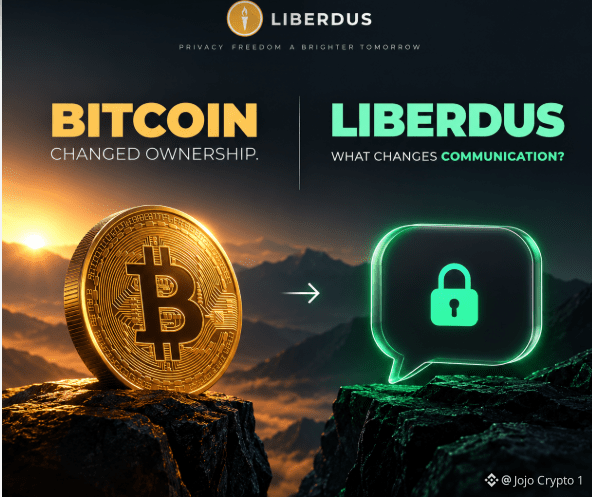
Crypto taught us that you don't need a bank to own money. $BTC changed what digital ownership could look like. You can hold value without asking a bank for permission. You can move it without relying on a traditional intermediary. But there's still a weird contradiction: We can control our money without a middleman… yet most of our conversations still depend on centralized platforms. Your messages. Your identity. Your contacts. Your digital relationships. Maybe the next step isn't another way to move value. Maybe it's changing how we communicate value, identity and information online. That's what makes @Liberdus interesting to watch. Bitcoin changed ownership. What changes communication? #BTC #Macro Insights# #BTC Price Analysis#
Crypto taught us that you don't need a bank to own money. $BTC changed what digital ownership could look like. You can hold value without asking a bank for permission. You can move it without relying on a traditional intermediary. But there's still a weird contradiction: We can control our money without a middleman… yet most of our conversations still depend on centralized platforms. Your messages. Your identity. Your contacts. Your digital relationships. Maybe the next step isn't another way to move value. Maybe it's changing how we communicate value, identity and information online. That's what makes @Liberdus interesting to watch. Bitcoin changed ownership. What changes communication? #BTC #Macro Insights# #BTC Price Analysis#
37
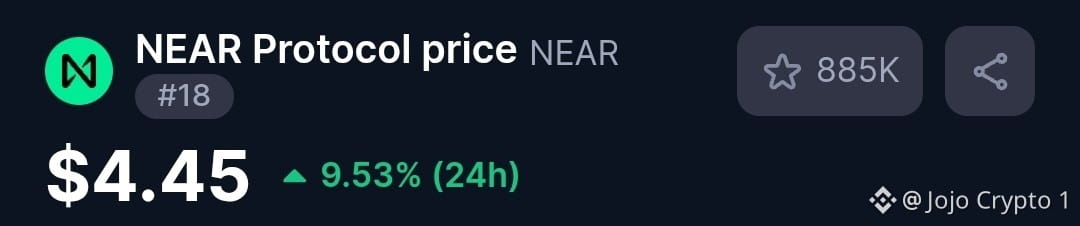
XRP and NEAR look more convincing than DOGE and BCH right now. DOGE is exploding, but a large part of today’s move came with a massive short squeeze. BCH, meanwhile, is moving more in line with the broader market. $XRP is more interesting because the rally comes alongside a 10-week streak of positive spot ETF flows, while $NEAR had already shown strong relative momentum before this broader move. That doesn’t mean either move is guaranteed to continue. But if I had to separate momentum from a potentially stronger trend, XRP and NEAR are the two I’d be watching most closely. According to you, which run has the strongest foundation: XRP, DOGE, BCH or NEAR? #XRP #NEAR #Altcoin Season# #Macro Insights#
XRP and NEAR look more convincing than DOGE and BCH right now. DOGE is exploding, but a large part of today’s move came with a massive short squeeze. BCH, meanwhile, is moving more in line with the broader market. $XRP is more interesting because the rally comes alongside a 10-week streak of positive spot ETF flows, while $NEAR had already shown strong relative momentum before this broader move. That doesn’t mean either move is guaranteed to continue. But if I had to separate momentum from a potentially stronger trend, XRP and NEAR are the two I’d be watching most closely. According to you, which run has the strongest foundation: XRP, DOGE, BCH or NEAR? #XRP #NEAR #Altcoin Season# #Macro Insights#

39
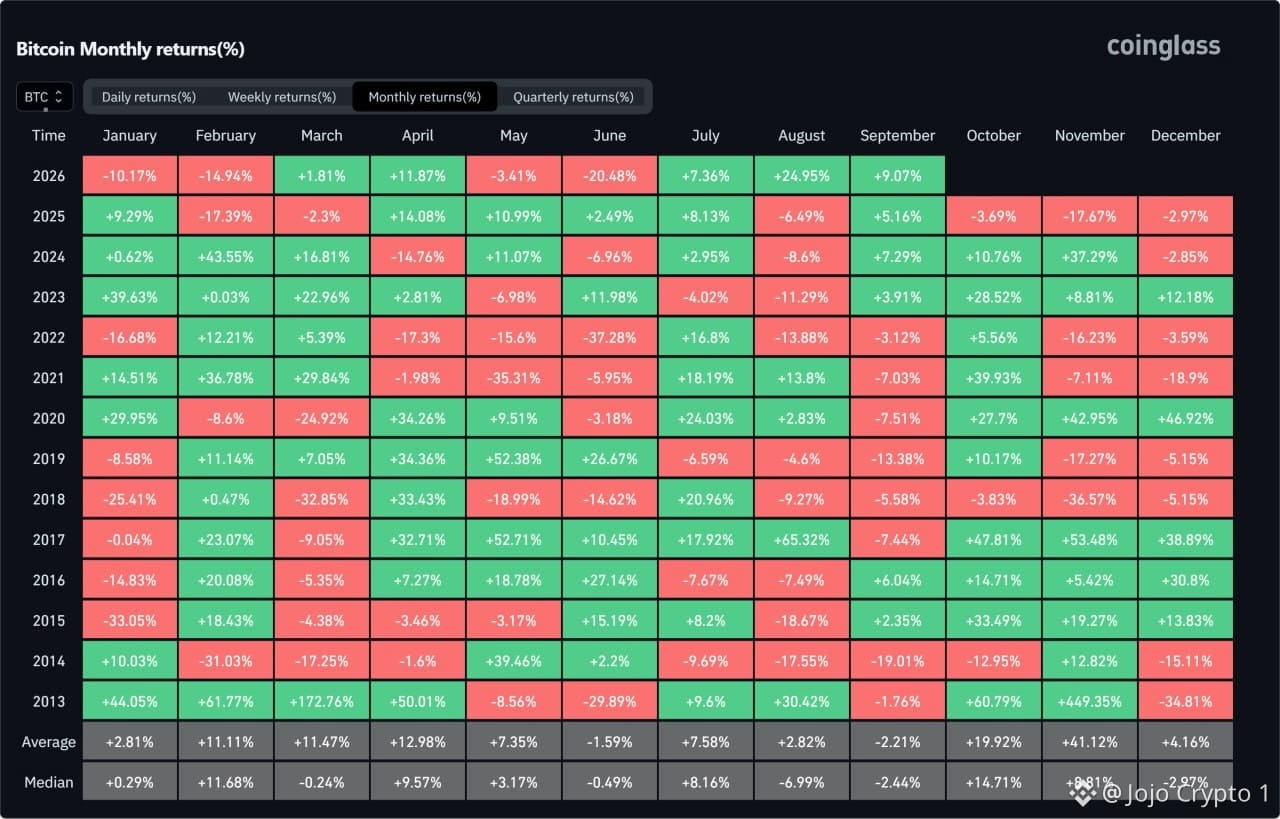
Bitcoin is defying its September history. $BTC is currently up 9.07% in September, while its historical September average sits around -2.21%. That’s a major divergence from the usual seasonal pattern. But the month isn’t over yet. According to you, can Bitcoin maintain these gains and finish September in the green? #BTC #BTC Price Analysis# #Altcoin Season# #Macro Insights#
Bitcoin is defying its September history. $BTC is currently up 9.07% in September, while its historical September average sits around -2.21%. That’s a major divergence from the usual seasonal pattern. But the month isn’t over yet. According to you, can Bitcoin maintain these gains and finish September in the green? #BTC #BTC Price Analysis# #Altcoin Season# #Macro Insights#
52
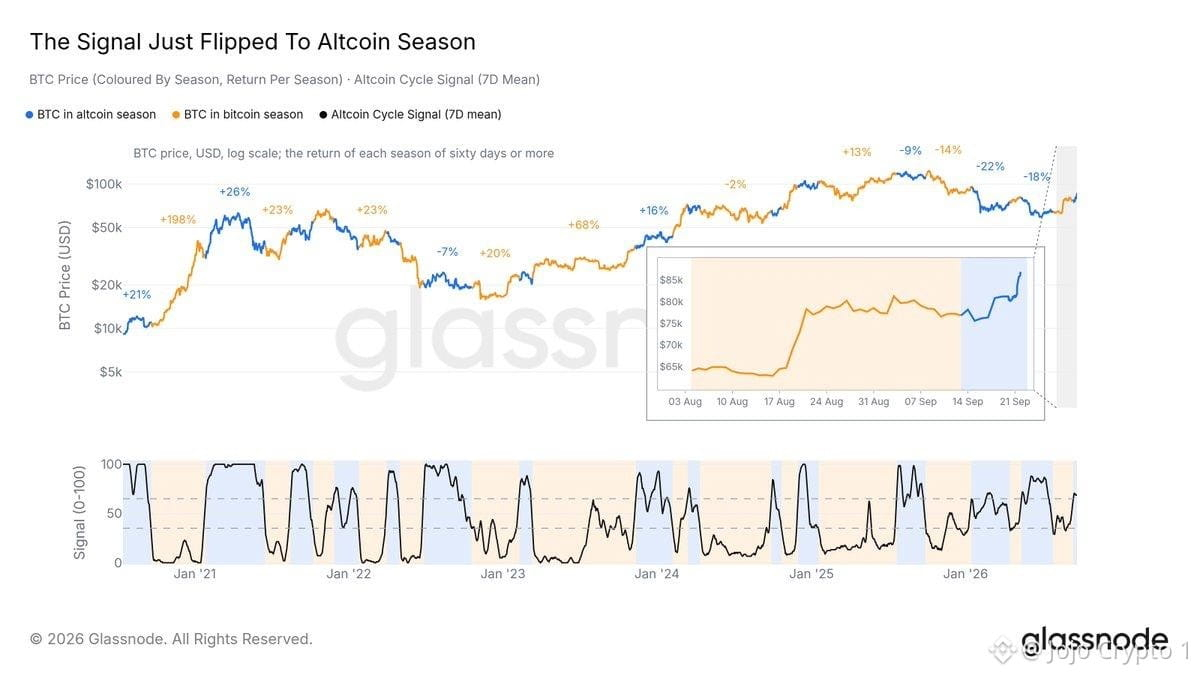
Altcoin season may have just arrived Glassnode’s Altcoin Cycle Signal has flipped from Bitcoin Season to Altcoin Season, as today’s rally starts spreading beyond $BTC . That’s interesting because the previous rally was largely Bitcoin-led. This time, altcoins are participating too. But there’s a catch: different indicators don’t fully agree yet, with CoinMarketCap’s own Altcoin Season Index using a different methodology. Is this the beginning of a real altseason, or just another short-term rotation? #BTC Price Analysis# #Altcoin Season# #Macro Insights#
Altcoin season may have just arrived Glassnode’s Altcoin Cycle Signal has flipped from Bitcoin Season to Altcoin Season, as today’s rally starts spreading beyond $BTC . That’s interesting because the previous rally was largely Bitcoin-led. This time, altcoins are participating too. But there’s a catch: different indicators don’t fully agree yet, with CoinMarketCap’s own Altcoin Season Index using a different methodology. Is this the beginning of a real altseason, or just another short-term rotation? #BTC Price Analysis# #Altcoin Season# #Macro Insights#
78
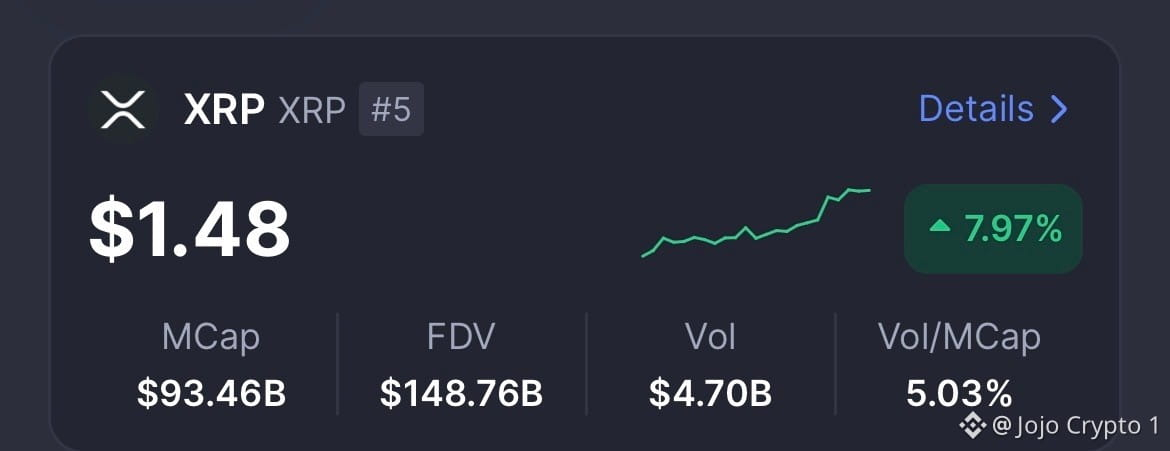
XRP is making a strong comeback $XRP is now around $1.48, up nearly 8% in 24 hours. After holding the $1.40 area, XRP is now pushing back toward its recent highs. The next question is simple: Can XRP break above $1.50 and keep the momentum going? #XRP #Ripple
XRP is making a strong comeback $XRP is now around $1.48, up nearly 8% in 24 hours. After holding the $1.40 area, XRP is now pushing back toward its recent highs. The next question is simple: Can XRP break above $1.50 and keep the momentum going? #XRP #Ripple
1
116
තවත් අන්තර්ගතයන් ගවේෂණය කිරීමට ඇතුල් වන්න
Binance චතුරශ්රය හි ගෝලීය ක්රිප්ටෝ පරිශීලකයින් හා එක්වන්න
⚡️ ක්රිප්ටෝ පිළිබඳ නවතම සහ ප්රයෝජනවත් තොරතුරු ලබා ගන්න.
💬 ලොව විශාලතම ක්රිප්ටෝ හුවමාරුව මගින් විශ්වාස කෙරේ.
👍 සත්යායනය කරන ලද නිර්මාණකරුවන්ගෙන් සැබෑ විදසුන් සොයා ගන්න.
විද්යුත් තැපෑල / දුරකථන අංකය
නැගී එන මාතෘකා
BinancePick
3M නැරඹීම්
151,495 සාකච්ඡා කරමින්
Join #EarningsSeason: Predict Earnings on Binance Pick, Share Your Take on Binance Square!
Binance Square Official
·408 කැමත්ත දැක්වීම්
·342.2k නැරඹීම්
EarningsSeason
5.2M නැරඹීම්
25,762 සාකච්ඡා කරමින්
AnthropicTTMRevenueGrewAbout1200%
18,112 නැරඹීම්
326 සාකච්ඡා කරමින්