
Hsaka Trades
2.6k පෝස්ටු

Hsaka Trades
වාර්තා කරන්න
පරිශීලක අවහිර කරන්න
we'll come Alpha coin, don't miss my signal 🚥🚦 btc,Eth,Sol
විවෘත වෙළෙඳාම
අධි-සංඛ්යාත වෙළෙන්දා
{වේලාව} වසර
630 හඹා යමින්
4.3K+ හඹා යන්නන්
2.1K+ කැමති විය
පෝස්ටු
ආයෝජන කළඹ
සියල්ල
උපුටා දැක්වීම්
වීඩියෝ
සජීවි
අමුණා ඇත
·
--
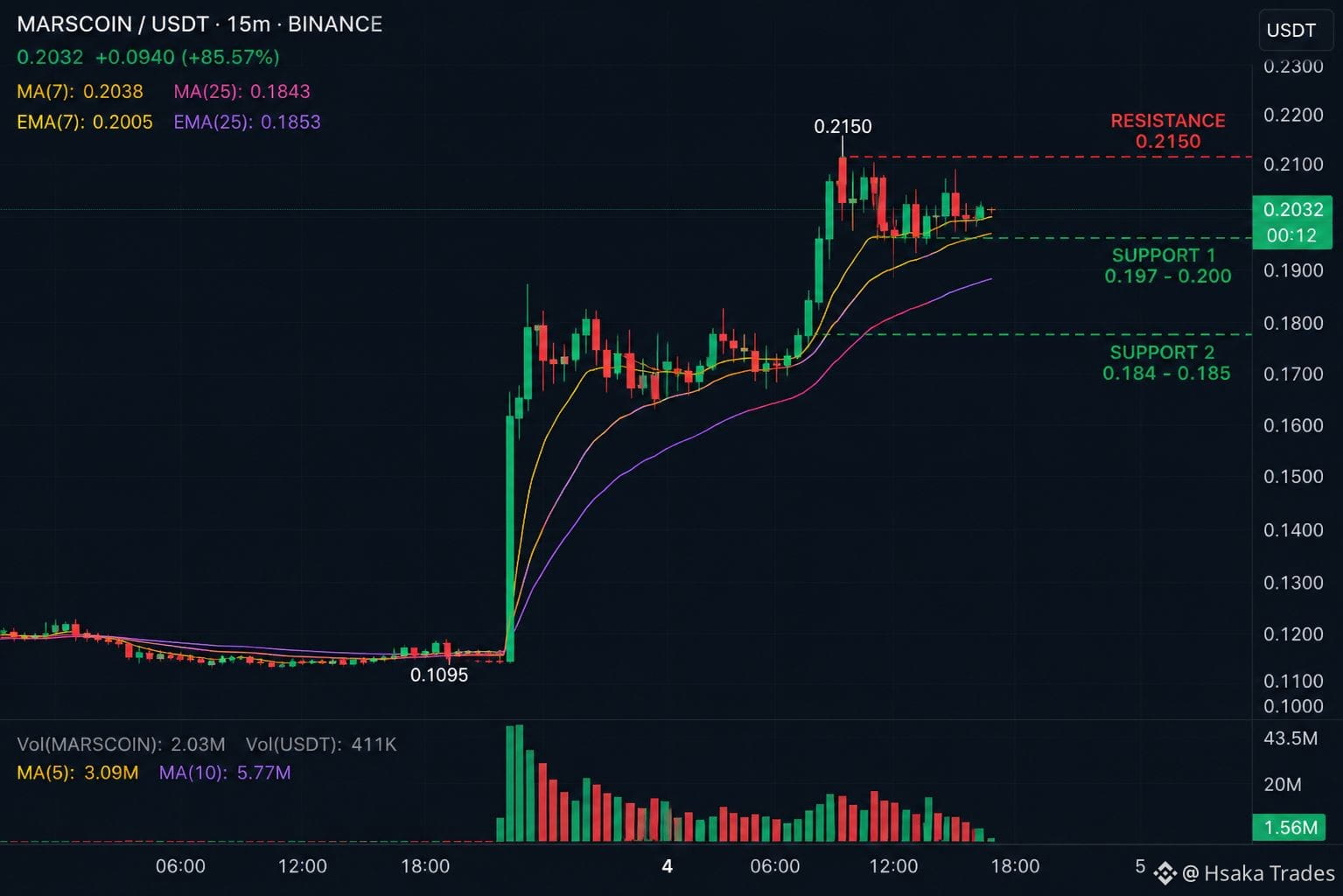
🚨 MARSCOIN තවමත් බලා සිටි වෙළඳකරුවන් කිහිපදෙනාමට සූදානම් නොවුණ මොහොතක් සිදු කරලා.
$MARSCOIN ඩොලර් $0.2032 වටා වෙළඳාම කරමින් සිටින අතර, ගත වූ පැය 24 තුළදීම ආසන්න වශයෙන් 85%කින් ඉහළ ගොස් ඇත. නමුත් වැදගත් වන්නේ හරිත ඉටිපන්දම නොව — බ්රේක්අවුට් එකෙන් පස්සේ සිදුවන්නේ කුමක්ද කියන එකයි.
15M ප්රස්ථාරයේදී මිල $0.17 පමණ ප්රදේශයෙන් පුපුරා ගොස්, $0.2150 ආසන්න නව intraday ඉහළම මට්ටමකට තල්ලු වුණා. එම හදිසි ඉහළ යාමෙන් පස්සේ, ඉක්මනින් කඩා වැටෙන්නට වෙනුවට මිල $0.20–$0.204 වටා එකඟ වෙමින් සිටිනවා — එයින් පේන්නේ මිලදී ගන්නන් තවමත් බ්රේක්අවුට් කලාපය ආරක්ෂා කරන බවයි.
මිල $0.197–$0.200 ප්රදේශයට ඉහළින් පවතින තාක් දී කෙටි කාලීන ව්යුහය බුලිෂ් (ඉහළ යන බවට) පවතිනවා. 7 EMA (~$0.2005) ද මිලට ආසන්නවම සිටීමත්, ගොනුන්ට වැදගත් කෙටි කාලීන සන්ධිස්ථානයක් වෙයි.
ඉහළින්, $0.2150 පැහැදිලි ප්රතිරෝධය (resistance) වේ. ශක්තිමත් වොලුම් එකක් සමඟින් පිරිසිදු බ්රේක්අවුට් එකක් සිදු වුණොත් $0.22+ දක්වා යන්නට දොර විවෘත විය හැක.
නමුත් අනතුරු ඇඟවීමක් තියෙනවා: මුල් පම්ප් එකේ වොලුම් ඉතා ඉහළ මට්ටමක තිබූ අතර, දැන් එය ක්රමයෙන් සිසිල් වෙමින් පවතී. විකුණුම් වොලුම් වැඩිවෙමින් $0.197 කඩාවැටුණොත්, $0.184–$0.185 දක්වා ගැඹුරු පසුබැසීමක් (pullback) ඇති විය හැක.
මට නම් මෙය තවදුරටත් ඉටිපන්දම පසුපස දුවන්න ගැන නෙමෙයි. MARSCOINට බ්රේක්අවුට් එක රඳවාගෙන $0.20 ආධාරක (support) බවට හැරවිය හැකිද කියලා නිරීක්ෂණය කිරීමයි.
ඔබ බලා සිටින්නේ $0.2150 ඉහළින් බ්රේක්අවුට් එකක් එන තුරුද, නැත්නම් $0.20 නැවත පරීක්ෂා කිරීමක් (retest) දක්වාද?
#MARSCOIN #MARS dont miss 👉$ZEC
🚨 MARSCOIN තවමත් බලා සිටි වෙළඳකරුවන් කිහිපදෙනාමට සූදානම් නොවුණ මොහොතක් සිදු කරලා.
$MARSCOIN ඩොලර් $0.2032 වටා වෙළඳාම කරමින් සිටින අතර, ගත වූ පැය 24 තුළදීම ආසන්න වශයෙන් 85%කින් ඉහළ ගොස් ඇත. නමුත් වැදගත් වන්නේ හරිත ඉටිපන්දම නොව — බ්රේක්අවුට් එකෙන් පස්සේ සිදුවන්නේ කුමක්ද කියන එකයි.
15M ප්රස්ථාරයේදී මිල $0.17 පමණ ප්රදේශයෙන් පුපුරා ගොස්, $0.2150 ආසන්න නව intraday ඉහළම මට්ටමකට තල්ලු වුණා. එම හදිසි ඉහළ යාමෙන් පස්සේ, ඉක්මනින් කඩා වැටෙන්නට වෙනුවට මිල $0.20–$0.204 වටා එකඟ වෙමින් සිටිනවා — එයින් පේන්නේ මිලදී ගන්නන් තවමත් බ්රේක්අවුට් කලාපය ආරක්ෂා කරන බවයි.
මිල $0.197–$0.200 ප්රදේශයට ඉහළින් පවතින තාක් දී කෙටි කාලීන ව්යුහය බුලිෂ් (ඉහළ යන බවට) පවතිනවා. 7 EMA (~$0.2005) ද මිලට ආසන්නවම සිටීමත්, ගොනුන්ට වැදගත් කෙටි කාලීන සන්ධිස්ථානයක් වෙයි.
ඉහළින්, $0.2150 පැහැදිලි ප්රතිරෝධය (resistance) වේ. ශක්තිමත් වොලුම් එකක් සමඟින් පිරිසිදු බ්රේක්අවුට් එකක් සිදු වුණොත් $0.22+ දක්වා යන්නට දොර විවෘත විය හැක.
නමුත් අනතුරු ඇඟවීමක් තියෙනවා: මුල් පම්ප් එකේ වොලුම් ඉතා ඉහළ මට්ටමක තිබූ අතර, දැන් එය ක්රමයෙන් සිසිල් වෙමින් පවතී. විකුණුම් වොලුම් වැඩිවෙමින් $0.197 කඩාවැටුණොත්, $0.184–$0.185 දක්වා ගැඹුරු පසුබැසීමක් (pullback) ඇති විය හැක.
මට නම් මෙය තවදුරටත් ඉටිපන්දම පසුපස දුවන්න ගැන නෙමෙයි. MARSCOINට බ්රේක්අවුට් එක රඳවාගෙන $0.20 ආධාරක (support) බවට හැරවිය හැකිද කියලා නිරීක්ෂණය කිරීමයි.
ඔබ බලා සිටින්නේ $0.2150 ඉහළින් බ්රේක්අවුට් එකක් එන තුරුද, නැත්නම් $0.20 නැවත පරීක්ෂා කිරීමක් (retest) දක්වාද?
#MARSCOIN #MARS dont miss 👉$ZEC
$MARSCOIN ඩොලර් $0.2032 වටා වෙළඳාම කරමින් සිටින අතර, ගත වූ පැය 24 තුළදීම ආසන්න වශයෙන් 85%කින් ඉහළ ගොස් ඇත. නමුත් වැදගත් වන්නේ හරිත ඉටිපන්දම නොව — බ්රේක්අවුට් එකෙන් පස්සේ සිදුවන්නේ කුමක්ද කියන එකයි.
15M ප්රස්ථාරයේදී මිල $0.17 පමණ ප්රදේශයෙන් පුපුරා ගොස්, $0.2150 ආසන්න නව intraday ඉහළම මට්ටමකට තල්ලු වුණා. එම හදිසි ඉහළ යාමෙන් පස්සේ, ඉක්මනින් කඩා වැටෙන්නට වෙනුවට මිල $0.20–$0.204 වටා එකඟ වෙමින් සිටිනවා — එයින් පේන්නේ මිලදී ගන්නන් තවමත් බ්රේක්අවුට් කලාපය ආරක්ෂා කරන බවයි.
මිල $0.197–$0.200 ප්රදේශයට ඉහළින් පවතින තාක් දී කෙටි කාලීන ව්යුහය බුලිෂ් (ඉහළ යන බවට) පවතිනවා. 7 EMA (~$0.2005) ද මිලට ආසන්නවම සිටීමත්, ගොනුන්ට වැදගත් කෙටි කාලීන සන්ධිස්ථානයක් වෙයි.
ඉහළින්, $0.2150 පැහැදිලි ප්රතිරෝධය (resistance) වේ. ශක්තිමත් වොලුම් එකක් සමඟින් පිරිසිදු බ්රේක්අවුට් එකක් සිදු වුණොත් $0.22+ දක්වා යන්නට දොර විවෘත විය හැක.
නමුත් අනතුරු ඇඟවීමක් තියෙනවා: මුල් පම්ප් එකේ වොලුම් ඉතා ඉහළ මට්ටමක තිබූ අතර, දැන් එය ක්රමයෙන් සිසිල් වෙමින් පවතී. විකුණුම් වොලුම් වැඩිවෙමින් $0.197 කඩාවැටුණොත්, $0.184–$0.185 දක්වා ගැඹුරු පසුබැසීමක් (pullback) ඇති විය හැක.
මට නම් මෙය තවදුරටත් ඉටිපන්දම පසුපස දුවන්න ගැන නෙමෙයි. MARSCOINට බ්රේක්අවුට් එක රඳවාගෙන $0.20 ආධාරක (support) බවට හැරවිය හැකිද කියලා නිරීක්ෂණය කිරීමයි.
ඔබ බලා සිටින්නේ $0.2150 ඉහළින් බ්රේක්අවුට් එකක් එන තුරුද, නැත්නම් $0.20 නැවත පරීක්ෂා කිරීමක් (retest) දක්වාද?
#MARSCOIN #MARS dont miss 👉$ZEC
327
5
18
349
·
--
උසබ තත්ත්වය
$MUBARAK 15.7 USDT රඳවා තැබීම්
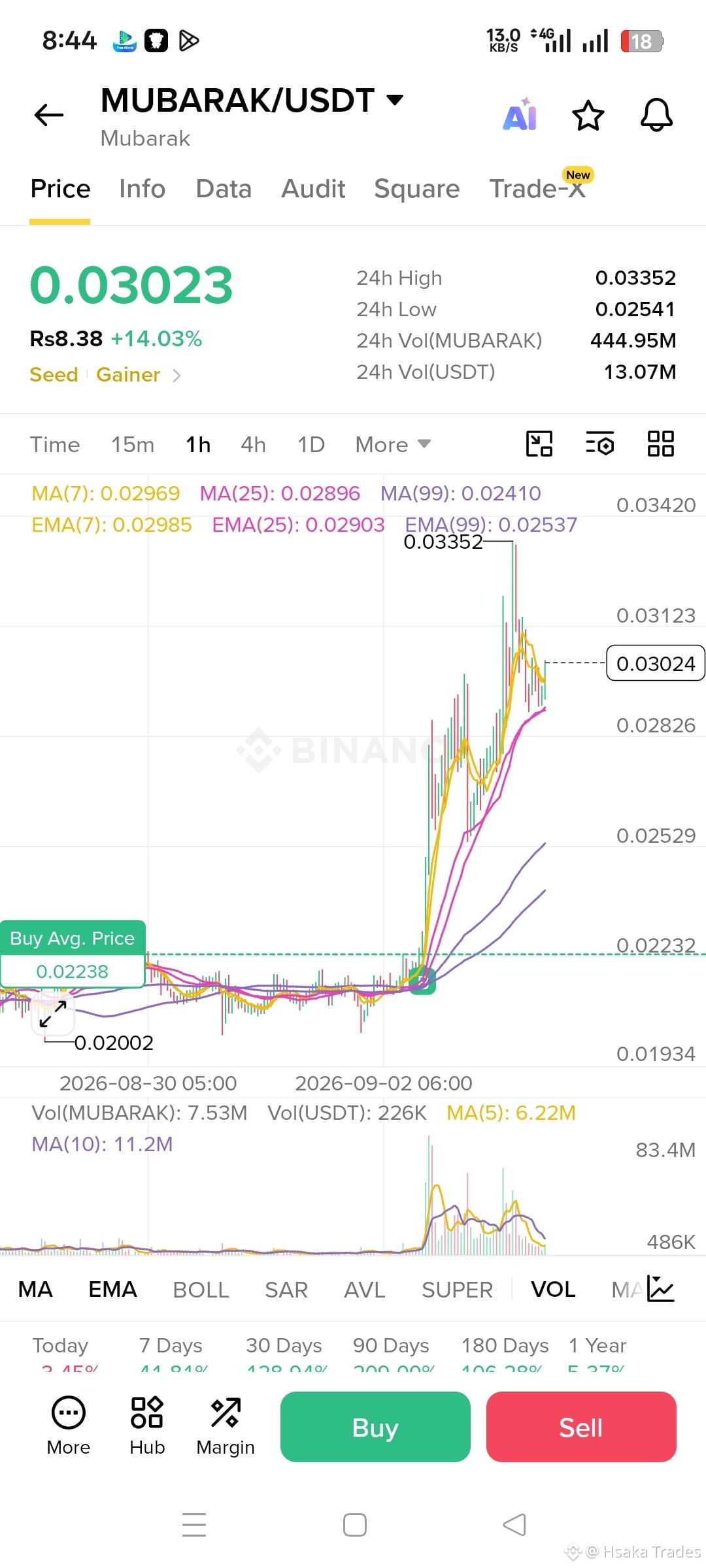
$MUBARAK කොළ පැහැති ඉහළට යන ඉටිපන්දම් පසුපස දුවන එක කොතරම් අනතුරුදායක විය හැකිද කියලා අදම පෙන්වලා. 👀
$MUBARAK $0.022–0.023 ප්රදේශයෙන් තියුණු ලෙස ඉහළට ගිය පසු දැන් $0.03023 වටා ගනුදෙනු වෙනවා. 1H චාර්ට් එකේදී මිල තවමත් 7/25/99 MA සහ EMA වලට ඉහළින් රැඳී සිටින නිසා කෙටි කාලීන ව්යුහය බුලිෂ් ලෙස පවතිනවා.
ඒත් වැදගත් විස්තරයක් තියෙනවා: මොමෙන්ටම් එක සිසිල් වෙමින් තියෙනවා. බ්රේක්අවුට් එක ලැබුනේ විශාල වෙළඳ පරිමාවක් එක්කයි; නමුත් අලුත් ඉටිපන්දම් වල දැක්කේ පරිමාව අඩු වීමක්. ඒකෙන් අදහස් වෙන්නේ මිලදී ගන්නන් තවමත් සක්රීයයි, නමුත් වෙළඳපොළ එකම බලයෙන් තවදුරටත් ඉදිරියට යන්නේ නැහැ කියලා.
මට අනුව $0.0283–$0.0290 තමයි ප්රධාන සහය දේශය. එය රඳවා ගන්නවා නම් බුලිෂ් ව්යුහය තවමත් ශක්තිමත් විය හැක. ඒකට ඉහළින් $0.0312 පළමු ප්රතිරෝධයයි; ඉන්පසු මෑතයේ $0.0335 උච්චය. $0.0335ට ඉහළින් පිරිසිදු බ්රේක්අවුට් එකක්—ශක්තිමත් පරිමාවක් සමඟින්—අදාල මට්ටමට ටච් කිරීමකට වඩා ගොඩක් වඩා විශ්වාසදායකයි.
මම නම් මෙතනින් පසුපස දුවලා ෆලෝ කරන්නේ නැහැ. මිල සහය වටාදී කොහොම ප්රතිචාර දක්වනද කියලා බලන එකයි හොඳ. සැබෑ පරීක්ෂණය තමයි: මුල් උද්යෝගය අඩුවූ පසු, මිලදී ගන්නන්ට බ්රේක්අවුට් එක ආරක්ෂා කරගන්න පුළුවන්ද කියන එක.
Binance දත්තත් පෙන්වන්නේ MUBARAK $0.03ට ආසන්නව සහ සැලකිය යුතු spot පරිමාව සමඟ වෙළඳාම් වන බවයි; ඒකෙන් ටෝකනය කෙරෙහි අවධානය උච්චමට්ටමක තියෙන බව තහවුරු වෙනවා.
මගේ අදහස: ව්යුහය බුලිෂ් වගේ, නමුත් තහවුරු කිරීමයි hype එකට වඩා වැදගත්.
ඔයා pullback එකක් එනකම් බලා සිටිනවද, නැත්තම් $0.0335ට ඉහළින් බ්රේක්අවුට් එක trade කරනවද?
#MUBARAK $MUBARAK
$MUBARAK කොළ පැහැති ඉහළට යන ඉටිපන්දම් පසුපස දුවන එක කොතරම් අනතුරුදායක විය හැකිද කියලා අදම පෙන්වලා. 👀
$MUBARAK $0.022–0.023 ප්රදේශයෙන් තියුණු ලෙස ඉහළට ගිය පසු දැන් $0.03023 වටා ගනුදෙනු වෙනවා. 1H චාර්ට් එකේදී මිල තවමත් 7/25/99 MA සහ EMA වලට ඉහළින් රැඳී සිටින නිසා කෙටි කාලීන ව්යුහය බුලිෂ් ලෙස පවතිනවා.
ඒත් වැදගත් විස්තරයක් තියෙනවා: මොමෙන්ටම් එක සිසිල් වෙමින් තියෙනවා. බ්රේක්අවුට් එක ලැබුනේ විශාල වෙළඳ පරිමාවක් එක්කයි; නමුත් අලුත් ඉටිපන්දම් වල දැක්කේ පරිමාව අඩු වීමක්. ඒකෙන් අදහස් වෙන්නේ මිලදී ගන්නන් තවමත් සක්රීයයි, නමුත් වෙළඳපොළ එකම බලයෙන් තවදුරටත් ඉදිරියට යන්නේ නැහැ කියලා.
මට අනුව $0.0283–$0.0290 තමයි ප්රධාන සහය දේශය. එය රඳවා ගන්නවා නම් බුලිෂ් ව්යුහය තවමත් ශක්තිමත් විය හැක. ඒකට ඉහළින් $0.0312 පළමු ප්රතිරෝධයයි; ඉන්පසු මෑතයේ $0.0335 උච්චය. $0.0335ට ඉහළින් පිරිසිදු බ්රේක්අවුට් එකක්—ශක්තිමත් පරිමාවක් සමඟින්—අදාල මට්ටමට ටච් කිරීමකට වඩා ගොඩක් වඩා විශ්වාසදායකයි.
මම නම් මෙතනින් පසුපස දුවලා ෆලෝ කරන්නේ නැහැ. මිල සහය වටාදී කොහොම ප්රතිචාර දක්වනද කියලා බලන එකයි හොඳ. සැබෑ පරීක්ෂණය තමයි: මුල් උද්යෝගය අඩුවූ පසු, මිලදී ගන්නන්ට බ්රේක්අවුට් එක ආරක්ෂා කරගන්න පුළුවන්ද කියන එක.
Binance දත්තත් පෙන්වන්නේ MUBARAK $0.03ට ආසන්නව සහ සැලකිය යුතු spot පරිමාව සමඟ වෙළඳාම් වන බවයි; ඒකෙන් ටෝකනය කෙරෙහි අවධානය උච්චමට්ටමක තියෙන බව තහවුරු වෙනවා.
මගේ අදහස: ව්යුහය බුලිෂ් වගේ, නමුත් තහවුරු කිරීමයි hype එකට වඩා වැදගත්.
ඔයා pullback එකක් එනකම් බලා සිටිනවද, නැත්තම් $0.0335ට ඉහළින් බ්රේක්අවුට් එක trade කරනවද?
#MUBARAK $MUBARAK
$MUBARAK $0.022–0.023 ප්රදේශයෙන් තියුණු ලෙස ඉහළට ගිය පසු දැන් $0.03023 වටා ගනුදෙනු වෙනවා. 1H චාර්ට් එකේදී මිල තවමත් 7/25/99 MA සහ EMA වලට ඉහළින් රැඳී සිටින නිසා කෙටි කාලීන ව්යුහය බුලිෂ් ලෙස පවතිනවා.
ඒත් වැදගත් විස්තරයක් තියෙනවා: මොමෙන්ටම් එක සිසිල් වෙමින් තියෙනවා. බ්රේක්අවුට් එක ලැබුනේ විශාල වෙළඳ පරිමාවක් එක්කයි; නමුත් අලුත් ඉටිපන්දම් වල දැක්කේ පරිමාව අඩු වීමක්. ඒකෙන් අදහස් වෙන්නේ මිලදී ගන්නන් තවමත් සක්රීයයි, නමුත් වෙළඳපොළ එකම බලයෙන් තවදුරටත් ඉදිරියට යන්නේ නැහැ කියලා.
මට අනුව $0.0283–$0.0290 තමයි ප්රධාන සහය දේශය. එය රඳවා ගන්නවා නම් බුලිෂ් ව්යුහය තවමත් ශක්තිමත් විය හැක. ඒකට ඉහළින් $0.0312 පළමු ප්රතිරෝධයයි; ඉන්පසු මෑතයේ $0.0335 උච්චය. $0.0335ට ඉහළින් පිරිසිදු බ්රේක්අවුට් එකක්—ශක්තිමත් පරිමාවක් සමඟින්—අදාල මට්ටමට ටච් කිරීමකට වඩා ගොඩක් වඩා විශ්වාසදායකයි.
මම නම් මෙතනින් පසුපස දුවලා ෆලෝ කරන්නේ නැහැ. මිල සහය වටාදී කොහොම ප්රතිචාර දක්වනද කියලා බලන එකයි හොඳ. සැබෑ පරීක්ෂණය තමයි: මුල් උද්යෝගය අඩුවූ පසු, මිලදී ගන්නන්ට බ්රේක්අවුට් එක ආරක්ෂා කරගන්න පුළුවන්ද කියන එක.
Binance දත්තත් පෙන්වන්නේ MUBARAK $0.03ට ආසන්නව සහ සැලකිය යුතු spot පරිමාව සමඟ වෙළඳාම් වන බවයි; ඒකෙන් ටෝකනය කෙරෙහි අවධානය උච්චමට්ටමක තියෙන බව තහවුරු වෙනවා.
මගේ අදහස: ව්යුහය බුලිෂ් වගේ, නමුත් තහවුරු කිරීමයි hype එකට වඩා වැදගත්.
ඔයා pullback එකක් එනකම් බලා සිටිනවද, නැත්තම් $0.0335ට ඉහළින් බ්රේක්අවුට් එක trade කරනවද?
#MUBARAK $MUBARAK
3
156

·
--
පරිවර්තනය බලන්න
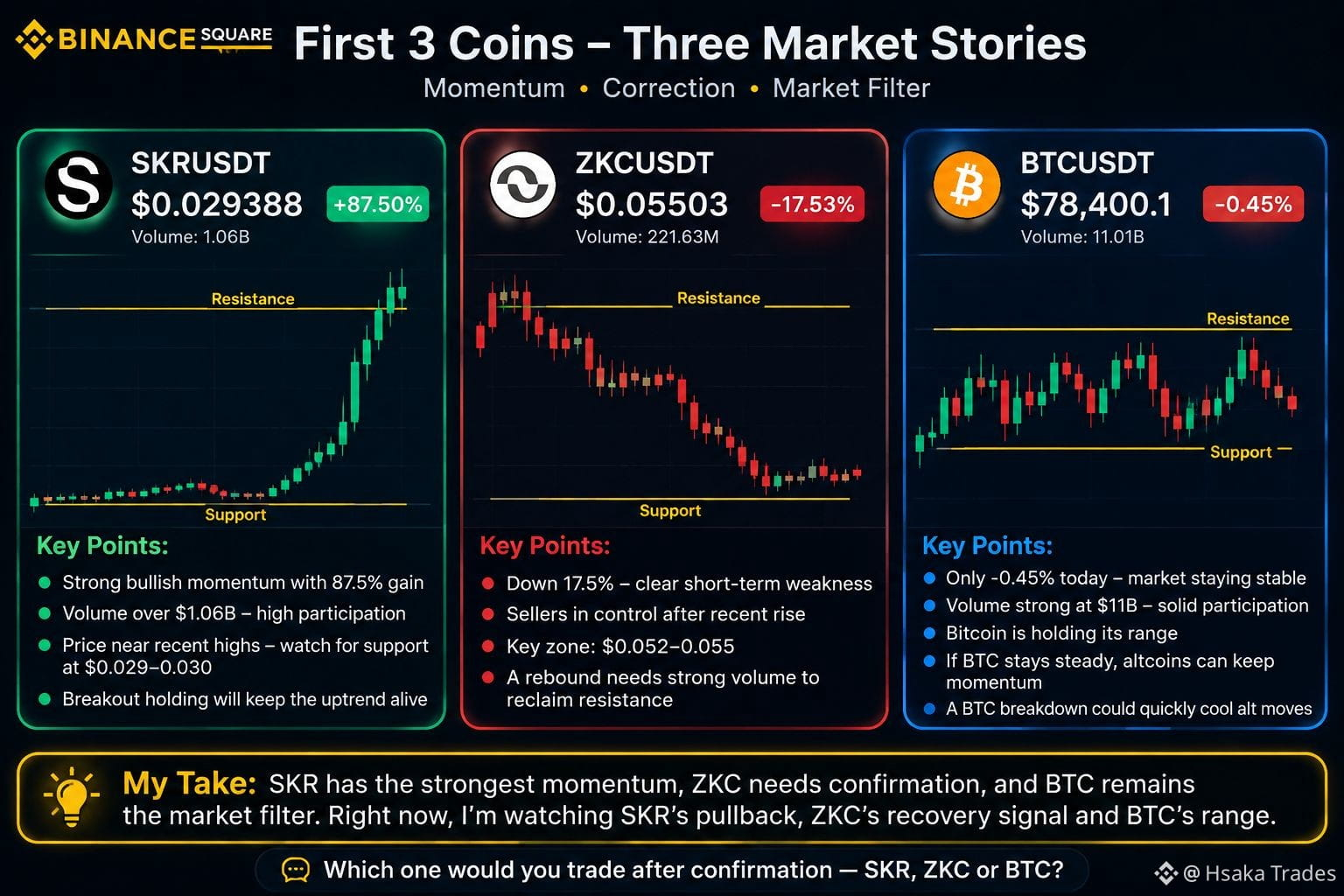
Three coins. Three completely different market stories — and I think that matters more than the percentage gains.
$SKR is the standout here, trading around $0.0294 after an explosive 87.5% move, with roughly $1.06B shown in volume. That kind of expansion can attract late buyers quickly. For me, the important test is whether price can hold the breakout area instead of giving the entire move back.
$ZKC is showing the opposite picture. At $0.0550, down 17.5%, sellers have clearly taken control in the short term. I would rather see price stabilize and reclaim resistance before calling this a reversal.
Then there’s
$BTC at $78,400. Only 0.45% lower, while volume remains massive at around $11B. That tells me Bitcoin is relatively calm while smaller contracts are seeing much bigger rotations.
My take: I’m not chasing SKR after an 87% candle. I’m watching how it behaves on the first real pullback. ZKC needs proof that buyers are coming back, while BTC remains the market’s risk filter.
**Which one would you trade after confirmation — SKR, ZKC, or BTC?**
Three coins. Three completely different market stories — and I think that matters more than the percentage gains.
$SKR is the standout here, trading around $0.0294 after an explosive 87.5% move, with roughly $1.06B shown in volume. That kind of expansion can attract late buyers quickly. For me, the important test is whether price can hold the breakout area instead of giving the entire move back.
$ZKC is showing the opposite picture. At $0.0550, down 17.5%, sellers have clearly taken control in the short term. I would rather see price stabilize and reclaim resistance before calling this a reversal.
Then there’s
$BTC at $78,400. Only 0.45% lower, while volume remains massive at around $11B. That tells me Bitcoin is relatively calm while smaller contracts are seeing much bigger rotations.
My take: I’m not chasing SKR after an 87% candle. I’m watching how it behaves on the first real pullback. ZKC needs proof that buyers are coming back, while BTC remains the market’s risk filter.
**Which one would you trade after confirmation — SKR, ZKC, or BTC?**
$SKR is the standout here, trading around $0.0294 after an explosive 87.5% move, with roughly $1.06B shown in volume. That kind of expansion can attract late buyers quickly. For me, the important test is whether price can hold the breakout area instead of giving the entire move back.
$ZKC is showing the opposite picture. At $0.0550, down 17.5%, sellers have clearly taken control in the short term. I would rather see price stabilize and reclaim resistance before calling this a reversal.
Then there’s
$BTC at $78,400. Only 0.45% lower, while volume remains massive at around $11B. That tells me Bitcoin is relatively calm while smaller contracts are seeing much bigger rotations.
My take: I’m not chasing SKR after an 87% candle. I’m watching how it behaves on the first real pullback. ZKC needs proof that buyers are coming back, while BTC remains the market’s risk filter.
**Which one would you trade after confirmation — SKR, ZKC, or BTC?**
3
319
·
--
$TRUMP
{future}(TRUMPUSDT)
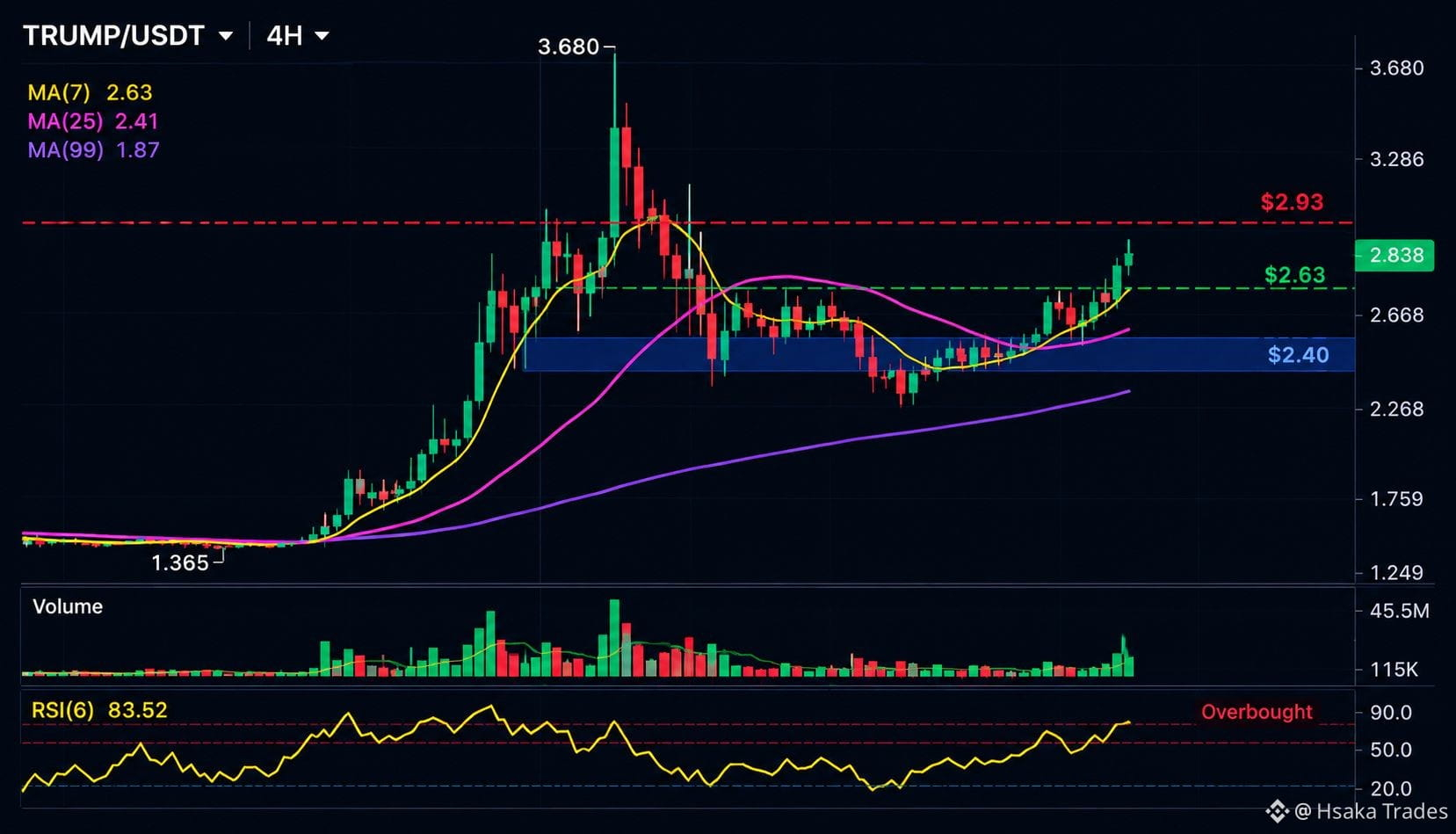
လျင်မြန်စွာရွေ့လျားနေတယ်—ဒါပေမယ့် တကယ့်စမ်းသပ်မှုကတော့ ရှေ့မှာပဲရှိသေးတယ်။
4H chart မှာ $TRUMP က MA (တိုတောင်းတဲ့ moving averages) တွေကို ပြန်လည်ရရှိပြီးနောက် $2.84 ဝန်းကျင်မှာ အရောင်းအဝယ်လုပ်နေပါတယ်။ အခု စျေးနှုန်းက MA(7) $2.63 နဲ့ MA(25) $2.41 အထက်မှာရှိပြီး MA(99) ကတော့ $1.87 ဝန်းကျင်မှာ သိသိသာသာ အောက်မှာရှိနေပါတယ်။ ဒါကတော့ အချိန်တိုအတွင်း momentum က အရှေ့ဘက် (bullish) ကို ရှင်းရှင်းလင်းလင်း ပြောင်းသွားပြီဆိုတာကို ပြနေပါတယ်။
ဒါပေမယ့် ဒီ candle ကို မလိုက်ရှာဘူး။ RSI က 83.5 ဝန်းကျင်ဖြစ်ပြီး အားကောင်းတဲ့ momentum ကိုပြပေမယ့် စိတ်မချရတဲ့ entry တစ်ခုအတွက် နေရာအနည်းငယ်ပဲ ကျန်တော့တယ်။ ပိုအရေးကြီးတာက resistance ပါ- $2.93 က ချက်ချင်း 24H high ဖြစ်ပြီး $3.00 နေရာကတော့ profit-taking နဲ့ fresh liquidity နှစ်ခုလုံးကို ဆွဲဆောင်နိုင်ဖွယ်ရှိပါတယ်။
Volume ကတော့ စက်ရှင်ရှိနေတုန်းပဲ၊ ဒါပေမယ့် ပြထားတဲ့ နောက်ဆုံး 4H volume က 5-period average ထက် အောက်မှာပါ။ တကယ့် continuation လို့ မခေါ်ခင် $2.93 အထက်ကို volume ပိုအားကောင်းတဲ့ clean breakout တစ်ခုကို မြင်ချင်ပါတယ်။
အကျဉ်းချုပ်—bullish structure၊ momentum ပူလွန်နေတယ်။ pullback တစ်ခုမှာ $2.63 က ထိန်းထားနိုင်သေးရင် ဝယ်သူတွေက ထိန်းချုပ်မှုရှိနေတုန်းပဲ၊ $2.40 ကို ဆုံးရှုံးသွားရင် setup ကို အားနည်းစေပါလိမ့်မယ်။
breakout ကိုစောင့်မလား၊ ဒါမှမဟုတ် pullback နဲ့ entry လုပ်ချင်လား?
#TRUMP လက်မလွတ်နဲ့ 👉 $ENA
$TRUMP
လျင်မြန်စွာရွေ့လျားနေတယ်—ဒါပေမယ့် တကယ့်စမ်းသပ်မှုကတော့ ရှေ့မှာပဲရှိသေးတယ်။
4H chart မှာ $TRUMP က MA (တိုတောင်းတဲ့ moving averages) တွေကို ပြန်လည်ရရှိပြီးနောက် $2.84 ဝန်းကျင်မှာ အရောင်းအဝယ်လုပ်နေပါတယ်။ အခု စျေးနှုန်းက MA(7) $2.63 နဲ့ MA(25) $2.41 အထက်မှာရှိပြီး MA(99) ကတော့ $1.87 ဝန်းကျင်မှာ သိသိသာသာ အောက်မှာရှိနေပါတယ်။ ဒါကတော့ အချိန်တိုအတွင်း momentum က အရှေ့ဘက် (bullish) ကို ရှင်းရှင်းလင်းလင်း ပြောင်းသွားပြီဆိုတာကို ပြနေပါတယ်။
ဒါပေမယ့် ဒီ candle ကို မလိုက်ရှာဘူး။ RSI က 83.5 ဝန်းကျင်ဖြစ်ပြီး အားကောင်းတဲ့ momentum ကိုပြပေမယ့် စိတ်မချရတဲ့ entry တစ်ခုအတွက် နေရာအနည်းငယ်ပဲ ကျန်တော့တယ်။ ပိုအရေးကြီးတာက resistance ပါ- $2.93 က ချက်ချင်း 24H high ဖြစ်ပြီး $3.00 နေရာကတော့ profit-taking နဲ့ fresh liquidity နှစ်ခုလုံးကို ဆွဲဆောင်နိုင်ဖွယ်ရှိပါတယ်။
Volume ကတော့ စက်ရှင်ရှိနေတုန်းပဲ၊ ဒါပေမယ့် ပြထားတဲ့ နောက်ဆုံး 4H volume က 5-period average ထက် အောက်မှာပါ။ တကယ့် continuation လို့ မခေါ်ခင် $2.93 အထက်ကို volume ပိုအားကောင်းတဲ့ clean breakout တစ်ခုကို မြင်ချင်ပါတယ်။
အကျဉ်းချုပ်—bullish structure၊ momentum ပူလွန်နေတယ်။ pullback တစ်ခုမှာ $2.63 က ထိန်းထားနိုင်သေးရင် ဝယ်သူတွေက ထိန်းချုပ်မှုရှိနေတုန်းပဲ၊ $2.40 ကို ဆုံးရှုံးသွားရင် setup ကို အားနည်းစေပါလိမ့်မယ်။
breakout ကိုစောင့်မလား၊ ဒါမှမဟုတ် pullback နဲ့ entry လုပ်ချင်လား?
#TRUMP လက်မလွတ်နဲ့ 👉 $ENA
လျင်မြန်စွာရွေ့လျားနေတယ်—ဒါပေမယ့် တကယ့်စမ်းသပ်မှုကတော့ ရှေ့မှာပဲရှိသေးတယ်။
4H chart မှာ $TRUMP က MA (တိုတောင်းတဲ့ moving averages) တွေကို ပြန်လည်ရရှိပြီးနောက် $2.84 ဝန်းကျင်မှာ အရောင်းအဝယ်လုပ်နေပါတယ်။ အခု စျေးနှုန်းက MA(7) $2.63 နဲ့ MA(25) $2.41 အထက်မှာရှိပြီး MA(99) ကတော့ $1.87 ဝန်းကျင်မှာ သိသိသာသာ အောက်မှာရှိနေပါတယ်။ ဒါကတော့ အချိန်တိုအတွင်း momentum က အရှေ့ဘက် (bullish) ကို ရှင်းရှင်းလင်းလင်း ပြောင်းသွားပြီဆိုတာကို ပြနေပါတယ်။
ဒါပေမယ့် ဒီ candle ကို မလိုက်ရှာဘူး။ RSI က 83.5 ဝန်းကျင်ဖြစ်ပြီး အားကောင်းတဲ့ momentum ကိုပြပေမယ့် စိတ်မချရတဲ့ entry တစ်ခုအတွက် နေရာအနည်းငယ်ပဲ ကျန်တော့တယ်။ ပိုအရေးကြီးတာက resistance ပါ- $2.93 က ချက်ချင်း 24H high ဖြစ်ပြီး $3.00 နေရာကတော့ profit-taking နဲ့ fresh liquidity နှစ်ခုလုံးကို ဆွဲဆောင်နိုင်ဖွယ်ရှိပါတယ်။
Volume ကတော့ စက်ရှင်ရှိနေတုန်းပဲ၊ ဒါပေမယ့် ပြထားတဲ့ နောက်ဆုံး 4H volume က 5-period average ထက် အောက်မှာပါ။ တကယ့် continuation လို့ မခေါ်ခင် $2.93 အထက်ကို volume ပိုအားကောင်းတဲ့ clean breakout တစ်ခုကို မြင်ချင်ပါတယ်။
အကျဉ်းချုပ်—bullish structure၊ momentum ပူလွန်နေတယ်။ pullback တစ်ခုမှာ $2.63 က ထိန်းထားနိုင်သေးရင် ဝယ်သူတွေက ထိန်းချုပ်မှုရှိနေတုန်းပဲ၊ $2.40 ကို ဆုံးရှုံးသွားရင် setup ကို အားနည်းစေပါလိမ့်မယ်။
breakout ကိုစောင့်မလား၊ ဒါမှမဟုတ် pullback နဲ့ entry လုပ်ချင်လား?
#TRUMP လက်မလွတ်နဲ့ 👉 $ENA
1
224
·
--
උසබ තත්ත්වය
දින 30 වෙළෙඳ $DUSK 8.8K USDT
පරිවර්තනය බලන්න
The more I read about DUSK, the more I feel its privacy approach is being overlooked.
When people hear “blockchain privacy,” they often think it simply means hiding transactions.
But financial markets are more complicated than that.
A bank, fund, issuer, or investor may want certain information kept private, while an auditor or authorized institution may still need access to specific details for verification.
That’s where DUSK gets interesting.
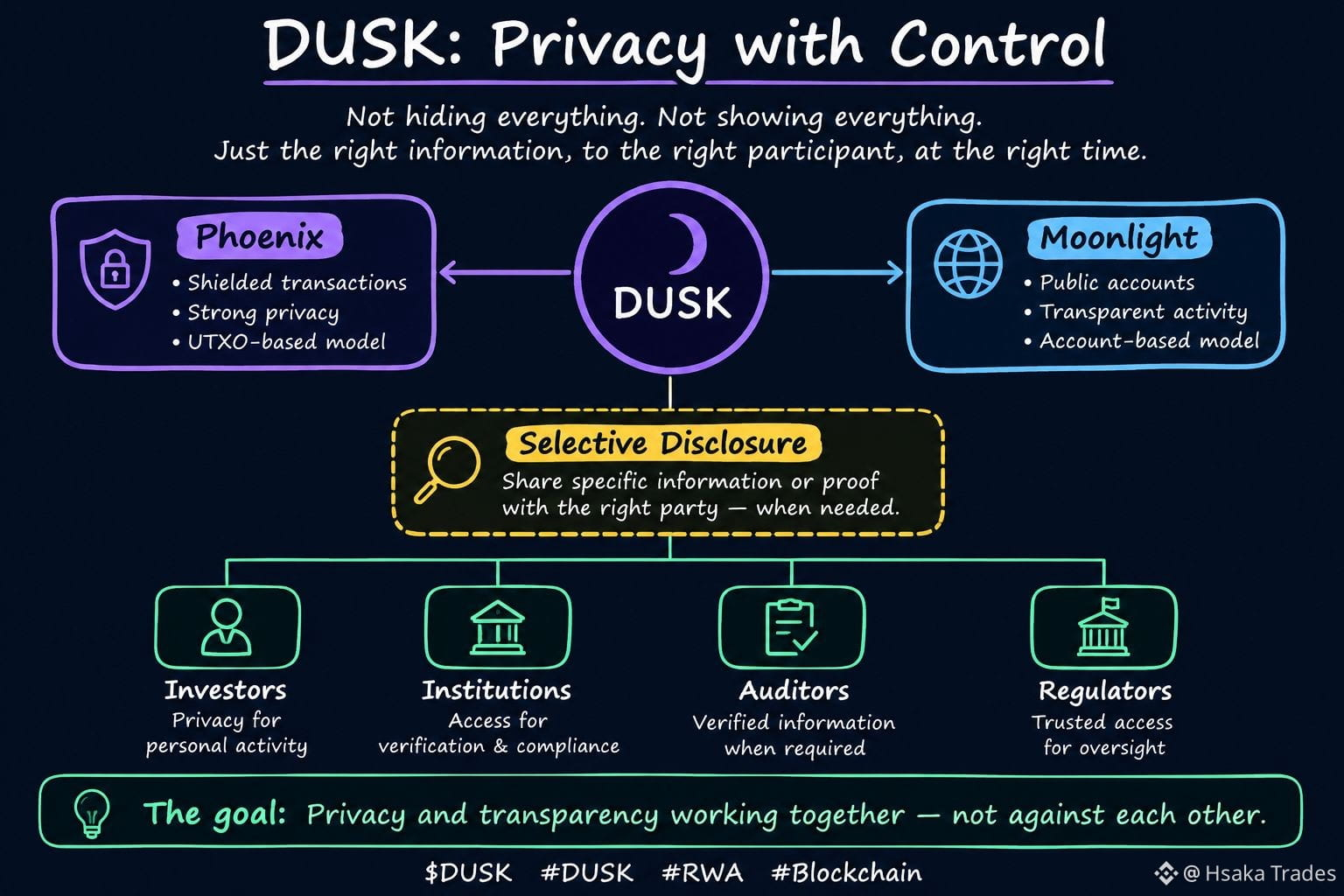
Its architecture separates different types of activity. Phoenix is designed for shielded transactions, while Moonlight uses public, account-based transactions. When necessary, selective disclosure can allow specific information to be revealed or verified.
What I like about this approach is that it doesn’t treat privacy and transparency as opposites.
They can have different roles.
Take a tokenized real-world asset. I may not want everyone seeing my transaction history, but that doesn’t mean a legitimate institution should be unable to verify the information it actually needs.
That distinction matters.
For me, the bigger DUSK story isn’t simply “privacy for RWA.”
It’s about giving different participants the level of visibility they actually need, without disrupting the financial process underneath.
That feels much closer to how real financial markets work.
And honestly, the deeper I look into DUSK, the more this part stands out to me.
$DUSK #dusk @Dusk_Foundation
The more I read about DUSK, the more I feel its privacy approach is being overlooked.
When people hear “blockchain privacy,” they often think it simply means hiding transactions.
But financial markets are more complicated than that.
A bank, fund, issuer, or investor may want certain information kept private, while an auditor or authorized institution may still need access to specific details for verification.
That’s where DUSK gets interesting.
Its architecture separates different types of activity. Phoenix is designed for shielded transactions, while Moonlight uses public, account-based transactions. When necessary, selective disclosure can allow specific information to be revealed or verified.
What I like about this approach is that it doesn’t treat privacy and transparency as opposites.
They can have different roles.
Take a tokenized real-world asset. I may not want everyone seeing my transaction history, but that doesn’t mean a legitimate institution should be unable to verify the information it actually needs.
That distinction matters.
For me, the bigger DUSK story isn’t simply “privacy for RWA.”
It’s about giving different participants the level of visibility they actually need, without disrupting the financial process underneath.
That feels much closer to how real financial markets work.
And honestly, the deeper I look into DUSK, the more this part stands out to me.
$DUSK #dusk @Dusk
When people hear “blockchain privacy,” they often think it simply means hiding transactions.
But financial markets are more complicated than that.
A bank, fund, issuer, or investor may want certain information kept private, while an auditor or authorized institution may still need access to specific details for verification.
That’s where DUSK gets interesting.
Its architecture separates different types of activity. Phoenix is designed for shielded transactions, while Moonlight uses public, account-based transactions. When necessary, selective disclosure can allow specific information to be revealed or verified.
What I like about this approach is that it doesn’t treat privacy and transparency as opposites.
They can have different roles.
Take a tokenized real-world asset. I may not want everyone seeing my transaction history, but that doesn’t mean a legitimate institution should be unable to verify the information it actually needs.
That distinction matters.
For me, the bigger DUSK story isn’t simply “privacy for RWA.”
It’s about giving different participants the level of visibility they actually need, without disrupting the financial process underneath.
That feels much closer to how real financial markets work.
And honestly, the deeper I look into DUSK, the more this part stands out to me.
$DUSK #dusk @Dusk
1
37
·
--
දින 30 වෙළෙඳ $DUSK 6.3K USDT
පරිවර්තනය බලන්න
#dusk $DUSK @Dusk_Foundation
I was digging through Dusk’s consensus design and ended up stuck on one simple question: when does a transaction actually become final?
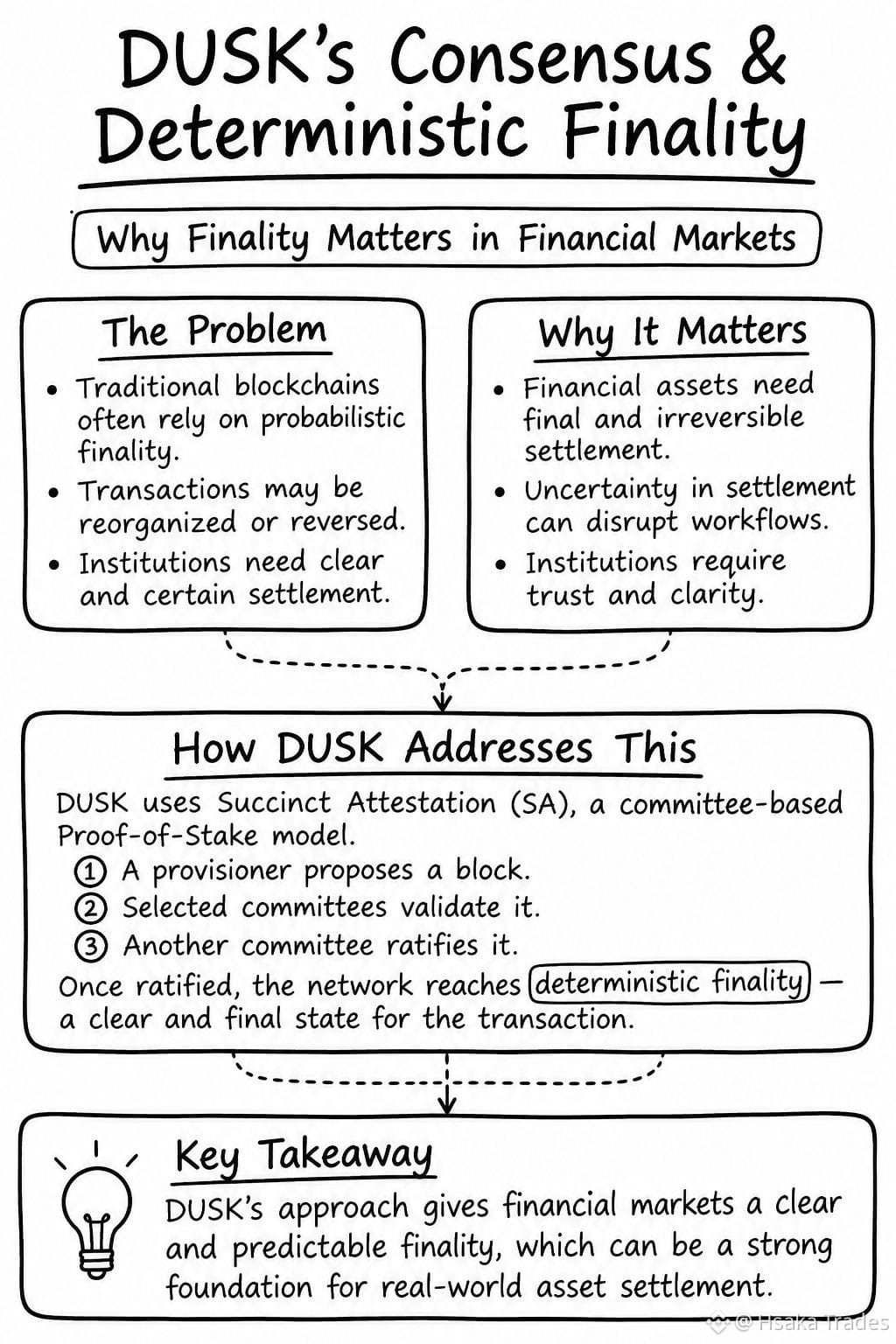
Dusk’s Succinct Attestation (SA) takes a different route from making the entire network handle every part of consensus. A provisioner proposes a block, selected committees validate it, and the block is then ratified. After ratification, the network reaches deterministic finality.
That matters a lot more when the asset being moved is a financial asset.
With tokenized securities, settlement can’t be vague. An institution needs a clear point where a transfer is considered complete, because everything that comes after it—records, reconciliation and the next transaction—depends on that state.
This is the part of Dusk I think deserves more attention. SA is not just about reaching agreement; it is built around reaching a definite outcome without relying on probabilistic confirmation.
Privacy gets most of the attention when Dusk comes up. Fair enough. But the consensus layer is interesting for a different reason: financial markets need to know exactly where they stand.
A fast transaction is useful. A transaction with clear finality is something you can build processes around.
That distinction could matter quite a bit as more real-world assets move on-chain.
Is deterministic finality being overlooked in the race to build faster blockchains?
#dusk $DUSK @Dusk
I was digging through Dusk’s consensus design and ended up stuck on one simple question: when does a transaction actually become final?
Dusk’s Succinct Attestation (SA) takes a different route from making the entire network handle every part of consensus. A provisioner proposes a block, selected committees validate it, and the block is then ratified. After ratification, the network reaches deterministic finality.
That matters a lot more when the asset being moved is a financial asset.
With tokenized securities, settlement can’t be vague. An institution needs a clear point where a transfer is considered complete, because everything that comes after it—records, reconciliation and the next transaction—depends on that state.
This is the part of Dusk I think deserves more attention. SA is not just about reaching agreement; it is built around reaching a definite outcome without relying on probabilistic confirmation.
Privacy gets most of the attention when Dusk comes up. Fair enough. But the consensus layer is interesting for a different reason: financial markets need to know exactly where they stand.
A fast transaction is useful. A transaction with clear finality is something you can build processes around.
That distinction could matter quite a bit as more real-world assets move on-chain.
Is deterministic finality being overlooked in the race to build faster blockchains?
I was digging through Dusk’s consensus design and ended up stuck on one simple question: when does a transaction actually become final?
Dusk’s Succinct Attestation (SA) takes a different route from making the entire network handle every part of consensus. A provisioner proposes a block, selected committees validate it, and the block is then ratified. After ratification, the network reaches deterministic finality.
That matters a lot more when the asset being moved is a financial asset.
With tokenized securities, settlement can’t be vague. An institution needs a clear point where a transfer is considered complete, because everything that comes after it—records, reconciliation and the next transaction—depends on that state.
This is the part of Dusk I think deserves more attention. SA is not just about reaching agreement; it is built around reaching a definite outcome without relying on probabilistic confirmation.
Privacy gets most of the attention when Dusk comes up. Fair enough. But the consensus layer is interesting for a different reason: financial markets need to know exactly where they stand.
A fast transaction is useful. A transaction with clear finality is something you can build processes around.
That distinction could matter quite a bit as more real-world assets move on-chain.
Is deterministic finality being overlooked in the race to build faster blockchains?
2
1
6
176
·
--
දින 30 වෙළෙඳ $DUSK 5.9K USDT
#dusk $DUSK @Dusk_Foundation
RWA ටෝකනීකරණය ගැන මම වැඩි වැඩියෙන් බැලූ විට, එම ටෝකනය නිර්මාණය කිරීම අමාරු කොටස නොව බව මට තේරුම් ගියා.
අමාරු කොටස එතැනින් පස්සේ එනවා.
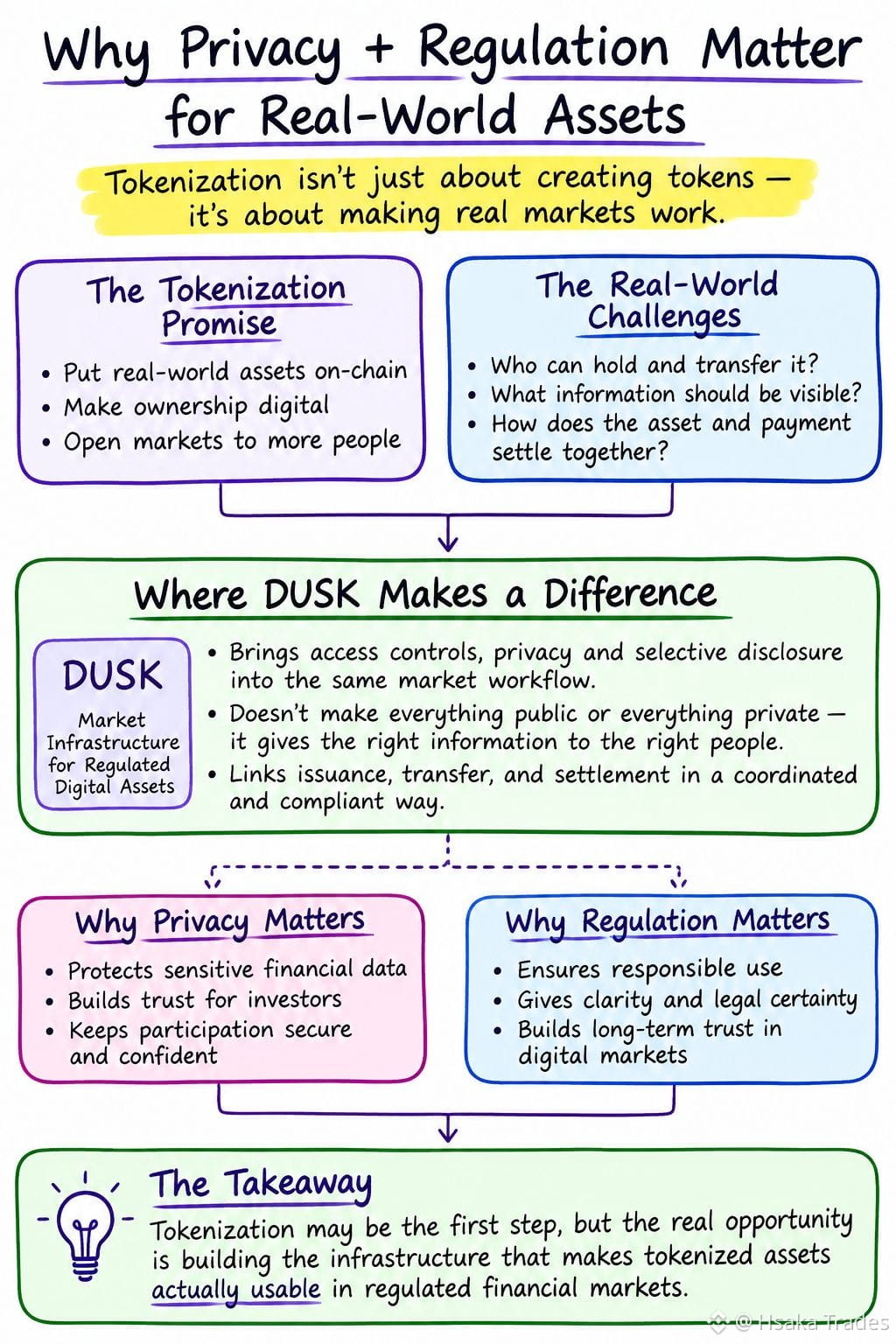
රෙගුලේටඩ් ඇසට් එකක් තවමත් අවශ්ය වන්නේ එය තබාගත හැක්කේ කාටද, එය මාරු කළ හැක්කේ කාටද, පෙනෙන්නට තිබිය යුතු තොරතුරු මොනවාද, සහ ඇසට් එක සහ ගෙවීම එකට settle වන්නේ කෙසේද යන්නට නීති/රීති සකස් කිරීමයි. මේ කොටස් විවිධ පද්ධති වල වාඩිවෙනවිට, reconciliation සහ අතින් (manual) ක්රියාවලීන් තවත් ගැටලුවක් විය හැක.
ඒ කොටස තමයි මට $DUSK ලෙස පෙනෙන්නේ.
DUSK එක එකම වෙළඳපොළ-පදනම් යටිතල සංවාදයකට access controls, privacy, selective disclosure සහ settlement එක් කරයි. රසවත් කොටස නම් privacy යන්නෙන් අදහස් වන්නේ සියල්ල අතුරුදහන් කරවීම නොවීමයි. බලයලත් පාර්ශ්වයන්ට හැම මූල්ය විස්තරයක්ම සෑම කෙනෙකුටම නොපෙන්වා තවමත් ඔවුන්ට අවශ්ය තොරතුරු ලබාගත හැක.
ඒ වෙනස වැදගත් වන්නේ සැබෑ මූල්ය වෙළඳපොලවලදී.
ටෝකනීකරණයම ලොකුම breakthrough එක නොවෙන්නට ඉඩ තියෙනවා.
ටෝකනීකළ ඇසට් සැබවින්ම භාවිතා කළ හැකි කරවන යටිතල (infrastructure) ගොඩනැගීමයි වඩා විශාල අවස්ථාව විය හැක.
DUSK කතාවේ ඒ කොටසට මම වැඩි අවධානය ලැබිය යුතුයි කියලා හිතනවා.
ඊළඟ RWA තරඟය ඇත්තටම ටෝකනය පිටුපස තිබෙන යටිතලය ගැනද?
#dusk $DUSK @Dusk
RWA ටෝකනීකරණය ගැන මම වැඩි වැඩියෙන් බැලූ විට, එම ටෝකනය නිර්මාණය කිරීම අමාරු කොටස නොව බව මට තේරුම් ගියා.
අමාරු කොටස එතැනින් පස්සේ එනවා.
රෙගුලේටඩ් ඇසට් එකක් තවමත් අවශ්ය වන්නේ එය තබාගත හැක්කේ කාටද, එය මාරු කළ හැක්කේ කාටද, පෙනෙන්නට තිබිය යුතු තොරතුරු මොනවාද, සහ ඇසට් එක සහ ගෙවීම එකට settle වන්නේ කෙසේද යන්නට නීති/රීති සකස් කිරීමයි. මේ කොටස් විවිධ පද්ධති වල වාඩිවෙනවිට, reconciliation සහ අතින් (manual) ක්රියාවලීන් තවත් ගැටලුවක් විය හැක.
ඒ කොටස තමයි මට $DUSK ලෙස පෙනෙන්නේ.
DUSK එක එකම වෙළඳපොළ-පදනම් යටිතල සංවාදයකට access controls, privacy, selective disclosure සහ settlement එක් කරයි. රසවත් කොටස නම් privacy යන්නෙන් අදහස් වන්නේ සියල්ල අතුරුදහන් කරවීම නොවීමයි. බලයලත් පාර්ශ්වයන්ට හැම මූල්ය විස්තරයක්ම සෑම කෙනෙකුටම නොපෙන්වා තවමත් ඔවුන්ට අවශ්ය තොරතුරු ලබාගත හැක.
ඒ වෙනස වැදගත් වන්නේ සැබෑ මූල්ය වෙළඳපොලවලදී.
ටෝකනීකරණයම ලොකුම breakthrough එක නොවෙන්නට ඉඩ තියෙනවා.
ටෝකනීකළ ඇසට් සැබවින්ම භාවිතා කළ හැකි කරවන යටිතල (infrastructure) ගොඩනැගීමයි වඩා විශාල අවස්ථාව විය හැක.
DUSK කතාවේ ඒ කොටසට මම වැඩි අවධානය ලැබිය යුතුයි කියලා හිතනවා.
ඊළඟ RWA තරඟය ඇත්තටම ටෝකනය පිටුපස තිබෙන යටිතලය ගැනද?
RWA ටෝකනීකරණය ගැන මම වැඩි වැඩියෙන් බැලූ විට, එම ටෝකනය නිර්මාණය කිරීම අමාරු කොටස නොව බව මට තේරුම් ගියා.
අමාරු කොටස එතැනින් පස්සේ එනවා.
රෙගුලේටඩ් ඇසට් එකක් තවමත් අවශ්ය වන්නේ එය තබාගත හැක්කේ කාටද, එය මාරු කළ හැක්කේ කාටද, පෙනෙන්නට තිබිය යුතු තොරතුරු මොනවාද, සහ ඇසට් එක සහ ගෙවීම එකට settle වන්නේ කෙසේද යන්නට නීති/රීති සකස් කිරීමයි. මේ කොටස් විවිධ පද්ධති වල වාඩිවෙනවිට, reconciliation සහ අතින් (manual) ක්රියාවලීන් තවත් ගැටලුවක් විය හැක.
ඒ කොටස තමයි මට $DUSK ලෙස පෙනෙන්නේ.
DUSK එක එකම වෙළඳපොළ-පදනම් යටිතල සංවාදයකට access controls, privacy, selective disclosure සහ settlement එක් කරයි. රසවත් කොටස නම් privacy යන්නෙන් අදහස් වන්නේ සියල්ල අතුරුදහන් කරවීම නොවීමයි. බලයලත් පාර්ශ්වයන්ට හැම මූල්ය විස්තරයක්ම සෑම කෙනෙකුටම නොපෙන්වා තවමත් ඔවුන්ට අවශ්ය තොරතුරු ලබාගත හැක.
ඒ වෙනස වැදගත් වන්නේ සැබෑ මූල්ය වෙළඳපොලවලදී.
ටෝකනීකරණයම ලොකුම breakthrough එක නොවෙන්නට ඉඩ තියෙනවා.
ටෝකනීකළ ඇසට් සැබවින්ම භාවිතා කළ හැකි කරවන යටිතල (infrastructure) ගොඩනැගීමයි වඩා විශාල අවස්ථාව විය හැක.
DUSK කතාවේ ඒ කොටසට මම වැඩි අවධානය ලැබිය යුතුයි කියලා හිතනවා.
ඊළඟ RWA තරඟය ඇත්තටම ටෝකනය පිටුපස තිබෙන යටිතලය ගැනද?
4
151
·
--
දින 30 වෙළෙඳ $DUSK 4.7K USDT
පරිවර්තනය බලන්න
#dusk $DUSK @Dusk_Foundation
I was looking into DUSK and ended up thinking about something simple: financial privacy is actually hard to get right.
A bank can’t put every client position, trade detail or ownership record on a public ledger. But regulators still need to know what happened and check that the rules were followed.
That’s where things get interesting.
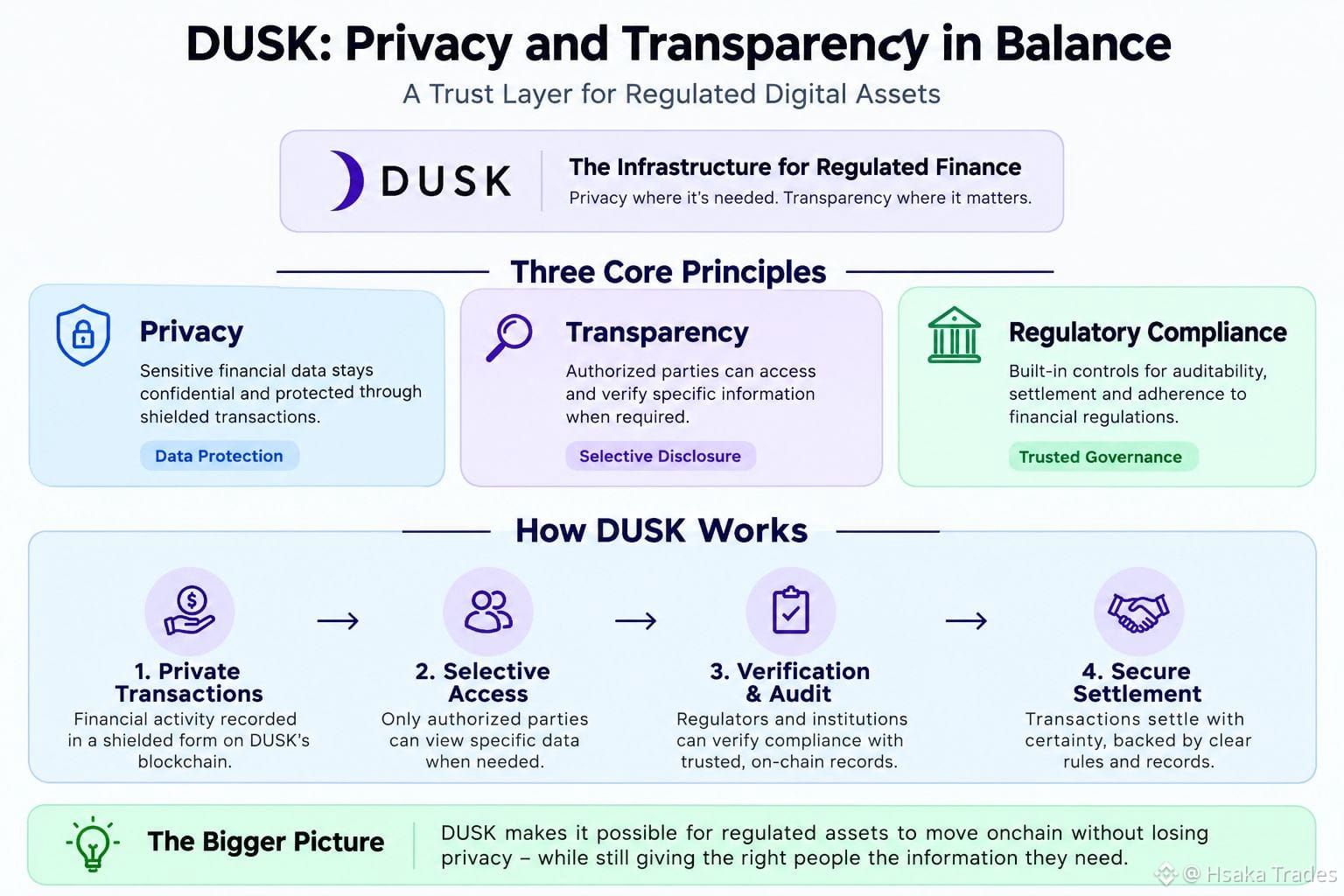
You don’t necessarily need everything public. You need the right information to be available when it’s actually needed.
DUSK takes this approach with shielded transactions and selective disclosure. Sensitive activity can stay private, while authorized parties can still verify specific information when required.
For tokenized securities, this goes beyond simply putting an asset onchain. There are investor checks, transfer restrictions, ownership records, reporting and settlement to deal with too. Dusk is building around those parts of the process rather than treating tokenization as just another token.
That’s the part I think is easy to miss.
If serious financial assets move onchain, does everything really need to be visible to everyone?
#dusk $DUSK @Dusk
I was looking into DUSK and ended up thinking about something simple: financial privacy is actually hard to get right.
A bank can’t put every client position, trade detail or ownership record on a public ledger. But regulators still need to know what happened and check that the rules were followed.
That’s where things get interesting.
You don’t necessarily need everything public. You need the right information to be available when it’s actually needed.
DUSK takes this approach with shielded transactions and selective disclosure. Sensitive activity can stay private, while authorized parties can still verify specific information when required.
For tokenized securities, this goes beyond simply putting an asset onchain. There are investor checks, transfer restrictions, ownership records, reporting and settlement to deal with too. Dusk is building around those parts of the process rather than treating tokenization as just another token.
That’s the part I think is easy to miss.
If serious financial assets move onchain, does everything really need to be visible to everyone?
I was looking into DUSK and ended up thinking about something simple: financial privacy is actually hard to get right.
A bank can’t put every client position, trade detail or ownership record on a public ledger. But regulators still need to know what happened and check that the rules were followed.
That’s where things get interesting.
You don’t necessarily need everything public. You need the right information to be available when it’s actually needed.
DUSK takes this approach with shielded transactions and selective disclosure. Sensitive activity can stay private, while authorized parties can still verify specific information when required.
For tokenized securities, this goes beyond simply putting an asset onchain. There are investor checks, transfer restrictions, ownership records, reporting and settlement to deal with too. Dusk is building around those parts of the process rather than treating tokenization as just another token.
That’s the part I think is easy to miss.
If serious financial assets move onchain, does everything really need to be visible to everyone?
1
194

·
--
සත්යායනය කළ
දින 30 වෙළෙඳ $DUSK 3.4K USDT
#dusk $DUSK @Dusk_Foundation
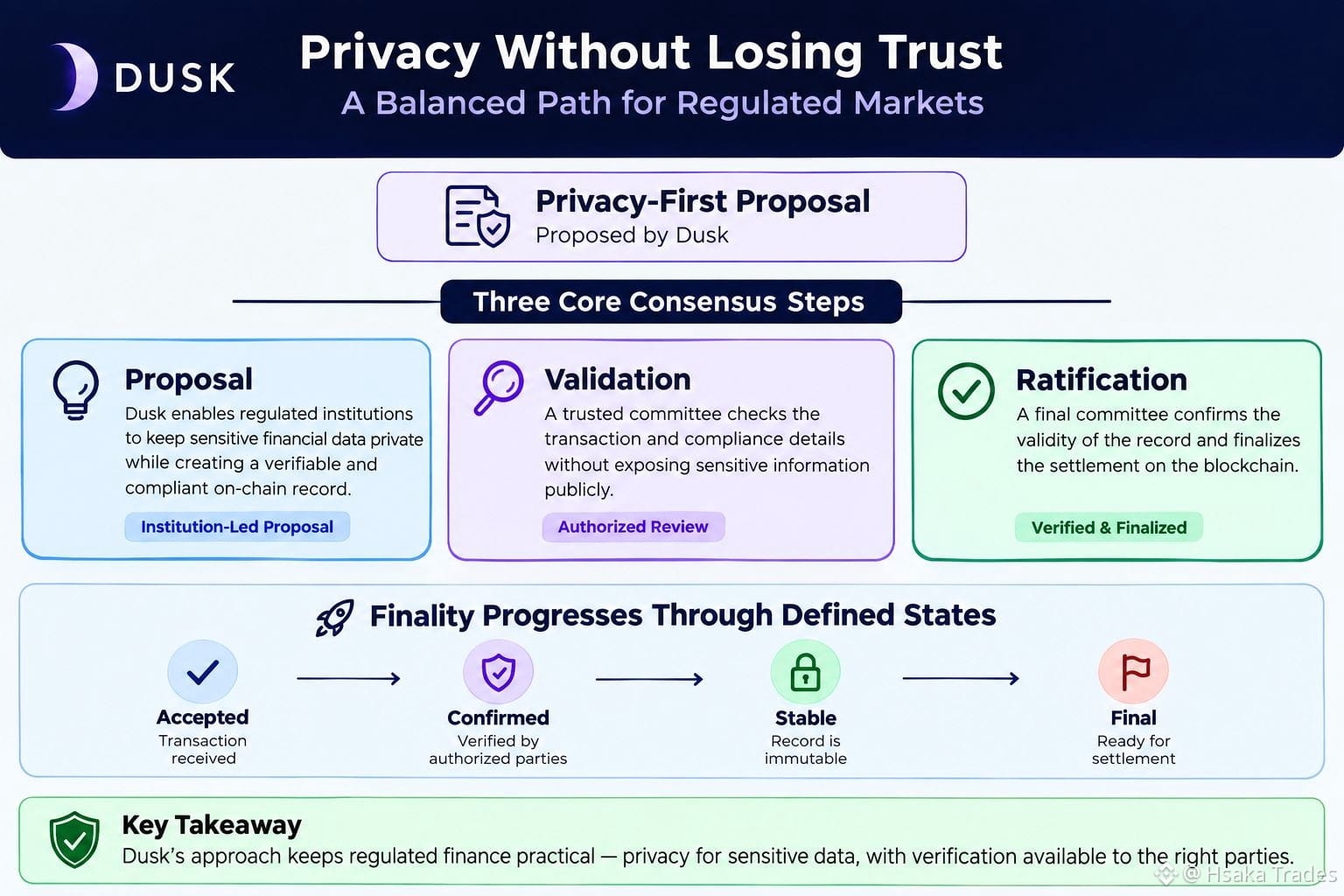
මම “Dusk” සහ “NPEX” පිළිබඳ කියවමින් සිටියෙමි. ප්රධාන කතාව ටෝකනීකරණය කළ ආරක්ෂිත (tokenized) අගයන් ගැන බව සිතුවෙමි. නමුත් මා අත්අඩංගුවට ගත් කරුණක් එතරම් පැහැදිලි නොවීය: සංවේදී මූල්ය තොරතුරු කොතරම් දුරට හැසිරවෙනවාද යන්න.
Dusk, NPEX-ය නෙදර්ලන්තය පදනම් කරගත් හුවමාරුවක් ලෙස දක්වන්නේ ආසන්න වශයෙන් €300Mක AUM (assets under management) සමඟිනි. ඒ දෙදෙනා නියාමනයට යටත් ආරක්ෂිත අගයන් (regulated securities) එහාට ඔන්-චේන් (on-chain) කරගෙන ඒමට කටයුතු කරන බවද එහි කියවේ.
එය මට සිතෙන්නට කළේ නියාමනයට යටත් වෙළඳපොළක් ඇතුළත ඇත්තටම සිදුවන්නේ කුමක්ද යන්නයි. ආයෝජක විස්තර, හිමිකාරිත්ව වාර්තා, ගනුදෙනු සහ අනුකූලතා (compliance) දත්ත—all කාරණාම ප්රවේශමෙන් කළමනාකරණය කළ යුතුය. නියාමකයන්ට (regulators) සහ අවසර ලැබූ සහභාගීන්ට (authorized participants) ක්රියාකාරකම සනාථ කිරීමට ප්රමාණවත් තොරතුරු අවශ්යය. එහෙත් සෑම විස්තරයක්ම මහජනයාට පෙනෙන ලෙස තැබීම තවත් ගැටලුවක් නිර්මාණය කළ හැක.
Dusk ගැන මා වැඩි වශයෙන් උනන්දු වන්නේ මෙයයි.
මෙහි අදහස තොරතුරු හුදෙක් සැඟවීම පමණක් නොවේ. සංවේදී දත්ත ආරක්ෂිතව රැඳෙන්න පුළුවන්. ඒ අතරම, අනුකූලතාව (compliance), පියවීම (settlement) සහ සමීකරණය (reconciliation) සඳහා අවශ්ය දේ නිවැරදි පාර්ශවයන්ට තවමත් සත්යාපනය කරගත හැක.
සාමාන්ය “tokenization” කතාවට වඩා මෙය මට වඩා ප්රායෝගික ලෙස හැඟේ. බ්ලොක්චේන් නියාමනයට යටත් ආරක්ෂිත අගයන්ට සහාය දෙන්න යන්නේ නම්, එය ඒවා පිළිබඳව ඩිජිටල්ව නිරූපණය කිරීම පමණක් නොව, ඒ පිටුපස ඇති සැබෑ ක්රියාවලීන්ම හැසිරවිය යුතුය.
මූල්ය වෙළඳපොළවලදී පෞද්ගලිකත්වය (privacy) සහ විගණනයට/පරීක්ෂණයට හැකි බව (auditability) එකට ක්රියා කරන්න පුළුවන්ද?
#dusk $DUSK @Dusk
මම “Dusk” සහ “NPEX” පිළිබඳ කියවමින් සිටියෙමි. ප්රධාන කතාව ටෝකනීකරණය කළ ආරක්ෂිත (tokenized) අගයන් ගැන බව සිතුවෙමි. නමුත් මා අත්අඩංගුවට ගත් කරුණක් එතරම් පැහැදිලි නොවීය: සංවේදී මූල්ය තොරතුරු කොතරම් දුරට හැසිරවෙනවාද යන්න.
Dusk, NPEX-ය නෙදර්ලන්තය පදනම් කරගත් හුවමාරුවක් ලෙස දක්වන්නේ ආසන්න වශයෙන් €300Mක AUM (assets under management) සමඟිනි. ඒ දෙදෙනා නියාමනයට යටත් ආරක්ෂිත අගයන් (regulated securities) එහාට ඔන්-චේන් (on-chain) කරගෙන ඒමට කටයුතු කරන බවද එහි කියවේ.
එය මට සිතෙන්නට කළේ නියාමනයට යටත් වෙළඳපොළක් ඇතුළත ඇත්තටම සිදුවන්නේ කුමක්ද යන්නයි. ආයෝජක විස්තර, හිමිකාරිත්ව වාර්තා, ගනුදෙනු සහ අනුකූලතා (compliance) දත්ත—all කාරණාම ප්රවේශමෙන් කළමනාකරණය කළ යුතුය. නියාමකයන්ට (regulators) සහ අවසර ලැබූ සහභාගීන්ට (authorized participants) ක්රියාකාරකම සනාථ කිරීමට ප්රමාණවත් තොරතුරු අවශ්යය. එහෙත් සෑම විස්තරයක්ම මහජනයාට පෙනෙන ලෙස තැබීම තවත් ගැටලුවක් නිර්මාණය කළ හැක.
Dusk ගැන මා වැඩි වශයෙන් උනන්දු වන්නේ මෙයයි.
මෙහි අදහස තොරතුරු හුදෙක් සැඟවීම පමණක් නොවේ. සංවේදී දත්ත ආරක්ෂිතව රැඳෙන්න පුළුවන්. ඒ අතරම, අනුකූලතාව (compliance), පියවීම (settlement) සහ සමීකරණය (reconciliation) සඳහා අවශ්ය දේ නිවැරදි පාර්ශවයන්ට තවමත් සත්යාපනය කරගත හැක.
සාමාන්ය “tokenization” කතාවට වඩා මෙය මට වඩා ප්රායෝගික ලෙස හැඟේ. බ්ලොක්චේන් නියාමනයට යටත් ආරක්ෂිත අගයන්ට සහාය දෙන්න යන්නේ නම්, එය ඒවා පිළිබඳව ඩිජිටල්ව නිරූපණය කිරීම පමණක් නොව, ඒ පිටුපස ඇති සැබෑ ක්රියාවලීන්ම හැසිරවිය යුතුය.
මූල්ය වෙළඳපොළවලදී පෞද්ගලිකත්වය (privacy) සහ විගණනයට/පරීක්ෂණයට හැකි බව (auditability) එකට ක්රියා කරන්න පුළුවන්ද?
මම “Dusk” සහ “NPEX” පිළිබඳ කියවමින් සිටියෙමි. ප්රධාන කතාව ටෝකනීකරණය කළ ආරක්ෂිත (tokenized) අගයන් ගැන බව සිතුවෙමි. නමුත් මා අත්අඩංගුවට ගත් කරුණක් එතරම් පැහැදිලි නොවීය: සංවේදී මූල්ය තොරතුරු කොතරම් දුරට හැසිරවෙනවාද යන්න.
Dusk, NPEX-ය නෙදර්ලන්තය පදනම් කරගත් හුවමාරුවක් ලෙස දක්වන්නේ ආසන්න වශයෙන් €300Mක AUM (assets under management) සමඟිනි. ඒ දෙදෙනා නියාමනයට යටත් ආරක්ෂිත අගයන් (regulated securities) එහාට ඔන්-චේන් (on-chain) කරගෙන ඒමට කටයුතු කරන බවද එහි කියවේ.
එය මට සිතෙන්නට කළේ නියාමනයට යටත් වෙළඳපොළක් ඇතුළත ඇත්තටම සිදුවන්නේ කුමක්ද යන්නයි. ආයෝජක විස්තර, හිමිකාරිත්ව වාර්තා, ගනුදෙනු සහ අනුකූලතා (compliance) දත්ත—all කාරණාම ප්රවේශමෙන් කළමනාකරණය කළ යුතුය. නියාමකයන්ට (regulators) සහ අවසර ලැබූ සහභාගීන්ට (authorized participants) ක්රියාකාරකම සනාථ කිරීමට ප්රමාණවත් තොරතුරු අවශ්යය. එහෙත් සෑම විස්තරයක්ම මහජනයාට පෙනෙන ලෙස තැබීම තවත් ගැටලුවක් නිර්මාණය කළ හැක.
Dusk ගැන මා වැඩි වශයෙන් උනන්දු වන්නේ මෙයයි.
මෙහි අදහස තොරතුරු හුදෙක් සැඟවීම පමණක් නොවේ. සංවේදී දත්ත ආරක්ෂිතව රැඳෙන්න පුළුවන්. ඒ අතරම, අනුකූලතාව (compliance), පියවීම (settlement) සහ සමීකරණය (reconciliation) සඳහා අවශ්ය දේ නිවැරදි පාර්ශවයන්ට තවමත් සත්යාපනය කරගත හැක.
සාමාන්ය “tokenization” කතාවට වඩා මෙය මට වඩා ප්රායෝගික ලෙස හැඟේ. බ්ලොක්චේන් නියාමනයට යටත් ආරක්ෂිත අගයන්ට සහාය දෙන්න යන්නේ නම්, එය ඒවා පිළිබඳව ඩිජිටල්ව නිරූපණය කිරීම පමණක් නොව, ඒ පිටුපස ඇති සැබෑ ක්රියාවලීන්ම හැසිරවිය යුතුය.
මූල්ය වෙළඳපොළවලදී පෞද්ගලිකත්වය (privacy) සහ විගණනයට/පරීක්ෂණයට හැකි බව (auditability) එකට ක්රියා කරන්න පුළුවන්ද?
1
2
137
·
--
සත්යායනය කළ
දින 30 වෙළෙඳ $DUSK 3.2K USDT
DUSK පරිසර පද්ධති සංවර්ධන
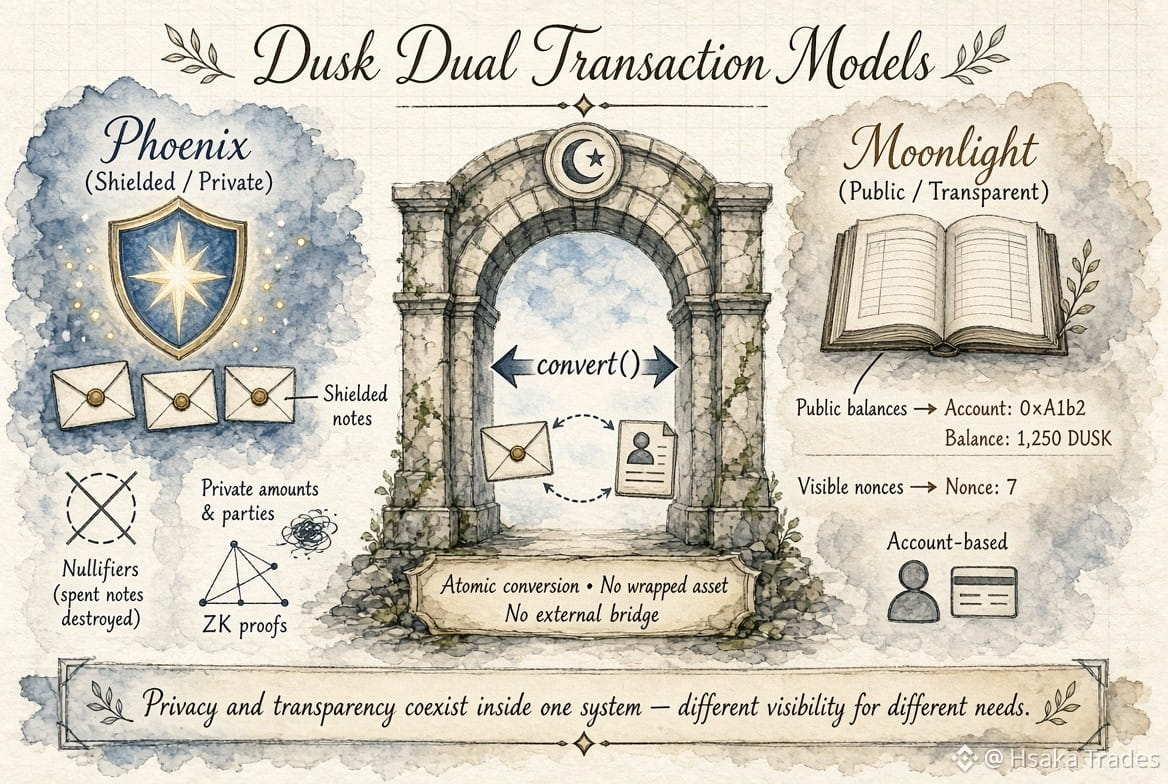
Dusk හි පරිසර පද්ධතිය රසවත් ප්රවේශයක් ගන්නවා: පුද්ගලිකත්වය සහ මහජන ගනුදෙනු එකිනෙකට සම්පුර්ණයෙන්ම වෙන් පද්ධති ලෙස සලකන්නේ නැතිව එකට පැවතිය හැක.
Dusk සතුව වෙනස් ගනුදෙනු ආකෘති දෙකක් තිබේ: Phoenix සහ Moonlight.
Phoenix යනු UTXO පදනම් වූ එකක්; ගනුදෙනු තොරතුරු පුද්ගලිකව තබාගැනීමට shielded notes සහ nullifiers භාවිතා කරයි. Moonlight යනු account පදනම් වූ එකක්; ශේෂ (balances) සහ nonces මහජනයට පෙනෙන ලෙස පවතී.
මෙහි ප්රධාන සම්බන්ධය Transfer Contract එකයි. එහි "convert" ක්රියාකාරකය Dusk හි contract flow තුළදී Phoenix shielded note එකක් සහ Moonlight මහජන ගිණුම් ශේෂයක් අතර සමාන අගය මාරු කළ හැකියි; ඒ සඳහා වෙනම wrapped asset එකක් හෝ බාහිර bridge එකක් අවශ්ය නොවේ.
මෙම ව්යුහය Dusk හි පුද්ගලිකත්වය පිළිබඳ කටයුතු, අනුකූලතා-නැඹුරු මූල්ය කාර්ය ප්රවාහයන් සහ සැබෑ ලෝක වත්කම් යටිතල පහසුකම් සමඟ ගැලපේ; එහිදී විවිධ ගනුදෙනු වලට විවිධ දෘශ්යතා මට්ටම් අවශ්ය විය හැක.
තවත් තාක්ෂණික විස්තරයක් වන්නේ indexing ය. Phoenix සිට Moonlight වෙත කරන conversion එකක් සෘජු deposit එකකින් වෙන් කර හඳුනාගත යුතුය; එවිට wallets සහ indexers ක්රියාකාරකම නිවැරදිව විග්රහ කරගැනීමට හැකි වේ.
එය ප්රායෝගික පරිසර පද්ධති ප්රශ්නයක් ඉදිරියට දමයි: මෙම event classification සඳහා Dusk යොමු indexer implementation එකක් ලබා දෙනවාද, නැතිනම් සෑම integrator කෙනෙකුටම logic එක වෙන වෙනම ක්රියාත්මක කිරීමට අවශ්ය වෙයිද?
#dusk $DUSK @Dusk_Foundation
DUSK පරිසර පද්ධති සංවර්ධන
Dusk හි පරිසර පද්ධතිය රසවත් ප්රවේශයක් ගන්නවා: පුද්ගලිකත්වය සහ මහජන ගනුදෙනු එකිනෙකට සම්පුර්ණයෙන්ම වෙන් පද්ධති ලෙස සලකන්නේ නැතිව එකට පැවතිය හැක.
Dusk සතුව වෙනස් ගනුදෙනු ආකෘති දෙකක් තිබේ: Phoenix සහ Moonlight.
Phoenix යනු UTXO පදනම් වූ එකක්; ගනුදෙනු තොරතුරු පුද්ගලිකව තබාගැනීමට shielded notes සහ nullifiers භාවිතා කරයි. Moonlight යනු account පදනම් වූ එකක්; ශේෂ (balances) සහ nonces මහජනයට පෙනෙන ලෙස පවතී.
මෙහි ප්රධාන සම්බන්ධය Transfer Contract එකයි. එහි "convert" ක්රියාකාරකය Dusk හි contract flow තුළදී Phoenix shielded note එකක් සහ Moonlight මහජන ගිණුම් ශේෂයක් අතර සමාන අගය මාරු කළ හැකියි; ඒ සඳහා වෙනම wrapped asset එකක් හෝ බාහිර bridge එකක් අවශ්ය නොවේ.
මෙම ව්යුහය Dusk හි පුද්ගලිකත්වය පිළිබඳ කටයුතු, අනුකූලතා-නැඹුරු මූල්ය කාර්ය ප්රවාහයන් සහ සැබෑ ලෝක වත්කම් යටිතල පහසුකම් සමඟ ගැලපේ; එහිදී විවිධ ගනුදෙනු වලට විවිධ දෘශ්යතා මට්ටම් අවශ්ය විය හැක.
තවත් තාක්ෂණික විස්තරයක් වන්නේ indexing ය. Phoenix සිට Moonlight වෙත කරන conversion එකක් සෘජු deposit එකකින් වෙන් කර හඳුනාගත යුතුය; එවිට wallets සහ indexers ක්රියාකාරකම නිවැරදිව විග්රහ කරගැනීමට හැකි වේ.
එය ප්රායෝගික පරිසර පද්ධති ප්රශ්නයක් ඉදිරියට දමයි: මෙම event classification සඳහා Dusk යොමු indexer implementation එකක් ලබා දෙනවාද, නැතිනම් සෑම integrator කෙනෙකුටම logic එක වෙන වෙනම ක්රියාත්මක කිරීමට අවශ්ය වෙයිද?
#dusk $DUSK @Dusk
Dusk හි පරිසර පද්ධතිය රසවත් ප්රවේශයක් ගන්නවා: පුද්ගලිකත්වය සහ මහජන ගනුදෙනු එකිනෙකට සම්පුර්ණයෙන්ම වෙන් පද්ධති ලෙස සලකන්නේ නැතිව එකට පැවතිය හැක.
Dusk සතුව වෙනස් ගනුදෙනු ආකෘති දෙකක් තිබේ: Phoenix සහ Moonlight.
Phoenix යනු UTXO පදනම් වූ එකක්; ගනුදෙනු තොරතුරු පුද්ගලිකව තබාගැනීමට shielded notes සහ nullifiers භාවිතා කරයි. Moonlight යනු account පදනම් වූ එකක්; ශේෂ (balances) සහ nonces මහජනයට පෙනෙන ලෙස පවතී.
මෙහි ප්රධාන සම්බන්ධය Transfer Contract එකයි. එහි "convert" ක්රියාකාරකය Dusk හි contract flow තුළදී Phoenix shielded note එකක් සහ Moonlight මහජන ගිණුම් ශේෂයක් අතර සමාන අගය මාරු කළ හැකියි; ඒ සඳහා වෙනම wrapped asset එකක් හෝ බාහිර bridge එකක් අවශ්ය නොවේ.
මෙම ව්යුහය Dusk හි පුද්ගලිකත්වය පිළිබඳ කටයුතු, අනුකූලතා-නැඹුරු මූල්ය කාර්ය ප්රවාහයන් සහ සැබෑ ලෝක වත්කම් යටිතල පහසුකම් සමඟ ගැලපේ; එහිදී විවිධ ගනුදෙනු වලට විවිධ දෘශ්යතා මට්ටම් අවශ්ය විය හැක.
තවත් තාක්ෂණික විස්තරයක් වන්නේ indexing ය. Phoenix සිට Moonlight වෙත කරන conversion එකක් සෘජු deposit එකකින් වෙන් කර හඳුනාගත යුතුය; එවිට wallets සහ indexers ක්රියාකාරකම නිවැරදිව විග්රහ කරගැනීමට හැකි වේ.
එය ප්රායෝගික පරිසර පද්ධති ප්රශ්නයක් ඉදිරියට දමයි: මෙම event classification සඳහා Dusk යොමු indexer implementation එකක් ලබා දෙනවාද, නැතිනම් සෑම integrator කෙනෙකුටම logic එක වෙන වෙනම ක්රියාත්මක කිරීමට අවශ්ය වෙයිද?
#dusk $DUSK @Dusk
3
3
137
·
--
දින 30 වෙළෙඳ $DUSK 3.1K USDT
පරිවර්තනය බලන්න
I was looking deeper into what makes DUSK different from other RWA chains, and something clicked for me: tokenizing an asset is only one piece of the problem.
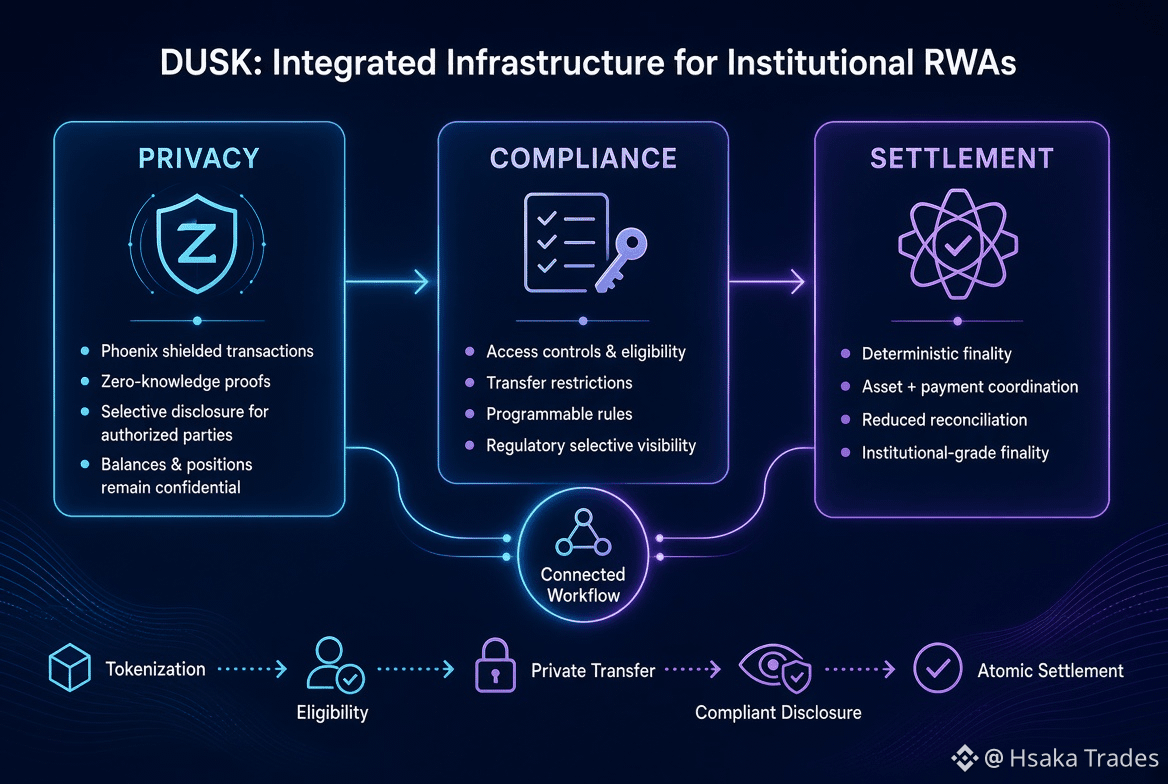
In regulated finance, the real challenge is everything around that asset—who is eligible to hold it, which transfers are allowed, what information should remain confidential, what must be disclosed, and how the asset and payment finally settle.
What caught my attention is that DUSK treats these as connected parts of the same workflow. Its base infrastructure combines access controls, privacy with selective disclosure, and deterministic settlement rather than treating them as separate add-ons.
I kept wondering how institutions could use blockchain without exposing every balance, position, or transaction to the entire market.
DUSK’s answer is interesting: Phoenix can shield transaction details with zero-knowledge proofs, while authorized parties can still receive specific information when disclosure is required.
The other piece is settlement. DUSK is designed to coordinate asset and payment legs with deterministic finality, while its market infrastructure aims to reduce the fragmented handoffs that create reconciliation work.
That made me see DUSK less as another tokenization chain and more as infrastructure built around the realities of regulated markets.
Could privacy, compliance, and settlement integration become the real competitive edge in institutional RWAs?
#dusk $DUSK @Dusk_Foundation
I was looking deeper into what makes DUSK different from other RWA chains, and something clicked for me: tokenizing an asset is only one piece of the problem.
In regulated finance, the real challenge is everything around that asset—who is eligible to hold it, which transfers are allowed, what information should remain confidential, what must be disclosed, and how the asset and payment finally settle.
What caught my attention is that DUSK treats these as connected parts of the same workflow. Its base infrastructure combines access controls, privacy with selective disclosure, and deterministic settlement rather than treating them as separate add-ons.
I kept wondering how institutions could use blockchain without exposing every balance, position, or transaction to the entire market.
DUSK’s answer is interesting: Phoenix can shield transaction details with zero-knowledge proofs, while authorized parties can still receive specific information when disclosure is required.
The other piece is settlement. DUSK is designed to coordinate asset and payment legs with deterministic finality, while its market infrastructure aims to reduce the fragmented handoffs that create reconciliation work.
That made me see DUSK less as another tokenization chain and more as infrastructure built around the realities of regulated markets.
Could privacy, compliance, and settlement integration become the real competitive edge in institutional RWAs?
#dusk $DUSK @Dusk
In regulated finance, the real challenge is everything around that asset—who is eligible to hold it, which transfers are allowed, what information should remain confidential, what must be disclosed, and how the asset and payment finally settle.
What caught my attention is that DUSK treats these as connected parts of the same workflow. Its base infrastructure combines access controls, privacy with selective disclosure, and deterministic settlement rather than treating them as separate add-ons.
I kept wondering how institutions could use blockchain without exposing every balance, position, or transaction to the entire market.
DUSK’s answer is interesting: Phoenix can shield transaction details with zero-knowledge proofs, while authorized parties can still receive specific information when disclosure is required.
The other piece is settlement. DUSK is designed to coordinate asset and payment legs with deterministic finality, while its market infrastructure aims to reduce the fragmented handoffs that create reconciliation work.
That made me see DUSK less as another tokenization chain and more as infrastructure built around the realities of regulated markets.
Could privacy, compliance, and settlement integration become the real competitive edge in institutional RWAs?
#dusk $DUSK @Dusk
3
139
·
--
පරිවර්තනය බලන්න
$BTW
{future}(BTWUSDT)
: Don’t Chase the First Move
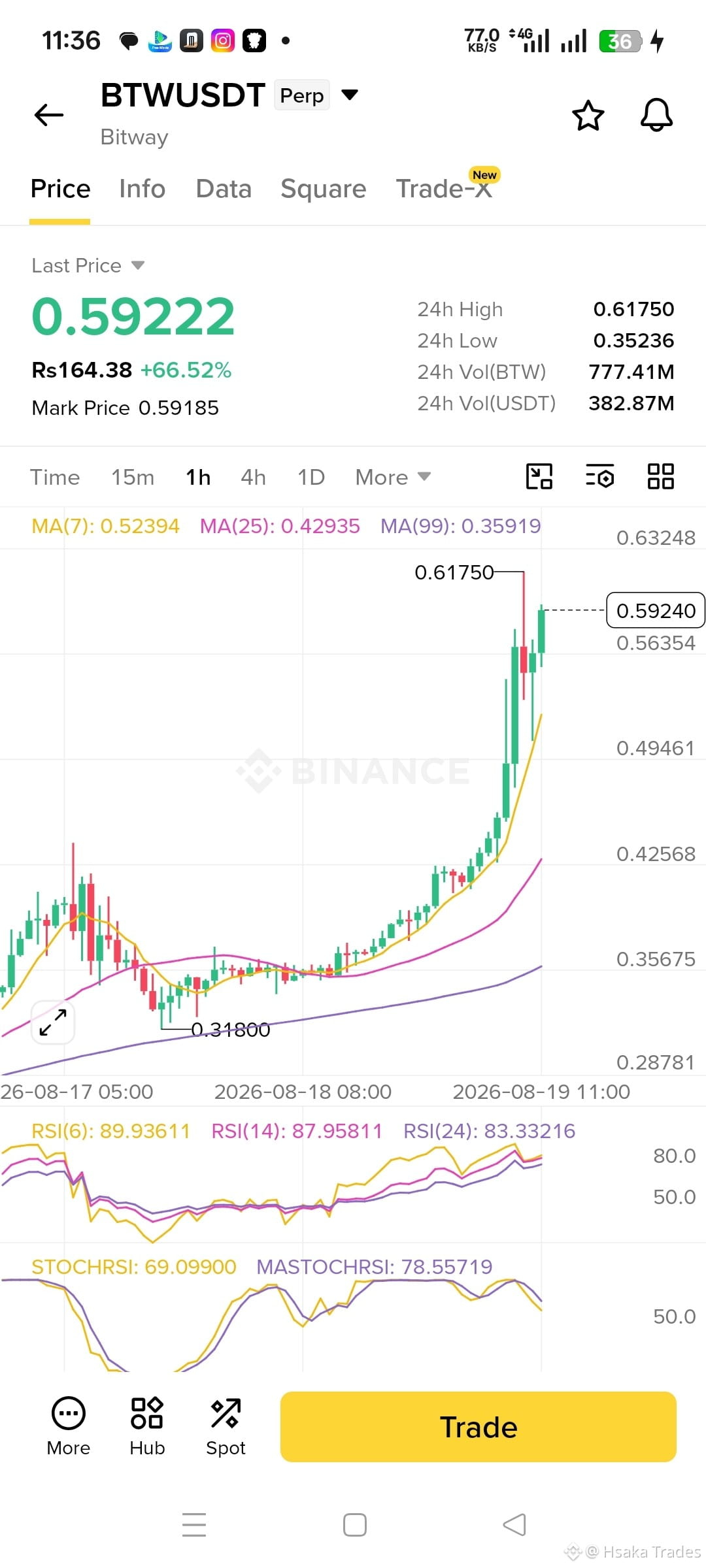
The interesting part of $BTW isn’t the candle — it’s whether buyers can actually defend the structure.
Price action is approaching an important area where support and resistance can decide the next direction. If buyers hold support and push through resistance with expanding volume, that would give the move stronger confirmation. But if price breaks a level and volume stays weak, it could simply be a liquidity sweep before the market reverses.
I’m also keeping an eye on leverage positioning through open interest and funding. If OI rises aggressively while price moves higher, volatility can increase quickly. Liquidity around recent highs and lows may become the real battleground.
My take: I’m not interested in chasing $BTW just because momentum looks exciting. I’d rather see a confirmed breakout, healthy volume, and sustained price acceptance above resistance.
The strongest move is usually the one the market actually confirms.
Would you wait for confirmation on $BTW, or take the risk before the breakout?
$BTW
: Don’t Chase the First Move
The interesting part of $BTW isn’t the candle — it’s whether buyers can actually defend the structure.
Price action is approaching an important area where support and resistance can decide the next direction. If buyers hold support and push through resistance with expanding volume, that would give the move stronger confirmation. But if price breaks a level and volume stays weak, it could simply be a liquidity sweep before the market reverses.
I’m also keeping an eye on leverage positioning through open interest and funding. If OI rises aggressively while price moves higher, volatility can increase quickly. Liquidity around recent highs and lows may become the real battleground.
My take: I’m not interested in chasing $BTW just because momentum looks exciting. I’d rather see a confirmed breakout, healthy volume, and sustained price acceptance above resistance.
The strongest move is usually the one the market actually confirms.
Would you wait for confirmation on $BTW , or take the risk before the breakout?
: Don’t Chase the First Move
The interesting part of $BTW isn’t the candle — it’s whether buyers can actually defend the structure.
Price action is approaching an important area where support and resistance can decide the next direction. If buyers hold support and push through resistance with expanding volume, that would give the move stronger confirmation. But if price breaks a level and volume stays weak, it could simply be a liquidity sweep before the market reverses.
I’m also keeping an eye on leverage positioning through open interest and funding. If OI rises aggressively while price moves higher, volatility can increase quickly. Liquidity around recent highs and lows may become the real battleground.
My take: I’m not interested in chasing $BTW just because momentum looks exciting. I’d rather see a confirmed breakout, healthy volume, and sustained price acceptance above resistance.
The strongest move is usually the one the market actually confirms.
Would you wait for confirmation on $BTW , or take the risk before the breakout?
2
418
·
--
සත්යායනය කළ
දින 30 වෙළෙඳ $DUSK 2.2K USDT
පරිවර්තනය බලන්න
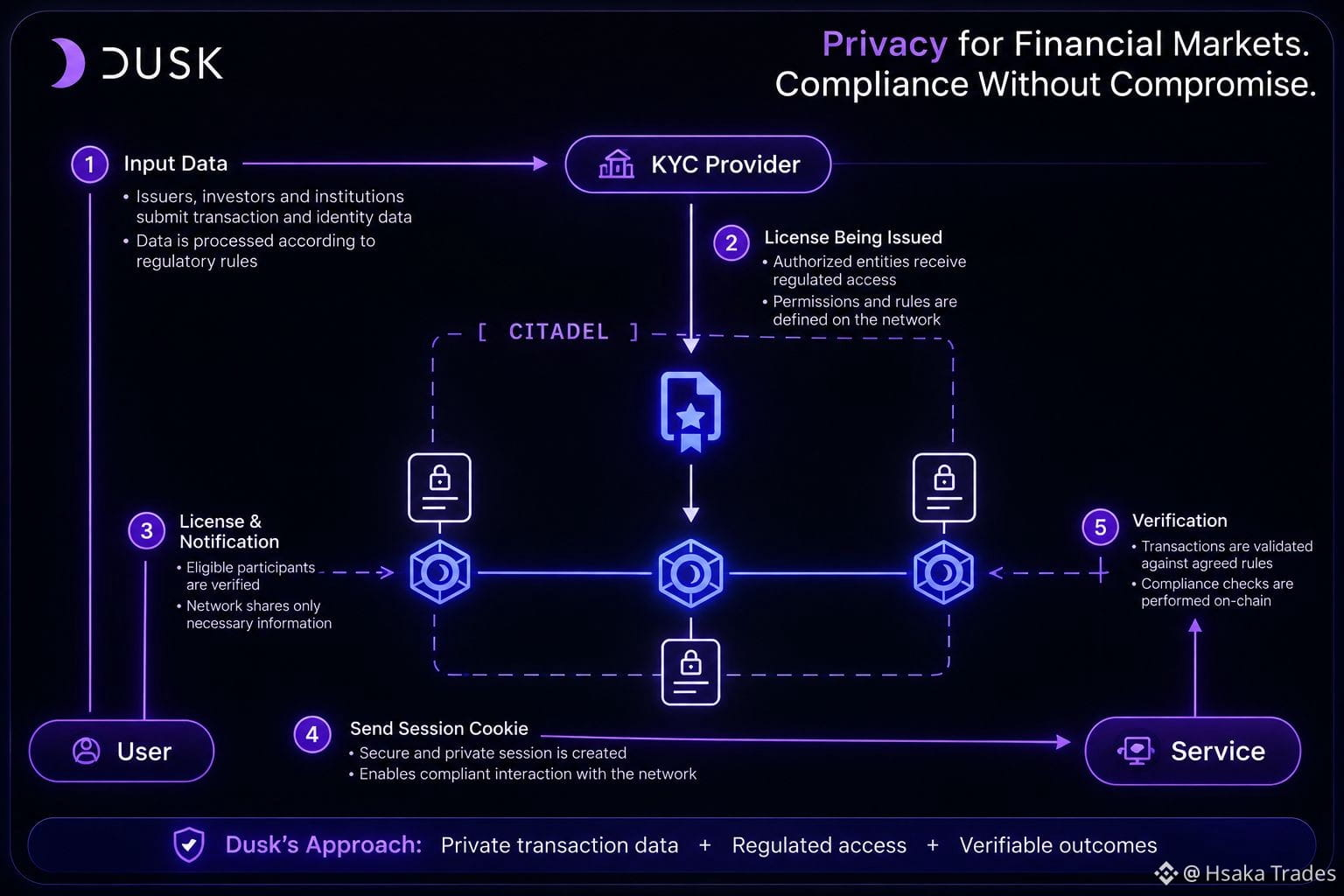
I was looking deeper into why institutions might actually care about privacy on a blockchain, and something clicked for me: the real challenge isn’t hiding financial activity. It’s controlling sensitive information without breaking accountability.
Consider a tokenized security. Investor holdings, transaction details, and eligibility rules can be highly sensitive. Yet issuers, regulators, and auditors still need reliable ways to verify ownership and compliance.
That’s where Dusk caught my attention.
Phoenix is designed to keep transaction information private, while Dusk’s infrastructure is built around regulated financial workflows such as asset issuance, compliance, trading, and settlement. The interesting part is how these pieces are designed to work together rather than treating privacy as a separate feature.
I also kept thinking about reconciliation. If ownership records, compliance checks, and settlement are scattered across different systems, simply putting an asset on-chain doesn’t automatically solve the underlying problem.
Dusk’s approach tries to address that with privacy-preserving infrastructure for regulated markets.
And $DUSK isn’t just a label on the network—it serves as the native asset used for network activity and fees, connecting the blockchain’s infrastructure to its economic layer.
The more I looked into it, the more I saw Dusk as a financial infrastructure experiment rather than just another privacy project.
Could privacy + compliance become a requirement, rather than an obstacle, for institutional blockchain adoption?
#dusk $DUSK @Dusk_Foundation
I was looking deeper into why institutions might actually care about privacy on a blockchain, and something clicked for me: the real challenge isn’t hiding financial activity. It’s controlling sensitive information without breaking accountability.
Consider a tokenized security. Investor holdings, transaction details, and eligibility rules can be highly sensitive. Yet issuers, regulators, and auditors still need reliable ways to verify ownership and compliance.
That’s where Dusk caught my attention.
Phoenix is designed to keep transaction information private, while Dusk’s infrastructure is built around regulated financial workflows such as asset issuance, compliance, trading, and settlement. The interesting part is how these pieces are designed to work together rather than treating privacy as a separate feature.
I also kept thinking about reconciliation. If ownership records, compliance checks, and settlement are scattered across different systems, simply putting an asset on-chain doesn’t automatically solve the underlying problem.
Dusk’s approach tries to address that with privacy-preserving infrastructure for regulated markets.
And $DUSK isn’t just a label on the network—it serves as the native asset used for network activity and fees, connecting the blockchain’s infrastructure to its economic layer.
The more I looked into it, the more I saw Dusk as a financial infrastructure experiment rather than just another privacy project.
Could privacy + compliance become a requirement, rather than an obstacle, for institutional blockchain adoption?
#dusk $DUSK @Dusk
Consider a tokenized security. Investor holdings, transaction details, and eligibility rules can be highly sensitive. Yet issuers, regulators, and auditors still need reliable ways to verify ownership and compliance.
That’s where Dusk caught my attention.
Phoenix is designed to keep transaction information private, while Dusk’s infrastructure is built around regulated financial workflows such as asset issuance, compliance, trading, and settlement. The interesting part is how these pieces are designed to work together rather than treating privacy as a separate feature.
I also kept thinking about reconciliation. If ownership records, compliance checks, and settlement are scattered across different systems, simply putting an asset on-chain doesn’t automatically solve the underlying problem.
Dusk’s approach tries to address that with privacy-preserving infrastructure for regulated markets.
And $DUSK isn’t just a label on the network—it serves as the native asset used for network activity and fees, connecting the blockchain’s infrastructure to its economic layer.
The more I looked into it, the more I saw Dusk as a financial infrastructure experiment rather than just another privacy project.
Could privacy + compliance become a requirement, rather than an obstacle, for institutional blockchain adoption?
#dusk $DUSK @Dusk
10
5
184
·
--
දින 30 වෙළෙඳ $DUSK 1.4K USDT
පරිවර්තනය බලන්න
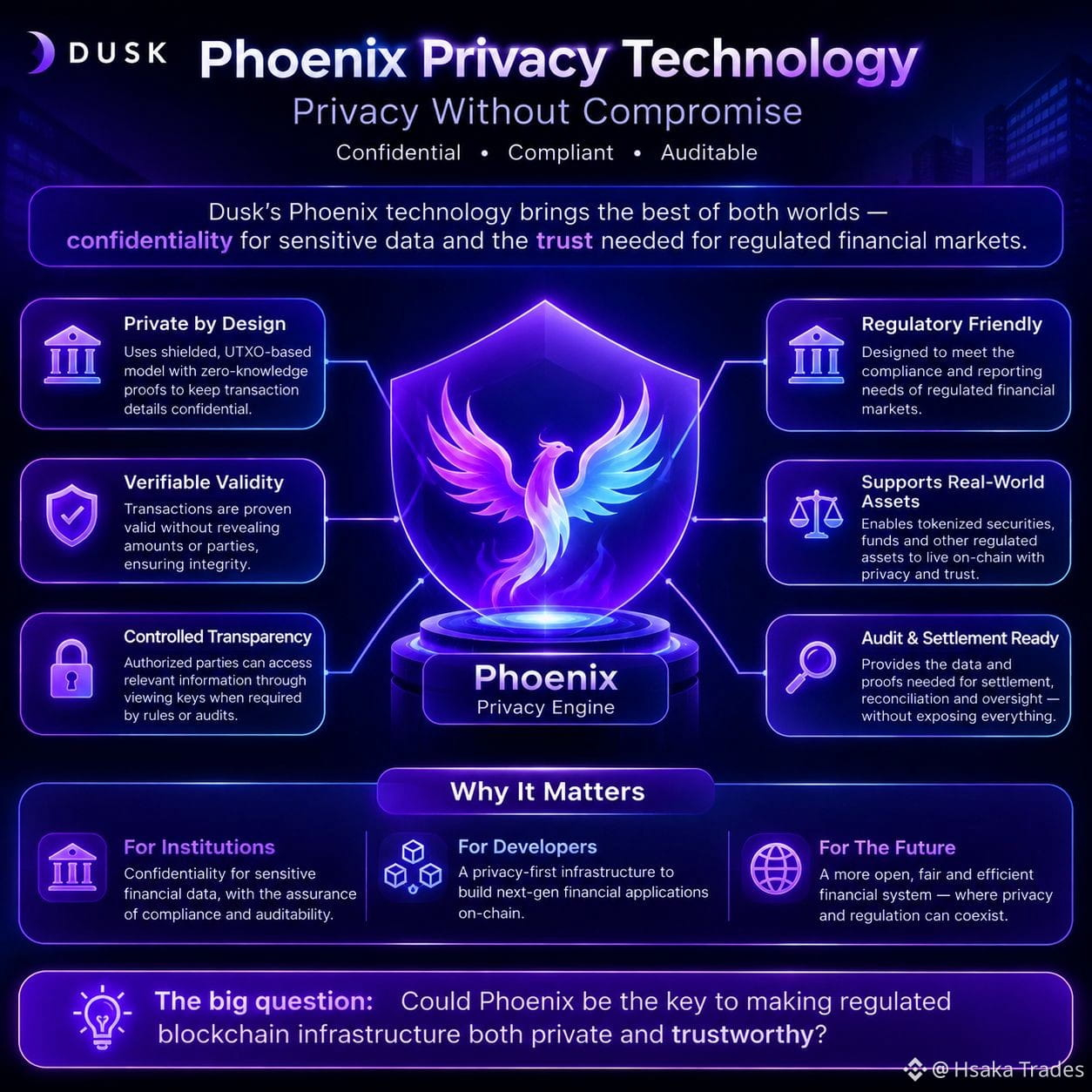
I was looking into $DUSK Phoenix privacy technology, and something clicked for me: privacy on a financial blockchain isn’t simply about hiding transactions.
The more I looked into it, the more I saw the real challenge. Regulated markets need confidentiality, but they also need rules, accountability, and the ability to verify what matters.
That’s where Phoenix becomes interesting.
The idea is to protect sensitive transaction information while still allowing the network to operate with the structure required by regulated financial activity. For tokenized securities, that distinction matters. Institutions may not want every balance, transfer, or investor detail exposed publicly, but they still need transactions to be valid, enforceable, and auditable.
I kept wondering why privacy and compliance are so often treated like opposing goals.
What caught my attention about Dusk is the attempt to make privacy part of the infrastructure itself, rather than something added later.
That made me look at Phoenix differently—not just as a privacy feature, but as a potential building block for bringing more serious financial activity on-chain.
Could this balance between privacy and auditability become one of the most important pieces of regulated blockchain infrastructure?
#dusk $DUSK @Dusk_Foundation
I was looking into $DUSK Phoenix privacy technology, and something clicked for me: privacy on a financial blockchain isn’t simply about hiding transactions.
The more I looked into it, the more I saw the real challenge. Regulated markets need confidentiality, but they also need rules, accountability, and the ability to verify what matters.
That’s where Phoenix becomes interesting.
The idea is to protect sensitive transaction information while still allowing the network to operate with the structure required by regulated financial activity. For tokenized securities, that distinction matters. Institutions may not want every balance, transfer, or investor detail exposed publicly, but they still need transactions to be valid, enforceable, and auditable.
I kept wondering why privacy and compliance are so often treated like opposing goals.
What caught my attention about Dusk is the attempt to make privacy part of the infrastructure itself, rather than something added later.
That made me look at Phoenix differently—not just as a privacy feature, but as a potential building block for bringing more serious financial activity on-chain.
Could this balance between privacy and auditability become one of the most important pieces of regulated blockchain infrastructure?
#dusk $DUSK @Dusk
The more I looked into it, the more I saw the real challenge. Regulated markets need confidentiality, but they also need rules, accountability, and the ability to verify what matters.
That’s where Phoenix becomes interesting.
The idea is to protect sensitive transaction information while still allowing the network to operate with the structure required by regulated financial activity. For tokenized securities, that distinction matters. Institutions may not want every balance, transfer, or investor detail exposed publicly, but they still need transactions to be valid, enforceable, and auditable.
I kept wondering why privacy and compliance are so often treated like opposing goals.
What caught my attention about Dusk is the attempt to make privacy part of the infrastructure itself, rather than something added later.
That made me look at Phoenix differently—not just as a privacy feature, but as a potential building block for bringing more serious financial activity on-chain.
Could this balance between privacy and auditability become one of the most important pieces of regulated blockchain infrastructure?
#dusk $DUSK @Dusk
10
5
154
·
--
පරිවර්තනය බලන්න
🚨 $GPS is moving fast—but the chart is also flashing a warning.
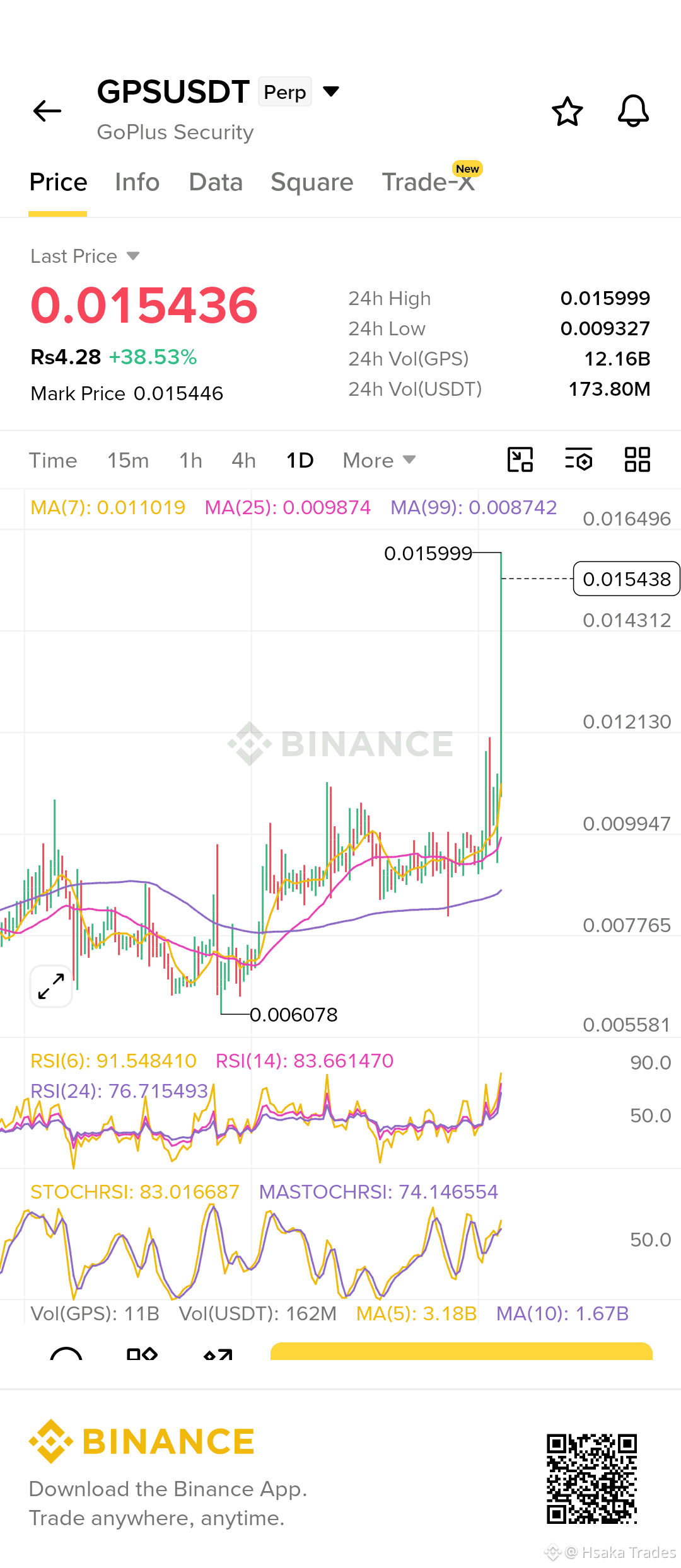
$GPS is trading around $0.01544, up roughly 38.5% in 24 hours, after a sharp breakout from the recent consolidation zone. The daily candle pushed to $0.01599, showing strong momentum and aggressive buying.
What stands out to me is the volume. 24H volume is around 12.16B GPS, with roughly $173.8M in USDT volume. That kind of activity suggests this isn’t a quiet move—it’s attracting serious market attention and liquidity.
Technically, price is well above the MA(7) at $0.01102, MA(25) at $0.00987 and MA(99) at $0.00874, confirming a strong bullish structure.
But here’s my take: RSI(14) is around 83.7 and RSI(6) above 91, meaning the market is extremely overheated on the daily timeframe. After such a vertical move, profit-taking or a pullback would not surprise me.
The key zone I’m watching is $0.0143–$0.0121. Holding this area could keep the breakout structure healthy, while losing it may trigger deeper consolidation.
My take: momentum is impressive, but I’d rather see a controlled retest than chase a vertical candle.
Would you wait for a pullback or trade the momentum here?
#GPSUSDT #ChinaJulyOutputRetailInvestmentAllMiss
🚨 $GPS is moving fast—but the chart is also flashing a warning.
$GPS is trading around $0.01544, up roughly 38.5% in 24 hours, after a sharp breakout from the recent consolidation zone. The daily candle pushed to $0.01599, showing strong momentum and aggressive buying.
What stands out to me is the volume. 24H volume is around 12.16B GPS, with roughly $173.8M in USDT volume. That kind of activity suggests this isn’t a quiet move—it’s attracting serious market attention and liquidity.
Technically, price is well above the MA(7) at $0.01102, MA(25) at $0.00987 and MA(99) at $0.00874, confirming a strong bullish structure.
But here’s my take: RSI(14) is around 83.7 and RSI(6) above 91, meaning the market is extremely overheated on the daily timeframe. After such a vertical move, profit-taking or a pullback would not surprise me.
The key zone I’m watching is $0.0143–$0.0121. Holding this area could keep the breakout structure healthy, while losing it may trigger deeper consolidation.
My take: momentum is impressive, but I’d rather see a controlled retest than chase a vertical candle.
Would you wait for a pullback or trade the momentum here?
#GPSUSDT #ChinaJulyOutputRetailInvestmentAllMiss
$GPS is trading around $0.01544, up roughly 38.5% in 24 hours, after a sharp breakout from the recent consolidation zone. The daily candle pushed to $0.01599, showing strong momentum and aggressive buying.
What stands out to me is the volume. 24H volume is around 12.16B GPS, with roughly $173.8M in USDT volume. That kind of activity suggests this isn’t a quiet move—it’s attracting serious market attention and liquidity.
Technically, price is well above the MA(7) at $0.01102, MA(25) at $0.00987 and MA(99) at $0.00874, confirming a strong bullish structure.
But here’s my take: RSI(14) is around 83.7 and RSI(6) above 91, meaning the market is extremely overheated on the daily timeframe. After such a vertical move, profit-taking or a pullback would not surprise me.
The key zone I’m watching is $0.0143–$0.0121. Holding this area could keep the breakout structure healthy, while losing it may trigger deeper consolidation.
My take: momentum is impressive, but I’d rather see a controlled retest than chase a vertical candle.
Would you wait for a pullback or trade the momentum here?
#GPSUSDT #ChinaJulyOutputRetailInvestmentAllMiss
1
1
216
·
--
දින 30 වෙළෙඳ $DUSK 727.6 USDT
පරිවර්තනය බලන්න
What if a security token could follow financial rules without putting every sensitive detail on a public blockchain? That’s the idea behind Zedger.
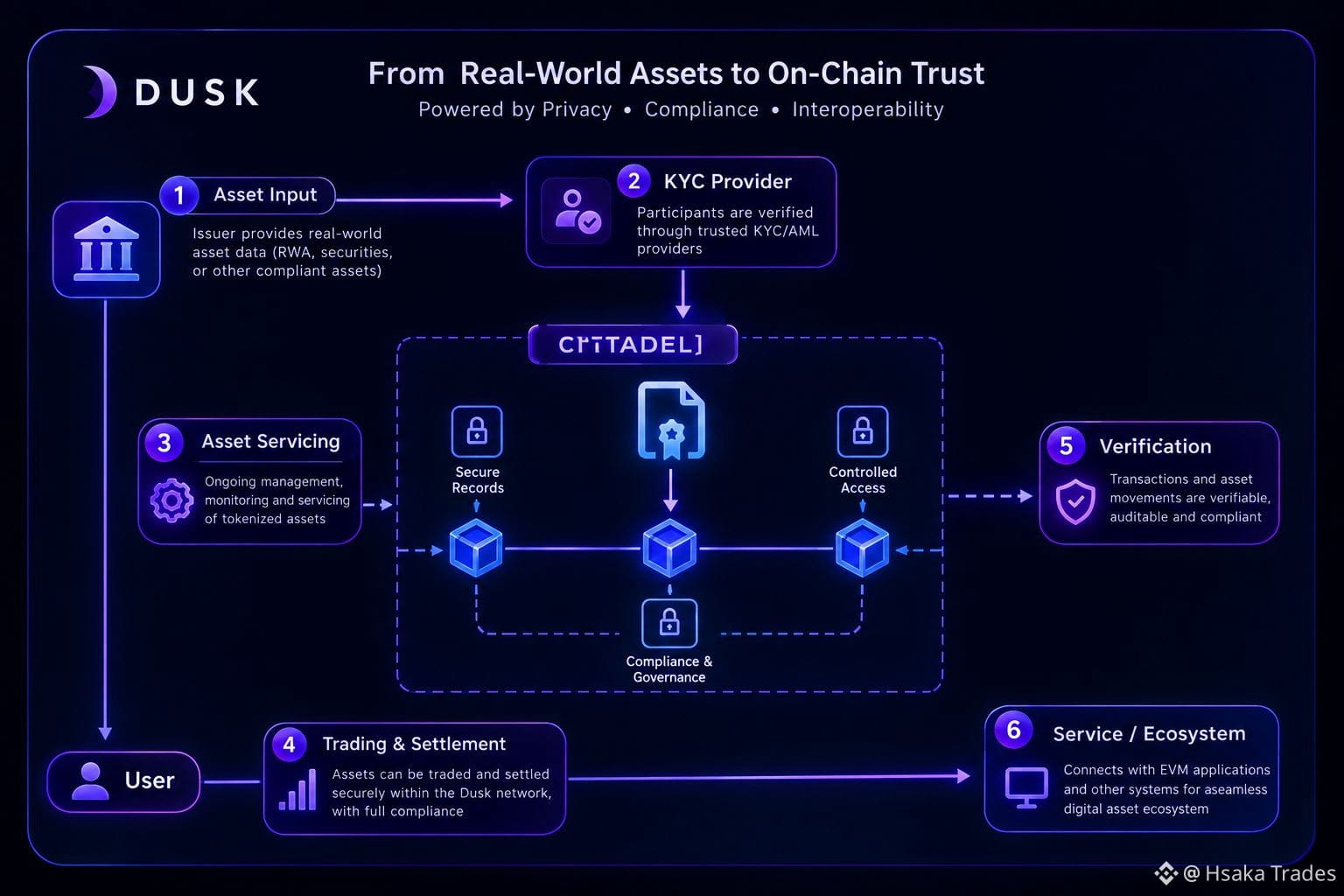
In simple terms, Zedger is Dusk’s hybrid transaction model designed for regulated digital assets. It builds on Phoenix’s privacy-focused architecture while adding a structure suited to security tokens and financial workflows.
Think of it this way: traditional finance needs more than sending tokens from A to B. It needs ownership records, controlled transfers, compliance rules, servicing, trading and confidentiality. Zedger is designed around these requirements rather than treating every asset like a simple cryptocurrency.
That makes the @Dusk approach interesting for RWA, tokenized securities and institutional finance. Privacy is not just about hiding information; it can be about sharing the right information with the right participants while maintaining verifiability.
My Take: Zedger is one of the more interesting pieces of the Dusk architecture because it connects blockchain privacy with the practical requirements of regulated markets. The real question is whether adoption can turn this technology into real financial activity.
Could Zedger become a key infrastructure layer for regulated assets on-chain?
#dusk $DUSK @Dusk_Foundation
What if a security token could follow financial rules without putting every sensitive detail on a public blockchain? That’s the idea behind Zedger.
In simple terms, Zedger is Dusk’s hybrid transaction model designed for regulated digital assets. It builds on Phoenix’s privacy-focused architecture while adding a structure suited to security tokens and financial workflows.
Think of it this way: traditional finance needs more than sending tokens from A to B. It needs ownership records, controlled transfers, compliance rules, servicing, trading and confidentiality. Zedger is designed around these requirements rather than treating every asset like a simple cryptocurrency.
That makes the @Dusk approach interesting for RWA, tokenized securities and institutional finance. Privacy is not just about hiding information; it can be about sharing the right information with the right participants while maintaining verifiability.
My Take: Zedger is one of the more interesting pieces of the Dusk architecture because it connects blockchain privacy with the practical requirements of regulated markets. The real question is whether adoption can turn this technology into real financial activity.
Could Zedger become a key infrastructure layer for regulated assets on-chain?
#dusk $DUSK @Dusk
In simple terms, Zedger is Dusk’s hybrid transaction model designed for regulated digital assets. It builds on Phoenix’s privacy-focused architecture while adding a structure suited to security tokens and financial workflows.
Think of it this way: traditional finance needs more than sending tokens from A to B. It needs ownership records, controlled transfers, compliance rules, servicing, trading and confidentiality. Zedger is designed around these requirements rather than treating every asset like a simple cryptocurrency.
That makes the @Dusk approach interesting for RWA, tokenized securities and institutional finance. Privacy is not just about hiding information; it can be about sharing the right information with the right participants while maintaining verifiability.
My Take: Zedger is one of the more interesting pieces of the Dusk architecture because it connects blockchain privacy with the practical requirements of regulated markets. The real question is whether adoption can turn this technology into real financial activity.
Could Zedger become a key infrastructure layer for regulated assets on-chain?
#dusk $DUSK @Dusk
2
117
·
--
දින 30 වෙළෙඳ $DUSK 223.6 USDT
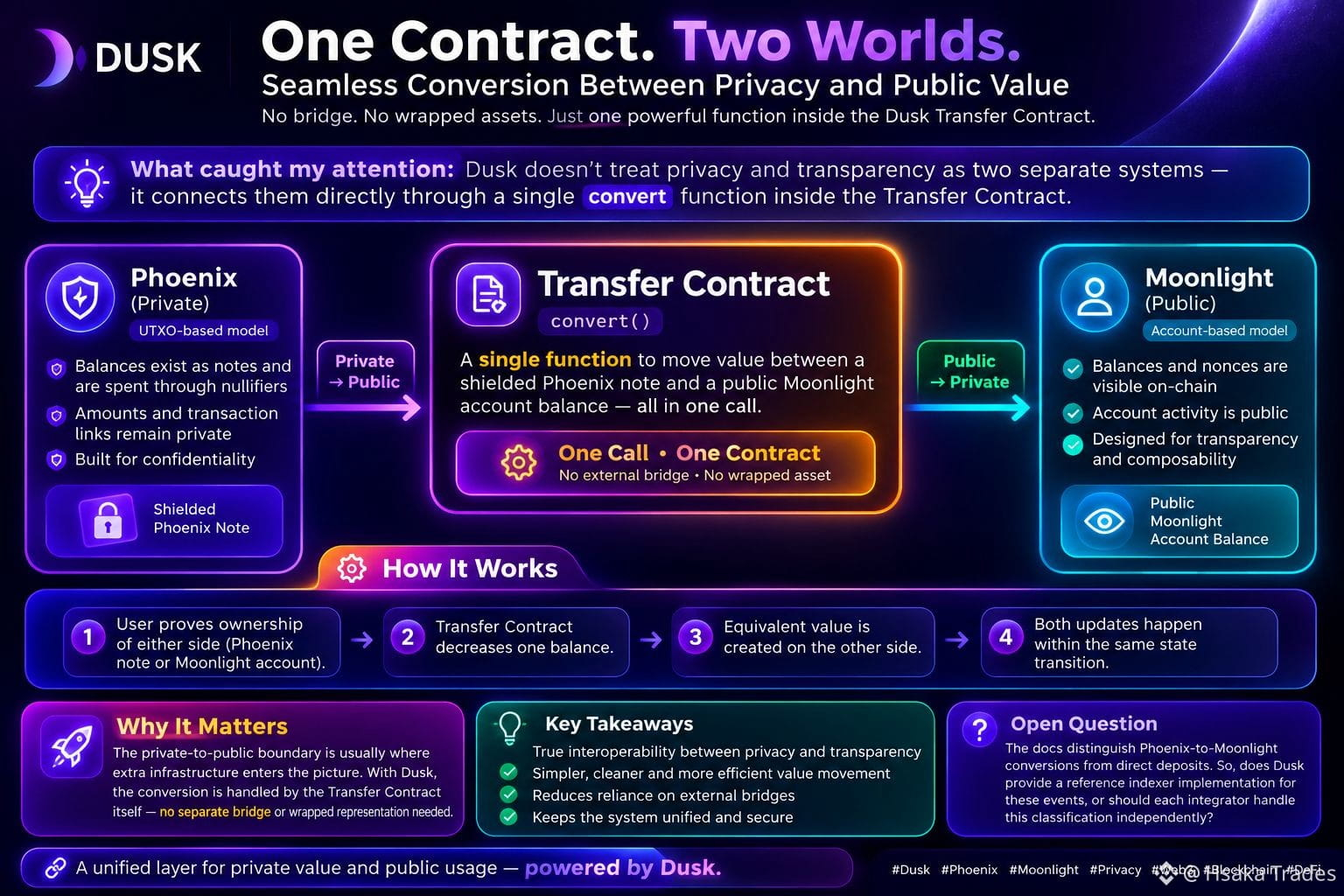
**මගේ අවධානයට ලක් වූ දේ: සවස (Dusk) පෞද්ගලිකත්වය සහ පොදු විනිවිදභාවය වෙන වෙනම පද්ධති දෙකක් ලෙස සලකලා ඒ දෙක අතර පාලමක් ගොඩනගන්න අවශ්යයි කියන එක ලෙසට වටිනාකම් දක්වන්නේ නැහැ.
Transfer Contract එක ඇතුළත ඇති එකම `convert` function එකක් තියෙනවා—ඒකෙන් shielded Phoenix note එකක් සහ පොදු Moonlight account balance එකක් අතර වටිනාකම මාරු කරගන්න පුළුවන්. එක call එකක්, එක contract එකක් පමණයි; wrapped asset එකක් හෝ බාහිර bridge එකක් අවශ්ය නැහැ.
“dual transaction model” කියන විස්තරය හුදෙක් මුහුණට අල්ලගෙන පිළිගන්නවා වෙනුවට, ඇත්තටම ඒක ක්රියා කරන්නේ කොහොමද කියලා මට තේරුම් ගන්න ඕන වුණා.
ලේඛන වලින් පෙනෙන්නේ Phoenix කියන්නේ UTXO පදනම් කරගත් එකක් කියලා: balance තියෙන්නේ notes ලෙසයි, ඒවා nullifiers හරහා spend කරලා transaction වල amounts සහ සම්බන්ධතා රහසිගතව තියාගන්නවා. Moonlight කියන්නේ account පදනම් කරගත් එකක් සහ පොදුයි: balances සහ nonces පෙනෙනවා.
අපූරු කොටස තමයි `convert` call එක. එක් පැත්තක ownership එක (ඕනෑම පැත්තක) පරිශීලකයෙක් contract එකට ඔප්පු කරනවා, ඉන්පසු contract එක ඒ එක් balance එකක් අඩු කරන අතර, එම state transition එක තුළම අනෙක් පැත්තට අනුරූප වටිනාකම සමානව නිර්මාණය කරනවා.
මෙය වැදගත් වන්නේ පෞද්ගලිකත්වයෙන් පොදු පාර්ශ්වය දක්වා තියෙන සීමාවට බොහෝවිට අමතර infrastructure එකතු වීම සිදුවෙන නිසා. මෙහිදී, වෙනම bridge එකක් හෝ wrapped representation එකක් අවශ්ය නොවී, transfer contract එකම conversion එකට වගකියනවා.
තවමත් මට හොඳින් අවබෝධ කරගන්න කැමති එක දෙයක් තමයි indexing පැත්ත. ලේඛන වලින් Phoenix-to-Moonlight conversions සහ direct deposits වෙන් වෙන් ලෙස පැහැදිලි කරනවා; ඒ නිසා wallets සහ indexers ඒ සිදුවීම් දෙක වෙනම හඳුනාගන්න අවශ්ය වෙයි.
Dusk කණ්ඩායමෙන් ලබා දෙන reference indexer implementation එකක් තියෙනවද, නැත්නම් මේ event classification එක integrator කෙනෙක්කෙනාට තමන් තනිවම හසුරුවන දෙයක්ද?
#dusk $DUSK @Dusk_Foundation
**මගේ අවධානයට ලක් වූ දේ: සවස (Dusk) පෞද්ගලිකත්වය සහ පොදු විනිවිදභාවය වෙන වෙනම පද්ධති දෙකක් ලෙස සලකලා ඒ දෙක අතර පාලමක් ගොඩනගන්න අවශ්යයි කියන එක ලෙසට වටිනාකම් දක්වන්නේ නැහැ.
Transfer Contract එක ඇතුළත ඇති එකම `convert` function එකක් තියෙනවා—ඒකෙන් shielded Phoenix note එකක් සහ පොදු Moonlight account balance එකක් අතර වටිනාකම මාරු කරගන්න පුළුවන්. එක call එකක්, එක contract එකක් පමණයි; wrapped asset එකක් හෝ බාහිර bridge එකක් අවශ්ය නැහැ.
“dual transaction model” කියන විස්තරය හුදෙක් මුහුණට අල්ලගෙන පිළිගන්නවා වෙනුවට, ඇත්තටම ඒක ක්රියා කරන්නේ කොහොමද කියලා මට තේරුම් ගන්න ඕන වුණා.
ලේඛන වලින් පෙනෙන්නේ Phoenix කියන්නේ UTXO පදනම් කරගත් එකක් කියලා: balance තියෙන්නේ notes ලෙසයි, ඒවා nullifiers හරහා spend කරලා transaction වල amounts සහ සම්බන්ධතා රහසිගතව තියාගන්නවා. Moonlight කියන්නේ account පදනම් කරගත් එකක් සහ පොදුයි: balances සහ nonces පෙනෙනවා.
අපූරු කොටස තමයි `convert` call එක. එක් පැත්තක ownership එක (ඕනෑම පැත්තක) පරිශීලකයෙක් contract එකට ඔප්පු කරනවා, ඉන්පසු contract එක ඒ එක් balance එකක් අඩු කරන අතර, එම state transition එක තුළම අනෙක් පැත්තට අනුරූප වටිනාකම සමානව නිර්මාණය කරනවා.
මෙය වැදගත් වන්නේ පෞද්ගලිකත්වයෙන් පොදු පාර්ශ්වය දක්වා තියෙන සීමාවට බොහෝවිට අමතර infrastructure එකතු වීම සිදුවෙන නිසා. මෙහිදී, වෙනම bridge එකක් හෝ wrapped representation එකක් අවශ්ය නොවී, transfer contract එකම conversion එකට වගකියනවා.
තවමත් මට හොඳින් අවබෝධ කරගන්න කැමති එක දෙයක් තමයි indexing පැත්ත. ලේඛන වලින් Phoenix-to-Moonlight conversions සහ direct deposits වෙන් වෙන් ලෙස පැහැදිලි කරනවා; ඒ නිසා wallets සහ indexers ඒ සිදුවීම් දෙක වෙනම හඳුනාගන්න අවශ්ය වෙයි.
Dusk කණ්ඩායමෙන් ලබා දෙන reference indexer implementation එකක් තියෙනවද, නැත්නම් මේ event classification එක integrator කෙනෙක්කෙනාට තමන් තනිවම හසුරුවන දෙයක්ද?
#dusk $DUSK @Dusk
Transfer Contract එක ඇතුළත ඇති එකම `convert` function එකක් තියෙනවා—ඒකෙන් shielded Phoenix note එකක් සහ පොදු Moonlight account balance එකක් අතර වටිනාකම මාරු කරගන්න පුළුවන්. එක call එකක්, එක contract එකක් පමණයි; wrapped asset එකක් හෝ බාහිර bridge එකක් අවශ්ය නැහැ.
“dual transaction model” කියන විස්තරය හුදෙක් මුහුණට අල්ලගෙන පිළිගන්නවා වෙනුවට, ඇත්තටම ඒක ක්රියා කරන්නේ කොහොමද කියලා මට තේරුම් ගන්න ඕන වුණා.
ලේඛන වලින් පෙනෙන්නේ Phoenix කියන්නේ UTXO පදනම් කරගත් එකක් කියලා: balance තියෙන්නේ notes ලෙසයි, ඒවා nullifiers හරහා spend කරලා transaction වල amounts සහ සම්බන්ධතා රහසිගතව තියාගන්නවා. Moonlight කියන්නේ account පදනම් කරගත් එකක් සහ පොදුයි: balances සහ nonces පෙනෙනවා.
අපූරු කොටස තමයි `convert` call එක. එක් පැත්තක ownership එක (ඕනෑම පැත්තක) පරිශීලකයෙක් contract එකට ඔප්පු කරනවා, ඉන්පසු contract එක ඒ එක් balance එකක් අඩු කරන අතර, එම state transition එක තුළම අනෙක් පැත්තට අනුරූප වටිනාකම සමානව නිර්මාණය කරනවා.
මෙය වැදගත් වන්නේ පෞද්ගලිකත්වයෙන් පොදු පාර්ශ්වය දක්වා තියෙන සීමාවට බොහෝවිට අමතර infrastructure එකතු වීම සිදුවෙන නිසා. මෙහිදී, වෙනම bridge එකක් හෝ wrapped representation එකක් අවශ්ය නොවී, transfer contract එකම conversion එකට වගකියනවා.
තවමත් මට හොඳින් අවබෝධ කරගන්න කැමති එක දෙයක් තමයි indexing පැත්ත. ලේඛන වලින් Phoenix-to-Moonlight conversions සහ direct deposits වෙන් වෙන් ලෙස පැහැදිලි කරනවා; ඒ නිසා wallets සහ indexers ඒ සිදුවීම් දෙක වෙනම හඳුනාගන්න අවශ්ය වෙයි.
Dusk කණ්ඩායමෙන් ලබා දෙන reference indexer implementation එකක් තියෙනවද, නැත්නම් මේ event classification එක integrator කෙනෙක්කෙනාට තමන් තනිවම හසුරුවන දෙයක්ද?
#dusk $DUSK @Dusk
115
තවත් අන්තර්ගතයන් ගවේෂණය කිරීමට ඇතුල් වන්න
Binance චතුරශ්රය හි ගෝලීය ක්රිප්ටෝ පරිශීලකයින් හා එක්වන්න
⚡️ ක්රිප්ටෝ පිළිබඳ නවතම සහ ප්රයෝජනවත් තොරතුරු ලබා ගන්න.
💬 ලොව විශාලතම ක්රිප්ටෝ හුවමාරුව මගින් විශ්වාස කෙරේ.
👍 සත්යායනය කරන ලද නිර්මාණකරුවන්ගෙන් සැබෑ විදසුන් සොයා ගන්න.
විද්යුත් තැපෑල / දුරකථන අංකය
නැගී එන මාතෘකා
BitcoinReboundsTo$79K
13,536 views
128 සාකච්ඡා කරමින්
🚨 $BTC ඉහළට තල්ලු වෙමින් පවතී.
Bitcoin ආසන්න වශයෙන් $78,804 දක්වා ගනුදෙනුවෙහි යෙදී ඇත, දළ වශයෙන් 1.9%කින් ඉහළ ගොස් ඇත; $78K මට්ටම නැවත අත්පත් කරගැනීමෙන් පසුවය. දැකිය යුතු ඊළඟ මට්ටම වන්නේ ආසන්න වශයෙන් $78,905 දක්නට ලැබෙන දිනක් ඇතුළත ඉහළම අගයයි.
එම මට්ටමට ඉහළින් පැහැදිලි බිඳීමක් සිදුවුවහොත් $79K–$80K වෙත යන මාවත විවර විය හැක. BTC ප්රතික්ෂේප වුවහොත්, ආධාරකය $78,300 පමණින් පිහිටා ඇත; ඉන් පසුව $77,975.
ගොනුන්ට (Bulls) බලගතු ගම්යතාවක් ඇත, නමුත් BTC $78Kට ඉහළින් රඳවාගෙන සිටිය යුතුය.
#Bitcoin #BTC #CryptoTrading #CryptoMarket #CryptoAnalysis
PulseON
·13 කැමත්ත දැක්වීම්
·13.3k views
SouthKoreaCryptoTaxDelayPetitionTops50000
128 views
33 සාකච්ඡා කරමින්
SolanaTransactionV1GoesLiveOnMainnet
179 views
21 සාකච්ඡා කරමින්