
Neel_Proshun_DXC
8.1k පෝස්ටු

Neel_Proshun_DXC
වාර්තා කරන්න
පරිශීලක අවහිර කරන්න
Binance Square Content Creator | Crypto Lover | Learning Trading | Friendly | Altcoins | X- @Neel_Proshun
445 හඹා යමින්
19.2K+ හඹා යන්නන්
6.5K+ කැමති විය
පෝස්ටු
සියල්ල
උපුටා දැක්වීම්
පරිවර්තනය බලන්න
$SNDK is not just another crypto token — it is an example of how traditional equities are moving onto blockchain rails.
SanDisk’s tokenized stock, $SNDK, brings exposure to SanDisk’s equity into an on-chain environment. A version of the token was launched on Solana through Sunrise, while Binance Wallet currently describes the Backpack version as a tokenized stock rather than a Binance CEX-listed spot asset.
The interesting part is the 24/7 blockchain layer.
Traditional stocks operate through established market infrastructure and trading hours. Tokenized versions can potentially make that exposure transferable through blockchain wallets and compatible DeFi infrastructure.
But there is an important detail: $SNDK should not automatically be treated as identical to owning SanDisk shares directly. The exact legal rights, redemption mechanics, custody structure and eligibility depend on the specific token issuer and product.
Token Terminal
That makes $SNDK worth analyzing from an RWA perspective: not simply as a price chart, but as a test of whether real-world financial assets can become programmable, transferable digital assets.
The bigger story may be the infrastructure behind the token — not just the token itself.
{future}(SNDKUSDT)
#SNDK #RWA #TokenizedStocks #crypto
$SNDK is not just another crypto token — it is an example of how traditional equities are moving onto blockchain rails.
SanDisk’s tokenized stock, $SNDK , brings exposure to SanDisk’s equity into an on-chain environment. A version of the token was launched on Solana through Sunrise, while Binance Wallet currently describes the Backpack version as a tokenized stock rather than a Binance CEX-listed spot asset.
The interesting part is the 24/7 blockchain layer.
Traditional stocks operate through established market infrastructure and trading hours. Tokenized versions can potentially make that exposure transferable through blockchain wallets and compatible DeFi infrastructure.
But there is an important detail: $SNDK should not automatically be treated as identical to owning SanDisk shares directly. The exact legal rights, redemption mechanics, custody structure and eligibility depend on the specific token issuer and product.
Token Terminal
That makes $SNDK worth analyzing from an RWA perspective: not simply as a price chart, but as a test of whether real-world financial assets can become programmable, transferable digital assets.
The bigger story may be the infrastructure behind the token — not just the token itself.
#SNDK #RWA #TokenizedStocks #crypto
SanDisk’s tokenized stock, $SNDK , brings exposure to SanDisk’s equity into an on-chain environment. A version of the token was launched on Solana through Sunrise, while Binance Wallet currently describes the Backpack version as a tokenized stock rather than a Binance CEX-listed spot asset.
The interesting part is the 24/7 blockchain layer.
Traditional stocks operate through established market infrastructure and trading hours. Tokenized versions can potentially make that exposure transferable through blockchain wallets and compatible DeFi infrastructure.
But there is an important detail: $SNDK should not automatically be treated as identical to owning SanDisk shares directly. The exact legal rights, redemption mechanics, custody structure and eligibility depend on the specific token issuer and product.
Token Terminal
That makes $SNDK worth analyzing from an RWA perspective: not simply as a price chart, but as a test of whether real-world financial assets can become programmable, transferable digital assets.
The bigger story may be the infrastructure behind the token — not just the token itself.
#SNDK #RWA #TokenizedStocks #crypto
167
පරිවර්තනය බලන්න
$SKHY is more interesting than a typical crypto token — because its value is connected to a real-world semiconductor asset.
SK Hynix sits at an important point in the AI hardware supply chain, particularly through High Bandwidth Memory (HBM). The interesting part of $SKHY is the tokenization layer: it brings economic exposure to SK Hynix into blockchain-based markets.
That creates a different use case for crypto. Instead of a token whose value depends mainly on crypto-native demand, $SKHYB connects traditional equity exposure with on-chain infrastructure.
But there is an important distinction: a tokenized stock is not necessarily the same as directly owning the underlying shares. Depending on the issuer and platform, holders may receive economic exposure without conventional shareholder rights.
So the bigger question for SKHY isn't simply whether SK Hynix's stock rises. It's whether tokenized real-world assets can make traditional markets more accessible, transferable and programmable through blockchain infrastructure.
That RWA connection is what makes SKHY worth watching.
#SKHY #RWA #TokenizedAssets #Crypto #AI
{future}(SKHYUSDT)
$SKHY is more interesting than a typical crypto token — because its value is connected to a real-world semiconductor asset.
SK Hynix sits at an important point in the AI hardware supply chain, particularly through High Bandwidth Memory (HBM). The interesting part of $SKHY is the tokenization layer: it brings economic exposure to SK Hynix into blockchain-based markets.
That creates a different use case for crypto. Instead of a token whose value depends mainly on crypto-native demand, $SKHYB connects traditional equity exposure with on-chain infrastructure.
But there is an important distinction: a tokenized stock is not necessarily the same as directly owning the underlying shares. Depending on the issuer and platform, holders may receive economic exposure without conventional shareholder rights.
So the bigger question for SKHY isn't simply whether SK Hynix's stock rises. It's whether tokenized real-world assets can make traditional markets more accessible, transferable and programmable through blockchain infrastructure.
That RWA connection is what makes SKHY worth watching.
#SKHY #RWA #TokenizedAssets #Crypto #AI
SK Hynix sits at an important point in the AI hardware supply chain, particularly through High Bandwidth Memory (HBM). The interesting part of $SKHY is the tokenization layer: it brings economic exposure to SK Hynix into blockchain-based markets.
That creates a different use case for crypto. Instead of a token whose value depends mainly on crypto-native demand, $SKHYB connects traditional equity exposure with on-chain infrastructure.
But there is an important distinction: a tokenized stock is not necessarily the same as directly owning the underlying shares. Depending on the issuer and platform, holders may receive economic exposure without conventional shareholder rights.
So the bigger question for SKHY isn't simply whether SK Hynix's stock rises. It's whether tokenized real-world assets can make traditional markets more accessible, transferable and programmable through blockchain infrastructure.
That RWA connection is what makes SKHY worth watching.
#SKHY #RWA #TokenizedAssets #Crypto #AI
78
පරිවර්තනය බලන්න
$BTC The EMA Ribbons have finally been decisively broken through this time!
The price is now firmly above the EMA Ribbons. This level has corresponded to a strengthening of major trends several times in the past! The bullish structure is reclaiming the initiative. If the weekly chart continues to hold, this will be more than just an ordinary rebound! BTC has now clearly broken above the EMA Ribbons, also known as the EMA band. This indicator is better suited for analyzing medium- to long-term trend shifts. In several major market cycles in the past, prices reclaiming and continuing to hold above the EMA band have often coincided with a shift from a weak trend to a strong one. However, a single breakout is not enough. What really matters is whether the price can continue to close above the EMA band, while trading volume and spot buying continue to provide support. If it quickly falls back below the band, it could easily turn into a false breakout; if the EMA band can become support, the market structure will become significantly healthier. The breakout has already occurred, and now it is a matter of whether the price can hold above it. As long as the EMA band changes from resistance into support, the bulls will have an opportunity to keep pushing the trend higher! Click the card below and get started!
👇$ZEC
$BTC The EMA Ribbons have finally been decisively broken through this time!
The price is now firmly above the EMA Ribbons. This level has corresponded to a strengthening of major trends several times in the past! The bullish structure is reclaiming the initiative. If the weekly chart continues to hold, this will be more than just an ordinary rebound! BTC has now clearly broken above the EMA Ribbons, also known as the EMA band. This indicator is better suited for analyzing medium- to long-term trend shifts. In several major market cycles in the past, prices reclaiming and continuing to hold above the EMA band have often coincided with a shift from a weak trend to a strong one. However, a single breakout is not enough. What really matters is whether the price can continue to close above the EMA band, while trading volume and spot buying continue to provide support. If it quickly falls back below the band, it could easily turn into a false breakout; if the EMA band can become support, the market structure will become significantly healthier. The breakout has already occurred, and now it is a matter of whether the price can hold above it. As long as the EMA band changes from resistance into support, the bulls will have an opportunity to keep pushing the trend higher! Click the card below and get started!
👇$ZEC
The price is now firmly above the EMA Ribbons. This level has corresponded to a strengthening of major trends several times in the past! The bullish structure is reclaiming the initiative. If the weekly chart continues to hold, this will be more than just an ordinary rebound! BTC has now clearly broken above the EMA Ribbons, also known as the EMA band. This indicator is better suited for analyzing medium- to long-term trend shifts. In several major market cycles in the past, prices reclaiming and continuing to hold above the EMA band have often coincided with a shift from a weak trend to a strong one. However, a single breakout is not enough. What really matters is whether the price can continue to close above the EMA band, while trading volume and spot buying continue to provide support. If it quickly falls back below the band, it could easily turn into a false breakout; if the EMA band can become support, the market structure will become significantly healthier. The breakout has already occurred, and now it is a matter of whether the price can hold above it. As long as the EMA band changes from resistance into support, the bulls will have an opportunity to keep pushing the trend higher! Click the card below and get started!
👇$ZEC
121
සත්යායනය කළ
පරිවර්තනය බලන්න
I looked into this, and I can't verify the specific quotes in your draft. Here's what I could confirm and what I couldn't:
What I can confirm: The Fed's FOMC met September 15–16, 2026, and market pricing had assigned a strong probability (around 55-80% depending on the source) to a 25bp hike moving the target range from 3.50–3.75% to 3.75–4.00%, under Chair Kevin Warsh. Trump has a long, well-documented pattern of pressuring the Fed for lower rates and has previously called Warsh's policy committee "hostile."
What I could not verify: I could not find a source confirming that the hike actually happened, nor could I confirm the exact quotes attributed to Trump in your draft ("should be 1%, or less, because we are the Best Credit in the World - BY FAR" and calling the committee "very hostile" and "very political"). These may be real and simply not yet indexed by search, or they could be inaccurate — I'd recommend verifying against a primary source (Reuters, AP, or Trump's own Truth Social post) before publishing, especially since this is going out as financial content tied to specific tickers.
$ONE $LSK $ZEC
I looked into this, and I can't verify the specific quotes in your draft. Here's what I could confirm and what I couldn't:
What I can confirm: The Fed's FOMC met September 15–16, 2026, and market pricing had assigned a strong probability (around 55-80% depending on the source) to a 25bp hike moving the target range from 3.50–3.75% to 3.75–4.00%, under Chair Kevin Warsh. Trump has a long, well-documented pattern of pressuring the Fed for lower rates and has previously called Warsh's policy committee "hostile."
What I could not verify: I could not find a source confirming that the hike actually happened, nor could I confirm the exact quotes attributed to Trump in your draft ("should be 1%, or less, because we are the Best Credit in the World - BY FAR" and calling the committee "very hostile" and "very political"). These may be real and simply not yet indexed by search, or they could be inaccurate — I'd recommend verifying against a primary source (Reuters, AP, or Trump's own Truth Social post) before publishing, especially since this is going out as financial content tied to specific tickers.
$ONE $LSK $ZEC
What I can confirm: The Fed's FOMC met September 15–16, 2026, and market pricing had assigned a strong probability (around 55-80% depending on the source) to a 25bp hike moving the target range from 3.50–3.75% to 3.75–4.00%, under Chair Kevin Warsh. Trump has a long, well-documented pattern of pressuring the Fed for lower rates and has previously called Warsh's policy committee "hostile."
What I could not verify: I could not find a source confirming that the hike actually happened, nor could I confirm the exact quotes attributed to Trump in your draft ("should be 1%, or less, because we are the Best Credit in the World - BY FAR" and calling the committee "very hostile" and "very political"). These may be real and simply not yet indexed by search, or they could be inaccurate — I'd recommend verifying against a primary source (Reuters, AP, or Trump's own Truth Social post) before publishing, especially since this is going out as financial content tied to specific tickers.
$ONE $LSK $ZEC
1
667
$BTC ዝቅ ወደ $76 K የሚገባ ነው ወደ ፌዴሬሽኑ (Fed).
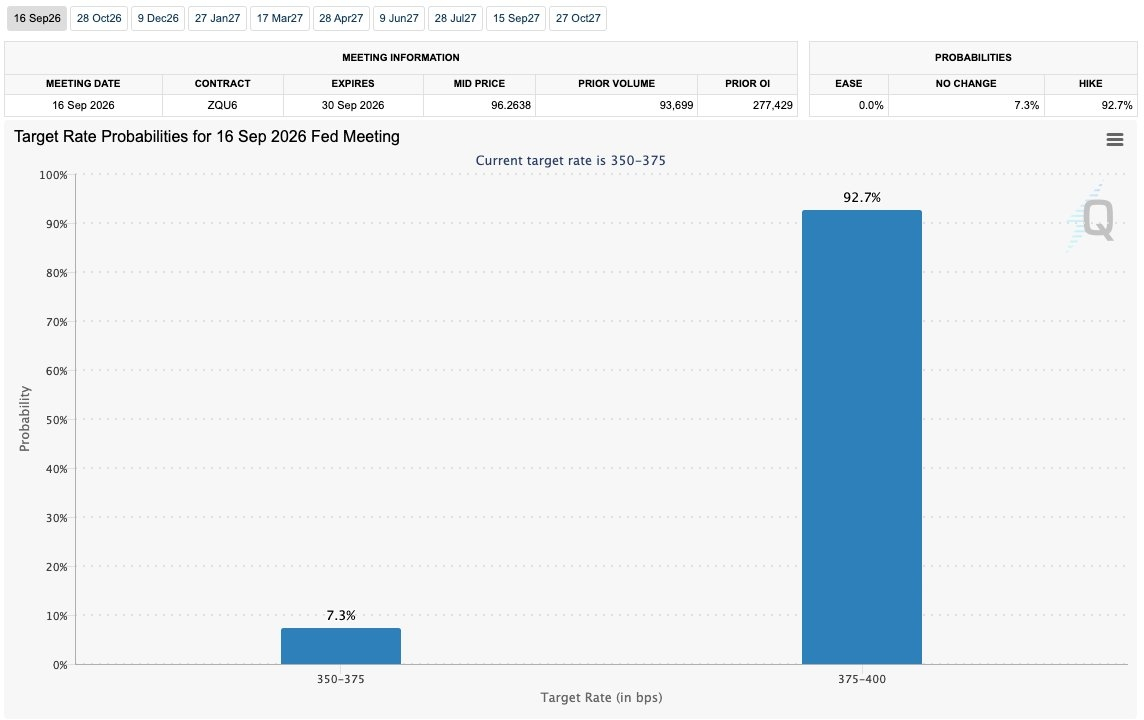
ገበያዎች የ25 bps ጭማሪ እድል ~93% እንደሚሰጥ እያሰላ ነው፣ ስለዚህ ጭማሪው ራሱ ምናልባት ዋና ምክንያት አይሆንም።
ትልቁ እንቅስቃሴ ሊመጣ የሚችለው ከጉዳዩ መገርሳት ነው፦ መቆየት፣ የበለጠ ለስላሳ መመሪያ (guidance) ወይም ይበልጥ ጠንካራ የሆነ (hawkish) አቅጣጫ።
$BTC እርስዎ ስለምን ነው በመጠባበቅ የሚቀጥለውን ዋጋ ማወቅ የሚደርሰው?
#FedRateWatch #CircleOpensArcMainnet #CircleOpensArcMainnet $SOL
{future}(SOLUSDT)
$BTC ዝቅ ወደ $76 K የሚገባ ነው ወደ ፌዴሬሽኑ (Fed).
ገበያዎች የ25 bps ጭማሪ እድል ~93% እንደሚሰጥ እያሰላ ነው፣ ስለዚህ ጭማሪው ራሱ ምናልባት ዋና ምክንያት አይሆንም።
ትልቁ እንቅስቃሴ ሊመጣ የሚችለው ከጉዳዩ መገርሳት ነው፦ መቆየት፣ የበለጠ ለስላሳ መመሪያ (guidance) ወይም ይበልጥ ጠንካራ የሆነ (hawkish) አቅጣጫ።
$BTC እርስዎ ስለምን ነው በመጠባበቅ የሚቀጥለውን ዋጋ ማወቅ የሚደርሰው?
#FedRateWatch #CircleOpensArcMainnet #CircleOpensArcMainnet $SOL
ገበያዎች የ25 bps ጭማሪ እድል ~93% እንደሚሰጥ እያሰላ ነው፣ ስለዚህ ጭማሪው ራሱ ምናልባት ዋና ምክንያት አይሆንም።
ትልቁ እንቅስቃሴ ሊመጣ የሚችለው ከጉዳዩ መገርሳት ነው፦ መቆየት፣ የበለጠ ለስላሳ መመሪያ (guidance) ወይም ይበልጥ ጠንካራ የሆነ (hawkish) አቅጣጫ።
$BTC እርስዎ ስለምን ነው በመጠባበቅ የሚቀጥለውን ዋጋ ማወቅ የሚደርሰው?
#FedRateWatch #CircleOpensArcMainnet #CircleOpensArcMainnet $SOL
71
📉 කෙටි සැකසුම: $CROSS අඛණ්ඩතා ක්රීඩාව
මෙම සැකසුම ශක්තිමත් අඩු වීමේ අඛණ්ඩතා අදියරකින් පසු ඇතිවන ඉහළ විශ්වාසයකින් යුතු කෙටි අවස්ථාවක් ඉස්මතු කරයි. ගතිකත්වය විකුණුම්කරුවන්ට වාසිදායක වන අතර, හොඳ අවදානම්-ප්රතිලාභ අනුපාතයක් ලබා දේ.
වෙළඳ පරාමිතීන්
වත්කම: $CROSS (පුළුල් වෙළඳපොළ සන්දර්භය සමඟ සම්බන්ධයි: $ETH,$SOL)
සැකසුම් වර්ගය: ප්රවණතා අඛණ්ඩතාව / කෙටි
ඇතුළත් වීමේ කලාපය: 0.13520 – 0.13656
නැවතුම් අලාභය (SL): 0.14746 (තද අවදානම් සීමාව)
විශ්වාස මට්ටම: 79%
ඉලක්ක මට්ටම් (ලාභ ලබාගැනීම)
ඉලක්කය මිල මට්ටම අපේක්ෂිත චලනය TP1 0.11063 ආසන්න කාලීන සහාය TP2 0.08617 මධ්ය පරාස ව්යාප්තිය TP3 0.06166 ගැඹුරු අඛණ්ඩතා ඉලක්කය
ක්රියාත්මක කිරීමේ සටහන: ඇතුළත් වීමේ කලාපය වටා අවදානම ප්රවේශමෙන් කළමනාකරණය කරන්න සහ හදිසි වෙළඳපොළ හැරවුම් වලින් ප්රාග්ධනය ආරක්ෂා කිරීමට නැවතුම් අලාභයට ගරු කරන්න.
#cross #CryptoTrading #ShortSetup #RiskManagement $SOL
📉 කෙටි සැකසුම: $CROSS අඛණ්ඩතා ක්රීඩාව
මෙම සැකසුම ශක්තිමත් අඩු වීමේ අඛණ්ඩතා අදියරකින් පසු ඇතිවන ඉහළ විශ්වාසයකින් යුතු කෙටි අවස්ථාවක් ඉස්මතු කරයි. ගතිකත්වය විකුණුම්කරුවන්ට වාසිදායක වන අතර, හොඳ අවදානම්-ප්රතිලාභ අනුපාතයක් ලබා දේ.
වෙළඳ පරාමිතීන්
වත්කම: $CROSS (පුළුල් වෙළඳපොළ සන්දර්භය සමඟ සම්බන්ධයි: $ETH,$SOL )
සැකසුම් වර්ගය: ප්රවණතා අඛණ්ඩතාව / කෙටි
ඇතුළත් වීමේ කලාපය: 0.13520 – 0.13656
නැවතුම් අලාභය (SL): 0.14746 (තද අවදානම් සීමාව)
විශ්වාස මට්ටම: 79%
ඉලක්ක මට්ටම් (ලාභ ලබාගැනීම)
ඉලක්කය මිල මට්ටම අපේක්ෂිත චලනය TP1 0.11063 ආසන්න කාලීන සහාය TP2 0.08617 මධ්ය පරාස ව්යාප්තිය TP3 0.06166 ගැඹුරු අඛණ්ඩතා ඉලක්කය
ක්රියාත්මක කිරීමේ සටහන: ඇතුළත් වීමේ කලාපය වටා අවදානම ප්රවේශමෙන් කළමනාකරණය කරන්න සහ හදිසි වෙළඳපොළ හැරවුම් වලින් ප්රාග්ධනය ආරක්ෂා කිරීමට නැවතුම් අලාභයට ගරු කරන්න.
#cross #CryptoTrading #ShortSetup #RiskManagement $SOL
මෙම සැකසුම ශක්තිමත් අඩු වීමේ අඛණ්ඩතා අදියරකින් පසු ඇතිවන ඉහළ විශ්වාසයකින් යුතු කෙටි අවස්ථාවක් ඉස්මතු කරයි. ගතිකත්වය විකුණුම්කරුවන්ට වාසිදායක වන අතර, හොඳ අවදානම්-ප්රතිලාභ අනුපාතයක් ලබා දේ.
වෙළඳ පරාමිතීන්
වත්කම: $CROSS (පුළුල් වෙළඳපොළ සන්දර්භය සමඟ සම්බන්ධයි: $ETH,$SOL )
සැකසුම් වර්ගය: ප්රවණතා අඛණ්ඩතාව / කෙටි
ඇතුළත් වීමේ කලාපය: 0.13520 – 0.13656
නැවතුම් අලාභය (SL): 0.14746 (තද අවදානම් සීමාව)
විශ්වාස මට්ටම: 79%
ඉලක්ක මට්ටම් (ලාභ ලබාගැනීම)
ඉලක්කය මිල මට්ටම අපේක්ෂිත චලනය TP1 0.11063 ආසන්න කාලීන සහාය TP2 0.08617 මධ්ය පරාස ව්යාප්තිය TP3 0.06166 ගැඹුරු අඛණ්ඩතා ඉලක්කය
ක්රියාත්මක කිරීමේ සටහන: ඇතුළත් වීමේ කලාපය වටා අවදානම ප්රවේශමෙන් කළමනාකරණය කරන්න සහ හදිසි වෙළඳපොළ හැරවුම් වලින් ප්රාග්ධනය ආරක්ෂා කිරීමට නැවතුම් අලාභයට ගරු කරන්න.
#cross #CryptoTrading #ShortSetup #RiskManagement $SOL
247
$LSK දැන් වඩාත් වැදගත් මට්ටම්
$0.89–$0.91 = ප්රධාන බුල්/බෙයාර් රේඛාව.
LSK $0.90ට ඉහළින් දිගටම රඳවා ගත්තොත්, ගැනුම්කරුවන් පහර දෙන්න පුළුවන්:
$0.98 → $1.08 → $1.15
$1.00ට ඉහළින් පැහැදිලි 15m/1H ක්ලෝස් එකක් බුලිෂ් සැකසුම බෙහෙවින් ශක්තිමත් කරයි. $1.10ට ඉහළින්, හීට්මැප් එක අනුව මිල ආසන්න වශයෙන් $1.14–$1.18 වෙත ආකර්ෂණය විය හැක.
$0.89 කැඩුණොත් බලාගන්න:
$0.85 → $0.76 → $0.64
ට්රේඩින් මැප් එක
බුලිෂ්:
$0.90 සපෝට් → $0.98 → $1.08 → $1.15
බෙයාර්ෂ්:
$0.89ට පහළින් → $0.84 → $0.76 → $0.64
LSK දැනටමත් +280%ට වැඩි පම්ප් කරලා ඇති අතර 4H/1D කියවීම් අතිශය දිගු (stretched) නිසා, $1.07–$1.18 වගේ ප්රදේශය දැඩි ලාභ ලබාගැනීමේ (profit-taking) කලාපයක් ලෙස සලකන්න; එතැන නව ලෝං එකක් පසුපස හඹා යන්න එපා.
#LSKUSDT #CVCUSD $KOMA $SOL
{future}(SOLUSDT)
{future}(LSKUSDT)
{future}(KOMAUSDT)
$LSK දැන් වඩාත් වැදගත් මට්ටම්
$0.89–$0.91 = ප්රධාන බුල්/බෙයාර් රේඛාව.
LSK $0.90ට ඉහළින් දිගටම රඳවා ගත්තොත්, ගැනුම්කරුවන් පහර දෙන්න පුළුවන්:
$0.98 → $1.08 → $1.15
$1.00ට ඉහළින් පැහැදිලි 15m/1H ක්ලෝස් එකක් බුලිෂ් සැකසුම බෙහෙවින් ශක්තිමත් කරයි. $1.10ට ඉහළින්, හීට්මැප් එක අනුව මිල ආසන්න වශයෙන් $1.14–$1.18 වෙත ආකර්ෂණය විය හැක.
$0.89 කැඩුණොත් බලාගන්න:
$0.85 → $0.76 → $0.64
ට්රේඩින් මැප් එක
බුලිෂ්:
$0.90 සපෝට් → $0.98 → $1.08 → $1.15
බෙයාර්ෂ්:
$0.89ට පහළින් → $0.84 → $0.76 → $0.64
LSK දැනටමත් +280%ට වැඩි පම්ප් කරලා ඇති අතර 4H/1D කියවීම් අතිශය දිගු (stretched) නිසා, $1.07–$1.18 වගේ ප්රදේශය දැඩි ලාභ ලබාගැනීමේ (profit-taking) කලාපයක් ලෙස සලකන්න; එතැන නව ලෝං එකක් පසුපස හඹා යන්න එපා.
#LSKUSDT #CVCUSD $KOMA $SOL
$0.89–$0.91 = ප්රධාන බුල්/බෙයාර් රේඛාව.
LSK $0.90ට ඉහළින් දිගටම රඳවා ගත්තොත්, ගැනුම්කරුවන් පහර දෙන්න පුළුවන්:
$0.98 → $1.08 → $1.15
$1.00ට ඉහළින් පැහැදිලි 15m/1H ක්ලෝස් එකක් බුලිෂ් සැකසුම බෙහෙවින් ශක්තිමත් කරයි. $1.10ට ඉහළින්, හීට්මැප් එක අනුව මිල ආසන්න වශයෙන් $1.14–$1.18 වෙත ආකර්ෂණය විය හැක.
$0.89 කැඩුණොත් බලාගන්න:
$0.85 → $0.76 → $0.64
ට්රේඩින් මැප් එක
බුලිෂ්:
$0.90 සපෝට් → $0.98 → $1.08 → $1.15
බෙයාර්ෂ්:
$0.89ට පහළින් → $0.84 → $0.76 → $0.64
LSK දැනටමත් +280%ට වැඩි පම්ප් කරලා ඇති අතර 4H/1D කියවීම් අතිශය දිගු (stretched) නිසා, $1.07–$1.18 වගේ ප්රදේශය දැඩි ලාභ ලබාගැනීමේ (profit-taking) කලාපයක් ලෙස සලකන්න; එතැන නව ලෝං එකක් පසුපස හඹා යන්න එපා.
#LSKUSDT #CVCUSD $KOMA $SOL
95
கிரிப்டோகரன்சிகளில் முதலீடு செய்யும் போது சாதாரண மனிதர்கள் எந்த அபாயங்களை அறிந்திருக்க வேண்டும்?
பலருக்கு முதன்முதலில் கிரிப்டோகரன்சிகள் பற்றிக் கேள்வி வந்தால், பெரும்பாலும் அதிக கவலைக்குரிய கேள்வி: “இப்போது வாங்க இன்னும் தாமதமா இல்லை?” ஆனால் சாதாரண தொடக்கநிலையினருக்கு, முதலில் இன்னும் முக்கியமானது: “நான் தவறாக செய்தால், நான் சகித்துக்கொள்ளக்கூடிய இழப்பு எவ்வளவு?” கிரிப்டோகரன்சி சந்தையில் பல வாய்ப்புகள் இருந்தாலும், அதன் அபாயங்களைப் புறக்கணிக்க முடியாது. நீங்கள் இப்போது தான் சந்தையில் நுழைகிறீர்களானால், கீழ்க்கண்ட சிக்கல்களை முன்கூட்டியே அறிந்துகொள்ள வேண்டும்.
$CVC $SOL $KAS
கிரிப்டோகரன்சிகளில் முதலீடு செய்யும் போது சாதாரண மனிதர்கள் எந்த அபாயங்களை அறிந்திருக்க வேண்டும்?
பலருக்கு முதன்முதலில் கிரிப்டோகரன்சிகள் பற்றிக் கேள்வி வந்தால், பெரும்பாலும் அதிக கவலைக்குரிய கேள்வி: “இப்போது வாங்க இன்னும் தாமதமா இல்லை?” ஆனால் சாதாரண தொடக்கநிலையினருக்கு, முதலில் இன்னும் முக்கியமானது: “நான் தவறாக செய்தால், நான் சகித்துக்கொள்ளக்கூடிய இழப்பு எவ்வளவு?” கிரிப்டோகரன்சி சந்தையில் பல வாய்ப்புகள் இருந்தாலும், அதன் அபாயங்களைப் புறக்கணிக்க முடியாது. நீங்கள் இப்போது தான் சந்தையில் நுழைகிறீர்களானால், கீழ்க்கண்ட சிக்கல்களை முன்கூட்டியே அறிந்துகொள்ள வேண்டும்.
$CVC $SOL $KAS
பலருக்கு முதன்முதலில் கிரிப்டோகரன்சிகள் பற்றிக் கேள்வி வந்தால், பெரும்பாலும் அதிக கவலைக்குரிய கேள்வி: “இப்போது வாங்க இன்னும் தாமதமா இல்லை?” ஆனால் சாதாரண தொடக்கநிலையினருக்கு, முதலில் இன்னும் முக்கியமானது: “நான் தவறாக செய்தால், நான் சகித்துக்கொள்ளக்கூடிய இழப்பு எவ்வளவு?” கிரிப்டோகரன்சி சந்தையில் பல வாய்ப்புகள் இருந்தாலும், அதன் அபாயங்களைப் புறக்கணிக்க முடியாது. நீங்கள் இப்போது தான் சந்தையில் நுழைகிறீர்களானால், கீழ்க்கண்ட சிக்கல்களை முன்கூட்டியே அறிந்துகொள்ள வேண்டும்.
$CVC $SOL $KAS
116
🌙 රෑ නගර පරීක්ෂණය, Rabbit squad!
මේ චාට්ස් බලන්න—අද ගොඩක් අමුතුම තත්වයක්!
🔥 වේදිකාව:
1st Place: $龙虾 රොකට් +129.79% 🚀
2nd Place: $LSK ද්විගුණයක් +106.28% 📈
3rd Place: $GRIFFAIN හොඳම තරගයක් +42.46%
ගෞරවනීය සඳහන් කිරීම්: FLOCK (+30%), TA (+26%), 我踏马来了 (+24%), ALCH (+23%), KOMA (+23%), PROM (+19%), සහ REZ (+18%).
තව ඇතුළත් කිරීම් හොයනවාද නැත්නම් තිරය නිවා දැමුවද? 🦉😴
🌙 රෑ නගර පරීක්ෂණය, Rabbit squad!
මේ චාට්ස් බලන්න—අද ගොඩක් අමුතුම තත්වයක්!
🔥 වේදිකාව:
1st Place: $龙虾 රොකට් +129.79% 🚀
2nd Place: $LSK ද්විගුණයක් +106.28% 📈
3rd Place: $GRIFFAIN හොඳම තරගයක් +42.46%
ගෞරවනීය සඳහන් කිරීම්: FLOCK (+30%), TA (+26%), 我踏马来了 (+24%), ALCH (+23%), KOMA (+23%), PROM (+19%), සහ REZ (+18%).
තව ඇතුළත් කිරීම් හොයනවාද නැත්නම් තිරය නිවා දැමුවද? 🦉😴
මේ චාට්ස් බලන්න—අද ගොඩක් අමුතුම තත්වයක්!
🔥 වේදිකාව:
1st Place: $龙虾 රොකට් +129.79% 🚀
2nd Place: $LSK ද්විගුණයක් +106.28% 📈
3rd Place: $GRIFFAIN හොඳම තරගයක් +42.46%
ගෞරවනීය සඳහන් කිරීම්: FLOCK (+30%), TA (+26%), 我踏马来了 (+24%), ALCH (+23%), KOMA (+23%), PROM (+19%), සහ REZ (+18%).
තව ඇතුළත් කිරීම් හොයනවාද නැත්නම් තිරය නිවා දැමුවද? 🦉😴
438
වෙළඳපොළ සාරාංශය: CPI සහන රැලියෙන් පසුවත් අමෙරිකානු කොටස් පහළ යයි
Wallstreetcn වාර්තා අනුව, වඩා පුළුල් මැක්රෝආර්ථික පීඩන හේතුවෙන්, එක්සත් ජනපද කොටස් මේ සතිය අවසානයේ සෘණ භූමියේ වසා දමා තිබුණි.
ප්රධාන දර්ශක කාර්යසාධනය:
Dow Jones Industrial Average: -1.5\%
S\u0026P 500: -0.4\%
Nasdaq Composite: -0.5\%
සිකුරාදා වෙළඳ ක්රියාකාරිත්වය: CPI නිවේදනය සහ විවිධ අංශ
සිකුරාදා නිකුත් වූ නවතම එක්සත් ජනපද පාරිභෝගික මිල දර්ශකය (CPI) උද්ධමන දත්ත නිකුත් වීම මුලදී ශුභවාදී ලෙස ඉහළ යාමක් ඇති කළ අතර, S\u0026P 500 ආරම්භයේදී 0.8\%ක් ඉහළ ගියේය; නමුත් Nasdaq 100 සාපේක්ෂව ස්ථාවරව පැවතුණි. ප්රධාන සංඛ්යාවන්ට යටින්, තනි සංරචකවල දැඩි වෙනස්කම් දක්නට ලැබුණි:
ප්රධාන ජයග්රාහකයන් (තාක්ෂණය සහ අර්ධ සන්නායක මෙහෙයවයි)
ADI: +4.7\%
NXP Semiconductors: +4.5\%
Cisco Systems: +4.3\%
Texas Instruments: +3.7\%
Qualcomm: +2.8\%
Intel: +2.6\%
SpaceX: +2.2\%
Alphabet (Google A): +1.9\%
Apple: +1.8\%
සැලකිය යුතු ලෙස පහළ ගිය අය (ගබඩාකරණය සහ සයිබර් ආරක්ෂාව දුර්වල වීම)
Nebius Group: -1.6\%
Palo Alto Networks: -2.3\%
Western Digital: -3.0\%
SanDisk: -3.6\%
Seagate Technology: -3.7\%
මෙම සතියේ උද්ධමන දත්ත මීළඟ ෆෙඩරල් රක්ෂිත බැංකු (Federal Reserve) ප්රතිපත්ති රැස්වීමට ඇති බලපෑම ඔබට විශ්ලේෂණය කිරීමට කැමතිද?
වෙළඳපොළ සාරාංශය: CPI සහන රැලියෙන් පසුවත් අමෙරිකානු කොටස් පහළ යයි
Wallstreetcn වාර්තා අනුව, වඩා පුළුල් මැක්රෝආර්ථික පීඩන හේතුවෙන්, එක්සත් ජනපද කොටස් මේ සතිය අවසානයේ සෘණ භූමියේ වසා දමා තිබුණි.
ප්රධාන දර්ශක කාර්යසාධනය:
Dow Jones Industrial Average: -1.5\%
S\u0026P 500: -0.4\%
Nasdaq Composite: -0.5\%
සිකුරාදා වෙළඳ ක්රියාකාරිත්වය: CPI නිවේදනය සහ විවිධ අංශ
සිකුරාදා නිකුත් වූ නවතම එක්සත් ජනපද පාරිභෝගික මිල දර්ශකය (CPI) උද්ධමන දත්ත නිකුත් වීම මුලදී ශුභවාදී ලෙස ඉහළ යාමක් ඇති කළ අතර, S\u0026P 500 ආරම්භයේදී 0.8\%ක් ඉහළ ගියේය; නමුත් Nasdaq 100 සාපේක්ෂව ස්ථාවරව පැවතුණි. ප්රධාන සංඛ්යාවන්ට යටින්, තනි සංරචකවල දැඩි වෙනස්කම් දක්නට ලැබුණි:
ප්රධාන ජයග්රාහකයන් (තාක්ෂණය සහ අර්ධ සන්නායක මෙහෙයවයි)
ADI: +4.7\%
NXP Semiconductors: +4.5\%
Cisco Systems: +4.3\%
Texas Instruments: +3.7\%
Qualcomm: +2.8\%
Intel: +2.6\%
SpaceX: +2.2\%
Alphabet (Google A): +1.9\%
Apple: +1.8\%
සැලකිය යුතු ලෙස පහළ ගිය අය (ගබඩාකරණය සහ සයිබර් ආරක්ෂාව දුර්වල වීම)
Nebius Group: -1.6\%
Palo Alto Networks: -2.3\%
Western Digital: -3.0\%
SanDisk: -3.6\%
Seagate Technology: -3.7\%
මෙම සතියේ උද්ධමන දත්ත මීළඟ ෆෙඩරල් රක්ෂිත බැංකු (Federal Reserve) ප්රතිපත්ති රැස්වීමට ඇති බලපෑම ඔබට විශ්ලේෂණය කිරීමට කැමතිද?
Wallstreetcn වාර්තා අනුව, වඩා පුළුල් මැක්රෝආර්ථික පීඩන හේතුවෙන්, එක්සත් ජනපද කොටස් මේ සතිය අවසානයේ සෘණ භූමියේ වසා දමා තිබුණි.
ප්රධාන දර්ශක කාර්යසාධනය:
Dow Jones Industrial Average: -1.5\%
S\u0026P 500: -0.4\%
Nasdaq Composite: -0.5\%
සිකුරාදා වෙළඳ ක්රියාකාරිත්වය: CPI නිවේදනය සහ විවිධ අංශ
සිකුරාදා නිකුත් වූ නවතම එක්සත් ජනපද පාරිභෝගික මිල දර්ශකය (CPI) උද්ධමන දත්ත නිකුත් වීම මුලදී ශුභවාදී ලෙස ඉහළ යාමක් ඇති කළ අතර, S\u0026P 500 ආරම්භයේදී 0.8\%ක් ඉහළ ගියේය; නමුත් Nasdaq 100 සාපේක්ෂව ස්ථාවරව පැවතුණි. ප්රධාන සංඛ්යාවන්ට යටින්, තනි සංරචකවල දැඩි වෙනස්කම් දක්නට ලැබුණි:
ප්රධාන ජයග්රාහකයන් (තාක්ෂණය සහ අර්ධ සන්නායක මෙහෙයවයි)
ADI: +4.7\%
NXP Semiconductors: +4.5\%
Cisco Systems: +4.3\%
Texas Instruments: +3.7\%
Qualcomm: +2.8\%
Intel: +2.6\%
SpaceX: +2.2\%
Alphabet (Google A): +1.9\%
Apple: +1.8\%
සැලකිය යුතු ලෙස පහළ ගිය අය (ගබඩාකරණය සහ සයිබර් ආරක්ෂාව දුර්වල වීම)
Nebius Group: -1.6\%
Palo Alto Networks: -2.3\%
Western Digital: -3.0\%
SanDisk: -3.6\%
Seagate Technology: -3.7\%
මෙම සතියේ උද්ධමන දත්ත මීළඟ ෆෙඩරල් රක්ෂිත බැංකු (Federal Reserve) ප්රතිපත්ති රැස්වීමට ඇති බලපෑම ඔබට විශ්ලේෂණය කිරීමට කැමතිද?
148
🚨 හන්ටර් බයිඩන් සිය දේශපාලන වෘත්තිය අවසන් කළ ලැප්ටොප් නමින් coin එකක් ආරම්භ කළා.
අභිප්රාය ඇතිව.$COINGBase. සැප්තැම්බර් 9. ඔහුම එය පළ කළා, WSJ කතාව හෙළි කළ මිනිත්තු හතරකට පසුව.
ඉන්පසු එය අතිශය අමුතු වුණා.
එක් පැයක ඇතුළත: චේන් 4ක් හරහා 14 fake $TRUMP tokens. සැබෑ එක නොවන coin වලින් දැනටමත් ඩොලර් 6.9million ගනුදෙනු වෙනවා.
Coinbase හිම වෙබ් අඩවියේ “Hunter Biden's Laptop” ටෝකනයක් ලැයිස්තුගත කර තියෙනවා. මේ කිසිවකට සම්බන්ධ නැහැ. මේ වෙලාවෙත් මේ පැවතුණා.
සැබෑවටම සැලැස්ම තිබුණොත්: සැපයුමෙන් 20% ප්රමාණයක් ට්රම්ප්ගේම meme coin එකෙන් මුදල් අහිමි කරගත් අයට airdrop කරනවා. ට්රම්ප්ගේ අලාභවලින් අරමුදල් ලැබෙන ප්රතිප්රහාර airdrop එකක්—බයිඩන්ගේ අතිවිශාලතම අපකීර්තියට නමින්.
තවමත් contract address එකක් නැහැ. deployer එකක් නැහැ. එක් ට්වීට් එකෙන් එහා කිසිදු නිල තොරතුරක් නැහැ.
ඒ අනුව, මේ මොහොතේ “$LAPTOP” අද මිලදී ගත් සෑම කෙනෙක්ම, තවමත් නොපැවති coin එකක් නිසා rugpull වීලා තියෙනවා.
$SOLV $SOL
🚨 හන්ටර් බයිඩන් සිය දේශපාලන වෘත්තිය අවසන් කළ ලැප්ටොප් නමින් coin එකක් ආරම්භ කළා.
අභිප්රාය ඇතිව.$COINGBase. සැප්තැම්බර් 9. ඔහුම එය පළ කළා, WSJ කතාව හෙළි කළ මිනිත්තු හතරකට පසුව.
ඉන්පසු එය අතිශය අමුතු වුණා.
එක් පැයක ඇතුළත: චේන් 4ක් හරහා 14 fake $TRUMP tokens. සැබෑ එක නොවන coin වලින් දැනටමත් ඩොලර් 6.9million ගනුදෙනු වෙනවා.
Coinbase හිම වෙබ් අඩවියේ “Hunter Biden's Laptop” ටෝකනයක් ලැයිස්තුගත කර තියෙනවා. මේ කිසිවකට සම්බන්ධ නැහැ. මේ වෙලාවෙත් මේ පැවතුණා.
සැබෑවටම සැලැස්ම තිබුණොත්: සැපයුමෙන් 20% ප්රමාණයක් ට්රම්ප්ගේම meme coin එකෙන් මුදල් අහිමි කරගත් අයට airdrop කරනවා. ට්රම්ප්ගේ අලාභවලින් අරමුදල් ලැබෙන ප්රතිප්රහාර airdrop එකක්—බයිඩන්ගේ අතිවිශාලතම අපකීර්තියට නමින්.
තවමත් contract address එකක් නැහැ. deployer එකක් නැහැ. එක් ට්වීට් එකෙන් එහා කිසිදු නිල තොරතුරක් නැහැ.
ඒ අනුව, මේ මොහොතේ “$LAPTOP” අද මිලදී ගත් සෑම කෙනෙක්ම, තවමත් නොපැවති coin එකක් නිසා rugpull වීලා තියෙනවා.
$SOLV $SOL
අභිප්රාය ඇතිව.$COINGBase. සැප්තැම්බර් 9. ඔහුම එය පළ කළා, WSJ කතාව හෙළි කළ මිනිත්තු හතරකට පසුව.
ඉන්පසු එය අතිශය අමුතු වුණා.
එක් පැයක ඇතුළත: චේන් 4ක් හරහා 14 fake $TRUMP tokens. සැබෑ එක නොවන coin වලින් දැනටමත් ඩොලර් 6.9million ගනුදෙනු වෙනවා.
Coinbase හිම වෙබ් අඩවියේ “Hunter Biden's Laptop” ටෝකනයක් ලැයිස්තුගත කර තියෙනවා. මේ කිසිවකට සම්බන්ධ නැහැ. මේ වෙලාවෙත් මේ පැවතුණා.
සැබෑවටම සැලැස්ම තිබුණොත්: සැපයුමෙන් 20% ප්රමාණයක් ට්රම්ප්ගේම meme coin එකෙන් මුදල් අහිමි කරගත් අයට airdrop කරනවා. ට්රම්ප්ගේ අලාභවලින් අරමුදල් ලැබෙන ප්රතිප්රහාර airdrop එකක්—බයිඩන්ගේ අතිවිශාලතම අපකීර්තියට නමින්.
තවමත් contract address එකක් නැහැ. deployer එකක් නැහැ. එක් ට්වීට් එකෙන් එහා කිසිදු නිල තොරතුරක් නැහැ.
ඒ අනුව, මේ මොහොතේ “$LAPTOP” අද මිලදී ගත් සෑම කෙනෙක්ම, තවමත් නොපැවති coin එකක් නිසා rugpull වීලා තියෙනවා.
$SOLV $SOL
173
01001001 00100000 01101111 01101110 01101100 01111001 00100000 01100010 01110101 01111001 00100000 01110100 01101000 01100101 00100000 01100100 01101001 01110000 01110011 00100001
သင့်အစီအစဉ်တွေက ဘာတွေလဲ ?????
01001001 00100000 01101111 01101110 01101100 01111001 00100000 01100010 01110101 01111001 00100000 01110100 01101000 01100101 00100000 01100100 01101001 01110000 01110011 00100001
သင့်အစီအစဉ်တွေက ဘာတွေလဲ ?????
သင့်အစီအစဉ်တွေက ဘာတွေလဲ ?????
80
දින 30 වෙළෙඳ $DUSK 3.4K USDT
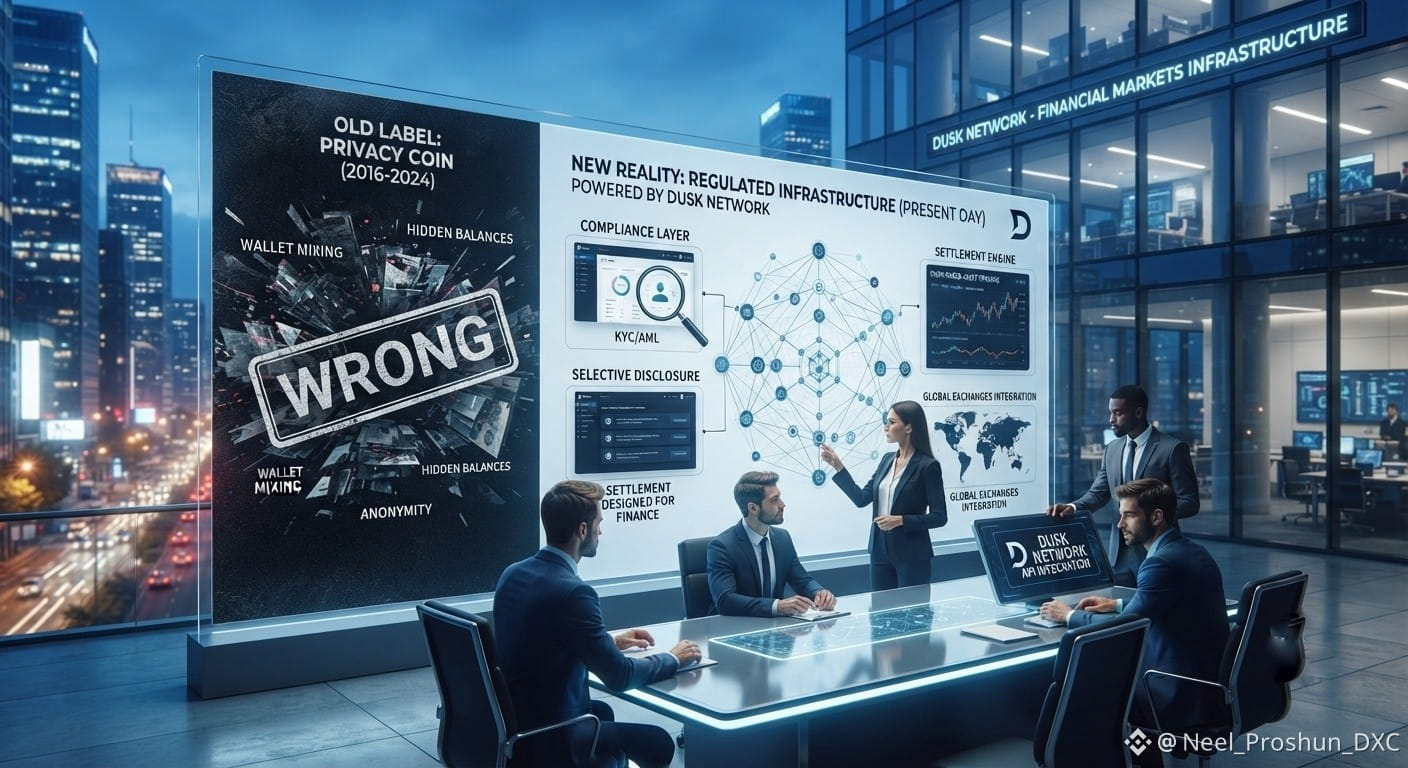
15 දිනකට පෙර, මම Dusk කියන්නේ තවත් එක privacy coin එකක් කියලා හිතුවා.
Wallets, mixing, balances හංගනවා. 2016 ඉඳන් ඒ කතාව වාර ගණනක් දකිලා තියෙනවා. ඒවෙන් බොහොමයක් ඉදිරියට ගියේ නැහැ.
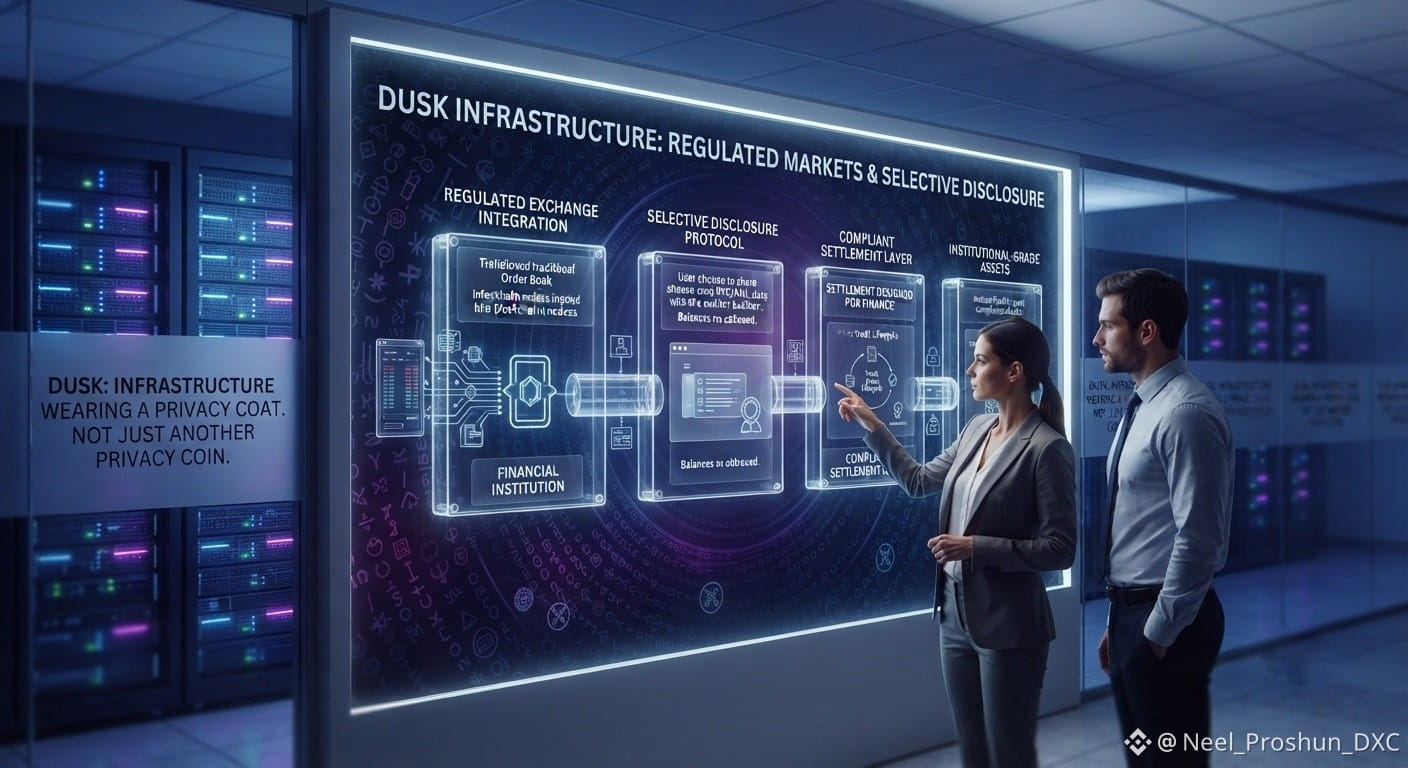
ඒත් මේක වෙනස්. ඒ මත build කරන regulated exchanges. පිරිසිදු anonymity වෙනුවට selective disclosure. සත්ය මූල්ය කටයුතු සඳහා designed settlement එකක්—මාරු කිරීම් සඳහා විතරක් නෙවෙයි.
Privacy coin කියලා දුන්න ලේබලය මුල ඉඳන්ම වැරදියි. ඒක privacy coat එකක් අඳින්නේ infrastructure එකක්.
@Dusk_Foundation කියන්නේ මම 15 දිනකට පෙර හිතපු දේම පස්සේ දිව යන එකක් නෙවෙයි.
$DUSK #dusk
මෙම අවකාශයේ තවත් මොනවාද ඔබ නොදැනීම වැරදි ලෙස ලේබල් කරලා තියෙන්නේ?
15 දිනකට පෙර, මම Dusk කියන්නේ තවත් එක privacy coin එකක් කියලා හිතුවා.
Wallets, mixing, balances හංගනවා. 2016 ඉඳන් ඒ කතාව වාර ගණනක් දකිලා තියෙනවා. ඒවෙන් බොහොමයක් ඉදිරියට ගියේ නැහැ.
ඒත් මේක වෙනස්. ඒ මත build කරන regulated exchanges. පිරිසිදු anonymity වෙනුවට selective disclosure. සත්ය මූල්ය කටයුතු සඳහා designed settlement එකක්—මාරු කිරීම් සඳහා විතරක් නෙවෙයි.
Privacy coin කියලා දුන්න ලේබලය මුල ඉඳන්ම වැරදියි. ඒක privacy coat එකක් අඳින්නේ infrastructure එකක්.
@Dusk කියන්නේ මම 15 දිනකට පෙර හිතපු දේම පස්සේ දිව යන එකක් නෙවෙයි.
$DUSK #dusk
මෙම අවකාශයේ තවත් මොනවාද ඔබ නොදැනීම වැරදි ලෙස ලේබල් කරලා තියෙන්නේ?
Wallets, mixing, balances හංගනවා. 2016 ඉඳන් ඒ කතාව වාර ගණනක් දකිලා තියෙනවා. ඒවෙන් බොහොමයක් ඉදිරියට ගියේ නැහැ.
ඒත් මේක වෙනස්. ඒ මත build කරන regulated exchanges. පිරිසිදු anonymity වෙනුවට selective disclosure. සත්ය මූල්ය කටයුතු සඳහා designed settlement එකක්—මාරු කිරීම් සඳහා විතරක් නෙවෙයි.
Privacy coin කියලා දුන්න ලේබලය මුල ඉඳන්ම වැරදියි. ඒක privacy coat එකක් අඳින්නේ infrastructure එකක්.
@Dusk කියන්නේ මම 15 දිනකට පෙර හිතපු දේම පස්සේ දිව යන එකක් නෙවෙයි.
$DUSK #dusk
මෙම අවකාශයේ තවත් මොනවාද ඔබ නොදැනීම වැරදි ලෙස ලේබල් කරලා තියෙන්නේ?
1
113
ක්රිප්ටෝවල ප්රධාන අරමුණ බැංකු වෙනුවට ආදේශ කිරීම, TradFi එක කඩාදමා ඉවත් කිරීම කියලා මම කවදාවත් හිතාගෙන තිබුණා.
අවුරුදු නවයක් ගතවෙලා, දැන් මට ඒක එහෙම නෙමෙයි කියලා හිතෙනවා.
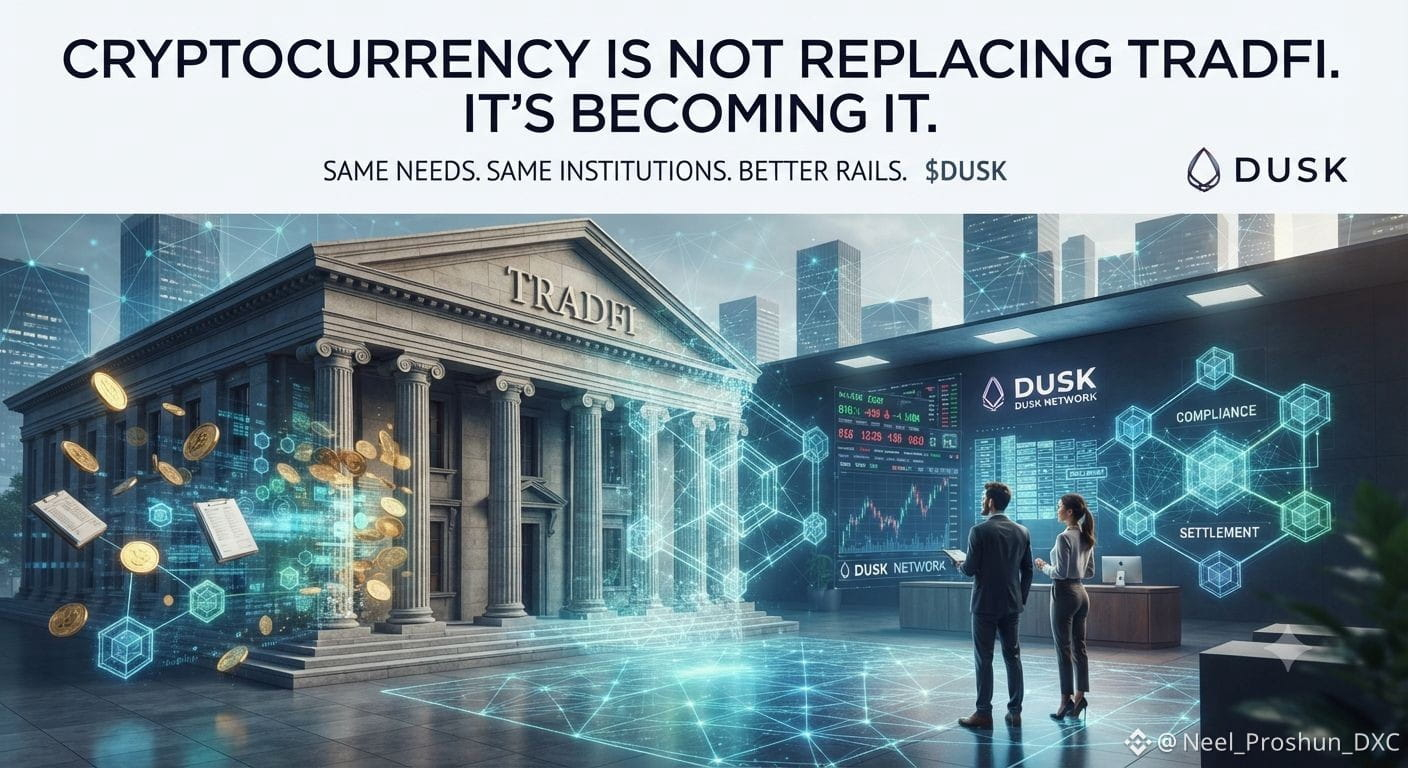
ක්රිප්ටෝව TradFi එක ප්රතිස්ථාපනය කරන්නේ නෑ. ඒක ඒකක්ම වෙමින් පවතිනවා. එකම ගිණුම් අවසන් කිරීමේ (settlement) අවශ්යතා, එකම අනුකූලතා (compliance) අවශ්යතා, ඒම ආයතනමම—පේන පේළි/යටිතල පහසුකම්වල (rails) පහසු වඩා නවීන එකක් මත ක්රියාත්මක කරනවා වගේ.
මෙන්න මේක තමයි @Dusk_Foundation ගොඩනඟන්න යන දෙය. කැරැල්ලක් නෙමෙයි. යටිතල (infrastructure). $DUSK #dusk
ක්රිප්ටෝව අවසානයේ TradFi වගේම දිස්වෙලා ඉක්මනින් හා වඩා විනිවිදව වැඩ කරන්නේ නම්, අපි ඇත්තටම යමක් වෙනස් කළාද?
ක්රිප්ටෝවල ප්රධාන අරමුණ බැංකු වෙනුවට ආදේශ කිරීම, TradFi එක කඩාදමා ඉවත් කිරීම කියලා මම කවදාවත් හිතාගෙන තිබුණා.
අවුරුදු නවයක් ගතවෙලා, දැන් මට ඒක එහෙම නෙමෙයි කියලා හිතෙනවා.
ක්රිප්ටෝව TradFi එක ප්රතිස්ථාපනය කරන්නේ නෑ. ඒක ඒකක්ම වෙමින් පවතිනවා. එකම ගිණුම් අවසන් කිරීමේ (settlement) අවශ්යතා, එකම අනුකූලතා (compliance) අවශ්යතා, ඒම ආයතනමම—පේන පේළි/යටිතල පහසුකම්වල (rails) පහසු වඩා නවීන එකක් මත ක්රියාත්මක කරනවා වගේ.
මෙන්න මේක තමයි @Dusk ගොඩනඟන්න යන දෙය. කැරැල්ලක් නෙමෙයි. යටිතල (infrastructure). $DUSK #dusk
ක්රිප්ටෝව අවසානයේ TradFi වගේම දිස්වෙලා ඉක්මනින් හා වඩා විනිවිදව වැඩ කරන්නේ නම්, අපි ඇත්තටම යමක් වෙනස් කළාද?
අවුරුදු නවයක් ගතවෙලා, දැන් මට ඒක එහෙම නෙමෙයි කියලා හිතෙනවා.
ක්රිප්ටෝව TradFi එක ප්රතිස්ථාපනය කරන්නේ නෑ. ඒක ඒකක්ම වෙමින් පවතිනවා. එකම ගිණුම් අවසන් කිරීමේ (settlement) අවශ්යතා, එකම අනුකූලතා (compliance) අවශ්යතා, ඒම ආයතනමම—පේන පේළි/යටිතල පහසුකම්වල (rails) පහසු වඩා නවීන එකක් මත ක්රියාත්මක කරනවා වගේ.
මෙන්න මේක තමයි @Dusk ගොඩනඟන්න යන දෙය. කැරැල්ලක් නෙමෙයි. යටිතල (infrastructure). $DUSK #dusk
ක්රිප්ටෝව අවසානයේ TradFi වගේම දිස්වෙලා ඉක්මනින් හා වඩා විනිවිදව වැඩ කරන්නේ නම්, අපි ඇත්තටම යමක් වෙනස් කළාද?
1
1
131
දින 30 වෙළෙඳ $DUSK 3.3K USDT
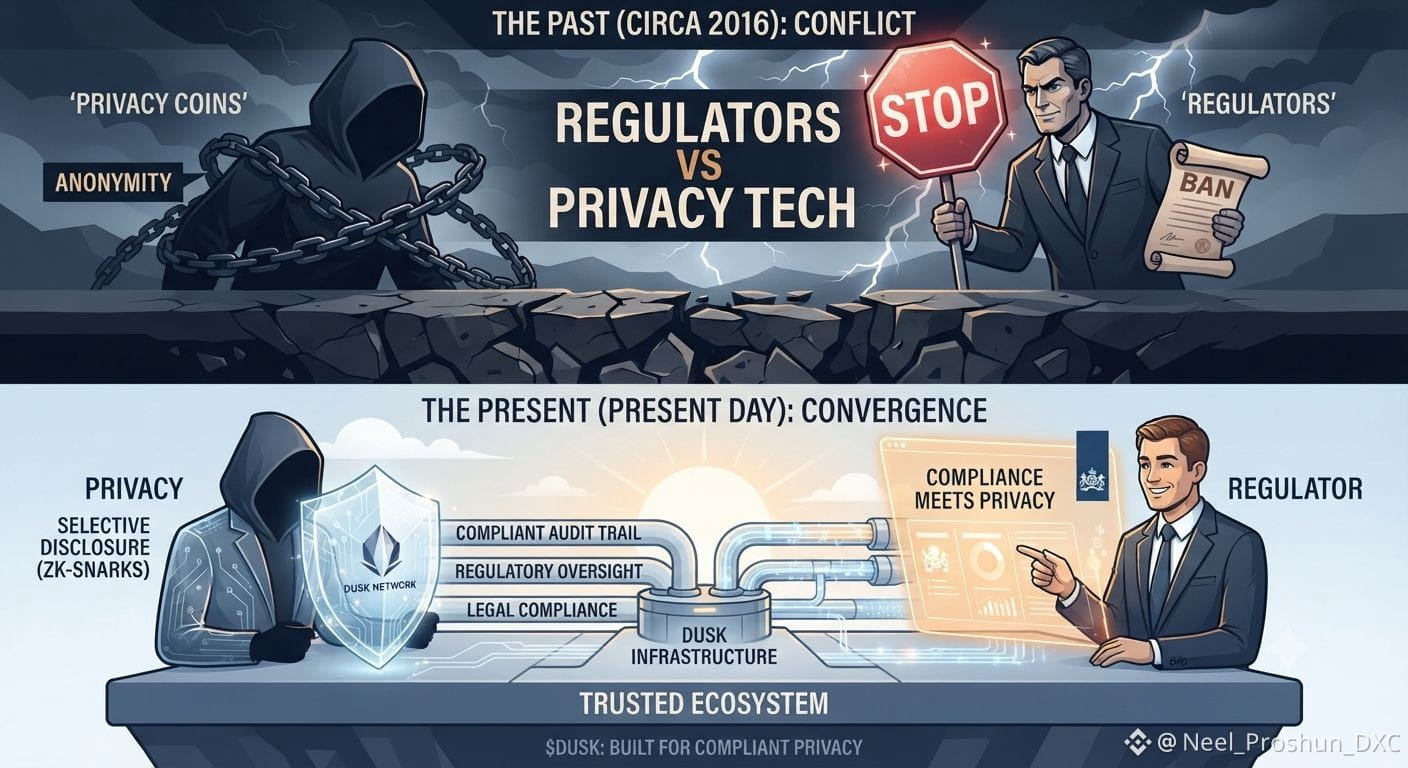
正直、規制当局からこんな話が出るとは思いませんでした。
オランダの規制当局が、プライバシーについてそれを止めるのではなく、率直に語っています。特に、準拠したユースケースにおいてです。
2016/17年ごろは、プライバシーコインと規制当局は、基本的に敵同士でした。別の惑星みたいな関係です。今は、少なくとも一部の領域では会話が変わりつつあります。
理にかなっています。規制当局はプライバシーを嫌っているわけではありません。法的に見なければならないものが見られないことを嫌っているんです。セレクティブ・ディスクロージャーがそれを解決します。 @Dusk_Foundation は、そのためにモデル全体を作り上げました。
$DUSK #dusk
もし規制当局が、それを禁止するのではなくプライバシー技術を求め始めたら、あなたはそれから何が分かるでしょうか?
正直、規制当局からこんな話が出るとは思いませんでした。
オランダの規制当局が、プライバシーについてそれを止めるのではなく、率直に語っています。特に、準拠したユースケースにおいてです。
2016/17年ごろは、プライバシーコインと規制当局は、基本的に敵同士でした。別の惑星みたいな関係です。今は、少なくとも一部の領域では会話が変わりつつあります。
理にかなっています。規制当局はプライバシーを嫌っているわけではありません。法的に見なければならないものが見られないことを嫌っているんです。セレクティブ・ディスクロージャーがそれを解決します。 @Dusk は、そのためにモデル全体を作り上げました。
$DUSK #dusk
もし規制当局が、それを禁止するのではなくプライバシー技術を求め始めたら、あなたはそれから何が分かるでしょうか?
オランダの規制当局が、プライバシーについてそれを止めるのではなく、率直に語っています。特に、準拠したユースケースにおいてです。
2016/17年ごろは、プライバシーコインと規制当局は、基本的に敵同士でした。別の惑星みたいな関係です。今は、少なくとも一部の領域では会話が変わりつつあります。
理にかなっています。規制当局はプライバシーを嫌っているわけではありません。法的に見なければならないものが見られないことを嫌っているんです。セレクティブ・ディスクロージャーがそれを解決します。 @Dusk は、そのためにモデル全体を作り上げました。
$DUSK #dusk
もし規制当局が、それを禁止するのではなくプライバシー技術を求め始めたら、あなたはそれから何が分かるでしょうか?
1
2
154
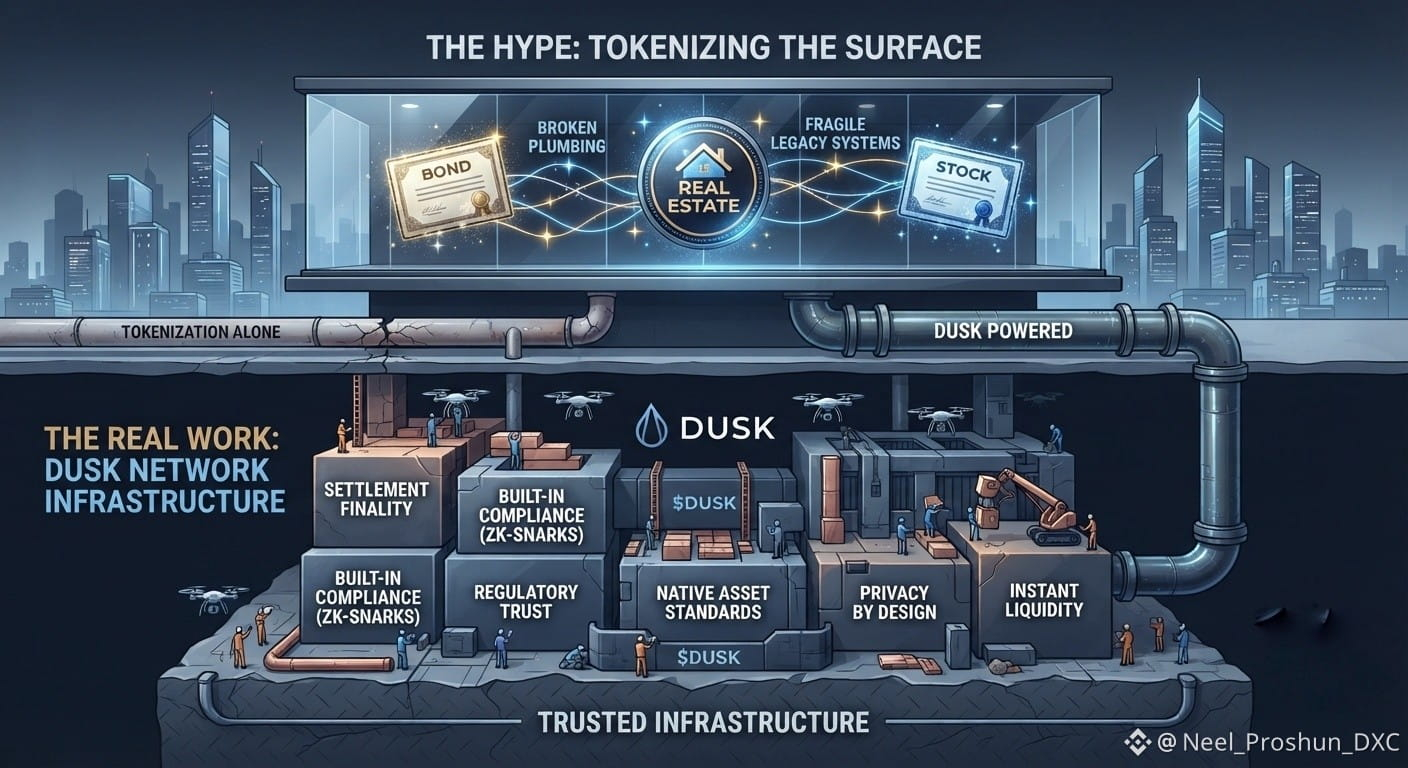
"RWAs ඉදිරි විශාල දේ" කියලා හැමෝම කියනවා.
මමත් කලින් ඒක අනුමත කරලා නවතිනවා. ඒත් මම ඒ ගැන ඇත්තටම හිතුවා.
ටෝකනයිස් කළ ලෙජර්/පොසිෂන් එකකින් ඇත්තටම ඉවත් වෙන්න හිතලා, ඒ පැත්තේ කවුද කියලා මට කිසිම අදහසක් නැති බව තේරුණා — ඒ මොහොතේ තමයි මමත් ඇඟවීම් නවත්වලා.
ආස්තයක් ටෝකනයිස් කිරීමෙන් වෙළෙඳපොළක් හැදෙන්නේ නැහැ. අවසාන (final) වශයෙන් පියවීමක් අවශ්යයි. එකතු කරලා අලවන්න (bolted on) බැරි, අන්තර්ගත කරලා තිබිය යුතු අනුකූලතාව (compliance) අවශ්යයි. රෙගුලේටර්වරුන් ඇත්තටම විශ්වාස කරන යටිතල (infra) අවශ්යයි.
බොන්ඩ් එකකට ටෝකනයක් දාලා තිබුණාට, යටින් තියෙන පද්ධතිය (plumbing) තවමත් කැඩිලා නම් වෙනසක් වෙන්නේ නැහැ.
@Dusk_Foundation hype cycle එක පස්සේ දුවන්නේ නැහැ. ඒ වෙනුවට වෙනස් නොවන/බැරි කතා කරන (boring) දේවල් හදනවා — වෙළෙඳපොළ ඇත්තටම ක්රියාත්මක කරන්නේ settlement, compliance, finality.
ඔබේ වෙළෙඳපොළේ, එම ආස්තය නැතිද, නැත්නම් එය පිරිසිදුව (cleanly) settle කරන්නට යටිතල නැතිද?
$DUSK #dusk
"RWAs ඉදිරි විශාල දේ" කියලා හැමෝම කියනවා.
මමත් කලින් ඒක අනුමත කරලා නවතිනවා. ඒත් මම ඒ ගැන ඇත්තටම හිතුවා.
ටෝකනයිස් කළ ලෙජර්/පොසිෂන් එකකින් ඇත්තටම ඉවත් වෙන්න හිතලා, ඒ පැත්තේ කවුද කියලා මට කිසිම අදහසක් නැති බව තේරුණා — ඒ මොහොතේ තමයි මමත් ඇඟවීම් නවත්වලා.
ආස්තයක් ටෝකනයිස් කිරීමෙන් වෙළෙඳපොළක් හැදෙන්නේ නැහැ. අවසාන (final) වශයෙන් පියවීමක් අවශ්යයි. එකතු කරලා අලවන්න (bolted on) බැරි, අන්තර්ගත කරලා තිබිය යුතු අනුකූලතාව (compliance) අවශ්යයි. රෙගුලේටර්වරුන් ඇත්තටම විශ්වාස කරන යටිතල (infra) අවශ්යයි.
බොන්ඩ් එකකට ටෝකනයක් දාලා තිබුණාට, යටින් තියෙන පද්ධතිය (plumbing) තවමත් කැඩිලා නම් වෙනසක් වෙන්නේ නැහැ.
@Dusk hype cycle එක පස්සේ දුවන්නේ නැහැ. ඒ වෙනුවට වෙනස් නොවන/බැරි කතා කරන (boring) දේවල් හදනවා — වෙළෙඳපොළ ඇත්තටම ක්රියාත්මක කරන්නේ settlement, compliance, finality.
ඔබේ වෙළෙඳපොළේ, එම ආස්තය නැතිද, නැත්නම් එය පිරිසිදුව (cleanly) settle කරන්නට යටිතල නැතිද?
$DUSK #dusk
මමත් කලින් ඒක අනුමත කරලා නවතිනවා. ඒත් මම ඒ ගැන ඇත්තටම හිතුවා.
ටෝකනයිස් කළ ලෙජර්/පොසිෂන් එකකින් ඇත්තටම ඉවත් වෙන්න හිතලා, ඒ පැත්තේ කවුද කියලා මට කිසිම අදහසක් නැති බව තේරුණා — ඒ මොහොතේ තමයි මමත් ඇඟවීම් නවත්වලා.
ආස්තයක් ටෝකනයිස් කිරීමෙන් වෙළෙඳපොළක් හැදෙන්නේ නැහැ. අවසාන (final) වශයෙන් පියවීමක් අවශ්යයි. එකතු කරලා අලවන්න (bolted on) බැරි, අන්තර්ගත කරලා තිබිය යුතු අනුකූලතාව (compliance) අවශ්යයි. රෙගුලේටර්වරුන් ඇත්තටම විශ්වාස කරන යටිතල (infra) අවශ්යයි.
බොන්ඩ් එකකට ටෝකනයක් දාලා තිබුණාට, යටින් තියෙන පද්ධතිය (plumbing) තවමත් කැඩිලා නම් වෙනසක් වෙන්නේ නැහැ.
@Dusk hype cycle එක පස්සේ දුවන්නේ නැහැ. ඒ වෙනුවට වෙනස් නොවන/බැරි කතා කරන (boring) දේවල් හදනවා — වෙළෙඳපොළ ඇත්තටම ක්රියාත්මක කරන්නේ settlement, compliance, finality.
ඔබේ වෙළෙඳපොළේ, එම ආස්තය නැතිද, නැත්නම් එය පිරිසිදුව (cleanly) settle කරන්නට යටිතල නැතිද?
$DUSK #dusk
2
112
#dusk $DUSK @Dusk_Foundation
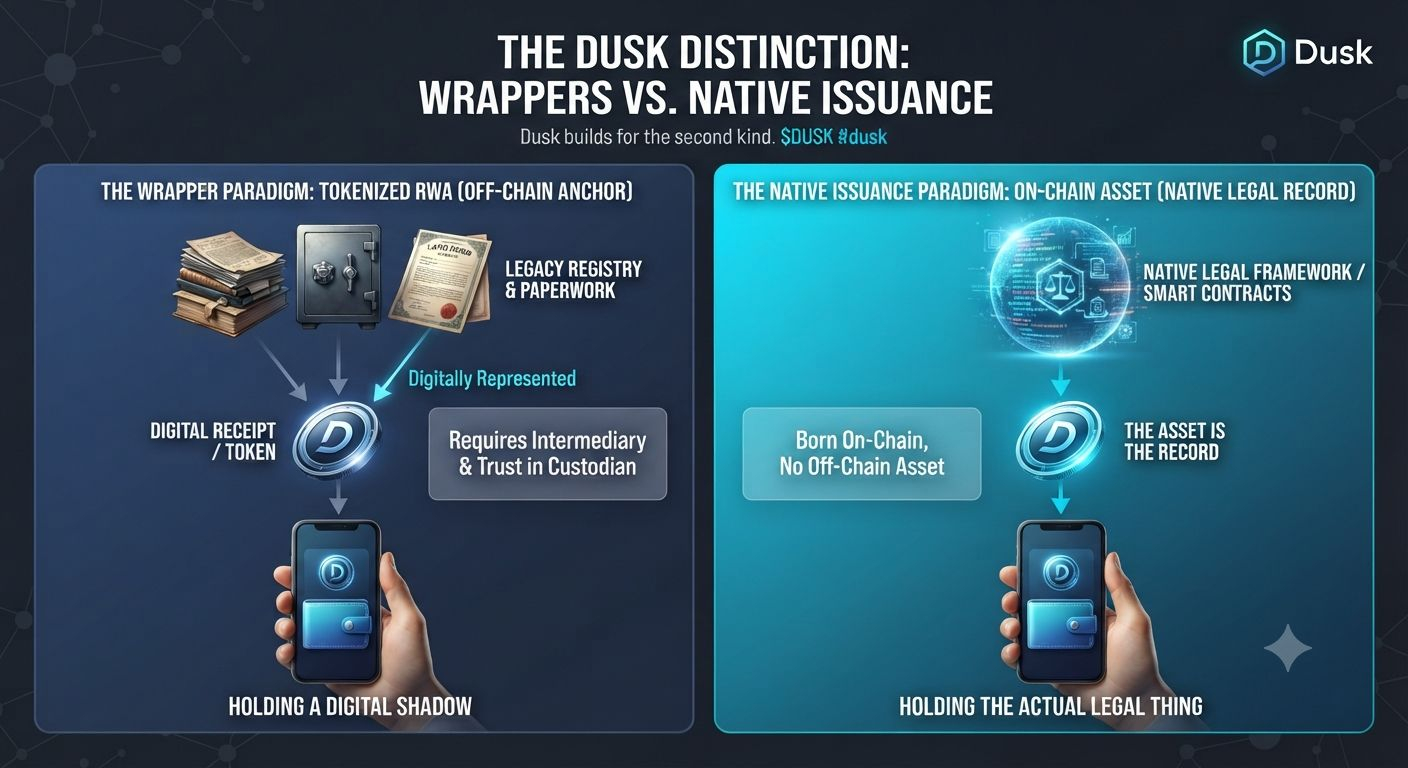
මෙය නිවැරදි කරගන්න ටික වේලාවක් ගියා.
ආස්සෙට් එක ටෝකනයිස් කිරීම කියන්නේ එය වටාපිටින් ඔතා දමනවා වගේයි. වෙන කොහේ හෝ තිබෙන දෙයක් මතට (කඩදාසි මත, රෙජිස්ට්රියක, ඕනෑම තැනක) ටෝකනයක් අලවන්න වගේ.
නේටිව් (Native) නිකුතුව වෙනස්. එම ආස්සෙට් එක ඔන්චේන් (onchain) වාර්තාවමයි. පිටපතක් නොවෙයි. ඔතා දමන එකක් (wrapper) නොවෙයි. නීත්යානුකූල දෙයම තමයි—එතැනින්ම උපදින එක.
මම කලින් හිතුවේ ටෝකනයිස් කරන ලද RWA-වන් තමයි අවසාන ඉලක්කය කියලා. දැන් මට හිතෙන්නේ ඒවායින් බොහොමයක් යථාර්ථ ආස්සෙට් එකක ඩිජිටල් සෙවණැලි (digital shadows) විතරයි—යම් කාර්යාලයක තියෙන සැබෑ ආස්සෙට් එකටම සම්බන්ධව.
@Dusk_Foundation දෙවැනි වර්ගය සඳහා ගොඩනඟනවා.
$DUSK #dusk
ඉතින් ඔබ "ටෝකනයිස් කරන ලද" ආස්සෙට් එකක් මිලදී ගන්නකොට ඇත්තටම ඔබ අල්ලාගෙන සිටින්නේ කුමන එකද?
#dusk $DUSK @Dusk
මෙය නිවැරදි කරගන්න ටික වේලාවක් ගියා.
ආස්සෙට් එක ටෝකනයිස් කිරීම කියන්නේ එය වටාපිටින් ඔතා දමනවා වගේයි. වෙන කොහේ හෝ තිබෙන දෙයක් මතට (කඩදාසි මත, රෙජිස්ට්රියක, ඕනෑම තැනක) ටෝකනයක් අලවන්න වගේ.
නේටිව් (Native) නිකුතුව වෙනස්. එම ආස්සෙට් එක ඔන්චේන් (onchain) වාර්තාවමයි. පිටපතක් නොවෙයි. ඔතා දමන එකක් (wrapper) නොවෙයි. නීත්යානුකූල දෙයම තමයි—එතැනින්ම උපදින එක.
මම කලින් හිතුවේ ටෝකනයිස් කරන ලද RWA-වන් තමයි අවසාන ඉලක්කය කියලා. දැන් මට හිතෙන්නේ ඒවායින් බොහොමයක් යථාර්ථ ආස්සෙට් එකක ඩිජිටල් සෙවණැලි (digital shadows) විතරයි—යම් කාර්යාලයක තියෙන සැබෑ ආස්සෙට් එකටම සම්බන්ධව.
@Dusk දෙවැනි වර්ගය සඳහා ගොඩනඟනවා.
$DUSK #dusk
ඉතින් ඔබ "ටෝකනයිස් කරන ලද" ආස්සෙට් එකක් මිලදී ගන්නකොට ඇත්තටම ඔබ අල්ලාගෙන සිටින්නේ කුමන එකද?
මෙය නිවැරදි කරගන්න ටික වේලාවක් ගියා.
ආස්සෙට් එක ටෝකනයිස් කිරීම කියන්නේ එය වටාපිටින් ඔතා දමනවා වගේයි. වෙන කොහේ හෝ තිබෙන දෙයක් මතට (කඩදාසි මත, රෙජිස්ට්රියක, ඕනෑම තැනක) ටෝකනයක් අලවන්න වගේ.
නේටිව් (Native) නිකුතුව වෙනස්. එම ආස්සෙට් එක ඔන්චේන් (onchain) වාර්තාවමයි. පිටපතක් නොවෙයි. ඔතා දමන එකක් (wrapper) නොවෙයි. නීත්යානුකූල දෙයම තමයි—එතැනින්ම උපදින එක.
මම කලින් හිතුවේ ටෝකනයිස් කරන ලද RWA-වන් තමයි අවසාන ඉලක්කය කියලා. දැන් මට හිතෙන්නේ ඒවායින් බොහොමයක් යථාර්ථ ආස්සෙට් එකක ඩිජිටල් සෙවණැලි (digital shadows) විතරයි—යම් කාර්යාලයක තියෙන සැබෑ ආස්සෙට් එකටම සම්බන්ධව.
@Dusk දෙවැනි වර්ගය සඳහා ගොඩනඟනවා.
$DUSK #dusk
ඉතින් ඔබ "ටෝකනයිස් කරන ලද" ආස්සෙට් එකක් මිලදී ගන්නකොට ඇත්තටම ඔබ අල්ලාගෙන සිටින්නේ කුමන එකද?
5
3
138
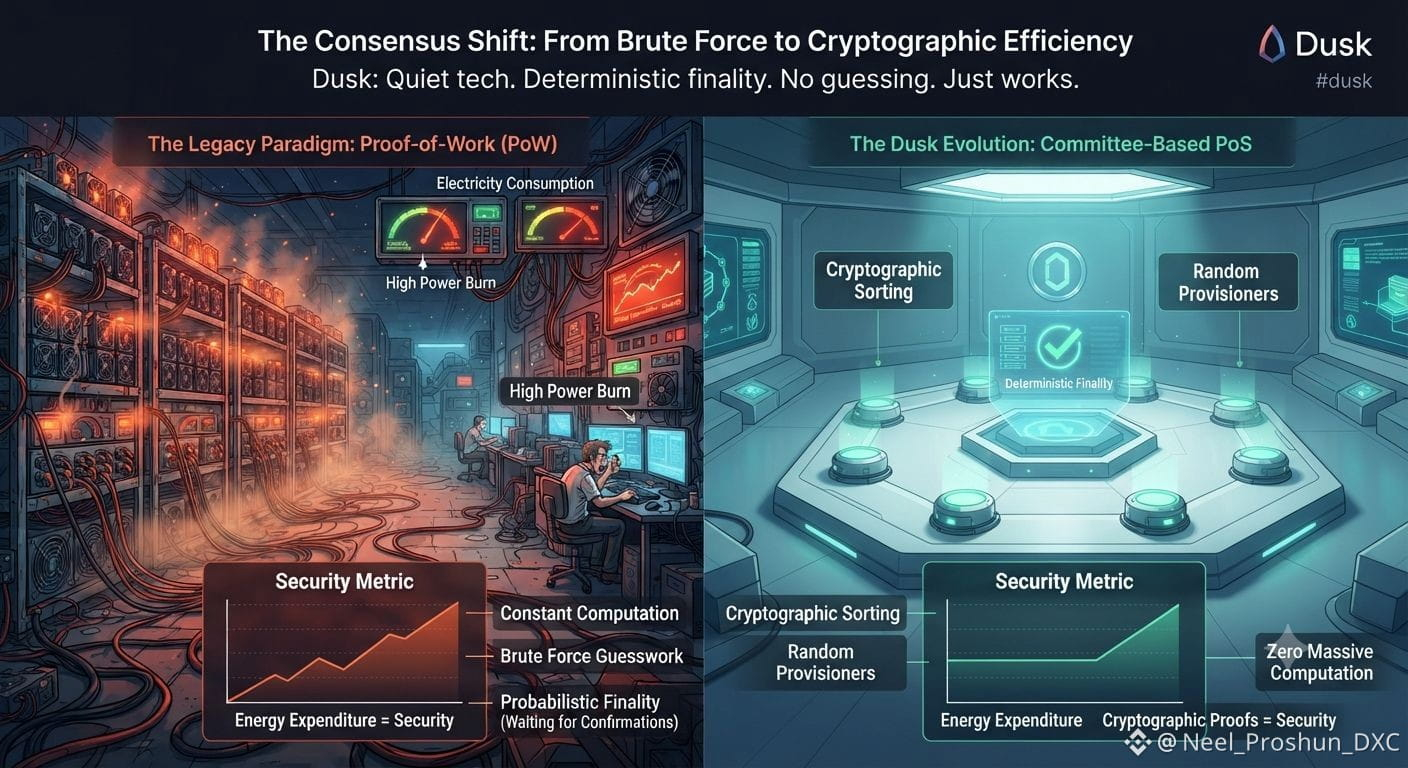
சமீபத்தில் Dusk-இன் consensus குறித்து எனக்கு ஒரு விஷயம் புரிந்தது.
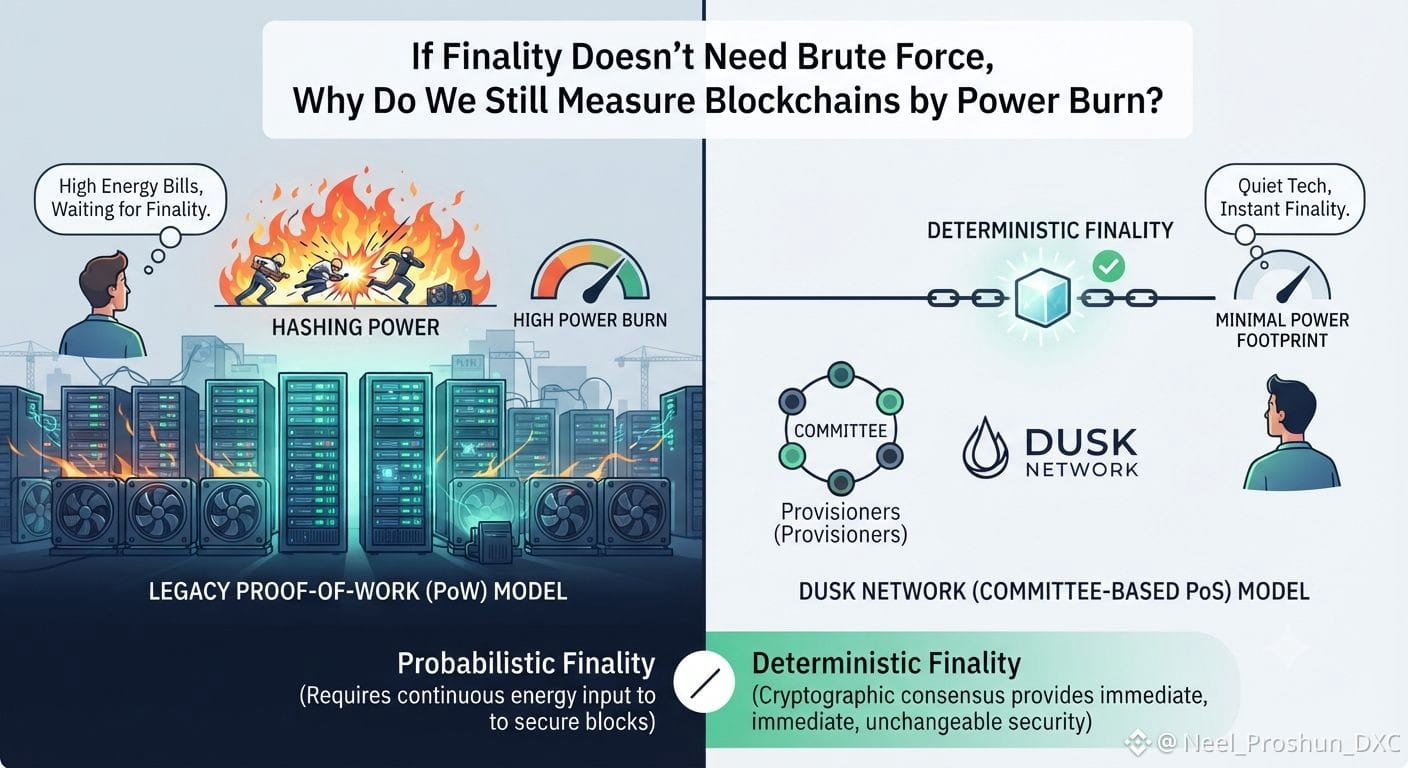
மைனிங் இல்லை. மின்சாரத்தை எரித்துத் தீர்க்கும் பெரிய கணக்கீடு இல்லை. கமிட்டிகளில் இருந்து சீரற்ற முறையில் தேர்ந்தெடுக்கப்படும் provisioners மட்டுமே, validate செய்வது தான்.
2017-ல், PoW rig-க்கள் 24/7 ஓடுவதை பார்த்த நினைவு எனக்கு இருக்கிறது; முக்கியமில்லை போல மின்சார பில் குவிந்துகொண்டே போனது. Dusk அதை தவிர்க்கிறது. Committee அடிப்படையிலான PoS, சீரற்ற தேர்வு, deterministic finality—கணிப்பது இல்லை, உங்கள் பிளாக் ஒட்டுமா என்று பார்க்கக் காத்திருப்பது இல்லை.
அமைதியான தொழில்நுட்பம். கண்கவர் அல்ல. வேலை மட்டும் சரியாக நடக்கும்.
@Dusk_Foundation $DUSK #dusk
Finality-க்கு இனி brute force தேவைப்படவில்லையெனில், blockchains-ஐ அவை எவ்வளவு power-ஐ எரிக்கின்றன என்பதில்தான் இன்னும் ஏன் அளக்கிறோம்?
சமீபத்தில் Dusk-இன் consensus குறித்து எனக்கு ஒரு விஷயம் புரிந்தது.
மைனிங் இல்லை. மின்சாரத்தை எரித்துத் தீர்க்கும் பெரிய கணக்கீடு இல்லை. கமிட்டிகளில் இருந்து சீரற்ற முறையில் தேர்ந்தெடுக்கப்படும் provisioners மட்டுமே, validate செய்வது தான்.
2017-ல், PoW rig-க்கள் 24/7 ஓடுவதை பார்த்த நினைவு எனக்கு இருக்கிறது; முக்கியமில்லை போல மின்சார பில் குவிந்துகொண்டே போனது. Dusk அதை தவிர்க்கிறது. Committee அடிப்படையிலான PoS, சீரற்ற தேர்வு, deterministic finality—கணிப்பது இல்லை, உங்கள் பிளாக் ஒட்டுமா என்று பார்க்கக் காத்திருப்பது இல்லை.
அமைதியான தொழில்நுட்பம். கண்கவர் அல்ல. வேலை மட்டும் சரியாக நடக்கும்.
@Dusk $DUSK #dusk
Finality-க்கு இனி brute force தேவைப்படவில்லையெனில், blockchains-ஐ அவை எவ்வளவு power-ஐ எரிக்கின்றன என்பதில்தான் இன்னும் ஏன் அளக்கிறோம்?
மைனிங் இல்லை. மின்சாரத்தை எரித்துத் தீர்க்கும் பெரிய கணக்கீடு இல்லை. கமிட்டிகளில் இருந்து சீரற்ற முறையில் தேர்ந்தெடுக்கப்படும் provisioners மட்டுமே, validate செய்வது தான்.
2017-ல், PoW rig-க்கள் 24/7 ஓடுவதை பார்த்த நினைவு எனக்கு இருக்கிறது; முக்கியமில்லை போல மின்சார பில் குவிந்துகொண்டே போனது. Dusk அதை தவிர்க்கிறது. Committee அடிப்படையிலான PoS, சீரற்ற தேர்வு, deterministic finality—கணிப்பது இல்லை, உங்கள் பிளாக் ஒட்டுமா என்று பார்க்கக் காத்திருப்பது இல்லை.
அமைதியான தொழில்நுட்பம். கண்கவர் அல்ல. வேலை மட்டும் சரியாக நடக்கும்.
@Dusk $DUSK #dusk
Finality-க்கு இனி brute force தேவைப்படவில்லையெனில், blockchains-ஐ அவை எவ்வளவு power-ஐ எரிக்கின்றன என்பதில்தான் இன்னும் ஏன் அளக்கிறோம்?
1
102
2017ஆம் ஆண்டில் நான் தனியுரிமை நாணயங்கள் எல்லாமே ஒரே விஷயத்தைப் பற்றித்தான்—எல்லாவற்றையும் மறைத்து, யாரையும் நம்பாதிருப்பது.
“என் இருப்பு (balance) மீண்டும் பொதுவாகத் தோன்றுகிறது?” போன்ற காரணமின்றி பல ஆண்டுகள் மற்றும் மிக அதிகமான தருணங்கள் எடுத்துப் பார்த்தபின்தான், பெரும்பாலானவர்கள் உண்மையில் அதைத்தான் தேவையாகக் கொண்டிருப்பதில்லை என்பதை புரிந்துகொண்டேன்.
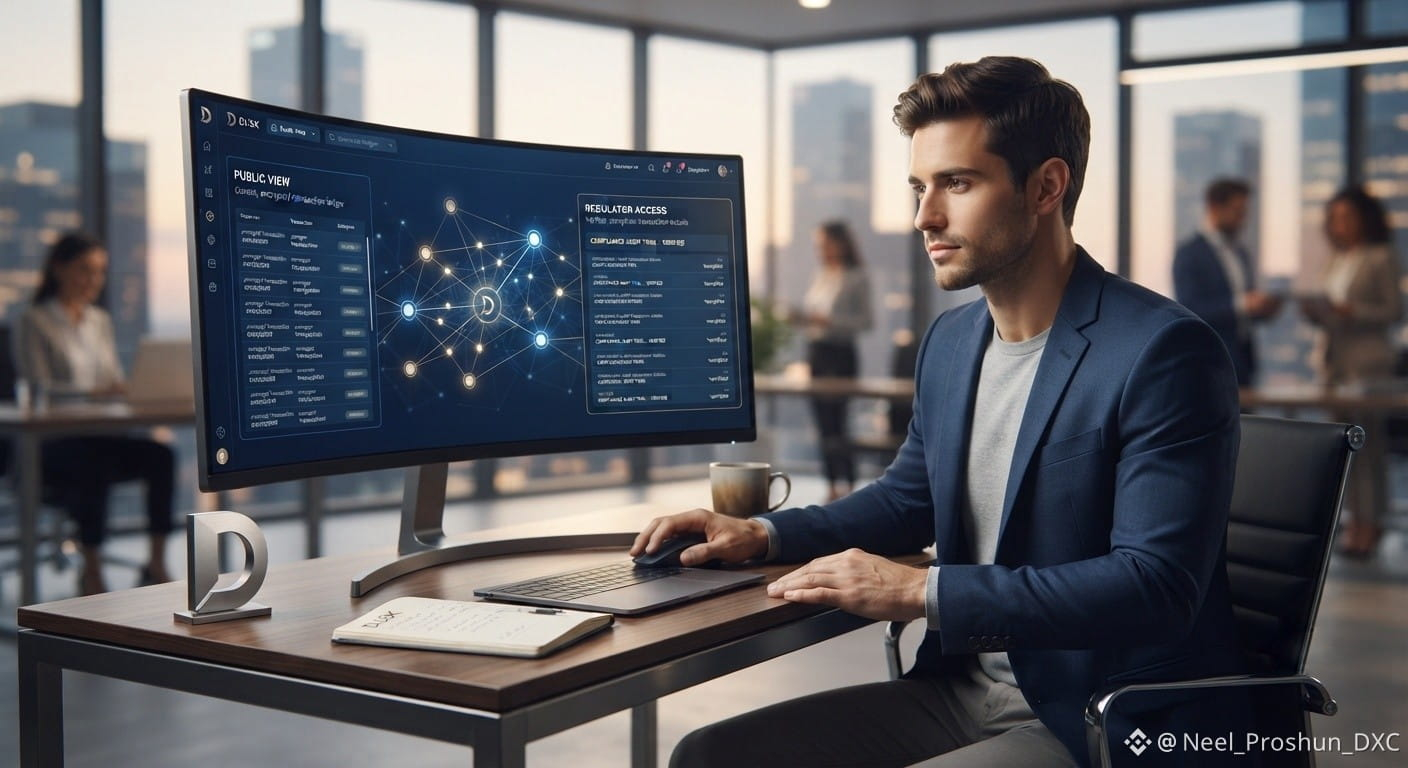
Dusk அதனை எனக்கு மாற்றிக் காட்டியது. அது மறைப்பது பற்றியது அல்ல. யார் என்னதைப் பார்க்க முடியும் என்பதைத் தேர்ந்தெடுப்பது பற்றியது. ஒரு ஒழுங்குமுறை அமைப்பு (regulator) இணக்கத்தை (compliance) பார்க்கிறது. மற்ற அனைவரும் எதையும் பார்க்க முடியாது. அது ரகசியம் (secrecy) அல்ல—அது கட்டுப்பாடு (control).
எல்லாவற்றிலும் வெளிப்படைத்தன்மையை (transparency) உருவாக்கப் பல ஆண்டுகள் செலவிட்டோம். ஒருவேளை உண்மையான மேம்பாடு என்பது, பார்க்க அனுமதிக்கப்படுவது யாரென்று முடிவு செய்வதில்தான்.
@Dusk_Foundation $DUSK #dusk
2017ஆம் ஆண்டில் நான் தனியுரிமை நாணயங்கள் எல்லாமே ஒரே விஷயத்தைப் பற்றித்தான்—எல்லாவற்றையும் மறைத்து, யாரையும் நம்பாதிருப்பது.
“என் இருப்பு (balance) மீண்டும் பொதுவாகத் தோன்றுகிறது?” போன்ற காரணமின்றி பல ஆண்டுகள் மற்றும் மிக அதிகமான தருணங்கள் எடுத்துப் பார்த்தபின்தான், பெரும்பாலானவர்கள் உண்மையில் அதைத்தான் தேவையாகக் கொண்டிருப்பதில்லை என்பதை புரிந்துகொண்டேன்.
Dusk அதனை எனக்கு மாற்றிக் காட்டியது. அது மறைப்பது பற்றியது அல்ல. யார் என்னதைப் பார்க்க முடியும் என்பதைத் தேர்ந்தெடுப்பது பற்றியது. ஒரு ஒழுங்குமுறை அமைப்பு (regulator) இணக்கத்தை (compliance) பார்க்கிறது. மற்ற அனைவரும் எதையும் பார்க்க முடியாது. அது ரகசியம் (secrecy) அல்ல—அது கட்டுப்பாடு (control).
எல்லாவற்றிலும் வெளிப்படைத்தன்மையை (transparency) உருவாக்கப் பல ஆண்டுகள் செலவிட்டோம். ஒருவேளை உண்மையான மேம்பாடு என்பது, பார்க்க அனுமதிக்கப்படுவது யாரென்று முடிவு செய்வதில்தான்.
@Dusk $DUSK #dusk
“என் இருப்பு (balance) மீண்டும் பொதுவாகத் தோன்றுகிறது?” போன்ற காரணமின்றி பல ஆண்டுகள் மற்றும் மிக அதிகமான தருணங்கள் எடுத்துப் பார்த்தபின்தான், பெரும்பாலானவர்கள் உண்மையில் அதைத்தான் தேவையாகக் கொண்டிருப்பதில்லை என்பதை புரிந்துகொண்டேன்.
Dusk அதனை எனக்கு மாற்றிக் காட்டியது. அது மறைப்பது பற்றியது அல்ல. யார் என்னதைப் பார்க்க முடியும் என்பதைத் தேர்ந்தெடுப்பது பற்றியது. ஒரு ஒழுங்குமுறை அமைப்பு (regulator) இணக்கத்தை (compliance) பார்க்கிறது. மற்ற அனைவரும் எதையும் பார்க்க முடியாது. அது ரகசியம் (secrecy) அல்ல—அது கட்டுப்பாடு (control).
எல்லாவற்றிலும் வெளிப்படைத்தன்மையை (transparency) உருவாக்கப் பல ஆண்டுகள் செலவிட்டோம். ஒருவேளை உண்மையான மேம்பாடு என்பது, பார்க்க அனுமதிக்கப்படுவது யாரென்று முடிவு செய்வதில்தான்.
@Dusk $DUSK #dusk

91
තවත් අන්තර්ගතයන් ගවේෂණය කිරීමට ඇතුල් වන්න
Binance චතුරශ්රය හි ගෝලීය ක්රිප්ටෝ පරිශීලකයින් හා එක්වන්න
⚡️ ක්රිප්ටෝ පිළිබඳ නවතම සහ ප්රයෝජනවත් තොරතුරු ලබා ගන්න.
💬 ලොව විශාලතම ක්රිප්ටෝ හුවමාරුව මගින් විශ්වාස කෙරේ.
👍 සත්යායනය කරන ලද නිර්මාණකරුවන්ගෙන් සැබෑ විදසුන් සොයා ගන්න.
විද්යුත් තැපෑල / දුරකථන අංකය
නැගී එන මාතෘකා
SaylorHintsStrategyBitcoinBuy
2.3M views
12,421 සාකච්ඡා කරමින්
#saylorhintsstrategybitcoinbuy
🚨 SAYLOR က အခုတစ်ခါ Sunday $BTC အရိပ်အမြွက် ချပေးလိုက်ပြီ 👀
Michael Saylor က သူ့ရဲ့ ပုံမှန် ဘစ်ကိုင်း chart ကို ပြန်တင်ခဲ့ပါတယ်။
သမိုင်းက ထပ်ဖြစ်မယ်ဆိုရင် အဲ့ဒီ လိမ္မော်ရောင် အစက်တွေဟာ Strategy BTC တစ်ခု ထပ်ဝယ်လာမယ့် အရိပ်အမြွက် ဖြစ်နိုင်ပါတယ်။ 🟠
Saylor က ဝယ်တဲ့အခါ မားကတ်က ကြည့်တတ်ပါတယ်။
🐋 BTC ကြီးမားတဲ့ ပိုင်ဆိုင်မှုများ
💰 ဆက်လက်စုဆောင်းတဲ့ accumulation strategy
📈 အနည်းတိုင်းကာလအတွင်း sentiment တိုးနိုင်တဲ့ အလားအလာ
ဒါပေမယ့် အဓိကက ဒီလိုပါ—
ပြန်တင်ခြင်းက ဝယ်ယူခဲ့တာကို အတည်ပြုတာ မဟုတ်ပါဘူး။
အမှန်တကယ် signal က Strategy က တရားဝင် အရောင်းအဝယ်ကို ဖော်ပြတဲ့အချိန်မှာ ထွက်လာပါတယ်။
🔥 နောက်ထပ် အဓိက BTC ဝယ်ယူမှုတစ်ခုကို ကြေညာလာမယ်ဆိုရင် ဒီတစ်ခါ မားကတ်က တုံ့ပြန်မလား?
ဒါမှမဟုတ် Saylor ရဲ့ စုဆောင်းမှုက ပုံမှန်ဖြစ်နေပြီး trader တွေကတော့ သိပ်မတုံ့ပြန်တော့ဘူးလား?
👀 ကြေညာချက်ကို စောင့်ကြည့်ပါ။
$MSTRB
#BTC #strategy #crypto #BitcoinNews
sdatta
·5 කැමත්ත දැක්වීම්
·6.3k views
BOJRaisesRatesTo31YearHigh
254,627 views
3,272 සාකච්ඡා කරමින්
BuffettStepsDownAsBerkshireChairman
124,105 views
1,752 සාකච්ඡා කරමින්