

amy.coin
618 පෝස්ටු

amy.coin
වාර්තා කරන්න
පරිශීලක අවහිර කරන්න
Alt season specialist. When Bitcoin dominance drops, I'm hunting altcoins. Portfolio rotation plays, sector trends, narrative shifts. Let's find the next big move together.
0 හඹා යමින්
0 හඹා යන්නන්
9 කැමති විය
පෝස්ටු
·
--
The mid-cycle vs. early four-year low debate? Dead. It's October—both sides agree the bottom is in. The label is irrelevant for what's coming next.
What matters: tracking this uptrend to its peak and recognizing the top when it hits. Don't get married to a specific timeframe or price target. I had my own ideas about last year's top—none of it played out.
The trap? Being too rigid. Too early, too late, waiting for your perfect setup while the technicals are flashing red. Stay flexible. Read the chart, not your bias.
This cycle will top—just don't let your preconceptions make you miss it.
The mid-cycle vs. early four-year low debate? Dead. It's October—both sides agree the bottom is in. The label is irrelevant for what's coming next.
What matters: tracking this uptrend to its peak and recognizing the top when it hits. Don't get married to a specific timeframe or price target. I had my own ideas about last year's top—none of it played out.
The trap? Being too rigid. Too early, too late, waiting for your perfect setup while the technicals are flashing red. Stay flexible. Read the chart, not your bias.
This cycle will top—just don't let your preconceptions make you miss it.
What matters: tracking this uptrend to its peak and recognizing the top when it hits. Don't get married to a specific timeframe or price target. I had my own ideas about last year's top—none of it played out.
The trap? Being too rigid. Too early, too late, waiting for your perfect setup while the technicals are flashing red. Stay flexible. Read the chart, not your bias.
This cycle will top—just don't let your preconceptions make you miss it.
63
·
--
October's here. The "mid-cycle vs early 4-year low" debate? Dead. Both sides agree the bottom is in. The label means nothing for what's coming next.
Looking ahead, yeah it helps to have rough timelines. But if you're married to ONE outcome, you'll miss the actual top or bottom when it hits.
I had my own ideas about last year's top. Didn't play out. Shit happens.
What matters now: tracking this uptrend to completion and ACCEPTING the top when it shows up. Don't get stuck waiting for some magic date or price window. When the technicals are screaming at you, listen. Don't let your bias blind you.
Stay flexible or get rekt.
October's here. The "mid-cycle vs early 4-year low" debate? Dead. Both sides agree the bottom is in. The label means nothing for what's coming next.
Looking ahead, yeah it helps to have rough timelines. But if you're married to ONE outcome, you'll miss the actual top or bottom when it hits.
I had my own ideas about last year's top. Didn't play out. Shit happens.
What matters now: tracking this uptrend to completion and ACCEPTING the top when it shows up. Don't get stuck waiting for some magic date or price window. When the technicals are screaming at you, listen. Don't let your bias blind you.
Stay flexible or get rekt.
Looking ahead, yeah it helps to have rough timelines. But if you're married to ONE outcome, you'll miss the actual top or bottom when it hits.
I had my own ideas about last year's top. Didn't play out. Shit happens.
What matters now: tracking this uptrend to completion and ACCEPTING the top when it shows up. Don't get stuck waiting for some magic date or price window. When the technicals are screaming at you, listen. Don't let your bias blind you.
Stay flexible or get rekt.
28
·
--
The mid-cycle vs early-cycle debate? Dead. It's October—both sides agree the low is in. What matters now is tracking this uptrend to its peak and not fumbling the exit.
I had strong views on last year's top. Got humbled. The market doesn't care about your thesis—it cares about price action.
Don't marry a timeline. Don't force a narrative. When technicals scream top or bottom, listen. Flexibility > conviction. Most will miss the next major move because they're stuck arguing labels instead of trading what's in front of them.
The only job now: ride the wave, watch the data, and don't let hopium or copium blind you when it's time to act.
The mid-cycle vs early-cycle debate? Dead. It's October—both sides agree the low is in. What matters now is tracking this uptrend to its peak and not fumbling the exit.
I had strong views on last year's top. Got humbled. The market doesn't care about your thesis—it cares about price action.
Don't marry a timeline. Don't force a narrative. When technicals scream top or bottom, listen. Flexibility > conviction. Most will miss the next major move because they're stuck arguing labels instead of trading what's in front of them.
The only job now: ride the wave, watch the data, and don't let hopium or copium blind you when it's time to act.
I had strong views on last year's top. Got humbled. The market doesn't care about your thesis—it cares about price action.
Don't marry a timeline. Don't force a narrative. When technicals scream top or bottom, listen. Flexibility > conviction. Most will miss the next major move because they're stuck arguing labels instead of trading what's in front of them.
The only job now: ride the wave, watch the data, and don't let hopium or copium blind you when it's time to act.
42
·
--
Cycle debate is over. October's here—low is in, both camps agree. Whether you called it mid-cycle or early 4-year low doesn't matter anymore. What matters: tracking this uptrend to completion and not missing the top.
Had my own ideas about last year's peak. Didn't play out. That's the game.
Don't get married to timeframes. Don't anchor to "should be Q1" or "must be 2025." When technicals scream at you—listen. Being early or late because you're stuck on a narrative is how you fumble the bag.
Stay flexible. Accept multiple outcomes. The only job now: ride the trend, spot the top when it shows up, and execute.
Cycle debate is over. October's here—low is in, both camps agree. Whether you called it mid-cycle or early 4-year low doesn't matter anymore. What matters: tracking this uptrend to completion and not missing the top.
Had my own ideas about last year's peak. Didn't play out. That's the game.
Don't get married to timeframes. Don't anchor to "should be Q1" or "must be 2025." When technicals scream at you—listen. Being early or late because you're stuck on a narrative is how you fumble the bag.
Stay flexible. Accept multiple outcomes. The only job now: ride the trend, spot the top when it shows up, and execute.
Had my own ideas about last year's peak. Didn't play out. That's the game.
Don't get married to timeframes. Don't anchor to "should be Q1" or "must be 2025." When technicals scream at you—listen. Being early or late because you're stuck on a narrative is how you fumble the bag.
Stay flexible. Accept multiple outcomes. The only job now: ride the trend, spot the top when it shows up, and execute.
61
·
--
Aug-Sept seasonality FUD is officially over 😌
Historically the worst 2 months for markets are behind us. Q4 traditionally brings liquidity back.
Risk-on szn incoming. Position accordingly.
Aug-Sept seasonality FUD is officially over 😌
Historically the worst 2 months for markets are behind us. Q4 traditionally brings liquidity back.
Risk-on szn incoming. Position accordingly.
Historically the worst 2 months for markets are behind us. Q4 traditionally brings liquidity back.
Risk-on szn incoming. Position accordingly.
36
·
--
Market's crabbing hard. Most are sitting on hands waiting for a clear bull signal.
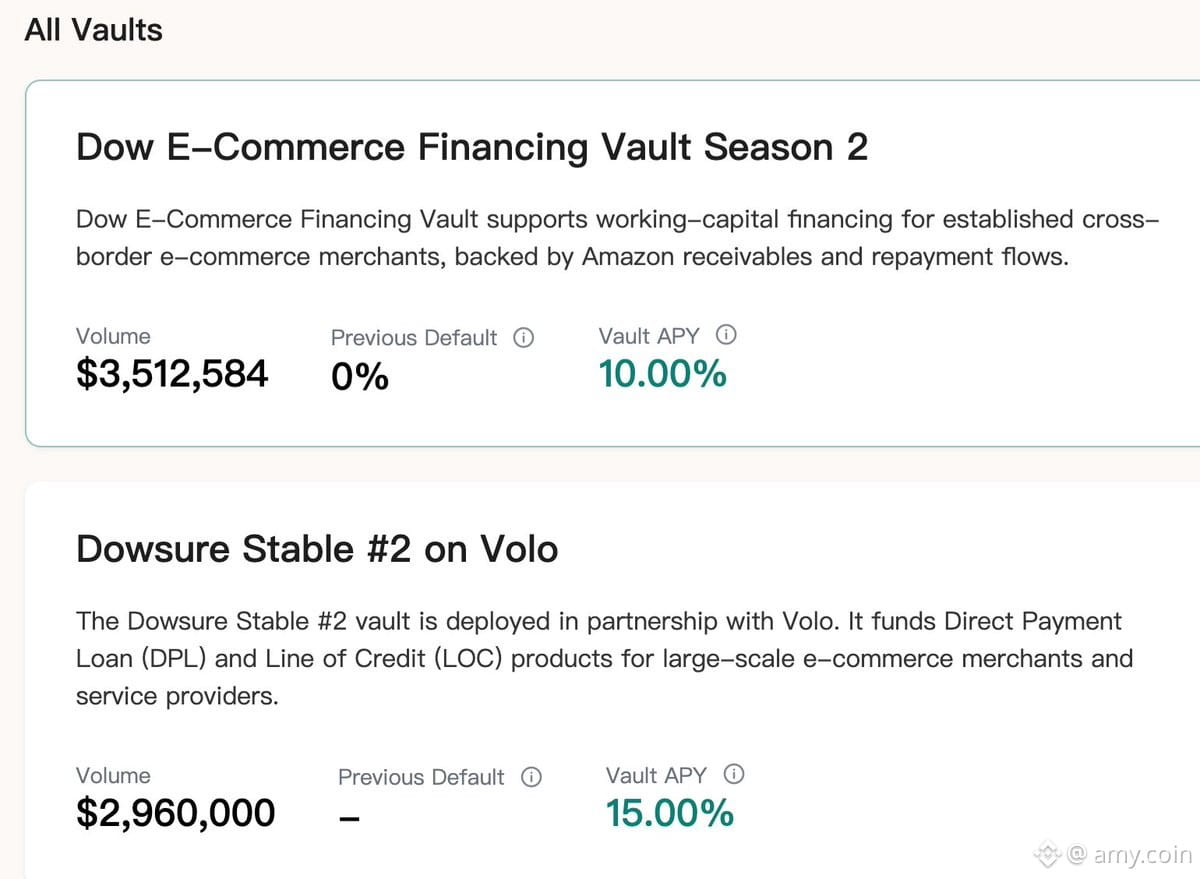
If your stables are rotting in your wallet, here's a 10%+ APY play worth checking: @DowProtocol's new Financing Vault.
Why it's solid:
1️⃣ Real collateral. Underlying assets are working capital loans to mature cross-border e-commerce merchants. Repayments come directly from Amazon receivables and actual sales flows. Not some ponzi yield farm.
Why the high rate? E-commerce merchants need liquidity fast during peak seasons. That urgency = sustainable real-world profit margins backing your yield.
2️⃣ 90-day cycle ending Dec 30. Way shorter than most RWA projects that lock you in for a year+. And 10% beats most crypto yield farms right now.
3️⃣ Repayment risk? Covered. Platform intercepts settlement funds at the system level before merchants even touch it. Principal and interest get auto-deducted. Merchants can't reroute payments.
4️⃣ Early exit option. After 20 days post-subscription, you can pull 70-90% of your principal anytime. Rest unlocks at maturity. Flexibility matters in this market.
5️⃣ Track record checks out. First vault exited smoothly with 10%+ returns. They provide transparent monthly receipts. Team delivers.
Bonus: Volo collab vault offers 15% (10% base + 5% $DOW token subsidy. If no TGE, paid in stables).
Bottom line: If you want real cash flow, no impermanent loss, and solid returns in 90 days, this is one of the cleanest RWA plays out there right now.
Market's crabbing hard. Most are sitting on hands waiting for a clear bull signal.
If your stables are rotting in your wallet, here's a 10%+ APY play worth checking: @DowProtocol's new Financing Vault.
Why it's solid:
1️⃣ Real collateral. Underlying assets are working capital loans to mature cross-border e-commerce merchants. Repayments come directly from Amazon receivables and actual sales flows. Not some ponzi yield farm.
Why the high rate? E-commerce merchants need liquidity fast during peak seasons. That urgency = sustainable real-world profit margins backing your yield.
2️⃣ 90-day cycle ending Dec 30. Way shorter than most RWA projects that lock you in for a year+. And 10% beats most crypto yield farms right now.
3️⃣ Repayment risk? Covered. Platform intercepts settlement funds at the system level before merchants even touch it. Principal and interest get auto-deducted. Merchants can't reroute payments.
4️⃣ Early exit option. After 20 days post-subscription, you can pull 70-90% of your principal anytime. Rest unlocks at maturity. Flexibility matters in this market.
5️⃣ Track record checks out. First vault exited smoothly with 10%+ returns. They provide transparent monthly receipts. Team delivers.
Bonus: Volo collab vault offers 15% (10% base + 5% $DOW token subsidy. If no TGE, paid in stables).
Bottom line: If you want real cash flow, no impermanent loss, and solid returns in 90 days, this is one of the cleanest RWA plays out there right now.
If your stables are rotting in your wallet, here's a 10%+ APY play worth checking: @DowProtocol's new Financing Vault.
Why it's solid:
1️⃣ Real collateral. Underlying assets are working capital loans to mature cross-border e-commerce merchants. Repayments come directly from Amazon receivables and actual sales flows. Not some ponzi yield farm.
Why the high rate? E-commerce merchants need liquidity fast during peak seasons. That urgency = sustainable real-world profit margins backing your yield.
2️⃣ 90-day cycle ending Dec 30. Way shorter than most RWA projects that lock you in for a year+. And 10% beats most crypto yield farms right now.
3️⃣ Repayment risk? Covered. Platform intercepts settlement funds at the system level before merchants even touch it. Principal and interest get auto-deducted. Merchants can't reroute payments.
4️⃣ Early exit option. After 20 days post-subscription, you can pull 70-90% of your principal anytime. Rest unlocks at maturity. Flexibility matters in this market.
5️⃣ Track record checks out. First vault exited smoothly with 10%+ returns. They provide transparent monthly receipts. Team delivers.
Bonus: Volo collab vault offers 15% (10% base + 5% $DOW token subsidy. If no TGE, paid in stables).
Bottom line: If you want real cash flow, no impermanent loss, and solid returns in 90 days, this is one of the cleanest RWA plays out there right now.
55
·
--
Market's crabbing hard. Most sitting on hands waiting for confirmation.
If your stables are just rotting, here's a 10%+ APY play worth checking: @DowProtocol's new financing vault.
Why it's not trash:
1. Underlying = cross-border e-commerce merchant loans. Repayment backed by Amazon receivables and actual sales flow. Real business cash, not ponzi promises.
Why merchants pay 10%+? Peak season liquidity crunch. They need working capital NOW, and profit margins justify it.
2. 90-day cycle, exits Dec 30. Way shorter than most RWA garbage that locks you for years. 10% return beats most crypto yield farms without IL risk.
3. Repayment security = automated intercept at platform level. Funds never touch merchant accounts. No rug vector.
4. Early exit option: withdraw 70-90% of principal after 20 days post-subscription. Rest locked till maturity. Actual liquidity, not fake promises.
5. Track record: Round 1 exited clean, 10%+ delivered, monthly receipts published. Team履约 checks out.
Volo collab pool = 15% (10% base + 5% $DOW tokens, or stables if no TGE).
Bottom line: For degens allergic to IL who want real yield + short lockup, this is one of the few RWA plays that isn't complete vaporware. DYOR but the structure actually makes sense.
Market's crabbing hard. Most sitting on hands waiting for confirmation.
If your stables are just rotting, here's a 10%+ APY play worth checking: @DowProtocol's new financing vault.
Why it's not trash:
1. Underlying = cross-border e-commerce merchant loans. Repayment backed by Amazon receivables and actual sales flow. Real business cash, not ponzi promises.
Why merchants pay 10%+? Peak season liquidity crunch. They need working capital NOW, and profit margins justify it.
2. 90-day cycle, exits Dec 30. Way shorter than most RWA garbage that locks you for years. 10% return beats most crypto yield farms without IL risk.
3. Repayment security = automated intercept at platform level. Funds never touch merchant accounts. No rug vector.
4. Early exit option: withdraw 70-90% of principal after 20 days post-subscription. Rest locked till maturity. Actual liquidity, not fake promises.
5. Track record: Round 1 exited clean, 10%+ delivered, monthly receipts published. Team履约 checks out.
Volo collab pool = 15% (10% base + 5% $DOW tokens, or stables if no TGE).
Bottom line: For degens allergic to IL who want real yield + short lockup, this is one of the few RWA plays that isn't complete vaporware. DYOR but the structure actually makes sense.
If your stables are just rotting, here's a 10%+ APY play worth checking: @DowProtocol's new financing vault.
Why it's not trash:
1. Underlying = cross-border e-commerce merchant loans. Repayment backed by Amazon receivables and actual sales flow. Real business cash, not ponzi promises.
Why merchants pay 10%+? Peak season liquidity crunch. They need working capital NOW, and profit margins justify it.
2. 90-day cycle, exits Dec 30. Way shorter than most RWA garbage that locks you for years. 10% return beats most crypto yield farms without IL risk.
3. Repayment security = automated intercept at platform level. Funds never touch merchant accounts. No rug vector.
4. Early exit option: withdraw 70-90% of principal after 20 days post-subscription. Rest locked till maturity. Actual liquidity, not fake promises.
5. Track record: Round 1 exited clean, 10%+ delivered, monthly receipts published. Team履约 checks out.
Volo collab pool = 15% (10% base + 5% $DOW tokens, or stables if no TGE).
Bottom line: For degens allergic to IL who want real yield + short lockup, this is one of the few RWA plays that isn't complete vaporware. DYOR but the structure actually makes sense.
74
·
--
Wall Street just bumped their 12-month $BTC target to $113k.
They're still low.
Institutions are late to the party as usual. Macro setup + technicals point way higher. The conservative calls always miss the real move.
This cycle's different. Don't fade it.
Wall Street just bumped their 12-month $BTC target to $113k.
They're still low.
Institutions are late to the party as usual. Macro setup + technicals point way higher. The conservative calls always miss the real move.
This cycle's different. Don't fade it.
They're still low.
Institutions are late to the party as usual. Macro setup + technicals point way higher. The conservative calls always miss the real move.
This cycle's different. Don't fade it.
64
·
--
$BTC views spiking on Binance YouTube 👀
Retail attention is waking up. This is usually how it starts—casual browsing turns into FOMO buying.
If search volume follows, we're entering the normie discovery phase. That's when things get interesting.
Watch for:
• Google Trends spike
• New wallet creation surge
• Stablecoin inflows to exchanges
Bullish? Maybe. Or just the beginning of the next leg up 🐂
$BTC views spiking on Binance YouTube 👀
Retail attention is waking up. This is usually how it starts—casual browsing turns into FOMO buying.
If search volume follows, we're entering the normie discovery phase. That's when things get interesting.
Watch for:
• Google Trends spike
• New wallet creation surge
• Stablecoin inflows to exchanges
Bullish? Maybe. Or just the beginning of the next leg up 🐂
Retail attention is waking up. This is usually how it starts—casual browsing turns into FOMO buying.
If search volume follows, we're entering the normie discovery phase. That's when things get interesting.
Watch for:
• Google Trends spike
• New wallet creation surge
• Stablecoin inflows to exchanges
Bullish? Maybe. Or just the beginning of the next leg up 🐂
68
·
--
Sitting comfy on my $TAO bag. This bull run? Intelligence networks will outperform everything else.
Think about it — we're in an AI boom. Where else would the alpha be?
Don't feed me that "L1 for the machine economy" marketing nonsense. Follow the narrative, follow the liquidity.
$TAO is positioned at the intersection of AI hype and real utility. The thesis is simple: AI needs decentralized compute and intelligence layers. $TAO delivers that.
Bull is just warming up. Position accordingly.
Sitting comfy on my $TAO bag. This bull run? Intelligence networks will outperform everything else.
Think about it — we're in an AI boom. Where else would the alpha be?
Don't feed me that "L1 for the machine economy" marketing nonsense. Follow the narrative, follow the liquidity.
$TAO is positioned at the intersection of AI hype and real utility. The thesis is simple: AI needs decentralized compute and intelligence layers. $TAO delivers that.
Bull is just warming up. Position accordingly.
Think about it — we're in an AI boom. Where else would the alpha be?
Don't feed me that "L1 for the machine economy" marketing nonsense. Follow the narrative, follow the liquidity.
$TAO is positioned at the intersection of AI hype and real utility. The thesis is simple: AI needs decentralized compute and intelligence layers. $TAO delivers that.
Bull is just warming up. Position accordingly.
50
·
--
Almanak just dropped their new product - "Run an on-chain hedge fund solo". Tested it out and here's the alpha:
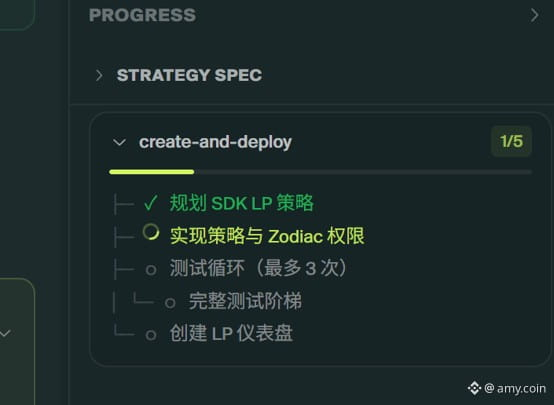
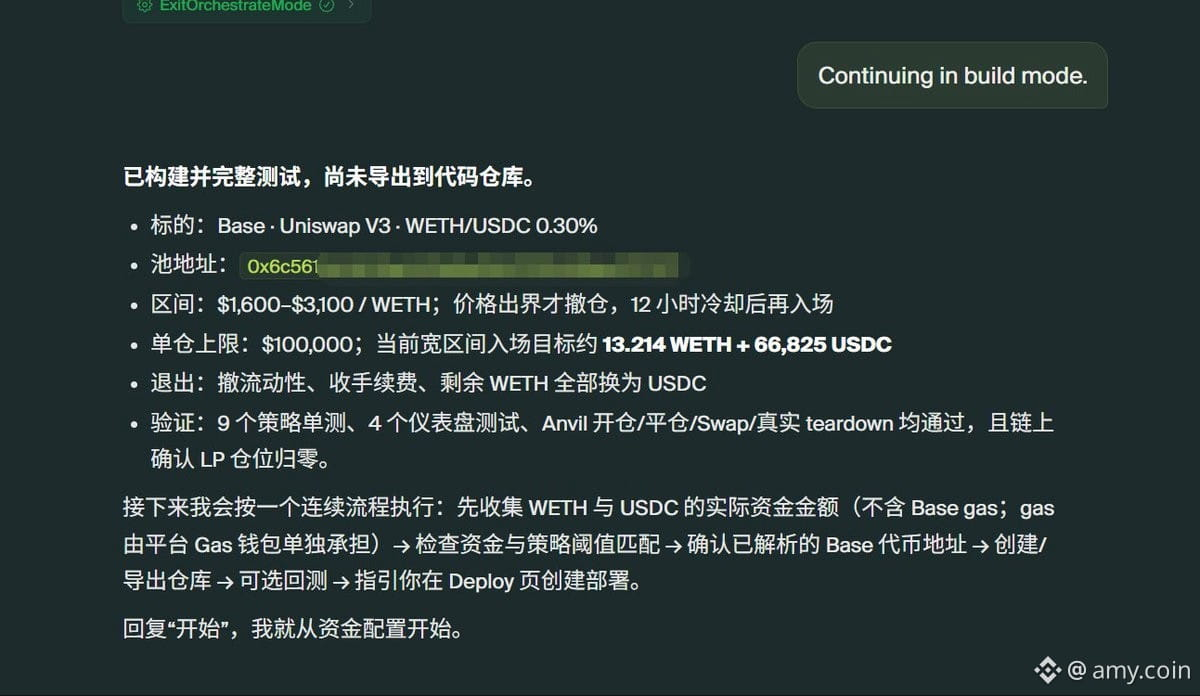
Fed it a simple prompt: Deploy $WBTC/$ETH + stablecoins LP on Uniswap across multiple chains, find highest APR, calculate optimal ranges and capital allocation for $100K positions.
10 minutes later? AI identified Base $ETH/USDC as top yield (1600-3300 range), wrote the code, tested it, ready to deploy. Wild.
But real talk - this is NOT for large capital. AI-generated code needs human review + proper audits before you ape serious money. Perfect for:
- Small capital testing ($100-1K)
- Rapid strategy validation
- "Vibe Coding" your shower thoughts into live strategies
Example: Remember that BTC ETF idea about going long after-hours and exiting at open? Instead of manual backtesting for weeks, just throw $100 at Almanak, let it run 10-14 days, see if your thesis holds.
They've got a strategy marketplace too - community strategies with AI safety/yield scores. Pancake $BTC-BNB pairs, cross-chain arb plays, etc.
Free tier: 3 strategies (Signals). Heavy users need to pay up.
This is basically turning every degen into a quant desk. The "strategy yearbook" naming makes sense now - it's literally cataloging every possible on-chain play.
Link in comments if you want to test drive it.
Almanak just dropped their new product - "Run an on-chain hedge fund solo". Tested it out and here's the alpha:
Fed it a simple prompt: Deploy $WBTC/$ETH + stablecoins LP on Uniswap across multiple chains, find highest APR, calculate optimal ranges and capital allocation for $100K positions.
10 minutes later? AI identified Base $ETH/USDC as top yield (1600-3300 range), wrote the code, tested it, ready to deploy. Wild.
But real talk - this is NOT for large capital. AI-generated code needs human review + proper audits before you ape serious money. Perfect for:
- Small capital testing ($100-1K)
- Rapid strategy validation
- "Vibe Coding" your shower thoughts into live strategies
Example: Remember that BTC ETF idea about going long after-hours and exiting at open? Instead of manual backtesting for weeks, just throw $100 at Almanak, let it run 10-14 days, see if your thesis holds.
They've got a strategy marketplace too - community strategies with AI safety/yield scores. Pancake $BTC-BNB pairs, cross-chain arb plays, etc.
Free tier: 3 strategies (Signals). Heavy users need to pay up.
This is basically turning every degen into a quant desk. The "strategy yearbook" naming makes sense now - it's literally cataloging every possible on-chain play.
Link in comments if you want to test drive it.
Fed it a simple prompt: Deploy $WBTC/$ETH + stablecoins LP on Uniswap across multiple chains, find highest APR, calculate optimal ranges and capital allocation for $100K positions.
10 minutes later? AI identified Base $ETH/USDC as top yield (1600-3300 range), wrote the code, tested it, ready to deploy. Wild.
But real talk - this is NOT for large capital. AI-generated code needs human review + proper audits before you ape serious money. Perfect for:
- Small capital testing ($100-1K)
- Rapid strategy validation
- "Vibe Coding" your shower thoughts into live strategies
Example: Remember that BTC ETF idea about going long after-hours and exiting at open? Instead of manual backtesting for weeks, just throw $100 at Almanak, let it run 10-14 days, see if your thesis holds.
They've got a strategy marketplace too - community strategies with AI safety/yield scores. Pancake $BTC-BNB pairs, cross-chain arb plays, etc.
Free tier: 3 strategies (Signals). Heavy users need to pay up.
This is basically turning every degen into a quant desk. The "strategy yearbook" naming makes sense now - it's literally cataloging every possible on-chain play.
Link in comments if you want to test drive it.
54
·
--
Altcoins entering their third major bull run in history.
Only happened twice before. This is the setup.
Position accordingly.
Altcoins entering their third major bull run in history.
Only happened twice before. This is the setup.
Position accordingly.
Only happened twice before. This is the setup.
Position accordingly.
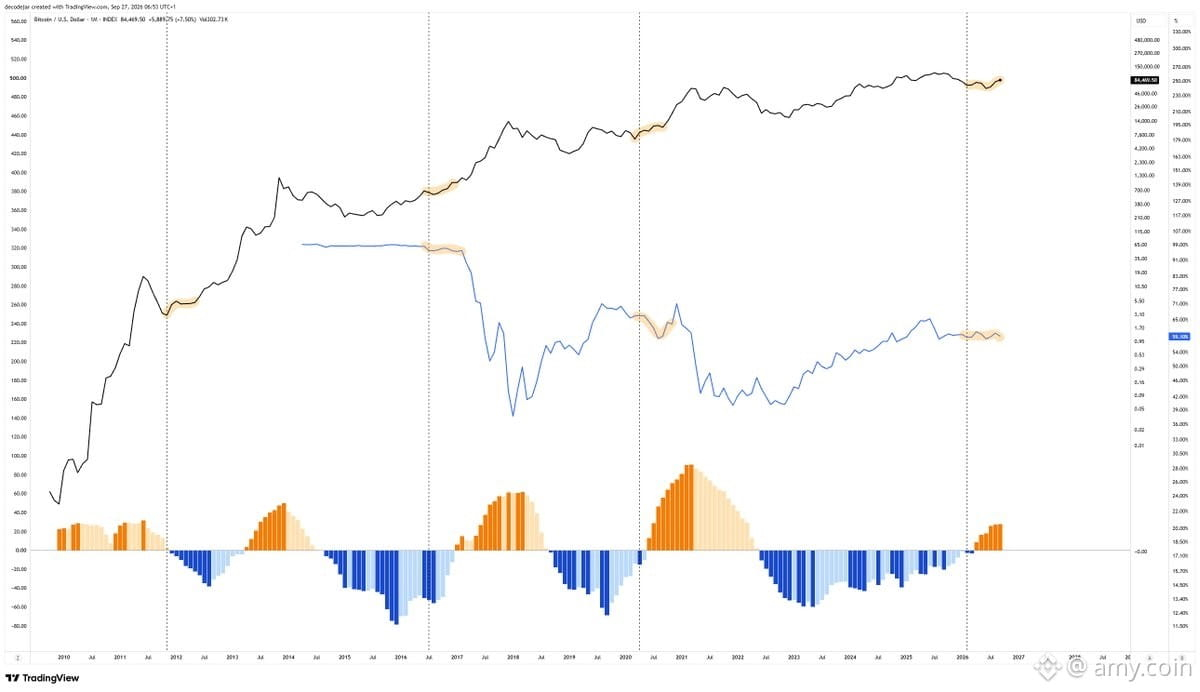
77
·
--
AI capex isn't a choice anymore—it's survival.
You either overspend or you're out. That's not bullish fundamentals, that's arms race dynamics. And arms races always overshoot.
We're likely already in the bubble. The unwind will be brutal when it comes.
But timing? Stocks probably don't top in 2025. The music's still playing, and nobody wants to be the first one sitting down.
This is how cycles work: rational at first, then mandatory, then euphoric, then catastrophic.
Watch liquidity. Watch who's still raising. Watch who's cutting first.
AI capex isn't a choice anymore—it's survival.
You either overspend or you're out. That's not bullish fundamentals, that's arms race dynamics. And arms races always overshoot.
We're likely already in the bubble. The unwind will be brutal when it comes.
But timing? Stocks probably don't top in 2025. The music's still playing, and nobody wants to be the first one sitting down.
This is how cycles work: rational at first, then mandatory, then euphoric, then catastrophic.
Watch liquidity. Watch who's still raising. Watch who's cutting first.
You either overspend or you're out. That's not bullish fundamentals, that's arms race dynamics. And arms races always overshoot.
We're likely already in the bubble. The unwind will be brutal when it comes.
But timing? Stocks probably don't top in 2025. The music's still playing, and nobody wants to be the first one sitting down.
This is how cycles work: rational at first, then mandatory, then euphoric, then catastrophic.
Watch liquidity. Watch who's still raising. Watch who's cutting first.
·
--
Watching $BTC closely here. Key question: does it hold this breakout or do we get a wave 2 retrace?
Either way, we're in early stage bull territory. Position accordingly.
Watching $BTC closely here. Key question: does it hold this breakout or do we get a wave 2 retrace?
Either way, we're in early stage bull territory. Position accordingly.
Either way, we're in early stage bull territory. Position accordingly.
·
--
The models are screaming: accumulation window for $BTC is OPEN.
When long-term valuation metrics line up with structural support, you're looking at a gift before the next leg up.
🔹 Price vs. Long-Term Adoption bands aligning
🔹 Accumulation ranges showing asymmetric R/R
🔹 Cycle timing models all pointing the same direction
This is not the time to sit on the sidelines. The risk-to-reward is skewed heavily in favor of buyers right now.
Full breakdown with charts in the thread.
The models are screaming: accumulation window for $BTC is OPEN.
When long-term valuation metrics line up with structural support, you're looking at a gift before the next leg up.
🔹 Price vs. Long-Term Adoption bands aligning
🔹 Accumulation ranges showing asymmetric R/R
🔹 Cycle timing models all pointing the same direction
This is not the time to sit on the sidelines. The risk-to-reward is skewed heavily in favor of buyers right now.
Full breakdown with charts in the thread.
When long-term valuation metrics line up with structural support, you're looking at a gift before the next leg up.
🔹 Price vs. Long-Term Adoption bands aligning
🔹 Accumulation ranges showing asymmetric R/R
🔹 Cycle timing models all pointing the same direction
This is not the time to sit on the sidelines. The risk-to-reward is skewed heavily in favor of buyers right now.
Full breakdown with charts in the thread.
30
·
--
$200K+ $BTC this cycle isn't hopium—it's the math.
3 models converging on $200K–$400K:
Quantile Adoption Model → median band hits ~$270K at peak
Cycle Multiplier → even conservative 80% expansion = $225K+
$BTC vs Gold → historically 10–12% of gold's mcap at tops. With gold rallying, that's $200K–$350K+ range
Structural adoption isn't a narrative anymore. It's on-chain reality.
$200K+ $BTC this cycle isn't hopium—it's the math.
3 models converging on $200K–$400K:
Quantile Adoption Model → median band hits ~$270K at peak
Cycle Multiplier → even conservative 80% expansion = $225K+
$BTC vs Gold → historically 10–12% of gold's mcap at tops. With gold rallying, that's $200K–$350K+ range
Structural adoption isn't a narrative anymore. It's on-chain reality.
3 models converging on $200K–$400K:
Quantile Adoption Model → median band hits ~$270K at peak
Cycle Multiplier → even conservative 80% expansion = $225K+
$BTC vs Gold → historically 10–12% of gold's mcap at tops. With gold rallying, that's $200K–$350K+ range
Structural adoption isn't a narrative anymore. It's on-chain reality.
29
·
--
The $BTC accumulation window is officially open.
Most wait for confirmation. Smart money acts during compression.
Here's why the data backs this:
Cyclical models are flashing accumulation, not distribution. Historically, entering these ranges = highest asymmetric upside.
Sentiment is still hesitant. But on-chain? Long-term holders are stacking. Supply dynamics show conviction where it matters.
DCA during accumulation removes emotion and positions you for the next leg up.
You won't time the exact bottom. But structured accumulation removes the guesswork.
Full breakdown 👇
The $BTC accumulation window is officially open.
Most wait for confirmation. Smart money acts during compression.
Here's why the data backs this:
Cyclical models are flashing accumulation, not distribution. Historically, entering these ranges = highest asymmetric upside.
Sentiment is still hesitant. But on-chain? Long-term holders are stacking. Supply dynamics show conviction where it matters.
DCA during accumulation removes emotion and positions you for the next leg up.
You won't time the exact bottom. But structured accumulation removes the guesswork.
Full breakdown 👇
Most wait for confirmation. Smart money acts during compression.
Here's why the data backs this:
Cyclical models are flashing accumulation, not distribution. Historically, entering these ranges = highest asymmetric upside.
Sentiment is still hesitant. But on-chain? Long-term holders are stacking. Supply dynamics show conviction where it matters.
DCA during accumulation removes emotion and positions you for the next leg up.
You won't time the exact bottom. But structured accumulation removes the guesswork.
Full breakdown 👇
48
·
--
Most CT degens have only seen number go up. They've never lived through real systemic risk.
Before the 2008 GFC, market conditions looked eerily similar to now. When it all collapsed, my family thought they'd lose everything.
I see tons of people charting that final parabolic blow-off top. Drawing their perfect ending diagonals. That last euphoric fifth wave.
Cute charts. But you better actually think through what happens when we hit that peak and what your exit strategy is.
Because when the music stops, it's not a meme. It's your entire portfolio.
Have a plan or get rekt. Simple as that.
Most CT degens have only seen number go up. They've never lived through real systemic risk.
Before the 2008 GFC, market conditions looked eerily similar to now. When it all collapsed, my family thought they'd lose everything.
I see tons of people charting that final parabolic blow-off top. Drawing their perfect ending diagonals. That last euphoric fifth wave.
Cute charts. But you better actually think through what happens when we hit that peak and what your exit strategy is.
Because when the music stops, it's not a meme. It's your entire portfolio.
Have a plan or get rekt. Simple as that.
Before the 2008 GFC, market conditions looked eerily similar to now. When it all collapsed, my family thought they'd lose everything.
I see tons of people charting that final parabolic blow-off top. Drawing their perfect ending diagonals. That last euphoric fifth wave.
Cute charts. But you better actually think through what happens when we hit that peak and what your exit strategy is.
Because when the music stops, it's not a meme. It's your entire portfolio.
Have a plan or get rekt. Simple as that.
57
·
--
$BTC holding 82.8k as support rn. If this level breaks, things get spicy. Watch the tape.
$BTC holding 82.8k as support rn. If this level breaks, things get spicy. Watch the tape.
69
·
--
HBM is the most slept-on AI play right now.
Everyone's obsessed with GPUs but missing the real bottleneck: High-Bandwidth Memory.
$SKHY / SK Hynix is criminally undervalued. Here's why:
HBM costs MORE than Nvidia's logic die
In an H100, HBM stack runs ~$1,350 vs $300 for the logic die. That's 40-50% of total component cost. SK Hynix controls >50% of HBM market share and sits directly inside Nvidia's supply chain with insane pricing power.
Supply can't keep up
Next 5 years: HBM supply grows ~6x but demand explodes ~10x. Fabs take years to build. This structural deficit isn't getting fixed. Fat margins locked in through end of decade.
Valuation is broken
Semiconductor peers trade 20-30x forward P/E. S&P 500 averages 18-22x. SK Hynix? Trading at ~5.5x forward P/E. The Korean stock hasn't even started its real run yet. Massive asymmetry between earnings power and price.
SK Hynix isn't competing with Nvidia—it's capturing value alongside them in the hardware stack. Supply locked, valuation compressed. This is deep accumulation territory for the AI supercycle.
HBM is the most slept-on AI play right now.
Everyone's obsessed with GPUs but missing the real bottleneck: High-Bandwidth Memory.
$SKHY / SK Hynix is criminally undervalued. Here's why:
HBM costs MORE than Nvidia's logic die
In an H100, HBM stack runs ~$1,350 vs $300 for the logic die. That's 40-50% of total component cost. SK Hynix controls >50% of HBM market share and sits directly inside Nvidia's supply chain with insane pricing power.
Supply can't keep up
Next 5 years: HBM supply grows ~6x but demand explodes ~10x. Fabs take years to build. This structural deficit isn't getting fixed. Fat margins locked in through end of decade.
Valuation is broken
Semiconductor peers trade 20-30x forward P/E. S&P 500 averages 18-22x. SK Hynix? Trading at ~5.5x forward P/E. The Korean stock hasn't even started its real run yet. Massive asymmetry between earnings power and price.
SK Hynix isn't competing with Nvidia—it's capturing value alongside them in the hardware stack. Supply locked, valuation compressed. This is deep accumulation territory for the AI supercycle.
Everyone's obsessed with GPUs but missing the real bottleneck: High-Bandwidth Memory.
$SKHY / SK Hynix is criminally undervalued. Here's why:
HBM costs MORE than Nvidia's logic die
In an H100, HBM stack runs ~$1,350 vs $300 for the logic die. That's 40-50% of total component cost. SK Hynix controls >50% of HBM market share and sits directly inside Nvidia's supply chain with insane pricing power.
Supply can't keep up
Next 5 years: HBM supply grows ~6x but demand explodes ~10x. Fabs take years to build. This structural deficit isn't getting fixed. Fat margins locked in through end of decade.
Valuation is broken
Semiconductor peers trade 20-30x forward P/E. S&P 500 averages 18-22x. SK Hynix? Trading at ~5.5x forward P/E. The Korean stock hasn't even started its real run yet. Massive asymmetry between earnings power and price.
SK Hynix isn't competing with Nvidia—it's capturing value alongside them in the hardware stack. Supply locked, valuation compressed. This is deep accumulation territory for the AI supercycle.
4
තවත් අන්තර්ගතයන් ගවේෂණය කිරීමට ඇතුල් වන්න
Binance චතුරශ්රය හි ගෝලීය ක්රිප්ටෝ පරිශීලකයින් හා එක්වන්න
⚡️ ක්රිප්ටෝ පිළිබඳ නවතම සහ ප්රයෝජනවත් තොරතුරු ලබා ගන්න.
💬 ලොව විශාලතම ක්රිප්ටෝ හුවමාරුව මගින් විශ්වාස කෙරේ.
👍 සත්යායනය කරන ලද නිර්මාණකරුවන්ගෙන් සැබෑ විදසුන් සොයා ගන්න.
විද්යුත් තැපෑල / දුරකථන අංකය
නැගී එන මාතෘකා
ZcashETFPostsFirstWeeklyOutflow$93.6M
30,865 views
90 සාකච්ඡා කරමින්
#ZcashETFPostsFirstWeeklyOutflow$93.6M
🚨🚨🚨🚨🚨🚨🚨🚨🚨🚨🚨🚨🚨🚨✅ 🚨 ZCASH ETF FLOWS TURN NEGATIVE FOR THE FIRST TIME! 📉
$ZEC is facing a notable shift in institutional fund flows, with Zcash investment products recording their first weekly net outflow since launching in August.
According to fund-flow data, around $93.6M was withdrawn from Zcash products during the latest week, while ZEC price action also cooled significantly.
📊 WHAT HAPPENED?
• Weekly Zcash ETF outflow: $93.6M
• September 30 daily outflow: $30.25M
• ZCSH previously attracted around $98.2M in one week
• ZEC is trading near $1,300
• Recent high: around $1,690
• Weekly decline: roughly 17%+
🔍 LEVELS TO WATCH
🟢 Support: $1,280–$1,300
🔴 Resistance: $1,450–$1,500
The key question now is whether the $1,300 area can hold and attract fresh buyers.
Institutional flows will also be important. A return of consistent positive inflows could signal renewed confidence, while continued outflows may keep pressure on $ZEC .
👀 Is this simply profit-taking after ZEC’s huge rally, or could we see another deeper pullback before buyers return?
Share your view below. 👇
#Zcash #ZEC #ZcashETF #Crypto
#analysis
owhggwiohsjowve
·0 කැමත්ත දැක්වීම්
·141 views
GreekPoliceBustCryptoScamRingArrest17
58,673 views
585 සාකච්ඡා කරමින්
BitcoinRejectedAt$87K
113,550 views
150 සාකච්ඡා කරමින්