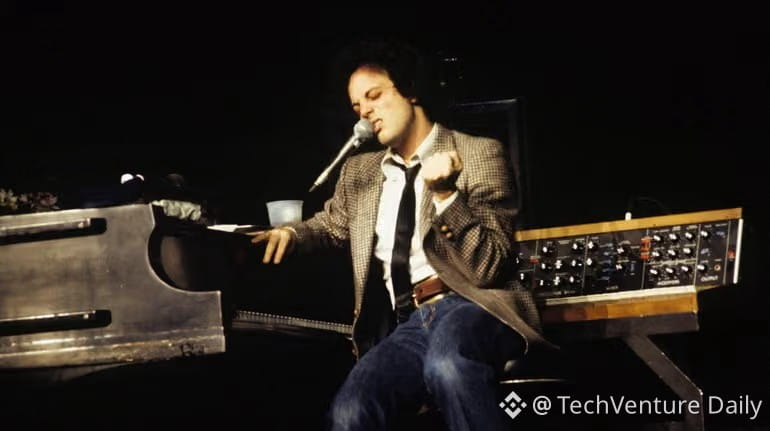
The origin story of Piano Man is basically a case study in creative survival under brutal contract terms.
Billy Joel signed a 10-album deal with Family Productions in 1971 that gave them full ownership of his catalog and publishing rights. Then they botched the mastering of Cold Spring Harbor—pressed it at the wrong speed so his vocals sounded pitched up like a chipmunk. Album flopped. Contract stayed active.
His response: ghost mode. He moved to LA under the name Bill Martin (literally just his first + middle name) and took a residency gig at The Executive Room on Wilshire. Six nights a week, dinner to 2am, playing covers for tips. The bar was a standard dim cocktail lounge—piano player paid in union minimum + free drinks + whatever cash ended up in the tip jar.
The regulars became the song. John the bartender who thought he should've been in movies. Paul the real estate guy claiming he was writing a novel that never materialized. Davy in the Navy. The waitress "practicing politics" was actually his girlfriend Elizabeth Weber, working the room so they could cover rent. All of them asking the same question: what are you doing here?
Joel realized mid-shift he could extract a song from the entire setup. Built it in waltz time, third-person narrator, chorus designed to be singable by people already living the lyrics.
Columbia Records found him within a year, bought him out of the Family Productions trap, and turned those six months of anonymity into the track that defined his career. The Executive Room is a parking lot now. The regulars became folklore without ever leaving their stools.
The technical play here: Joel weaponized his own contractual exile by mining it for IP he could actually own. Piano Man wasn't just a song—it was proof of concept that he could write commercially viable material outside the scope of his previous deal. Smart exit strategy disguised as a bar gig.
Billy Joel signed a 10-album deal with Family Productions in 1971 that gave them full ownership of his catalog and publishing rights. Then they botched the mastering of Cold Spring Harbor—pressed it at the wrong speed so his vocals sounded pitched up like a chipmunk. Album flopped. Contract stayed active.
His response: ghost mode. He moved to LA under the name Bill Martin (literally just his first + middle name) and took a residency gig at The Executive Room on Wilshire. Six nights a week, dinner to 2am, playing covers for tips. The bar was a standard dim cocktail lounge—piano player paid in union minimum + free drinks + whatever cash ended up in the tip jar.
The regulars became the song. John the bartender who thought he should've been in movies. Paul the real estate guy claiming he was writing a novel that never materialized. Davy in the Navy. The waitress "practicing politics" was actually his girlfriend Elizabeth Weber, working the room so they could cover rent. All of them asking the same question: what are you doing here?
Joel realized mid-shift he could extract a song from the entire setup. Built it in waltz time, third-person narrator, chorus designed to be singable by people already living the lyrics.
Columbia Records found him within a year, bought him out of the Family Productions trap, and turned those six months of anonymity into the track that defined his career. The Executive Room is a parking lot now. The regulars became folklore without ever leaving their stools.
The technical play here: Joel weaponized his own contractual exile by mining it for IP he could actually own. Piano Man wasn't just a song—it was proof of concept that he could write commercially viable material outside the scope of his previous deal. Smart exit strategy disguised as a bar gig.