Binance Square
#canadatariffsonustakeeffect

canadatariffsonustakeeffect

KimHotbae
·
--
සත්යායනය කළ
පරිවර්තනය බලන්න
🚨 BREAKING: Canada's counter-tariffs are OFFICIALLY LIVE. Midnight ET — tariffs of 15–50% on C$27.6B (~$20B) of US goods just hit. Steel: 50%. Dairy, cheese, motorcycles, cosmetics, appliances, ag equipment, electronics: on the list. Carney's "dollar for dollar" answer to Trump's 50% levy on Canadian goods (Aug 22). Trump's reply before the ink dried: "NO MORE SELLING BOMBARDIER IN THE UNITED STATES!" 🛩️ This lands on the first session back from Labor Day — with crude ~$92 and US CPI on Friday. Michigan & Ohio exporters feel it first, right before the midterms. The world's largest trade relationship just went scorched-earth. 🇺🇸🇨🇦 $ZEC $XRP $XAU {future}(XAUUSDT) {future}(XRPUSDT) {future}(ZECUSDT) #canadatariffsonustakeeffect #USIranTradeTankerStrikesEscalate #CFTCSeeksDismissalOfCMEKalshiBTCFuturesSuit #CanadaToImpose15%To50%TariffsOnUSGoods #ZcashRises45%WeeklyToHighestSince2016
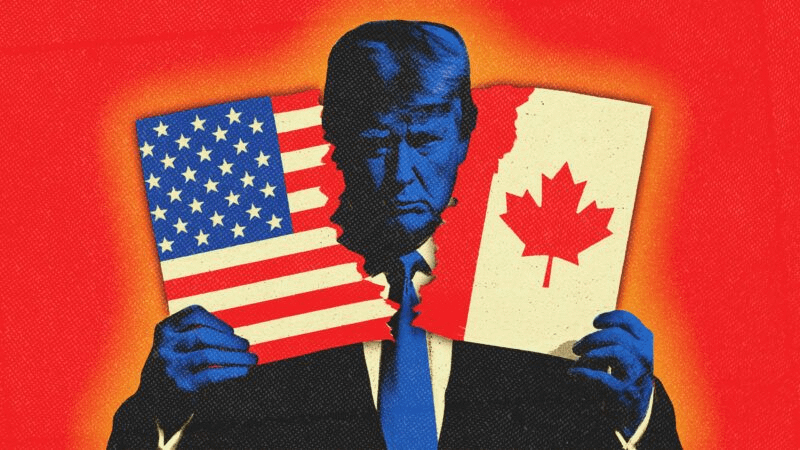
🚨 BREAKING: Canada's counter-tariffs are OFFICIALLY LIVE.

Midnight ET — tariffs of 15–50% on C$27.6B (~$20B) of US goods just hit.

Steel: 50%. Dairy, cheese, motorcycles, cosmetics, appliances, ag equipment, electronics: on the list.

Carney's "dollar for dollar" answer to Trump's 50% levy on Canadian goods (Aug 22).

Trump's reply before the ink dried: "NO MORE SELLING BOMBARDIER IN THE UNITED STATES!" 🛩️

This lands on the first session back from Labor Day — with crude ~$92 and US CPI on Friday.

Michigan & Ohio exporters feel it first, right before the midterms.
The world's largest trade relationship just went scorched-earth. 🇺🇸🇨🇦
$ZEC $XRP $XAU

#canadatariffsonustakeeffect #USIranTradeTankerStrikesEscalate #CFTCSeeksDismissalOfCMEKalshiBTCFuturesSuit #CanadaToImpose15%To50%TariffsOnUSGoods #ZcashRises45%WeeklyToHighestSince2016

·
--
උසබ තත්ත්වය
සත්යායනය කළ
දින 30 වෙළෙඳ $XAUT 52.6 USDT
පරිවර්තනය බලන්න
🇨🇦🇺🇸 تصعيد جديد في الحرب التجارية! دخلت الرسوم الجمركية الانتقامية الكندية على واردات أمريكية حيز التنفيذ اليوم، 8 سبتمبر، بنسب تصل إلى 50% وتغطي سلعًا أمريكية بقيمة نحو 27.6 مليار دولار كندي. الرسوم تستهدف قطاعات مثل الصلب، الألبان، الأجهزة، المعدات الزراعية، الإلكترونيات والورق، في رد مباشر على الرسوم الأمريكية الأخيرة على المنتجات الكندية. لماذا يهم الأسواق؟ استمرار التصعيد قد يعني ارتفاع تكاليف التجارة، ضغوطًا إضافية على التضخم، وزيادة حالة عدم اليقين في الأسواق العالمية. الكرة الآن في ملعب واشنطن وأوتاوا: مفاوضات جديدة أم جولة أوسع من الحرب التجارية؟ $XAUT $BTC $USDC #CanadaTariffsOnUSTakeEffect
🇨🇦🇺🇸 تصعيد جديد في الحرب التجارية!
دخلت الرسوم الجمركية الانتقامية الكندية على واردات أمريكية حيز التنفيذ اليوم، 8 سبتمبر، بنسب تصل إلى 50% وتغطي سلعًا أمريكية بقيمة نحو 27.6 مليار دولار كندي.
الرسوم تستهدف قطاعات مثل الصلب، الألبان، الأجهزة، المعدات الزراعية، الإلكترونيات والورق، في رد مباشر على الرسوم الأمريكية الأخيرة على المنتجات الكندية.
لماذا يهم الأسواق؟
استمرار التصعيد قد يعني ارتفاع تكاليف التجارة، ضغوطًا إضافية على التضخم، وزيادة حالة عدم اليقين في الأسواق العالمية.
الكرة الآن في ملعب واشنطن وأوتاوا:
مفاوضات جديدة أم جولة أوسع من الحرب التجارية؟
$XAUT $BTC $USDC
#CanadaTariffsOnUSTakeEffect

සත්යායනය කළ
පරිවර්තනය බලන්න
​#canadatariffsonustakeeffect The US-Canada trade war just leveled up. 🥊 ​Canada’s sweeping tariffs—hitting up to 50% on everything from steel to consumer goods—are officially live today. With leaders threatening major bans and playing hardball, the political showdown is getting fierce. ​So, how should traders react? Keep your cool. Market panic is just another word for opportunity. While the politicians and whales duke it out, smart traders protect their capital and wait for the overreactions. Extreme volatility always brings discounts—if you know where to look. 👀 ​Stay sharp, protect your margins, and ride the waves. 🌊 ​(Not Financial Advice. Always DYOR.) #TradeWar #MarketVolatility #GlobalEconomy #CryptoNews $INJ {future}(INJUSDT) $PIEVERSE {future}(PIEVERSEUSDT) $WLD {future}(WLDUSDT)
#canadatariffsonustakeeffect
The US-Canada trade war just leveled up. 🥊

​Canada’s sweeping tariffs—hitting up to 50% on everything from steel to consumer goods—are officially live today. With leaders threatening major bans and playing hardball, the political showdown is getting fierce.

​So, how should traders react?

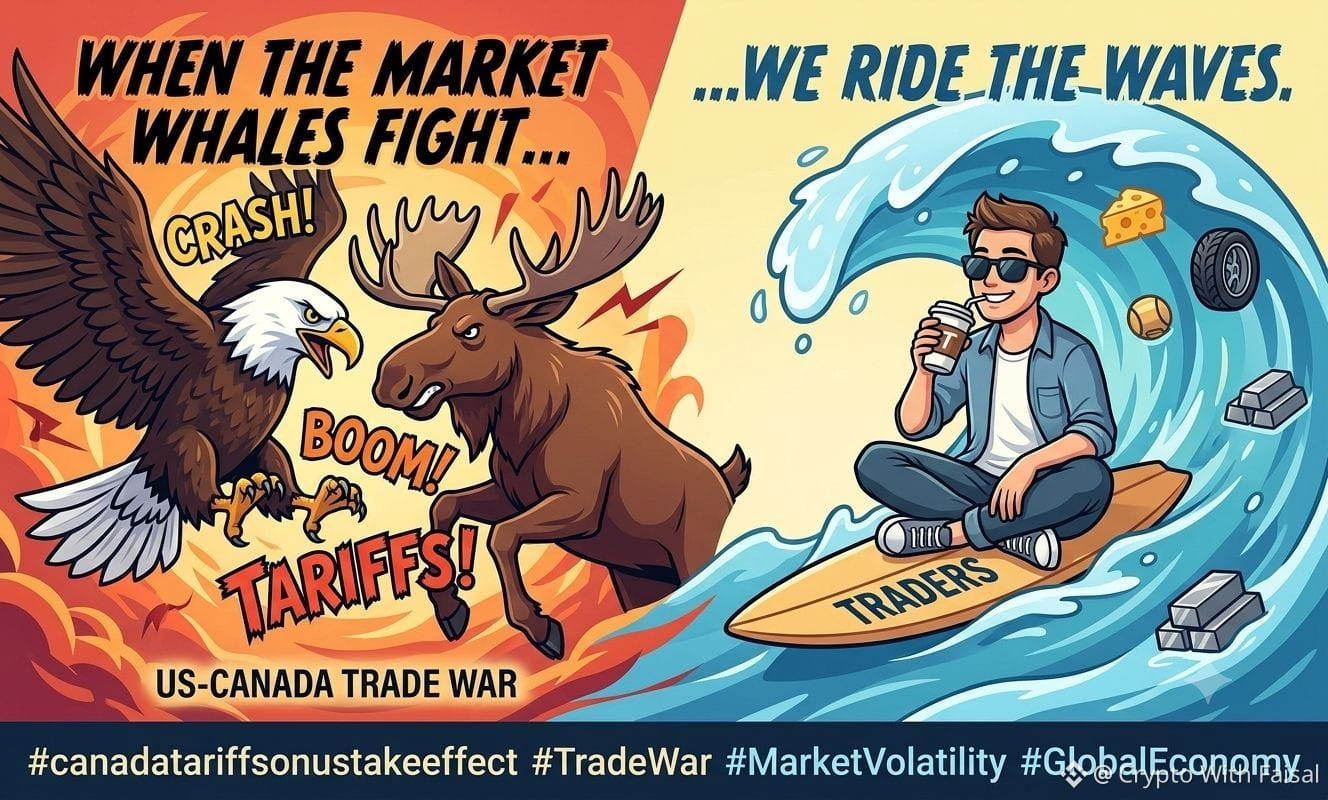
Keep your cool. Market panic is just another word for opportunity. While the politicians and whales duke it out, smart traders protect their capital and wait for the overreactions. Extreme volatility always brings discounts—if you know where to look. 👀

​Stay sharp, protect your margins, and ride the waves. 🌊

​(Not Financial Advice. Always DYOR.)

#TradeWar #MarketVolatility #GlobalEconomy #CryptoNews
$INJ
$PIEVERSE
$WLD
·
--
උසබ තත්ත්වය
සත්යායනය කළ
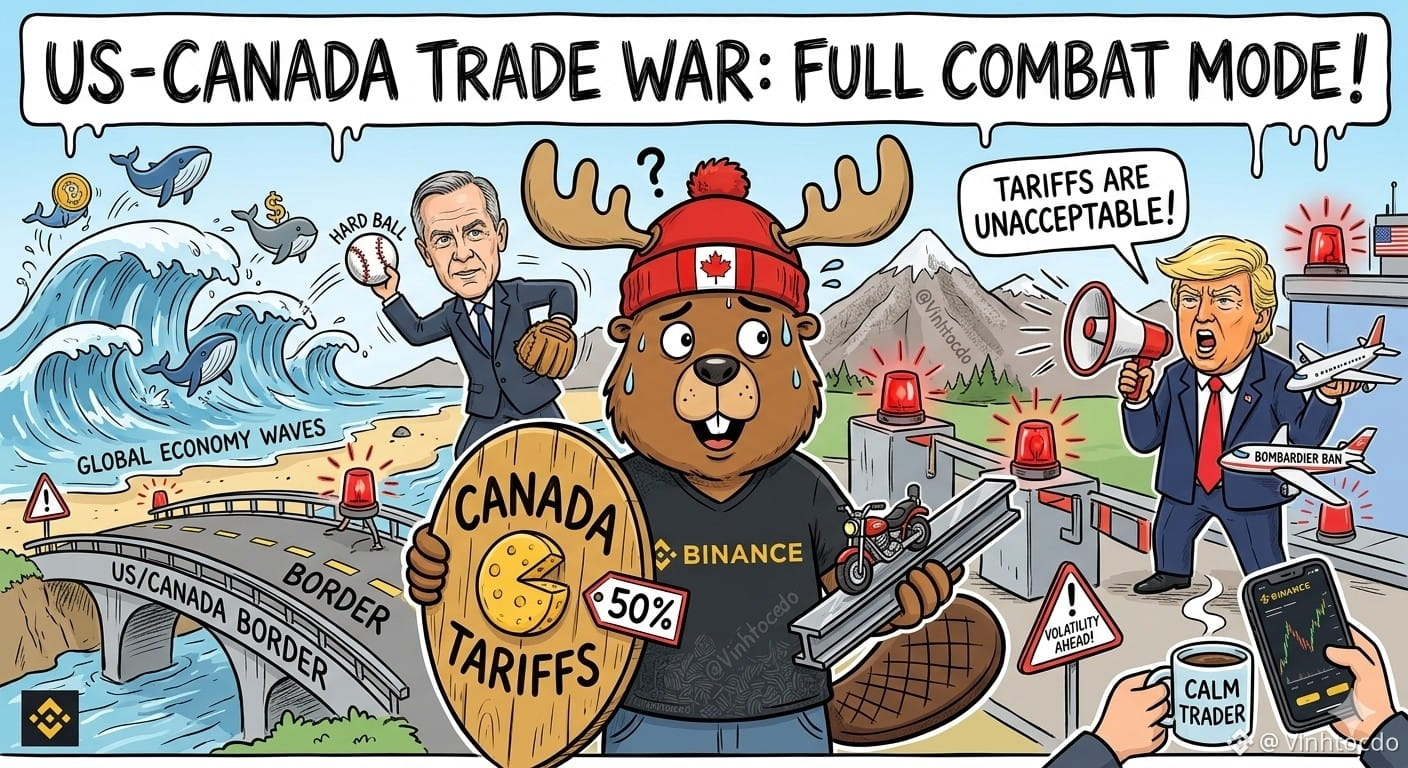
#canadatariffsonustakeeffect එක්සත් ජනපදය-කැනඩාව වෙළඳ යුදය දැන් සම්පූර්ණ සටන් මාදිලියට ගියා 🥊. අද සිට සිය ගණනක් වන එක්සත් ජනපද භාණ්ඩ සඳහා කැනඩාවේ තීරුබදු නිල වශයෙන් ක්‍රියාත්මකයි—වානේ සඳහා උපරිම 50% දක්වාත්, චීස් වැනි ජනප්‍රිය පාරිභෝගික භාණ්ඩ සහ යතුරුපැදි වැනි දේවල් සඳහාත්. අගමැති මාර්ක් කාර්නි දැඩි ලෙස සාකච්ඡා දුන්වගේ ය, අතර ට්‍රම්ප් බොම්බාර්ඩියර් ගුවන් යානා තහනම් කරන බවටත් වහාම තර්ජනය කරනවා. ඉතින්, ටෘඩෝගේ අනුප්‍රාප්තිකයා සහ ට්‍රම්ප් ද්වන්ද සටනක යෙදෙන අතර වෙළෙන්දෝ/ට්‍රේඩර්වරුන් කුමක් කළ යුතුද? භීති බොත්තම වසා දාන්න, වෙළඳපොළ අධික ප්‍රතික්‍රියා සොයන්න, සහ ඔබේ ලාභ මාජින් ආරක්ෂා කරගන්න. අස්ථාවරත්වය (volatility) කියන්නේ ඔබ ඔබේ කාඩ් හොඳින් වාදනය කළොත් “වට්ටම් සමය” සඳහා වූ කේත වචනයක් විතරයි. “දැවැන්ත තල්මසුන්” අරගල කරමු; අපි තරංගවල ගමන් කරමු 🌊. 🚨 මූල්‍ය උපදෙස් නොවේ! DYOR. තීරුබදු කේලාඹරය ට්‍රේඩ් කරන්නද? VINHTOCDO කේතය සමඟ Binance එකේ ඔබේ ස්ථානය ලබාගන්න හෝ ලින්ක් කරන්න: [https://www.binance.com/register?ref=VINHTOCDO](https://www.binance.com/register?ref=VINHTOCDO) 🏎️💨 #TradeWar #MarketVolatility #GlobalEconomy #VINHTOCDO $BTC {future}(BTCUSDT) $ETH {future}(ETHUSDT) $BNB {future}(BNBUSDT)
#canadatariffsonustakeeffect
එක්සත් ජනපදය-කැනඩාව වෙළඳ යුදය දැන් සම්පූර්ණ සටන් මාදිලියට ගියා 🥊. අද සිට සිය ගණනක් වන එක්සත් ජනපද භාණ්ඩ සඳහා කැනඩාවේ තීරුබදු නිල වශයෙන් ක්‍රියාත්මකයි—වානේ සඳහා උපරිම 50% දක්වාත්, චීස් වැනි ජනප්‍රිය පාරිභෝගික භාණ්ඩ සහ යතුරුපැදි වැනි දේවල් සඳහාත්. අගමැති මාර්ක් කාර්නි දැඩි ලෙස සාකච්ඡා දුන්වගේ ය, අතර ට්‍රම්ප් බොම්බාර්ඩියර් ගුවන් යානා තහනම් කරන බවටත් වහාම තර්ජනය කරනවා.
ඉතින්, ටෘඩෝගේ අනුප්‍රාප්තිකයා සහ ට්‍රම්ප් ද්වන්ද සටනක යෙදෙන අතර වෙළෙන්දෝ/ට්‍රේඩර්වරුන් කුමක් කළ යුතුද? භීති බොත්තම වසා දාන්න, වෙළඳපොළ අධික ප්‍රතික්‍රියා සොයන්න, සහ ඔබේ ලාභ මාජින් ආරක්ෂා කරගන්න. අස්ථාවරත්වය (volatility) කියන්නේ ඔබ ඔබේ කාඩ් හොඳින් වාදනය කළොත් “වට්ටම් සමය” සඳහා වූ කේත වචනයක් විතරයි. “දැවැන්ත තල්මසුන්” අරගල කරමු; අපි තරංගවල ගමන් කරමු 🌊.
🚨 මූල්‍ය උපදෙස් නොවේ! DYOR.
තීරුබදු කේලාඹරය ට්‍රේඩ් කරන්නද? VINHTOCDO කේතය සමඟ Binance එකේ ඔබේ ස්ථානය ලබාගන්න හෝ ලින්ක් කරන්න: https://www.binance.com/register?ref=VINHTOCDO 🏎️💨
#TradeWar #MarketVolatility #GlobalEconomy #VINHTOCDO
$BTC
$ETH
$BNB
පරිවර්තනය බලන්න
#canadatariffsonustakeeffect 🔴 Canada imposes retaliatory tariffs up to 50% on C$27.6bn US imports Tariffs take effect 12:01am Tuesday, targeting steel, dairy, appliances, agricultural equipment, pulp, paper, and electronics. Canada said measures respond to US 50% tariff on C$27.6bn of Canadian goods effective August 22. Tensions escalated after Trump announced 50% tariff on Canadian cars and raw materials last month, accused Canada of "ripping off" the US "for years," and signed executive order renaming Lake Ontario "Lake America." Prime Minister Mark Carney last week told Trump administration to "start being serious."$XRP $SUI $DOT

#canadatariffsonustakeeffect 🔴 Canada imposes retaliatory tariffs up to 50% on C$27.6bn US
imports

Tariffs
take effect 12:01am Tuesday, targeting steel, dairy, appliances, agricultural equipment, pulp, paper, and electronics. Canada said measures respond to US 50% tariff
on C$27.6bn of Canadian goods effective August 22.
Tensions escalated after Trump announced 50% tariff on Canadian cars and raw materials last month, accused Canada of "ripping off" the US "for years," and signed executive order renaming Lake Ontario "Lake America." Prime Minister Mark Carney last week told Trump administration to "start being serious."$XRP $SUI $DOT
පරිවර්තනය බලන්න
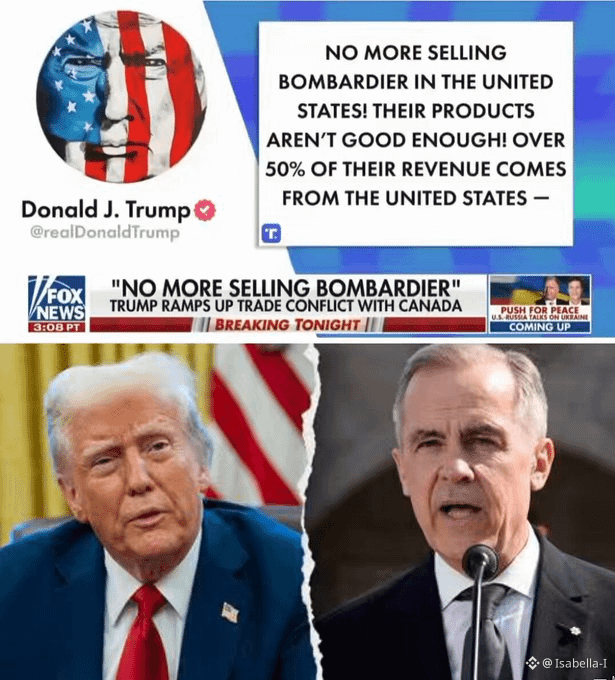
#canadatariffsonustakeeffect HAPPENING TONIGHT: Canada’s retaliatory tariffs on the U.S. take effect at midnight — as President Trump ESCALATES the trade war with our northern neighbors TARGETING Canadian jet giant Bombardier. Trump wrote on Truth Social: “NO MORE SELLING BOMBARDIER IN THE UNITED STATES! Their products aren’t good enough! Over 50% of their revenue comes from the United States — They live off American Buyers, American Companies, American Airports, and American Service…”$SKDD $CRV $XRP

#canadatariffsonustakeeffect HAPPENING TONIGHT: Canada’s retaliatory tariffs on the U.S. take effect
at midnight — as President Trump ESCALATES the trade war with our northern neighbors TARGETING Canadian jet giant Bombardier.

Trump wrote on Truth Social: “NO MORE SELLING BOMBARDIER IN THE UNITED STATES! Their products aren’t good enough! Over 50% of their revenue comes from the United States — They live off American Buyers, American Companies, American Airports, and American Service…”$SKDD $CRV $XRP
පරිවර්තනය බලන්න
#canadatariffsonustakeeffect Tonight at MIDNIGHT Canada's retaliatory tariffs will take full effect against the United States, but President Trump’s EPIC CHESS MOVE says that Canadian Bombardier should not be sold in the United States America anymore! 🇺🇸$MINIMAX $COLLECT $TAC

පරිවර්තනය බලන්න
Canada’s New Tariffs on U.S. Goods: What the Escalating Trade War MeansCanada and the United States are entering a new and potentially costly phase of their trade dispute, with Canada imposing fresh retaliatory tariffs on billions of dollars of American products beginning September 8, 2026. The measures come after the United States imposed 50% tariffs on approximately C$27.6 billion of Canadian goods, escalating tensions between two of the world's most economically integrated trading partners. Canada’s ResponseCanada's new counter-tariffs cover approximately C$27.6 billion of U.S. imports. Depending on the product, the tariffs are set at 15%, 25%, or 50%, with Ottawa describing the policy as a dollar-for-dollar response to U.S. tariffs. #The affected products include: #CanadaToImpose15%To50%TariffsOnUSGoods Steel and aluminum Dairy products Appliances Agricultural equipment Pulp and paper Plastics #CanadaTariffsOnUSTakeEffect Electronics $NVDAB Certain food products #CanadaTariffsOnUSTakeEffect Industrial equipment and other manufactured goods Canada Doing This? The immediate trigger is the escalation of U.S. tariffs on Canadian products. Washington has argued that Canadian policies affecting areas such as automobiles, dairy and alcoholic beverages disadvantage American businesses. Ottawa, however, argues that the U.S. measures are excessive and that Canada needs to protect its businesses and workers while creating leverage for future negotiations. Canadian Prime Minister Mark Carney has also pushed for greater certainty over tariff levels rather than accepting arrangements that could be changed unilaterally. Impact on American Businesses The Canadian tariffs could particularly affect U.S. companies that depend heavily on the Canadian market. Manufacturers and exporters may face three choices 1. Absorb the tariff, reducing their profit margins 2. Pass the additional cost to Canadian customers, increasing prices. 3. Move or restructure production and supply chains to reduce exposure to tariffs. The effects are likely to be especially significant in industries where Canadian and American companies depend on highly integrated cross-border supply chains. Impact on Canadian Consumers Although the tariffs are imposed on U.S. imports, Canadian consumers can also feel the effects. If Canadian importers pass the additional costs to customers, prices for affected American products may rise. Canadian businesses may respond by purchasing more products from domestic suppliers or seeking alternative suppliers from Europe, Asia and other markets. This could accelerate Canada's efforts to diversify its trade relationships. Canada's exports to the United States remain extremely important, however: U.S. markets accounted for roughly 66% of Canadian exports in July 2026, demonstrating how difficult rapid diversification can be. A Bigger Economic Risk The biggest concern is that tariffs could create a cycle of retaliation. Canada imposes tariffs → U.S. businesses are affected → Washington responds with additional tariffs → Canadian exporters suffer further → businesses raise prices or relocate production. Such a cycle can reduce trade, increase costs and discourage investment. It could also damage industries that have spent decades building integrated North American supply chains. The Canada-U.S. relationship is particularly vulnerable because companies frequently source components, raw materials and services from both sides of the border. What Happens Next? The next stage will depend heavily on negotiations between Ottawa and Washington. Canada's new tariffs are intended not only to generate economic pressure but also to strengthen Canada's negotiating position. The Canadian government has indicated that it remains interested in a mutually beneficial trade arrangement. At the same time, President Donald Trump has threatened additional measures against Canadian industries. On September 7, Trump also threatened to restrict U.S. sales of Canadian aircraft manufacturer Bombardier unless the company manufactures its aircraft in the United States, adding another dimension to the dispute. Conclusion Canada's new tariffs represent a significant escalation in the country's trade conflict with the United States. While the immediate objective is to respond to American tariffs and protect Canadian economic interests, the longer-term consequences could be much broader. Both countries have strong incentives to reach an agreement because their economies are deeply connected. Prolonged tariffs could mean higher prices, disrupted supply chains, lower investment and weaker economic growth on both sides of the border. The coming months will therefore be critical. The central question is whether the tariffs become a temporary negotiating tool—or the beginning of a much longer North American trade war. Updated: September 8, 2026. Canada's official tariff schedule lists the affected U.S. products and applicable rates. [Canada's official list of U.S. products subject to counter-tariffs](https://www.canada.ca/en/department-finance/programs/international-trade-finance-policy/canadas-response-uCanada’s New Tariffs on U.S. Goods: What the Escalating Trade War Means Canada and the United States are entering a new and potentially costly phase of their trade dispute, with Canada imposing fresh retaliatory tariffs on billions of dollars of American products beginning September 8, 2026. The measures come after the United States imposed 50% tariffs on approximately C$27.6 billion of Canadian goods, escalating tensions between two of the world's most economically integrated trading partners. Canada’s Response Canada's new counter-tariffs cover approximately C$27.6 billion of U.S. imports. Depending on the product, the tariffs are set at 15%, 25%, or 50%, with Ottawa describing the policy as a dollar-for-dollar response to U.S. tariffs. The affected products include: Steel and aluminum Dairy products Appliances Agricultural equipment Pulp and paper Plastics Electronics Certain food products Industrial equipment and other manufactured goods Canada says the tariffs apply specifically to goods originating in the United States. American goods already in transit to Canada when the measures take effect are excluded. genui{"learning_viz":{"type_id":"TARIFF","locale_override":"en-US"}}Why Is Canada Doing This? The immediate trigger is the escalation of U.S. tariffs on Canadian products. Washington has argued that Canadian policies affecting areas such as automobiles, dairy and alcoholic beverages disadvantage American businesses. Ottawa, however, argues that the U.S. measures are excessive and that Canada needs to protect its businesses and workers while creating leverage for future negotiations. Canadian Prime Minister Mark Carney has also pushed for greater certainty over tariff levels rather than accepting arrangements that could be changed unilaterally. Impact on American Businesses The Canadian tariffs could particularly affect U.S. companies that depend heavily on the Canadian market. Manufacturers and exporters may face three choices: 1. Absorb the tariff, reducing their profit margins. 2. Pass the additional cost to Canadian customers, increasing prices. 3. Move or restructure production and supply chains to reduce exposure to tariffs. The effects are likely to be especially significant in industries where Canadian and American companies depend on highly integrated cross-border supply chains. Impact on Canadian Consumers Although the tariffs are imposed on U.S. imports, Canadian consumers can also feel the effects. If Canadian importers pass the additional costs to customers, prices for affected American products may rise. Canadian businesses may respond by purchasing more products from domestic suppliers or seeking alternative suppliers from Europe, Asia and other markets. This could accelerate Canada's efforts to diversify its trade relationships. Canada's exports to the United States remain extremely important, however: U.S. markets accounted for roughly 66% of Canadian exports in July 2026, demonstrating how difficult rapid diversification can be. A Bigger Economic Risk The biggest concern is that tariffs could create a cycle of retaliation. Canada imposes tariffs → U.S. businesses are affected → Washington responds with additional tariffs → Canadian exporters suffer further → businesses raise prices or relocate production. Such a cycle can reduce trade, increase costs and discourage investment. It could also damage industries that have spent decades building integrated North American supply chains. The Canada-U.S. relationship is particularly vulnerable because companies frequently source components, raw materials and services from both sides of the border. What Happens Next? The next stage will depend heavily on negotiations between Ottawa and Washington. Canada's new tariffs are intended not only to generate economic pressure but also to strengthen Canada's negotiating position. The Canadian government has indicated that it remains interested in a mutually beneficial trade arrangement. At the same time, President Donald Trump has threatened additional measures against Canadian industries. On September 7, Trump also threatened to restrict U.S. sales of Canadian aircraft manufacturer Bombardier unless the company manufactures its aircraft in the United States, adding another dimension to the dispute. Conclusion Canada's new tariffs represent a significant escalation in the country's trade conflict with the United States. While the immediate objective is to respond to American tariffs and protect Canadian economic interests, the longer-term consequences could be much broader. Both countries have strong incentives to reach an agreement because their economies are deeply connected. Prolonged tariffs could mean higher prices, disrupted supply chains, lower investment and weaker economic growth on both sides of the border. The coming months will therefore be critical. The central question is whether the tariffs become a temporary negotiating tool—or the beginning of a much longer North American trade war. Updated: September 8, 2026. Canada's official tariff schedule lists the affected U.S. products and applicable rates. [Canada's official list of U.S. products subject to counter-tariffs](https://www.canada.ca/en/department-finance/programs/international-trade-finance-policy/canadas-response-uCanada’s New Tariffs on U.S. Goods: What the Escalating Trade War Means Canada and the United States are entering a new and potentially costly phase of their trade dispute, with Canada imposing fresh retaliatory tariffs on billions of dollars of American products beginning September 8, 2026. The measures come after the United States imposed 50% tariffs on approximately C$27.6 billion of Canadian goods, escalating tensions between two of the world's most economically integrated trading partners. Canada’s Response Canada's new counter-tariffs cover approximately C$27.6 billion of U.S. imports. Depending on the product, the tariffs are set at 15%, 25%, or 50%, with Ottawa describing the policy as a dollar-for-dollar response to U.S. tariffs. The affected products include: Steel and aluminum Dairy products Appliances Agricultural equipment Pulp and paper PlasticsElectronics Certain food products Industrial equipment and other manufactured goods Canada says the tariffs apply specifically to goods originating in the United States. American goods already in transit to Canada when the measures take effect are excluded. The immediate trigger is the escalation of U.S. tariffs on Canadian products. Washington has argued that Canadian policies affecting areas such as automobiles, dairy and alcoholic beverages disadvantage American businesses. Ottawa, however, argues that the U.S. measures are excessive and that Canada needs to protect its businesses and workers while creating leverage for future negotiations. Canadian Prime Minister Mark Carney has also pushed for greater certainty over tariff levels rather than accepting arrangements that could be changed unil The Canadian tariffs could particularly affect U.S. companies that depend heavily on the Canadian market. Manufacturers and exporters may face three choices: 1. Absorb the tariff, reducing their profit margins. 2. Pass the additional cost to Canadian customers, increasing prices. 3. Move or restructure production and supply chains to reduce exposure to tariffs. Impact on Can If Canadian importers pass the additional costs to customers, prices for affected American products may rise. Canadian businesses may respond by purchasing more products from domestic suppliers or seeking alternative suppliers from Europe, Asia and other markets. This could accelerate Canada's efforts to diversify its trade relationships. Canada's exports to the United States remain extremely important, however: U.S. markets accounted for roughly 66% of Canadian exports in July 2026, demonstrating how difficult rapid diversification can be. A Bigger Economic Risk The biggest concern is that tariffs could create a cycle of retaliation. Canada imposes tariffs → U.S. businesses are affected → Washington responds with additional tariffs → Canadian exporters suffer further → businesses raise prices or relocate production. Such a cycle can reduce trade, increase costs and discourage investment. It could also damage industries that have spent decades building integrated North American supply chains. The Canada-U.S. relationship is particularly vulnerable because companies frequently source components, raw materials and services from both sides of the border. What Happens Next? The next stage will depend heavily on negotiations between Ottawa and Washington. Canada's new tariffs are intended not only to generate economic pressure but also to strengthen Canada's negotiating position. The Canadian government has indicated that it remains interested in a mutually beneficial trade arrangement. At the same time, President Donald Trump has threatened additional measures against Canadian industries. On September 7, Trump also threatened to restrict U.S. sales of Canadian aircraft manufacturer Bombardier unless the company manufactures its aircraft in the United States, adding another dimension to the dispute. Conclusion Canada's new tariffs represent a significant escalation in the country's trade conflict with the United States. While the immediate objective is to respond to American tariffs and protect Canadian economic interests, the longer-term consequences could be much broader

Canada’s New Tariffs on U.S. Goods: What the Escalating Trade War Means

Canada and the United States are entering a new and potentially costly phase of their trade dispute, with Canada imposing fresh retaliatory tariffs on billions of dollars of American products beginning September 8, 2026.
The measures come after the United States imposed 50% tariffs on approximately C$27.6 billion of Canadian goods, escalating tensions between two of the world's most economically integrated trading partners. Canada’s ResponseCanada's new counter-tariffs cover approximately C$27.6 billion of U.S. imports. Depending on the product, the tariffs are set at 15%, 25%, or 50%, with Ottawa describing the policy as a dollar-for-dollar response to U.S. tariffs.
#The affected products include:
#CanadaToImpose15%To50%TariffsOnUSGoods Steel and aluminum
Dairy products
Appliances
Agricultural equipment
Pulp and paper
Plastics
#CanadaTariffsOnUSTakeEffect
Electronics
$NVDAB
Certain food products
#CanadaTariffsOnUSTakeEffect
Industrial equipment and other manufactured goods
Canada Doing This?
The immediate trigger is the escalation of U.S. tariffs on Canadian products. Washington has argued that Canadian policies affecting areas such as automobiles, dairy and alcoholic beverages disadvantage American businesses.
Ottawa, however, argues that the U.S. measures are excessive and that Canada needs to protect its businesses and workers while creating leverage for future negotiations. Canadian Prime Minister Mark Carney has also pushed for greater certainty over tariff levels rather than accepting arrangements that could be changed unilaterally.
Impact on American Businesses
The Canadian tariffs could particularly affect U.S. companies that depend heavily on the Canadian market.
Manufacturers and exporters may face three choices
1. Absorb the tariff, reducing their profit margins
2. Pass the additional cost to Canadian customers, increasing prices.
3. Move or restructure production and supply chains to reduce exposure to tariffs.
The effects are likely to be especially significant in industries where Canadian and American companies depend on highly integrated cross-border supply chains.
Impact on Canadian Consumers
Although the tariffs are imposed on U.S. imports, Canadian consumers can also feel the effects.
If Canadian importers pass the additional costs to customers, prices for affected American products may rise. Canadian businesses may respond by purchasing more products from domestic suppliers or seeking alternative suppliers from Europe, Asia and other markets.
This could accelerate Canada's efforts to diversify its trade relationships. Canada's exports to the United States remain extremely important, however: U.S. markets accounted for roughly 66% of Canadian exports in July 2026, demonstrating how difficult rapid diversification can be.
A Bigger Economic Risk
The biggest concern is that tariffs could create a cycle of retaliation.
Canada imposes tariffs → U.S. businesses are affected → Washington responds with additional tariffs → Canadian exporters suffer further → businesses raise prices or relocate production.
Such a cycle can reduce trade, increase costs and discourage investment.
It could also damage industries that have spent decades building integrated North American supply chains. The Canada-U.S. relationship is particularly vulnerable because companies frequently source components, raw materials and services from both sides of the border.
What Happens Next?
The next stage will depend heavily on negotiations between Ottawa and Washington.
Canada's new tariffs are intended not only to generate economic pressure but also to strengthen Canada's negotiating position. The Canadian government has indicated that it remains interested in a mutually beneficial trade arrangement.
At the same time, President Donald Trump has threatened additional measures against Canadian industries. On September 7, Trump also threatened to restrict U.S. sales of Canadian aircraft manufacturer Bombardier unless the company manufactures its aircraft in the United States, adding another dimension to the dispute.
Conclusion
Canada's new tariffs represent a significant escalation in the country's trade conflict with the United States. While the immediate objective is to respond to American tariffs and protect Canadian economic interests, the longer-term consequences could be much broader.
Both countries have strong incentives to reach an agreement because their economies are deeply connected. Prolonged tariffs could mean higher prices, disrupted supply chains, lower investment and weaker economic growth on both sides of the border.
The coming months will therefore be critical. The central question is whether the tariffs become a temporary negotiating tool—or the beginning of a much longer North American trade war.
Updated: September 8, 2026. Canada's official tariff schedule lists the affected U.S. products and applicable rates. [Canada's official list of U.S. products subject to counter-tariffs](https://www.canada.ca/en/department-finance/programs/international-trade-finance-policy/canadas-response-uCanada’s New Tariffs on U.S. Goods: What the Escalating Trade War Means
Canada and the United States are entering a new and potentially costly phase of their trade dispute, with Canada imposing fresh retaliatory tariffs on billions of dollars of American products beginning September 8, 2026.
The measures come after the United States imposed 50% tariffs on approximately C$27.6 billion of Canadian goods, escalating tensions between two of the world's most economically integrated trading partners.
Canada’s Response
Canada's new counter-tariffs cover approximately C$27.6 billion of U.S. imports. Depending on the product, the tariffs are set at 15%, 25%, or 50%, with Ottawa describing the policy as a dollar-for-dollar response to U.S. tariffs.
The affected products include:
Steel and aluminum
Dairy products
Appliances
Agricultural equipment
Pulp and paper
Plastics
Electronics
Certain food products
Industrial equipment and other manufactured goods
Canada says the tariffs apply specifically to goods originating in the United States. American goods already in transit to Canada when the measures take effect are excluded.
genui{"learning_viz":{"type_id":"TARIFF","locale_override":"en-US"}}Why Is Canada Doing This?
The immediate trigger is the escalation of U.S. tariffs on Canadian products. Washington has argued that Canadian policies affecting areas such as automobiles, dairy and alcoholic beverages disadvantage American businesses.
Ottawa, however, argues that the U.S. measures are excessive and that Canada needs to protect its businesses and workers while creating leverage for future negotiations. Canadian Prime Minister Mark Carney has also pushed for greater certainty over tariff levels rather than accepting arrangements that could be changed unilaterally.
Impact on American Businesses
The Canadian tariffs could particularly affect U.S. companies that depend heavily on the Canadian market.
Manufacturers and exporters may face three choices:
1. Absorb the tariff, reducing their profit margins.
2. Pass the additional cost to Canadian customers, increasing prices.
3. Move or restructure production and supply chains to reduce exposure to tariffs.
The effects are likely to be especially significant in industries where Canadian and American companies depend on highly integrated cross-border supply chains.
Impact on Canadian Consumers
Although the tariffs are imposed on U.S. imports, Canadian consumers can also feel the effects.
If Canadian importers pass the additional costs to customers, prices for affected American products may rise. Canadian businesses may respond by purchasing more products from domestic suppliers or seeking alternative suppliers from Europe, Asia and other markets.
This could accelerate Canada's efforts to diversify its trade relationships. Canada's exports to the United States remain extremely important, however: U.S. markets accounted for roughly 66% of Canadian exports in July 2026, demonstrating how difficult rapid diversification can be.
A Bigger Economic Risk
The biggest concern is that tariffs could create a cycle of retaliation.
Canada imposes tariffs → U.S. businesses are affected → Washington responds with additional tariffs → Canadian exporters suffer further → businesses raise prices or relocate production.
Such a cycle can reduce trade, increase costs and discourage investment.
It could also damage industries that have spent decades building integrated North American supply chains. The Canada-U.S. relationship is particularly vulnerable because companies frequently source components, raw materials and services from both sides of the border.
What Happens Next?
The next stage will depend heavily on negotiations between Ottawa and Washington.
Canada's new tariffs are intended not only to generate economic pressure but also to strengthen Canada's negotiating position. The Canadian government has indicated that it remains interested in a mutually beneficial trade arrangement.
At the same time, President Donald Trump has threatened additional measures against Canadian industries. On September 7, Trump also threatened to restrict U.S. sales of Canadian aircraft manufacturer Bombardier unless the company manufactures its aircraft in the United States, adding another dimension to the dispute.
Conclusion
Canada's new tariffs represent a significant escalation in the country's trade conflict with the United States. While the immediate objective is to respond to American tariffs and protect Canadian economic interests, the longer-term consequences could be much broader.
Both countries have strong incentives to reach an agreement because their economies are deeply connected. Prolonged tariffs could mean higher prices, disrupted supply chains, lower investment and weaker economic growth on both sides of the border.
The coming months will therefore be critical. The central question is whether the tariffs become a temporary negotiating tool—or the beginning of a much longer North American trade war.
Updated: September 8, 2026. Canada's official tariff schedule lists the affected U.S. products and applicable rates. [Canada's official list of U.S. products subject to counter-tariffs](https://www.canada.ca/en/department-finance/programs/international-trade-finance-policy/canadas-response-uCanada’s New Tariffs on U.S. Goods: What the Escalating Trade War Means
Canada and the United States are entering a new and potentially costly phase of their trade dispute, with Canada imposing fresh retaliatory tariffs on billions of dollars of American products beginning September 8, 2026.
The measures come after the United States imposed 50% tariffs on approximately C$27.6 billion of Canadian goods, escalating tensions between two of the world's most economically integrated trading partners.
Canada’s Response
Canada's new counter-tariffs cover approximately C$27.6 billion of U.S. imports. Depending on the product, the tariffs are set at 15%, 25%, or 50%, with Ottawa describing the policy as a dollar-for-dollar response to U.S. tariffs.
The affected products include:
Steel and aluminum
Dairy products
Appliances
Agricultural equipment
Pulp and paper
PlasticsElectronics
Certain food products
Industrial equipment and other manufactured goods
Canada says the tariffs apply specifically to goods originating in the United States. American goods already in transit to Canada when the measures take effect are excluded.
The immediate trigger is the escalation of U.S. tariffs on Canadian products. Washington has argued that Canadian policies affecting areas such as automobiles, dairy and alcoholic beverages disadvantage American businesses.
Ottawa, however, argues that the U.S. measures are excessive and that Canada needs to protect its businesses and workers while creating leverage for future negotiations. Canadian Prime Minister Mark Carney has also pushed for greater certainty over tariff levels rather than accepting arrangements that could be changed unil
The Canadian tariffs could particularly affect U.S. companies that depend heavily on the Canadian market.
Manufacturers and exporters may face three choices:
1. Absorb the tariff, reducing their profit margins.
2. Pass the additional cost to Canadian customers, increasing prices.
3. Move or restructure production and supply chains to reduce exposure to tariffs.
Impact on Can
If Canadian importers pass the additional costs to customers, prices for affected American products may rise. Canadian businesses may respond by purchasing more products from domestic suppliers or seeking alternative suppliers from Europe, Asia and other markets.
This could accelerate Canada's efforts to diversify its trade relationships. Canada's exports to the United States remain extremely important, however: U.S. markets accounted for roughly 66% of Canadian exports in July 2026, demonstrating how difficult rapid diversification can be.
A Bigger Economic Risk
The biggest concern is that tariffs could create a cycle of retaliation.
Canada imposes tariffs → U.S. businesses are affected → Washington responds with additional tariffs → Canadian exporters suffer further → businesses raise prices or relocate production.
Such a cycle can reduce trade, increase costs and discourage investment.
It could also damage industries that have spent decades building integrated North American supply chains. The Canada-U.S. relationship is particularly vulnerable because companies frequently source components, raw materials and services from both sides of the border.
What Happens Next?
The next stage will depend heavily on negotiations between Ottawa and Washington.
Canada's new tariffs are intended not only to generate economic pressure but also to strengthen Canada's negotiating position. The Canadian government has indicated that it remains interested in a mutually beneficial trade arrangement.
At the same time, President Donald Trump has threatened additional measures against Canadian industries. On September 7, Trump also threatened to restrict U.S. sales of Canadian aircraft manufacturer Bombardier unless the company manufactures its aircraft in the United States, adding another dimension to the dispute.
Conclusion
Canada's new tariffs represent a significant escalation in the country's trade conflict with the United States. While the immediate objective is to respond to American tariffs and protect Canadian economic interests, the longer-term consequences could be much broader
පරිවර්තනය බලන්න
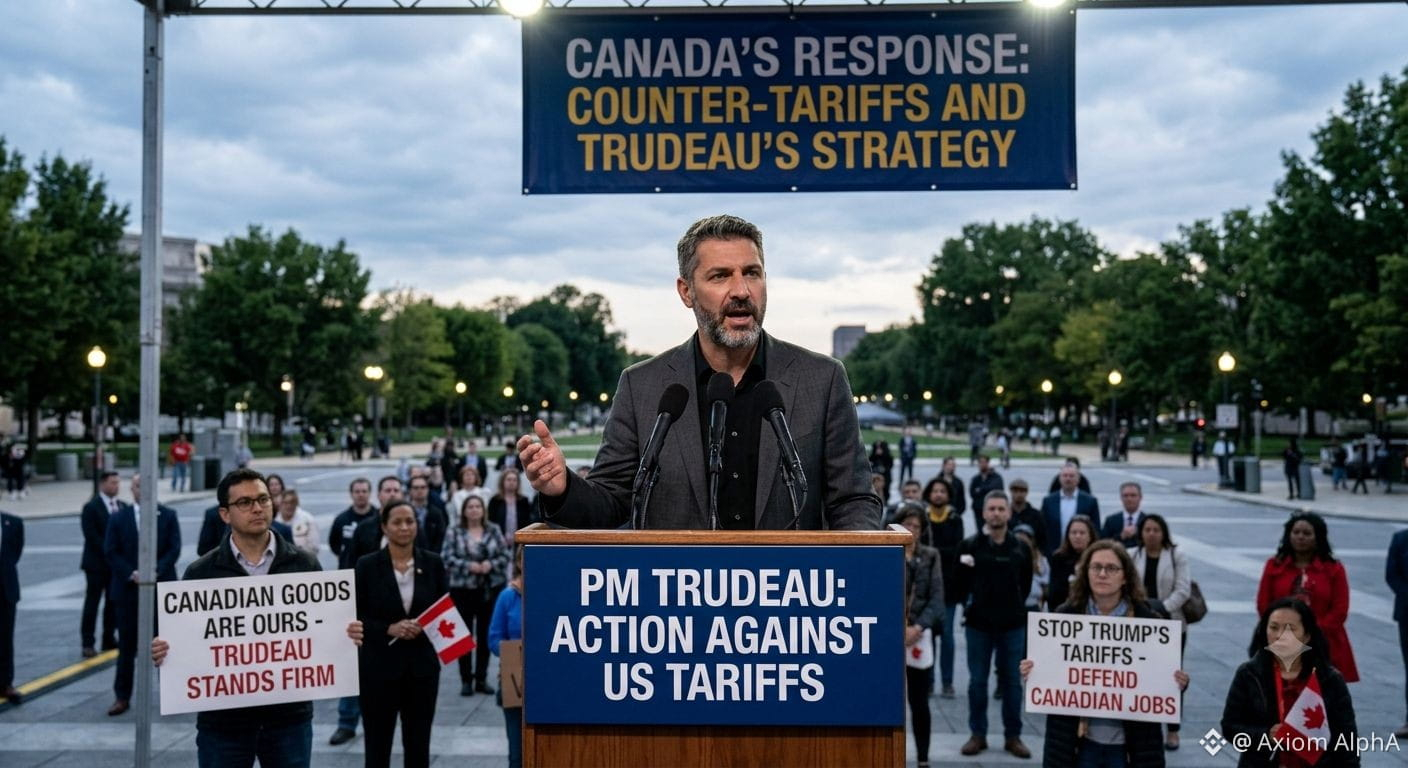
#CanadaTariffsOnUSTakeEffect Canada Retaliates as US Tariffs Take Effect Trade tensions between the US and Canada have escalated following the official implementation of US tariffs. In a decisive response, Canadian Prime Minister Justin Trudeau has launched targeted counter-tariffs aimed at protecting domestic industries, safeguarding local jobs, and signaling a firm stance against unilateral trade barriers. As international markets process these economic moves, volatility across global trade routes and related digital asset ecosystems is expected to rise. Top Assets to Watch Pieverse ($PIEVERSE ) Price: ~$1.23 USD Bullish Hint: Showing strong upward momentum following recent market shifts; watch for continued volume expansion as traders seek emerging ecosystem opportunities. Worldcoin ($WLD ) Price: ~$0.41 USD Bullish Hint: AI-adjacent and global digital ID assets often see increased speculative interest during macroeconomic shifts; keep an eye out for a breakout above local resistance. Injective ($INJ ) Price: ~$6.28 USD Bullish Hint: As a Layer-1 optimized for decentralized finance and cross-border assets, increased global market volatility tends to drive higher trading volume and protocol activity on-chain. {future}(PIEVERSEUSDT) {future}(WLDUSDT) {future}(INJUSDT) #BinanceSquare
#CanadaTariffsOnUSTakeEffect
Canada Retaliates as US Tariffs Take Effect
Trade tensions between the US and Canada have escalated following the official implementation of US tariffs. In a decisive response, Canadian Prime Minister Justin Trudeau has launched targeted counter-tariffs aimed at protecting domestic industries, safeguarding local jobs, and signaling a firm stance against unilateral trade barriers. As international markets process these economic moves, volatility across global trade routes and related digital asset ecosystems is expected to rise.
Top Assets to Watch
Pieverse ($PIEVERSE )
Price: ~$1.23 USD
Bullish Hint: Showing strong upward momentum following recent market shifts; watch for continued volume expansion as traders seek emerging ecosystem opportunities.
Worldcoin ($WLD )
Price: ~$0.41 USD
Bullish Hint: AI-adjacent and global digital ID assets often see increased speculative interest during macroeconomic shifts; keep an eye out for a breakout above local resistance.
Injective ($INJ )
Price: ~$6.28 USD
Bullish Hint: As a Layer-1 optimized for decentralized finance and cross-border assets, increased global market volatility tends to drive higher trading volume and protocol activity on-chain.

#BinanceSquare
පරිවර්තනය බලන්න
#canadatariffsonustakeeffect Plus record setting gas prices and a “no end in sight war” Thanks Donald for nothing “Canada’s retaliatory tariffs set to hit U.S. products as Trump warns of escalation”$XRP $SUI $DOT


පරිවර්තනය බලන්න
🔥 Canada Tariffs On USTake Effect is blowing up and here's my take ⚡ I've been watching #CanadaTariffsOnUSTakeEffect closely and this is exactly what I expected. When countries start slapping tariffs on each other it creates chaos in traditional markets and that chaos always finds its way into crypto. I see this as a signal that global trust in fiat systems is weakening. More people will look for alternatives and that means more demand for Bitcoin and other decentralized assets. Here's what I'm doing about it: • I'm keeping my eye on BTC at 63000 and ETH at 3100 as key support levels • My position: I'm adding to my BTC stash on dips and holding my ETH steady no matter what the news says I want to hear what you guys think. Drop your view below 👇 #CanadaTariffsOnUSTakeEffect #CryptoNews

🔥 Canada Tariffs On USTake Effect is blowing up and here's my take ⚡

I've been watching #CanadaTariffsOnUSTakeEffect closely and this is exactly what I expected.
When countries start slapping tariffs on each other it creates chaos in traditional markets and that chaos always finds its way into crypto. I see this as a signal that global trust in fiat systems is weakening. More people will look for alternatives and that means more demand for Bitcoin and other decentralized assets.

Here's what I'm doing about it:
• I'm keeping my eye on BTC at 63000 and ETH at 3100 as key support levels
• My position: I'm adding to my BTC stash on dips and holding my ETH steady no matter what the news says

I want to hear what you guys think. Drop your view below 👇

#CanadaTariffsOnUSTakeEffect #CryptoNews
පරිවර්තනය බලන්න
🔥 Canada Tariffs On USTake Effect is blowing up and here's my take ⚡ I've been watching #CanadaTariffsOnUSTakeEffect closely and this is exactly what I expected. When countries start playing tariff games it always makes traders nervous and that means volatility. I dont care if its Canada or the US the moment trade tensions rise people run to safety and thats when crypto often moves first. I think this is a test for risk appetite. If the market ignores this and keeps climbing then we know the real story is still crypto adoption. But if stocks dip and BTC drops under 60k then we got a real risk off moment coming. Here's what I'm doing about it: • I'm keeping my eye on BTC and ETH especially around 60k and 3k support • My position: I'm holding my main bags and adding small amounts on dips if we see a clean bounce I want to hear what you guys think. Drop your view below 👇 #CanadaTariffsOnUSTakeEffect #CryptoNews
🔥 Canada Tariffs On USTake Effect is blowing up and here's my take ⚡

I've been watching #CanadaTariffsOnUSTakeEffect closely and this is exactly what I expected. When countries start playing tariff games it always makes traders nervous and that means volatility. I dont care if its Canada or the US the moment trade tensions rise people run to safety and thats when crypto often moves first.

I think this is a test for risk appetite. If the market ignores this and keeps climbing then we know the real story is still crypto adoption. But if stocks dip and BTC drops under 60k then we got a real risk off moment coming.

Here's what I'm doing about it:
• I'm keeping my eye on BTC and ETH especially around 60k and 3k support
• My position: I'm holding my main bags and adding small amounts on dips if we see a clean bounce

I want to hear what you guys think. Drop your view below 👇

#CanadaTariffsOnUSTakeEffect #CryptoNews
පරිවර්තනය බලන්න
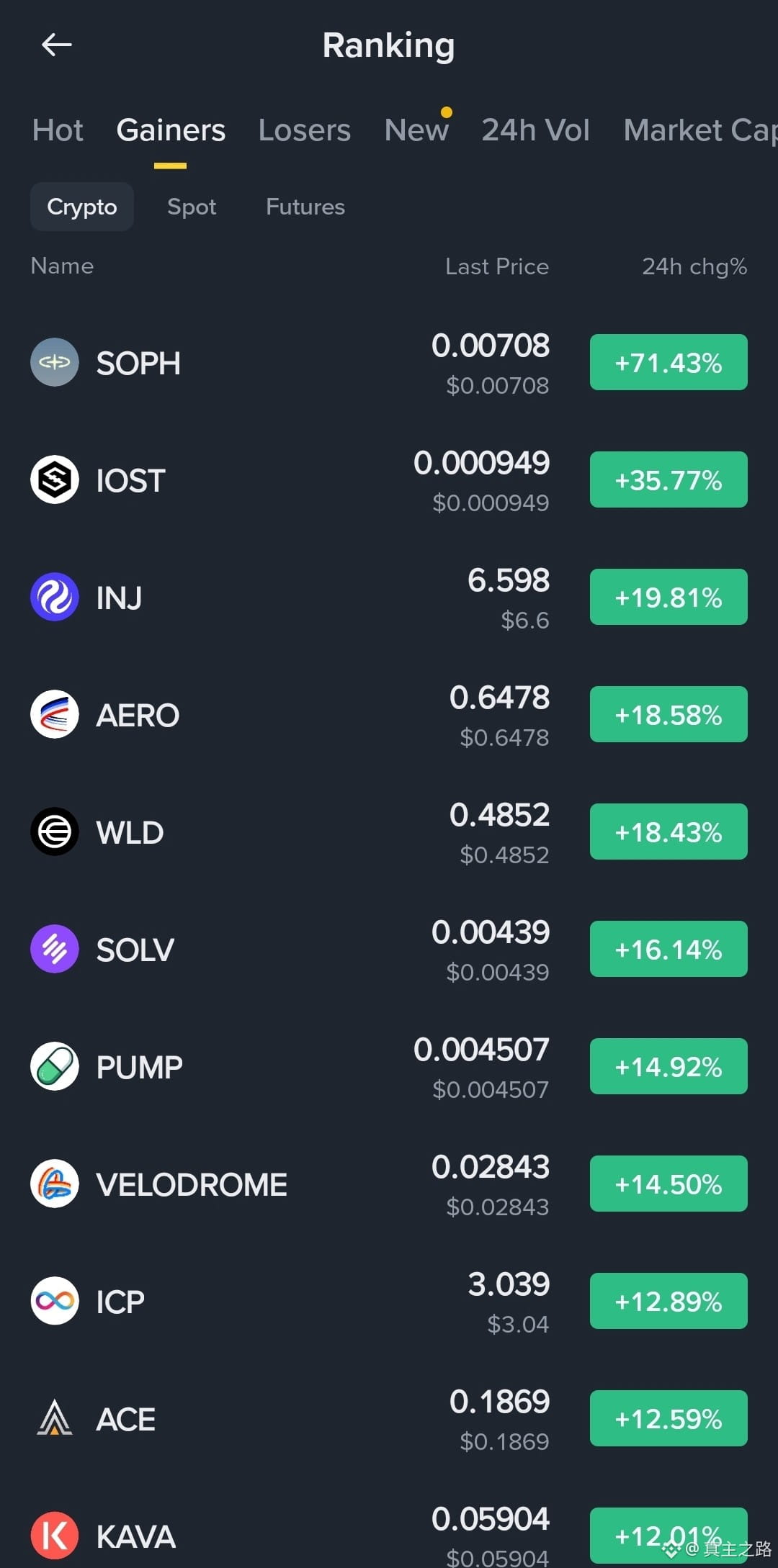
Assalamualaikum & Good Morning Habibies! ☀️💚 The market is waking up with some serious green candles today! 🚀🔥 👑 Top Movers: 💥 $SOPH {future}(SOPHUSDT) +71.43% 🚀 $IOST {future}(IOSTUSDT) +35.77% 🔥 $INJ {future}(INJUSDT) +19.81% ⚡ $AERO +18.58% 📈 $WLD +18.43% 💎 $SOLV +16.14% 🚀 $PUMP +14.92% 🔥 $VELODROME +14.50% 🌐 $ICP +12.89% 💫 $ACE +12.59% 📊 $KAVA +12.01% SOPH is leading the board with an impressive +71.43%! 👀🔥 Altcoins are showing strong momentum this morning, but remember: big green candles can come with big volatility. Manage risk and avoid chasing pumps. 📊🧠 Watching closely… 👀 Have a green & profitable day, Habibies! ☀️💚 #Crypto #CryptoGainers #Altcoins #USIranTradeTankerStrikesEscalate #CanadaTariffsOnUSTakeEffect
Assalamualaikum & Good Morning Habibies! ☀️💚
The market is waking up with some serious green candles today! 🚀🔥
👑 Top Movers:
💥 $SOPH
+71.43%
🚀 $IOST
+35.77%
🔥 $INJ
+19.81%
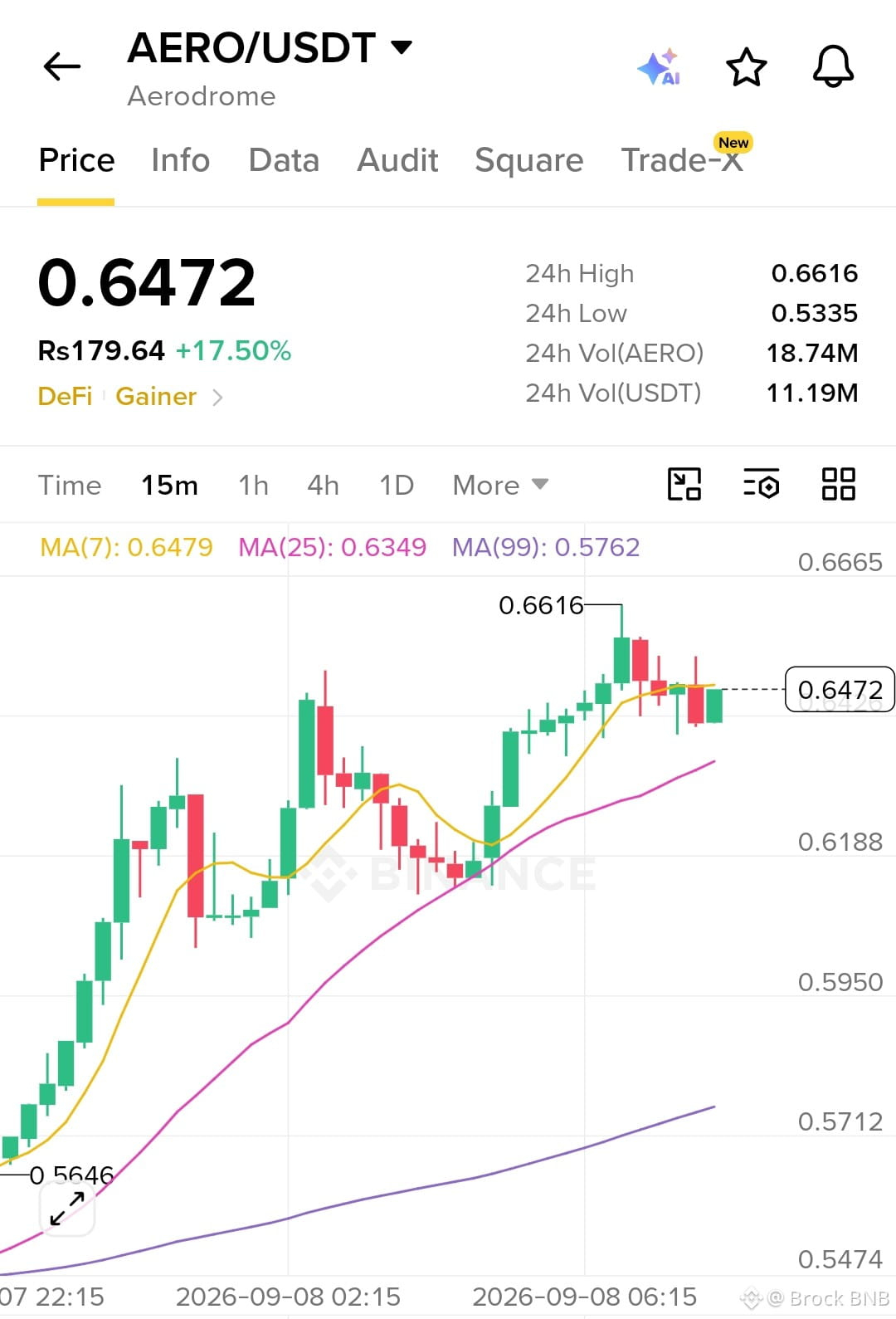
⚡ $AERO +18.58%
📈 $WLD +18.43%
💎 $SOLV +16.14%
🚀 $PUMP +14.92%
🔥 $VELODROME +14.50%
🌐 $ICP +12.89%
💫 $ACE +12.59%
📊 $KAVA +12.01%
SOPH is leading the board with an impressive +71.43%! 👀🔥
Altcoins are showing strong momentum this morning, but remember: big green candles can come with big volatility. Manage risk and avoid chasing pumps. 📊🧠
Watching closely… 👀
Have a green & profitable day, Habibies! ☀️💚
#Crypto #CryptoGainers #Altcoins
#USIranTradeTankerStrikesEscalate #CanadaTariffsOnUSTakeEffect
Jasmine Calvan tcXt:
😁😁😁😁😁

·
--
උසබ තත්ත්වය
පරිවර්තනය බලන්න
$IOST IOST has made a sharp bullish move, rising from around $0.00059 to $0.00094, although it is currently pulling back toward $0.00090. Recent data shows very strong volume during the breakout. Technical outlook: 🟢 Bullish, but volatile Current area: ~$0.00090 Support: $0.00085 → $0.00080 Major support: $0.00073–$0.00070 Resistance: $0.00094–$0.00100 Next target: $0.00105–$0.00115 Extended target: ~$0.00125 The technical picture remains constructive: Investing.com currently shows a Strong Buy summary, with RSI around 60.7, while the 20/50/100-day moving averages remain in buy territory. 🎯 Trading view A hold above $0.00085–$0.00080 could keep the bullish structure intact. A clean breakout above $0.00100 with strong volume would strengthen the case for another leg higher. Losing $0.00080 would weaken the setup and expose ~$0.00073. Bias: 🟢 Bullish above $0.00080 | 🔴 Bearish below $0.00073 #IOST #USIranTradeTankerStrikesEscalate #CFTCSeeksDismissalOfCMEKalshiBTCFuturesSuit #CanadaTariffsOnUSTakeEffect #levelsabovemagical $IOST {future}(IOSTUSDT)
$IOST IOST has made a sharp bullish move, rising from around $0.00059 to $0.00094, although it is currently pulling back toward $0.00090. Recent data shows very strong volume during the breakout.

Technical outlook: 🟢 Bullish, but volatile

Current area: ~$0.00090

Support: $0.00085 → $0.00080

Major support: $0.00073–$0.00070

Resistance: $0.00094–$0.00100

Next target: $0.00105–$0.00115

Extended target: ~$0.00125

The technical picture remains constructive: Investing.com currently shows a Strong Buy summary, with RSI around 60.7, while the 20/50/100-day moving averages remain in buy territory.

🎯 Trading view
A hold above $0.00085–$0.00080 could keep the bullish structure intact. A clean breakout above $0.00100 with strong volume would strengthen the case for another leg higher. Losing $0.00080 would weaken the setup and expose ~$0.00073.

Bias: 🟢 Bullish above $0.00080 | 🔴 Bearish below $0.00073

#IOST #USIranTradeTankerStrikesEscalate #CFTCSeeksDismissalOfCMEKalshiBTCFuturesSuit #CanadaTariffsOnUSTakeEffect #levelsabovemagical

$IOST
පරිවර්තනය බලන්න
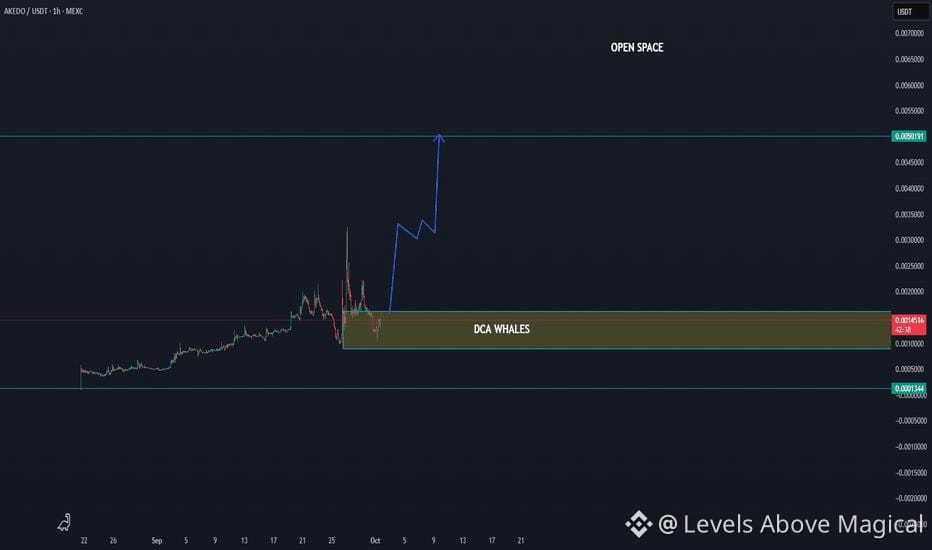
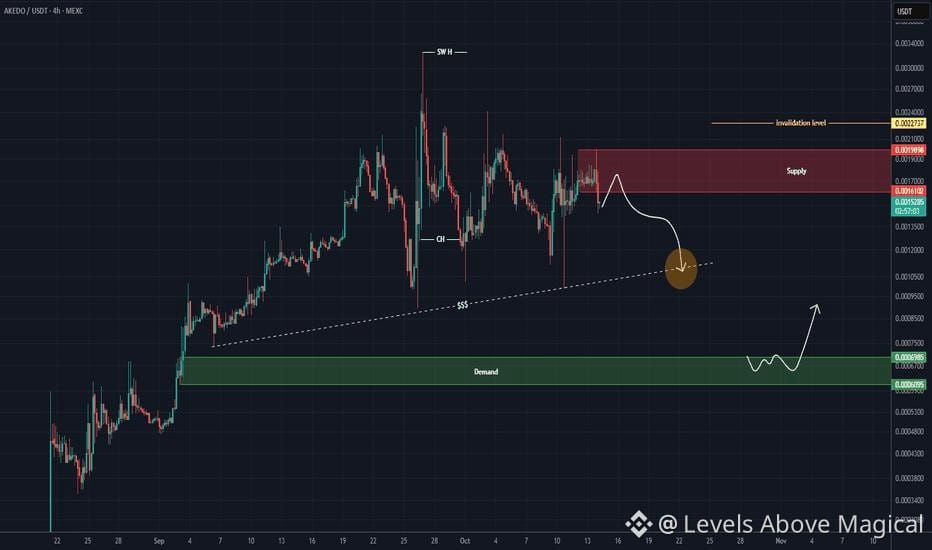
$AKE Current price: around $0.0165–$0.0166. TradingView shows AKE up strongly over the past week, while volatility remains extremely high. 📊 Technical view Trend: 🟢 Bullish, but highly volatile Support: $0.0150, then $0.0135 Major resistance: $0.0177, then $0.0200 Breakout: A sustained move above $0.0177 could target $0.0200–$0.0230. Bearish scenario: Losing $0.0150 could trigger a deeper pullback toward $0.0135–$0.0120. AKE has experienced an extreme price move recently; Binance-related reporting noted a September 3 spike from roughly $0.0076 to nearly $0.045 in the perpetual contract, highlighting the exceptional liquidation and volatility risk. Bias: 🟢 Bullish above $0.0150 Trading idea: Prefer buying confirmed dips/reclaims rather than chasing a sudden pump. Use a tight stop because AKE can move violently. #AKE #USIranTradeTankerStrikesEscalate #CFTCSeeksDismissalOfCMEKalshiBTCFuturesSuit #CanadaTariffsOnUSTakeEffect #levelsabovemagical {future}(AKEUSDT) $SOPH {future}(SOPHUSDT) $IOST {future}(IOSTUSDT)
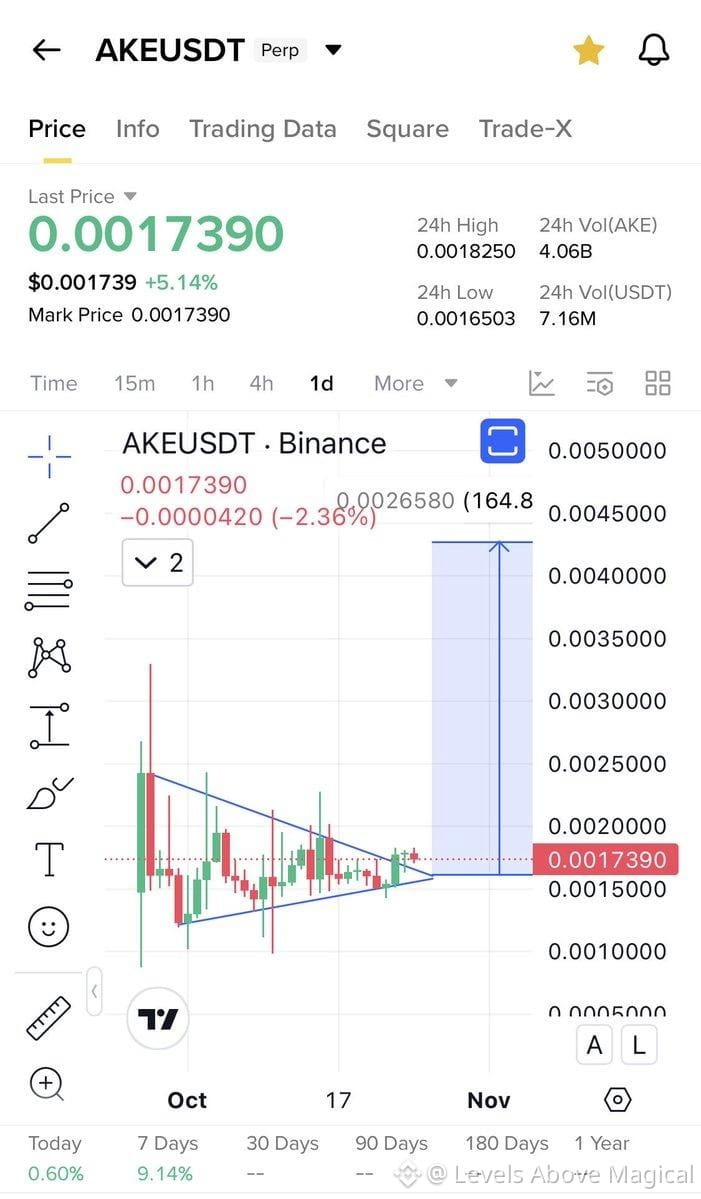
$AKE Current price: around $0.0165–$0.0166. TradingView shows AKE up strongly over the past week, while volatility remains extremely high.

📊 Technical view
Trend: 🟢 Bullish, but highly volatile
Support: $0.0150, then $0.0135
Major resistance: $0.0177, then $0.0200
Breakout: A sustained move above $0.0177 could target $0.0200–$0.0230.
Bearish scenario: Losing $0.0150 could trigger a deeper pullback toward $0.0135–$0.0120.

AKE has experienced an extreme price move recently; Binance-related reporting noted a September 3 spike from roughly $0.0076 to nearly $0.045 in the perpetual contract, highlighting the exceptional liquidation and volatility risk.

Bias: 🟢 Bullish above $0.0150
Trading idea: Prefer buying confirmed dips/reclaims rather than chasing a sudden pump. Use a tight stop because AKE can move violently.

#AKE #USIranTradeTankerStrikesEscalate #CFTCSeeksDismissalOfCMEKalshiBTCFuturesSuit #CanadaTariffsOnUSTakeEffect #levelsabovemagical

$SOPH
$IOST
පරිවර්තනය බලන්න
Liquid Network exploit remains the biggest security headline today: roughly $320 million was reportedly stolen. Following a security fix, reports say around 3,400 BTC was returned, while the attacker appears to have kept a smaller remaining amount. The incident again highlights the importance of protocol security, rapid incident response, and careful risk management across the crypto ecosystem.   For market context, BTC is currently trading at about $79,360.01, down roughly -0.71% from its 24-hour open. Its 24-hour high was $80,426.00 and low was $78,680.00. $BTC {spot}(BTCUSDT) #USIranTradeTankerStrikesEscalate #CFTCSeeksDismissalOfCMEKalshiBTCFuturesSuit #CanadaTariffsOnUSTakeEffect #CanadaToImpose15%To50%TariffsOnUSGoods #ZcashRises45%WeeklyToHighestSince2016
Liquid Network exploit remains the biggest security headline today: roughly $320 million was reportedly stolen. Following a security fix, reports say around 3,400 BTC was returned, while the attacker appears to have kept a smaller remaining amount. The incident again highlights the importance of protocol security, rapid incident response, and careful risk management across the crypto ecosystem.

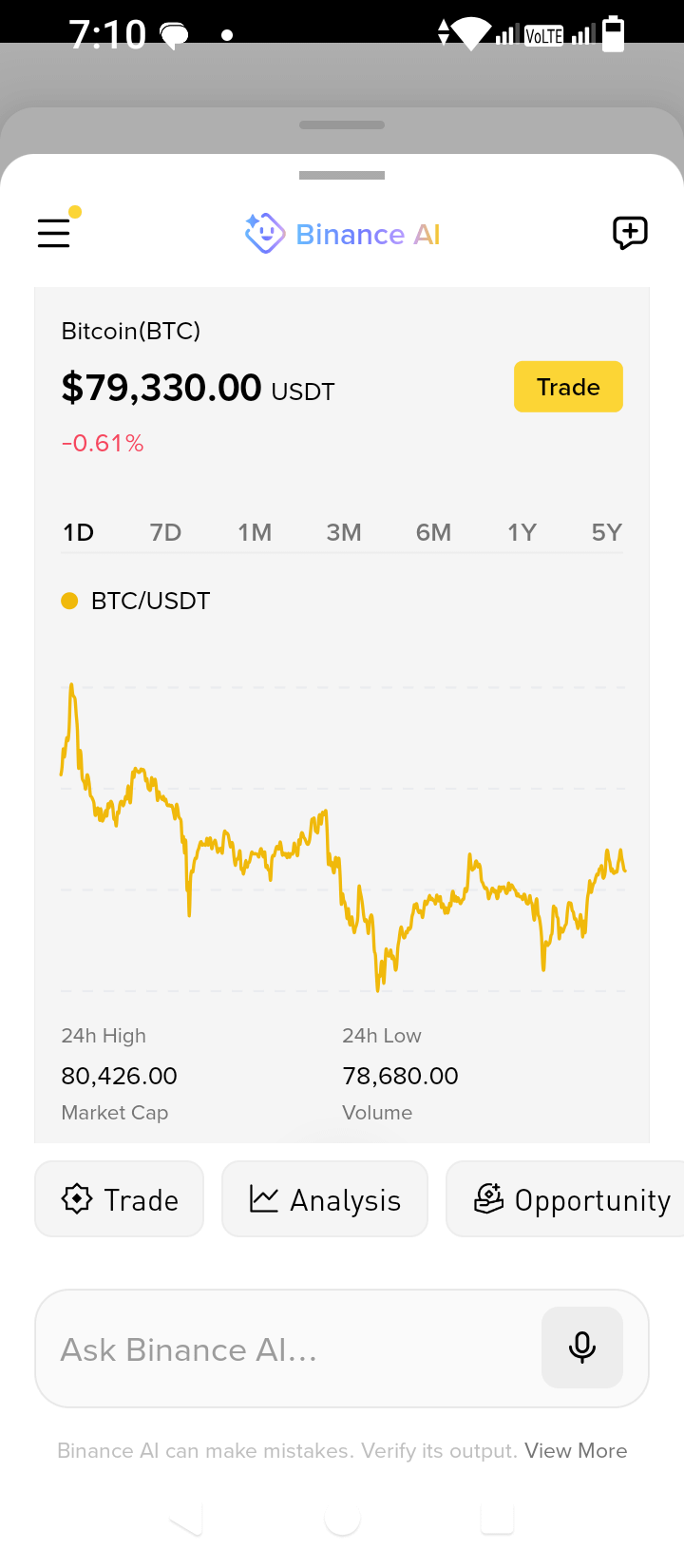
For market context, BTC is currently trading at about $79,360.01, down roughly -0.71% from its 24-hour open. Its 24-hour high was $80,426.00 and low was $78,680.00.
$BTC

#USIranTradeTankerStrikesEscalate #CFTCSeeksDismissalOfCMEKalshiBTCFuturesSuit #CanadaTariffsOnUSTakeEffect #CanadaToImpose15%To50%TariffsOnUSGoods #ZcashRises45%WeeklyToHighestSince2016

·
--
බෙයාරිෂ්
තවත් අන්තර්ගතයන් ගවේෂණය කිරීමට ඇතුල් වන්න
Binance චතුරශ්‍රය හි ගෝලීය ක්‍රිප්ටෝ පරිශීලකයින් හා එක්වන්න
⚡️ ක්‍රිප්ටෝ පිළිබඳ නවතම සහ ප්‍රයෝජනවත් තොරතුරු ලබා ගන්න.
💬 ලොව විශාලතම ක්‍රිප්ටෝ හුවමාරුව මගින් විශ්වාස කෙරේ.
👍 සත්‍යායනය කරන ලද නිර්මාණකරුවන්ගෙන් සැබෑ විදසුන් සොයා ගන්න.
විද්‍යුත් තැපෑල / දුරකථන අංකය