

#binance
binance
546.6M නැරඹීම්
1.5M සාකච්ඡා කරමින්
උණුසුම්
නවතම
·
--
ලිපිය
كيفية كسب 5 دولارات يوميًا على Binance دون استخدام أموالك الخاصة (دليل شامل)يرغب كثير من المبتدئين في كسب المال على Binance، لكنهم لا يملكون المال للاستثمار. والخبر السار هو أن Binance تقدّم أحيانًا برامج مكافآت وحملات ترويجية وفرصًا تعليمية قد تساعد المستخدمين المؤهلين على كسب المكافآت دون الحاجة إلى إيداع مبلغ أولي.
كسب 5 دولارات يوميًا هدفٌ وليس ضمانًا. وتعتمد نتائجك على الحملات المتاحة ومدى أهليتك والمهام التي تنجزها. إليك خمس طرق تستحق التجربة
1. تعلّم واربح من Binance
قد تقدّم Binance حملات تعليمية يتعرّف فيها المستخدمون المؤهلون على مشاريع العملات المشفّرة ويكملون اختبارات قصيرة للحصول على مكافآت.
الخطوات:
- تحقّق من مركز مكافآت Binance الرسمي أو العروض الترويجية.
- اقرأ المواد التعليمية.
- أكمل الاختبارات والمهام المؤهلة.
- تحقّق من حسابك للتأكد من إضافة المكافآت.
يختلف التوفر والمكافآت باختلاف الحملة.
2. الحملات الترويجية من Binance
تُطلق Binance أحيانًا حملات تقدّم مكافآت مقابل إكمال مهام محددة
كيفية المشاركة:
- تحقّق من الإعلانات الرسمية.
- ابحث عن حملات لا تتطلب إيداعًا.
- اقرأ القواعد ومتطلبات الأهلية.
- أكمل المهام قبل الموعد النهائي.
ليست كل الحملات مجانية، لذا تحقّق من الشروط بعناية.
3. برنامج الإحالة من Binance
قد تكافئ برامج الإحالة المستخدمين المؤهلين عندما ينضم أشخاص عبر روابط الإحالة الخاصة بهم ويستوفون الشروط المطلوبة.
الخطوات:
- تحقّق من برنامج الإحالة المتاح في حسابك.
- انسخ رابط الإحالة الخاص بك.
- شاركه مع المهتمين بالتعرّف على العملات الرقمية.
- تحقّق مما إذا كانت الشروط المطلوبة قد استوفيت.
المكافآت غير مضمونة، وتتطلب بعض برامج الإحالة نشاطًا مؤهلًا
4. إنشاء المحتوى على Binance Square
إذا كنت تستمتع بالكتابة، فقد تكون Binance Square مكانًا لمشاركة معارفك الأصلية عن العملات الرقمية واستكشاف حملات صنّاع المحتوى المؤهلين.
أفكار للمنشورات:
- أدلة للمبتدئين حول العملات الرقمية.
- منشورات تعليمية عن Bitcoin وEthereum.
- شروحات عن البلوكشين وWeb3.
- نصائح للتعرّف على عمليات الاحتيال بالعملات الرقمية.
لا يؤدي النشر تلقائيًا إلى تحقيق دخل. تحقّق مما إذا كان هناك برنامج مكافآت متاح لصنّاع المحتوى المؤهلين.
5. حملات مكافآت Web3
تقدّم بعض حملات Web3 مكافآت مقابل إكمال أنشطة مؤهلة. ومع ذلك، قد تتطلب بعض المهام رسوم معاملات أو ربط محفظة أو استيفاء شروط أخرى.
قبل المشاركة
- تحقّق من الحملة عبر مصادر رسمية.
- تحقّق مما إذا كانت هناك أي رسوم مطلوبة.
- افهم كيفية الحفاظ على أمان محفظتك.
- لا تشارك عبارة الاسترداد أو المفاتيح الخاصة مطلقًا.
اختر فقط الفرص التي تفهمها ويمكنك المشاركة فيها بأمان.
هل يمكنك كسب 5 دولارات يوميًا؟
ليس هناك ما يضمن كسب 5 دولارات يوميًا دون استثمار. قد تقدّم بعض الحملات مكافآت، بينما قد لا تقدّم حملات أخرى أي مكافآت أو قد لا تكون متاحة في منطقتك.
ابدأ بالتحقّق من الفرص المجانية المشروعة وتتبع المكافآت التي تتلقاها فعليًا. لا تدفع المال أبدًا لمجرد أن أحدهم وعدك بأرباح مضمونة.
نصائح مهمة للسلامة
- لا تشارك كلمة مرورك أو رمز التحقق لمرة واحدة (OTP) مطلقًا
- تجنّب الهدايا الوهمية والروابط المشبوهة.
- لا تقترض المال سعيًا وراء المكافآت.
- تجنّب التداول برافعة مالية عالية لتحقيق هدف يومي للأرباح.
- اقرأ قواعد الحملة الرسمية قبل المشاركة.
أفكار أخيرة
يمكنك استكشاف المكافآت التعليمية من Binance والحملات الترويجية وبرامج الإحالة وفرص إنشاء المحتوى وحملات Web3 المؤهلة دون الحاجة بالضرورة إلى إيداع أموالك الخاصة.
ابدأ بخطوات صغيرة، وتعلّم باستمرار، وحافظ على سلامتك. قد يكون هدفك 5 دولارات يوميًا، لكن تذكّر دائمًا أن المكافآت والأرباح غير مضمونة
#Binance #BinanceSquare #CryptoBeginners #LearnAndEarn #Web3
$NVDAB
{spot}(NVDABUSDT)
$AAPLB
{spot}(AAPLBUSDT)
كيفية كسب 5 دولارات يوميًا على Binance دون استخدام أموالك الخاصة (دليل شامل)
يرغب كثير من المبتدئين في كسب المال على Binance، لكنهم لا يملكون المال للاستثمار. والخبر السار هو أن Binance تقدّم أحيانًا برامج مكافآت وحملات ترويجية وفرصًا تعليمية قد تساعد المستخدمين المؤهلين على كسب المكافآت دون الحاجة إلى إيداع مبلغ أولي.
كسب 5 دولارات يوميًا هدفٌ وليس ضمانًا. وتعتمد نتائجك على الحملات المتاحة ومدى أهليتك والمهام التي تنجزها. إليك خمس طرق تستحق التجربة
1. تعلّم واربح من Binance
قد تقدّم Binance حملات تعليمية يتعرّف فيها المستخدمون المؤهلون على مشاريع العملات المشفّرة ويكملون اختبارات قصيرة للحصول على مكافآت.
الخطوات:
- تحقّق من مركز مكافآت Binance الرسمي أو العروض الترويجية.
- اقرأ المواد التعليمية.
- أكمل الاختبارات والمهام المؤهلة.
- تحقّق من حسابك للتأكد من إضافة المكافآت.
يختلف التوفر والمكافآت باختلاف الحملة.
2. الحملات الترويجية من Binance
تُطلق Binance أحيانًا حملات تقدّم مكافآت مقابل إكمال مهام محددة
كيفية المشاركة:
- تحقّق من الإعلانات الرسمية.
- ابحث عن حملات لا تتطلب إيداعًا.
- اقرأ القواعد ومتطلبات الأهلية.
- أكمل المهام قبل الموعد النهائي.
ليست كل الحملات مجانية، لذا تحقّق من الشروط بعناية.
3. برنامج الإحالة من Binance
قد تكافئ برامج الإحالة المستخدمين المؤهلين عندما ينضم أشخاص عبر روابط الإحالة الخاصة بهم ويستوفون الشروط المطلوبة.
الخطوات:
- تحقّق من برنامج الإحالة المتاح في حسابك.
- انسخ رابط الإحالة الخاص بك.
- شاركه مع المهتمين بالتعرّف على العملات الرقمية.
- تحقّق مما إذا كانت الشروط المطلوبة قد استوفيت.
المكافآت غير مضمونة، وتتطلب بعض برامج الإحالة نشاطًا مؤهلًا
4. إنشاء المحتوى على Binance Square
إذا كنت تستمتع بالكتابة، فقد تكون Binance Square مكانًا لمشاركة معارفك الأصلية عن العملات الرقمية واستكشاف حملات صنّاع المحتوى المؤهلين.
أفكار للمنشورات:
- أدلة للمبتدئين حول العملات الرقمية.
- منشورات تعليمية عن Bitcoin وEthereum.
- شروحات عن البلوكشين وWeb3.
- نصائح للتعرّف على عمليات الاحتيال بالعملات الرقمية.
لا يؤدي النشر تلقائيًا إلى تحقيق دخل. تحقّق مما إذا كان هناك برنامج مكافآت متاح لصنّاع المحتوى المؤهلين.
5. حملات مكافآت Web3
تقدّم بعض حملات Web3 مكافآت مقابل إكمال أنشطة مؤهلة. ومع ذلك، قد تتطلب بعض المهام رسوم معاملات أو ربط محفظة أو استيفاء شروط أخرى.
قبل المشاركة
- تحقّق من الحملة عبر مصادر رسمية.
- تحقّق مما إذا كانت هناك أي رسوم مطلوبة.
- افهم كيفية الحفاظ على أمان محفظتك.
- لا تشارك عبارة الاسترداد أو المفاتيح الخاصة مطلقًا.
اختر فقط الفرص التي تفهمها ويمكنك المشاركة فيها بأمان.
هل يمكنك كسب 5 دولارات يوميًا؟
ليس هناك ما يضمن كسب 5 دولارات يوميًا دون استثمار. قد تقدّم بعض الحملات مكافآت، بينما قد لا تقدّم حملات أخرى أي مكافآت أو قد لا تكون متاحة في منطقتك.
ابدأ بالتحقّق من الفرص المجانية المشروعة وتتبع المكافآت التي تتلقاها فعليًا. لا تدفع المال أبدًا لمجرد أن أحدهم وعدك بأرباح مضمونة.
نصائح مهمة للسلامة
- لا تشارك كلمة مرورك أو رمز التحقق لمرة واحدة (OTP) مطلقًا
- تجنّب الهدايا الوهمية والروابط المشبوهة.
- لا تقترض المال سعيًا وراء المكافآت.
- تجنّب التداول برافعة مالية عالية لتحقيق هدف يومي للأرباح.
- اقرأ قواعد الحملة الرسمية قبل المشاركة.
أفكار أخيرة
يمكنك استكشاف المكافآت التعليمية من Binance والحملات الترويجية وبرامج الإحالة وفرص إنشاء المحتوى وحملات Web3 المؤهلة دون الحاجة بالضرورة إلى إيداع أموالك الخاصة.
ابدأ بخطوات صغيرة، وتعلّم باستمرار، وحافظ على سلامتك. قد يكون هدفك 5 دولارات يوميًا، لكن تذكّر دائمًا أن المكافآت والأرباح غير مضمونة
#Binance #BinanceSquare #CryptoBeginners #LearnAndEarn #Web3
$NVDAB
$AAPLB
كسب 5 دولارات يوميًا هدفٌ وليس ضمانًا. وتعتمد نتائجك على الحملات المتاحة ومدى أهليتك والمهام التي تنجزها. إليك خمس طرق تستحق التجربة
1. تعلّم واربح من Binance
قد تقدّم Binance حملات تعليمية يتعرّف فيها المستخدمون المؤهلون على مشاريع العملات المشفّرة ويكملون اختبارات قصيرة للحصول على مكافآت.
الخطوات:
- تحقّق من مركز مكافآت Binance الرسمي أو العروض الترويجية.
- اقرأ المواد التعليمية.
- أكمل الاختبارات والمهام المؤهلة.
- تحقّق من حسابك للتأكد من إضافة المكافآت.
يختلف التوفر والمكافآت باختلاف الحملة.
2. الحملات الترويجية من Binance
تُطلق Binance أحيانًا حملات تقدّم مكافآت مقابل إكمال مهام محددة
كيفية المشاركة:
- تحقّق من الإعلانات الرسمية.
- ابحث عن حملات لا تتطلب إيداعًا.
- اقرأ القواعد ومتطلبات الأهلية.
- أكمل المهام قبل الموعد النهائي.
ليست كل الحملات مجانية، لذا تحقّق من الشروط بعناية.
3. برنامج الإحالة من Binance
قد تكافئ برامج الإحالة المستخدمين المؤهلين عندما ينضم أشخاص عبر روابط الإحالة الخاصة بهم ويستوفون الشروط المطلوبة.
الخطوات:
- تحقّق من برنامج الإحالة المتاح في حسابك.
- انسخ رابط الإحالة الخاص بك.
- شاركه مع المهتمين بالتعرّف على العملات الرقمية.
- تحقّق مما إذا كانت الشروط المطلوبة قد استوفيت.
المكافآت غير مضمونة، وتتطلب بعض برامج الإحالة نشاطًا مؤهلًا
4. إنشاء المحتوى على Binance Square
إذا كنت تستمتع بالكتابة، فقد تكون Binance Square مكانًا لمشاركة معارفك الأصلية عن العملات الرقمية واستكشاف حملات صنّاع المحتوى المؤهلين.
أفكار للمنشورات:
- أدلة للمبتدئين حول العملات الرقمية.
- منشورات تعليمية عن Bitcoin وEthereum.
- شروحات عن البلوكشين وWeb3.
- نصائح للتعرّف على عمليات الاحتيال بالعملات الرقمية.
لا يؤدي النشر تلقائيًا إلى تحقيق دخل. تحقّق مما إذا كان هناك برنامج مكافآت متاح لصنّاع المحتوى المؤهلين.
5. حملات مكافآت Web3
تقدّم بعض حملات Web3 مكافآت مقابل إكمال أنشطة مؤهلة. ومع ذلك، قد تتطلب بعض المهام رسوم معاملات أو ربط محفظة أو استيفاء شروط أخرى.
قبل المشاركة
- تحقّق من الحملة عبر مصادر رسمية.
- تحقّق مما إذا كانت هناك أي رسوم مطلوبة.
- افهم كيفية الحفاظ على أمان محفظتك.
- لا تشارك عبارة الاسترداد أو المفاتيح الخاصة مطلقًا.
اختر فقط الفرص التي تفهمها ويمكنك المشاركة فيها بأمان.
هل يمكنك كسب 5 دولارات يوميًا؟
ليس هناك ما يضمن كسب 5 دولارات يوميًا دون استثمار. قد تقدّم بعض الحملات مكافآت، بينما قد لا تقدّم حملات أخرى أي مكافآت أو قد لا تكون متاحة في منطقتك.
ابدأ بالتحقّق من الفرص المجانية المشروعة وتتبع المكافآت التي تتلقاها فعليًا. لا تدفع المال أبدًا لمجرد أن أحدهم وعدك بأرباح مضمونة.
نصائح مهمة للسلامة
- لا تشارك كلمة مرورك أو رمز التحقق لمرة واحدة (OTP) مطلقًا
- تجنّب الهدايا الوهمية والروابط المشبوهة.
- لا تقترض المال سعيًا وراء المكافآت.
- تجنّب التداول برافعة مالية عالية لتحقيق هدف يومي للأرباح.
- اقرأ قواعد الحملة الرسمية قبل المشاركة.
أفكار أخيرة
يمكنك استكشاف المكافآت التعليمية من Binance والحملات الترويجية وبرامج الإحالة وفرص إنشاء المحتوى وحملات Web3 المؤهلة دون الحاجة بالضرورة إلى إيداع أموالك الخاصة.
ابدأ بخطوات صغيرة، وتعلّم باستمرار، وحافظ على سلامتك. قد يكون هدفك 5 دولارات يوميًا، لكن تذكّر دائمًا أن المكافآت والأرباح غير مضمونة
#Binance #BinanceSquare #CryptoBeginners #LearnAndEarn #Web3
$NVDAB
$AAPLB
Malik Buchheit NJDd:
@BiBi depozit edmeden nece qazanmaq olar
2
3
414

ÚLTIMAS NOTÍCIAS: A Binance solicitou uma licença para operar com criptomoedas junto do Banco Central do Brasil, antes do prazo final de 30 de outubro. Um passo significativo, já que as principais exchanges buscam acesso formal a mercados regulamentados.
#Binance #brasil
A exchange removeu ainda 22 tokens da sua plataforma e restringiu 8 serviços, incluindo empréstimos em criptomoedas, trading com margem e Launchpool, a utilizadores no Brasil.
O Brasil é uma das economias de criptomoedas mais importantes da América Latina, por isso a aprovação poderia fortalecer a presença local da Binance, enquanto dá a reguladores outra plataforma importante para supervisão. 🚀
Qual é a tua opinião acerca desta notícia?
$BTC
{spot}(BTCUSDT)
$BNB
{spot}(BNBUSDT)
$ETH
{spot}(ETHUSDT)
ÚLTIMAS NOTÍCIAS: A Binance solicitou uma licença para operar com criptomoedas junto do Banco Central do Brasil, antes do prazo final de 30 de outubro. Um passo significativo, já que as principais exchanges buscam acesso formal a mercados regulamentados.
#Binance #brasil
A exchange removeu ainda 22 tokens da sua plataforma e restringiu 8 serviços, incluindo empréstimos em criptomoedas, trading com margem e Launchpool, a utilizadores no Brasil.
O Brasil é uma das economias de criptomoedas mais importantes da América Latina, por isso a aprovação poderia fortalecer a presença local da Binance, enquanto dá a reguladores outra plataforma importante para supervisão. 🚀
Qual é a tua opinião acerca desta notícia?
$BTC
$BNB
$ETH
#Binance #brasil
A exchange removeu ainda 22 tokens da sua plataforma e restringiu 8 serviços, incluindo empréstimos em criptomoedas, trading com margem e Launchpool, a utilizadores no Brasil.
O Brasil é uma das economias de criptomoedas mais importantes da América Latina, por isso a aprovação poderia fortalecer a presença local da Binance, enquanto dá a reguladores outra plataforma importante para supervisão. 🚀
Qual é a tua opinião acerca desta notícia?
$BTC
$BNB
$ETH

Feed-Creator-c041deafe:
Contanto que ela nao feche os trades de futuro de forma forçada ou migre eles no minimo pra us ou internacional ou global @BiBi Verificar os fatos desse conteúdo
1
8
4.4k

·
--

ලිපිය
🇰🇵 BINANCE BLOCKS MULTIPLE NORTH KOREA-LINKED CYBERATTACKS! 🛡️🚨 Crypto Security Alert: Binance Reports Zero Asset Losses
Binance has reportedly blocked multiple cyberattacks linked to North Korea over the past week, with no system damage or asset losses reported.
🔍 How Did the Attackers Operate?
The attacks were linked to a social engineering campaign known as “Contagious Interview.”
⚠️ The attackers reportedly use:
🔹 Fake job interviews and recruitment offers
🔹 Malicious coding tests
🔹 Unauthorized software downloads
🔹 Deceptive requests to execute unknown code
Their goal is to trick victims into running malicious programs that could compromise their devices and sensitive information.
🛡️ Binance's Security Response
According to reports, Binance's security team identified and blocked the attempted attacks before they caused damage or asset losses.
🔐 How Can Crypto Users Stay Safe?
✅ Never run code from unknown sources.
✅ Avoid downloading unauthorized software.
✅ Verify recruiters and job offers before engaging.
✅ Never share your passwords or wallet recovery phrases.
✅ Stay alert to suspicious links and unexpected files.
💡 The Big Lesson
In crypto, security isn't just about protecting your wallet. It's also about protecting your devices, accounts, and personal information.
Even a legitimate looking job offer can become a security risk if you trust it without verification.
🔥 What do you think? Will cyberattacks become one of the biggest threats to the crypto industry in 2026?
👇 Share your thoughts in the comments!
#Binance #CryptoSecurity #CryptoNews #blockchain #BinanceSquare
🇰🇵 BINANCE BLOCKS MULTIPLE NORTH KOREA-LINKED CYBERATTACKS! 🛡️
🚨 Crypto Security Alert: Binance Reports Zero Asset Losses
Binance has reportedly blocked multiple cyberattacks linked to North Korea over the past week, with no system damage or asset losses reported.
🔍 How Did the Attackers Operate?
The attacks were linked to a social engineering campaign known as “Contagious Interview.”
⚠️ The attackers reportedly use:
🔹 Fake job interviews and recruitment offers
🔹 Malicious coding tests
🔹 Unauthorized software downloads
🔹 Deceptive requests to execute unknown code
Their goal is to trick victims into running malicious programs that could compromise their devices and sensitive information.
🛡️ Binance's Security Response
According to reports, Binance's security team identified and blocked the attempted attacks before they caused damage or asset losses.
🔐 How Can Crypto Users Stay Safe?
✅ Never run code from unknown sources.
✅ Avoid downloading unauthorized software.
✅ Verify recruiters and job offers before engaging.
✅ Never share your passwords or wallet recovery phrases.
✅ Stay alert to suspicious links and unexpected files.
💡 The Big Lesson
In crypto, security isn't just about protecting your wallet. It's also about protecting your devices, accounts, and personal information.
Even a legitimate looking job offer can become a security risk if you trust it without verification.
🔥 What do you think? Will cyberattacks become one of the biggest threats to the crypto industry in 2026?
👇 Share your thoughts in the comments!
#Binance #CryptoSecurity #CryptoNews #blockchain #BinanceSquare
Binance has reportedly blocked multiple cyberattacks linked to North Korea over the past week, with no system damage or asset losses reported.
🔍 How Did the Attackers Operate?
The attacks were linked to a social engineering campaign known as “Contagious Interview.”
⚠️ The attackers reportedly use:
🔹 Fake job interviews and recruitment offers
🔹 Malicious coding tests
🔹 Unauthorized software downloads
🔹 Deceptive requests to execute unknown code
Their goal is to trick victims into running malicious programs that could compromise their devices and sensitive information.
🛡️ Binance's Security Response
According to reports, Binance's security team identified and blocked the attempted attacks before they caused damage or asset losses.
🔐 How Can Crypto Users Stay Safe?
✅ Never run code from unknown sources.
✅ Avoid downloading unauthorized software.
✅ Verify recruiters and job offers before engaging.
✅ Never share your passwords or wallet recovery phrases.
✅ Stay alert to suspicious links and unexpected files.
💡 The Big Lesson
In crypto, security isn't just about protecting your wallet. It's also about protecting your devices, accounts, and personal information.
Even a legitimate looking job offer can become a security risk if you trust it without verification.
🔥 What do you think? Will cyberattacks become one of the biggest threats to the crypto industry in 2026?
👇 Share your thoughts in the comments!
#Binance #CryptoSecurity #CryptoNews #blockchain #BinanceSquare
212

ලිපිය
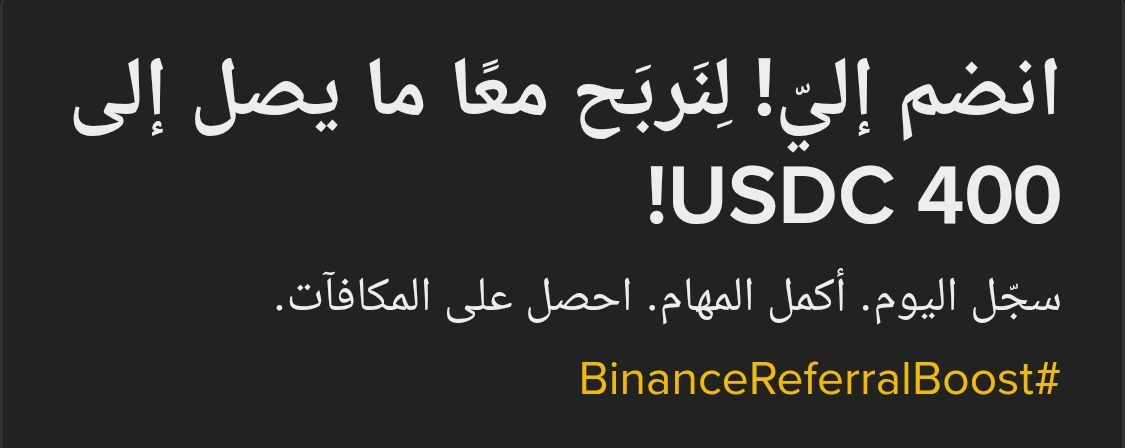
🎁 فرصة لربح ما يصل إلى 400 USDC معاً! لا تفوت العرض الفوري 🚀مرحباً يا أصدقاء! منصة بينانس أطلقت مكافآت مميزة جداً لبرنامج الإحالة الجديد#BinanceReferralBoost .
يمكنك الآن الحصول على مكافآت مالية تصل إلى 400 $USDC بمجرد التسجيل وإكمال بعض المهام البسيطة وسهلة التنفيذ.
💡 كيف يمكنك البدء والاستفادة؟
1. سجل حساباً جديداً في المنصة (عبر رابط الإحالة الخاص بي الموجود في التعليقات أو البايو).
2. قم بتوثيق حسابك (KYC) للحفاظ على أمان حسابك وتأهيله للمكافآت.
3. أكمل المهام المطلوبة (مثل الإيداع أو التداول الأول) لتفتح صناديق المكافآت مباشرة!
الجميل في هذا العرض أننا نربح معاً، فكلما أكملت مهمة، حصلنا كلينا على جزء من المكافأة بعملة $USDC المستقرة.
👇 رابط التسجيل المباشر !
[https://www.binance.com/register?ref=1136520271](https://www.binance.com/register?ref=1136520271)
إذا واجهتكم أي مشكلة في التسجيل أو التوثيق، اكتبوا لي في التعليقات وسأساعدكم فوراً.
#Binance #BinanceReferralBoost #USDC #CryptoRewar
🎁 فرصة لربح ما يصل إلى 400 USDC معاً! لا تفوت العرض الفوري 🚀
مرحباً يا أصدقاء! منصة بينانس أطلقت مكافآت مميزة جداً لبرنامج الإحالة الجديد#BinanceReferralBoost .
يمكنك الآن الحصول على مكافآت مالية تصل إلى 400 $USDC بمجرد التسجيل وإكمال بعض المهام البسيطة وسهلة التنفيذ.
💡 كيف يمكنك البدء والاستفادة؟
1. سجل حساباً جديداً في المنصة (عبر رابط الإحالة الخاص بي الموجود في التعليقات أو البايو).
2. قم بتوثيق حسابك (KYC) للحفاظ على أمان حسابك وتأهيله للمكافآت.
3. أكمل المهام المطلوبة (مثل الإيداع أو التداول الأول) لتفتح صناديق المكافآت مباشرة!
الجميل في هذا العرض أننا نربح معاً، فكلما أكملت مهمة، حصلنا كلينا على جزء من المكافأة بعملة $USDC المستقرة.
👇 رابط التسجيل المباشر !
https://www.binance.com/register?ref=1136520271
إذا واجهتكم أي مشكلة في التسجيل أو التوثيق، اكتبوا لي في التعليقات وسأساعدكم فوراً.
#Binance #BinanceReferralBoost #USDC #CryptoRewar
يمكنك الآن الحصول على مكافآت مالية تصل إلى 400 $USDC بمجرد التسجيل وإكمال بعض المهام البسيطة وسهلة التنفيذ.
💡 كيف يمكنك البدء والاستفادة؟
1. سجل حساباً جديداً في المنصة (عبر رابط الإحالة الخاص بي الموجود في التعليقات أو البايو).
2. قم بتوثيق حسابك (KYC) للحفاظ على أمان حسابك وتأهيله للمكافآت.
3. أكمل المهام المطلوبة (مثل الإيداع أو التداول الأول) لتفتح صناديق المكافآت مباشرة!
الجميل في هذا العرض أننا نربح معاً، فكلما أكملت مهمة، حصلنا كلينا على جزء من المكافأة بعملة $USDC المستقرة.
👇 رابط التسجيل المباشر !
https://www.binance.com/register?ref=1136520271
إذا واجهتكم أي مشكلة في التسجيل أو التوثيق، اكتبوا لي في التعليقات وسأساعدكم فوراً.
#Binance #BinanceReferralBoost #USDC #CryptoRewar
Umbreon:
like, comment, and share
176
2
10
176

·
--
ලිපිය
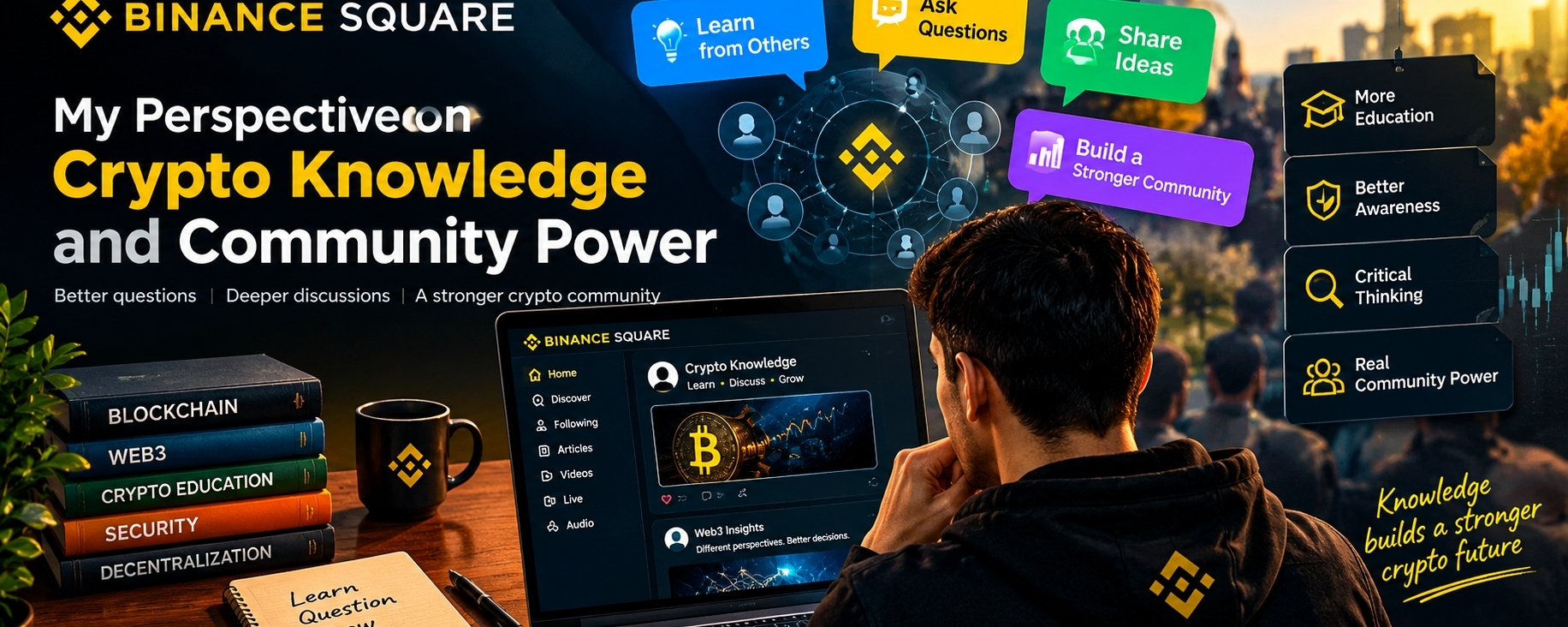
Binance Square: My Perspective on Crypto Knowledge and Community PowerI've been exploring the cryptocurrency space, and one thing I've realized is that finding information is easy, but finding reliable knowledge is much harder. I often come across different opinions, technical explanations, and confident claims about the same topic. This makes me wonder how we can learn from the crypto community while still thinking independently.
I believe this is one of the challenges Binance Square is trying to address. Before platforms like this became popular, people often relied on social media, online forums, private groups, and news websites to understand cryptocurrency. Although these sources offered valuable information, users still needed a better way to discover discussions and compare different perspectives.
When I look at Binance Square, I see a platform designed to bring crypto conversations and content together. Previously known as Binance Feed, it adopted the Binance Square identity in 2023. Users can share ideas, publish articles, follow creators, and discuss developments related to cryptocurrency and Web3.
What interests me most is the opportunity to learn from other people. I believe blockchain technology becomes easier to understand when experienced contributors explain complicated subjects in simple language. Topics such as wallet security, smart contracts, decentralization, and network development can become more accessible through thoughtful community discussions.
However, I do not believe every popular post deserves to be trusted. In my view, popularity and accuracy are two different things. A confident creator can still make mistakes, and an interesting explanation may leave out important details. I prefer to examine the evidence, compare sources, and remain open to different interpretations before accepting a claim.
I also think recommendation systems deserve careful attention. They can help me discover useful discussions, but repeated exposure to similar opinions may limit my perspective. For this reason, I believe it is important to explore different viewpoints rather than depend entirely on what a platform recommends.
Creator rewards present another interesting challenge. I understand how incentives can encourage people to spend time creating educational content. At the same time, I recognize that rewards may encourage some creators to focus more on engagement than research. For me, the real value of a contribution depends on its accuracy, transparency, and usefulness.
I also believe community members should be honest about their interests. Some contributors may have financial relationships with cryptocurrency projects, while others may share independent research or personal experiences. I think readers deserve to understand these differences so they can evaluate information carefully.
Security is equally important to me. I would never consider a community discussion a substitute for independent verification. I believe users should be cautious with suspicious links, impersonated accounts, and requests for sensitive information. Protecting private keys and wallet recovery phrases must always remain a priority.
Ultimately, I see Binance Square as a place with meaningful educational potential, but I do not consider any platform perfect. Its value depends on the people who contribute, the quality of the information shared, and the willingness of readers to question what they encounter.
For me, a strong crypto community is not one where everyone agrees. It is one where people can exchange ideas, acknowledge mistakes, and learn from evidence. Can we build a cryptocurrency community where genuine knowledge matters more than popularity, and where asking difficult questions is valued as much as sharing answers?
#Binance #CryptoNewss .
#Binance #Square .$BTC $AIN $Q
{spot}(PAXGUSDT)
{future}(AINUSDT)
{future}(QUSDT)
Binance Square: My Perspective on Crypto Knowledge and Community Power
I've been exploring the cryptocurrency space, and one thing I've realized is that finding information is easy, but finding reliable knowledge is much harder. I often come across different opinions, technical explanations, and confident claims about the same topic. This makes me wonder how we can learn from the crypto community while still thinking independently.
I believe this is one of the challenges Binance Square is trying to address. Before platforms like this became popular, people often relied on social media, online forums, private groups, and news websites to understand cryptocurrency. Although these sources offered valuable information, users still needed a better way to discover discussions and compare different perspectives.
When I look at Binance Square, I see a platform designed to bring crypto conversations and content together. Previously known as Binance Feed, it adopted the Binance Square identity in 2023. Users can share ideas, publish articles, follow creators, and discuss developments related to cryptocurrency and Web3.
What interests me most is the opportunity to learn from other people. I believe blockchain technology becomes easier to understand when experienced contributors explain complicated subjects in simple language. Topics such as wallet security, smart contracts, decentralization, and network development can become more accessible through thoughtful community discussions.
However, I do not believe every popular post deserves to be trusted. In my view, popularity and accuracy are two different things. A confident creator can still make mistakes, and an interesting explanation may leave out important details. I prefer to examine the evidence, compare sources, and remain open to different interpretations before accepting a claim.
I also think recommendation systems deserve careful attention. They can help me discover useful discussions, but repeated exposure to similar opinions may limit my perspective. For this reason, I believe it is important to explore different viewpoints rather than depend entirely on what a platform recommends.
Creator rewards present another interesting challenge. I understand how incentives can encourage people to spend time creating educational content. At the same time, I recognize that rewards may encourage some creators to focus more on engagement than research. For me, the real value of a contribution depends on its accuracy, transparency, and usefulness.
I also believe community members should be honest about their interests. Some contributors may have financial relationships with cryptocurrency projects, while others may share independent research or personal experiences. I think readers deserve to understand these differences so they can evaluate information carefully.
Security is equally important to me. I would never consider a community discussion a substitute for independent verification. I believe users should be cautious with suspicious links, impersonated accounts, and requests for sensitive information. Protecting private keys and wallet recovery phrases must always remain a priority.
Ultimately, I see Binance Square as a place with meaningful educational potential, but I do not consider any platform perfect. Its value depends on the people who contribute, the quality of the information shared, and the willingness of readers to question what they encounter.
For me, a strong crypto community is not one where everyone agrees. It is one where people can exchange ideas, acknowledge mistakes, and learn from evidence. Can we build a cryptocurrency community where genuine knowledge matters more than popularity, and where asking difficult questions is valued as much as sharing answers?
#Binance #CryptoNewss .
#Binance #Square .$BTC $AIN $Q
I believe this is one of the challenges Binance Square is trying to address. Before platforms like this became popular, people often relied on social media, online forums, private groups, and news websites to understand cryptocurrency. Although these sources offered valuable information, users still needed a better way to discover discussions and compare different perspectives.
When I look at Binance Square, I see a platform designed to bring crypto conversations and content together. Previously known as Binance Feed, it adopted the Binance Square identity in 2023. Users can share ideas, publish articles, follow creators, and discuss developments related to cryptocurrency and Web3.
What interests me most is the opportunity to learn from other people. I believe blockchain technology becomes easier to understand when experienced contributors explain complicated subjects in simple language. Topics such as wallet security, smart contracts, decentralization, and network development can become more accessible through thoughtful community discussions.
However, I do not believe every popular post deserves to be trusted. In my view, popularity and accuracy are two different things. A confident creator can still make mistakes, and an interesting explanation may leave out important details. I prefer to examine the evidence, compare sources, and remain open to different interpretations before accepting a claim.
I also think recommendation systems deserve careful attention. They can help me discover useful discussions, but repeated exposure to similar opinions may limit my perspective. For this reason, I believe it is important to explore different viewpoints rather than depend entirely on what a platform recommends.
Creator rewards present another interesting challenge. I understand how incentives can encourage people to spend time creating educational content. At the same time, I recognize that rewards may encourage some creators to focus more on engagement than research. For me, the real value of a contribution depends on its accuracy, transparency, and usefulness.
I also believe community members should be honest about their interests. Some contributors may have financial relationships with cryptocurrency projects, while others may share independent research or personal experiences. I think readers deserve to understand these differences so they can evaluate information carefully.
Security is equally important to me. I would never consider a community discussion a substitute for independent verification. I believe users should be cautious with suspicious links, impersonated accounts, and requests for sensitive information. Protecting private keys and wallet recovery phrases must always remain a priority.
Ultimately, I see Binance Square as a place with meaningful educational potential, but I do not consider any platform perfect. Its value depends on the people who contribute, the quality of the information shared, and the willingness of readers to question what they encounter.
For me, a strong crypto community is not one where everyone agrees. It is one where people can exchange ideas, acknowledge mistakes, and learn from evidence. Can we build a cryptocurrency community where genuine knowledge matters more than popularity, and where asking difficult questions is valued as much as sharing answers?
#Binance #CryptoNewss .
#Binance #Square .$BTC $AIN $Q
zoni 558:
Great insights! AI and crypto knowledge can make a powerful combination when used responsibly.
3
3
1.3k
·
--
උසබ තත්ත්වය
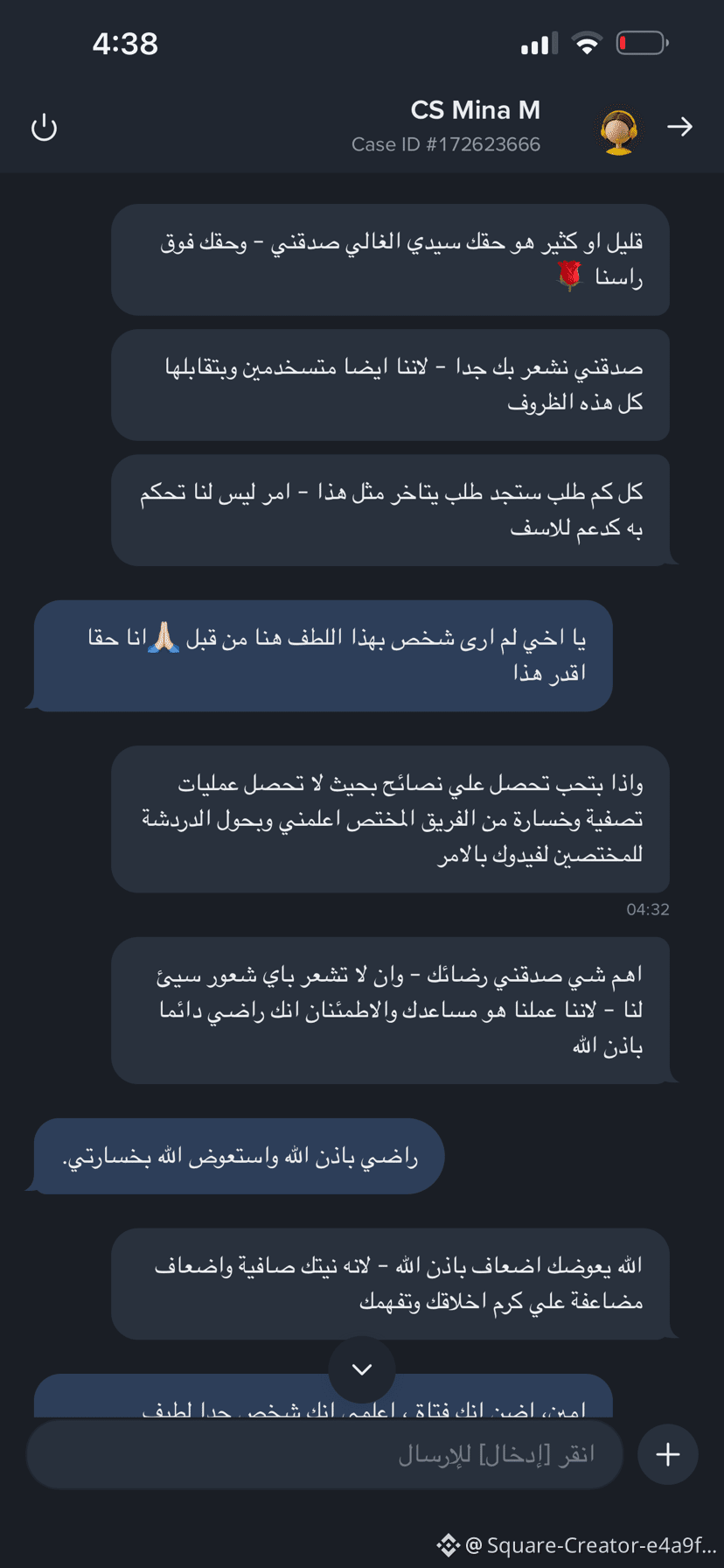
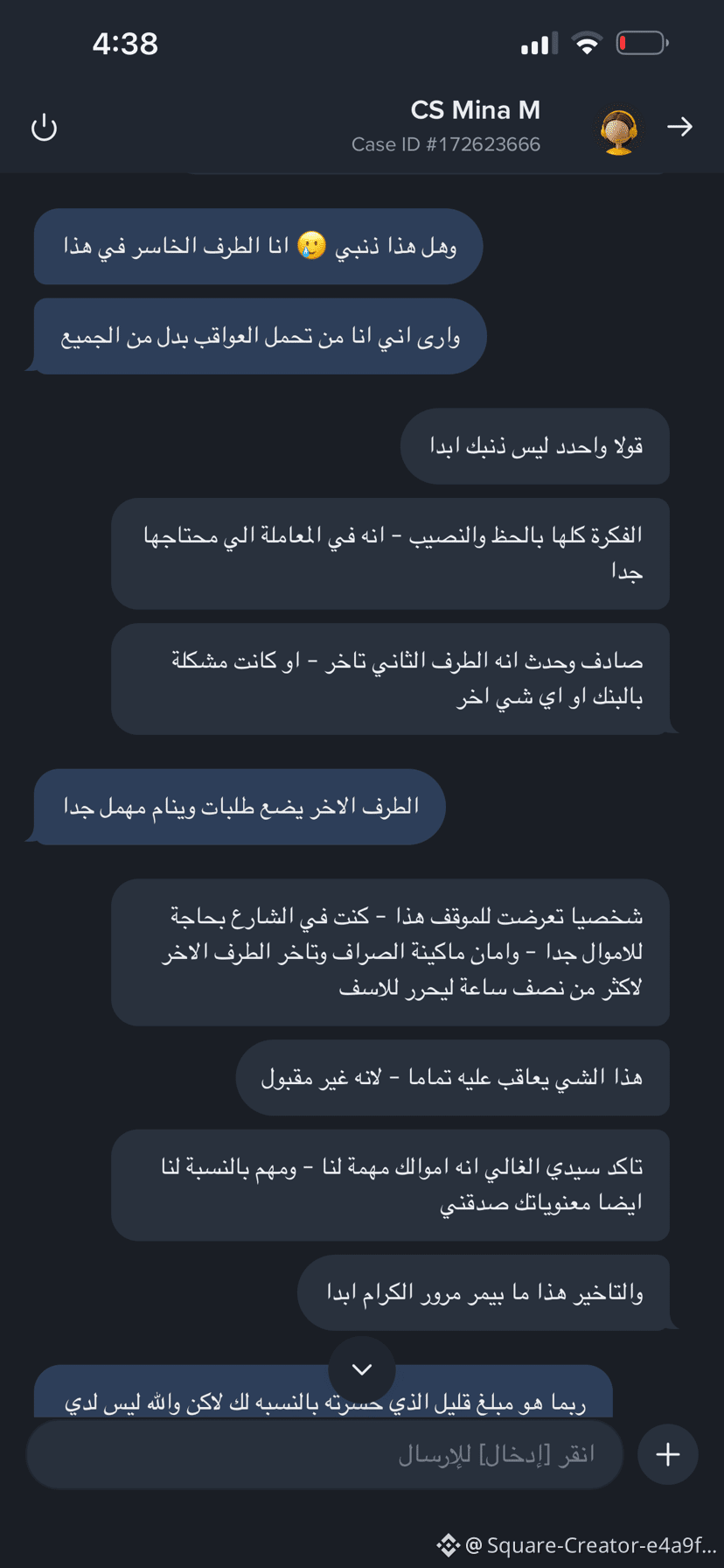
لا اعرف من هذه الفتاة لاكن اضن ان الدعم يمتلك شخص لا يقدر بثمن ، واجهت مشكله في خدمة p2p مع بائع نائم لم يحرر الاموال واغلقت صفقتي على خسارة ،توصلت مع خدمة العملاء وكنت غاضب جدا لاني اعلم جيدا ان الصفقه كانت ذاهبه الى ربح،لاكن بعد هذه المحادثه لم يعد لدي الحق للغضب ، الكلام الجميل و شعورك بان هنالك شخص يهون عليك غضبك كافي جدا شكرا باينانس🙏🏻
#binancesupport #binance @Binance_Customer_Support
لا اعرف من هذه الفتاة لاكن اضن ان الدعم يمتلك شخص لا يقدر بثمن ، واجهت مشكله في خدمة p2p مع بائع نائم لم يحرر الاموال واغلقت صفقتي على خسارة ،توصلت مع خدمة العملاء وكنت غاضب جدا لاني اعلم جيدا ان الصفقه كانت ذاهبه الى ربح،لاكن بعد هذه المحادثه لم يعد لدي الحق للغضب ، الكلام الجميل و شعورك بان هنالك شخص يهون عليك غضبك كافي جدا شكرا باينانس🙏🏻
#binancesupport #binance @Binance Customer Support
#binancesupport #binance @Binance Customer Support
1
54
·
--
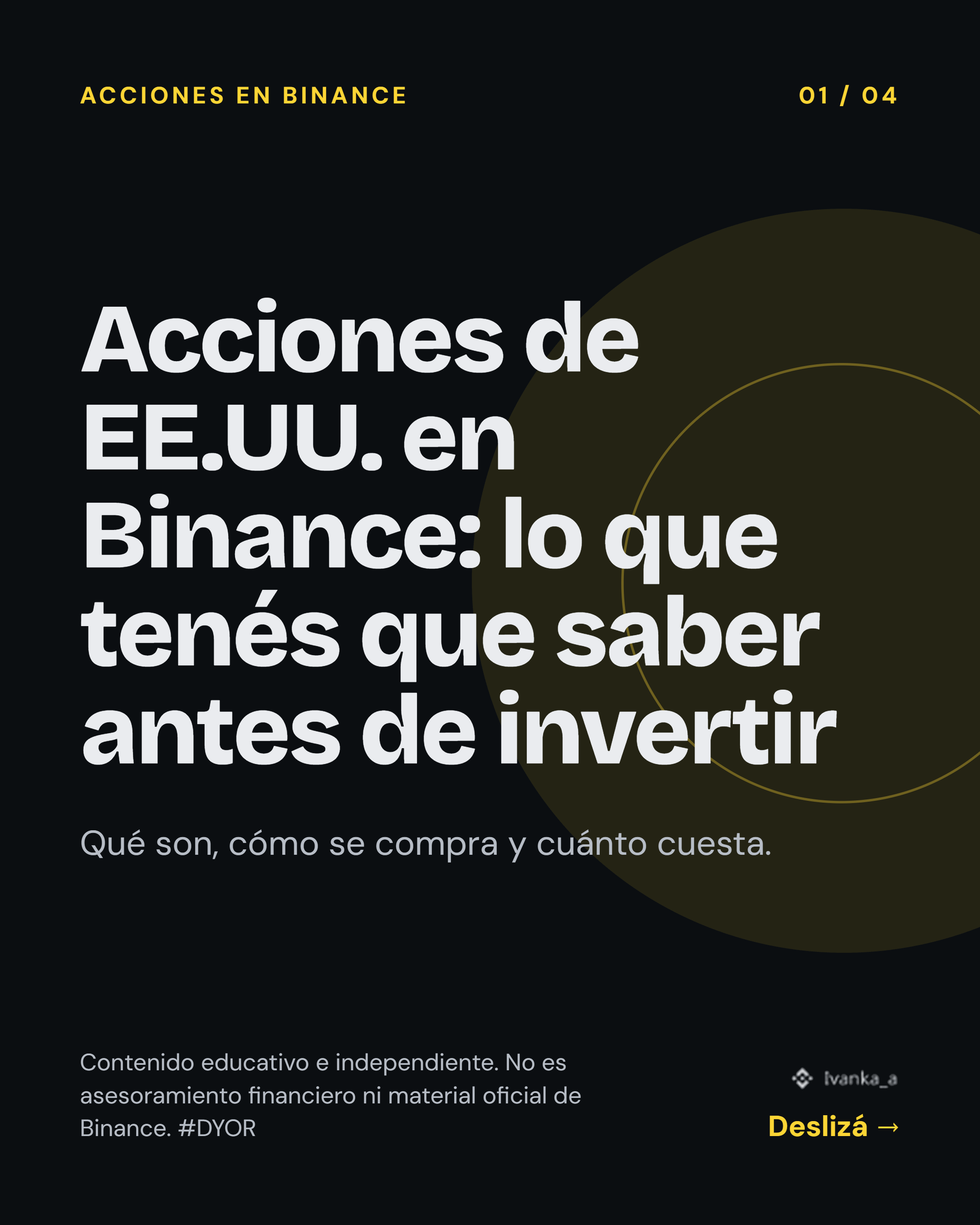
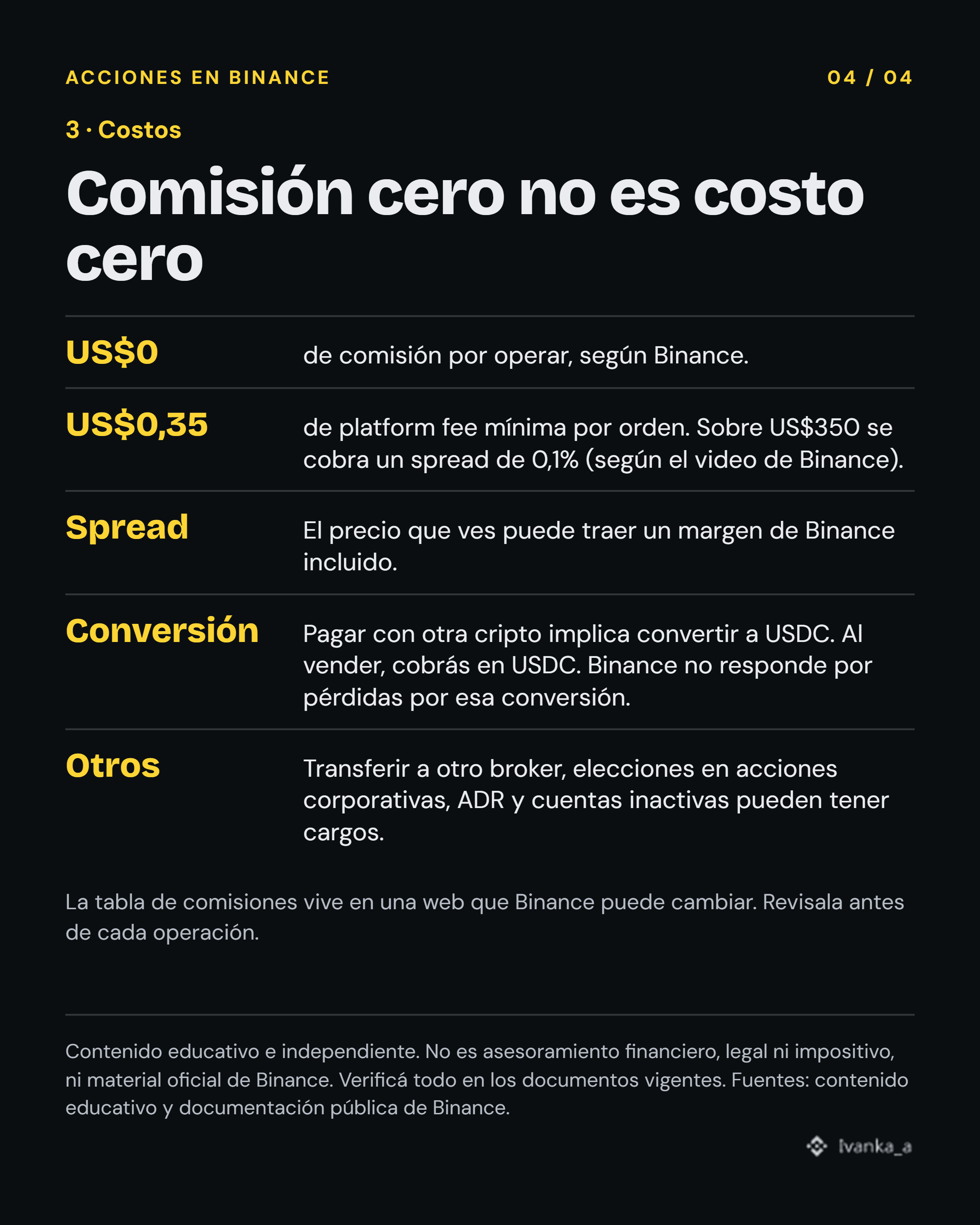
📊 Acciones de EE.UU. en Binance: lo que tenés que saber antes de invertir
Te resumo los puntos clave antes de operar acciones de EE.UU. desde Binance:
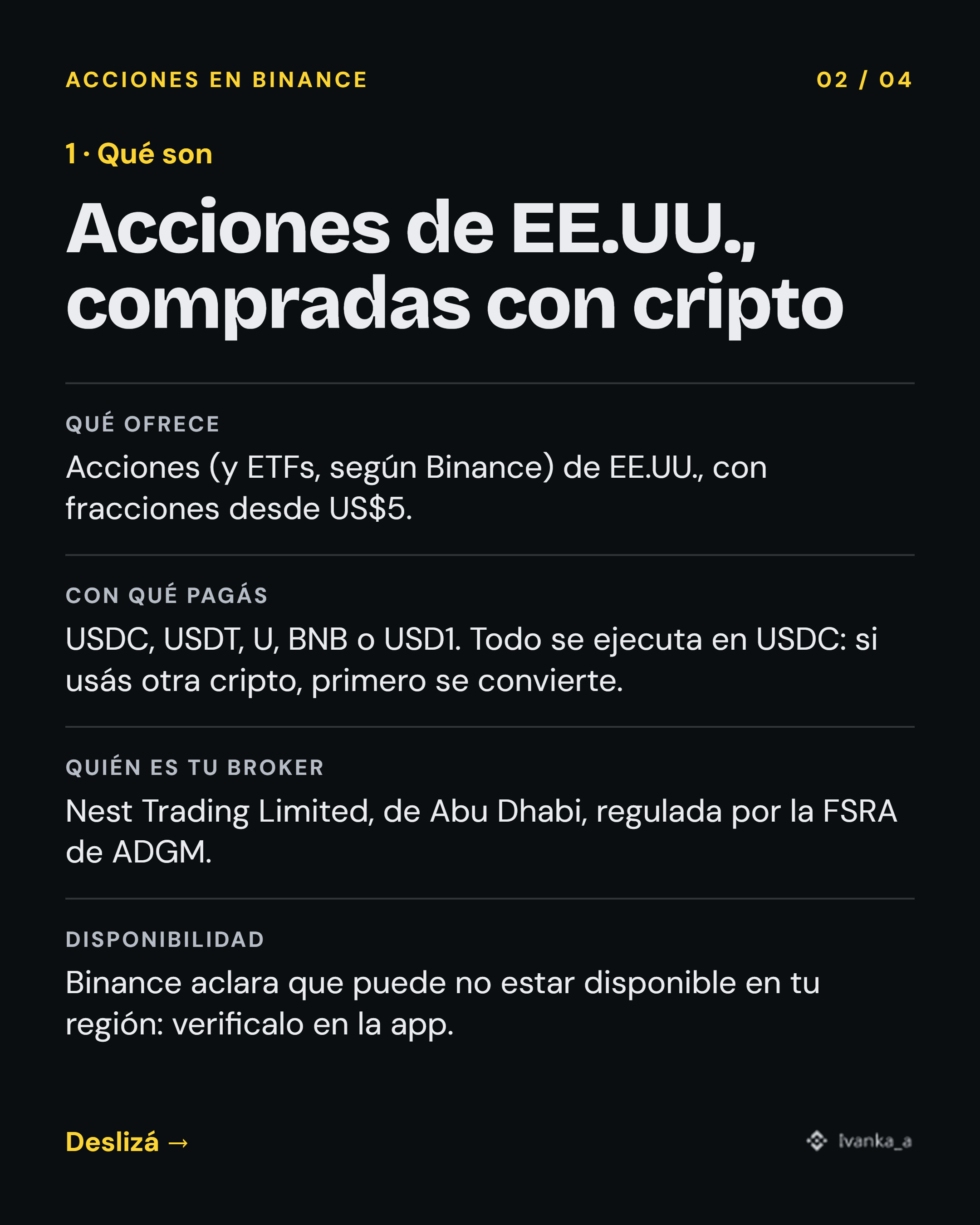
1. Qué son
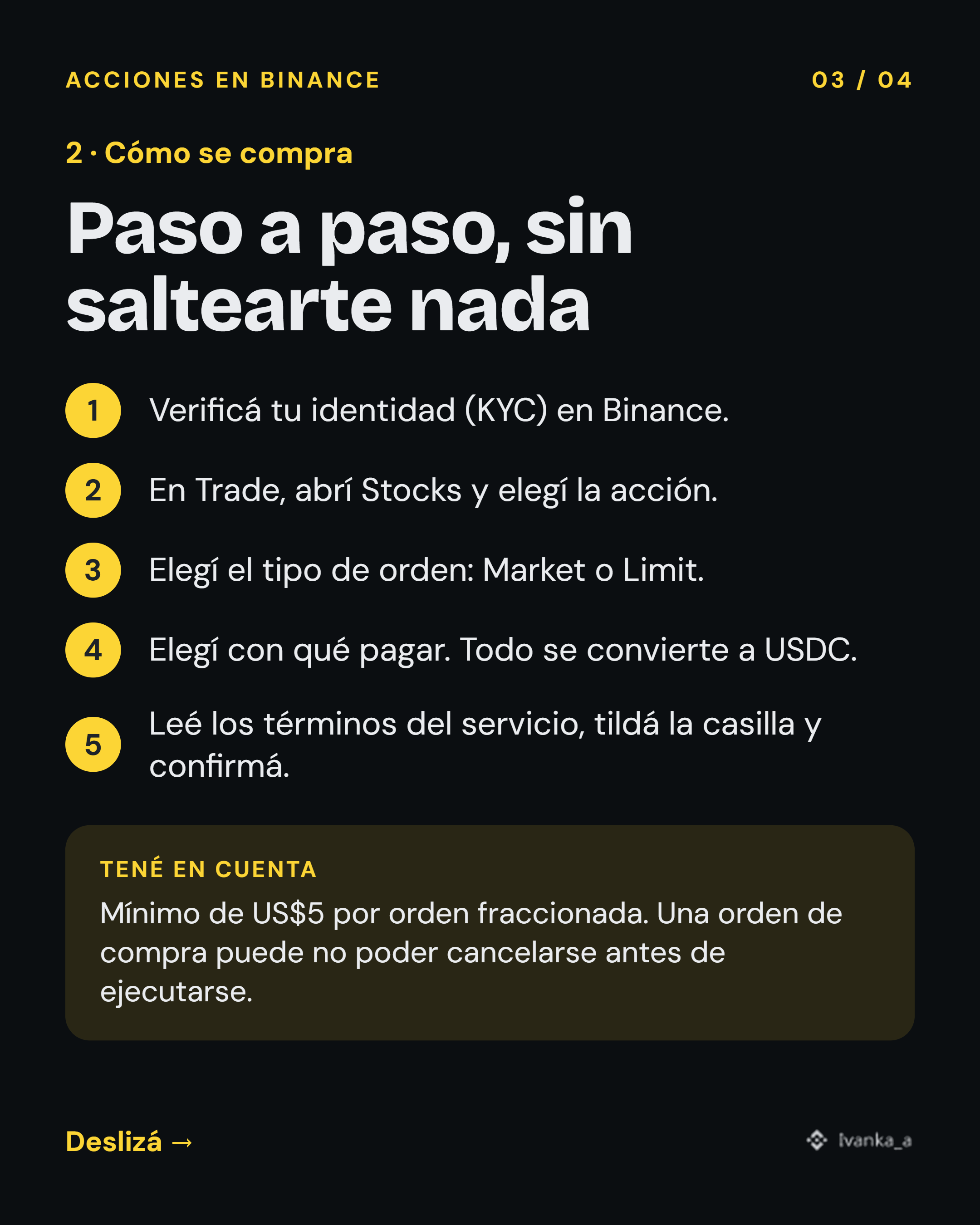
2. Cómo se compran
3. Costos: comisión cero no es costo cero (spread, platform fee y conversión a USDC)
✅ Checklist antes de invertir:
• Leé completos los términos y condiciones antes de aceptar.
• Guardá capturas con la fecha y la versión de lo que aceptás.
• Probá con un monto chico y sumá spread, conversión y comisiones.
• Invertí solo lo que podés perder y no concentres todo en una acción.
⚠️ La disponibilidad de esta funcionalidad depende de cada usuario, región y verificación de cuenta. Chequeá en tu app si la tenés habilitada antes de operar.
Fuente:
[What Is Binance Stock Trading and How to Trade Stocks on Binance?](https://www.binance.com/en/support/faq/detail/a7469c7703524024b5bc2d492b03639d)
#DYOR #Binance #Acciones #Stocks
📊 Acciones de EE.UU. en Binance: lo que tenés que saber antes de invertir
Te resumo los puntos clave antes de operar acciones de EE.UU. desde Binance:
1. Qué son
2. Cómo se compran
3. Costos: comisión cero no es costo cero (spread, platform fee y conversión a USDC)
✅ Checklist antes de invertir:
• Leé completos los términos y condiciones antes de aceptar.
• Guardá capturas con la fecha y la versión de lo que aceptás.
• Probá con un monto chico y sumá spread, conversión y comisiones.
• Invertí solo lo que podés perder y no concentres todo en una acción.
⚠️ La disponibilidad de esta funcionalidad depende de cada usuario, región y verificación de cuenta. Chequeá en tu app si la tenés habilitada antes de operar.
Fuente:
What Is Binance Stock Trading and How to Trade Stocks on Binance?
#DYOR #Binance #Acciones #Stocks
Te resumo los puntos clave antes de operar acciones de EE.UU. desde Binance:
1. Qué son
2. Cómo se compran
3. Costos: comisión cero no es costo cero (spread, platform fee y conversión a USDC)
✅ Checklist antes de invertir:
• Leé completos los términos y condiciones antes de aceptar.
• Guardá capturas con la fecha y la versión de lo que aceptás.
• Probá con un monto chico y sumá spread, conversión y comisiones.
• Invertí solo lo que podés perder y no concentres todo en una acción.
⚠️ La disponibilidad de esta funcionalidad depende de cada usuario, región y verificación de cuenta. Chequeá en tu app si la tenés habilitada antes de operar.
Fuente:
What Is Binance Stock Trading and How to Trade Stocks on Binance?
#DYOR #Binance #Acciones #Stocks
404

·
--
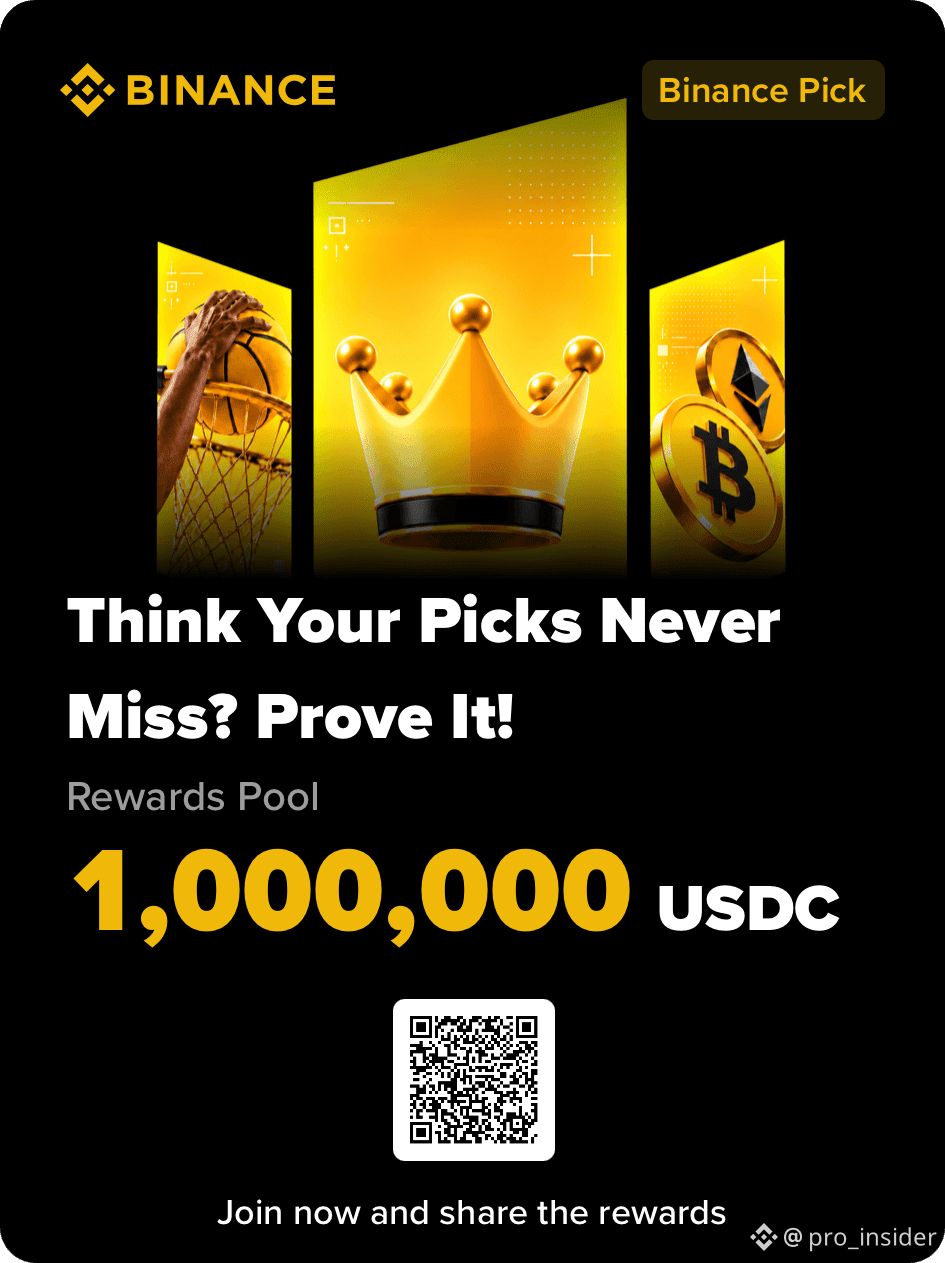
🚀 Binance Pick & Earning Season is now live!
🗓 Oct 21 – Nov 15
💰 1,000,000 USDC prize pool
✅ Complete simple tasks to boost your Earn Score
📈 Predict market moves
🏆 Climb the leaderboard and earn rewards
Don’t just follow the market — take part in it.
https://www.binance.com/register?ref=811303282
#Binance #Pick #EarningSeason #Crypto #USDC
🚀 Binance Pick & Earning Season is now live!
🗓 Oct 21 – Nov 15
💰 1,000,000 USDC prize pool
✅ Complete simple tasks to boost your Earn Score
📈 Predict market moves
🏆 Climb the leaderboard and earn rewards
Don’t just follow the market — take part in it.
https://www.binance.com/register?ref=811303282
#Binance #Pick #EarningSeason #Crypto #USDC
🗓 Oct 21 – Nov 15
💰 1,000,000 USDC prize pool
✅ Complete simple tasks to boost your Earn Score
📈 Predict market moves
🏆 Climb the leaderboard and earn rewards
Don’t just follow the market — take part in it.
https://www.binance.com/register?ref=811303282
#Binance #Pick #EarningSeason #Crypto #USDC
1
123

·
--
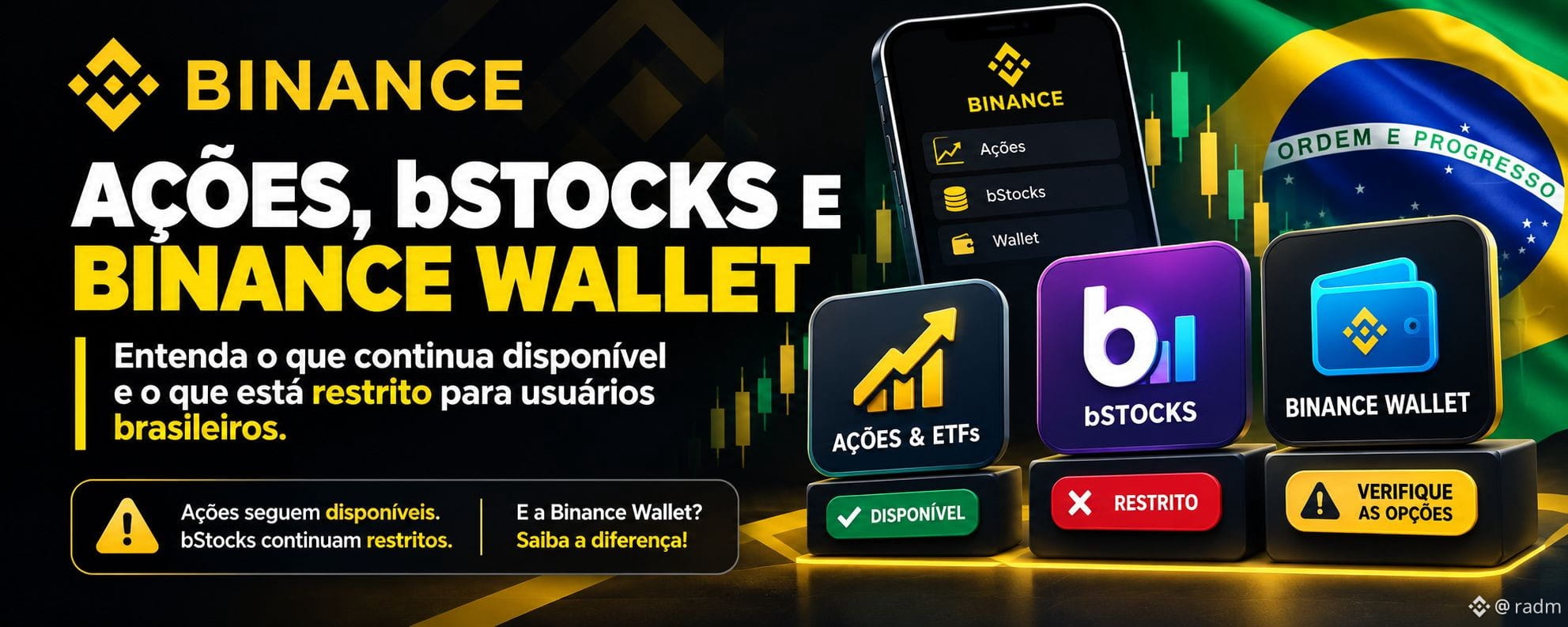
📈 𝗕𝗜𝗡𝗔𝗡𝗖𝗘 𝗕𝗥𝗔𝗦𝗜𝗟: 𝗔ÇÕ𝗘𝗦, 𝗯𝗦𝗧𝗢𝗖𝗞𝗦 𝗘 𝗕𝗜𝗡𝗔𝗡𝗖𝗘 𝗪𝗔𝗟𝗟𝗘𝗧 🇧🇷
Com as novas restrições, é importante entender que esses produtos não são a mesma coisa!
📊 𝗔ÇÕ𝗘𝗦 𝗘 𝗘𝗧𝗙𝘀: a Binance informa que continuam acessíveis aos usuários elegíveis no Brasil. A compra e venda é feita em USDC, com acesso a milhares de ativos americanos.
🪙 𝗯𝗦𝗧𝗢𝗖𝗞𝗦: são títulos tokenizados que acompanham o desempenho de determinadas ações, mas não representam propriedade direta das ações. A Binance informa que continuam restritos para usuários brasileiros.
👛 𝗕𝗜𝗡𝗔𝗡𝗖𝗘 𝗪𝗔𝗟𝗟𝗘𝗧: é a carteira Web3, diferente da Alpha 2.0 integrada à corretora. A restrição da Alpha 2.0 não significa, por si só, que a Binance Wallet foi encerrada.
⚠️ Antes de operar, confira a disponibilidade do produto para sua região e as opções de transferência e saque do ativo.
📚 Fontes oficiais:
Ações e ETFs no Brasil:
https://www.binance.bh/pt-BR/blog/mercados/1411045749473861962
bStocks:
https://www.binance.com/pt-BR/support/faq/detail/f0d41139fadc4790bf9a4c0c7bce2e88
Binance Alpha 2.0 e Binance Wallet:
https://www.binance.com/pt-BR/support/faq/detail/60cc2e54aa32453387523c10254438c1
#Binance #Ações #ETFs #BStocks #BinanceWallet
$NVDAB $CYPHB
📈 𝗕𝗜𝗡𝗔𝗡𝗖𝗘 𝗕𝗥𝗔𝗦𝗜𝗟: 𝗔ÇÕ𝗘𝗦, 𝗯𝗦𝗧𝗢𝗖𝗞𝗦 𝗘 𝗕𝗜𝗡𝗔𝗡𝗖𝗘 𝗪𝗔𝗟𝗟𝗘𝗧 🇧🇷
Com as novas restrições, é importante entender que esses produtos não são a mesma coisa!
📊 𝗔ÇÕ𝗘𝗦 𝗘 𝗘𝗧𝗙𝘀: a Binance informa que continuam acessíveis aos usuários elegíveis no Brasil. A compra e venda é feita em USDC, com acesso a milhares de ativos americanos.
🪙 𝗯𝗦𝗧𝗢𝗖𝗞𝗦: são títulos tokenizados que acompanham o desempenho de determinadas ações, mas não representam propriedade direta das ações. A Binance informa que continuam restritos para usuários brasileiros.
👛 𝗕𝗜𝗡𝗔𝗡𝗖𝗘 𝗪𝗔𝗟𝗟𝗘𝗧: é a carteira Web3, diferente da Alpha 2.0 integrada à corretora. A restrição da Alpha 2.0 não significa, por si só, que a Binance Wallet foi encerrada.
⚠️ Antes de operar, confira a disponibilidade do produto para sua região e as opções de transferência e saque do ativo.
📚 Fontes oficiais:
Ações e ETFs no Brasil:
https://www.binance.bh/pt-BR/blog/mercados/1411045749473861962
bStocks:
https://www.binance.com/pt-BR/support/faq/detail/f0d41139fadc4790bf9a4c0c7bce2e88
Binance Alpha 2.0 e Binance Wallet:
https://www.binance.com/pt-BR/support/faq/detail/60cc2e54aa32453387523c10254438c1
#Binance #Ações #ETFs #BStocks #BinanceWallet
$NVDAB $CYPHB
Com as novas restrições, é importante entender que esses produtos não são a mesma coisa!
📊 𝗔ÇÕ𝗘𝗦 𝗘 𝗘𝗧𝗙𝘀: a Binance informa que continuam acessíveis aos usuários elegíveis no Brasil. A compra e venda é feita em USDC, com acesso a milhares de ativos americanos.
🪙 𝗯𝗦𝗧𝗢𝗖𝗞𝗦: são títulos tokenizados que acompanham o desempenho de determinadas ações, mas não representam propriedade direta das ações. A Binance informa que continuam restritos para usuários brasileiros.
👛 𝗕𝗜𝗡𝗔𝗡𝗖𝗘 𝗪𝗔𝗟𝗟𝗘𝗧: é a carteira Web3, diferente da Alpha 2.0 integrada à corretora. A restrição da Alpha 2.0 não significa, por si só, que a Binance Wallet foi encerrada.
⚠️ Antes de operar, confira a disponibilidade do produto para sua região e as opções de transferência e saque do ativo.
📚 Fontes oficiais:
Ações e ETFs no Brasil:
https://www.binance.bh/pt-BR/blog/mercados/1411045749473861962
bStocks:
https://www.binance.com/pt-BR/support/faq/detail/f0d41139fadc4790bf9a4c0c7bce2e88
Binance Alpha 2.0 e Binance Wallet:
https://www.binance.com/pt-BR/support/faq/detail/60cc2e54aa32453387523c10254438c1
#Binance #Ações #ETFs #BStocks #BinanceWallet
$NVDAB $CYPHB
82
📈 $BNB · 4H
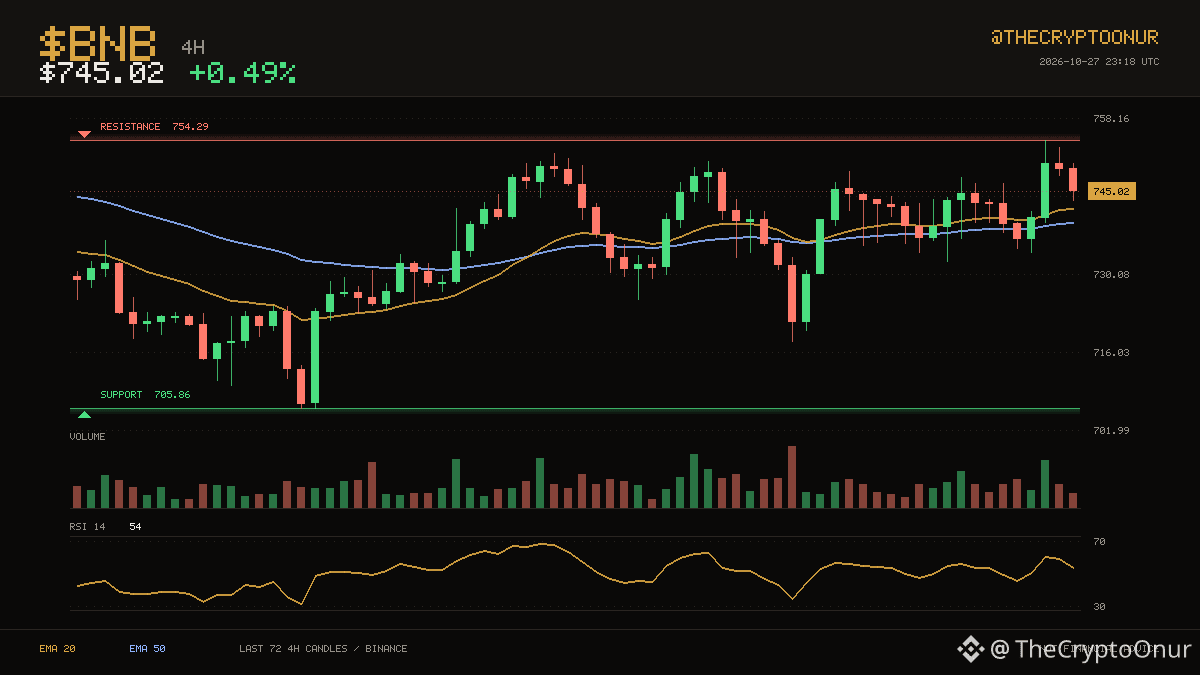
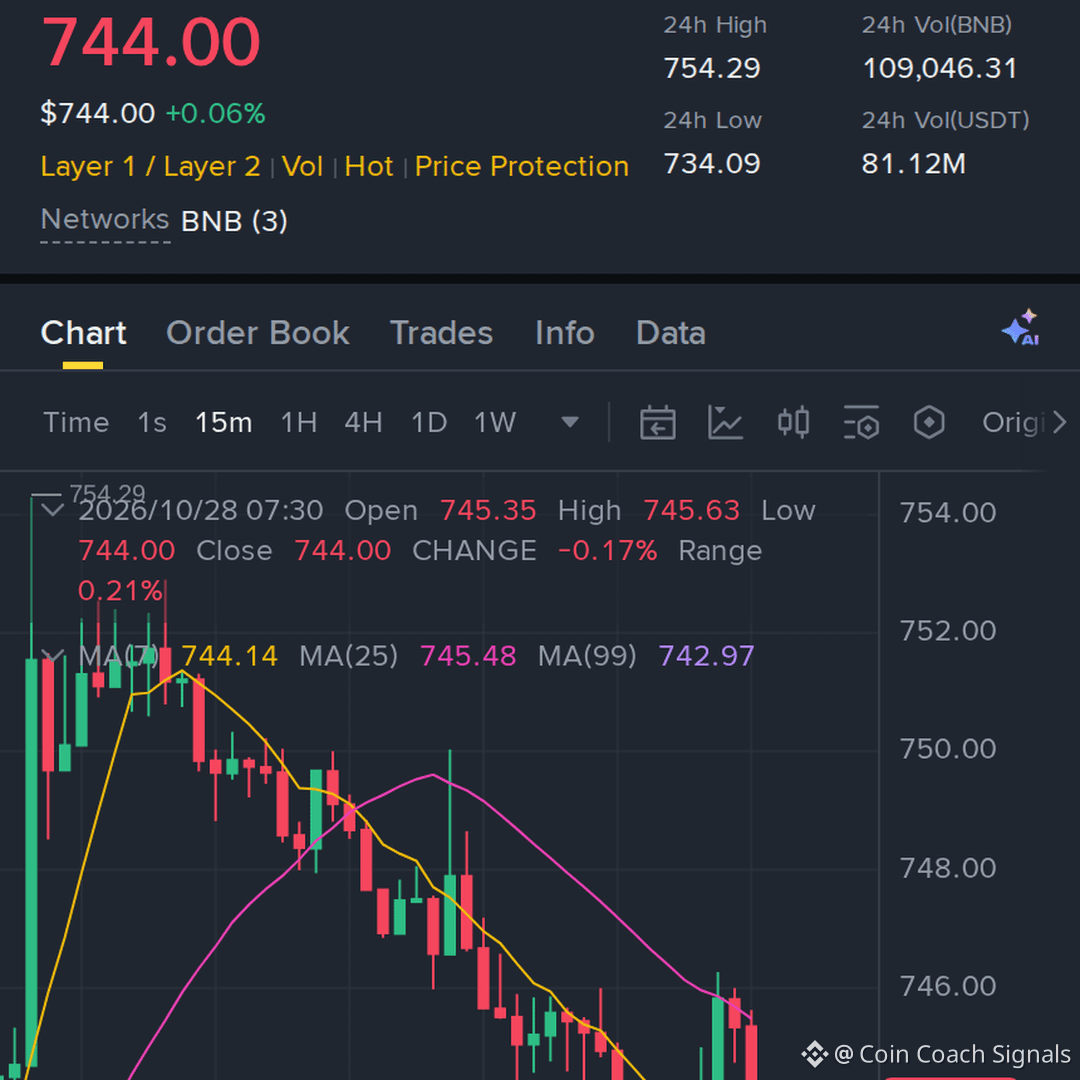
$754.29 has been the ceiling over the last two weeks and $BNB is back at it. $BNB is trading at $745.02, above both its 20 and 50 4-hour averages. Price is holding in the upper third of that range. That is 1.2% to the ceiling and 5.3% to the floor. The 20 has stayed above the 50 for 39 candles. RSI at 54 is neutral, so momentum is not blocking a move either way. Over the past day it has traded between $734.09 and $754.29, sitting around the middle of it now. Turnover is unremarkable, running 1.0x the recent average. Up 0.5% over 24 hours.
DYOR
$BNB #Binance
📈 $BNB · 4H
$754.29 has been the ceiling over the last two weeks and $BNB is back at it. $BNB is trading at $745.02, above both its 20 and 50 4-hour averages. Price is holding in the upper third of that range. That is 1.2% to the ceiling and 5.3% to the floor. The 20 has stayed above the 50 for 39 candles. RSI at 54 is neutral, so momentum is not blocking a move either way. Over the past day it has traded between $734.09 and $754.29, sitting around the middle of it now. Turnover is unremarkable, running 1.0x the recent average. Up 0.5% over 24 hours.
DYOR
$BNB #Binance
$754.29 has been the ceiling over the last two weeks and $BNB is back at it. $BNB is trading at $745.02, above both its 20 and 50 4-hour averages. Price is holding in the upper third of that range. That is 1.2% to the ceiling and 5.3% to the floor. The 20 has stayed above the 50 for 39 candles. RSI at 54 is neutral, so momentum is not blocking a move either way. Over the past day it has traded between $734.09 and $754.29, sitting around the middle of it now. Turnover is unremarkable, running 1.0x the recent average. Up 0.5% over 24 hours.
DYOR
$BNB #Binance
14

·
--
ලිපිය
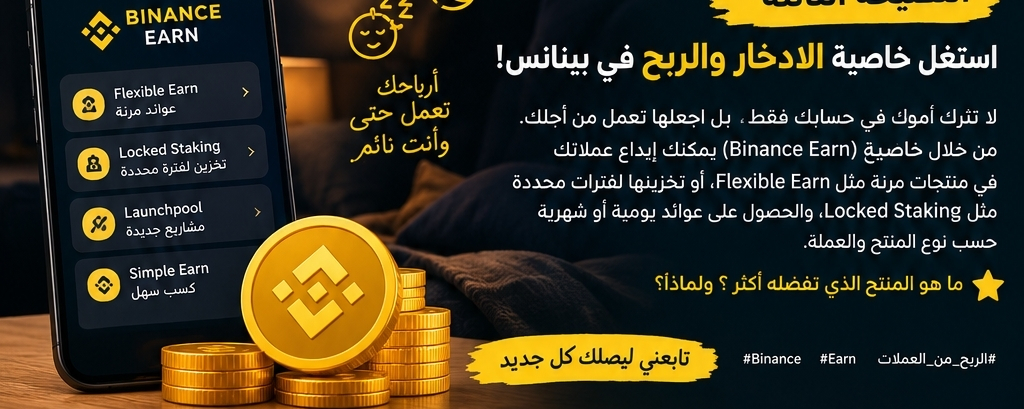
هل يمكن أن تستفيد من عملاتك دون التداول اليومي؟ 💰كثير من المبتدئين يعتقدون أن الطريقة الوحيدة للاستفادة من العملات الرقمية هي شراء العملات وبيعها باستمرار، لكن هناك خيارات أخرى تستحق التعلّم! 👀
توفّر منصة باينانس منتجات مختلفة ضمن خدمات Binance Earn، وقد تتيح بعض هذه المنتجات الحصول على عوائد مقابل إيداع أصول رقمية مؤهلة، وفقًا لشروط كل منتج وتوافره في بلدك.
لكن قبل استخدام أي منتج، انتبه إلى النصائح التالية:
🔸 1. افهم المنتج أولًا. اقرأ شروط الاشتراك، واعرف كيف تُحسب العوائد، ومتى يمكنك استرداد أموالك.
🔸 2. لا تنخدع بالأرقام الكبيرة. العائد المرتفع المحتمل لا يعني ربحًا مضمونًا، وقد تختلف النسب والشروط بمرور الوقت.
🔸 3. افهم المخاطر. قد تتعرض العملة نفسها لانخفاض في السعر، حتى لو حصلت على عائد إضافي منها.
🔸 4. اختر ما يناسب احتياجاتك. بعض المنتجات تسمح بالاسترداد المرن، بينما قد تربط منتجات أخرى أصولك لفترة محددة أو تفرض شروطًا مختلفة.
🔸 5. تحقّق من توفر الخدمة لحسابك. اقرأ التفاصيل الظاهرة داخل حسابك على باينانس قبل الاشتراك، ولا تودع أموالك في منتج لا تفهمه.
💡 تذكّر أن العائد الإضافي لا يلغي مخاطر العملات الرقمية، ولا توجد أرباح مضمونة في هذه المنتجات.
🔥 سؤالي لك: لو أردت التعرّف على خيارات Binance Earn، هل تفضّل شرح العائد المرن أم العائد المقفل؟ ولماذا؟ 👇
اكتب اختيارك في التعليقات، وسأقدّم نصائح مبسطة للمبتدئين حوله.
تابعني ليصلك كل جديد ❤️
#Binance #BinanceEarn #العملات_الرقمية #الاستثمار
هل يمكن أن تستفيد من عملاتك دون التداول اليومي؟ 💰
كثير من المبتدئين يعتقدون أن الطريقة الوحيدة للاستفادة من العملات الرقمية هي شراء العملات وبيعها باستمرار، لكن هناك خيارات أخرى تستحق التعلّم! 👀
توفّر منصة باينانس منتجات مختلفة ضمن خدمات Binance Earn، وقد تتيح بعض هذه المنتجات الحصول على عوائد مقابل إيداع أصول رقمية مؤهلة، وفقًا لشروط كل منتج وتوافره في بلدك.
لكن قبل استخدام أي منتج، انتبه إلى النصائح التالية:
🔸 1. افهم المنتج أولًا. اقرأ شروط الاشتراك، واعرف كيف تُحسب العوائد، ومتى يمكنك استرداد أموالك.
🔸 2. لا تنخدع بالأرقام الكبيرة. العائد المرتفع المحتمل لا يعني ربحًا مضمونًا، وقد تختلف النسب والشروط بمرور الوقت.
🔸 3. افهم المخاطر. قد تتعرض العملة نفسها لانخفاض في السعر، حتى لو حصلت على عائد إضافي منها.
🔸 4. اختر ما يناسب احتياجاتك. بعض المنتجات تسمح بالاسترداد المرن، بينما قد تربط منتجات أخرى أصولك لفترة محددة أو تفرض شروطًا مختلفة.
🔸 5. تحقّق من توفر الخدمة لحسابك. اقرأ التفاصيل الظاهرة داخل حسابك على باينانس قبل الاشتراك، ولا تودع أموالك في منتج لا تفهمه.
💡 تذكّر أن العائد الإضافي لا يلغي مخاطر العملات الرقمية، ولا توجد أرباح مضمونة في هذه المنتجات.
🔥 سؤالي لك: لو أردت التعرّف على خيارات Binance Earn، هل تفضّل شرح العائد المرن أم العائد المقفل؟ ولماذا؟ 👇
اكتب اختيارك في التعليقات، وسأقدّم نصائح مبسطة للمبتدئين حوله.
تابعني ليصلك كل جديد ❤️
#Binance #BinanceEarn #العملات_الرقمية #الاستثمار
توفّر منصة باينانس منتجات مختلفة ضمن خدمات Binance Earn، وقد تتيح بعض هذه المنتجات الحصول على عوائد مقابل إيداع أصول رقمية مؤهلة، وفقًا لشروط كل منتج وتوافره في بلدك.
لكن قبل استخدام أي منتج، انتبه إلى النصائح التالية:
🔸 1. افهم المنتج أولًا. اقرأ شروط الاشتراك، واعرف كيف تُحسب العوائد، ومتى يمكنك استرداد أموالك.
🔸 2. لا تنخدع بالأرقام الكبيرة. العائد المرتفع المحتمل لا يعني ربحًا مضمونًا، وقد تختلف النسب والشروط بمرور الوقت.
🔸 3. افهم المخاطر. قد تتعرض العملة نفسها لانخفاض في السعر، حتى لو حصلت على عائد إضافي منها.
🔸 4. اختر ما يناسب احتياجاتك. بعض المنتجات تسمح بالاسترداد المرن، بينما قد تربط منتجات أخرى أصولك لفترة محددة أو تفرض شروطًا مختلفة.
🔸 5. تحقّق من توفر الخدمة لحسابك. اقرأ التفاصيل الظاهرة داخل حسابك على باينانس قبل الاشتراك، ولا تودع أموالك في منتج لا تفهمه.
💡 تذكّر أن العائد الإضافي لا يلغي مخاطر العملات الرقمية، ولا توجد أرباح مضمونة في هذه المنتجات.
🔥 سؤالي لك: لو أردت التعرّف على خيارات Binance Earn، هل تفضّل شرح العائد المرن أم العائد المقفل؟ ولماذا؟ 👇
اكتب اختيارك في التعليقات، وسأقدّم نصائح مبسطة للمبتدئين حوله.
تابعني ليصلك كل جديد ❤️
#Binance #BinanceEarn #العملات_الرقمية #الاستثمار
95

·
--
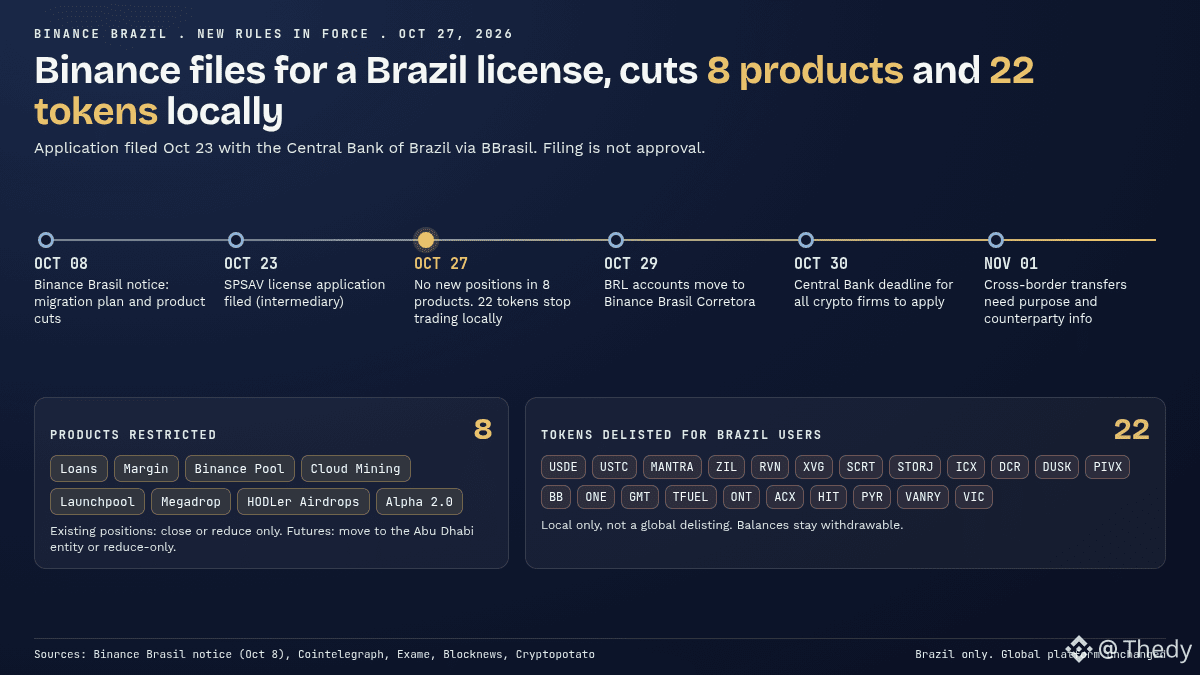
Binance Brasil coupe 8 produits et 22 tokens pour ses utilisateurs brésiliens à partir d'aujourd'hui, 27/10, après avoir déposé sa demande de licence auprès de la Banque centrale du Brésil le 23/10.
Si vous résidez au Brésil, voici ce qui change (avis Binance Brasil du 08/10, repris par Cryptopotato) :
- plus de nouvelles positions sur Loans, Margin, Binance Pool, Cloud Mining, Launchpool, Megadrop, HODLer Airdrops et Alpha 2.0, l'existant passe en fermeture seulement ;
- 22 tokens ne se tradent plus localement, dont USDe, USTC, MANTRA et ZIL. Soldes retirables, pas de delisting global ;
- futures : transfert vers l'entité d'Abu Dhabi, sinon reduce-only ;
- d'ici le 29/10, les comptes en réais passent chez Binance Brasil Corretora ;
- dès le 01/11, tout transfert crypto avec l'étranger exige motif et contrepartie, déclarés à la Banque centrale.
Le contexte : chaque prestataire doit demander son autorisation avant le vendredi 30/10 pour rester en régime transitoire. Déposer n'est pas être agréé (Cointelegraph). Thiago Sarandy, DG de Binance au Brésil, dit à Exame vouloir récupérer margin et prêts via un partenaire bancaire, et juge les 270 jours d'adaptation trop courts.
Ma lecture : Binance réduit son menu pour garder un des plus gros marchés crypto d'Amérique latine. Deux suites possibles : la licence tombe et des produits reviennent par la porte bancaire, ou l'instruction traîne et le Brésil reste en mode spot + stablecoins pendant des mois. Pour $BNB l'effet direct est limité, mais c'est un test grandeur nature du coût de la régulation.
Utilisateurs brésiliens : quel produit coupé vous manque le plus, le margin ou les Launchpool/HODLer Airdrops ?
#Binance #Brasil
Binance Brasil coupe 8 produits et 22 tokens pour ses utilisateurs brésiliens à partir d'aujourd'hui, 27/10, après avoir déposé sa demande de licence auprès de la Banque centrale du Brésil le 23/10.
Si vous résidez au Brésil, voici ce qui change (avis Binance Brasil du 08/10, repris par Cryptopotato) :
- plus de nouvelles positions sur Loans, Margin, Binance Pool, Cloud Mining, Launchpool, Megadrop, HODLer Airdrops et Alpha 2.0, l'existant passe en fermeture seulement ;
- 22 tokens ne se tradent plus localement, dont USDe, USTC, MANTRA et ZIL. Soldes retirables, pas de delisting global ;
- futures : transfert vers l'entité d'Abu Dhabi, sinon reduce-only ;
- d'ici le 29/10, les comptes en réais passent chez Binance Brasil Corretora ;
- dès le 01/11, tout transfert crypto avec l'étranger exige motif et contrepartie, déclarés à la Banque centrale.
Le contexte : chaque prestataire doit demander son autorisation avant le vendredi 30/10 pour rester en régime transitoire. Déposer n'est pas être agréé (Cointelegraph). Thiago Sarandy, DG de Binance au Brésil, dit à Exame vouloir récupérer margin et prêts via un partenaire bancaire, et juge les 270 jours d'adaptation trop courts.
Ma lecture : Binance réduit son menu pour garder un des plus gros marchés crypto d'Amérique latine. Deux suites possibles : la licence tombe et des produits reviennent par la porte bancaire, ou l'instruction traîne et le Brésil reste en mode spot + stablecoins pendant des mois. Pour $BNB l'effet direct est limité, mais c'est un test grandeur nature du coût de la régulation.
Utilisateurs brésiliens : quel produit coupé vous manque le plus, le margin ou les Launchpool/HODLer Airdrops ?
#Binance #Brasil
Si vous résidez au Brésil, voici ce qui change (avis Binance Brasil du 08/10, repris par Cryptopotato) :
- plus de nouvelles positions sur Loans, Margin, Binance Pool, Cloud Mining, Launchpool, Megadrop, HODLer Airdrops et Alpha 2.0, l'existant passe en fermeture seulement ;
- 22 tokens ne se tradent plus localement, dont USDe, USTC, MANTRA et ZIL. Soldes retirables, pas de delisting global ;
- futures : transfert vers l'entité d'Abu Dhabi, sinon reduce-only ;
- d'ici le 29/10, les comptes en réais passent chez Binance Brasil Corretora ;
- dès le 01/11, tout transfert crypto avec l'étranger exige motif et contrepartie, déclarés à la Banque centrale.
Le contexte : chaque prestataire doit demander son autorisation avant le vendredi 30/10 pour rester en régime transitoire. Déposer n'est pas être agréé (Cointelegraph). Thiago Sarandy, DG de Binance au Brésil, dit à Exame vouloir récupérer margin et prêts via un partenaire bancaire, et juge les 270 jours d'adaptation trop courts.
Ma lecture : Binance réduit son menu pour garder un des plus gros marchés crypto d'Amérique latine. Deux suites possibles : la licence tombe et des produits reviennent par la porte bancaire, ou l'instruction traîne et le Brésil reste en mode spot + stablecoins pendant des mois. Pour $BNB l'effet direct est limité, mais c'est un test grandeur nature du coût de la régulation.
Utilisateurs brésiliens : quel produit coupé vous manque le plus, le margin ou les Launchpool/HODLer Airdrops ?
#Binance #Brasil
493

·
--
🚀 𝗕𝗶𝗻𝗮𝗻𝗰𝗲 𝗦𝗽𝗮𝗰𝗲𝗫 𝗕𝘂𝘁𝘁𝗼𝗻 𝗚𝗮𝗺𝗲 is live for South Asia! 👀
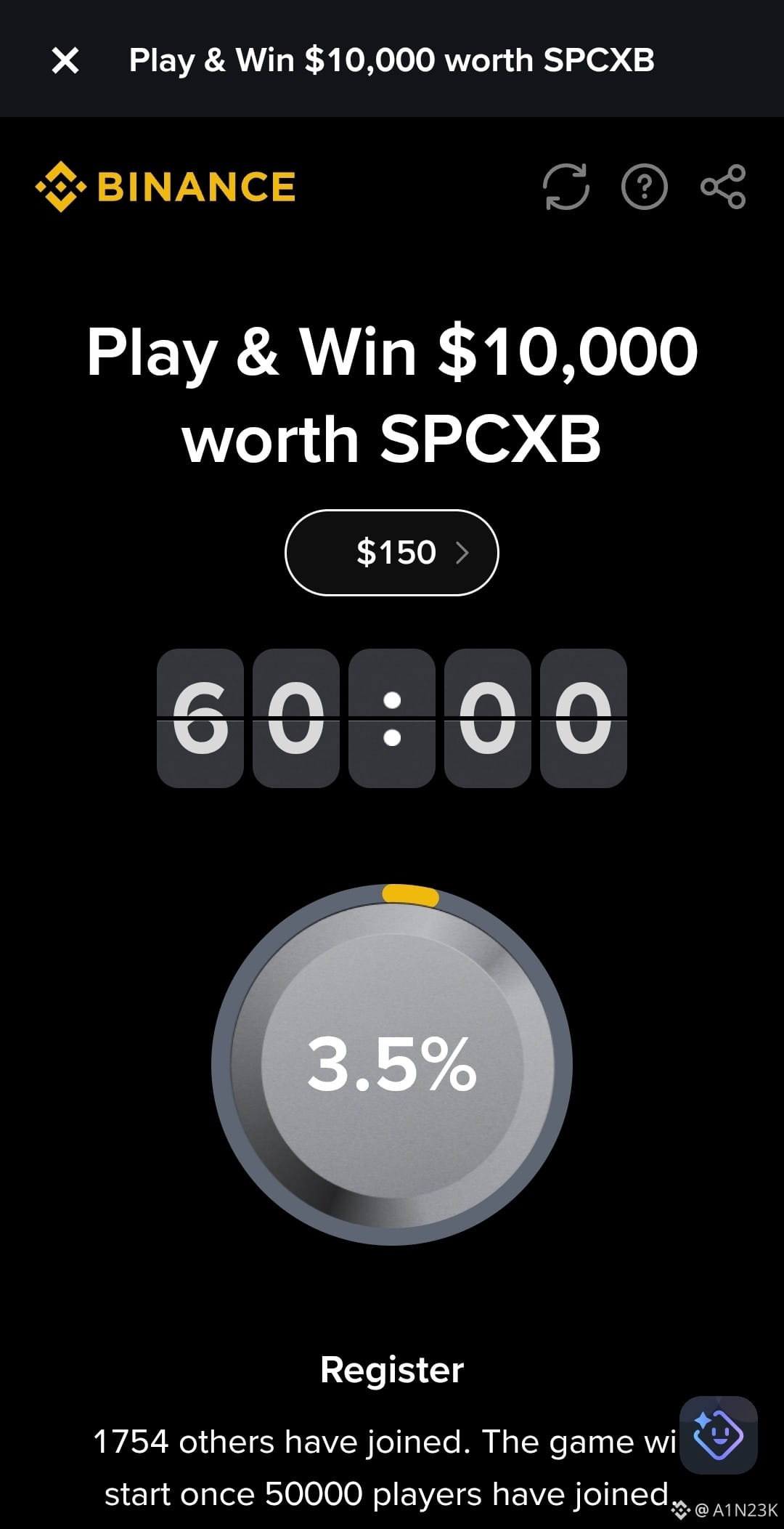
Binance is giving away $SPCXB token vouchers worth $10,000 to whoever is first to count down to 00:00.
{spot}(SPCXBUSDT)
🎮 𝗛𝗼𝘄 𝗶𝘁 𝘄𝗼𝗿𝗸𝘀: Hit the button, and the timer starts from 60:00. If it reaches 00:00 without interruption, you win.
👥 𝗦𝘁𝗮𝗿𝘁 𝗰𝗼𝗻𝗱𝗶𝘁𝗶𝗼𝗻: The game begins once 50,000 players have joined. Over 1,700 have already registered, so early joiners are ahead of the crowd.
📅 𝗗𝘂𝗿𝗮𝘁𝗶𝗼𝗻: From 27 Oct 2026, 14:00 UTC, until the timer hits 00:00 or 30 days after the game starts, whichever comes first.
Registration is free, and you can invite friends to help the game start sooner.
Are you joining, or waiting to see who cracks the countdown first? Tell me below 👇
⚠️ Check the official terms and your region's eligibility before joining. Not financial advice. DYOR.
#Binance #SPCXB #SpaceX #BinanceSquare #Crypto
🚀 𝗕𝗶𝗻𝗮𝗻𝗰𝗲 𝗦𝗽𝗮𝗰𝗲𝗫 𝗕𝘂𝘁𝘁𝗼𝗻 𝗚𝗮𝗺𝗲 is live for South Asia! 👀
Binance is giving away $SPCXB token vouchers worth $10,000 to whoever is first to count down to 00:00.
🎮 𝗛𝗼𝘄 𝗶𝘁 𝘄𝗼𝗿𝗸𝘀: Hit the button, and the timer starts from 60:00. If it reaches 00:00 without interruption, you win.
👥 𝗦𝘁𝗮𝗿𝘁 𝗰𝗼𝗻𝗱𝗶𝘁𝗶𝗼𝗻: The game begins once 50,000 players have joined. Over 1,700 have already registered, so early joiners are ahead of the crowd.
📅 𝗗𝘂𝗿𝗮𝘁𝗶𝗼𝗻: From 27 Oct 2026, 14:00 UTC, until the timer hits 00:00 or 30 days after the game starts, whichever comes first.
Registration is free, and you can invite friends to help the game start sooner.
Are you joining, or waiting to see who cracks the countdown first? Tell me below 👇
⚠️ Check the official terms and your region's eligibility before joining. Not financial advice. DYOR.
#Binance #SPCXB #SpaceX #BinanceSquare #Crypto
Binance is giving away $SPCXB token vouchers worth $10,000 to whoever is first to count down to 00:00.
🎮 𝗛𝗼𝘄 𝗶𝘁 𝘄𝗼𝗿𝗸𝘀: Hit the button, and the timer starts from 60:00. If it reaches 00:00 without interruption, you win.
👥 𝗦𝘁𝗮𝗿𝘁 𝗰𝗼𝗻𝗱𝗶𝘁𝗶𝗼𝗻: The game begins once 50,000 players have joined. Over 1,700 have already registered, so early joiners are ahead of the crowd.
📅 𝗗𝘂𝗿𝗮𝘁𝗶𝗼𝗻: From 27 Oct 2026, 14:00 UTC, until the timer hits 00:00 or 30 days after the game starts, whichever comes first.
Registration is free, and you can invite friends to help the game start sooner.
Are you joining, or waiting to see who cracks the countdown first? Tell me below 👇
⚠️ Check the official terms and your region's eligibility before joining. Not financial advice. DYOR.
#Binance #SPCXB #SpaceX #BinanceSquare #Crypto
175
🚨🚨 DELISTING
Binance Futures Will Delist Multiple USDⓈ-M Perpetual Contracts (2026-10-05)
#Binance
🚨🚨 DELISTING
Binance Futures Will Delist Multiple USDⓈ-M Perpetual Contracts (2026-10-05)
#Binance
Binance Futures Will Delist Multiple USDⓈ-M Perpetual Contracts (2026-10-05)
#Binance
23

·
--
ලිපිය
🚀 38,000 PKR in Just 3 Days! 💰 My Binance Qafila Journey Is Getting Exciting!What if your participation in a crypto community campaign could turn into an exciting earning opportunity? 👀🔥
My journey with the Binance MENAP Qafila Community Challenge has been amazing so far! 💛
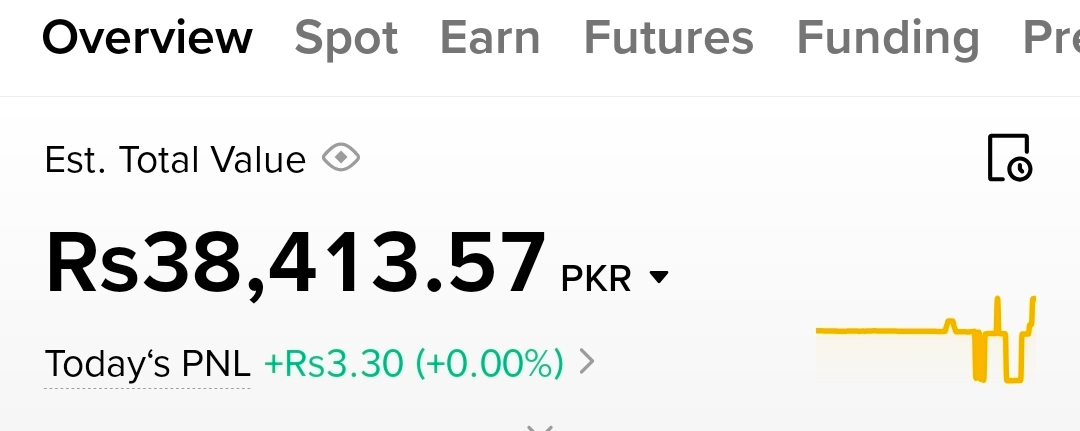
In just 3 days, I earned 38,000 PKR — approximately $136 USD! 🤯💰
For me, Qafila is more than just a campaign. It's an opportunity to participate, share my Binance journey, provide feedback, connect with the community, and learn along the way.
Every task has been a new experience, and this progress motivates me to keep moving forward! 🚀
My message to the community is simple: stay active, participate honestly, complete the tasks, and make the most of every opportunity.
This is my Qafila journey, and the adventure continues! 💛
Who's participating in the Binance Qafila Challenge? Let's keep growing together! 🤝
#Binance #Qafila
$NIL
{spot}(NILUSDT)
$BNB
{spot}(BNBUSDT)
🚀 38,000 PKR in Just 3 Days! 💰 My Binance Qafila Journey Is Getting Exciting!
What if your participation in a crypto community campaign could turn into an exciting earning opportunity? 👀🔥
My journey with the Binance MENAP Qafila Community Challenge has been amazing so far! 💛
In just 3 days, I earned 38,000 PKR — approximately $136 USD! 🤯💰
For me, Qafila is more than just a campaign. It's an opportunity to participate, share my Binance journey, provide feedback, connect with the community, and learn along the way.
Every task has been a new experience, and this progress motivates me to keep moving forward! 🚀
My message to the community is simple: stay active, participate honestly, complete the tasks, and make the most of every opportunity.
This is my Qafila journey, and the adventure continues! 💛
Who's participating in the Binance Qafila Challenge? Let's keep growing together! 🤝
#Binance #Qafila
$NIL
$BNB
My journey with the Binance MENAP Qafila Community Challenge has been amazing so far! 💛
In just 3 days, I earned 38,000 PKR — approximately $136 USD! 🤯💰
For me, Qafila is more than just a campaign. It's an opportunity to participate, share my Binance journey, provide feedback, connect with the community, and learn along the way.
Every task has been a new experience, and this progress motivates me to keep moving forward! 🚀
My message to the community is simple: stay active, participate honestly, complete the tasks, and make the most of every opportunity.
This is my Qafila journey, and the adventure continues! 💛
Who's participating in the Binance Qafila Challenge? Let's keep growing together! 🤝
#Binance #Qafila
$NIL
$BNB
291
·
--
උසබ තත්ත්වය
Not sure where to start with Qafila 2026?
Binance MENAT's biggest campaign is back with a $1M pool, running Oct 20 to Nov 30.
Whether it's your first trade, Simple Earn, the trading leaderboard or referrals - every activity has different requirements by region.
Check what's live in your country before you start.
Official details:
[Join Qafila campaign](https://www.binance.com/en/ti/act/Qafila)
#Binance #Qafila2026
Not sure where to start with Qafila 2026?
Binance MENAT's biggest campaign is back with a $1M pool, running Oct 20 to Nov 30.
Whether it's your first trade, Simple Earn, the trading leaderboard or referrals - every activity has different requirements by region.
Check what's live in your country before you start.
Official details:
Join Qafila campaign
#Binance #Qafila2026
Binance MENAT's biggest campaign is back with a $1M pool, running Oct 20 to Nov 30.
Whether it's your first trade, Simple Earn, the trading leaderboard or referrals - every activity has different requirements by region.
Check what's live in your country before you start.
Official details:
Join Qafila campaign
#Binance #Qafila2026
Thomas Reid Dr:
The Best compaign
6
1
6
219

·
--
#BinancePick
[CLAIM FREE USDC](https://app.binance.com/uni-qr/prophet?from=share&seasonId=prophet_1019_s1&ref=806331586)
⚡ The Market Moves Fast. Smart Minds Move Smarter! 🟡
Binance Pick brings a different kind of excitement to the crypto world, where timing, analysis, and decision-making make every round interesting. 📈🔥
For me, it's not just about climbing the leaderboard. It's about understanding market behavior, recognizing patterns, and improving with every prediction. Every round offers a fresh challenge, and every result provides something new to learn.
The competition is fierce, but staying calm and thinking strategically can make all the difference. No prediction is guaranteed, so the real edge comes from discipline, patience, and continuous learning.
One market, countless possibilities, and a community competing to reach the top. 🏆
I'm ready for the next round. Are you?
Analyze the market. Make your pick. Own your strategy. 🚀
#BinancePick #Binance #Crypto #Web3 #CryptoCommunity #MarketAnalysis
#BinancePick
CLAIM FREE USDC
⚡ The Market Moves Fast. Smart Minds Move Smarter! 🟡
Binance Pick brings a different kind of excitement to the crypto world, where timing, analysis, and decision-making make every round interesting. 📈🔥
For me, it's not just about climbing the leaderboard. It's about understanding market behavior, recognizing patterns, and improving with every prediction. Every round offers a fresh challenge, and every result provides something new to learn.
The competition is fierce, but staying calm and thinking strategically can make all the difference. No prediction is guaranteed, so the real edge comes from discipline, patience, and continuous learning.
One market, countless possibilities, and a community competing to reach the top. 🏆
I'm ready for the next round. Are you?
Analyze the market. Make your pick. Own your strategy. 🚀
#BinancePick #Binance #Crypto #Web3 #CryptoCommunity #MarketAnalysis
CLAIM FREE USDC
⚡ The Market Moves Fast. Smart Minds Move Smarter! 🟡
Binance Pick brings a different kind of excitement to the crypto world, where timing, analysis, and decision-making make every round interesting. 📈🔥
For me, it's not just about climbing the leaderboard. It's about understanding market behavior, recognizing patterns, and improving with every prediction. Every round offers a fresh challenge, and every result provides something new to learn.
The competition is fierce, but staying calm and thinking strategically can make all the difference. No prediction is guaranteed, so the real edge comes from discipline, patience, and continuous learning.
One market, countless possibilities, and a community competing to reach the top. 🏆
I'm ready for the next round. Are you?
Analyze the market. Make your pick. Own your strategy. 🚀
#BinancePick #Binance #Crypto #Web3 #CryptoCommunity #MarketAnalysis
10

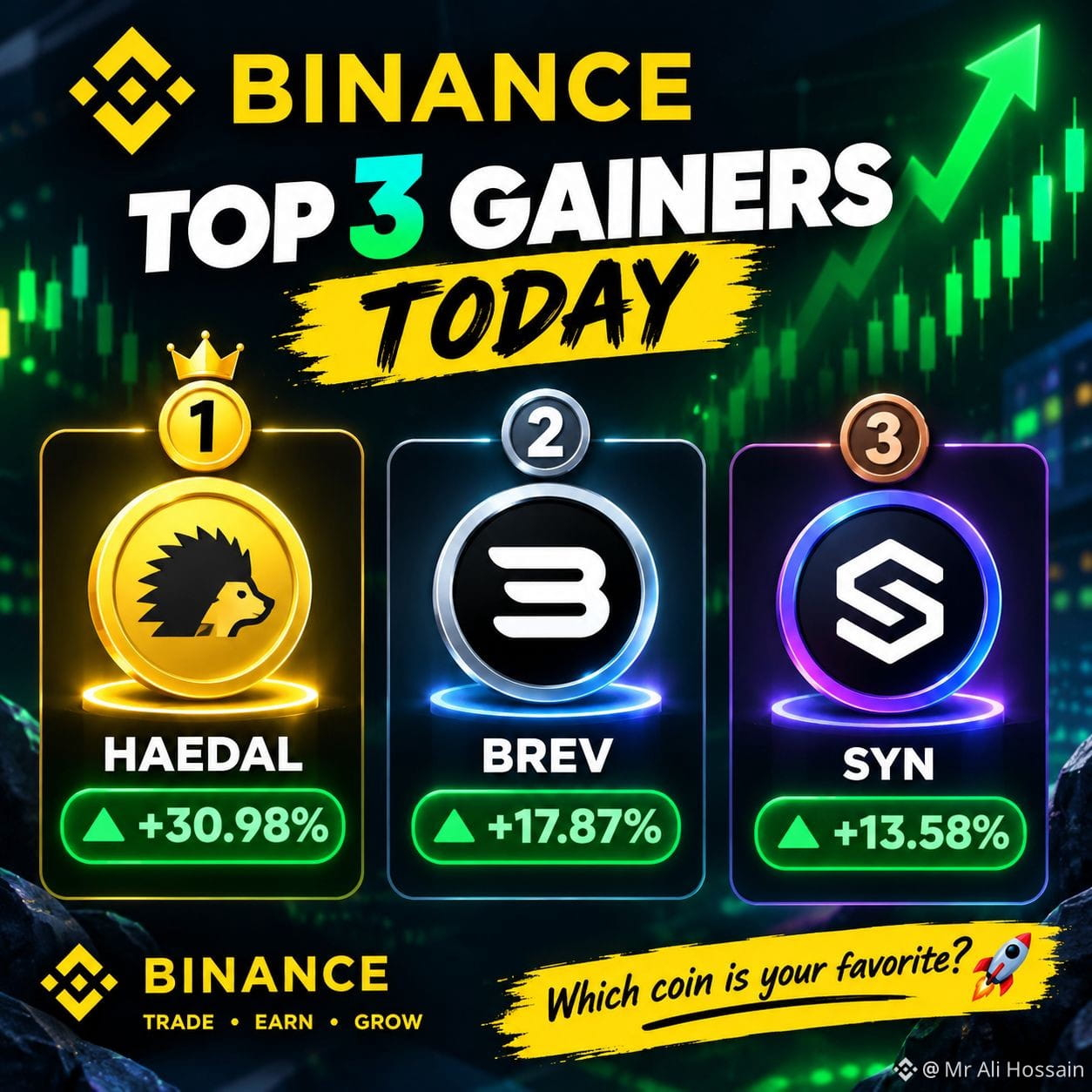
🚀 Top 3 Binance Gainers Today!
🥇 $HAEDAL
{spot}(HAEDALUSDT)
📈
🥈 $BREV
{spot}(BREVUSDT)
🔥
🥉 $SYN
{spot}(SYNUSDT)
#Binance #Crypto #TopGainers #Altcoins @HaedalProtocol @Brevis_ZK @SynapseProtocol
🚀 Top 3 Binance Gainers Today!
🥇 $HAEDAL
📈
🥈 $BREV
🔥
🥉 $SYN
#Binance #Crypto #TopGainers #Altcoins @Haedal Protocol @Brevis_ZK @Synapse Labs
🥇 $HAEDAL
📈
🥈 $BREV
🔥
🥉 $SYN
#Binance #Crypto #TopGainers #Altcoins @Haedal Protocol @Brevis_ZK @Synapse Labs
17
තවත් අන්තර්ගතයන් ගවේෂණය කිරීමට ඇතුල් වන්න
Binance චතුරශ්රය හි ගෝලීය ක්රිප්ටෝ පරිශීලකයින් හා එක්වන්න
⚡️ ක්රිප්ටෝ පිළිබඳ නවතම සහ ප්රයෝජනවත් තොරතුරු ලබා ගන්න.
💬 ලොව විශාලතම ක්රිප්ටෝ හුවමාරුව මගින් විශ්වාස කෙරේ.
👍 සත්යායනය කරන ලද නිර්මාණකරුවන්ගෙන් සැබෑ විදසුන් සොයා ගන්න.
විද්යුත් තැපෑල / දුරකථන අංකය
නැගී එන මාතෘකා
1
#CanMicrosoftDeliverOnAI
127,039 නැරඹීම්
975 සාකච්ඡා කරමින්
2
#CanGoogleDefindItsCore
62,003 නැරඹීම්
695 සාකච්ඡා කරමින්
3
#FOMCWatch
9.1M නැරඹීම්
28,250 සාකච්ඡා කරමින්
4
#OSMOPlansToBurn100MTokensFromCommunityPool
482 නැරඹීම්
38 සාකච්ඡා කරමින්
5
#EthereumDropsBelow$2300
12,228 නැරඹීම්
163 සාකච්ඡා කරමින්
6
#BitcoinSlipsBelow$80KAgain
34,334 නැරඹීම්
131 සාකච්ඡා කරමින්
7
#ThailandLaunchesWORPTStablecoinToQRPaymentApp
74,005 නැරඹීම්
879 සාකච්ඡා කරමින්
8
#StrategySkipsBitcoinPurchasesSpends$205MOnSTRCBuybacks
13,483 නැරඹීම්
99 සාකච්ඡා කරමින්
9
#BitmineAdds10452ETH
124,454 නැරඹීම්
1,304 සාකච්ඡා කරමින්
10
#SouthKoreaConsidersEducationTaxOnCryptoExchanges
79,360 නැරඹීම්
897 සාකච්ඡා කරමින්