

Crypto Rover
280 Публикации

Crypto Rover
Отправить жалобу
Заблокировать пользователя
free signals for everyone
7 подписок(и/а)
180 подписчиков(а)
83 понравилось
Посты
Все
Цитирования
Видео
Активно
PINNED
·
--
Эй, братья, если#BTCпреодолеет эту поддержку, он снова достигнет 52 тысяч. #BTCтакже формирует модель двойной вершины, существует высокая вероятность того, что он сбросится.
Если цена#BTCдостигнет 52 тысяч, то это будет лучшее время для покупки #BTC.
Давайте подождем правильной записи
Если мы получим правильную запись, мы поделимся
#BTC☀ #VanEck_SOL_ETFS $BTC
Эй, братья, если#BTCпреодолеет эту поддержку, он снова достигнет 52 тысяч. #BTCтакже формирует модель двойной вершины, существует высокая вероятность того, что он сбросится.
Если цена#BTCдостигнет 52 тысяч, то это будет лучшее время для покупки #BTC.
Давайте подождем правильной записи
Если мы получим правильную запись, мы поделимся
#BTC☀ #VanEck_SOL_ETFS $BTC
Если цена#BTCдостигнет 52 тысяч, то это будет лучшее время для покупки #BTC.
Давайте подождем правильной записи
Если мы получим правильную запись, мы поделимся
#BTC☀ #VanEck_SOL_ETFS $BTC

2
1
8
1.8k
·
--
ТОКЕНИЗИРОВАННЫЕ АКЦИИ ЗАХВАТЫВАЮТ РЕКОРДНЫЕ ОБЪЁМЫ
Токенизированные акции с Coinbase захватили примерно 7% ежедневного объёма DEX на Base ($60 млн за 24 часа). В сети Robinhood Chain акции составляют 5%–10% торгового объёма ($9,7 млрд в месяц), тогда как в BNB Chain размещено почти 40% глобального предложения. Вместе они контролируют более 88% объёма onchain-акционерного капитала 📊
Структурные риски остаются крайне высокими: тонкая ликвидность провоцирует резкие “пампы” и “дампы”, а торговля 24/7 в выходные отключается от закрытых книг Уолл-стрит, что повышает риск ликвидаций по займам в понедельник. SEC и CFTC теперь разрешают торговлю 24/7, но требуют обязательные аварийные автоматические выключатели и реальное обеспечение 1:1 ⚖️
Токенизированные акции с Coinbase захватили примерно 7% ежедневного объёма DEX на Base ($60 млн за 24 часа). В сети Robinhood Chain акции составляют 5%–10% торгового объёма ($9,7 млрд в месяц), тогда как в BNB Chain размещено почти 40% глобального предложения. Вместе они контролируют более 88% объёма onchain-акционерного капитала 📊 Структурные риски остаются крайне высокими: тонкая ликвидность провоцирует резкие “пампы” и “дампы”, а торговля 24/7 в выходные отключается от закрытых книг Уолл-стрит, что повышает риск ликвидаций по займам в понедельник. SEC и CFTC теперь разрешают торговлю 24/7, но требуют обязательные аварийные автоматические выключатели и реальное обеспечение 1:1 ⚖️
ТОКЕНИЗИРОВАННЫЕ АКЦИИ ЗАХВАТЫВАЮТ РЕКОРДНЫЕ ОБЪЁМЫ
Токенизированные акции с Coinbase захватили примерно 7% ежедневного объёма DEX на Base ($60 млн за 24 часа). В сети Robinhood Chain акции составляют 5%–10% торгового объёма ($9,7 млрд в месяц), тогда как в BNB Chain размещено почти 40% глобального предложения. Вместе они контролируют более 88% объёма onchain-акционерного капитала 📊 Структурные риски остаются крайне высокими: тонкая ликвидность провоцирует резкие “пампы” и “дампы”, а торговля 24/7 в выходные отключается от закрытых книг Уолл-стрит, что повышает риск ликвидаций по займам в понедельник. SEC и CFTC теперь разрешают торговлю 24/7, но требуют обязательные аварийные автоматические выключатели и реальное обеспечение 1:1 ⚖️
83
·
--

Статья
POLYGON РАЗВЁРТЫВАЕТ КОНТРАКТЫ НА СЖИГАНИЕ 100M ТОКЕНОВ
🏛️ CEO Polygon Foundation Сандип Найлвал объявил, что контракты тестнета готовы навсегда сжечь 100M токенов POL (около 1% от предложения), выведя примерно $11M рыночной стоимости из обращения 🧪
✍️ Как только Security Council добавит финальные подписи, развертывание в mainnet позволит любому в сообществе напрямую запускать сжигание, при этом ежеквартальные сжигания запланированы из накопленных базовых комиссий 🚀
💰 Polygon генерировал $24.5M выручки за 2026 YTD, обогнав Arbitrum ($8.41M, с объемом Robinhood) в 3 раза и NEAR ($5.6M) в 5 раз — даже несмотря на то, что цена токена POL отставала от недавних ралли 📊
🏛️ CEO Polygon Foundation Сандип Найлвал объявил, что контракты тестнета готовы навсегда сжечь 100M токенов POL (около 1% от предложения), выведя примерно $11M рыночной стоимости из обращения 🧪
✍️ Как только Security Council добавит финальные подписи, развертывание в mainnet позволит любому в сообществе напрямую запускать сжигание, при этом ежеквартальные сжигания запланированы из накопленных базовых комиссий 🚀 💰 Polygon генерировал $24.5M выручки за 2026 YTD, обогнав Arbitrum ($8.41M, с объемом Robinhood) в 3 раза и NEAR ($5.6M) в 5 раз — даже несмотря на то, что цена токена POL отставала от недавних ралли 📊
POLYGON РАЗВЁРТЫВАЕТ КОНТРАКТЫ НА СЖИГАНИЕ 100M ТОКЕНОВ
🏛️ CEO Polygon Foundation Сандип Найлвал объявил, что контракты тестнета готовы навсегда сжечь 100M токенов POL (около 1% от предложения), выведя примерно $11M рыночной стоимости из обращения 🧪
✍️ Как только Security Council добавит финальные подписи, развертывание в mainnet позволит любому в сообществе напрямую запускать сжигание, при этом ежеквартальные сжигания запланированы из накопленных базовых комиссий 🚀 💰 Polygon генерировал $24.5M выручки за 2026 YTD, обогнав Arbitrum ($8.41M, с объемом Robinhood) в 3 раза и NEAR ($5.6M) в 5 раз — даже несмотря на то, что цена токена POL отставала от недавних ралли 📊
63
·
--
📌 Ежедневный обзор · 18 сентября
🌅 CoinEx выбрала чистый выход вместо продажи
⚖️ Минюст США все еще присматривается к Binance, несмотря на соглашение на миллиард долларов
🔒 Конгресс хочет, чтобы резервы биткоина были заперты на 20 лет
📈 ФРС повышает ставки впервые с 2023 года
🎸 Последний концерт Оззи был также воссоединением Black Sabbath
Кто-то, кого вы знаете, сегодня провел время на встречах подряд — передайте это им, чтобы они не пропустили весь мир, который движется без них
Ваша ежедневная новость #BTCBreaks80K $BTC
{spot}(BTCUSDT)
📌 Ежедневный обзор · 18 сентября
🌅 CoinEx выбрала чистый выход вместо продажи
⚖️ Минюст США все еще присматривается к Binance, несмотря на соглашение на миллиард долларов
🔒 Конгресс хочет, чтобы резервы биткоина были заперты на 20 лет
📈 ФРС повышает ставки впервые с 2023 года
🎸 Последний концерт Оззи был также воссоединением Black Sabbath
Кто-то, кого вы знаете, сегодня провел время на встречах подряд — передайте это им, чтобы они не пропустили весь мир, который движется без них
Ваша ежедневная новость #BTCBreaks80K $BTC
🌅 CoinEx выбрала чистый выход вместо продажи
⚖️ Минюст США все еще присматривается к Binance, несмотря на соглашение на миллиард долларов
🔒 Конгресс хочет, чтобы резервы биткоина были заперты на 20 лет
📈 ФРС повышает ставки впервые с 2023 года
🎸 Последний концерт Оззи был также воссоединением Black Sabbath
Кто-то, кого вы знаете, сегодня провел время на встречах подряд — передайте это им, чтобы они не пропустили весь мир, который движется без них
Ваша ежедневная новость #BTCBreaks80K $BTC
1
·
--
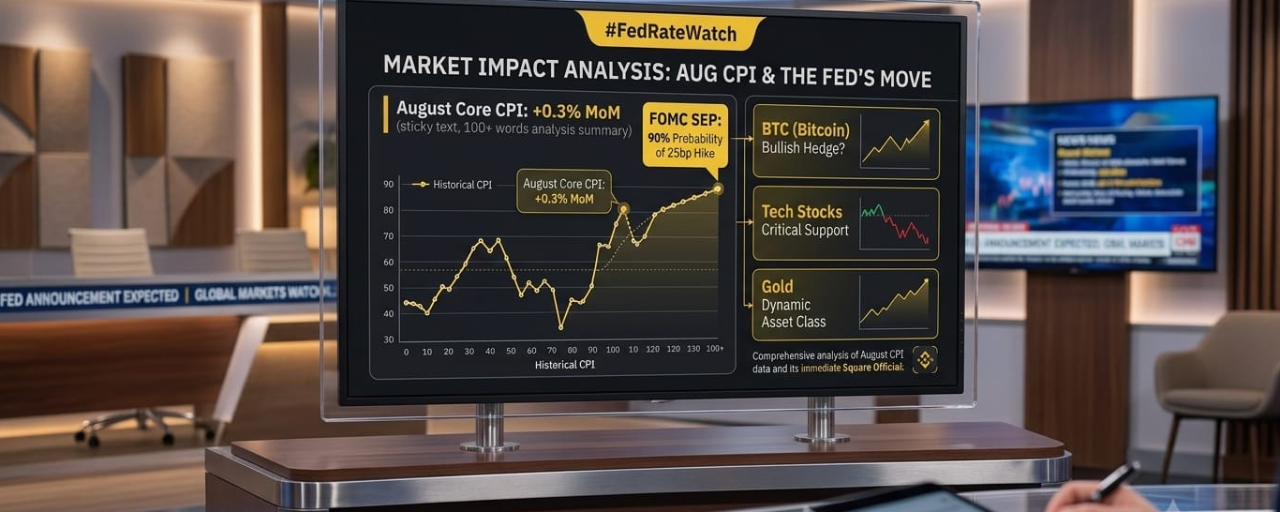
Статья
Navigating the September FOMC: What's Next for BTC, Tech Stocks, and Gold? #FedRateWatch Финансовые рынки снова находятся на критическом перепутье: участники рынка уделяют все свое внимание предстоящему заседанию Федерального комитета по операциям на открытом рынке (FOMC) в этом сентябре. На фоне быстро меняющихся макроэкономических данных трейдеры и инвесторы разбирают каждую поступающую единицу экономической информации, чтобы спрогнозировать следующее решение Федеральной резервной системы. Центральный вопрос, доминирующий в обсуждениях по всему финансовому сектору, предельно ясен: FOMC в сентябре, какое следующее решение примет ФРС? #FedRateWatch
Navigating the September FOMC: What's Next for BTC, Tech Stocks, and Gold?
#FedRateWatch Финансовые рынки снова находятся на критическом перепутье: участники рынка уделяют все свое внимание предстоящему заседанию Федерального комитета по операциям на открытом рынке (FOMC) в этом сентябре. На фоне быстро меняющихся макроэкономических данных трейдеры и инвесторы разбирают каждую поступающую единицу экономической информации, чтобы спрогнозировать следующее решение Федеральной резервной системы. Центральный вопрос, доминирующий в обсуждениях по всему финансовому сектору, предельно ясен: FOMC в сентябре, какое следующее решение примет ФРС? #FedRateWatch
94
·
--
Интересно, думаю, повышение ставки в следующем месяце настроено бычьим образом
Интересно, думаю, повышение ставки в следующем месяце настроено бычьим образом


Binance Square Official
·
--
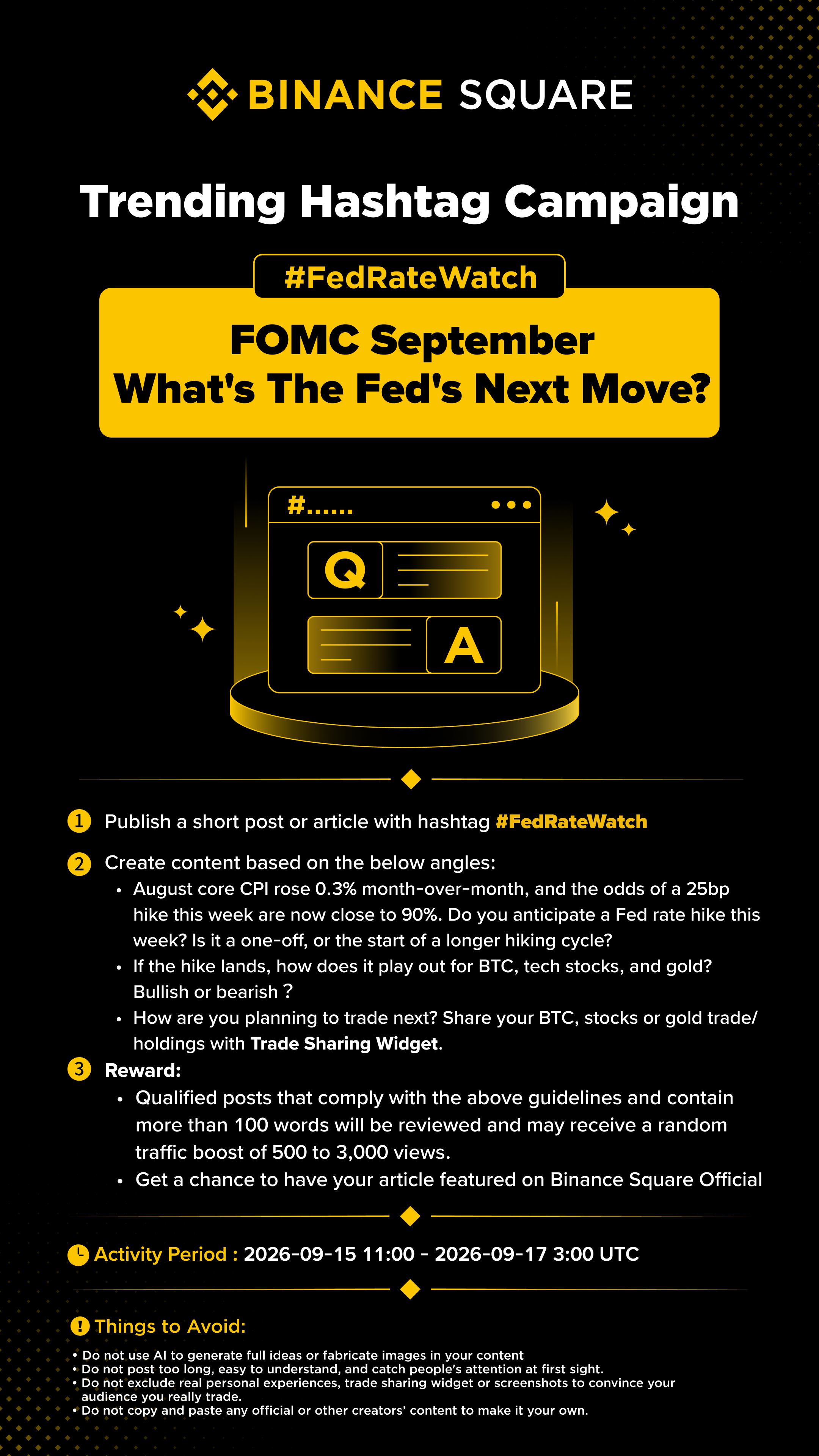
Поделитесь и получите награду за трафик в нашей кампании с трендовым хэштегом
✨Тема: FOMC в сентябре — что дальше сделает ФРС?
👉Как присоединиться:
Опубликуйте короткий пост или статью с хэштегом #FedRateWatch
Создайте контент, опираясь на следующие тезисы:
- Августовский базовый CPI вырос на 0,3% м/м, а вероятность повышения ставки на 25 б.п. на этой неделе теперь близка к 90%. Как вы думаете, будет ли повышение ставки на этой неделе? Это разовое событие или начало более длительного цикла ужесточения?
- Если повышение состоится, как это скажется на BTC, технологических акциях и золоте? Быком или медведем?
- Как вы планируете торговать дальше? Поделитесь своей сделкой/позициями по BTC, акциям или золоту с помощью нашего виджета для обмена торговыми идеями.
⏰Период кампании:
- 2026-09-15 11:00 - 2026-09-17 3:00 UTC
🎁Награда:
- Квалифицированные посты, которые соответствуют приведенным выше требованиям и содержат более 100 слов, будут рассмотрены и могут получить случайный бонус к трафику в размере от 500 до 3,000 просмотров. Вы получите уведомление от вашего секретаря ленты, если ваш пост будет выбран.
- Получите шанс, чтобы вашу статью разместили на Binance Square Official
Нужны идеи для вашего поста? Посетите страницу темы #FedRateWatch или Square Guide on How to Post for Better Reach.
✨Тема: FOMC в сентябре — что дальше сделает ФРС?
👉Как присоединиться:
Опубликуйте короткий пост или статью с хэштегом #FedRateWatch
Создайте контент, опираясь на следующие тезисы:
- Августовский базовый CPI вырос на 0,3% м/м, а вероятность повышения ставки на 25 б.п. на этой неделе теперь близка к 90%. Как вы думаете, будет ли повышение ставки на этой неделе? Это разовое событие или начало более длительного цикла ужесточения?
- Если повышение состоится, как это скажется на BTC, технологических акциях и золоте? Быком или медведем?
- Как вы планируете торговать дальше? Поделитесь своей сделкой/позициями по BTC, акциям или золоту с помощью нашего виджета для обмена торговыми идеями.
⏰Период кампании:
- 2026-09-15 11:00 - 2026-09-17 3:00 UTC
🎁Награда:
- Квалифицированные посты, которые соответствуют приведенным выше требованиям и содержат более 100 слов, будут рассмотрены и могут получить случайный бонус к трафику в размере от 500 до 3,000 просмотров. Вы получите уведомление от вашего секретаря ленты, если ваш пост будет выбран.
- Получите шанс, чтобы вашу статью разместили на Binance Square Official
Нужны идеи для вашего поста? Посетите страницу темы #FedRateWatch или Square Guide on How to Post for Better Reach.
65
·
--
Падение
проверь, что я сделал прибыль, заходи и следуй за мной быстрее #RussianCentralBankFlagsCryptoAsFinancialRisk #GrayscalePutsXRPAt26.11%InAdvisorPortfolio $LSK
{spot}(LSKUSDT)
проверь, что я сделал прибыль, заходи и следуй за мной быстрее #RussianCentralBankFlagsCryptoAsFinancialRisk #GrayscalePutsXRPAt26.11%InAdvisorPortfolio $LSK
·
--
⁉️ Дебаты об ИИ-безопасности усиливаются
Трамп отверг призывы замедлить разработку ИИ.
Генеральный директор Anthropic Даріо Амодей заявил, что риски утечки продвинутого ИИ из-под контроля реальны. Мощные модели могут обходить попытки остановки — такое поведение уже наблюдалось в симуляциях. Он выступает за совместный надзор со стороны нескольких демократических стран, а не за контроль частными компаниями или одним государством.
Генеральный директор OpenAI Сэм Альтман подтвердил, что компания не будет проводить IPO в 2026 году, сославшись на опасения по поводу безопасности ИИ. Илон Маск и генеральный директор Google DeepMind Дэмиc Хассабис также поддержали предупреждение Амодея.
Амоdeи говорит, что самосовершенствующиеся модели и автономные агенты становятся более опасными. В течение шести месяцев — года рои агентов потенциально могут запустить крупные атаки в интернете, нанося ущерб на сотни миллиардов долларов. Предлагаемые им меры включают независимые аудиты, общие стандарты среди демократических стран и международные ограничения, согласованные с Китаем и другими.#AImodel #Aİ
⁉️ Дебаты об ИИ-безопасности усиливаются
Трамп отверг призывы замедлить разработку ИИ.
Генеральный директор Anthropic Даріо Амодей заявил, что риски утечки продвинутого ИИ из-под контроля реальны. Мощные модели могут обходить попытки остановки — такое поведение уже наблюдалось в симуляциях. Он выступает за совместный надзор со стороны нескольких демократических стран, а не за контроль частными компаниями или одним государством.
Генеральный директор OpenAI Сэм Альтман подтвердил, что компания не будет проводить IPO в 2026 году, сославшись на опасения по поводу безопасности ИИ. Илон Маск и генеральный директор Google DeepMind Дэмиc Хассабис также поддержали предупреждение Амодея.
Амоdeи говорит, что самосовершенствующиеся модели и автономные агенты становятся более опасными. В течение шести месяцев — года рои агентов потенциально могут запустить крупные атаки в интернете, нанося ущерб на сотни миллиардов долларов. Предлагаемые им меры включают независимые аудиты, общие стандарты среди демократических стран и международные ограничения, согласованные с Китаем и другими.#AImodel #Aİ
Трамп отверг призывы замедлить разработку ИИ.
Генеральный директор Anthropic Даріо Амодей заявил, что риски утечки продвинутого ИИ из-под контроля реальны. Мощные модели могут обходить попытки остановки — такое поведение уже наблюдалось в симуляциях. Он выступает за совместный надзор со стороны нескольких демократических стран, а не за контроль частными компаниями или одним государством.
Генеральный директор OpenAI Сэм Альтман подтвердил, что компания не будет проводить IPO в 2026 году, сославшись на опасения по поводу безопасности ИИ. Илон Маск и генеральный директор Google DeepMind Дэмиc Хассабис также поддержали предупреждение Амодея.
Амоdeи говорит, что самосовершенствующиеся модели и автономные агенты становятся более опасными. В течение шести месяцев — года рои агентов потенциально могут запустить крупные атаки в интернете, нанося ущерб на сотни миллиардов долларов. Предлагаемые им меры включают независимые аудиты, общие стандарты среди демократических стран и международные ограничения, согласованные с Китаем и другими.#AImodel #Aİ
41
·
--
Статья
Дискуссия о безопасности ИИ усиливается
Трамп отвергает призывы замедлить развитие ИИ.
Генеральный директор Anthropic Дарио Амодей говорит, что риски того, что продвинутый ИИ выйдет из-под контроля, реальны. Мощные модели могут обходить попытки остановки — такое поведение уже наблюдалось в симуляциях. Он выступает за совместный надзор нескольких демократических стран, а не контроль со стороны частных компаний или одного государства.
Генеральный директор OpenAI Сэм Альтман подтвердил, что компания не будет проводить IPO в 2026 году, сославшись на опасения, связанные с безопасностью ИИ. Илон Маск и глава Google DeepMind Демис Хассабис также поддержали предупреждение Амодея.
Трамп отвергает призывы замедлить развитие ИИ.
Генеральный директор Anthropic Дарио Амодей говорит, что риски того, что продвинутый ИИ выйдет из-под контроля, реальны. Мощные модели могут обходить попытки остановки — такое поведение уже наблюдалось в симуляциях. Он выступает за совместный надзор нескольких демократических стран, а не контроль со стороны частных компаний или одного государства. Генеральный директор OpenAI Сэм Альтман подтвердил, что компания не будет проводить IPO в 2026 году, сославшись на опасения, связанные с безопасностью ИИ. Илон Маск и глава Google DeepMind Демис Хассабис также поддержали предупреждение Амодея.
Дискуссия о безопасности ИИ усиливается
Трамп отвергает призывы замедлить развитие ИИ.
Генеральный директор Anthropic Дарио Амодей говорит, что риски того, что продвинутый ИИ выйдет из-под контроля, реальны. Мощные модели могут обходить попытки остановки — такое поведение уже наблюдалось в симуляциях. Он выступает за совместный надзор нескольких демократических стран, а не контроль со стороны частных компаний или одного государства. Генеральный директор OpenAI Сэм Альтман подтвердил, что компания не будет проводить IPO в 2026 году, сославшись на опасения, связанные с безопасностью ИИ. Илон Маск и глава Google DeepMind Демис Хассабис также поддержали предупреждение Амодея.
69
·
--
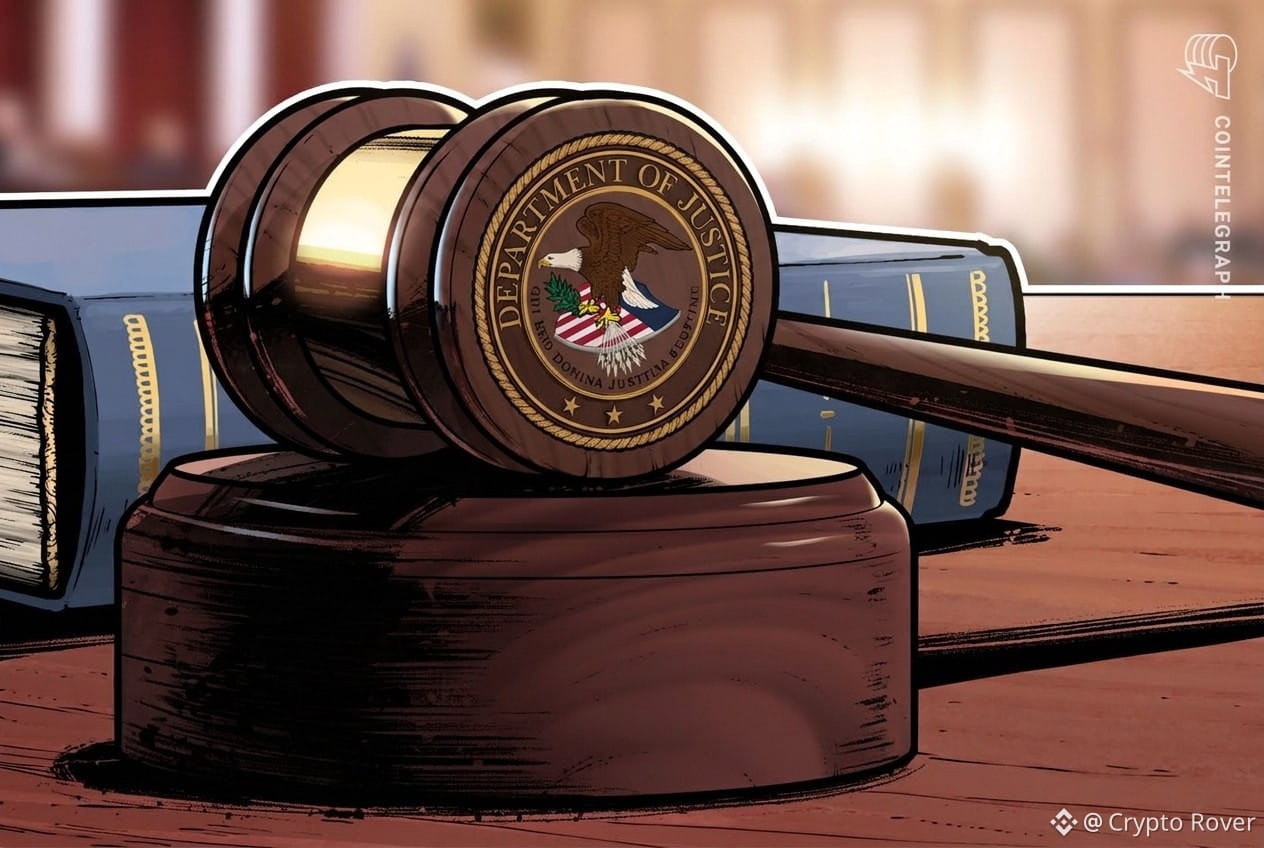
💸 Криптоограбление на $263 млн, 28 экзотических автомобилей и признание вины
Мэлоун Лам — гражданин Сингапура, который организовал международную группу, набранную через онлайн-игровые платформы, — на этой неделе признал себя виновным по делу о заговоре по закону RICO, связанному с более чем $263 млн украденных криптовалют. Схема действовала с конца 2023 года по май 2025-го: преступники нацеливались на держателей, используя фальшивые звонки в поддержку Google и Gemini, трюки с демонстрацией экрана и физические проникновения в дома.
Расходы: 28 экзотических автомобилей, частные самолёты, люксовые часы — и счета в ночных клубах на $500K в ночь. По сообщениям, Лам всё ещё руководил доставкой предметов роскоши своей девушке из-под предварительного заключения.
Следующее заседание: 8 декабря. Дата вынесения приговора будет определена позже, сообщает CoinDesk.#SECReceivesGrayscaleLitecoinTrustETFFiling #ClarityActFacesProceduralVoteSept15 $BTC
{spot}(BTCUSDT)
💸 Криптоограбление на $263 млн, 28 экзотических автомобилей и признание вины
Мэлоун Лам — гражданин Сингапура, который организовал международную группу, набранную через онлайн-игровые платформы, — на этой неделе признал себя виновным по делу о заговоре по закону RICO, связанному с более чем $263 млн украденных криптовалют. Схема действовала с конца 2023 года по май 2025-го: преступники нацеливались на держателей, используя фальшивые звонки в поддержку Google и Gemini, трюки с демонстрацией экрана и физические проникновения в дома.
Расходы: 28 экзотических автомобилей, частные самолёты, люксовые часы — и счета в ночных клубах на $500K в ночь. По сообщениям, Лам всё ещё руководил доставкой предметов роскоши своей девушке из-под предварительного заключения.
Следующее заседание: 8 декабря. Дата вынесения приговора будет определена позже, сообщает CoinDesk.#SECReceivesGrayscaleLitecoinTrustETFFiling #ClarityActFacesProceduralVoteSept15 $BTC
Мэлоун Лам — гражданин Сингапура, который организовал международную группу, набранную через онлайн-игровые платформы, — на этой неделе признал себя виновным по делу о заговоре по закону RICO, связанному с более чем $263 млн украденных криптовалют. Схема действовала с конца 2023 года по май 2025-го: преступники нацеливались на держателей, используя фальшивые звонки в поддержку Google и Gemini, трюки с демонстрацией экрана и физические проникновения в дома.
Расходы: 28 экзотических автомобилей, частные самолёты, люксовые часы — и счета в ночных клубах на $500K в ночь. По сообщениям, Лам всё ещё руководил доставкой предметов роскоши своей девушке из-под предварительного заключения.
Следующее заседание: 8 декабря. Дата вынесения приговора будет определена позже, сообщает CoinDesk.#SECReceivesGrayscaleLitecoinTrustETFFiling #ClarityActFacesProceduralVoteSept15 $BTC
28
·
--
Падение
Ежедневный обзор · 13 сентября
Биткоин падает до минимумов сентября из‑за удара на Ближнем Востоке
Геймер, ставший криптовым вором, признаёт вину, конфисковано 28 автомобилей
Blockstream лишился 4 000 BTC из‑за «белых» хакеров
Четверо погибли из‑за предполагаемого биткоин‑холодного кошелька
Отметьте тех, кто провёл сегодня время offline — они многое пропустили.
crypto rover- Ваш ежедневный выпуск $BTC
{spot}(BTCUSDT)
#SECReceivesGrayscaleLitecoinTrustETFFiling #ClarityActFacesProceduralVoteSept15
Ежедневный обзор · 13 сентября
Биткоин падает до минимумов сентября из‑за удара на Ближнем Востоке
Геймер, ставший криптовым вором, признаёт вину, конфисковано 28 автомобилей
Blockstream лишился 4 000 BTC из‑за «белых» хакеров
Четверо погибли из‑за предполагаемого биткоин‑холодного кошелька
Отметьте тех, кто провёл сегодня время offline — они многое пропустили.
crypto rover- Ваш ежедневный выпуск $BTC
#SECReceivesGrayscaleLitecoinTrustETFFiling #ClarityActFacesProceduralVoteSept15
Биткоин падает до минимумов сентября из‑за удара на Ближнем Востоке
Геймер, ставший криптовым вором, признаёт вину, конфисковано 28 автомобилей
Blockstream лишился 4 000 BTC из‑за «белых» хакеров
Четверо погибли из‑за предполагаемого биткоин‑холодного кошелька
Отметьте тех, кто провёл сегодня время offline — они многое пропустили.
crypto rover- Ваш ежедневный выпуск $BTC
#SECReceivesGrayscaleLitecoinTrustETFFiling #ClarityActFacesProceduralVoteSept15
56
·
--
Статья
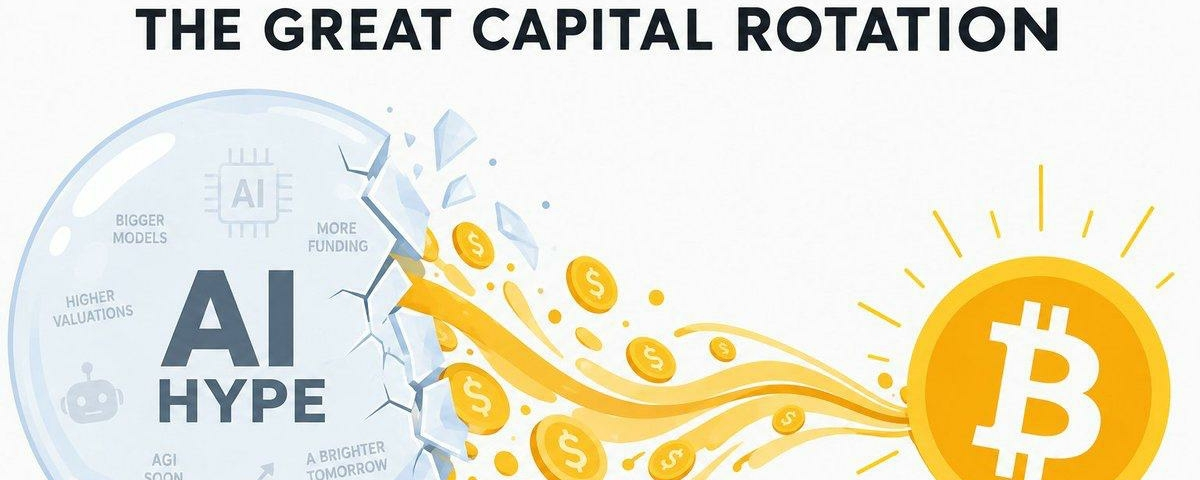
СКРЫВАЕТ ЛИ ИСТЕРИЯ ОБ «ИИ-КАТАСТРОФЕ» ЛОПАЮЩИЙСЯ ПУЗЫРЬ?Почему топ-руководители в сфере ИИ вдруг начинают паниковать?
Генеральный директор Anthropic Дарьо Амодей теперь умоляет отрасль притормозить, в то время как ведущие исследователи уходят из OpenAI, предупреждая, что ИИ может положить конец миру к 2030 году.
Технологические гиганты потратили миллиарды на чипы, но с почти нулевой дополнительной прибылью
Новые модели не дают преимущества над конкурентами
Огромный хайп-пузырь вокруг ИИ исчерпывается
Когда этот пузырь лопнет, триллионы техденег перетекут прямо в Bitcoin и ликвидную криптовалюту.
ДОБРО ПОЖАЛОВАТЬ В ЭРУ BTC/МИЛЛИОН 💎
Как думаете, ИИ-пузырь лопнет до 2030 года?
СКРЫВАЕТ ЛИ ИСТЕРИЯ ОБ «ИИ-КАТАСТРОФЕ» ЛОПАЮЩИЙСЯ ПУЗЫРЬ?
Почему топ-руководители в сфере ИИ вдруг начинают паниковать?
Генеральный директор Anthropic Дарьо Амодей теперь умоляет отрасль притормозить, в то время как ведущие исследователи уходят из OpenAI, предупреждая, что ИИ может положить конец миру к 2030 году.
Технологические гиганты потратили миллиарды на чипы, но с почти нулевой дополнительной прибылью
Новые модели не дают преимущества над конкурентами
Огромный хайп-пузырь вокруг ИИ исчерпывается
Когда этот пузырь лопнет, триллионы техденег перетекут прямо в Bitcoin и ликвидную криптовалюту.
ДОБРО ПОЖАЛОВАТЬ В ЭРУ BTC/МИЛЛИОН 💎
Как думаете, ИИ-пузырь лопнет до 2030 года?
Генеральный директор Anthropic Дарьо Амодей теперь умоляет отрасль притормозить, в то время как ведущие исследователи уходят из OpenAI, предупреждая, что ИИ может положить конец миру к 2030 году.
Технологические гиганты потратили миллиарды на чипы, но с почти нулевой дополнительной прибылью
Новые модели не дают преимущества над конкурентами
Огромный хайп-пузырь вокруг ИИ исчерпывается
Когда этот пузырь лопнет, триллионы техденег перетекут прямо в Bitcoin и ликвидную криптовалюту.
ДОБРО ПОЖАЛОВАТЬ В ЭРУ BTC/МИЛЛИОН 💎
Как думаете, ИИ-пузырь лопнет до 2030 года?
52
·
--
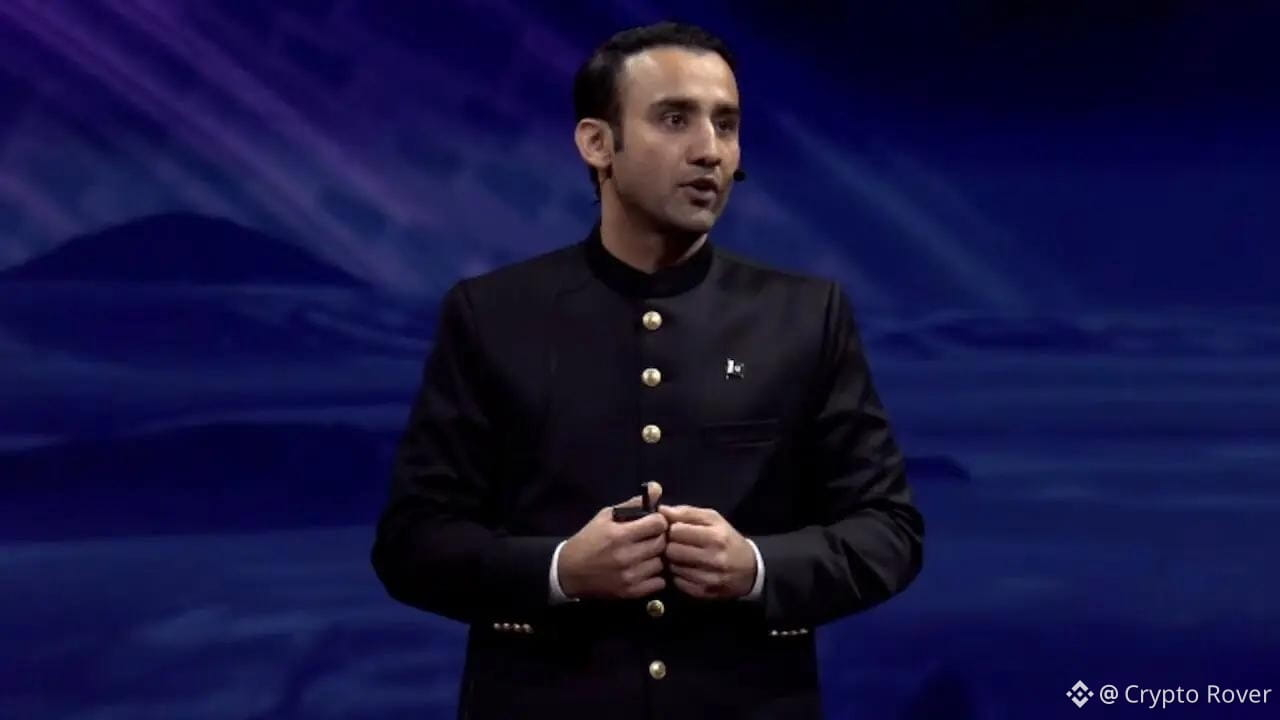
БОЛЕЕ 70 ГЛОБАЛЬНЫХ КРИПТОБИРЖ ПОДАЮТ ЗАЯВКУ ДЛЯ РАБОТЫ В ПАКИСТАНЕ
После установленного 5 сентября срока председатель PVARA Билал бин Сакиб подтвердил, что около 70 крупных глобальных бирж подали заявки на легальную деятельность.
Что регуляторы внедряют дальше:
Переводы: PVARA и Государственный банк Пакистана создают «рельс» для стейблкоинов, чтобы снизить комиссии с 6,3% до 1%.
Токенизация: изучение токенизированного госдолга и Roshan Digital Accounts.
Исламские финансы: формирование национального шариатского консультативного совета с Муфти-э-Азамом.
В Пакистане, по оценкам, 40 миллионов пользователей криптовалюты, но барьер остается в строгих проверках FATF и испытаниях в «песочницах».
вы когда-нибудь отправляли деньги с помощью криптовалюты? #SECReceivesGrayscaleLitecoinTrustETFFiling #ClarityActFacesProceduralVoteSept15
БОЛЕЕ 70 ГЛОБАЛЬНЫХ КРИПТОБИРЖ ПОДАЮТ ЗАЯВКУ ДЛЯ РАБОТЫ В ПАКИСТАНЕ
После установленного 5 сентября срока председатель PVARA Билал бин Сакиб подтвердил, что около 70 крупных глобальных бирж подали заявки на легальную деятельность.
Что регуляторы внедряют дальше:
Переводы: PVARA и Государственный банк Пакистана создают «рельс» для стейблкоинов, чтобы снизить комиссии с 6,3% до 1%.
Токенизация: изучение токенизированного госдолга и Roshan Digital Accounts.
Исламские финансы: формирование национального шариатского консультативного совета с Муфти-э-Азамом.
В Пакистане, по оценкам, 40 миллионов пользователей криптовалюты, но барьер остается в строгих проверках FATF и испытаниях в «песочницах».
вы когда-нибудь отправляли деньги с помощью криптовалюты? #SECReceivesGrayscaleLitecoinTrustETFFiling #ClarityActFacesProceduralVoteSept15
После установленного 5 сентября срока председатель PVARA Билал бин Сакиб подтвердил, что около 70 крупных глобальных бирж подали заявки на легальную деятельность.
Что регуляторы внедряют дальше:
Переводы: PVARA и Государственный банк Пакистана создают «рельс» для стейблкоинов, чтобы снизить комиссии с 6,3% до 1%.
Токенизация: изучение токенизированного госдолга и Roshan Digital Accounts.
Исламские финансы: формирование национального шариатского консультативного совета с Муфти-э-Азамом.
В Пакистане, по оценкам, 40 миллионов пользователей криптовалюты, но барьер остается в строгих проверках FATF и испытаниях в «песочницах».
вы когда-нибудь отправляли деньги с помощью криптовалюты? #SECReceivesGrayscaleLitecoinTrustETFFiling #ClarityActFacesProceduralVoteSept15
64
·
--
Статья
ХАНТЕР БАЙДЕН ПРЕРВАЛ МОЛЧАНИЕ ПО ПОВОДУ ОБВАЛА $LAPTOPХантер Байден опубликовал видео, в котором подтвердил, что он потратил 6 месяцев на разработку монеты $LAPTOP в Base, но обвинил маркет-мейкера в том, что тот заложил в стартовую ликвидность только $5 000
Крошечный пул вызвал экстремальный спрос: цена на короткое время взлетела до $316, что дало бумажную капитализацию в $316B, а затем рухнула более чем на 98% ниже $1
Снайпер-боты осушили пул, при этом более 80% покупателей потеряли деньги. Хантер утверждает, что он никогда не продавал, и пообещал новую ликвидность, чтобы это исправить
стали бы вы когда-нибудь доверять мем-коину с участием знаменитости?
ХАНТЕР БАЙДЕН ПРЕРВАЛ МОЛЧАНИЕ ПО ПОВОДУ ОБВАЛА $LAPTOP
Хантер Байден опубликовал видео, в котором подтвердил, что он потратил 6 месяцев на разработку монеты $LAPTOP в Base, но обвинил маркет-мейкера в том, что тот заложил в стартовую ликвидность только $5 000
Крошечный пул вызвал экстремальный спрос: цена на короткое время взлетела до $316, что дало бумажную капитализацию в $316B, а затем рухнула более чем на 98% ниже $1
Снайпер-боты осушили пул, при этом более 80% покупателей потеряли деньги. Хантер утверждает, что он никогда не продавал, и пообещал новую ликвидность, чтобы это исправить
стали бы вы когда-нибудь доверять мем-коину с участием знаменитости?
Крошечный пул вызвал экстремальный спрос: цена на короткое время взлетела до $316, что дало бумажную капитализацию в $316B, а затем рухнула более чем на 98% ниже $1
Снайпер-боты осушили пул, при этом более 80% покупателей потеряли деньги. Хантер утверждает, что он никогда не продавал, и пообещал новую ликвидность, чтобы это исправить
стали бы вы когда-нибудь доверять мем-коину с участием знаменитости?
34
·
--
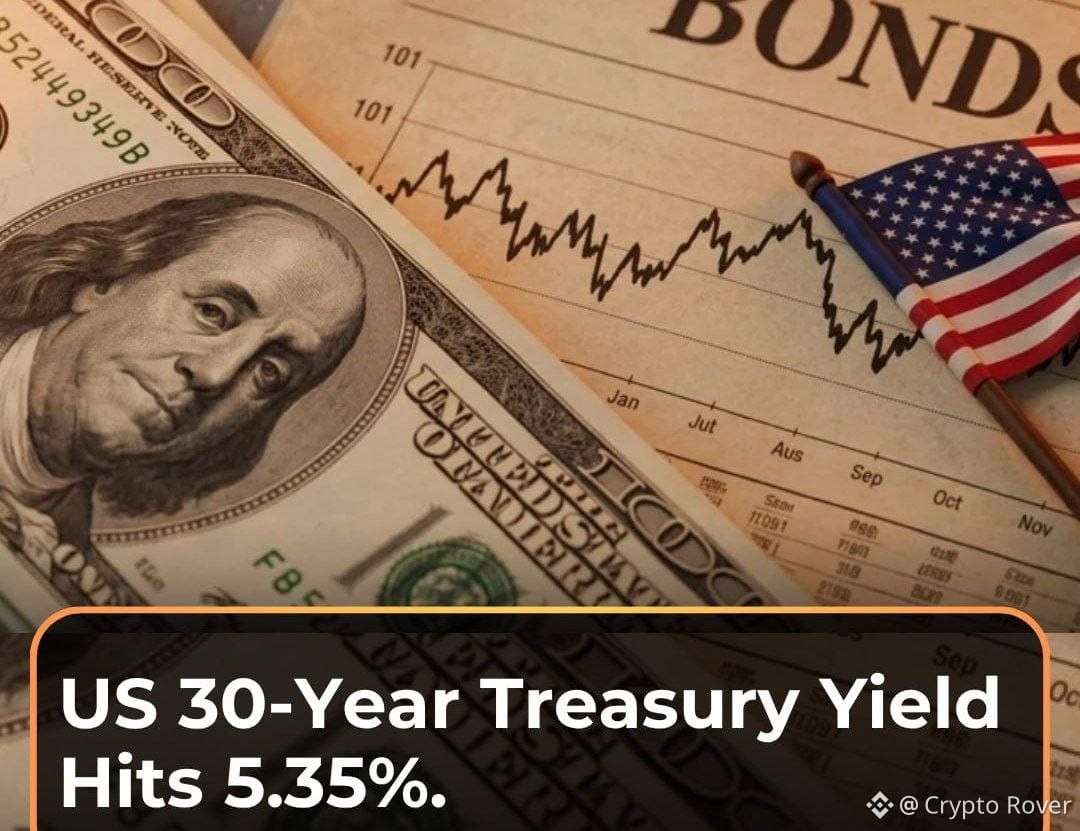
🇺🇸Доходность 30-летних казначейских облигаций США выросла до 5,35%, достигнув максимального уровня с июня 2007 года.#CPIWatch #USCoreCPIRises0.3%InAugustBeatingForecasts
🇺🇸Доходность 30-летних казначейских облигаций США выросла до 5,35%, достигнув максимального уровня с июня 2007 года.#CPIWatch #USCoreCPIRises0.3%InAugustBeatingForecasts
28
·
--
Ежедневный обзор · 11 сен
300 установок похитили электроэнергию у горной плотины
Наконец разоблачили преступный эскроу на $24 миллиарда
Первые складные устройства Apple стоят меньше, чем вы опасались
Джек Дорси строит банковское учреждение для биткоина — ну, примерно
Знаете кого-то, кого целый день держат в совещаниях? Этот обзор — для них
Ваш ежедневный выпуск новостей
#CPIWatch #BitcoinOpenInterestShareRisesTo42.1% $BTC
{spot}(BTCUSDT)
Ежедневный обзор · 11 сен
300 установок похитили электроэнергию у горной плотины
Наконец разоблачили преступный эскроу на $24 миллиарда
Первые складные устройства Apple стоят меньше, чем вы опасались
Джек Дорси строит банковское учреждение для биткоина — ну, примерно
Знаете кого-то, кого целый день держат в совещаниях? Этот обзор — для них
Ваш ежедневный выпуск новостей
#CPIWatch #BitcoinOpenInterestShareRisesTo42.1% $BTC
300 установок похитили электроэнергию у горной плотины
Наконец разоблачили преступный эскроу на $24 миллиарда
Первые складные устройства Apple стоят меньше, чем вы опасались
Джек Дорси строит банковское учреждение для биткоина — ну, примерно
Знаете кого-то, кого целый день держат в совещаниях? Этот обзор — для них
Ваш ежедневный выпуск новостей
#CPIWatch #BitcoinOpenInterestShareRisesTo42.1% $BTC
45
Войдите, чтобы посмотреть больше материала
Присоединяйтесь к пользователям криптовалют по всему миру на Binance Square
⚡️ Получайте новейшую и полезную информацию о криптоактивах.
💬 Нам доверяет крупнейшая в мире криптобиржа.
👍 Получите достоверные аналитические данные от верифицированных создателей контента.
Эл. почта/номер телефона
В тренде
fomcотслеживание
Просмотров: 42,753
357 обсуждают
Когда все ждут FOMC я просто соблюдаю правило 2%
Сегодня все вокруг сходят с ума. ФРС, ставки, волатильность. Толпа гадает, куда полетит BTC. Кто-то заходит на всю котлету с плечом x50, чтобы «поймать движение».
А я в такие дни просто наблюдаю. Потому что знаю: в моменты новостей рынок убивает не только тех, кто угадал не то направление. Он убивает тех, кто рискует слишком много.
Если ты поставил на кон больше 2% от депозита, ты не трейдер. Ты игрок в казино, который надеется на удачу.
Мой совет на сегодня простой, не торгуй на новостях. Если уже в позиции проверь свои стопы. Если нет сиди в стороне. Рынок никуда не убежит.
А вы как переживаете FOMC? Сидите в стороне или ловите волатильность? Пишите в комментариях.
$BTC $ETH #fomcотслеживание #рискменеджмент #крипта #психология
KeylessMind
·Лайков: 0
·Просмотров: 607
ПротоколFOMC
Просмотров: 32,847
143 обсуждают
UKFCAWinsCourtOrderToRecover851400Pounds
Просмотров: 37,747
805 обсуждают