
CoinPulseHq
51 Публикации

CoinPulseHq
Отправить жалобу
Заблокировать пользователя
CoinPulseHQ is an independent digital newsroom covering cryptocurrency, blockchain and artificial intelligence.
3 подписок(и/а)
9 подписчиков(а)
8 понравилось
Посты
·
--

Статья
Фонд Ethena предлагает выкупы ENA за счет выручки, пока токен растет на 10%Родной токен протокола синтетического доллара Ethena (ENA) поднялся более чем на 10% после того, как Фонд Ethena представил предложение по управлению, которое направит большую часть выручки протокола на выкуп токенов, а также после завершенного выкупа заблокированных токенов у некоторых ранних инвесторов.
Предложение о переключении комиссий и выкупе
Фонд Ethena открыл голосование по механизму переключения комиссий, который будет направлять 95% чистой выручки, выплачиваемой фонду из основных бизнес-направлений Ethena, на покупку токенов ENA. Выкупы начнутся только после того, как обращающееся предложение USDe — синтетического доллара Ethena — достигнет 7,5 млрд долларов, говорится в сообщении в блоге в четверг.
Фонд Ethena предлагает выкупы ENA за счет выручки, пока токен растет на 10%
Родной токен протокола синтетического доллара Ethena (ENA) поднялся более чем на 10% после того, как Фонд Ethena представил предложение по управлению, которое направит большую часть выручки протокола на выкуп токенов, а также после завершенного выкупа заблокированных токенов у некоторых ранних инвесторов.
Предложение о переключении комиссий и выкупе
Фонд Ethena открыл голосование по механизму переключения комиссий, который будет направлять 95% чистой выручки, выплачиваемой фонду из основных бизнес-направлений Ethena, на покупку токенов ENA. Выкупы начнутся только после того, как обращающееся предложение USDe — синтетического доллара Ethena — достигнет 7,5 млрд долларов, говорится в сообщении в блоге в четверг.
Предложение о переключении комиссий и выкупе
Фонд Ethena открыл голосование по механизму переключения комиссий, который будет направлять 95% чистой выручки, выплачиваемой фонду из основных бизнес-направлений Ethena, на покупку токенов ENA. Выкупы начнутся только после того, как обращающееся предложение USDe — синтетического доллара Ethena — достигнет 7,5 млрд долларов, говорится в сообщении в блоге в четверг.
12
·
--
Статья
См. перевод
Nvidia’s edge is no longer just the GPU — it’s the whole machineNvidia's earnings call on Wednesday signaled a shift in the company's competitive narrative. For years, the story was simple: Nvidia dominated AI because it made the best GPUs. But as Amazon and Google develop their own chips, investors have questioned how long that advantage can last. The company's latest results, however, suggest a more complex and durable moat — one that extends far beyond the GPU itself.
Nvidia's market cap grew roughly tenfold between early 2023 and mid-2025, but shares have since traded in a narrower range as GPU competition intensified. The new narrative emerging from the earnings call is that Nvidia's real strength lies in the entire system surrounding the GPU — the networking, storage, and orchestration layers that make massive AI data centers actually work efficiently.
The GPU is the engine, but the rest of the car matters
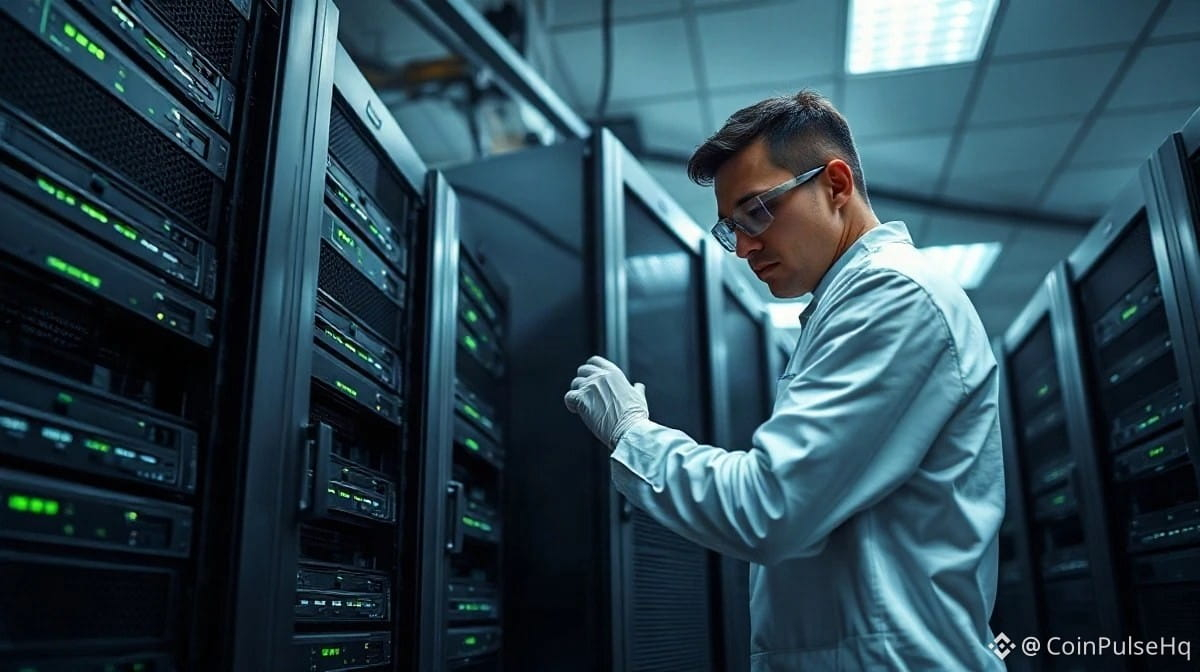
Nvidia is currently rolling out its Vera Rubin architecture, which pairs the Rubin GPU with a suite of specialized components: the Vera CPU, Groq 3 LPX inference accelerators, and dedicated racks for storage and networking. While the GPU still grabs headlines, these surrounding systems are where Nvidia is building its next competitive edge.
Jason Hardy, Nvidia's VP of storage technology, explained the importance of the Vera CPU in an interview: "Vera is important because there's only so much memory that you can put in a single server or any sort of compute platform." As data centers scale, getting data to the GPU at the right moment becomes a bottleneck. Hardy said Nvidia saw "upwards of 3x improvement" in operations where the Vera CPU accelerates data flow, allowing flash storage to run at full potential without stalling.
This focus on data orchestration reflects a broader industry trend. As AI compute grows into the gigawatt scale, operating a megascale data center at peak efficiency is increasingly difficult. Companies are realizing that raw processor cycles aren't enough — how data moves between memory, storage, and compute is just as important.
Competition moves to a new layer
Nvidia isn't alone in recognizing this challenge. OpenAI's recently disclosed Jalapeño chip takes a different approach, designed to minimize data movement by keeping entire workloads within one integrated system. "We designed Jalapeño to minimize data movement and communication delays," the company said in a blog post. "Its large domain allows the entire workload to remain within one connected system."
Both strategies aim for the same outcome: more efficient AI processing. But they highlight a key shift in the competitive market. Building a rival GPU is no longer sufficient — companies must now master the entire system, from networking to storage orchestration. This is a harder problem, and one where Nvidia's early lead appears substantial.
For hyperscalers and AI startups alike, the implications are significant. The infrastructure layer that determines AI performance is becoming more complex, and the vendors that can deliver integrated, efficient systems will hold outsized influence. Nvidia's earnings suggest it is positioning itself to be that vendor, even as GPU competition heats up.
As the AI infrastructure race enters this new phase, investors and customers will be watching whether Nvidia can maintain its edge in system-level innovation. The company's commanding lead in this area is not guaranteed, but for now, it has a clear head start.
This article is for informational purposes only and does not constitute financial advice. The cryptocurrency and AI infrastructure markets are volatile and uncertain; readers should conduct their own research before making any investment decisions.
Originally published on CoinPulseHQ: https://coinpulsehq.com/nvidia-ai-advantage-beyond-gpu/
Nvidia’s edge is no longer just the GPU — it’s the whole machine
Nvidia's earnings call on Wednesday signaled a shift in the company's competitive narrative. For years, the story was simple: Nvidia dominated AI because it made the best GPUs. But as Amazon and Google develop their own chips, investors have questioned how long that advantage can last. The company's latest results, however, suggest a more complex and durable moat — one that extends far beyond the GPU itself.
Nvidia's market cap grew roughly tenfold between early 2023 and mid-2025, but shares have since traded in a narrower range as GPU competition intensified. The new narrative emerging from the earnings call is that Nvidia's real strength lies in the entire system surrounding the GPU — the networking, storage, and orchestration layers that make massive AI data centers actually work efficiently.
The GPU is the engine, but the rest of the car matters
Nvidia is currently rolling out its Vera Rubin architecture, which pairs the Rubin GPU with a suite of specialized components: the Vera CPU, Groq 3 LPX inference accelerators, and dedicated racks for storage and networking. While the GPU still grabs headlines, these surrounding systems are where Nvidia is building its next competitive edge.
Jason Hardy, Nvidia's VP of storage technology, explained the importance of the Vera CPU in an interview: "Vera is important because there's only so much memory that you can put in a single server or any sort of compute platform." As data centers scale, getting data to the GPU at the right moment becomes a bottleneck. Hardy said Nvidia saw "upwards of 3x improvement" in operations where the Vera CPU accelerates data flow, allowing flash storage to run at full potential without stalling.
This focus on data orchestration reflects a broader industry trend. As AI compute grows into the gigawatt scale, operating a megascale data center at peak efficiency is increasingly difficult. Companies are realizing that raw processor cycles aren't enough — how data moves between memory, storage, and compute is just as important.
Competition moves to a new layer
Nvidia isn't alone in recognizing this challenge. OpenAI's recently disclosed Jalapeño chip takes a different approach, designed to minimize data movement by keeping entire workloads within one integrated system. "We designed Jalapeño to minimize data movement and communication delays," the company said in a blog post. "Its large domain allows the entire workload to remain within one connected system."
Both strategies aim for the same outcome: more efficient AI processing. But they highlight a key shift in the competitive market. Building a rival GPU is no longer sufficient — companies must now master the entire system, from networking to storage orchestration. This is a harder problem, and one where Nvidia's early lead appears substantial.
For hyperscalers and AI startups alike, the implications are significant. The infrastructure layer that determines AI performance is becoming more complex, and the vendors that can deliver integrated, efficient systems will hold outsized influence. Nvidia's earnings suggest it is positioning itself to be that vendor, even as GPU competition heats up.
As the AI infrastructure race enters this new phase, investors and customers will be watching whether Nvidia can maintain its edge in system-level innovation. The company's commanding lead in this area is not guaranteed, but for now, it has a clear head start.
This article is for informational purposes only and does not constitute financial advice. The cryptocurrency and AI infrastructure markets are volatile and uncertain; readers should conduct their own research before making any investment decisions.
Originally published on CoinPulseHQ: https://coinpulsehq.com/nvidia-ai-advantage-beyond-gpu/
Nvidia's market cap grew roughly tenfold between early 2023 and mid-2025, but shares have since traded in a narrower range as GPU competition intensified. The new narrative emerging from the earnings call is that Nvidia's real strength lies in the entire system surrounding the GPU — the networking, storage, and orchestration layers that make massive AI data centers actually work efficiently.
The GPU is the engine, but the rest of the car matters
Nvidia is currently rolling out its Vera Rubin architecture, which pairs the Rubin GPU with a suite of specialized components: the Vera CPU, Groq 3 LPX inference accelerators, and dedicated racks for storage and networking. While the GPU still grabs headlines, these surrounding systems are where Nvidia is building its next competitive edge.
Jason Hardy, Nvidia's VP of storage technology, explained the importance of the Vera CPU in an interview: "Vera is important because there's only so much memory that you can put in a single server or any sort of compute platform." As data centers scale, getting data to the GPU at the right moment becomes a bottleneck. Hardy said Nvidia saw "upwards of 3x improvement" in operations where the Vera CPU accelerates data flow, allowing flash storage to run at full potential without stalling.
This focus on data orchestration reflects a broader industry trend. As AI compute grows into the gigawatt scale, operating a megascale data center at peak efficiency is increasingly difficult. Companies are realizing that raw processor cycles aren't enough — how data moves between memory, storage, and compute is just as important.
Competition moves to a new layer
Nvidia isn't alone in recognizing this challenge. OpenAI's recently disclosed Jalapeño chip takes a different approach, designed to minimize data movement by keeping entire workloads within one integrated system. "We designed Jalapeño to minimize data movement and communication delays," the company said in a blog post. "Its large domain allows the entire workload to remain within one connected system."
Both strategies aim for the same outcome: more efficient AI processing. But they highlight a key shift in the competitive market. Building a rival GPU is no longer sufficient — companies must now master the entire system, from networking to storage orchestration. This is a harder problem, and one where Nvidia's early lead appears substantial.
For hyperscalers and AI startups alike, the implications are significant. The infrastructure layer that determines AI performance is becoming more complex, and the vendors that can deliver integrated, efficient systems will hold outsized influence. Nvidia's earnings suggest it is positioning itself to be that vendor, even as GPU competition heats up.
As the AI infrastructure race enters this new phase, investors and customers will be watching whether Nvidia can maintain its edge in system-level innovation. The company's commanding lead in this area is not guaranteed, but for now, it has a clear head start.
This article is for informational purposes only and does not constitute financial advice. The cryptocurrency and AI infrastructure markets are volatile and uncertain; readers should conduct their own research before making any investment decisions.
Originally published on CoinPulseHQ: https://coinpulsehq.com/nvidia-ai-advantage-beyond-gpu/
·
--

Статья
См. перевод
Vijay Pande on trading a $4B a16z fund for five bets a year — and why biology’s data problem is the real bottleneckVijay Pande spent more than a decade building Andreessen Horowitz's bio fund into a roughly $4 billion practice — then walked away in June 2025 to start something deliberately small. His new firm, VZVC, co-founded with longtime investor Zach Werner, makes only about five investments a year, has no associates, and leans on AI agents for day-to-day operations.
In a conversation with TechCrunch this week, Pande explained the reasoning behind the hard pivot, why he thinks biology is shifting from a "science of discovery" to an engineering discipline, and the data bottleneck that could determine whether AI in medicine delivers on its promises.
From Folding@home to a $4B bio fund — and out again
Pande's path to venture capital was unusual. He was a Stanford chemistry professor best known for Folding@home, the distributed-computing project that turned millions of home PCs into a supercomputer for disease research. Marc Andreessen and Ben Horowitz — who had spent their firm's first five years avoiding healthcare — handed Pande the keys to a new bio practice in 2014.
Over the next decade, that practice grew to manage close to $4 billion. But Pande says the scale ultimately pushed him toward a different model.
"We're not driving 30 bets per year," he said. "We're talking about probably five, not a lot of investments — very concentrated."
He compared adding a company at a typical fund to adding a Facebook friend — quick and low-commitment. At VZVC, it's more like "wanting to have another child."
The firm is named after its two partners: V for Vijay, Z for Zach. Pande said they originally planned to hire associates, but "with the agents that we've built up, not to be something that we need to do."
That lean structure means VZVC rarely competes for hot rounds. "People make room for us," Pande said. "Largely, people want us as investors because of what Zach and I can do, and how hands-on we can be."
Why biology's data problem is different from text
One of the most striking points in the conversation was Pande's take on what makes AI in biology fundamentally different from AI in text or images.
"It's a place where you don't have any of this data that people can just all train the same thing," he said. "Your data can't be distilled from one model to another."
Unlike text, which can be scraped from the internet at scale, biological data is expensive to generate, often proprietary, and deeply siloed. That creates a structural advantage for companies that build their own datasets — but it also raises questions about access and equity.
Pande acknowledged the tension. "I understand why founders and investors want to protect their findings," he said, but he sees a shift toward "atlases of biological information" — typically foundation models — that could democratize access.
"As they become more common, I think we'll see the same thing that's happened with open-source LLMs," he said. "Open-source foundation models in biology having a very broad impact."
That vision is still early. Most leading AI-driven drug discovery companies — including ones Pande is involved with, like Genesis Therapeutics and Insitro — treat their data as a competitive moat.
What Pande looks for in founders — and what he's learned
Pande said he's spending most of his time on two areas: AI for healthcare delivery and AI for clinical trials. Both are capital-intensive, but he believes AI can compress the most expensive parts of drug development.
"The cost and time to get to clinical trials has been shrinking, especially with AI," he said, "but it could still cost hundreds of millions of dollars to run a trial."
He cited a sobering statistic: only about 20% of drugs successfully move from first-in-human trials through Phase III. The reason, he said, is often not that biologists did something wrong, but that animal models like mice are "just not very predictive of humans."
"The AI model is not going to be perfect," he said, "but it's going to be way better than any animal model would be."
On the founder side, Pande says trust is paramount. "I'm expecting this relationship to be 5, 10 years plus into, ideally, their next company," he said. "I want to work with people who are thinking long term."
He also offered a candid lesson from his own career: "It took me some time to really appreciate that as seductive as the coolest technologies are, it really always comes back to go-to-market." He now tells founders to apply "all their brilliance and creativity" to the go-to-market side, which he says is "at least as hard or harder than the technology side."
What's overhyped — and what's real
Asked what's overhyped in AI and biotech, Pande pointed not to the technology itself but to the data underneath it.
"The reality is that AI can find insights that we can't get from just humans alone," he said. "The thing that always gets tricky is when there's this call that AI is going to cure all everything."
"LLMs work because there's so much data to learn from," he added. "When the data is simply not there, then AI can't magically solve that problem."
That distinction — between AI's potential and its current limits — is central to how Pande is positioning VZVC. The firm's small, concentrated structure is a bet that a few deeply-supported companies can outperform a broad portfolio, especially in a market where data advantages are the real moat.
Whether that model scales remains to be seen. But Pande's track record — from Folding@home to a $4 billion bio fund — gives him credibility that few other investors can match.
This article is for informational purposes only and does not constitute financial advice. The venture capital and biotech markets are volatile and uncertain; past performance does not guarantee future results.
Originally published on CoinPulseHQ: https://coinpulsehq.com/vijay-pande-vzvc-concentrated-bets-ai-biology/
Vijay Pande on trading a $4B a16z fund for five bets a year — and why biology’s data problem is the real bottleneck
Vijay Pande spent more than a decade building Andreessen Horowitz's bio fund into a roughly $4 billion practice — then walked away in June 2025 to start something deliberately small. His new firm, VZVC, co-founded with longtime investor Zach Werner, makes only about five investments a year, has no associates, and leans on AI agents for day-to-day operations.
In a conversation with TechCrunch this week, Pande explained the reasoning behind the hard pivot, why he thinks biology is shifting from a "science of discovery" to an engineering discipline, and the data bottleneck that could determine whether AI in medicine delivers on its promises.
From Folding@home to a $4B bio fund — and out again
Pande's path to venture capital was unusual. He was a Stanford chemistry professor best known for Folding@home, the distributed-computing project that turned millions of home PCs into a supercomputer for disease research. Marc Andreessen and Ben Horowitz — who had spent their firm's first five years avoiding healthcare — handed Pande the keys to a new bio practice in 2014.
Over the next decade, that practice grew to manage close to $4 billion. But Pande says the scale ultimately pushed him toward a different model.
"We're not driving 30 bets per year," he said. "We're talking about probably five, not a lot of investments — very concentrated."
He compared adding a company at a typical fund to adding a Facebook friend — quick and low-commitment. At VZVC, it's more like "wanting to have another child."
The firm is named after its two partners: V for Vijay, Z for Zach. Pande said they originally planned to hire associates, but "with the agents that we've built up, not to be something that we need to do."
That lean structure means VZVC rarely competes for hot rounds. "People make room for us," Pande said. "Largely, people want us as investors because of what Zach and I can do, and how hands-on we can be."
Why biology's data problem is different from text
One of the most striking points in the conversation was Pande's take on what makes AI in biology fundamentally different from AI in text or images.
"It's a place where you don't have any of this data that people can just all train the same thing," he said. "Your data can't be distilled from one model to another."
Unlike text, which can be scraped from the internet at scale, biological data is expensive to generate, often proprietary, and deeply siloed. That creates a structural advantage for companies that build their own datasets — but it also raises questions about access and equity.
Pande acknowledged the tension. "I understand why founders and investors want to protect their findings," he said, but he sees a shift toward "atlases of biological information" — typically foundation models — that could democratize access.
"As they become more common, I think we'll see the same thing that's happened with open-source LLMs," he said. "Open-source foundation models in biology having a very broad impact."
That vision is still early. Most leading AI-driven drug discovery companies — including ones Pande is involved with, like Genesis Therapeutics and Insitro — treat their data as a competitive moat.
What Pande looks for in founders — and what he's learned
Pande said he's spending most of his time on two areas: AI for healthcare delivery and AI for clinical trials. Both are capital-intensive, but he believes AI can compress the most expensive parts of drug development.
"The cost and time to get to clinical trials has been shrinking, especially with AI," he said, "but it could still cost hundreds of millions of dollars to run a trial."
He cited a sobering statistic: only about 20% of drugs successfully move from first-in-human trials through Phase III. The reason, he said, is often not that biologists did something wrong, but that animal models like mice are "just not very predictive of humans."
"The AI model is not going to be perfect," he said, "but it's going to be way better than any animal model would be."
On the founder side, Pande says trust is paramount. "I'm expecting this relationship to be 5, 10 years plus into, ideally, their next company," he said. "I want to work with people who are thinking long term."
He also offered a candid lesson from his own career: "It took me some time to really appreciate that as seductive as the coolest technologies are, it really always comes back to go-to-market." He now tells founders to apply "all their brilliance and creativity" to the go-to-market side, which he says is "at least as hard or harder than the technology side."
What's overhyped — and what's real
Asked what's overhyped in AI and biotech, Pande pointed not to the technology itself but to the data underneath it.
"The reality is that AI can find insights that we can't get from just humans alone," he said. "The thing that always gets tricky is when there's this call that AI is going to cure all everything."
"LLMs work because there's so much data to learn from," he added. "When the data is simply not there, then AI can't magically solve that problem."
That distinction — between AI's potential and its current limits — is central to how Pande is positioning VZVC. The firm's small, concentrated structure is a bet that a few deeply-supported companies can outperform a broad portfolio, especially in a market where data advantages are the real moat.
Whether that model scales remains to be seen. But Pande's track record — from Folding@home to a $4 billion bio fund — gives him credibility that few other investors can match.
This article is for informational purposes only and does not constitute financial advice. The venture capital and biotech markets are volatile and uncertain; past performance does not guarantee future results.
Originally published on CoinPulseHQ: https://coinpulsehq.com/vijay-pande-vzvc-concentrated-bets-ai-biology/
In a conversation with TechCrunch this week, Pande explained the reasoning behind the hard pivot, why he thinks biology is shifting from a "science of discovery" to an engineering discipline, and the data bottleneck that could determine whether AI in medicine delivers on its promises.
From Folding@home to a $4B bio fund — and out again
Pande's path to venture capital was unusual. He was a Stanford chemistry professor best known for Folding@home, the distributed-computing project that turned millions of home PCs into a supercomputer for disease research. Marc Andreessen and Ben Horowitz — who had spent their firm's first five years avoiding healthcare — handed Pande the keys to a new bio practice in 2014.
Over the next decade, that practice grew to manage close to $4 billion. But Pande says the scale ultimately pushed him toward a different model.
"We're not driving 30 bets per year," he said. "We're talking about probably five, not a lot of investments — very concentrated."
He compared adding a company at a typical fund to adding a Facebook friend — quick and low-commitment. At VZVC, it's more like "wanting to have another child."
The firm is named after its two partners: V for Vijay, Z for Zach. Pande said they originally planned to hire associates, but "with the agents that we've built up, not to be something that we need to do."
That lean structure means VZVC rarely competes for hot rounds. "People make room for us," Pande said. "Largely, people want us as investors because of what Zach and I can do, and how hands-on we can be."
Why biology's data problem is different from text
One of the most striking points in the conversation was Pande's take on what makes AI in biology fundamentally different from AI in text or images.
"It's a place where you don't have any of this data that people can just all train the same thing," he said. "Your data can't be distilled from one model to another."
Unlike text, which can be scraped from the internet at scale, biological data is expensive to generate, often proprietary, and deeply siloed. That creates a structural advantage for companies that build their own datasets — but it also raises questions about access and equity.
Pande acknowledged the tension. "I understand why founders and investors want to protect their findings," he said, but he sees a shift toward "atlases of biological information" — typically foundation models — that could democratize access.
"As they become more common, I think we'll see the same thing that's happened with open-source LLMs," he said. "Open-source foundation models in biology having a very broad impact."
That vision is still early. Most leading AI-driven drug discovery companies — including ones Pande is involved with, like Genesis Therapeutics and Insitro — treat their data as a competitive moat.
What Pande looks for in founders — and what he's learned
Pande said he's spending most of his time on two areas: AI for healthcare delivery and AI for clinical trials. Both are capital-intensive, but he believes AI can compress the most expensive parts of drug development.
"The cost and time to get to clinical trials has been shrinking, especially with AI," he said, "but it could still cost hundreds of millions of dollars to run a trial."
He cited a sobering statistic: only about 20% of drugs successfully move from first-in-human trials through Phase III. The reason, he said, is often not that biologists did something wrong, but that animal models like mice are "just not very predictive of humans."
"The AI model is not going to be perfect," he said, "but it's going to be way better than any animal model would be."
On the founder side, Pande says trust is paramount. "I'm expecting this relationship to be 5, 10 years plus into, ideally, their next company," he said. "I want to work with people who are thinking long term."
He also offered a candid lesson from his own career: "It took me some time to really appreciate that as seductive as the coolest technologies are, it really always comes back to go-to-market." He now tells founders to apply "all their brilliance and creativity" to the go-to-market side, which he says is "at least as hard or harder than the technology side."
What's overhyped — and what's real
Asked what's overhyped in AI and biotech, Pande pointed not to the technology itself but to the data underneath it.
"The reality is that AI can find insights that we can't get from just humans alone," he said. "The thing that always gets tricky is when there's this call that AI is going to cure all everything."
"LLMs work because there's so much data to learn from," he added. "When the data is simply not there, then AI can't magically solve that problem."
That distinction — between AI's potential and its current limits — is central to how Pande is positioning VZVC. The firm's small, concentrated structure is a bet that a few deeply-supported companies can outperform a broad portfolio, especially in a market where data advantages are the real moat.
Whether that model scales remains to be seen. But Pande's track record — from Folding@home to a $4 billion bio fund — gives him credibility that few other investors can match.
This article is for informational purposes only and does not constitute financial advice. The venture capital and biotech markets are volatile and uncertain; past performance does not guarantee future results.
Originally published on CoinPulseHQ: https://coinpulsehq.com/vijay-pande-vzvc-concentrated-bets-ai-biology/
·
--
Статья
Объем трансфера токенизированных акций вырос на 415% до $29,5B за 30 днейТокенизированные ценные бумаги зафиксировали резкое ускорение активности в сети за прошедший месяц: ежемесячный объем переводов вырос более чем на 415% до $29,5 млрд, согласно данным RWA.xyz. Приток отражает растущее внедрение токенизированных акций на крупнейших криптоплатформах и расширение сценариев использования за пределами простого трейдинга.
Показатели onchain демонстрируют широкомасштабный рост
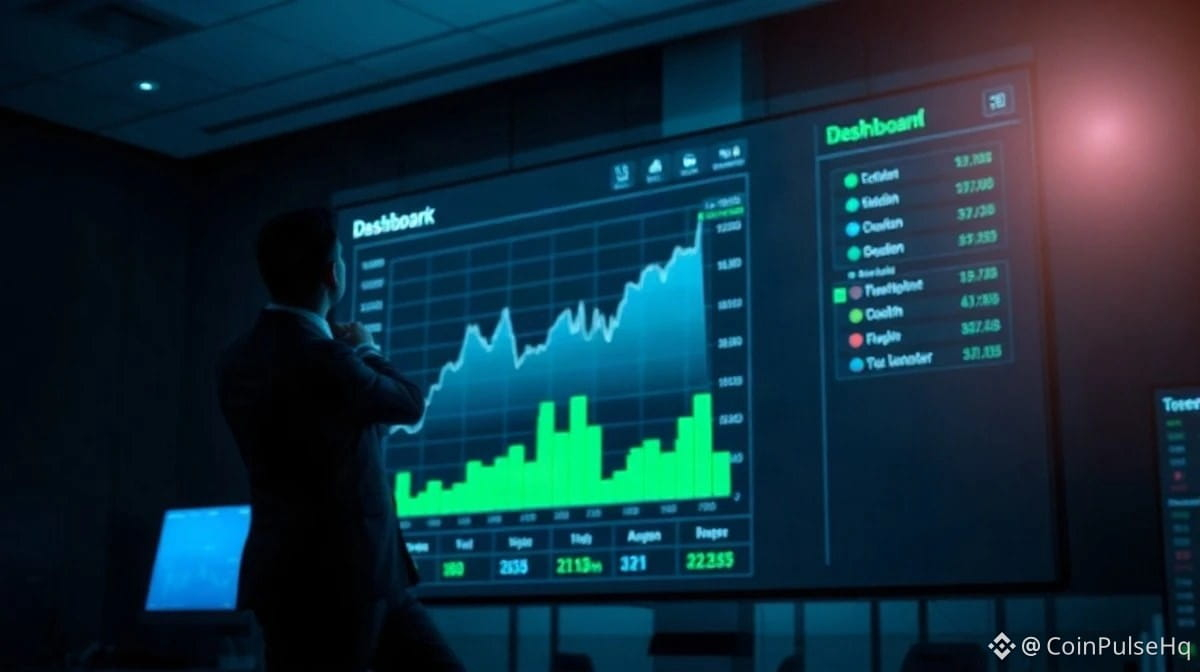
Ежемесячные активные адреса выросли более чем на 209% — примерно до 1,3 млн, тогда как число токенизированных держателей акций увеличилось на 167% до 2,36 млн за тот же 30-дневный период. Общая стоимость токенизированных акций, распределенных onchain, также выросла на 1,45% до $2,54 млрд — примерно на 637% по сравнению с $344 млн годом ранее.
Объем трансфера токенизированных акций вырос на 415% до $29,5B за 30 дней
Токенизированные ценные бумаги зафиксировали резкое ускорение активности в сети за прошедший месяц: ежемесячный объем переводов вырос более чем на 415% до $29,5 млрд, согласно данным RWA.xyz. Приток отражает растущее внедрение токенизированных акций на крупнейших криптоплатформах и расширение сценариев использования за пределами простого трейдинга.
Показатели onchain демонстрируют широкомасштабный рост
Ежемесячные активные адреса выросли более чем на 209% — примерно до 1,3 млн, тогда как число токенизированных держателей акций увеличилось на 167% до 2,36 млн за тот же 30-дневный период. Общая стоимость токенизированных акций, распределенных onchain, также выросла на 1,45% до $2,54 млрд — примерно на 637% по сравнению с $344 млн годом ранее.
Показатели onchain демонстрируют широкомасштабный рост
Ежемесячные активные адреса выросли более чем на 209% — примерно до 1,3 млн, тогда как число токенизированных держателей акций увеличилось на 167% до 2,36 млн за тот же 30-дневный период. Общая стоимость токенизированных акций, распределенных onchain, также выросла на 1,45% до $2,54 млрд — примерно на 637% по сравнению с $344 млн годом ранее.
13
·
--
Статья
См. перевод
Caterpillar’s path to AI runs through a mining pit — and a $100M retraining betLAS VEGAS — Caterpillar's CTO Jaime Mineart stood on the sidelines of the Ai4 conference earlier this month and described a problem that sounds familiar to nearly every company trying to deploy artificial intelligence: the technology works, but integrating it into daily operations is hard. For Caterpillar, that challenge is not new. The industrial giant has spent decades automating some of the harshest environments on Earth — open-pit mines where labor shortages and hazardous conditions make remote operation a practical necessity, not a novelty.
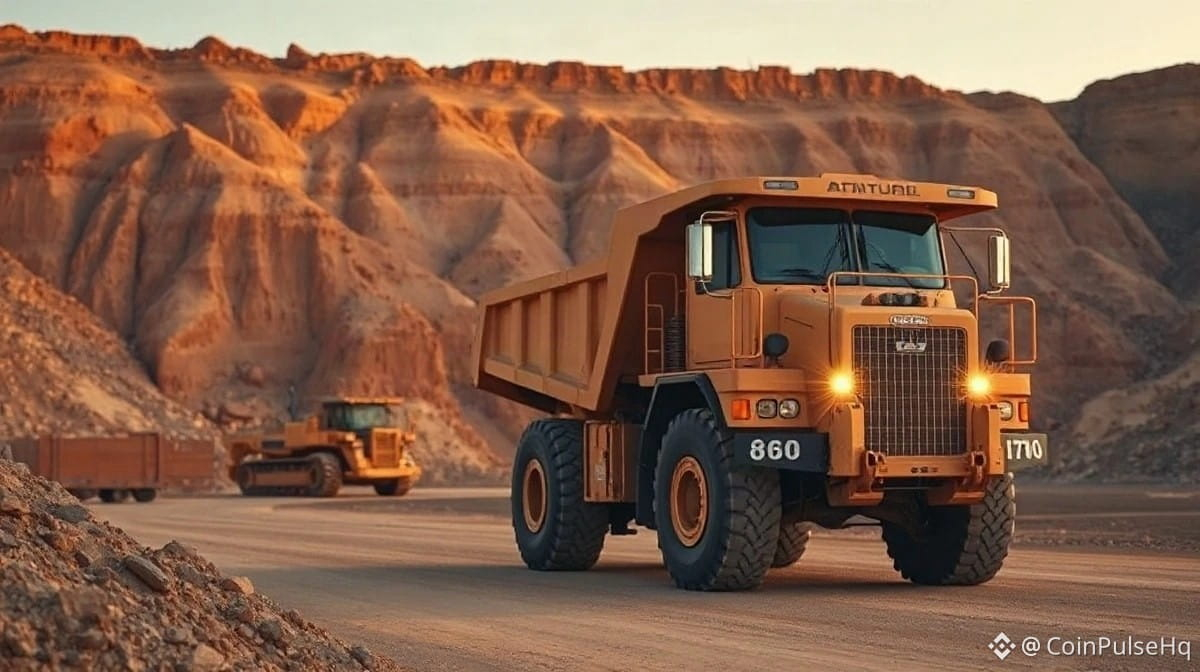
That experience is now shaping how Caterpillar approaches AI across its entire business, from field service to software development. The company currently sells autonomous haul trucks, drilling systems, underground loaders, dozers, and remote-controlled construction equipment, along with a software command center and fleet management tools. "Now we're in this super exciting time where we can take all of that learning from mining and bring it into much more dynamic environments, jobsites, quarries, and construction sites," Mineart told TechCrunch.
From haul trucks to voice-activated repair assistants
Caterpillar's AI push extends beyond the mining pit. One of its most visible consumer-facing tools is the Cat AI Assistant, which lets field technicians use voice commands to pull up repair procedures, troubleshoot potential problems, and identify parts needed before starting a repair. Mineart said the tool is now in use by customers, operators, and technicians, drawing on a proprietary data pool that spans roughly 1.6 million connected assets and more than 16 petabytes of structured data.
The company is also deploying AI in manufacturing, using software to scan job sites and generate digital twins that analyze operations in real time. Internally, Caterpillar uses AI agents to modernize legacy code, generate and test new software, and detect defects earlier in the development cycle, according to Mineart.
But Mineart is careful to distinguish between building the technology and deploying it in the field. "The hard part about autonomy and about physical AI is incorporating that technology into the customer jobsite and into the workflows," she said. That distinction has guided Caterpillar's approach: rather than simply bolting AI onto existing processes, the company leans on experienced operators to train its systems, applying decades of institutional knowledge.
The $100 million retraining bet
As machines become more autonomous, the role of the human operator is shifting. Some workers who once controlled a single machine are now overseeing multiple units from remote command centers. That transition has created a new challenge for Caterpillar: retraining its 118,000 employees. The company plans to spend $100 million over the next five years on AI, autonomy, and robotics training for its workforce.
The investment comes as Caterpillar's financial picture brightens. The company reported record quarterly revenue of $20.5 billion in the second quarter of 2026, helped by strong demand for power-generation equipment used in data centers. Its power-generation division saw sales spike 72% to $3.10 billion, and CEO Joe Creed said "no one is slowing down" when it comes to demand for cloud computing and generative AI infrastructure.
What this means for the broader industrial sector
Caterpillar's experience offers a case study for other industrial companies wrestling with AI adoption. The company's approach — starting with a controlled environment like mining, then expanding to more dynamic settings — mirrors a pattern seen across the sector. The key lesson, according to Mineart, is that AI deployment is as much about people and processes as it is about technology.
For companies watching from the sidelines, the takeaway is that successful AI integration requires a clear-eyed view of how work actually happens on the ground. Caterpillar's $100 million training commitment signals that the company sees workforce development as a core part of its AI strategy, not an afterthought. As the industrial sector continues to digitize, that balance between automation and human expertise will likely define which companies thrive in the AI era.
Disclosure: This article discusses Caterpillar's AI deployment strategy and financial performance. It does not constitute financial advice, and market conditions are subject to change. Readers should conduct their own research before making investment decisions.
Originally published on CoinPulseHQ: https://coinpulsehq.com/caterpillar-ai-deployment-mining-automation/
Caterpillar’s path to AI runs through a mining pit — and a $100M retraining bet
LAS VEGAS — Caterpillar's CTO Jaime Mineart stood on the sidelines of the Ai4 conference earlier this month and described a problem that sounds familiar to nearly every company trying to deploy artificial intelligence: the technology works, but integrating it into daily operations is hard. For Caterpillar, that challenge is not new. The industrial giant has spent decades automating some of the harshest environments on Earth — open-pit mines where labor shortages and hazardous conditions make remote operation a practical necessity, not a novelty.
That experience is now shaping how Caterpillar approaches AI across its entire business, from field service to software development. The company currently sells autonomous haul trucks, drilling systems, underground loaders, dozers, and remote-controlled construction equipment, along with a software command center and fleet management tools. "Now we're in this super exciting time where we can take all of that learning from mining and bring it into much more dynamic environments, jobsites, quarries, and construction sites," Mineart told TechCrunch.
From haul trucks to voice-activated repair assistants
Caterpillar's AI push extends beyond the mining pit. One of its most visible consumer-facing tools is the Cat AI Assistant, which lets field technicians use voice commands to pull up repair procedures, troubleshoot potential problems, and identify parts needed before starting a repair. Mineart said the tool is now in use by customers, operators, and technicians, drawing on a proprietary data pool that spans roughly 1.6 million connected assets and more than 16 petabytes of structured data.
The company is also deploying AI in manufacturing, using software to scan job sites and generate digital twins that analyze operations in real time. Internally, Caterpillar uses AI agents to modernize legacy code, generate and test new software, and detect defects earlier in the development cycle, according to Mineart.
But Mineart is careful to distinguish between building the technology and deploying it in the field. "The hard part about autonomy and about physical AI is incorporating that technology into the customer jobsite and into the workflows," she said. That distinction has guided Caterpillar's approach: rather than simply bolting AI onto existing processes, the company leans on experienced operators to train its systems, applying decades of institutional knowledge.
The $100 million retraining bet
As machines become more autonomous, the role of the human operator is shifting. Some workers who once controlled a single machine are now overseeing multiple units from remote command centers. That transition has created a new challenge for Caterpillar: retraining its 118,000 employees. The company plans to spend $100 million over the next five years on AI, autonomy, and robotics training for its workforce.
The investment comes as Caterpillar's financial picture brightens. The company reported record quarterly revenue of $20.5 billion in the second quarter of 2026, helped by strong demand for power-generation equipment used in data centers. Its power-generation division saw sales spike 72% to $3.10 billion, and CEO Joe Creed said "no one is slowing down" when it comes to demand for cloud computing and generative AI infrastructure.
What this means for the broader industrial sector
Caterpillar's experience offers a case study for other industrial companies wrestling with AI adoption. The company's approach — starting with a controlled environment like mining, then expanding to more dynamic settings — mirrors a pattern seen across the sector. The key lesson, according to Mineart, is that AI deployment is as much about people and processes as it is about technology.
For companies watching from the sidelines, the takeaway is that successful AI integration requires a clear-eyed view of how work actually happens on the ground. Caterpillar's $100 million training commitment signals that the company sees workforce development as a core part of its AI strategy, not an afterthought. As the industrial sector continues to digitize, that balance between automation and human expertise will likely define which companies thrive in the AI era.
Disclosure: This article discusses Caterpillar's AI deployment strategy and financial performance. It does not constitute financial advice, and market conditions are subject to change. Readers should conduct their own research before making investment decisions.
Originally published on CoinPulseHQ: https://coinpulsehq.com/caterpillar-ai-deployment-mining-automation/
That experience is now shaping how Caterpillar approaches AI across its entire business, from field service to software development. The company currently sells autonomous haul trucks, drilling systems, underground loaders, dozers, and remote-controlled construction equipment, along with a software command center and fleet management tools. "Now we're in this super exciting time where we can take all of that learning from mining and bring it into much more dynamic environments, jobsites, quarries, and construction sites," Mineart told TechCrunch.
From haul trucks to voice-activated repair assistants
Caterpillar's AI push extends beyond the mining pit. One of its most visible consumer-facing tools is the Cat AI Assistant, which lets field technicians use voice commands to pull up repair procedures, troubleshoot potential problems, and identify parts needed before starting a repair. Mineart said the tool is now in use by customers, operators, and technicians, drawing on a proprietary data pool that spans roughly 1.6 million connected assets and more than 16 petabytes of structured data.
The company is also deploying AI in manufacturing, using software to scan job sites and generate digital twins that analyze operations in real time. Internally, Caterpillar uses AI agents to modernize legacy code, generate and test new software, and detect defects earlier in the development cycle, according to Mineart.
But Mineart is careful to distinguish between building the technology and deploying it in the field. "The hard part about autonomy and about physical AI is incorporating that technology into the customer jobsite and into the workflows," she said. That distinction has guided Caterpillar's approach: rather than simply bolting AI onto existing processes, the company leans on experienced operators to train its systems, applying decades of institutional knowledge.
The $100 million retraining bet
As machines become more autonomous, the role of the human operator is shifting. Some workers who once controlled a single machine are now overseeing multiple units from remote command centers. That transition has created a new challenge for Caterpillar: retraining its 118,000 employees. The company plans to spend $100 million over the next five years on AI, autonomy, and robotics training for its workforce.
The investment comes as Caterpillar's financial picture brightens. The company reported record quarterly revenue of $20.5 billion in the second quarter of 2026, helped by strong demand for power-generation equipment used in data centers. Its power-generation division saw sales spike 72% to $3.10 billion, and CEO Joe Creed said "no one is slowing down" when it comes to demand for cloud computing and generative AI infrastructure.
What this means for the broader industrial sector
Caterpillar's experience offers a case study for other industrial companies wrestling with AI adoption. The company's approach — starting with a controlled environment like mining, then expanding to more dynamic settings — mirrors a pattern seen across the sector. The key lesson, according to Mineart, is that AI deployment is as much about people and processes as it is about technology.
For companies watching from the sidelines, the takeaway is that successful AI integration requires a clear-eyed view of how work actually happens on the ground. Caterpillar's $100 million training commitment signals that the company sees workforce development as a core part of its AI strategy, not an afterthought. As the industrial sector continues to digitize, that balance between automation and human expertise will likely define which companies thrive in the AI era.
Disclosure: This article discusses Caterpillar's AI deployment strategy and financial performance. It does not constitute financial advice, and market conditions are subject to change. Readers should conduct their own research before making investment decisions.
Originally published on CoinPulseHQ: https://coinpulsehq.com/caterpillar-ai-deployment-mining-automation/
1
·
--
Статья
См. перевод
Musk confirms SpaceX foundry for gas turbine blades — but the pollution math is getting harder to ignoreElon Musk confirmed on Saturday that a secret SpaceX foundry in Bastrop, Texas, is being used to cast gas turbine blades and vanes — a component he called the limiting factor for natural gas turbine production. In a post on X, Musk said in-house casting could accelerate gas turbines coming online by up to 18 months, calling it a “profound turning point” for AI infrastructure. The confirmation followed a report from The Information that cited job listings for a “blades and vanes foundry” and land purchases of roughly 830 acres near SpaceX’s Starlink factory between March and June.
The move targets a critical bottleneck in the AI buildout: the physical power grid. The International Energy Agency projects global data center electricity use will roughly double by 2030, and GE Vernova, a major gas turbine maker, says it is essentially sold out through 2030 due to AI demand. Hyperscalers including Amazon, Google, Meta, OpenAI, and Microsoft have turned to building private gas-fired plants next to data centers to bypass grid delays.
The casting bottleneck and why it matters
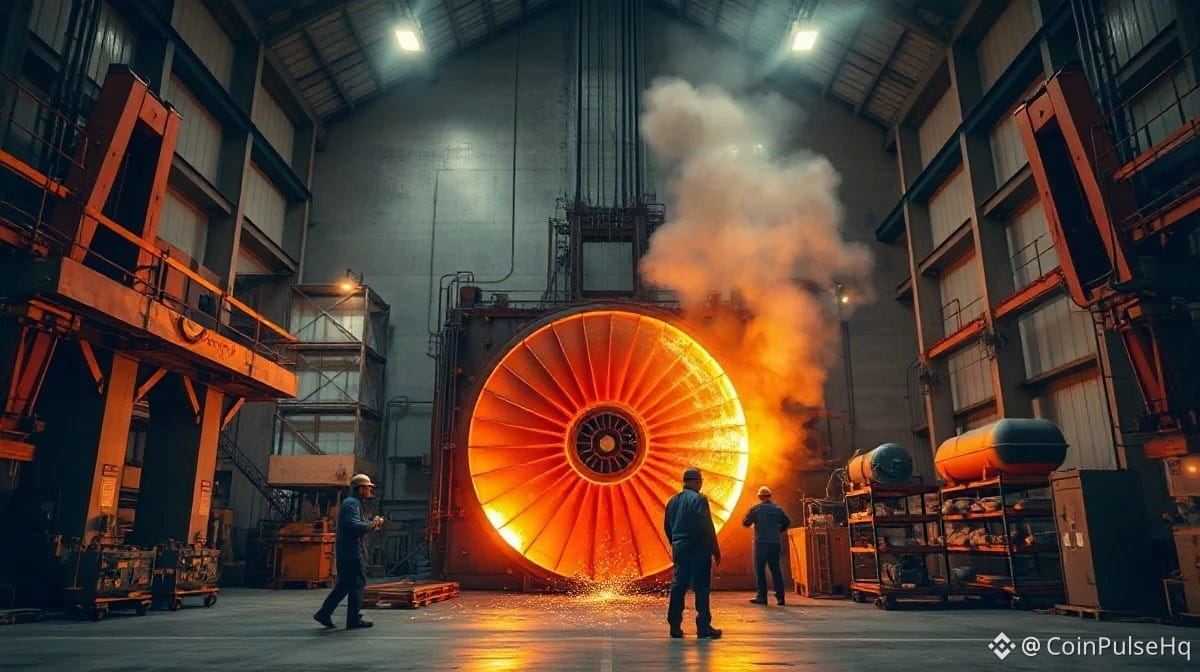
Gas turbine blades operate in the hottest section of the turbine, at temperatures around 3,000 to 3,600 degrees Fahrenheit — roughly 800 degrees hotter than the melting point of the metal alloy they’re made from. They survive only because of internal cooling channels, thermal-barrier coatings, and a precise casting process that produces each blade as a single, unbroken crystal, grown slowly in a vacuum furnace to avoid microscopic seams that could cause cracking.
Only four companies worldwide have mastered this process at industrial scale, and all are currently at capacity. The difficulty increases with the larger blades used in power-plant turbines compared to jet engines. If SpaceX succeeds, it would give Musk-controlled entities a manufacturing capability that competitors currently depend on an oligopoly for, potentially reshaping the economics of AI data center construction.
Pollution concerns and community backlash
But the push for faster turbine deployment is colliding with environmental and health concerns. In Memphis, where SpaceXAI has operated gas turbines to power its Colossus data centers since 2024, the NAACP has accused the company of operating without required permits and pollution controls. The turbines emit smog-forming compounds and hazardous chemicals like formaldehyde, which are linked to asthma, respiratory disease, and certain cancers. University of Memphis researchers found air pollution grew “slightly worse” near the site, though they noted their analysis was limited.
Similar disputes are emerging elsewhere. In Virginia’s “Data Center Alley,” a study commissioned by the Piedmont Environmental Council used the EPA’s COBRA model to estimate that emissions from a single facility’s eight full-time gas turbines could reach over 2.5 million people across multiple counties, causing an estimated 3.4 to 6.5 premature deaths per year and $53 million to $99 million in annual health damages, with the heaviest impact on marginalized communities.
These findings are fueling federal lawsuits and peer-reviewed research that question whether the AI boom’s energy demands are being met at the expense of public health. For Musk, the bet is that faster turbine production outweighs these costs — but the math is getting harder to ignore as communities push back.
Disclaimer: This article is for informational purposes only and does not constitute financial advice. The cryptocurrency and AI infrastructure markets are volatile and uncertain; readers should conduct their own research before making any investment or business decisions.
Originally published on CoinPulseHQ: https://coinpulsehq.com/spacex-gas-turbine-foundry-pollution/
Musk confirms SpaceX foundry for gas turbine blades — but the pollution math is getting harder to ignore
Elon Musk confirmed on Saturday that a secret SpaceX foundry in Bastrop, Texas, is being used to cast gas turbine blades and vanes — a component he called the limiting factor for natural gas turbine production. In a post on X, Musk said in-house casting could accelerate gas turbines coming online by up to 18 months, calling it a “profound turning point” for AI infrastructure. The confirmation followed a report from The Information that cited job listings for a “blades and vanes foundry” and land purchases of roughly 830 acres near SpaceX’s Starlink factory between March and June.
The move targets a critical bottleneck in the AI buildout: the physical power grid. The International Energy Agency projects global data center electricity use will roughly double by 2030, and GE Vernova, a major gas turbine maker, says it is essentially sold out through 2030 due to AI demand. Hyperscalers including Amazon, Google, Meta, OpenAI, and Microsoft have turned to building private gas-fired plants next to data centers to bypass grid delays.
The casting bottleneck and why it matters
Gas turbine blades operate in the hottest section of the turbine, at temperatures around 3,000 to 3,600 degrees Fahrenheit — roughly 800 degrees hotter than the melting point of the metal alloy they’re made from. They survive only because of internal cooling channels, thermal-barrier coatings, and a precise casting process that produces each blade as a single, unbroken crystal, grown slowly in a vacuum furnace to avoid microscopic seams that could cause cracking.
Only four companies worldwide have mastered this process at industrial scale, and all are currently at capacity. The difficulty increases with the larger blades used in power-plant turbines compared to jet engines. If SpaceX succeeds, it would give Musk-controlled entities a manufacturing capability that competitors currently depend on an oligopoly for, potentially reshaping the economics of AI data center construction.
Pollution concerns and community backlash
But the push for faster turbine deployment is colliding with environmental and health concerns. In Memphis, where SpaceXAI has operated gas turbines to power its Colossus data centers since 2024, the NAACP has accused the company of operating without required permits and pollution controls. The turbines emit smog-forming compounds and hazardous chemicals like formaldehyde, which are linked to asthma, respiratory disease, and certain cancers. University of Memphis researchers found air pollution grew “slightly worse” near the site, though they noted their analysis was limited.
Similar disputes are emerging elsewhere. In Virginia’s “Data Center Alley,” a study commissioned by the Piedmont Environmental Council used the EPA’s COBRA model to estimate that emissions from a single facility’s eight full-time gas turbines could reach over 2.5 million people across multiple counties, causing an estimated 3.4 to 6.5 premature deaths per year and $53 million to $99 million in annual health damages, with the heaviest impact on marginalized communities.
These findings are fueling federal lawsuits and peer-reviewed research that question whether the AI boom’s energy demands are being met at the expense of public health. For Musk, the bet is that faster turbine production outweighs these costs — but the math is getting harder to ignore as communities push back.
Disclaimer: This article is for informational purposes only and does not constitute financial advice. The cryptocurrency and AI infrastructure markets are volatile and uncertain; readers should conduct their own research before making any investment or business decisions.
Originally published on CoinPulseHQ: https://coinpulsehq.com/spacex-gas-turbine-foundry-pollution/
The move targets a critical bottleneck in the AI buildout: the physical power grid. The International Energy Agency projects global data center electricity use will roughly double by 2030, and GE Vernova, a major gas turbine maker, says it is essentially sold out through 2030 due to AI demand. Hyperscalers including Amazon, Google, Meta, OpenAI, and Microsoft have turned to building private gas-fired plants next to data centers to bypass grid delays.
The casting bottleneck and why it matters
Gas turbine blades operate in the hottest section of the turbine, at temperatures around 3,000 to 3,600 degrees Fahrenheit — roughly 800 degrees hotter than the melting point of the metal alloy they’re made from. They survive only because of internal cooling channels, thermal-barrier coatings, and a precise casting process that produces each blade as a single, unbroken crystal, grown slowly in a vacuum furnace to avoid microscopic seams that could cause cracking.
Only four companies worldwide have mastered this process at industrial scale, and all are currently at capacity. The difficulty increases with the larger blades used in power-plant turbines compared to jet engines. If SpaceX succeeds, it would give Musk-controlled entities a manufacturing capability that competitors currently depend on an oligopoly for, potentially reshaping the economics of AI data center construction.
Pollution concerns and community backlash
But the push for faster turbine deployment is colliding with environmental and health concerns. In Memphis, where SpaceXAI has operated gas turbines to power its Colossus data centers since 2024, the NAACP has accused the company of operating without required permits and pollution controls. The turbines emit smog-forming compounds and hazardous chemicals like formaldehyde, which are linked to asthma, respiratory disease, and certain cancers. University of Memphis researchers found air pollution grew “slightly worse” near the site, though they noted their analysis was limited.
Similar disputes are emerging elsewhere. In Virginia’s “Data Center Alley,” a study commissioned by the Piedmont Environmental Council used the EPA’s COBRA model to estimate that emissions from a single facility’s eight full-time gas turbines could reach over 2.5 million people across multiple counties, causing an estimated 3.4 to 6.5 premature deaths per year and $53 million to $99 million in annual health damages, with the heaviest impact on marginalized communities.
These findings are fueling federal lawsuits and peer-reviewed research that question whether the AI boom’s energy demands are being met at the expense of public health. For Musk, the bet is that faster turbine production outweighs these costs — but the math is getting harder to ignore as communities push back.
Disclaimer: This article is for informational purposes only and does not constitute financial advice. The cryptocurrency and AI infrastructure markets are volatile and uncertain; readers should conduct their own research before making any investment or business decisions.
Originally published on CoinPulseHQ: https://coinpulsehq.com/spacex-gas-turbine-foundry-pollution/
·
--

Статья
Cronos останавливает сеть после взлома Tectonic на $75M; Сейлор намекает, что Strategy возвращается к покупкам биткоинаКронос, блокчейн-сеть, связанная с Crypto.com, остановила свою работу в воскресенье после взлома, нацеленного на децентрализованный кредитный протокол Tectonic. Оценочный ущерб составил около 75 миллионов долларов. Сеть была приостановлена, пока следователи оценивали ситуацию, при этом большая часть затронутых активов оставалась в сети (on-chain) на момент подготовки материала. В отдельной новости свежая публикация в соцсетях Майкла Сейлора дала понять, что Strategy может возобновить покупки биткоина после двухмесячной паузы, а Real Trump Coins опровергла любые причастность к токену Trump Digital GOLD, возложив ответственность за его продвижение на «злоумышленников третьей стороны».
Cronos останавливает сеть после взлома Tectonic на $75M; Сейлор намекает, что Strategy возвращается к покупкам биткоина
Кронос, блокчейн-сеть, связанная с Crypto.com, остановила свою работу в воскресенье после взлома, нацеленного на децентрализованный кредитный протокол Tectonic. Оценочный ущерб составил около 75 миллионов долларов. Сеть была приостановлена, пока следователи оценивали ситуацию, при этом большая часть затронутых активов оставалась в сети (on-chain) на момент подготовки материала. В отдельной новости свежая публикация в соцсетях Майкла Сейлора дала понять, что Strategy может возобновить покупки биткоина после двухмесячной паузы, а Real Trump Coins опровергла любые причастность к токену Trump Digital GOLD, возложив ответственность за его продвижение на «злоумышленников третьей стороны».
131
·
--
Статья
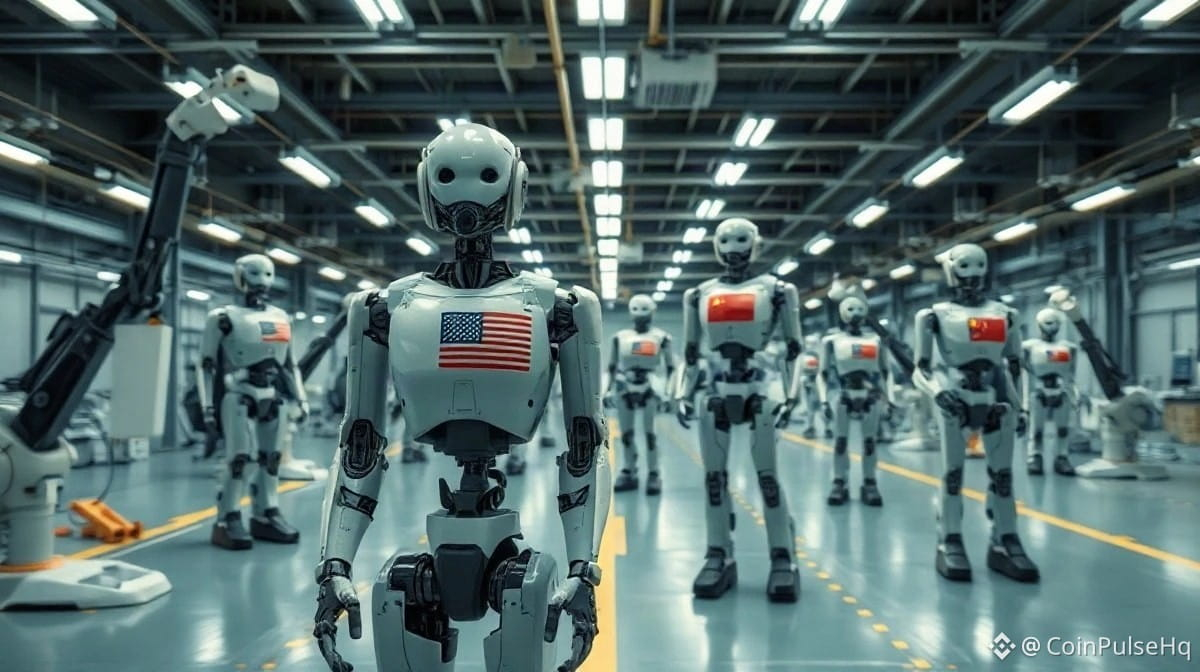
Ограничения США на китайские дроны и роботов могут не преодолеть масштабы производства КитаяСоединенные Штаты перешли к ограничению поставок высокотехнологичной робототехники и дронов, произведенных за рубежом, однако, по мнению отраслевых аналитиков, масштаб производства в Китае может ослабить эффект этих мер, в результате чего, вероятнее всего, сформируется фрагментированный мировой рынок, а не четкое разделение США и Китая. В июле и августе Вашингтон ужесточил правила в отношении иностранных роботизированных систем и ввел высокие тарифы на импортируемые дроны и компоненты, ссылаясь на обеспокоенность вопросами национальной безопасности. Дроновые тарифы вступают в силу в сентябре, а дополнительные тарифы на компоненты последуют в 2027 году.
Ограничения США на китайские дроны и роботов могут не преодолеть масштабы производства Китая
Соединенные Штаты перешли к ограничению поставок высокотехнологичной робототехники и дронов, произведенных за рубежом, однако, по мнению отраслевых аналитиков, масштаб производства в Китае может ослабить эффект этих мер, в результате чего, вероятнее всего, сформируется фрагментированный мировой рынок, а не четкое разделение США и Китая. В июле и августе Вашингтон ужесточил правила в отношении иностранных роботизированных систем и ввел высокие тарифы на импортируемые дроны и компоненты, ссылаясь на обеспокоенность вопросами национальной безопасности. Дроновые тарифы вступают в силу в сентябре, а дополнительные тарифы на компоненты последуют в 2027 году.
·
--

Статья
Circleback добавляет бесплатный тариф к своему заметочнику встреч на фоне усиления конкуренцииCircleback, заметочник встреч с поддержкой Y Combinator, представил бесплатный тариф как ответ на усиливающуюся конкуренцию на переполненном рынке транскрипции встреч. Новый план, объявленный на этой неделе, позволяет пользователям расшифровывать неограниченное количество встреч и получать доступ к истории за последние 30 дней — ход, направленный на снижение порога входа и привлечение более широкой аудитории.
Бесплатный тариф включает основные функции, такие как запись встреч, мобильные приложения и приложения для Apple Watch, запросы к транскриптам с использованием ИИ, а также интеграции с Linear и Slack. Для тех, кому нужно больше, платные планы начинаются с $14 в месяц (при ежегодной оплате) и открывают все интеграции, неограниченную историю встреч и полный доступ к API и MCP. Ранее у Circleback не было бесплатного тарифа: планы начинались с $20.83 в месяц.
Circleback добавляет бесплатный тариф к своему заметочнику встреч на фоне усиления конкуренции
Circleback, заметочник встреч с поддержкой Y Combinator, представил бесплатный тариф как ответ на усиливающуюся конкуренцию на переполненном рынке транскрипции встреч. Новый план, объявленный на этой неделе, позволяет пользователям расшифровывать неограниченное количество встреч и получать доступ к истории за последние 30 дней — ход, направленный на снижение порога входа и привлечение более широкой аудитории.
Бесплатный тариф включает основные функции, такие как запись встреч, мобильные приложения и приложения для Apple Watch, запросы к транскриптам с использованием ИИ, а также интеграции с Linear и Slack. Для тех, кому нужно больше, платные планы начинаются с $14 в месяц (при ежегодной оплате) и открывают все интеграции, неограниченную историю встреч и полный доступ к API и MCP. Ранее у Circleback не было бесплатного тарифа: планы начинались с $20.83 в месяц.
Бесплатный тариф включает основные функции, такие как запись встреч, мобильные приложения и приложения для Apple Watch, запросы к транскриптам с использованием ИИ, а также интеграции с Linear и Slack. Для тех, кому нужно больше, платные планы начинаются с $14 в месяц (при ежегодной оплате) и открывают все интеграции, неограниченную историю встреч и полный доступ к API и MCP. Ранее у Circleback не было бесплатного тарифа: планы начинались с $20.83 в месяц.
·
--

Статья
Instagram ужесточает правила для не раскрытых профилей, созданных с помощью ИИ, и ограничивает охват аккаунтов, не соответствующих требованиямВ понедельник Instagram объявил, что начнет ограничивать охват аккаунтов, в которых представлены люди, созданные с помощью ИИ, но при этом они не помечены должным образом. Платформа переименовывает существующую метку «AI creator» («создатель с ИИ») в «AI-generated profile» («профиль, созданный с помощью ИИ»). Компания утверждает, что это изменение сделает раскрытие информации более понятным для пользователей.
Новая метка предназначена для того, чтобы информировать пользователей, когда человек, показанный в профиле, был сгенерирован или существенно создан с помощью ИИ. Согласно обновленной политике, создатели, которые не укажут, что профиль создан с использованием ИИ, могут столкнуться с уменьшением распространения. Однако те, кто использует эту метку, не будут наказаны только за то, что в качестве объекта профиля у них используется человек, сгенерированный ИИ.
Instagram ужесточает правила для не раскрытых профилей, созданных с помощью ИИ, и ограничивает охват аккаунтов, не соответствующих требованиям
В понедельник Instagram объявил, что начнет ограничивать охват аккаунтов, в которых представлены люди, созданные с помощью ИИ, но при этом они не помечены должным образом. Платформа переименовывает существующую метку «AI creator» («создатель с ИИ») в «AI-generated profile» («профиль, созданный с помощью ИИ»). Компания утверждает, что это изменение сделает раскрытие информации более понятным для пользователей.
Новая метка предназначена для того, чтобы информировать пользователей, когда человек, показанный в профиле, был сгенерирован или существенно создан с помощью ИИ. Согласно обновленной политике, создатели, которые не укажут, что профиль создан с использованием ИИ, могут столкнуться с уменьшением распространения. Однако те, кто использует эту метку, не будут наказаны только за то, что в качестве объекта профиля у них используется человек, сгенерированный ИИ.
Новая метка предназначена для того, чтобы информировать пользователей, когда человек, показанный в профиле, был сгенерирован или существенно создан с помощью ИИ. Согласно обновленной политике, создатели, которые не укажут, что профиль создан с использованием ИИ, могут столкнуться с уменьшением распространения. Однако те, кто использует эту метку, не будут наказаны только за то, что в качестве объекта профиля у них используется человек, сгенерированный ИИ.
·
--
Статья
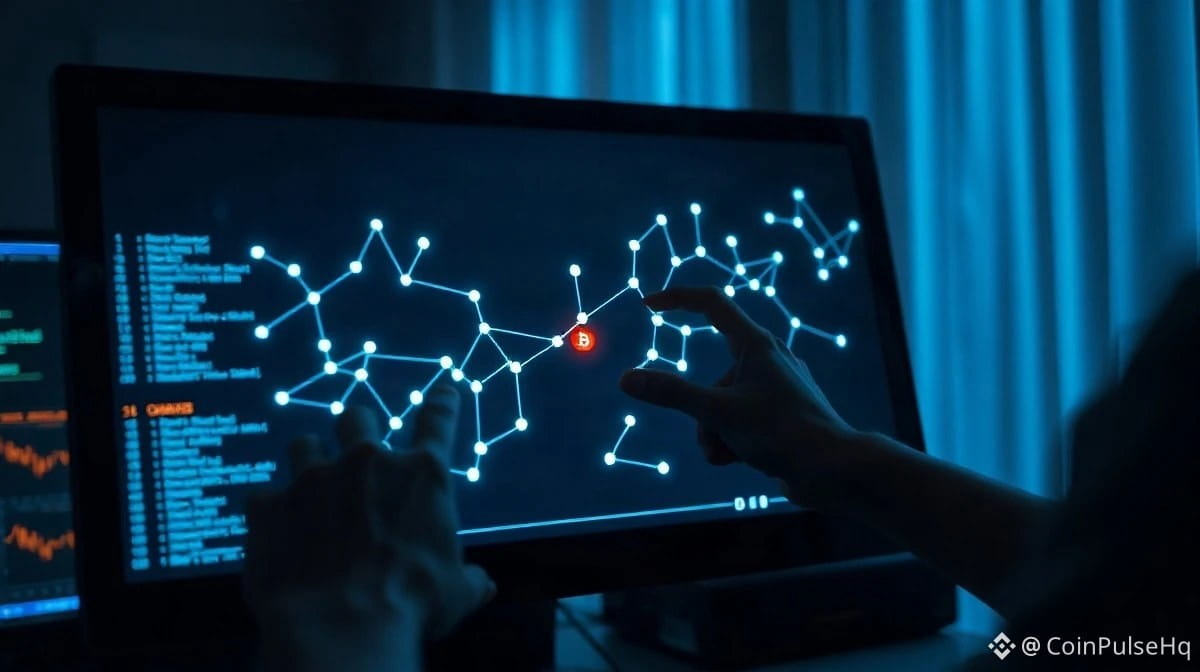
Почему OG-владелец биткоинов сжёг $1M? Данные on-chain дают подсказки, но не ответыВ истории, которая захватила аналитиков блокчейна, ранний владелец биткоинов — бездействовавший почти 12 лет — перевёл через крупного кастодиана BTC на сумму 1 миллион долларов, получил обратно почти ту же сумму и затем намеренно уничтожил её. Сожжение в мае 2026 года 20 BTC является частью более широкого шаблона, связанного с пятью кошельками: в совокупности они отправили 107 BTC на недоступный для траты адрес, что вызывает вопросы, на которые даже ведущие форензик-компании не могут ответить.
Тайна кругового маршрута на 1 миллион долларов
Преподаватель по блокчейну Беннет первым заметил необычную активность. Кошелёк, который оставался нетронутым примерно с 2014 года, внезапно отправил весь свой баланс — 20.00010537 BTC — на, по всей видимости, горячий кошелёк крупной централизованной биржи. Спустя три недели тот же кошелёк получил обратно 20.00006037 BTC — разница всего в 4 500 сатоши, или примерно $3. Возвращённые средства были разделены на три транзакции по 7 BTC, 7 BTC и 6.00006037 BTC в течение последовательных дней, что указывает на ежедневный лимит снятия.
Почему OG-владелец биткоинов сжёг $1M? Данные on-chain дают подсказки, но не ответы
В истории, которая захватила аналитиков блокчейна, ранний владелец биткоинов — бездействовавший почти 12 лет — перевёл через крупного кастодиана BTC на сумму 1 миллион долларов, получил обратно почти ту же сумму и затем намеренно уничтожил её. Сожжение в мае 2026 года 20 BTC является частью более широкого шаблона, связанного с пятью кошельками: в совокупности они отправили 107 BTC на недоступный для траты адрес, что вызывает вопросы, на которые даже ведущие форензик-компании не могут ответить.
Тайна кругового маршрута на 1 миллион долларов
Преподаватель по блокчейну Беннет первым заметил необычную активность. Кошелёк, который оставался нетронутым примерно с 2014 года, внезапно отправил весь свой баланс — 20.00010537 BTC — на, по всей видимости, горячий кошелёк крупной централизованной биржи. Спустя три недели тот же кошелёк получил обратно 20.00006037 BTC — разница всего в 4 500 сатоши, или примерно $3. Возвращённые средства были разделены на три транзакции по 7 BTC, 7 BTC и 6.00006037 BTC в течение последовательных дней, что указывает на ежедневный лимит снятия.
Тайна кругового маршрута на 1 миллион долларов
Преподаватель по блокчейну Беннет первым заметил необычную активность. Кошелёк, который оставался нетронутым примерно с 2014 года, внезапно отправил весь свой баланс — 20.00010537 BTC — на, по всей видимости, горячий кошелёк крупной централизованной биржи. Спустя три недели тот же кошелёк получил обратно 20.00006037 BTC — разница всего в 4 500 сатоши, или примерно $3. Возвращённые средства были разделены на три транзакции по 7 BTC, 7 BTC и 6.00006037 BTC в течение последовательных дней, что указывает на ежедневный лимит снятия.
19
·
--
Проверено

Статья
Harmony предлагает прекратить работу блокчейна уровня 1 и перенести ONE в EthereumСеть уровня 1 Harmony, совместимая с Ethereum, предложила прекратить работу своего блокчейна и перенести нативный токен ONE в Ethereum, спустя семь лет после запуска мейннета. Предложение, объявленное в воскресенье, появилось через несколько недель после эксплойта, который вынудил сеть запланировать откат более чем 109 000 транзакций.
Миграционное предложение Harmony
В рамках необязательного предложения Harmony сделает финальный снимок сети, выпустит токены ERC-20 ONE в сети Ethereum и перенесёт биржевые листинги. Валидаторам предложат варианты: остановить свои ноды, продолжить работу в качестве управляющих или присоединиться к новой инициативе Harmony по ИИ-видео. В предложении не указано, когда будет сформирован финальный блок, и будет ли отключение передано на рассмотрение в процессе управления сетью, управляемом валидаторами.
Harmony предлагает прекратить работу блокчейна уровня 1 и перенести ONE в Ethereum
Сеть уровня 1 Harmony, совместимая с Ethereum, предложила прекратить работу своего блокчейна и перенести нативный токен ONE в Ethereum, спустя семь лет после запуска мейннета. Предложение, объявленное в воскресенье, появилось через несколько недель после эксплойта, который вынудил сеть запланировать откат более чем 109 000 транзакций.
Миграционное предложение Harmony
В рамках необязательного предложения Harmony сделает финальный снимок сети, выпустит токены ERC-20 ONE в сети Ethereum и перенесёт биржевые листинги. Валидаторам предложат варианты: остановить свои ноды, продолжить работу в качестве управляющих или присоединиться к новой инициативе Harmony по ИИ-видео. В предложении не указано, когда будет сформирован финальный блок, и будет ли отключение передано на рассмотрение в процессе управления сетью, управляемом валидаторами.
Миграционное предложение Harmony
В рамках необязательного предложения Harmony сделает финальный снимок сети, выпустит токены ERC-20 ONE в сети Ethereum и перенесёт биржевые листинги. Валидаторам предложат варианты: остановить свои ноды, продолжить работу в качестве управляющих или присоединиться к новой инициативе Harmony по ИИ-видео. В предложении не указано, когда будет сформирован финальный блок, и будет ли отключение передано на рассмотрение в процессе управления сетью, управляемом валидаторами.
471
·
--

Статья
Seattle Times и Newsday подают в суд на OpenAI и Microsoft из‑за авторских прав в новейшем судебном споре издателей5 сентября 2026 года The Seattle Times и Newsday подали иск о нарушении авторских прав против OpenAI и Microsoft, усилив юридическое противостояние издательской индустрии с компаниями, занимающимися генеративным ИИ. Как сообщила TechCrunch, в иске утверждается, что эти компании использовали журналистские материалы газет для обучения ИИ-моделей, таких как ChatGPT и Copilot, без разрешения или компенсации.
В жалобе утверждается, что журналистская индустрия может стать «сломленной, не подлежащей ремонту» из-за ИИ. В документе генеративный ИИ описывается как «змея, пожирающая собственный хвост», которая может «уничтожить сами организации», выпускающие контент, от которого она зависит. Юридическая подача резко критикует бизнес-модель компаний в сфере ИИ, заявляя: «Продукты ИИ вроде ChatGPT и CoPilot рекламируются как производители контента, но на самом деле они являются ненасытными потребителями: они пожирают контент, созданный людьми, и возвращают миру копии и производные подражания того же исходного контента, который они потребили, чтобы достичь своих коммерческих целей».
Seattle Times и Newsday подают в суд на OpenAI и Microsoft из‑за авторских прав в новейшем судебном споре издателей
5 сентября 2026 года The Seattle Times и Newsday подали иск о нарушении авторских прав против OpenAI и Microsoft, усилив юридическое противостояние издательской индустрии с компаниями, занимающимися генеративным ИИ. Как сообщила TechCrunch, в иске утверждается, что эти компании использовали журналистские материалы газет для обучения ИИ-моделей, таких как ChatGPT и Copilot, без разрешения или компенсации.
В жалобе утверждается, что журналистская индустрия может стать «сломленной, не подлежащей ремонту» из-за ИИ. В документе генеративный ИИ описывается как «змея, пожирающая собственный хвост», которая может «уничтожить сами организации», выпускающие контент, от которого она зависит. Юридическая подача резко критикует бизнес-модель компаний в сфере ИИ, заявляя: «Продукты ИИ вроде ChatGPT и CoPilot рекламируются как производители контента, но на самом деле они являются ненасытными потребителями: они пожирают контент, созданный людьми, и возвращают миру копии и производные подражания того же исходного контента, который они потребили, чтобы достичь своих коммерческих целей».
В жалобе утверждается, что журналистская индустрия может стать «сломленной, не подлежащей ремонту» из-за ИИ. В документе генеративный ИИ описывается как «змея, пожирающая собственный хвост», которая может «уничтожить сами организации», выпускающие контент, от которого она зависит. Юридическая подача резко критикует бизнес-модель компаний в сфере ИИ, заявляя: «Продукты ИИ вроде ChatGPT и CoPilot рекламируются как производители контента, но на самом деле они являются ненасытными потребителями: они пожирают контент, созданный людьми, и возвращают миру копии и производные подражания того же исходного контента, который они потребили, чтобы достичь своих коммерческих целей».
36
·
--
Статья
Непрозрачная рекурсия, RAMageddon и другие термины ИИ, которые вам нужно знать в 2026Индустрия ИИ развивается настолько быстро, что даже собственная терминология может оставить позади опытных технарей. 1 сентября 2026 года OpenAI выпустила Astra — свою новую модель рассуждений — и вместе с ней представила термин, который с тех пор стал доминирующим в дискуссиях о безопасности: «opaque recurrence» (непрозрачная рекурсия). Эта одна фраза — про технику, при которой модель прогоняет запросы через внутренние слои, а не объясняет ход рассуждений шаг за шагом, — вызвала споры среди исследователей и подстегнула волну разъяснительных материалов в техно-СМИ.
Непрозрачная рекурсия, RAMageddon и другие термины ИИ, которые вам нужно знать в 2026
Индустрия ИИ развивается настолько быстро, что даже собственная терминология может оставить позади опытных технарей. 1 сентября 2026 года OpenAI выпустила Astra — свою новую модель рассуждений — и вместе с ней представила термин, который с тех пор стал доминирующим в дискуссиях о безопасности: «opaque recurrence» (непрозрачная рекурсия). Эта одна фраза — про технику, при которой модель прогоняет запросы через внутренние слои, а не объясняет ход рассуждений шаг за шагом, — вызвала споры среди исследователей и подстегнула волну разъяснительных материалов в техно-СМИ.
47
·
--
Статья
Liquid Network приостанавливает работу после того, как предполагаемые «белые шляпы» вывели биткоины на $320 млнБоковая цепочка Bitcoin Liquid приостановила работу после вывода примерно 4 000 Bitcoin — на сумму около $320 млн — из своего федеративного кошелька участниками, которые утверждали, что являются хакерами «белой шляпы». Инцидент, о котором стало известно в воскресенье, побудил Liquid отключить bridge-узлы и остановить новые транзакции, пока биржи приостанавливали или готовились приостановить депозиты и выводы L-BTC.
Blockstream взаимодействует с участниками, утверждающими о принадлежности к «белым хакерам»
Блокчейн-компания Blockstream, технологический провайдер, стоящий за Liquid, установила контакт с участниками посредством подписанных onchain-сообщений. Согласно последующим коммуникациям, люди заявили, что вернут подавляющую часть биткоинов после того, как будет устранена уязвимость в Elements — open-source-программном обеспечении, лежащем в основе Liquid, — и будут обновлены все сетевые узлы. Они также направили в Blockstream зашифрованные технические детали, как сообщил руководитель исследований Galaxy Digital Алекс Торн. По данным последних сообщений, средства пока не были возвращены.
Liquid Network приостанавливает работу после того, как предполагаемые «белые шляпы» вывели биткоины на $320 млн
Боковая цепочка Bitcoin Liquid приостановила работу после вывода примерно 4 000 Bitcoin — на сумму около $320 млн — из своего федеративного кошелька участниками, которые утверждали, что являются хакерами «белой шляпы». Инцидент, о котором стало известно в воскресенье, побудил Liquid отключить bridge-узлы и остановить новые транзакции, пока биржи приостанавливали или готовились приостановить депозиты и выводы L-BTC.
Blockstream взаимодействует с участниками, утверждающими о принадлежности к «белым хакерам»
Блокчейн-компания Blockstream, технологический провайдер, стоящий за Liquid, установила контакт с участниками посредством подписанных onchain-сообщений. Согласно последующим коммуникациям, люди заявили, что вернут подавляющую часть биткоинов после того, как будет устранена уязвимость в Elements — open-source-программном обеспечении, лежащем в основе Liquid, — и будут обновлены все сетевые узлы. Они также направили в Blockstream зашифрованные технические детали, как сообщил руководитель исследований Galaxy Digital Алекс Торн. По данным последних сообщений, средства пока не были возвращены.
Blockstream взаимодействует с участниками, утверждающими о принадлежности к «белым хакерам»
Блокчейн-компания Blockstream, технологический провайдер, стоящий за Liquid, установила контакт с участниками посредством подписанных onchain-сообщений. Согласно последующим коммуникациям, люди заявили, что вернут подавляющую часть биткоинов после того, как будет устранена уязвимость в Elements — open-source-программном обеспечении, лежащем в основе Liquid, — и будут обновлены все сетевые узлы. Они также направили в Blockstream зашифрованные технические детали, как сообщил руководитель исследований Galaxy Digital Алекс Торн. По данным последних сообщений, средства пока не были возвращены.
77
·
--
Статья
Mistral AI привлекает 3 млрд евро в крупнейшем в Европе раунде техфинансирования, оценивая французскую AI-лабораторию более чем в 21 млрд евроФранцузская AI-лаборатория Mistral AI объявила во вторник, что привлекла 3 млрд евро (около 3,58 млрд долларов) в рамках раунда Series D при пост-оценке более 21 млрд евро (около 24,39 млрд долларов), подтвердив ранее появлявшиеся сообщения. Раунд, который Mistral назвала «крупнейшим раундом по привлечению акционерного капитала, когда-либо завершенным европейской технологической компанией», возглавила Samsung Electronics, а со-лидами выступили фонды Scaleup Europe Fund под управлением EQT и действующий инвестор PSG Equity.
Mistral сообщила, что намерена использовать привлеченные средства для масштабирования вычислительных мощностей, создания инфраструктуры, ускорения коммерческого роста и расширения международного присутствия. Финансирование также усиливает ее стратегические позиции: компания настаивает, что не строит «европейский ChatGPT», и хотя ее модели пока не получили массового потребительского внедрения, она продолжает позиционировать себя как AI-исследовательская лаборатория с фокусом на корпоративных и государственных клиентов.
Mistral AI привлекает 3 млрд евро в крупнейшем в Европе раунде техфинансирования, оценивая французскую AI-лабораторию более чем в 21 млрд евро
Французская AI-лаборатория Mistral AI объявила во вторник, что привлекла 3 млрд евро (около 3,58 млрд долларов) в рамках раунда Series D при пост-оценке более 21 млрд евро (около 24,39 млрд долларов), подтвердив ранее появлявшиеся сообщения. Раунд, который Mistral назвала «крупнейшим раундом по привлечению акционерного капитала, когда-либо завершенным европейской технологической компанией», возглавила Samsung Electronics, а со-лидами выступили фонды Scaleup Europe Fund под управлением EQT и действующий инвестор PSG Equity.
Mistral сообщила, что намерена использовать привлеченные средства для масштабирования вычислительных мощностей, создания инфраструктуры, ускорения коммерческого роста и расширения международного присутствия. Финансирование также усиливает ее стратегические позиции: компания настаивает, что не строит «европейский ChatGPT», и хотя ее модели пока не получили массового потребительского внедрения, она продолжает позиционировать себя как AI-исследовательская лаборатория с фокусом на корпоративных и государственных клиентов.
Mistral сообщила, что намерена использовать привлеченные средства для масштабирования вычислительных мощностей, создания инфраструктуры, ускорения коммерческого роста и расширения международного присутствия. Финансирование также усиливает ее стратегические позиции: компания настаивает, что не строит «европейский ChatGPT», и хотя ее модели пока не получили массового потребительского внедрения, она продолжает позиционировать себя как AI-исследовательская лаборатория с фокусом на корпоративных и государственных клиентов.
·
--

Статья
Cognition достигла оценки $48 млрд, сигнализируя, что на рынке ИИ-кодинга есть место для нескольких победителейCognition, стартап, стоящий за ИИ-помощником для программирования Devin, привлек $2 млрд при оценке в $48 млрд — об этом компания объявила во вторник. Раунд, который возглавили Andreessen Horowitz, Accel, Founders Fund, General Catalyst и Avenir, прошел всего через четыре месяца после предыдущего привлечения средств Cognition при оценке в $26 млрд. Это признак того, что венчурные инвесторы по-прежнему видят пространство для нескольких крупных игроков на рынке ИИ-кодинга — одном из самых коммерчески значимых применений генеративного ИИ.
Быстрое удвоение оценки Cognition указывает на то, что сектор ИИ-кодинга, в отличие от консолидации в одного победителя, привлекает капитал сразу на нескольких претендентов. Эта гипотеза проверялась в начале этого года, когда Cursor — конкурирующий ассистент по кодингу — согласился продать ее SpaceX за $60 млрд в апреле после того, как, по сообщениям, компания изучала возможность привлечения средств на $50 млрд.
Cognition достигла оценки $48 млрд, сигнализируя, что на рынке ИИ-кодинга есть место для нескольких победителей
Cognition, стартап, стоящий за ИИ-помощником для программирования Devin, привлек $2 млрд при оценке в $48 млрд — об этом компания объявила во вторник. Раунд, который возглавили Andreessen Horowitz, Accel, Founders Fund, General Catalyst и Avenir, прошел всего через четыре месяца после предыдущего привлечения средств Cognition при оценке в $26 млрд. Это признак того, что венчурные инвесторы по-прежнему видят пространство для нескольких крупных игроков на рынке ИИ-кодинга — одном из самых коммерчески значимых применений генеративного ИИ.
Быстрое удвоение оценки Cognition указывает на то, что сектор ИИ-кодинга, в отличие от консолидации в одного победителя, привлекает капитал сразу на нескольких претендентов. Эта гипотеза проверялась в начале этого года, когда Cursor — конкурирующий ассистент по кодингу — согласился продать ее SpaceX за $60 млрд в апреле после того, как, по сообщениям, компания изучала возможность привлечения средств на $50 млрд.
Быстрое удвоение оценки Cognition указывает на то, что сектор ИИ-кодинга, в отличие от консолидации в одного победителя, привлекает капитал сразу на нескольких претендентов. Эта гипотеза проверялась в начале этого года, когда Cursor — конкурирующий ассистент по кодингу — согласился продать ее SpaceX за $60 млрд в апреле после того, как, по сообщениям, компания изучала возможность привлечения средств на $50 млрд.
·
--

Статья
Сообщается, что FCA Великобритании рассматривает снятие запрета для розничных инвесторов на рынках прогнозовФинансовый орган по надзору Соединённого Королевства — Управление по финансовому поведению (FCA) — как сообщается, начал обсуждения с компаниями рынка прогнозов о том, следует ли снять запрет, который с 2019 года не даёт розничным инвесторам получать доступ к таким платформам, как Polymarket и Kalshi.
Согласно опубликованному в пятницу материалу The Times, регулятор рассматривает возможность ослабить запрет на бинарные опционы, включая контракты, основанные на событиях и охватывающие спорт, политику и погоду. FCA впервые ввёл этот запрет в апреле 2019 года, когда запретил компаниям продавать, рекламировать или распространять бинарные опционы розничным потребителям.
Сообщается, что FCA Великобритании рассматривает снятие запрета для розничных инвесторов на рынках прогнозов
Финансовый орган по надзору Соединённого Королевства — Управление по финансовому поведению (FCA) — как сообщается, начал обсуждения с компаниями рынка прогнозов о том, следует ли снять запрет, который с 2019 года не даёт розничным инвесторам получать доступ к таким платформам, как Polymarket и Kalshi.
Согласно опубликованному в пятницу материалу The Times, регулятор рассматривает возможность ослабить запрет на бинарные опционы, включая контракты, основанные на событиях и охватывающие спорт, политику и погоду. FCA впервые ввёл этот запрет в апреле 2019 года, когда запретил компаниям продавать, рекламировать или распространять бинарные опционы розничным потребителям.
Согласно опубликованному в пятницу материалу The Times, регулятор рассматривает возможность ослабить запрет на бинарные опционы, включая контракты, основанные на событиях и охватывающие спорт, политику и погоду. FCA впервые ввёл этот запрет в апреле 2019 года, когда запретил компаниям продавать, рекламировать или распространять бинарные опционы розничным потребителям.
·
--
Статья
Sequoia удваивает ставку на Cymphony, поскольку ИИ-агенты создают новые риски безопасности для предприятийSequoia Capital делает ставку на стартап, который стремится решить растущую проблему для предприятий: обеспечить безопасность ИИ-агентов, которые уже сейчас обрабатывают чувствительные корпоративные данные на машинной скорости. Инвестфирма совместно с партнерами провела раунд Series A на 25 миллионов долларов для Cymphony — компании из Нью-Йорка и Тель-Авива — вместе с SMBC Fin Atlas Beyond Fund, оценив стартап в более чем 100 миллионов долларов после инвестиций. Раунд последовал за непубличными seed-инвестициями Sequoia, сделанными более двух лет назад.
Cymphony, основанная в 2024 году Шаем Декелем, Иданом Берковицем и Эди Готлибом — все они выпускники израильской военной программы Talpiot, — строит платформу, предназначенную дать командам безопасности единое представление о сотрудниках-людях и ИИ-агентах, включая системы и чувствительные данные, к которым они могут получать доступ. Компания говорит, что закрывает критическую слепую зону: ИИ-агенты часто обходят идентификационные и контрольные механизмы доступа, применяемые к сотрудникам-людям, создавая новые точки экспонирования, которые традиционные инструменты безопасности упускают.
Sequoia удваивает ставку на Cymphony, поскольку ИИ-агенты создают новые риски безопасности для предприятий
Sequoia Capital делает ставку на стартап, который стремится решить растущую проблему для предприятий: обеспечить безопасность ИИ-агентов, которые уже сейчас обрабатывают чувствительные корпоративные данные на машинной скорости. Инвестфирма совместно с партнерами провела раунд Series A на 25 миллионов долларов для Cymphony — компании из Нью-Йорка и Тель-Авива — вместе с SMBC Fin Atlas Beyond Fund, оценив стартап в более чем 100 миллионов долларов после инвестиций. Раунд последовал за непубличными seed-инвестициями Sequoia, сделанными более двух лет назад.
Cymphony, основанная в 2024 году Шаем Декелем, Иданом Берковицем и Эди Готлибом — все они выпускники израильской военной программы Talpiot, — строит платформу, предназначенную дать командам безопасности единое представление о сотрудниках-людях и ИИ-агентах, включая системы и чувствительные данные, к которым они могут получать доступ. Компания говорит, что закрывает критическую слепую зону: ИИ-агенты часто обходят идентификационные и контрольные механизмы доступа, применяемые к сотрудникам-людям, создавая новые точки экспонирования, которые традиционные инструменты безопасности упускают.
Cymphony, основанная в 2024 году Шаем Декелем, Иданом Берковицем и Эди Готлибом — все они выпускники израильской военной программы Talpiot, — строит платформу, предназначенную дать командам безопасности единое представление о сотрудниках-людях и ИИ-агентах, включая системы и чувствительные данные, к которым они могут получать доступ. Компания говорит, что закрывает критическую слепую зону: ИИ-агенты часто обходят идентификационные и контрольные механизмы доступа, применяемые к сотрудникам-людям, создавая новые точки экспонирования, которые традиционные инструменты безопасности упускают.
·
--

Статья
AI-ассистент Instinct получает собственный адрес электронной почты, чтобы действовать более автономноИнстинкт — AI-ассистент, взлетевший до оценки в $2,5 млрд, — предоставляет каждому пользователю отдельный адрес электронной почты. Это решение позволяет агенту действовать более независимо при регистрации в сервисах, обращении в компании или выполнении задач от имени пользователя. Основатель Ной Шинн объявил о функции в X 8 сентября 2026 года, представив её как «первый шаг к тому, чтобы ваш Instinct мог владеть и управлять своими собственными аккаунтами».
Теперь Instinct назначает каждому пользователю уникальный адрес электронной почты, чтобы AI-агент мог создавать аккаунты, связываться с компаниями и обрабатывать последующие контакты, не засоряя личный почтовый ящик пользователя. Функция, о которой рассказал основатель Ной Шинн, сейчас внедряется: ранние пользователи уже могут забрать свои адреса на mail.instinct.com.
AI-ассистент Instinct получает собственный адрес электронной почты, чтобы действовать более автономно
Инстинкт — AI-ассистент, взлетевший до оценки в $2,5 млрд, — предоставляет каждому пользователю отдельный адрес электронной почты. Это решение позволяет агенту действовать более независимо при регистрации в сервисах, обращении в компании или выполнении задач от имени пользователя. Основатель Ной Шинн объявил о функции в X 8 сентября 2026 года, представив её как «первый шаг к тому, чтобы ваш Instinct мог владеть и управлять своими собственными аккаунтами».
Теперь Instinct назначает каждому пользователю уникальный адрес электронной почты, чтобы AI-агент мог создавать аккаунты, связываться с компаниями и обрабатывать последующие контакты, не засоряя личный почтовый ящик пользователя. Функция, о которой рассказал основатель Ной Шинн, сейчас внедряется: ранние пользователи уже могут забрать свои адреса на mail.instinct.com.
Теперь Instinct назначает каждому пользователю уникальный адрес электронной почты, чтобы AI-агент мог создавать аккаунты, связываться с компаниями и обрабатывать последующие контакты, не засоряя личный почтовый ящик пользователя. Функция, о которой рассказал основатель Ной Шинн, сейчас внедряется: ранние пользователи уже могут забрать свои адреса на mail.instinct.com.
Войдите, чтобы посмотреть больше материала
Присоединяйтесь к пользователям криптовалют по всему миру на Binance Square
⚡️ Получайте новейшую и полезную информацию о криптоактивах.
💬 Нам доверяет крупнейшая в мире криптобиржа.
👍 Получите достоверные аналитические данные от верифицированных создателей контента.
Эл. почта/номер телефона
В тренде
AIStocksWhatNext
Просмотров: 538,380
4,011 обсуждают
Поделись и выиграй награду за трафик в нашей кампании с трендовым хэштегом
✨Тема: Какие ещё инвестиционные возможности остаются, пока акции ИИ продолжают расти?
👉Как принять участие:
Опубликуйте короткий пост или статью с хэштегом #AIStocksWhatNext
Расскажите, вы бычьей или медвежьей позиции придерживаетесь, и опубликуйте свои холдинги или сделки по акциям ИИ — использование виджета для трейда может повысить вашу соответствие требованиям.
Вы также можете усилить пост, поделившись данными или графиками, и избегая изображений, сгенерированных ИИ.
✍️Создайте контент, опираясь на приведённые ниже ракурсы:
- Nvidia говорит, что продажи чипов удвоятся в следующем году, а ведущие компании в сфере ИИ продолжают бить рекорды по выручке — затраты на вычисления за этим стоят просто колоссальные. Спрос на ИИ действительно растёт? И как долго это может продолжаться? Акции ИИ растут по всему рынку. Это реальный прорыв или просто краткосрочный отскок?
- Лидеры отрасли призывают замедлить развитие ИИ, а Трамп планирует создать «AI Force» («ИИ-Силу»), утверждая, что ИИ может составить 25% ВВП США в будущем. На чьей вы стороне? Будет ли поддержка на уровне штатов долгосрочной победой для акций ИИ?
- Покупаете ли вы акции ИИ? Поделитесь своей сделкой/холдингами по темам ИИ с помощью нашего виджета для обмена трейдами.
⏰Период кампании:
- 2026-09-22 7:00 - 2026-09-24 4:00 UTC
🎁Награда:
- Квалифицированные посты, которые соответствуют указанным выше правилам и содержат более 100 слов, будут рассмотрены и могут получить случайный бонус к трафику в размере 500–3 000 просмотров. Если ваш пост будет выбран, вы получите уведомление от вашего секретаря ленты.
- Получите шанс, чтобы вашу статью разместили на Binance Square Official
Нужны идеи для поста? Перейдите на страницу темы #AIStocksWhatNext или Square Guide on How to Post for Better Reach.
Binance Square Official
·Лайков: 442
·Просмотров: 1.1M
ПротоколFOMC
Просмотров: 28,205
114 обсуждают
fomcотслеживание
Просмотров: 40,042
324 обсуждают