

Zarrar_X 1
961 Публикации

Zarrar_X 1
Отправить жалобу
Заблокировать пользователя
DeFi Researcher || Crypto Analyst || Web3 explorer || one chart at a time.
0 подписок(и/а)
60 подписчиков(а)
121 понравилось
Посты
·
--
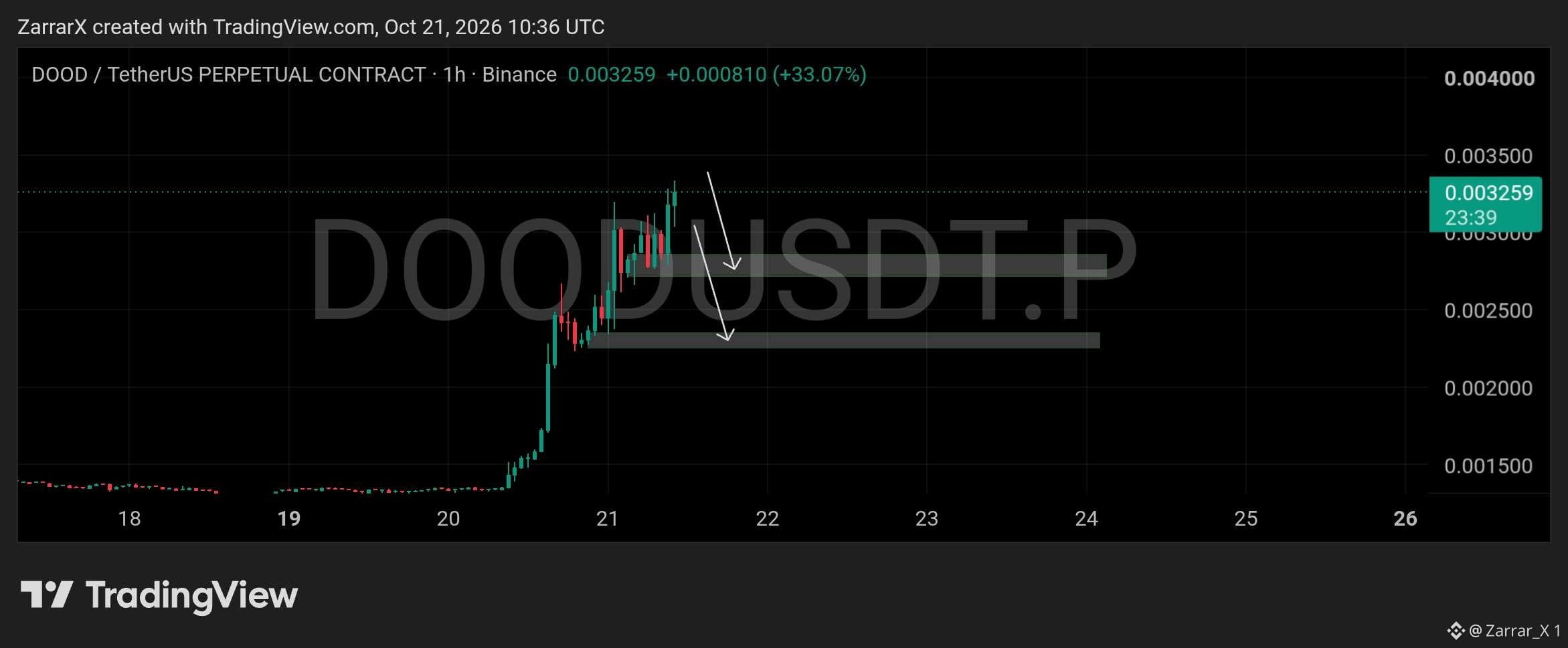
$DOOD вырос более чем на 33% за последний час, достигнув отметки $0.00326. После такого резкого роста возможен откат, поскольку трейдеры начнут фиксировать прибыль.
Первая зона поддержки находится на уровне $0.00270–$0.00285, а более сильный спрос может появиться в районе $0.00225–$0.00235, если продажи продолжатся.
Вместо того чтобы гнаться за пампом, следите за бычьей реакцией в одной из этих зон. Потеря нижней зоны спроса ослабит структуру пробоя.
#Doodles #СезонАльткоинов# #МемАльфа#
$DOOD вырос более чем на 33% за последний час, достигнув отметки $0.00326. После такого резкого роста возможен откат, поскольку трейдеры начнут фиксировать прибыль.
Первая зона поддержки находится на уровне $0.00270–$0.00285, а более сильный спрос может появиться в районе $0.00225–$0.00235, если продажи продолжатся.
Вместо того чтобы гнаться за пампом, следите за бычьей реакцией в одной из этих зон. Потеря нижней зоны спроса ослабит структуру пробоя.
#Doodles #СезонАльткоинов# #МемАльфа#
Первая зона поддержки находится на уровне $0.00270–$0.00285, а более сильный спрос может появиться в районе $0.00225–$0.00235, если продажи продолжатся.
Вместо того чтобы гнаться за пампом, следите за бычьей реакцией в одной из этих зон. Потеря нижней зоны спроса ослабит структуру пробоя.
#Doodles #СезонАльткоинов# #МемАльфа#
9
·
--
См. перевод
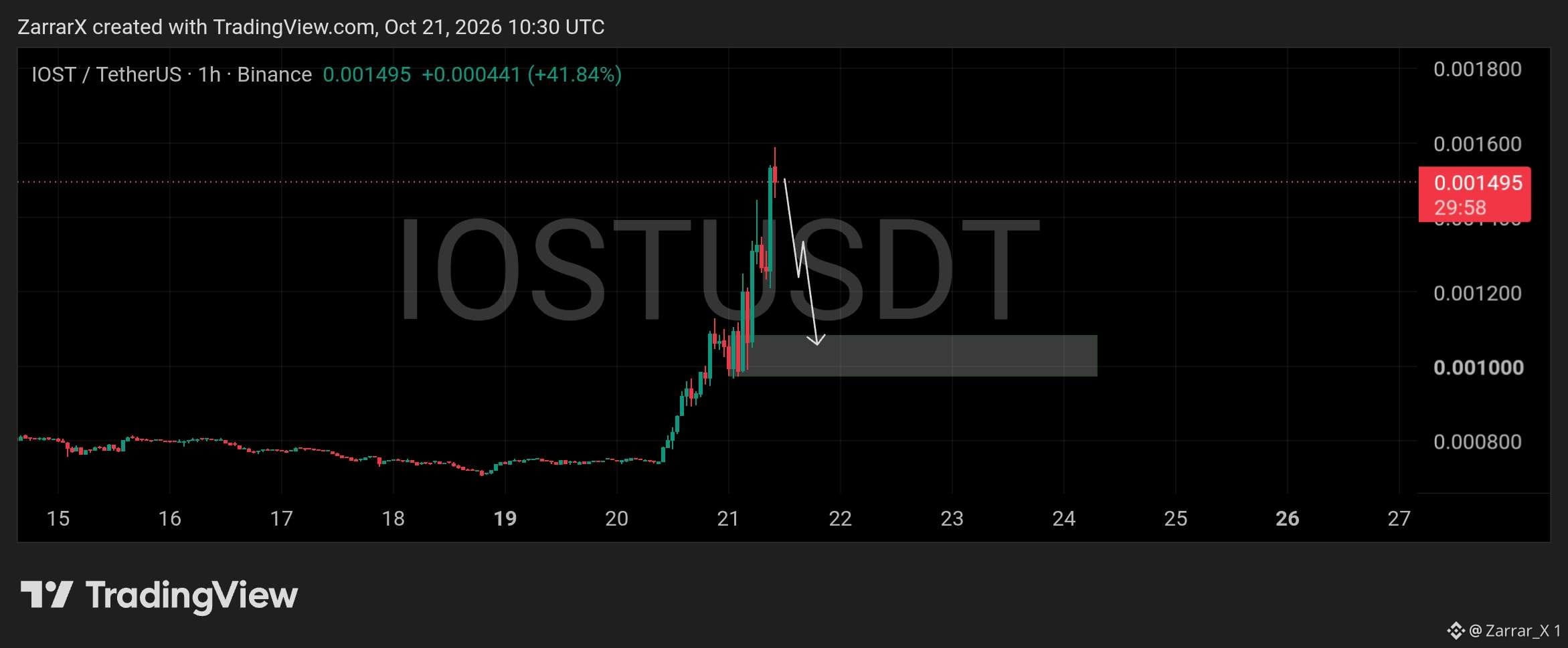
$IOST has pushed up sharply, gaining over 40% and breaking away from its prolonged consolidation around $0.00075. The move is strong, but price is now extended after the rapid rally, making a short-term pullback increasingly possible.
The key demand zone sits around $0.00098–$0.00108, where a retracement could find buyers and allow the market to stabilize. A reaction from this area would be important for determining whether the recent bullish momentum can continue.
For now, chasing the rally at current levels carries higher risk. A pullback into demand followed by a convincing bounce would offer a healthier continuation scenario, while a failure to hold this zone could weaken the breakout and invite further downside.
#Macro Insights# #Crypto #Altcoin Season#
$IOST has pushed up sharply, gaining over 40% and breaking away from its prolonged consolidation around $0.00075. The move is strong, but price is now extended after the rapid rally, making a short-term pullback increasingly possible.
The key demand zone sits around $0.00098–$0.00108, where a retracement could find buyers and allow the market to stabilize. A reaction from this area would be important for determining whether the recent bullish momentum can continue.
For now, chasing the rally at current levels carries higher risk. A pullback into demand followed by a convincing bounce would offer a healthier continuation scenario, while a failure to hold this zone could weaken the breakout and invite further downside.
#Macro Insights# #Crypto #Altcoin Season#
The key demand zone sits around $0.00098–$0.00108, where a retracement could find buyers and allow the market to stabilize. A reaction from this area would be important for determining whether the recent bullish momentum can continue.
For now, chasing the rally at current levels carries higher risk. A pullback into demand followed by a convincing bounce would offer a healthier continuation scenario, while a failure to hold this zone could weaken the breakout and invite further downside.
#Macro Insights# #Crypto #Altcoin Season#
67
·
--
JPMorgan запускает JPM Coin в основной сети Ethereum.
Подразделение JPMorgan, занимающееся блокчейном, Kinexys, развернуло свой депозитный токен, привязанный к доллару США, JPM Coin (JPMD), в основной сети Ethereum, расширив присутствие за пределы предыдущего запуска в публичном блокчейне Base.
В отличие от USDC или USDT, JPMD — это депозитный токен с ограниченным доступом, обеспеченный долларовыми депозитами в JPMorgan. Он доступен только одобренным институциональным клиентам и предназначен для платежей круглосуточно, управления трансграничной ликвидностью и ускорения расчетов по активам и залогу.
Этот шаг может укрепить позиции Ethereum как инфраструктуры для институциональных финансов. JPMD может работать вместе с токенизированными активами и другими финансовыми продуктами в блокчейне, потенциально повышая эффективность расчетов между цифровыми долларами и токенизированными ценными бумагами. Для транзакций в основной сети Ethereum также используется ETH для оплаты комиссий за газ, что создает дополнительный спрос на пропускную способность сети.
Однако это долгосрочное развитие инфраструктуры, а не немедленный бычий сигнал для цены ETH. JPMD недоступен обычным розничным пользователям, а его фактическое влияние на комиссионные доходы Ethereum и сжигание ETH будет зависеть от объема транзакций и эффективности их обработки финансовыми учреждениями.
Решение JPMorgan отражает растущую тенденцию: традиционные банки изучают возможности публичных блокчейнов, сохраняя ограниченный доступ к собственным цифровым деньгам. Главный вопрос — какая доля институциональной активности в итоге перейдет в блокчейн и какую экономическую ценность она создаст для базовых сетей.
$ETH #Обзор макроэкономики# #Сезон альткоинов# #ETH
JPMorgan запускает JPM Coin в основной сети Ethereum.
Подразделение JPMorgan, занимающееся блокчейном, Kinexys, развернуло свой депозитный токен, привязанный к доллару США, JPM Coin (JPMD), в основной сети Ethereum, расширив присутствие за пределы предыдущего запуска в публичном блокчейне Base.
В отличие от USDC или USDT, JPMD — это депозитный токен с ограниченным доступом, обеспеченный долларовыми депозитами в JPMorgan. Он доступен только одобренным институциональным клиентам и предназначен для платежей круглосуточно, управления трансграничной ликвидностью и ускорения расчетов по активам и залогу.
Этот шаг может укрепить позиции Ethereum как инфраструктуры для институциональных финансов. JPMD может работать вместе с токенизированными активами и другими финансовыми продуктами в блокчейне, потенциально повышая эффективность расчетов между цифровыми долларами и токенизированными ценными бумагами. Для транзакций в основной сети Ethereum также используется ETH для оплаты комиссий за газ, что создает дополнительный спрос на пропускную способность сети.
Однако это долгосрочное развитие инфраструктуры, а не немедленный бычий сигнал для цены ETH. JPMD недоступен обычным розничным пользователям, а его фактическое влияние на комиссионные доходы Ethereum и сжигание ETH будет зависеть от объема транзакций и эффективности их обработки финансовыми учреждениями.
Решение JPMorgan отражает растущую тенденцию: традиционные банки изучают возможности публичных блокчейнов, сохраняя ограниченный доступ к собственным цифровым деньгам. Главный вопрос — какая доля институциональной активности в итоге перейдет в блокчейн и какую экономическую ценность она создаст для базовых сетей.
$ETH #Обзор макроэкономики# #Сезон альткоинов# #ETH
Подразделение JPMorgan, занимающееся блокчейном, Kinexys, развернуло свой депозитный токен, привязанный к доллару США, JPM Coin (JPMD), в основной сети Ethereum, расширив присутствие за пределы предыдущего запуска в публичном блокчейне Base.
В отличие от USDC или USDT, JPMD — это депозитный токен с ограниченным доступом, обеспеченный долларовыми депозитами в JPMorgan. Он доступен только одобренным институциональным клиентам и предназначен для платежей круглосуточно, управления трансграничной ликвидностью и ускорения расчетов по активам и залогу.
Этот шаг может укрепить позиции Ethereum как инфраструктуры для институциональных финансов. JPMD может работать вместе с токенизированными активами и другими финансовыми продуктами в блокчейне, потенциально повышая эффективность расчетов между цифровыми долларами и токенизированными ценными бумагами. Для транзакций в основной сети Ethereum также используется ETH для оплаты комиссий за газ, что создает дополнительный спрос на пропускную способность сети.
Однако это долгосрочное развитие инфраструктуры, а не немедленный бычий сигнал для цены ETH. JPMD недоступен обычным розничным пользователям, а его фактическое влияние на комиссионные доходы Ethereum и сжигание ETH будет зависеть от объема транзакций и эффективности их обработки финансовыми учреждениями.
Решение JPMorgan отражает растущую тенденцию: традиционные банки изучают возможности публичных блокчейнов, сохраняя ограниченный доступ к собственным цифровым деньгам. Главный вопрос — какая доля институциональной активности в итоге перейдет в блокчейн и какую экономическую ценность она создаст для базовых сетей.
$ETH #Обзор макроэкономики# #Сезон альткоинов# #ETH

34
·
--
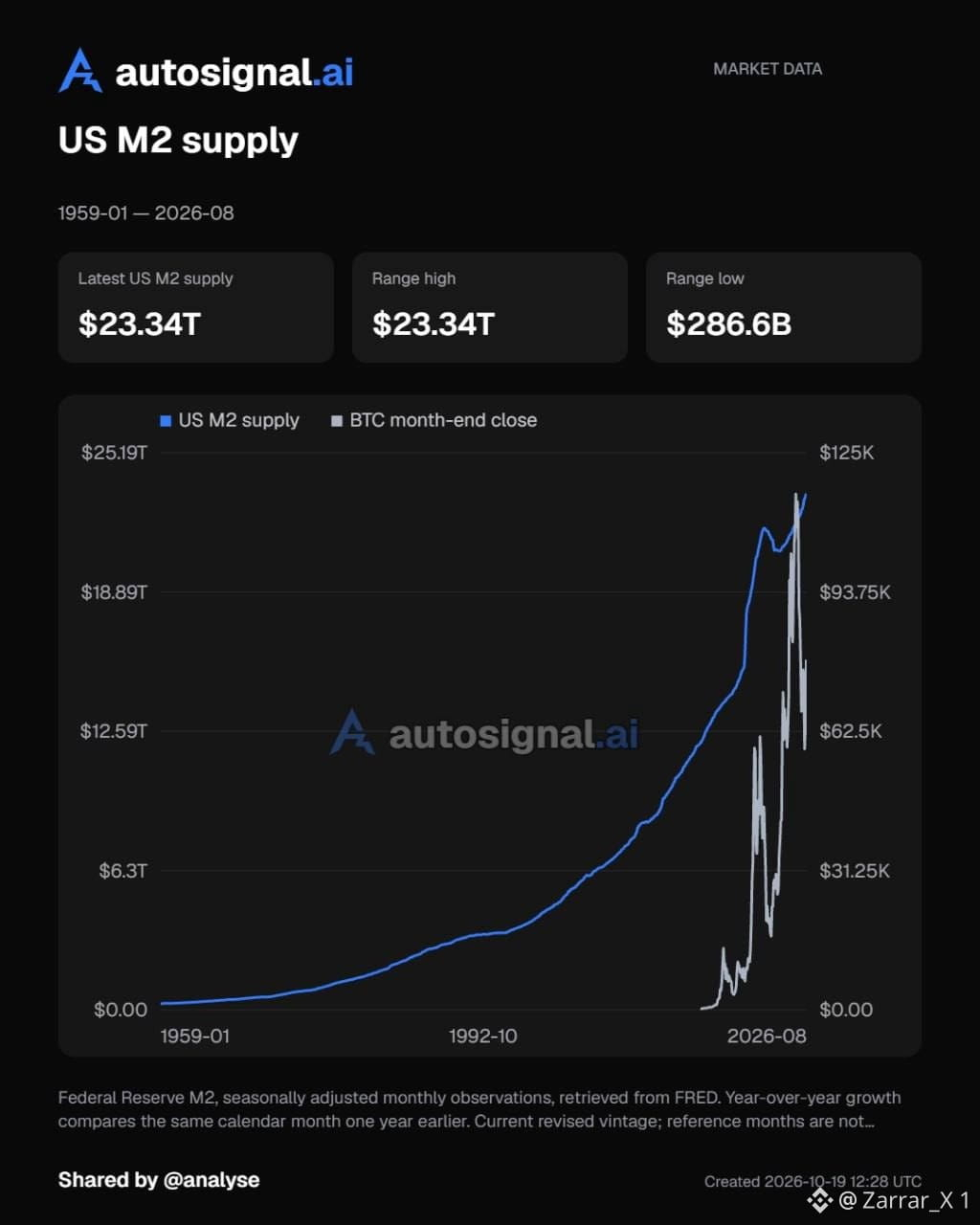
🇺🇸 Денежная масса M2 в США достигла рекордных 23,34 триллиона долларов.
Сообщается, что денежная масса M2 в США выросла до нового исторического максимума — 23,34 триллиона долларов. Это отражает продолжающееся увеличение объёма денег, обращающихся в американской экономике.
В показатель M2 входят наличные деньги, средства на текущих и сберегательных счетах, а также некоторые другие ликвидные активы. Экономисты и инвесторы внимательно следят за его динамикой, поскольку изменения денежной массы могут влиять на расходы, инфляционные ожидания и ликвидность финансовых рынков.
Для крипторынков рост ликвидности может создавать благоприятный фон для рисковых активов, включая Bitcoin. Однако рекордное значение M2 не означает автоматически, что деньги перетекают в криптовалюты. Важны также процентные ставки, условия кредитования, спрос со стороны инвесторов и скорость обращения денег в экономике.
$BTC #Анализ цены BTC# #Макроэкономический обзор# #Крипто
🇺🇸 Денежная масса M2 в США достигла рекордных 23,34 триллиона долларов.
Сообщается, что денежная масса M2 в США выросла до нового исторического максимума — 23,34 триллиона долларов. Это отражает продолжающееся увеличение объёма денег, обращающихся в американской экономике.
В показатель M2 входят наличные деньги, средства на текущих и сберегательных счетах, а также некоторые другие ликвидные активы. Экономисты и инвесторы внимательно следят за его динамикой, поскольку изменения денежной массы могут влиять на расходы, инфляционные ожидания и ликвидность финансовых рынков.
Для крипторынков рост ликвидности может создавать благоприятный фон для рисковых активов, включая Bitcoin. Однако рекордное значение M2 не означает автоматически, что деньги перетекают в криптовалюты. Важны также процентные ставки, условия кредитования, спрос со стороны инвесторов и скорость обращения денег в экономике.
$BTC #Анализ цены BTC# #Макроэкономический обзор# #Крипто
Сообщается, что денежная масса M2 в США выросла до нового исторического максимума — 23,34 триллиона долларов. Это отражает продолжающееся увеличение объёма денег, обращающихся в американской экономике.
В показатель M2 входят наличные деньги, средства на текущих и сберегательных счетах, а также некоторые другие ликвидные активы. Экономисты и инвесторы внимательно следят за его динамикой, поскольку изменения денежной массы могут влиять на расходы, инфляционные ожидания и ликвидность финансовых рынков.
Для крипторынков рост ликвидности может создавать благоприятный фон для рисковых активов, включая Bitcoin. Однако рекордное значение M2 не означает автоматически, что деньги перетекают в криптовалюты. Важны также процентные ставки, условия кредитования, спрос со стороны инвесторов и скорость обращения денег в экономике.
$BTC #Анализ цены BTC# #Макроэкономический обзор# #Крипто
43
·
--
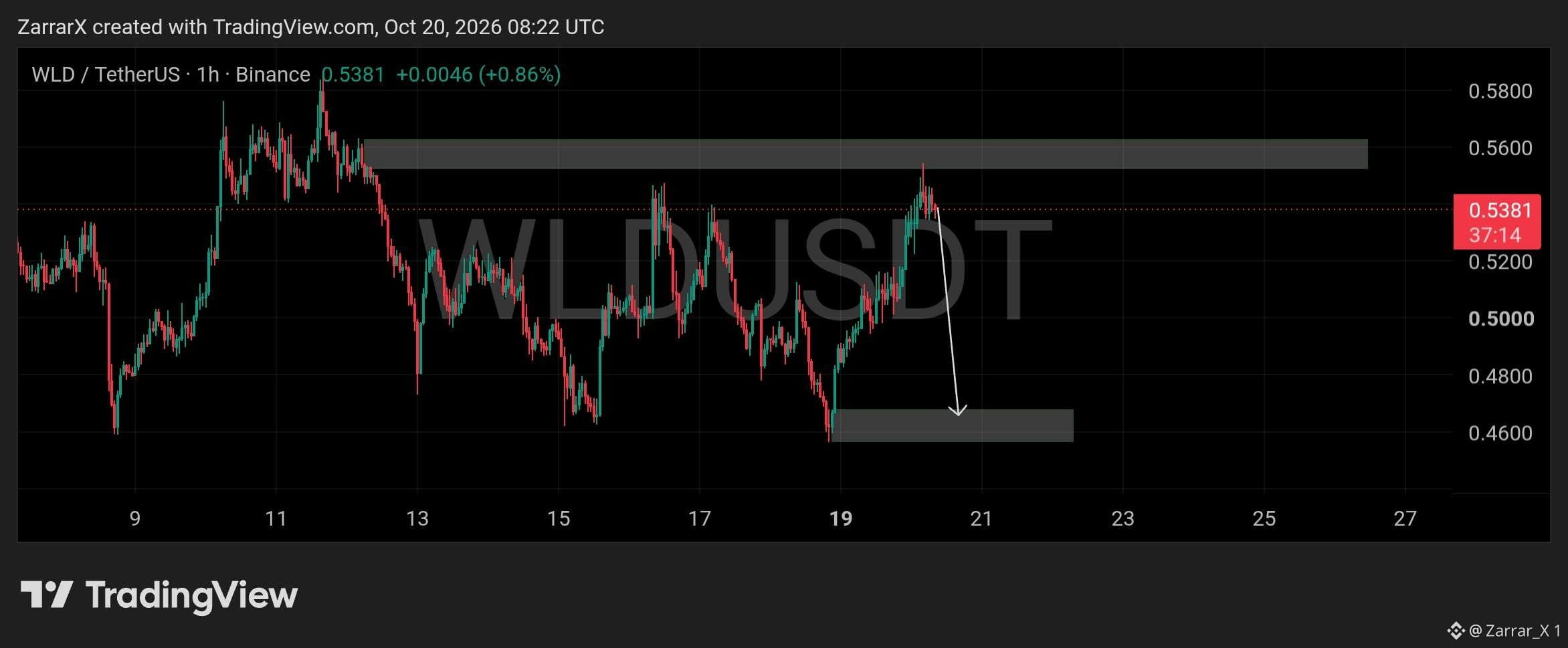
$WLD сталкивается с сопротивлением в районе $0.5400 после восстановления от недавнего падения к $0.4600. Последний рост утратил импульс, оставляя продавцам возможность спровоцировать очередную коррекцию на часовом графике.
Зона $0.4580–$0.4670 — ключевая область спроса, за которой стоит следить, если откат продолжится. Возврат в этот диапазон покажет, смогут ли покупатели удержать недавнее восстановление и не допустить повторного тестирования предыдущих минимумов.
Сверху важной зоной сопротивления остаётся диапазон $0.5530–$0.5630, где продавцы могут вернуться на рынок. Пока покупатели не закрепятся выше этой зоны, возможно дальнейшее снижение, а реакция в области спроса, вероятно, определит следующее направление движения #WLD.
#СезонАльткоинов# #Крипто
$WLD сталкивается с сопротивлением в районе $0.5400 после восстановления от недавнего падения к $0.4600. Последний рост утратил импульс, оставляя продавцам возможность спровоцировать очередную коррекцию на часовом графике.
Зона $0.4580–$0.4670 — ключевая область спроса, за которой стоит следить, если откат продолжится. Возврат в этот диапазон покажет, смогут ли покупатели удержать недавнее восстановление и не допустить повторного тестирования предыдущих минимумов.
Сверху важной зоной сопротивления остаётся диапазон $0.5530–$0.5630, где продавцы могут вернуться на рынок. Пока покупатели не закрепятся выше этой зоны, возможно дальнейшее снижение, а реакция в области спроса, вероятно, определит следующее направление движения #WLD.
#СезонАльткоинов# #Крипто
Зона $0.4580–$0.4670 — ключевая область спроса, за которой стоит следить, если откат продолжится. Возврат в этот диапазон покажет, смогут ли покупатели удержать недавнее восстановление и не допустить повторного тестирования предыдущих минимумов.
Сверху важной зоной сопротивления остаётся диапазон $0.5530–$0.5630, где продавцы могут вернуться на рынок. Пока покупатели не закрепятся выше этой зоны, возможно дальнейшее снижение, а реакция в области спроса, вероятно, определит следующее направление движения #WLD.
#СезонАльткоинов# #Крипто
60
·
--
См. перевод
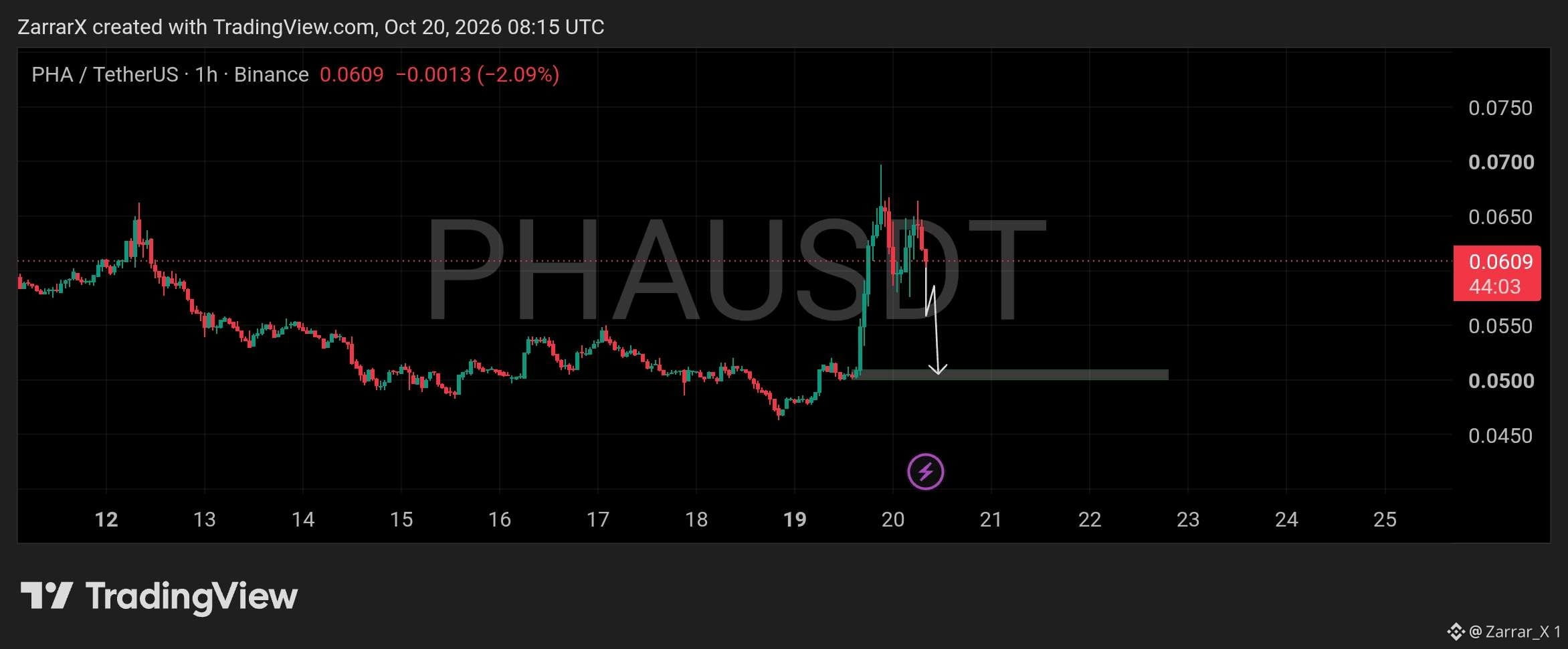
$PHA is pulling back after a sharp breakout from the $0.0500 area, with price currently around $0.0609. The initial surge pushed toward $0.0690 before sellers stepped in, and the latest candles suggest momentum is cooling as the market gives back part of its gains.
The $0.0500–$0.0510 zone is the key demand area to watch if selling pressure continues. A deeper retracement toward this region would test whether buyers can defend the breakout base and establish support after the recent volatility.
Another rejection around current levels could extend the correction toward demand, while a recovery above $0.0650 would indicate buyers are regaining strength. For now, the pullback remains the immediate focus, with the reaction at demand likely to determine whether $PHA can resume its upward move.
#PHA #Macro Insights# #Altcoin Season#
$PHA is pulling back after a sharp breakout from the $0.0500 area, with price currently around $0.0609. The initial surge pushed toward $0.0690 before sellers stepped in, and the latest candles suggest momentum is cooling as the market gives back part of its gains.
The $0.0500–$0.0510 zone is the key demand area to watch if selling pressure continues. A deeper retracement toward this region would test whether buyers can defend the breakout base and establish support after the recent volatility.
Another rejection around current levels could extend the correction toward demand, while a recovery above $0.0650 would indicate buyers are regaining strength. For now, the pullback remains the immediate focus, with the reaction at demand likely to determine whether $PHA can resume its upward move.
#PHA #Macro Insights# #Altcoin Season#
The $0.0500–$0.0510 zone is the key demand area to watch if selling pressure continues. A deeper retracement toward this region would test whether buyers can defend the breakout base and establish support after the recent volatility.
Another rejection around current levels could extend the correction toward demand, while a recovery above $0.0650 would indicate buyers are regaining strength. For now, the pullback remains the immediate focus, with the reaction at demand likely to determine whether $PHA can resume its upward move.
#PHA #Macro Insights# #Altcoin Season#
74
·
--
Почему пул с TVL $1–$10 может привести к ужасному результату обмена?
Изучая новые токены с малой капитализацией на DEX, вы можете заметить монету с активным графиком цены. Вы решаете купить её на $50, но после подтверждения сделки обнаруживаете, что получили токенов меньше чем на $5!
Как сделка может мгновенно потерять 90% своей стоимости? Ответ кроется в общей заблокированной стоимости (TVL) и глубине резервов.
Вот почему пулы с низкой ликвидностью приводят к огромным потерям при обмене:
1️⃣ Формула постоянного произведения (x * y = k)
Автоматические маркетмейкеры (AMM) рассчитывают цены токенов исходя из соотношения активов в пуле ликвидности. Если общая ликвидность пула составляет всего $5–$10, баланс активов в нём крайне уязвим.
2️⃣ Непропорциональное влияние на цену
Если в пуле есть TON на $5 и Token X на $5, попытка совершить сделку на $10 не просто покупает токены — она серьёзно нарушает баланс всего пула. Ваша сделка резко меняет внутреннее соотношение активов в пуле, что приводит к огромному влиянию на цену (проскальзыванию, вызванному размером вашей сделки).
3️⃣ Глубина ликвидности и возможность торговли
То, что токен технически «доступен для торговли» на DEX, ещё не означает, что в пуле достаточно глубины для исполнения сделки нужного вам размера. Перед подтверждением всегда проверяйте TVL пула и предварительный показатель «Влияние на цену»!
– Как кросс-чейн-маршруты решают проблему фрагментации
При перемещении средств между экосистемами в TON такие протоколы, как STONfi, координируют маршруты, чтобы вы не застряли в промежуточных пулах с низкой ликвидностью.
Подробнее о прямых кросс-чейн-обменах с глубокой ликвидностью из TON в Base читайте здесь:
https://ston.fi/cross-chain-swap-from-ton-to-base
$BTC $ETH #АнализЦеныBTC# #Макроэкономика# #СезонАльткоинов#
Почему пул с TVL $1–$10 может привести к ужасному результату обмена?
Изучая новые токены с малой капитализацией на DEX, вы можете заметить монету с активным графиком цены. Вы решаете купить её на $50, но после подтверждения сделки обнаруживаете, что получили токенов меньше чем на $5!
Как сделка может мгновенно потерять 90% своей стоимости? Ответ кроется в общей заблокированной стоимости (TVL) и глубине резервов.
Вот почему пулы с низкой ликвидностью приводят к огромным потерям при обмене:
1️⃣ Формула постоянного произведения (x * y = k)
Автоматические маркетмейкеры (AMM) рассчитывают цены токенов исходя из соотношения активов в пуле ликвидности. Если общая ликвидность пула составляет всего $5–$10, баланс активов в нём крайне уязвим.
2️⃣ Непропорциональное влияние на цену
Если в пуле есть TON на $5 и Token X на $5, попытка совершить сделку на $10 не просто покупает токены — она серьёзно нарушает баланс всего пула. Ваша сделка резко меняет внутреннее соотношение активов в пуле, что приводит к огромному влиянию на цену (проскальзыванию, вызванному размером вашей сделки).
3️⃣ Глубина ликвидности и возможность торговли
То, что токен технически «доступен для торговли» на DEX, ещё не означает, что в пуле достаточно глубины для исполнения сделки нужного вам размера. Перед подтверждением всегда проверяйте TVL пула и предварительный показатель «Влияние на цену»!
– Как кросс-чейн-маршруты решают проблему фрагментации
При перемещении средств между экосистемами в TON такие протоколы, как STONfi, координируют маршруты, чтобы вы не застряли в промежуточных пулах с низкой ликвидностью.
Подробнее о прямых кросс-чейн-обменах с глубокой ликвидностью из TON в Base читайте здесь:
https://ston.fi/cross-chain-swap-from-ton-to-base
$BTC $ETH #АнализЦеныBTC# #Макроэкономика# #СезонАльткоинов#
Изучая новые токены с малой капитализацией на DEX, вы можете заметить монету с активным графиком цены. Вы решаете купить её на $50, но после подтверждения сделки обнаруживаете, что получили токенов меньше чем на $5!
Как сделка может мгновенно потерять 90% своей стоимости? Ответ кроется в общей заблокированной стоимости (TVL) и глубине резервов.
Вот почему пулы с низкой ликвидностью приводят к огромным потерям при обмене:
1️⃣ Формула постоянного произведения (x * y = k)
Автоматические маркетмейкеры (AMM) рассчитывают цены токенов исходя из соотношения активов в пуле ликвидности. Если общая ликвидность пула составляет всего $5–$10, баланс активов в нём крайне уязвим.
2️⃣ Непропорциональное влияние на цену
Если в пуле есть TON на $5 и Token X на $5, попытка совершить сделку на $10 не просто покупает токены — она серьёзно нарушает баланс всего пула. Ваша сделка резко меняет внутреннее соотношение активов в пуле, что приводит к огромному влиянию на цену (проскальзыванию, вызванному размером вашей сделки).
3️⃣ Глубина ликвидности и возможность торговли
То, что токен технически «доступен для торговли» на DEX, ещё не означает, что в пуле достаточно глубины для исполнения сделки нужного вам размера. Перед подтверждением всегда проверяйте TVL пула и предварительный показатель «Влияние на цену»!
– Как кросс-чейн-маршруты решают проблему фрагментации
При перемещении средств между экосистемами в TON такие протоколы, как STONfi, координируют маршруты, чтобы вы не застряли в промежуточных пулах с низкой ликвидностью.
Подробнее о прямых кросс-чейн-обменах с глубокой ликвидностью из TON в Base читайте здесь:
https://ston.fi/cross-chain-swap-from-ton-to-base
$BTC $ETH #АнализЦеныBTC# #Макроэкономика# #СезонАльткоинов#
29
·
--
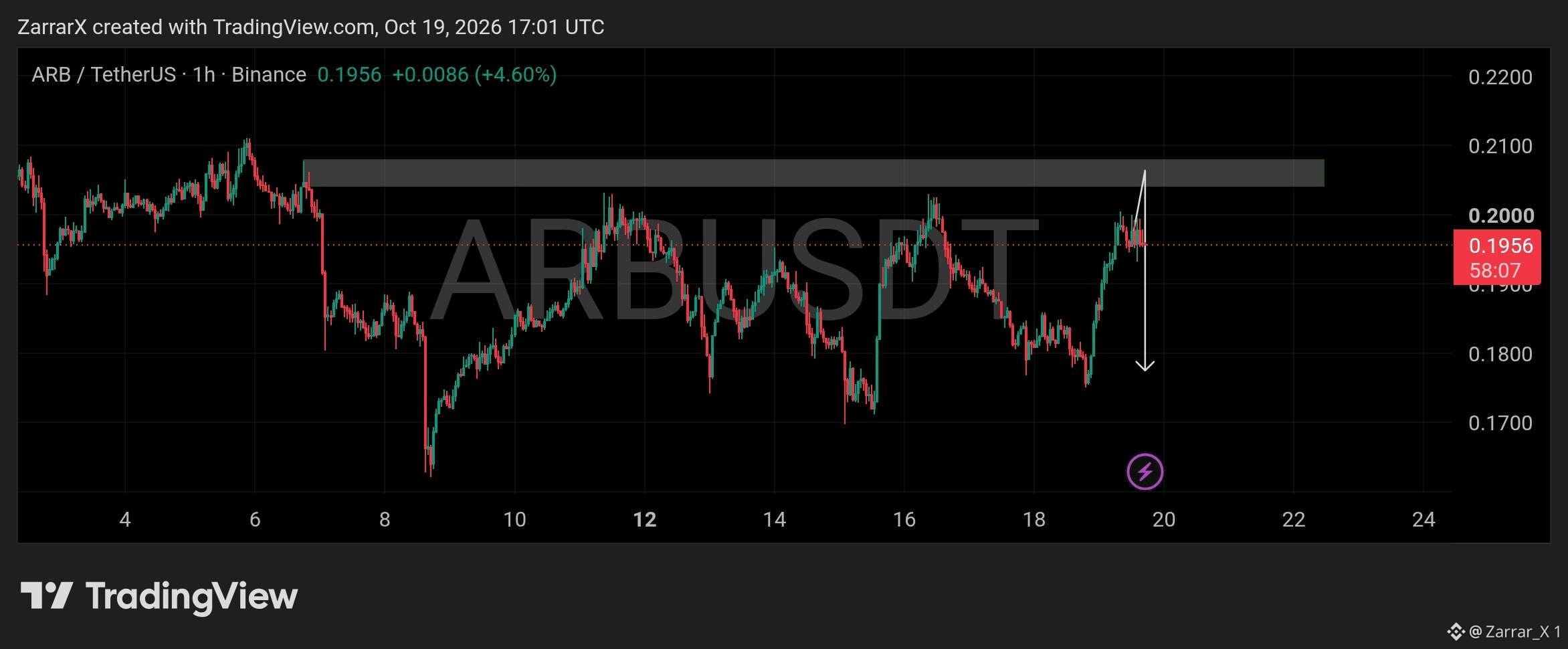
$ARB вернулся к отметке $0.1956 после отскока от зоны $0.1760–$0.1800, что указывает на возобновление покупательского давления на часовом графике. Однако сейчас цена приближается к области, где предыдущие ралли теряли импульс, поэтому возможен очередной отказ от роста.
Зона $0.2040–$0.2080 — ключевое сопротивление, за которым стоит следить. Если цена войдёт в эту зону предложения, а затем развернётся вниз, #ARB может снова опуститься к $0.1850. При более глубокой коррекции цена может повторно протестировать зону спроса $0.1760–$0.1800.
Пока график призывает к осторожности: после резкого восстановления цена приближается к сопротивлению. Уверенный пробой зоны предложения с закреплением выше неё ослабит медвежий прогноз, тогда как очередной отказ от роста может вернуть контроль продавцам.
#СезонАльткоинов# #Крипто
$ARB вернулся к отметке $0.1956 после отскока от зоны $0.1760–$0.1800, что указывает на возобновление покупательского давления на часовом графике. Однако сейчас цена приближается к области, где предыдущие ралли теряли импульс, поэтому возможен очередной отказ от роста.
Зона $0.2040–$0.2080 — ключевое сопротивление, за которым стоит следить. Если цена войдёт в эту зону предложения, а затем развернётся вниз, #ARB может снова опуститься к $0.1850. При более глубокой коррекции цена может повторно протестировать зону спроса $0.1760–$0.1800.
Пока график призывает к осторожности: после резкого восстановления цена приближается к сопротивлению. Уверенный пробой зоны предложения с закреплением выше неё ослабит медвежий прогноз, тогда как очередной отказ от роста может вернуть контроль продавцам.
#СезонАльткоинов# #Крипто
Зона $0.2040–$0.2080 — ключевое сопротивление, за которым стоит следить. Если цена войдёт в эту зону предложения, а затем развернётся вниз, #ARB может снова опуститься к $0.1850. При более глубокой коррекции цена может повторно протестировать зону спроса $0.1760–$0.1800.
Пока график призывает к осторожности: после резкого восстановления цена приближается к сопротивлению. Уверенный пробой зоны предложения с закреплением выше неё ослабит медвежий прогноз, тогда как очередной отказ от роста может вернуть контроль продавцам.
#СезонАльткоинов# #Крипто
41
·
--
См. перевод
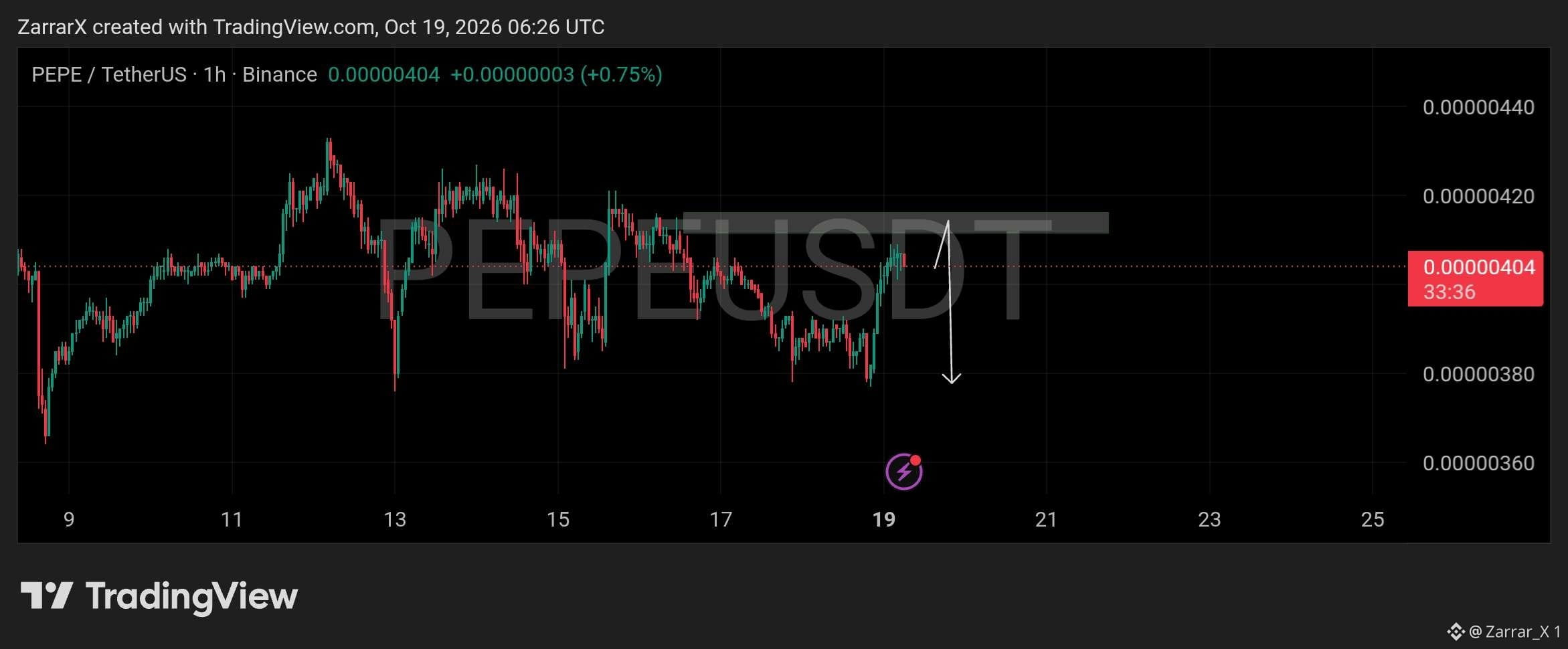
$PEPE is trading around $0.00000404 after recovering from the recent dip near $0.00000380. The rebound has brought price back toward a resistance area, but the broader 1-hour structure remains choppy, with sellers repeatedly stepping in during previous recovery attempts.
The $0.00000410–$0.00000416 zone is the immediate resistance to watch. A rejection here could send PEPE back toward $0.00000380–$0.00000385, where buyers have previously appeared and another reaction may develop.
A clean break above resistance would weaken the bearish outlook and open the door to a stronger recovery. Until then, another pullback remains possible, making the reaction around the current resistance more important than the recent bounce alone.
#PEPE #Altcoin Season# #Meme Alpha#
$PEPE is trading around $0.00000404 after recovering from the recent dip near $0.00000380. The rebound has brought price back toward a resistance area, but the broader 1-hour structure remains choppy, with sellers repeatedly stepping in during previous recovery attempts.
The $0.00000410–$0.00000416 zone is the immediate resistance to watch. A rejection here could send PEPE back toward $0.00000380–$0.00000385, where buyers have previously appeared and another reaction may develop.
A clean break above resistance would weaken the bearish outlook and open the door to a stronger recovery. Until then, another pullback remains possible, making the reaction around the current resistance more important than the recent bounce alone.
#PEPE #Altcoin Season# #Meme Alpha#
The $0.00000410–$0.00000416 zone is the immediate resistance to watch. A rejection here could send PEPE back toward $0.00000380–$0.00000385, where buyers have previously appeared and another reaction may develop.
A clean break above resistance would weaken the bearish outlook and open the door to a stronger recovery. Until then, another pullback remains possible, making the reaction around the current resistance more important than the recent bounce alone.
#PEPE #Altcoin Season# #Meme Alpha#
66
·
--
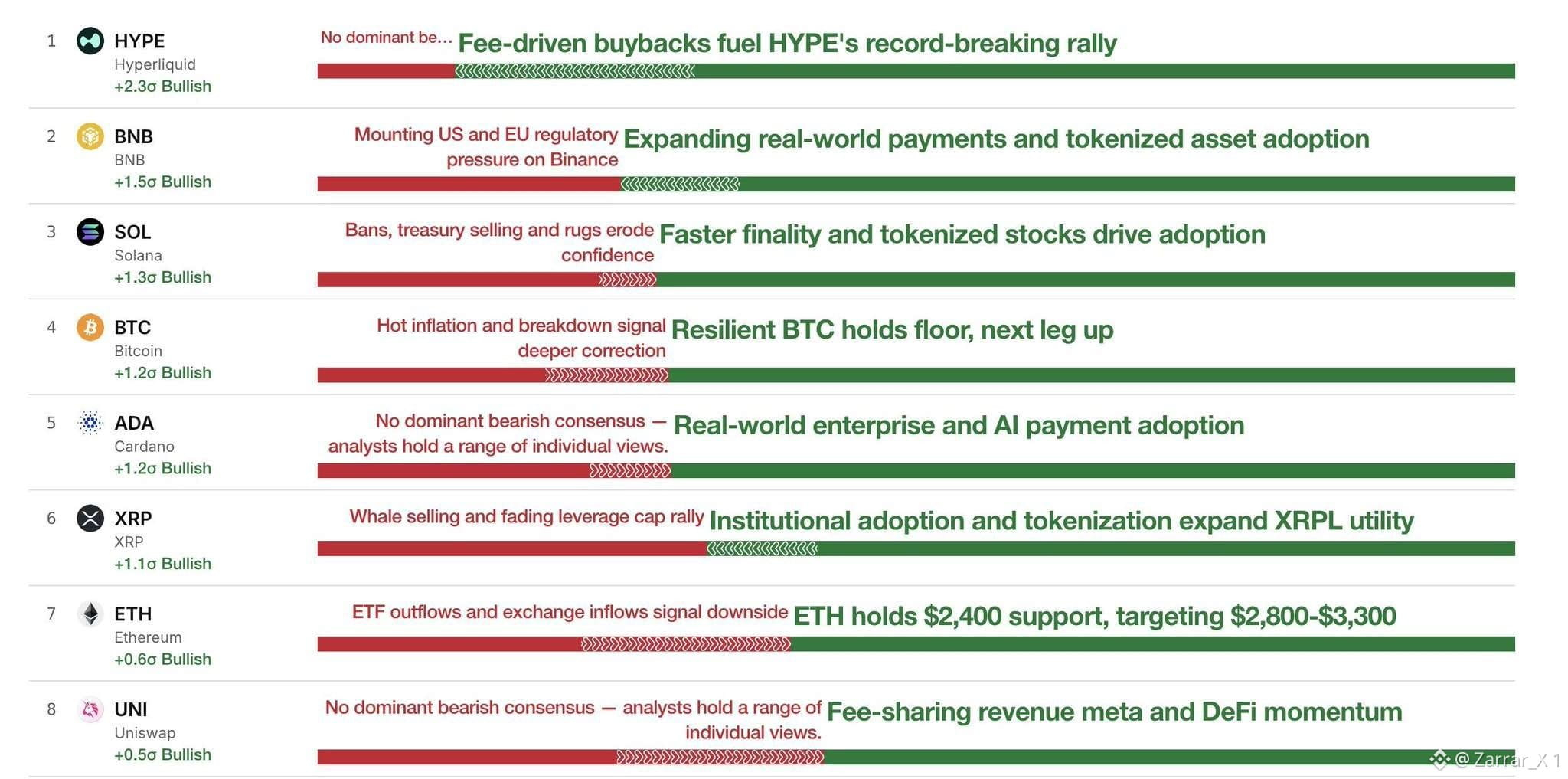
Генеральный директор CryptoQuant назвал $HYPE самой перспективной криптовалютой по мнению аналитиков.
Ки Ён Джу, генеральный директор CryptoQuant, заявил, что в настоящее время Hyperliquid (#HYPE) — самый перспективный криптоактив с точки зрения аналитиков. Согласно данным CryptoQuant от 18 октября, HYPE занял первое место среди восьми крупнейших криптовалют: показатель настроений оказался на 2,3 стандартного отклонения выше исторического уровня.
Оптимистичный прогноз отражает уверенность в росте рынка ончейн-деривативов Hyperliquid и механизме обратного выкупа HYPE за счёт комиссий. Протокол использует доход от торговых комиссий для покупки токенов на открытом рынке, создавая источник регулярного спроса, связанного с активностью платформы.
Однако позитивные оценки аналитиков не остановили снижение цены. Согласно последним отчётам, за предыдущий месяц HYPE подешевел примерно на 15%. Это показывает, что оптимистичные ожидания не всегда приводят к немедленному росту цены.
Главный вопрос — смогут ли торговая активность и обратные выкупы поддерживать спрос при изменении рыночных условий. Настроения аналитиков дают полезное представление об ожиданиях, но не гарантируют будущих результатов.
#Макроэкономические_обзоры# #Сезон_альткоинов#
Генеральный директор CryptoQuant назвал $HYPE самой перспективной криптовалютой по мнению аналитиков.
Ки Ён Джу, генеральный директор CryptoQuant, заявил, что в настоящее время Hyperliquid (#HYPE) — самый перспективный криптоактив с точки зрения аналитиков. Согласно данным CryptoQuant от 18 октября, HYPE занял первое место среди восьми крупнейших криптовалют: показатель настроений оказался на 2,3 стандартного отклонения выше исторического уровня.
Оптимистичный прогноз отражает уверенность в росте рынка ончейн-деривативов Hyperliquid и механизме обратного выкупа HYPE за счёт комиссий. Протокол использует доход от торговых комиссий для покупки токенов на открытом рынке, создавая источник регулярного спроса, связанного с активностью платформы.
Однако позитивные оценки аналитиков не остановили снижение цены. Согласно последним отчётам, за предыдущий месяц HYPE подешевел примерно на 15%. Это показывает, что оптимистичные ожидания не всегда приводят к немедленному росту цены.
Главный вопрос — смогут ли торговая активность и обратные выкупы поддерживать спрос при изменении рыночных условий. Настроения аналитиков дают полезное представление об ожиданиях, но не гарантируют будущих результатов.
#Макроэкономические_обзоры# #Сезон_альткоинов#
Ки Ён Джу, генеральный директор CryptoQuant, заявил, что в настоящее время Hyperliquid (#HYPE) — самый перспективный криптоактив с точки зрения аналитиков. Согласно данным CryptoQuant от 18 октября, HYPE занял первое место среди восьми крупнейших криптовалют: показатель настроений оказался на 2,3 стандартного отклонения выше исторического уровня.
Оптимистичный прогноз отражает уверенность в росте рынка ончейн-деривативов Hyperliquid и механизме обратного выкупа HYPE за счёт комиссий. Протокол использует доход от торговых комиссий для покупки токенов на открытом рынке, создавая источник регулярного спроса, связанного с активностью платформы.
Однако позитивные оценки аналитиков не остановили снижение цены. Согласно последним отчётам, за предыдущий месяц HYPE подешевел примерно на 15%. Это показывает, что оптимистичные ожидания не всегда приводят к немедленному росту цены.
Главный вопрос — смогут ли торговая активность и обратные выкупы поддерживать спрос при изменении рыночных условий. Настроения аналитиков дают полезное представление об ожиданиях, но не гарантируют будущих результатов.
#Макроэкономические_обзоры# #Сезон_альткоинов#
77
·
--
🇪🇺 USDC стал первым в ЕС «значимым» токеном электронных денег в рамках MiCA.
Европейское банковское управление (EBA) признало USDC компании Circle первым в Европейском союзе значимым токеном электронных денег в соответствии с Регламентом о рынках криптоактивов (MiCA). USDC стал первым из 45 зарегистрированных токенов электронных денег, достигшим порога регуляторной значимости. Это первый случай применения данной системы регулирования к стейблкоину.
С 12 ноября 2026 года EBA возьмёт на себя прямой надзор за требованиями к собственным средствам USDC, резервами, ликвидностью, а также планами восстановления и погашения. Французское управление пруденциального надзора и урегулирования (ACPR) продолжит контролировать такие области, как корпоративное управление, соответствие требованиям к руководству и внутренний контроль. Таким образом будет создана совместная структура надзора.
Это решение устанавливает для USDC более строгий режим регуляторного контроля на фоне роста объёма токенов в обращении, приближающегося к 73 млрд долларов. EBA будет ежегодно пересматривать статус токена, поэтому его классификация и статус других зарегистрированных токенов электронных денег могут измениться.
EBA также заключило соглашение о сотрудничестве с Департаментом финансовых услуг штата Нью-Йорк (NYDFS) для координации трансграничного надзора за стейблкоинами. Этот шаг отражает растущие усилия регуляторов по согласованию надзора в условиях расширения использования привязанных к доллару токенов на международных финансовых рынках.
$BTC $USDC #Макроэкономический обзор# #Стейблкоин #Анализ цены BTC#
🇪🇺 USDC стал первым в ЕС «значимым» токеном электронных денег в рамках MiCA.
Европейское банковское управление (EBA) признало USDC компании Circle первым в Европейском союзе значимым токеном электронных денег в соответствии с Регламентом о рынках криптоактивов (MiCA). USDC стал первым из 45 зарегистрированных токенов электронных денег, достигшим порога регуляторной значимости. Это первый случай применения данной системы регулирования к стейблкоину.
С 12 ноября 2026 года EBA возьмёт на себя прямой надзор за требованиями к собственным средствам USDC, резервами, ликвидностью, а также планами восстановления и погашения. Французское управление пруденциального надзора и урегулирования (ACPR) продолжит контролировать такие области, как корпоративное управление, соответствие требованиям к руководству и внутренний контроль. Таким образом будет создана совместная структура надзора.
Это решение устанавливает для USDC более строгий режим регуляторного контроля на фоне роста объёма токенов в обращении, приближающегося к 73 млрд долларов. EBA будет ежегодно пересматривать статус токена, поэтому его классификация и статус других зарегистрированных токенов электронных денег могут измениться.
EBA также заключило соглашение о сотрудничестве с Департаментом финансовых услуг штата Нью-Йорк (NYDFS) для координации трансграничного надзора за стейблкоинами. Этот шаг отражает растущие усилия регуляторов по согласованию надзора в условиях расширения использования привязанных к доллару токенов на международных финансовых рынках.
$BTC $USDC #Макроэкономический обзор# #Стейблкоин #Анализ цены BTC#
Европейское банковское управление (EBA) признало USDC компании Circle первым в Европейском союзе значимым токеном электронных денег в соответствии с Регламентом о рынках криптоактивов (MiCA). USDC стал первым из 45 зарегистрированных токенов электронных денег, достигшим порога регуляторной значимости. Это первый случай применения данной системы регулирования к стейблкоину.
С 12 ноября 2026 года EBA возьмёт на себя прямой надзор за требованиями к собственным средствам USDC, резервами, ликвидностью, а также планами восстановления и погашения. Французское управление пруденциального надзора и урегулирования (ACPR) продолжит контролировать такие области, как корпоративное управление, соответствие требованиям к руководству и внутренний контроль. Таким образом будет создана совместная структура надзора.
Это решение устанавливает для USDC более строгий режим регуляторного контроля на фоне роста объёма токенов в обращении, приближающегося к 73 млрд долларов. EBA будет ежегодно пересматривать статус токена, поэтому его классификация и статус других зарегистрированных токенов электронных денег могут измениться.
EBA также заключило соглашение о сотрудничестве с Департаментом финансовых услуг штата Нью-Йорк (NYDFS) для координации трансграничного надзора за стейблкоинами. Этот шаг отражает растущие усилия регуляторов по согласованию надзора в условиях расширения использования привязанных к доллару токенов на международных финансовых рынках.
$BTC $USDC #Макроэкономический обзор# #Стейблкоин #Анализ цены BTC#

1
·
--
Может ли токен быть опасным, даже если DEX не показывает предупреждений?
Торгуя новыми токенами на DEX, многие трейдеры полагаются исключительно на метки безопасности в интерфейсе. Если нет метки «Подделка» или «Ханипот», они считают, что покупать токен абсолютно безопасно.
Но реальность такова: отсутствие предупреждения НЕ гарантирует безопасность.
Интерфейсы DEX, такие как STONfi, автоматически сканируют токены на наличие известных вредоносных шаблонов, но мошеннические схемы со смарт-контрактами постоянно развиваются.
Вот 3 неочевидных риска, которые автоматические сканеры интерфейса могут не заметить:
1️⃣ Изменение налогов и незаблокированная ликвидность
Новый контракт может изначально предусматривать комиссию 0% за покупку и продажу, но при этом иметь административные функции, позволяющие создателю позднее повысить налог на переводы до 99% или мгновенно вывести средства из незаблокированных пулов ликвидности.
2️⃣ Прокси-контракты и возможность обновления
Некоторые токены используют архитектуру прокси-контрактов. Первоначальная проверка кода может не выявить проблем, но после запуска недобросовестные разработчики могут изменить логику контракта, чтобы заморозить переводы или запретить продажу.
3️⃣ Социальная инженерия и вредоносные метаданные
Даже если сам контракт токена представляет собой простой код ERC20/Jetton, проект может размещать в метаданных фишинговые ссылки или поддельные сайты для получения токенов, чтобы завладеть разрешениями кошелька.
Главный вывод: предупреждения интерфейса — важная первая линия защиты, но перед обменом необходимо провести независимую проверку: узнать, кому принадлежит контракт, заблокирована ли ликвидность и есть ли отчёты об аудите.
Хотите развить навыки кибербезопасности и проверить, умеете ли вы распознавать криптомошенничество?
Проверьте свои знания в интерактивной игре Stonverse по кибербезопасности:
https://stonverse.com/cybersecgame/
$AGT $BTC #АнализЦеныBTC# #СезонАльткоинов# #Криптовалюта
Может ли токен быть опасным, даже если DEX не показывает предупреждений?
Торгуя новыми токенами на DEX, многие трейдеры полагаются исключительно на метки безопасности в интерфейсе. Если нет метки «Подделка» или «Ханипот», они считают, что покупать токен абсолютно безопасно.
Но реальность такова: отсутствие предупреждения НЕ гарантирует безопасность.
Интерфейсы DEX, такие как STONfi, автоматически сканируют токены на наличие известных вредоносных шаблонов, но мошеннические схемы со смарт-контрактами постоянно развиваются.
Вот 3 неочевидных риска, которые автоматические сканеры интерфейса могут не заметить:
1️⃣ Изменение налогов и незаблокированная ликвидность
Новый контракт может изначально предусматривать комиссию 0% за покупку и продажу, но при этом иметь административные функции, позволяющие создателю позднее повысить налог на переводы до 99% или мгновенно вывести средства из незаблокированных пулов ликвидности.
2️⃣ Прокси-контракты и возможность обновления
Некоторые токены используют архитектуру прокси-контрактов. Первоначальная проверка кода может не выявить проблем, но после запуска недобросовестные разработчики могут изменить логику контракта, чтобы заморозить переводы или запретить продажу.
3️⃣ Социальная инженерия и вредоносные метаданные
Даже если сам контракт токена представляет собой простой код ERC20/Jetton, проект может размещать в метаданных фишинговые ссылки или поддельные сайты для получения токенов, чтобы завладеть разрешениями кошелька.
Главный вывод: предупреждения интерфейса — важная первая линия защиты, но перед обменом необходимо провести независимую проверку: узнать, кому принадлежит контракт, заблокирована ли ликвидность и есть ли отчёты об аудите.
Хотите развить навыки кибербезопасности и проверить, умеете ли вы распознавать криптомошенничество?
Проверьте свои знания в интерактивной игре Stonverse по кибербезопасности:
https://stonverse.com/cybersecgame/
$AGT $BTC #АнализЦеныBTC# #СезонАльткоинов# #Криптовалюта
Торгуя новыми токенами на DEX, многие трейдеры полагаются исключительно на метки безопасности в интерфейсе. Если нет метки «Подделка» или «Ханипот», они считают, что покупать токен абсолютно безопасно.
Но реальность такова: отсутствие предупреждения НЕ гарантирует безопасность.
Интерфейсы DEX, такие как STONfi, автоматически сканируют токены на наличие известных вредоносных шаблонов, но мошеннические схемы со смарт-контрактами постоянно развиваются.
Вот 3 неочевидных риска, которые автоматические сканеры интерфейса могут не заметить:
1️⃣ Изменение налогов и незаблокированная ликвидность
Новый контракт может изначально предусматривать комиссию 0% за покупку и продажу, но при этом иметь административные функции, позволяющие создателю позднее повысить налог на переводы до 99% или мгновенно вывести средства из незаблокированных пулов ликвидности.
2️⃣ Прокси-контракты и возможность обновления
Некоторые токены используют архитектуру прокси-контрактов. Первоначальная проверка кода может не выявить проблем, но после запуска недобросовестные разработчики могут изменить логику контракта, чтобы заморозить переводы или запретить продажу.
3️⃣ Социальная инженерия и вредоносные метаданные
Даже если сам контракт токена представляет собой простой код ERC20/Jetton, проект может размещать в метаданных фишинговые ссылки или поддельные сайты для получения токенов, чтобы завладеть разрешениями кошелька.
Главный вывод: предупреждения интерфейса — важная первая линия защиты, но перед обменом необходимо провести независимую проверку: узнать, кому принадлежит контракт, заблокирована ли ликвидность и есть ли отчёты об аудите.
Хотите развить навыки кибербезопасности и проверить, умеете ли вы распознавать криптомошенничество?
Проверьте свои знания в интерактивной игре Stonverse по кибербезопасности:
https://stonverse.com/cybersecgame/
$AGT $BTC #АнализЦеныBTC# #СезонАльткоинов# #Криптовалюта
2
·
--
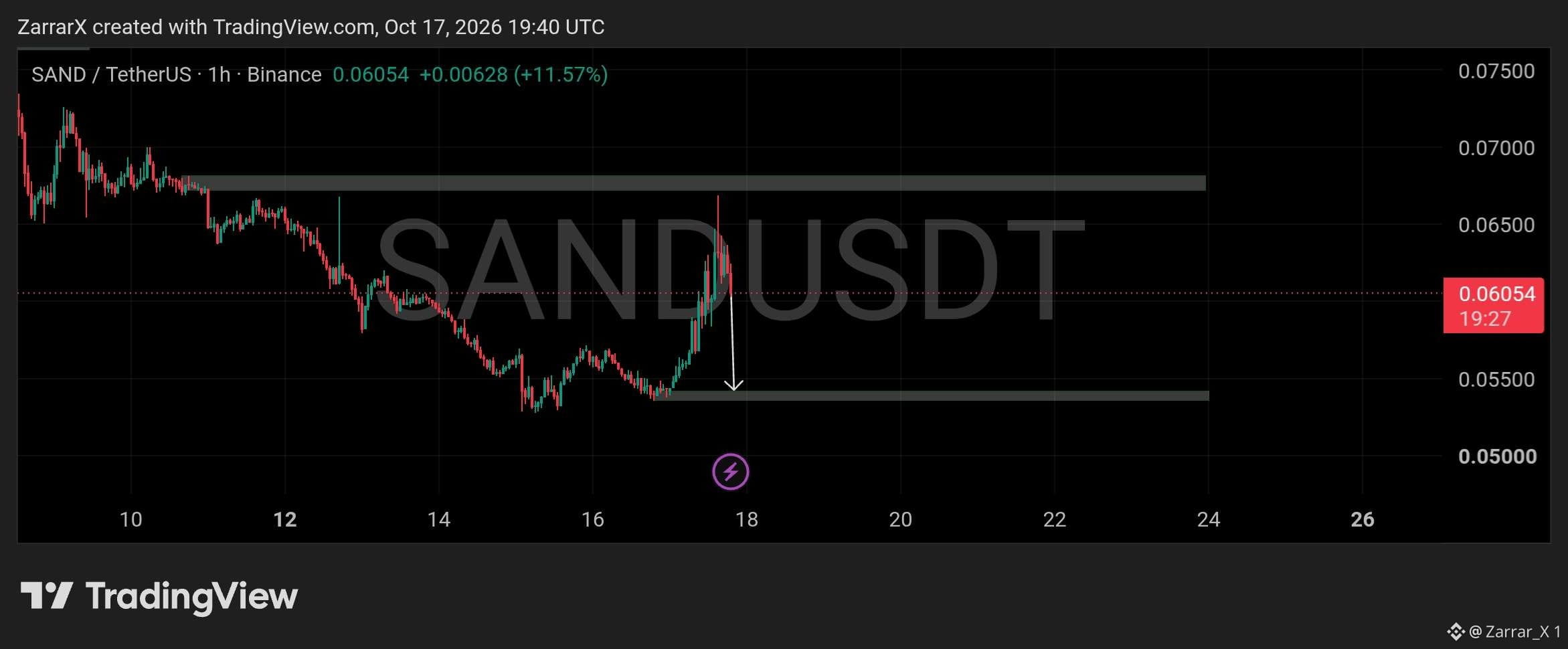
$SAND отскочил до $0.0605, прибавив более 11% после восстановления от зоны спроса $0.0530–$0.0540. Однако общая структура на часовом таймфрейме по-прежнему выглядит слабой, а после недавнего скачка возможна более глубокая коррекция.
Цена может повторно протестировать зону спроса около $0.0540, прежде чем попытаться снова восстановиться. Если покупатели удержат эту зону, может начаться новый рост, а область $0.0670–$0.0680 остается главным уровнем сопротивления, за которым стоит следить.
Если удержать зону спроса не удастся, внимание переключится на дальнейшее снижение. Пока реакция в районе $0.0540 будет иметь большое значение и покажет, сможет ли этот отскок перерасти в более уверенное восстановление или сойдет на нет.
#SAND #Сезон альткоинов# #Криптовалюта
$SAND отскочил до $0.0605, прибавив более 11% после восстановления от зоны спроса $0.0530–$0.0540. Однако общая структура на часовом таймфрейме по-прежнему выглядит слабой, а после недавнего скачка возможна более глубокая коррекция.
Цена может повторно протестировать зону спроса около $0.0540, прежде чем попытаться снова восстановиться. Если покупатели удержат эту зону, может начаться новый рост, а область $0.0670–$0.0680 остается главным уровнем сопротивления, за которым стоит следить.
Если удержать зону спроса не удастся, внимание переключится на дальнейшее снижение. Пока реакция в районе $0.0540 будет иметь большое значение и покажет, сможет ли этот отскок перерасти в более уверенное восстановление или сойдет на нет.
#SAND #Сезон альткоинов# #Криптовалюта
Цена может повторно протестировать зону спроса около $0.0540, прежде чем попытаться снова восстановиться. Если покупатели удержат эту зону, может начаться новый рост, а область $0.0670–$0.0680 остается главным уровнем сопротивления, за которым стоит следить.
Если удержать зону спроса не удастся, внимание переключится на дальнейшее снижение. Пока реакция в районе $0.0540 будет иметь большое значение и покажет, сможет ли этот отскок перерасти в более уверенное восстановление или сойдет на нет.
#SAND #Сезон альткоинов# #Криптовалюта
29
·
--
См. перевод
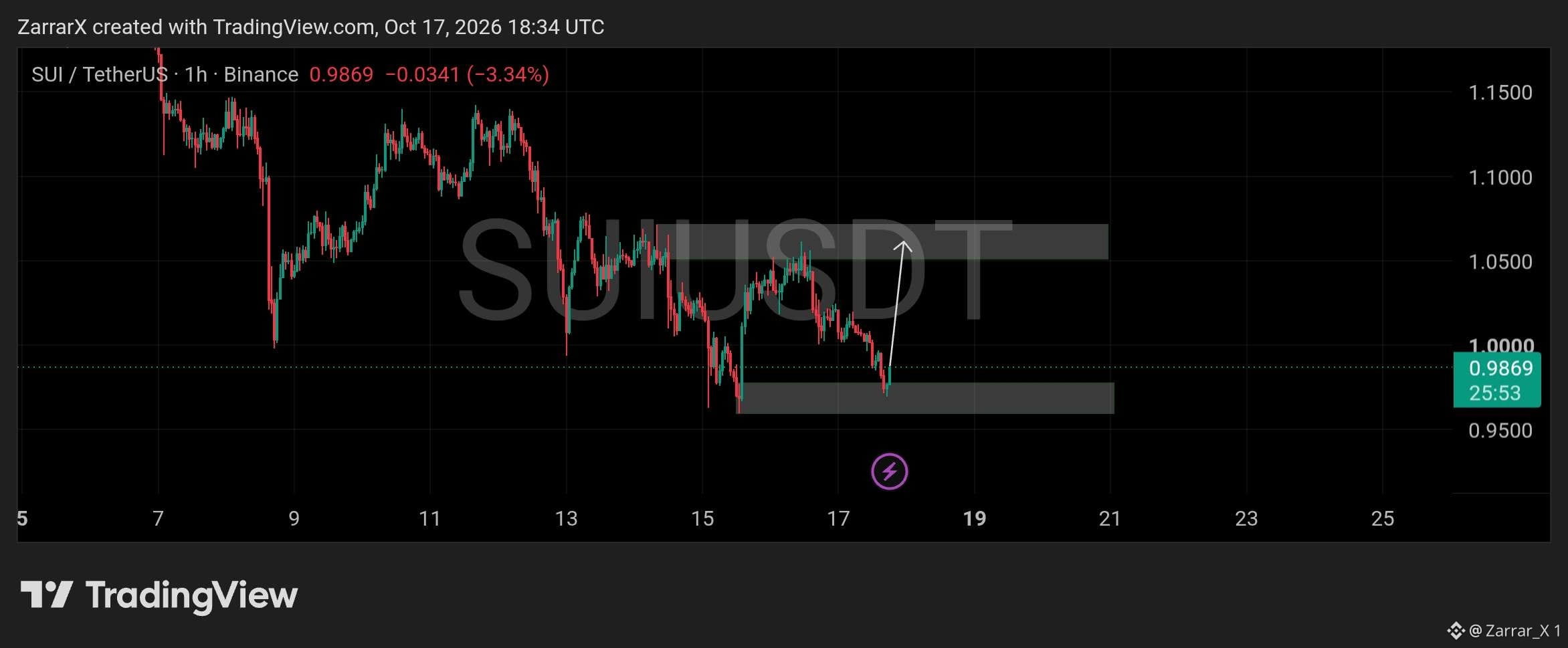
$SUI is testing the $0.9600–$0.9750 demand zone after an extended decline on the 1-hour chart. Price is currently around $0.9869, and this area could provide a base for a short-term recovery if buyers step in.
A successful bounce could push #sui toward $1.0200 before a larger test of the $1.0500–$1.0700 resistance zone. Buyers will need to build momentum to overcome the selling pressure above.
If demand fails to hold, further downside remains possible. For now, the reaction around $0.96–$0.975 will be key in determining whether a recovery can develop or the downtrend continues.
#Macro Insights# #Altcoin Season#
$SUI is testing the $0.9600–$0.9750 demand zone after an extended decline on the 1-hour chart. Price is currently around $0.9869, and this area could provide a base for a short-term recovery if buyers step in.
A successful bounce could push #sui toward $1.0200 before a larger test of the $1.0500–$1.0700 resistance zone. Buyers will need to build momentum to overcome the selling pressure above.
If demand fails to hold, further downside remains possible. For now, the reaction around $0.96–$0.975 will be key in determining whether a recovery can develop or the downtrend continues.
#Macro Insights# #Altcoin Season#
A successful bounce could push #sui toward $1.0200 before a larger test of the $1.0500–$1.0700 resistance zone. Buyers will need to build momentum to overcome the selling pressure above.
If demand fails to hold, further downside remains possible. For now, the reaction around $0.96–$0.975 will be key in determining whether a recovery can develop or the downtrend continues.
#Macro Insights# #Altcoin Season#
28
·
--
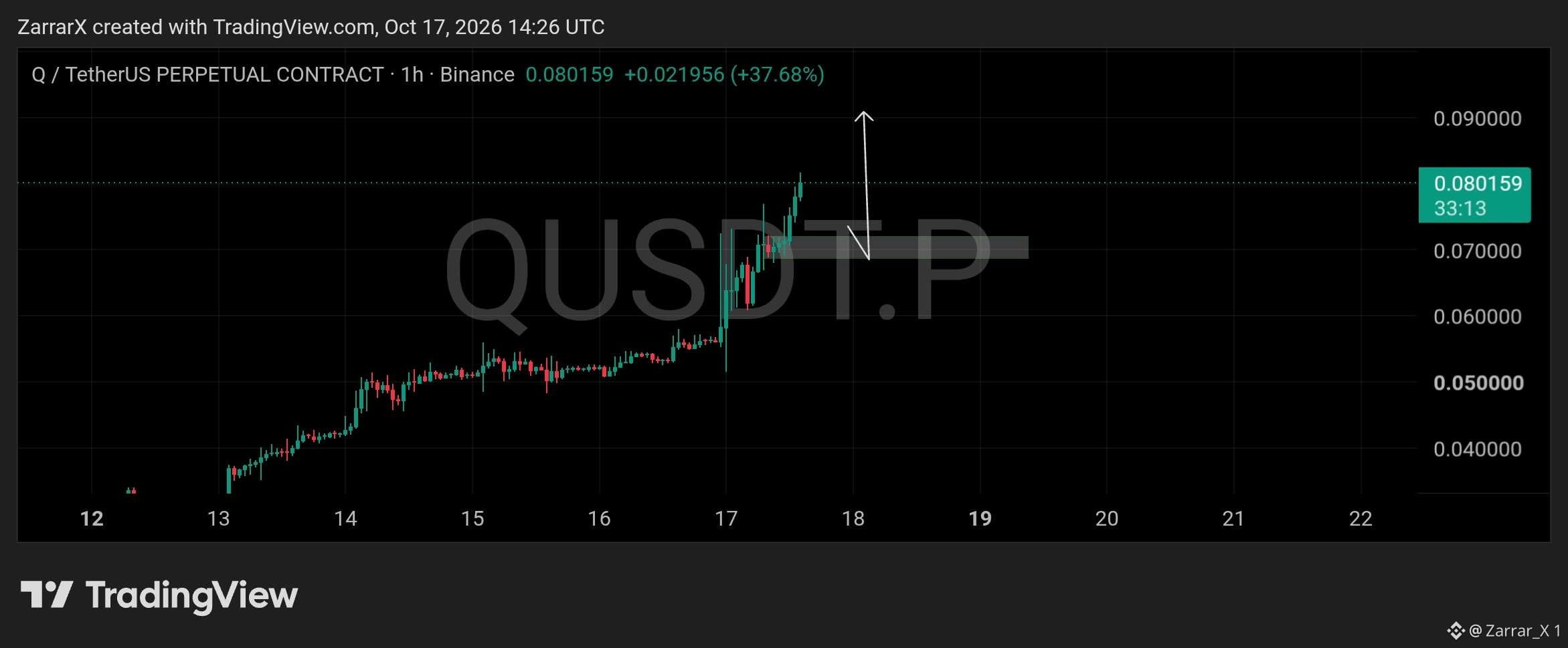
$Q подскочил почти на 38%, достигнув $0.0802 на часовом графике и продолжив устойчивый рост с уровня ниже $0.04. Покупатели сохраняют контроль, однако резкий ралли повышает вероятность краткосрочной коррекции.
Зона $0.0690–$0.0720 — ключевой уровень, за которым стоит следить при повторном тестировании. Если покупатели удержат этот бывший уровень пробоя, цена может вновь набрать импульс и подняться к $0.0850–$0.0900.
Если удержать эту зону не удастся, краткосрочная бычья структура ослабнет, и коррекция может стать глубже. Дождаться подтверждения вблизи уровня поддержки безопаснее, чем гнаться за текущим скачком.
#СезонАльткоинов# #Крипто #МемныйАльфа#
$Q подскочил почти на 38%, достигнув $0.0802 на часовом графике и продолжив устойчивый рост с уровня ниже $0.04. Покупатели сохраняют контроль, однако резкий ралли повышает вероятность краткосрочной коррекции.
Зона $0.0690–$0.0720 — ключевой уровень, за которым стоит следить при повторном тестировании. Если покупатели удержат этот бывший уровень пробоя, цена может вновь набрать импульс и подняться к $0.0850–$0.0900.
Если удержать эту зону не удастся, краткосрочная бычья структура ослабнет, и коррекция может стать глубже. Дождаться подтверждения вблизи уровня поддержки безопаснее, чем гнаться за текущим скачком.
#СезонАльткоинов# #Крипто #МемныйАльфа#
Зона $0.0690–$0.0720 — ключевой уровень, за которым стоит следить при повторном тестировании. Если покупатели удержат этот бывший уровень пробоя, цена может вновь набрать импульс и подняться к $0.0850–$0.0900.
Если удержать эту зону не удастся, краткосрочная бычья структура ослабнет, и коррекция может стать глубже. Дождаться подтверждения вблизи уровня поддержки безопаснее, чем гнаться за текущим скачком.
#СезонАльткоинов# #Крипто #МемныйАльфа#
39
·
--
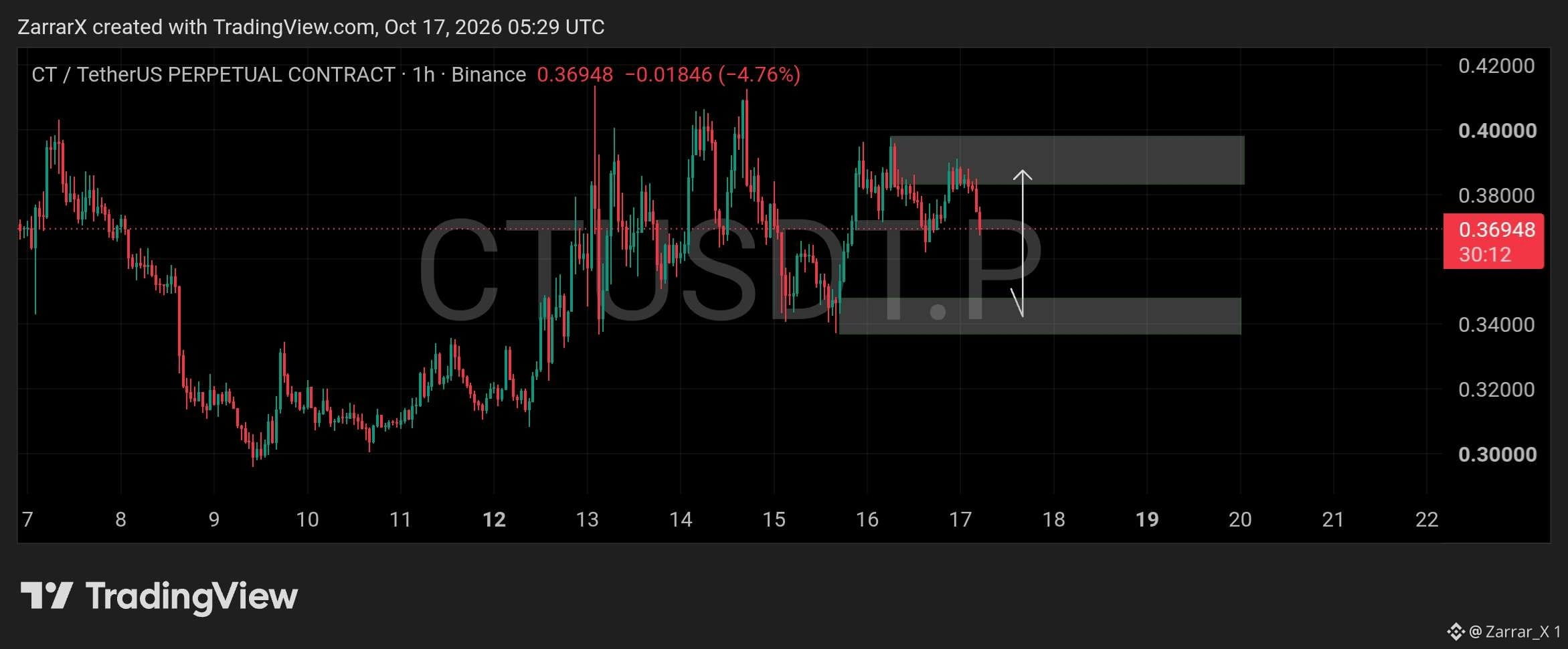
$CT откатывается к зоне спроса $0.34–$0.35 после неоднократных отказов в районе $0.38–$0.40. Сейчас цена находится около $0.3695, а давление продавцов в краткосрочной перспективе указывает на возможное дальнейшее снижение.
Реакция от зоны спроса может открыть путь к восстановлению до $0.38, после чего возможен повторный тест зоны сопротивления $0.383–$0.398. Чтобы проверить эту верхнюю область, покупателям необходимо вернуть импульс.
Если зона спроса устоит, CT сможет восстановиться в пределах текущего диапазона. Однако пробой ниже $0.34 ослабит бычий прогноз и создаст условия для дальнейшего снижения цены.
#СезонАльткоинов# #BNBChain# #Крипто
$CT откатывается к зоне спроса $0.34–$0.35 после неоднократных отказов в районе $0.38–$0.40. Сейчас цена находится около $0.3695, а давление продавцов в краткосрочной перспективе указывает на возможное дальнейшее снижение.
Реакция от зоны спроса может открыть путь к восстановлению до $0.38, после чего возможен повторный тест зоны сопротивления $0.383–$0.398. Чтобы проверить эту верхнюю область, покупателям необходимо вернуть импульс.
Если зона спроса устоит, CT сможет восстановиться в пределах текущего диапазона. Однако пробой ниже $0.34 ослабит бычий прогноз и создаст условия для дальнейшего снижения цены.
#СезонАльткоинов# #BNBChain# #Крипто
Реакция от зоны спроса может открыть путь к восстановлению до $0.38, после чего возможен повторный тест зоны сопротивления $0.383–$0.398. Чтобы проверить эту верхнюю область, покупателям необходимо вернуть импульс.
Если зона спроса устоит, CT сможет восстановиться в пределах текущего диапазона. Однако пробой ниже $0.34 ослабит бычий прогноз и создаст условия для дальнейшего снижения цены.
#СезонАльткоинов# #BNBChain# #Крипто
53
·
--
Сбалансированное и одностороннее предоставление ликвидности на STONfi.
При внесении активов в пул ликвидности DEX большинство пользователей DeFi знают классическое правило: нужно внести равную стоимость двух токенов (сбалансированный депозит 50/50).
Однако STONfi также предлагает одностороннее предоставление ликвидности. Но как это работает на практике?
Вот краткий разбор обоих способов:
1️⃣ Сбалансированное предоставление ликвидности (стандартное соотношение 50/50)
При стандартном депозите вы вносите активы равной стоимости в долларах США — например, STON на $50 и TON на $50. Поскольку ваш депозит соответствует требуемому соотношению в пуле, 100% ваших средств напрямую поступают в пул, без внутренних обменов и дополнительного влияния на цену.
2️⃣ Одностороннее предоставление ликвидности (автоматическое удобство)
Что, если у вас есть только TON, но вы хотите добавить ликвидность в пул STON/TON, не обменивая вручную половину токенов заранее?
При выборе одностороннего депозита STONfi автоматически выполняет внутренний обмен. Примерно 50% одного актива конвертируется в парный токен, соотношение балансируется, а оба актива добавляются в пул ликвидности в рамках единой последовательности транзакций.
⚠️ На что обратить внимание перед подтверждением одностороннего предоставления ликвидности:
Поскольку половина вашего депозита автоматически обменивается, на эту внутреннюю сделку распространяется стандартное влияние на цену в DEX и взимаются сетевые комиссии. Если пул ликвидности неглубокий, при одностороннем внесении ликвидности начальное влияние на цену может быть выше, чем при ручном сбалансированном депозите. Всегда проверяйте предварительный просмотр транзакции перед подписанием!
Чтобы лучше разобраться в механике AMM и устройстве пулов ликвидности, посетите:
https://whatisdex.com/
$CNPY $BTC #BTC Анализ цены# #Макроэкономический обзор# #Сезон альткоинов#
Сбалансированное и одностороннее предоставление ликвидности на STONfi.
При внесении активов в пул ликвидности DEX большинство пользователей DeFi знают классическое правило: нужно внести равную стоимость двух токенов (сбалансированный депозит 50/50).
Однако STONfi также предлагает одностороннее предоставление ликвидности. Но как это работает на практике?
Вот краткий разбор обоих способов:
1️⃣ Сбалансированное предоставление ликвидности (стандартное соотношение 50/50)
При стандартном депозите вы вносите активы равной стоимости в долларах США — например, STON на $50 и TON на $50. Поскольку ваш депозит соответствует требуемому соотношению в пуле, 100% ваших средств напрямую поступают в пул, без внутренних обменов и дополнительного влияния на цену.
2️⃣ Одностороннее предоставление ликвидности (автоматическое удобство)
Что, если у вас есть только TON, но вы хотите добавить ликвидность в пул STON/TON, не обменивая вручную половину токенов заранее?
При выборе одностороннего депозита STONfi автоматически выполняет внутренний обмен. Примерно 50% одного актива конвертируется в парный токен, соотношение балансируется, а оба актива добавляются в пул ликвидности в рамках единой последовательности транзакций.
⚠️ На что обратить внимание перед подтверждением одностороннего предоставления ликвидности:
Поскольку половина вашего депозита автоматически обменивается, на эту внутреннюю сделку распространяется стандартное влияние на цену в DEX и взимаются сетевые комиссии. Если пул ликвидности неглубокий, при одностороннем внесении ликвидности начальное влияние на цену может быть выше, чем при ручном сбалансированном депозите. Всегда проверяйте предварительный просмотр транзакции перед подписанием!
Чтобы лучше разобраться в механике AMM и устройстве пулов ликвидности, посетите:
https://whatisdex.com/
$CNPY $BTC #BTC Анализ цены# #Макроэкономический обзор# #Сезон альткоинов#
При внесении активов в пул ликвидности DEX большинство пользователей DeFi знают классическое правило: нужно внести равную стоимость двух токенов (сбалансированный депозит 50/50).
Однако STONfi также предлагает одностороннее предоставление ликвидности. Но как это работает на практике?
Вот краткий разбор обоих способов:
1️⃣ Сбалансированное предоставление ликвидности (стандартное соотношение 50/50)
При стандартном депозите вы вносите активы равной стоимости в долларах США — например, STON на $50 и TON на $50. Поскольку ваш депозит соответствует требуемому соотношению в пуле, 100% ваших средств напрямую поступают в пул, без внутренних обменов и дополнительного влияния на цену.
2️⃣ Одностороннее предоставление ликвидности (автоматическое удобство)
Что, если у вас есть только TON, но вы хотите добавить ликвидность в пул STON/TON, не обменивая вручную половину токенов заранее?
При выборе одностороннего депозита STONfi автоматически выполняет внутренний обмен. Примерно 50% одного актива конвертируется в парный токен, соотношение балансируется, а оба актива добавляются в пул ликвидности в рамках единой последовательности транзакций.
⚠️ На что обратить внимание перед подтверждением одностороннего предоставления ликвидности:
Поскольку половина вашего депозита автоматически обменивается, на эту внутреннюю сделку распространяется стандартное влияние на цену в DEX и взимаются сетевые комиссии. Если пул ликвидности неглубокий, при одностороннем внесении ликвидности начальное влияние на цену может быть выше, чем при ручном сбалансированном депозите. Всегда проверяйте предварительный просмотр транзакции перед подписанием!
Чтобы лучше разобраться в механике AMM и устройстве пулов ликвидности, посетите:
https://whatisdex.com/
$CNPY $BTC #BTC Анализ цены# #Макроэкономический обзор# #Сезон альткоинов#
74
·
--
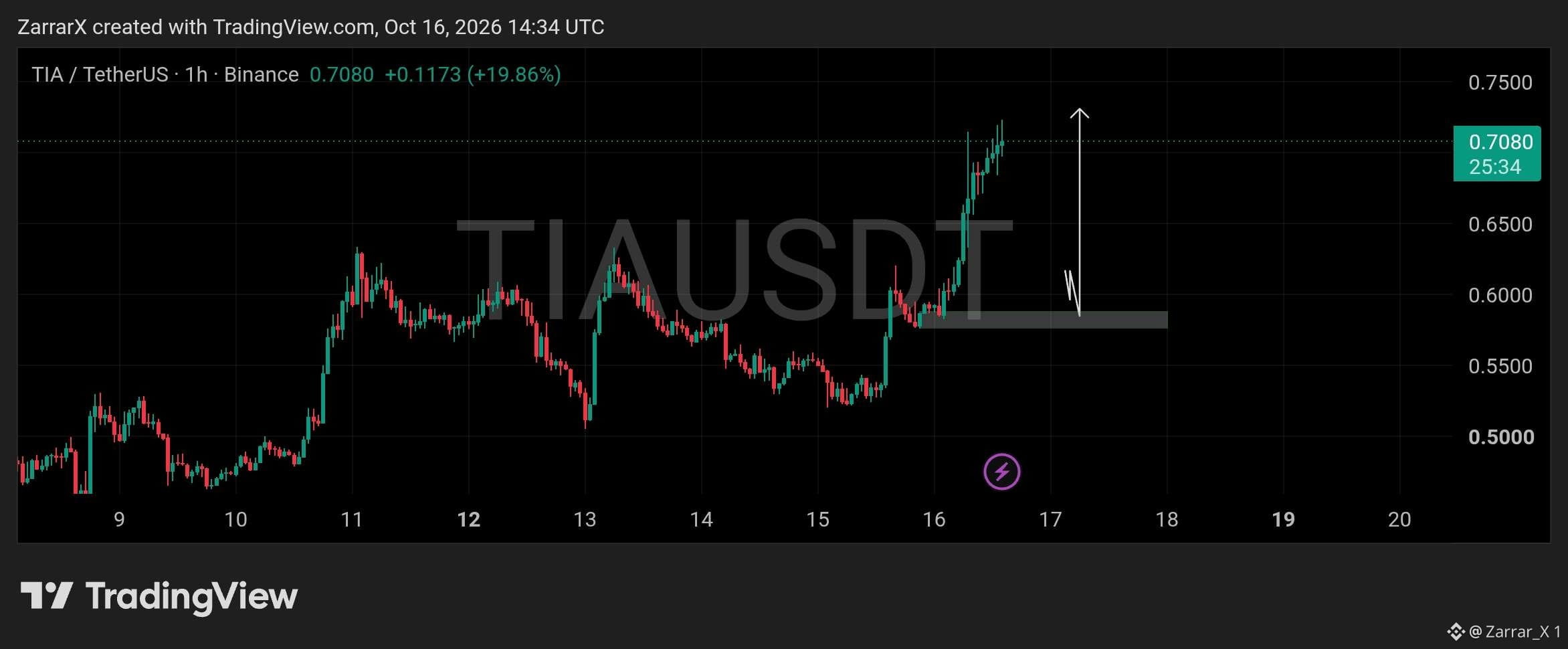
$TIA вырос почти на 20% и достиг $0.7080 на часовом графике, пробив верхнюю границу предыдущего диапазона консолидации в районе $0.58–$0.60. Сейчас покупатели уверенно контролируют движение, однако резкий рост оставляет возможность для краткосрочной коррекции.
Теперь ключевая зона для наблюдения — $0.576–$0.588: здесь может произойти повторный тест уровня. Если покупатели удержат эту отметку, восходящий тренд может возобновиться, а цена — подняться к $0.730–$0.750.
Если импульс ослабнет, коррекция может оказаться более глубокой, поэтому покупки на фоне ралли сопряжены с дополнительным риском. Успешный повторный тест и возобновление давления со стороны покупателей станут более убедительным подтверждением продолжения роста.
#Макрообзор# #Криптовалюты #TIA
$TIA вырос почти на 20% и достиг $0.7080 на часовом графике, пробив верхнюю границу предыдущего диапазона консолидации в районе $0.58–$0.60. Сейчас покупатели уверенно контролируют движение, однако резкий рост оставляет возможность для краткосрочной коррекции.
Теперь ключевая зона для наблюдения — $0.576–$0.588: здесь может произойти повторный тест уровня. Если покупатели удержат эту отметку, восходящий тренд может возобновиться, а цена — подняться к $0.730–$0.750.
Если импульс ослабнет, коррекция может оказаться более глубокой, поэтому покупки на фоне ралли сопряжены с дополнительным риском. Успешный повторный тест и возобновление давления со стороны покупателей станут более убедительным подтверждением продолжения роста.
#Макрообзор# #Криптовалюты #TIA
Теперь ключевая зона для наблюдения — $0.576–$0.588: здесь может произойти повторный тест уровня. Если покупатели удержат эту отметку, восходящий тренд может возобновиться, а цена — подняться к $0.730–$0.750.
Если импульс ослабнет, коррекция может оказаться более глубокой, поэтому покупки на фоне ралли сопряжены с дополнительным риском. Успешный повторный тест и возобновление давления со стороны покупателей станут более убедительным подтверждением продолжения роста.
#Макрообзор# #Криптовалюты #TIA
52
·
--
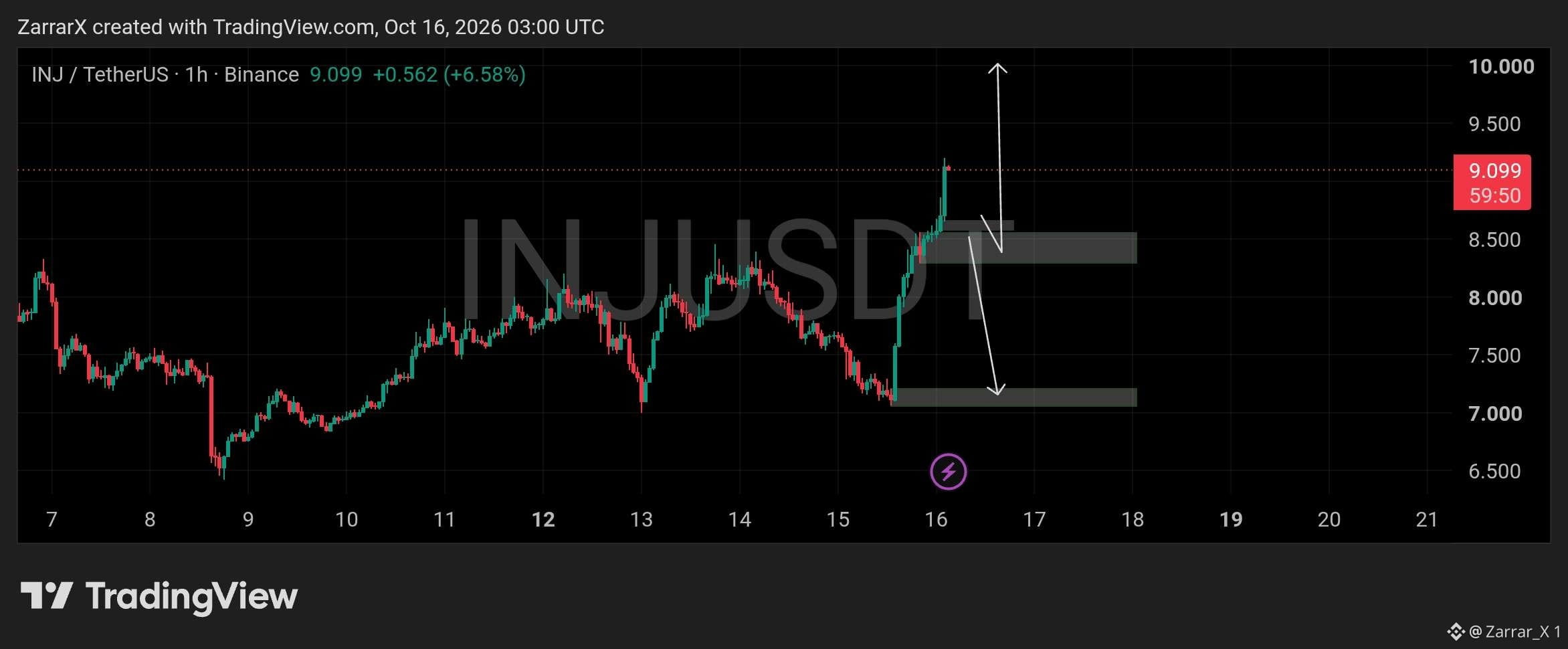
$INJ продемонстрировал мощное импульсное расширение на часовом таймфрейме, поднявшись до уровня $9.099 после резкого восстановления от нижних уровней накопления.
Цена взаимодействует с ближайшей зоной предложения сверху в районе $8.300 – $8.600, тогда как более глубокая структурная поддержка находится ниже, в зоне спроса $7.050 – $7.200.
Технический сценарий предполагает возможный откат к нижней зоне спроса, чтобы собрать отложенную ликвидность и повторно протестировать структуру, прежде чем продолжить более широкий восходящий тренд к новым целям.
#INJ #Injective #СезонАльткоинов#
$INJ продемонстрировал мощное импульсное расширение на часовом таймфрейме, поднявшись до уровня $9.099 после резкого восстановления от нижних уровней накопления.
Цена взаимодействует с ближайшей зоной предложения сверху в районе $8.300 – $8.600, тогда как более глубокая структурная поддержка находится ниже, в зоне спроса $7.050 – $7.200.
Технический сценарий предполагает возможный откат к нижней зоне спроса, чтобы собрать отложенную ликвидность и повторно протестировать структуру, прежде чем продолжить более широкий восходящий тренд к новым целям.
#INJ #Injective #СезонАльткоинов#
Цена взаимодействует с ближайшей зоной предложения сверху в районе $8.300 – $8.600, тогда как более глубокая структурная поддержка находится ниже, в зоне спроса $7.050 – $7.200.
Технический сценарий предполагает возможный откат к нижней зоне спроса, чтобы собрать отложенную ликвидность и повторно протестировать структуру, прежде чем продолжить более широкий восходящий тренд к новым целям.
#INJ #Injective #СезонАльткоинов#
66
·
--
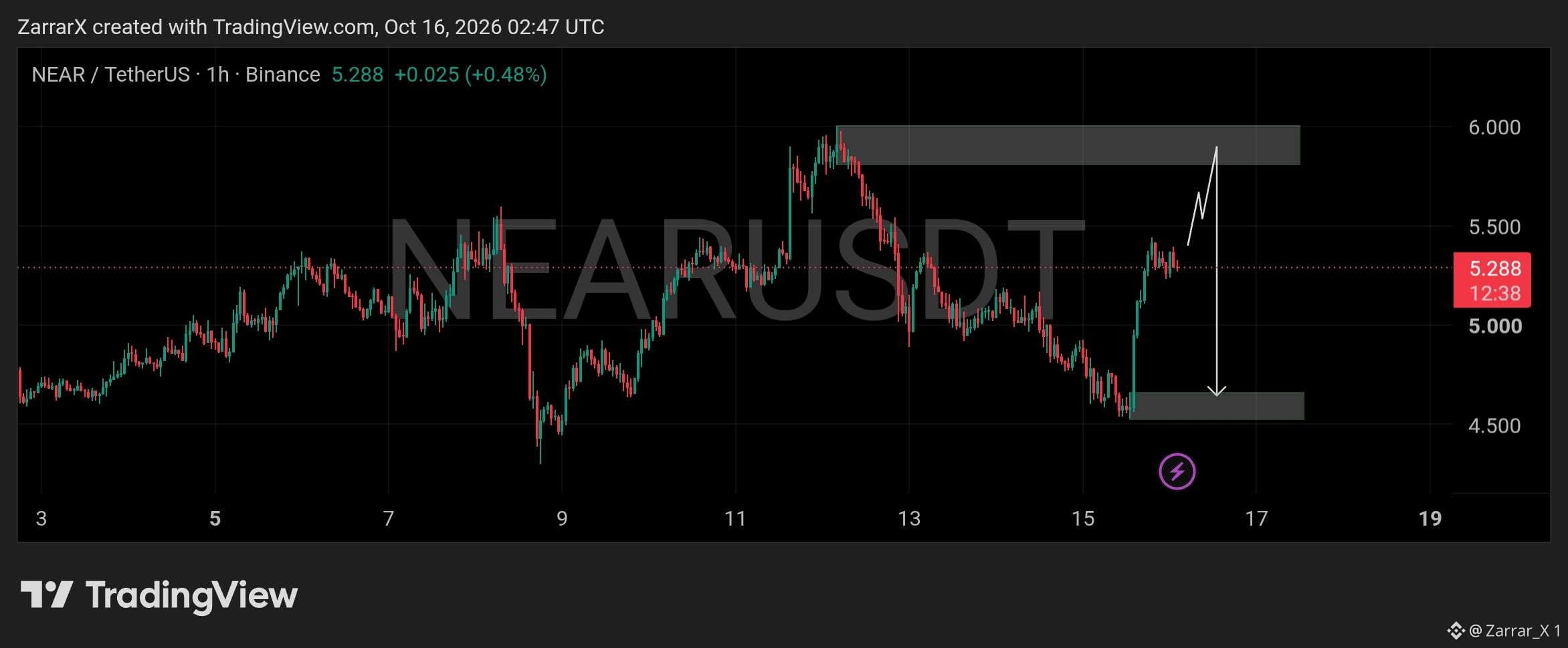
$NEAR резко отскочил от зоны спроса $4.50–$4.65 и сейчас торгуется около $5.288 на часовом графике. Покупатели вернули краткосрочный импульс, подняв цену выше $5.00 после недавнего снижения.
Если текущее восстановление продолжится, цена может достичь зоны сопротивления $5.80–$6.00. Однако по мере приближения к этой зоне предложения может усилиться давление продавцов, поэтому реакция цены там будет важна.
Если #NEAR встретит сопротивление, может последовать откат к $4.50–$4.65. Пока восстановление внушает оптимизм, но покупателям нужно сохранить импульс, чтобы проверить верхнюю зону сопротивления.
#Сезон альткоинов# #Криптовалюта
$NEAR резко отскочил от зоны спроса $4.50–$4.65 и сейчас торгуется около $5.288 на часовом графике. Покупатели вернули краткосрочный импульс, подняв цену выше $5.00 после недавнего снижения.
Если текущее восстановление продолжится, цена может достичь зоны сопротивления $5.80–$6.00. Однако по мере приближения к этой зоне предложения может усилиться давление продавцов, поэтому реакция цены там будет важна.
Если #NEAR встретит сопротивление, может последовать откат к $4.50–$4.65. Пока восстановление внушает оптимизм, но покупателям нужно сохранить импульс, чтобы проверить верхнюю зону сопротивления.
#Сезон альткоинов# #Криптовалюта
Если текущее восстановление продолжится, цена может достичь зоны сопротивления $5.80–$6.00. Однако по мере приближения к этой зоне предложения может усилиться давление продавцов, поэтому реакция цены там будет важна.
Если #NEAR встретит сопротивление, может последовать откат к $4.50–$4.65. Пока восстановление внушает оптимизм, но покупателям нужно сохранить импульс, чтобы проверить верхнюю зону сопротивления.
#Сезон альткоинов# #Криптовалюта
82
Войдите, чтобы посмотреть больше материала
Присоединяйтесь к пользователям криптовалют по всему миру на Binance Square
⚡️ Получайте новейшую и полезную информацию о криптоактивах.
💬 Нам доверяет крупнейшая в мире криптобиржа.
👍 Получите достоверные аналитические данные от верифицированных создателей контента.
Эл. почта/номер телефона
В тренде
BinancePick
Просмотров: 3.1M
152,950 обсуждают
Присоединяйтесь к #EarningsSeason: прогнозируйте финансовые результаты на Binance Pick и делитесь своим мнением на Binance Square!
Binance Square Official
·Лайков: 411
·Просмотров: 343.2k
EarningsSeason
Просмотров: 5.3M
26,019 обсуждают
ПротоколFOMC
Просмотров: 59,761
246 обсуждают