

0xVL 1
112 Публикации

0xVL 1
Отправить жалобу
Заблокировать пользователя
“Every master was once a beginner. Every pro was once an amateur.”
0 подписок(и/а)
3 подписчиков(а)
25 понравилось
Посты
·
--
См. перевод
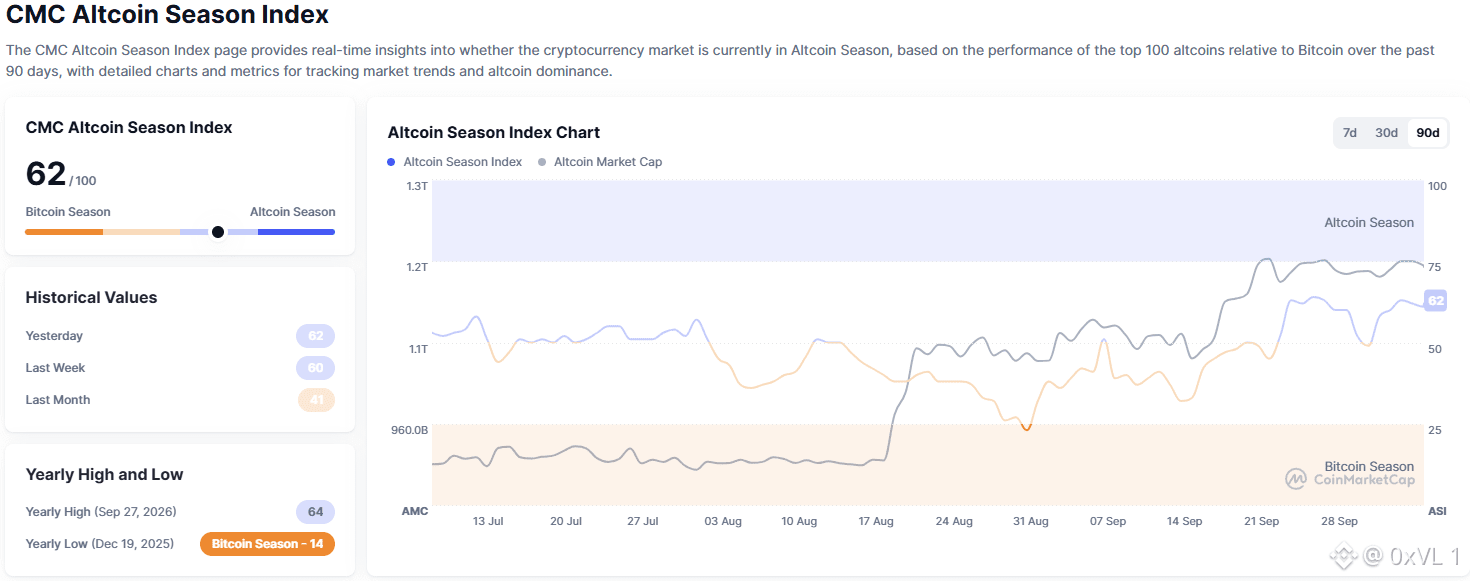
Tracking the Altcoin Season Index pushing against its yearly high makes complete sense right now the capital rotation out of major pairs and into mid-caps has been noticeable across the board, and seeing market breadth finally expand gives some well-deserved validation to anyone who sat through months of brutal compression. If you’re genuinely looking at fundamental strength, positioning in core infrastructure plays with proven fee generation and actual institutional settlement rails like Chainlink or Solana seems like the cleanest thesis for capturing real network adoption.
That being said, marrying any top 100 altcoin on a rigid blind hold until 2027 sounds like an unnecessary gamble. Buying into high-momentum spikes when the index is already overheated often leads to severe drawdown traps, especially since the majority of top 100 tokens face relentless linear token unlocks and aggressive venture capital dilution over multi-year horizons. The market cycle doesn't reward passive holding the way it used to; rotating profits during euphoric expansion and keeping a flexible invalidation level is going to save you a lot more grief than blindly hodling through the inevitable post-season liquidity vacuum. $BTC
Tracking the Altcoin Season Index pushing against its yearly high makes complete sense right now the capital rotation out of major pairs and into mid-caps has been noticeable across the board, and seeing market breadth finally expand gives some well-deserved validation to anyone who sat through months of brutal compression. If you’re genuinely looking at fundamental strength, positioning in core infrastructure plays with proven fee generation and actual institutional settlement rails like Chainlink or Solana seems like the cleanest thesis for capturing real network adoption.
That being said, marrying any top 100 altcoin on a rigid blind hold until 2027 sounds like an unnecessary gamble. Buying into high-momentum spikes when the index is already overheated often leads to severe drawdown traps, especially since the majority of top 100 tokens face relentless linear token unlocks and aggressive venture capital dilution over multi-year horizons. The market cycle doesn't reward passive holding the way it used to; rotating profits during euphoric expansion and keeping a flexible invalidation level is going to save you a lot more grief than blindly hodling through the inevitable post-season liquidity vacuum. $BTC
That being said, marrying any top 100 altcoin on a rigid blind hold until 2027 sounds like an unnecessary gamble. Buying into high-momentum spikes when the index is already overheated often leads to severe drawdown traps, especially since the majority of top 100 tokens face relentless linear token unlocks and aggressive venture capital dilution over multi-year horizons. The market cycle doesn't reward passive holding the way it used to; rotating profits during euphoric expansion and keeping a flexible invalidation level is going to save you a lot more grief than blindly hodling through the inevitable post-season liquidity vacuum. $BTC
84
·
--
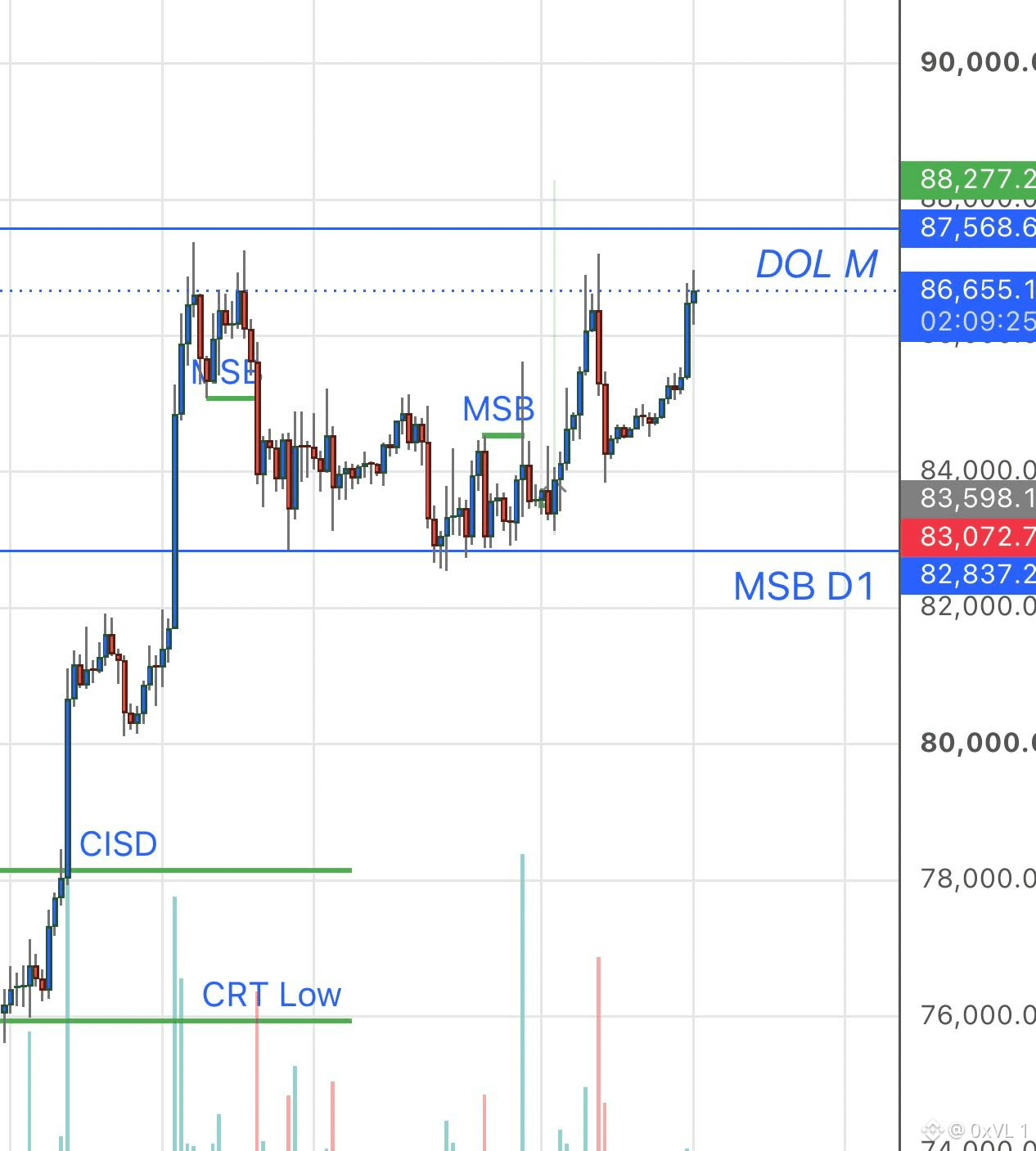
Уверенное закрытие недели на максимуме за восемь месяцев — определённо позитивный сигнал с чисто технической точки зрения. Поглощение предложения на спотовом рынке крупными игроками в течение последних нескольких сессий выглядело заметно устойчивее, чем во время предыдущих отскоков, а то, как покупатели удерживали среднюю линию, не позволяя дневным свечам вернуться в прежний диапазон, свидетельствует о реальном базовом спросе. Сравнение с тем предыдущим многомесячным максимумом тоже вполне оправданно, особенно учитывая, что участники рынка часто подвержены эффекту недавнего опыта именно тогда, когда структура на старших таймфреймах наконец меняет направление.
При этом называть происходящее подтверждённым пробоем сейчас кажется довольно преждевременным, если заглянуть глубже. За выходные открытый интерес вырос гораздо быстрее спотового объёма, а ставки финансирования на биржах бессрочных фьючерсов уже начали подавать признаки того, что чрезмерно закредитованные лонги гонятся за этой свечой. Если бы движение было обусловлено исключительно спотовым спросом, мы бы не увидели, как быстро расширяются базисные спреды у зоны сопротивления сверху. Лично я склоняюсь к осторожности, а не к погоне за движением: без здорового ретеста, который действительно вытряхнет агрессивно закредитованных участников, в этой ситуации есть все предпосылки для классического сбора ликвидности перед резким откатом к середине диапазона. $BTC
Уверенное закрытие недели на максимуме за восемь месяцев — определённо позитивный сигнал с чисто технической точки зрения. Поглощение предложения на спотовом рынке крупными игроками в течение последних нескольких сессий выглядело заметно устойчивее, чем во время предыдущих отскоков, а то, как покупатели удерживали среднюю линию, не позволяя дневным свечам вернуться в прежний диапазон, свидетельствует о реальном базовом спросе. Сравнение с тем предыдущим многомесячным максимумом тоже вполне оправданно, особенно учитывая, что участники рынка часто подвержены эффекту недавнего опыта именно тогда, когда структура на старших таймфреймах наконец меняет направление.
При этом называть происходящее подтверждённым пробоем сейчас кажется довольно преждевременным, если заглянуть глубже. За выходные открытый интерес вырос гораздо быстрее спотового объёма, а ставки финансирования на биржах бессрочных фьючерсов уже начали подавать признаки того, что чрезмерно закредитованные лонги гонятся за этой свечой. Если бы движение было обусловлено исключительно спотовым спросом, мы бы не увидели, как быстро расширяются базисные спреды у зоны сопротивления сверху. Лично я склоняюсь к осторожности, а не к погоне за движением: без здорового ретеста, который действительно вытряхнет агрессивно закредитованных участников, в этой ситуации есть все предпосылки для классического сбора ликвидности перед резким откатом к середине диапазона. $BTC
При этом называть происходящее подтверждённым пробоем сейчас кажется довольно преждевременным, если заглянуть глубже. За выходные открытый интерес вырос гораздо быстрее спотового объёма, а ставки финансирования на биржах бессрочных фьючерсов уже начали подавать признаки того, что чрезмерно закредитованные лонги гонятся за этой свечой. Если бы движение было обусловлено исключительно спотовым спросом, мы бы не увидели, как быстро расширяются базисные спреды у зоны сопротивления сверху. Лично я склоняюсь к осторожности, а не к погоне за движением: без здорового ретеста, который действительно вытряхнет агрессивно закредитованных участников, в этой ситуации есть все предпосылки для классического сбора ликвидности перед резким откатом к середине диапазона. $BTC
68
·
--
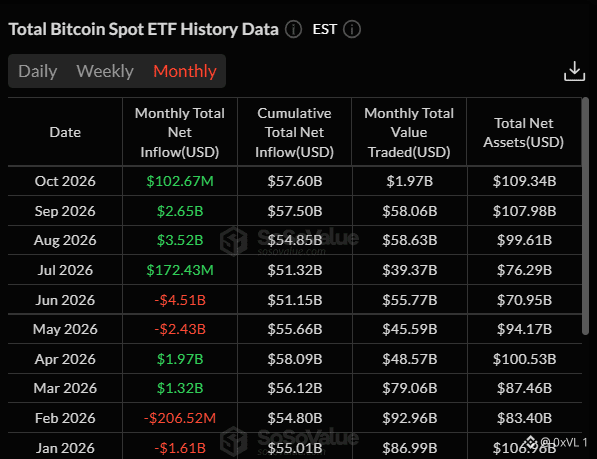
Макроэкономический нарратив здесь вполне логичен, и удивительно наблюдать, как быстро фьючерсы на облигации и рынки прогнозов пересмотрели ожидания относительно политики, когда данные по рынку труда оказались слабее. Падение вероятности повышения ставки с более чем 70% до 17% практически снимает непосредственное давление на ликвидность, которое сдерживало рост цифровых активов. Повышение Citi базового целевого уровня до $113K отражает реальный интерес со стороны институциональных инвесторов, особенно теперь, когда капитал начинает возвращаться в ETF на фоне ожиданий более мягкой позиции ФРС.
При этом ожидание, что Bitcoin в ближайшее время сразу взлетит до $113K, кажется чрезмерно оптимистичным и не учитывает более широкий экономический контекст. Охлаждение рынка труда снижает давление в пользу повышения ставок, это верно, но одновременно указывает на ослабление потребительского спроса и рост риска рецессии, что может прежде всего снизить аппетит к риску в целом. Модель Citi во многом опирается на устойчивый спрос на ETF в течение полных 12 месяцев, и пока спотовые объемы не продемонстрируют подлинного органического роста, а не просто краткосрочного пересмотра ожиданий по ставкам, эта ситуация больше напоминает затяжной боковой диапазон, чем скорый прорыв. $BTC
Макроэкономический нарратив здесь вполне логичен, и удивительно наблюдать, как быстро фьючерсы на облигации и рынки прогнозов пересмотрели ожидания относительно политики, когда данные по рынку труда оказались слабее. Падение вероятности повышения ставки с более чем 70% до 17% практически снимает непосредственное давление на ликвидность, которое сдерживало рост цифровых активов. Повышение Citi базового целевого уровня до $113K отражает реальный интерес со стороны институциональных инвесторов, особенно теперь, когда капитал начинает возвращаться в ETF на фоне ожиданий более мягкой позиции ФРС.
При этом ожидание, что Bitcoin в ближайшее время сразу взлетит до $113K, кажется чрезмерно оптимистичным и не учитывает более широкий экономический контекст. Охлаждение рынка труда снижает давление в пользу повышения ставок, это верно, но одновременно указывает на ослабление потребительского спроса и рост риска рецессии, что может прежде всего снизить аппетит к риску в целом. Модель Citi во многом опирается на устойчивый спрос на ETF в течение полных 12 месяцев, и пока спотовые объемы не продемонстрируют подлинного органического роста, а не просто краткосрочного пересмотра ожиданий по ставкам, эта ситуация больше напоминает затяжной боковой диапазон, чем скорый прорыв. $BTC
При этом ожидание, что Bitcoin в ближайшее время сразу взлетит до $113K, кажется чрезмерно оптимистичным и не учитывает более широкий экономический контекст. Охлаждение рынка труда снижает давление в пользу повышения ставок, это верно, но одновременно указывает на ослабление потребительского спроса и рост риска рецессии, что может прежде всего снизить аппетит к риску в целом. Модель Citi во многом опирается на устойчивый спрос на ETF в течение полных 12 месяцев, и пока спотовые объемы не продемонстрируют подлинного органического роста, а не просто краткосрочного пересмотра ожиданий по ставкам, эта ситуация больше напоминает затяжной боковой диапазон, чем скорый прорыв. $BTC
8
·
--
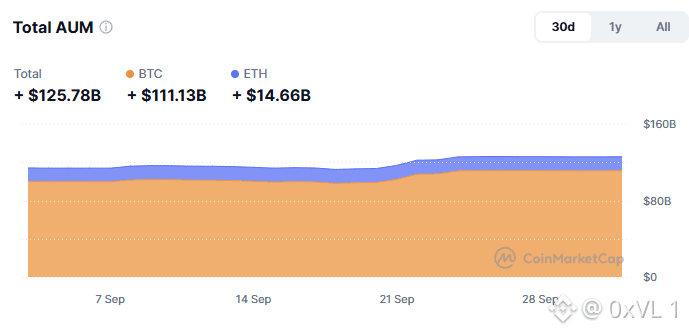
Попадание в точку с отслеживанием зоны $82K: именно здесь, судя по глубине стакана и деривативной позиции вокруг этого уровня, прямо сейчас пишется ближайший сюжет. Посыл чёткий: наблюдение за динамикой между поглощением спотовым ETF и агрессивными трейдерами по перпетуалам даёт чистую «линзу» на структурную хрупкость. Откат на 3% от $82K приходится примерно на $79.5K — это огромный психологический и ликвидностный поворот. На бумаге первые доминошки, которые запускают автоматическое снижение риска и каскады ликвидаций на офшорных книгах, очевидно связаны с высоколевериджными лонгами по перпам: всё, что 25x и выше, сгруппировано в районе локального пробоя.
Однако смешивать участников спотового ETF с леверидж-лонгами в контексте ликвидации — это игнорировать механическую реальность того, как именно эти потоки «оседают». Покупатели ETF по сути либо получают расчёты наличными, либо выступают как спотовые аллокаторы с физическим обеспечением: они могут фиксировать нереализованную просадку или создавать чистые оттоки в периоды редемпций, но у них нет принудительных «движков» ликвидации. Моя реальная обеспокоенность не в том, что ETF-столы будут смыты, а в том, что розничные и mid-tier проп-дески продолжают наращивать тяжёлое плечо, пытаясь опередить институциональные заявки, воспринимая притоки в ETF как незыблемый ценовой пол. Если этот откат на 3% затронет стоп-кластеры ниже $80K, агрессивное финансирование размотается резко и беспорядочно ещё до того, как любой инвестор в ETF даже проверит свою ежедневную закрывающую цену. $BTC $ETH
Попадание в точку с отслеживанием зоны $82K: именно здесь, судя по глубине стакана и деривативной позиции вокруг этого уровня, прямо сейчас пишется ближайший сюжет. Посыл чёткий: наблюдение за динамикой между поглощением спотовым ETF и агрессивными трейдерами по перпетуалам даёт чистую «линзу» на структурную хрупкость. Откат на 3% от $82K приходится примерно на $79.5K — это огромный психологический и ликвидностный поворот. На бумаге первые доминошки, которые запускают автоматическое снижение риска и каскады ликвидаций на офшорных книгах, очевидно связаны с высоколевериджными лонгами по перпам: всё, что 25x и выше, сгруппировано в районе локального пробоя.
Однако смешивать участников спотового ETF с леверидж-лонгами в контексте ликвидации — это игнорировать механическую реальность того, как именно эти потоки «оседают». Покупатели ETF по сути либо получают расчёты наличными, либо выступают как спотовые аллокаторы с физическим обеспечением: они могут фиксировать нереализованную просадку или создавать чистые оттоки в периоды редемпций, но у них нет принудительных «движков» ликвидации. Моя реальная обеспокоенность не в том, что ETF-столы будут смыты, а в том, что розничные и mid-tier проп-дески продолжают наращивать тяжёлое плечо, пытаясь опередить институциональные заявки, воспринимая притоки в ETF как незыблемый ценовой пол. Если этот откат на 3% затронет стоп-кластеры ниже $80K, агрессивное финансирование размотается резко и беспорядочно ещё до того, как любой инвестор в ETF даже проверит свою ежедневную закрывающую цену. $BTC $ETH
Однако смешивать участников спотового ETF с леверидж-лонгами в контексте ликвидации — это игнорировать механическую реальность того, как именно эти потоки «оседают». Покупатели ETF по сути либо получают расчёты наличными, либо выступают как спотовые аллокаторы с физическим обеспечением: они могут фиксировать нереализованную просадку или создавать чистые оттоки в периоды редемпций, но у них нет принудительных «движков» ликвидации. Моя реальная обеспокоенность не в том, что ETF-столы будут смыты, а в том, что розничные и mid-tier проп-дески продолжают наращивать тяжёлое плечо, пытаясь опередить институциональные заявки, воспринимая притоки в ETF как незыблемый ценовой пол. Если этот откат на 3% затронет стоп-кластеры ниже $80K, агрессивное финансирование размотается резко и беспорядочно ещё до того, как любой инвестор в ETF даже проверит свою ежедневную закрывающую цену. $BTC $ETH
79
·
--
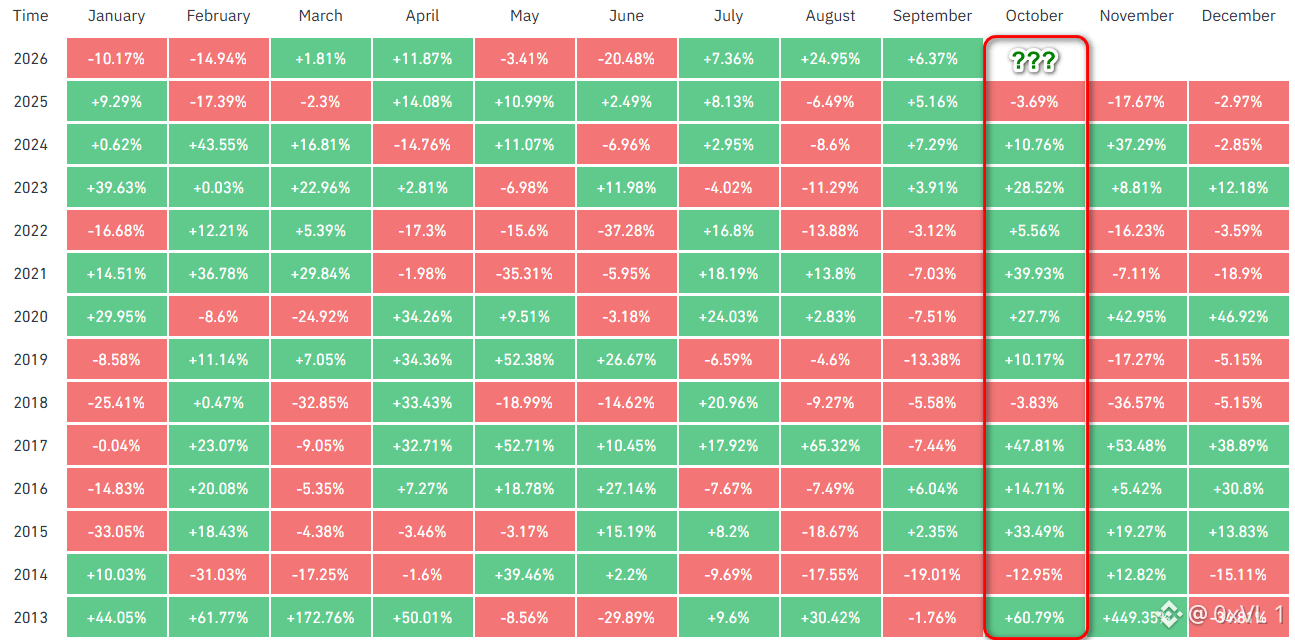
Точнейший разбор сезонных тенденций: историческая вероятность успеха для октября — это, безусловно, один из самых «чистых» паттернов на протяжении циклов в криптовалюте, и совершенно понятно, почему поставщики ликвидности и свинг-трейдеры так сильно делают ставку на сетапы в Q4. Когда смотришь на структурные попутные ветры, которые исторически складывались вокруг этого периода — особенно после кварталов халвинга и привычного возобновления институциональных объёмов после риск-офф поведения в сентябре — статистическое смещение в пользу ралли «Uptober» имеет под собой убедительный исторический фундамент.
Однако полагаться только на сезонную «календарную» математику, не учитывая текущие изменения рыночного режима, — это опасная ловушка. Сезонность — это описательное наблюдение прошлых потоков, а не предсказательный фундаментальный закон. Макроокружение, структурные изменения в чистых потоках по ETF и сдвиги в концентрации открытого интереса легко могут перечеркнуть исторические средние значения. Я довольно скептически отношусь к тому, чтобы считать календарную аномалию высоко-конвикционным альфой, особенно когда по длинной стороне позиционирование стало настолько переполненным. Если более широкий макроэкономический уровень ликвидности начнёт сжиматься или деривативное фондирование перегреется раньше времени, попытка «обогнать» прошлую историю обычно заканчивается резким сливом ликвидности, а не аккуратным продолжением ралли. История даёт контекст, но реальность диктует ордер-флоу. $BTC
Точнейший разбор сезонных тенденций: историческая вероятность успеха для октября — это, безусловно, один из самых «чистых» паттернов на протяжении циклов в криптовалюте, и совершенно понятно, почему поставщики ликвидности и свинг-трейдеры так сильно делают ставку на сетапы в Q4. Когда смотришь на структурные попутные ветры, которые исторически складывались вокруг этого периода — особенно после кварталов халвинга и привычного возобновления институциональных объёмов после риск-офф поведения в сентябре — статистическое смещение в пользу ралли «Uptober» имеет под собой убедительный исторический фундамент.
Однако полагаться только на сезонную «календарную» математику, не учитывая текущие изменения рыночного режима, — это опасная ловушка. Сезонность — это описательное наблюдение прошлых потоков, а не предсказательный фундаментальный закон. Макроокружение, структурные изменения в чистых потоках по ETF и сдвиги в концентрации открытого интереса легко могут перечеркнуть исторические средние значения. Я довольно скептически отношусь к тому, чтобы считать календарную аномалию высоко-конвикционным альфой, особенно когда по длинной стороне позиционирование стало настолько переполненным. Если более широкий макроэкономический уровень ликвидности начнёт сжиматься или деривативное фондирование перегреется раньше времени, попытка «обогнать» прошлую историю обычно заканчивается резким сливом ликвидности, а не аккуратным продолжением ралли. История даёт контекст, но реальность диктует ордер-флоу. $BTC
Однако полагаться только на сезонную «календарную» математику, не учитывая текущие изменения рыночного режима, — это опасная ловушка. Сезонность — это описательное наблюдение прошлых потоков, а не предсказательный фундаментальный закон. Макроокружение, структурные изменения в чистых потоках по ETF и сдвиги в концентрации открытого интереса легко могут перечеркнуть исторические средние значения. Я довольно скептически отношусь к тому, чтобы считать календарную аномалию высоко-конвикционным альфой, особенно когда по длинной стороне позиционирование стало настолько переполненным. Если более широкий макроэкономический уровень ликвидности начнёт сжиматься или деривативное фондирование перегреется раньше времени, попытка «обогнать» прошлую историю обычно заканчивается резким сливом ликвидности, а не аккуратным продолжением ралли. История даёт контекст, но реальность диктует ордер-флоу. $BTC
71
·
--
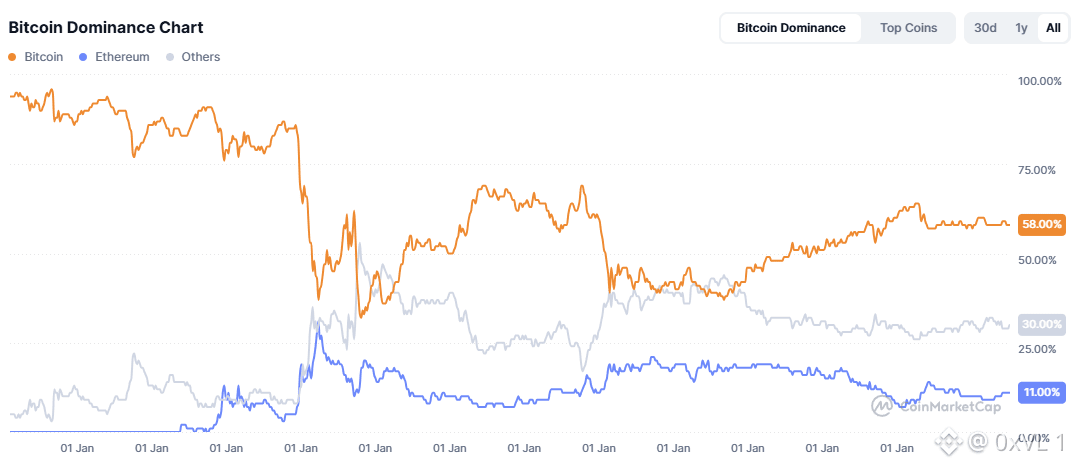
Это прямо в точку для отслеживания текущей ротационной динамики ликвидности на рынке. То, что объемы альткоинов пробивают вверх до уровня в 4 раза относительно базового показателя Биткоина, — фантастическое наблюдение, потому что исторические рыночные циклы показывают: такие всплески объема обычно указывают на фундаментальный сдвиг в склонности трейдеров к риску и в спекулятивной позиции на крупных биржах. Однако называть это ранним альтсезоном может быть немного преждевременно. Исторически, когда объемы альткоинов достигают таких экстремальных соотношений без широких притоков фиата, это часто сигнализирует о локальной «усталости плеча» или о распределении со стороны розницы, а не о устойчивом запуске альтсезона. Вместо того чтобы разгонять пробой Биткоина или запускать макро-альтсезон, такие всплески объемов нередко приводят к внезапным оттокам ликвидности, когда прибыль агрессивно переоборачивается обратно в BTC или стейблкоины во время рыночных коррекций. Я бы внимательно следил за графиками доминации $BTC и глубиной стакана, прежде чем слишком защищаться или уходить в чрезмерное плечо здесь.
Это прямо в точку для отслеживания текущей ротационной динамики ликвидности на рынке. То, что объемы альткоинов пробивают вверх до уровня в 4 раза относительно базового показателя Биткоина, — фантастическое наблюдение, потому что исторические рыночные циклы показывают: такие всплески объема обычно указывают на фундаментальный сдвиг в склонности трейдеров к риску и в спекулятивной позиции на крупных биржах. Однако называть это ранним альтсезоном может быть немного преждевременно. Исторически, когда объемы альткоинов достигают таких экстремальных соотношений без широких притоков фиата, это часто сигнализирует о локальной «усталости плеча» или о распределении со стороны розницы, а не о устойчивом запуске альтсезона. Вместо того чтобы разгонять пробой Биткоина или запускать макро-альтсезон, такие всплески объемов нередко приводят к внезапным оттокам ликвидности, когда прибыль агрессивно переоборачивается обратно в BTC или стейблкоины во время рыночных коррекций. Я бы внимательно следил за графиками доминации $BTC и глубиной стакана, прежде чем слишком защищаться или уходить в чрезмерное плечо здесь.
69
·
--
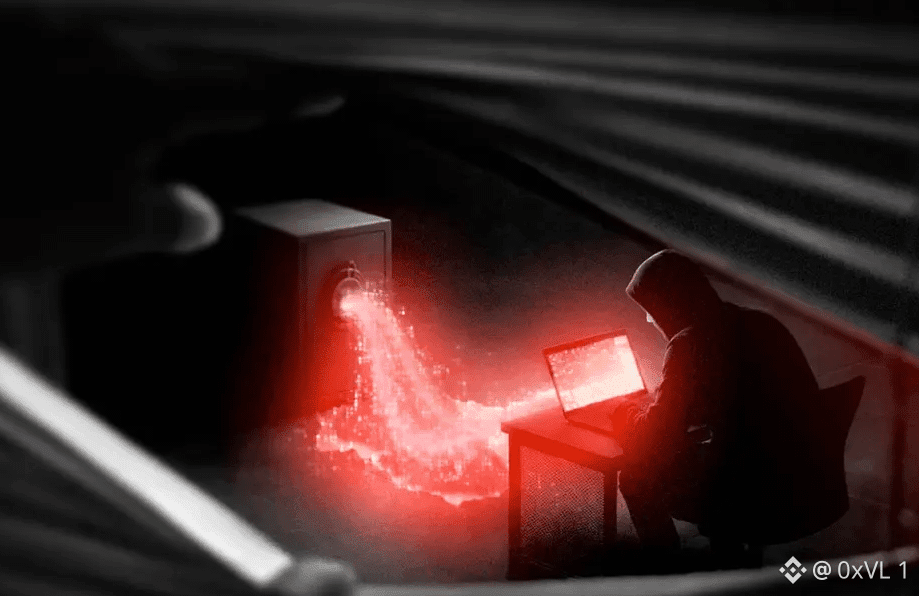
Вся базовая основа децентрализованных финансов (DeFi) и permissionless-обменов между сетями опирается на то, что лежащая в основе инфраструктура должна быть убедительно нейтральной — точно так же, как базовые уровни Биткоина или Эфириума. Если мы начнем требовать, чтобы операторы узлов становились глобальными арбитрами морали и выборочно цензурировали адреса только потому, что централизованная биржа об этом попросила, мы полностью разрушим обещание неизменяемости, ради которого DeFi вообще ценны. Нельзя просто создавать черные списки и бэкдоры для «хороших парней», потому что те же самые механизмы неизбежно будут использованы в дальнейшем чрезмерно расширяющимися юрисдикциями. Инструменты по своей природе нейтральны по замыслу, и то, что THORChain держится своей позиции — быть permissionless-маршрутизирующим слоем, а не «комплаенсным посредником», — демонстрирует искреннюю приверженность исходной этике криптовалюты.
При этом нужно прямо указать на вопиющую лицемерность в их практическом применении этих принципов. Пожалуй, довольно легко проповедовать святость абсолютной децентрализации, когда у Bitget $388 миллионов текут через ваши пулы ликвидности и приносят вашим валидаторам жирные комиссии за свопы. Но когда собственные хранилища THORChain были скомпрометированы еще в 2021 году, а затем — во время их «прорыва» на $10 миллионов всего несколько месяцев назад, в мае 2026, — эти же узлы внезапно нашли координацию, чтобы нажать кнопку аварийной остановки протокола и защитить свой собственный капитал. Нельзя разыгрывать карту «мы — неостановимая нейтральная сила природы», когда на кону деньги других людей, а потом вести себя как централизованный комитет по рискам, когда под угрозой оказывается ваш собственный TVL. Если они продолжают действовать как стандартный, не имеющий последствий канал отмывания для Lazarus Group и для каждого крупного эксплойта бирж, то они вообще не защищают крипто — они фактически умоляют о том же регулирующем «молотке» OFAC, который положил конец Tornado Cash, и такой жар ударит по всей отрасли. $BTC $ETH
Вся базовая основа децентрализованных финансов (DeFi) и permissionless-обменов между сетями опирается на то, что лежащая в основе инфраструктура должна быть убедительно нейтральной — точно так же, как базовые уровни Биткоина или Эфириума. Если мы начнем требовать, чтобы операторы узлов становились глобальными арбитрами морали и выборочно цензурировали адреса только потому, что централизованная биржа об этом попросила, мы полностью разрушим обещание неизменяемости, ради которого DeFi вообще ценны. Нельзя просто создавать черные списки и бэкдоры для «хороших парней», потому что те же самые механизмы неизбежно будут использованы в дальнейшем чрезмерно расширяющимися юрисдикциями. Инструменты по своей природе нейтральны по замыслу, и то, что THORChain держится своей позиции — быть permissionless-маршрутизирующим слоем, а не «комплаенсным посредником», — демонстрирует искреннюю приверженность исходной этике криптовалюты.
При этом нужно прямо указать на вопиющую лицемерность в их практическом применении этих принципов. Пожалуй, довольно легко проповедовать святость абсолютной децентрализации, когда у Bitget $388 миллионов текут через ваши пулы ликвидности и приносят вашим валидаторам жирные комиссии за свопы. Но когда собственные хранилища THORChain были скомпрометированы еще в 2021 году, а затем — во время их «прорыва» на $10 миллионов всего несколько месяцев назад, в мае 2026, — эти же узлы внезапно нашли координацию, чтобы нажать кнопку аварийной остановки протокола и защитить свой собственный капитал. Нельзя разыгрывать карту «мы — неостановимая нейтральная сила природы», когда на кону деньги других людей, а потом вести себя как централизованный комитет по рискам, когда под угрозой оказывается ваш собственный TVL. Если они продолжают действовать как стандартный, не имеющий последствий канал отмывания для Lazarus Group и для каждого крупного эксплойта бирж, то они вообще не защищают крипто — они фактически умоляют о том же регулирующем «молотке» OFAC, который положил конец Tornado Cash, и такой жар ударит по всей отрасли. $BTC $ETH
При этом нужно прямо указать на вопиющую лицемерность в их практическом применении этих принципов. Пожалуй, довольно легко проповедовать святость абсолютной децентрализации, когда у Bitget $388 миллионов текут через ваши пулы ликвидности и приносят вашим валидаторам жирные комиссии за свопы. Но когда собственные хранилища THORChain были скомпрометированы еще в 2021 году, а затем — во время их «прорыва» на $10 миллионов всего несколько месяцев назад, в мае 2026, — эти же узлы внезапно нашли координацию, чтобы нажать кнопку аварийной остановки протокола и защитить свой собственный капитал. Нельзя разыгрывать карту «мы — неостановимая нейтральная сила природы», когда на кону деньги других людей, а потом вести себя как централизованный комитет по рискам, когда под угрозой оказывается ваш собственный TVL. Если они продолжают действовать как стандартный, не имеющий последствий канал отмывания для Lazarus Group и для каждого крупного эксплойта бирж, то они вообще не защищают крипто — они фактически умоляют о том же регулирующем «молотке» OFAC, который положил конец Tornado Cash, и такой жар ударит по всей отрасли. $BTC $ETH
73
·
--
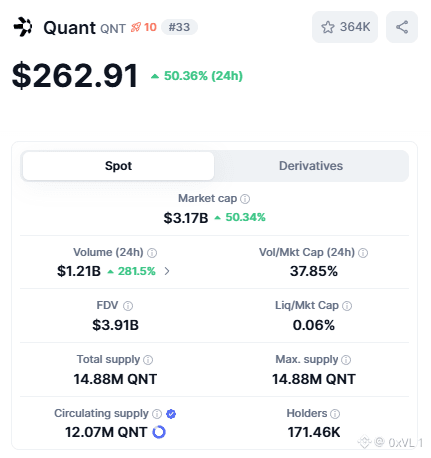
Я слежу за недавним движением по QNT, и катализатор полностью становится понятным, если посмотреть на фундаментальные разработки. Тот факт, что The Clearing House выбрала Quant для предоставления уровня интероперабельности и оркестрации для их On-Chain Money Initiative, является явным подтверждением платформы Overledger. Если учесть, что такие системы, как CHIPS, обрабатывают более $2 трлн дневного объёма, и увидеть их движение к токенизированным депозитам с использованием корпоративной инфраструктуры Quant, становится ясно, почему мы наблюдали ускорение активных адресов и соответствующий рост цены. Это сильный сигнал о том, что традиционные финансовые институты выходят за рамки тестовых сред и реально интегрируют технологию распределённого реестра в свои основные расчётные каналы.
Однако у меня есть и несколько искренних сомнений относительно того, как это конвертируется в долгосрочную ценность для обычных держателей токенов. Модель корпоративного лицензирования требует, чтобы учреждения блокировали $QNT на 12 месяцев, что ограничивает оборотное предложение в краткосрочной перспективе и подталкивает цену вверх на начальных этапах внедрения. Но когда эти лицензии будут заблокированы, реальные ежедневные комиссии за транзакции, выплачиваемые операторам шлюзов, могут не создать достаточно устойчивого покупательного давления, чтобы оправдать постоянно более высокую оценку. Кроме того, мы всё ещё ожидаем запуск сети в первой половине 2027 года, то есть существует длительный период, в течение которого спекулятивный импульс может угаснуть до того, как фактическая полезность начнёт доминировать. Риски централизации вокруг того, как казначейство Quant управляет продлением этих лицензий, также заставляют меня задуматься: получает ли экономическая модель выгоду прежде всего корпоративное казначейство, а не более широкий децентрализованный экосистемный круг.
Я слежу за недавним движением по QNT, и катализатор полностью становится понятным, если посмотреть на фундаментальные разработки. Тот факт, что The Clearing House выбрала Quant для предоставления уровня интероперабельности и оркестрации для их On-Chain Money Initiative, является явным подтверждением платформы Overledger. Если учесть, что такие системы, как CHIPS, обрабатывают более $2 трлн дневного объёма, и увидеть их движение к токенизированным депозитам с использованием корпоративной инфраструктуры Quant, становится ясно, почему мы наблюдали ускорение активных адресов и соответствующий рост цены. Это сильный сигнал о том, что традиционные финансовые институты выходят за рамки тестовых сред и реально интегрируют технологию распределённого реестра в свои основные расчётные каналы.
Однако у меня есть и несколько искренних сомнений относительно того, как это конвертируется в долгосрочную ценность для обычных держателей токенов. Модель корпоративного лицензирования требует, чтобы учреждения блокировали $QNT на 12 месяцев, что ограничивает оборотное предложение в краткосрочной перспективе и подталкивает цену вверх на начальных этапах внедрения. Но когда эти лицензии будут заблокированы, реальные ежедневные комиссии за транзакции, выплачиваемые операторам шлюзов, могут не создать достаточно устойчивого покупательного давления, чтобы оправдать постоянно более высокую оценку. Кроме того, мы всё ещё ожидаем запуск сети в первой половине 2027 года, то есть существует длительный период, в течение которого спекулятивный импульс может угаснуть до того, как фактическая полезность начнёт доминировать. Риски централизации вокруг того, как казначейство Quant управляет продлением этих лицензий, также заставляют меня задуматься: получает ли экономическая модель выгоду прежде всего корпоративное казначейство, а не более широкий децентрализованный экосистемный круг.
Однако у меня есть и несколько искренних сомнений относительно того, как это конвертируется в долгосрочную ценность для обычных держателей токенов. Модель корпоративного лицензирования требует, чтобы учреждения блокировали $QNT на 12 месяцев, что ограничивает оборотное предложение в краткосрочной перспективе и подталкивает цену вверх на начальных этапах внедрения. Но когда эти лицензии будут заблокированы, реальные ежедневные комиссии за транзакции, выплачиваемые операторам шлюзов, могут не создать достаточно устойчивого покупательного давления, чтобы оправдать постоянно более высокую оценку. Кроме того, мы всё ещё ожидаем запуск сети в первой половине 2027 года, то есть существует длительный период, в течение которого спекулятивный импульс может угаснуть до того, как фактическая полезность начнёт доминировать. Риски централизации вокруг того, как казначейство Quant управляет продлением этих лицензий, также заставляют меня задуматься: получает ли экономическая модель выгоду прежде всего корпоративное казначейство, а не более широкий децентрализованный экосистемный круг.
82
·
--
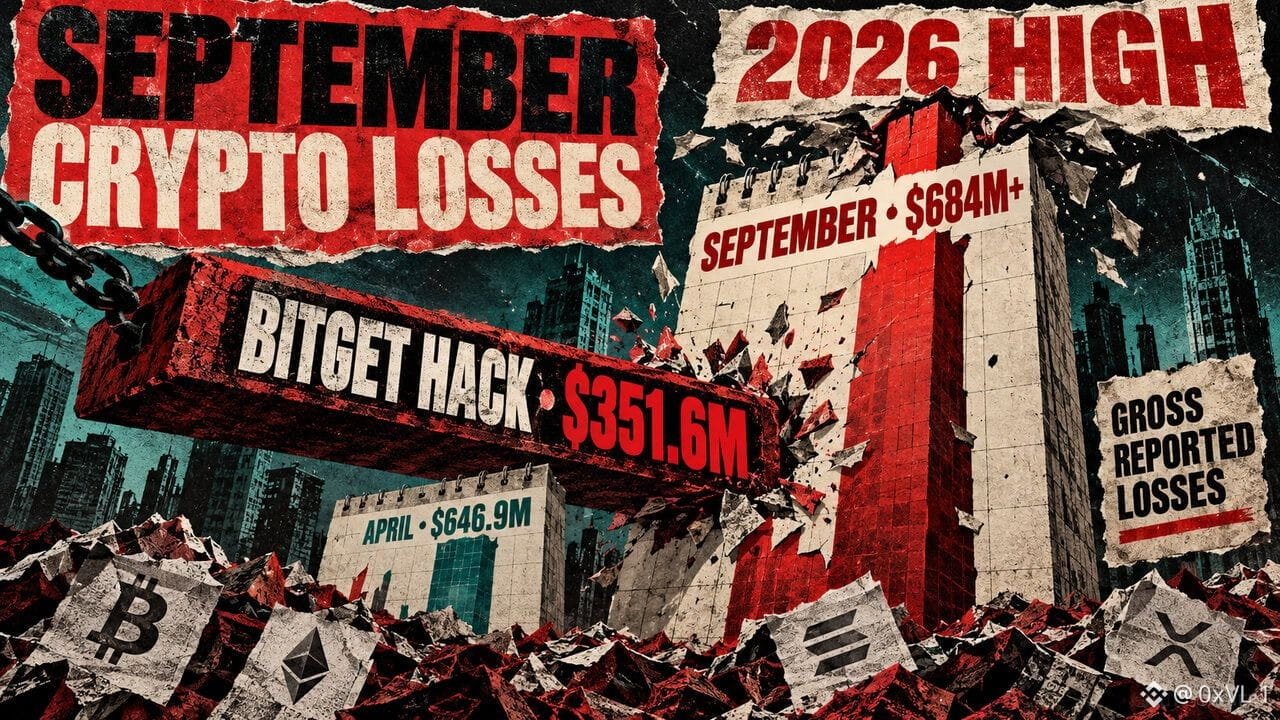
Честно говоря, приятно видеть, как Bitget довольно быстро признала факт взлома и вышла с точными цифрами, вместо того чтобы пытаться скрыть отток. То, что Грейси Чен взялась подтвердить сумму в $351,6 млн и сразу же указала на Фонд защиты пользователей в размере $464 млн — это ровно тот тип антикризисного управления, который сейчас нужен криптосообществу. Наличие этого страхового фонда в готовности и прозрачность в отношении того, что холодные кошельки остаются неповрежденными, дают розничным пользователям столь необходимое чувство спокойствия — иначе многие просто начали бы панически распродавать свои активы. Прозрачность в первые часы после взлома критически важна, и они хорошо справились с коммуникационной частью: обновляли сообщество до того, как слухи полностью вышли из-под контроля.
Однако как аналитик я должен указать на вопиющую проблему: как топовая централизованная биржа допускает, чтобы один-единственный вектор смог вывести более $351 млн из их горячих и теплых кошельков еще до того, как система даже сработает срабатыванием автоматического выключателя? Это указывает на серьезный сбой во внутренней операционной безопасности, структуре multi-sig и протоколах сегрегации активов. Да, то, что у них есть фонд защиты для покрытия потерь, — замечательно, но полагаться на страховой резерв не должно быть основной линией обороны против плохой архитектуры горячих кошельков. Я буду внимательно следить за тем, когда они реально возобновят выводы: слова — это хорошо, но именно on-chain ликвидность по-настоящему доказывает, что пользователи в порядке. После разрешения этой ситуации им потребуется масштабный аудит и полный пересмотр системы безопасности силами сторонних специалистов. $BTC
Честно говоря, приятно видеть, как Bitget довольно быстро признала факт взлома и вышла с точными цифрами, вместо того чтобы пытаться скрыть отток. То, что Грейси Чен взялась подтвердить сумму в $351,6 млн и сразу же указала на Фонд защиты пользователей в размере $464 млн — это ровно тот тип антикризисного управления, который сейчас нужен криптосообществу. Наличие этого страхового фонда в готовности и прозрачность в отношении того, что холодные кошельки остаются неповрежденными, дают розничным пользователям столь необходимое чувство спокойствия — иначе многие просто начали бы панически распродавать свои активы. Прозрачность в первые часы после взлома критически важна, и они хорошо справились с коммуникационной частью: обновляли сообщество до того, как слухи полностью вышли из-под контроля.
Однако как аналитик я должен указать на вопиющую проблему: как топовая централизованная биржа допускает, чтобы один-единственный вектор смог вывести более $351 млн из их горячих и теплых кошельков еще до того, как система даже сработает срабатыванием автоматического выключателя? Это указывает на серьезный сбой во внутренней операционной безопасности, структуре multi-sig и протоколах сегрегации активов. Да, то, что у них есть фонд защиты для покрытия потерь, — замечательно, но полагаться на страховой резерв не должно быть основной линией обороны против плохой архитектуры горячих кошельков. Я буду внимательно следить за тем, когда они реально возобновят выводы: слова — это хорошо, но именно on-chain ликвидность по-настоящему доказывает, что пользователи в порядке. После разрешения этой ситуации им потребуется масштабный аудит и полный пересмотр системы безопасности силами сторонних специалистов. $BTC
Однако как аналитик я должен указать на вопиющую проблему: как топовая централизованная биржа допускает, чтобы один-единственный вектор смог вывести более $351 млн из их горячих и теплых кошельков еще до того, как система даже сработает срабатыванием автоматического выключателя? Это указывает на серьезный сбой во внутренней операционной безопасности, структуре multi-sig и протоколах сегрегации активов. Да, то, что у них есть фонд защиты для покрытия потерь, — замечательно, но полагаться на страховой резерв не должно быть основной линией обороны против плохой архитектуры горячих кошельков. Я буду внимательно следить за тем, когда они реально возобновят выводы: слова — это хорошо, но именно on-chain ликвидность по-настоящему доказывает, что пользователи в порядке. После разрешения этой ситуации им потребуется масштабный аудит и полный пересмотр системы безопасности силами сторонних специалистов. $BTC
64
·
--
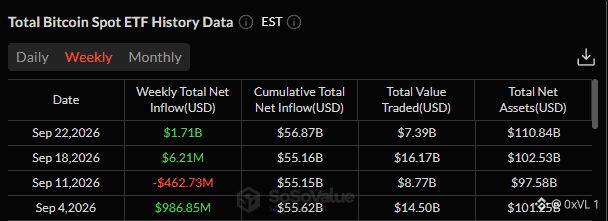
Глубокий разбор динамики рынка опционов здесь, потому что навес открытых позиций в $18B, безусловно, достаточно велик, чтобы повлиять на краткосрочное позиционирование дилеров. Отслеживание уровня max pain, когда спот торгуется на $10K выше него, дает реальное представление о том, где маркет-мейкеры удерживают свои хедж-балансы, особенно по мере того, как начинают проявляться эффекты позитивного гамма-пиннинга, приближаясь к крупным квартальным экспирациям. Этот разрыв в $10K наглядно показывает, насколько агрессивно участники рынка в последние недели делали ставки в сторону роста через покупку call-опционов.
Однако рассматривать max pain как неизбежный «гравитационный магнит» обычно значит слишком упростить реальную структуру рынка. Max pain — это статичный снимок, тогда как спотовый импульс, обусловленный чистыми притоками в ETF или макро-ликвидностью, легко может пересилить стимулы дилеров к хеджированию. Когда спот остается повышенным вблизи экспирации, дельта-хеджирование на самом деле вынуждает маркет-мейкеров покупать спот на силе, а не «тянуть» цену вниз. Это часто приводит к постэкспирационному сжатию, как только соответствующий опционный навес будет очищен. $BTC
Глубокий разбор динамики рынка опционов здесь, потому что навес открытых позиций в $18B, безусловно, достаточно велик, чтобы повлиять на краткосрочное позиционирование дилеров. Отслеживание уровня max pain, когда спот торгуется на $10K выше него, дает реальное представление о том, где маркет-мейкеры удерживают свои хедж-балансы, особенно по мере того, как начинают проявляться эффекты позитивного гамма-пиннинга, приближаясь к крупным квартальным экспирациям. Этот разрыв в $10K наглядно показывает, насколько агрессивно участники рынка в последние недели делали ставки в сторону роста через покупку call-опционов.
Однако рассматривать max pain как неизбежный «гравитационный магнит» обычно значит слишком упростить реальную структуру рынка. Max pain — это статичный снимок, тогда как спотовый импульс, обусловленный чистыми притоками в ETF или макро-ликвидностью, легко может пересилить стимулы дилеров к хеджированию. Когда спот остается повышенным вблизи экспирации, дельта-хеджирование на самом деле вынуждает маркет-мейкеров покупать спот на силе, а не «тянуть» цену вниз. Это часто приводит к постэкспирационному сжатию, как только соответствующий опционный навес будет очищен. $BTC
Однако рассматривать max pain как неизбежный «гравитационный магнит» обычно значит слишком упростить реальную структуру рынка. Max pain — это статичный снимок, тогда как спотовый импульс, обусловленный чистыми притоками в ETF или макро-ликвидностью, легко может пересилить стимулы дилеров к хеджированию. Когда спот остается повышенным вблизи экспирации, дельта-хеджирование на самом деле вынуждает маркет-мейкеров покупать спот на силе, а не «тянуть» цену вниз. Это часто приводит к постэкспирационному сжатию, как только соответствующий опционный навес будет очищен. $BTC
56
·
--
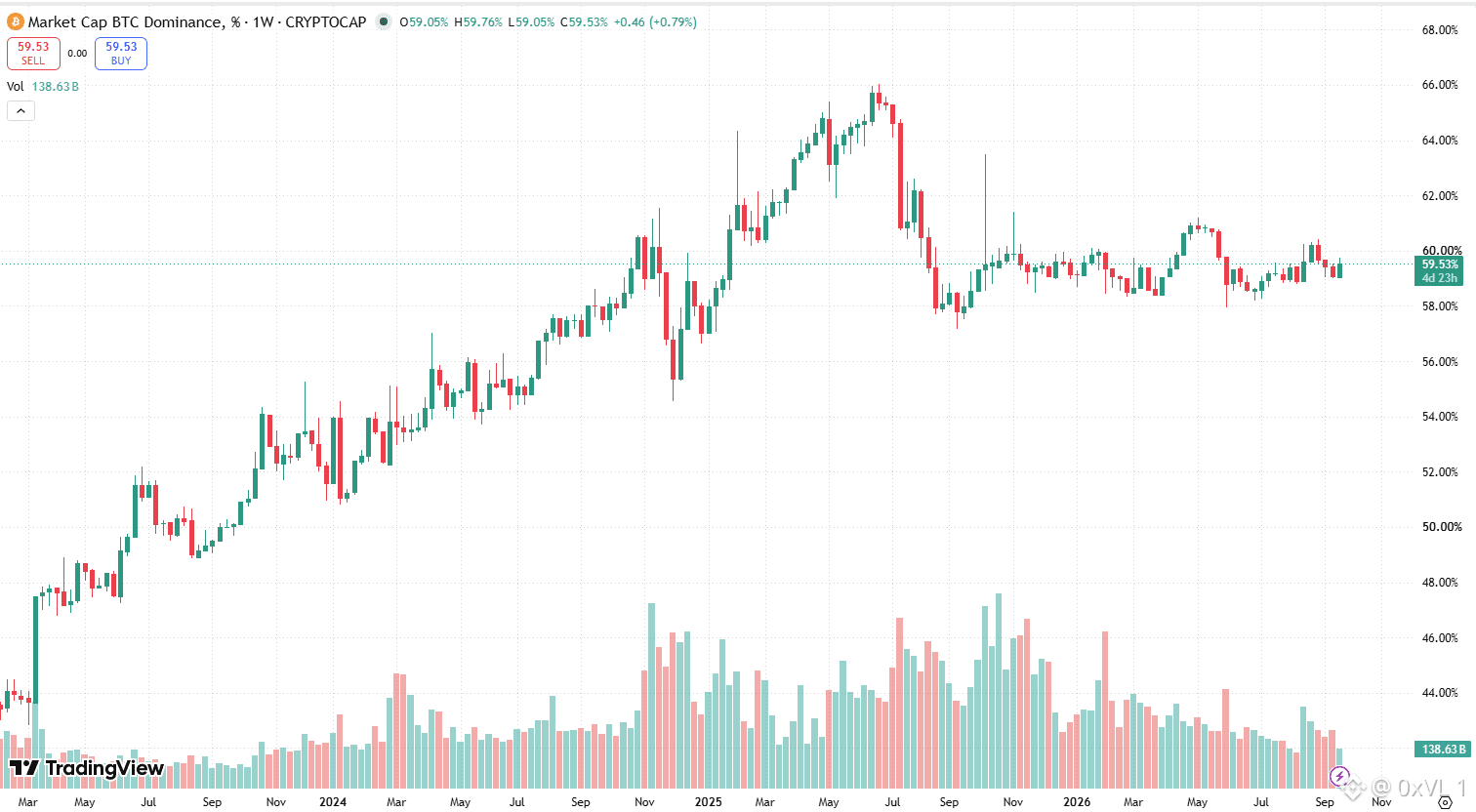
Это действительно сильная группировка, которую стоит поднять, потому что она идеально подсвечивает странную рыночную динамику, которую мы сейчас наблюдаем по альткоинам: они отсоединяются от $BTC в этих коротких, агрессивных всплесках. Я полностью согласен с тем, что если смотреть на $XRP , $DOGE , $BCH и $NEAR как на корзину, получается гораздо более точная картина ротации ликвидности, чем просто весь день пялиться в график Биткоина. Интересно, как капитал почти синхронно перетекает через более старые монеты-«наследники» и новые протоколы уровня L1, когда доминация BTC начинает буксовать или ходит боком. По ним определённо видно формирование чётких сетапов для каждого из них, и понятно, почему люди пытаются понять, какие из этих пробоев действительно сохранят устойчивость.
При этом, если отделять сигнал от шума, я должен быть достаточно скептичен насчёт того, что некоторые из этих пробежек имеют хоть какие-то реальные «ноги». NEAR — единственный в этом списке, который, на мой взгляд, является структурно реальным движением, подкреплённым реальным ончейн-принятием и стабильной активностью разработчиков прямо сейчас. А пампы DOGE и BCH больше похожи на классические рефлекторные игры на бете — это низко-уверенный розничный капитал, который догоняет тени ликвидности в тот момент, когда BTC делает паузу. Обычно откатывают так же быстро, как и печатают рост. Что касается XRP, у него всегда бывают эти изолированные всплески объёма, вызванные юридическими заголовками или локальными изменениями нарратива, но практически никогда он не удерживает более долгосрочный макро-тренд вверх против BTC, как только первоначальное возбуждение проходит. Если смотреть на это объективно, я снижаю/игнорирую более старые форки и «мемовую» ликвидность и уделяю гораздо больше внимания тем сетям, которые действительно двигают реальные данные и пользователей.
Это действительно сильная группировка, которую стоит поднять, потому что она идеально подсвечивает странную рыночную динамику, которую мы сейчас наблюдаем по альткоинам: они отсоединяются от $BTC в этих коротких, агрессивных всплесках. Я полностью согласен с тем, что если смотреть на $XRP , $DOGE , $BCH и $NEAR как на корзину, получается гораздо более точная картина ротации ликвидности, чем просто весь день пялиться в график Биткоина. Интересно, как капитал почти синхронно перетекает через более старые монеты-«наследники» и новые протоколы уровня L1, когда доминация BTC начинает буксовать или ходит боком. По ним определённо видно формирование чётких сетапов для каждого из них, и понятно, почему люди пытаются понять, какие из этих пробоев действительно сохранят устойчивость.
При этом, если отделять сигнал от шума, я должен быть достаточно скептичен насчёт того, что некоторые из этих пробежек имеют хоть какие-то реальные «ноги». NEAR — единственный в этом списке, который, на мой взгляд, является структурно реальным движением, подкреплённым реальным ончейн-принятием и стабильной активностью разработчиков прямо сейчас. А пампы DOGE и BCH больше похожи на классические рефлекторные игры на бете — это низко-уверенный розничный капитал, который догоняет тени ликвидности в тот момент, когда BTC делает паузу. Обычно откатывают так же быстро, как и печатают рост. Что касается XRP, у него всегда бывают эти изолированные всплески объёма, вызванные юридическими заголовками или локальными изменениями нарратива, но практически никогда он не удерживает более долгосрочный макро-тренд вверх против BTC, как только первоначальное возбуждение проходит. Если смотреть на это объективно, я снижаю/игнорирую более старые форки и «мемовую» ликвидность и уделяю гораздо больше внимания тем сетям, которые действительно двигают реальные данные и пользователей.
При этом, если отделять сигнал от шума, я должен быть достаточно скептичен насчёт того, что некоторые из этих пробежек имеют хоть какие-то реальные «ноги». NEAR — единственный в этом списке, который, на мой взгляд, является структурно реальным движением, подкреплённым реальным ончейн-принятием и стабильной активностью разработчиков прямо сейчас. А пампы DOGE и BCH больше похожи на классические рефлекторные игры на бете — это низко-уверенный розничный капитал, который догоняет тени ликвидности в тот момент, когда BTC делает паузу. Обычно откатывают так же быстро, как и печатают рост. Что касается XRP, у него всегда бывают эти изолированные всплески объёма, вызванные юридическими заголовками или локальными изменениями нарратива, но практически никогда он не удерживает более долгосрочный макро-тренд вверх против BTC, как только первоначальное возбуждение проходит. Если смотреть на это объективно, я снижаю/игнорирую более старые форки и «мемовую» ликвидность и уделяю гораздо больше внимания тем сетям, которые действительно двигают реальные данные и пользователей.
56
·
--
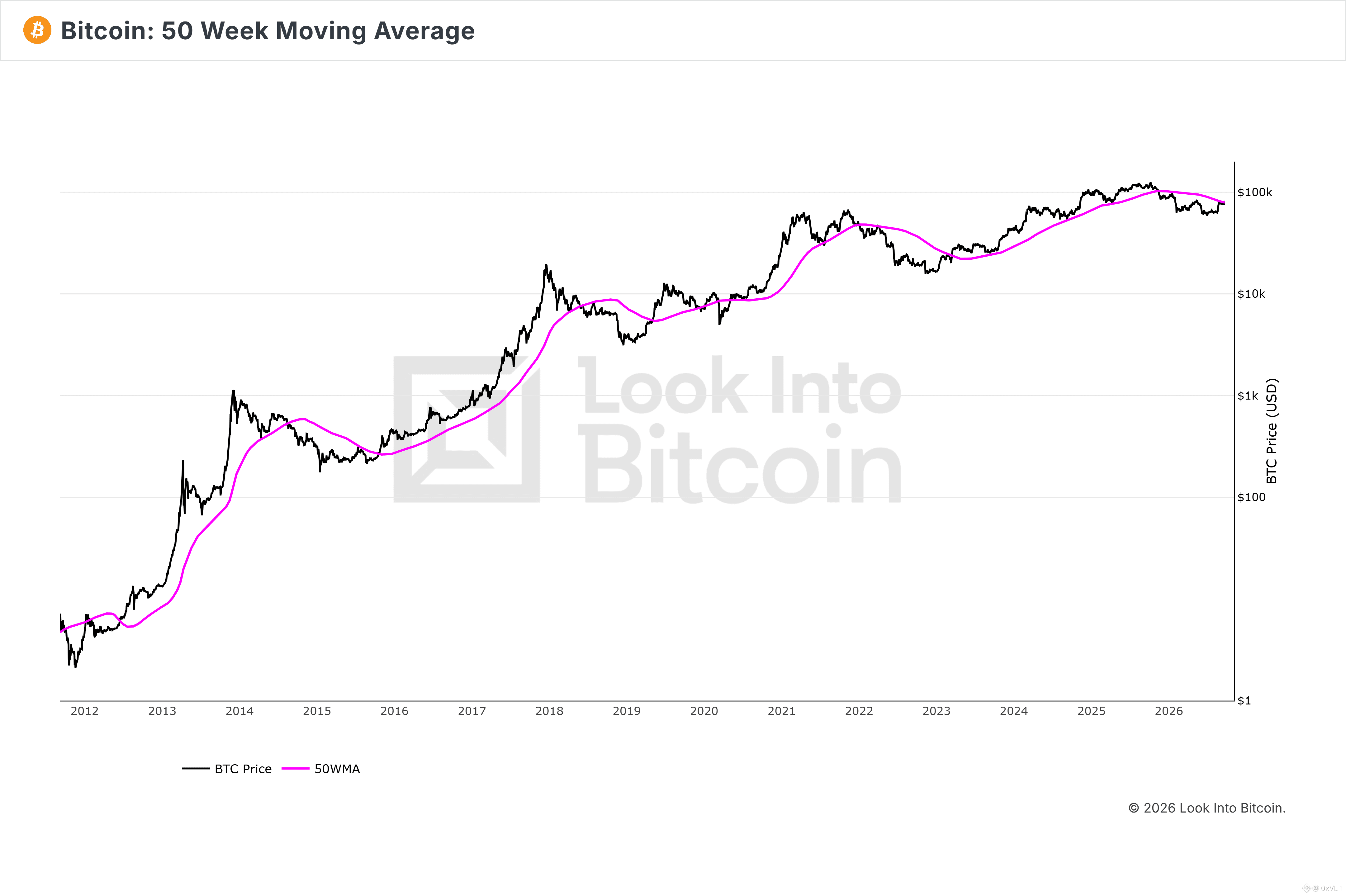
Чёрт, это мощный пробой. 50W EMA исторически была одним из самых надёжных фильтров макроэкономических трендов в крипте, и люди слишком легко теряются в ежедневном шуме. Если отдалиться к недельному графику и увидеть аккуратное закрытие выше этой скользящей средней — это именно тот тип структурного сдвига, который хочется видеть для долгосрочного импульса. 84% успешности в сигнализировании конца bear-рынка точно нельзя игнорировать, и это даёт очень сильную основу, основанную на данных, для бычьего тезиса — а не просто опору на рыночные настроения.
При этом сразу прыгать к цели $90K на одном лишь недельном закрытии кажется мне немного преждевременным. Более широкий макро-контекст в этот цикл сильно отличается от исторических данных, на основе которых формируется эта статистика в 84%: мы имеем дело с совершенно другими профилями ликвидности, «липкими» ставками по процентам и институциональными ETF-потоками, которые фундаментально меняют паттерны волатильности. Закрытие недели выше 50 EMA — это отличный первый шаг, но нам абсолютно необходимо увидеть устойчивое подтверждение объёмами и чистый пробой ближайшего локального сопротивления, прежде чем мы начнём беззаботно разбрасываться ценниками почти на шестизначные значения. Если мы снова уйдём ниже и не пройдём ретест EMA в роли поддержки, это легко может превратиться в жёсткую бычью ловушку. Я остаюсь осторожно оптимистичным, но хочу увидеть, как оформится месячное закрытие, прежде чем наращивать позиции по $BTC более агрессивно.
Чёрт, это мощный пробой. 50W EMA исторически была одним из самых надёжных фильтров макроэкономических трендов в крипте, и люди слишком легко теряются в ежедневном шуме. Если отдалиться к недельному графику и увидеть аккуратное закрытие выше этой скользящей средней — это именно тот тип структурного сдвига, который хочется видеть для долгосрочного импульса. 84% успешности в сигнализировании конца bear-рынка точно нельзя игнорировать, и это даёт очень сильную основу, основанную на данных, для бычьего тезиса — а не просто опору на рыночные настроения.
При этом сразу прыгать к цели $90K на одном лишь недельном закрытии кажется мне немного преждевременным. Более широкий макро-контекст в этот цикл сильно отличается от исторических данных, на основе которых формируется эта статистика в 84%: мы имеем дело с совершенно другими профилями ликвидности, «липкими» ставками по процентам и институциональными ETF-потоками, которые фундаментально меняют паттерны волатильности. Закрытие недели выше 50 EMA — это отличный первый шаг, но нам абсолютно необходимо увидеть устойчивое подтверждение объёмами и чистый пробой ближайшего локального сопротивления, прежде чем мы начнём беззаботно разбрасываться ценниками почти на шестизначные значения. Если мы снова уйдём ниже и не пройдём ретест EMA в роли поддержки, это легко может превратиться в жёсткую бычью ловушку. Я остаюсь осторожно оптимистичным, но хочу увидеть, как оформится месячное закрытие, прежде чем наращивать позиции по $BTC более агрессивно.
При этом сразу прыгать к цели $90K на одном лишь недельном закрытии кажется мне немного преждевременным. Более широкий макро-контекст в этот цикл сильно отличается от исторических данных, на основе которых формируется эта статистика в 84%: мы имеем дело с совершенно другими профилями ликвидности, «липкими» ставками по процентам и институциональными ETF-потоками, которые фундаментально меняют паттерны волатильности. Закрытие недели выше 50 EMA — это отличный первый шаг, но нам абсолютно необходимо увидеть устойчивое подтверждение объёмами и чистый пробой ближайшего локального сопротивления, прежде чем мы начнём беззаботно разбрасываться ценниками почти на шестизначные значения. Если мы снова уйдём ниже и не пройдём ретест EMA в роли поддержки, это легко может превратиться в жёсткую бычью ловушку. Я остаюсь осторожно оптимистичным, но хочу увидеть, как оформится месячное закрытие, прежде чем наращивать позиции по $BTC более агрессивно.
62
·
--
Действительно крепкое наблюдение, и трудно не заметить прямую корреляцию между изменениями балансового отчёта ФРС и недавним движением цены Bitcoin. Всякий раз, когда центральный банк вливает хоть какую-то ликвидность — даже если при этом они отказываются официально называть это количественным смягчением, — крипторынок обычно оказывается первым классом активов, который заранее реагирует на макросдвиг. Логично, что $BTC ловит спрос здесь: институциональный капитал рассматривает его как главный высокобета‑«поглотитель» ликвидности. То, как они тихо поглощают облигации, публично пытаясь при этом управлять ожиданиями, определённо добавляет веса той «скрытой QE» версии, на которую вы указываете, и трейдеры, которые покупают этот пробой, по сути просто правильно читают макроэкономическую «ленту».
При этом я думаю, нужно немного осторожнее, чтобы не вешать ярлык «скрытой QE» на каждую открытую операцию на рынке. Покупка на $15,6 млрд — по сути, это округлённая погрешность в масштабах общей системной ликвидности, а эти конкретные действия часто являются обычными ролловерами по погашениям или краткосрочными «техническими» мерами по инфраструктуре, а не структурным расширением балансового отчёта. Если посмотреть на просадки по программе Reverse Repo Facility (RRP) в сочетании с остатками на Treasury General Account (TGA), реальная картина чистой ликвидности оказывается гораздо сложнее и не во всём укладывается в «голубиный» сценарий. Хотя заманчиво связывать каждый зелёный свечной сигнал по BTC с тайной печатью денег, значительная часть этого недавнего ценового движения, вероятно, обусловлена локальной структурой крипторынка, позиционированием в деривативах и импульсом потоков в ETF, а не реальным изменением политики ФРС. Это отличная история, но я бы хотел увидеть устойчивый рост балансового отчёта в течение следующего квартала, прежде чем называть это истинным макроэкономическим сдвигом режима.
Действительно крепкое наблюдение, и трудно не заметить прямую корреляцию между изменениями балансового отчёта ФРС и недавним движением цены Bitcoin. Всякий раз, когда центральный банк вливает хоть какую-то ликвидность — даже если при этом они отказываются официально называть это количественным смягчением, — крипторынок обычно оказывается первым классом активов, который заранее реагирует на макросдвиг. Логично, что $BTC ловит спрос здесь: институциональный капитал рассматривает его как главный высокобета‑«поглотитель» ликвидности. То, как они тихо поглощают облигации, публично пытаясь при этом управлять ожиданиями, определённо добавляет веса той «скрытой QE» версии, на которую вы указываете, и трейдеры, которые покупают этот пробой, по сути просто правильно читают макроэкономическую «ленту».
При этом я думаю, нужно немного осторожнее, чтобы не вешать ярлык «скрытой QE» на каждую открытую операцию на рынке. Покупка на $15,6 млрд — по сути, это округлённая погрешность в масштабах общей системной ликвидности, а эти конкретные действия часто являются обычными ролловерами по погашениям или краткосрочными «техническими» мерами по инфраструктуре, а не структурным расширением балансового отчёта. Если посмотреть на просадки по программе Reverse Repo Facility (RRP) в сочетании с остатками на Treasury General Account (TGA), реальная картина чистой ликвидности оказывается гораздо сложнее и не во всём укладывается в «голубиный» сценарий. Хотя заманчиво связывать каждый зелёный свечной сигнал по BTC с тайной печатью денег, значительная часть этого недавнего ценового движения, вероятно, обусловлена локальной структурой крипторынка, позиционированием в деривативах и импульсом потоков в ETF, а не реальным изменением политики ФРС. Это отличная история, но я бы хотел увидеть устойчивый рост балансового отчёта в течение следующего квартала, прежде чем называть это истинным макроэкономическим сдвигом режима.
При этом я думаю, нужно немного осторожнее, чтобы не вешать ярлык «скрытой QE» на каждую открытую операцию на рынке. Покупка на $15,6 млрд — по сути, это округлённая погрешность в масштабах общей системной ликвидности, а эти конкретные действия часто являются обычными ролловерами по погашениям или краткосрочными «техническими» мерами по инфраструктуре, а не структурным расширением балансового отчёта. Если посмотреть на просадки по программе Reverse Repo Facility (RRP) в сочетании с остатками на Treasury General Account (TGA), реальная картина чистой ликвидности оказывается гораздо сложнее и не во всём укладывается в «голубиный» сценарий. Хотя заманчиво связывать каждый зелёный свечной сигнал по BTC с тайной печатью денег, значительная часть этого недавнего ценового движения, вероятно, обусловлена локальной структурой крипторынка, позиционированием в деривативах и импульсом потоков в ETF, а не реальным изменением политики ФРС. Это отличная история, но я бы хотел увидеть устойчивый рост балансового отчёта в течение следующего квартала, прежде чем называть это истинным макроэкономическим сдвигом режима.
73
·
--
Эта формулировка попадает точно в цель, описывая ключевое разделение в сфере приватности. Monero органично выиграла проверенную временем, пиринговую войну за утилиту приватности прежде всего потому, что приватность по умолчанию обязательна. Хакеры и cypherpunks держатся за $XMR, потому что обязательная обфускация через RingCT и stealth-адреса гарантируют целостное анонимное множество, где пользователи не могут случайно подвести себя из‑за слабой операционной безопасности. С другой стороны, венчурные инвесторы естественным образом тяготеют к Zcash, потому что zk-SNARKs дают впечатляющую математику с нулевым разглашением в сочетании с формально выстроенной организацией разработки и опциональной прозрачностью — благодаря чему гораздо проще вписать это в рамки институционального комплаенса.
Однако рассматривать Zcash как основной носитель для «приватностного» компромисса кажется несколько некорректным. На практике подавляющий объем $ZEC перемещается через прозрачные t-адреса, что существенно размывает эффективный пул анонимности и оставляет защищенные транзакции скорее недоиспользуемой функцией, а не стандартом. Кроме того, активное участие VC часто вносит давление из‑за разблокировок токенов и создаёт трения в управлении (governance), которые розничные трейдеры нередко упускают. Monero, очевидно, сталкивается с тяжелыми проблемами ликвидности из‑за делистингов на централизованных биржах, но если мы смотрим на реальные механики приватности, а не на сюжеты, удобные для комплаенса, то XMR остается выбором по умолчанию, тогда как ZEC рискует застрять в неудобной промежуточной зоне.
Эта формулировка попадает точно в цель, описывая ключевое разделение в сфере приватности. Monero органично выиграла проверенную временем, пиринговую войну за утилиту приватности прежде всего потому, что приватность по умолчанию обязательна. Хакеры и cypherpunks держатся за $XMR, потому что обязательная обфускация через RingCT и stealth-адреса гарантируют целостное анонимное множество, где пользователи не могут случайно подвести себя из‑за слабой операционной безопасности. С другой стороны, венчурные инвесторы естественным образом тяготеют к Zcash, потому что zk-SNARKs дают впечатляющую математику с нулевым разглашением в сочетании с формально выстроенной организацией разработки и опциональной прозрачностью — благодаря чему гораздо проще вписать это в рамки институционального комплаенса.
Однако рассматривать Zcash как основной носитель для «приватностного» компромисса кажется несколько некорректным. На практике подавляющий объем $ZEC перемещается через прозрачные t-адреса, что существенно размывает эффективный пул анонимности и оставляет защищенные транзакции скорее недоиспользуемой функцией, а не стандартом. Кроме того, активное участие VC часто вносит давление из‑за разблокировок токенов и создаёт трения в управлении (governance), которые розничные трейдеры нередко упускают. Monero, очевидно, сталкивается с тяжелыми проблемами ликвидности из‑за делистингов на централизованных биржах, но если мы смотрим на реальные механики приватности, а не на сюжеты, удобные для комплаенса, то XMR остается выбором по умолчанию, тогда как ZEC рискует застрять в неудобной промежуточной зоне.
Однако рассматривать Zcash как основной носитель для «приватностного» компромисса кажется несколько некорректным. На практике подавляющий объем $ZEC перемещается через прозрачные t-адреса, что существенно размывает эффективный пул анонимности и оставляет защищенные транзакции скорее недоиспользуемой функцией, а не стандартом. Кроме того, активное участие VC часто вносит давление из‑за разблокировок токенов и создаёт трения в управлении (governance), которые розничные трейдеры нередко упускают. Monero, очевидно, сталкивается с тяжелыми проблемами ликвидности из‑за делистингов на централизованных биржах, но если мы смотрим на реальные механики приватности, а не на сюжеты, удобные для комплаенса, то XMR остается выбором по умолчанию, тогда как ZEC рискует застрять в неудобной промежуточной зоне.

60
·
--
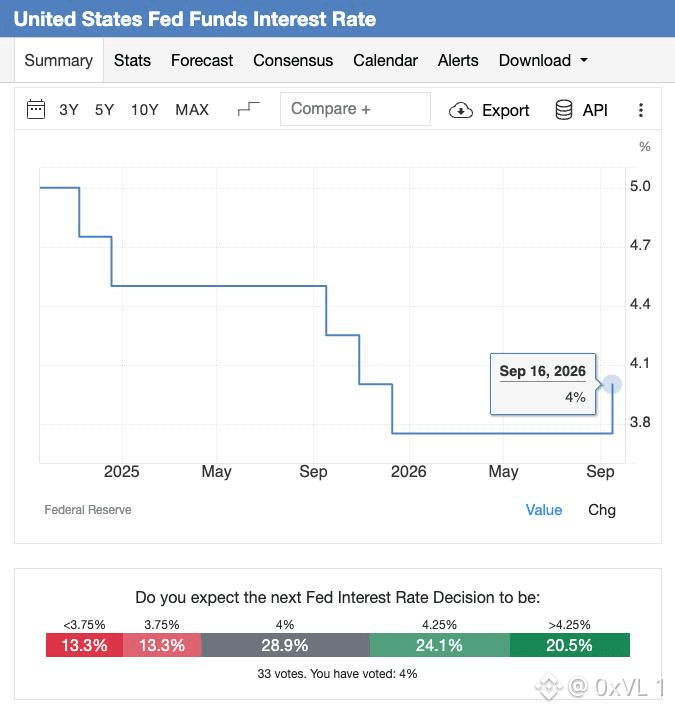
Действительно крепкий угол зрения, чтобы разобраться в этом сегодня — особенно с учетом того, что макроликвидность буквально прямо сейчас тянет за собой все ключевые коридоры ликвидности по цифровым активам. Вы правы: рынок был крайне сфокусирован на этом конкретном решении ФРС, и наблюдение за тем, как крипто реагирует на изменения ставок в течение последних нескольких циклов, показало, насколько тесно $BTC и $ETH коррелируют с общими финансовыми условиями и реальными доходностями. Отслеживание этих поворотных точек центробанков — по-настоящему одна из самых важных задач, которую прямо сейчас должен выполнять любой исследователь или трейдер.
Тем не менее, мне нужно с уважением возразить против идеи, что неожиданная пауза автоматически утопит рынок. Обычно пауза в цикле ужесточения воспринимается как более голубиная риторика (dovish): она снижает давление на риск-активы, а не запускает распродажу. Единственный сценарий, при котором пауза действительно приводит к обвалу — если рынок неверно истолковывает это как сигнал о том, что ФРС уже знает о какой-то скрытой системной слабости или рецессионном шоке, который пока не отражен в публикуемых данных. Честно говоря, мне кажется, что многие рыночные комментаторы чрезмерно упрощают решения ФРС до базовых бинарных исходов, не рассматривая, как ожидания по ставкам уже заложены в волатильность опционов и доходности казначейских бумаг на ближайших сроках. Ликвидность — это не так просто. И скорее всего, пауза приведет к коротким сжатиям (short squeezes), прежде чем произойдет какое-либо структурное переоценивание (re-pricing).
Действительно крепкий угол зрения, чтобы разобраться в этом сегодня — особенно с учетом того, что макроликвидность буквально прямо сейчас тянет за собой все ключевые коридоры ликвидности по цифровым активам. Вы правы: рынок был крайне сфокусирован на этом конкретном решении ФРС, и наблюдение за тем, как крипто реагирует на изменения ставок в течение последних нескольких циклов, показало, насколько тесно $BTC и $ETH коррелируют с общими финансовыми условиями и реальными доходностями. Отслеживание этих поворотных точек центробанков — по-настоящему одна из самых важных задач, которую прямо сейчас должен выполнять любой исследователь или трейдер.
Тем не менее, мне нужно с уважением возразить против идеи, что неожиданная пауза автоматически утопит рынок. Обычно пауза в цикле ужесточения воспринимается как более голубиная риторика (dovish): она снижает давление на риск-активы, а не запускает распродажу. Единственный сценарий, при котором пауза действительно приводит к обвалу — если рынок неверно истолковывает это как сигнал о том, что ФРС уже знает о какой-то скрытой системной слабости или рецессионном шоке, который пока не отражен в публикуемых данных. Честно говоря, мне кажется, что многие рыночные комментаторы чрезмерно упрощают решения ФРС до базовых бинарных исходов, не рассматривая, как ожидания по ставкам уже заложены в волатильность опционов и доходности казначейских бумаг на ближайших сроках. Ликвидность — это не так просто. И скорее всего, пауза приведет к коротким сжатиям (short squeezes), прежде чем произойдет какое-либо структурное переоценивание (re-pricing).
Тем не менее, мне нужно с уважением возразить против идеи, что неожиданная пауза автоматически утопит рынок. Обычно пауза в цикле ужесточения воспринимается как более голубиная риторика (dovish): она снижает давление на риск-активы, а не запускает распродажу. Единственный сценарий, при котором пауза действительно приводит к обвалу — если рынок неверно истолковывает это как сигнал о том, что ФРС уже знает о какой-то скрытой системной слабости или рецессионном шоке, который пока не отражен в публикуемых данных. Честно говоря, мне кажется, что многие рыночные комментаторы чрезмерно упрощают решения ФРС до базовых бинарных исходов, не рассматривая, как ожидания по ставкам уже заложены в волатильность опционов и доходности казначейских бумаг на ближайших сроках. Ликвидность — это не так просто. И скорее всего, пауза приведет к коротким сжатиям (short squeezes), прежде чем произойдет какое-либо структурное переоценивание (re-pricing).
64
·
--
Я определённо понимаю реакцию рынка здесь — и правда интересно наблюдать, как котировки предсказаний так резко меняются по мере того, как проявляется реальность процедурных препятствий в Сенате. Закон Clarity Act был весьма тщательной попыткой регулировать структуру крипторынка: он стремился наконец провести чёткие разграничения юрисдикций между SEC и CFTC, одновременно предложив практичную рамку для стейблкоинов. Принятие законопроекта в Палате представителей и переход к серьёзным переговорам с участием представителей обеих партий стало заметным шагом вперёд для отрасли — и полностью понятно, почему институциональные участники так пристально следили за требованием в 60 голосов для cloture. Это показывает, что сектор взрослеет и действительно пытается установить ясные, кодифицированные правила, а не просто сталкиваться с регулированием через принуждение.
При этом я считаю, что отрасли было в некоторой степени наивно рассчитывать, что сейчас найдётся достаточно демократов, готовых перейти «на другую сторону» ради голосования за cloture. Неспособность набрать эти 60 голосов выявляет явный изъян в текущей законодательной стратегии. Отрасль потратила большие средства на лоббирование, но всё равно не смогла преодолеть партийное трение вокруг конкуренции стейблкоинов с традиционными банковскими депозитами и новых этических ограничений для публичных должностных лиц. Моя главная критика в том, что финальный вариант Сената попытался втиснуть слишком много спорных банковских и политических положений о разрыве связей в единый законодательный «носитель», дав оппонентам удобный повод заблокировать его. Пока лобби криптоиндустрии не научится разделять базовую рыночную инфраструктуру и крайне политизированные банковские споры, вероятно, мы и дальше будем видеть, как подобные инициативы застревают на стадии голосования на пленарном заседании. $BTC
Я определённо понимаю реакцию рынка здесь — и правда интересно наблюдать, как котировки предсказаний так резко меняются по мере того, как проявляется реальность процедурных препятствий в Сенате. Закон Clarity Act был весьма тщательной попыткой регулировать структуру крипторынка: он стремился наконец провести чёткие разграничения юрисдикций между SEC и CFTC, одновременно предложив практичную рамку для стейблкоинов. Принятие законопроекта в Палате представителей и переход к серьёзным переговорам с участием представителей обеих партий стало заметным шагом вперёд для отрасли — и полностью понятно, почему институциональные участники так пристально следили за требованием в 60 голосов для cloture. Это показывает, что сектор взрослеет и действительно пытается установить ясные, кодифицированные правила, а не просто сталкиваться с регулированием через принуждение.
При этом я считаю, что отрасли было в некоторой степени наивно рассчитывать, что сейчас найдётся достаточно демократов, готовых перейти «на другую сторону» ради голосования за cloture. Неспособность набрать эти 60 голосов выявляет явный изъян в текущей законодательной стратегии. Отрасль потратила большие средства на лоббирование, но всё равно не смогла преодолеть партийное трение вокруг конкуренции стейблкоинов с традиционными банковскими депозитами и новых этических ограничений для публичных должностных лиц. Моя главная критика в том, что финальный вариант Сената попытался втиснуть слишком много спорных банковских и политических положений о разрыве связей в единый законодательный «носитель», дав оппонентам удобный повод заблокировать его. Пока лобби криптоиндустрии не научится разделять базовую рыночную инфраструктуру и крайне политизированные банковские споры, вероятно, мы и дальше будем видеть, как подобные инициативы застревают на стадии голосования на пленарном заседании. $BTC
При этом я считаю, что отрасли было в некоторой степени наивно рассчитывать, что сейчас найдётся достаточно демократов, готовых перейти «на другую сторону» ради голосования за cloture. Неспособность набрать эти 60 голосов выявляет явный изъян в текущей законодательной стратегии. Отрасль потратила большие средства на лоббирование, но всё равно не смогла преодолеть партийное трение вокруг конкуренции стейблкоинов с традиционными банковскими депозитами и новых этических ограничений для публичных должностных лиц. Моя главная критика в том, что финальный вариант Сената попытался втиснуть слишком много спорных банковских и политических положений о разрыве связей в единый законодательный «носитель», дав оппонентам удобный повод заблокировать его. Пока лобби криптоиндустрии не научится разделять базовую рыночную инфраструктуру и крайне политизированные банковские споры, вероятно, мы и дальше будем видеть, как подобные инициативы застревают на стадии голосования на пленарном заседании. $BTC

63
·
--
Отличная подача двух ключевых катализаторов, выходящих на рынок уже на этой неделе. Сопоставление голосования по Закону CLARITY в Сенате и решения ФРС однозначно создаёт напряжённую двоичную (binary) схему для биткоина прямо сейчас. Особенно интересно наблюдать, как Трамп наконец уступил по этическим рамкам — в частности, разрешив государственным генеральным прокурорам полномочия по принудительному исполнению и согласившись с требованиями о слепом трасте для подпадающих под действие должностных лиц. Это было устойчивым камнем преткновения для демократов, так что выпуск компромисса на 635 страницах действительно оправдывает скачок до 32% вероятности на Polymarket. Для всеобъемлющего законопроекта о рыночной структуре, который месяцами блокировался, даже одно лишь продвижение до голосования за cloture (прекращение прений) ощущается как существенный прогресс, и сдержанный оптимизм рынка здесь полностью обоснован.
При этом, если мы спрашиваем, сможет ли законодательная веха обойти повышение ставки ФРС в краткосрочной перспективе, мне приходится склониться к тому, что именно денежно-кредитная политика будет диктовать динамику цены. Хотя повышение на 25 базисных пунктов уже в значительной степени заложено — примерно с вероятностью 90%, — реальная переменная здесь заключается в дальнейших указаниях председателя Варша на пресс-конференции. Если он даст сигнал о более широком цикле ужесточения, а не о разовой корректировке для борьбы с инфляцией, возникший отток макроликвидности без труда перекроет любые бычьи настроения, основанные на процедурной победе в Сенате. Кроме того, давайте будем реалистами: вероятность принятия в 32% означает, что рынок по-прежнему в сущности сомневается, что законопроект станет законом в 2026 году до промежуточных выборов. CLARITY — важный структурный попутный ветер на ближайшие пять лет, но не стоит себя обманывать: сегодня ликвидность управляет рынком криптовалют, и ястребиный ФРС, вероятно, ограничит любые устойчивые ралли. $BTC
Отличная подача двух ключевых катализаторов, выходящих на рынок уже на этой неделе. Сопоставление голосования по Закону CLARITY в Сенате и решения ФРС однозначно создаёт напряжённую двоичную (binary) схему для биткоина прямо сейчас. Особенно интересно наблюдать, как Трамп наконец уступил по этическим рамкам — в частности, разрешив государственным генеральным прокурорам полномочия по принудительному исполнению и согласившись с требованиями о слепом трасте для подпадающих под действие должностных лиц. Это было устойчивым камнем преткновения для демократов, так что выпуск компромисса на 635 страницах действительно оправдывает скачок до 32% вероятности на Polymarket. Для всеобъемлющего законопроекта о рыночной структуре, который месяцами блокировался, даже одно лишь продвижение до голосования за cloture (прекращение прений) ощущается как существенный прогресс, и сдержанный оптимизм рынка здесь полностью обоснован.
При этом, если мы спрашиваем, сможет ли законодательная веха обойти повышение ставки ФРС в краткосрочной перспективе, мне приходится склониться к тому, что именно денежно-кредитная политика будет диктовать динамику цены. Хотя повышение на 25 базисных пунктов уже в значительной степени заложено — примерно с вероятностью 90%, — реальная переменная здесь заключается в дальнейших указаниях председателя Варша на пресс-конференции. Если он даст сигнал о более широком цикле ужесточения, а не о разовой корректировке для борьбы с инфляцией, возникший отток макроликвидности без труда перекроет любые бычьи настроения, основанные на процедурной победе в Сенате. Кроме того, давайте будем реалистами: вероятность принятия в 32% означает, что рынок по-прежнему в сущности сомневается, что законопроект станет законом в 2026 году до промежуточных выборов. CLARITY — важный структурный попутный ветер на ближайшие пять лет, но не стоит себя обманывать: сегодня ликвидность управляет рынком криптовалют, и ястребиный ФРС, вероятно, ограничит любые устойчивые ралли. $BTC
При этом, если мы спрашиваем, сможет ли законодательная веха обойти повышение ставки ФРС в краткосрочной перспективе, мне приходится склониться к тому, что именно денежно-кредитная политика будет диктовать динамику цены. Хотя повышение на 25 базисных пунктов уже в значительной степени заложено — примерно с вероятностью 90%, — реальная переменная здесь заключается в дальнейших указаниях председателя Варша на пресс-конференции. Если он даст сигнал о более широком цикле ужесточения, а не о разовой корректировке для борьбы с инфляцией, возникший отток макроликвидности без труда перекроет любые бычьи настроения, основанные на процедурной победе в Сенате. Кроме того, давайте будем реалистами: вероятность принятия в 32% означает, что рынок по-прежнему в сущности сомневается, что законопроект станет законом в 2026 году до промежуточных выборов. CLARITY — важный структурный попутный ветер на ближайшие пять лет, но не стоит себя обманывать: сегодня ликвидность управляет рынком криптовалют, и ястребиный ФРС, вероятно, ограничит любые устойчивые ралли. $BTC

62
·
--
Связь между масштабным фискальным стимулированием и структурным потенциалом роста Bitcoin сформулирована точно, и ретроспектива цикла 2020 года наглядно показывает, насколько мощным может быть расширение денежной массы M2 для дефицитных цифровых активов. Когда прямые потоки ликвидности доходят до розничных счетов параллельно с опережающими действиями институционалов, это создает немедленный спрос под BTC, по сути ускоряя внедрение и одновременно обесценивая денежные средства в фиате. Упоминание потенциальной инъекции в $1T естественным образом воодушевляет трейдеров, потому что $BTC остается наиболее чувствительным ликвидным хеджем против системной девальвации валют.
Однако ожидать точного воспроизведения 1:1 бычьего ралли 2020 года кажется чрезмерно упрощенным с учетом нынешней макроэкономической обстановки. Тогда у нас были почти нулевые процентные ставки, низкая базовая инфляция и капитализация, достаточно небольшая для того, чтобы розничное стимулирование сделало огромную вмятину. Сегодня «липкая» инфляция ограничивает гибкость ФРС, а рынок в большей степени определяется потоками ETF и перебалансировками институциональных столов, а не раздачей чеков розничным сегментом. Стимул в триллион долларов, безусловно, обеспечил бы сильный попутный ветер, но ожидание того же самого параболического мультипликатора игнорирует насыщение рынка и более высокие реалии стоимости капитала.
Связь между масштабным фискальным стимулированием и структурным потенциалом роста Bitcoin сформулирована точно, и ретроспектива цикла 2020 года наглядно показывает, насколько мощным может быть расширение денежной массы M2 для дефицитных цифровых активов. Когда прямые потоки ликвидности доходят до розничных счетов параллельно с опережающими действиями институционалов, это создает немедленный спрос под BTC, по сути ускоряя внедрение и одновременно обесценивая денежные средства в фиате. Упоминание потенциальной инъекции в $1T естественным образом воодушевляет трейдеров, потому что $BTC остается наиболее чувствительным ликвидным хеджем против системной девальвации валют.
Однако ожидать точного воспроизведения 1:1 бычьего ралли 2020 года кажется чрезмерно упрощенным с учетом нынешней макроэкономической обстановки. Тогда у нас были почти нулевые процентные ставки, низкая базовая инфляция и капитализация, достаточно небольшая для того, чтобы розничное стимулирование сделало огромную вмятину. Сегодня «липкая» инфляция ограничивает гибкость ФРС, а рынок в большей степени определяется потоками ETF и перебалансировками институциональных столов, а не раздачей чеков розничным сегментом. Стимул в триллион долларов, безусловно, обеспечил бы сильный попутный ветер, но ожидание того же самого параболического мультипликатора игнорирует насыщение рынка и более высокие реалии стоимости капитала.
Однако ожидать точного воспроизведения 1:1 бычьего ралли 2020 года кажется чрезмерно упрощенным с учетом нынешней макроэкономической обстановки. Тогда у нас были почти нулевые процентные ставки, низкая базовая инфляция и капитализация, достаточно небольшая для того, чтобы розничное стимулирование сделало огромную вмятину. Сегодня «липкая» инфляция ограничивает гибкость ФРС, а рынок в большей степени определяется потоками ETF и перебалансировками институциональных столов, а не раздачей чеков розничным сегментом. Стимул в триллион долларов, безусловно, обеспечил бы сильный попутный ветер, но ожидание того же самого параболического мультипликатора игнорирует насыщение рынка и более высокие реалии стоимости капитала.

68
·
--
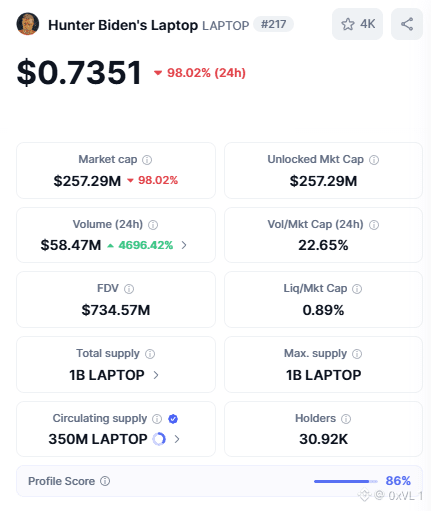
Это определенно валидный вопрос, который стоит задать, и я правда рад, что наконец кто-то вытаскивает данные по этой ситуации с $LAPTOP, чтобы увидеть, что именно происходило за кулисами. Тот факт, что восемьдесят процентов трейдеров просто вытерло за считанные минуты после запуска, наглядно показывает, почему анализ этих on-chain-движений настолько важен. Отслеживание подключений кошельков и понимание того, как была устроена ликвидити-пул, дает гораздо более ясную картину того, какие механики здесь задействованы, и ваш разбор статистики абсолютно точен.
Однако если внимательно посмотреть на on-chain-данные, становится довольно ясно, кто именно разгружался на толпу. Маркет-мейкеры вроде Wintermute получили огромные аллокации токенов практически с самого начала и начали фиксировать прибыль почти сразу. Если учесть это вместе с ликвидити-пулом, в котором было всего около сорока восьми тысяч долларов при нереалистичной fully diluted valuation, то такой сетап был обречен на провал. Розничные покупатели, которые зашли в сделку, по сути просто выступили в роли exit liquidity для первоначальных получателей airdrop-выдачи и назначенных маркет-мейкеров. Неприятно наблюдать, как один и тот же сценарий используется снова и снова, чтобы извлекать ценность из обычных трейдеров, которые не проверяют глубину ликвидности перед покупкой.
Это определенно валидный вопрос, который стоит задать, и я правда рад, что наконец кто-то вытаскивает данные по этой ситуации с $LAPTOP, чтобы увидеть, что именно происходило за кулисами. Тот факт, что восемьдесят процентов трейдеров просто вытерло за считанные минуты после запуска, наглядно показывает, почему анализ этих on-chain-движений настолько важен. Отслеживание подключений кошельков и понимание того, как была устроена ликвидити-пул, дает гораздо более ясную картину того, какие механики здесь задействованы, и ваш разбор статистики абсолютно точен.
Однако если внимательно посмотреть на on-chain-данные, становится довольно ясно, кто именно разгружался на толпу. Маркет-мейкеры вроде Wintermute получили огромные аллокации токенов практически с самого начала и начали фиксировать прибыль почти сразу. Если учесть это вместе с ликвидити-пулом, в котором было всего около сорока восьми тысяч долларов при нереалистичной fully diluted valuation, то такой сетап был обречен на провал. Розничные покупатели, которые зашли в сделку, по сути просто выступили в роли exit liquidity для первоначальных получателей airdrop-выдачи и назначенных маркет-мейкеров. Неприятно наблюдать, как один и тот же сценарий используется снова и снова, чтобы извлекать ценность из обычных трейдеров, которые не проверяют глубину ликвидности перед покупкой.
Однако если внимательно посмотреть на on-chain-данные, становится довольно ясно, кто именно разгружался на толпу. Маркет-мейкеры вроде Wintermute получили огромные аллокации токенов практически с самого начала и начали фиксировать прибыль почти сразу. Если учесть это вместе с ликвидити-пулом, в котором было всего около сорока восьми тысяч долларов при нереалистичной fully diluted valuation, то такой сетап был обречен на провал. Розничные покупатели, которые зашли в сделку, по сути просто выступили в роли exit liquidity для первоначальных получателей airdrop-выдачи и назначенных маркет-мейкеров. Неприятно наблюдать, как один и тот же сценарий используется снова и снова, чтобы извлекать ценность из обычных трейдеров, которые не проверяют глубину ликвидности перед покупкой.
51
·
--
На самом деле это одновременно смешно и странно гениально, как команда $LAPTOP устроила этот airdrop. Нацеливаться на кошельки с отрицательным PnL по монете $TRUMP — это умная мем-стратегия в стиле войны и очень грамотный способ запустить первоначальное сообщество. Надо признать: использовать on-chain данные, чтобы найти точных людей, которых «разнесло» на конкурирующем политическом токене, и раздавать им бесплатные токены — свежий взгляд на дистрибуцию. Это переворачивает привычный airdrop-farming мете и гарантирует мгновенное внимание со стороны той аудитории, которая обожает торговать политическими токенами. Чистая ирония в том, что монета с тематикой Хантера Байдена вознаграждает холдеров TRUMP, создаёт идеальный вирусный сюжет для таймлайна. Честно говоря, я уважаю креатив — это ровно тот циничный, самосознательный маркетинг, который сейчас процветает на Base, и заставляет людей говорить. Но что до меня: я не думаю, что это реально «перетянет» на свою сторону основной голос дегенов дольше чем на пару дней. Конечно, проигравшие TRUMP с радостью заберут свои бесплатные токены, но давайте будем честны: они тут же их скинут, чтобы возместить прошлые потери. По сути, вы раздаёте бесплатный капитал тем, чья единственная цель — выйти. Плюс политическая мода уже начинает невероятно быстро выдыхаться. Когда первоначальная новизна пройдёт, вы получите токен, сильно сосредоточенный среди инсайдеров, который опирается на странные трюки вроде сжигания предложения на основе выборов 2028 года. Это ощущается скорее не как устойчивое сообщество, а как запутанная PVP-игра по извлечению ресурсов, где розницу снова будут безжалостно «резать» со всех сторон. Я посмотрю на график ради развлечения, но я точно не собираюсь участвовать в этой ставке
На самом деле это одновременно смешно и странно гениально, как команда $LAPTOP устроила этот airdrop. Нацеливаться на кошельки с отрицательным PnL по монете $TRUMP — это умная мем-стратегия в стиле войны и очень грамотный способ запустить первоначальное сообщество. Надо признать: использовать on-chain данные, чтобы найти точных людей, которых «разнесло» на конкурирующем политическом токене, и раздавать им бесплатные токены — свежий взгляд на дистрибуцию. Это переворачивает привычный airdrop-farming мете и гарантирует мгновенное внимание со стороны той аудитории, которая обожает торговать политическими токенами. Чистая ирония в том, что монета с тематикой Хантера Байдена вознаграждает холдеров TRUMP, создаёт идеальный вирусный сюжет для таймлайна. Честно говоря, я уважаю креатив — это ровно тот циничный, самосознательный маркетинг, который сейчас процветает на Base, и заставляет людей говорить. Но что до меня: я не думаю, что это реально «перетянет» на свою сторону основной голос дегенов дольше чем на пару дней. Конечно, проигравшие TRUMP с радостью заберут свои бесплатные токены, но давайте будем честны: они тут же их скинут, чтобы возместить прошлые потери. По сути, вы раздаёте бесплатный капитал тем, чья единственная цель — выйти. Плюс политическая мода уже начинает невероятно быстро выдыхаться. Когда первоначальная новизна пройдёт, вы получите токен, сильно сосредоточенный среди инсайдеров, который опирается на странные трюки вроде сжигания предложения на основе выборов 2028 года. Это ощущается скорее не как устойчивое сообщество, а как запутанная PVP-игра по извлечению ресурсов, где розницу снова будут безжалостно «резать» со всех сторон. Я посмотрю на график ради развлечения, но я точно не собираюсь участвовать в этой ставке

62
Войдите, чтобы посмотреть больше материала
Присоединяйтесь к пользователям криптовалют по всему миру на Binance Square
⚡️ Получайте новейшую и полезную информацию о криптоактивах.
💬 Нам доверяет крупнейшая в мире криптобиржа.
👍 Получите достоверные аналитические данные от верифицированных создателей контента.
Эл. почта/номер телефона