

cryptoJet 1
353 Публикации

cryptoJet 1
Отправить жалобу
Заблокировать пользователя
Simply here to share a crypto story, tale, news, or alpha.
0 подписок(и/а)
7 подписчиков(а)
48 понравилось
Посты
·
--
См. перевод
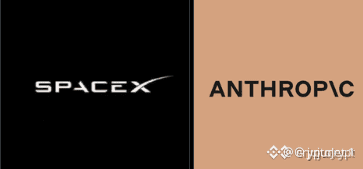
The AI compute race is getting wild. Anthropic has disclosed an agreement that could involve up to $84.5B in Nvidia-based computing capacity through 2029. That’s almost double the roughly $45B figure SpaceX disclosed earlier this year. The bigger story here isn’t just the size of the deal. AI companies are locking in huge amounts of computing power because demand for AI keeps growing, and Nvidia’s chips are still at the center of much of that infrastructure. For $NVDA , this is another reminder of how much money is being committed to AI infrastructure. The numbers are getting harder to ignore. $XRP $SOL
The AI compute race is getting wild. Anthropic has disclosed an agreement that could involve up to $84.5B in Nvidia-based computing capacity through 2029. That’s almost double the roughly $45B figure SpaceX disclosed earlier this year. The bigger story here isn’t just the size of the deal. AI companies are locking in huge amounts of computing power because demand for AI keeps growing, and Nvidia’s chips are still at the center of much of that infrastructure. For $NVDA , this is another reminder of how much money is being committed to AI infrastructure. The numbers are getting harder to ignore. $XRP $SOL
67
·
--
См. перевод
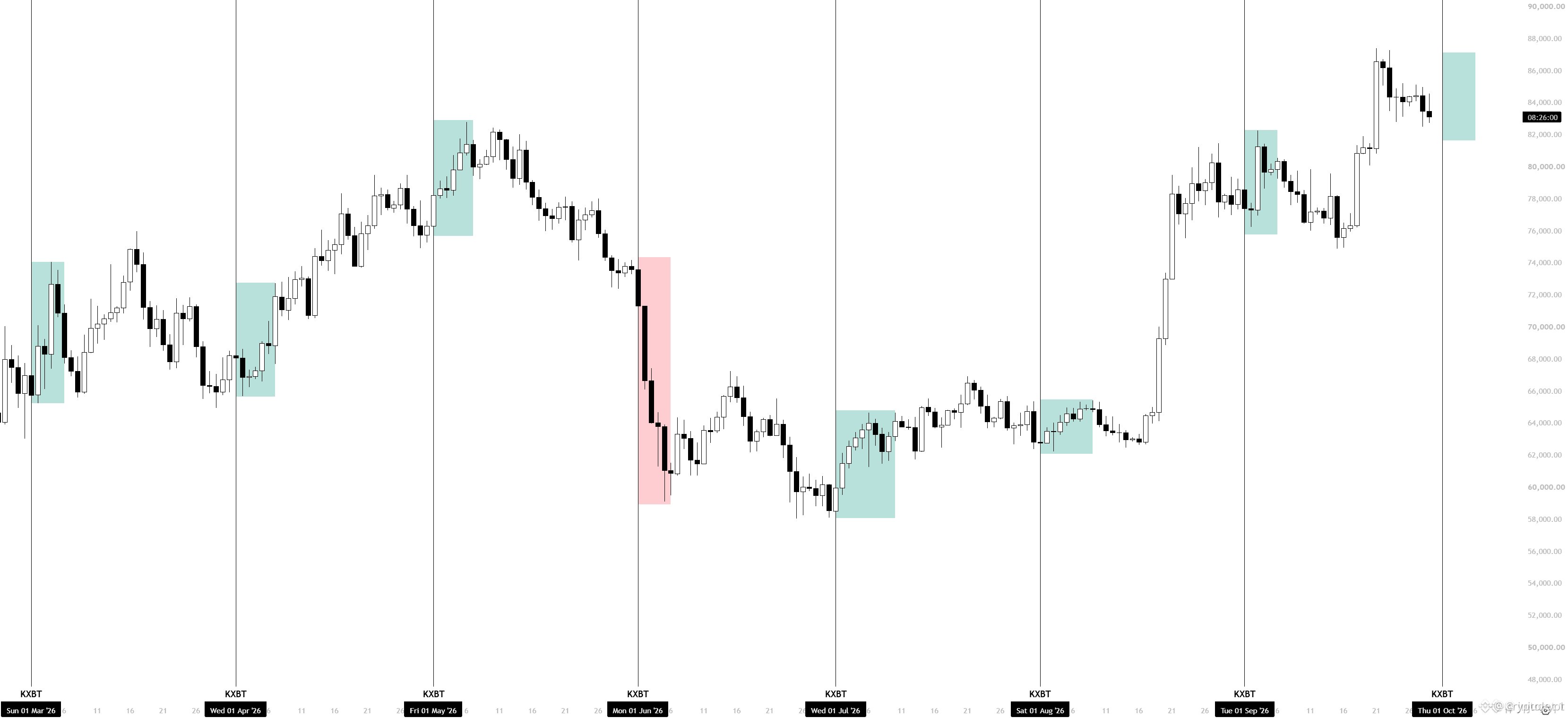
There’s a good chance the next $BTC move up could be a big one. $XRP
There’s a good chance the next $BTC move up could be a big one. $XRP
69
·
--
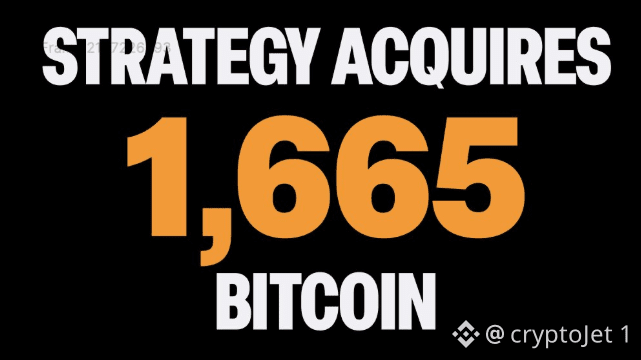
Большие имена по-прежнему продолжают покупать $BTC . 👀 Майкл Сэйлор только что объявил, что Strategy добавила еще 1 665 BTC, доведя общее количество своих активов до 847 666 BTC. Компания также выкупила примерно на $152 млн акций STRC, при этом у нее было около $6,02 млрд в активах в долларах США. Strategy явно не замедляет свою биткоин-стратегию. Поскольку учреждения и крупные игроки продолжают наращивать позиции в BTC, я внимательно слежу за тем, как рынок отреагирует дальше. $ZEC
Большие имена по-прежнему продолжают покупать $BTC . 👀 Майкл Сэйлор только что объявил, что Strategy добавила еще 1 665 BTC, доведя общее количество своих активов до 847 666 BTC. Компания также выкупила примерно на $152 млн акций STRC, при этом у нее было около $6,02 млрд в активах в долларах США. Strategy явно не замедляет свою биткоин-стратегию. Поскольку учреждения и крупные игроки продолжают наращивать позиции в BTC, я внимательно слежу за тем, как рынок отреагирует дальше. $ZEC
96
·
--
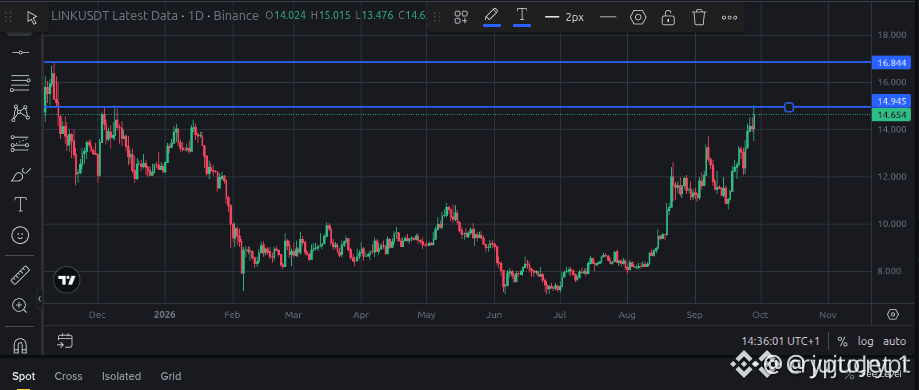
$LINK только что появилось еще одно интересное обновление. Chainlink запустила CCIP 2.0, добавив больше возможностей для верификации, безопасности и комплаенса для учреждений, которые перемещают токенизированные активы между разными блокчейнами. Что привлекло мое внимание — это общая картина. Кроссчейн-технологии постепенно переходят от **«как мне перемещать свои токены?»** к **«как сделать так, чтобы разные блокчейны работали вместе?»** И здесь, как мне кажется, STON.fi тоже интересно. С Omniston вы можете делать свапы между TON, Ethereum, Base, $BNB Chain, Polygon, Avalanche и другими сетями через один сценарий, не нужно вручную разбираться с каждым мостом или источником ликвидности. Технология движется в интересном направлении: **Больше цепочек → больше фрагментации → лучше кроссчейн-инфраструктура → проще доступ к ликвидности.** Chainlink подходит к этой задаче со стороны институциональных решений, а STON.fi решает ее со стороны DeFi/пользователей. Разные подходы, но одна и та же большая идея: **сделать так, чтобы сети блокчейнов ощущались менее как отдельные острова.** Это, пожалуй, та часть кроссчейн-технологий, за которой мне больше всего интересно наблюдать.
$LINK только что появилось еще одно интересное обновление. Chainlink запустила CCIP 2.0, добавив больше возможностей для верификации, безопасности и комплаенса для учреждений, которые перемещают токенизированные активы между разными блокчейнами. Что привлекло мое внимание — это общая картина. Кроссчейн-технологии постепенно переходят от **«как мне перемещать свои токены?»** к **«как сделать так, чтобы разные блокчейны работали вместе?»** И здесь, как мне кажется, STON.fi тоже интересно. С Omniston вы можете делать свапы между TON, Ethereum, Base, $BNB Chain, Polygon, Avalanche и другими сетями через один сценарий, не нужно вручную разбираться с каждым мостом или источником ликвидности. Технология движется в интересном направлении: **Больше цепочек → больше фрагментации → лучше кроссчейн-инфраструктура → проще доступ к ликвидности.** Chainlink подходит к этой задаче со стороны институциональных решений, а STON.fi решает ее со стороны DeFi/пользователей. Разные подходы, но одна и та же большая идея: **сделать так, чтобы сети блокчейнов ощущались менее как отдельные острова.** Это, пожалуй, та часть кроссчейн-технологий, за которой мне больше всего интересно наблюдать.
35
·
--
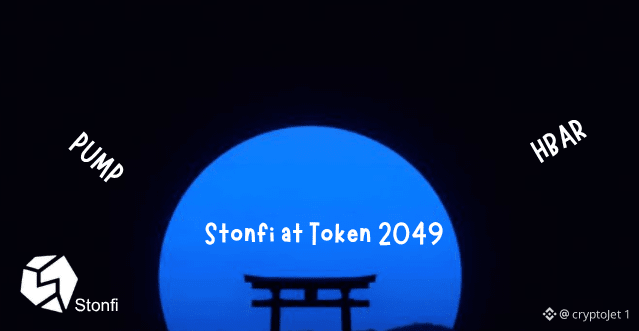
Некоторые альты, которые у меня сейчас на радаре: $PUMP вероятно, на первом месте, за ним следует $HBAR . Рынок по-прежнему ощущается как будто он ждёт того более масштабного разворота, когда альты начнут по-настоящему двигаться по всей доске. Конечно, никто точно не знает, когда это произойдёт, но я держу свой список наблюдения наготове, а не гонюсь за каждым зелёным свечным сигналом. Тем временем со стороны @ston_fi тоже грядёт немало. Команда едет в Корею на Korea Blockchain Week в Сеуле 30 сентября – 1 октября, затем TOKEN2049 Singapore 7–8 октября. Андрей Фёдоров, CMO & CBDO STON.fi, также выступит на HSC Conference Seoul 1 октября с темой «Beyond Chain Boundaries: The Next Layer of DeFi». На месте будет и Итан Клиим, Head of DevRel, чтобы пообщаться, наладить контакты и обсудить кроссчейн DeFi. Мне нравится видеть эту сторону: пока я смотрю графики в ожидании следующего движения по альтам, STON.fi всё ещё продолжает строить и рассказывать о том, куда движется кроссчейн DeFi. Разные вещи на радаре, но я слежу за обеими. #Altcoin Season#
Некоторые альты, которые у меня сейчас на радаре: $PUMP вероятно, на первом месте, за ним следует $HBAR . Рынок по-прежнему ощущается как будто он ждёт того более масштабного разворота, когда альты начнут по-настоящему двигаться по всей доске. Конечно, никто точно не знает, когда это произойдёт, но я держу свой список наблюдения наготове, а не гонюсь за каждым зелёным свечным сигналом. Тем временем со стороны @ston_fi тоже грядёт немало. Команда едет в Корею на Korea Blockchain Week в Сеуле 30 сентября – 1 октября, затем TOKEN2049 Singapore 7–8 октября. Андрей Фёдоров, CMO & CBDO STON.fi, также выступит на HSC Conference Seoul 1 октября с темой «Beyond Chain Boundaries: The Next Layer of DeFi». На месте будет и Итан Клиим, Head of DevRel, чтобы пообщаться, наладить контакты и обсудить кроссчейн DeFi. Мне нравится видеть эту сторону: пока я смотрю графики в ожидании следующего движения по альтам, STON.fi всё ещё продолжает строить и рассказывать о том, куда движется кроссчейн DeFi. Разные вещи на радаре, но я слежу за обеими. #Altcoin Season#
43
·
--
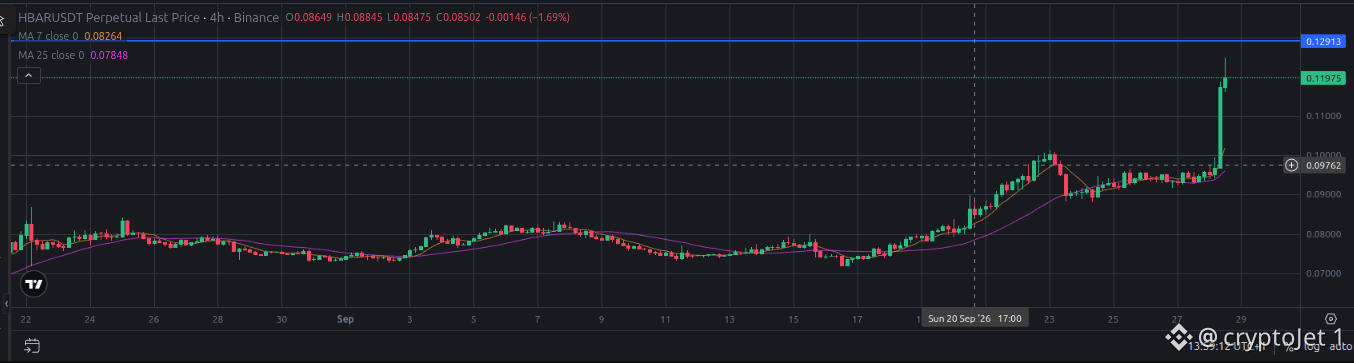
$HBAR снова на графике и начинает получать хороший ход вокруг $0.122. $ONDO тоже движется довольно неплохо, так что прямо сейчас на рынке определённо происходит что-то интересное. Затем я заметил, что $GEMSTON вчера получил довольно хороший импульс. Честно, там буквально убрали 2 нуля. Этот случай привлёк моё внимание, потому что я уже некоторое время слежу за тем, что происходит вокруг STON.fi, и GEMSTON стал одним из тех небольших токенов экосистемы, которые я постоянно проверяю. Я не говорю, что каждый памп — это сигнал бросаться в погоню. Крипта может быстро двигаться в обе стороны, поэтому я всё ещё слежу за объёмом и тем, как цена держится после движения. Но то, что GEMSTON начал получать такое внимание, пока @ston_fi продолжает развиваться — это действительно интересно. Протокол расширяется за пределы простых свапов: больше внимания уделяется ликвидности, межсетевому перемещению и более широкей DeFi-экосистеме TON. Так что да, $HBAR и $ONDO находятся у меня на радаре... Но после этого движения с GEMSTON я точно уделяю чуть больше внимания тому, что происходит на стороне STONfi. Пока наблюдаю. Всё ещё изучаю.
$HBAR снова на графике и начинает получать хороший ход вокруг $0.122. $ONDO тоже движется довольно неплохо, так что прямо сейчас на рынке определённо происходит что-то интересное. Затем я заметил, что $GEMSTON вчера получил довольно хороший импульс. Честно, там буквально убрали 2 нуля. Этот случай привлёк моё внимание, потому что я уже некоторое время слежу за тем, что происходит вокруг STON.fi, и GEMSTON стал одним из тех небольших токенов экосистемы, которые я постоянно проверяю. Я не говорю, что каждый памп — это сигнал бросаться в погоню. Крипта может быстро двигаться в обе стороны, поэтому я всё ещё слежу за объёмом и тем, как цена держится после движения. Но то, что GEMSTON начал получать такое внимание, пока @ston_fi продолжает развиваться — это действительно интересно. Протокол расширяется за пределы простых свапов: больше внимания уделяется ликвидности, межсетевому перемещению и более широкей DeFi-экосистеме TON. Так что да, $HBAR и $ONDO находятся у меня на радаре... Но после этого движения с GEMSTON я точно уделяю чуть больше внимания тому, что происходит на стороне STONfi. Пока наблюдаю. Всё ещё изучаю.
49
·
--
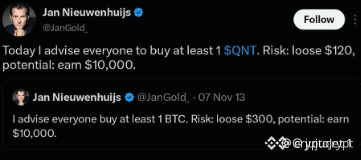
$QNT действительно привлекает мое внимание прямо сейчас. Я только что увидел KOL, который очень рано упоминал $BTC , и он тоже говорил о QNT, так что я точно держу это в поле зрения. После недавнего движения откат, который мы сейчас наблюдаем, может быть просто фиксацией прибыли. Но я хочу посмотреть, как цена поведет себя отсюда, прежде чем сильно воодушевляться. С другой стороны, я по-прежнему держу руки при себе у @ston_fi . Одно из того, что я начал ценить в Omniston, — насколько простым становится весь процесс, когда убрать технические детали. Нужно переместить актив с одной сети в другую. Выбираешь → получаешь котировку → подтверждаешь → получаешь. А за кулисами Omniston находит ликвидность через резолверы и координирует своп сразу по обеим сетям. Активы защищены с обеих сторон, так что своп либо завершится, либо его можно будет вернуть через настройку HTLC. Не нужно вручную разбираться с мостом или иметь дело с обернутыми активами посередине. Разные вещи сейчас в моем поле зрения, но я внимательно слежу и за тем, и за другим.
$QNT действительно привлекает мое внимание прямо сейчас. Я только что увидел KOL, который очень рано упоминал $BTC , и он тоже говорил о QNT, так что я точно держу это в поле зрения. После недавнего движения откат, который мы сейчас наблюдаем, может быть просто фиксацией прибыли. Но я хочу посмотреть, как цена поведет себя отсюда, прежде чем сильно воодушевляться. С другой стороны, я по-прежнему держу руки при себе у @ston_fi . Одно из того, что я начал ценить в Omniston, — насколько простым становится весь процесс, когда убрать технические детали. Нужно переместить актив с одной сети в другую. Выбираешь → получаешь котировку → подтверждаешь → получаешь. А за кулисами Omniston находит ликвидность через резолверы и координирует своп сразу по обеим сетям. Активы защищены с обеих сторон, так что своп либо завершится, либо его можно будет вернуть через настройку HTLC. Не нужно вручную разбираться с мостом или иметь дело с обернутыми активами посередине. Разные вещи сейчас в моем поле зрения, но я внимательно слежу и за тем, и за другим.
84
·
--
См. перевод
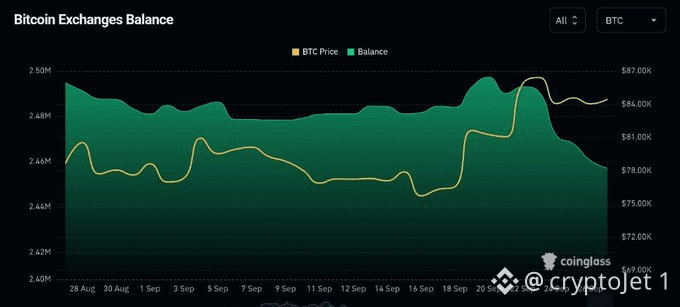
More liquidity coming out of exchanges, I guess. Around 30,000 $BTC flowed out of centralized exchanges over the past 7 days, according to CoinGlass. That’s roughly $2.52B worth of BTC leaving exchanges in just one week. I’m watching to see where this liquidity goes next and what it means for the market. $SOL
More liquidity coming out of exchanges, I guess. Around 30,000 $BTC flowed out of centralized exchanges over the past 7 days, according to CoinGlass. That’s roughly $2.52B worth of BTC leaving exchanges in just one week. I’m watching to see where this liquidity goes next and what it means for the market. $SOL
·
--
$BGB чувствуется похоже на $ZEC некоторое время назад, еще до того как случился масштабный рост; лучше обратить внимание на их графики
$BGB чувствуется похоже на $ZEC некоторое время назад, еще до того как случился масштабный рост; лучше обратить внимание на их графики
4
·
--
См. перевод
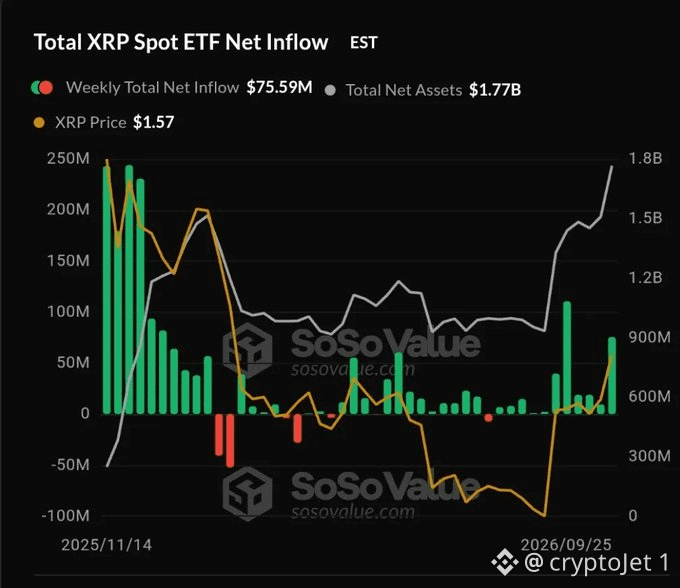
Spot $XRP ETFs just had their strongest week since late August. They pulled in around $76M in net inflows, pushing total AUM to roughly $1.77B, while the products now hold about 1.8% of the total $XRP supply. That’s a pretty noticeable amount of capital flowing into XRP exposure through traditional market products. Meanwhile, on the DeFi side, **Arc Network is now live on @ston_fi cross-chain swaps. This means $USDC on Arc can now be moved to and from TON and other supported networks through the cross-chain flow. What I find interesting is what this means for users. You don't have to manually figure out how to move assets between Arc and TON, find a separate bridge, or jump between multiple platforms. You select the source network, choose where you want to go, review the quote and confirm. Arc → TON → other supported chains, all through one cross-chain flow. As more networks launch, making them easy to connect becomes just as important as launching the network itself. #Altcoin Season#
Spot $XRP ETFs just had their strongest week since late August. They pulled in around $76M in net inflows, pushing total AUM to roughly $1.77B, while the products now hold about 1.8% of the total $XRP supply. That’s a pretty noticeable amount of capital flowing into XRP exposure through traditional market products. Meanwhile, on the DeFi side, **Arc Network is now live on @ston_fi cross-chain swaps. This means $USDC on Arc can now be moved to and from TON and other supported networks through the cross-chain flow. What I find interesting is what this means for users. You don't have to manually figure out how to move assets between Arc and TON, find a separate bridge, or jump between multiple platforms. You select the source network, choose where you want to go, review the quote and confirm. Arc → TON → other supported chains, all through one cross-chain flow. As more networks launch, making them easy to connect becomes just as important as launching the network itself. #Altcoin Season#
18
·
--
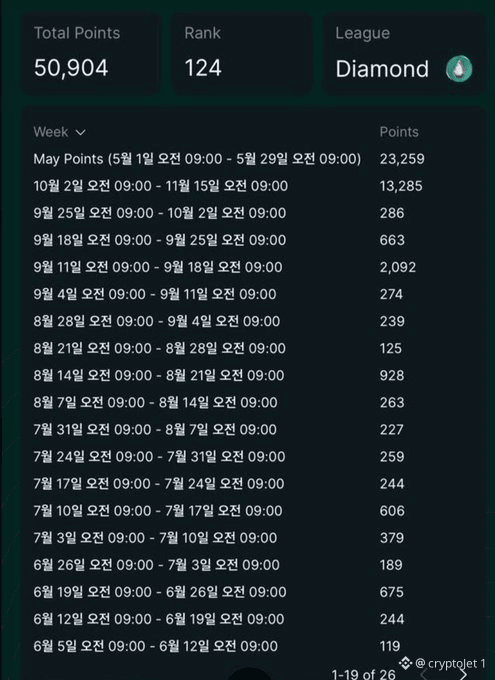
Думал, что у меня плохой день… а потом вспомнил, что кто‑то совсем забыл зарегистрироваться на airdrop HyperliquidX. 😭 Общий убыток: 260K+ $HYPE , что сегодня стоит примерно **$24M**. Да… внезапно мой день уже не кажется таким плохим. #Altcoin Season# $ZEC
Думал, что у меня плохой день… а потом вспомнил, что кто‑то совсем забыл зарегистрироваться на airdrop HyperliquidX. 😭 Общий убыток: 260K+ $HYPE , что сегодня стоит примерно **$24M**. Да… внезапно мой день уже не кажется таким плохим. #Altcoin Season# $ZEC
1
·
--
См. перевод
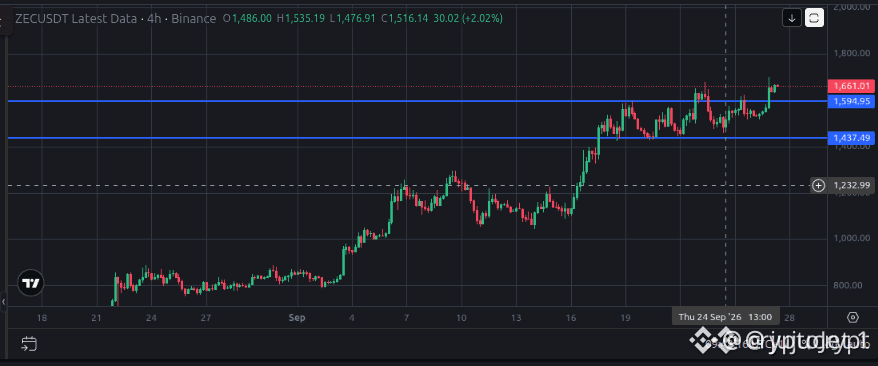
$ZEC is still catching my attention. At this point, I’m watching the chart closely to see if it can make a run toward $2K. $PAID is getting quite the attention too definitely one of those **“all eyes on me”** moments. Meanwhile, Omniston just crossed **$7.5M in total cross-chain volume**, more than 2x the $3M it reached earlier this month. Last week alone, it did $1.8M, up 26% from the previous week. The busiest route was BNB Chain → TON, accounting for 78% of the volume. A lot happening across different parts of crypto right now. I’m mostly watching which of these trends actually keep building. #Altcoin Season#
$ZEC is still catching my attention. At this point, I’m watching the chart closely to see if it can make a run toward $2K. $PAID is getting quite the attention too definitely one of those **“all eyes on me”** moments. Meanwhile, Omniston just crossed **$7.5M in total cross-chain volume**, more than 2x the $3M it reached earlier this month. Last week alone, it did $1.8M, up 26% from the previous week. The busiest route was BNB Chain → TON, accounting for 78% of the volume. A lot happening across different parts of crypto right now. I’m mostly watching which of these trends actually keep building. #Altcoin Season#
25
·
--
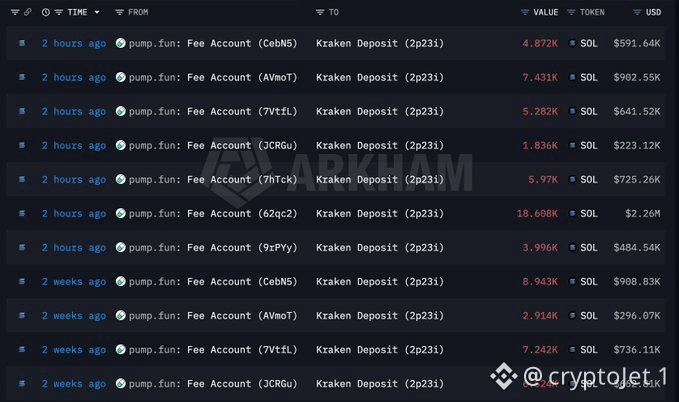
вот свежее обновление о том, что происходит с $SOL Pumpfun только что продал еще 47,994 SOL, что стоит около $5.83M. Это доводит его общие продажи примерно до 5.24M SOL, что стоит около $848M, при средней цене около $162. Это много SOL, продаваемого на рынок. Я наблюдаю за тем, как SOL реагирует на эти продажи, и сможет ли рынок поглотить давление от продаж. $PUMP #Altcoin Season#
вот свежее обновление о том, что происходит с $SOL Pumpfun только что продал еще 47,994 SOL, что стоит около $5.83M. Это доводит его общие продажи примерно до 5.24M SOL, что стоит около $848M, при средней цене около $162. Это много SOL, продаваемого на рынок. Я наблюдаю за тем, как SOL реагирует на эти продажи, и сможет ли рынок поглотить давление от продаж. $PUMP #Altcoin Season#
27
·
--
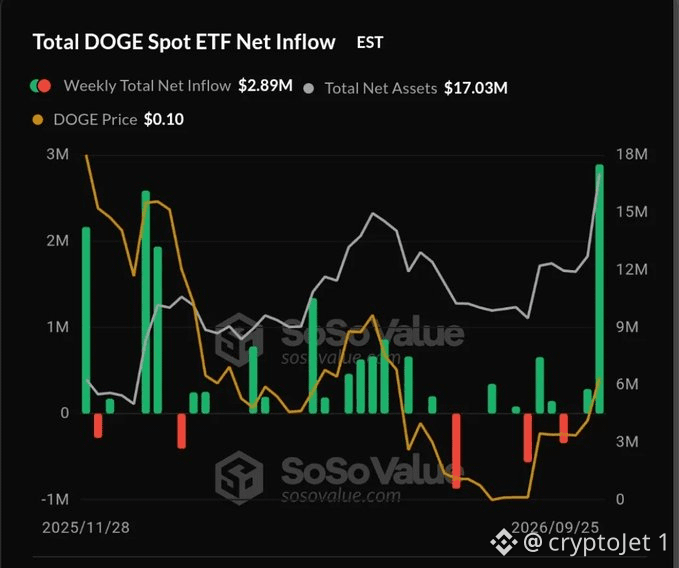
$DOGE ETF только что показали свою самую сильную неделю за всю историю: приток составил около $2,89 млн чистыми вложениями, превысив предыдущий недельный рекорд $2,59 млн за январь. Видеть больше #ETF активности вокруг альткоинов — честно говоря, заставляет меня уделять больше внимания более широкому рынку. Может ли это привлечь больше внимания к $DOGE и другим альтам? Возможно. Я слежу за потоками, прежде чем делать выводы. Но это также делает меня более заинтересованным экосистемами, которые строятся вокруг этих активов. В последнее время я более пристально слежу за экосистемой GRAM и TON, особенно с тем, что DEX’ы вроде @ston_fi продолжают расширять свою кроссчейн и DeFi-инфраструктуру. И STON тоже хорошо держится на протяжении всего этого. Для меня интересная часть — не только в нарративе про ETF. Важно наблюдать, как со временем больше денег и внимания вокруг альткоинов перетекает в экосистемы, приложения и инфраструктуру, которые их поддерживают. Активы получают заголовки. Инфраструктура строится на фоне. $GRAM
$DOGE ETF только что показали свою самую сильную неделю за всю историю: приток составил около $2,89 млн чистыми вложениями, превысив предыдущий недельный рекорд $2,59 млн за январь. Видеть больше #ETF активности вокруг альткоинов — честно говоря, заставляет меня уделять больше внимания более широкому рынку. Может ли это привлечь больше внимания к $DOGE и другим альтам? Возможно. Я слежу за потоками, прежде чем делать выводы. Но это также делает меня более заинтересованным экосистемами, которые строятся вокруг этих активов. В последнее время я более пристально слежу за экосистемой GRAM и TON, особенно с тем, что DEX’ы вроде @ston_fi продолжают расширять свою кроссчейн и DeFi-инфраструктуру. И STON тоже хорошо держится на протяжении всего этого. Для меня интересная часть — не только в нарративе про ETF. Важно наблюдать, как со временем больше денег и внимания вокруг альткоинов перетекает в экосистемы, приложения и инфраструктуру, которые их поддерживают. Активы получают заголовки. Инфраструктура строится на фоне. $GRAM
37
·
--
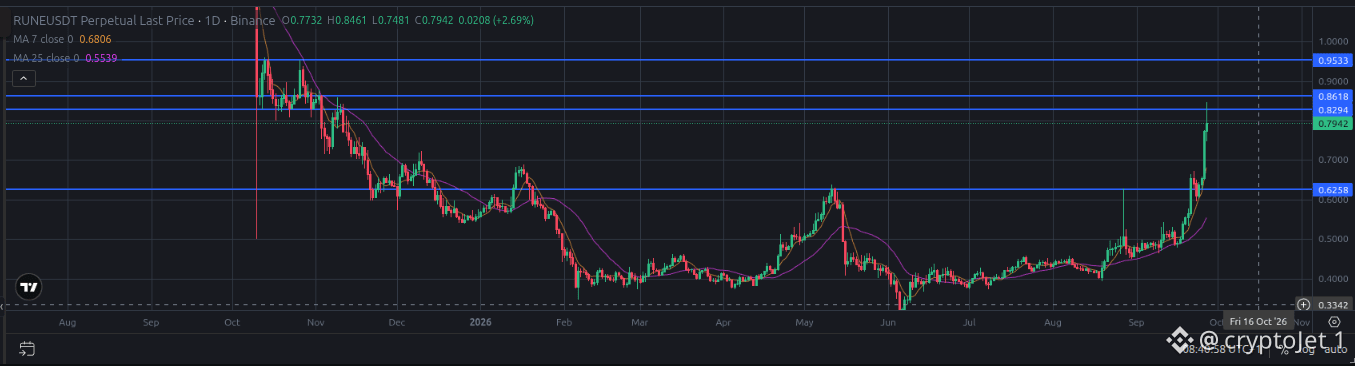
$RUNE смотрит на хорошую зону на данный момент, я ожидаю нисходящее движение отсюда, но пробой этого уровня может также означать еще один рост... $HYPE
$RUNE смотрит на хорошую зону на данный момент, я ожидаю нисходящее движение отсюда, но пробой этого уровня может также означать еще один рост... $HYPE
54
·
--
$PI Сеть готовится к очередному обновлению Mainnet. Протокол v28 запланирован к запуску 16 октября 2026 года. Мне всегда было интересно смотреть на такие обновления, потому что они показывают, как сети продолжают совершенствоваться за кулисами, пока большая часть рынка сосредоточена на цене. И меня это заставило задуматься и про @ston_fi Тоже. Многие из того, над чем Platformi работает в последнее время, связаны с улучшением инфраструктуры для перемещения активов — особенно с кроссчейн-обменами и Omniston. Это другая часть экосистемы, но идея похожа: сети продолжают обновляться, и инфраструктура вокруг них должна успевать. $ZEC #Сезон Альткоинов#
$PI Сеть готовится к очередному обновлению Mainnet. Протокол v28 запланирован к запуску 16 октября 2026 года. Мне всегда было интересно смотреть на такие обновления, потому что они показывают, как сети продолжают совершенствоваться за кулисами, пока большая часть рынка сосредоточена на цене. И меня это заставило задуматься и про @ston_fi Тоже. Многие из того, над чем Platformi работает в последнее время, связаны с улучшением инфраструктуры для перемещения активов — особенно с кроссчейн-обменами и Omniston. Это другая часть экосистемы, но идея похожа: сети продолжают обновляться, и инфраструктура вокруг них должна успевать. $ZEC #Сезон Альткоинов#
71
·
--
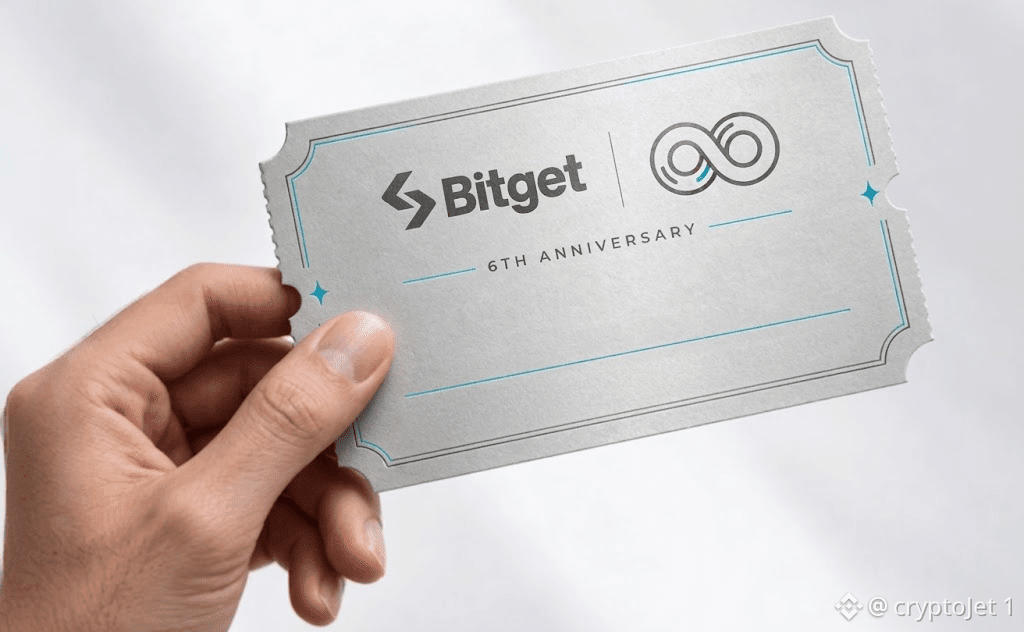
Только что стало известно для тех, кто переживает за свои средства на Bitget. Они поделились подробным графиком вывода и подтвердили, что полные операции будут возобновляться постепенно. Текущий график: → 28 сентября, 08:00 UTC: BTC → 29 сентября, 08:00 UTC: $ETH → 30 сентября, 08:00 UTC: $USDT → 2 октября, 08:00 UTC: Другие токены, фиат и P2P Вчера определённо был тяжёлый день для CEX, но теперь хотя бы есть понятные сроки вывода средств и возвращения к нормальной работе.
Только что стало известно для тех, кто переживает за свои средства на Bitget. Они поделились подробным графиком вывода и подтвердили, что полные операции будут возобновляться постепенно. Текущий график: → 28 сентября, 08:00 UTC: BTC → 29 сентября, 08:00 UTC: $ETH → 30 сентября, 08:00 UTC: $USDT → 2 октября, 08:00 UTC: Другие токены, фиат и P2P Вчера определённо был тяжёлый день для CEX, но теперь хотя бы есть понятные сроки вывода средств и возвращения к нормальной работе.
37
·
--
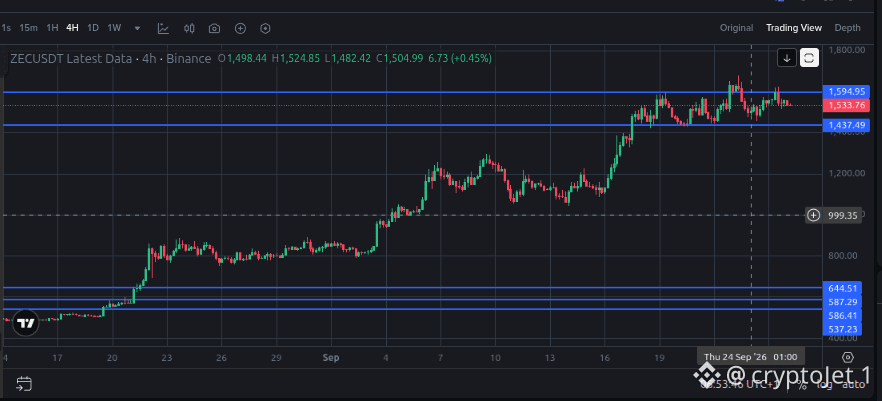
Большинство людей, которые зашли в $ZEC рано, до сих пор находятся в прибыли. $ZEC стал одним из главных успешных активов в этом году, и $NEAR начинает выглядеть как следующий сильный вариант. Прямо сейчас оба точно находятся у меня в списке наблюдения.
Большинство людей, которые зашли в $ZEC рано, до сих пор находятся в прибыли. $ZEC стал одним из главных успешных активов в этом году, и $NEAR начинает выглядеть как следующий сильный вариант. Прямо сейчас оба точно находятся у меня в списке наблюдения.
49
·
--
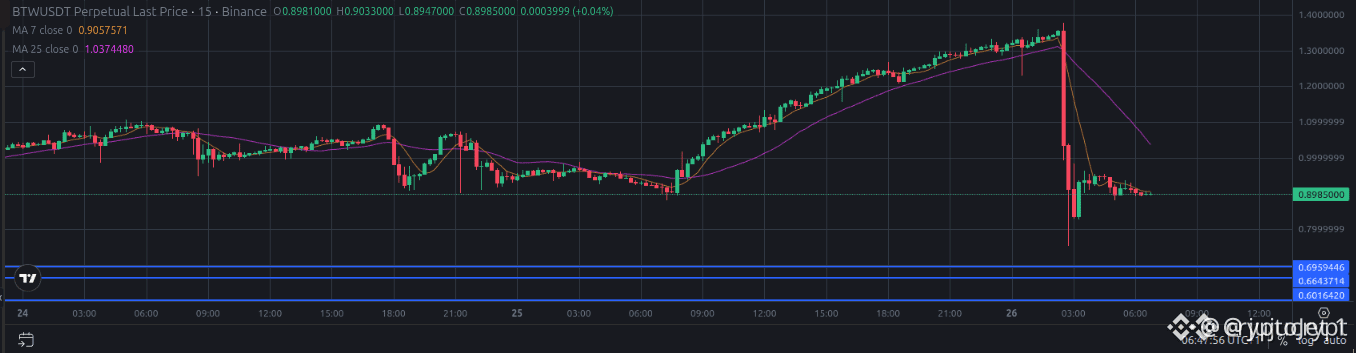
$BTW на самом деле сделано как $LAB своего рода движение
$BTW на самом деле сделано как $LAB своего рода движение
420
·
--
Кардано $ADA — нативные токены уже приходят в Fireblocks. Интеграция позволит банкам, биржам и финтехам, использующим Fireblocks, **осуществлять хранение, отправку и получение нативных токенов Cardano в рамках тех же политик контроля, которые они уже используют для других поддерживаемых активов. Это именно тот тип инфраструктурного развития, который мне нравится видеть. Чем больше активов становится проще для институциональных участников хранить и перемещать, тем более полезным становится и широкий onchain-экосистема. А со стороны @ston_fi я вижу похожий вектор с кроссчейн-обменами. Вы можете перемещать поддерживаемые активы между $GRAM и другими сетями, не нужно вручную разбираться с мостом или маршрутизацией. Выберите актив → проверьте котировку → подтвердите → получите. Разные продукты, но один и тот же более крупный тренд: **Больше активов, которые проще перемещать и реально использовать в onchain.
Кардано $ADA — нативные токены уже приходят в Fireblocks. Интеграция позволит банкам, биржам и финтехам, использующим Fireblocks, **осуществлять хранение, отправку и получение нативных токенов Cardano в рамках тех же политик контроля, которые они уже используют для других поддерживаемых активов. Это именно тот тип инфраструктурного развития, который мне нравится видеть. Чем больше активов становится проще для институциональных участников хранить и перемещать, тем более полезным становится и широкий onchain-экосистема. А со стороны @ston_fi я вижу похожий вектор с кроссчейн-обменами. Вы можете перемещать поддерживаемые активы между $GRAM и другими сетями, не нужно вручную разбираться с мостом или маршрутизацией. Выберите актив → проверьте котировку → подтвердите → получите. Разные продукты, но один и тот же более крупный тренд: **Больше активов, которые проще перемещать и реально использовать в onchain.
27
Войдите, чтобы посмотреть больше материала
Присоединяйтесь к пользователям криптовалют по всему миру на Binance Square
⚡️ Получайте новейшую и полезную информацию о криптоактивах.
💬 Нам доверяет крупнейшая в мире криптобиржа.
👍 Получите достоверные аналитические данные от верифицированных создателей контента.
Эл. почта/номер телефона