

#CyberSecurity 🌍#PositiveMindsGlobalResults #BinanceSquare
BINANCE SQUARE | INVEST • LEARN • GROW • TOGETHER
NOVEMBER 22, 2026 | Global Security & Technology Analysis
THE FBI CYBERSECURITY CRISIS: HACKERS TARGET AMERICA'S NATIONAL CRIME DATABASE — WHAT IS AT RISK?
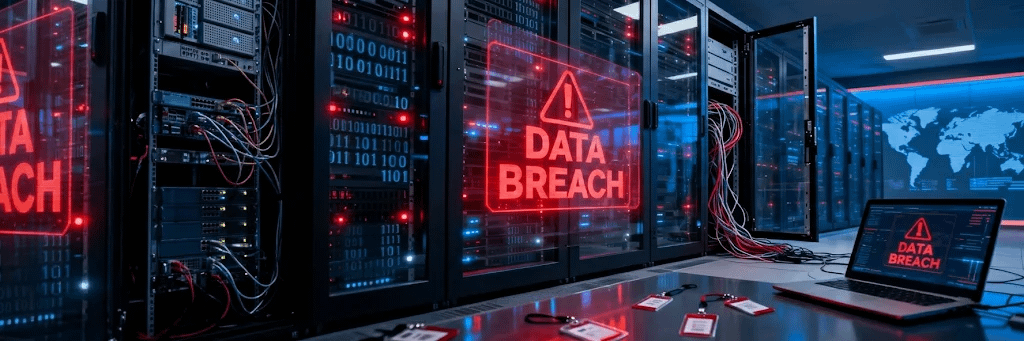
United States is facing another serious cybersecurity challenge after reports emerged that hackers had apparently infiltrated the Federal Bureau of Investigation's (FBI) National Crime Information Center (NCIC), a critical information-sharing system used by law-enforcement agencies across the country.
The suspected intrusion, reported by CNN on November 20 and subsequently reported by Reuters and The Associated Press on November 21, has raised questions about the security of sensitive government information, the reliability of law-enforcement databases and the growing threat of sophisticated cyberattacks.
The most concerning issue is not simply that hackers may have accessed a government system. It is that the targeted platform supports information used by police officers, federal investigators and other law-enforcement authorities in their daily operations.
However, an important distinction must be made: an intrusion is under investigation, but the extent of any data theft, exposure or manipulation has not been publicly established.
1. WHAT HAPPENED? FBI INVESTIGATES SUSPECTED DATABASE INTRUSION
According to CNN's reporting, two people briefed on the investigation said the FBI was investigating an apparent intrusion into the National Crime Information Center.
The Associated Press subsequently confirmed the investigation through a person familiar with the matter. The FBI declined to comment publicly on the reported incident.
The suspected breach was reportedly discovered in recent days, although several important questions remain unanswered:
When did the unauthorized access begin?
How did the attackers enter the system?
Which databases or records were potentially accessed?
Was sensitive information downloaded or copied?
Did attackers attempt to modify or delete records?
Who was responsible for the intrusion?
At the time of reporting, no attacker had been publicly identified, and there was no confirmed accounting of stolen information
2. WHAT IS THE FBI'S NATIONAL CRIME INFORMATION CENTER?
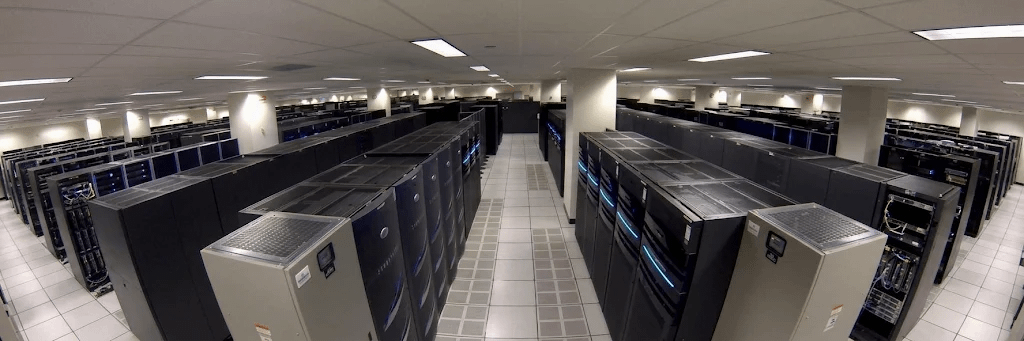
The National Crime Information Center, commonly known as NCIC, is one of America's important law-enforcement information-sharing systems.
It connects authorized federal, state and local law-enforcement agencies, allowing officers to retrieve information relevant to investigations and public safety.
The system supports records and information relating to:
Information category Why it matters
Wanted individuals Helps officers identify people with outstanding warrants
Missing persons Supports searches and identification efforts
Stolen vehicles Helps identify and recover stolen property
Stolen firearms Supports law-enforcement investigations
Protection orders Provides information relevant to protective restrictions
Immigration-related records Supports authorized immigration enforcement checks
Other law Helps agencies exchange relevant information
enforcement records
One technical clarification is important: NCIC is not simply a database containing every American's criminal history. Detailed FBI criminal-history records are maintained through separate systems, including the Next Generation Identification system.
The importance of NCIC comes from its nationwide reach and its role in supporting decisions that can directly affect public safety.
3. WHY THIS BREACH COULD BE MORE DANGEROUS THAN AN ORDINARY DATA LEAK
A conventional data breach may expose email addresses, passwords, financial information or customer records.
A suspected intrusion involving a national law-enforcement information system raises additional concerns.
A. Exposure of sensitive information
If unauthorized individuals accessed confidential records, information about investigations, missing persons, warrants or other sensitive cases could potentially be exposed.
B. Risk of identity theft and impersonation
Personal information, if obtained, could potentially be used for targeted scams, fraudulent identities, social engineering or impersonation.
C. Integrity of law-enforcement records
One of the most serious hypothetical risks would be unauthorized modification of records.
If attackers could change or manipulate information, law-enforcement agencies might face challenges verifying the accuracy of records used during investigations and operational checks.
There is currently no public confirmation that NCIC records were altered.
D. National security concerns
Unauthorized access to sensitive government information could potentially reveal operational details, investigative priorities or information about vulnerable individuals.
These are possible consequences of a compromise, not confirmed damage from this incident.
4. THE SECOND REPORTED FBI CYBERSECURITY INCIDENT IN RECENT MONTHS
The latest incident is particularly concerning because it follows another reported breach involving FBI technology.
In September 2026, the hacking group known as Shiny Hunters targeted FBIJobs.gov, the agency's recruitment website. The incident reportedly exposed sensitive personal information associated with current and former FBI employees and applicants.
The group claimed to have obtained a substantial amount of data.
The newly reported NCIC intrusion is a separate incident. As of November 22, there is no established public evidence connecting the two attacks or identifying Shiny Hunters as responsible for the latest incident.
This raises an important question: Are government agencies facing increasingly sophisticated attacks against multiple layers of their digital infrastructure?
The answer requires further investigation, but the repeated reports highlight the importance of stronger cybersecurity protections.
5. A WIDER CYBERSECURITY PROBLEM ACROSS AMERICA
The FBI incident comes during a period of heightened concern about digital security and technology disruptions across the United States.
Recent reports have also highlighted:
US Department of Agriculture: A computer system used for payments to farmers was reportedly targeted in a cyberattack.
FBI recruitment system: The September incident involving FBIJobs.gov raised concerns about the exposure of employee and applicant information.
Government technology infrastructure: Recent outages affecting important services have increased scrutiny of the resilience of critical digital systems.
However, these incidents should not automatically be treated as one coordinated cyberattack. There is no established evidence connecting the reported NCIC intrusion with the USDA incident or the wider technology outages.
The broader lesson is that government institutions need to prepare for both malicious cyberattacks and ordinary technology failures.
6. WHO COULD BE RESPONSIBLE?
At present, the identity of the attackers remains unknown.
Investigators have not publicly established whether the incident involved:
A financially motivated criminal hacking group.
A sophisticated cyber-extortion operation.
A state-sponsored cyber operation.
Stolen employee credentials.
A software vulnerability or compromised third-party service.
These are possible attack scenarios, not confirmed explanations.
Attributing a cyberattack requires technical evidence, forensic investigation and reliable intelligence. Speculation about a particular country or hacking group should not be presented as established fact.
7. WHAT SHOULD THE FBI AND GOVERNMENT AGENCIES DO NEXT?
The priority should be to establish exactly what happened and protect the integrity of the information system.
Key measures include:
Independent forensic investigation: Determine how unauthorized access occurred and which systems were affected.
Access control review: Examine employee accounts, administrator privileges and authentication systems.
Credential protection: Reset compromised credentials and strengthen multi-factor authentication where necessary.
Database integrity checks: Verify that sensitive records have not been modified or deleted.
Network monitoring: Identify suspicious access, unusual transfers and potential unauthorized connections.
Transparent communication: Provide reliable updates when investigators establish the facts.
Long-term security investment: Strengthen infrastructure, software security, employee training and incident-response capabilities.
The FBI's responsibility extends beyond protecting its own computers. It must also maintain confidence in the information-sharing infrastructure used by thousands of law-enforcement agencies.
8. GLOBAL FINANCIAL MARKETS AND THE CYBERSECURITY INDUSTRY

Although the reported breach is primarily a national-security issue, it also highlights an important investment theme.
Cybersecurity is becoming an essential part of the global digital economy.
Government agencies, banks, insurance companies, airports, telecommunications operators, cloud providers and cryptocurrency platforms increasingly depend on digital infrastructure.
A major cybersecurity incident can potentially increase demand for:
9. WHAT INVESTORS AND THE PUBLIC SHOULD WATCH NEXT
The next developments could determine how serious this incident becomes.
Key development Why it matters
FBI official statement Establishes the confirmed incident details
Forensic investigation Identifies the method and scope
Data exposure confirmation Determines potential privacy consequences
Database integrity assessment Establishes whether records were modified
Attacker identification Helps assess the threat
Security reforms Shows how agencies intend to prevent recurrence
My assessment: The biggest concern is not simply whether information was stolen. It is whether the integrity, confidentiality and availability of a critical national law-enforcement system were compromised.
The distinction matters because a database can be exposed without being manipulated, and a suspected intrusion does not establish that all information was accessed.
Until investigators release verified findings, the public should avoid exaggerated claims about millions of exposed records, stolen criminal histories or compromised police operations.
10. THE BIGGER QUESTION: CAN GOVERNMENTS PROTECT THEIR MOST SENSITIVE DATA?
The FBI incident highlights a challenge facing governments worldwide.
As national institutions become more dependent on interconnected databases, cloud infrastructure and digital communication, the consequences of cybersecurity failures become increasingly significant.
Cybersecurity is no longer just an IT department responsibility. It is a matter of national security, public trust, economic stability and international cooperation.
The United States is not alone in facing these challenges. Governments worldwide must continuously improve their ability to identify, prevent and respond to sophisticated cyber threats.
The real test for the FBI now is transparency, accountability and restoring confidence in the security of its national law-enforcement information systems.
FINAL TAKEAWAY
INVESTIGATION ONGOING
The reported NCIC intrusion deserves serious attention, but the facts must remain separate from speculation.
The FBI is investigating an apparent intrusion.
The incident was reported by CNN and subsequently corroborated by AP reporting.
The extent of any data exposure remains unclear.
The attackers have not been publicly identified.
No confirmed evidence establishes that NCIC records were manipulated.
The incident is separate from the September FBI recruitment website breach unless investigators establish a connection.
One lesson is becoming increasingly clear: In today's digital economy, protecting information is just as important as protecting physical infrastructure.
Editorial disclaimer: This article is for general information and educational purposes, not an official FBI statement or investment advice. The investigation is developing, and details may change as further verified information becomes available.
#FBI #CyberSecurity #DataBreach #CyberAttack #NationalSecurity #USNews #GlobalNews #DataProtection #CyberCrime #ArtificialIntelligence #Technology #DigitalSecurity #GlobalEconomy #PositiveMindsGlobalResults

