

🌍#PositiveMindsGlobalResults #BinanceSquare
BINANCE SQUARE | INVEST • LEARN • GROW • TOGETHER
NOVEMBER 19, 2026 | GLOBAL ECONOMY • WALL STREET • ARTIFICIAL INTELLIGENCE • TECHNOLOGY • CRYPTO MARKETS
THE $1.0 TRILLION CORPORATE POWER RACE: GOOGLE, NVIDIA, MICROSOFT, AMAZON AND APPLE — WHO IS REALLY WINNING THE GLOBAL EARNINGS BATTLE?
The global corporate earnings race is entering a fascinating new phase. The biggest technology companies are no longer competing only through smartphones, software, advertising or online shopping. They are competing to control the infrastructure of the next global economy: artificial intelligence, cloud computing, semiconductors, robotics, connectivity and digital finance.
But there is a bigger question investors should be asking:
Which companies are actually converting the AI revolution into revenue, operating profits and sustainable financial strength?
Let's compare the latest available Q3 2026 financial results and examine what the numbers mean for global markets.
Important financial clarification: Your supplied figures combine different reporting periods and financial measures. For example, Micron's $84.97 billion is FY2026 GAAP net income, while SpaceX's $27.083 billion is nine-month revenue. The following comparison uses identifiable reported figures rather than presenting those numbers as equivalent quarterly revenues.
1. The corporate earnings scoreboard
Reported revenue in USD | Latest relevant 2026 reporting periods
Company Reported revenue Reporting period
Amazon $201.9B Q3 2026
Alphabet (Google) $127.6B Q3 2026
NVIDIA $115.8B Fiscal Q3 2027
Apple $114.5B Fiscal Q4 2026
Microsoft $92.3B Fiscal Q1 2027
Micron Technology $54.23B Fiscal Q4 2026
Tesla $28.05B Q3 2026
SpaceX $14.58B Q3 2026
Company earnings announcements and financial statements
2. Where the real financial power is coming from
1. Amazon — The revenue heavyweight
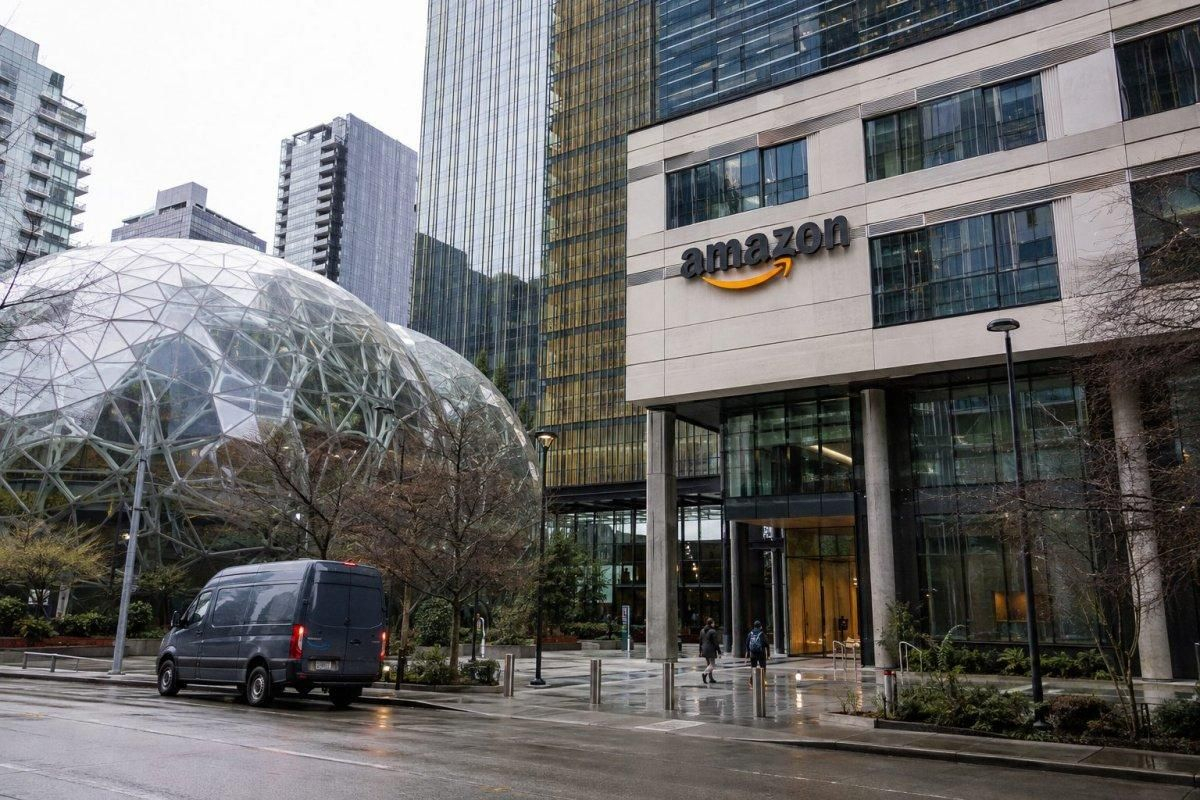
Amazon reported $201.9 billion in Q3 revenue, with AWS generating $46 billion, up 39%.
Its operating income reached $28.1 billion, while AWS contributed $17.8 billion.
The bigger story is that Amazon is combining e-commerce, cloud infrastructure, advertising and AI investment into one powerful business ecosystem. However, its trailing-twelve-month free cash flow was negative $42.4 billion, highlighting the enormous cost of expansion.
2. Alphabet — Search meets the AI infrastructure economy
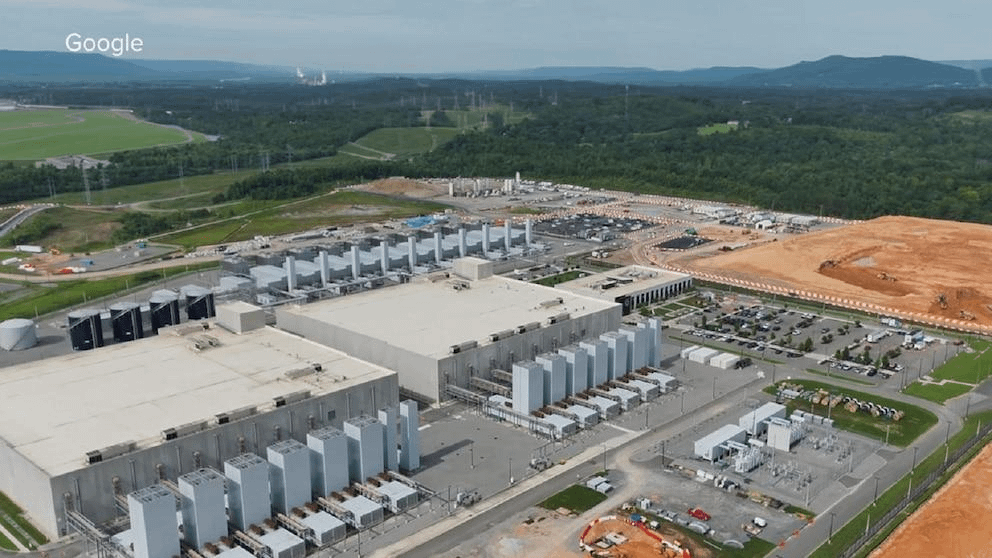
Alphabet generated $127.6 billion in Q3 revenue, increasing 25% year over year.
Its Google Cloud division delivered $30.7 billion, growing an extraordinary 103%. Operating income increased to $40.6 billion.
However, net income declined to $26.2 billion from $35 billion a year earlier.
This demonstrates an important distinction: strong revenue growth does not automatically mean higher net profit.
3. NVIDIA — The engine powering the AI economy
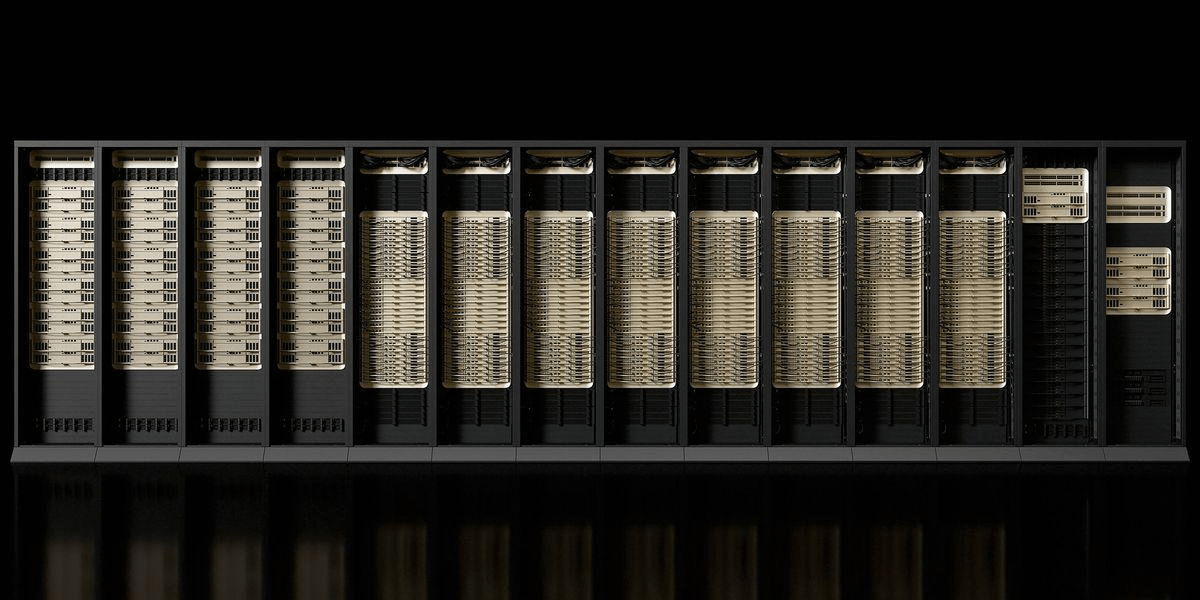
NVIDIA reported $115.8 billion in fiscal Q3 revenue, increasing 103% year over year.
Its Data Center division generated $107.6 billion, representing the overwhelming majority of its revenue.
Even more remarkable, net income reached $65.3 billion.
NVIDIA is not simply selling computer chips. It is supplying the computing infrastructure behind the world's expanding AI industry.
The question for investors is whether AI infrastructure demand can continue growing fast enough to justify current market expectations.
4. Microsoft — The enterprise AI opportunity
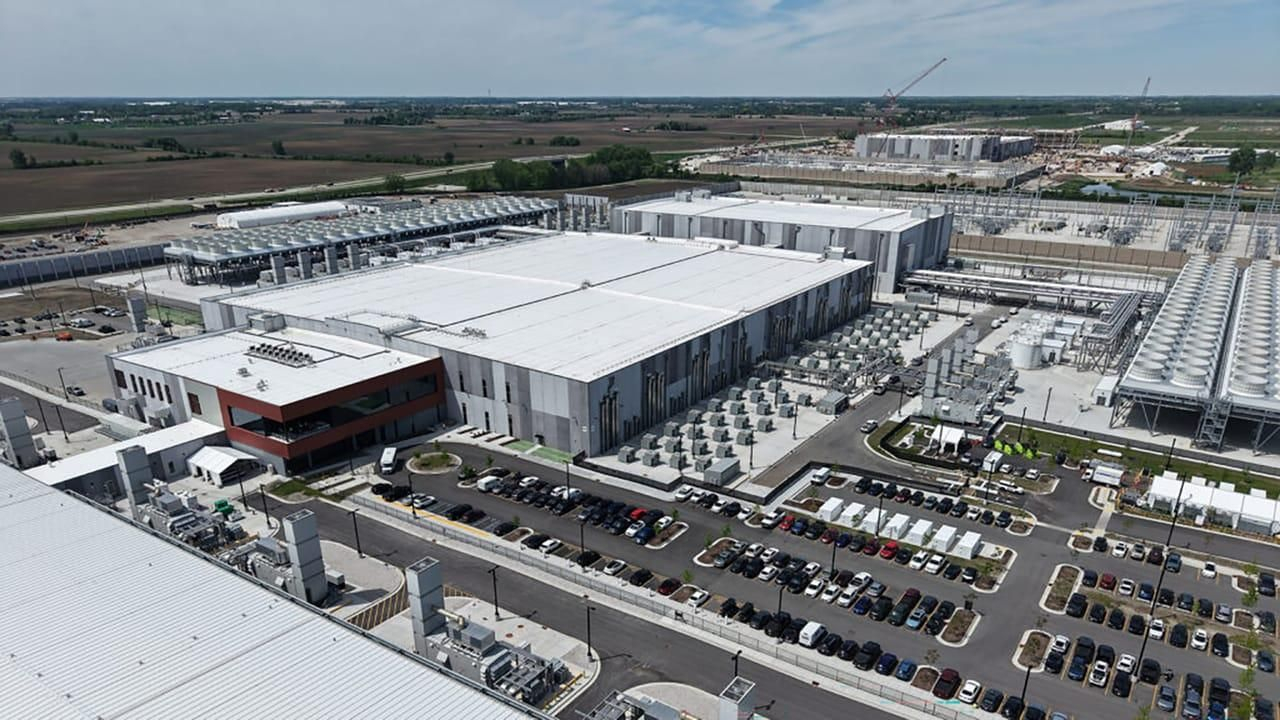
Microsoft reported $92.3 billion in quarterly revenue, up 19%.
Operating income reached $45.9 billion, while net income climbed 32% to $36.6 billion.
Azure, enterprise software and AI services remain central to Microsoft's growth strategy.
Its advantage is distribution: it can integrate AI into products and services already used by businesses worldwide.
5. Apple — The strength of its global ecosystem
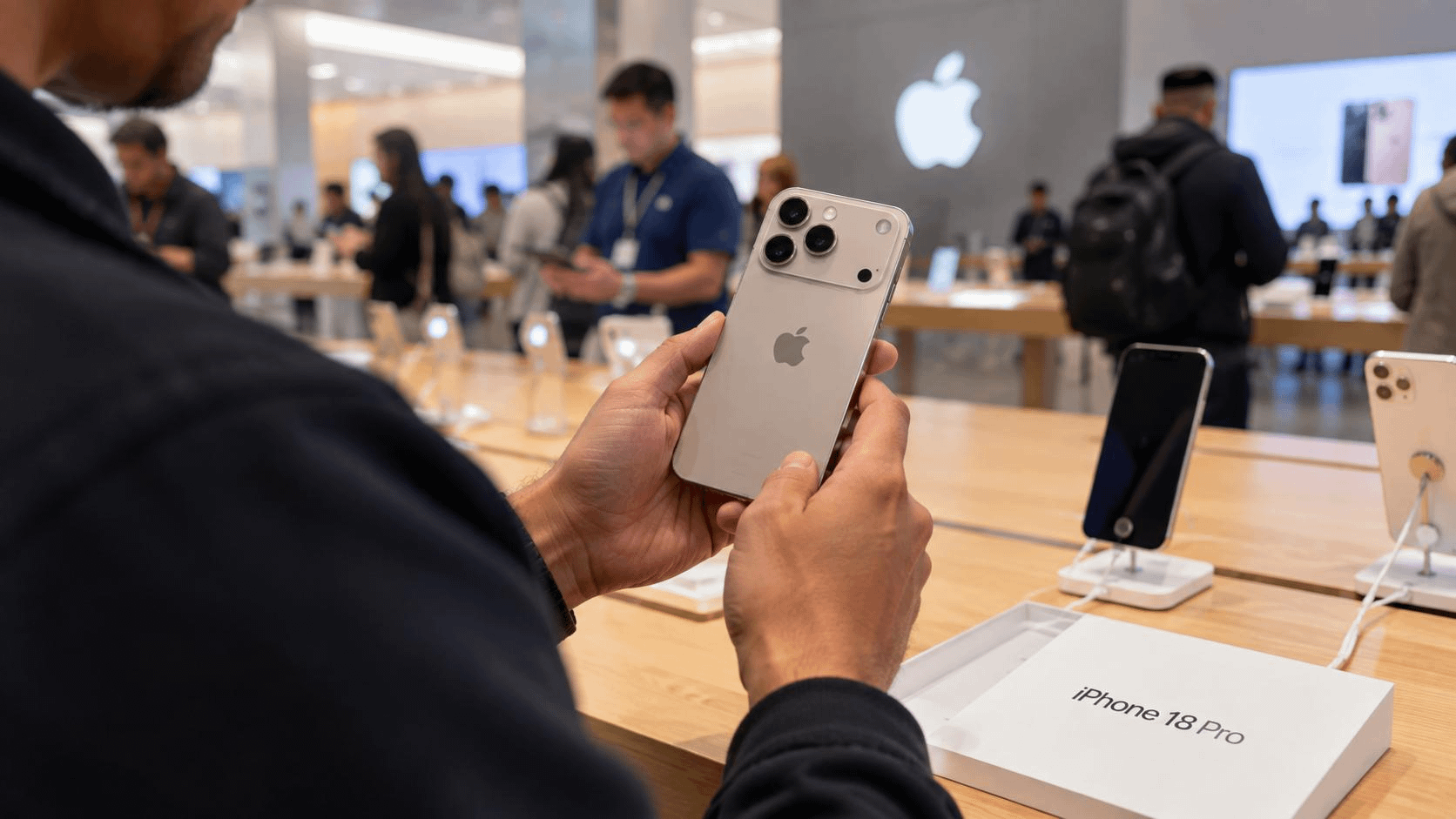
Apple delivered $114.5 billion in fiscal Q4 revenue, up 12%, with diluted earnings per share rising 14% to $2.10.
Its Services business reached a new all-time revenue high.
Apple's competitive strength is not solely hardware. Its ecosystem, customer loyalty, services and global distribution provide a powerful recurring business model.
6. Micron — The semiconductor opportunity beyond GPUs
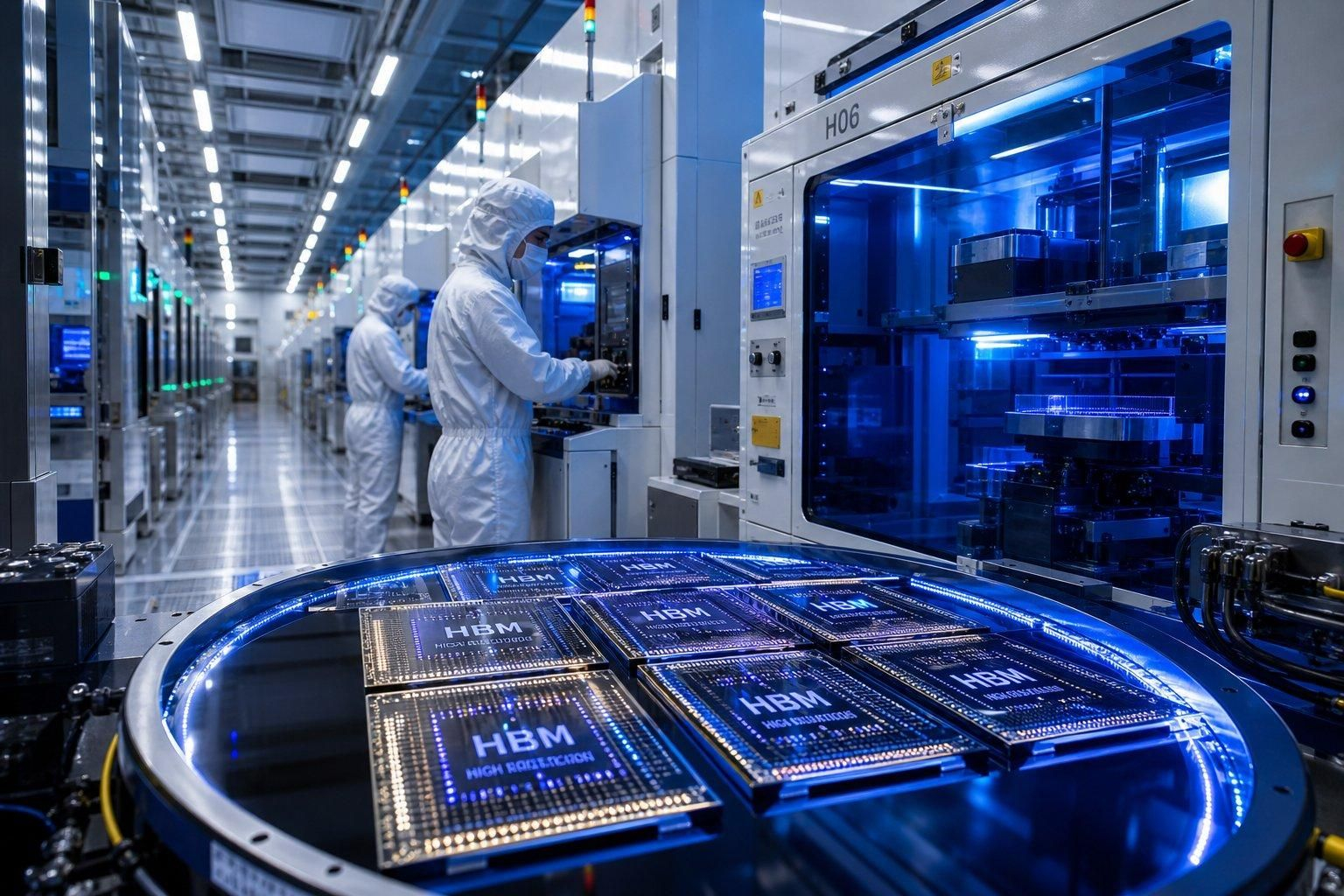
Micron reported $54.23 billion in fiscal Q4 revenue and $84.97 billion in full-year GAAP net income.
High-bandwidth memory and advanced semiconductor components are becoming increasingly important as AI computing requirements expand.
Micron illustrates why investors should look beyond the headline AI chipmakers: the AI supply chain includes memory, manufacturing, networking and infrastructure.
SpaceX generated approximately $14.6 billion in Q3 revenue and $27.083 billion during the first nine months of 2026.

Its connectivity and super-intelligence businesses are expanding its commercial opportunities.
However, significant infrastructure investment means investors must examine capital expenditure and cash generation alongside revenue growth.
8. Tesla — More than an electric vehicle company
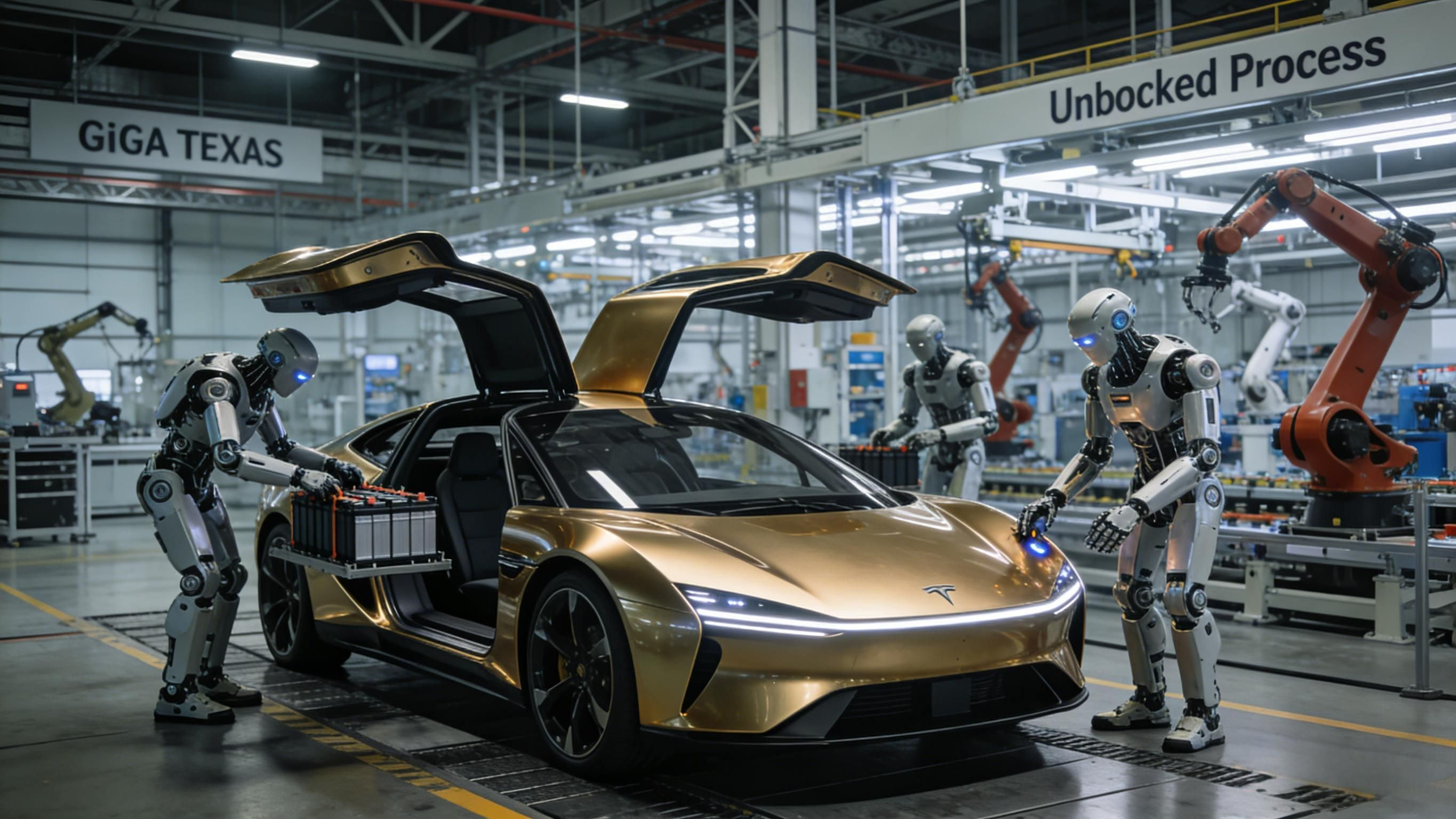
Tesla reported approximately $28.05 billion in Q3 revenue.
Its longer-term opportunity extends beyond vehicle deliveries into autonomous driving, robotics, energy storage and AI.
However, investors must distinguish future technological ambitions from businesses already generating substantial commercial profits.
3. What does this earnings race mean for global markets?
The financial results reveal five important investment themes.
Market sector Potential beneficiaries Key investor question
AI infrastructure NVIDIA, Microsoft, Alphabet Can demand sustain investment?
Cloud computing Amazon, Microsoft, Google Can growth translate into profits?
Semiconductors NVIDIA, Micron Will memory and chip demand
continue?
Consumer technology Apple, Tesla Can innovation support margins?
Space and connectivity SpaceX Can investment generate durable
returns?
The biggest investment debate is no longer whether AI is transforming the economy.
It is whether the financial returns from AI will eventually justify the extraordinary amounts being invested.
That distinction could determine which technology stocks outperform and which companies face valuation pressure.
4. The connection to Bitcoin and cryptocurrency markets

Technology earnings and cryptocurrency markets are increasingly connected through global liquidity, institutional investment and investor risk appetite.
Three developments deserve attention:
AI investment: Strong earnings from semiconductor and cloud companies can support confidence in the broader technology sector.
Interest rates: Higher borrowing costs can pressure expensive technology valuations and speculative cryptocurrency assets.
Institutional liquidity: Changes in global investment flows can influence Bitcoin, Ethereum and other digital assets.
Bitcoin (BTC): Watch institutional demand, ETF flows, liquidity and the relationship between technology stocks and risk appetite.
Ethereum (ETH): Monitor institutional adoption, blockchain infrastructure, tokenization and network activity.
BNB: Pay attention to ecosystem growth, exchange activity, regulatory developments and broader market liquidity.
However, strong technology earnings do not guarantee a Bitcoin rally. Crypto prices also respond to monetary policy, leverage, regulation, supply dynamics and investor positioning.
5. The biggest question for investors: Who wins the next financial cycle?
The corporate earnings race is becoming a competition between business models, not simply company sizes.
Amazon demonstrates the power of diversified revenue and cloud infrastructure.
Alphabet demonstrates the commercial potential of AI-powered services.
NVIDIA demonstrates the profitability of controlling critical AI infrastructure.
Microsoft demonstrates the value of enterprise distribution.
Apple demonstrates the strength of an established consumer ecosystem.
Micron demonstrates the importance of memory in the AI supply chain.
SpaceX demonstrates the commercial potential of connectivity and space infrastructure.
Tesla demonstrates the opportunity and execution risks of robotics and autonomous technology.
The next market leaders will not necessarily be the companies reporting the largest revenue figures.
They will be the companies that consistently convert investment into sustainable earnings, strong cash flow, competitive advantages and shareholder value.
INAL MARKET OUTLOOK
Long-term opportunity
AI infrastructure, cloud computing, advanced semiconductors and digital connectivity remain major structural growth themes.
Key risk
Heavy capital expenditure, high valuations, interest rates and the possibility that AI investment outpaces commercial returns.
My conclusion: The global technology economy is entering a defining financial cycle. NVIDIA may be leading the AI infrastructure race, Amazon leads this comparison in quarterly revenue, and Alphabet and Microsoft are demonstrating how AI can strengthen established business models.
But the ultimate winner will be determined by profitability, cash flow and the ability to maintain growth when competition intensifies.
Revenue creates headlines. Profitability creates value. Cash flow creates financial resilience.
That is what investors should be watching as Wall Street, global markets and cryptocurrency investors prepare for the next chapter.
DISCLAIMER: This article is for educational and informational purposes only and does not constitute financial or investment advice. Financial figures reflect the reporting periods identified and should not be treated as directly equivalent across different fiscal calendars. Market performance is uncertain. Always conduct independent research (DYOR) and assess investment risks before making financial decisions.
#GlobalMarkets #CorporateEarnings #Q32026 #WallStreet #NVIDIA #Alphabet #Google #Microsoft #Amazon #Apple #Micron #Tesla #SpaceX #ArtificialIntelligence #AIEconomy #Semiconductors #CloudComputing #Bitcoin #BTC #Ethereum #ETH #BNB #CryptoMarkets #StockMarket #InvestmentStrategy #FinancialAnalysis #PositiveMindsGlobalResults