

Written November 16, 2026. For information only, not financial advice
#CryptoSelloffTriggersMultipleWhaleLiquidations #CryptoSelloffTriggersMultipleWhaleLiquidations 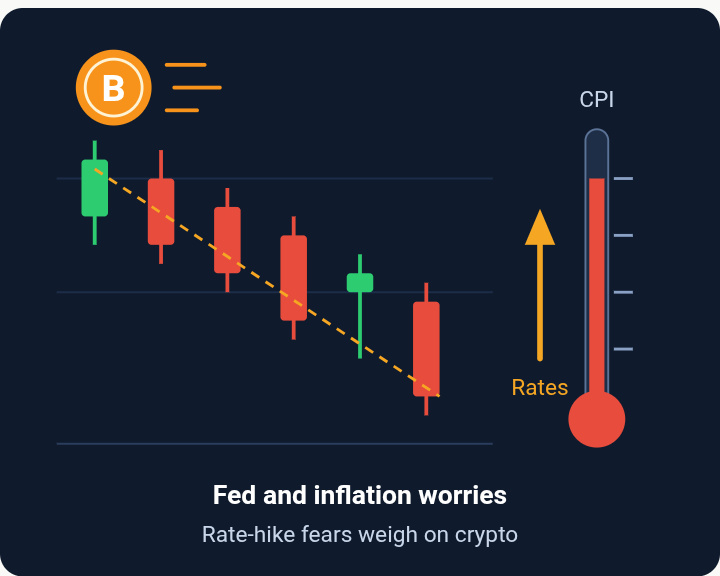
For much of the past year, crypto traders hoped the Federal Reserve would be a tailwind. Cheaper money has historically helped speculative assets, and many positioned for cuts. This autumn, that hope has run into a stubborn reality: inflation isn't cooling the way the market want$ed.
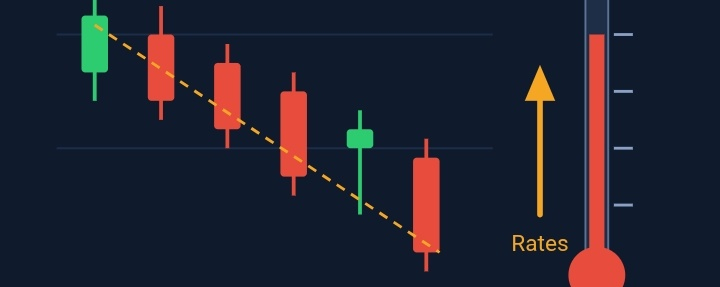
The latest trigger was October's consumer price data. The reading pushed up expectations that the Fed could raise rates again in December, after it already tightened in September rather than easing. Bitcoin responded by slipping below the $73,000 level on November 10, and roughly $632 million in leveraged positions were wiped out within hours, mostly long bets.
The pattern is familiar. Crypto has increasingly traded like a high-beta risk asset, moving with technology stocks and reacting sharply to anything that changes the interest-rate outlook. When inflation data surprises to the upside, investors reprice the odds of higher borrowing costs, and assets with no cash flow tend to feel the pressure first.
Leverage makes the moves louder. On November 5, more than $1 billion in leveraged crypto positions were liquidated as bitcoin fell about 6% in a day. Forced selling feeds on itself: falling prices trigger liquidations, which push prices lower still.
Sentiment reflects the strain. The broader crypto market cap has slid to roughly $2.47 trillion, and the fear and greed index sits at 26, firmly in "fear" territory and down from 35 a week earlier.
The takeaway is not that crypto is broken, but that it remains tightly linked to the macro cycle. Until inflation convincingly cools, every data release is a potential volatility event, and traders who ignore the economic calendar do so at their own risk.$BTC