


THE ROADSTER IS BACK. THE PROMISES ARE BIGGER. THE QUESTIONS ARE FAR FROM DEAD.
Elon Musk has once again commanded the spotlight.
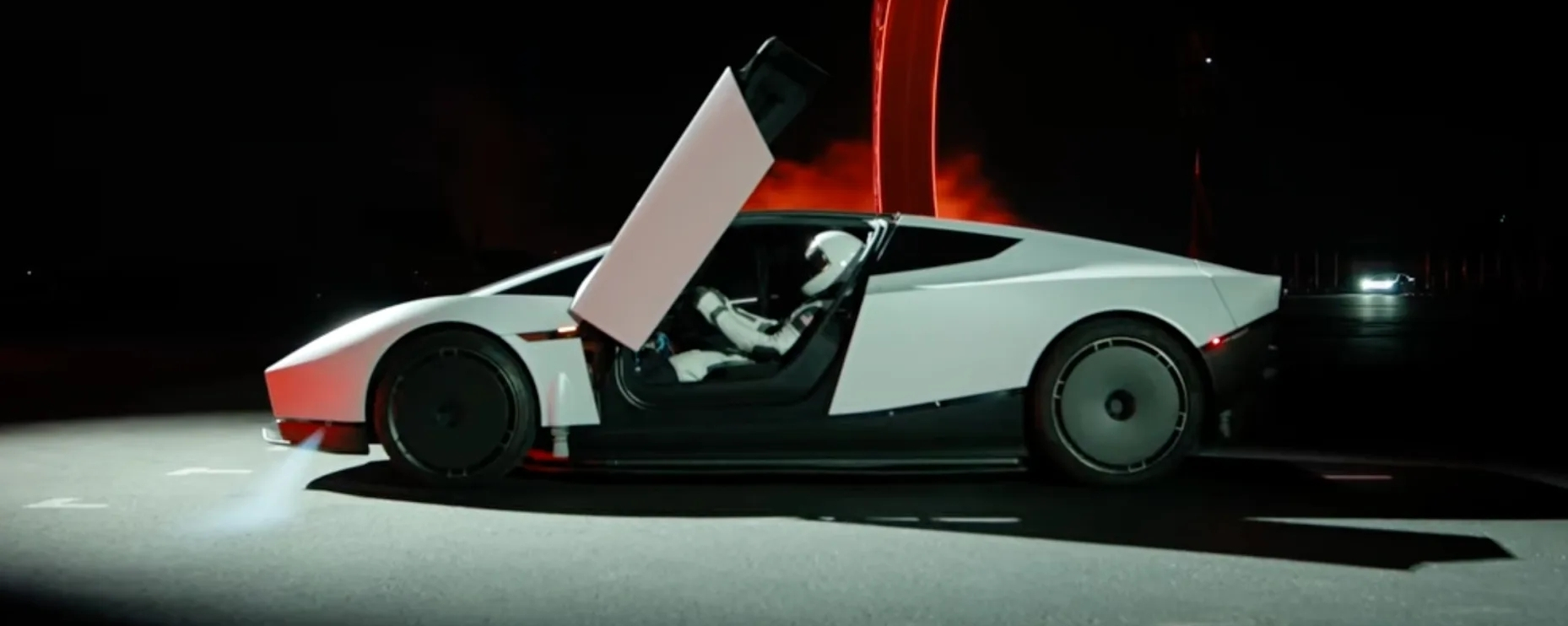
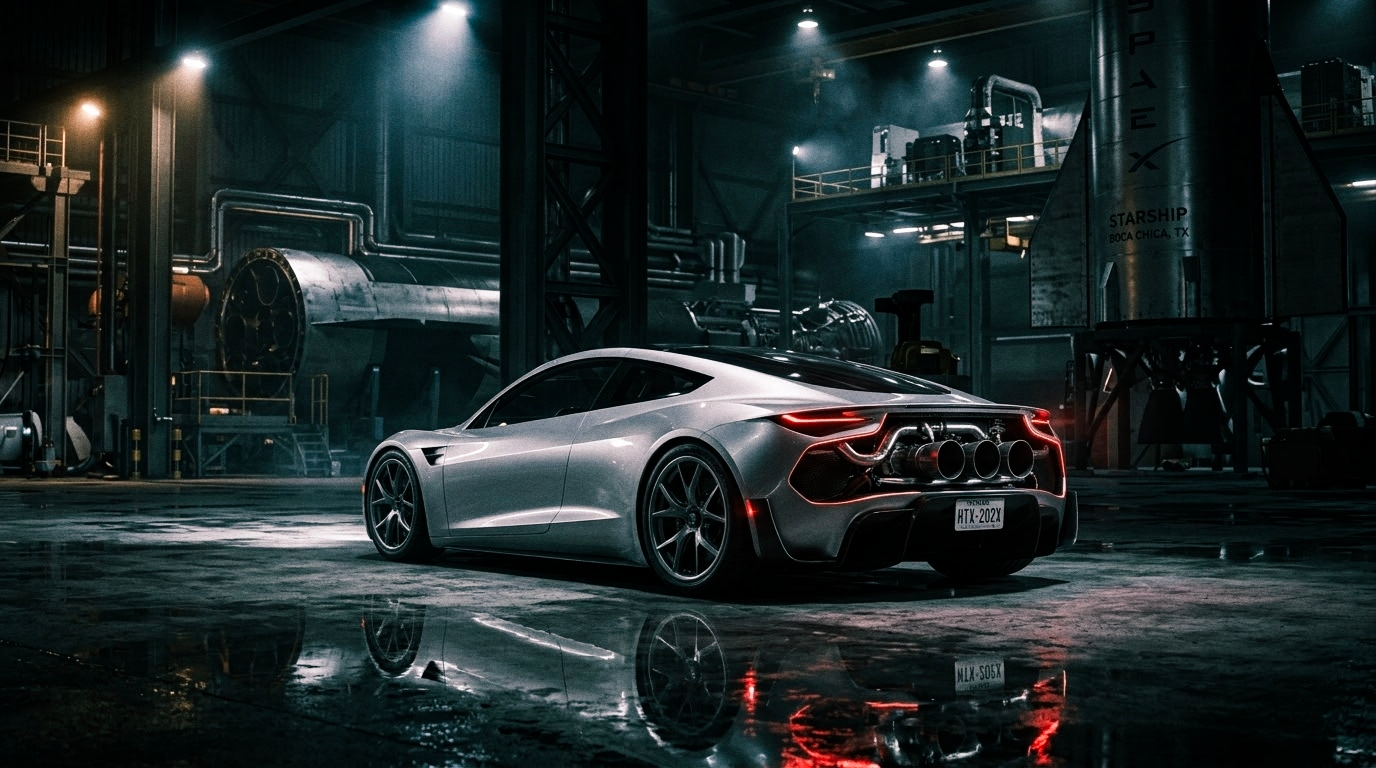
On October 15, 2026, Tesla unveiled its long-delayed next-generation Roadster at a SpaceX test facility in Texas, showcasing a futuristic electric sports car featuring rocket-inspired technology and an extraordinary performance claim: 0–60 mph in less than one second.
Let that sink in.
A car. Rocket thrusters. Extreme acceleration. A potential leap beyond conventional automotive engineering.
But beneath the spectacle lies a much harder question:
IS THIS A TECHNOLOGICAL REVOLUTION — OR ANOTHER BILLION-DOLLAR PROMISE THAT INVESTORS MUST WAIT YEARS TO SEE DELIVERED?
THE DARK SIDE OF THE HEADLINE
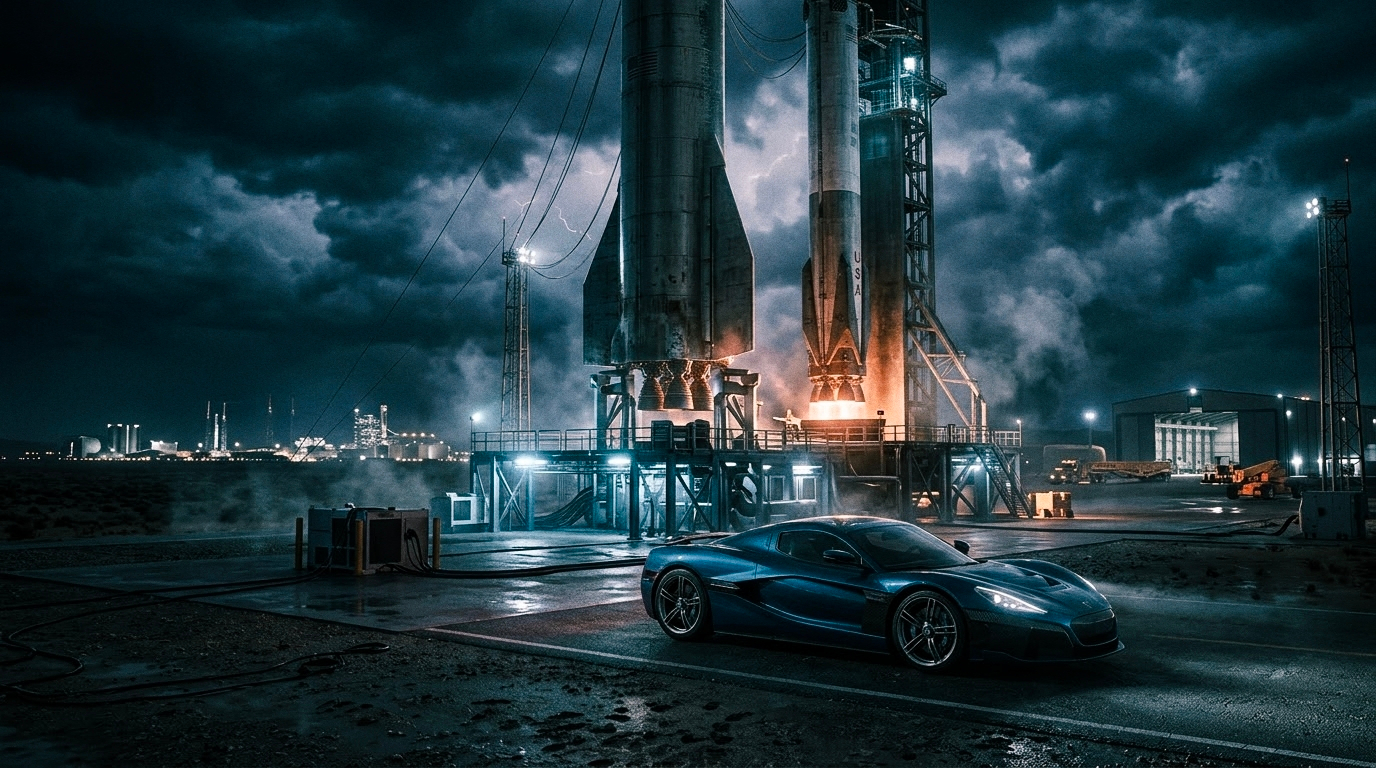
Tesla first introduced the next-generation Roadster concept in 2017. Nearly nine years later, the company is still working toward production, now targeting 2028.
For years, prospective buyers have waited. Tesla has repeatedly missed its previously anticipated delivery timelines, while reservations required substantial deposits — reportedly $50,000 for the latest reservation program in the United States, Canada, and China.
That history matters.
Because in financial markets, promises can generate excitement. Demonstrations can generate headlines. But only execution can turn expectations into lasting business value.
And Tesla has yet to prove that this extraordinary machine can move from a spectacular demonstration to a commercially viable production vehicle.
THE SPACEX CONNECTION: THE REAL STORY MAY BE BIGGER THAN THE CAR
The Roadster is not simply another luxury electric vehicle.
Its unveiling at a SpaceX facility, combined with the proposed use of rocket-derived technology, highlights the increasingly interconnected world of Musk's businesses.
Tesla builds electric vehicles and energy products. SpaceX develops rockets and space infrastructure.
Together, their technological overlap could create opportunities that conventional automakers cannot easily replicate.
But the financial implications deserve scrutiny.
According to the figures cited in the report, SpaceX was valued at approximately $2 trillion, while Tesla's market capitalization stood at roughly $1.4 trillion.
Combined, that represents approximately $3.4 trillion in market value.
And that is where speculation about a potential merger becomes impossible to ignore.
Barclays analyst Dan Levy reportedly suggested that a transaction could occur before the end of 2026. SpaceX COO Gwynne Shotwell had also commented that a merger could make Musk's life somewhat easier.
However, speculation is not confirmation.
There is no established merger simply because two companies share technology, personnel, leadership connections, or a common founder.
THE QUESTION WALL STREET CANNOT IGNORE
If Tesla and SpaceX were ever combined, investors would need to examine far more than the headline valuation.
How would the businesses be valued? What would happen to existing shareholders? How would liabilities, capital requirements, governance, and related-party transactions be handled?
And who would ultimately benefit from such a structure?
These are not minor details. They are fundamental questions about corporate control, financial transparency, and shareholder interests.
A merger could potentially unlock strategic opportunities. It could also introduce enormous complexity.
The difference would depend on the actual terms, not the hype surrounding the announcement.
THE ROADSTER'S BIGGEST TEST IS NOT SPEED
Tesla claims the new Roadster can accelerate from zero to 60 mph in under one second.
That is an extraordinary claim, and its real-world performance, measurement methodology, safety, and production specifications require independent verification.
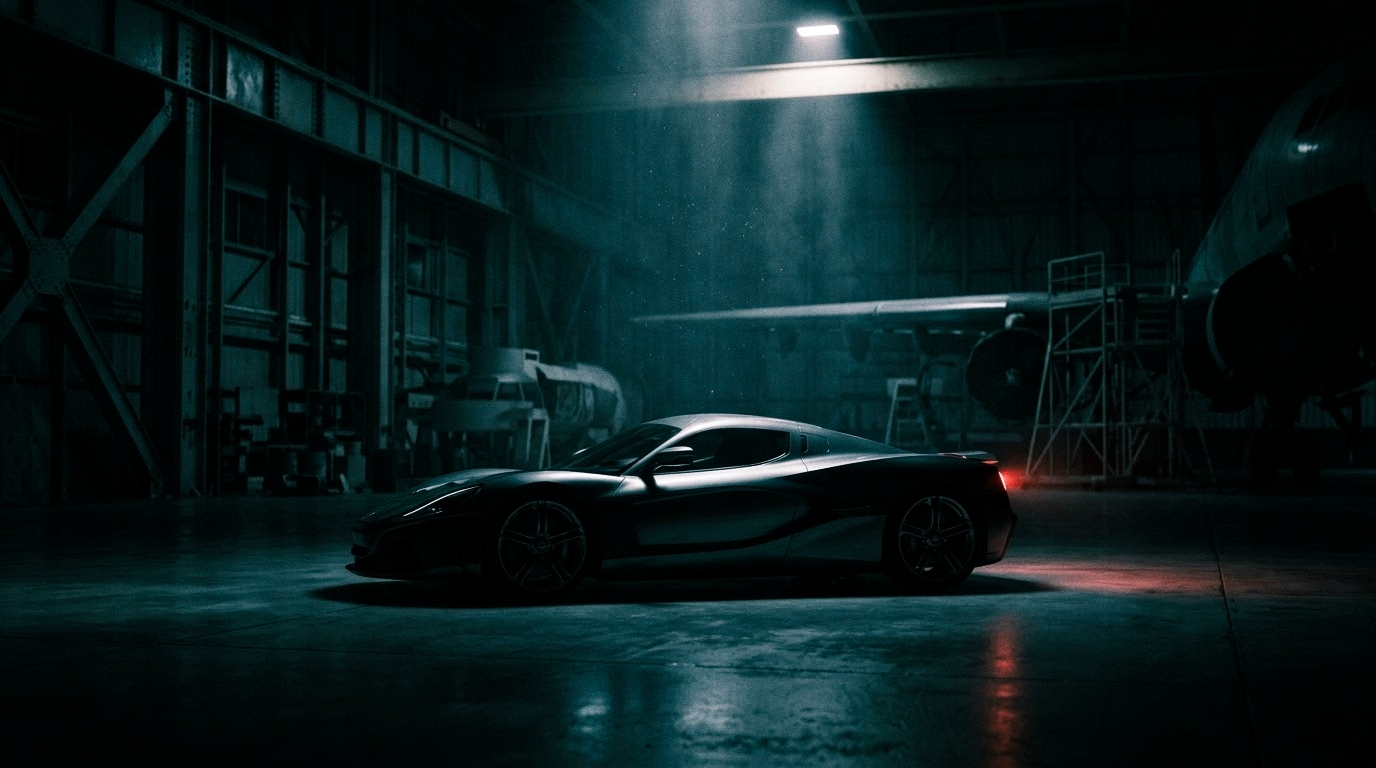
The prototype reportedly demonstrated dramatic maneuvers involving a ramp, rotation, and rocket-related technology.
Yet a spectacular prototype is not the same thing as a production-ready vehicle.
Manufacturing at scale, reliability, crashworthiness, regulatory approval, servicing, and real-world usability remain critical challenges.
Musk himself reportedly acknowledged that the vehicle was not necessarily optimized for safety.
That statement raises a serious question: how much of the technology demonstrated can actually be translated into a road-legal vehicle?
Tesla has not yet provided all the final specifications, pricing details, and production information needed to answer that question.
The company is targeting 2028 production. Until then, investors and customers must distinguish between demonstrated capability, announced plans, and confirmed commercial delivery.
THE BRUTAL REALITY OF THE MUSK MACHINE
Musk understands something that many executives struggle to master: attention is an economic asset.
A dramatic reveal can dominate headlines. A bold performance claim can ignite social media. A possible merger can trigger speculation across financial markets.
But attention is not revenue.
A reservation is not a completed sale. A prototype is not mass production. A projected valuation is not cash in the bank.
And a technological breakthrough does not automatically translate into profits.
Tesla's Roadster could eventually become an extraordinary engineering achievement. SpaceX's technologies could contribute to a genuinely distinctive vehicle.
But the burden of proof remains.
The market should not confuse the ability to make people believe in the future with the ability to deliver that future on schedule.
THE FINAL VERDICT
The next-generation Roadster could become a symbol of what happens when automotive engineering meets aerospace ambition.
A potential Tesla–SpaceX combination could also reshape the strategic landscape surrounding Musk's companies.
But until production, performance, safety, commercial economics, and any proposed merger are independently established, the biggest claims deserve rigorous scrutiny.
The real question is not whether Elon Musk can create a spectacle.
He has repeatedly demonstrated that he can.
The real question is whether the spectacle can become a reliable product, a sustainable business, and measurable value for shareholders.
BECAUSE IN THE END, MARKETS DO NOT REWARD PROMISES FOREVER.
THEY EVENTUALLY DEMAND PROOF.
And no amount of rocket fuel can permanently outrun reality.
#Tesla #SpaceX #ElonMusk #TeslaRoadster #StockMarket #WallStreet #Technology #EV #FinancialMarkets #BusinessNews