


U.S. President Donald Trump has promised to give every American $5,000 if the Republicans win both chambers of the Congress in upcoming midterm elections.
From an economic perspective, this injection of cash into the economy could be yet another catalyst for a rise in the value of risky assets.
According to the head of DWF Labs, however, the impact could be much bigger. As the post below illustrates, the proposed payout would be roughly 150% of the COVID-19 stimulus checks.
If even a slice of that liquidity finds its way into crypto, it could ramp up speculative demand and potentially catalyze another 2020-21-style risk-on cycle.

However, to see if history could repeat, it is worth looking at what happened during the 2020/21 cycle.
In December 2020, Bitcoin [BTC] climbed past its previous $20k high and then more than doubled to around the $42k level by January 2021.
This was driven by increased institutional demand, as firms such as MicroStrategy and Square acquired BTC while PayPal and others offered crypto services. In the first half of 2021, BTC climbed above $60k before eventually reaching nearly $69k in November.
Thus, if another wave of cash hits consumers and even a small part of it goes into risk assets, it could lead to a liquidity-driven demand wave.
The main difference this time is that institutional participation is much deeper, so fresh liquidity can have a bigger impact on Bitcoin’s upside if the overall risk-on setup stays intact.
Is Bitcoin’s rising demand really strategic positioning?
Smart money accumulating Bitcoin at these levels can hardly be accidental.
Michael Saylor has once again sent out an “orange flag,” which usually serves as the first indication of a new BTC purchase. Besides, Wall Street isn’t backing off either.
BlackRock’s IBIT just added another $195.6 million in BTC, pushing its net accumulation to around $1.57 billion over the last month alone.
Meanwhile, the Fed is scheduled to inject $5.8 billion into the markets next week. Bitcoin has held above $80k for two consecutive weeks as buyers jump in at key support levels.
These are positive signs of strong institutional demand, as big players appear to be accumulating BTC during the consolidation phase.
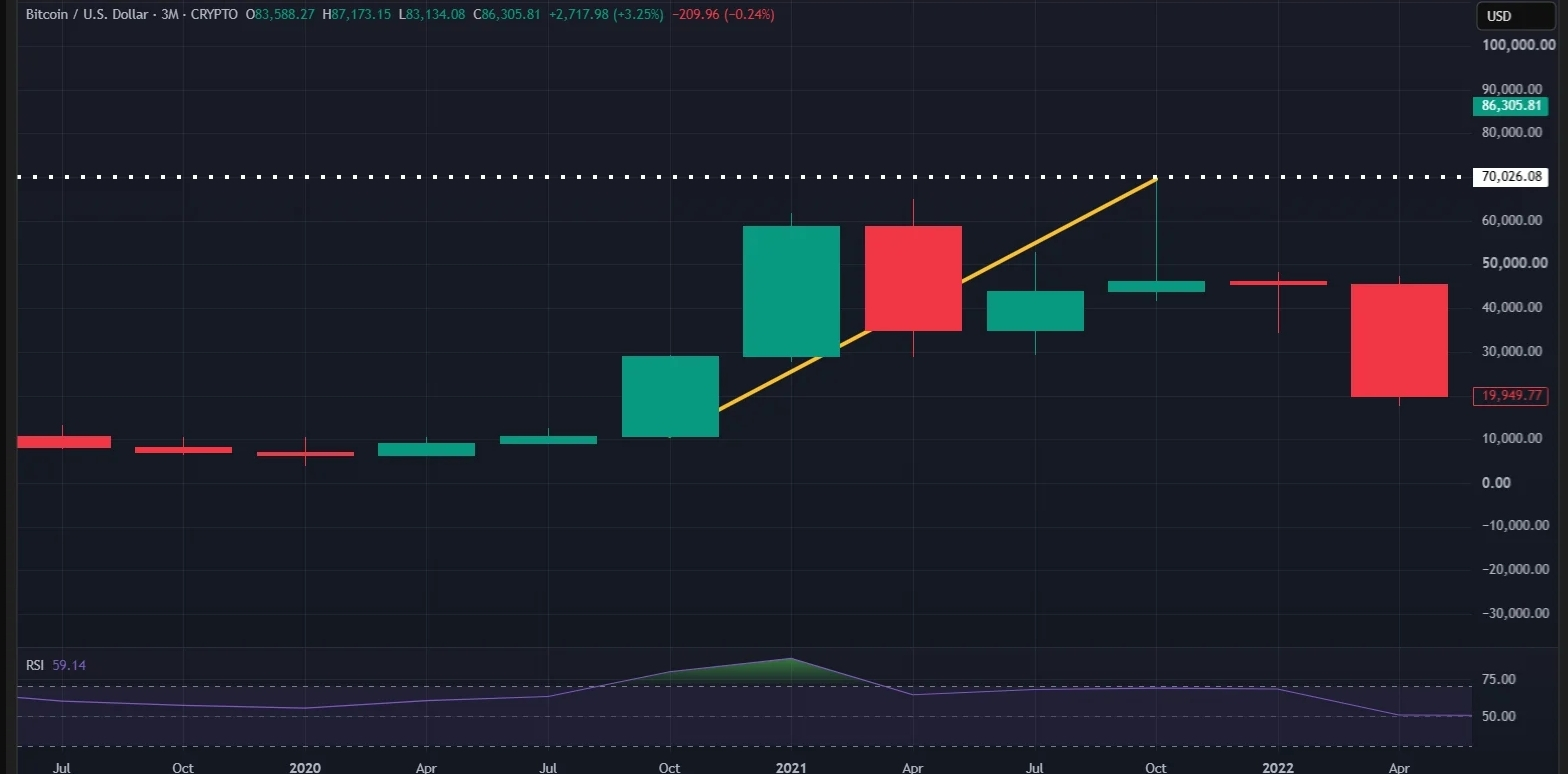
In short, this adds to the case that institutional participation in Bitcoin is far stronger than it was in 2020.
Back then, the initial COVID-19 stimulus provided eligible Americans with $1,200 per adult plus $500 per child and a further $600 per adult in late December. This served as a direct cash injection and a highly liquid risk-on environment for Bitcoin in its 2020-21 bull cycle.
Now, the proposed $5,000 payment per American suggested by the U.S. President Donald Trump would far exceed 2020 levels of infusion. So, if even a fraction of that liquidity flows into Bitcoin and other risk assets, it could become another demand catalyst to an already institutionally driven market.