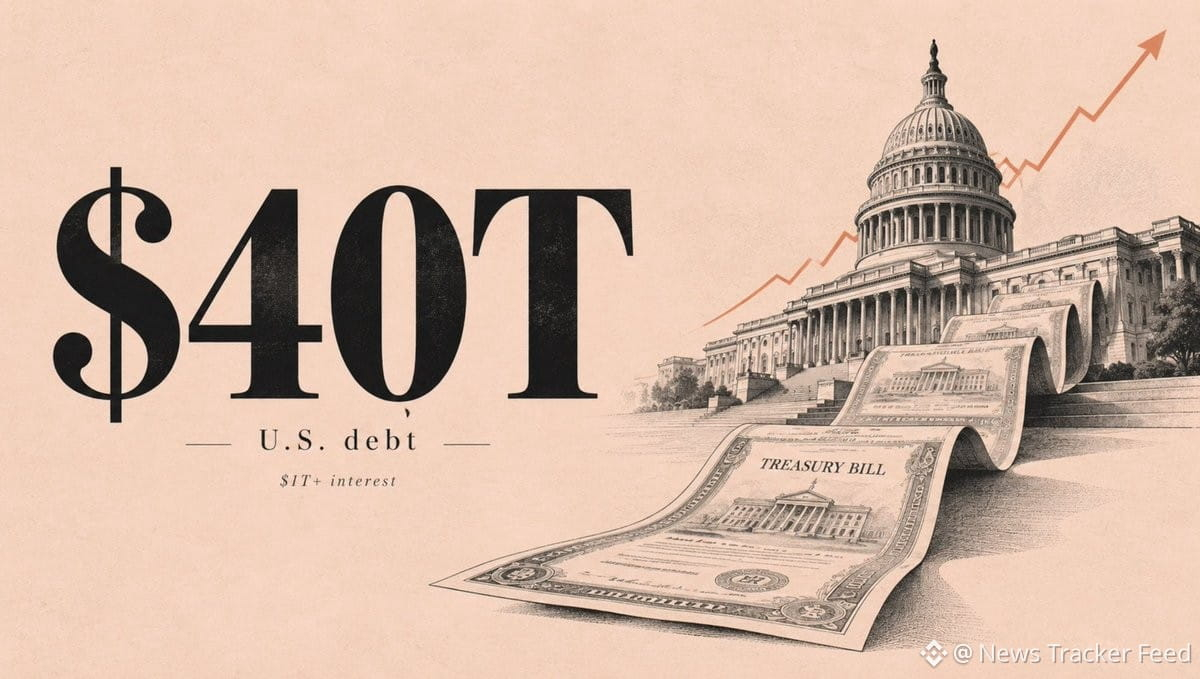
Fed rate hikes might actually be stimulative — counterintuitive but the math checks out.
Higher rates mean the government pays more interest on its debt. That money flows directly into the private sector as income to bondholders.
When rates jumped from near-zero to 5%+, the Treasury started pumping hundreds of billions in extra interest payments into the economy annually. For many households and institutions holding Treasuries, that's new spending power.
Meanwhile, the rate hikes were supposed to cool demand. But if the interest income effect outweighs the borrowing cost effect, you get a net stimulus — not a brake.
This flips the traditional textbook view. Rate hikes don't just tighten conditions. They also redistribute income. And right now, that redistribution might be juicing the economy more than the higher borrowing costs are slowing it.
Higher rates mean the government pays more interest on its debt. That money flows directly into the private sector as income to bondholders.
When rates jumped from near-zero to 5%+, the Treasury started pumping hundreds of billions in extra interest payments into the economy annually. For many households and institutions holding Treasuries, that's new spending power.
Meanwhile, the rate hikes were supposed to cool demand. But if the interest income effect outweighs the borrowing cost effect, you get a net stimulus — not a brake.
This flips the traditional textbook view. Rate hikes don't just tighten conditions. They also redistribute income. And right now, that redistribution might be juicing the economy more than the higher borrowing costs are slowing it.