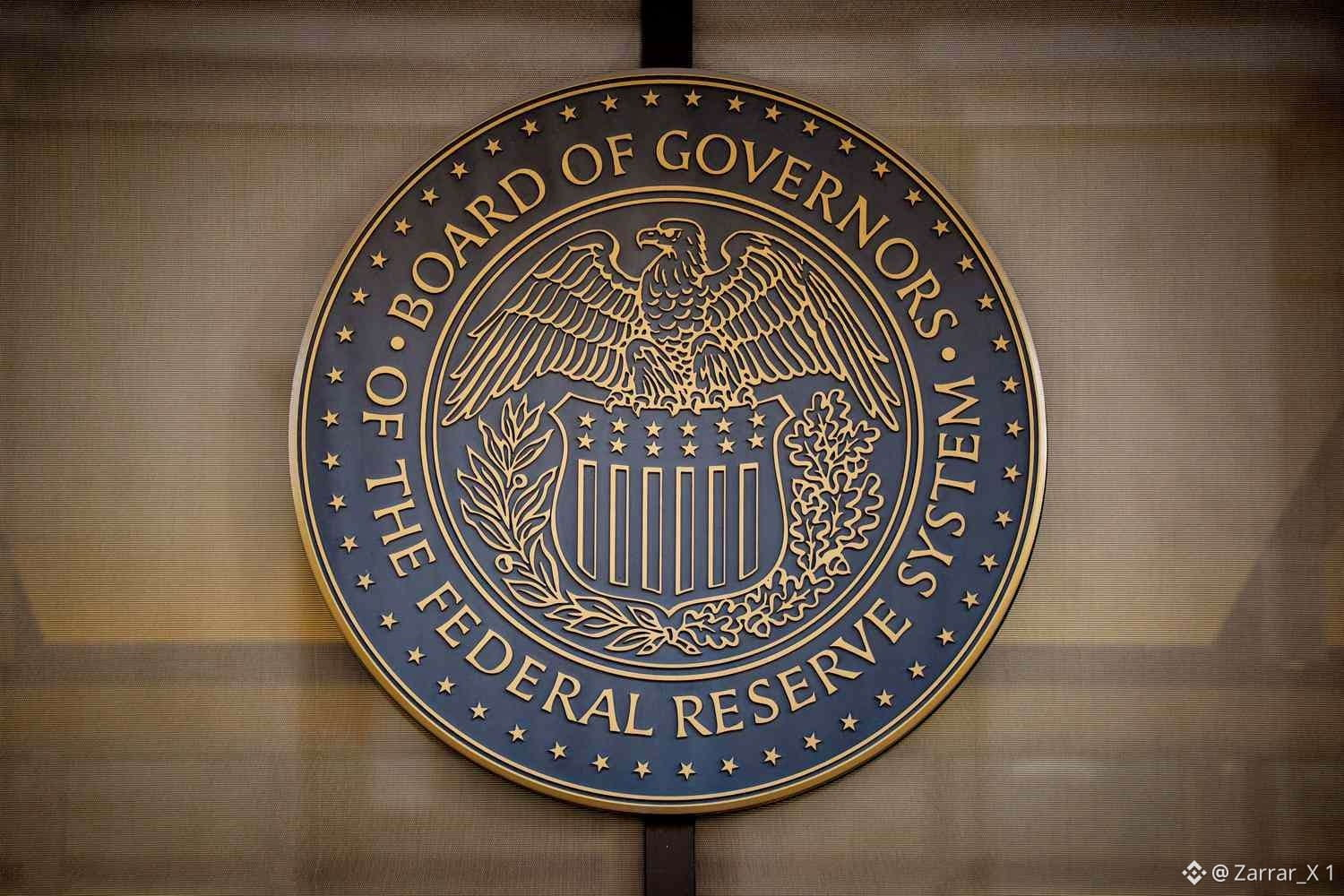
Fed Says Rate Hikes Can Stabilize Prices, But Won’t Make Goods Cheaper.
The Federal Reserve’s latest comments have highlighted a distinction many market participants often overlook: interest-rate hikes are designed to slow future price increases, not immediately reduce the prices of goods and services.
The Fed cannot directly control what businesses charge. Instead, higher rates increase borrowing costs, reduce demand and discourage excessive spending, making it harder for companies to keep raising prices aggressively. The goal is to stabilize inflation over time rather than reverse existing price increases.
That explanation has left some traders frustrated, especially as markets rallied despite the Fed maintaining a restrictive stance. However, financial markets often price in expectations ahead of the actual economic impact, meaning a hawkish message does not automatically translate into an immediate sell-off.
In simple terms, the Fed may be signaling short-term economic pain in exchange for longer-term price stability, while markets are reacting to liquidity expectations, positioning and what they believe comes next.
$ARB #FED #Macro Insights#
The Federal Reserve’s latest comments have highlighted a distinction many market participants often overlook: interest-rate hikes are designed to slow future price increases, not immediately reduce the prices of goods and services.
The Fed cannot directly control what businesses charge. Instead, higher rates increase borrowing costs, reduce demand and discourage excessive spending, making it harder for companies to keep raising prices aggressively. The goal is to stabilize inflation over time rather than reverse existing price increases.
That explanation has left some traders frustrated, especially as markets rallied despite the Fed maintaining a restrictive stance. However, financial markets often price in expectations ahead of the actual economic impact, meaning a hawkish message does not automatically translate into an immediate sell-off.
In simple terms, the Fed may be signaling short-term economic pain in exchange for longer-term price stability, while markets are reacting to liquidity expectations, positioning and what they believe comes next.
$ARB #FED #Macro Insights#