Будущее альткоинов — избирательное, а не равномерное. Широкая фаза «всё растёт» может происходить в сильных циклах risk-on, но в более долгосрочной перспективе рынок, вероятно, разделит проекты с реальными пользователями, выручкой или сетевой активностью и токены, которые в основном движимы нарративом и краткосрочной ликвидностью.
Текущая рыночная ситуация — 2026-08-29: данные Binance spot показывают осторожную сессию среди крупных альтов: ETH около $2 443,51 (-2,66% за 24ч), SOL $104,15 (-3,43%), BNB $690,79 (-3,22%) и XRP $1,3845 (-4,35%). Такой широкий откат показывает, насколько сильно альткоины по-прежнему зависят от общей склонности крипторынка к риску.
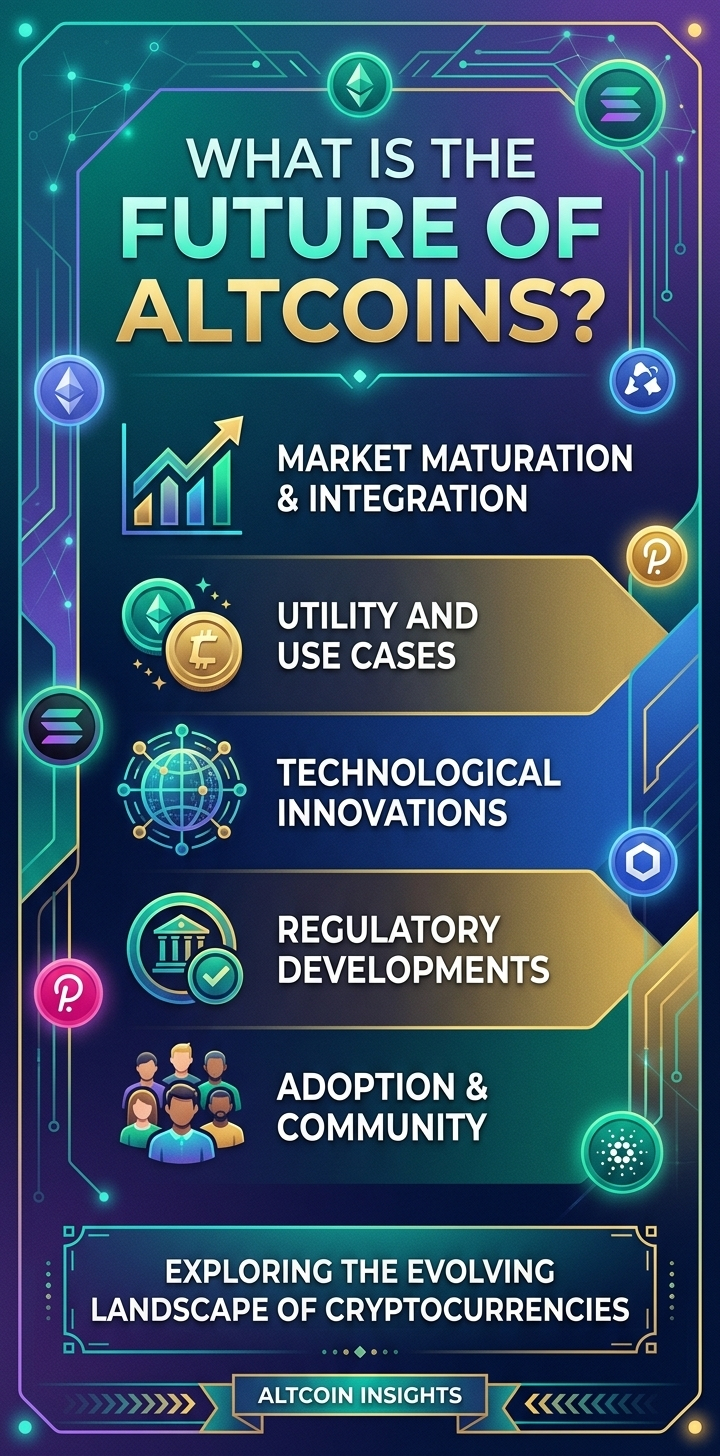 Что может поддержать альткоины
Стабильный или укрепляющийся рынок BTC: когда волатильность биткоина снижается и капитал перетекает наружу, ликвидные крупные альты часто получают больше внимания.
Реальное внедрение: рост платежей в стейблкоинах, децентрализованных финансов, токенизированных реальных активов, DePIN, гейминга и потребительских приложений может создать более устойчивый спрос, чем один лишь хайп.
Лучшие токеномики: более низкая инфляция, управляемые графики разблокировок, существенный захват комиссий и прозрачные практики казначейства со временем важнее всего.
Регуляторная ясность и институциональный доступ: более четкие правила и комплаентные продукты могут расширить участие, хотя сроки и результаты, зависящие от страны, остаются неопределенными.
Что может их сдерживать
Разбавление токенов: крупные разблокировки и продолжающиеся эмиссии могут компенсировать новый спрос.
Фрагментированная ликвидность: тысячи токенов конкурируют за капитал; многие не смогут удержать значимую торговую глубину или пользователей.
Нарративные циклы: ИИ, мемы, RWA, L2, гейминг и другие темы могут быстро двигаться, но одно лишь внимание не доказывает устойчивость.
Макроэкономическое давление: более высокие ставки, более слабая ликвидность или переход в режим risk-off могут сильнее ударить по альткоинам, чем по BTC.
Практическая рамка: вместо того чтобы рассматривать «альткоины» как единый класс активов, оценивайте каждый проект по ончейн-активности, подтвержденной разработчиками поддержке, ликвидности, изменениям предложения токенов, выручке или комиссиям протокола, управлению и его конкурентной позиции. Крупные, уже устоявшиеся сети обычно несут иные риски, чем токены small-cap или только что запущенные.
Конструктивный сценарий — когда биткоин остается стабильным, растет сетевая активность и давление со стороны предложения токенов сдерживается. Негативный сценарий — широкие условия risk-off в сочетании с низким использованием и тяжелыми разблокировками, когда многие альты могут показать худшие результаты даже при том, что некоторые лидеры сохраняют устойчивость.


Статья
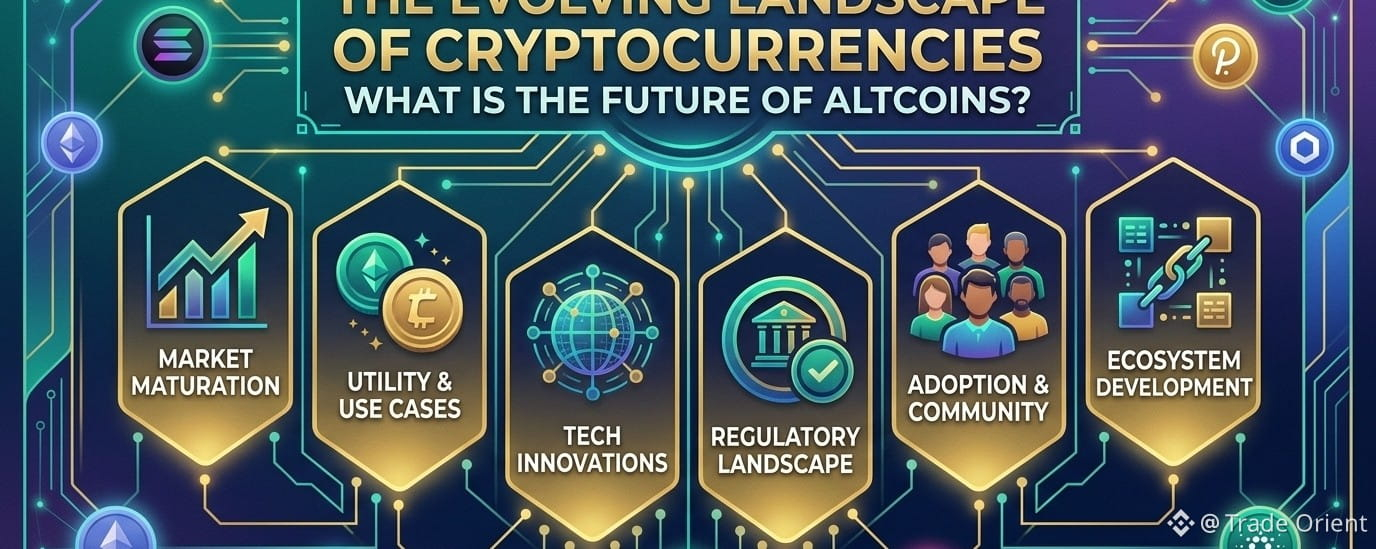
Будущее альткоинов
Отказ от ответственности. Содержит мнения третьих сторон. Не является рекомендацией. Binance AI не предоставляет гарантий. См. Правила и условия.