

#crypt
crypt
Просмотров: 752,459
2,905 обсуждают
Популярные
Новые

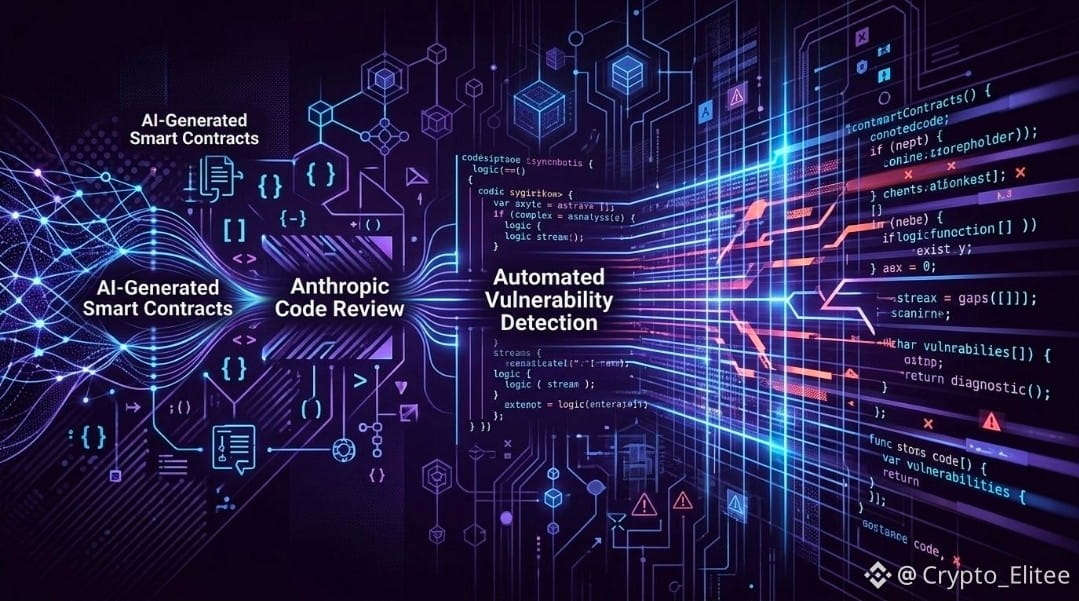
🤖 Может ли искусственный интеллект защитить миллиарды долларов в криптовалютах?
Anthropic запустила программу, которая позволяет проектам с открытым исходным кодом получать отчёты о проверках безопасности, подготовленные с помощью передовых моделей искусственного интеллекта.
По данным Cointelegraph, заявки на участие в программе подали проекты из экосистем Bitcoin и Ethereum.
🔍 Почему это важно? • Выявление ошибок в коде до того, как ими воспользуются. • Повышение безопасности кошельков и сетей. • Снижение некоторых рисков в смарт-контрактах.
⚠️ Искусственный интеллект не гарантирует защиту от взлома — человеческая проверка и тестирование по-прежнему необходимы.
🔥 Как вы думаете, станет ли искусственный интеллект важнейшим инструментом защиты мира Web3?
I #Crypt o #Blockchain #CyberSecurity #Web3
🤖 Может ли искусственный интеллект защитить миллиарды долларов в криптовалютах?
Anthropic запустила программу, которая позволяет проектам с открытым исходным кодом получать отчёты о проверках безопасности, подготовленные с помощью передовых моделей искусственного интеллекта.
По данным Cointelegraph, заявки на участие в программе подали проекты из экосистем Bitcoin и Ethereum.
🔍 Почему это важно? • Выявление ошибок в коде до того, как ими воспользуются. • Повышение безопасности кошельков и сетей. • Снижение некоторых рисков в смарт-контрактах.
⚠️ Искусственный интеллект не гарантирует защиту от взлома — человеческая проверка и тестирование по-прежнему необходимы.
🔥 Как вы думаете, станет ли искусственный интеллект важнейшим инструментом защиты мира Web3?
I #Crypt o #Blockchain #CyberSecurity #Web3
Anthropic запустила программу, которая позволяет проектам с открытым исходным кодом получать отчёты о проверках безопасности, подготовленные с помощью передовых моделей искусственного интеллекта.
По данным Cointelegraph, заявки на участие в программе подали проекты из экосистем Bitcoin и Ethereum.
🔍 Почему это важно? • Выявление ошибок в коде до того, как ими воспользуются. • Повышение безопасности кошельков и сетей. • Снижение некоторых рисков в смарт-контрактах.
⚠️ Искусственный интеллект не гарантирует защиту от взлома — человеческая проверка и тестирование по-прежнему необходимы.
🔥 Как вы думаете, станет ли искусственный интеллект важнейшим инструментом защиты мира Web3?
I #Crypt o #Blockchain #CyberSecurity #Web3
1
35

·
--
*📉 ФРС повысила ставку.. как это повлияет на крипто?📉 ФРС повысила ставку.. как это повлияет на крипто?
В прошлую среду (16 сентября) Федеральная резервная система США повысила ключевую ставку на 0,25% до диапазона 3,75%–4% — после того как она оставалась без изменений с июля 2023 года, и это было первое подобное повышение за многие годы.
Почему это важно для крипто?
🔸 Повышение ставки делает более привлекательными инвестиции в «безопасные» инструменты вроде облигаций, поэтому снижается интерес к рискованным активам, таким как биткоин и альткоины.
*📉 ФРС повысила ставку.. как это повлияет на крипто?
📉 ФРС повысила ставку.. как это повлияет на крипто?
В прошлую среду (16 сентября) Федеральная резервная система США повысила ключевую ставку на 0,25% до диапазона 3,75%–4% — после того как она оставалась без изменений с июля 2023 года, и это было первое подобное повышение за многие годы.
Почему это важно для крипто?
🔸 Повышение ставки делает более привлекательными инвестиции в «безопасные» инструменты вроде облигаций, поэтому снижается интерес к рискованным активам, таким как биткоин и альткоины.
В прошлую среду (16 сентября) Федеральная резервная система США повысила ключевую ставку на 0,25% до диапазона 3,75%–4% — после того как она оставалась без изменений с июля 2023 года, и это было первое подобное повышение за многие годы.
Почему это важно для крипто?
🔸 Повышение ставки делает более привлекательными инвестиции в «безопасные» инструменты вроде облигаций, поэтому снижается интерес к рискованным активам, таким как биткоин и альткоины.
133
·
--
Спотовая торговля## 💡 Спотовая торговля (Spot): забытый клад в мире крипто
В то время, когда большинство создателей контента сосредоточены на фьючерсах и быстрых спекуляциях, почти исчезают разговоры о прочной основе, необходимой для построения настоящего капитала на рынке криптовалют: **спотовая торговля (Spot Trading)**.
Многие считают спотовую торговлю «скучной» или «медленной», но правда в том, что это самый безопасный и устойчивый инструмент. Именно здесь «киты» создают своё состояние — и сохраняют душевное спокойствие.
Спотовая торговля
## 💡 Спотовая торговля (Spot): забытый клад в мире крипто
В то время, когда большинство создателей контента сосредоточены на фьючерсах и быстрых спекуляциях, почти исчезают разговоры о прочной основе, необходимой для построения настоящего капитала на рынке криптовалют: **спотовая торговля (Spot Trading)**.
Многие считают спотовую торговлю «скучной» или «медленной», но правда в том, что это самый безопасный и устойчивый инструмент. Именно здесь «киты» создают своё состояние — и сохраняют душевное спокойствие.
В то время, когда большинство создателей контента сосредоточены на фьючерсах и быстрых спекуляциях, почти исчезают разговоры о прочной основе, необходимой для построения настоящего капитала на рынке криптовалют: **спотовая торговля (Spot Trading)**.
Многие считают спотовую торговлю «скучной» или «медленной», но правда в том, что это самый безопасный и устойчивый инструмент. Именно здесь «киты» создают своё состояние — и сохраняют душевное спокойствие.
151

·
--
Руководство для начинающих по криптовалютеЧто такое криптовалюта?
Криптовалюта — это цифровая форма денег, использующая технологию блокчейн для безопасной и прозрачной записи транзакций. В отличие от традиционных валют, криптовалюты являются децентрализованными, то есть они не контролируются одним банком или правительством.
Популярные криптовалюты
Некоторые из самых известных криптовалют включают в себя:
$BTC (Биткойн)
$ETH (Эфириум)
$BNB (BNB)
Каждая криптовалюта имеет свою цель и область применения в экосистеме блокчейна.
Почему люди интересуются крипто?
Руководство для начинающих по криптовалюте
Что такое криптовалюта?
Криптовалюта — это цифровая форма денег, использующая технологию блокчейн для безопасной и прозрачной записи транзакций. В отличие от традиционных валют, криптовалюты являются децентрализованными, то есть они не контролируются одним банком или правительством.
Популярные криптовалюты
Некоторые из самых известных криптовалют включают в себя:
$BTC (Биткойн)
$ETH (Эфириум)
$BNB (BNB)
Каждая криптовалюта имеет свою цель и область применения в экосистеме блокчейна.
Почему люди интересуются крипто?
Криптовалюта — это цифровая форма денег, использующая технологию блокчейн для безопасной и прозрачной записи транзакций. В отличие от традиционных валют, криптовалюты являются децентрализованными, то есть они не контролируются одним банком или правительством.
Популярные криптовалюты
Некоторые из самых известных криптовалют включают в себя:
$BTC (Биткойн)
$ETH (Эфириум)
$BNB (BNB)
Каждая криптовалюта имеет свою цель и область применения в экосистеме блокчейна.
Почему люди интересуются крипто?
127

Биткоин оказался в ловушке инфляции или готов к отскоку?
Крипторынок пережил серьёзный удар после публикации данных по ИПЦ США, оказавшихся выше ожиданий. В результате $BTC потерял уровень $81,000 и опустился в диапазон $80,900. Неопределённость по поводу того, повысит ли Федеральная резервная система процентные ставки в этом месяце, привела к оттоку более $150 миллионов из спотовых ETF на биткоин всего за одну торговую сессию. Это увлекло за собой ликвидность розничного рынка к критически важным уровням поддержки.
Мой анализ
Буду предельно честен: в ближайшие часы большинство трейдеров ликвидируют, потому что они торгуют на эмоциях, а не опираются на реальные данные стакана заявок. Я осторожно настроен в отношении $BTC , с умеренным уклоном в сторону роста, но только при условии, что нам удастся удержать макроэкономический психологический уровень поддержки в $80,000. С технической точки зрения рынок краткосрочно перепродан из-за макроэкономической паники, но институциональные потоки остаются нестабильными.
Не покупайте, полагая, что дно для $BTC C гарантировано: в этом деле нет никаких гарантий. Если цена уверенно пробьёт уровень поддержки в $80,000 на фоне ликвидаций институциональных позиций, структура будет полностью нарушена, и цена направится к $75,000. Контролируйте риски, сведите кредитное плечо к минимуму и помните: вовремя принять небольшой убыток — единственный способ пережить этот период и увидеть следующий тренд.
{spot}(BTCUSDT)
Подписывайтесь, чтобы увидеть больше материалов о трейдинге.
#Bitcoi n #crypt o #Trading
Биткоин оказался в ловушке инфляции или готов к отскоку?
Крипторынок пережил серьёзный удар после публикации данных по ИПЦ США, оказавшихся выше ожиданий. В результате $BTC потерял уровень $81,000 и опустился в диапазон $80,900. Неопределённость по поводу того, повысит ли Федеральная резервная система процентные ставки в этом месяце, привела к оттоку более $150 миллионов из спотовых ETF на биткоин всего за одну торговую сессию. Это увлекло за собой ликвидность розничного рынка к критически важным уровням поддержки.
Мой анализ
Буду предельно честен: в ближайшие часы большинство трейдеров ликвидируют, потому что они торгуют на эмоциях, а не опираются на реальные данные стакана заявок. Я осторожно настроен в отношении $BTC , с умеренным уклоном в сторону роста, но только при условии, что нам удастся удержать макроэкономический психологический уровень поддержки в $80,000. С технической точки зрения рынок краткосрочно перепродан из-за макроэкономической паники, но институциональные потоки остаются нестабильными.
Не покупайте, полагая, что дно для $BTC C гарантировано: в этом деле нет никаких гарантий. Если цена уверенно пробьёт уровень поддержки в $80,000 на фоне ликвидаций институциональных позиций, структура будет полностью нарушена, и цена направится к $75,000. Контролируйте риски, сведите кредитное плечо к минимуму и помните: вовремя принять небольшой убыток — единственный способ пережить этот период и увидеть следующий тренд.
Подписывайтесь, чтобы увидеть больше материалов о трейдинге.
#Bitcoi n #crypt o #Trading
Крипторынок пережил серьёзный удар после публикации данных по ИПЦ США, оказавшихся выше ожиданий. В результате $BTC потерял уровень $81,000 и опустился в диапазон $80,900. Неопределённость по поводу того, повысит ли Федеральная резервная система процентные ставки в этом месяце, привела к оттоку более $150 миллионов из спотовых ETF на биткоин всего за одну торговую сессию. Это увлекло за собой ликвидность розничного рынка к критически важным уровням поддержки.
Мой анализ
Буду предельно честен: в ближайшие часы большинство трейдеров ликвидируют, потому что они торгуют на эмоциях, а не опираются на реальные данные стакана заявок. Я осторожно настроен в отношении $BTC , с умеренным уклоном в сторону роста, но только при условии, что нам удастся удержать макроэкономический психологический уровень поддержки в $80,000. С технической точки зрения рынок краткосрочно перепродан из-за макроэкономической паники, но институциональные потоки остаются нестабильными.
Не покупайте, полагая, что дно для $BTC C гарантировано: в этом деле нет никаких гарантий. Если цена уверенно пробьёт уровень поддержки в $80,000 на фоне ликвидаций институциональных позиций, структура будет полностью нарушена, и цена направится к $75,000. Контролируйте риски, сведите кредитное плечо к минимуму и помните: вовремя принять небольшой убыток — единственный способ пережить этот период и увидеть следующий тренд.
Подписывайтесь, чтобы увидеть больше материалов о трейдинге.
#Bitcoi n #crypt o #Trading
165

·
--
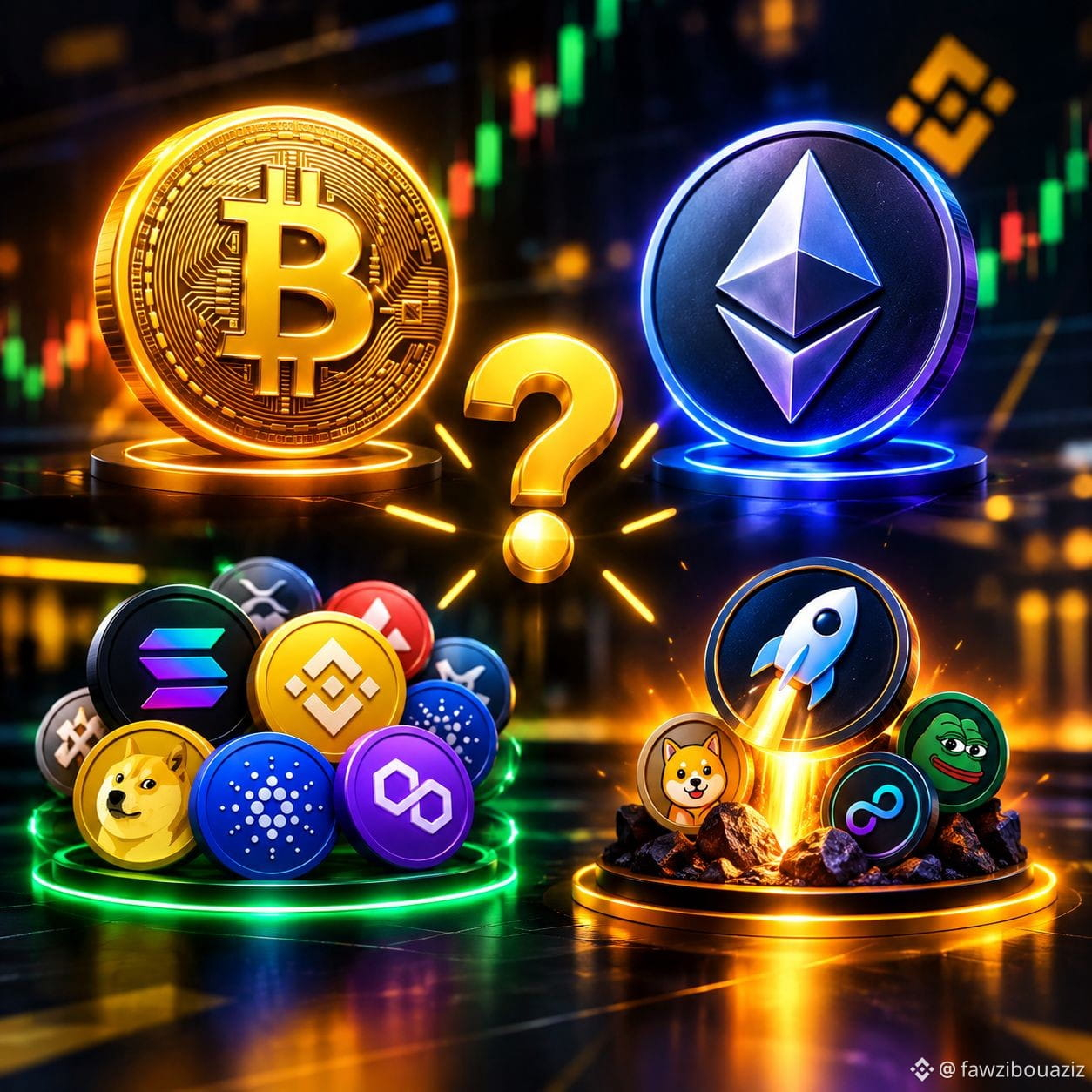
Давайте посмотрим, у кого другой взгляд на рынок 👀
Если бы сегодня у вас было всего 100$ для инвестиций в криптовалюту, как бы вы их распределили?
1. ₿ Bitcoin
2. ⟠ Ethereum
3. 🚀 Альткоины
4. 💎 Небольшие проекты, которые ждут своего старта
Мне интересно услышать причины вашего выбора, а не только названия монет.
Напишите свой выбор и объясните его в комментарии — посмотрим, у кого стратегия лучше.
#crypt #bitcoin #BinanceSquare
Давайте посмотрим, у кого другой взгляд на рынок 👀
Если бы сегодня у вас было всего 100$ для инвестиций в криптовалюту, как бы вы их распределили?
1. ₿ Bitcoin
2. ⟠ Ethereum
3. 🚀 Альткоины
4. 💎 Небольшие проекты, которые ждут своего старта
Мне интересно услышать причины вашего выбора, а не только названия монет.
Напишите свой выбор и объясните его в комментарии — посмотрим, у кого стратегия лучше.
#crypt #bitcoin #BinanceSquare
Если бы сегодня у вас было всего 100$ для инвестиций в криптовалюту, как бы вы их распределили?
1. ₿ Bitcoin
2. ⟠ Ethereum
3. 🚀 Альткоины
4. 💎 Небольшие проекты, которые ждут своего старта
Мне интересно услышать причины вашего выбора, а не только названия монет.
Напишите свой выбор и объясните его в комментарии — посмотрим, у кого стратегия лучше.
#crypt #bitcoin #BinanceSquare
119


Статья
🚀 Биткоин: нас ждёт новая волна роста? ₿🔥🚀 Биткоин: нас ждёт новая волна роста? ₿🔥
Готовится ли Bitcoin к мощному возвращению?
Несмотря на волатильность рынка криптовалют, биткоин по-прежнему находится в центре внимания инвесторов по всему миру, а его дальнейшая динамика остаётся одной из самых интересных тем для наблюдения!
📊 Какие есть доказательства?
1 октября 2026 года группа Citigroup (Citi) повысила свой 12-месячный прогноз цены биткоина до 113 000 долларов с 82 000 долларов, сославшись на рост активности на рынке криптовалют и ожидания возобновления притока инвестиций. Это аналитический прогноз, а не гарантированная цена.
🚀 Биткоин: нас ждёт новая волна роста? ₿🔥
🚀 Биткоин: нас ждёт новая волна роста? ₿🔥
Готовится ли Bitcoin к мощному возвращению?
Несмотря на волатильность рынка криптовалют, биткоин по-прежнему находится в центре внимания инвесторов по всему миру, а его дальнейшая динамика остаётся одной из самых интересных тем для наблюдения!
📊 Какие есть доказательства?
1 октября 2026 года группа Citigroup (Citi) повысила свой 12-месячный прогноз цены биткоина до 113 000 долларов с 82 000 долларов, сославшись на рост активности на рынке криптовалют и ожидания возобновления притока инвестиций. Это аналитический прогноз, а не гарантированная цена.
Готовится ли Bitcoin к мощному возвращению?
Несмотря на волатильность рынка криптовалют, биткоин по-прежнему находится в центре внимания инвесторов по всему миру, а его дальнейшая динамика остаётся одной из самых интересных тем для наблюдения!
📊 Какие есть доказательства?
1 октября 2026 года группа Citigroup (Citi) повысила свой 12-месячный прогноз цены биткоина до 113 000 долларов с 82 000 долларов, сославшись на рост активности на рынке криптовалют и ожидания возобновления притока инвестиций. Это аналитический прогноз, а не гарантированная цена.
115

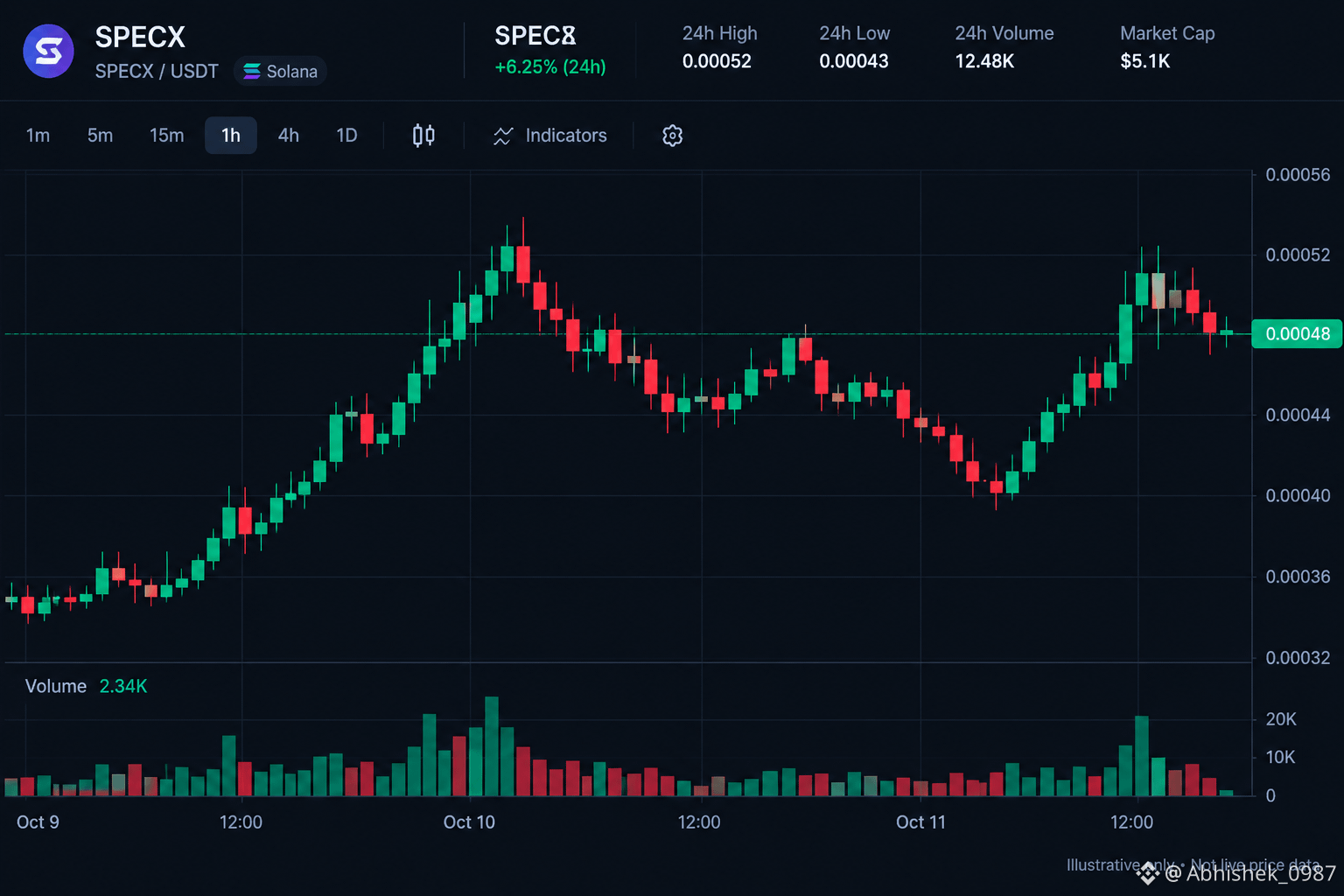
$SPCXB — это недавно запущенный токен на базе Solana. Его заявленная рыночная капитализация составляет около 5 100 долларов США, однако в последнем доступном листинге за последние 24 часа указан нулевой объем торгов. Это указывает на очень низкую торговую активность и потенциально высокую волатильность. ⚠️ Перед принятием инвестиционных решений трейдерам следует проверить ликвидность, данные о контракте и текущую рыночную активность. #SPECX #crypt Новости #Solana #CryptoTrends2024 криптовалюта #CryptoTradingInsights
$SPCXB — это недавно запущенный токен на базе Solana. Его заявленная рыночная капитализация составляет около 5 100 долларов США, однако в последнем доступном листинге за последние 24 часа указан нулевой объем торгов. Это указывает на очень низкую торговую активность и потенциально высокую волатильность. ⚠️ Перед принятием инвестиционных решений трейдерам следует проверить ликвидность, данные о контракте и текущую рыночную активность. #SPECX #crypt Новости #Solana #CryptoTrends2024 криптовалюта #CryptoTradingInsights
1
107

Макроэкономика встречается с криптой.
Рост доходности казначейских облигаций, высокие цены на нефть и более осторожный тон последних протоколов ФРС оказывают давление на рисковые активы.
На этой неделе крипторынок тоже ощущает это давление: ведущие криптовалюты отступают, а объёмы торгов остаются высокими.
Какое значение вы придаёте макроэкономическим факторам, оценивая рынок?
#Macro #Crypt o #BTC
Макроэкономика встречается с криптой.
Рост доходности казначейских облигаций, высокие цены на нефть и более осторожный тон последних протоколов ФРС оказывают давление на рисковые активы.
На этой неделе крипторынок тоже ощущает это давление: ведущие криптовалюты отступают, а объёмы торгов остаются высокими.
Какое значение вы придаёте макроэкономическим факторам, оценивая рынок?
#Macro #Crypt o #BTC
Рост доходности казначейских облигаций, высокие цены на нефть и более осторожный тон последних протоколов ФРС оказывают давление на рисковые активы.
На этой неделе крипторынок тоже ощущает это давление: ведущие криптовалюты отступают, а объёмы торгов остаются высокими.
Какое значение вы придаёте макроэкономическим факторам, оценивая рынок?
#Macro #Crypt o #BTC
40

·
--
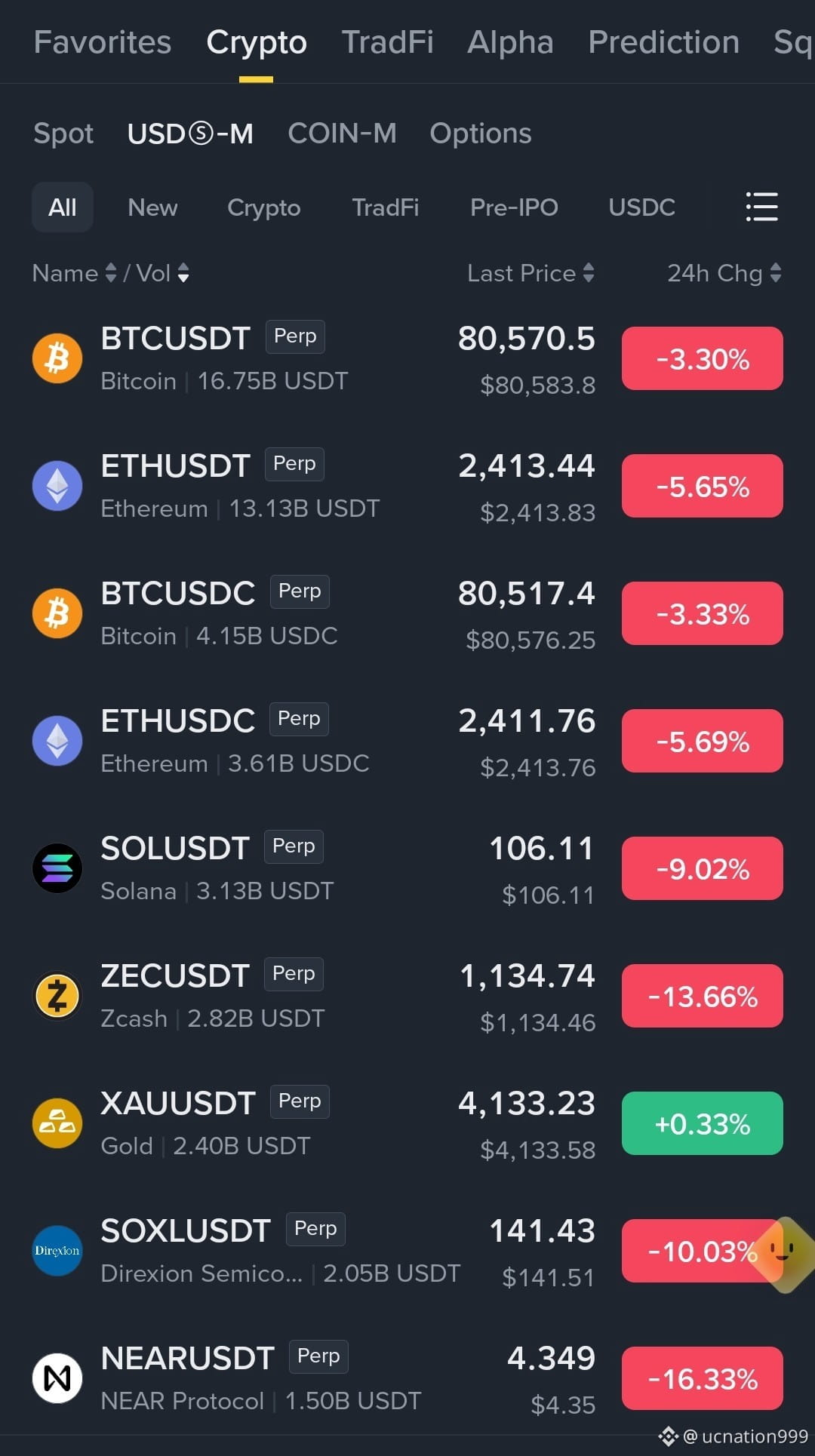
#CRYPT MARKET BLOODBATH TODAY 🩸📉
BTC: $80,570 (-3.30%)
ETH: $2,413 (-5.65%)
SOL: $106 (-9.02%)
ZEC: -13.66%
NEAR: -16.33% 😱
Всё КРАСНО, кроме ЗОЛОТА +0.33% 🟢
Это то самое падение, которого мы ждали, или будет ещё боль?
Я покупаю небольшие партии здесь. А ты?
Ты ПОКУПАЕШЬ или ПРОДАЁШЬ сегодня? 👇
$BTC $ETH $SOL $NEAR $ZEC
#Bitcoin #CryptoCrash #Crypto #BinanceSquare
#CRYPT MARKET BLOODBATH TODAY 🩸📉
BTC: $80,570 (-3.30%)
ETH: $2,413 (-5.65%)
SOL: $106 (-9.02%)
ZEC: -13.66%
NEAR: -16.33% 😱
Всё КРАСНО, кроме ЗОЛОТА +0.33% 🟢
Это то самое падение, которого мы ждали, или будет ещё боль?
Я покупаю небольшие партии здесь. А ты?
Ты ПОКУПАЕШЬ или ПРОДАЁШЬ сегодня? 👇
$BTC $ETH $SOL $NEAR $ZEC
#Bitcoin #CryptoCrash #Crypto #BinanceSquare
BTC: $80,570 (-3.30%)
ETH: $2,413 (-5.65%)
SOL: $106 (-9.02%)
ZEC: -13.66%
NEAR: -16.33% 😱
Всё КРАСНО, кроме ЗОЛОТА +0.33% 🟢
Это то самое падение, которого мы ждали, или будет ещё боль?
Я покупаю небольшие партии здесь. А ты?
Ты ПОКУПАЕШЬ или ПРОДАЁШЬ сегодня? 👇
$BTC $ETH $SOL $NEAR $ZEC
#Bitcoin #CryptoCrash #Crypto #BinanceSquare
1
262

·
--

Статья
$ETH — КОРРЕКЦИЯ СТАНОВИТСЯ ИНТЕРЕСНОЙ🔥 $ETH — КОРРЕКЦИЯ СТАНОВИТСЯ ИНТЕРЕСНОЙ
Сейчас Ethereum торгуется в районе $2,5 тыс. после снижения ниже отметки $2,7 тыс. Но главный вопрос не просто в том, «пойдёт ETH вверх или вниз?»
Главный вопрос:
Это здоровая перезагрузка перед следующим рывком вверх или начало более глубокой коррекции? 👀
📊 ЗА ЧЕМ Я СЛЕЖУ:
🔹 ПОДДЕРЖКА $2 500–$2 540
Это первая важная зона, которую быкам нужно удержать. Ранее ETH пробил её вверх, поэтому удержание этой зоны может превратить прежнее сопротивление в поддержку.
$ETH — КОРРЕКЦИЯ СТАНОВИТСЯ ИНТЕРЕСНОЙ
🔥 $ETH — КОРРЕКЦИЯ СТАНОВИТСЯ ИНТЕРЕСНОЙ
Сейчас Ethereum торгуется в районе $2,5 тыс. после снижения ниже отметки $2,7 тыс. Но главный вопрос не просто в том, «пойдёт ETH вверх или вниз?»
Главный вопрос:
Это здоровая перезагрузка перед следующим рывком вверх или начало более глубокой коррекции? 👀
📊 ЗА ЧЕМ Я СЛЕЖУ:
🔹 ПОДДЕРЖКА $2 500–$2 540
Это первая важная зона, которую быкам нужно удержать. Ранее ETH пробил её вверх, поэтому удержание этой зоны может превратить прежнее сопротивление в поддержку.
Сейчас Ethereum торгуется в районе $2,5 тыс. после снижения ниже отметки $2,7 тыс. Но главный вопрос не просто в том, «пойдёт ETH вверх или вниз?»
Главный вопрос:
Это здоровая перезагрузка перед следующим рывком вверх или начало более глубокой коррекции? 👀
📊 ЗА ЧЕМ Я СЛЕЖУ:
🔹 ПОДДЕРЖКА $2 500–$2 540
Это первая важная зона, которую быкам нужно удержать. Ранее ETH пробил её вверх, поэтому удержание этой зоны может превратить прежнее сопротивление в поддержку.
77

·
--

Статья
🚨 ВНИМАНИЕ: не покупайте криптовалюту в 2026 году, пока не прочитаете это! (Секрет китов) 🐳
Если вы ждёте🚨 ВНИМАНИЕ: не покупайте криптовалюту в 2026 году, пока не прочитаете это! (Секрет китов) 🐳
Если вы ждёте, пока биткоин обновит исторический максимум, прежде чем начать покупать, вы уже совершаете огромную ошибку.
Большинство розничных трейдеров теряют деньги, потому что покупают на FOMO (зелёных свечах), а продают в панике (красных свечах). Если вы действительно хотите заработать в этом году в 10 раз больше, вам нужно прямо сейчас изменить свою стратегию и делать то же, что крупные игроки делают за кулисами.
Вот точная формула из 3 шагов, которая поможет превратить небольшой портфель в состояние, способное изменить вашу жизнь, ещё до масштабного расширения рынка. 👇
🚨 ВНИМАНИЕ: не покупайте криптовалюту в 2026 году, пока не прочитаете это! (Секрет китов) 🐳 Если вы ждёте
🚨 ВНИМАНИЕ: не покупайте криптовалюту в 2026 году, пока не прочитаете это! (Секрет китов) 🐳
Если вы ждёте, пока биткоин обновит исторический максимум, прежде чем начать покупать, вы уже совершаете огромную ошибку.
Большинство розничных трейдеров теряют деньги, потому что покупают на FOMO (зелёных свечах), а продают в панике (красных свечах). Если вы действительно хотите заработать в этом году в 10 раз больше, вам нужно прямо сейчас изменить свою стратегию и делать то же, что крупные игроки делают за кулисами.
Вот точная формула из 3 шагов, которая поможет превратить небольшой портфель в состояние, способное изменить вашу жизнь, ещё до масштабного расширения рынка. 👇
Если вы ждёте, пока биткоин обновит исторический максимум, прежде чем начать покупать, вы уже совершаете огромную ошибку.
Большинство розничных трейдеров теряют деньги, потому что покупают на FOMO (зелёных свечах), а продают в панике (красных свечах). Если вы действительно хотите заработать в этом году в 10 раз больше, вам нужно прямо сейчас изменить свою стратегию и делать то же, что крупные игроки делают за кулисами.
Вот точная формула из 3 шагов, которая поможет превратить небольшой портфель в состояние, способное изменить вашу жизнь, ещё до масштабного расширения рынка. 👇
2
142
Статья
WinCoin?!🚨WIN2PAY
ПРЕДУПРЕЖДЕНИЕ О ПРЕДОТВРАЩЕНИИ МОШЕННИЧЕСТВА🚨 СИГНАЛ ТРЕВОГИ №005 — WIN2PAY
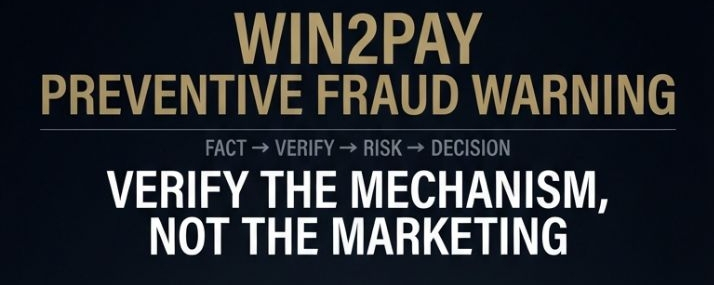
ПРЕДУПРЕЖДЕНИЕ О ПРЕДОТВРАЩЕНИИ МОШЕННИЧЕСТВА
Предупреждение о потере денег, а не после.
Кейс поступил от читателей DVA.
После первичного сигнала мы провели повторную Due Diligence по схеме:
ФАКТ → ПРОВЕРКА → РИСК → РЕШЕНИЕ
На этот раз вопрос шире, чем просто «это скам или нет?»
Содержит ли модель признаки финансовой пирамиды, схемы Понци, матричного MLM, псевдоинвестиционного предложения и других практик, способных создать риск потери средств участниками?
WinCoin?!🚨WIN2PAY ПРЕДУПРЕЖДЕНИЕ О ПРЕДОТВРАЩЕНИИ МОШЕННИЧЕСТВА
🚨 СИГНАЛ ТРЕВОГИ №005 — WIN2PAY
ПРЕДУПРЕЖДЕНИЕ О ПРЕДОТВРАЩЕНИИ МОШЕННИЧЕСТВА
Предупреждение о потере денег, а не после.
Кейс поступил от читателей DVA.
После первичного сигнала мы провели повторную Due Diligence по схеме:
ФАКТ → ПРОВЕРКА → РИСК → РЕШЕНИЕ
На этот раз вопрос шире, чем просто «это скам или нет?»
Содержит ли модель признаки финансовой пирамиды, схемы Понци, матричного MLM, псевдоинвестиционного предложения и других практик, способных создать риск потери средств участниками?
ПРЕДУПРЕЖДЕНИЕ О ПРЕДОТВРАЩЕНИИ МОШЕННИЧЕСТВА
Предупреждение о потере денег, а не после.
Кейс поступил от читателей DVA.
После первичного сигнала мы провели повторную Due Diligence по схеме:
ФАКТ → ПРОВЕРКА → РИСК → РЕШЕНИЕ
На этот раз вопрос шире, чем просто «это скам или нет?»
Содержит ли модель признаки финансовой пирамиды, схемы Понци, матричного MLM, псевдоинвестиционного предложения и других практик, способных создать риск потери средств участниками?
1
147

·
--
Уже официально наступил конец токенам утилити, или мем-коины просто маскируют настоящую инфраструктурную революцию, которая происходит незаметно?
Каждый цикл пуристы спорят, что в итоге победят фундаментальные вещи. Но розничные трейдеры по-прежнему гонятся за вирусными догкоинами и интернет-культурой, пока традиционные технологические проекты с трудом привлекают внимание. В то время как макро-якоря вроде $BTC обеспечивают стабильность, а $BNB реально поддерживает активность экосистемы, спекулятивный капитал явно смещается в сторону экономики чистого внимания.
Утилити создаёт долгосрочную ценность, но мемы захватывают мгновенную долю внимания. Настоящее противоречие не в том, какая сторона лучше — вопрос в том, превратилась ли крипто из технологического движения в глобальный рынок развлечений, где ликвидность следует хайпу, а не коду.
Куда прямо сейчас вы направляете свой капитал: в чистую утилити или в вирусную культуру?
#Crypt...
Уже официально наступил конец токенам утилити, или мем-коины просто маскируют настоящую инфраструктурную революцию, которая происходит незаметно?
Каждый цикл пуристы спорят, что в итоге победят фундаментальные вещи. Но розничные трейдеры по-прежнему гонятся за вирусными догкоинами и интернет-культурой, пока традиционные технологические проекты с трудом привлекают внимание. В то время как макро-якоря вроде $BTC обеспечивают стабильность, а $BNB реально поддерживает активность экосистемы, спекулятивный капитал явно смещается в сторону экономики чистого внимания.
Утилити создаёт долгосрочную ценность, но мемы захватывают мгновенную долю внимания. Настоящее противоречие не в том, какая сторона лучше — вопрос в том, превратилась ли крипто из технологического движения в глобальный рынок развлечений, где ликвидность следует хайпу, а не коду.
Куда прямо сейчас вы направляете свой капитал: в чистую утилити или в вирусную культуру?
#Crypt...
Каждый цикл пуристы спорят, что в итоге победят фундаментальные вещи. Но розничные трейдеры по-прежнему гонятся за вирусными догкоинами и интернет-культурой, пока традиционные технологические проекты с трудом привлекают внимание. В то время как макро-якоря вроде $BTC обеспечивают стабильность, а $BNB реально поддерживает активность экосистемы, спекулятивный капитал явно смещается в сторону экономики чистого внимания.
Утилити создаёт долгосрочную ценность, но мемы захватывают мгновенную долю внимания. Настоящее противоречие не в том, какая сторона лучше — вопрос в том, превратилась ли крипто из технологического движения в глобальный рынок развлечений, где ликвидность следует хайпу, а не коду.
Куда прямо сейчас вы направляете свой капитал: в чистую утилити или в вирусную культуру?
#Crypt...
63
·
--
#Aİ #ZECUSDT #crypt
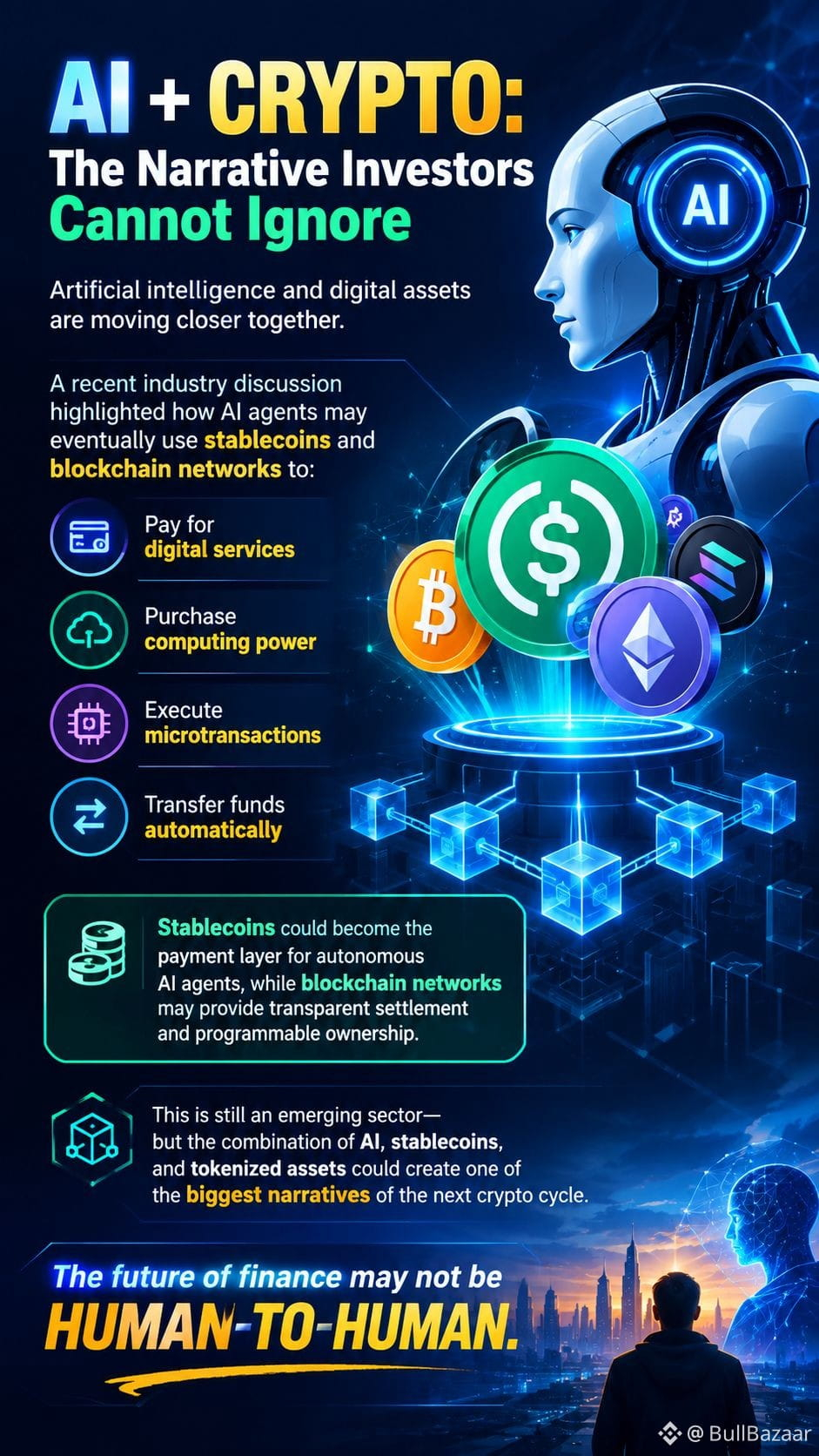
ИИ + крипто: Нарратив, который инвесторы не могут игнорировать
Искусственный интеллект и цифровые активы сближаются.
Недавнее отраслевое обсуждение подчеркнуло, как ИИ-агенты в будущем могут использовать стейблкоины и блокчейн-сети для того, чтобы:
• Оплачивать цифровые услуги
• Покупать вычислительные мощности
• Выполнять микроплатежи
• Автоматически переводить средства
•
Стейблкоины могут стать платежным уровнем для автономных ИИ-агентов, а блокчейн-сети — обеспечить прозрачные расчеты и программируемое владение.
Это пока развивающийся сектор, — но сочетание ИИ, стейблкоинов и токенизированных активов может сформировать один из крупнейших нарративов следующего криптоцикла.
Будущее финансов может быть не человек-человек.
А машина-машина.
#AI #Crypto #Stablecoins #Web3 #Blockchain #DigitalAssets #BinanceSquare
#Aİ #ZECUSDT #crypt
ИИ + крипто: Нарратив, который инвесторы не могут игнорировать
Искусственный интеллект и цифровые активы сближаются.
Недавнее отраслевое обсуждение подчеркнуло, как ИИ-агенты в будущем могут использовать стейблкоины и блокчейн-сети для того, чтобы:
• Оплачивать цифровые услуги
• Покупать вычислительные мощности
• Выполнять микроплатежи
• Автоматически переводить средства
•
Стейблкоины могут стать платежным уровнем для автономных ИИ-агентов, а блокчейн-сети — обеспечить прозрачные расчеты и программируемое владение.
Это пока развивающийся сектор, — но сочетание ИИ, стейблкоинов и токенизированных активов может сформировать один из крупнейших нарративов следующего криптоцикла.
Будущее финансов может быть не человек-человек.
А машина-машина.
#AI #Crypto #Stablecoins #Web3 #Blockchain #DigitalAssets #BinanceSquare
ИИ + крипто: Нарратив, который инвесторы не могут игнорировать
Искусственный интеллект и цифровые активы сближаются.
Недавнее отраслевое обсуждение подчеркнуло, как ИИ-агенты в будущем могут использовать стейблкоины и блокчейн-сети для того, чтобы:
• Оплачивать цифровые услуги
• Покупать вычислительные мощности
• Выполнять микроплатежи
• Автоматически переводить средства
•
Стейблкоины могут стать платежным уровнем для автономных ИИ-агентов, а блокчейн-сети — обеспечить прозрачные расчеты и программируемое владение.
Это пока развивающийся сектор, — но сочетание ИИ, стейблкоинов и токенизированных активов может сформировать один из крупнейших нарративов следующего криптоцикла.
Будущее финансов может быть не человек-человек.
А машина-машина.
#AI #Crypto #Stablecoins #Web3 #Blockchain #DigitalAssets #BinanceSquare
1
213

·
--
$ETH ОБНОВЛЕНИЕ — 29 СЕНТЯБРЯ
Разработчики Ethereum подтвердили 6 октября для форка тестнета Sepolia обновления Glamsterdam. Обновление по-прежнему проходит тестирование; в дорожной карте Ethereum основной запуск указан на IV квартал 2026 года, дата не подтверждена. Это веха тестирования, а не запуск основной сети.
На Binance $ETH был рядом с $2 689,95, рост на 0,07% за 24 часа в последнем снимке, который я проверял. Мои показания графика нейтральные: после резкого движения 23 сентября недавние дневные закрытия сгруппировались примерно вокруг $2 690, а 24-часовой диапазон составляет примерно $2 635–$2 719. Это больше похоже на консолидацию, чем на подтверждённый пробой. Я бы следил за тем, сможет ли $ETH выйти за пределы этого диапазона на более сильных объёмах; дорожная карта обновления — это история долгосрочного развития, а не доказательство немедленного движения цены.
За чем вы следите внимательнее: за вехой тестнета 6 октября или за движением цены ETH? Поделитесь своим мнением и подписывайтесь, чтобы получать больше обновлений.
#crypt #cryptouniverseofficial #CryptocurrencyWealth #CryptoNewss #cryptooinsigts
{spot}(ETHUSDT)
$ETH ОБНОВЛЕНИЕ — 29 СЕНТЯБРЯ
Разработчики Ethereum подтвердили 6 октября для форка тестнета Sepolia обновления Glamsterdam. Обновление по-прежнему проходит тестирование; в дорожной карте Ethereum основной запуск указан на IV квартал 2026 года, дата не подтверждена. Это веха тестирования, а не запуск основной сети.
На Binance $ETH был рядом с $2 689,95, рост на 0,07% за 24 часа в последнем снимке, который я проверял. Мои показания графика нейтральные: после резкого движения 23 сентября недавние дневные закрытия сгруппировались примерно вокруг $2 690, а 24-часовой диапазон составляет примерно $2 635–$2 719. Это больше похоже на консолидацию, чем на подтверждённый пробой. Я бы следил за тем, сможет ли $ETH выйти за пределы этого диапазона на более сильных объёмах; дорожная карта обновления — это история долгосрочного развития, а не доказательство немедленного движения цены.
За чем вы следите внимательнее: за вехой тестнета 6 октября или за движением цены ETH? Поделитесь своим мнением и подписывайтесь, чтобы получать больше обновлений.
#crypt #cryptouniverseofficial #CryptocurrencyWealth #CryptoNewss #cryptooinsigts
Разработчики Ethereum подтвердили 6 октября для форка тестнета Sepolia обновления Glamsterdam. Обновление по-прежнему проходит тестирование; в дорожной карте Ethereum основной запуск указан на IV квартал 2026 года, дата не подтверждена. Это веха тестирования, а не запуск основной сети.
На Binance $ETH был рядом с $2 689,95, рост на 0,07% за 24 часа в последнем снимке, который я проверял. Мои показания графика нейтральные: после резкого движения 23 сентября недавние дневные закрытия сгруппировались примерно вокруг $2 690, а 24-часовой диапазон составляет примерно $2 635–$2 719. Это больше похоже на консолидацию, чем на подтверждённый пробой. Я бы следил за тем, сможет ли $ETH выйти за пределы этого диапазона на более сильных объёмах; дорожная карта обновления — это история долгосрочного развития, а не доказательство немедленного движения цены.
За чем вы следите внимательнее: за вехой тестнета 6 октября или за движением цены ETH? Поделитесь своим мнением и подписывайтесь, чтобы получать больше обновлений.
#crypt #cryptouniverseofficial #CryptocurrencyWealth #CryptoNewss #cryptooinsigts
112

Статья
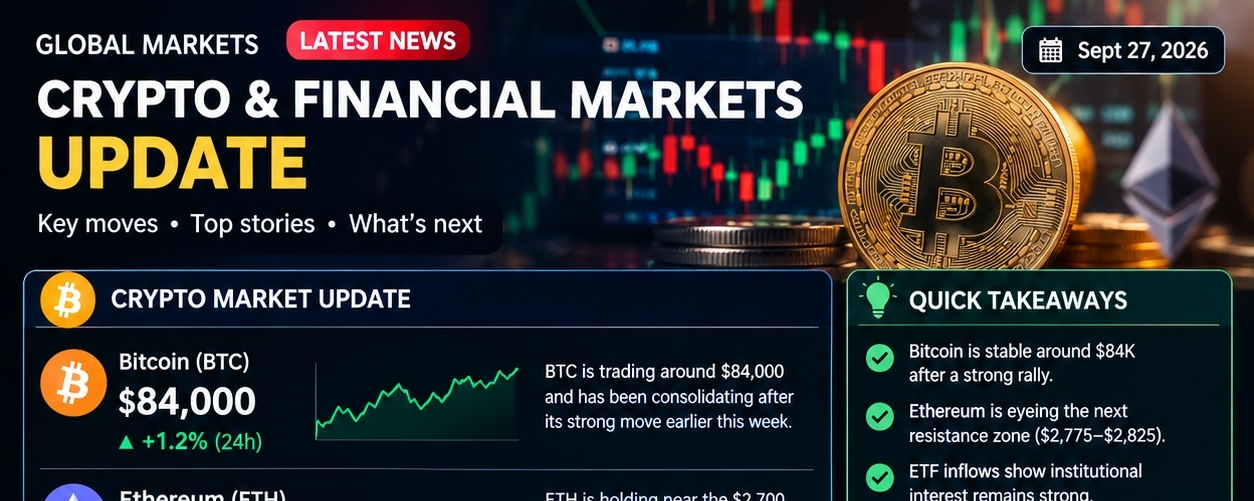
🚨 ОБНОВЛЕНИЕ ПО КРИПТО И ФИНАНСОВЫМ РЫНКАМ
📅 27 сентября 2026🪙 РЫНОК КРИПТОВАЛЮТ
₿ Биткоин (BTC): ~$84,000
Биткоин консолидируется после сильного движения ранее на этой неделе.
♦️ Ethereum (ETH): ~$2,700
ETH удерживается на уровне около $2,700 после пробоя выше зоны сопротивления ~$2,661.
🏦 Биткоин-ETF:
🇺🇸 Спотовые биткоин-ETF в США зафиксировали примерно $134,46 млн чистого притока 25 сентября, демонстрируя продолжающийся институциональный интерес.
📊 На какое сопротивление по ETH обратить внимание:
Аналитики следят за зоной $2,775–$2,825 после того, как ETH поднялся выше ~$2,661.
📈 ТРАДИЦИОННЫЕ ФИНАНСОВЫЕ РЫНКИ
🚨 ОБНОВЛЕНИЕ ПО КРИПТО И ФИНАНСОВЫМ РЫНКАМ 📅 27 сентября 2026
🪙 РЫНОК КРИПТОВАЛЮТ
₿ Биткоин (BTC): ~$84,000
Биткоин консолидируется после сильного движения ранее на этой неделе.
♦️ Ethereum (ETH): ~$2,700
ETH удерживается на уровне около $2,700 после пробоя выше зоны сопротивления ~$2,661.
🏦 Биткоин-ETF:
🇺🇸 Спотовые биткоин-ETF в США зафиксировали примерно $134,46 млн чистого притока 25 сентября, демонстрируя продолжающийся институциональный интерес.
📊 На какое сопротивление по ETH обратить внимание:
Аналитики следят за зоной $2,775–$2,825 после того, как ETH поднялся выше ~$2,661.
📈 ТРАДИЦИОННЫЕ ФИНАНСОВЫЕ РЫНКИ
₿ Биткоин (BTC): ~$84,000
Биткоин консолидируется после сильного движения ранее на этой неделе.
♦️ Ethereum (ETH): ~$2,700
ETH удерживается на уровне около $2,700 после пробоя выше зоны сопротивления ~$2,661.
🏦 Биткоин-ETF:
🇺🇸 Спотовые биткоин-ETF в США зафиксировали примерно $134,46 млн чистого притока 25 сентября, демонстрируя продолжающийся институциональный интерес.
📊 На какое сопротивление по ETH обратить внимание:
Аналитики следят за зоной $2,775–$2,825 после того, как ETH поднялся выше ~$2,661.
📈 ТРАДИЦИОННЫЕ ФИНАНСОВЫЕ РЫНКИ
96

КРИПТОКрипто — это больше, чем тренд: это новый способ мышления
Криптовалюта — это не только про то, растёт или падает Биткоин. Это про технологии, свободу, инновации и финансовый мир, который меняется каждый день.
Самая большая ошибка — гнаться за каждым зелёным свечным баром. Умные пользователи криптовалют фокусируются на обучении, прежде чем зарабатывать.
Каждое движение рынка чему-то нас учит — терпению, управлению рисками, дисциплине и таймингу.
Не просто спрашивайте: «Какая монета вырастет?»
Спросите: «Чему я учусь на этом рынке?»
Потому что в криптовалюте знания могут стать вашим самым большим преимуществом.
КРИПТО
Крипто — это больше, чем тренд: это новый способ мышления
Криптовалюта — это не только про то, растёт или падает Биткоин. Это про технологии, свободу, инновации и финансовый мир, который меняется каждый день.
Самая большая ошибка — гнаться за каждым зелёным свечным баром. Умные пользователи криптовалют фокусируются на обучении, прежде чем зарабатывать.
Каждое движение рынка чему-то нас учит — терпению, управлению рисками, дисциплине и таймингу.
Не просто спрашивайте: «Какая монета вырастет?»
Спросите: «Чему я учусь на этом рынке?»
Потому что в криптовалюте знания могут стать вашим самым большим преимуществом.
Криптовалюта — это не только про то, растёт или падает Биткоин. Это про технологии, свободу, инновации и финансовый мир, который меняется каждый день.
Самая большая ошибка — гнаться за каждым зелёным свечным баром. Умные пользователи криптовалют фокусируются на обучении, прежде чем зарабатывать.
Каждое движение рынка чему-то нас учит — терпению, управлению рисками, дисциплине и таймингу.
Не просто спрашивайте: «Какая монета вырастет?»
Спросите: «Чему я учусь на этом рынке?»
Потому что в криптовалюте знания могут стать вашим самым большим преимуществом.
30

Частичная правда
Статья
Проект монеты Bitway ($BTW): финансовая мощь и многообещающее будущее в мире Crypto!🚀 Проект монеты Bitway ($BTW): финансовая мощь и многообещающее будущее в мире Crypto!
Ищете инвестиционную возможность, сочетающую стабильность и сильный рост? Сегодня монета Bitway (BTW) доказывает, что это один из проектов, за которым стоит следить и уделять ему пристальное внимание на рынке криптовалют.
💡 Цифры и статистика отражают силу проекта BTW:
Проект обладает мощными основами, выводящими его в число крупнейших проектов:
Проект монеты Bitway ($BTW): финансовая мощь и многообещающее будущее в мире Crypto!
🚀 Проект монеты Bitway ($BTW ): финансовая мощь и многообещающее будущее в мире Crypto!
Ищете инвестиционную возможность, сочетающую стабильность и сильный рост? Сегодня монета Bitway (BTW) доказывает, что это один из проектов, за которым стоит следить и уделять ему пристальное внимание на рынке криптовалют.
💡 Цифры и статистика отражают силу проекта BTW:
Проект обладает мощными основами, выводящими его в число крупнейших проектов:
Ищете инвестиционную возможность, сочетающую стабильность и сильный рост? Сегодня монета Bitway (BTW) доказывает, что это один из проектов, за которым стоит следить и уделять ему пристальное внимание на рынке криптовалют.
💡 Цифры и статистика отражают силу проекта BTW:
Проект обладает мощными основами, выводящими его в число крупнейших проектов:
1
440

·
--
Прежде чем спрашивать «какую монету купить», вы действительно уже понимаете, что такое крипто?Когда говорят о крипто, многие сразу думают о том, как быстро “прыгнуть”, как усердно кролик, или о схемах, которые быстро обогащают. Но прежде чем думать о покупке или продаже, сначала разберитесь, что такое крипто.
Крипто — это цифровые деньги (криптовалюта). Проще говоря, это вид цифрового актива, который работает в блокчейне. Вместо того чтобы держать бумажные деньги, как в традиционной системе, крипто передается с помощью сети компьютеров. Представьте блокчейн как книгу учета: каждая транзакция записывается в книгу, и всю запись проверяет вся сеть, поэтому никто не может удалить старые данные.
Прежде чем спрашивать «какую монету купить», вы действительно уже понимаете, что такое крипто?
Когда говорят о крипто, многие сразу думают о том, как быстро “прыгнуть”, как усердно кролик, или о схемах, которые быстро обогащают. Но прежде чем думать о покупке или продаже, сначала разберитесь, что такое крипто.
Крипто — это цифровые деньги (криптовалюта). Проще говоря, это вид цифрового актива, который работает в блокчейне. Вместо того чтобы держать бумажные деньги, как в традиционной системе, крипто передается с помощью сети компьютеров. Представьте блокчейн как книгу учета: каждая транзакция записывается в книгу, и всю запись проверяет вся сеть, поэтому никто не может удалить старые данные.
Крипто — это цифровые деньги (криптовалюта). Проще говоря, это вид цифрового актива, который работает в блокчейне. Вместо того чтобы держать бумажные деньги, как в традиционной системе, крипто передается с помощью сети компьютеров. Представьте блокчейн как книгу учета: каждая транзакция записывается в книгу, и всю запись проверяет вся сеть, поэтому никто не может удалить старые данные.
1
1
62
Войдите, чтобы посмотреть больше материала
Присоединяйтесь к пользователям криптовалют по всему миру на Binance Square
⚡️ Получайте новейшую и полезную информацию о криптоактивах.
💬 Нам доверяет крупнейшая в мире криптобиржа.
👍 Получите достоверные аналитические данные от верифицированных создателей контента.
Эл. почта/номер телефона
В тренде
1
#CanMicrosoftDeliverOnAI
Просмотров: 598
64 обсуждают
2
#CanGoogleDefindItsCore
Просмотров: 619
70 обсуждают
3
#fomcотслеживание
Просмотров: 53,949
505 обсуждают
4
#ПротоколFOMC
Просмотров: 59,789
249 обсуждают
5
#FOMCWatch
Просмотров: 9M
27,208 обсуждают
6
#EthereumDropsBelow$2300
Просмотров: 5,229
113 обсуждают
7
#BitcoinSlipsBelow$80KAgain
Просмотров: 17,719
82 обсуждают
8
#ThailandLaunchesWORPTStablecoinToQRPaymentApp
Просмотров: 29,238
511 обсуждают
9
#StrategySkipsBitcoinPurchasesSpends$205MOnSTRCBuybacks
Просмотров: 7,885
84 обсуждают
10
#BitmineAdds10452ETH
Просмотров: 67,668
910 обсуждают