

Mohamed A. El-Erian Re-poster
1.2k Публикации
Mohamed A. El-Erian Re-poster
Отправить жалобу
Заблокировать пользователя
Rene M Kern Prof of Prac at Wharton. Allianz Advisor. Gramercy Chair. Chair of UnderArmour Board. Former Pimco CEO/co-CIO and President of Queens' Col Cambridge
0 подписок(и/а)
649 подписчиков(а)
1.1K+ понравилось
Посты
Все
Видео
Проверено
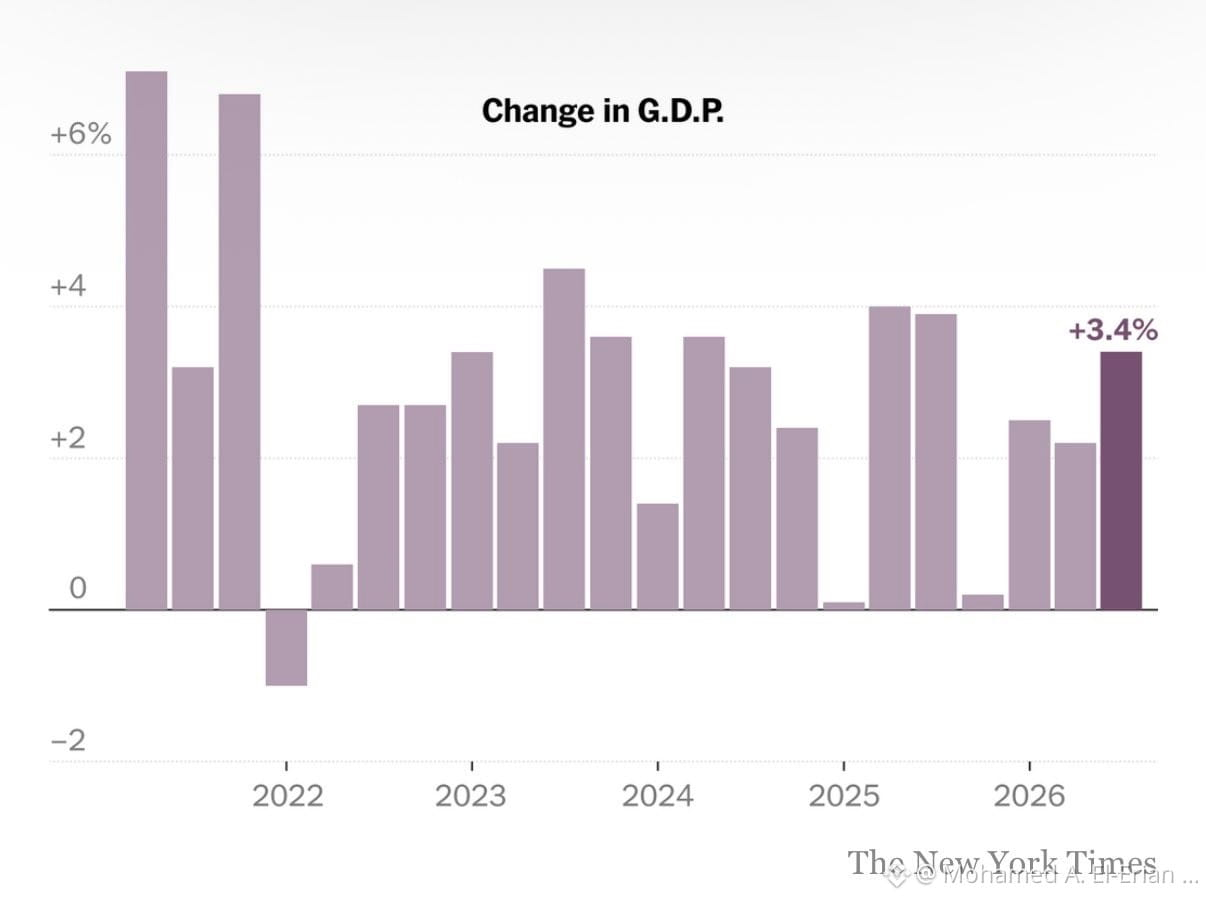
During Q3, the growth of the US GDP reached 3.4%, establishing the most significant economic expansion seen over the last twelve months. Please refer to the New York Times chart included directly below for a closer look at these figures.
#economy #markets #growth
During Q3, the growth of the US GDP reached 3.4%, establishing the most significant economic expansion seen over the last twelve months. Please refer to the New York Times chart included directly below for a closer look at these figures.
#economy #markets #growth
#economy #markets #growth
5
3.5k
Rising prices absolutely require a deliberate policy reaction, so pointing out inconsistencies among market watchers is not meant to suggest we should sit back and do nothing. Even so, the public conversation continues to place an overwhelming emphasis on monetary tactics while largely ignoring instruments that are actually much better equipped to handle this challenge. A prime example is fiscal consolidation, a topic I explored at length in my September FT column.
Curiously, a significant number of the voices currently demanding interest rate hikes on the grounds that inflation has surpassed its target for over five years are the exact same people who advocated for consecutive rate cuts last year. It is worth remembering that even during that time, inflation had already been running higher than targeted for four years.
#economy #markets #inflation #federalreserve #centralbanks
1
A significant and highly anticipated adjustment to the FOMC calendar has just been shared by Federal Reserve Chair Kevin Warsh. In a much-needed move designed to encourage more profound conversations, the committee is reorganizing its schedule to prioritize broader planning. Starting next year, one of the eight standard policy gatherings will be exclusively set aside for a strategic discussion. Moving into the subsequent year, the number of these dedicated sessions is expected to increase to two. Observers and participants alike are sure to welcome this positive step toward deeper dialogue.
#economy #markets #centralbanks #federalreserve
#economy #markets #centralbanks #federalreserve
Meeting widespread expectations, the Federal Reserve chose to leave interest rates unchanged following a 10 to 2 vote. Interestingly, both of the dissenting voters were in favor of a rate hike. Rather than offering explicit forward guidance, the FOMC explained in its statement that gathering further information will assist the Committee in deciding the right policy approach to ensure a timely return of inflation to their 2 percent target. Public and market focus is now shifting over to the upcoming press conference with Chair Warsh.
#economy #markets #federalreserve #centralbanks
#economy #markets #federalreserve #centralbanks
35
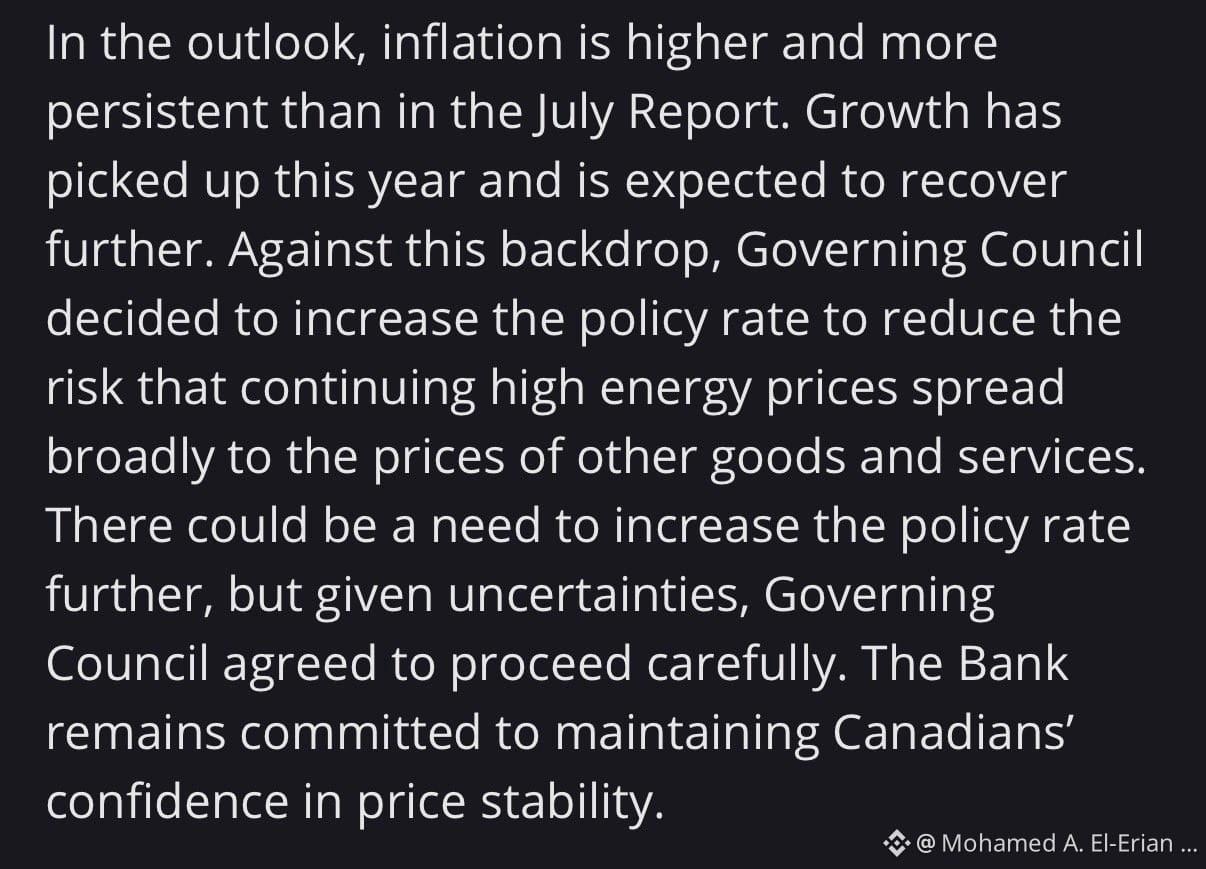
These details are taken from the official announcement released by the Bank of Canada in conjunction with their decision to increase interest rates.
#economy #markets #canada #centralbanks
These details are taken from the official announcement released by the Bank of Canada in conjunction with their decision to increase interest rates.
#economy #markets #canada #centralbanks
#economy #markets #canada #centralbanks
32
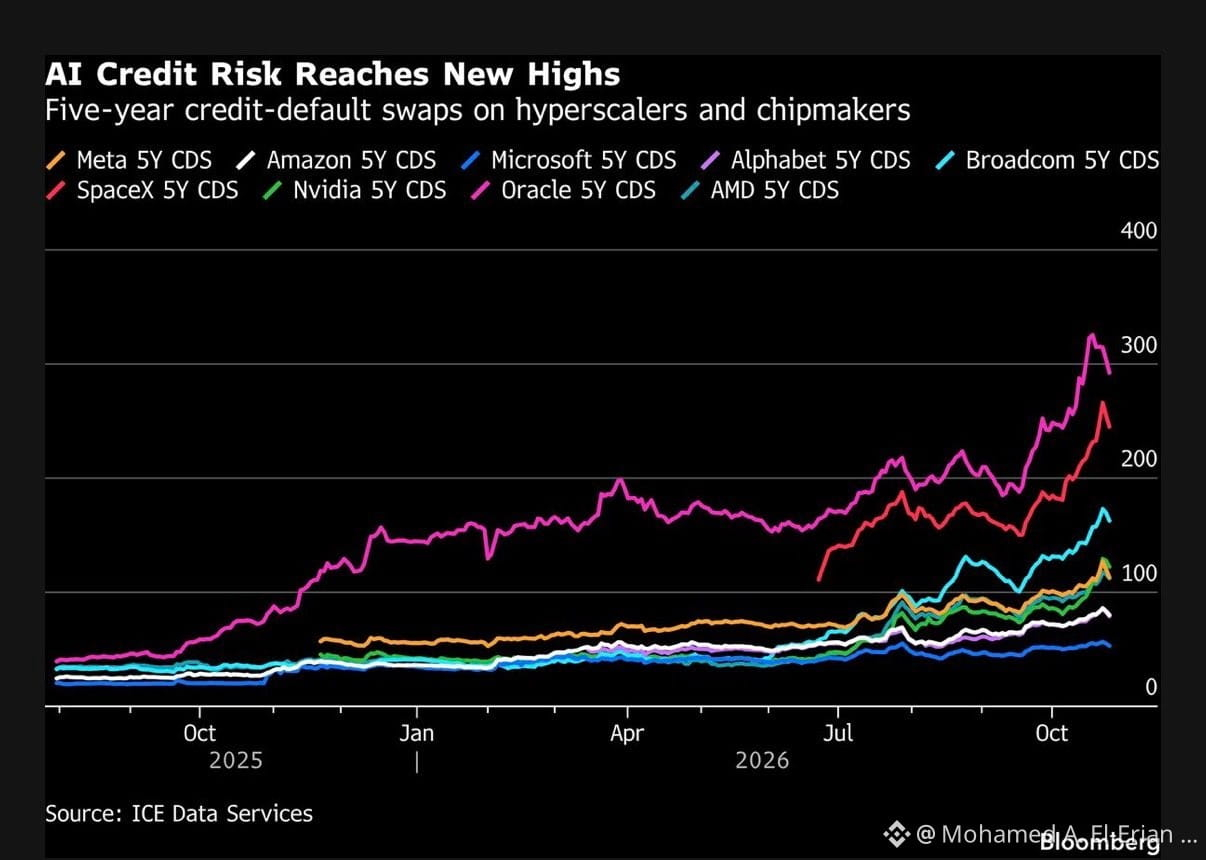
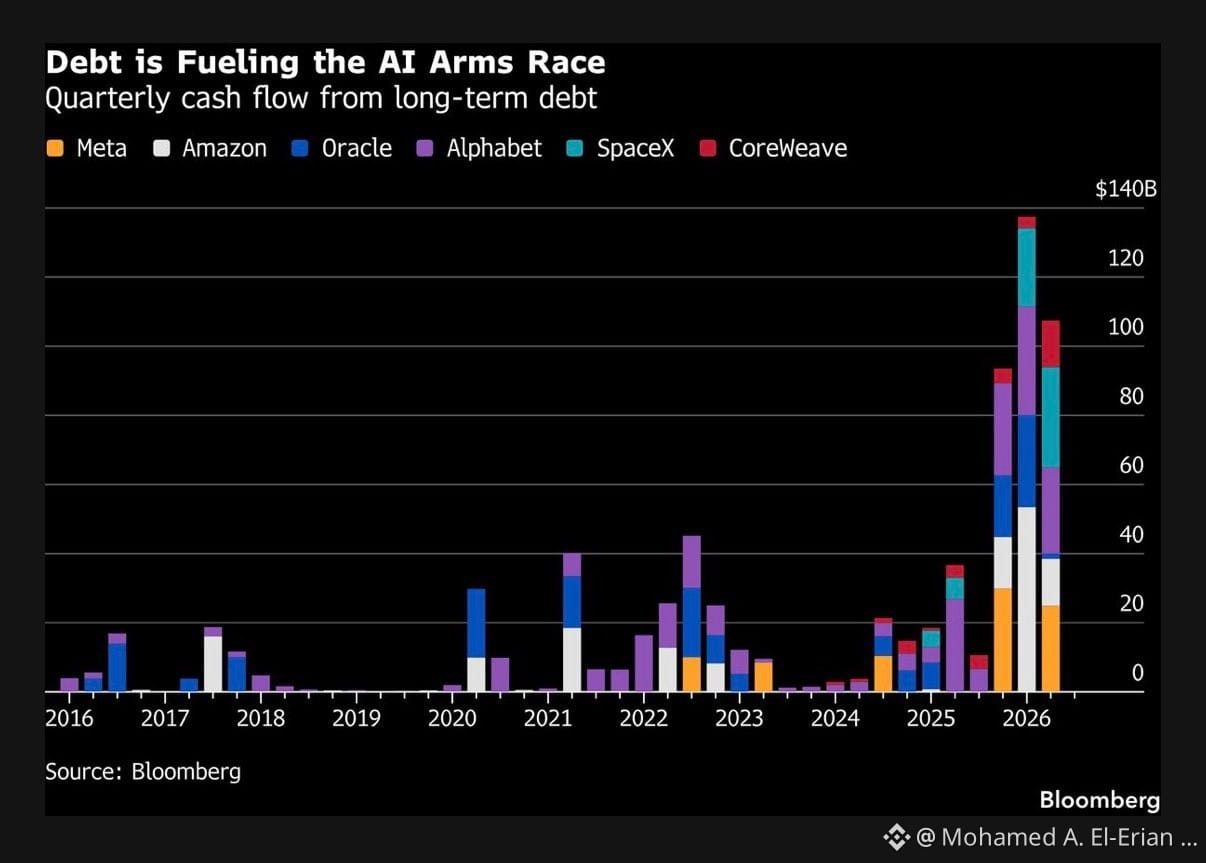
According to Bloomberg, a fresh wave of unease is spreading across Wall Street as it funds the massive web of microchips and data centers fueling the current artificial intelligence expansion. Preliminary signals indicate that the credit market could be nearing its absolute limit for taking on additional debt.
Yields on the loans and bonds used to finance this developing artificial intelligence infrastructure are consistently surging into the double digits. As a direct result, banking professionals are experiencing mounting difficulties when trying to pass these financial risks along to insurance companies and other investors.
#economy #markets #debt #ai #ArtificialIntelligence #bonds
88
The financial markets have shown a favorable early response as the UK Chancellor of the Exchequer, John Healey, introduces the inaugural budget for the government of Prime Minister Andy Burnham.
A review of the primary highlights shows a clear focus on the country's financial trajectory. The plan firmly supports Britain’s established multi-year fiscal consolidation strategy, ensuring that both national borrowing and deficits will continue to decrease.
In terms of financial flexibility, the government has established a headroom target of £15 billion. It is highly understandable that the administration is utilizing a portion of its previous buffer. This move is designed to cushion the impact of recent global challenges, specifically the elevated inflation stemming from war-related energy supply disruptions.
At its core, the structural design of this budget revolves around three main goals. It seeks to encourage overall growth, increase the underlying resilience of the economy, and provide necessary protection for vulnerable households.
#economy #markets #uk #budget
66
Greetings and good morning.
The accompanying material from the Bloomberg publication titled "US-Friendly Nations Slash Treasury Purchases by 60%, Led by Asia" highlights a continuing trend that I have regularly covered in my previous commentary.
Prompted by a combination of domestic and worldwide conditions, the traditionally steadfast purchasers and long-term holders of United States government bonds are scaling down their market involvement. Consequently, the profile of those acquiring these assets is pivoting toward traders and investors who employ more tactical, short-term strategies.
#economy #markets #bonds #yields
TLTETF+0,30%
SHYETF+0,16%
IEFETF+0,46%
72
Economic updates from the United States delivered a series of welcome surprises today. Alongside stronger than anticipated reports for both housing and durable goods, US Consumer Confidence saw a remarkably positive shift this morning. Specifically, the October Conference Board index climbed to 91.7, easily surpassing forecasts and marking a notable rise from its revised level of 84.2. At the same time, inflation expectations experienced an encouraging decline, dropping from 5.1% to 4.7%.
#economy #markets
#economy #markets
31
With the Fed beginning its two-day meeting, we can look to the chart for the latest Bloomberg data on market pricing for interest rate hikes. At present, the market reflects a very minimal probability of about 10% for a rate adjustment this October. In contrast, a December move is widely expected, with a high probability of approximately 80% already priced in by investors.
#economy #markets #federalreserve #centralbanks
#economy #markets #federalreserve #centralbanks
63
We have a pair of important macroeconomic updates to share from around the world this morning. First, French consumer confidence experienced a steeper drop than anticipated during October, pushing the metric down to its absolute lowest point since 2013. Turning to Asia, the newest gross domestic product figures out of South Korea and the latest industrial profit reports from China highlight a critical trend. Together, these statistics are a great reminder of exactly how vital the semiconductor and electronics industries are when it comes to fueling worldwide economic expansion.
#economy #markets #china #france #korea
#economy #markets #china #france #korea
52
Today marks the beginning of the two-day gathering for the Federal Reserve. As we look forward to the official announcement tomorrow, financial markets strongly anticipate that interest rates will be maintained at their current levels.
In light of the recent series of inflation statistics, it is reasonable to expect a rather hawkish tone in the commentary that follows the decision. Moreover, while the situation remains somewhat uncertain, there is a distinct possibility that we might see some formal dissents regarding this policy choice.
#FOMC #FederalReserve #economy #markets #centralbanks
114
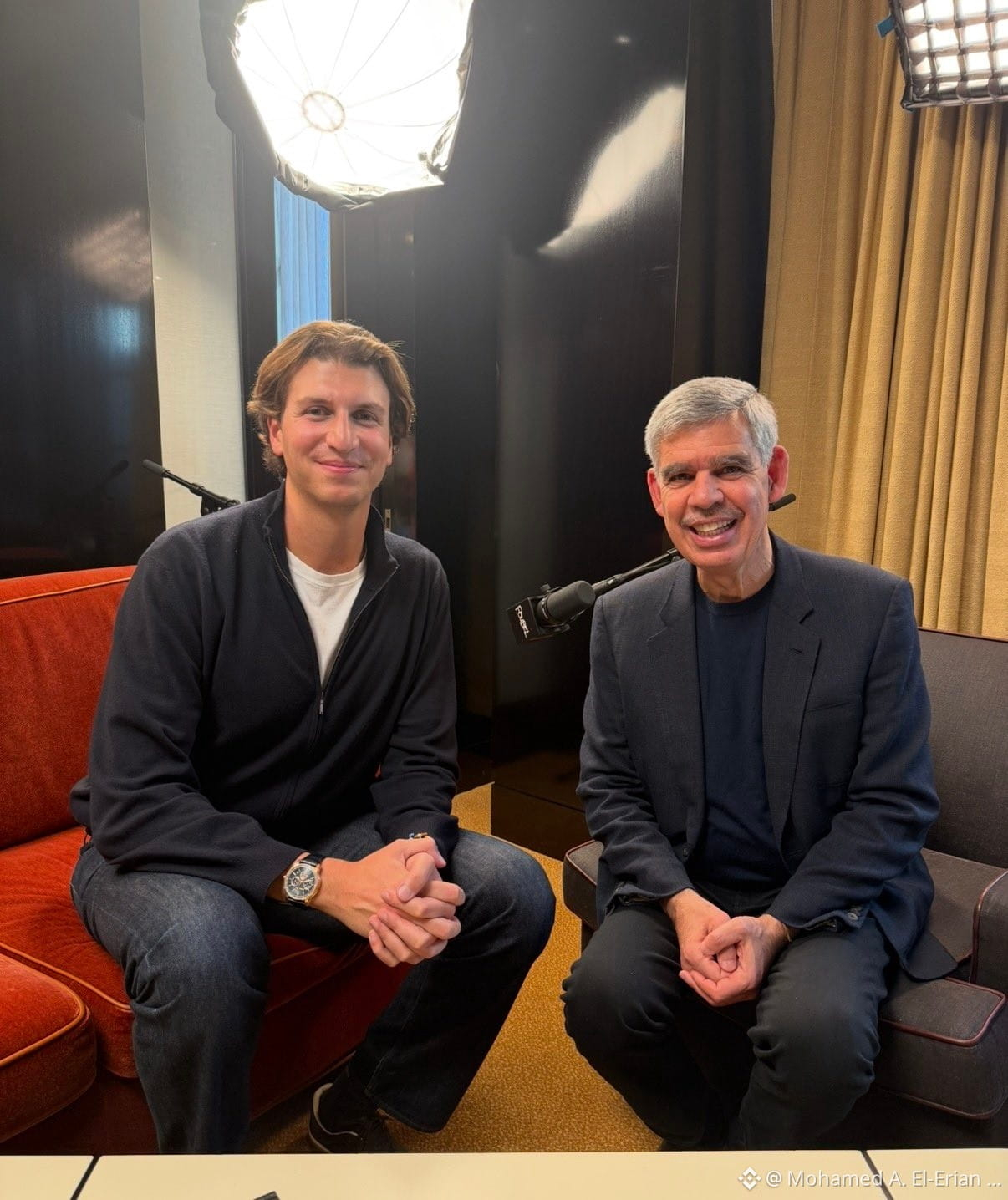
Participating as a guest on the podcast hosted by the Gstaad Guy was both a distinct privilege and a truly wonderful experience. I hold an immense amount of respect for him. It is quite uncommon to encounter an individual who seamlessly blends an inquisitive mind, sharp humor, profound insight, careful consideration, and authentic kindness. I am deeply grateful for the opportunity to join the show. Thank you so much.
@GstaadG @GstaadX #gstaadguy
@GstaadG @GstaadX #gstaadguy
5
Here is a video excerpt highlighting a discussion that aired earlier today on the CNBC program Squawk Box. Feel free to follow the link below to watch the segment.
https://www.cnbc.com/video/2026/10/26/mohamed-el-erian-its-a-good-thing-were-seeing-differentiation-in-ai.html
#economy #markets #tech #ai #ArtificialIntelligence @CNBC @SquawkCNBC
https://www.cnbc.com/video/2026/10/26/mohamed-el-erian-its-a-good-thing-were-seeing-differentiation-in-ai.html
#economy #markets #tech #ai #ArtificialIntelligence @CNBC @SquawkCNBC
3
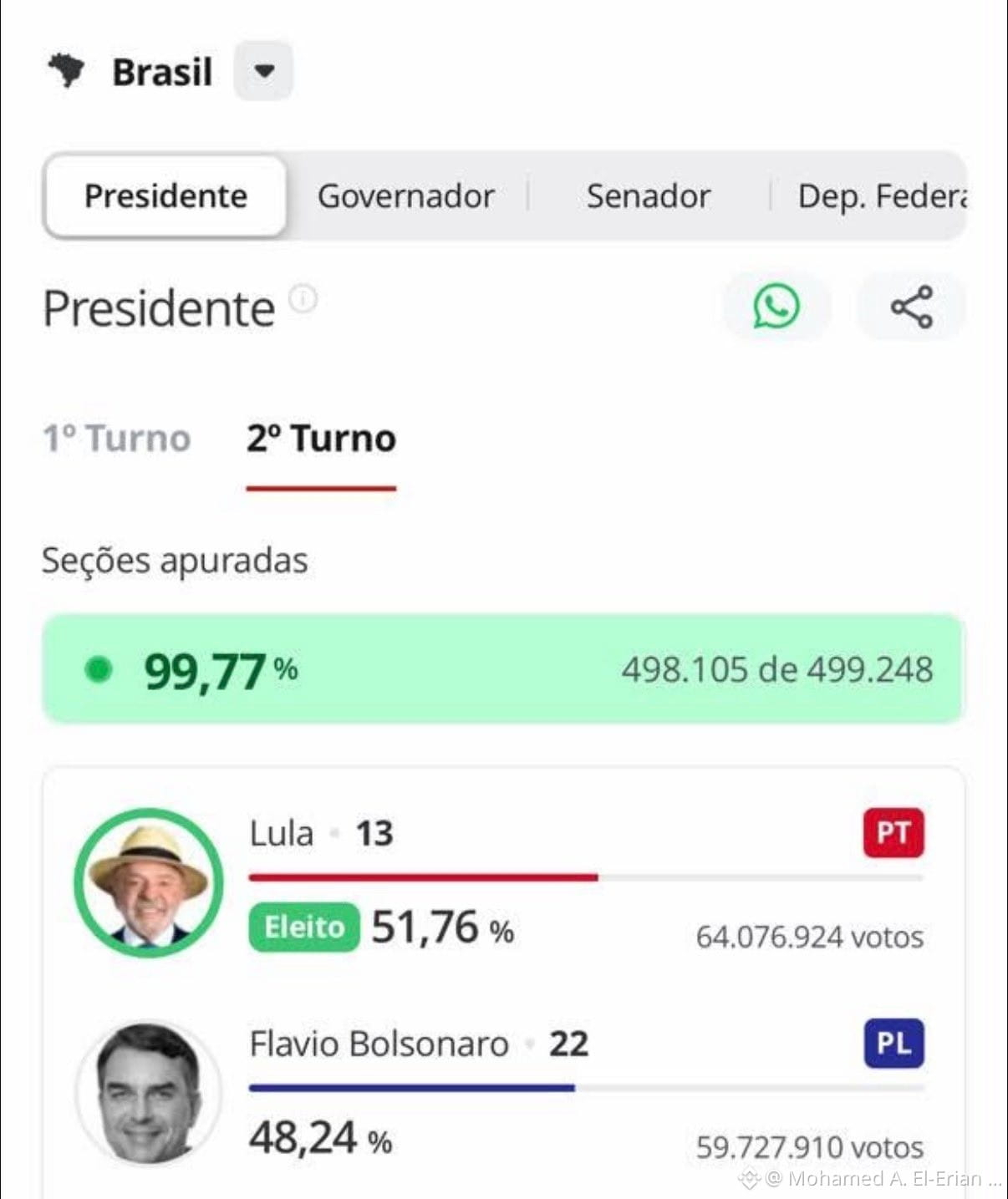
Today, we are witnessing a huge wave of selling across Brazilian assets. The sheer size of this market reaction does not necessarily reflect concerns about the fundamental economic future of the nation. Instead, it highlights the fact that the financial sector was overwhelmingly confident in a victory for Bolsonaro, and investors are now adjusting to just how incorrect that shared assumption proved to be.
#brazil #lula #bolsonaro
#brazil #lula #bolsonaro
44
I would like to extend my sincere appreciation to @andrewrsorkin, @BeckyQuick, and @JoeSquawk for being such gracious hosts. It was a wonderful experience joining the conversation on @SquawkCNBC this morning. #economy #markets @CNBC
I would like to extend my sincere appreciation to @andrewrsorkin, @BeckyQuick, and @JoeSquawk for being such gracious hosts. It was a wonderful experience joining the conversation on @SquawkCNBC this morning. #economy #markets @CNBC
35
A very good morning to you. As we navigate a particularly busy week filled with new policy announcements, corporate earnings reports, and upcoming economic data, a noticeable shift in focus is underway. Market observers are increasingly directing their interest toward the growing dispersion found inside specific artificial intelligence sectors.
#economy #markets #tech #ai #ArtificialIntelligence
#economy #markets #tech #ai #ArtificialIntelligence
32
While we navigate a heavily packed schedule of fresh economic statistics, company earnings reports, and new policy updates this week, observers are increasingly turning their focus elsewhere. A growing amount of interest is now being directed at the increasing divergence emerging among specific areas of the artificial intelligence industry.
#economy #markets #tech #ai #ArtificialIntelligence
#economy #markets #tech #ai #ArtificialIntelligence
42
Following his victory over Flavio Bolsonaro in the second round of voting, Luiz Inácio Lula da Silva has successfully claimed an additional term as the President of Brazil.
#Brazil #Lula
Following his victory over Flavio Bolsonaro in the second round of voting, Luiz Inácio Lula da Silva has successfully claimed an additional term as the President of Brazil.
#Brazil #Lula
#Brazil #Lula
121
A recent article by The Economist discussing Europe brings up an interesting current dynamic. Even as centrist figures gather closely to seek security, all the driving momentum is now found at the extreme ends of the political spectrum.
@TheEconomist
A recent article by The Economist discussing Europe brings up an interesting current dynamic. Even as centrist figures gather closely to seek security, all the driving momentum is now found at the extreme ends of the political spectrum.
@TheEconomist
@TheEconomist
58
Войдите, чтобы посмотреть больше материала
Присоединяйтесь к пользователям криптовалют по всему миру на Binance Square
⚡️ Получайте новейшую и полезную информацию о криптоактивах.
💬 Нам доверяет крупнейшая в мире криптобиржа.
👍 Получите достоверные аналитические данные от верифицированных создателей контента.
Эл. почта/номер телефона
В тренде
UniswapA16zSeekDeFiExemptionFromIllinoisCryptoTax
Просмотров: 17,701
642 обсуждают
The debate over crypto taxation is heating up as Uniswap and Andreessen Horowitz ( a16z ) push for a DeFi exemption from Illinois proposed crypto tax rules. Their concern is that decentralized finance protocols and non custodial platforms could face unfair tax burdens potentially slowing innovation and making crypto development more difficult. DeFi platforms allow users to trade and manage digital assets without traditional intermediaries so applying conventional financial tax rules may create serious challenges. This could become an important moment for the US crypto industry as regulators must find a balance between fair taxation, investor protection, and innovation. 🚀
The main concern is that the proposed 0.2% tax is calculated on transaction value, not simply trading profits. Uniswap a16z and the DeFi Education Fund want wallet withdrawals and cross chain bridging excluded, while also opposing requirements to maintain private key records. Illinois has agreed to postpone implementation until July 1, 2027 subject to court approval. The outcome could influence how other US states approach DeFi taxation. The Defiant +2
What do you think 🤔 ? Should DeFi transactions be tax free to protect decentralization or should crypto platforms follow traditional tax rules ? 🤔
#UniswapA16zSeekDeFiExemptionFromIllinoisCryptoTax
Volatile
·Лайков: 3
·Просмотров: 151
HKDollarStablecoinHKDAPToLaunchOnSolana
Просмотров: 11,201
379 обсуждают
$1.5BInLeveragedCryptoBetsLiquidated
Просмотров: 29,978
230 обсуждают