
Donya Arshia Pakistani
306 Публикации

Donya Arshia Pakistani
Отправить жалобу
Заблокировать пользователя
10 подписок(и/а)
20 подписчиков(а)
52 понравилось
Посты
Все
Цитирования
Видео
PINNED
Статья
Lesson 14 — Why Crypto Prices Move Up and Down | Beginner's GuideLesson 14 — Why Crypto Prices Move Up and Down
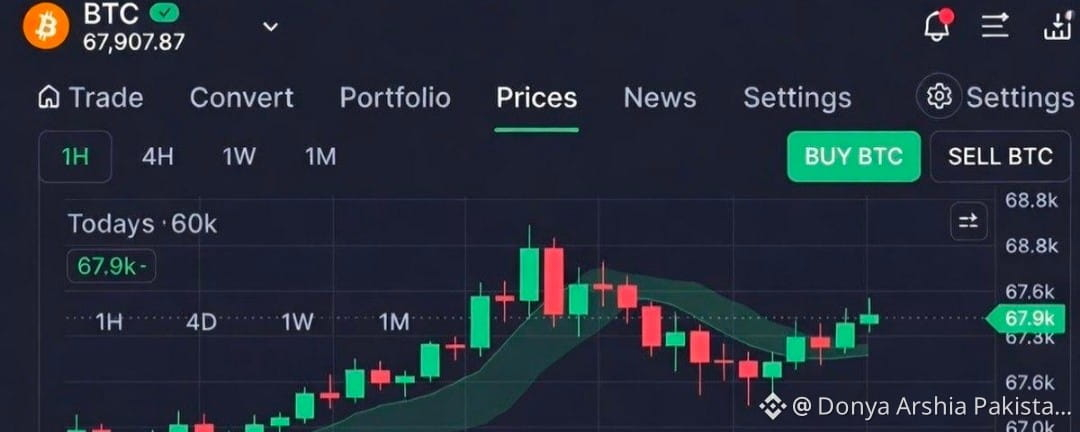
Have you ever wondered why Bitcoin's price rises one day and falls the next? Why does a cryptocurrency sometimes increase rapidly and then suddenly lose value?
The answer is that crypto prices are influenced by supply and demand, market sentiment, news, liquidity, and economic conditions.
1. Supply and Demand
The basic rule of markets is simple:
- More buyers than sellers at current prices may push prices upward.
- More sellers than buyers at current prices may push prices downward.
For example, if many people want to buy Bitcoin but fewer sellers are willing to sell at the current price, buyers may offer higher prices to complete their purchases.
2. News and Announcements
Positive news about institutional adoption, regulatory clarity, or new investment products may increase demand and confidence.
Negative news, such as security breaches, exchange problems, or unexpected regulatory restrictions, may create fear and selling pressure.
Remember that markets sometimes react before an announcement because traders anticipate possible developments.
3. Market Sentiment: Fear and Greed
Crypto markets are strongly influenced by human emotions.
Greed: People buy because they fear missing out on rising prices.
Fear: People sell because they worry about losing money.
Panic selling: When many investors sell at the same time, prices can fall rapidly.
This is why cryptocurrency prices can change dramatically even when the underlying technology has not changed.
4. Bitcoin and Other Cryptocurrencies
Bitcoin often influences the broader cryptocurrency market. When Bitcoin falls sharply, many other cryptocurrencies may also decline.
However, not every cryptocurrency follows Bitcoin in the same direction. Individual coins have their own demand, token supply, developments, and risks.
5. Liquidity and Large Orders
Liquidity means how easily an asset can be bought or sold without significantly changing its price.
In a market with low liquidity, a large buy or sell order can cause a bigger price movement than it would in a highly liquid market.
This is one reason smaller cryptocurrencies can be more volatile than Bitcoin.
6. A Simple Example
Suppose a cryptocurrency is trading at $100.
Scenario A: Buying demand increases. More buyers compete to purchase available coins, and the price may rise.
Scenario B: Selling pressure increases. More sellers accept lower prices to complete their sales, and the price may fall.
These are simplified examples, not predictions of future prices.
7. What Should Beginners Do?
1. Do not buy a coin simply because its price is rising rapidly.
2. Do not panic-sell solely because you see a red candle.
3. Research a cryptocurrency's purpose, supply, risks, and market information.
4. Avoid futures and leverage if you want to limit the additional risks they introduce.
5. Never assume that a low-priced coin is automatically cheap or has greater growth potential.
6. Remember that no indicator or news source can predict every price movement.
Key Takeaway
Cryptocurrency prices move because buyers and sellers respond to demand, news, market sentiment, liquidity, and changing expectations.
A responsible crypto learner focuses on understanding the market rather than trying to predict every price movement.
Knowledge before investment. Research before decisions. Safety before profit.
Educational content only. Cryptocurrency investments involve risk, and you can lose your money. This article is not financial advice.
Next Lesson: Lesson 15 — Binance P2P Safety Rules
Tags: Crypto Education, Bitcoin Price, Cryptocurrency Prices, Crypto Market, Binance Learning, Digital Currency, Crypto for Beginners, Market Volatility, Supply and Demand, Crypto Safety @bitcoin
Lesson 14 — Why Crypto Prices Move Up and Down | Beginner's Guide
Lesson 14 — Why Crypto Prices Move Up and Down
Have you ever wondered why Bitcoin's price rises one day and falls the next? Why does a cryptocurrency sometimes increase rapidly and then suddenly lose value?
The answer is that crypto prices are influenced by supply and demand, market sentiment, news, liquidity, and economic conditions.
1. Supply and Demand
The basic rule of markets is simple:
- More buyers than sellers at current prices may push prices upward.
- More sellers than buyers at current prices may push prices downward.
For example, if many people want to buy Bitcoin but fewer sellers are willing to sell at the current price, buyers may offer higher prices to complete their purchases.
2. News and Announcements
Positive news about institutional adoption, regulatory clarity, or new investment products may increase demand and confidence.
Negative news, such as security breaches, exchange problems, or unexpected regulatory restrictions, may create fear and selling pressure.
Remember that markets sometimes react before an announcement because traders anticipate possible developments.
3. Market Sentiment: Fear and Greed
Crypto markets are strongly influenced by human emotions.
Greed: People buy because they fear missing out on rising prices.
Fear: People sell because they worry about losing money.
Panic selling: When many investors sell at the same time, prices can fall rapidly.
This is why cryptocurrency prices can change dramatically even when the underlying technology has not changed.
4. Bitcoin and Other Cryptocurrencies
Bitcoin often influences the broader cryptocurrency market. When Bitcoin falls sharply, many other cryptocurrencies may also decline.
However, not every cryptocurrency follows Bitcoin in the same direction. Individual coins have their own demand, token supply, developments, and risks.
5. Liquidity and Large Orders
Liquidity means how easily an asset can be bought or sold without significantly changing its price.
In a market with low liquidity, a large buy or sell order can cause a bigger price movement than it would in a highly liquid market.
This is one reason smaller cryptocurrencies can be more volatile than Bitcoin.
6. A Simple Example
Suppose a cryptocurrency is trading at $100.
Scenario A: Buying demand increases. More buyers compete to purchase available coins, and the price may rise.
Scenario B: Selling pressure increases. More sellers accept lower prices to complete their sales, and the price may fall.
These are simplified examples, not predictions of future prices.
7. What Should Beginners Do?
1. Do not buy a coin simply because its price is rising rapidly.
2. Do not panic-sell solely because you see a red candle.
3. Research a cryptocurrency's purpose, supply, risks, and market information.
4. Avoid futures and leverage if you want to limit the additional risks they introduce.
5. Never assume that a low-priced coin is automatically cheap or has greater growth potential.
6. Remember that no indicator or news source can predict every price movement.
Key Takeaway
Cryptocurrency prices move because buyers and sellers respond to demand, news, market sentiment, liquidity, and changing expectations.
A responsible crypto learner focuses on understanding the market rather than trying to predict every price movement.
Knowledge before investment. Research before decisions. Safety before profit.
Educational content only. Cryptocurrency investments involve risk, and you can lose your money. This article is not financial advice.
Next Lesson: Lesson 15 — Binance P2P Safety Rules
Tags: Crypto Education, Bitcoin Price, Cryptocurrency Prices, Crypto Market, Binance Learning, Digital Currency, Crypto for Beginners, Market Volatility, Supply and Demand, Crypto Safety @Bitcoin
Have you ever wondered why Bitcoin's price rises one day and falls the next? Why does a cryptocurrency sometimes increase rapidly and then suddenly lose value?
The answer is that crypto prices are influenced by supply and demand, market sentiment, news, liquidity, and economic conditions.
1. Supply and Demand
The basic rule of markets is simple:
- More buyers than sellers at current prices may push prices upward.
- More sellers than buyers at current prices may push prices downward.
For example, if many people want to buy Bitcoin but fewer sellers are willing to sell at the current price, buyers may offer higher prices to complete their purchases.
2. News and Announcements
Positive news about institutional adoption, regulatory clarity, or new investment products may increase demand and confidence.
Negative news, such as security breaches, exchange problems, or unexpected regulatory restrictions, may create fear and selling pressure.
Remember that markets sometimes react before an announcement because traders anticipate possible developments.
3. Market Sentiment: Fear and Greed
Crypto markets are strongly influenced by human emotions.
Greed: People buy because they fear missing out on rising prices.
Fear: People sell because they worry about losing money.
Panic selling: When many investors sell at the same time, prices can fall rapidly.
This is why cryptocurrency prices can change dramatically even when the underlying technology has not changed.
4. Bitcoin and Other Cryptocurrencies
Bitcoin often influences the broader cryptocurrency market. When Bitcoin falls sharply, many other cryptocurrencies may also decline.
However, not every cryptocurrency follows Bitcoin in the same direction. Individual coins have their own demand, token supply, developments, and risks.
5. Liquidity and Large Orders
Liquidity means how easily an asset can be bought or sold without significantly changing its price.
In a market with low liquidity, a large buy or sell order can cause a bigger price movement than it would in a highly liquid market.
This is one reason smaller cryptocurrencies can be more volatile than Bitcoin.
6. A Simple Example
Suppose a cryptocurrency is trading at $100.
Scenario A: Buying demand increases. More buyers compete to purchase available coins, and the price may rise.
Scenario B: Selling pressure increases. More sellers accept lower prices to complete their sales, and the price may fall.
These are simplified examples, not predictions of future prices.
7. What Should Beginners Do?
1. Do not buy a coin simply because its price is rising rapidly.
2. Do not panic-sell solely because you see a red candle.
3. Research a cryptocurrency's purpose, supply, risks, and market information.
4. Avoid futures and leverage if you want to limit the additional risks they introduce.
5. Never assume that a low-priced coin is automatically cheap or has greater growth potential.
6. Remember that no indicator or news source can predict every price movement.
Key Takeaway
Cryptocurrency prices move because buyers and sellers respond to demand, news, market sentiment, liquidity, and changing expectations.
A responsible crypto learner focuses on understanding the market rather than trying to predict every price movement.
Knowledge before investment. Research before decisions. Safety before profit.
Educational content only. Cryptocurrency investments involve risk, and you can lose your money. This article is not financial advice.
Next Lesson: Lesson 15 — Binance P2P Safety Rules
Tags: Crypto Education, Bitcoin Price, Cryptocurrency Prices, Crypto Market, Binance Learning, Digital Currency, Crypto for Beginners, Market Volatility, Supply and Demand, Crypto Safety @Bitcoin
283
📝 سکیورٹی چیک کوئز: حصہ دوم (Security Check Quiz: Part 2)
سوال 1: بائنانس ہیک کی خبر سامنے آتے ہی بٹ کوائن (Bitcoin) کی قیمت کس سطح سے نیچے گر گئی تھی؟
• (A) 50,000 ڈالر
• (B) 65,000 ڈالر
• (C) 77,000 ڈالر
• (D) 90,000 ڈالر
سوال 2: ہیک کے بعد خوف و ہراس کے باعث صارفین نے بائنانس سے گھبرا کر کتنے فنڈز نکالے (Net Outflows)؟
• (A) 50 کروڑ ڈالر
• (B) 1.2 ارب ڈالر
• (C) 3.6 ارب ڈالر
• (D) 5 ارب ڈالر
سوال 3: بائنانس نے صارفین کے اثاثوں کی بحالی کے لیے اپنے کارپوریٹ فنڈز کے علاوہ کس ہنگامی تحفظاتی فنڈ کا استعمال کیا؟
• (A) SAFU (Secure Asset Fund for Users)
• (B) FDIC Insurance
• (C) Crypto Relief Fund
• (D) Binance VIP Fund
سوال 4: بائنانس اپنے ایمرجنسی پلان کے تحت اب تک کتنے فیصد صارفین کے اثاثے مکمل بحال کرنے میں کامیاب ہو چکی ہے؟
• (A) صرف 50 فیصد
• (B) 75 فیصد
• (C) 85 فیصد
• (D) 95 فیصد سے زائد
@bitcoin #Binance
📝 سکیورٹی چیک کوئز: حصہ دوم (Security Check Quiz: Part 2)
سوال 1: بائنانس ہیک کی خبر سامنے آتے ہی بٹ کوائن (Bitcoin) کی قیمت کس سطح سے نیچے گر گئی تھی؟
• (A) 50,000 ڈالر
• (B) 65,000 ڈالر
• (C) 77,000 ڈالر
• (D) 90,000 ڈالر
سوال 2: ہیک کے بعد خوف و ہراس کے باعث صارفین نے بائنانس سے گھبرا کر کتنے فنڈز نکالے (Net Outflows)؟
• (A) 50 کروڑ ڈالر
• (B) 1.2 ارب ڈالر
• (C) 3.6 ارب ڈالر
• (D) 5 ارب ڈالر
سوال 3: بائنانس نے صارفین کے اثاثوں کی بحالی کے لیے اپنے کارپوریٹ فنڈز کے علاوہ کس ہنگامی تحفظاتی فنڈ کا استعمال کیا؟
• (A) SAFU (Secure Asset Fund for Users)
• (B) FDIC Insurance
• (C) Crypto Relief Fund
• (D) Binance VIP Fund
سوال 4: بائنانس اپنے ایمرجنسی پلان کے تحت اب تک کتنے فیصد صارفین کے اثاثے مکمل بحال کرنے میں کامیاب ہو چکی ہے؟
• (A) صرف 50 فیصد
• (B) 75 فیصد
• (C) 85 فیصد
• (D) 95 فیصد سے زائد
@Bitcoin #Binance
سوال 1: بائنانس ہیک کی خبر سامنے آتے ہی بٹ کوائن (Bitcoin) کی قیمت کس سطح سے نیچے گر گئی تھی؟
• (A) 50,000 ڈالر
• (B) 65,000 ڈالر
• (C) 77,000 ڈالر
• (D) 90,000 ڈالر
سوال 2: ہیک کے بعد خوف و ہراس کے باعث صارفین نے بائنانس سے گھبرا کر کتنے فنڈز نکالے (Net Outflows)؟
• (A) 50 کروڑ ڈالر
• (B) 1.2 ارب ڈالر
• (C) 3.6 ارب ڈالر
• (D) 5 ارب ڈالر
سوال 3: بائنانس نے صارفین کے اثاثوں کی بحالی کے لیے اپنے کارپوریٹ فنڈز کے علاوہ کس ہنگامی تحفظاتی فنڈ کا استعمال کیا؟
• (A) SAFU (Secure Asset Fund for Users)
• (B) FDIC Insurance
• (C) Crypto Relief Fund
• (D) Binance VIP Fund
سوال 4: بائنانس اپنے ایمرجنسی پلان کے تحت اب تک کتنے فیصد صارفین کے اثاثے مکمل بحال کرنے میں کامیاب ہو چکی ہے؟
• (A) صرف 50 فیصد
• (B) 75 فیصد
• (C) 85 فیصد
• (D) 95 فیصد سے زائد
@Bitcoin #Binance
1
91
بائنانس کا دفاعی پلان اور اثاثوں کا تحفظ
بائنانس نے اس بحران سے نمٹنے کے لیے انتہائی ذمہ دارانہ رویے کا مظاہرہ کیا۔ کمپنی نے اپنے کارپوریٹ فنڈز اور ایمرجنسی تحفظاتی فنڈ (SAFU - Secure Asset Fund for Users) کو متحرک کیا۔
ایک بڑی کامیابی یہ رہی کہ بائنانس اب تک 95 فیصد سے زائد صارفین کے اثاثے مکمل بحال کرنے میں کامیاب ہو چکی ہے اور مرحلہ وار فنڈز کی واپسی (Withdrawals) کا عمل دوبارہ شروع کر دیا گیا ہے۔ بائنانس کی جانب سے مالی نقصان خود برداشت کرنے کے اس اقدام نے مارکیٹ کو مکمل تباہی اور صارفین کے اعتماد کو گرنے سے بچا لیا۔
مستقبل کا سبق: مصنوعی ذہانت (AI) اور سائبر سکیورٹی کا نیا دور
سکیورٹی ماہرین نے اس ہیک کے بعد خبردار کیا ہے کہ سائبر کرائم کا ایک نیا دور شروع ہو چکا ہے۔ اب ہیکرز مصنوعی ذہانت (AI) ٹولز کا استعمال کر کے بڑے مالیاتی اداروں کے کوڈنگ اور فائر والز میں باریک خامیاں تلاش کر رہے ہیں۔
یہ واقعہ کرپٹو انڈسٹری کے لیے ایک بیداری کی کال (Wake-up Call) ہے کہ اب صرف بلاک چین کو محفوظ بنانا کافی نہیں، بلکہ ان ملازمین اور سسٹمز کی سکیورٹی بھی اتنی ہی اہم ہے جن کے پاس ان اثاثوں کی چابیاں موجود ہیں۔
@bitcoin
بائنانس کا دفاعی پلان اور اثاثوں کا تحفظ
بائنانس نے اس بحران سے نمٹنے کے لیے انتہائی ذمہ دارانہ رویے کا مظاہرہ کیا۔ کمپنی نے اپنے کارپوریٹ فنڈز اور ایمرجنسی تحفظاتی فنڈ (SAFU - Secure Asset Fund for Users) کو متحرک کیا۔
ایک بڑی کامیابی یہ رہی کہ بائنانس اب تک 95 فیصد سے زائد صارفین کے اثاثے مکمل بحال کرنے میں کامیاب ہو چکی ہے اور مرحلہ وار فنڈز کی واپسی (Withdrawals) کا عمل دوبارہ شروع کر دیا گیا ہے۔ بائنانس کی جانب سے مالی نقصان خود برداشت کرنے کے اس اقدام نے مارکیٹ کو مکمل تباہی اور صارفین کے اعتماد کو گرنے سے بچا لیا۔
مستقبل کا سبق: مصنوعی ذہانت (AI) اور سائبر سکیورٹی کا نیا دور
سکیورٹی ماہرین نے اس ہیک کے بعد خبردار کیا ہے کہ سائبر کرائم کا ایک نیا دور شروع ہو چکا ہے۔ اب ہیکرز مصنوعی ذہانت (AI) ٹولز کا استعمال کر کے بڑے مالیاتی اداروں کے کوڈنگ اور فائر والز میں باریک خامیاں تلاش کر رہے ہیں۔
یہ واقعہ کرپٹو انڈسٹری کے لیے ایک بیداری کی کال (Wake-up Call) ہے کہ اب صرف بلاک چین کو محفوظ بنانا کافی نہیں، بلکہ ان ملازمین اور سسٹمز کی سکیورٹی بھی اتنی ہی اہم ہے جن کے پاس ان اثاثوں کی چابیاں موجود ہیں۔
@Bitcoin
بائنانس نے اس بحران سے نمٹنے کے لیے انتہائی ذمہ دارانہ رویے کا مظاہرہ کیا۔ کمپنی نے اپنے کارپوریٹ فنڈز اور ایمرجنسی تحفظاتی فنڈ (SAFU - Secure Asset Fund for Users) کو متحرک کیا۔
ایک بڑی کامیابی یہ رہی کہ بائنانس اب تک 95 فیصد سے زائد صارفین کے اثاثے مکمل بحال کرنے میں کامیاب ہو چکی ہے اور مرحلہ وار فنڈز کی واپسی (Withdrawals) کا عمل دوبارہ شروع کر دیا گیا ہے۔ بائنانس کی جانب سے مالی نقصان خود برداشت کرنے کے اس اقدام نے مارکیٹ کو مکمل تباہی اور صارفین کے اعتماد کو گرنے سے بچا لیا۔
مستقبل کا سبق: مصنوعی ذہانت (AI) اور سائبر سکیورٹی کا نیا دور
سکیورٹی ماہرین نے اس ہیک کے بعد خبردار کیا ہے کہ سائبر کرائم کا ایک نیا دور شروع ہو چکا ہے۔ اب ہیکرز مصنوعی ذہانت (AI) ٹولز کا استعمال کر کے بڑے مالیاتی اداروں کے کوڈنگ اور فائر والز میں باریک خامیاں تلاش کر رہے ہیں۔
یہ واقعہ کرپٹو انڈسٹری کے لیے ایک بیداری کی کال (Wake-up Call) ہے کہ اب صرف بلاک چین کو محفوظ بنانا کافی نہیں، بلکہ ان ملازمین اور سسٹمز کی سکیورٹی بھی اتنی ہی اہم ہے جن کے پاس ان اثاثوں کی چابیاں موجود ہیں۔
@Bitcoin

44
حصہ دوم: کرپٹو مارکیٹ کا ردعمل اورمستقبل کی سکیورٹی
اس بڑے واقعے نے کرپٹو مارکیٹ پر فوری اور دور رس اثرات مرتب کیے، جس سے سرمایہ کاروں کے نفسیاتی رویوں اور مارکیٹ کے والیوم میں بڑی تبدیلیاں دیکھنے کو ملیں۔
مارکیٹ پر فوری اثرات اور سرمایہ کاروں کا انخلا
• قیمتوں میں تاریخی گراوٹ: ہیک کی خبر بریک ہوتے ہی مارکیٹ میں شدید خوف و ہراس (FUD) پھیل گیا، جس کے نتیجے میں بٹ کوائن (Bitcoin) کی قیمت ایک ہی جھٹکے میں 77,000 ڈالر کی سطح سے نیچے گر گئی۔
• پیسوں کا ریکارڈ انخلا (Net Outflows): خوفزدہ صارفین نے بائنانس پر موجود اپنے اثاثوں کو تیزی سے نکالنا شروع کیا۔ صرف چند دنوں کے اندر بائنانس سے 3.6 ارب ڈالر کے فنڈز نکالے گئے، جو کہ ایکسچینج کے کل اثاثوں کا تقریباً 2.1 فیصد بنتا ہے۔
• روایتی مالیاتی مارکیٹ کا ردعمل: کرپٹو مارکیٹ کے علاوہ، امریکہ میں لانچ ہونے والے اسپاٹ بٹ کوائن ETFs سے بھی سرمایہ کاروں نے سرمایہ نکالا، جس سے یہ ظاہر ہوا کہ ادارہ جاتی سرمایہ کار بھی اس ہیک سے متاثر ہوئے۔
• اسکیمرز کا فائدہ اٹھانا: اس بحران کے دوران انٹرنیٹ پر بائنانس کے نام سے جعلی "معاوضہ اسکیمیں" (Compensation Schemes) گردش کرنے لگیں، جہاں ہیکرز نے متاثرہ صارفین کو ریفنڈ کا جھانسا دے کر مزید لوٹنے کی کوشش کی۔
@bitcoin
حصہ دوم: کرپٹو مارکیٹ کا ردعمل اورمستقبل کی سکیورٹی
اس بڑے واقعے نے کرپٹو مارکیٹ پر فوری اور دور رس اثرات مرتب کیے، جس سے سرمایہ کاروں کے نفسیاتی رویوں اور مارکیٹ کے والیوم میں بڑی تبدیلیاں دیکھنے کو ملیں۔
مارکیٹ پر فوری اثرات اور سرمایہ کاروں کا انخلا
• قیمتوں میں تاریخی گراوٹ: ہیک کی خبر بریک ہوتے ہی مارکیٹ میں شدید خوف و ہراس (FUD) پھیل گیا، جس کے نتیجے میں بٹ کوائن (Bitcoin) کی قیمت ایک ہی جھٹکے میں 77,000 ڈالر کی سطح سے نیچے گر گئی۔
• پیسوں کا ریکارڈ انخلا (Net Outflows): خوفزدہ صارفین نے بائنانس پر موجود اپنے اثاثوں کو تیزی سے نکالنا شروع کیا۔ صرف چند دنوں کے اندر بائنانس سے 3.6 ارب ڈالر کے فنڈز نکالے گئے، جو کہ ایکسچینج کے کل اثاثوں کا تقریباً 2.1 فیصد بنتا ہے۔
• روایتی مالیاتی مارکیٹ کا ردعمل: کرپٹو مارکیٹ کے علاوہ، امریکہ میں لانچ ہونے والے اسپاٹ بٹ کوائن ETFs سے بھی سرمایہ کاروں نے سرمایہ نکالا، جس سے یہ ظاہر ہوا کہ ادارہ جاتی سرمایہ کار بھی اس ہیک سے متاثر ہوئے۔
• اسکیمرز کا فائدہ اٹھانا: اس بحران کے دوران انٹرنیٹ پر بائنانس کے نام سے جعلی "معاوضہ اسکیمیں" (Compensation Schemes) گردش کرنے لگیں، جہاں ہیکرز نے متاثرہ صارفین کو ریفنڈ کا جھانسا دے کر مزید لوٹنے کی کوشش کی۔
@Bitcoin
اس بڑے واقعے نے کرپٹو مارکیٹ پر فوری اور دور رس اثرات مرتب کیے، جس سے سرمایہ کاروں کے نفسیاتی رویوں اور مارکیٹ کے والیوم میں بڑی تبدیلیاں دیکھنے کو ملیں۔
مارکیٹ پر فوری اثرات اور سرمایہ کاروں کا انخلا
• قیمتوں میں تاریخی گراوٹ: ہیک کی خبر بریک ہوتے ہی مارکیٹ میں شدید خوف و ہراس (FUD) پھیل گیا، جس کے نتیجے میں بٹ کوائن (Bitcoin) کی قیمت ایک ہی جھٹکے میں 77,000 ڈالر کی سطح سے نیچے گر گئی۔
• پیسوں کا ریکارڈ انخلا (Net Outflows): خوفزدہ صارفین نے بائنانس پر موجود اپنے اثاثوں کو تیزی سے نکالنا شروع کیا۔ صرف چند دنوں کے اندر بائنانس سے 3.6 ارب ڈالر کے فنڈز نکالے گئے، جو کہ ایکسچینج کے کل اثاثوں کا تقریباً 2.1 فیصد بنتا ہے۔
• روایتی مالیاتی مارکیٹ کا ردعمل: کرپٹو مارکیٹ کے علاوہ، امریکہ میں لانچ ہونے والے اسپاٹ بٹ کوائن ETFs سے بھی سرمایہ کاروں نے سرمایہ نکالا، جس سے یہ ظاہر ہوا کہ ادارہ جاتی سرمایہ کار بھی اس ہیک سے متاثر ہوئے۔
• اسکیمرز کا فائدہ اٹھانا: اس بحران کے دوران انٹرنیٹ پر بائنانس کے نام سے جعلی "معاوضہ اسکیمیں" (Compensation Schemes) گردش کرنے لگیں، جہاں ہیکرز نے متاثرہ صارفین کو ریفنڈ کا جھانسا دے کر مزید لوٹنے کی کوشش کی۔
@Bitcoin
60
🧠 کیا آپ نے حقائق غور سے پڑھے؟ چلیے اپنا کرپٹو سکیورٹی نالج ٹیسٹ کیجیے! 🧠
بائنانس پر ہونے والی تاریخ کی سب سے بڑی ڈکیتی کے پہلے حصے پر مبنی یہ آسان کوئز حل کریں اور کمنٹس میں اپنے درست جوابات (جیسے: 1-A، 2-B) شیئر کریں۔ دیکھتے ہیں کس کا اسکور 4/4 آتا ہے! 👇
📝 سکیورٹی چیک کوئز: حصہ اول (Security Check Quiz: Part 1)
سوال 1: بائنانس پر ہونے والے اس تاریخی ہیک میں ہیکرز نے مجموعی طور پر کتنی مالیت کے کرپٹو اثاثے چوری کیے؟
• (A) 1 ارب 50 کروڑ ڈالر
• (B) 3 ارب ڈالر
• (C) 6 ارب 30 کروڑ ڈالر
• (D) 10 ارب ڈالر
سوال 2: ہیکرز نے بائنانس کے مرکزی سسٹم تک رسائی کس طرح حاصل کی؟
• (A) بائنانس کے فزیکل ہیڈ کوارٹر میں داخل ہو کر
• (B) ایک ڈیو اوپس (DevOps) انجینئر کا لیپ ٹاپ ہیک کر کے
• (C) بٹ کوائن کی بلاک چین کو براہِ راست توڑ کر
• (D) صارفین کے پاس ورڈز چوری کر کے
سوال 3: ہیک کے فوراً بعد بلاک چین پارٹنرز اور کمپنیوں کی مدد سے کتنی رقم کے اسٹیبل کوائنز (USDT/USDC) منجمد (Freeze) کر لیے گئے؟
• (A) تقریباً 3 ارب ڈالر
• (B) 1 ارب ڈالر
• (C) کوئی رقم منجمد نہیں ہو سکی
• (D) پوری کی پوری رقم (6.3 ارب ڈالر)
سوال 4: بلاک چین کی ڈی سینٹرلائزڈ نوعیت کی وجہ سے ہیکرز کے چرائے ہوئے کس اثاثے کو منجمد نہیں کیا جا سکا؟
• (A) صرف یو ایس ڈی ٹی (USDT)
• (B) بٹ کوائن (Bitcoin)
• (C) بائنانس کوائن (BNB)
• (D) ایتھریم (Ethereum)
🧠 کیا آپ نے حقائق غور سے پڑھے؟ چلیے اپنا کرپٹو سکیورٹی نالج ٹیسٹ کیجیے! 🧠
بائنانس پر ہونے والی تاریخ کی سب سے بڑی ڈکیتی کے پہلے حصے پر مبنی یہ آسان کوئز حل کریں اور کمنٹس میں اپنے درست جوابات (جیسے: 1-A، 2-B) شیئر کریں۔ دیکھتے ہیں کس کا اسکور 4/4 آتا ہے! 👇
📝 سکیورٹی چیک کوئز: حصہ اول (Security Check Quiz: Part 1)
سوال 1: بائنانس پر ہونے والے اس تاریخی ہیک میں ہیکرز نے مجموعی طور پر کتنی مالیت کے کرپٹو اثاثے چوری کیے؟
• (A) 1 ارب 50 کروڑ ڈالر
• (B) 3 ارب ڈالر
• (C) 6 ارب 30 کروڑ ڈالر
• (D) 10 ارب ڈالر
سوال 2: ہیکرز نے بائنانس کے مرکزی سسٹم تک رسائی کس طرح حاصل کی؟
• (A) بائنانس کے فزیکل ہیڈ کوارٹر میں داخل ہو کر
• (B) ایک ڈیو اوپس (DevOps) انجینئر کا لیپ ٹاپ ہیک کر کے
• (C) بٹ کوائن کی بلاک چین کو براہِ راست توڑ کر
• (D) صارفین کے پاس ورڈز چوری کر کے
سوال 3: ہیک کے فوراً بعد بلاک چین پارٹنرز اور کمپنیوں کی مدد سے کتنی رقم کے اسٹیبل کوائنز (USDT/USDC) منجمد (Freeze) کر لیے گئے؟
• (A) تقریباً 3 ارب ڈالر
• (B) 1 ارب ڈالر
• (C) کوئی رقم منجمد نہیں ہو سکی
• (D) پوری کی پوری رقم (6.3 ارب ڈالر)
سوال 4: بلاک چین کی ڈی سینٹرلائزڈ نوعیت کی وجہ سے ہیکرز کے چرائے ہوئے کس اثاثے کو منجمد نہیں کیا جا سکا؟
• (A) صرف یو ایس ڈی ٹی (USDT)
• (B) بٹ کوائن (Bitcoin)
• (C) بائنانس کوائن (BNB)
• (D) ایتھریم (Ethereum)
بائنانس پر ہونے والی تاریخ کی سب سے بڑی ڈکیتی کے پہلے حصے پر مبنی یہ آسان کوئز حل کریں اور کمنٹس میں اپنے درست جوابات (جیسے: 1-A، 2-B) شیئر کریں۔ دیکھتے ہیں کس کا اسکور 4/4 آتا ہے! 👇
📝 سکیورٹی چیک کوئز: حصہ اول (Security Check Quiz: Part 1)
سوال 1: بائنانس پر ہونے والے اس تاریخی ہیک میں ہیکرز نے مجموعی طور پر کتنی مالیت کے کرپٹو اثاثے چوری کیے؟
• (A) 1 ارب 50 کروڑ ڈالر
• (B) 3 ارب ڈالر
• (C) 6 ارب 30 کروڑ ڈالر
• (D) 10 ارب ڈالر
سوال 2: ہیکرز نے بائنانس کے مرکزی سسٹم تک رسائی کس طرح حاصل کی؟
• (A) بائنانس کے فزیکل ہیڈ کوارٹر میں داخل ہو کر
• (B) ایک ڈیو اوپس (DevOps) انجینئر کا لیپ ٹاپ ہیک کر کے
• (C) بٹ کوائن کی بلاک چین کو براہِ راست توڑ کر
• (D) صارفین کے پاس ورڈز چوری کر کے
سوال 3: ہیک کے فوراً بعد بلاک چین پارٹنرز اور کمپنیوں کی مدد سے کتنی رقم کے اسٹیبل کوائنز (USDT/USDC) منجمد (Freeze) کر لیے گئے؟
• (A) تقریباً 3 ارب ڈالر
• (B) 1 ارب ڈالر
• (C) کوئی رقم منجمد نہیں ہو سکی
• (D) پوری کی پوری رقم (6.3 ارب ڈالر)
سوال 4: بلاک چین کی ڈی سینٹرلائزڈ نوعیت کی وجہ سے ہیکرز کے چرائے ہوئے کس اثاثے کو منجمد نہیں کیا جا سکا؟
• (A) صرف یو ایس ڈی ٹی (USDT)
• (B) بٹ کوائن (Bitcoin)
• (C) بائنانس کوائن (BNB)
• (D) ایتھریم (Ethereum)
1
41
حصہ اول، جز ٹو
سسٹمز پر کنٹرول: ابتدائی طور پر اسے محض ایک لیپ ٹاپ کا معاملہ سمجھا گیا تھا، لیکن بعد میں انکشاف ہوا کہ ہیکرز نے بائنانس کے مرکزی نیٹ ورک کے گہرے حصوں تک رسائی حاصل کر کے غیر قانونی ٹرانزیکشنز کو خود ہی منظور (Authorize) کر لیا تھا۔
• مشتبہ گروہ: امریکی تحقیقاتی ادارے (ایف بی آئی) اور بین الاقوامی سائبر سکیورٹی ایجنسیوں کے مطابق، اس حملے کی مہارت اور طریقہ کار کو دیکھتے ہوئے شبہ ظاہر کیا گیا ہے کہ اس کے پیچھے شمالی کوریا کے ریاستی سرپرستی میں کام کرنے والے ہیکرز کا ہاتھ ہو سکتا ہے۔
اثاثوں کی فوری بازیابی اور بلاک چین کا ایکشن
جیسے ہی ہیک کا پتہ چلا، بائنانس نے ہنگامی بنیادوں پر بلاک چین پارٹنرز اور اسٹیبل کوائن جاری کرنے والی کمپنیوں (Tether اور Circle) سے رابطہ کیا۔ اس فوری ایکشن کے نتیجے میں چوری شدہ رقم میں سے تقریباً 3 ارب ڈالر کے اسٹیبل کوائنز (USDT اور USDC) کو بلاک چین پر منجمد (Freeze) کر دیا گیا، جس سے ہیکرز اس رقم کو مارکیٹ میں کیش کروانے یا منتقل کرنے میں ناکام رہے۔ تاہم، چوری کیے گئے 1.5 ارب ڈالر کے بٹ کوائن کو بلاک چین کی ڈی سینٹرلائزڈ نوعیت کی وجہ سے منجمد نہیں کیا جا سکا۔
#BinanceReopensWithdrawalsForMoreAssets @bitcoin
حصہ اول، جز ٹو
سسٹمز پر کنٹرول: ابتدائی طور پر اسے محض ایک لیپ ٹاپ کا معاملہ سمجھا گیا تھا، لیکن بعد میں انکشاف ہوا کہ ہیکرز نے بائنانس کے مرکزی نیٹ ورک کے گہرے حصوں تک رسائی حاصل کر کے غیر قانونی ٹرانزیکشنز کو خود ہی منظور (Authorize) کر لیا تھا۔
• مشتبہ گروہ: امریکی تحقیقاتی ادارے (ایف بی آئی) اور بین الاقوامی سائبر سکیورٹی ایجنسیوں کے مطابق، اس حملے کی مہارت اور طریقہ کار کو دیکھتے ہوئے شبہ ظاہر کیا گیا ہے کہ اس کے پیچھے شمالی کوریا کے ریاستی سرپرستی میں کام کرنے والے ہیکرز کا ہاتھ ہو سکتا ہے۔
اثاثوں کی فوری بازیابی اور بلاک چین کا ایکشن
جیسے ہی ہیک کا پتہ چلا، بائنانس نے ہنگامی بنیادوں پر بلاک چین پارٹنرز اور اسٹیبل کوائن جاری کرنے والی کمپنیوں (Tether اور Circle) سے رابطہ کیا۔ اس فوری ایکشن کے نتیجے میں چوری شدہ رقم میں سے تقریباً 3 ارب ڈالر کے اسٹیبل کوائنز (USDT اور USDC) کو بلاک چین پر منجمد (Freeze) کر دیا گیا، جس سے ہیکرز اس رقم کو مارکیٹ میں کیش کروانے یا منتقل کرنے میں ناکام رہے۔ تاہم، چوری کیے گئے 1.5 ارب ڈالر کے بٹ کوائن کو بلاک چین کی ڈی سینٹرلائزڈ نوعیت کی وجہ سے منجمد نہیں کیا جا سکا۔
#BinanceReopensWithdrawalsForMoreAssets @Bitcoin
سسٹمز پر کنٹرول: ابتدائی طور پر اسے محض ایک لیپ ٹاپ کا معاملہ سمجھا گیا تھا، لیکن بعد میں انکشاف ہوا کہ ہیکرز نے بائنانس کے مرکزی نیٹ ورک کے گہرے حصوں تک رسائی حاصل کر کے غیر قانونی ٹرانزیکشنز کو خود ہی منظور (Authorize) کر لیا تھا۔
• مشتبہ گروہ: امریکی تحقیقاتی ادارے (ایف بی آئی) اور بین الاقوامی سائبر سکیورٹی ایجنسیوں کے مطابق، اس حملے کی مہارت اور طریقہ کار کو دیکھتے ہوئے شبہ ظاہر کیا گیا ہے کہ اس کے پیچھے شمالی کوریا کے ریاستی سرپرستی میں کام کرنے والے ہیکرز کا ہاتھ ہو سکتا ہے۔
اثاثوں کی فوری بازیابی اور بلاک چین کا ایکشن
جیسے ہی ہیک کا پتہ چلا، بائنانس نے ہنگامی بنیادوں پر بلاک چین پارٹنرز اور اسٹیبل کوائن جاری کرنے والی کمپنیوں (Tether اور Circle) سے رابطہ کیا۔ اس فوری ایکشن کے نتیجے میں چوری شدہ رقم میں سے تقریباً 3 ارب ڈالر کے اسٹیبل کوائنز (USDT اور USDC) کو بلاک چین پر منجمد (Freeze) کر دیا گیا، جس سے ہیکرز اس رقم کو مارکیٹ میں کیش کروانے یا منتقل کرنے میں ناکام رہے۔ تاہم، چوری کیے گئے 1.5 ارب ڈالر کے بٹ کوائن کو بلاک چین کی ڈی سینٹرلائزڈ نوعیت کی وجہ سے منجمد نہیں کیا جا سکا۔
#BinanceReopensWithdrawalsForMoreAssets @Bitcoin
61
تاریخ کی سب سے بڑی کرپٹو ڈکیتی: بائنانس ہیک کے حقائق اور سکیورٹی اثرات
حصہ اول: تاریخ کا سب سے بڑا سائبر حملہ اور چوری کے حقائق
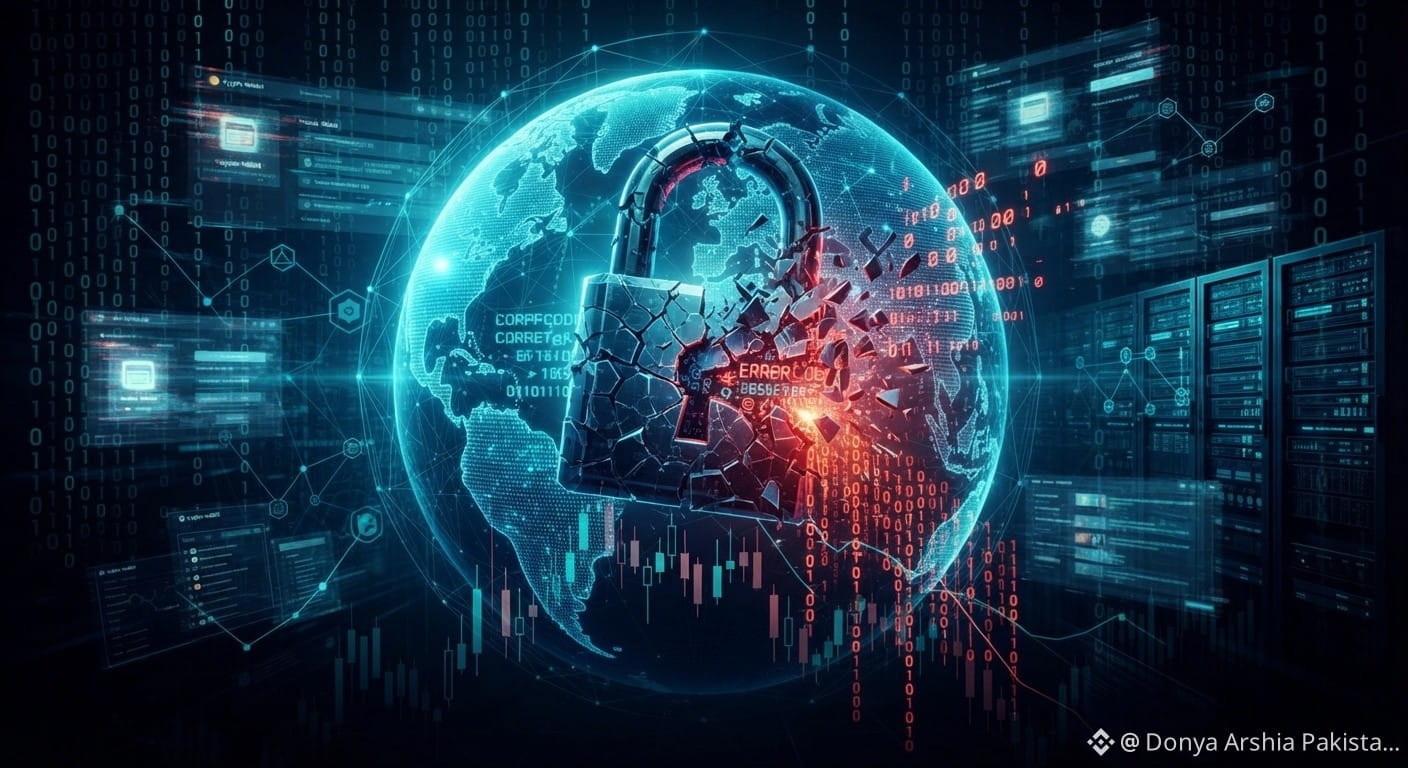
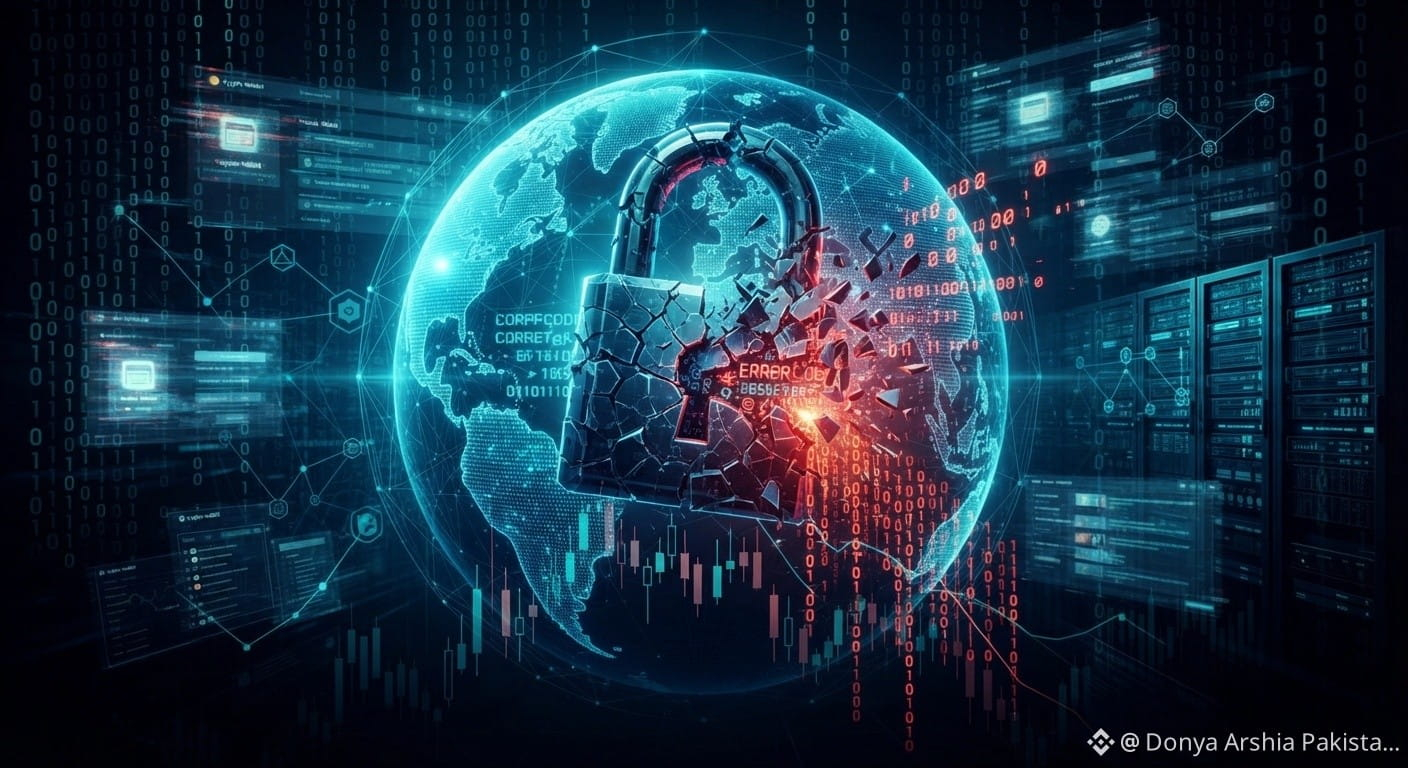
اکتوبر 2026ء کے آخر میں، کرپٹو کرنسی کی دنیا کی تاریخ کا سب سے بڑا اور ہولناک سائبر حملہ سامنے آیا، جس کا نشانہ دنیا کی سب سے بڑی کرپٹو ایکسچینج بائنانس (Binance) بنی۔ اس غیر معمولی ہیکنگ کے واقعے نے نہ صرف کرپٹو انڈسٹری کو ہلا کر رکھ دیا بلکہ ڈیجیٹل اثاثوں کی سکیورٹی پر بھی کئی سنگین سوالات کھڑے کر دیے۔
ڈکیتی کی اہم تفصیلات اور حقائق
• چوری شدہ فنڈز کی مالیت: عالمی تحقیقاتی اداروں اور سکیورٹی فرمز کے مطابق، ہیکرز بائنانس کے ڈیجیٹل والٹس اور سسٹمز سے ریکارڈ 6 ارب 30 کروڑ ڈالر (6.3 Billion Dollars) مالیت کے کرپٹو اثاثے چرانے میں کامیاب ہوئے۔ یہ رقم کرپٹو کی تاریخ میں کسی بھی ایک ہیک میں چوری ہونے والی سب سے بڑی رقم ہے۔
• حملے کا طریقہ کار (Modus Operandi): ابتدائی فرانزک رپورٹس سے معلوم ہوا ہے کہ ہیکرز نے بلاک چین ٹیکنالوجی کو براہِ راست نشانہ نہیں بنایا، بلکہ بائنانس کے ایک 'ڈیو اوپس' (DevOps) انجینئر کے لیپ ٹاپ کو ہیک کیا۔ اس لیپ ٹاپ کے ذریعے ہیکرز نے کمپنی کے اندرونی فنڈز منتقلی کی منظوری دینے والے سسٹم (Signing Infrastructure) تک رسائی حاصل کر لی۔
#Binancecybersecurity @bitcoin
تاریخ کی سب سے بڑی کرپٹو ڈکیتی: بائنانس ہیک کے حقائق اور سکیورٹی اثرات
حصہ اول: تاریخ کا سب سے بڑا سائبر حملہ اور چوری کے حقائق
اکتوبر 2026ء کے آخر میں، کرپٹو کرنسی کی دنیا کی تاریخ کا سب سے بڑا اور ہولناک سائبر حملہ سامنے آیا، جس کا نشانہ دنیا کی سب سے بڑی کرپٹو ایکسچینج بائنانس (Binance) بنی۔ اس غیر معمولی ہیکنگ کے واقعے نے نہ صرف کرپٹو انڈسٹری کو ہلا کر رکھ دیا بلکہ ڈیجیٹل اثاثوں کی سکیورٹی پر بھی کئی سنگین سوالات کھڑے کر دیے۔
ڈکیتی کی اہم تفصیلات اور حقائق
• چوری شدہ فنڈز کی مالیت: عالمی تحقیقاتی اداروں اور سکیورٹی فرمز کے مطابق، ہیکرز بائنانس کے ڈیجیٹل والٹس اور سسٹمز سے ریکارڈ 6 ارب 30 کروڑ ڈالر (6.3 Billion Dollars) مالیت کے کرپٹو اثاثے چرانے میں کامیاب ہوئے۔ یہ رقم کرپٹو کی تاریخ میں کسی بھی ایک ہیک میں چوری ہونے والی سب سے بڑی رقم ہے۔
• حملے کا طریقہ کار (Modus Operandi): ابتدائی فرانزک رپورٹس سے معلوم ہوا ہے کہ ہیکرز نے بلاک چین ٹیکنالوجی کو براہِ راست نشانہ نہیں بنایا، بلکہ بائنانس کے ایک 'ڈیو اوپس' (DevOps) انجینئر کے لیپ ٹاپ کو ہیک کیا۔ اس لیپ ٹاپ کے ذریعے ہیکرز نے کمپنی کے اندرونی فنڈز منتقلی کی منظوری دینے والے سسٹم (Signing Infrastructure) تک رسائی حاصل کر لی۔
#Binancecybersecurity @Bitcoin
حصہ اول: تاریخ کا سب سے بڑا سائبر حملہ اور چوری کے حقائق
اکتوبر 2026ء کے آخر میں، کرپٹو کرنسی کی دنیا کی تاریخ کا سب سے بڑا اور ہولناک سائبر حملہ سامنے آیا، جس کا نشانہ دنیا کی سب سے بڑی کرپٹو ایکسچینج بائنانس (Binance) بنی۔ اس غیر معمولی ہیکنگ کے واقعے نے نہ صرف کرپٹو انڈسٹری کو ہلا کر رکھ دیا بلکہ ڈیجیٹل اثاثوں کی سکیورٹی پر بھی کئی سنگین سوالات کھڑے کر دیے۔
ڈکیتی کی اہم تفصیلات اور حقائق
• چوری شدہ فنڈز کی مالیت: عالمی تحقیقاتی اداروں اور سکیورٹی فرمز کے مطابق، ہیکرز بائنانس کے ڈیجیٹل والٹس اور سسٹمز سے ریکارڈ 6 ارب 30 کروڑ ڈالر (6.3 Billion Dollars) مالیت کے کرپٹو اثاثے چرانے میں کامیاب ہوئے۔ یہ رقم کرپٹو کی تاریخ میں کسی بھی ایک ہیک میں چوری ہونے والی سب سے بڑی رقم ہے۔
• حملے کا طریقہ کار (Modus Operandi): ابتدائی فرانزک رپورٹس سے معلوم ہوا ہے کہ ہیکرز نے بلاک چین ٹیکنالوجی کو براہِ راست نشانہ نہیں بنایا، بلکہ بائنانس کے ایک 'ڈیو اوپس' (DevOps) انجینئر کے لیپ ٹاپ کو ہیک کیا۔ اس لیپ ٹاپ کے ذریعے ہیکرز نے کمپنی کے اندرونی فنڈز منتقلی کی منظوری دینے والے سسٹم (Signing Infrastructure) تک رسائی حاصل کر لی۔
#Binancecybersecurity @Bitcoin
74
1
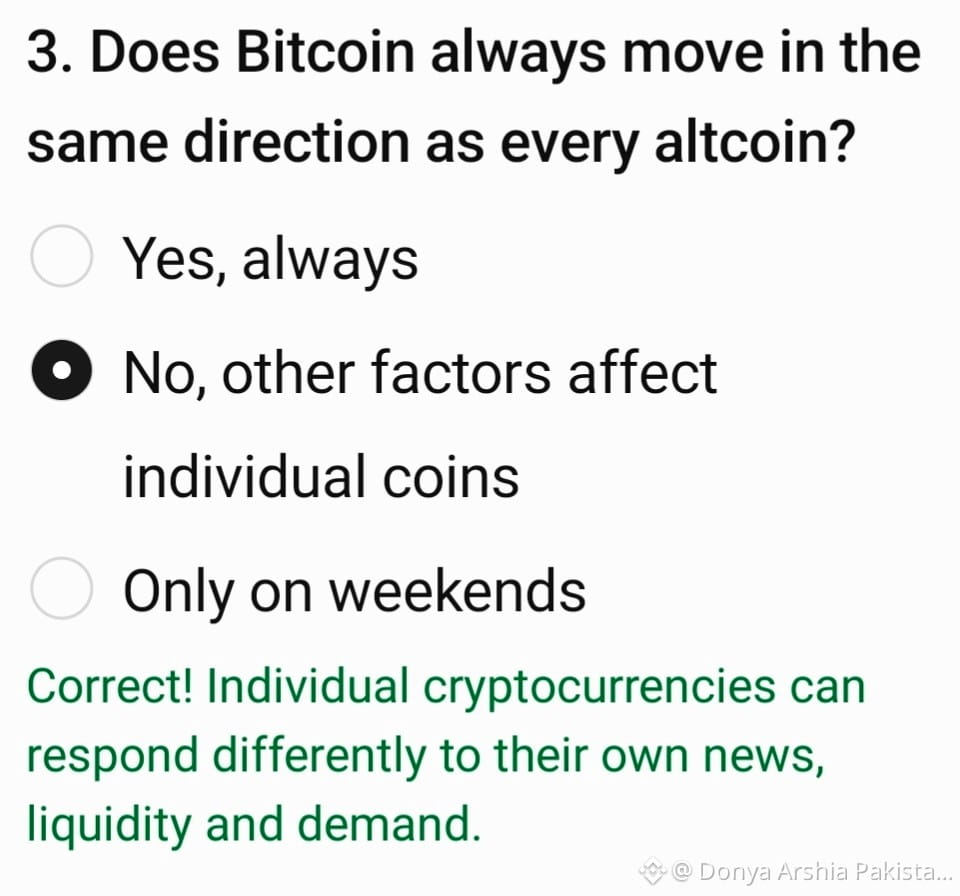
Check your knowledge n increase with Green Signals @bitcoin
Check your knowledge n increase with Green Signals @Bitcoin
1
82
#Binanance Withdrawal Updates @bitcoin
https://www.binance.info/en/support/announcement/detail/c5a8729a97ac486d963784d96c5642d7?utm_source=new_share&ref=CPA_001FHNPV8N&utm_medium=web_share_copy
#Binanance Withdrawal Updates @Bitcoin
https://www.binance.info/en/support/announcement/detail/c5a8729a97ac486d963784d96c5642d7?utm_source=new_share&ref=CPA_001FHNPV8N&utm_medium=web_share_copy
https://www.binance.info/en/support/announcement/detail/c5a8729a97ac486d963784d96c5642d7?utm_source=new_share&ref=CPA_001FHNPV8N&utm_medium=web_share_copy
59
Статья
Lesson 15 — Binance P2P Safety Rules: How Beginners Can Avoid ScamsLesson 15 — Binance P2P Safety Rules: How Beginners Can Avoid Scams
Introduction
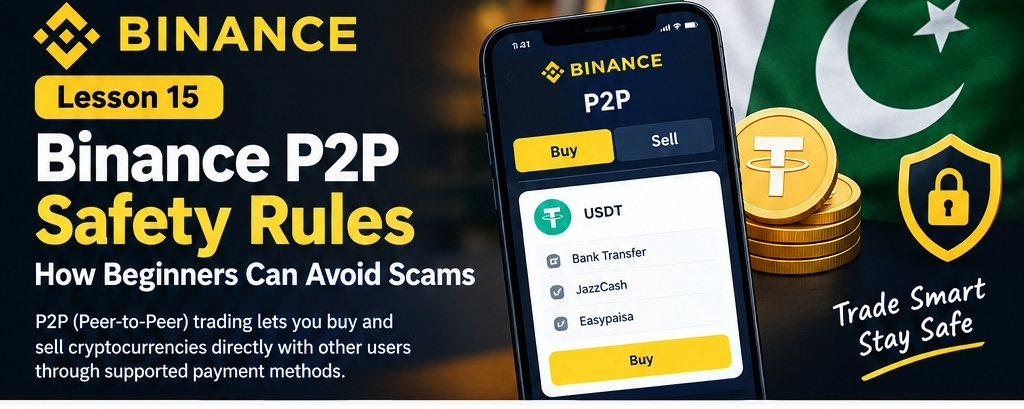
Binance P2P stands for Peer-to-Peer trading. It allows users to buy and sell cryptocurrencies, such as USDT, directly with other users through supported payment methods.
For example, a buyer may pay Pakistani rupees (PKR) through an available bank transfer or supported mobile wallet, while the seller transfers USDT through the platform's P2P process.
P2P trading can be convenient, but beginners must understand its risks and follow safety rules before making a transaction.
1. Understand How P2P Escrow Works
In a P2P sale, the platform's escrow process holds the seller's cryptocurrency during the transaction according to the platform's rules.
When selling USDT, the seller should release the cryptocurrency only after independently confirming that the payment has actually arrived in their account.
Important: Never release cryptocurrency just because the buyer sends a payment screenshot or claims that the transfer is complete.
2. Never Trust Payment Screenshots Alone
A screenshot, SMS notification, or edited receipt is not sufficient proof of payment.
Always open your own banking app or mobile wallet and check the transaction history and available balance.
If the money has not arrived, do not release the cryptocurrency. Follow the platform's dispute or appeal procedure if necessary.
3. Never Trade Outside the Platform
Keep communication and transaction details within the official P2P platform wherever possible.
Avoid requests to complete a transaction through WhatsApp, Telegram, or another external channel.
Trading outside the platform can remove important protections and make disputes more difficult to resolve.
4. Use Your Own Verified Payment Account
Use payment accounts that belong to you and comply with the platform's current requirements.
Do not accept or send payments through unrelated third parties without confirming that the transaction complies with the platform's rules.
Third-party payments can create fraud, account-freezing, and money-laundering risks.
5. Check the Trader's Profile
Before placing an order, examine the other trader's profile.
Look at:
- Order completion rate
- Number of completed orders
- Account history
- Advertised exchange rate
- Payment method and transaction limits
A high completion rate does not guarantee that a trader is honest. Continue to follow every safety rule.
6. Beware of Fake Customer Support
Scammers may pretend to be Binance employees, payment service representatives, or experienced traders.
They may ask for your password, verification code, recovery phrase, or remote access to your phone.
Never share your password, one-time password (OTP), or account security codes with another person. Use the official app or website to contact support.
7. Do Not Cancel or Release Under Pressure
A scammer may pressure you to release cryptocurrency before payment arrives or ask you to cancel an order after making a payment.
Stay calm and follow the official order instructions.
If you have already paid but the seller refuses to release the cryptocurrency, preserve your evidence and use the platform's official appeal process. Do not pay a second time to resolve the same order.
8. Beware of Unusually Attractive Rates
An exchange rate that looks much better than the market rate can be a warning sign.
Compare available offers, review the trader's history, and understand the order's limits before proceeding.
Never make a transaction simply because someone promises guaranteed profit or an unusually favorable rate.
9. Protect Your Account
Follow these basic account-security practices:
- Enable available two-factor authentication.
- Use a strong, unique password.
- Never share your account with another person.
- Verify that you are using the official Binance website or application.
- Do not install unknown applications or click suspicious links.
- Keep records of your transactions and payment confirmations.
10. What Should Pakistani Beginners Remember?
If you use a Pakistani bank account or mobile wallet, check the provider's terms and applicable local regulations before trading.
Keep transaction records, use only payment methods permitted by the platform, and never assume that P2P transactions are risk-free.
Rules and supported payment methods may change, so consult the official Binance P2P guidelines before placing an order.
Official resource: https://www.binance.com/en/support
Final Thoughts
Binance P2P can be useful for buying and selling cryptocurrency, but safety depends on careful verification and following the correct process.
Remember these five rules:
1. Never release crypto before confirming payment.
2. Never trust screenshots alone.
3. Never share passwords or OTPs.
4. Never move a transaction outside the official platform.
5. Use official support if a dispute occurs.
Learn first. Verify every payment. Protect your money.
Educational content only. Cryptocurrency transactions involve financial and fraud risks. This article is not financial or legal advice. @bitcoin
Lesson 15 — Binance P2P Safety Rules: How Beginners Can Avoid Scams
Lesson 15 — Binance P2P Safety Rules: How Beginners Can Avoid Scams
Introduction
Binance P2P stands for Peer-to-Peer trading. It allows users to buy and sell cryptocurrencies, such as USDT, directly with other users through supported payment methods.
For example, a buyer may pay Pakistani rupees (PKR) through an available bank transfer or supported mobile wallet, while the seller transfers USDT through the platform's P2P process.
P2P trading can be convenient, but beginners must understand its risks and follow safety rules before making a transaction.
1. Understand How P2P Escrow Works
In a P2P sale, the platform's escrow process holds the seller's cryptocurrency during the transaction according to the platform's rules.
When selling USDT, the seller should release the cryptocurrency only after independently confirming that the payment has actually arrived in their account.
Important: Never release cryptocurrency just because the buyer sends a payment screenshot or claims that the transfer is complete.
2. Never Trust Payment Screenshots Alone
A screenshot, SMS notification, or edited receipt is not sufficient proof of payment.
Always open your own banking app or mobile wallet and check the transaction history and available balance.
If the money has not arrived, do not release the cryptocurrency. Follow the platform's dispute or appeal procedure if necessary.
3. Never Trade Outside the Platform
Keep communication and transaction details within the official P2P platform wherever possible.
Avoid requests to complete a transaction through WhatsApp, Telegram, or another external channel.
Trading outside the platform can remove important protections and make disputes more difficult to resolve.
4. Use Your Own Verified Payment Account
Use payment accounts that belong to you and comply with the platform's current requirements.
Do not accept or send payments through unrelated third parties without confirming that the transaction complies with the platform's rules.
Third-party payments can create fraud, account-freezing, and money-laundering risks.
5. Check the Trader's Profile
Before placing an order, examine the other trader's profile.
Look at:
- Order completion rate
- Number of completed orders
- Account history
- Advertised exchange rate
- Payment method and transaction limits
A high completion rate does not guarantee that a trader is honest. Continue to follow every safety rule.
6. Beware of Fake Customer Support
Scammers may pretend to be Binance employees, payment service representatives, or experienced traders.
They may ask for your password, verification code, recovery phrase, or remote access to your phone.
Never share your password, one-time password (OTP), or account security codes with another person. Use the official app or website to contact support.
7. Do Not Cancel or Release Under Pressure
A scammer may pressure you to release cryptocurrency before payment arrives or ask you to cancel an order after making a payment.
Stay calm and follow the official order instructions.
If you have already paid but the seller refuses to release the cryptocurrency, preserve your evidence and use the platform's official appeal process. Do not pay a second time to resolve the same order.
8. Beware of Unusually Attractive Rates
An exchange rate that looks much better than the market rate can be a warning sign.
Compare available offers, review the trader's history, and understand the order's limits before proceeding.
Never make a transaction simply because someone promises guaranteed profit or an unusually favorable rate.
9. Protect Your Account
Follow these basic account-security practices:
- Enable available two-factor authentication.
- Use a strong, unique password.
- Never share your account with another person.
- Verify that you are using the official Binance website or application.
- Do not install unknown applications or click suspicious links.
- Keep records of your transactions and payment confirmations.
10. What Should Pakistani Beginners Remember?
If you use a Pakistani bank account or mobile wallet, check the provider's terms and applicable local regulations before trading.
Keep transaction records, use only payment methods permitted by the platform, and never assume that P2P transactions are risk-free.
Rules and supported payment methods may change, so consult the official Binance P2P guidelines before placing an order.
Official resource: https://www.binance.com/en/support
Final Thoughts
Binance P2P can be useful for buying and selling cryptocurrency, but safety depends on careful verification and following the correct process.
Remember these five rules:
1. Never release crypto before confirming payment.
2. Never trust screenshots alone.
3. Never share passwords or OTPs.
4. Never move a transaction outside the official platform.
5. Use official support if a dispute occurs.
Learn first. Verify every payment. Protect your money.
Educational content only. Cryptocurrency transactions involve financial and fraud risks. This article is not financial or legal advice. @Bitcoin
Introduction
Binance P2P stands for Peer-to-Peer trading. It allows users to buy and sell cryptocurrencies, such as USDT, directly with other users through supported payment methods.
For example, a buyer may pay Pakistani rupees (PKR) through an available bank transfer or supported mobile wallet, while the seller transfers USDT through the platform's P2P process.
P2P trading can be convenient, but beginners must understand its risks and follow safety rules before making a transaction.
1. Understand How P2P Escrow Works
In a P2P sale, the platform's escrow process holds the seller's cryptocurrency during the transaction according to the platform's rules.
When selling USDT, the seller should release the cryptocurrency only after independently confirming that the payment has actually arrived in their account.
Important: Never release cryptocurrency just because the buyer sends a payment screenshot or claims that the transfer is complete.
2. Never Trust Payment Screenshots Alone
A screenshot, SMS notification, or edited receipt is not sufficient proof of payment.
Always open your own banking app or mobile wallet and check the transaction history and available balance.
If the money has not arrived, do not release the cryptocurrency. Follow the platform's dispute or appeal procedure if necessary.
3. Never Trade Outside the Platform
Keep communication and transaction details within the official P2P platform wherever possible.
Avoid requests to complete a transaction through WhatsApp, Telegram, or another external channel.
Trading outside the platform can remove important protections and make disputes more difficult to resolve.
4. Use Your Own Verified Payment Account
Use payment accounts that belong to you and comply with the platform's current requirements.
Do not accept or send payments through unrelated third parties without confirming that the transaction complies with the platform's rules.
Third-party payments can create fraud, account-freezing, and money-laundering risks.
5. Check the Trader's Profile
Before placing an order, examine the other trader's profile.
Look at:
- Order completion rate
- Number of completed orders
- Account history
- Advertised exchange rate
- Payment method and transaction limits
A high completion rate does not guarantee that a trader is honest. Continue to follow every safety rule.
6. Beware of Fake Customer Support
Scammers may pretend to be Binance employees, payment service representatives, or experienced traders.
They may ask for your password, verification code, recovery phrase, or remote access to your phone.
Never share your password, one-time password (OTP), or account security codes with another person. Use the official app or website to contact support.
7. Do Not Cancel or Release Under Pressure
A scammer may pressure you to release cryptocurrency before payment arrives or ask you to cancel an order after making a payment.
Stay calm and follow the official order instructions.
If you have already paid but the seller refuses to release the cryptocurrency, preserve your evidence and use the platform's official appeal process. Do not pay a second time to resolve the same order.
8. Beware of Unusually Attractive Rates
An exchange rate that looks much better than the market rate can be a warning sign.
Compare available offers, review the trader's history, and understand the order's limits before proceeding.
Never make a transaction simply because someone promises guaranteed profit or an unusually favorable rate.
9. Protect Your Account
Follow these basic account-security practices:
- Enable available two-factor authentication.
- Use a strong, unique password.
- Never share your account with another person.
- Verify that you are using the official Binance website or application.
- Do not install unknown applications or click suspicious links.
- Keep records of your transactions and payment confirmations.
10. What Should Pakistani Beginners Remember?
If you use a Pakistani bank account or mobile wallet, check the provider's terms and applicable local regulations before trading.
Keep transaction records, use only payment methods permitted by the platform, and never assume that P2P transactions are risk-free.
Rules and supported payment methods may change, so consult the official Binance P2P guidelines before placing an order.
Official resource: https://www.binance.com/en/support
Final Thoughts
Binance P2P can be useful for buying and selling cryptocurrency, but safety depends on careful verification and following the correct process.
Remember these five rules:
1. Never release crypto before confirming payment.
2. Never trust screenshots alone.
3. Never share passwords or OTPs.
4. Never move a transaction outside the official platform.
5. Use official support if a dispute occurs.
Learn first. Verify every payment. Protect your money.
Educational content only. Cryptocurrency transactions involve financial and fraud risks. This article is not financial or legal advice. @Bitcoin
90
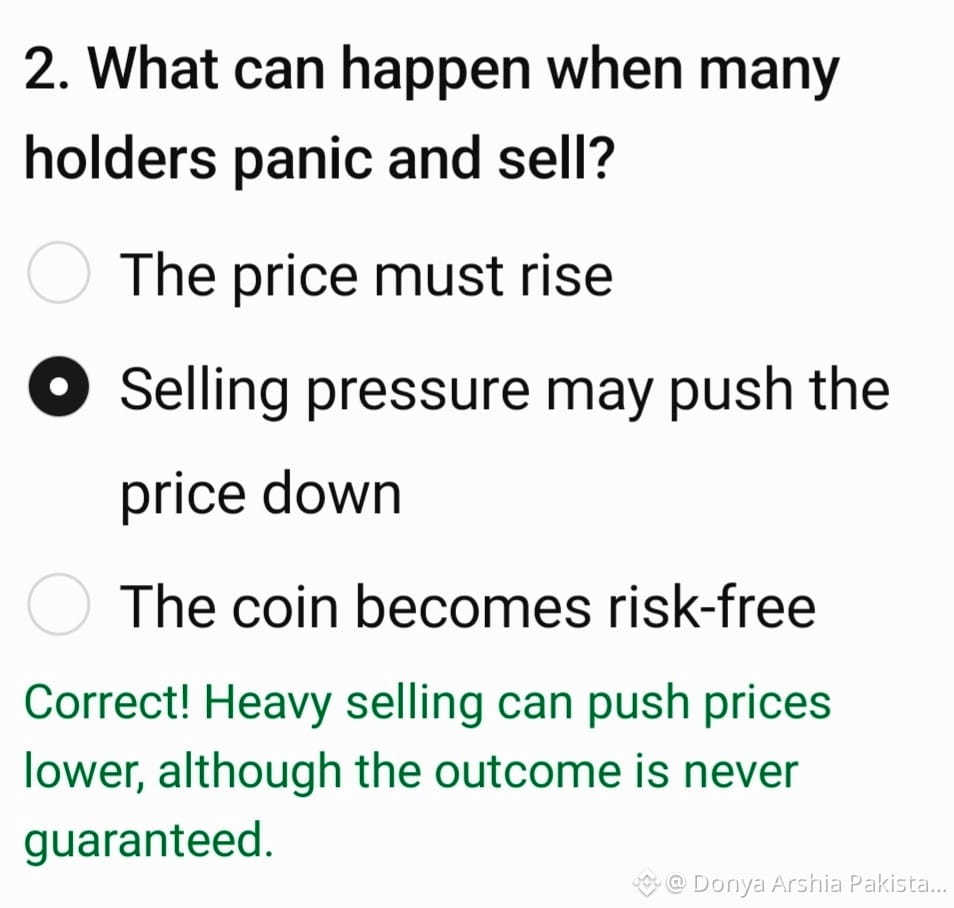
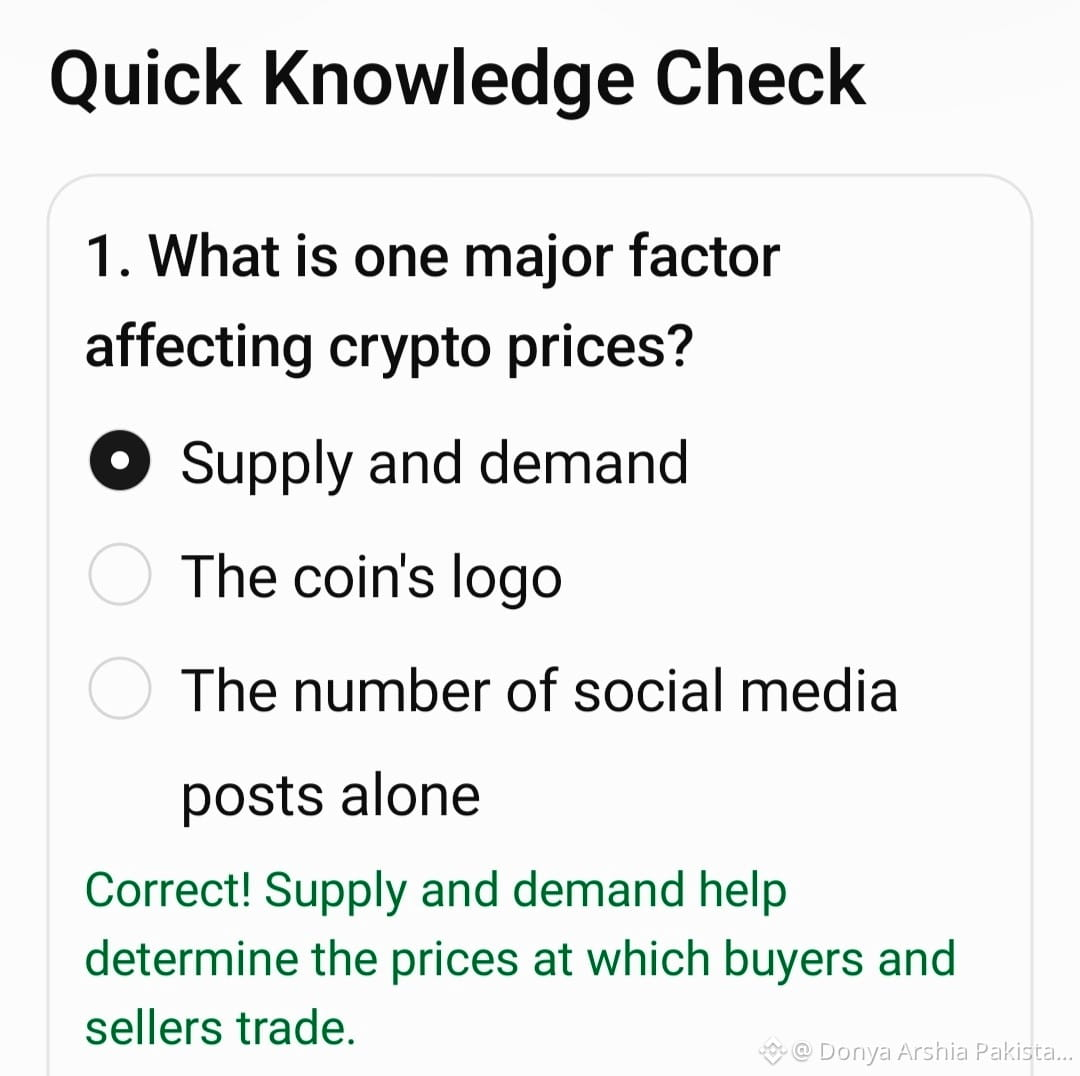
First, comment and then see correct answer in the bottom @bitcoin
First, comment and then see correct answer in the bottom @Bitcoin
80
Статья
Digital Currencies in 2026: Latest News, Uses and TrendsDigital Currencies in 2026: Latest Developments, Real-World Uses and Future Trends
Updated: October 27, 2026
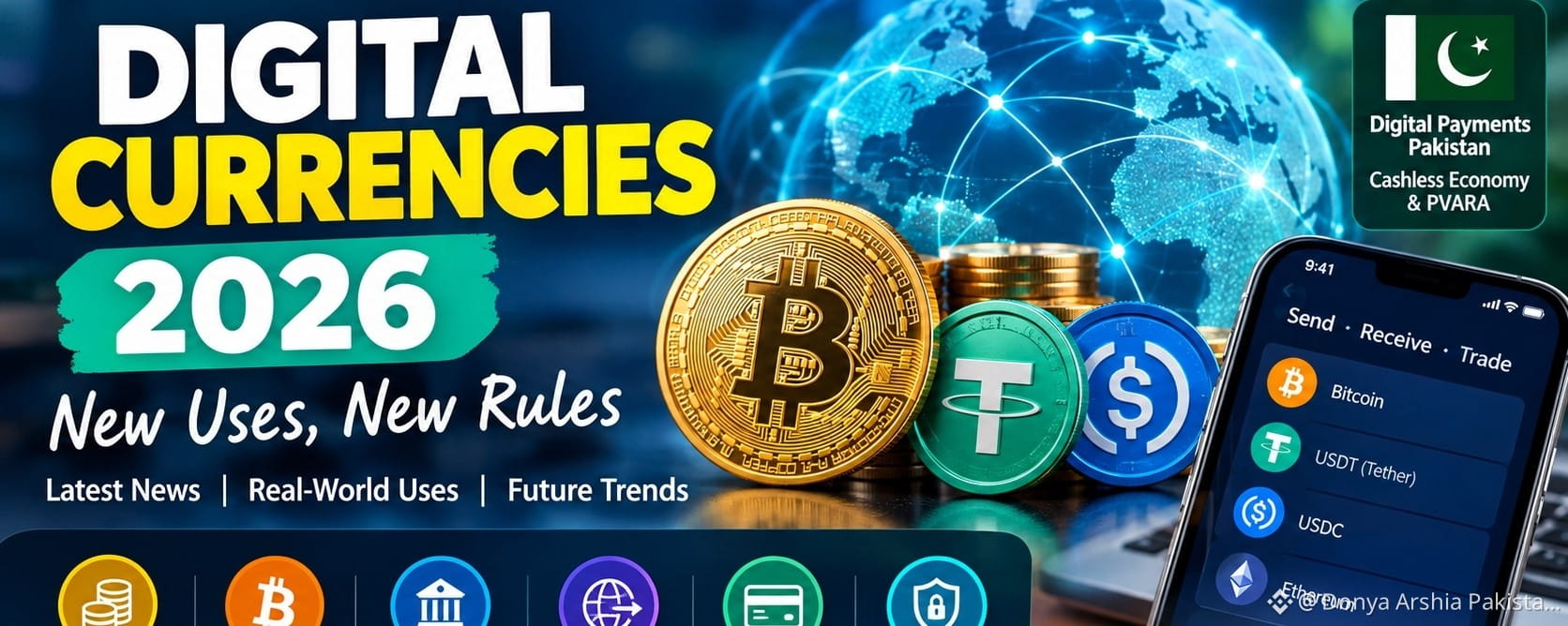
Digital currencies are becoming an increasingly important part of the global financial system. From cryptocurrency trading to online payments, international transfers and government-backed digital money, financial technology is changing how people and businesses move value.
However, digital currencies are not all the same. Understanding their different types, practical uses and associated risks is essential before using or investing in them.
1. Stablecoins Are Expanding Beyond Cryptocurrency Trading
Stablecoins are digital tokens designed to maintain a relatively stable value, often by being linked to a currency such as the US dollar. Examples include USDT and USDC.
Unlike Bitcoin, which can experience substantial price fluctuations, stablecoins are designed to reduce short-term price volatility. Their potential applications include:
- Transferring money across borders.
- Settling payments between businesses.
- Moving funds between cryptocurrency platforms.
- Making certain online payments where supported.
- Providing access to dollar-linked digital value in supported markets.
A recent Brookings analysis reports that stablecoin supply reached approximately $273 billion in 2026, reflecting the growing scale of this market. However, stablecoins still carry risks, including issuer failure, redemption restrictions, regulatory changes and loss of their intended price peg.
Source: "Brookings — Stablecoins and the Global South" (https://www.brookings.edu/articles/stablecoins-can-transform-the-global-south-by-reimagining-digital-finance-trade-and-development/)
2. Pakistan Is Moving Towards a More Digital Economy
Pakistan is pursuing two related but distinct developments: expanding digital payments and establishing a regulatory framework for virtual assets.
On October 13, 2026, Pakistan's Finance Division reviewed progress under the Cashless Pakistan initiative. The government reported that the number of merchants accepting electronic payments had increased fourfold during the previous fiscal year. It also reported substantial progress in digitising public-sector payments. These developments could make everyday transactions more convenient and improve financial inclusion.
Separately, Pakistan's virtual-asset regulatory framework is developing under the Pakistan Virtual Assets Regulatory Authority (PVARA). Official regulatory information lists the Virtual Asset Services Regulations and activity-specific regulations notified on August 21, 2026.
These developments should not be confused with an official launch of a national cryptocurrency. Digital wallets, bank transfers, Bitcoin and stablecoins are different financial products with different legal and operational characteristics.
Sources: "Government of Pakistan — Cashless Pakistan update" (https://pid.gov.pk/site/press_detail/34289) | "PVARA — Regulatory Framework" (https://pvara.gov.pk/regulations)
3. Central Bank Digital Currencies: Digital Money Issued by Governments
Central bank digital currencies, or CBDCs, are digital forms of money issued by a country's central bank. They differ from privately issued cryptocurrencies because they represent central-bank money rather than a token whose market price is determined by trading.
The European Central Bank is preparing for a potential digital euro. In October 2026, the ECB discussed how digital public money could support everyday payments and the settlement of tokenised financial assets.
A digital euro is not the same as Bitcoin, and preparations do not mean it has already been launched. The ECB has been developing the necessary infrastructure while retaining a final decision on issuance.
Source: "European Central Bank — Money in the Digital Age" (https://www.ecb.europa.eu/press/key/date/2026/html/ecb.sp261006~0da978f159.mt.html)
4. How People Actually Use Digital Currencies
The practical uses of digital currencies vary by country, platform and regulatory environment.
International transfers: Certain digital assets may enable transfers between supported services across borders. Users must account for network fees, conversion costs, local regulations and withdrawal options.
Online transactions: Some merchants and service providers accept selected cryptocurrencies or stablecoins. Acceptance is not universal, and ordinary bank cards or electronic payments may be more convenient for everyday purchases.
Trading and investing: People buy and sell digital assets hoping to benefit from price changes. However, cryptocurrency prices can fall sharply, and there is no guarantee of profit.
Blockchain-based applications: Digital tokens can support decentralised applications, digital ownership records and tokenised financial assets. The usefulness and reliability of these applications differ significantly.
Savings and transfers using stablecoins: Dollar-linked tokens may be useful in certain supported situations, but they are not equivalent to insured bank deposits and do not eliminate currency, platform or counterparty risk.
5. What Beginners Should Know Before Using Crypto
Digital currencies offer new possibilities, but responsible use requires careful decisions.
- Learn how a blockchain, wallet address and transaction fee work.
- Verify the recipient address and network before transferring funds.
- Never share your password, private key or wallet recovery phrase.
- Beware of guaranteed-return offers, fake investment schemes and fraudulent support accounts.
- Check the legal requirements and withdrawal options applicable in your country.
- Avoid borrowing money or using leverage to speculate on volatile assets.
- Understand that a transaction sent to the wrong address may be difficult or impossible to reverse.
For Pakistani users, it is particularly important to check current PVARA requirements and the rules applicable to the specific platform and service being used.
6. The Future: More Digital Payments, but Not Without Risks
The future of digital finance may involve a combination of conventional bank accounts, instant electronic payments, regulated stablecoins, CBDCs and blockchain-based financial services.
Greater adoption will depend on practical benefits, consumer protection, reliable technology, regulatory clarity and public trust. No single digital currency is guaranteed to replace cash or traditional banking.
The most important distinction is between using digital currencies as a payment tool and buying them as an investment. The first focuses on convenience and transferring value; the second involves financial risk and uncertain returns.
Conclusion
Digital currencies are evolving from a niche technology into a broader part of financial innovation. Stablecoins are expanding, governments are exploring digital forms of money, and Pakistan is advancing both electronic payments and virtual-asset regulation.
For ordinary users, the best starting point is education rather than speculation. Understanding how a digital asset works, what it costs to use and how its risks can be managed is more valuable than following every market prediction.
Disclaimer: This article is for educational purposes only and does not constitute financial, investment or legal advice. Digital assets carry risks, and regulations can change. Verify current official guidance before making transactions or investment decisions. @bitcoin
Digital Currencies in 2026: Latest News, Uses and Trends
Digital Currencies in 2026: Latest Developments, Real-World Uses and Future Trends
Updated: October 27, 2026
Digital currencies are becoming an increasingly important part of the global financial system. From cryptocurrency trading to online payments, international transfers and government-backed digital money, financial technology is changing how people and businesses move value.
However, digital currencies are not all the same. Understanding their different types, practical uses and associated risks is essential before using or investing in them.
1. Stablecoins Are Expanding Beyond Cryptocurrency Trading
Stablecoins are digital tokens designed to maintain a relatively stable value, often by being linked to a currency such as the US dollar. Examples include USDT and USDC.
Unlike Bitcoin, which can experience substantial price fluctuations, stablecoins are designed to reduce short-term price volatility. Their potential applications include:
- Transferring money across borders.
- Settling payments between businesses.
- Moving funds between cryptocurrency platforms.
- Making certain online payments where supported.
- Providing access to dollar-linked digital value in supported markets.
A recent Brookings analysis reports that stablecoin supply reached approximately $273 billion in 2026, reflecting the growing scale of this market. However, stablecoins still carry risks, including issuer failure, redemption restrictions, regulatory changes and loss of their intended price peg.
Source: "Brookings — Stablecoins and the Global South" (https://www.brookings.edu/articles/stablecoins-can-transform-the-global-south-by-reimagining-digital-finance-trade-and-development/)
2. Pakistan Is Moving Towards a More Digital Economy
Pakistan is pursuing two related but distinct developments: expanding digital payments and establishing a regulatory framework for virtual assets.
On October 13, 2026, Pakistan's Finance Division reviewed progress under the Cashless Pakistan initiative. The government reported that the number of merchants accepting electronic payments had increased fourfold during the previous fiscal year. It also reported substantial progress in digitising public-sector payments. These developments could make everyday transactions more convenient and improve financial inclusion.
Separately, Pakistan's virtual-asset regulatory framework is developing under the Pakistan Virtual Assets Regulatory Authority (PVARA). Official regulatory information lists the Virtual Asset Services Regulations and activity-specific regulations notified on August 21, 2026.
These developments should not be confused with an official launch of a national cryptocurrency. Digital wallets, bank transfers, Bitcoin and stablecoins are different financial products with different legal and operational characteristics.
Sources: "Government of Pakistan — Cashless Pakistan update" (https://pid.gov.pk/site/press_detail/34289) | "PVARA — Regulatory Framework" (https://pvara.gov.pk/regulations)
3. Central Bank Digital Currencies: Digital Money Issued by Governments
Central bank digital currencies, or CBDCs, are digital forms of money issued by a country's central bank. They differ from privately issued cryptocurrencies because they represent central-bank money rather than a token whose market price is determined by trading.
The European Central Bank is preparing for a potential digital euro. In October 2026, the ECB discussed how digital public money could support everyday payments and the settlement of tokenised financial assets.
A digital euro is not the same as Bitcoin, and preparations do not mean it has already been launched. The ECB has been developing the necessary infrastructure while retaining a final decision on issuance.
Source: "European Central Bank — Money in the Digital Age" (https://www.ecb.europa.eu/press/key/date/2026/html/ecb.sp261006~0da978f159.mt.html)
4. How People Actually Use Digital Currencies
The practical uses of digital currencies vary by country, platform and regulatory environment.
International transfers: Certain digital assets may enable transfers between supported services across borders. Users must account for network fees, conversion costs, local regulations and withdrawal options.
Online transactions: Some merchants and service providers accept selected cryptocurrencies or stablecoins. Acceptance is not universal, and ordinary bank cards or electronic payments may be more convenient for everyday purchases.
Trading and investing: People buy and sell digital assets hoping to benefit from price changes. However, cryptocurrency prices can fall sharply, and there is no guarantee of profit.
Blockchain-based applications: Digital tokens can support decentralised applications, digital ownership records and tokenised financial assets. The usefulness and reliability of these applications differ significantly.
Savings and transfers using stablecoins: Dollar-linked tokens may be useful in certain supported situations, but they are not equivalent to insured bank deposits and do not eliminate currency, platform or counterparty risk.
5. What Beginners Should Know Before Using Crypto
Digital currencies offer new possibilities, but responsible use requires careful decisions.
- Learn how a blockchain, wallet address and transaction fee work.
- Verify the recipient address and network before transferring funds.
- Never share your password, private key or wallet recovery phrase.
- Beware of guaranteed-return offers, fake investment schemes and fraudulent support accounts.
- Check the legal requirements and withdrawal options applicable in your country.
- Avoid borrowing money or using leverage to speculate on volatile assets.
- Understand that a transaction sent to the wrong address may be difficult or impossible to reverse.
For Pakistani users, it is particularly important to check current PVARA requirements and the rules applicable to the specific platform and service being used.
6. The Future: More Digital Payments, but Not Without Risks
The future of digital finance may involve a combination of conventional bank accounts, instant electronic payments, regulated stablecoins, CBDCs and blockchain-based financial services.
Greater adoption will depend on practical benefits, consumer protection, reliable technology, regulatory clarity and public trust. No single digital currency is guaranteed to replace cash or traditional banking.
The most important distinction is between using digital currencies as a payment tool and buying them as an investment. The first focuses on convenience and transferring value; the second involves financial risk and uncertain returns.
Conclusion
Digital currencies are evolving from a niche technology into a broader part of financial innovation. Stablecoins are expanding, governments are exploring digital forms of money, and Pakistan is advancing both electronic payments and virtual-asset regulation.
For ordinary users, the best starting point is education rather than speculation. Understanding how a digital asset works, what it costs to use and how its risks can be managed is more valuable than following every market prediction.
Disclaimer: This article is for educational purposes only and does not constitute financial, investment or legal advice. Digital assets carry risks, and regulations can change. Verify current official guidance before making transactions or investment decisions. @Bitcoin
Updated: October 27, 2026
Digital currencies are becoming an increasingly important part of the global financial system. From cryptocurrency trading to online payments, international transfers and government-backed digital money, financial technology is changing how people and businesses move value.
However, digital currencies are not all the same. Understanding their different types, practical uses and associated risks is essential before using or investing in them.
1. Stablecoins Are Expanding Beyond Cryptocurrency Trading
Stablecoins are digital tokens designed to maintain a relatively stable value, often by being linked to a currency such as the US dollar. Examples include USDT and USDC.
Unlike Bitcoin, which can experience substantial price fluctuations, stablecoins are designed to reduce short-term price volatility. Their potential applications include:
- Transferring money across borders.
- Settling payments between businesses.
- Moving funds between cryptocurrency platforms.
- Making certain online payments where supported.
- Providing access to dollar-linked digital value in supported markets.
A recent Brookings analysis reports that stablecoin supply reached approximately $273 billion in 2026, reflecting the growing scale of this market. However, stablecoins still carry risks, including issuer failure, redemption restrictions, regulatory changes and loss of their intended price peg.
Source: "Brookings — Stablecoins and the Global South" (https://www.brookings.edu/articles/stablecoins-can-transform-the-global-south-by-reimagining-digital-finance-trade-and-development/)
2. Pakistan Is Moving Towards a More Digital Economy
Pakistan is pursuing two related but distinct developments: expanding digital payments and establishing a regulatory framework for virtual assets.
On October 13, 2026, Pakistan's Finance Division reviewed progress under the Cashless Pakistan initiative. The government reported that the number of merchants accepting electronic payments had increased fourfold during the previous fiscal year. It also reported substantial progress in digitising public-sector payments. These developments could make everyday transactions more convenient and improve financial inclusion.
Separately, Pakistan's virtual-asset regulatory framework is developing under the Pakistan Virtual Assets Regulatory Authority (PVARA). Official regulatory information lists the Virtual Asset Services Regulations and activity-specific regulations notified on August 21, 2026.
These developments should not be confused with an official launch of a national cryptocurrency. Digital wallets, bank transfers, Bitcoin and stablecoins are different financial products with different legal and operational characteristics.
Sources: "Government of Pakistan — Cashless Pakistan update" (https://pid.gov.pk/site/press_detail/34289) | "PVARA — Regulatory Framework" (https://pvara.gov.pk/regulations)
3. Central Bank Digital Currencies: Digital Money Issued by Governments
Central bank digital currencies, or CBDCs, are digital forms of money issued by a country's central bank. They differ from privately issued cryptocurrencies because they represent central-bank money rather than a token whose market price is determined by trading.
The European Central Bank is preparing for a potential digital euro. In October 2026, the ECB discussed how digital public money could support everyday payments and the settlement of tokenised financial assets.
A digital euro is not the same as Bitcoin, and preparations do not mean it has already been launched. The ECB has been developing the necessary infrastructure while retaining a final decision on issuance.
Source: "European Central Bank — Money in the Digital Age" (https://www.ecb.europa.eu/press/key/date/2026/html/ecb.sp261006~0da978f159.mt.html)
4. How People Actually Use Digital Currencies
The practical uses of digital currencies vary by country, platform and regulatory environment.
International transfers: Certain digital assets may enable transfers between supported services across borders. Users must account for network fees, conversion costs, local regulations and withdrawal options.
Online transactions: Some merchants and service providers accept selected cryptocurrencies or stablecoins. Acceptance is not universal, and ordinary bank cards or electronic payments may be more convenient for everyday purchases.
Trading and investing: People buy and sell digital assets hoping to benefit from price changes. However, cryptocurrency prices can fall sharply, and there is no guarantee of profit.
Blockchain-based applications: Digital tokens can support decentralised applications, digital ownership records and tokenised financial assets. The usefulness and reliability of these applications differ significantly.
Savings and transfers using stablecoins: Dollar-linked tokens may be useful in certain supported situations, but they are not equivalent to insured bank deposits and do not eliminate currency, platform or counterparty risk.
5. What Beginners Should Know Before Using Crypto
Digital currencies offer new possibilities, but responsible use requires careful decisions.
- Learn how a blockchain, wallet address and transaction fee work.
- Verify the recipient address and network before transferring funds.
- Never share your password, private key or wallet recovery phrase.
- Beware of guaranteed-return offers, fake investment schemes and fraudulent support accounts.
- Check the legal requirements and withdrawal options applicable in your country.
- Avoid borrowing money or using leverage to speculate on volatile assets.
- Understand that a transaction sent to the wrong address may be difficult or impossible to reverse.
For Pakistani users, it is particularly important to check current PVARA requirements and the rules applicable to the specific platform and service being used.
6. The Future: More Digital Payments, but Not Without Risks
The future of digital finance may involve a combination of conventional bank accounts, instant electronic payments, regulated stablecoins, CBDCs and blockchain-based financial services.
Greater adoption will depend on practical benefits, consumer protection, reliable technology, regulatory clarity and public trust. No single digital currency is guaranteed to replace cash or traditional banking.
The most important distinction is between using digital currencies as a payment tool and buying them as an investment. The first focuses on convenience and transferring value; the second involves financial risk and uncertain returns.
Conclusion
Digital currencies are evolving from a niche technology into a broader part of financial innovation. Stablecoins are expanding, governments are exploring digital forms of money, and Pakistan is advancing both electronic payments and virtual-asset regulation.
For ordinary users, the best starting point is education rather than speculation. Understanding how a digital asset works, what it costs to use and how its risks can be managed is more valuable than following every market prediction.
Disclaimer: This article is for educational purposes only and does not constitute financial, investment or legal advice. Digital assets carry risks, and regulations can change. Verify current official guidance before making transactions or investment decisions. @Bitcoin
104
جمعہ مبارک!
آج میرے جو کے ڈبے سے دو عدد تتلی نما چیزیں نکل کر اڑیں۔ بروقت ویڈیو بنانے کا خیال نہیں آیا، ورنہ چیٹ جی پی ٹی جھٹ پٹ بتا دیتا کہ یہ بند ڈبوں میں پروان چڑھنے والی کون سی نسل ہے۔ لیکن ساتھ ساتھ ڈھیروں ڈھیر باریک، چھوٹے سائز کے کیڑے بھی تھے۔ پہلے پھٹکا، پھر توے پر گرم کیا، آدھ گھنٹے تک صاف کیا۔ پھر پکانے لگی تو ایک دو پھر اوپر باریک کیڑے نظر آنے لگے۔ پچھتائی کہ پھر ایک دفعہ بھگو کر پانی سے کیوں نہیں نکالا؟
جی! پانی میں بھگو کر اناج دھونا کیوں ضروری ہوتا ہے، آج
تتلی نما کیا ہوتی ہیں(سوال ہمارا، جواب اے آئی کا)
جو کے ڈبے سے دو تتلی نما مہمان اڑیں تو معلوم ہوا کہ اناج بھی کبھی کبھی اپنی الگ ہی مخلوق پال لیتا ہے!
سائنسی وضاحت: جو، آٹے، چاول اور دیگر ذخیرہ شدہ اناج میں بعض اوقات چھوٹے پتنگوں کے انڈے یا لاروا موجود ہوتے ہیں۔ مناسب ماحول ملنے پر یہ لاروا نشوونما پا کر بالغ پتنگوں میں تبدیل ہو سکتے ہیں۔ ان کے بالغ پروں کا رنگ عموماً بھورا اور سرمئی ہوتا ہے، جبکہ ان کے لاروا باریک کیڑوں کی صورت میں اناج میں نظر آ سکتے ہیں۔ تاہم، محض رنگ اور شکل کی بنیاد پر ان کی حتمی شناخت ممکن نہیں۔
اس لیے اناج کو محفوظ رکھنے کے لیے اسے صاف، خشک اور ہوا بند برتن میں رکھنا چاہیے، جبکہ کیڑے لگنے کی صورت میں متاثرہ اناج استعمال کرنے کے بجائے ضائع کر دینا بہتر ہے۔
@bitcoin #Binance
جمعہ مبارک!
آج میرے جو کے ڈبے سے دو عدد تتلی نما چیزیں نکل کر اڑیں۔ بروقت ویڈیو بنانے کا خیال نہیں آیا، ورنہ چیٹ جی پی ٹی جھٹ پٹ بتا دیتا کہ یہ بند ڈبوں میں پروان چڑھنے والی کون سی نسل ہے۔ لیکن ساتھ ساتھ ڈھیروں ڈھیر باریک، چھوٹے سائز کے کیڑے بھی تھے۔ پہلے پھٹکا، پھر توے پر گرم کیا، آدھ گھنٹے تک صاف کیا۔ پھر پکانے لگی تو ایک دو پھر اوپر باریک کیڑے نظر آنے لگے۔ پچھتائی کہ پھر ایک دفعہ بھگو کر پانی سے کیوں نہیں نکالا؟
جی! پانی میں بھگو کر اناج دھونا کیوں ضروری ہوتا ہے، آج
تتلی نما کیا ہوتی ہیں(سوال ہمارا، جواب اے آئی کا)
جو کے ڈبے سے دو تتلی نما مہمان اڑیں تو معلوم ہوا کہ اناج بھی کبھی کبھی اپنی الگ ہی مخلوق پال لیتا ہے!
سائنسی وضاحت: جو، آٹے، چاول اور دیگر ذخیرہ شدہ اناج میں بعض اوقات چھوٹے پتنگوں کے انڈے یا لاروا موجود ہوتے ہیں۔ مناسب ماحول ملنے پر یہ لاروا نشوونما پا کر بالغ پتنگوں میں تبدیل ہو سکتے ہیں۔ ان کے بالغ پروں کا رنگ عموماً بھورا اور سرمئی ہوتا ہے، جبکہ ان کے لاروا باریک کیڑوں کی صورت میں اناج میں نظر آ سکتے ہیں۔ تاہم، محض رنگ اور شکل کی بنیاد پر ان کی حتمی شناخت ممکن نہیں۔
اس لیے اناج کو محفوظ رکھنے کے لیے اسے صاف، خشک اور ہوا بند برتن میں رکھنا چاہیے، جبکہ کیڑے لگنے کی صورت میں متاثرہ اناج استعمال کرنے کے بجائے ضائع کر دینا بہتر ہے۔
@Bitcoin #Binance
آج میرے جو کے ڈبے سے دو عدد تتلی نما چیزیں نکل کر اڑیں۔ بروقت ویڈیو بنانے کا خیال نہیں آیا، ورنہ چیٹ جی پی ٹی جھٹ پٹ بتا دیتا کہ یہ بند ڈبوں میں پروان چڑھنے والی کون سی نسل ہے۔ لیکن ساتھ ساتھ ڈھیروں ڈھیر باریک، چھوٹے سائز کے کیڑے بھی تھے۔ پہلے پھٹکا، پھر توے پر گرم کیا، آدھ گھنٹے تک صاف کیا۔ پھر پکانے لگی تو ایک دو پھر اوپر باریک کیڑے نظر آنے لگے۔ پچھتائی کہ پھر ایک دفعہ بھگو کر پانی سے کیوں نہیں نکالا؟
جی! پانی میں بھگو کر اناج دھونا کیوں ضروری ہوتا ہے، آج
تتلی نما کیا ہوتی ہیں(سوال ہمارا، جواب اے آئی کا)
جو کے ڈبے سے دو تتلی نما مہمان اڑیں تو معلوم ہوا کہ اناج بھی کبھی کبھی اپنی الگ ہی مخلوق پال لیتا ہے!
سائنسی وضاحت: جو، آٹے، چاول اور دیگر ذخیرہ شدہ اناج میں بعض اوقات چھوٹے پتنگوں کے انڈے یا لاروا موجود ہوتے ہیں۔ مناسب ماحول ملنے پر یہ لاروا نشوونما پا کر بالغ پتنگوں میں تبدیل ہو سکتے ہیں۔ ان کے بالغ پروں کا رنگ عموماً بھورا اور سرمئی ہوتا ہے، جبکہ ان کے لاروا باریک کیڑوں کی صورت میں اناج میں نظر آ سکتے ہیں۔ تاہم، محض رنگ اور شکل کی بنیاد پر ان کی حتمی شناخت ممکن نہیں۔
اس لیے اناج کو محفوظ رکھنے کے لیے اسے صاف، خشک اور ہوا بند برتن میں رکھنا چاہیے، جبکہ کیڑے لگنے کی صورت میں متاثرہ اناج استعمال کرنے کے بجائے ضائع کر دینا بہتر ہے۔
@Bitcoin #Binance
55
It's totally free to join & earn 20USDC forthwith/immediately
Every one can Earn more UpTo 500USDC, as per mentioned, in the image. #USDC
Join my Qafila: Share $500,000 together!
https://www.binance.com/referral/mystery-box/join-my-qafila/claim?ref=PAKISTAN4MEE&utm_medium=app_share_link_whatsapp
It's totally free to join & earn 20USDC forthwith/immediately
Every one can Earn more UpTo 500USDC, as per mentioned, in the image. #USDC
Join my Qafila: Share $500,000 together!
https://www.binance.com/referral/mystery-box/join-my-qafila/claim?ref=PAKISTAN4MEE&utm_medium=app_share_link_whatsapp
Every one can Earn more UpTo 500USDC, as per mentioned, in the image. #USDC
Join my Qafila: Share $500,000 together!
https://www.binance.com/referral/mystery-box/join-my-qafila/claim?ref=PAKISTAN4MEE&utm_medium=app_share_link_whatsapp
7

Статья
What Is PVARA?
Digital Currency Platforms UsagePVARA Pakistan Virtual Assets Regulatory Authority
Virtual asset A digital asset such as cryptocurrency
VASP Virtual Asset Service Provider
KYC Know Your Customer — identity verification
AML Anti-Money Laundering
5. Lesson summary
PVARA is Pakistan's dedicated regulator for virtual assets and the businesses providing related services. Learning about regulation is an important part of responsible crypto education, alongside protecting your account, avoiding scams and never investing money you cannot afford to lose.
Official resource: www.pvara.gov.pk
Educational content only. This lesson is not financial or legal advice and does not recommend buying or selling any cryptocurrency. @bitcoin
What Is PVARA? Digital Currency Platforms Usage
PVARA Pakistan Virtual Assets Regulatory Authority
Virtual asset A digital asset such as cryptocurrency
VASP Virtual Asset Service Provider
KYC Know Your Customer — identity verification
AML Anti-Money Laundering
5. Lesson summary
PVARA is Pakistan's dedicated regulator for virtual assets and the businesses providing related services. Learning about regulation is an important part of responsible crypto education, alongside protecting your account, avoiding scams and never investing money you cannot afford to lose.
Official resource: www.pvara.gov.pk
Educational content only. This lesson is not financial or legal advice and does not recommend buying or selling any cryptocurrency. @Bitcoin
Virtual asset A digital asset such as cryptocurrency
VASP Virtual Asset Service Provider
KYC Know Your Customer — identity verification
AML Anti-Money Laundering
5. Lesson summary
PVARA is Pakistan's dedicated regulator for virtual assets and the businesses providing related services. Learning about regulation is an important part of responsible crypto education, alongside protecting your account, avoiding scams and never investing money you cannot afford to lose.
Official resource: www.pvara.gov.pk
Educational content only. This lesson is not financial or legal advice and does not recommend buying or selling any cryptocurrency. @Bitcoin
106

55
Войдите, чтобы посмотреть больше материала
Присоединяйтесь к пользователям криптовалют по всему миру на Binance Square
⚡️ Получайте новейшую и полезную информацию о криптоактивах.
💬 Нам доверяет крупнейшая в мире криптобиржа.
👍 Получите достоверные аналитические данные от верифицированных создателей контента.
Эл. почта/номер телефона
В тренде
BitcoinFiveWeeklyLosses
Просмотров: 7,042
289 обсуждают
Bitcoin News | Bitcoin Slides for Five Straight Weeks as AI Stock Rout Spills Into Crypto
Binance News
·Лайков: 7
·Просмотров: 7.7k
AIChipSlumpNasdaq
Просмотров: 4,089
153 обсуждают
NvidiaInvestigatesAfterHuang’sAffairApology
Просмотров: 2,133
72 обсуждают