
Inflectiv AI
237 Публикации

Inflectiv AI
Отправить жалобу
Заблокировать пользователя
Liberating Trapped Intelligence.
Fueling agents, automation, and robotics.
Structured, tokenized, perpetual.
0 подписок(и/а)
83 подписчиков(а)
3.2K+ понравилось
Посты
Все
Цитирования
Видео
PINNED
·
--
Creating a dataset sounds technical. It's not.
Upload PDFs, docs, links, sheets, whatever you've got. Inflectiv structures it all automatically.
Here's how to create one instantly using multiple data sources 👇
🔗 Link in the comments to create your dataset now
Creating a dataset sounds technical. It's not.
Upload PDFs, docs, links, sheets, whatever you've got. Inflectiv structures it all automatically.
Here's how to create one instantly using multiple data sources 👇
🔗 Link in the comments to create your dataset now
Upload PDFs, docs, links, sheets, whatever you've got. Inflectiv structures it all automatically.
Here's how to create one instantly using multiple data sources 👇
🔗 Link in the comments to create your dataset now
6
2
52
692
·
--
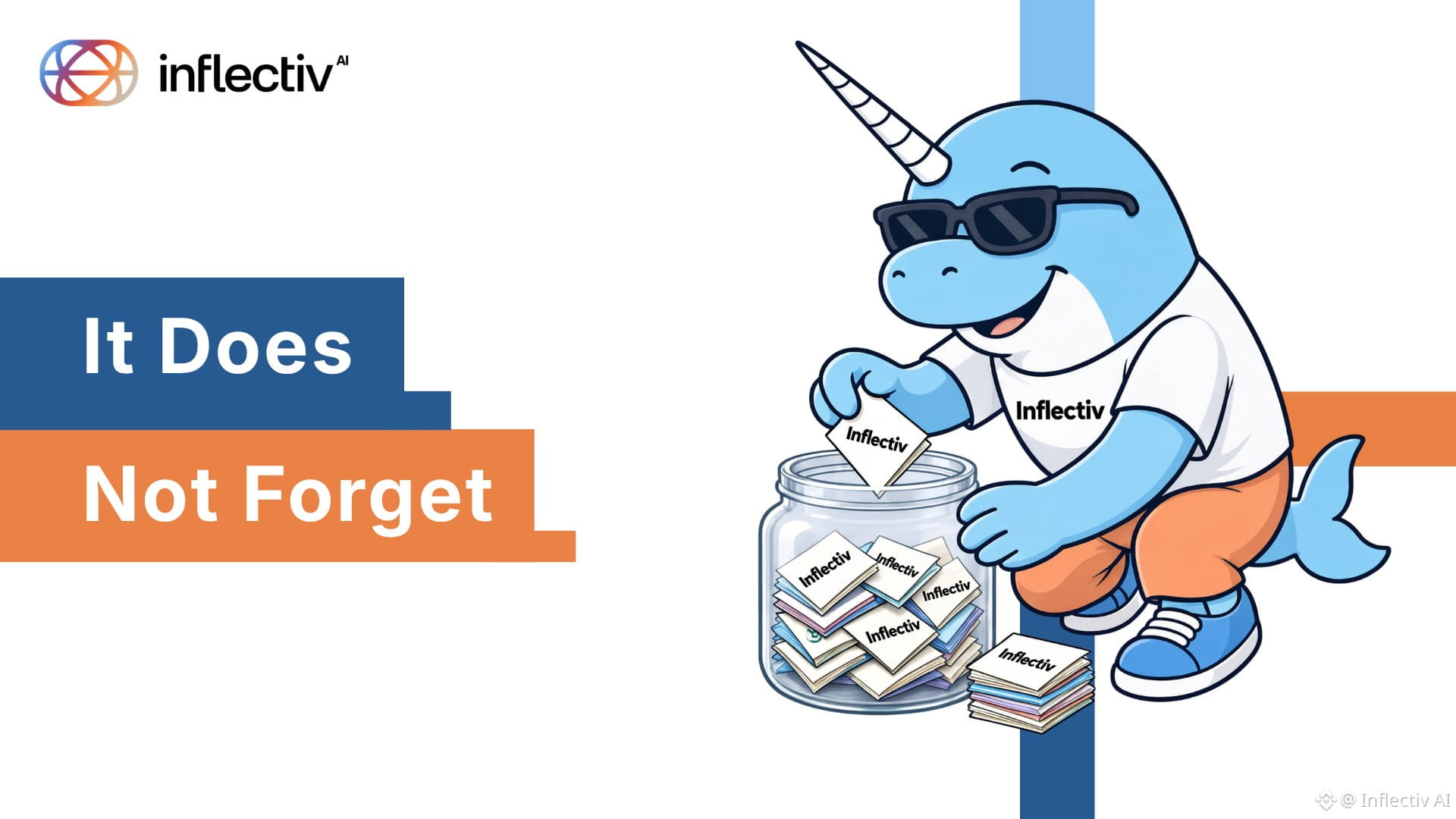
Founders lose weeks pitching the wrong funds because every VC website says roughly the same thing.
VC Portfolio Intel reads what they actually invest in. Stages, check sizes, real portfolio activity.
Then matches your pitch to it.
👉 https://lnkd.in/ehDQGq7b
Founders lose weeks pitching the wrong funds because every VC website says roughly the same thing.
VC Portfolio Intel reads what they actually invest in. Stages, check sizes, real portfolio activity.
Then matches your pitch to it.
👉 https://lnkd.in/ehDQGq7b
VC Portfolio Intel reads what they actually invest in. Stages, check sizes, real portfolio activity.
Then matches your pitch to it.
👉 https://lnkd.in/ehDQGq7b
77
·
--
$INAI is being designed as more than a token for rewards.
It will serve as the settlement layer supporting Inflectiv's data economy.
Here's how the tokenomics are structured ↓
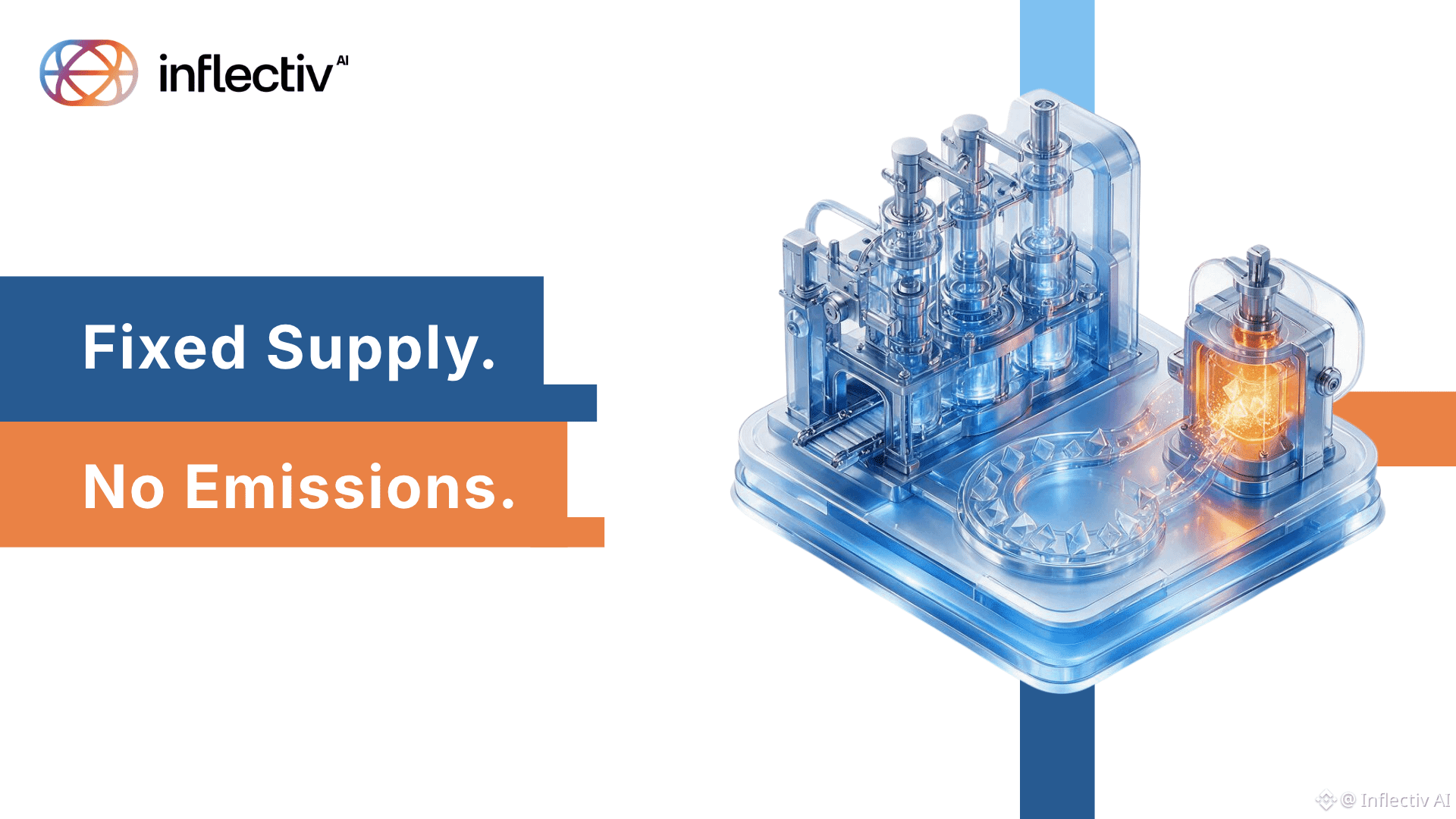
Fixed supply: 16 billion $INAI.
No additional emissions are planned.
The supply is designed to remain fixed, with no new tokens minted to fund growth.
The planned model links platform usage to token buybacks and permanent burns. Paid SDK usage will drive this mechanism, connecting token economics to actual demand.
Agents will also be able to settle queries directly in USDC through x402 on Base when credits run out
The goal is simple: build an economy driven by real data usage, with $INAI supporting it underneath.
Explore the tokenomics 👉 https://www.inflectiv.ai/tokenization
65
·
--
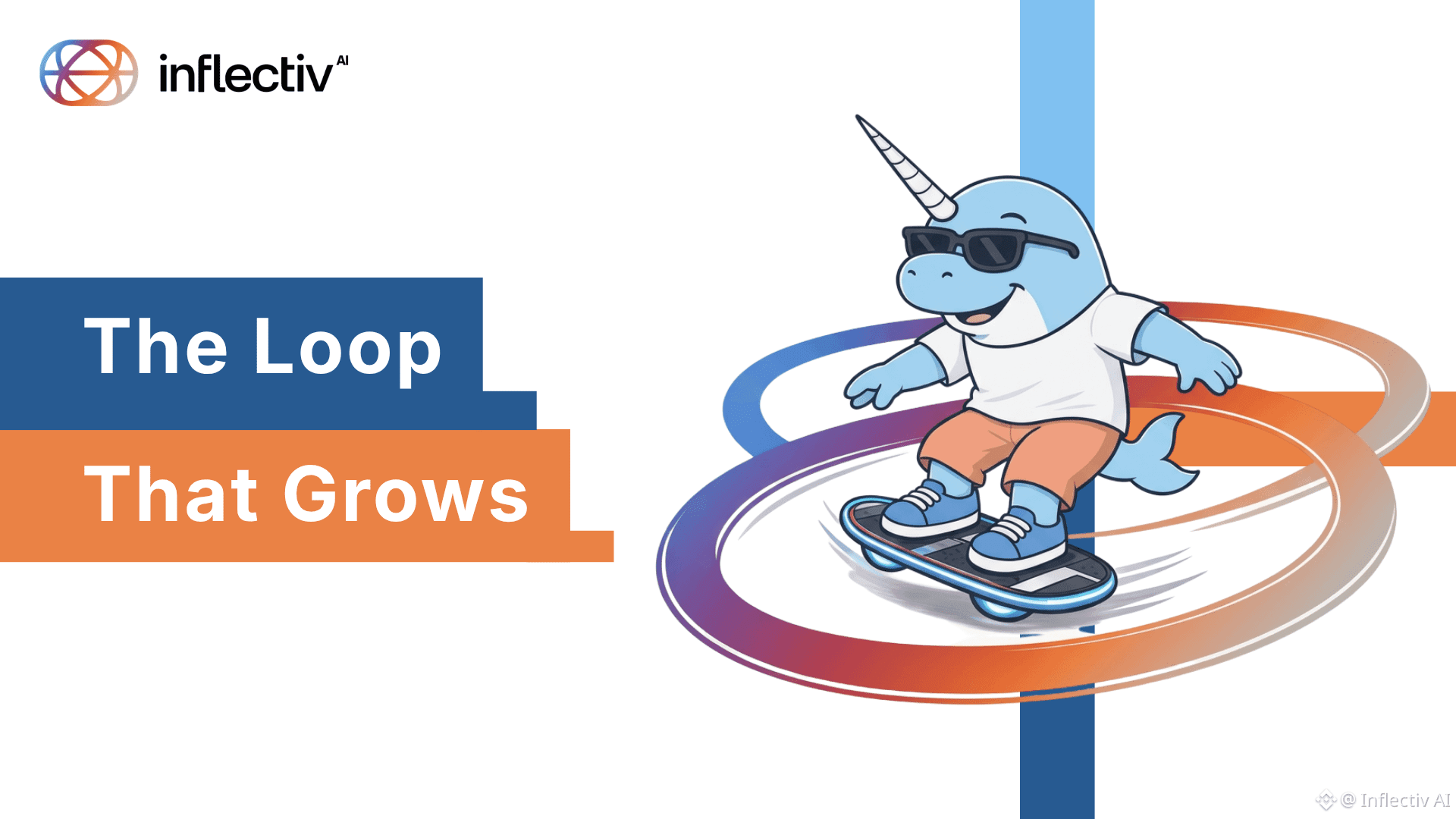
Publish. Ask. Answer. Pay. Improve. Again.
Six steps, and the sixth is the only one that matters: the next question lands on a dataset that has grown.
Start anywhere 👉 https://app.inflectiv.ai
Publish. Ask. Answer. Pay. Improve. Again.
Six steps, and the sixth is the only one that matters: the next question lands on a dataset that has grown.
Start anywhere 👉 https://app.inflectiv.ai
Six steps, and the sixth is the only one that matters: the next question lands on a dataset that has grown.
Start anywhere 👉 https://app.inflectiv.ai
65
·
--
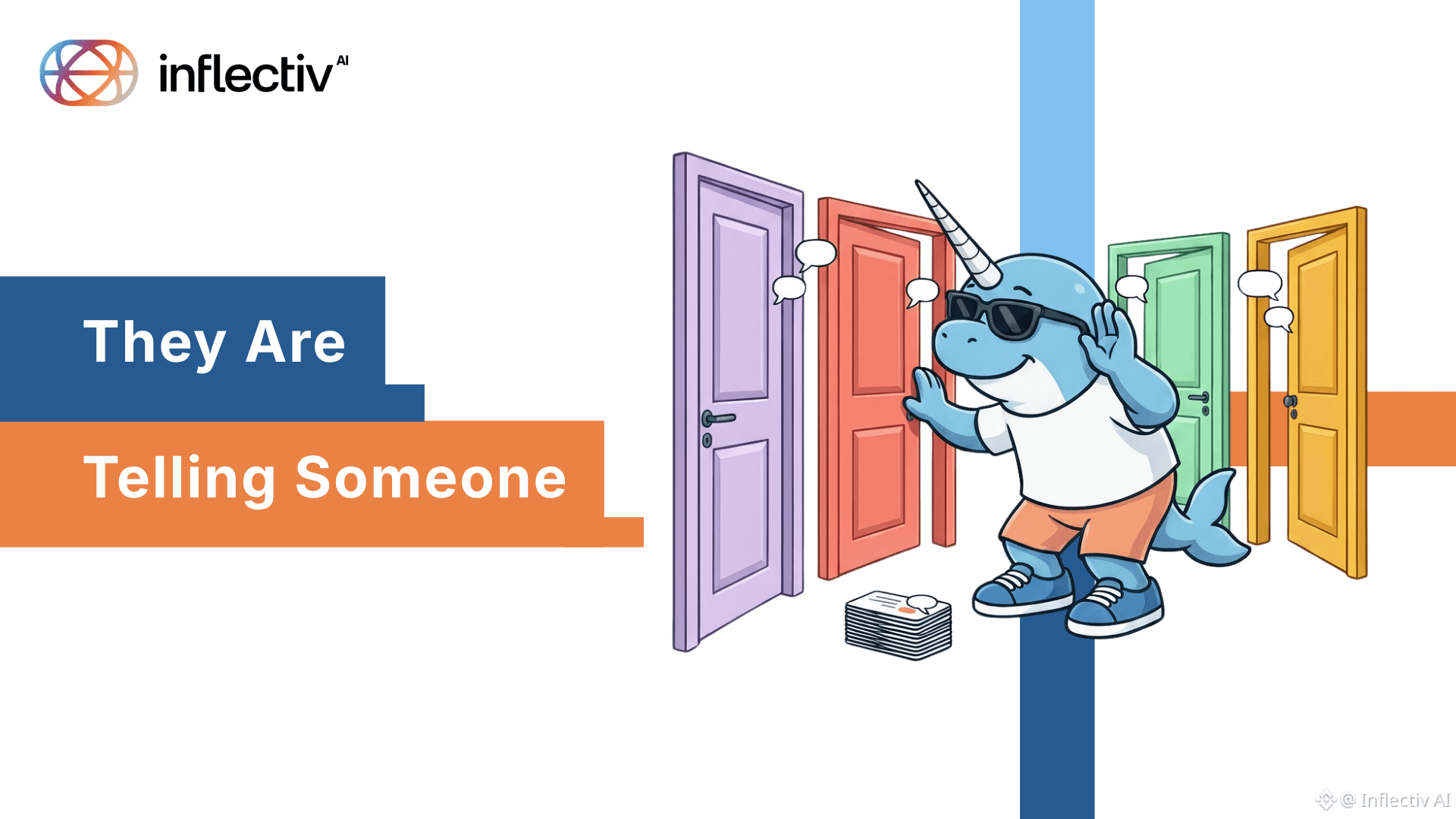
Your customers are telling you exactly what is wrong.
Just not to you. They are saying it on Reddit, G2, Trustpilot, and Discord.
VoiceVault collects it, structures it by product area, and updates it daily. Built on Inflectiv.
👉 https://www.inflectiv.ai/usecases
Your customers are telling you exactly what is wrong.
Just not to you. They are saying it on Reddit, G2, Trustpilot, and Discord.
VoiceVault collects it, structures it by product area, and updates it daily. Built on Inflectiv.
👉 https://www.inflectiv.ai/usecases
Just not to you. They are saying it on Reddit, G2, Trustpilot, and Discord.
VoiceVault collects it, structures it by product area, and updates it daily. Built on Inflectiv.
👉 https://www.inflectiv.ai/usecases
50
·
--
One upgrade to your AI setup. You only get one. Everything else stays exactly as it is.
Choose carefully.
□ A smarter model
□ Fresher data
□ Half the price
□ Twice the speed
Share your answer in comments 👇
One upgrade to your AI setup. You only get one. Everything else stays exactly as it is.
Choose carefully.
□ A smarter model
□ Fresher data
□ Half the price
□ Twice the speed
Share your answer in comments 👇
Choose carefully.
□ A smarter model
□ Fresher data
□ Half the price
□ Twice the speed
Share your answer in comments 👇
71
·
--
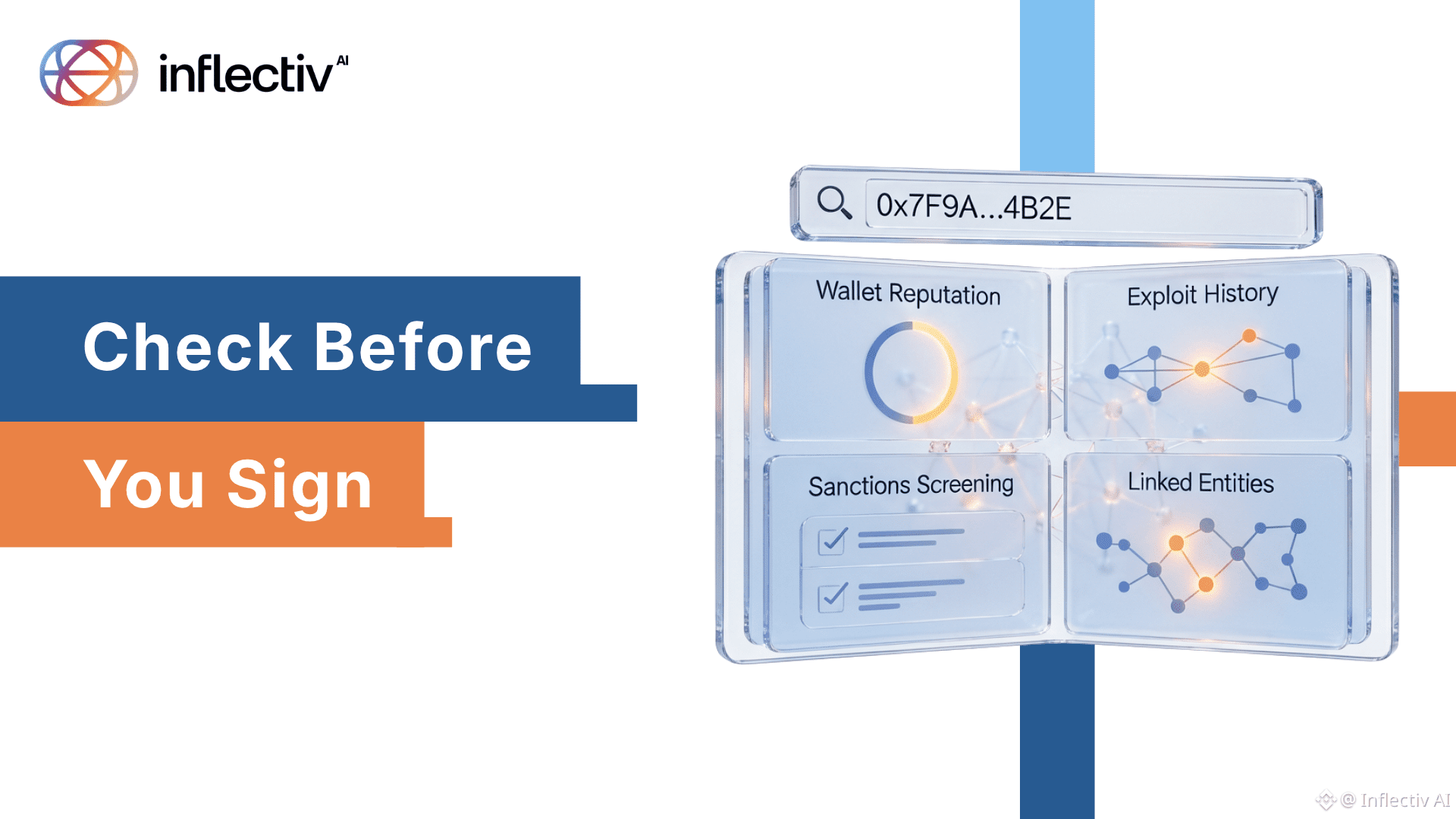
Before you sign. Before you transact. Before you take the money.
One thing you can build on Inflectiv: a dataset of wallets, exploits, sanctioned addresses, and linked entities. Reputation Graph is one example of it.
Due diligence in a question.
See what people build 👉 https://app.inflectiv.ai
Before you sign. Before you transact. Before you take the money.
One thing you can build on Inflectiv: a dataset of wallets, exploits, sanctioned addresses, and linked entities. Reputation Graph is one example of it.
Due diligence in a question.
See what people build 👉 https://app.inflectiv.ai
One thing you can build on Inflectiv: a dataset of wallets, exploits, sanctioned addresses, and linked entities. Reputation Graph is one example of it.
Due diligence in a question.
See what people build 👉 https://app.inflectiv.ai
81
·
--
Статья
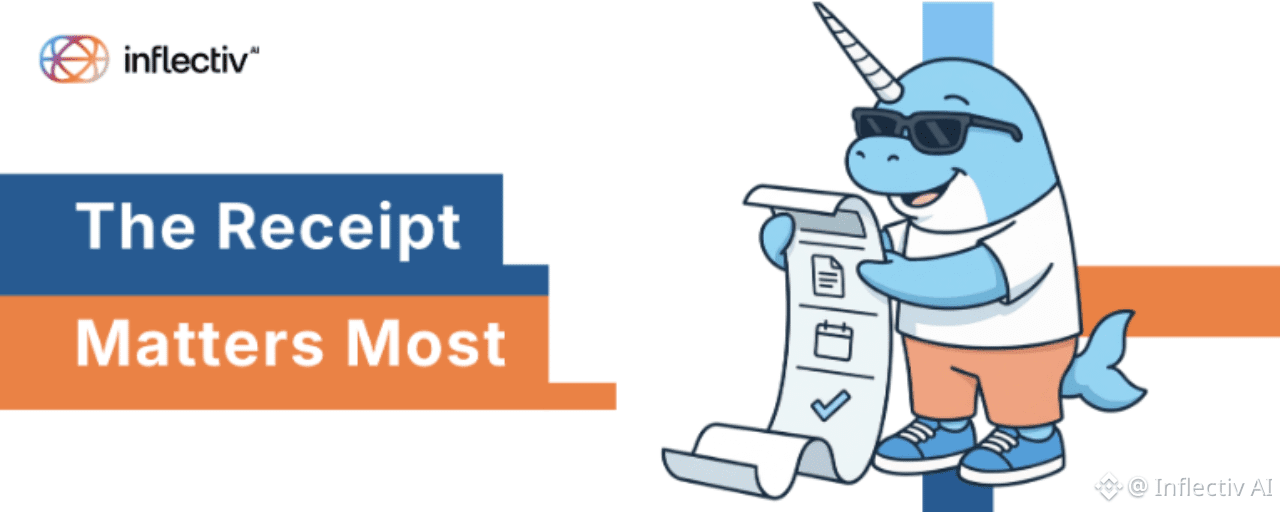
Every Answer Should Come With a ReceiptYou would not hand over money and walk away without a receipt. Not because you expect to be cheated, but because a receipt settles things later, when memory has gone vague, and it matters who said what.
You accept answers without one every day.
Someone tells you the rule changed. An AI tells you the limit is forty thousand. A document says the process has three steps. You write it down, you act on it, and nothing anywhere records where it came from.
What a receipt actually does
A receipt is a small, boring object that does four things at once. It tells you what you got, who it came from, when it happened, and what it cost.
Take any one of those away, and it stops being useful. A receipt with no date proves nothing. A receipt with no seller proves nothing. The power is in the combination.
Now look at the last answer your AI gave you and ask which of those four it came with.
Usually none.
What a receipt for an answer looks like
Four lines. That is all it takes.
The claim. What you were actually told.
2. The source. Not “industry research” but the specific record, so you can go and read it.
3. The date on that source. This is the one everybody skips and the one that matters most. A rule from 2023 and a rule from last month look identical on a screen.
4. How sure the system is. A confident answer and a hedged one should not arrive looking the same.
An answer with those four lines can be checked by anyone in ten seconds. An answer without them has to be taken on faith, and faith is a strange thing to build a business process on.
Why most answers have no receipt
Not because anyone is hiding anything. Because there is nothing to point at.
Most information inside a company arrived as a file. Somebody bought it, downloaded it, and dropped it in a folder. The chain ended there. The file does not know where its own facts came from, so nothing built on top of it can tell you either.
And once it is sold, nobody is responsible for it. The seller has been paid. The buyer cannot improve it. The file quietly drifts out of date, and no part of that arrangement rewards anyone for noticing.
No chain of custody, no receipt. It is that simple.
What it looks like when the receipt exists
This is the problem Inflectiv is built around, and the answer format is the whole argument.
Ask a question and what comes back is not just a claim. It is the claim, the records it was drawn from, the date on each of those records, and a confidence score for each one. Underneath, what the question cost you.
If the information cannot answer you well enough, it says so, and you are not charged. A guess is worse than a blank, so it does not offer one.
And because the person who published the information earns from every question rather than from one sale, keeping it accurate is not goodwill. It is the business.
Try it this week
Next time an AI gives you an answer you plan to act on, ask it one question.
Where did that come from?
Whatever happens next will tell you everything about whether you should have trusted it.
Have a look https://inflectiv.ai
Every Answer Should Come With a Receipt
You would not hand over money and walk away without a receipt. Not because you expect to be cheated, but because a receipt settles things later, when memory has gone vague, and it matters who said what.
You accept answers without one every day.
Someone tells you the rule changed. An AI tells you the limit is forty thousand. A document says the process has three steps. You write it down, you act on it, and nothing anywhere records where it came from.
What a receipt actually does
A receipt is a small, boring object that does four things at once. It tells you what you got, who it came from, when it happened, and what it cost.
Take any one of those away, and it stops being useful. A receipt with no date proves nothing. A receipt with no seller proves nothing. The power is in the combination.
Now look at the last answer your AI gave you and ask which of those four it came with.
Usually none.
What a receipt for an answer looks like
Four lines. That is all it takes.
The claim. What you were actually told.
2. The source. Not “industry research” but the specific record, so you can go and read it.
3. The date on that source. This is the one everybody skips and the one that matters most. A rule from 2023 and a rule from last month look identical on a screen.
4. How sure the system is. A confident answer and a hedged one should not arrive looking the same.
An answer with those four lines can be checked by anyone in ten seconds. An answer without them has to be taken on faith, and faith is a strange thing to build a business process on.
Why most answers have no receipt
Not because anyone is hiding anything. Because there is nothing to point at.
Most information inside a company arrived as a file. Somebody bought it, downloaded it, and dropped it in a folder. The chain ended there. The file does not know where its own facts came from, so nothing built on top of it can tell you either.
And once it is sold, nobody is responsible for it. The seller has been paid. The buyer cannot improve it. The file quietly drifts out of date, and no part of that arrangement rewards anyone for noticing.
No chain of custody, no receipt. It is that simple.
What it looks like when the receipt exists
This is the problem Inflectiv is built around, and the answer format is the whole argument.
Ask a question and what comes back is not just a claim. It is the claim, the records it was drawn from, the date on each of those records, and a confidence score for each one. Underneath, what the question cost you.
If the information cannot answer you well enough, it says so, and you are not charged. A guess is worse than a blank, so it does not offer one.
And because the person who published the information earns from every question rather than from one sale, keeping it accurate is not goodwill. It is the business.
Try it this week
Next time an AI gives you an answer you plan to act on, ask it one question.
Where did that come from?
Whatever happens next will tell you everything about whether you should have trusted it.
Have a look https://inflectiv.ai
1
201
·
--
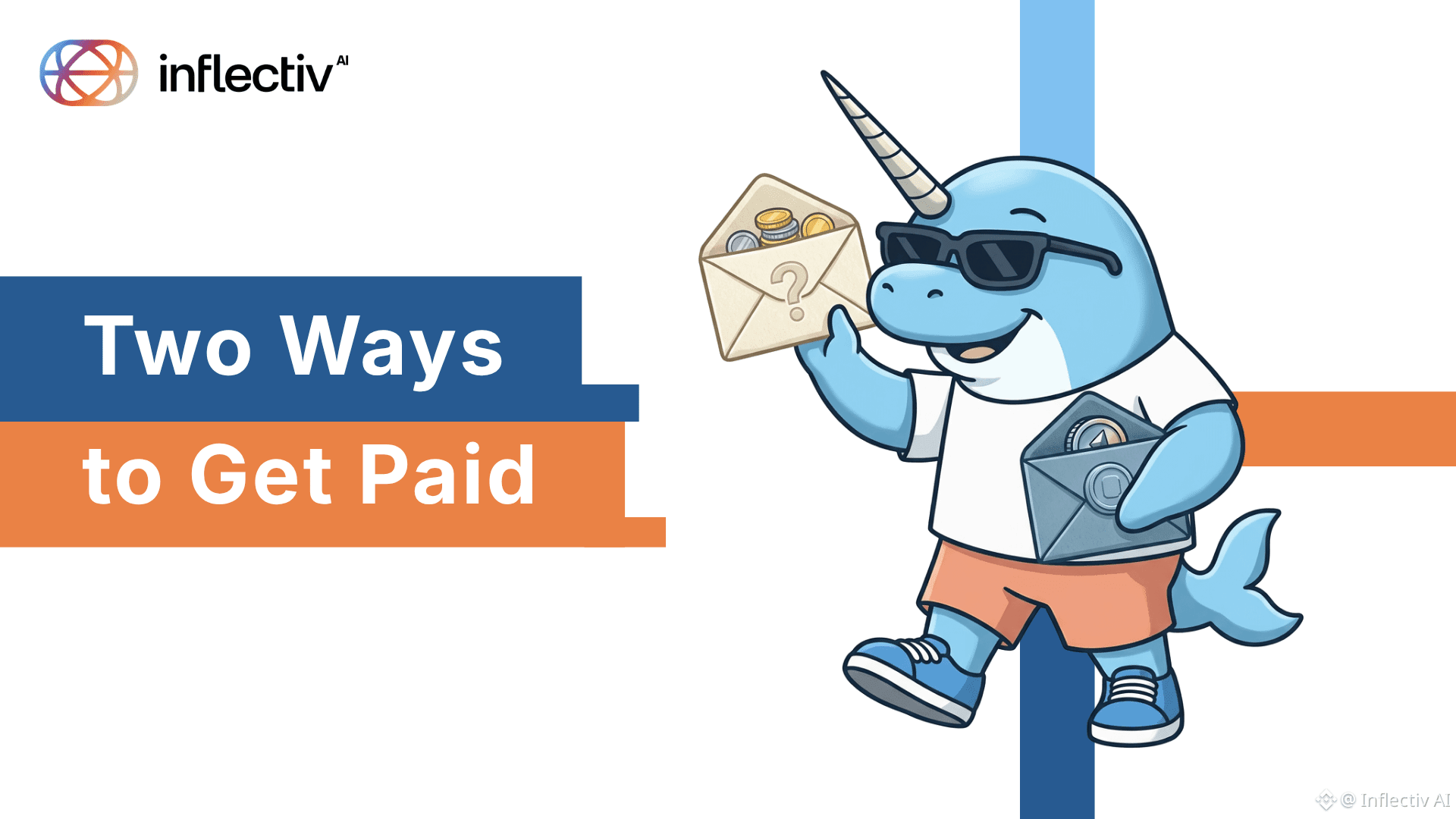
You published a dataset. How do you actually get paid?
Two ways 👉 https://x.com/inflectivAI/status/2108516916184637475
You published a dataset. How do you actually get paid?
Two ways 👉 https://x.com/inflectivAI/status/2108516916184637475
Two ways 👉 https://x.com/inflectivAI/status/2108516916184637475
117
·
--
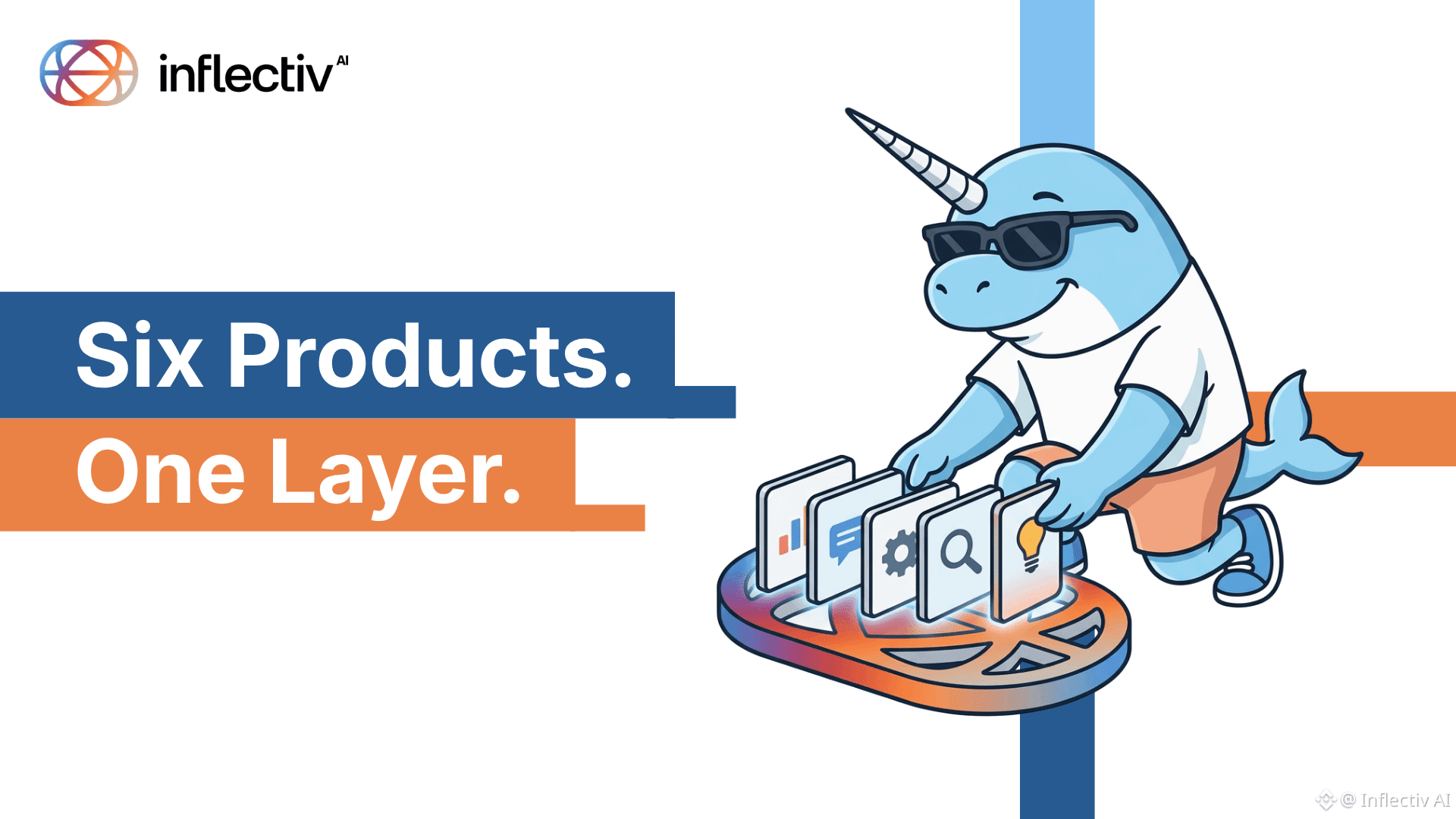
Six products already run on Inflectiv. Same pattern every time.
Here they are 👉 https://x.com/inflectivAI/status/2105993266210701687
Six products already run on Inflectiv. Same pattern every time.
Here they are 👉 https://x.com/inflectivAI/status/2105993266210701687
Here they are 👉 https://x.com/inflectivAI/status/2105993266210701687
57
·
--
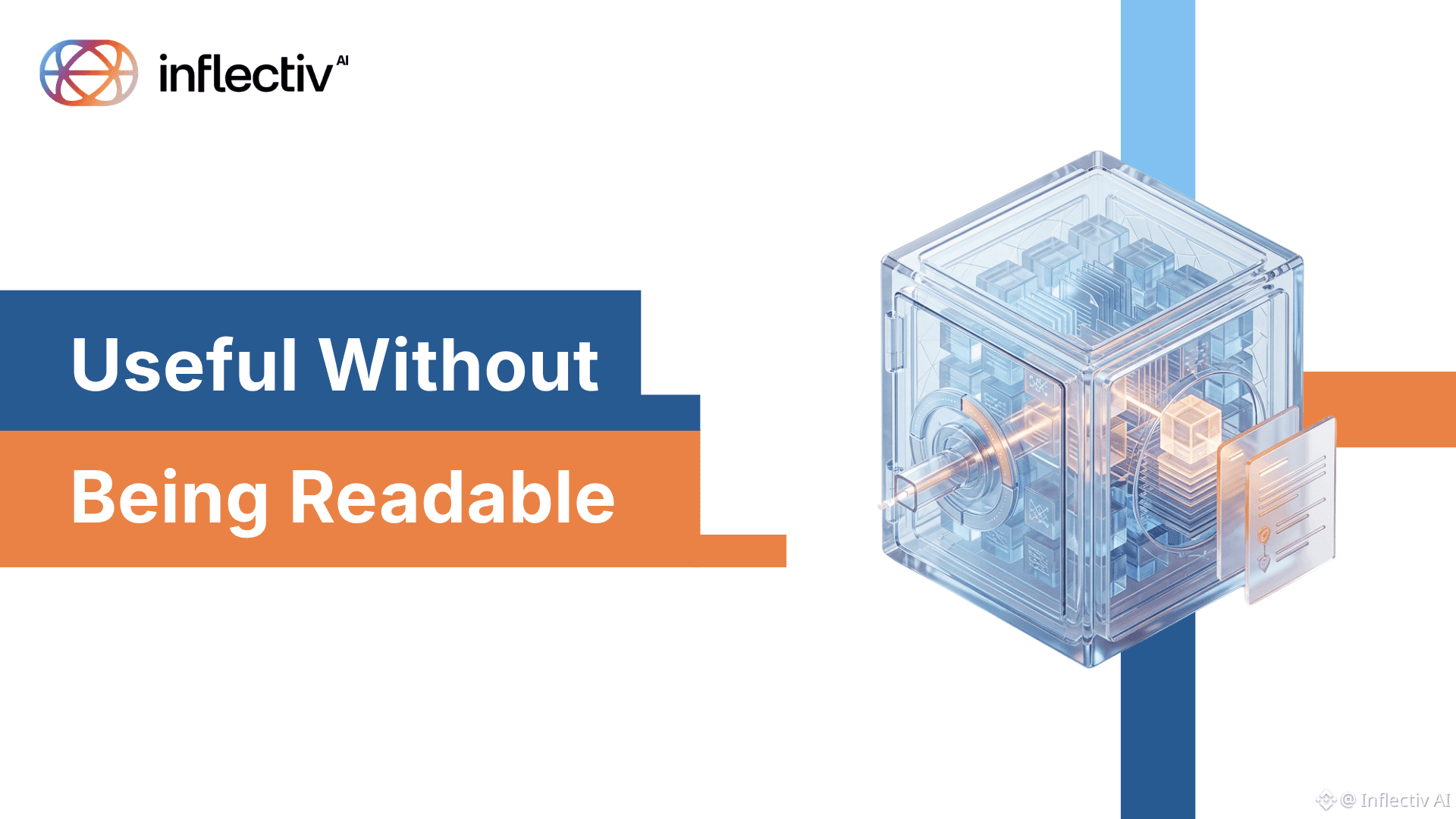
Encrypted with Seal, access controlled on-chain.
Your agent gets answers; nobody gets your files.
👉 https://app.inflectiv.ai
Encrypted with Seal, access controlled on-chain.
Your agent gets answers; nobody gets your files.
👉 https://app.inflectiv.ai
Your agent gets answers; nobody gets your files.
👉 https://app.inflectiv.ai
2
·
--
Статья
Where Good AI Answers Come FromAn AI model is like someone who read a huge amount, then stopped reading.
It does not know what changed after that. It never saw anything private, so your handbook, your contracts, and your notes were never in there. And it cannot look anything up.
Ask it something it does not know, and it does what most people do. It guesses. The difference is that it never sounds unsure.
A better prompt will not fix it
A clearer question gets a clearer answer. It cannot create information that was never there.
A better prompt makes a guess sound better. It does not make it correct.
Three things every answer should come with
1. Where it came from. The actual document, not “industry sources”.
2. How old that source is. A rule from 2023 and a rule from last month look identical on screen.
3. Permission to say no. A system that can admit it does not know beats one that always produces something.
Without those three, you are not getting answers. You are getting well-written guesses.
Why the information goes stale
Most data is sold as a file. You pay once, you download it, and the world moves on.
The seller has already been paid. You own a copy and cannot improve it. Nobody has a reason to keep it current.
What Inflectiv does differently
Someone publishes information and sets a price. Your AI asks it a question. You pay one credit.
· Every answer comes with the records behind it, each with its own date.
· If it cannot answer you, it says so, and you pay nothing.
· The publisher earns per question, so keeping it current is in their interest.
· The AI adds back what it learns, so the information grows as it gets used.
Most data gets worse from the day it is made. This gets better.
Try this today
Ask your AI something only your organisation would know. Whatever comes back will tell you more than any feature list.
https://inflectiv.ai
Where Good AI Answers Come From
An AI model is like someone who read a huge amount, then stopped reading.
It does not know what changed after that. It never saw anything private, so your handbook, your contracts, and your notes were never in there. And it cannot look anything up.
Ask it something it does not know, and it does what most people do. It guesses. The difference is that it never sounds unsure.
A better prompt will not fix it
A clearer question gets a clearer answer. It cannot create information that was never there.
A better prompt makes a guess sound better. It does not make it correct.
Three things every answer should come with
1. Where it came from. The actual document, not “industry sources”.
2. How old that source is. A rule from 2023 and a rule from last month look identical on screen.
3. Permission to say no. A system that can admit it does not know beats one that always produces something.
Without those three, you are not getting answers. You are getting well-written guesses.
Why the information goes stale
Most data is sold as a file. You pay once, you download it, and the world moves on.
The seller has already been paid. You own a copy and cannot improve it. Nobody has a reason to keep it current.
What Inflectiv does differently
Someone publishes information and sets a price. Your AI asks it a question. You pay one credit.
· Every answer comes with the records behind it, each with its own date.
· If it cannot answer you, it says so, and you pay nothing.
· The publisher earns per question, so keeping it current is in their interest.
· The AI adds back what it learns, so the information grows as it gets used.
Most data gets worse from the day it is made. This gets better.
Try this today
Ask your AI something only your organisation would know. Whatever comes back will tell you more than any feature list.
https://inflectiv.ai
79
·
--
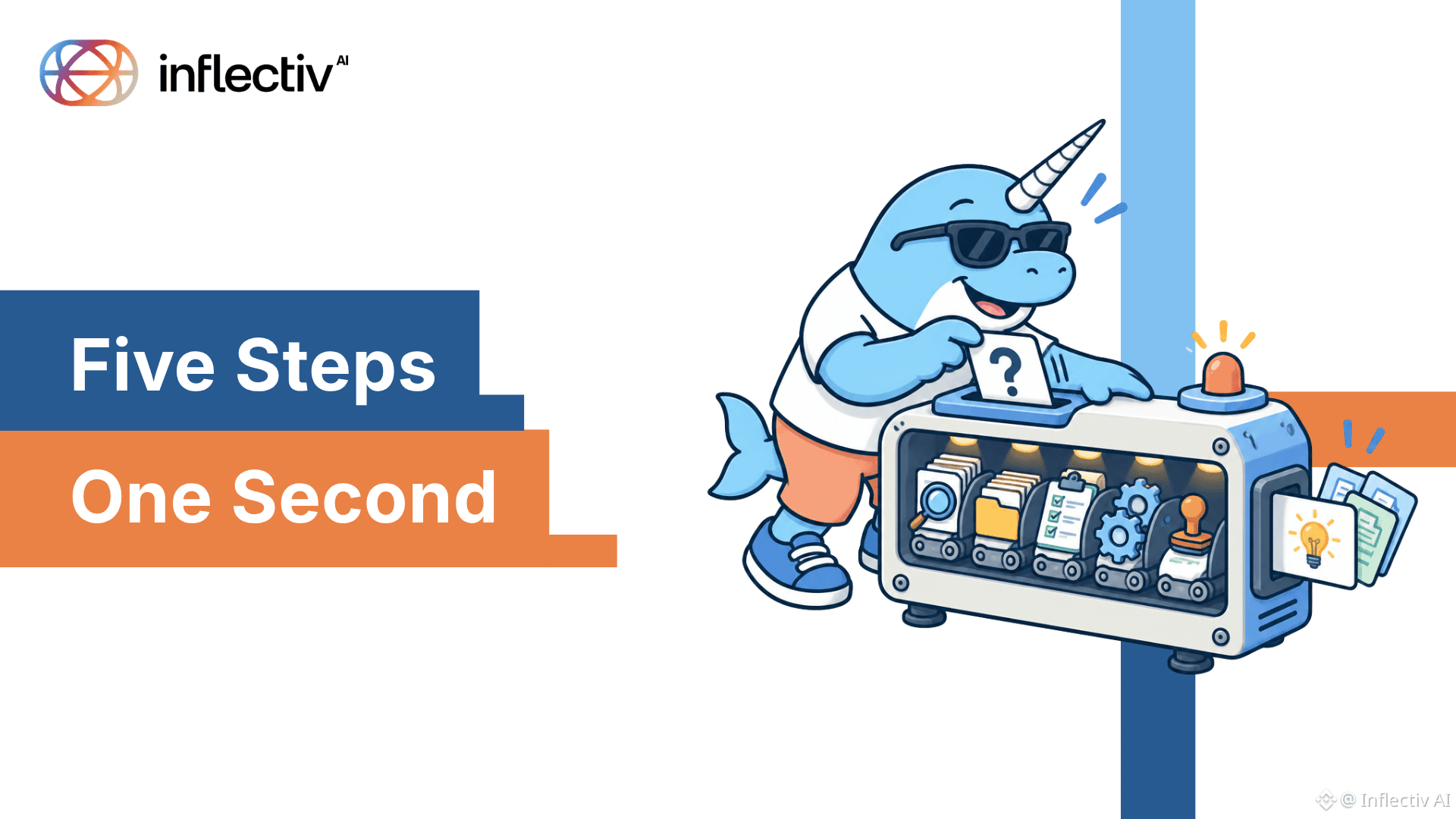
What actually happens when your agent asks a dataset a question?
👉 Five steps: https://x.com/inflectivAI/status/2102704093353615523
What actually happens when your agent asks a dataset a question?
👉 Five steps: https://x.com/inflectivAI/status/2102704093353615523
👉 Five steps: https://x.com/inflectivAI/status/2102704093353615523
75
·
--
Trying to work out who is actually reading this.
Where are you right now?
Trying to work out who is actually reading this.
Where are you right now?
Where are you right now?
Data, no agent
0%
Agent, no data
0%
Both
0%
Neither yet
0%
0 проголосовали • Голосование закрыто
61
·
--
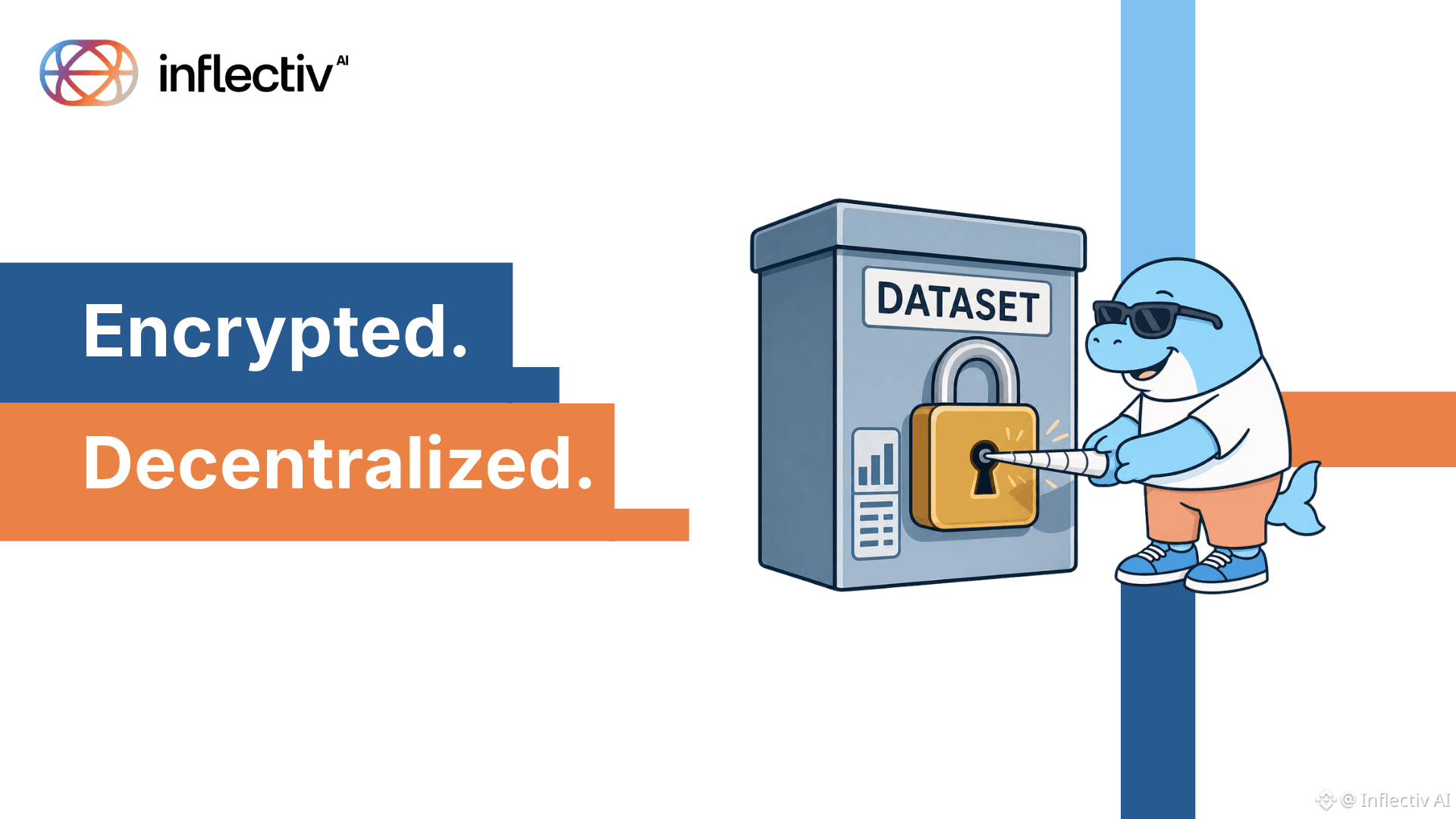
Encrypted datasets on Inflectiv:
✔️ Encrypted with Seal before it is shared
✔️ Stored on Walrus, a decentralized network
✔️ Registered on Sui with a cryptographic blob ID
✔️ 4,000+ datasets already anchored
Private. Verifiable. Tamper-proof.
Encrypt yours 👉 https://app.inflectiv.ai
Encrypted datasets on Inflectiv:
✔️ Encrypted with Seal before it is shared
✔️ Stored on Walrus, a decentralized network
✔️ Registered on Sui with a cryptographic blob ID
✔️ 4,000+ datasets already anchored
Private. Verifiable. Tamper-proof.
Encrypt yours 👉 https://app.inflectiv.ai
✔️ Encrypted with Seal before it is shared
✔️ Stored on Walrus, a decentralized network
✔️ Registered on Sui with a cryptographic blob ID
✔️ 4,000+ datasets already anchored
Private. Verifiable. Tamper-proof.
Encrypt yours 👉 https://app.inflectiv.ai
100
·
--
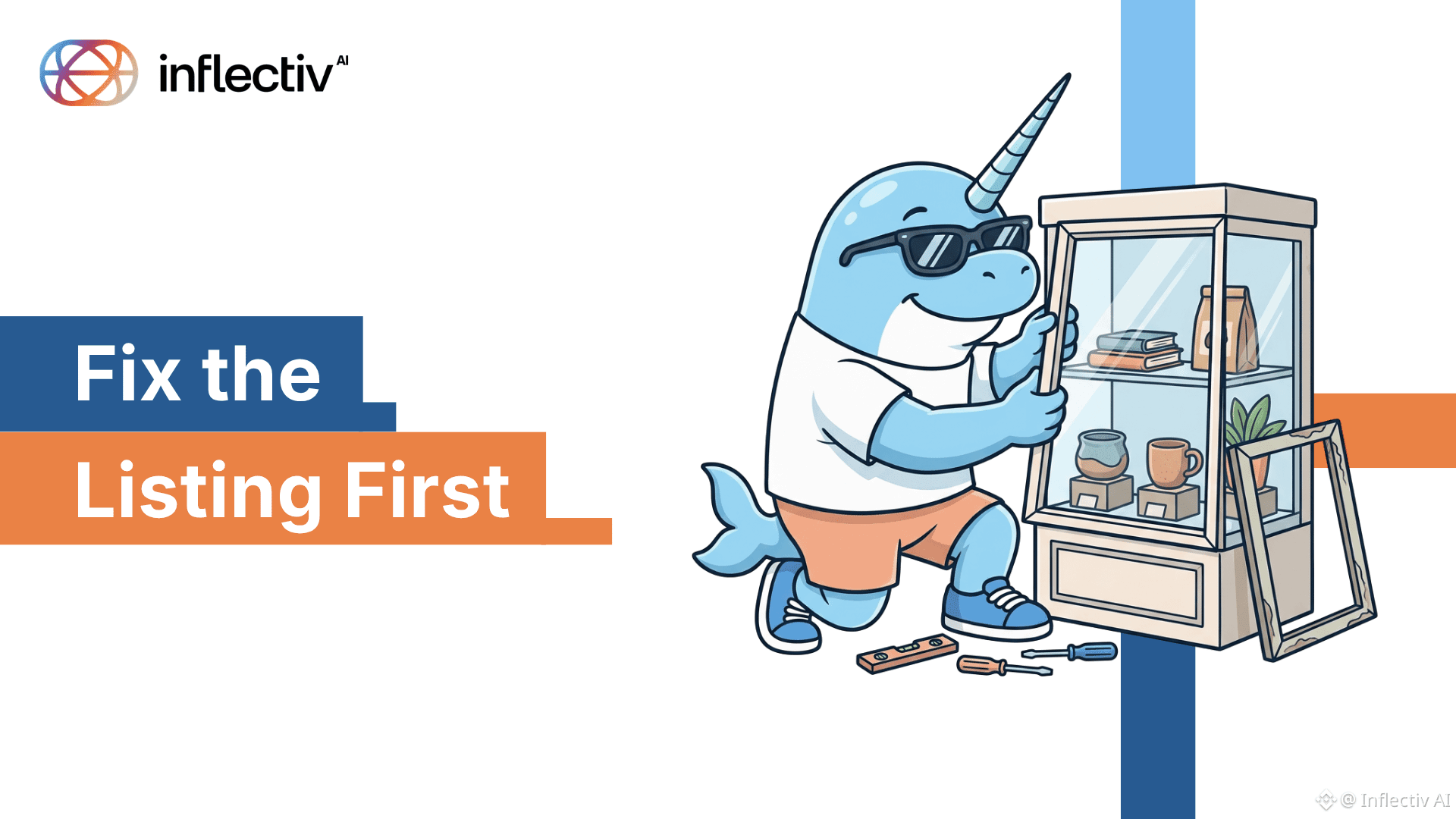
You listed a dataset. Nobody bought it.
Nine times out of ten, the data is fine. The listing is what's costing you sales.
Here are the five fixes that turn views into buyers 👇
https://x.com/inflectivAI/status/2098368912018592028
You listed a dataset. Nobody bought it.
Nine times out of ten, the data is fine. The listing is what's costing you sales.
Here are the five fixes that turn views into buyers 👇
https://x.com/inflectivAI/status/2098368912018592028
Nine times out of ten, the data is fine. The listing is what's costing you sales.
Here are the five fixes that turn views into buyers 👇
https://x.com/inflectivAI/status/2098368912018592028
50
·
--
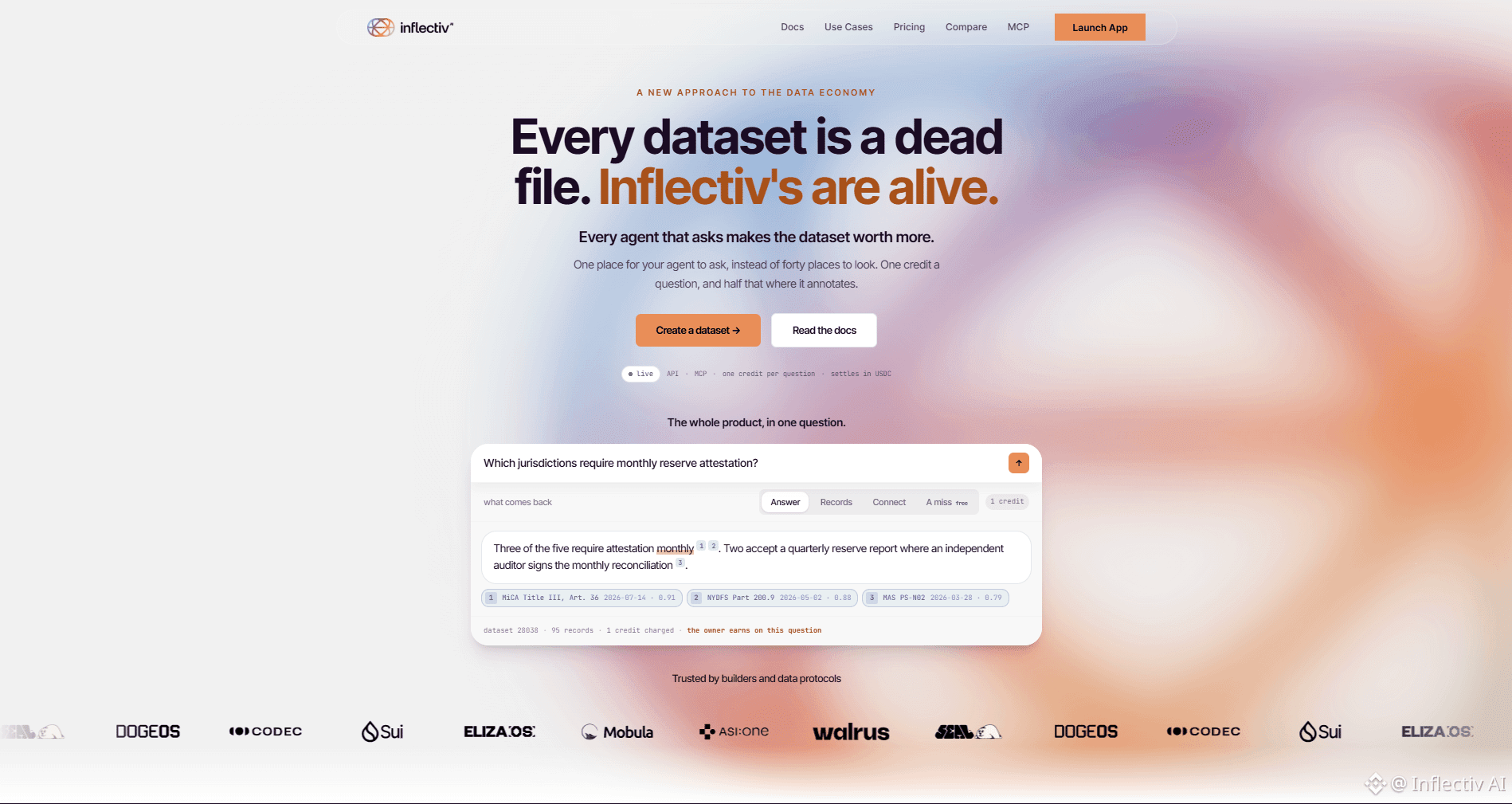
Our new website is live.
Most datasets are dead files. Ours stay alive. Your agent asks a question, pays 1 credit, gets an answer with sources, and adds back what it learned.
Read more here: https://x.com/inflectivAI/status/2096929336662086117
See it: https://inflectiv.ai
Our new website is live.
Most datasets are dead files. Ours stay alive. Your agent asks a question, pays 1 credit, gets an answer with sources, and adds back what it learned.
Read more here: https://x.com/inflectivAI/status/2096929336662086117
See it: https://inflectiv.ai
Most datasets are dead files. Ours stay alive. Your agent asks a question, pays 1 credit, gets an answer with sources, and adds back what it learned.
Read more here: https://x.com/inflectivAI/status/2096929336662086117
See it: https://inflectiv.ai
66
·
--
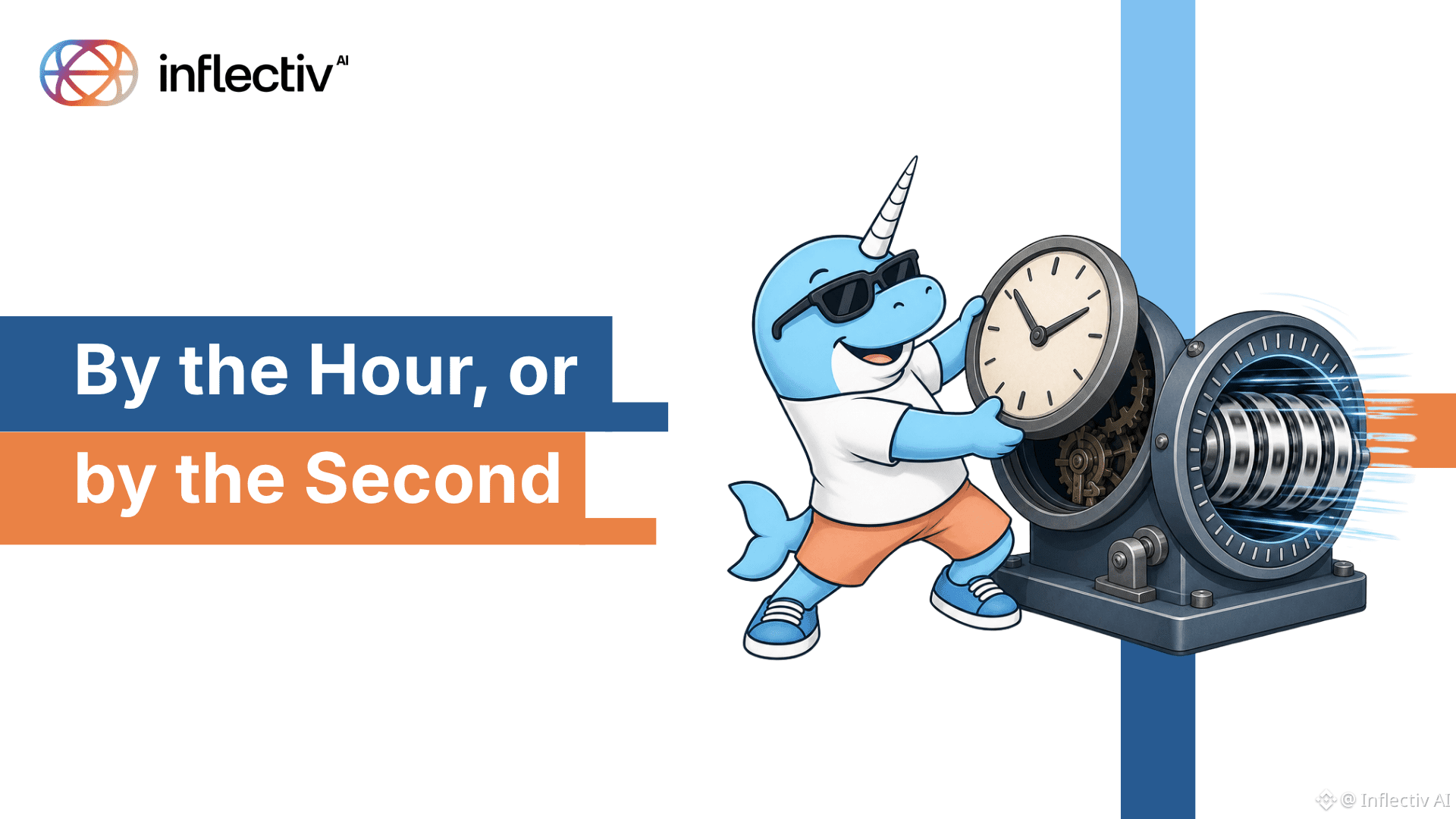
Domain expertise has always been rentable by the hour. It has never been queryable by the second.
Make yours queryable: https://app.inflectiv.ai
Domain expertise has always been rentable by the hour. It has never been queryable by the second.
Make yours queryable: https://app.inflectiv.ai
Make yours queryable: https://app.inflectiv.ai
73
·
--
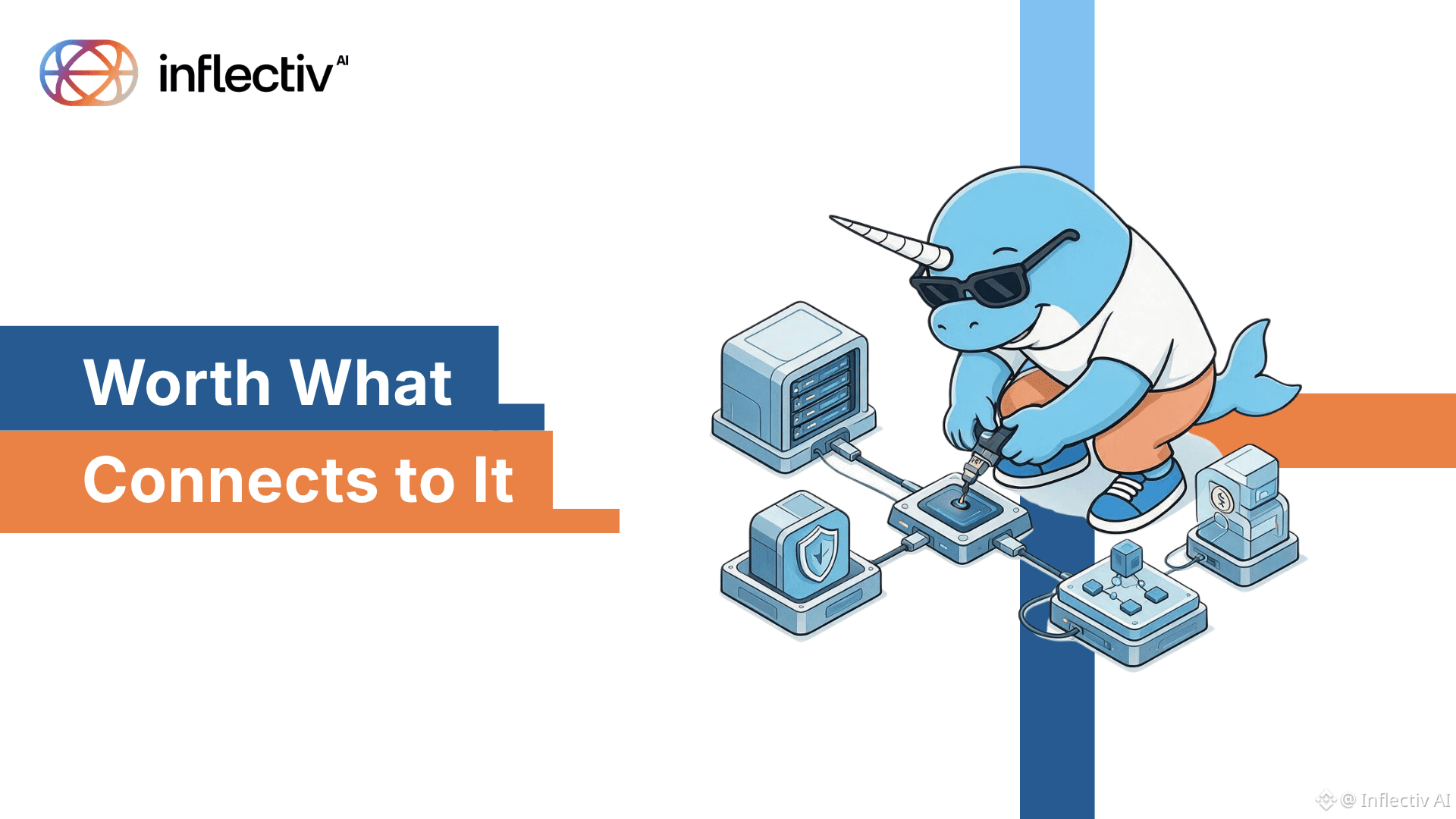
Inflectiv doesn’t run alone.
It connects data, intelligence, and real-world use cases into one powerful layer.
A layer is only worth what connects to it.
Explore Inflectiv: https://inflectiv.ai
Inflectiv doesn’t run alone.
It connects data, intelligence, and real-world use cases into one powerful layer.
A layer is only worth what connects to it.
Explore Inflectiv: https://inflectiv.ai
It connects data, intelligence, and real-world use cases into one powerful layer.
A layer is only worth what connects to it.
Explore Inflectiv: https://inflectiv.ai
101
·
--
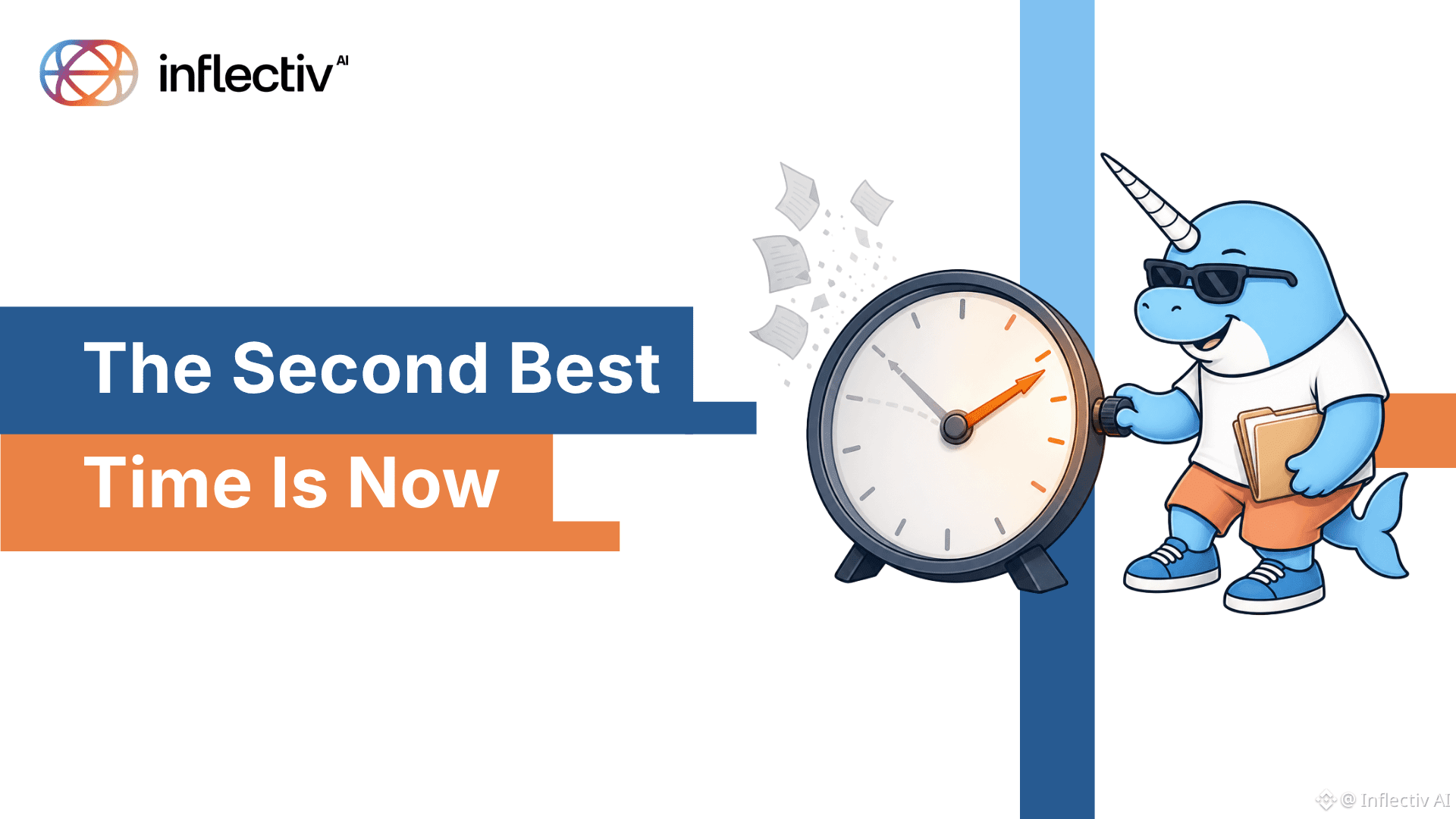
The best time to structure your knowledge was when you first created it.
The second best time is right now.
Upload one file today. See what happens.
Start: app.inflectiv.ai
The best time to structure your knowledge was when you first created it.
The second best time is right now.
Upload one file today. See what happens.
Start: app.inflectiv.ai
The second best time is right now.
Upload one file today. See what happens.
Start: app.inflectiv.ai
90
Войдите, чтобы посмотреть больше материала
Присоединяйтесь к пользователям криптовалют по всему миру на Binance Square
⚡️ Получайте новейшую и полезную информацию о криптоактивах.
💬 Нам доверяет крупнейшая в мире криптобиржа.
👍 Получите достоверные аналитические данные от верифицированных создателей контента.
Эл. почта/номер телефона
В тренде
BinanceReopensWithdrawalsForMoreAssets
Просмотров: 91
29 обсуждают
Security Incident | Recovery Update #6: Withdrawals Reopen for More Assets (2026-11-03)
Binance Announcement
·Лайков: 2
·Просмотров: 484
AppleReportsMixedResults
Просмотров: 1,034
94 обсуждают
BinanceWithdrawalScamWarning
Просмотров: 70,570
890 обсуждают